


Somewhere along Route 36 in the heart of Illinois, most travelers glance at the Decatur exit and keep right on going. That’s a mistake worth correcting.
Decatur, Illinois is a city packed with unexpected history, natural beauty, and local flavor that rarely makes it onto tourist lists — but absolutely should. Once you know what’s hiding here, you’ll want to pull over and stay a while.
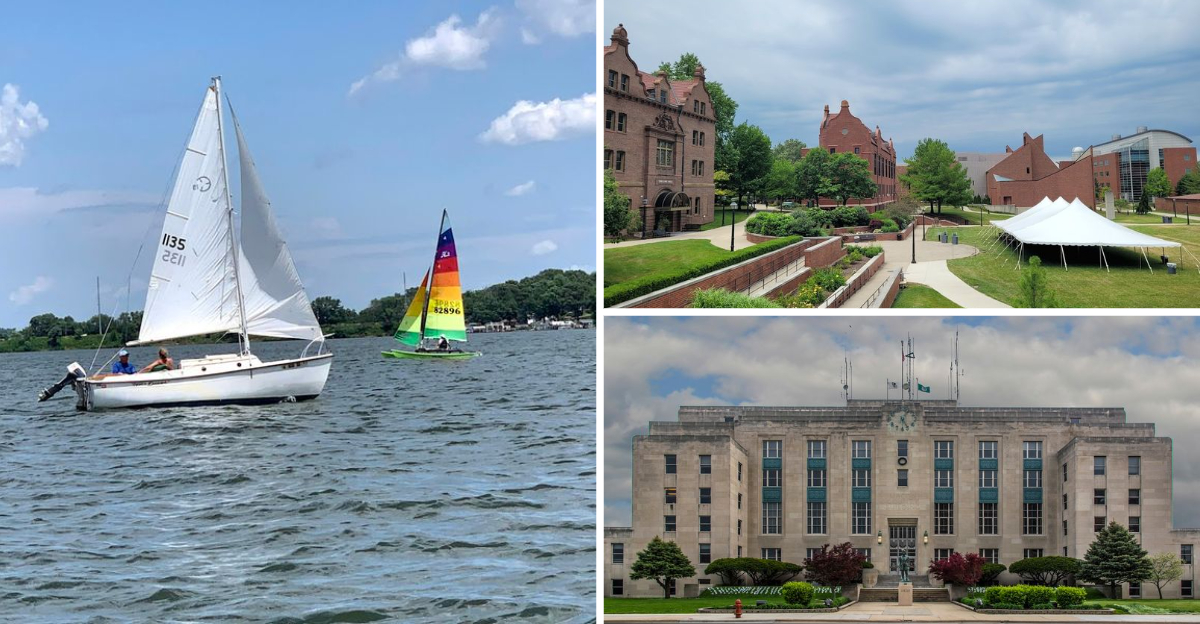
Lake Decatur: A Manmade Marvel You Won’t Expect

Back in 1922, the city of Decatur made a bold move — they dammed the Sangamon River and created one of Illinois’s largest manmade lakes entirely within city limits. Lake Decatur stretches over 2,800 acres and sits right in the middle of town, which is something you almost never see anywhere else.
Fishing here is genuinely good, with bass, catfish, and crappie drawing anglers year-round. Kayakers and paddleboarders love it too, especially during calm summer mornings when the water looks like glass.
The lake also powers the city’s water supply, making it both beautiful and practical. Visitors can access several parks and boat launches along the shoreline.
Whether you’re into outdoor recreation or just want a peaceful spot to watch the sunset, Lake Decatur delivers something most people never expect to find in a mid-sized Illinois city.
Millikin University: Where Art Meets Ambition
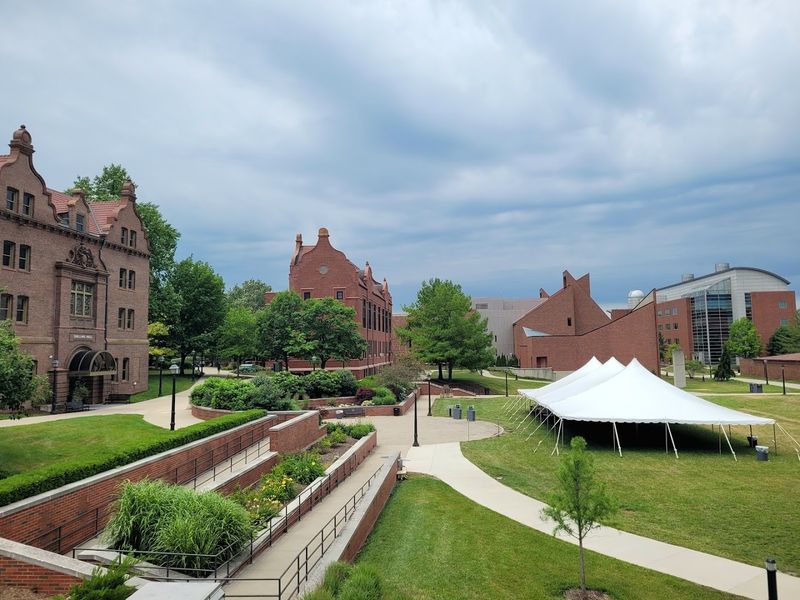
Founded in 1901 by James Millikin, a local banker and philanthropist, Millikin University has been one of Decatur’s proudest institutions for over a century. The campus itself is gorgeous — think red-brick buildings, shaded walkways, and a layout that feels like a step back in time.
What really sets Millikin apart is its performance arts scene. The university runs multiple theater productions every year, many of them open to the public and surprisingly professional in quality.
If you happen to be in town when a show is running, grab a ticket — you won’t regret it.
The campus also hosts rotating art exhibitions and musical performances throughout the academic year. Even a casual stroll through the grounds is worth your time.
It’s the kind of place that makes you realize small cities can carry big cultural weight without anyone making a fuss about it.
The Children’s Museum of Illinois: Surprisingly Impressive
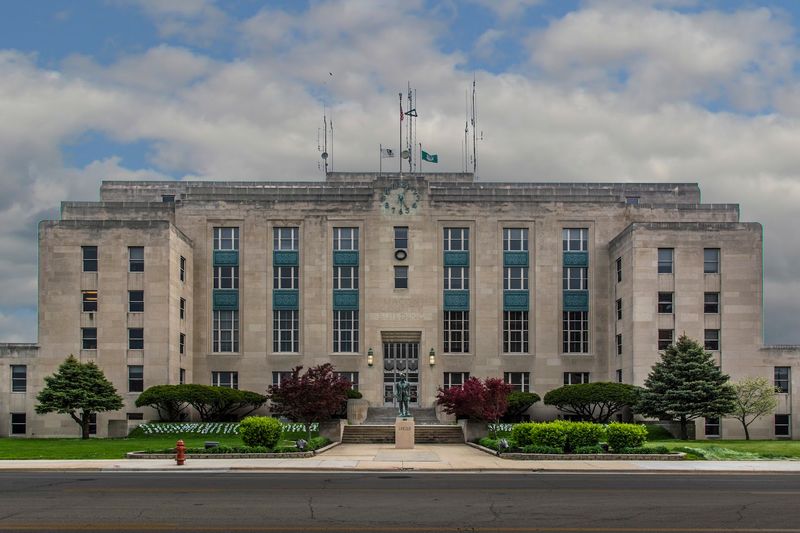
Don’t let the word “children’s” fool you into thinking this is just a rainy-day backup plan. The Children’s Museum of Illinois in Decatur is genuinely well-designed, engaging, and full of interactive exhibits that spark curiosity in kids of all ages — and honestly, in adults too.
Exhibits rotate regularly, covering topics like science, health, art, and local history. There’s always something new to discover, which is why local families keep coming back.
The staff are friendly and clearly passionate about making learning feel like play.
Located in the heart of downtown Decatur, the museum is easy to find and affordable to visit. It’s the kind of stop that sneaks up on you — you think you’ll spend an hour and suddenly it’s been three.
If you’re traveling with kids, this is a non-negotiable stop on your Decatur itinerary.
Scovill Zoo: A Small Zoo With Real Heart
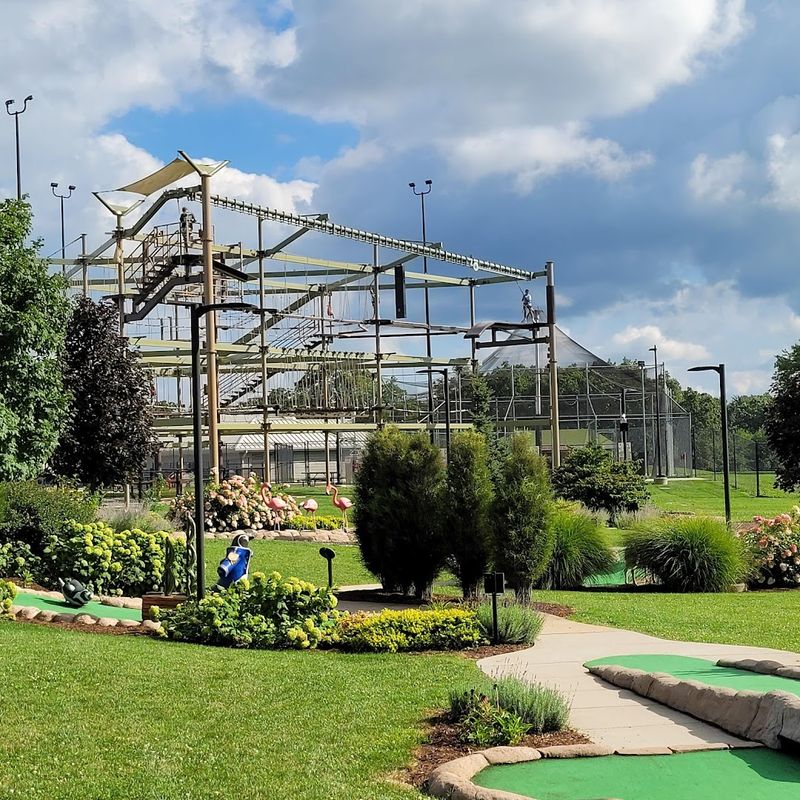
Scovill Zoo may be small, but it punches well above its weight. Tucked inside a larger park complex on the south side of Decatur, this zoo is home to over 400 animals representing more than 100 species.
From red pandas to bald eagles, the variety genuinely surprises first-time visitors.
What makes Scovill special isn’t just the animals — it’s the atmosphere. The zoo feels unhurried and personal, nothing like the overwhelming crowds of a big-city attraction.
You can actually stop, read the signs, and enjoy each exhibit without being rushed along by a sea of people.
The adjacent Scovill Park adds bonus fun with a golf course, miniature train rides, and picnic areas. Admission is affordable, making it a great option for families watching their budget.
Many visitors say Scovill Zoo is the most pleasant surprise of their entire Decatur trip.
Lincoln’s First Political Nomination: History Happened Here
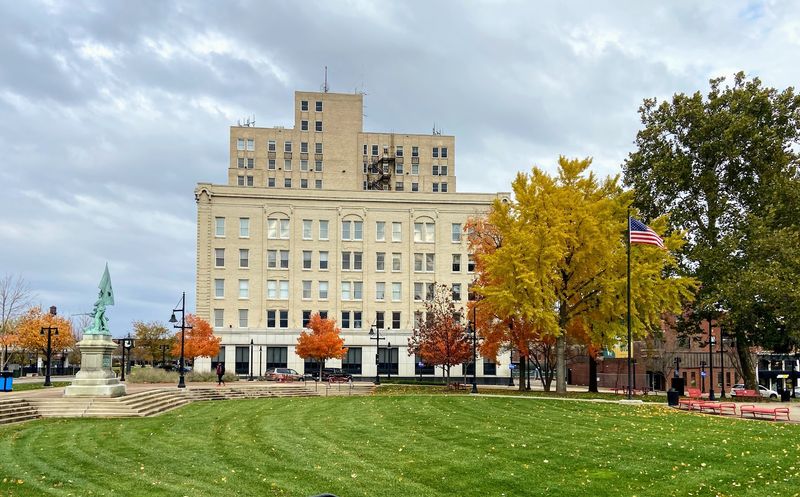
Here’s a fact that stops most people cold: Abraham Lincoln received his first presidential nomination right here in Decatur, Illinois in 1860. The Illinois Republican State Convention met at a wigwam-style building near the present-day Decatur Conference Center, and Lincoln’s name was put forward to a roaring crowd.
That single moment changed American history. Yet most people driving through Decatur have absolutely no idea it happened here.
A historical marker commemorates the site, and the Macon County History Museum has exhibits that bring the story to life with real artifacts and period photographs.
Lincoln had deep ties to Decatur — he arrived as a young man in 1830 and spent time in the area before heading to Springfield. Chasing Lincoln’s footprints through central Illinois is a rewarding experience, and Decatur is one of the most overlooked chapters in that story.
History buffs, take note.
Hieronymus Mueller Museum: Quirky, Clever, and Completely Unique
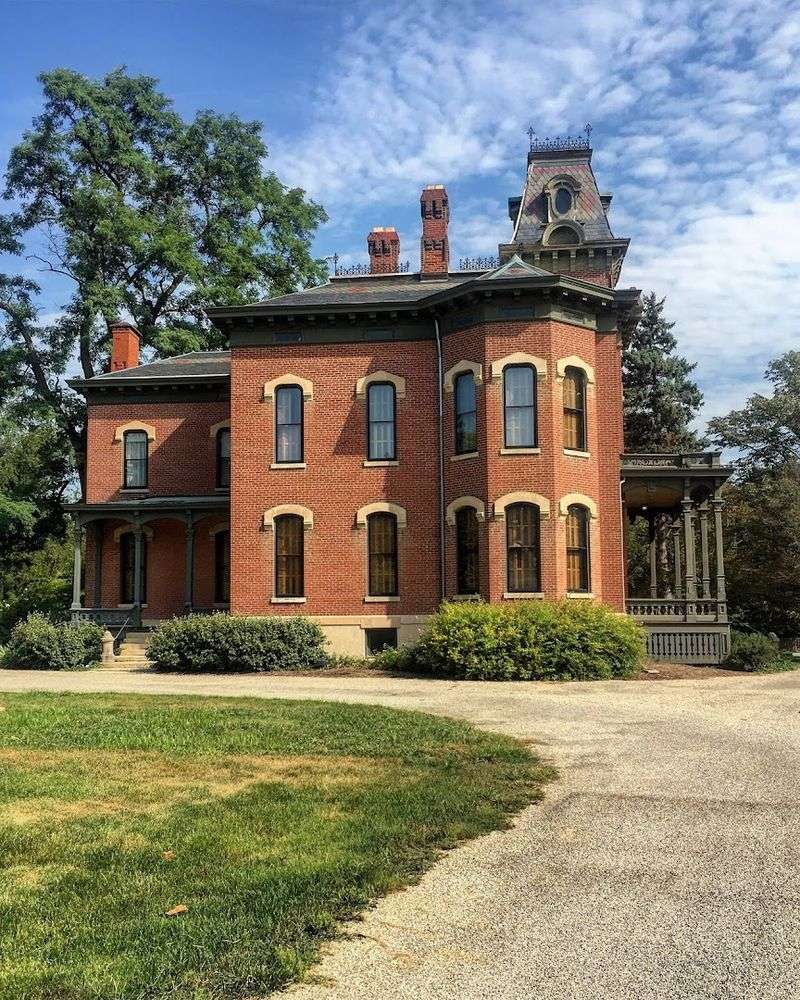
You probably haven’t heard of Hieronymus Mueller, but after visiting his museum in Decatur, you’ll wonder why he isn’t more famous. Mueller was a German immigrant inventor who held over 200 patents during his lifetime, including improvements to fire hydrants, plumbing systems, and gas meters that are still in use today.
The museum dedicated to his life and work is tucked inside a historic building in downtown Decatur, and it’s one of those wonderfully odd places that feels like stepping into someone’s fascinating personal workshop. Displays include original inventions, tools, letters, and detailed explanations of how his innovations changed everyday American infrastructure.
Admission is free, which makes it one of the best deals in the city. The museum is small enough to explore in under an hour but rich enough in content to leave you genuinely impressed.
It’s exactly the kind of hidden gem that defines a great road trip stop.
Rock Springs Conservation Area: Nature at Its Finest
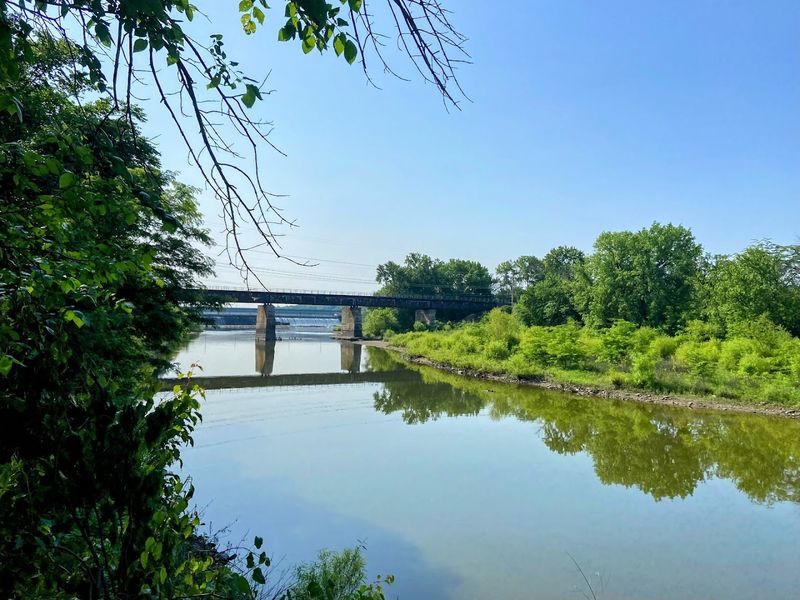
Just a few miles west of downtown Decatur, Rock Springs Conservation Area offers over 1,300 acres of woodlands, prairies, and wetlands that feel a world away from city life. The trail network here is excellent — well-marked, varied in difficulty, and genuinely beautiful across all four seasons.
Spring brings wildflowers and birdsong. Fall turns the canopy into a patchwork of orange, red, and gold that rivals any park in the state.
Even winter has its charms, with quiet snow-covered trails that feel almost meditative. The area is managed by the Macon County Conservation District, which does a commendable job keeping it accessible and well-maintained.
Rock Springs also features the Scovill Golf Club and an environmental education center that hosts programs for school groups and families. Whether you’re a serious hiker or just want a peaceful afternoon walk, this conservation area is one of Decatur’s most rewarding outdoor escapes.
Decatur’s Soybean Legacy: The City That Fed the World
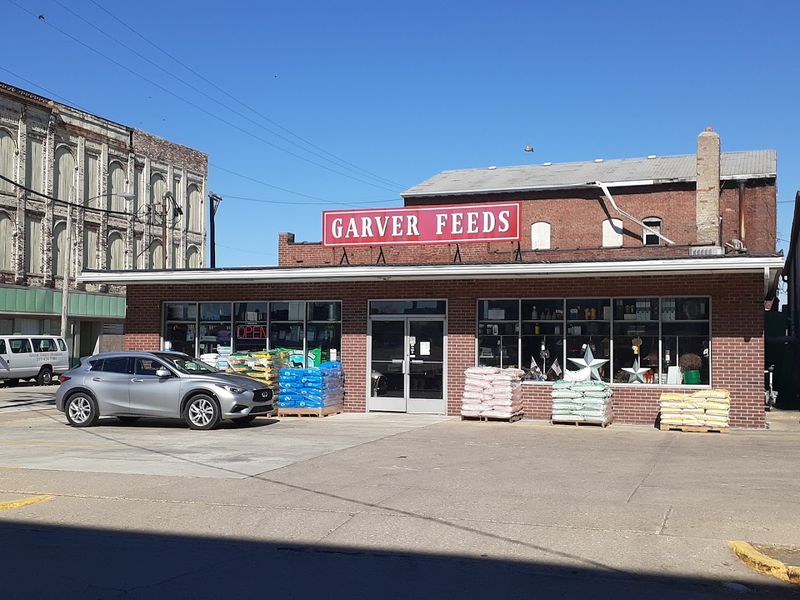
Decatur calls itself the “Soybean Capital of the World,” and that title isn’t just local pride talking. The city is home to Archer Daniels Midland (ADM), one of the largest agricultural processing companies on the planet.
ADM’s massive complex on the edge of town processes millions of bushels of soybeans and corn every single year.
The soybean industry transformed Decatur throughout the 20th century, drawing workers, growing the economy, and shaping the city’s identity in ways that are still visible today. The smell of processing grain is a running joke among locals — visitors either love it or hate it, but everyone remembers it.
Understanding Decatur’s agricultural roots adds real depth to a visit here. The Macon County History Museum covers this chapter of local history thoroughly.
It’s a reminder that the food on your table has a long journey behind it, and part of that story runs right through central Illinois.
The Decatur Celebration: One of Illinois’s Biggest Street Festivals
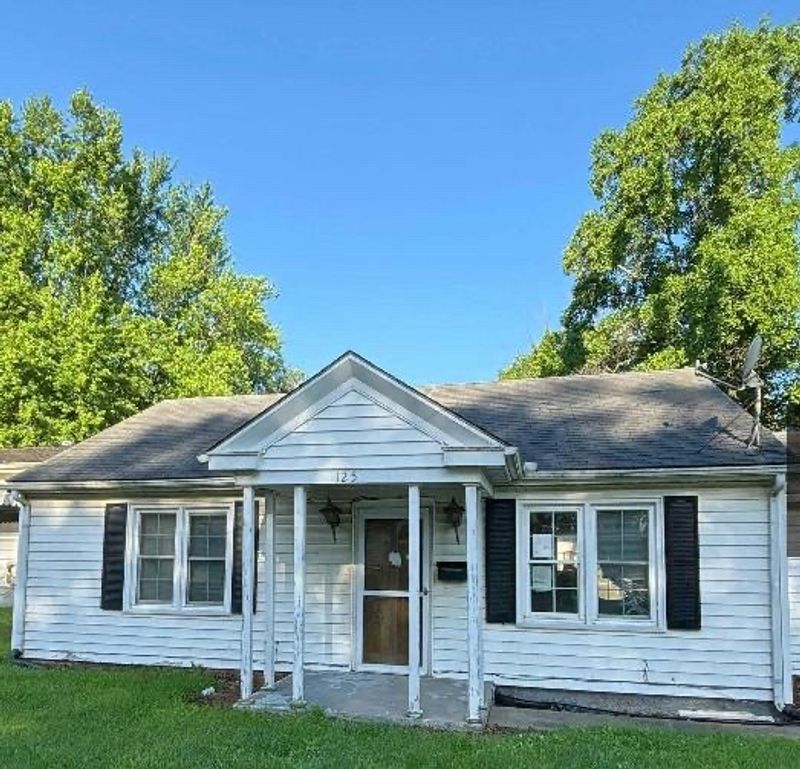
Every August, downtown Decatur transforms into one of the largest free outdoor music festivals in the entire Midwest. The Decatur Celebration has been running since 1985, drawing hundreds of thousands of visitors over a long weekend packed with live music, food vendors, and family-friendly entertainment.
The lineup typically features national touring acts alongside regional favorites, spread across multiple stages throughout the downtown core. Past performers have ranged from country and rock to R&B and blues — there’s genuinely something for everyone.
The food options alone are worth showing up for, with dozens of vendors serving everything from funnel cakes to international cuisine.
What makes the Celebration special is the energy. Decatur locals take enormous pride in this event, and that pride is contagious.
If your travel schedule puts you anywhere near central Illinois in early August, rearranging your plans to catch this festival is absolutely worth it.
Macon County History Museum: Deep Roots, Great Stories
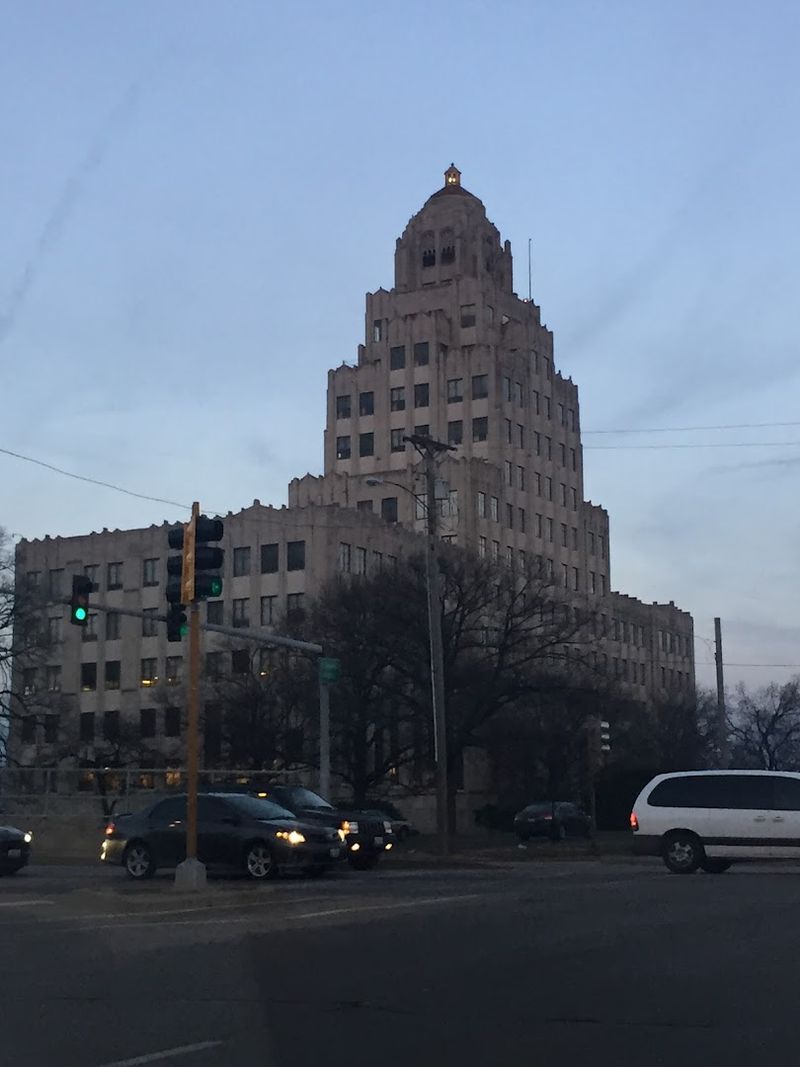
Local history museums can sometimes feel dusty and forgettable, but the Macon County History Museum in Decatur breaks that mold with well-curated exhibits and genuinely compelling storytelling. Housed in a historic building near the center of the city, it covers everything from Native American presence along the Sangamon River to Decatur’s industrial boom years.
The Lincoln-related exhibits are a highlight, tracing the future president’s early time in the area and the political events that launched his national career. But the museum doesn’t stop there — it also covers the city’s African American history, its agricultural heritage, and the stories of immigrant communities who shaped Decatur’s character over generations.
Staff members are knowledgeable and enthusiastic, often sharing details that don’t make it onto the placards. Plan for at least 90 minutes here.
It’s the kind of place that makes you leave with a genuine appreciation for how much history is quietly hiding in plain sight.
Fairview Park: The Green Heart of Decatur
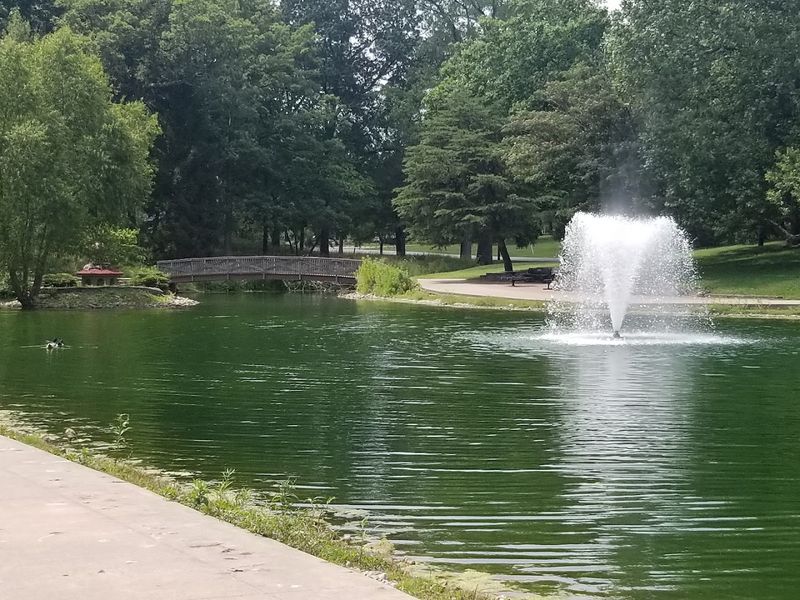
Every great city has a park that locals treat like a living room, and in Decatur, that’s Fairview Park. Sprawling across a generous stretch of the city’s west side, Fairview offers open lawns, mature shade trees, a bandshell for outdoor concerts, and recreational facilities that keep it busy from sunrise to sunset.
Summer evenings here have a timeless quality — kids on the playground, couples on blankets, older residents walking the paths they’ve walked for decades. The park hosts community events throughout the year, from holiday gatherings to outdoor movie nights that bring the neighborhood together in the best way.
The Scovill Arboretum, located nearby, connects beautifully with the park’s green corridor and adds botanical interest for nature lovers. Fairview Park is the kind of place that doesn’t need a marketing campaign — it sells itself the moment you step inside and feel the pace of the city slow down around you.
Decatur’s Downtown Dining Scene: Better Than You’d Guess

Travelers who assume small Illinois cities mean fast food and chain restaurants are in for a pleasant correction in Decatur. The downtown dining scene has grown impressively over the past decade, with locally owned restaurants serving everything from scratch-made comfort food to globally inspired menus that would feel at home in Chicago.
A few standouts have developed loyal followings far beyond the city limits. Local breweries have also joined the scene, offering craft beers brewed on-site alongside food menus that pair thoughtfully with each pour.
Weekend evenings downtown have an energy that surprises first-time visitors who expected something much quieter.
Farmer’s market connections mean many restaurants source ingredients locally, which shows up in the freshness and creativity of seasonal menus. Eating your way through downtown Decatur is one of the most enjoyable ways to spend an afternoon and evening.
Come hungry, come curious, and come ready to be impressed.
The Transfer House: Decatur’s Most Photographed Landmark
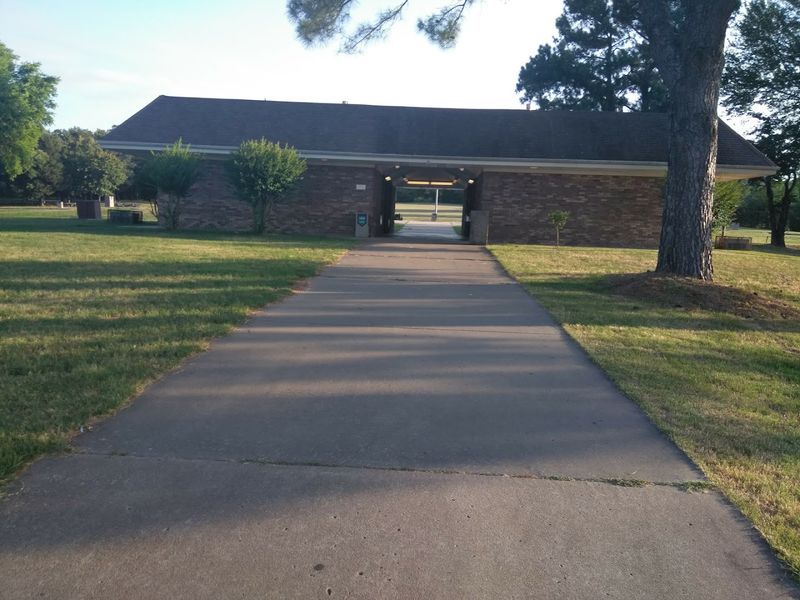
Standing in the center of Central Park in downtown Decatur is an octagonal Victorian pavilion known as the Transfer House, and it’s one of the most charming little structures in all of central Illinois. Built in 1896, it originally served as a shelter where streetcar passengers could transfer between lines — a piece of daily life from a completely different era.
Today it’s a beloved local landmark and one of the most photographed spots in the city. The ironwork detailing and distinctive shape make it genuinely striking against the backdrop of the surrounding park.
It has survived urban renewal, changing city plans, and over a century of Illinois weather, and it still looks magnificent.
The park around it hosts outdoor events, lunchtime crowds, and casual gatherings throughout the year. Stopping for a photo at the Transfer House has become something of a Decatur tradition.
It’s a small thing, but it carries a lot of the city’s character in one elegant little building.
Enjoyed this story?
Add Fast Food Club as a preferred source to see more of our reporting on Google.