


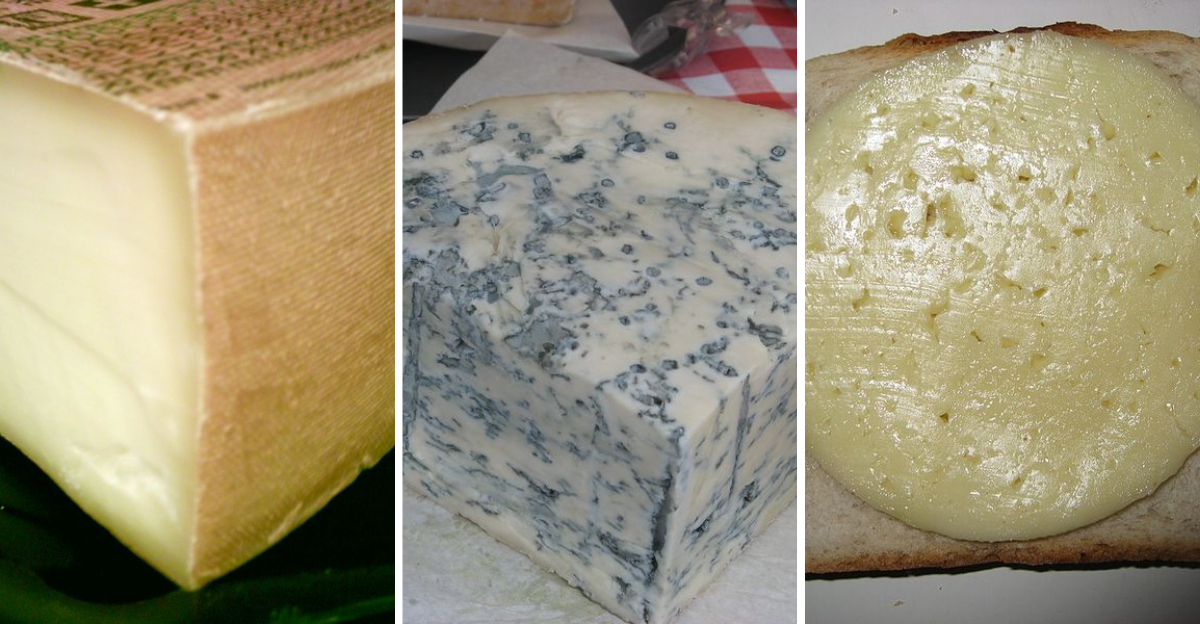
Cheese is one of the oldest and most beloved foods on the planet, enjoyed by cultures across every continent for thousands of years. From creamy and mild to bold and funky, there is truly a cheese out there for every taste and occasion.
Whether you melt it, slice it, crumble it, or eat it straight from the wheel, cheese has a magical way of making any meal feel special. Get ready to explore 40 of the most delicious cheeses the world has to offer.
Parmigiano Reggiano – Italy
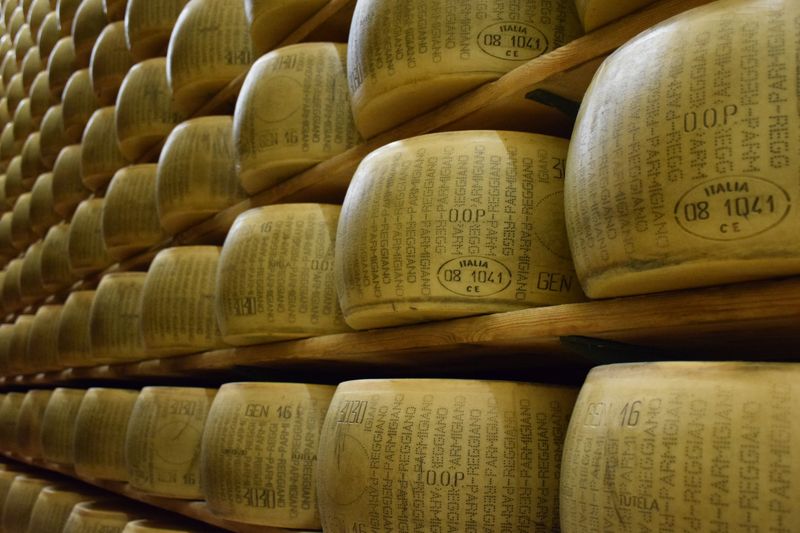
Known as the “King of Cheeses,” Parmigiano Reggiano has been crafted in northern Italy for over 800 years. Every wheel must be aged at least 12 months, though many are aged 24 or even 36 months for a deeper, nuttier flavor.
Its crumbly, crystalline texture makes it perfect for grating over pasta or risotto. You can also enjoy it in chunks with honey or a glass of red wine for a truly unforgettable experience.
Brie – France
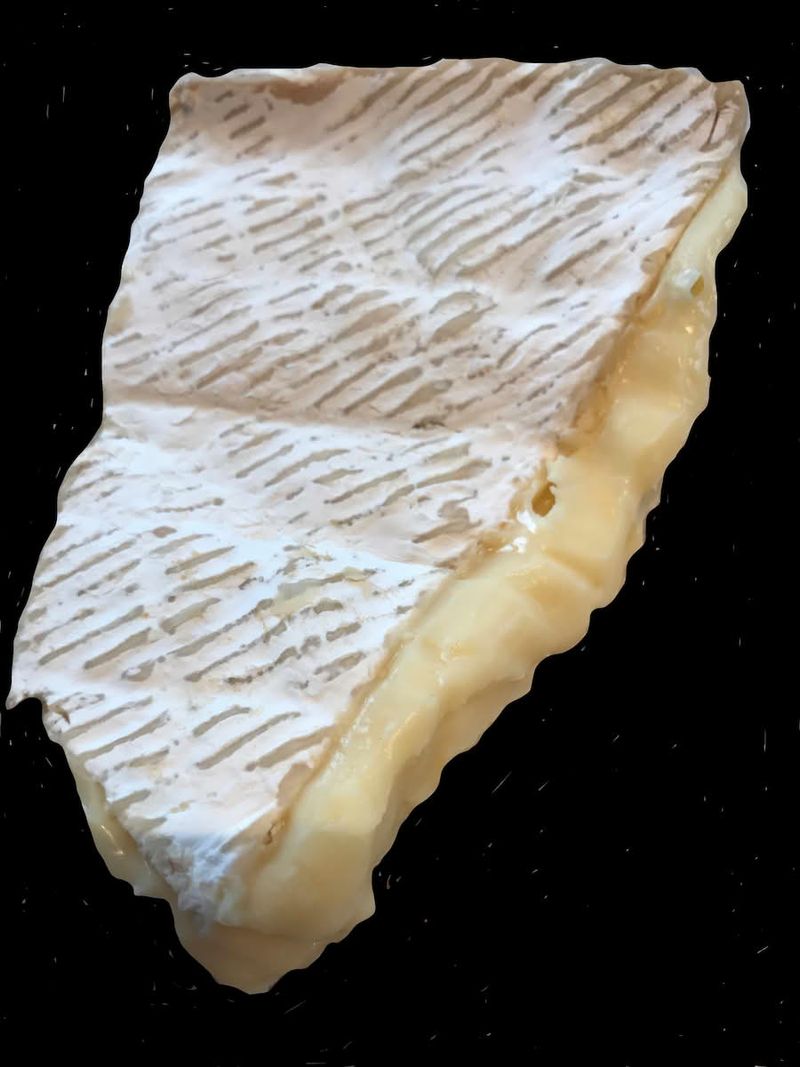
Soft, buttery, and wrapped in a delicate white rind, Brie is the cheese that turns any gathering into a celebration. Originating from the Brie region of France, this cheese has charmed royalty and everyday food lovers alike for centuries.
When ripe, the inside becomes almost runny and incredibly rich. Bake it in pastry, pair it with fruit preserves, or simply spread it on a cracker — Brie never disappoints no matter how you serve it.
Cheddar – England
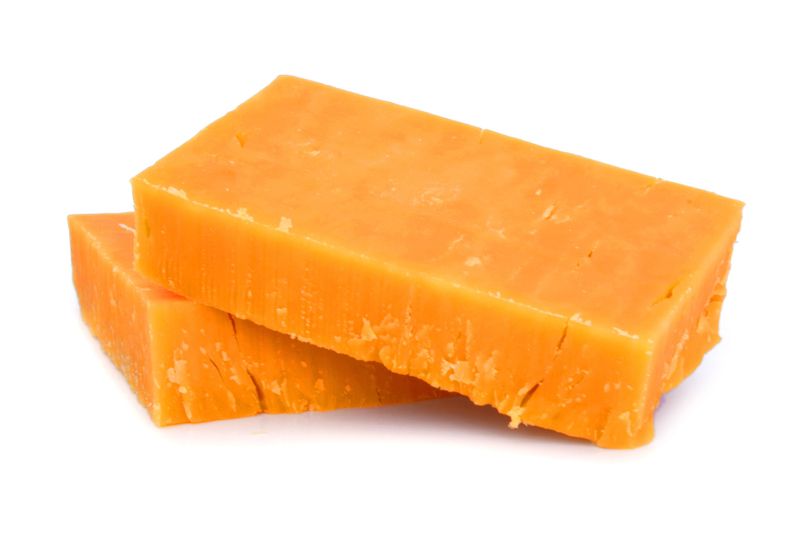
Cheddar is arguably the most popular cheese in the world, and for very good reason. Born in the English village of Cheddar in Somerset, this firm cheese has been made since at least the 12th century.
Mild cheddars are smooth and creamy, while aged sharp cheddars pack a bold, tangy punch. It melts beautifully in grilled cheese sandwiches, macaroni and cheese, and burgers, making it the ultimate all-purpose cheese for any kitchen.
Mozzarella di Bufala – Italy
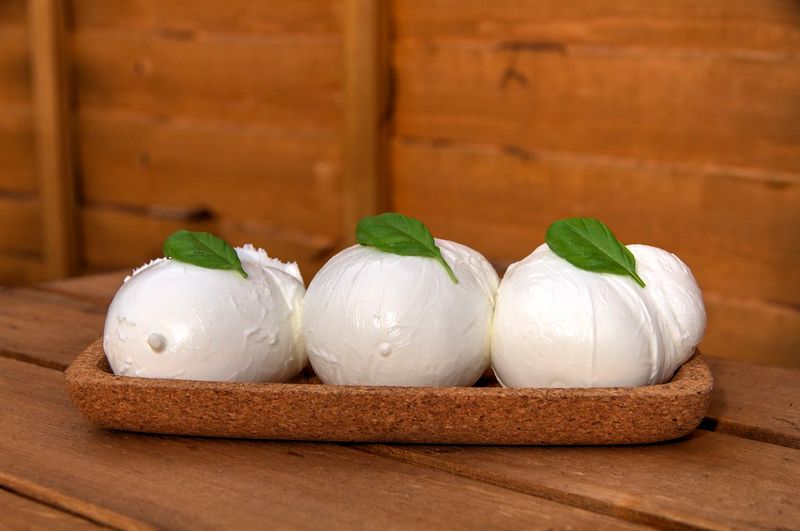
Made from the milk of water buffalo in southern Italy, Mozzarella di Bufala is in a completely different league from its supermarket cousin. The texture is pillowy-soft, almost like biting into a cloud, and the flavor is tangy, milky, and fresh all at once.
Campania, Italy is its proud homeland, and the cheese carries protected designation of origin status. Toss it on a Caprese salad with tomatoes and basil, and you will instantly understand why this cheese is legendary.
Gouda – Netherlands
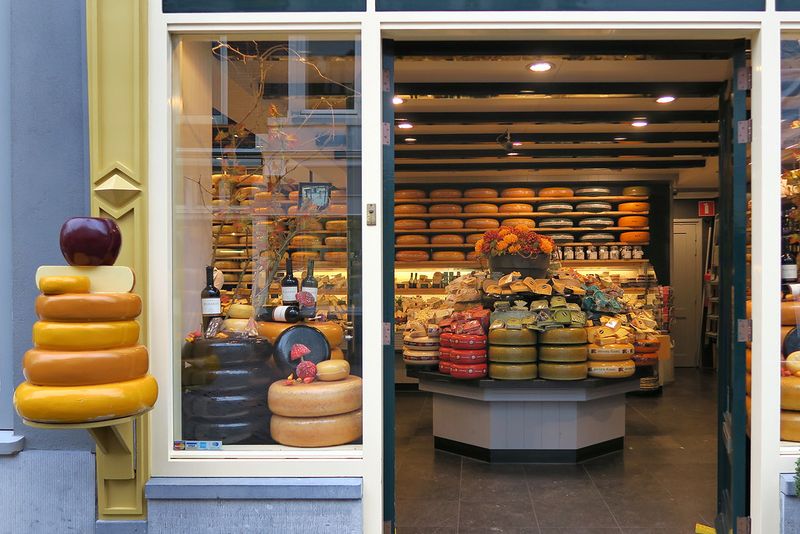
Gouda accounts for nearly 50 to 60 percent of all cheese produced in the Netherlands — and once you taste it, that statistic makes complete sense. Young Gouda is mild and slightly sweet, making it a fantastic snacking cheese for all ages.
Aged Gouda, on the other hand, develops a caramel-like sweetness with crunchy protein crystals that cheese lovers absolutely adore. Whether young or aged, Gouda melts like a dream and pairs beautifully with mustard, apples, or a cold beer.
Gruyère – Switzerland
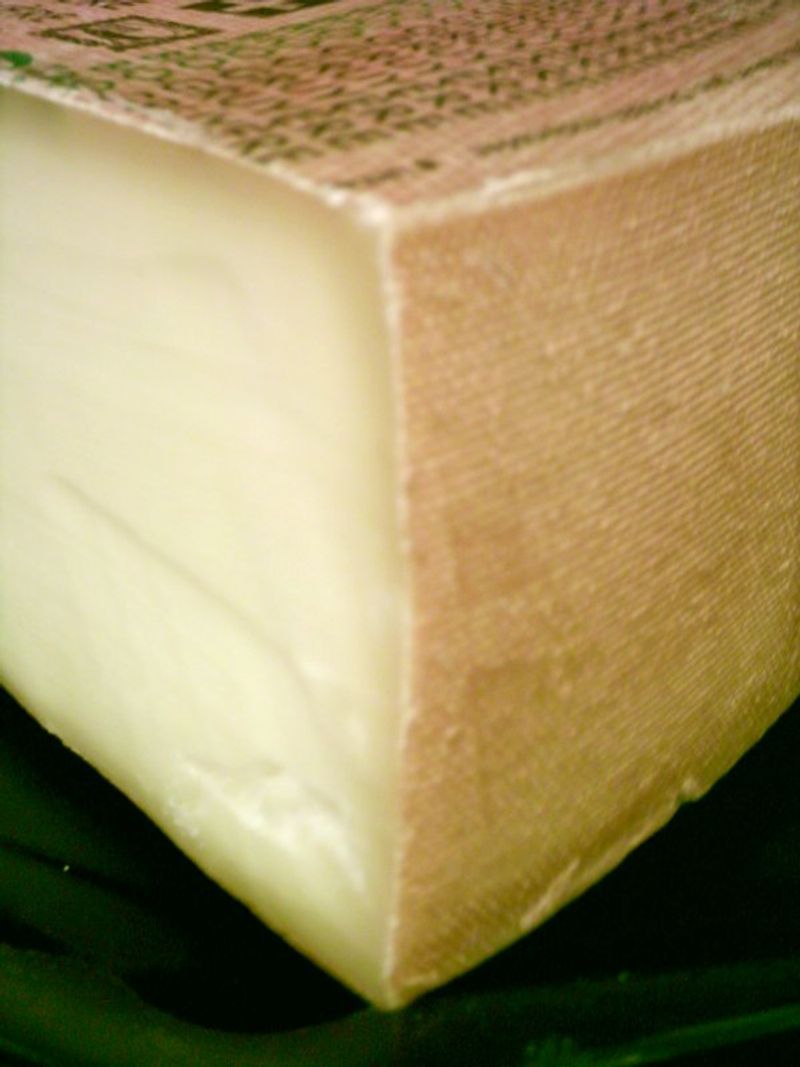
Few cheeses can match the rich, complex depth of flavor that Gruyère brings to the table. Made in the canton of Fribourg in Switzerland, this firm mountain cheese has been produced since the 12th century and is still made using traditional methods.
Gruyère is the star ingredient in classic fondue and French onion soup, melting into silky, golden perfection. Its nutty, slightly sweet flavor also makes it sensational when eaten on its own with crusty bread and a glass of white wine.
Manchego – Spain
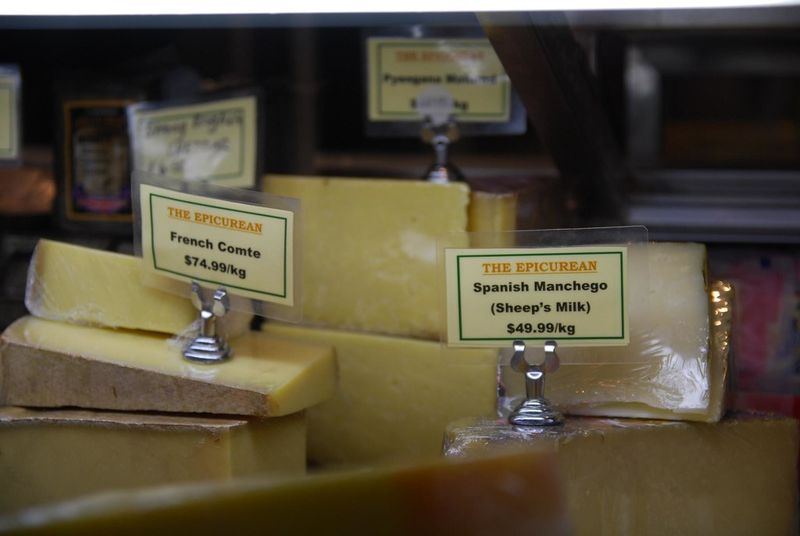
Crafted from the milk of Manchega sheep on the sun-baked plains of La Mancha, Spain, Manchego is a cheese with serious personality. Its pressed, firm texture and buttery yet slightly tangy flavor make it one of Spain’s most treasured culinary exports.
The distinctive zigzag rind pattern is instantly recognizable on any cheese board. Pair Manchego with quince paste and Marcona almonds for an authentic Spanish tasting experience that will transport your taste buds straight to Castilla-La Mancha.
Camembert – France
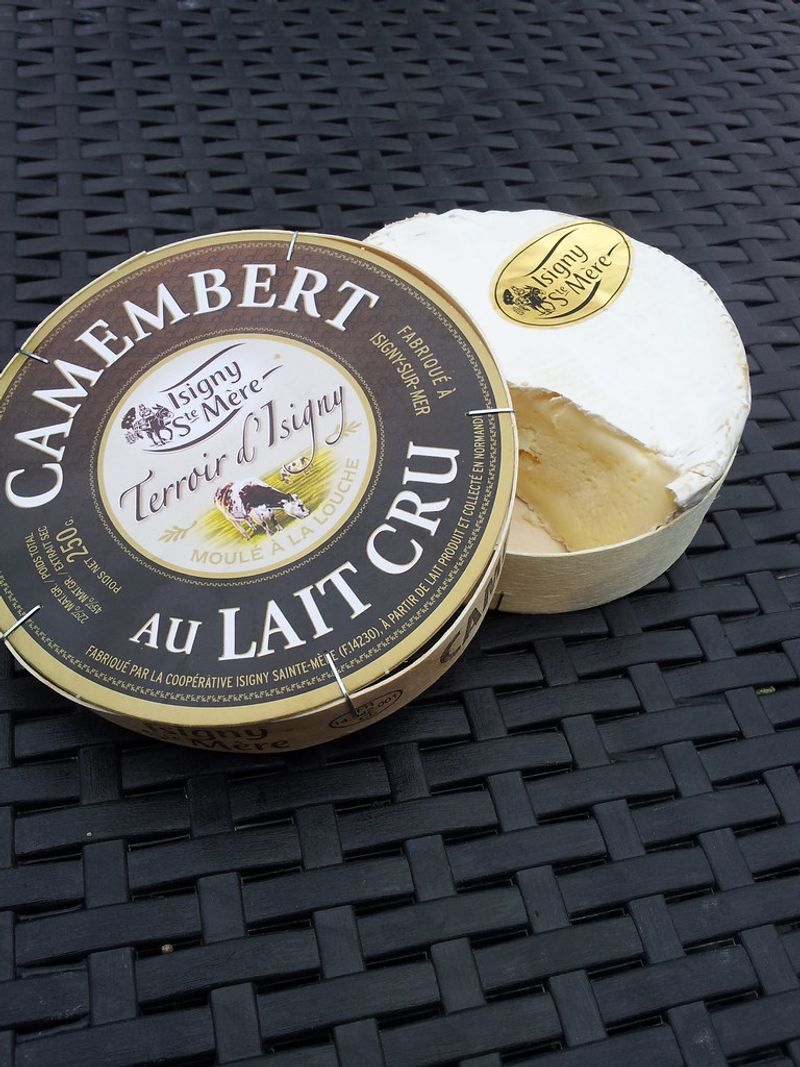
Legend has it that Camembert was first created in 1791 by a Norman farmer named Marie Harel, guided by a priest from Brie. Whether or not that story is entirely true, the cheese it inspired is absolutely extraordinary.
Camembert has a rich, earthy aroma and a gooey, luscious center that becomes more intense as it ripens. Bake the whole wheel in its wooden box with a splash of white wine and garlic, and you have one of the most indulgent appetizers imaginable.
Gorgonzola – Italy
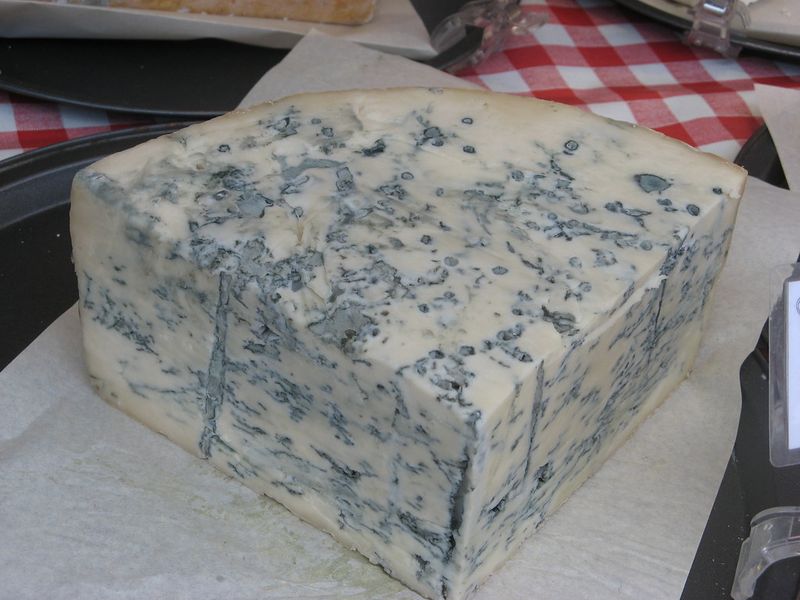
Gorgonzola is one of the world’s oldest blue cheeses, with records of its production dating back to the year 879 AD in the town of Gorgonzola near Milan. There are two main styles: Dolce, which is creamy and mild, and Piccante, which is firmer and more intensely flavored.
The bold blue-green veins running through its creamy body make it visually stunning as well as delicious. Crumble it over salads, stir it into pasta sauces, or pair it with honey and walnuts for a next-level cheese board moment.
Roquefort – France
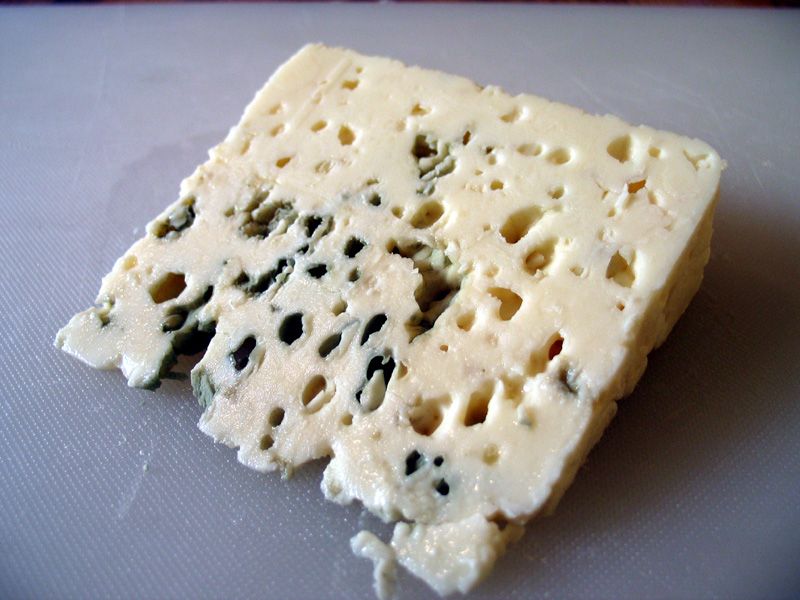
Aged in the natural limestone caves of Combalou near the village of Roquefort-sur-Soulzon in southern France, Roquefort is one of the most celebrated cheeses on earth. It is made exclusively from the raw milk of Lacaune sheep and carries AOC protected status.
Sharp, salty, and intensely creamy, Roquefort has a flavor that is bold enough to stand alone. Crumble it into salad dressings, melt it into sauces, or serve it with sweet Sauternes wine for a classic French pairing that feels almost magical.
Comté – France
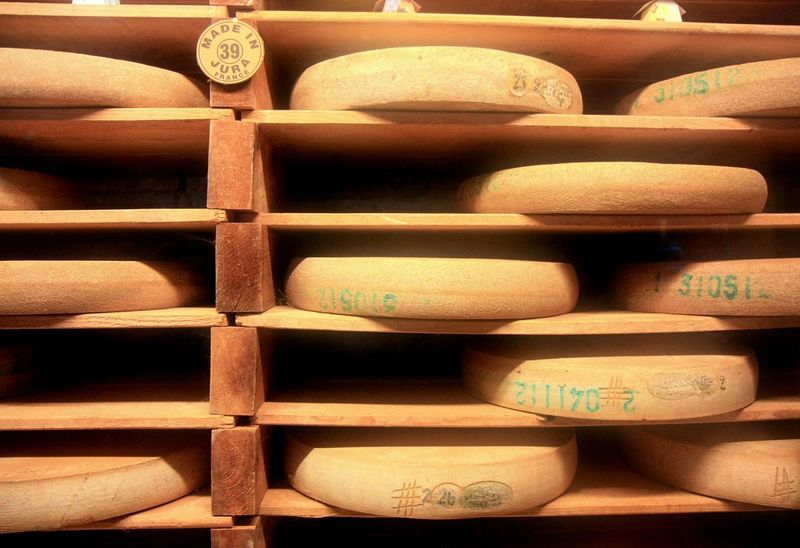
Comté is France’s most consumed AOC cheese, and after one bite you will completely understand the national obsession. Produced in the Jura Massif mountains of eastern France, each 88-pound wheel requires about 130 gallons of raw milk from Montbeliarde cows.
The flavor profile shifts depending on the season and aging time, ranging from fruity and floral to nutty and savory. Aged Comté develops a gorgeous depth that makes it spectacular on a cheese board, melted in a croque monsieur, or simply enjoyed on its own.
Burrata – Italy
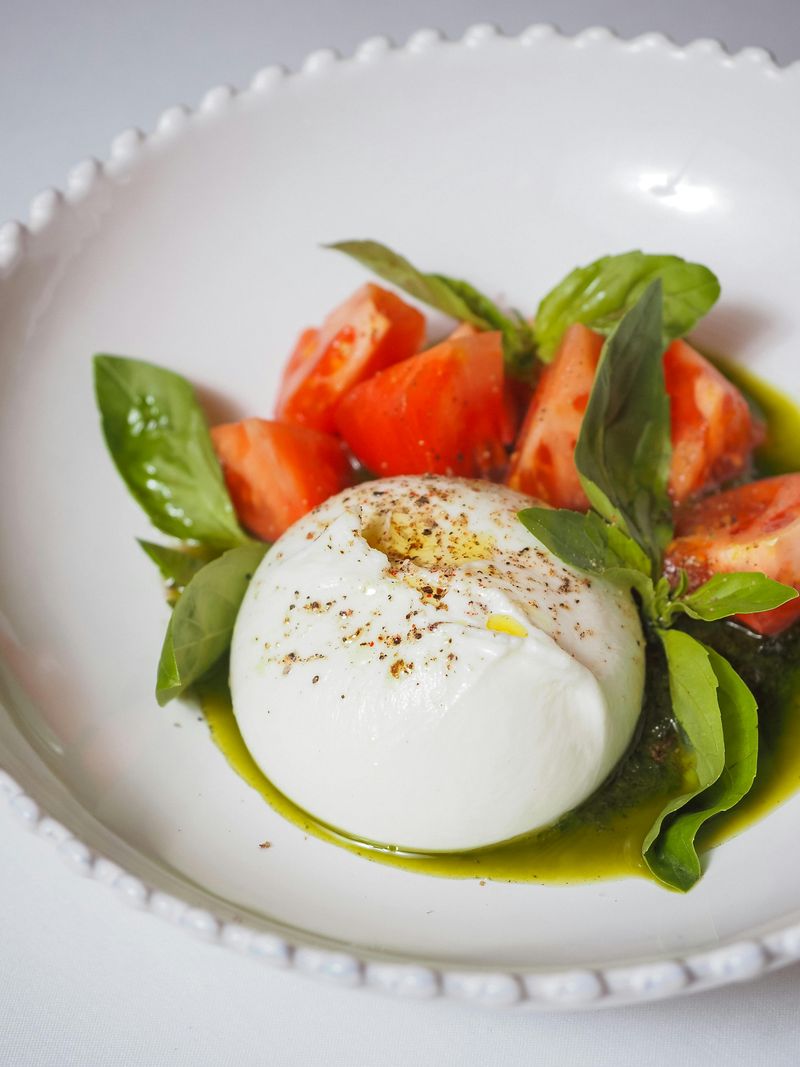
Burrata looks like fresh mozzarella from the outside, but cutting into one reveals a surprise — a luscious, creamy filling of stracciatella and fresh cream that flows out like liquid silk. Invented in Puglia, southern Italy, in the early 1900s, it was originally created to use up leftover mozzarella scraps.
Freshness is everything with Burrata; it should ideally be eaten within 24 hours of being made. Serve it simply with heirloom tomatoes, good olive oil, sea salt, and a crusty loaf for an Italian experience that feels genuinely unforgettable.
Pecorino Romano – Italy
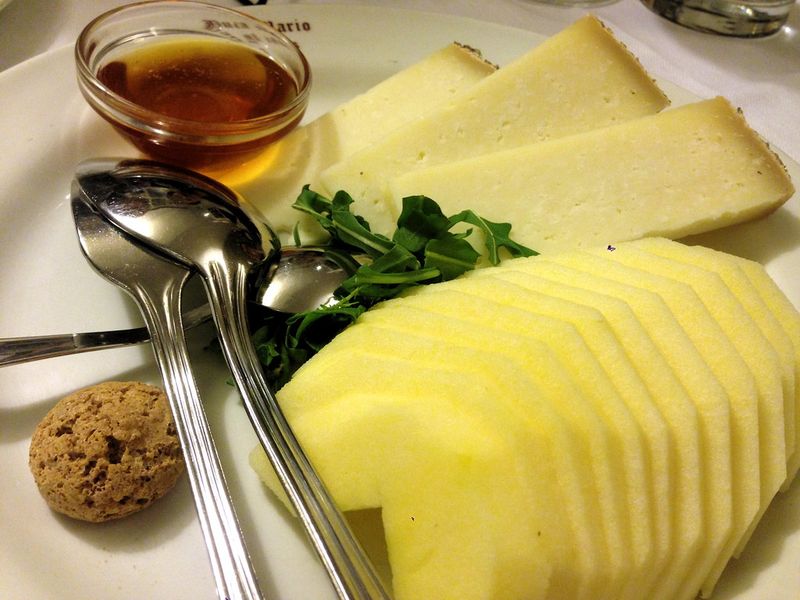
Pecorino Romano is one of Italy’s oldest cheeses, with a history stretching back over 2,000 years to ancient Rome, where it was a staple food for Roman soldiers on long campaigns. Made from sheep’s milk in Sardinia, Lazio, and Tuscany, it carries a sharp, salty, and intensely savory character.
It is an essential ingredient in classic Roman pasta dishes like Cacio e Pepe and Spaghetti alla Gricia. Grate it generously and let its bold flavor do the heavy lifting in any dish you add it to.
Emmental – Switzerland
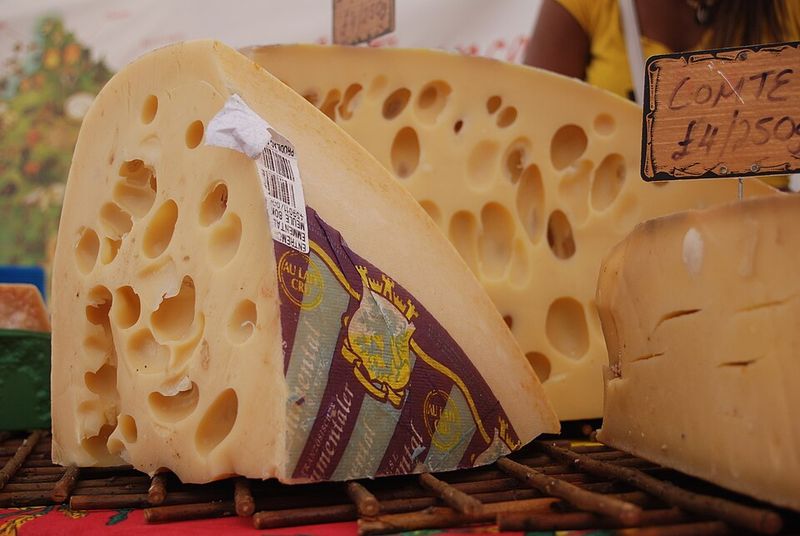
Those famous cartoon-like holes — called “eyes” — are actually a sign of quality in Emmental, caused by carbon dioxide bubbles released by specific bacteria during the aging process. This iconic Swiss cheese has been produced in the Emme Valley of Bern since the 13th century.
Emmental has a mild, slightly nutty, and sweet flavor that makes it one of the most universally approachable cheeses on this list. It melts beautifully, making it a go-to choice for fondue, sandwiches, and classic Swiss dishes like Zürcher Geschnetzeltes.
Stilton – England
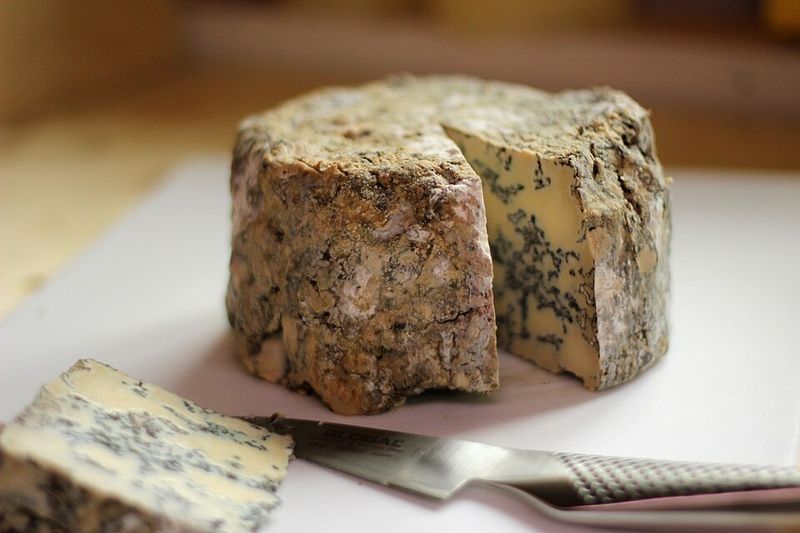
Stilton is so beloved in England that it has been granted Protected Designation of Origin status — meaning it can only legally be made in the counties of Derbyshire, Leicestershire, and Nottinghamshire. The cheese has a rich, complex flavor that balances creamy, salty, and tangy notes with remarkable elegance.
Traditionally paired with a glass of port wine, Stilton is a staple of British Christmas celebrations. Scoop it out of the rind with a spoon, spread it on oatcakes, or crumble it into a pear and walnut salad for something truly special.
Havarti – Denmark
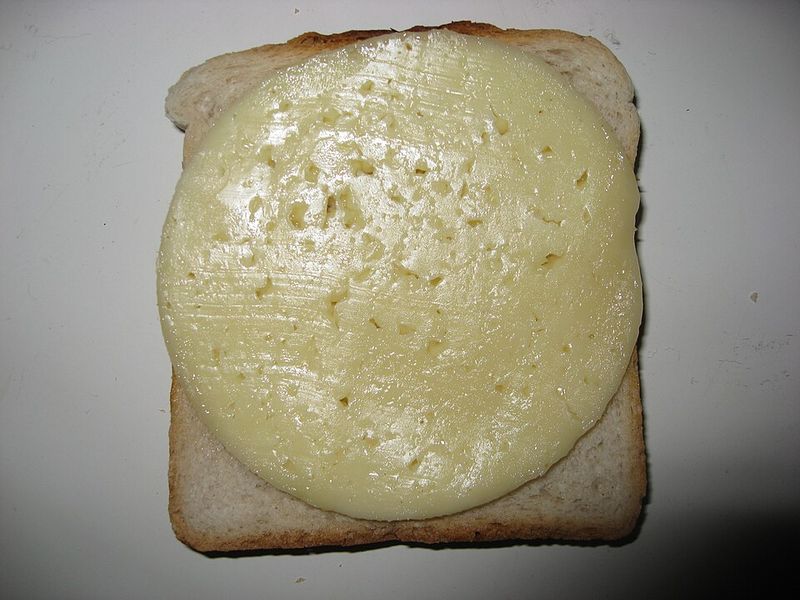
Havarti has a soft, semi-firm texture and a buttery, mild flavor that makes it one of the most crowd-pleasing cheeses you can find. Created in the 19th century by Danish dairy pioneer Hanne Nielsen, it was named after her farm, Havartigaard, north of Copenhagen.
Its gentle creaminess makes it incredibly versatile — slice it for sandwiches, melt it on burgers, or cube it for a snack board. Flavored varieties with dill, caraway, or jalapeño are also wildly popular and worth exploring.
Monterey Jack – United States
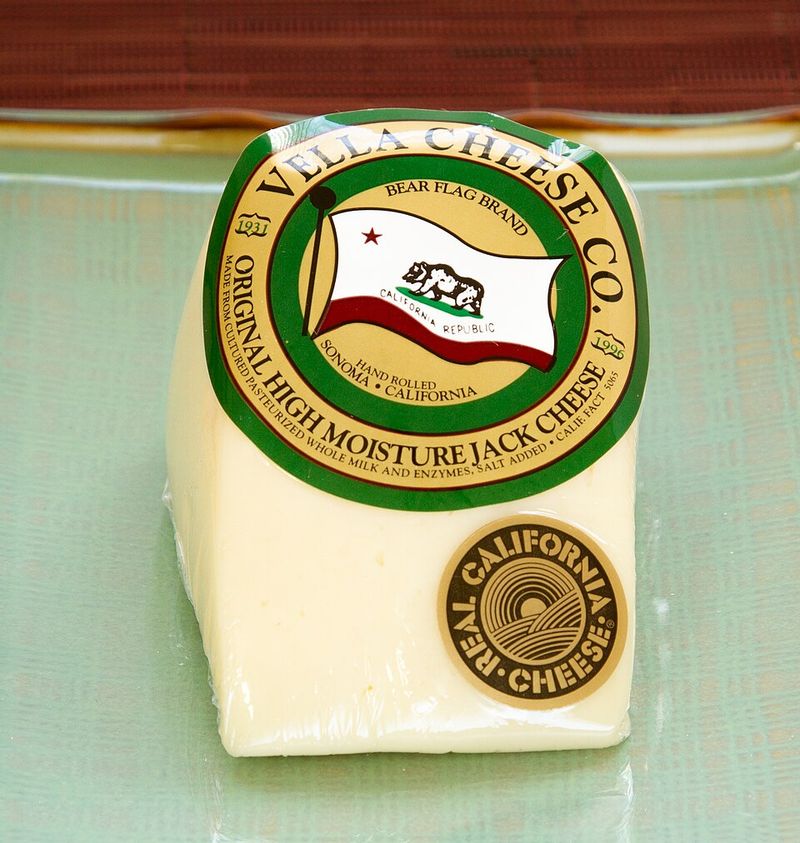
Monterey Jack has deep roots in California, tracing back to the Franciscan friars of Monterey who made a mild, fresh cheese in the 1700s. A businessman named David Jacks later commercialized and distributed it widely, lending his surname to the cheese we know today.
Young Monterey Jack is creamy and mild with excellent melting properties, making it a top pick for quesadillas, nachos, and enchiladas. Aged Dry Jack, with its firm texture and nutty flavor, is a completely different — and equally delicious — experience.
Taleggio – Italy
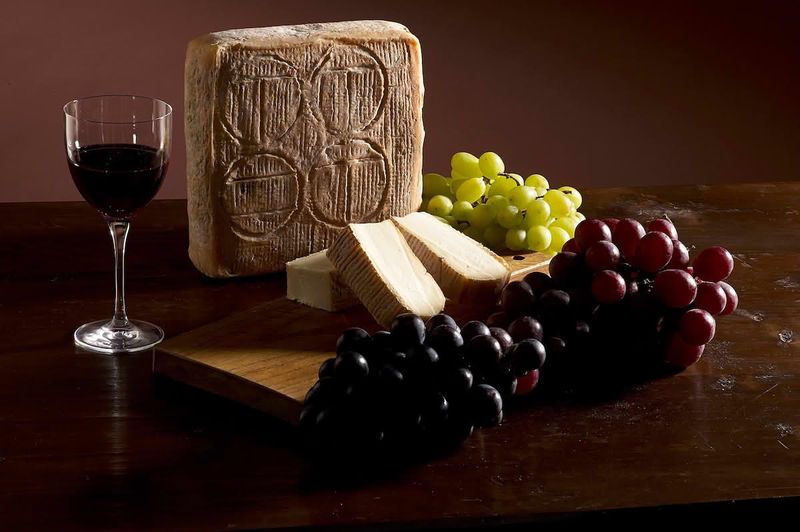
Do not let the pungent aroma of Taleggio fool you — the flavor is surprisingly mild, fruity, and incredibly creamy. One of the oldest soft cheeses in existence, Taleggio has been made in the Val Taleggio valley of Lombardy since the 10th century.
Its square shape and distinctive orange washed rind make it easy to spot on any cheese counter. Taleggio melts magnificently into risotto and polenta, and it pairs beautifully with figs, honey, and crusty sourdough for a cheese board that feels both rustic and refined.
Fontina – Italy
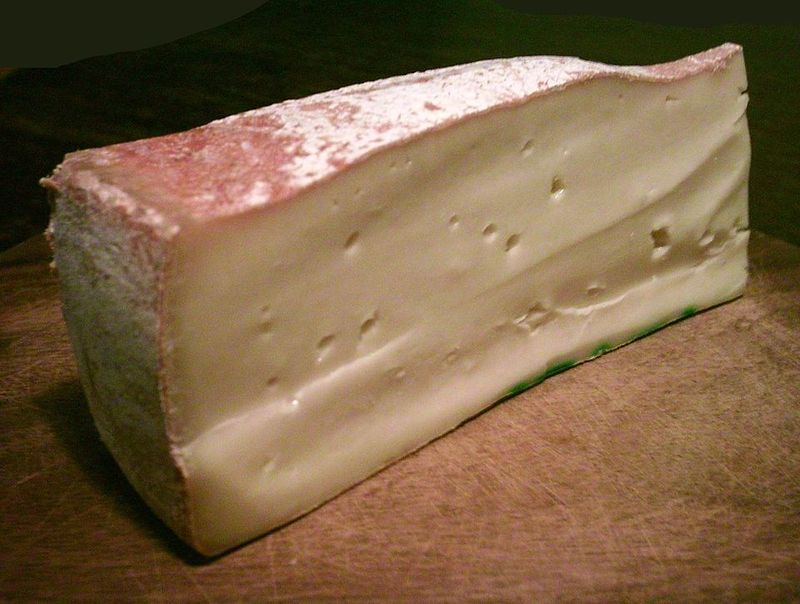
Fontina Val d’Aosta is a mountain cheese from Italy’s smallest region, the Aosta Valley, nestled in the Alps near the French and Swiss borders. Made from the raw milk of Valdostana cows that graze on alpine meadows, it carries the essence of mountain wildflowers in every bite.
Semi-firm and buttery with a mild earthiness, Fontina melts into a smooth, stretchy consistency that is absolute perfection in fonduta — the Italian version of fondue. It also stars in traditional Valle d’Aosta dishes like pasta al forno and polenta concia.
Provolone – Italy
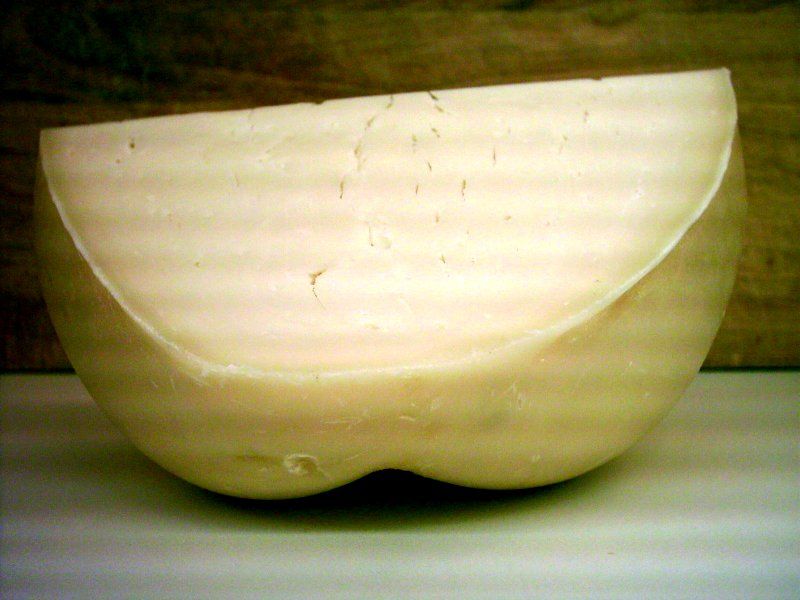
Walk into any authentic Italian deli and you are almost certain to spot Provolone hanging from the ceiling by a rope — a tradition that dates back centuries in southern Italy. This stretched-curd cheese comes in two distinct personalities: Dolce, which is mild and creamy, and Piccante, which is sharp and robust.
Provolone melts beautifully, making it a classic choice for Italian-American sandwiches and pizza. Its satisfying chew and savory depth also make it excellent for snacking alongside cured meats and olives on a rustic antipasto platter.
Raclette – Switzerland
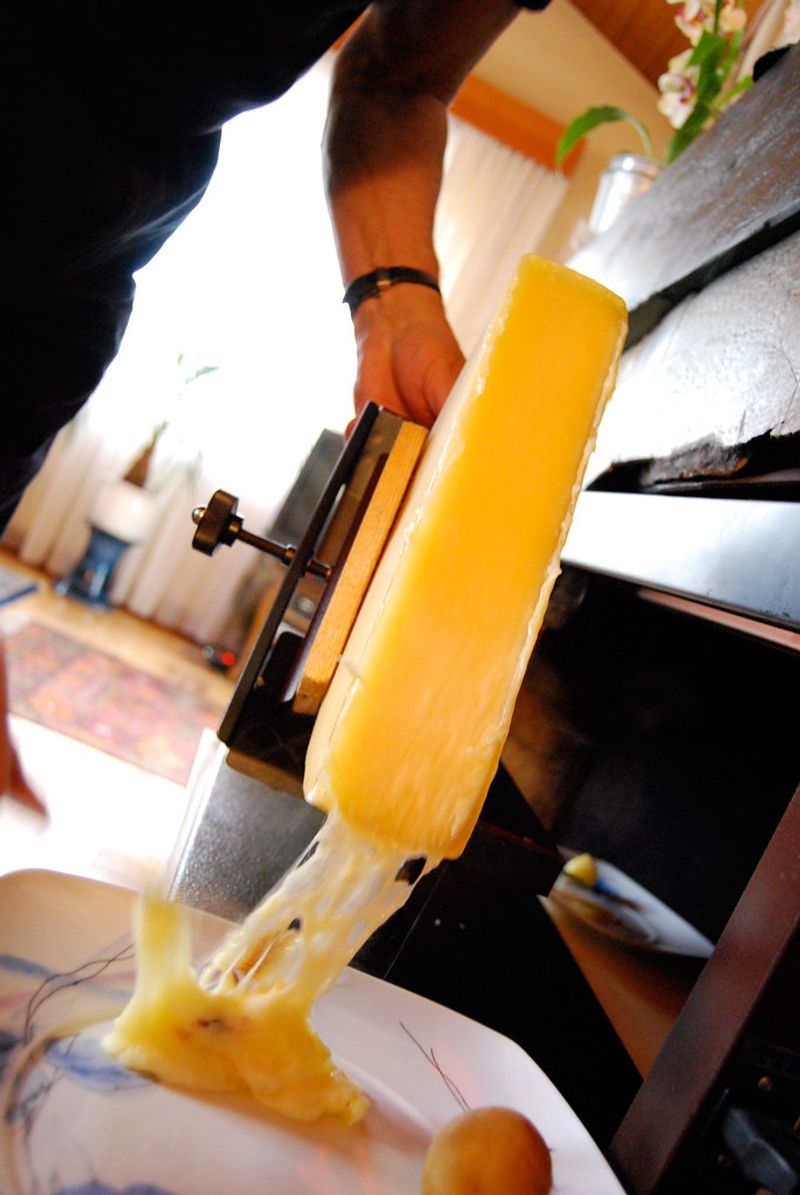
Raclette is not just a cheese — it is an entire dining experience rooted in Swiss mountain culture. The name comes from the French word “racler,” meaning “to scrape,” which perfectly describes the tradition of melting the cheese and scraping it over potatoes, pickles, and charcuterie.
The cheese itself has a creamy, slightly pungent flavor with a wonderful meltability that makes it ideal for its namesake dish. Gathering around a raclette grill with friends and family on a cold evening is one of life’s simple but extraordinary pleasures.
Jarlsberg – Norway
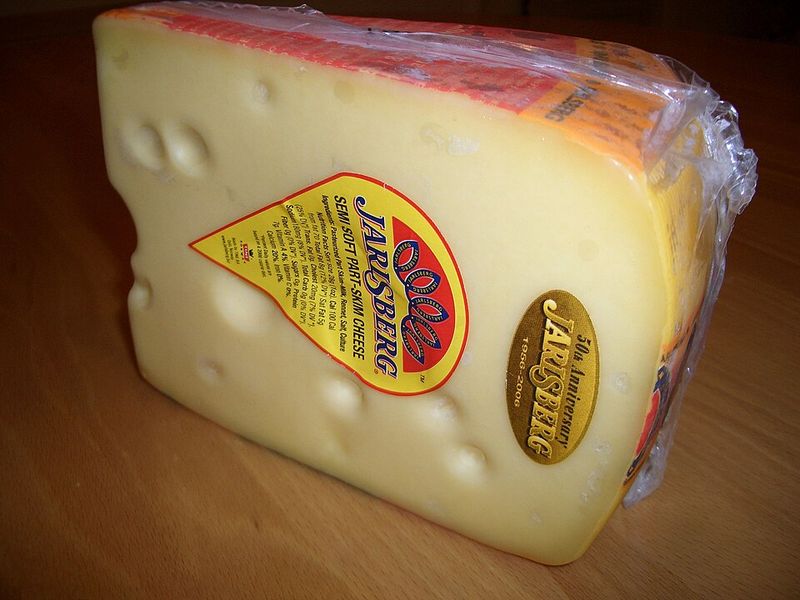
Jarlsberg is Norway’s most famous cheese export and has been delighting cheese lovers worldwide since it was developed at the Agricultural University of Norway in the 1950s. Inspired by Swiss Emmental, it was crafted with a milder, sweeter flavor profile designed for broader appeal.
Its large, round holes and nutty, buttery taste make it instantly recognizable and universally loved. Jarlsberg melts smoothly and tastes wonderful on open-faced sandwiches, in omelets, or simply layered on crispbread with a slice of smoked salmon for a classic Nordic bite.
Asiago – Italy
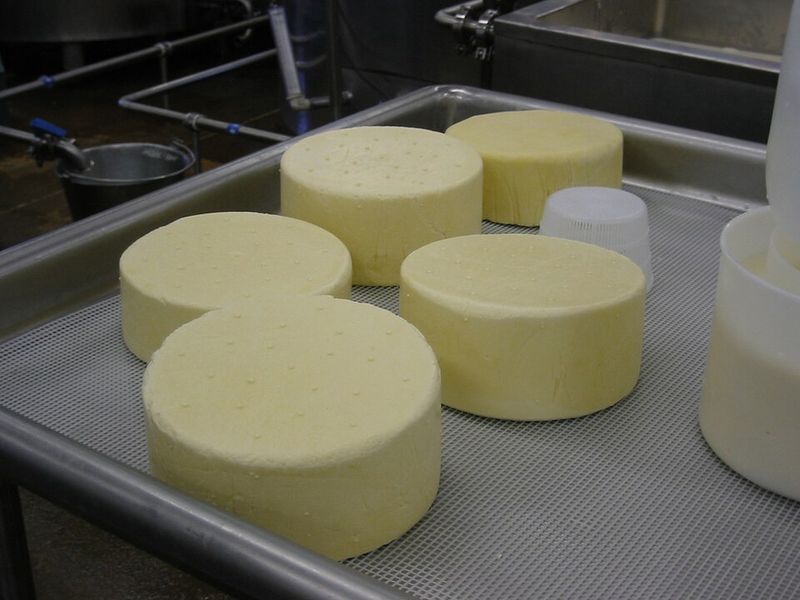
From the high plateau of Asiago in the Veneto region of northeastern Italy, this cheese comes in two very different forms depending on how long it has been aged. Fresh Asiago (Pressato) is soft, milky, and mild, while aged Asiago d’Allevo is firm, sharp, and deeply savory.
Grate aged Asiago over pasta, soups, and risotto much like Parmigiano, or enjoy the younger version melted into sandwiches and frittatas. Either way, Asiago brings an unmistakably Italian character to whatever dish it graces.
Muenster – France
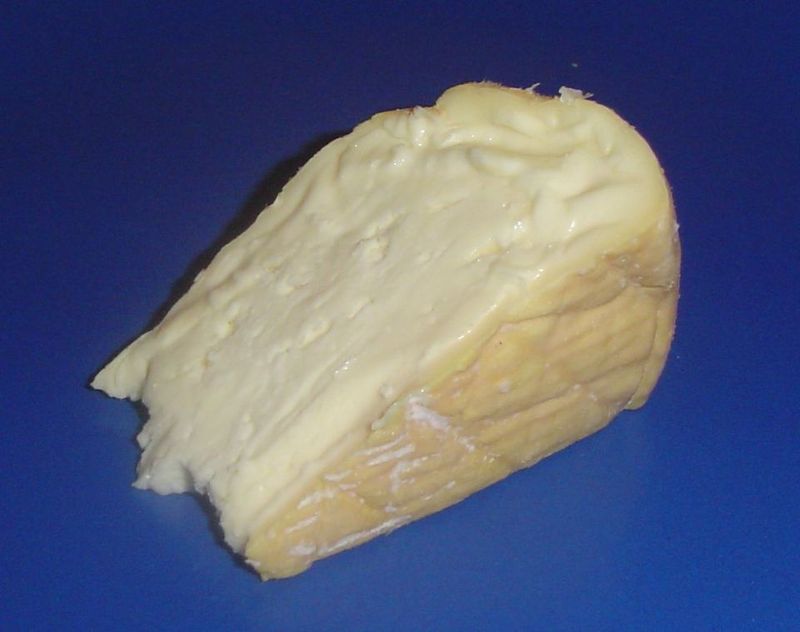
French Muenster — not to be confused with its milder American cousin — is a washed-rind cheese from the Alsace and Lorraine regions with a smell that is considerably more assertive than its taste. Monks in the Vosges Mountains are credited with developing this cheese during the Middle Ages.
Its bright orange rind is striking, and the interior is wonderfully creamy and full-flavored without being overwhelming. Traditionally served with cumin seeds and hearty rye bread, Muenster is a cheese that rewards the adventurous eater with real, satisfying depth.
Cotija – Mexico
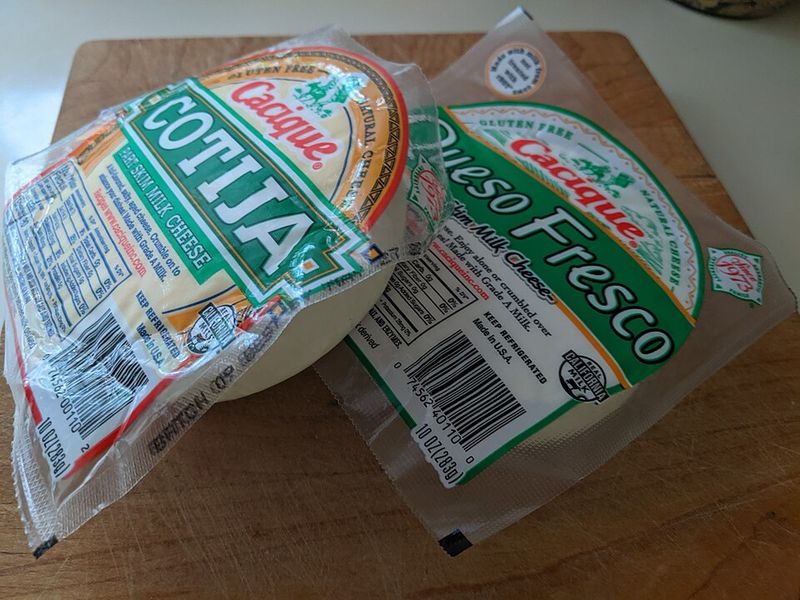
Named after the town of Cotija in the state of Michoacan, this hard, salty, crumbly white cheese is often called the “Parmesan of Mexico.” It does not melt, which makes it perfect for crumbling generously over finished dishes as a flavorful finishing touch.
Cotija is the essential topping for elote (Mexican street corn), tacos, enchiladas, and black bean dishes. Its bold, salty punch elevates even the simplest recipes, and its dry, crumbly texture provides a satisfying contrast to saucy, spicy Mexican food.
Halloumi – Cyprus
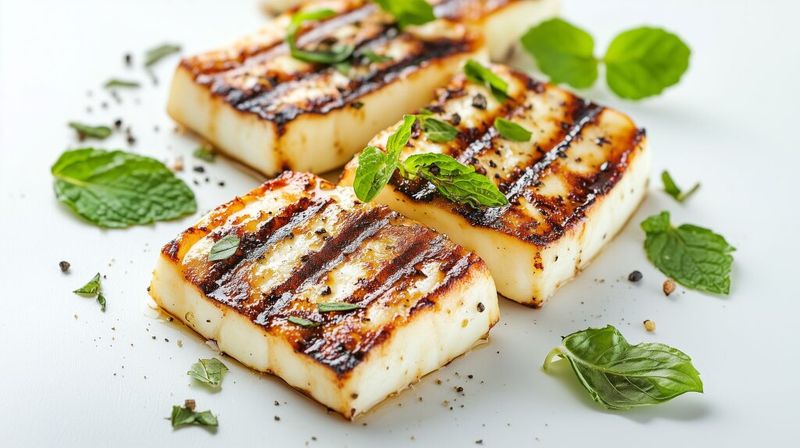
Halloumi is the cheese that defies the rules — it has a remarkably high melting point, which means you can grill, fry, or sear it until golden and crispy on the outside while it stays beautifully chewy and soft on the inside. Originating from Cyprus, it has been made there for centuries.
Traditionally made from a mix of goat and sheep milk, Halloumi has a salty, tangy flavor with a satisfying squeak when you bite into it. Grill it and serve alongside watermelon and fresh mint for a summer combination that is genuinely extraordinary.
Feta – Greece
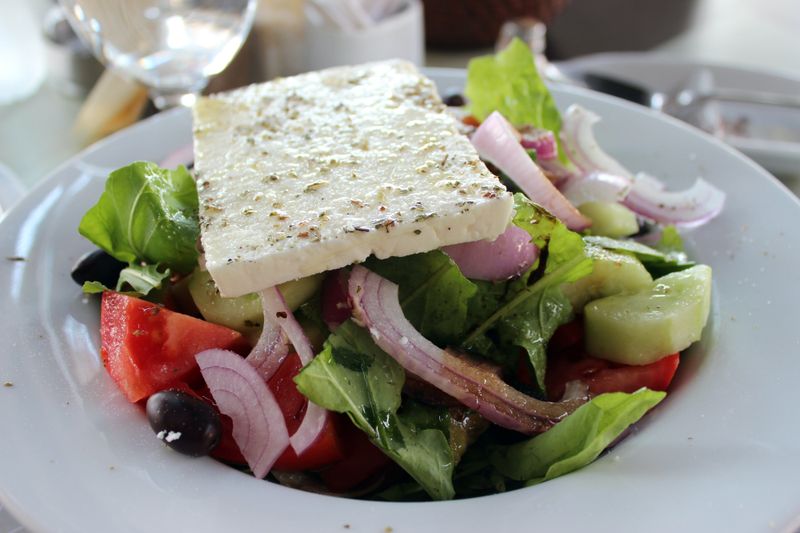
Feta is one of the most ancient cheeses in the world, with references to it appearing in Greek mythology and historical texts dating back thousands of years. Made from sheep’s milk — or a mixture of sheep and goat’s milk — it is brined to preserve it and give it that signature salty, tangy character.
Only feta produced in specific regions of Greece can legally carry the name, thanks to its PDO status. Crumble it over salads, bake it with tomatoes and olive oil, or just eat it straight from the block with a drizzle of honey — it is spectacular every time.
Wensleydale – England
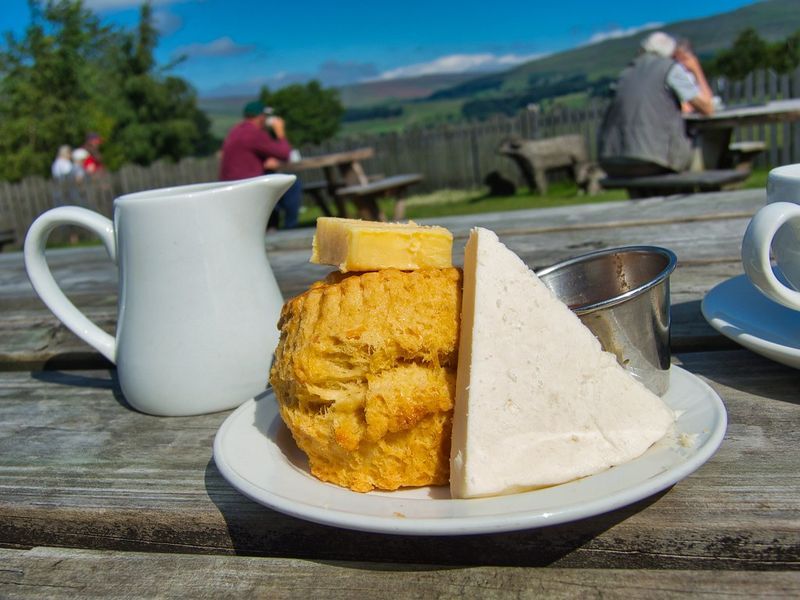
Made in the Wensleydale valley of North Yorkshire, this crumbly, moist, and mildly honeyed cheese has been produced since Cistercian monks first brought the recipe from Roquefort, France, around 1150 AD. The creamery in Hawes, founded in 1897, remains its most famous producer today.
Wensleydale is famously beloved by the animated characters Wallace and Gromit, which gave the cheese a massive popularity boost in the 1990s. Its gentle sweetness pairs brilliantly with fruit — especially cranberries — making it a quintessential addition to any British holiday cheese board.
Blue Stilton – England
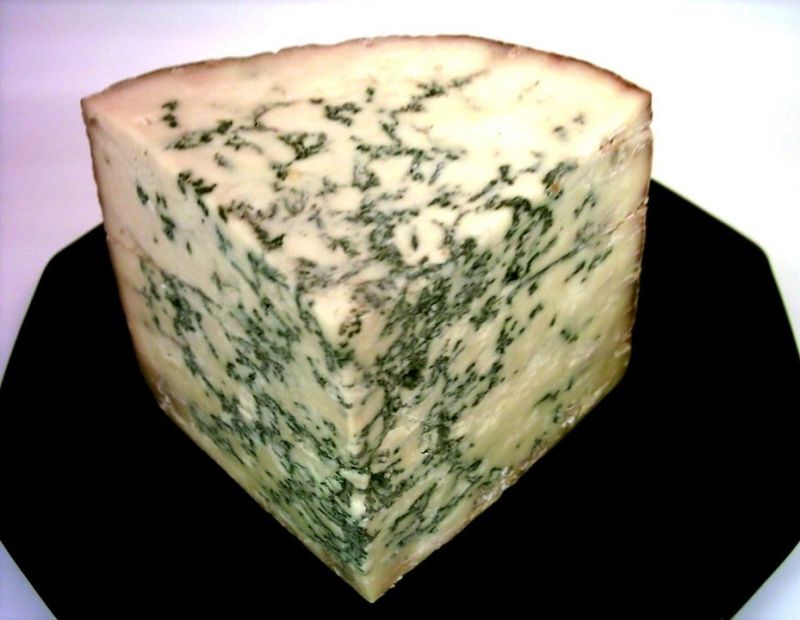
Blue Stilton is so revered in England that it holds a Protected Designation of Origin, restricting its production to just six dairies across three counties. The cheese is pierced with stainless steel needles during aging to allow air in and encourage the development of its signature blue veins.
Rich, complex, and satisfyingly pungent, Blue Stilton has a creamy yet crumbly texture that stands apart from other blue cheeses. Paired with a vintage port or stirred into a hearty celery soup, it delivers a flavor experience that is unmistakably, proudly British.
Limburger – Belgium
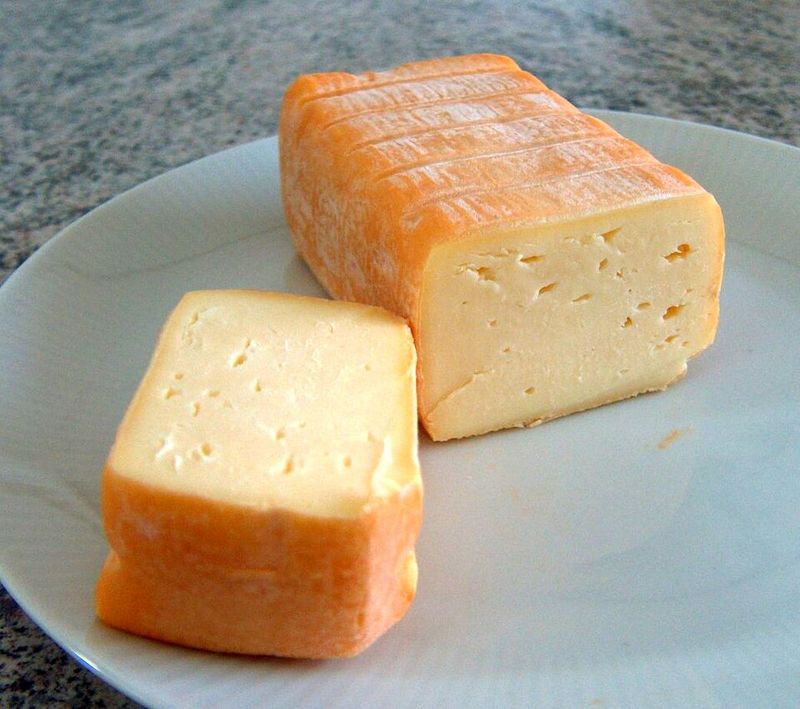
Limburger has earned a legendary reputation as one of the world’s smelliest cheeses, thanks to the bacterium Brevibacterium linens used during its washed-rind aging process — the same bacterium responsible for human body odor. Originating in the Limburg region of Belgium, it later became hugely popular in Germany and the United States.
Here is the thing though: the flavor is far milder than the aroma suggests, with a creamy, tangy, savory character that is genuinely satisfying. Slice it thick on dark rye bread with raw onions and a cold beer for the authentic Limburger experience.
Oaxaca – Mexico
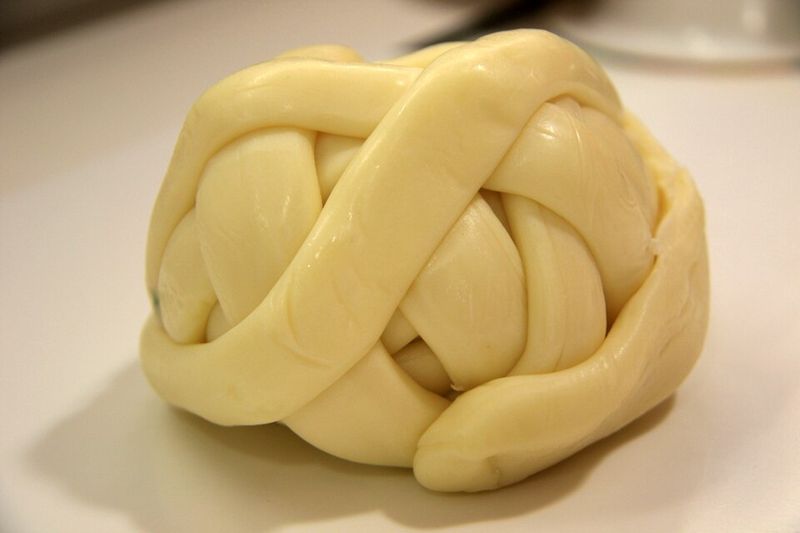
Oaxaca cheese — also called quesillo — is a stretched-curd cheese from the southern Mexican state of Oaxaca that is hand-wound into a large ball, giving it a distinctive look and a wonderfully stringy, pull-apart texture similar to mozzarella.
Its mild, slightly salty flavor and exceptional melting ability make it the undisputed champion of Mexican quesadillas, tlayudas, and cheese-stuffed chiles. Watching it melt into long, gooey strings on a hot comal is one of those deeply satisfying kitchen moments that makes cooking genuinely fun.
Kefalotyri – Greece
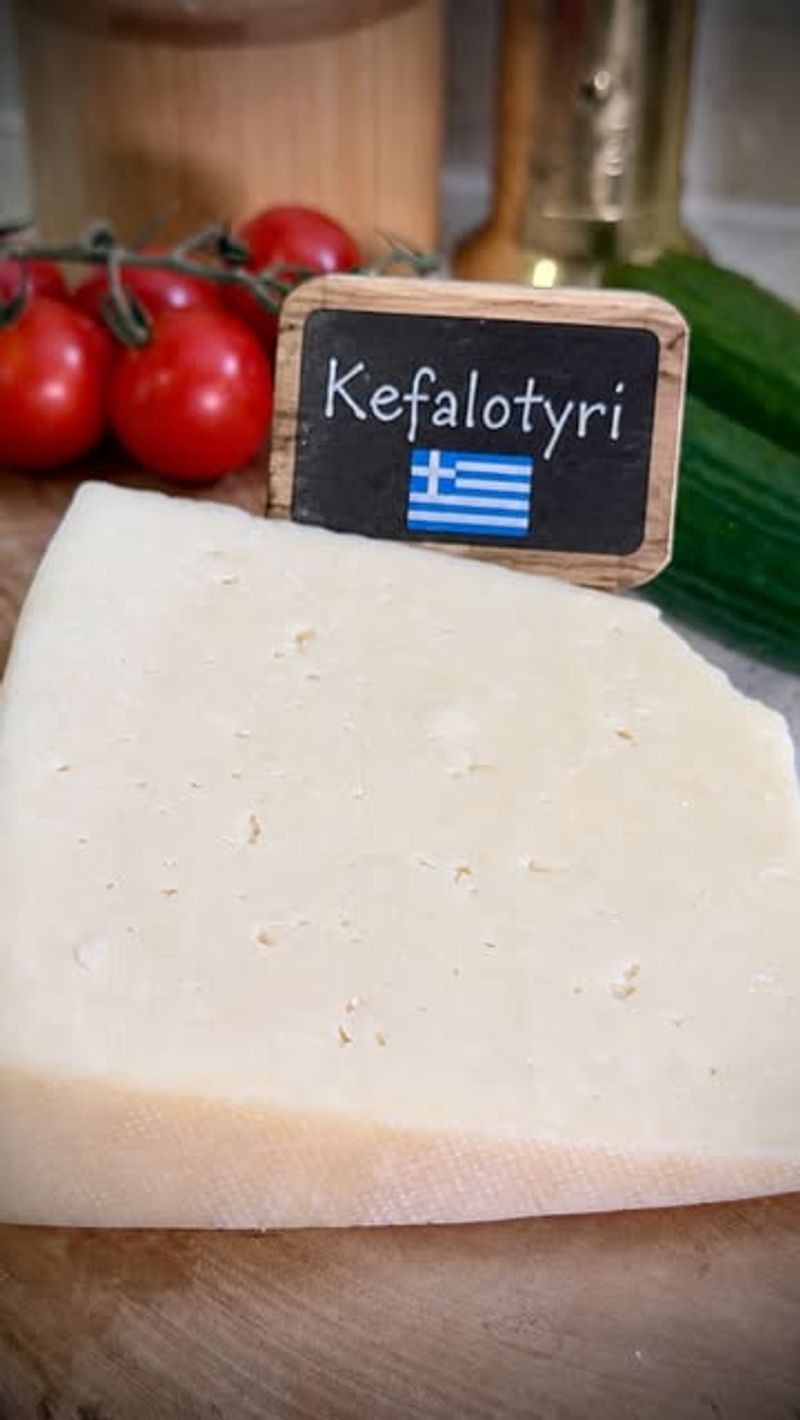
Kefalotyri is one of Greece’s oldest and most important hard cheeses, made from sheep’s milk or a blend of sheep and goat’s milk. Its name translates roughly to “head cheese” in Greek, possibly referring to its traditional round mold shape resembling a hat.
Sharp, salty, and robust, Kefalotyri is the cheese traditionally used to make saganaki — the iconic flambeed fried cheese dish that arrives at your table with a dramatic “Opa!” Its hard texture also makes it an excellent grating cheese over pasta and stews.
Edam – Netherlands
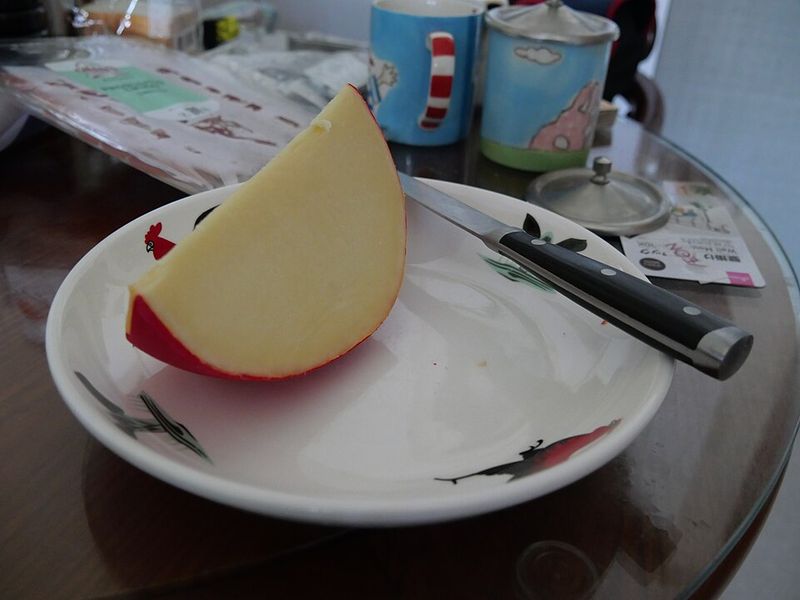
Edam is one of the most recognizable cheeses in the world, thanks to its distinctive round shape and bright red or yellow wax coating that keeps it fresh during transport. Named after the Dutch port city of Edam, it was one of the most widely traded cheeses in Europe during the 14th to 18th centuries.
Young Edam is mild, slightly salty, and very approachable, while aged Edam develops a firmer, more complex flavor. It slices cleanly, melts reasonably well, and is a reliable, crowd-pleasing choice for sandwiches and snack platters.
Red Leicester – England
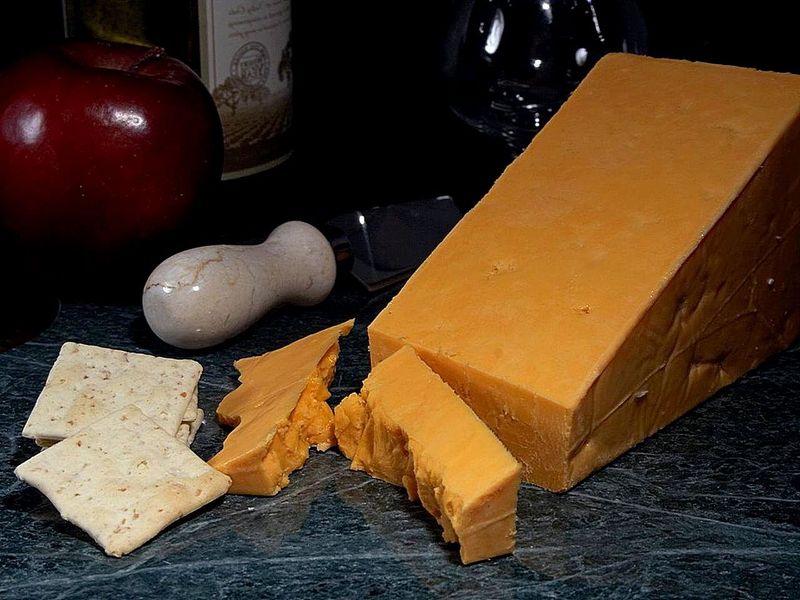
Red Leicester’s striking deep orange color comes from the natural plant-based dye annatto, added to the milk during production in Leicestershire, England. Originally made to distinguish it from other English cheeses in the marketplace, the color has become its most iconic feature.
The flavor is rich, mellow, and slightly nutty, with a crumbly yet moist texture that makes it wonderful in ploughman’s lunches and classic British cheese on toast. It is also a key ingredient in the beloved Welsh rarebit sauce, where it melts into glossy, golden deliciousness.
Saint-Nectaire – France
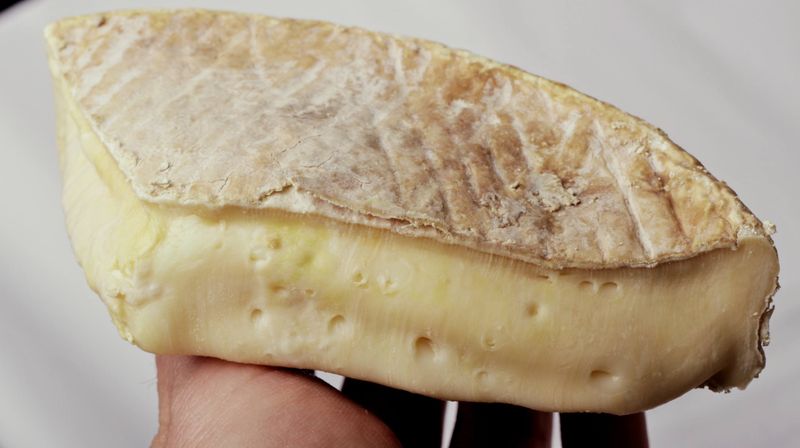
Saint-Nectaire is one of the great semi-soft cheeses of the Auvergne region in central France, made from the milk of Salers cows that graze on the volcanic grasslands of the Massif Central. It has been produced there since at least the 17th century, when it was famously served at the court of Louis XIV.
The rind is earthy and mushroomy, while the interior is supple, creamy, and mildly nutty with a subtle grassy sweetness. Saint-Nectaire is best enjoyed at room temperature on dark bread with a glass of light Auvergne red wine.
Reblochon – France
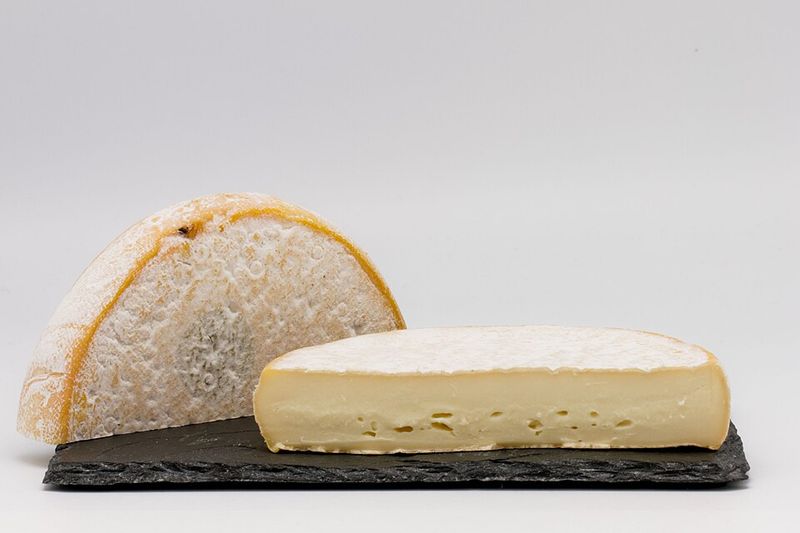
Reblochon has one of the most charming origin stories in the cheese world. In medieval Savoy, farmers would stop milking their cows before the landlord arrived to measure the yield for tax purposes, then finish milking afterward.
This second, richer milk — called “rebloche” — was used to make this very cheese.
Soft, creamy, and gently pungent, Reblochon is the essential ingredient in Tartiflette, the outrageously comforting Savoyard gratin of potatoes, onions, and lardons. One bite of Tartiflette on a cold alpine evening and you will never think about casseroles the same way again.
Appenzeller – Switzerland
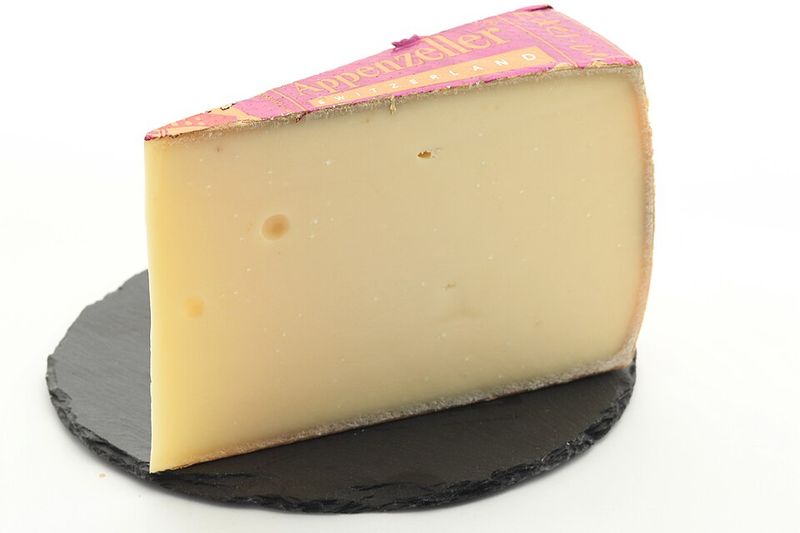
Appenzeller is arguably Switzerland’s most flavorful cheese, rubbed during aging with a secret herbal brine recipe that has been kept confidential for over 700 years. Produced in the canton of Appenzell in northeastern Switzerland, it is one of the oldest cheeses in the country.
The result is a firm, smooth cheese with a tangy, spicy, and herbaceous flavor that is completely unlike anything else. It shines on cheese boards, melts beautifully into Swiss dishes, and pairs wonderfully with cider or a crisp white wine from Alsace.
Mahón – Spain
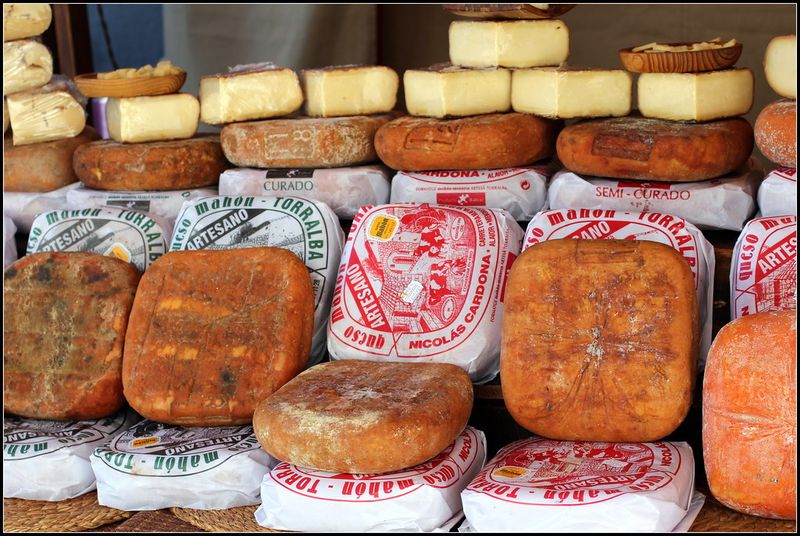
Mahón comes from the sun-drenched island of Menorca in the Balearic Islands of Spain, and it is the only Spanish cheese made from cow’s milk to carry a Denominacion de Origen protected status. Named after the island’s capital port city, it has been exported around the Mediterranean for centuries.
Young Mahón is soft and buttery with a gentle tang, while aged Mahón becomes firm, salty, and deeply savory with a beautiful complexity. Traditionally rubbed with olive oil, paprika, and butter during aging, its rind develops a stunning golden-orange color that is as appealing to the eye as the cheese is to the palate.
Queso Manchego Curado – Spain
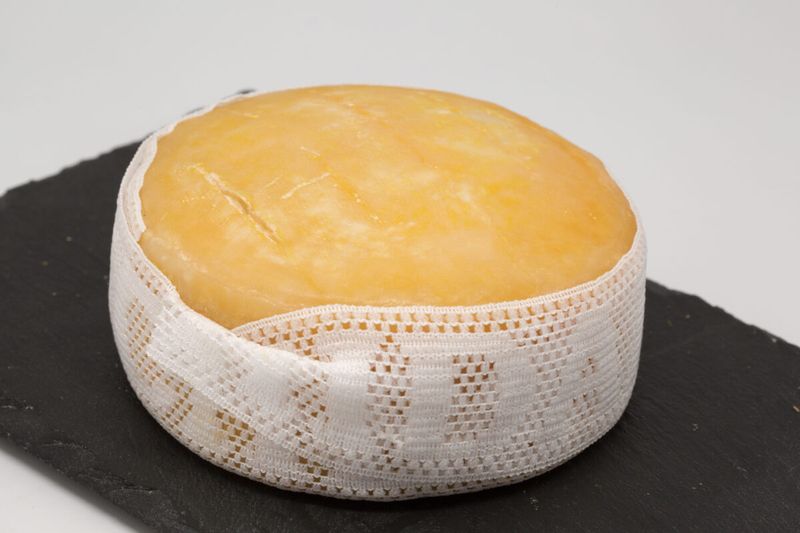
Queso Manchego Curado is the aged version of Spain’s most iconic sheep’s milk cheese, matured for a minimum of three months and up to two years for the most intense expressions. As the cheese ages, the texture firms up, the flavors concentrate, and a delightful butterscotch-like sweetness emerges alongside a sharp, lingering finish.
The herringbone rind pattern pressed by the traditional esparto grass molds is as beautiful as the cheese is delicious. Serve Curado alongside membrillo quince paste and a glass of bold Rioja for a Spanish tasting experience that feels like a culinary masterclass in simplicity.
Colby – United States
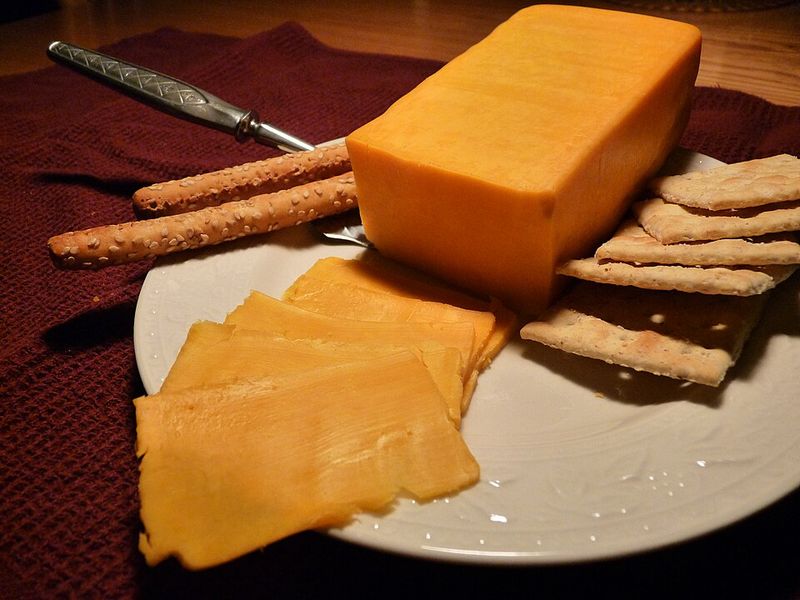
Colby was invented in 1885 by Joseph Steinwand in Colby, Wisconsin — making it one of the first cheeses developed entirely in the United States. Unlike cheddar, which is cheddared and pressed during production, Colby is washed with cold water during the process, resulting in a moister, more open texture and a milder flavor.
Bright orange, springy, and approachably mild, Colby is a staple of American delis, lunchboxes, and snack trays nationwide. It also stars in Colby-Jack — a marbled blend with Monterey Jack — that has become a beloved American original in its own right.
Enjoyed this story?
Add Fast Food Club as a preferred source to see more of our reporting on Google.