


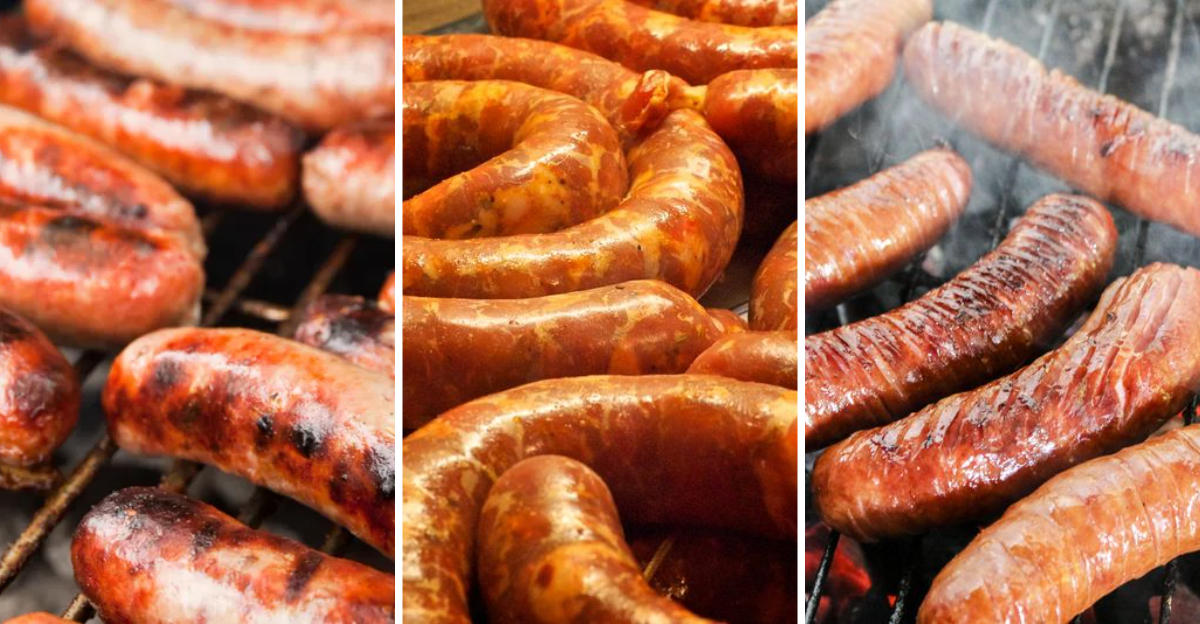
Sausages are one of the oldest and most beloved foods on the planet, enjoyed by people in nearly every country and culture. From smoky street food stalls in Germany to spicy backyard grills in Spain, each region has its own special take on this humble tube of seasoned meat.
Whether you’re a curious foodie or just someone who loves a good cookout, this list will take your taste buds on a trip around the world. Get ready to meet 30 incredible sausages that deserve a spot on your plate.
Bratwurst – Germany

Few sausages in the world carry as much cultural pride as the German Bratwurst. Made from seasoned pork, veal, or beef, it has been a staple of German cuisine for over 600 years.
The name literally means “fry sausage” in German, and it earns that title every time it hits a hot grill.
Bratwurst is best enjoyed with a crusty bread roll and a generous smear of sharp mustard. Every German region has its own recipe, so the flavors can vary dramatically from city to city.
Italian Sausage – Italy
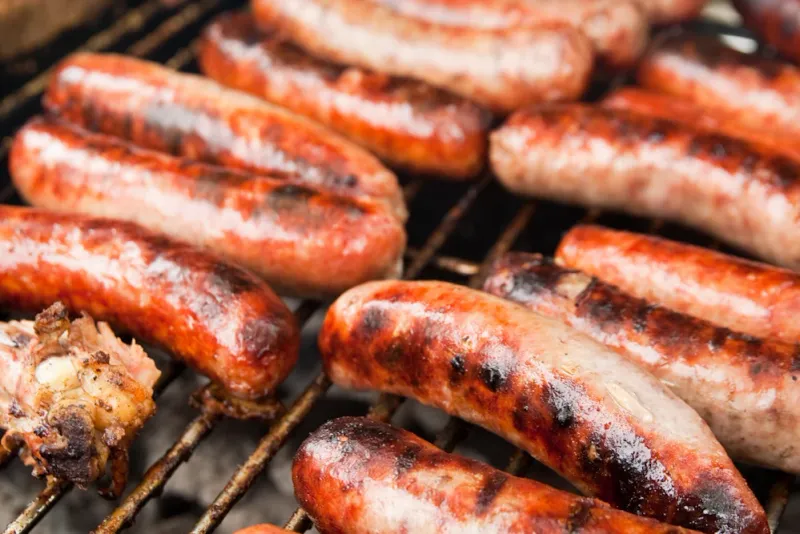
Bold, herby, and packed with fennel flavor, Italian sausage is the kind of food that fills a kitchen with an irresistible aroma. It comes in sweet and hot varieties, both made from coarsely ground pork seasoned with garlic, fennel seeds, and red pepper flakes.
Street markets in Italy have been selling versions of this sausage for centuries.
You’ll find it tucked into pasta sauces, stuffed into sandwiches, or simply grilled and served alongside roasted vegetables. It’s endlessly versatile and deeply satisfying.
Chorizo – Spain
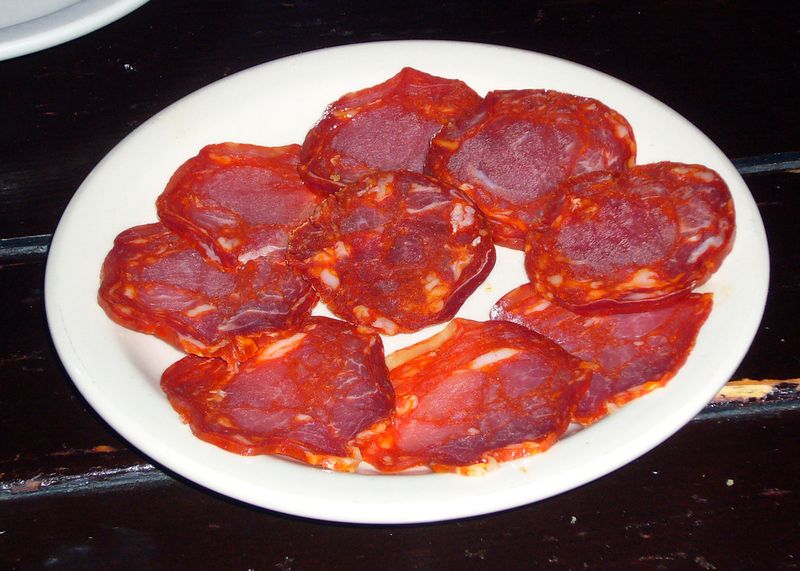
Spain’s most iconic sausage gets its fiery red color from smoked paprika, and one bite tells you everything you need to know about Spanish flavor. Chorizo is cured, dried, and packed with garlic, giving it a bold, smoky punch that works in tapas, stews, and sandwiches alike.
It’s been a cornerstone of Spanish cooking for hundreds of years.
Unlike its Mexican cousin, Spanish chorizo is fully cured and can be eaten without cooking. Slice it thin and let the flavors speak for themselves.
Merguez – North Africa
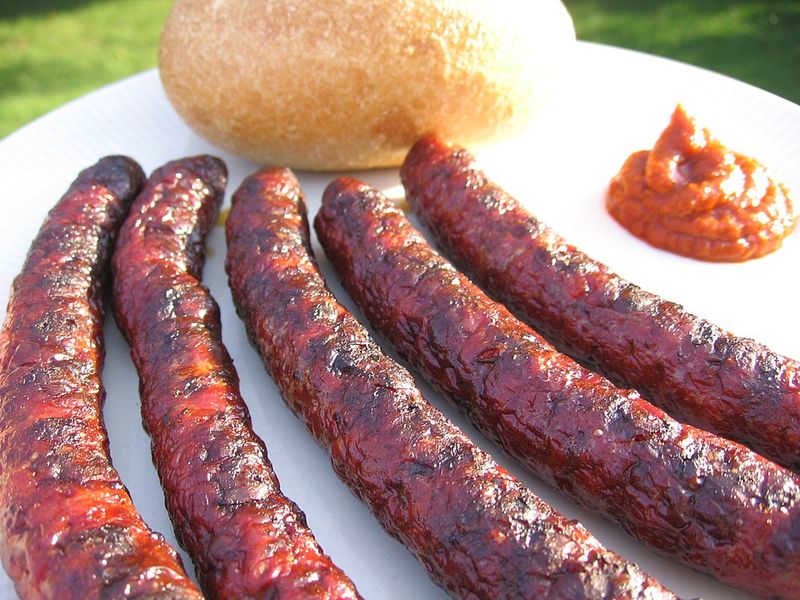
Originating from the Maghreb region of North Africa, Merguez is a fiery, thin lamb sausage that brings serious heat to the table. Seasoned with harissa, cumin, garlic, and sumac, it delivers a complex spice profile that’s both exotic and addictive.
The vibrant red color alone makes it one of the most visually striking sausages on this list.
Merguez is traditionally grilled over charcoal and served with flatbread or couscous. It has also become hugely popular in France, where North African immigrants brought the recipe with them.
Cumberland Sausage – England
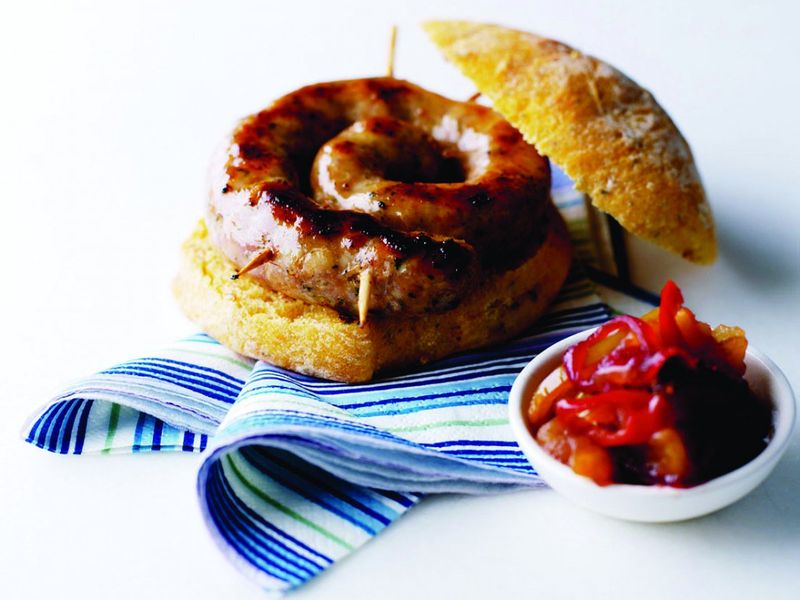
Curled into its famous spiral shape, the Cumberland sausage is one of England’s most treasured food traditions. Made from coarsely ground pork seasoned with black pepper, thyme, and sage, it has a rustic, hearty flavor that feels like a warm hug on a cold morning.
It even holds a Protected Geographical Indication status in the UK.
Unlike most sausages, Cumberland is traditionally sold by the length rather than by individual links. Pair it with creamy mashed potatoes and thick gravy for the ultimate British comfort meal.
Andouille – France
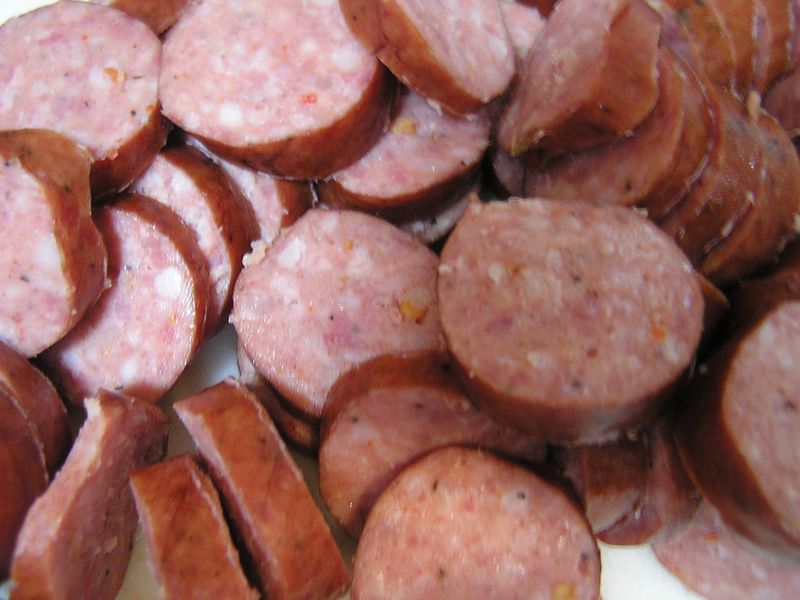
Andouille from France is not for the faint-hearted. Made from pig intestines and stomach, it has a distinctly pungent, earthy flavor that hardcore charcuterie fans absolutely adore.
The town of Guemene-sur-Scorff in Brittany is considered the Andouille capital of France, and locals take their sausage-making very seriously indeed.
It’s usually served cold and sliced thin, paired with mustard and crusty bread. When you taste real French Andouille, you quickly understand why the French consider it a culinary treasure worth protecting.
Kielbasa – Poland
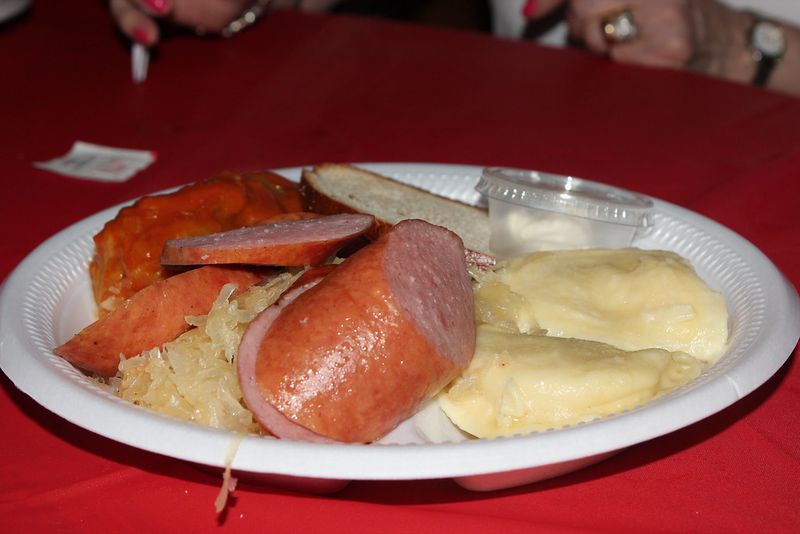
Ask any Polish grandmother about Kielbasa and you’ll get a passionate lecture on why it’s the greatest sausage ever made. This iconic smoked pork sausage is seasoned with garlic, marjoram, and black pepper, giving it a deeply savory flavor that’s been perfected over generations.
The word “kielbasa” simply means “sausage” in Polish, which tells you how central it is to the culture.
Kielbasa shines in soups, on the grill, or sliced and pan-fried with onions. It’s equally at home at a holiday feast or a casual weeknight dinner.
Weisswurst – Germany
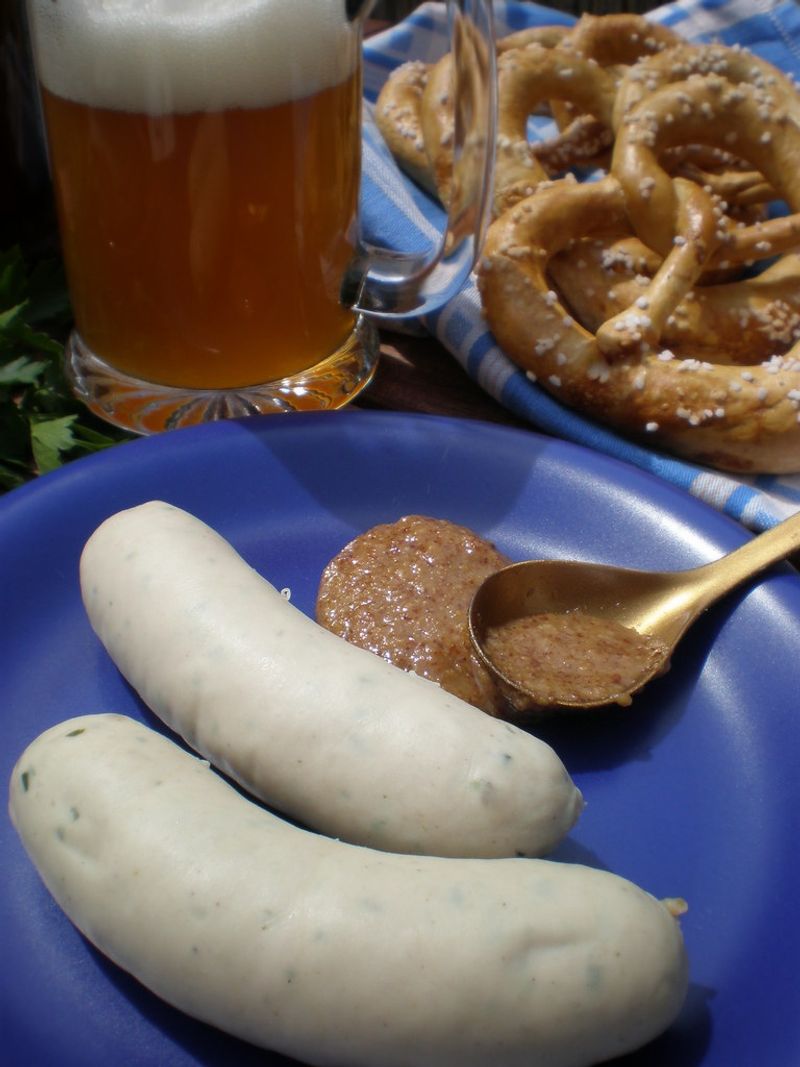
Weisswurst, or “white sausage,” is Munich’s most beloved breakfast tradition. Made from minced veal and pork back bacon, it’s delicately seasoned with parsley, lemon zest, and cardamom, giving it a surprisingly light and fragrant flavor.
Bavarians have a strict rule: Weisswurst must be eaten before noon, as it was traditionally made without preservatives.
The proper way to eat it is to suck the meat out of the casing, a technique called “zuzeln.” Pair it with sweet mustard and a soft pretzel for the full Munich experience.
Boerewors – South Africa
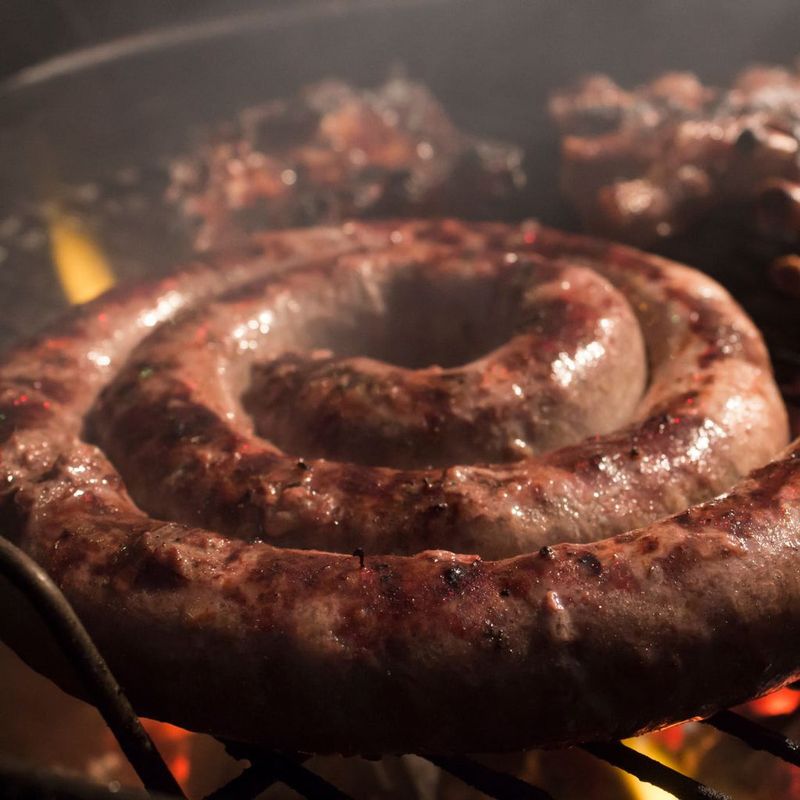
Boerewors is more than just a sausage in South Africa — it’s a national symbol. The name means “farmer’s sausage” in Afrikaans, and it’s the undisputed star of the South African braai, which is the local version of a barbecue.
Made from coarsely ground beef and pork mixed with coriander, cloves, and vinegar, it has a unique tangy warmth.
By law in South Africa, Boerewors must contain at least 90% meat. Served coiled on a bun with chakalaka relish, it’s pure South African soul food.
Linguica – Portugal
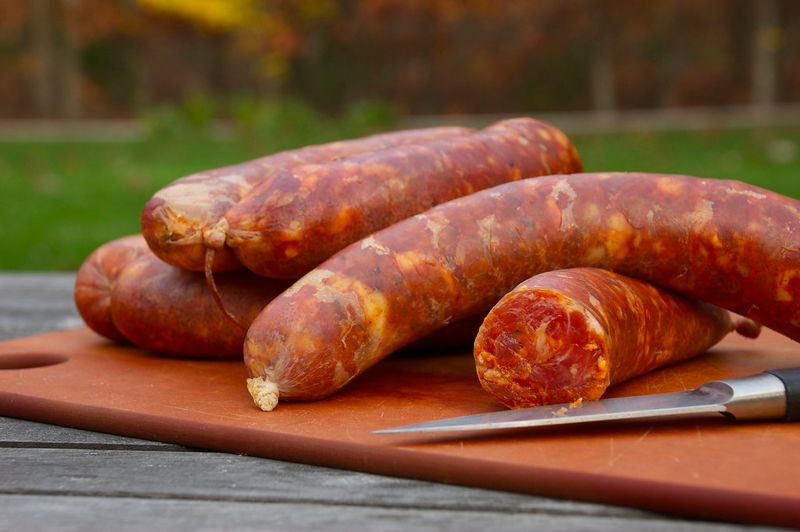
Portugal’s Linguica is a lightly smoked pork sausage with a flavor profile that sits somewhere between Spanish chorizo and Italian sausage — and that’s a wonderful place to be. Seasoned with garlic, paprika, and oregano, it has a mildly spicy, smoky depth that makes it incredibly versatile.
Portuguese immigrants brought Linguica to Hawaii and New England, where it became a local staple.
You’ll find it grilled at Portuguese festivals, stuffed into bread rolls, or sliced into hearty bean stews. Its influence stretches far beyond Portugal’s borders.
Salsiccia – Italy
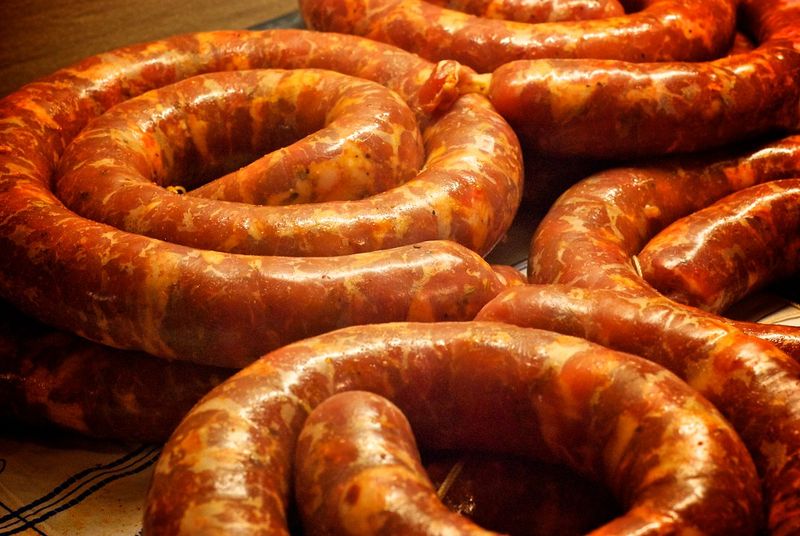
Salsiccia is the fresh, uncooked cousin of the more famous cured Italian sausages, and it might just be the most versatile of them all. Every region of Italy has its own version, with flavors ranging from mild and fennel-forward in the north to fiery and chili-packed in the south.
The name itself is the Italian word for sausage, showing how fundamental it is to the cuisine.
Crumble it into a pasta sauce, grill it whole, or stuff it into a crusty roll. Salsiccia adapts to almost any cooking method beautifully.
Toulouse Sausage – France
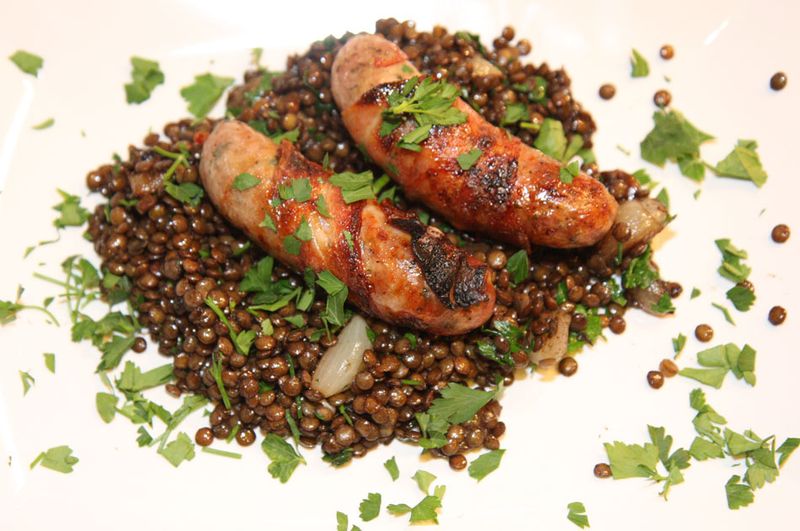
Named after the vibrant southern French city of Toulouse, this coarsely ground pork sausage is the essential ingredient in the legendary French dish cassoulet. Seasoned simply with salt, pepper, and a hint of nutmeg, Toulouse sausage lets the quality of the pork shine rather than hiding it behind heavy spices.
It’s a testament to French culinary philosophy: great ingredients need little fuss.
When grilled on its own, the coarse texture creates a wonderfully juicy bite. It’s the kind of sausage that makes you slow down and truly savor every mouthful.
Boudin Blanc – France
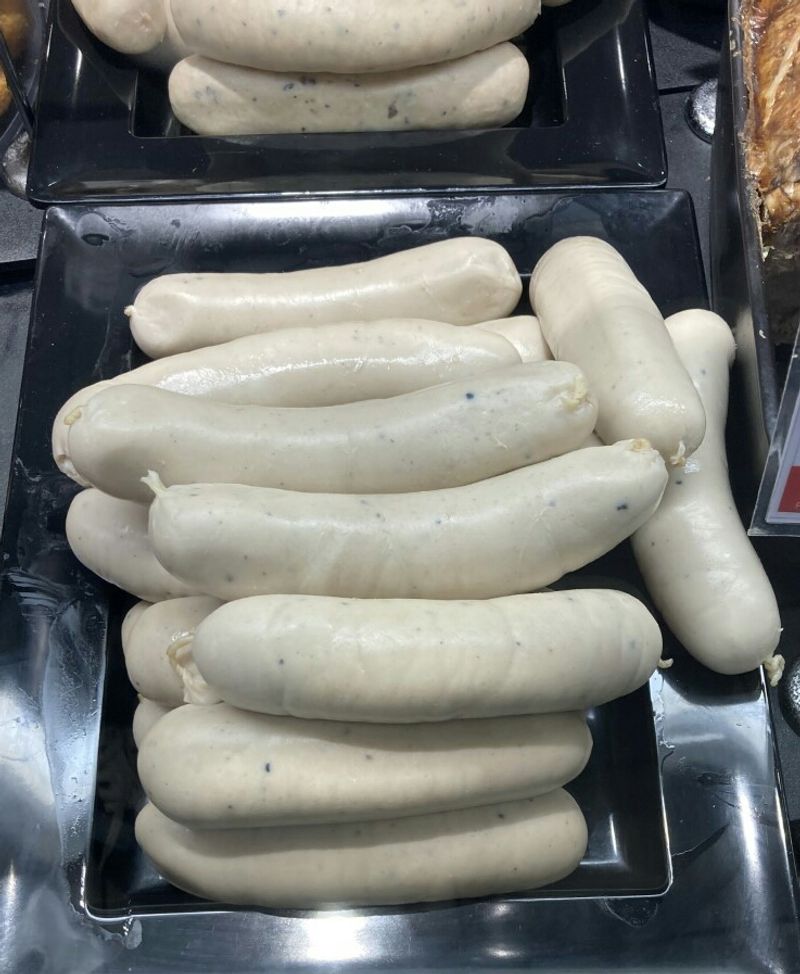
Boudin Blanc is the refined, delicate side of French sausage-making. Made from pork, chicken, or veal mixed with cream, eggs, and mild spices, it has a silky, almost custard-like texture that feels luxurious.
It’s traditionally served at Christmas in France, making it a sausage loaded with warm, festive memories for millions of French families.
Pan-frying Boudin Blanc in butter until it’s golden is the classic preparation. The creamy interior and gently crisped skin create a contrast that feels genuinely special, even on a simple weeknight.
Loukaniko – Greece
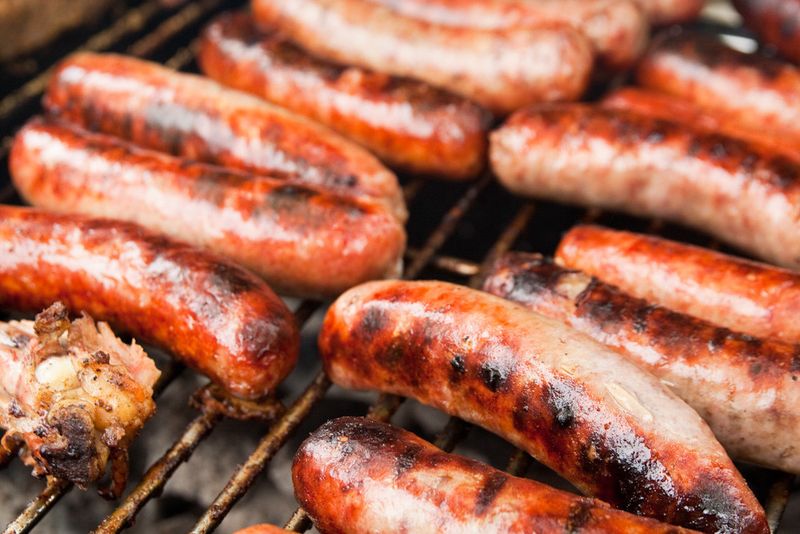
Greece’s answer to the sausage question is Loukaniko, a pork sausage flavored with orange peel, red wine, and herbs like fennel and coriander. That citrusy brightness is what makes it genuinely unique among European sausages.
Ancient Greeks were making sausages as far back as 500 BC, and Homer even mentioned them in his writings.
Loukaniko is typically grilled over an open flame and served with a squeeze of fresh lemon. The combination of smoky char and bright citrus makes every bite taste like a sunny afternoon in the Greek islands.
Cabanossi – Poland
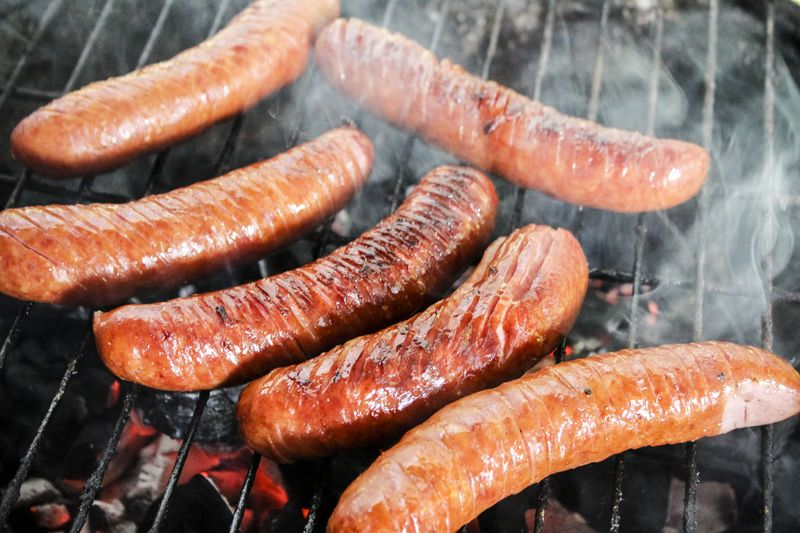
Thin, dry, and snackable, Cabanossi is Poland’s answer to the perfect road-trip food. Made from finely ground pork and seasoned with caraway seeds and black pepper, these slender smoked sausages have a satisfying chew and a savory, slightly smoky flavor.
They’re often enjoyed cold, straight from the package, which is part of their effortless charm.
Cabanossi became popular across Australia and parts of Europe through Polish immigrant communities. Today, they’re a beloved party snack and charcuterie board staple far beyond their Polish homeland.
Sucuk – Turkey
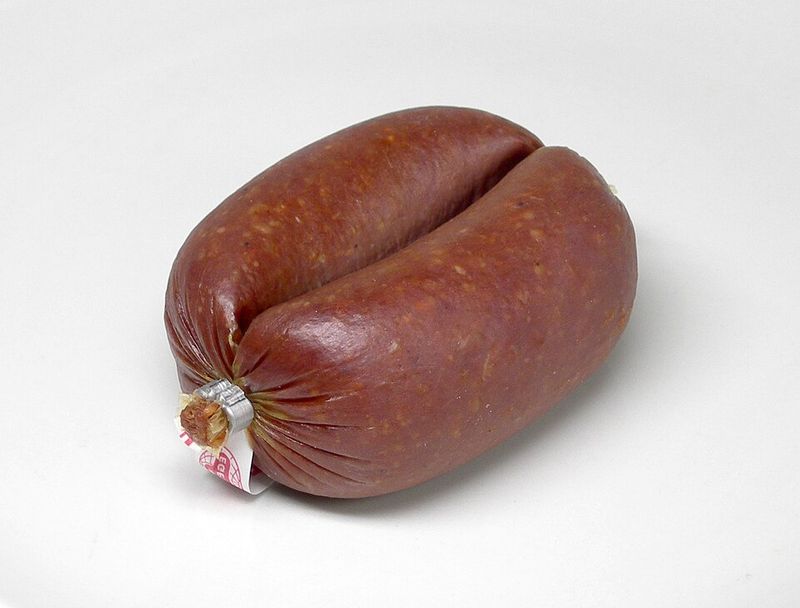
Sucuk is a dry, heavily spiced beef sausage that’s been a cornerstone of Turkish cuisine for centuries. Packed with garlic, cumin, red pepper flakes, and allspice, it delivers an intense, aromatic punch that wakes up your senses immediately.
Its deep red color and crumbly texture set it apart from almost every other sausage on this list.
The most popular way to eat Sucuk in Turkey is pan-fried alongside eggs for breakfast. The rendered fat becomes a spiced, flavorful oil that soaks into the eggs and bread, making the whole plate extraordinary.
Longaniza – Spain
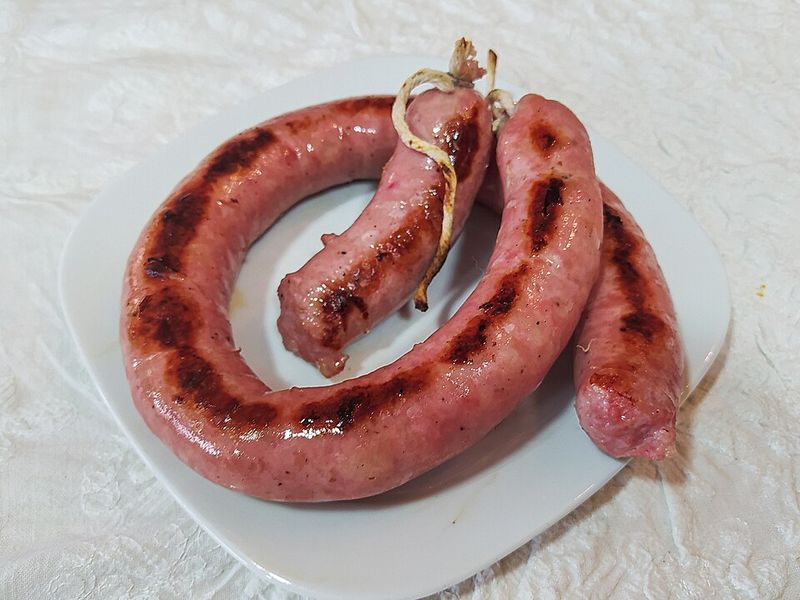
Longaniza is Spain’s longer, thinner cousin of chorizo, and while it shares some DNA, it has a flavor personality all its own. Seasoned with black pepper, anise, and paprika, it has a slightly sweeter and more aromatic profile than the more famous chorizo.
The name comes from the Latin word for “long,” which perfectly describes its slender shape.
What’s fascinating is how Longaniza traveled with Spanish colonizers and transformed into dozens of regional variations across Latin America and the Philippines. Each country made it their own, creating a sausage family tree that spans the entire globe.
Sai Ua – Thailand
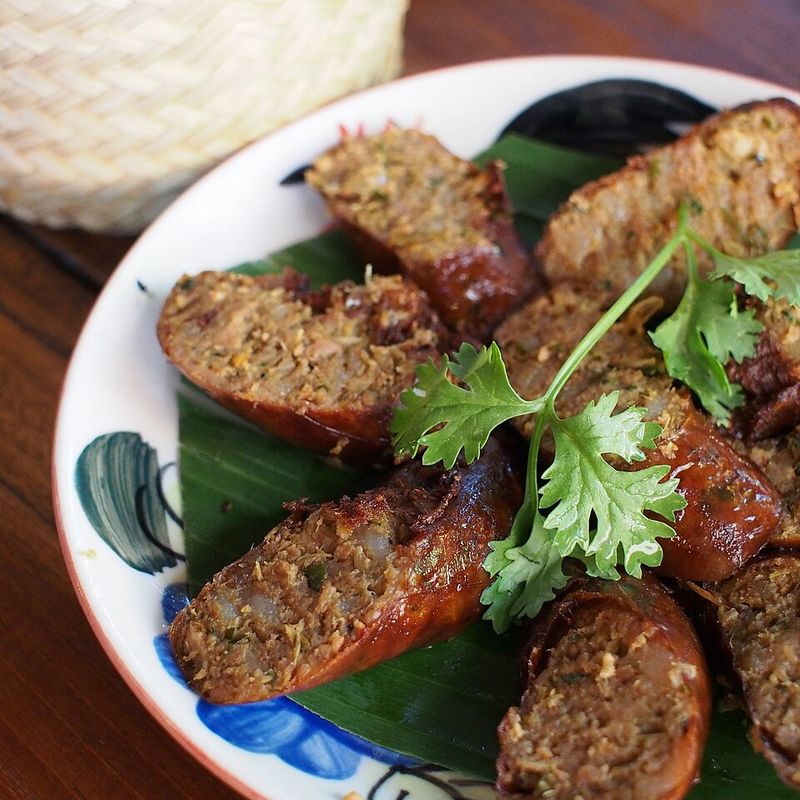
Northern Thailand’s Sai Ua is arguably the most herbaceous sausage on this entire list. Packed with lemongrass, kaffir lime leaves, galangal, turmeric, and fresh chilies, it tastes more like a bouquet of Thai herbs than a traditional sausage.
The fragrance alone is enough to make your mouth water from across the room.
It’s a specialty of Chiang Mai and the surrounding northern provinces, where it’s grilled over charcoal and sold at every local market. Dip it in a sticky chili sauce and you’ll understand why travelers rave about Thai street food.
Lap Cheong – China
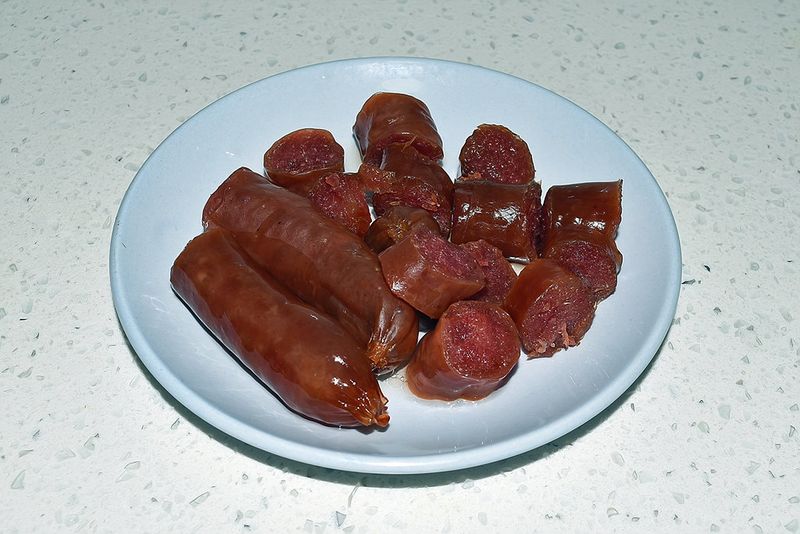
Sweet, chewy, and unmistakably Chinese, Lap Cheong is a dried pork sausage that’s been a staple of Cantonese cooking for generations. Made from fatty pork and seasoned with soy sauce, rose wine, and sugar, it has a sweet-savory balance that’s quite unlike any Western sausage.
The name translates roughly to “wax sausage,” referring to the smooth, waxy texture of the casing.
Lap Cheong is rarely eaten on its own. It’s most commonly steamed on top of rice, letting the sweet, fragrant fat drip down and flavor every grain below.
Debrecener – Hungary
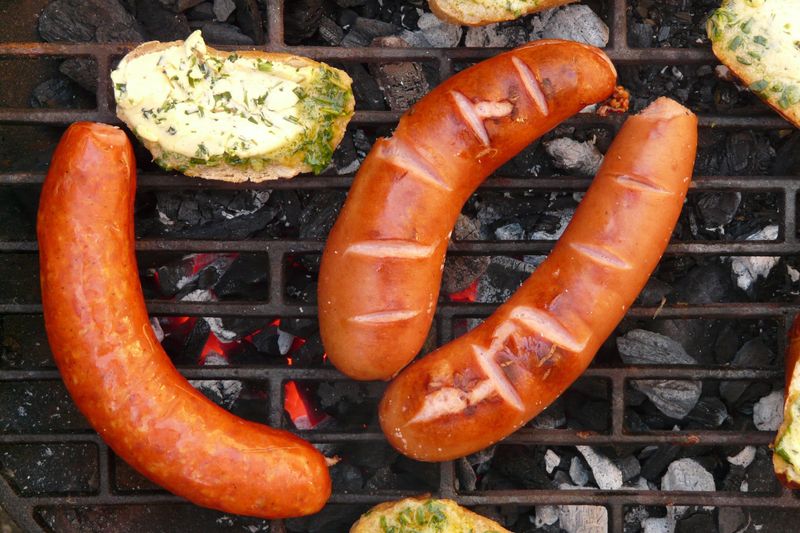
Named after the Hungarian city of Debrecen, this paprika-spiced pork sausage is one of Central Europe’s most satisfying comfort foods. The generous use of hot Hungarian paprika gives it a vibrant brick-red color and a warming, slightly smoky heat that’s bold without being overwhelming.
Hungarians have been perfecting this sausage recipe for well over a century.
Debrecener is typically boiled or grilled and served with pickled vegetables and dark bread. It’s a staple at Hungarian fairs, Christmas markets, and family dinners alike, representing the heart of Hungarian meat culture.
Kransky – Slovenia
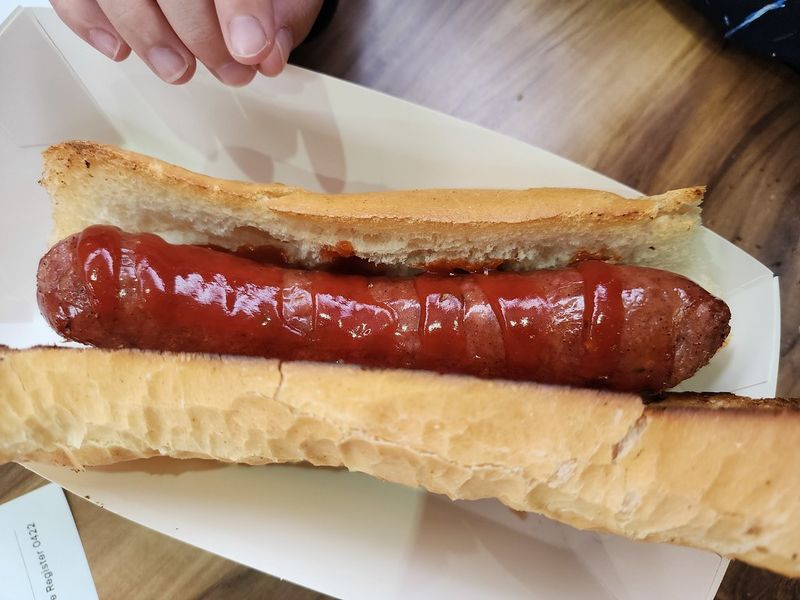
Slovenia’s Kransky, also known as Kranjska Klobasa, is a protected regional specialty that locals are fiercely proud of. Made from coarsely ground pork with a small amount of bacon, it’s seasoned with garlic and salt, then cold-smoked to develop a beautifully rich, mellow flavor.
It’s one of the few sausages in the world with a legally protected recipe.
Traditionally served boiled with sauerkraut and horseradish, Kransky has a firm, satisfying bite. It was even reportedly a favorite of the Habsburg royal family, which tells you something about its quality.
Knockwurst – Germany
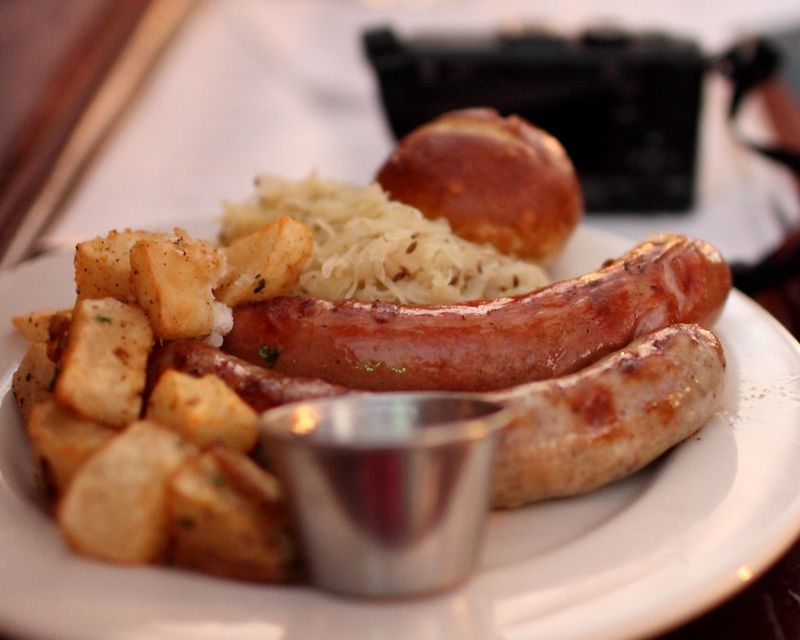
Short, stubby, and absolutely loaded with garlic, Knockwurst is the big-personality sausage of Germany’s already impressive sausage lineup. Made from ground pork and veal, it’s heavily seasoned with garlic and smoked until the casing turns a deep golden-brown.
When you bite into one, the casing snaps with a satisfying crack that sausage lovers live for.
The name comes from the German word “knacken,” meaning to crack or snap. Best enjoyed in a German beer garden with a cold lager, Knockwurst is unapologetically bold and completely delicious.
Blutwurst – Germany
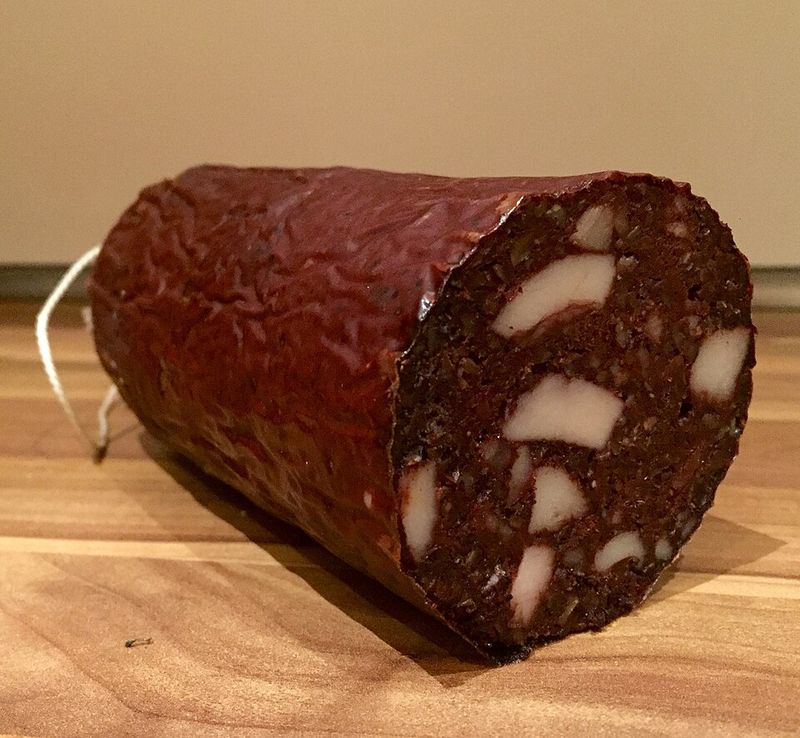
Blutwurst, Germany’s blood sausage, is a dish that demands adventurous eating but rewards it generously. Made from pork blood, fat, and spices like marjoram and cloves, it has a rich, mineral-forward flavor with a soft, spreadable texture.
It might sound intimidating, but blood sausages appear in cuisines all over the world for a very good reason — they taste incredible.
Pan-frying Blutwurst with apples and onions is the classic German preparation, and the sweet-savory combination is genuinely revelatory. It’s a dish that turns skeptics into believers after just one bite.
Morcilla – Spain
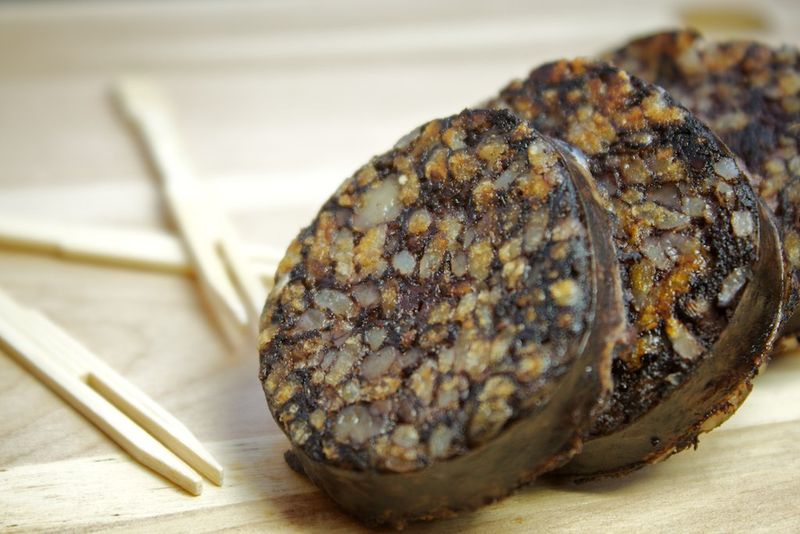
Spain’s Morcilla is blood sausage elevated to an art form. Unlike its German counterpart, Morcilla is often made with rice, onions, and a warming blend of spices including cinnamon and cloves, giving it a texture and flavor that’s uniquely Spanish.
The Burgos region is especially famous for its version, which has a crumbly, almost pudding-like consistency.
Morcilla appears in Spanish tapas bars, stuffed into peppers, or simmered in hearty bean stews like Fabada Asturiana. It’s a sausage that carries centuries of Spanish culinary tradition in every single slice.
Chistorra – Spain
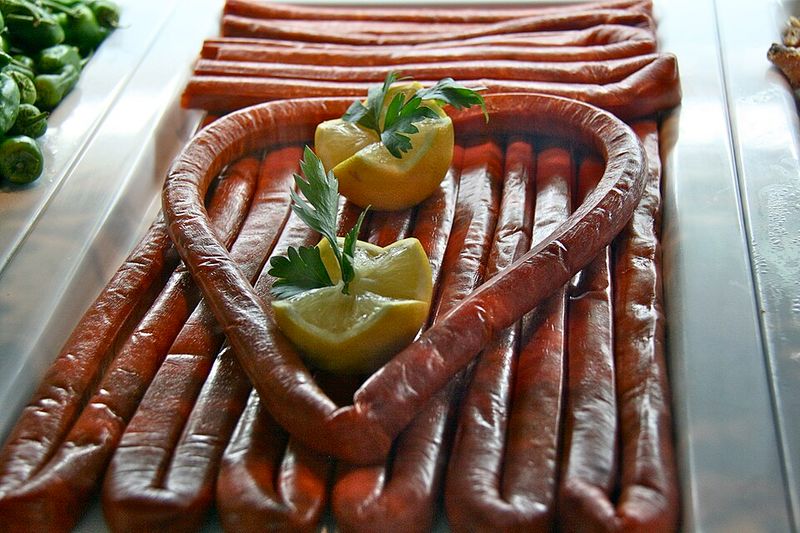
Chistorra is the fast-and-furious sausage of Spain — a thin, quickly cured pork sausage from the Basque Country and Navarre that goes from pan to plate in just minutes. Seasoned with garlic and smoked paprika, it shares some flavor notes with chorizo but has a softer texture and a quicker cooking time.
Its bright red color makes it one of the most visually appealing tapas on any bar counter.
Because it cures quickly, Chistorra is often made fresh and eaten the same day. Wrap it in a piece of crusty bread and you’ve got one of Spain’s most satisfying street food snacks.
Bangers – England
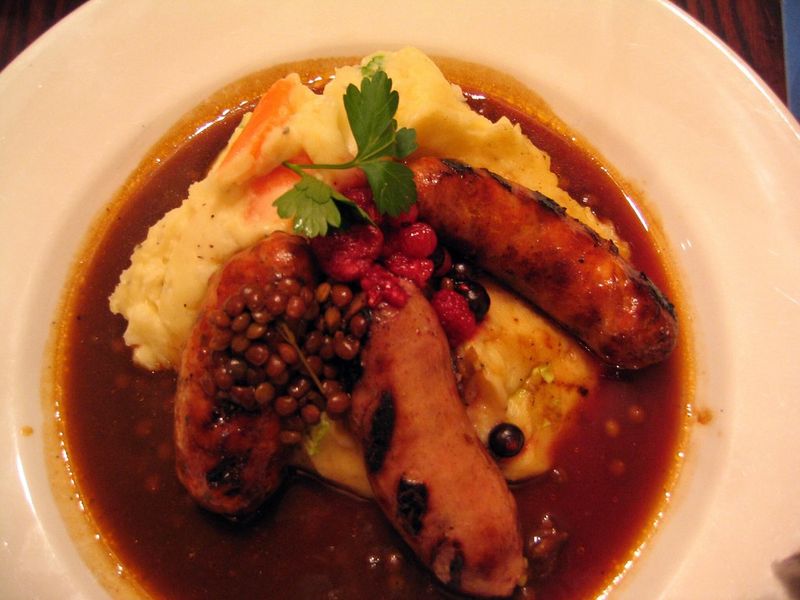
“Bangers and mash” is one of Britain’s most iconic comfort food combinations, and the humble banger deserves far more credit than it usually gets. These plump pork sausages got their unusual nickname during World War I, when meat shortages meant sausages were filled with water and scraps that would literally explode, or “bang,” in the pan while cooking.
Modern bangers are far better quality, made from seasoned pork with breadcrumb fillers that give them a softer texture. Smothered in thick onion gravy over a mountain of mashed potatoes, they’re pure British happiness on a plate.
Hot Italian Sausage – Italy
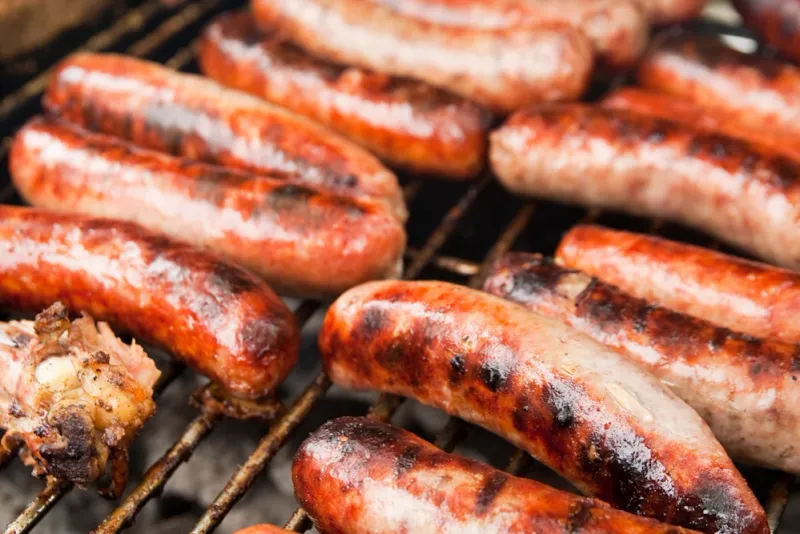
If sweet Italian sausage is a warm conversation, hot Italian sausage is a passionate argument — and just as compelling. Loaded with red pepper flakes, fennel, and garlic, this fiery pork sausage brings serious heat alongside serious flavor.
It became a cornerstone of Italian-American cooking, appearing in everything from pizza toppings to Sunday pasta sauces.
Grilling hot Italian sausage over an open flame caramelizes the outside while keeping the inside juicy and spice-packed. Pile it onto a hoagie roll with sauteed peppers and onions for a sandwich that’s hard to beat on any continent.
Breakfast Sausage – United States
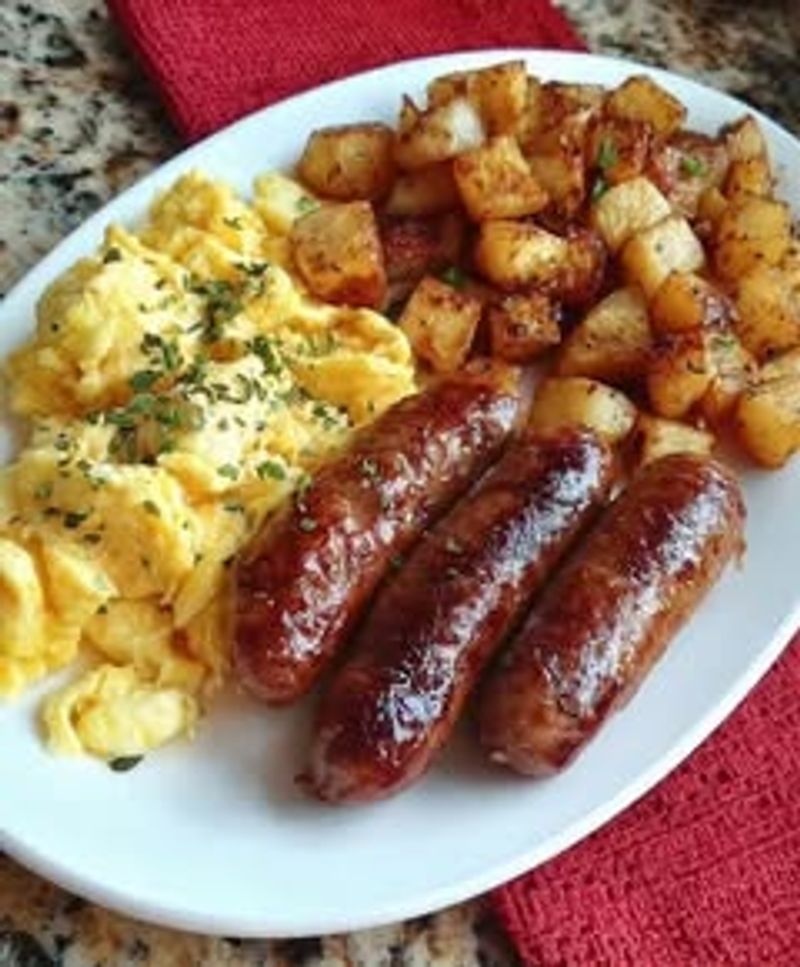
Sunday mornings in America have a smell, and it’s breakfast sausage sizzling in a cast iron pan. Made from seasoned ground pork with sage, black pepper, and a hint of sweetness, American breakfast sausage comes in patties or links and has been a morning ritual for generations.
It’s simple, unpretentious, and absolutely delicious in the way only classic comfort food can be.
The sage-forward seasoning is what makes American breakfast sausage distinctive from its European counterparts. Served alongside fluffy pancakes with maple syrup, it hits that perfect sweet-and-savory combination that makes breakfast the best meal of the day.
Texas Hot Link – United States
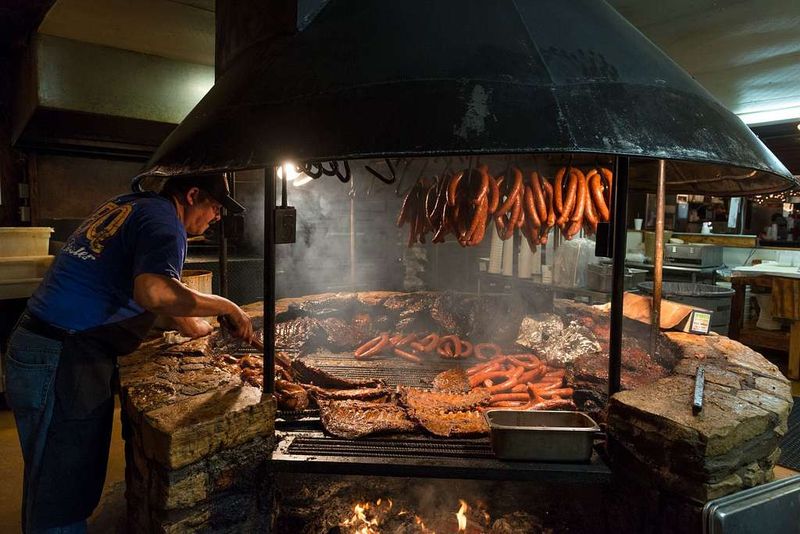
Everything’s bigger and bolder in Texas, and the Hot Link is no exception. This aggressively seasoned smoked beef sausage is a cornerstone of Texas barbecue culture, packed with black pepper, red pepper, and garlic, then slow-smoked over oak or hickory wood for hours.
The result is a deeply charred, juicy sausage with a spicy kick that lingers pleasantly long after the last bite.
At legendary Texas BBQ joints, Hot Links are served on butcher paper with pickles, raw onions, and plain white bread. No fancy sides needed — the sausage is the whole show.
Conecuh Sausage – United States
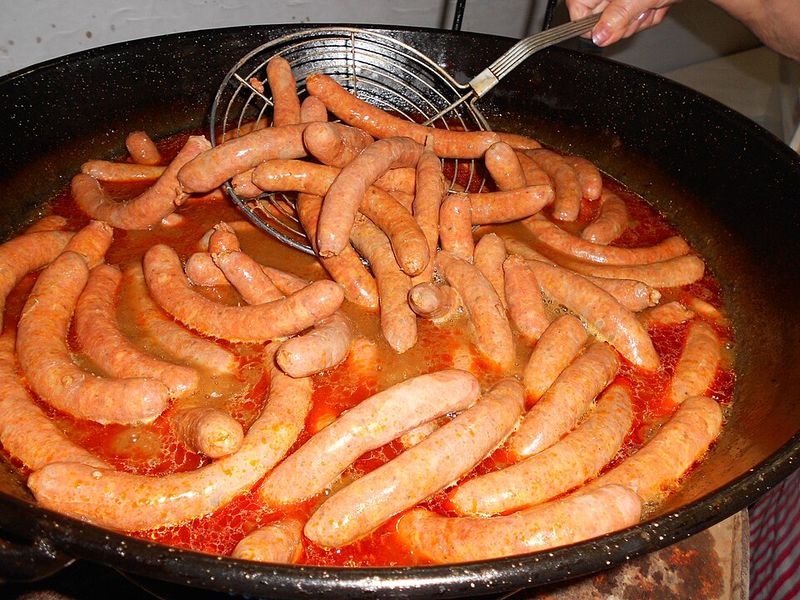
Down in Evergreen, Alabama, Conecuh Sausage has been made the same way since 1947, and the people of the American South will tell you it’s the finest smoked sausage in the country. Made from pork and hickory-smoked over real wood, it has a clean, honest smokiness that mass-produced sausages simply cannot replicate.
It’s the kind of product that builds cult followings and devoted fans who ship it to friends across the country.
Slice it into grits, toss it on a campfire grill, or cook it with eggs for breakfast. However you eat Conecuh, you’re tasting a genuine piece of Southern American food heritage.
Enjoyed this story?
Add Fast Food Club as a preferred source to see more of our reporting on Google.