


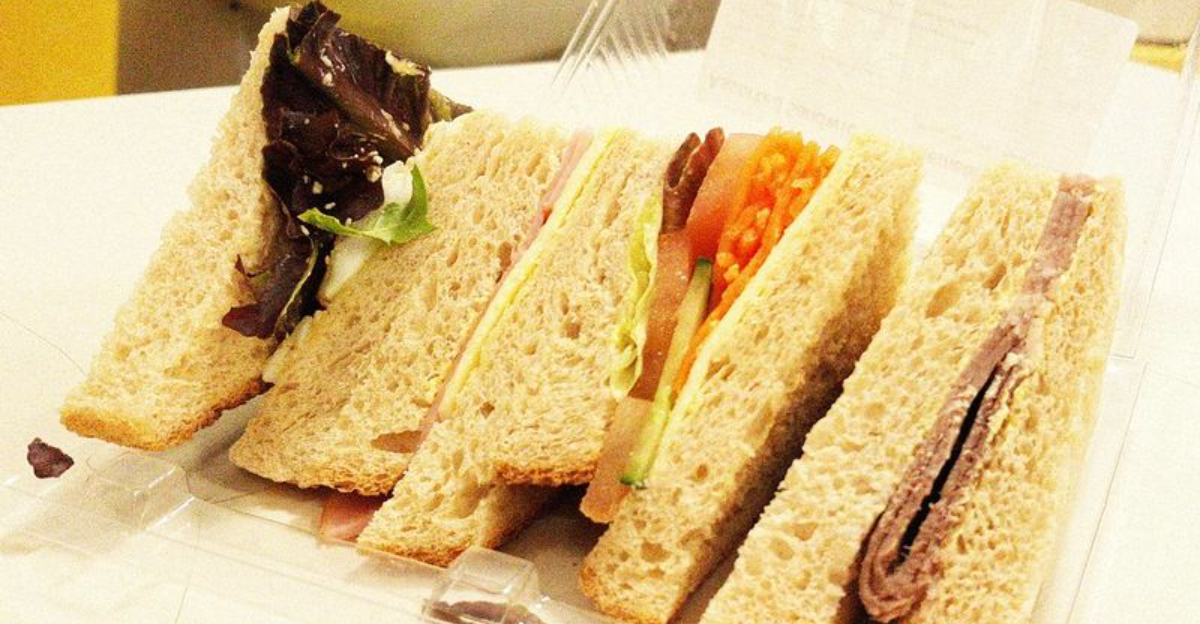
So many everyday foods seem harmless until you flip the box and read what is really inside. Those friendly labels often hide sugar bombs, sky high sodium, mystery oils, and additives your body never asked for.
Once you know what to scan for, you can outsmart the marketing and make swaps that actually feel good. Ready to peek behind the label and protect your energy, mood, and long term health?
Sugary Breakfast Cereals
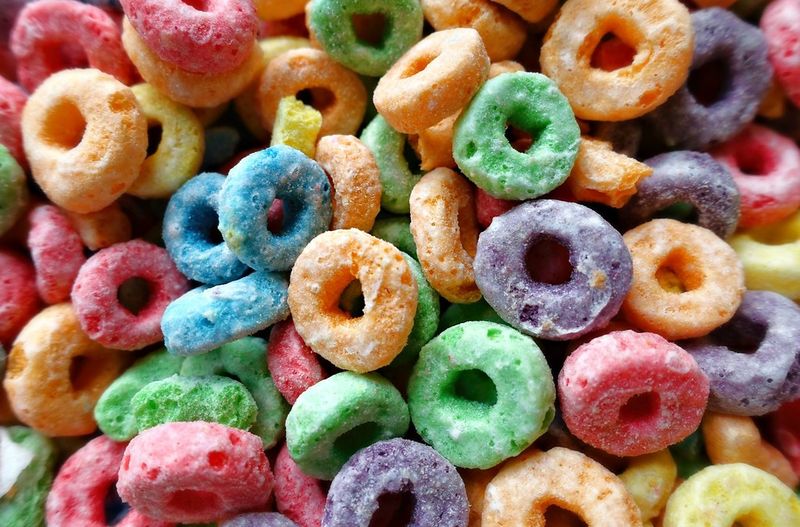
That cheerful cereal box promises whole grains, but the label often lists sugar near the top. One bowl can hide multiple teaspoons, spiking energy then crashing your morning.
Artificial colors and flavors keep it fun while your hunger returns fast.
If you crave crunch, you can do better. Look for unsweetened flakes or plain oats, then add fruit, cinnamon, or nuts.
You get fiber, steady energy, and fewer empty calories. If a cereal lists sugar more than once or ends in the word syrup, consider it dessert, not breakfast.
Soda

Soda looks refreshing, but the sugar load is shocking. A single can can exceed a day’s added sugar target, driving insulin spikes and cravings.
Diet versions swap sugar for artificial sweeteners that may nudge appetite and taste preferences.
If bubbles are your thing, go for sparkling water with citrus slices. Unsweetened iced tea can also scratch the itch without the sugar wallop.
Save soda for rare occasions, not daily hydration. Your teeth, energy, and waistline will thank you, and your taste buds will soon prefer cleaner, lighter flavors.
Energy Drinks

Energy drinks promise focus and power, yet they often deliver jittery spikes. Many combine sky high caffeine with sugar or sweeteners, plus stimulants like taurine and guarana.
That combo can stress your heart, disturb sleep, and leave you drained later.
Need a lift without the crash? Try coffee or tea with a meal, or hydrate first since fatigue often mimics dehydration.
A quick walk outside boosts alertness naturally. If you still choose an energy drink, pick a small can, check caffeine per serving, and avoid mixing with alcohol.
Your nervous system prefers calm consistency.
Instant Ramen
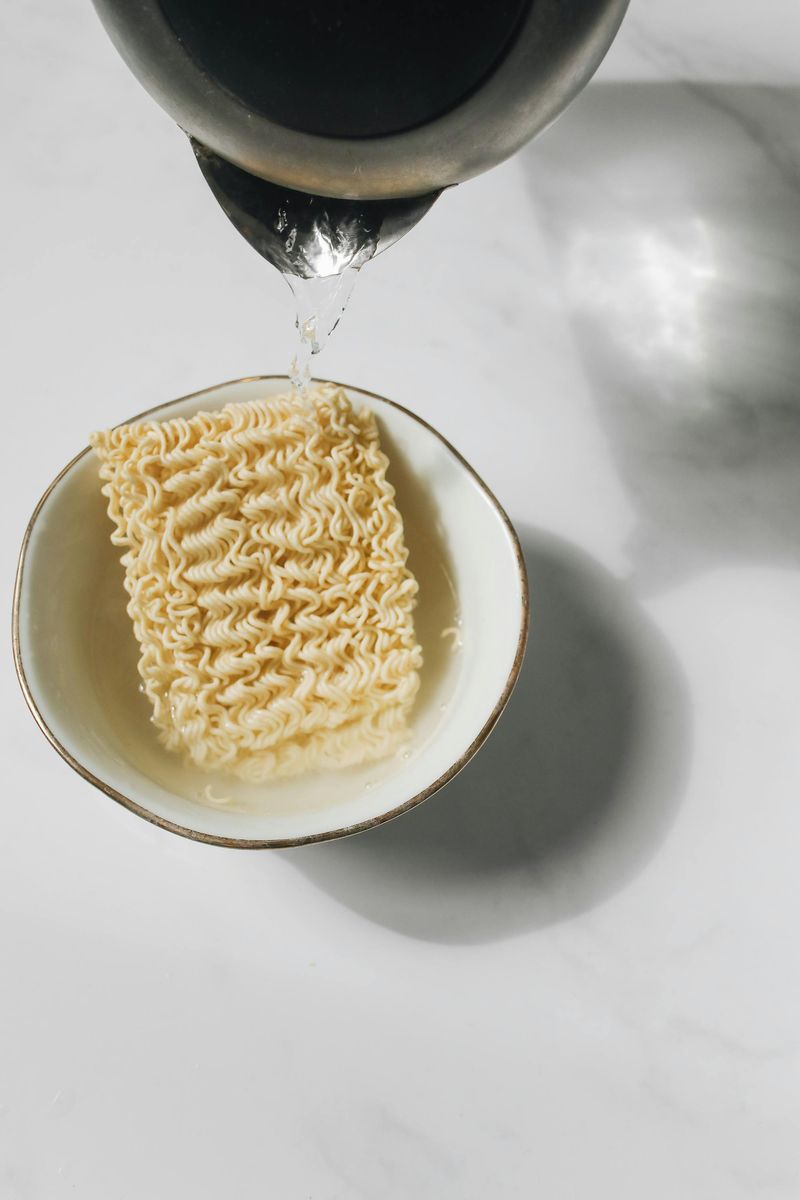
Instant ramen feels comforting and cheap, but the label tells another story. Sodium often soars past half a day’s worth, and the seasoning packets pack additives and flavor enhancers.
The noodles are typically fried, delivering refined carbs and industrial oils.
You can level it up fast. Use half the seasoning, add miso paste or low sodium broth, toss in greens, tofu, or egg.
Choose baked or air dried noodles when possible. What started as a sodium bomb becomes a balanced, cozy bowl that actually leaves you energized.
Frozen Pizza

Frozen pizza is a weeknight hero with hidden costs. Many crusts are refined flour with added sugar, while cheese blends include fillers and oils.
Processed meats pile on sodium and preservatives that leave you parched and puffy.
Want pizza without the slog? Choose thin crusts, vegetable toppings, and simple ingredient lists.
Add a side salad and some extra veggies on top to boost fiber and micronutrients. Or build your own with whole grain crust and real cheese.
You still get melty satisfaction, minus the stealthy salt and questionable additives.
Fast Food Burgers
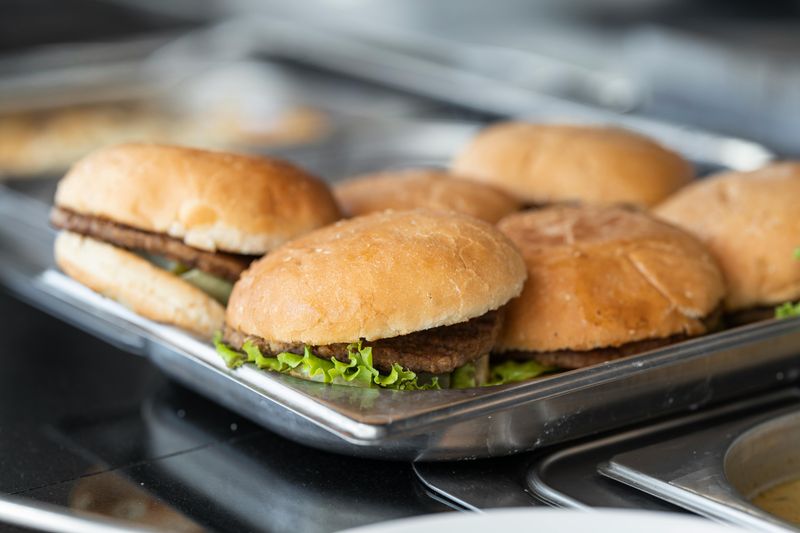
That fast food burger hits cravings quickly, but label data is sobering. The bun, sauces, and cheese layer sugar, sodium, and industrial oils onto already fatty meat.
Add fries and soda and your meal can exceed daily calorie and sodium needs.
You can still enjoy a burger smarter. Choose a single patty, skip sugary sauces, and load lettuce, tomato, and onion.
Go bunless or pick a whole grain bun if available. Pair with water and a side salad to balance the plate.
You keep the flavor while ditching the regret.
Fried Chicken

Fried chicken’s crunch is addictive for a reason. The breading and oil soak add lots of calories and often trans fat if poorly managed.
Many chains season heavily, pushing sodium sky high and leaving you thirsty for hours.
Craving that texture? Try oven baked or air fried chicken with a seasoned whole grain crumb.
Marinate first for tenderness, then use a light spray of oil. Pair with slaw dressed in yogurt or olive oil, skipping sugary sauces.
You still get crisp satisfaction without the greasy aftershock and midday crash.
Hot Dogs
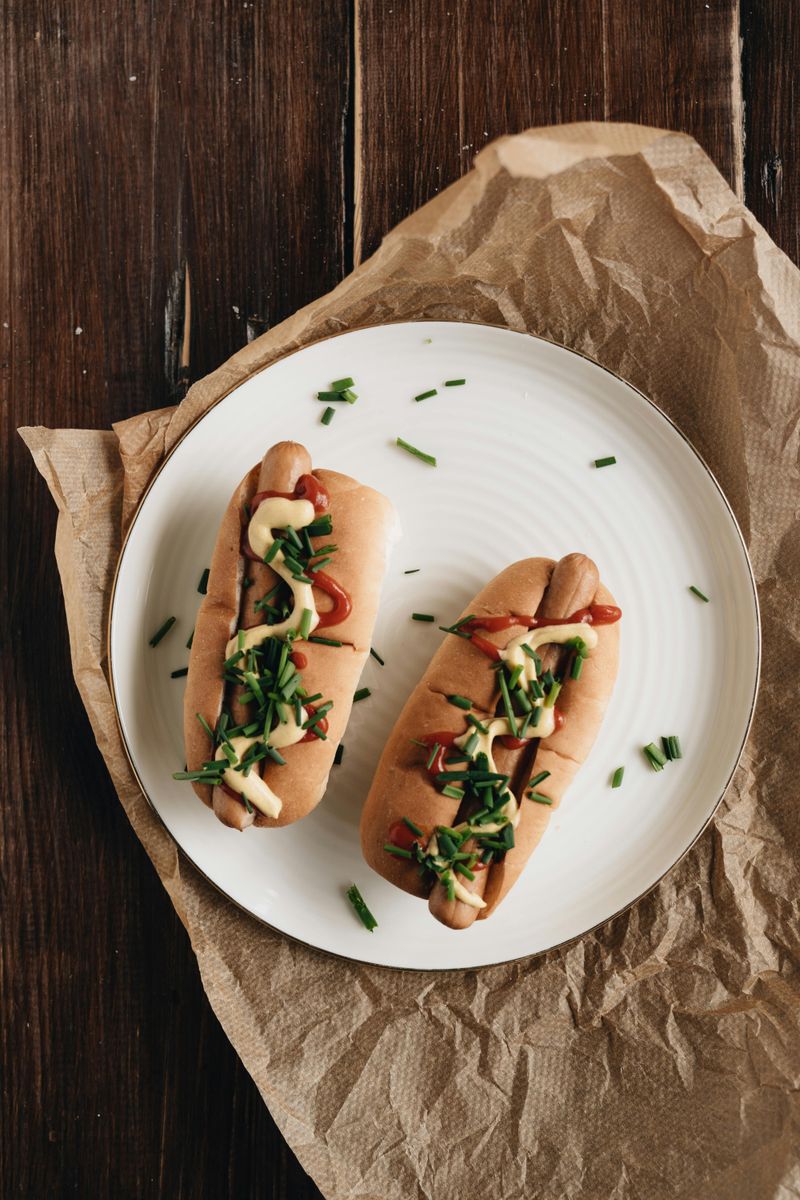
Hot dogs seem simple, but labels often list mechanically separated meats, nitrates, and fillers. Sodium and saturated fat add up fast, especially with buns and condiments.
Some varieties also contain added sugars you would never expect in a sausage.
If the craving strikes, choose nitrate free options with short ingredient lists. Pile on onions, relish with no artificial dyes, and mustard instead of sugary ketchup.
Or try a grilled chicken sausage or veggie dog. You keep the cookout vibe while treating your heart and gut far more kindly.
Processed Sausages

Processed sausages pack flavor with a price. Nitrates, excess sodium, and saturated fat make regular intake rough on your cardiovascular system.
Many brands hide sugar, starches, and binders that add calories without nutrition.
When choosing sausage, read the label slowly. Look for 100 percent meat, herbs, and spices you recognize, and pick chicken or turkey more often.
Balance the plate with vegetables and whole grains so the protein does not dominate. Or skip sausage and season ground meat yourself.
You get the same savory satisfaction without the stealthy additives.
Packaged Donuts
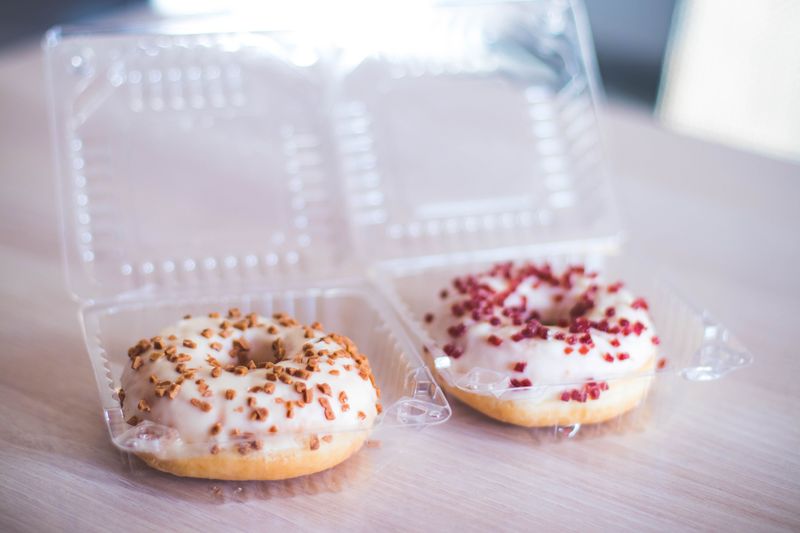
Packaged donuts are sugar and oil dressed as breakfast. The refined flour hits fast, the glaze adds a rush, and the shortening keeps it shelf stable, not healthy.
You feel a buzz, then a crash that sends you hunting more sweets.
Want the treat without the spiral? Enjoy a bakery donut occasionally, fresh and shared.
Or bake at home with yogurt or applesauce swaps, then freeze extras. Pair with protein like eggs or Greek yogurt to steady blood sugar.
That way, a treat stays a treat, not a habit.
Muffins

Many muffins are cupcakes without frosting. Oversized portions, refined flour, and generous sugar turn breakfast into dessert.
Add oils and mix ins like chocolate chips, and you are eating more calories than some full meals.
You can make smarter swaps. Choose smaller muffins with whole grains and fruit for natural sweetness, or split one and add protein on the side.
Baking at home lets you cut sugar and use oats, nuts, and seeds. Suddenly a muffin becomes a balanced bite, not a blood sugar roller coaster.
Potato Chips

Potato chips are engineered for nonstop munching. Thin slices, salt, and oil create the bliss point that keeps your hand returning to the bag.
The calories add up quickly while fiber remains almost nonexistent.
Craving crunch with fewer consequences? Try popcorn popped in olive oil, baked pitas with hummus, or roasted chickpeas.
If chips are non negotiable, portion a small bowl and put the bag away. Choosing kettle cooked in avocado or olive oil can be a slight improvement, but plants and protein win long term.
Tortilla Chips
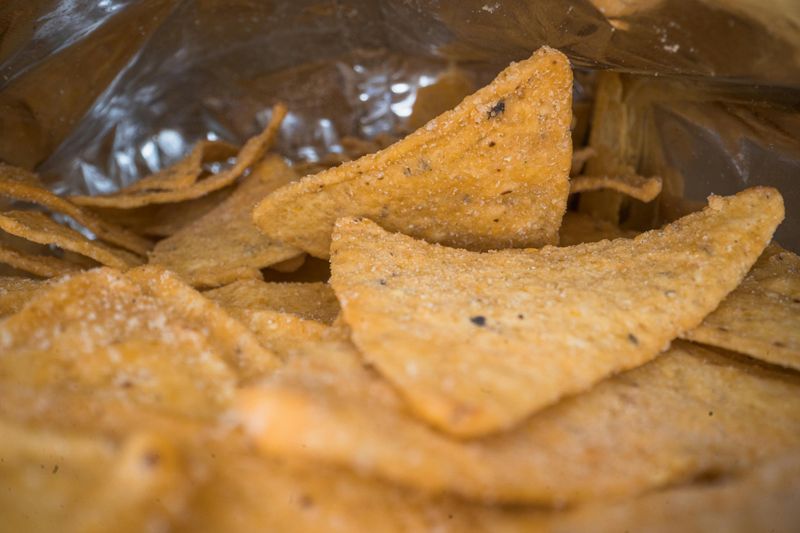
Tortilla chips seem lighter than potato chips, yet portions slide fast. Fried corn plus salt and oil equals calorie dense bites that pair with creamy dips.
Add restaurant refills, and you can down a meal’s worth before dinner lands.
Ask for baked chips or swap to crunchy veggies for scooping. At home, choose lightly salted versions and portion them before the salsa shows up.
Guacamole offers healthy fats, but watch quantity. If corn is your favorite crunch, balance with fiber rich beans and a lean protein, so the basket does not become the main course.
Packaged Cookies

Packaged cookies are the definition of sneaky calories. Refined flour, sugar, and oils combine with emulsifiers that keep them crispy for months.
It is easy to eat several without noticing, then feel cravings intensify later.
If cookies bring you joy, make them intentional. Choose a single serving pack or buy a bakery cookie and split it.
Baking at home lets you cut sugar and use dark chocolate, oats, and nuts for texture. Enjoy slowly with tea or milk, then close the kitchen.
You get the treat without the autopilot binge.
Candy Bars
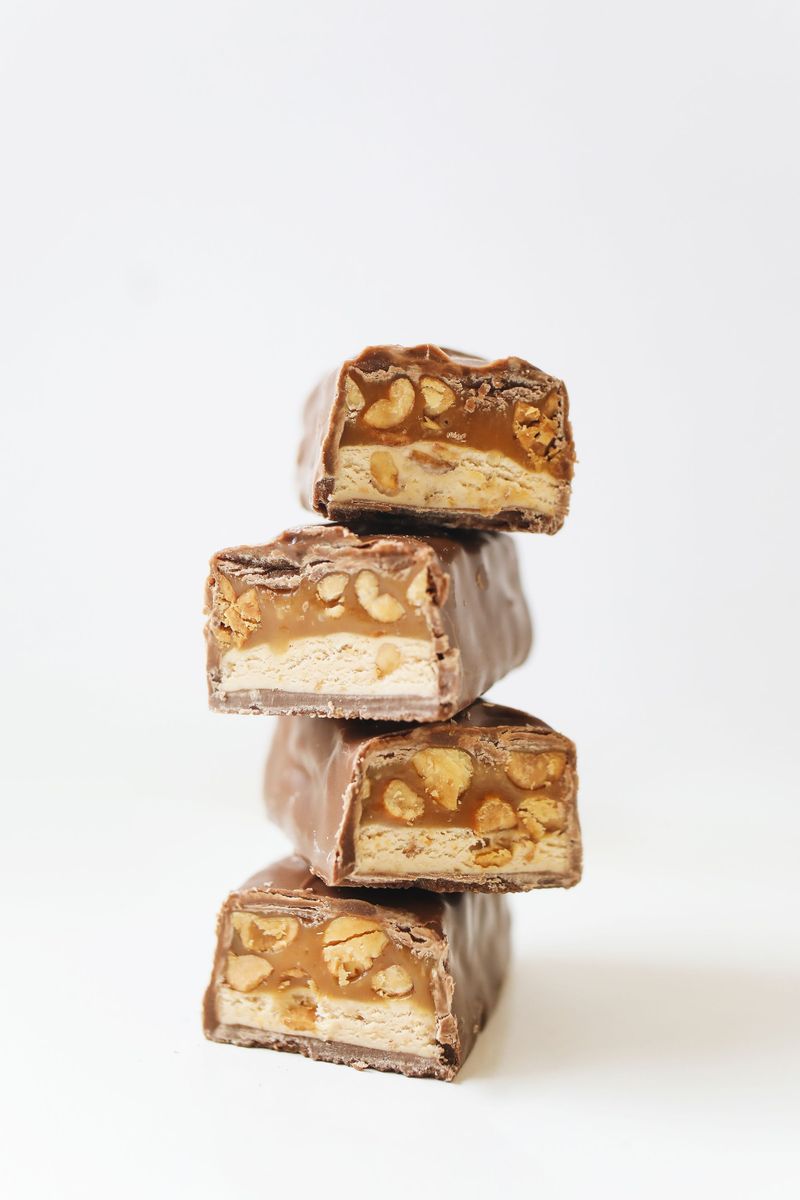
Candy bars are essentially sugar, fat, and flavorings shaped for convenience. Caramel, nougat, and coatings drive quick energy spikes that fade fast.
Some bars list multiple types of sugar, making a small portion pack a big punch.
Craving sweet and satisfying? Try a square of dark chocolate with almonds or a date stuffed with peanut butter.
If you pick a bar, choose smaller sizes and read the first three ingredients. Keep it occasional, not automatic at checkout.
Your energy and dental health will thank you for breaking the habit.
Milk Chocolate Candy
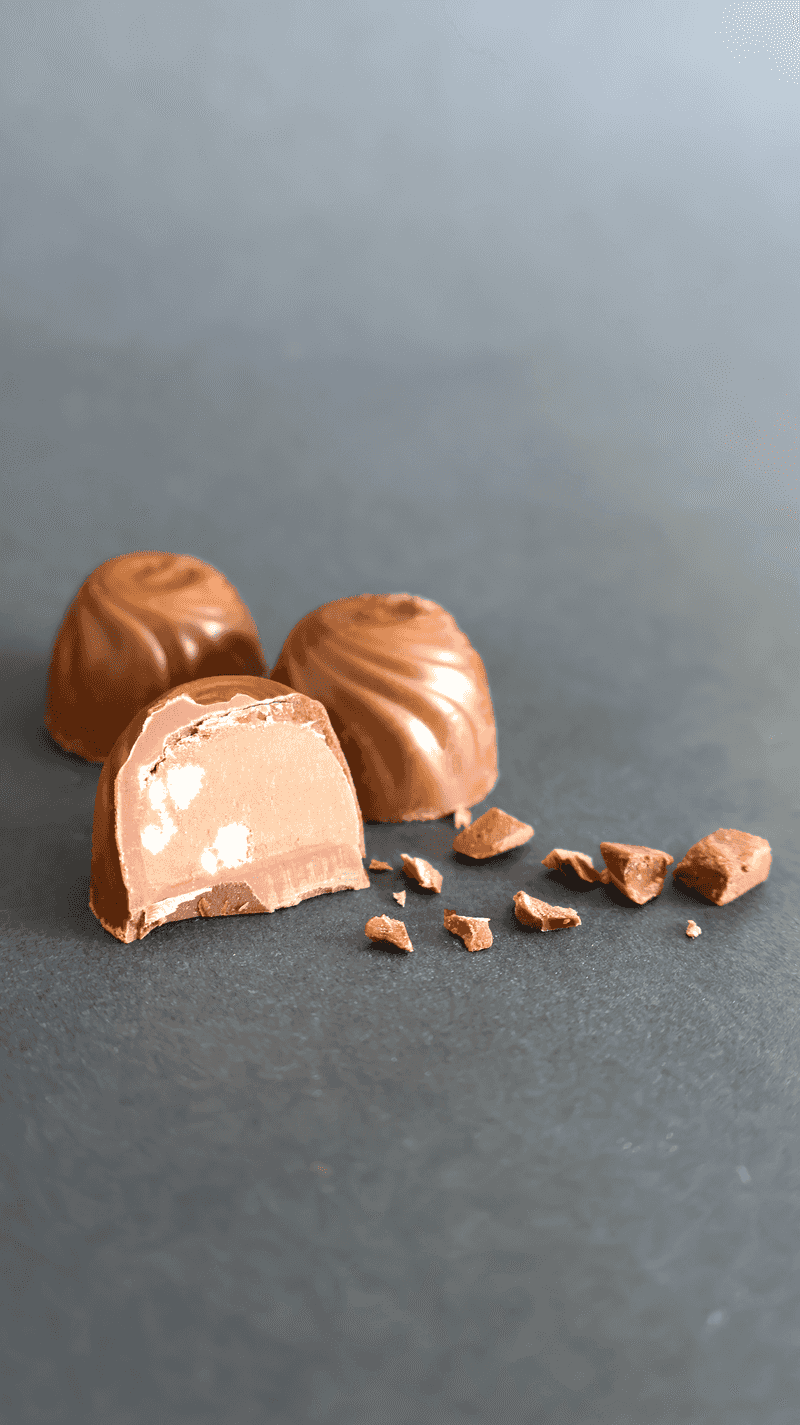
Milk chocolate is creamy comfort with a sugar price tag. The milk solids and added sugar mute cocoa’s natural bitterness, but they also dilute antioxidants.
A few pieces can quickly turn into many because the sweetness invites more bites.
You do not have to skip chocolate. Choose darker varieties with higher cocoa percentages, and savor slowly.
Pair with berries or nuts to add fiber and fat that help with fullness. Keep milk chocolate for special moments and buy smaller bars.
Pleasure stays, crashes go, and your palate evolves toward richer flavors.
Ice Cream Sandwiches

Ice cream sandwiches look modest but hide double trouble. You get cookies plus ice cream, stacking sugar, refined flour, and sometimes stabilizers and vegetable oils.
Two or three go down fast, especially in summer heat.
When cravings hit, go for a single high quality sandwich with short ingredients, or choose a scoop of real ice cream in a bowl. Frozen Greek yogurt bars can be a lighter option.
Slow down, taste every bite, and stop when satisfied. You keep the nostalgia while steering clear of mindless extras.
TV Dinners
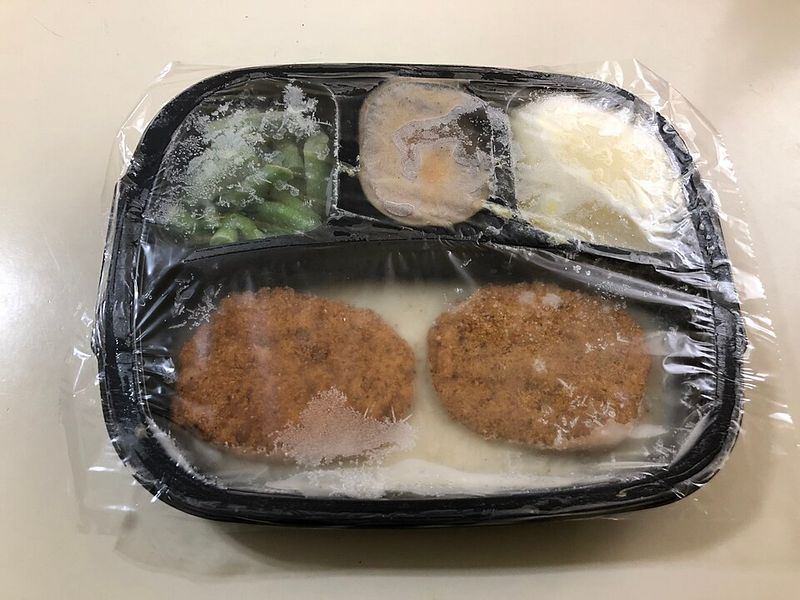
TV dinners trade convenience for heavy sodium and additives. The portions look controlled, yet sauces and gravies hide sugars and oils that pad calories.
Vegetables can be scarce or mushy, leaving you less satisfied and more snack prone.
For easy nights, batch cook grains and proteins, then add frozen vegetables and simple sauces. Or choose frozen meals with short ingredient lists, plenty of veggies, and reasonable sodium.
A sprinkle of herbs and a side salad lifts the whole plate. You still get quick comfort without the bloated aftermath.
Microwave Popcorn

Microwave popcorn feels lighter than chips, but some bags use palm oil, artificial flavors, and excessive salt. Portions balloon quickly when you eat from the bag.
That buttery aroma can mask how much you are actually consuming.
Better options exist. Choose air popped kernels and add olive oil, Parmesan, or nutritional yeast.
If using microwave bags, find brands with simple ingredients and moderate sodium. Pour into a bowl to portion, then enjoy the movie.
You keep the crunch and ritual without the stealthy extras your body does not need.
Mashed Potatoes

Mashed potatoes themselves are fine, but the label shifts when butter, cream, and gravy join. Restaurant versions can sneak in loads of fat and sodium.
That side dish suddenly rivals an entree in calories without offering much fiber.
You can keep the comfort lighter. Mash with olive oil, broth, or Greek yogurt, and leave some skins on for texture and nutrients.
Season with garlic, chives, and pepper. A smaller scoop beside protein and vegetables feels satisfying.
You still get cozy, just without the sleepy slump.
Mac and Cheese
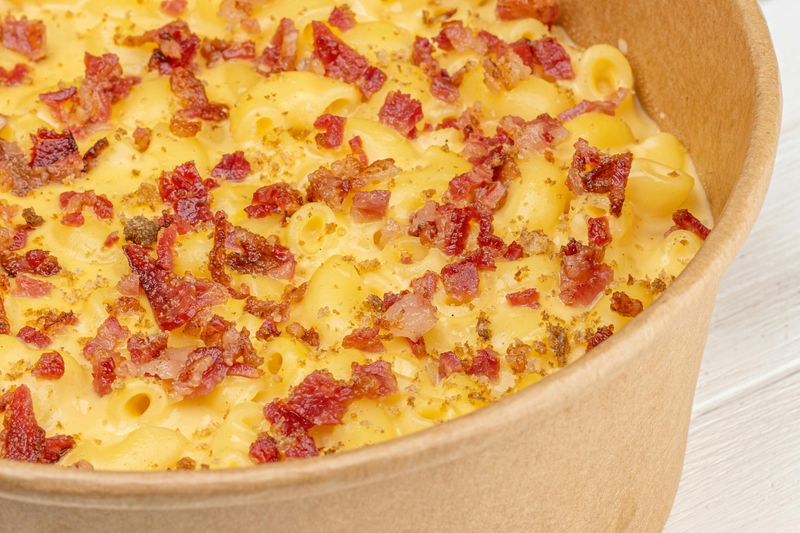
Boxed mac and cheese leans on refined pasta and salty powdered sauce. The convenience is great, but sodium and saturated fat stack up quickly.
Many versions lack protein and fiber, so hunger returns sooner than expected.
Upgrade without losing comfort. Stir in peas, spinach, or broccoli, use milk instead of heavy cream, and add tuna or chicken for protein.
Choose whole grain or chickpea pasta to slow digestion. If the neon powder alarms you, make a quick stovetop version with real cheese and spices.
Your taste buds will not miss the packet.
Coffee Drinks

Many coffee drinks are milkshakes in disguise. Syrups, sweetened milks, and whipped cream can push a cup past a meal’s calories.
Even small daily servings add up fast, especially with pastry friends.
Crave the ritual without the sugar crash? Order smaller sizes, ask for half syrup, or go unsweetened with cinnamon.
Choose milk you enjoy and skip the whipped topping. If you want dessert, own it, but keep it occasional.
Your focus, sleep, and budget will improve when your coffee serves you, not the other way around.
Breakfast Pastries

Breakfast pastries melt in your mouth because they are mostly refined flour, sugar, and butter. They taste incredible but deliver little fiber or protein.
The result is a short burst of energy followed by mid morning hunger.
You can still enjoy bakery magic. Pair a small pastry with eggs or Greek yogurt, or choose a whole grain option when available.
Share or split, savor slowly, and let it be special rather than daily. When everyday breakfast fuels you, those pastry moments become more memorable and guilt free.
White Bread

White bread is gentle on the palate but tough on blood sugar. Enriched flour digests quickly, leaving you hungry and craving more.
Many loaves also include added sugar and conditioners that extend shelf life, not health.
Trade up to whole grain or sprouted breads with at least three grams of fiber per slice. Your sandwiches become more satisfying, and energy levels stay steady longer.
If picky eaters resist, mix one slice white with one slice whole grain while taste buds adjust. Small swaps here deliver big benefits over time.
Margarine Sticks

Margarine sticks were once sold as a heart friendly swap, but many versions rely on highly processed oils. Historically, some contained trans fats that harmed cholesterol.
Even current blends can be heavy on additives and still ultra processed.
For spreads, look for olive oil based tubs with simple ingredients, or use real butter in modest amounts. Better yet, drizzle extra virgin olive oil on warm bread.
When cooking, focus on oils with strong stability and flavor. Your heart and taste buds benefit when you choose quality fats over clever marketing.
Processed Cheese Slices
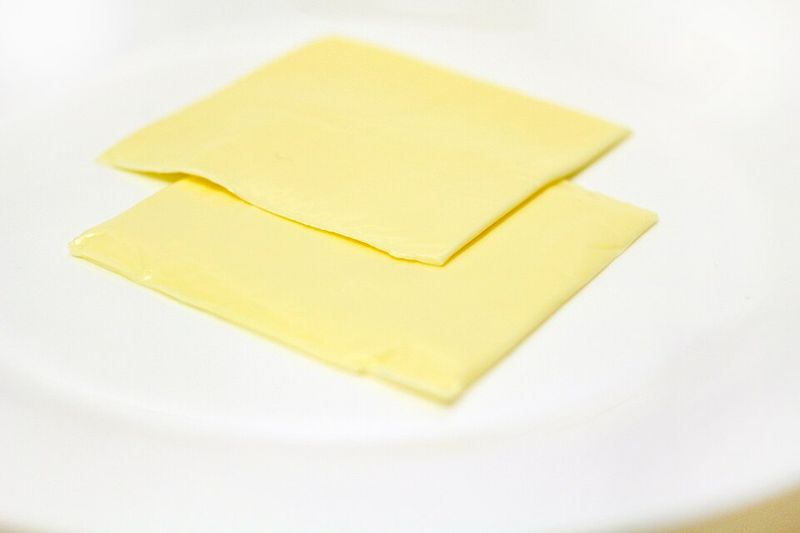
Processed cheese slices melt perfectly because they are engineered, not because they are pure. Emulsifiers, stabilizers, and sometimes added oils create that stretch.
The tradeoff is extra sodium and a flavor that can overshadow real ingredients.
For sandwiches and burgers, try thin slices of real cheddar or Swiss. You will use less because the taste is stronger, and the ingredient list is shorter.
If convenience matters, buy pre sliced real cheese. Your meals feel more grown up, and your body gets closer to actual food.
Fruit Snacks
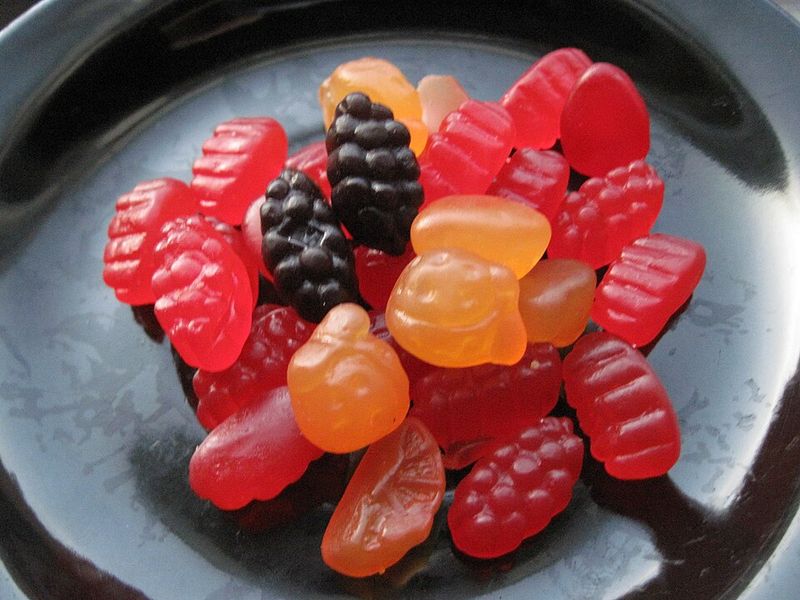
Fruit snacks wear fruit on the label but act like candy. Concentrated juices, syrups, and starches combine into sticky sugars that cling to teeth.
Vitamins may be added, yet fiber and real fruit are usually missing.
For lunchboxes, pack actual fruit or freeze dried slices with no added sugar. If gummies are a must, choose ones with short ingredient lists and portion them.
Pair with nuts or cheese to slow the sugar hit. Kids still feel treated, and you feel better about what is actually fueling them.
Granola Bars
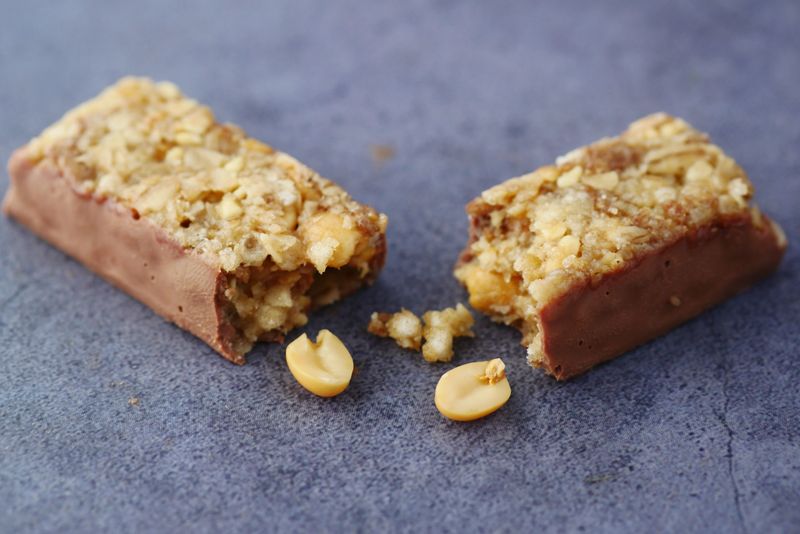
Granola bars suggest outdoorsy energy, but many are candy bars with oats. Sugar appears as syrup, honey, or brown rice syrup, often multiple times.
Portions seem small, yet they barely satisfy because protein and fiber lag.
Hunting for a better bar? Scan for 6 plus grams protein, 3 plus grams fiber, and under 8 grams added sugar.
Nuts, seeds, and real fruit should lead the list. Or make no bake bars at home and cut to your preferred size.
That way the fuel finally matches the vibe.
Pancake Syrup

Many pancake syrups are not maple at all. They are corn syrup blends with caramel color and artificial flavors.
The sweetness floods your system fast, then you want another stack just to chase the feeling.
Level up with real maple syrup and use less. Its flavor is richer, so a small drizzle goes further.
Add berries, cinnamon, and a pat of butter for balance, or make protein pancakes to slow digestion. Breakfast becomes satisfying instead of sleepy, and your bottle lasts longer too.
Salad Dressings

Bottled dressings often sneak in sugars, cheap oils, and lots of sodium. A healthy salad can turn heavy quickly with a few extra glugs.
Creamy styles especially pack calories that overshadow your beautiful greens.
Mix your own with olive oil, vinegar, mustard, and herbs. Or pick store options with short ingredient lists and no added sugar.
Dress the bowl lightly, toss well, and let the vegetables shine. You will enjoy the salad more and feel energized after, not weighed down by a sauce you barely tasted.
French Fries
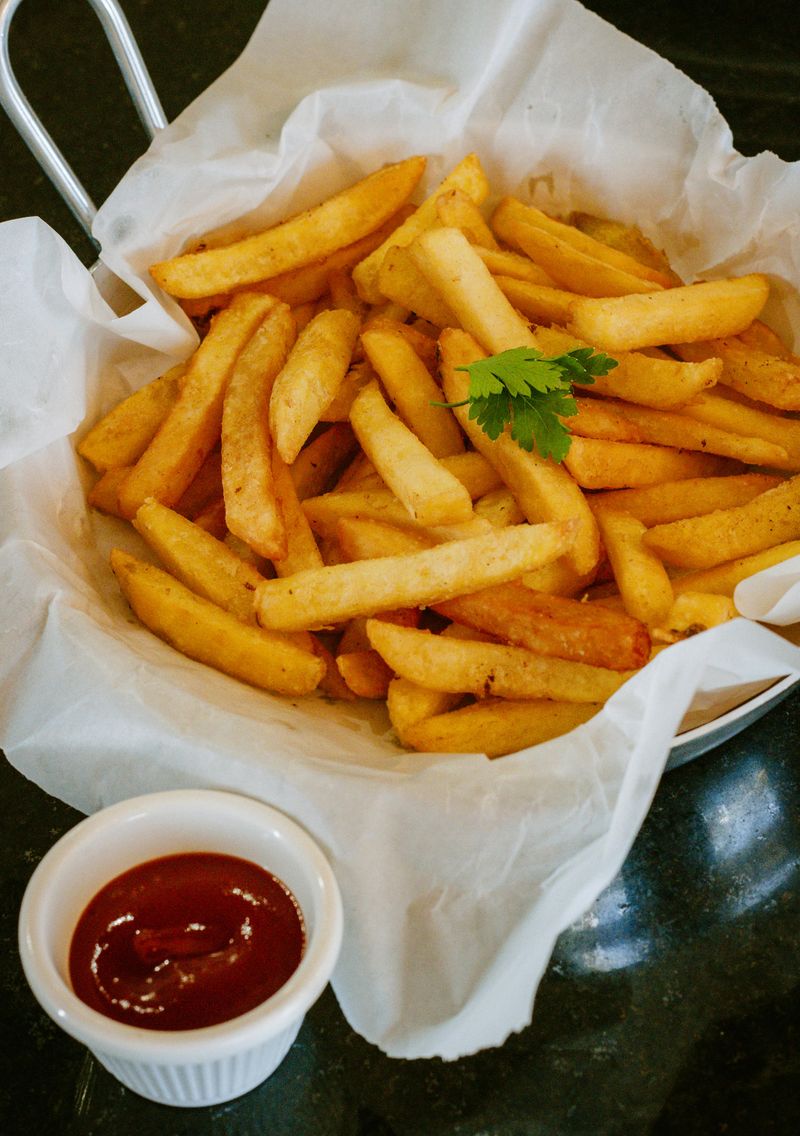
French fries seem like a simple side, yet frying in hot oil makes them calorie dense. Portion sizes exploded over time, and salt keeps you reaching for more.
Ketchup adds sugar, while the combo leaves you thirsty and sluggish.
Crave the crisp? Share a small, ask for extra napkins to blot, or choose oven baked wedges.
Pair with a lean protein and salad so fries are not the star. Sometimes you just want them, and that is fine.
Keep them occasional, and enjoy every hot, crispy bite.
Pre-packaged Sandwiches
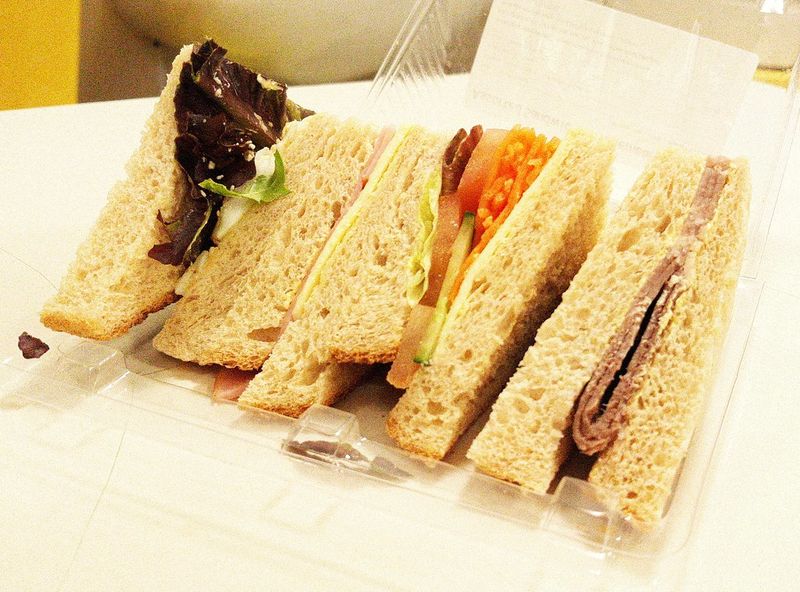
Pre packaged sandwiches save time while slipping in processed meats, sauces, and preservative heavy breads. Sodium can be startling, and the fillings rarely match the label photos.
You eat quickly and feel oddly unsatisfied.
When possible, assemble your own with whole grain bread, lean protein, and crunchy vegetables. If buying, choose simple fillings, skip the extra sauce, and add fruit or a yogurt on the side.
Hydrate and slow down for a few minutes. A mindful sandwich can carry you through the afternoon without a slump.
Enjoyed this story?
Add Fast Food Club as a preferred source to see more of our reporting on Google.