


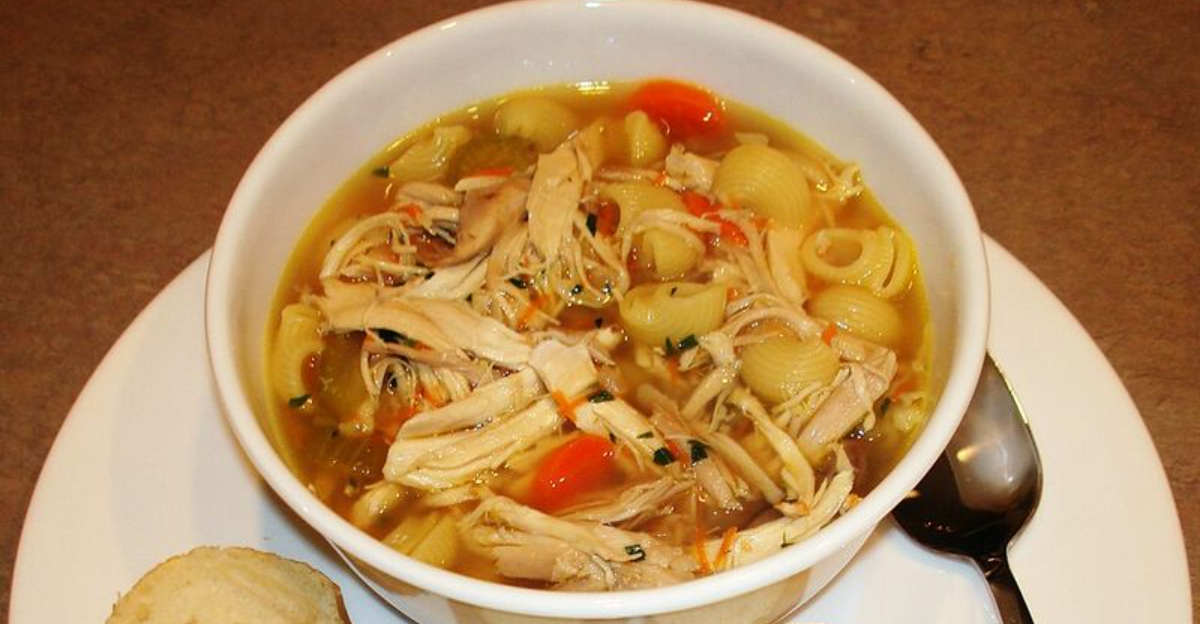
There is a kind of comfort you can taste, and it comes from real food made slowly. Your grandmother did not need labels or mixes, just patience and a well-seasoned spoon.
These are the dishes that turned simple ingredients into memories you still crave. Let them nudge you back into the kitchen, where the good stuff happens.
Meatloaf Dinner
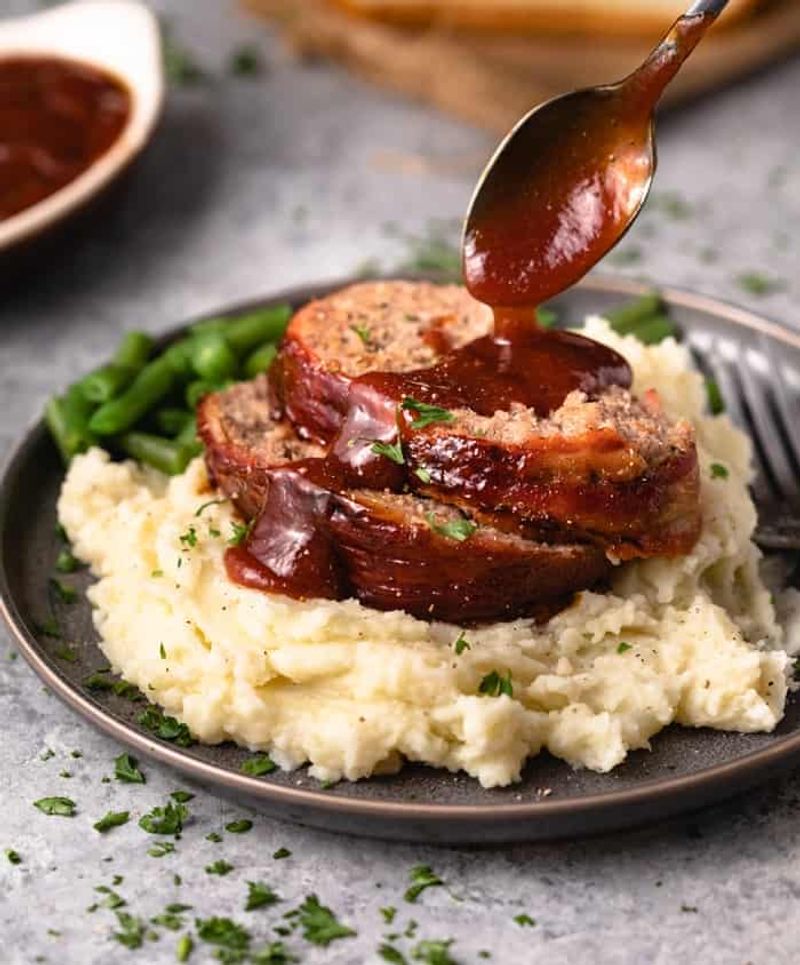
When you crave comfort, meatloaf dinner hits like a hug from the past. Grandma mixed ground beef, breadcrumbs, onions, and a slick of ketchup without a recipe.
You could smell it slowly baking while she whipped fluffy potatoes and buttery green beans.
Today it often comes preformed, plastic wrapped, and strangely uniform. Skip the tray and mix your own with grated carrot for sweetness and a splash of Worcestershire.
Let it rest, slice thick, and spoon over pan gravy so every bite tastes like Sunday. Leftovers make incredible sandwiches with dill pickles, cold ketchup, and toasted white bread for lunch.
Pot Roast
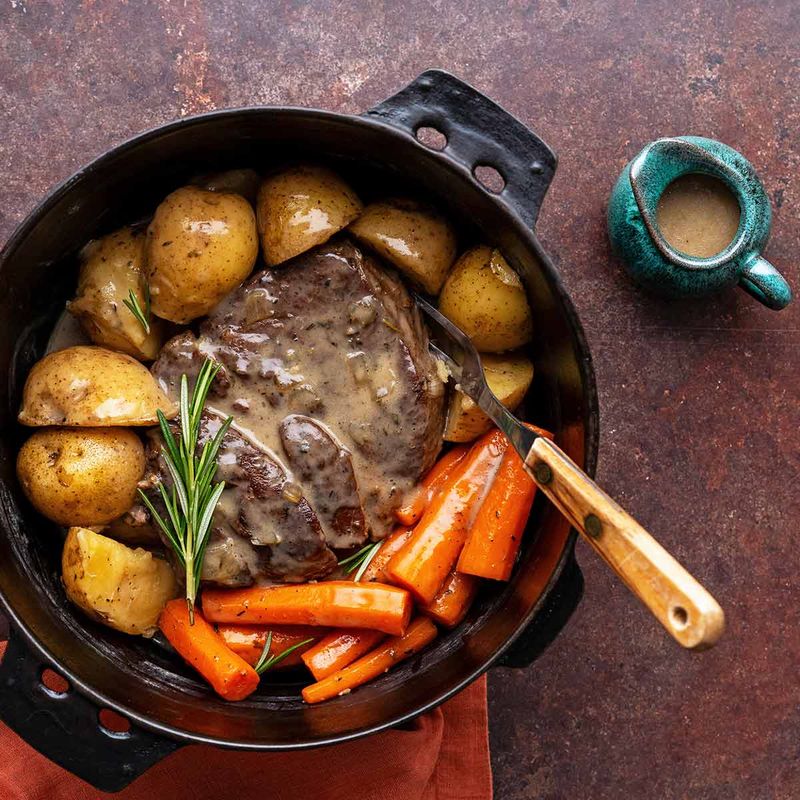
Pot roast meant patience, and you learned it by listening to the simmering lid. Grandma browned chuck until the kitchen smelled nutty, then nestled carrots, onions, and potatoes.
She deglazed with coffee or broth, letting collagen melt into glossy, spoonable gravy.
Now you see vacuum sealed roasts promising tenderness in under an hour. Slow down, salt early, and tuck in thyme and bay for deep, savory perfume.
Serve with buttery noodles, then shred leftovers for sandwiches with horseradish and crisp lettuce. Let the roast rest, spoon over juices, and watch everyone get quiet except for satisfied sighs at the table.
Chicken Dumplings

Chicken and dumplings were winter therapy, silky broth circling tender shreds of bird. Grandma simmered a whole chicken with celery tops, peppercorns, and a stubborn bay leaf.
She pinched biscuit dough by feel, floating clouds that thickened as they cooked.
You can buy it canned, but it never carries that gentle backbone of real stock. Roast the bones first, skim patiently, and finish with parsley and cracked pepper.
Drop dumplings small, cover, and do not peek so steam puffs them perfectly. Serve in warm bowls with buttered peas, and the chill outside loses every argument by the time you finish.
Cornbread Dressing
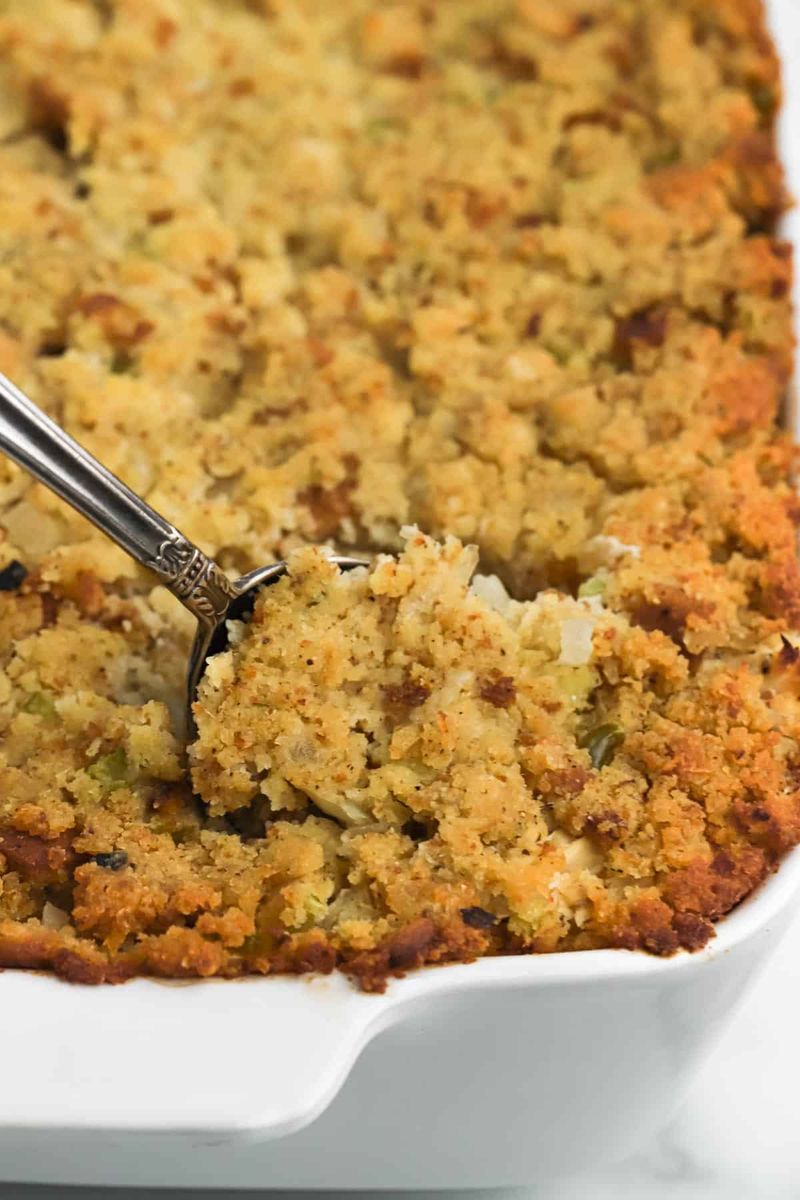
Holiday dressing started days earlier with a skillet of crumbly, golden cornbread. Grandma dried it on towels, then mixed onions, celery, sage, and rich stock.
She baked it crusty at the edges and custardy in the middle.
Boxed mixes taste fine, but they miss the smoky skillet flavor and fresh herbs. Bake your cornbread in bacon fat, crumble roughly, and season confidently with salt.
Stir in chopped turkey drippings, then rest the pan so everything sets sliceable. Serve with tart cranberry sauce, a spoon of gravy, and watch quiet gratitude spread across the table as plates are passed and refilled.
Stuffed Peppers
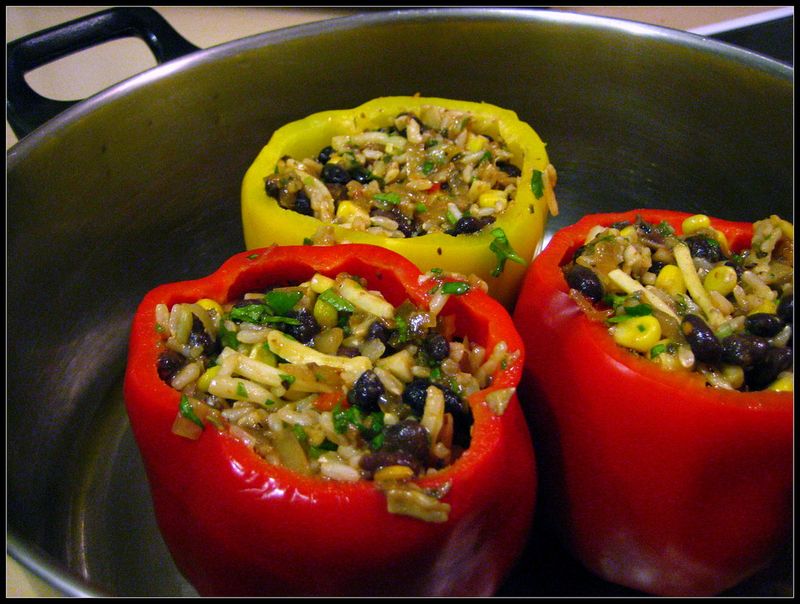
Stuffed peppers made weeknights feel celebratory without spending much at all. Grandma parboiled bell peppers, then filled them with rice, beef, tomatoes, and cheese.
They bubbled in tomato sauce until the edges wrinkled and the kitchen smiled.
Microwavable versions skip the fragrance and the tender bite that peppers deserve. Toast the rice, add paprika, and fold in minced parsley for brightness.
Bake covered, then uncover for caramelized tops, serving with sour cream and crusty bread. Leftovers slice beautifully for lunches, tucked into wraps with lettuce, hot sauce, and a squeeze of lemon to wake up your afternoon without another coffee.
Swiss Steak
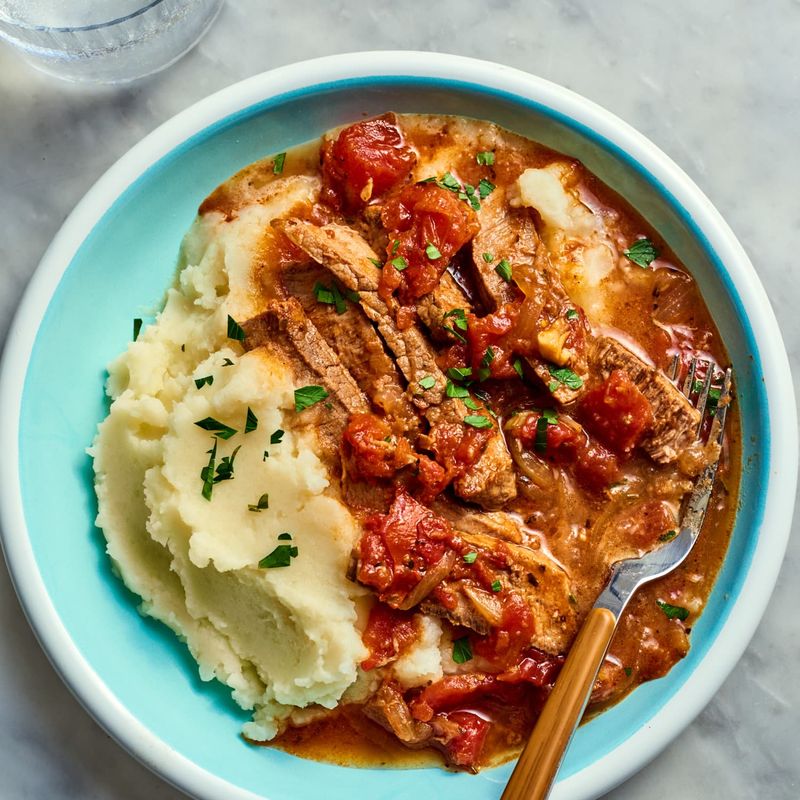
Swiss steak was thrifty magic, tenderizing tough cuts into spoonable comfort. Grandma pounded round steak, dredged it, and simmered with tomatoes and peppers.
The gravy turned brick red and clung to mashed potatoes like velvet.
Frozen trays mimic it, yet miss the peppery fond and gentle braise. Sear hard, scrape browned bits, and add a knob of butter before serving.
Finish with Worcestershire and parsley, then spoon over buttered egg noodles. It tastes like a diner plate, only brighter, and gives cheap steak a second life you will crave on rainy night when warmth and patience feel worth simmered minute.
Rice Pudding
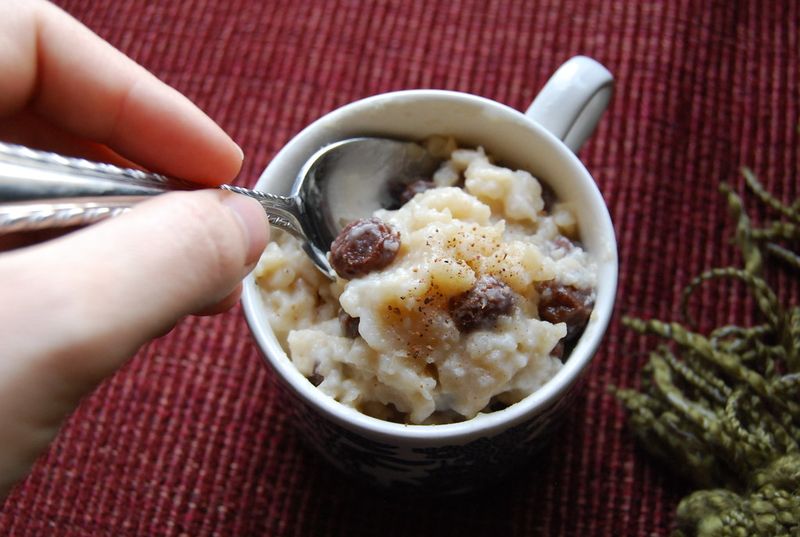
Rice pudding turned leftovers into dessert, creamy and cozy after supper. Grandma simmered short grain rice with milk, sugar, vanilla, and a cinnamon stick.
Raisins plumped like jewels while the pot quietly thickened.
Store cups try, but the texture leans gluey and the spice tastes tired. Toast the rice first, stir constantly, and finish with lemon zest and salt.
Serve warm or cold, with nutmeg on top and a spoon you will not share. Add stewed apples or jam, and breakfast magically appears when the morning feels unforgiving, comforting as sunlight on the table, gentle as another sip of coffee.
Bread Pudding
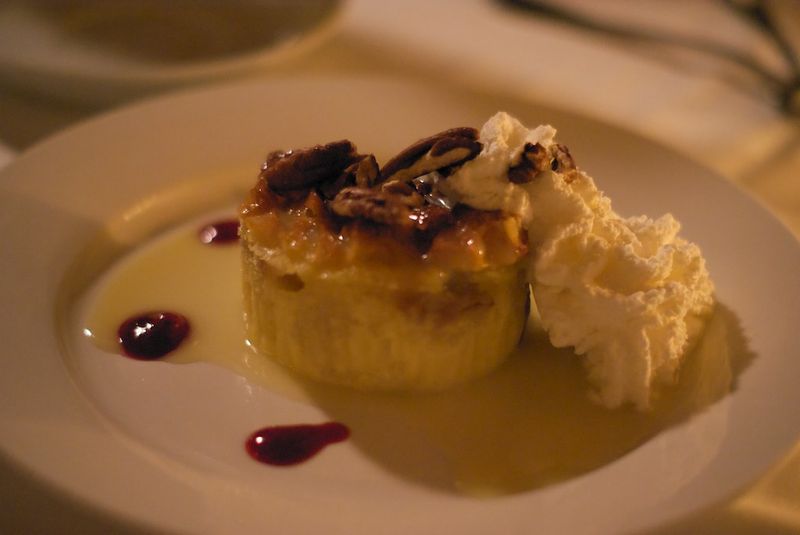
Bread pudding rescued stale loaves, turning scraps into a custard miracle. Grandma soaked cubes in eggs, milk, sugar, and melted butter until swollen.
She speckled raisins and baked until the top crackled.
The boxed kind tastes sweet, yet misses rum soaked raisins and warm spice. Whisk in vanilla, grate nutmeg, and drizzle cream over hot, shattering edges.
Serve with caramel sauce or a dollop of whipped cream for pure theater. Use brioche for luxury, sourdough for tang, or cinnamon bread for nostalgia, and you will taste thrift turned into generosity with every forkful, worth saving crumbs on long rainy afternoons.
Salmon Patties

Salmon patties stretched a can into a skillet full of crispy comfort. Grandma mixed salmon with onion, egg, crumbs, and a squeeze of lemon.
They sizzled until golden, then met dill sauce and sliced tomatoes.
Frozen cakes taste flat because the steam escapes before the crust sets. Chill the mixture, fry in shallow oil, and season with Old Bay.
Serve on soft bread with pickles, or beside coleslaw and buttered corn. Leftovers crumble over greens with mustard vinaigrette, giving lunch snap, richness, and a hint of seaside breezes even on landlocked Tuesdays that make the afternoon move along with purpose.
Corn Chowder
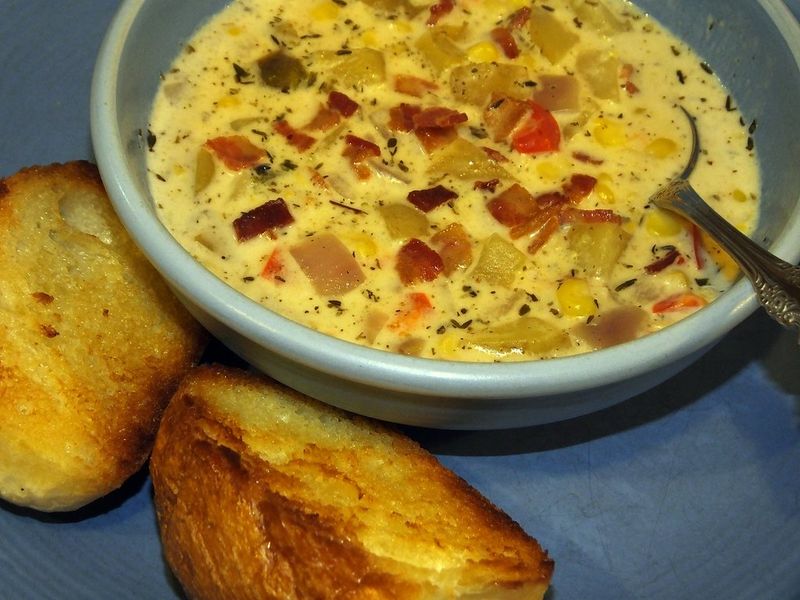
Corn chowder sang of summer even in January. Grandma scraped cobs, simmered milk, and let potatoes soften into sweetness.
Bacon rendered smoky salt that kept each spoonful lively.
Canned chowder tastes stodgy, asleep under too much starch. Sizzle onions in bacon fat, scrape fond, and add a knob of butter.
Finish with fresh corn, thyme, and cracked pepper, then serve with biscuits. A handful of scallions and a dash of hot sauce brighten everything, while diced jalapeno adds friendly heat that wakes the back of your tongue in the happiest possible way without stealing attention from the sweet corn itself.
Creamed Corn
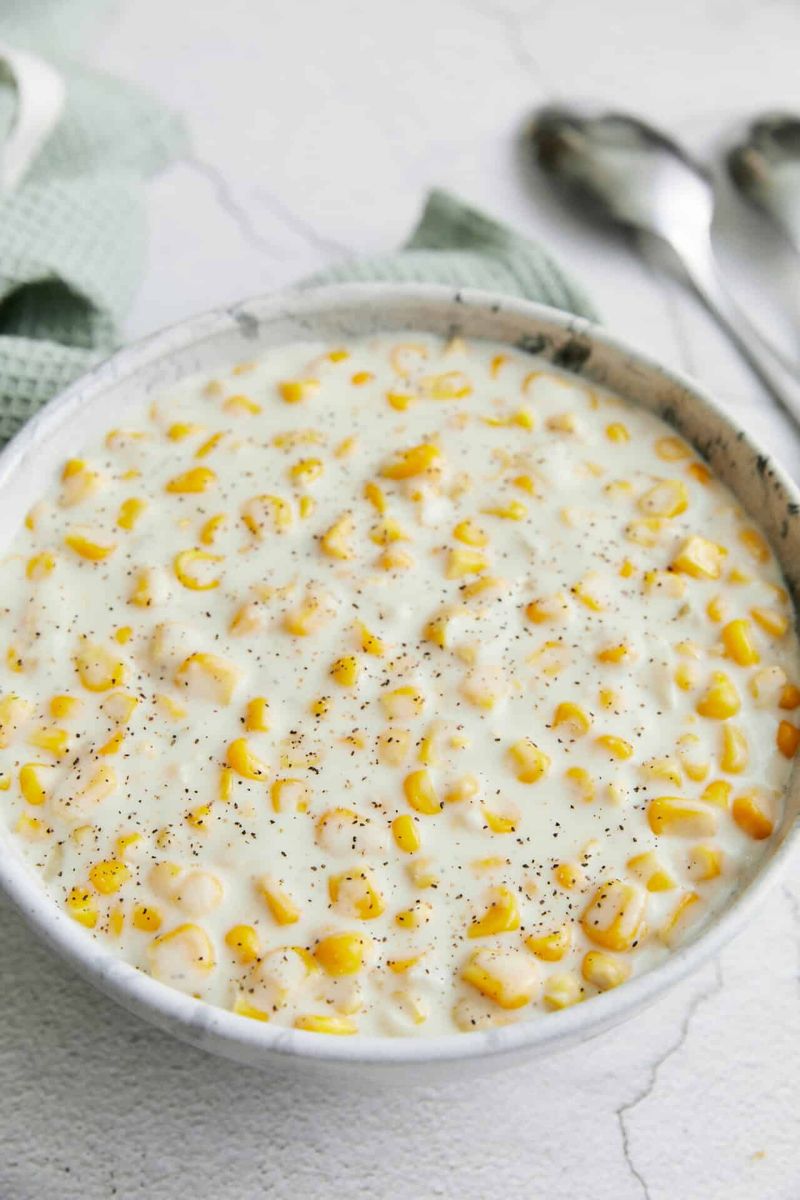
Creamed corn was silk spooned from a cast iron skillet. Grandma milked the cobs, scraped starch, and let butter bloom.
It tasted sunny, simple, and somehow celebratory.
Cans bring sweetness but lose crunch and fragrance. Shave fresh kernels, simmer gently, and finish with cream and white pepper.
Scatter chives on top and pass a bottle of hot sauce. If you brown the butter first, the nutty aroma deepens, and a pinch of sugar coaxes caramel notes, giving you a side dish that belongs equally beside barbecue, roast chicken, or a simple bowl of beans, any night you need uncomplicated happiness.
Pea Soup
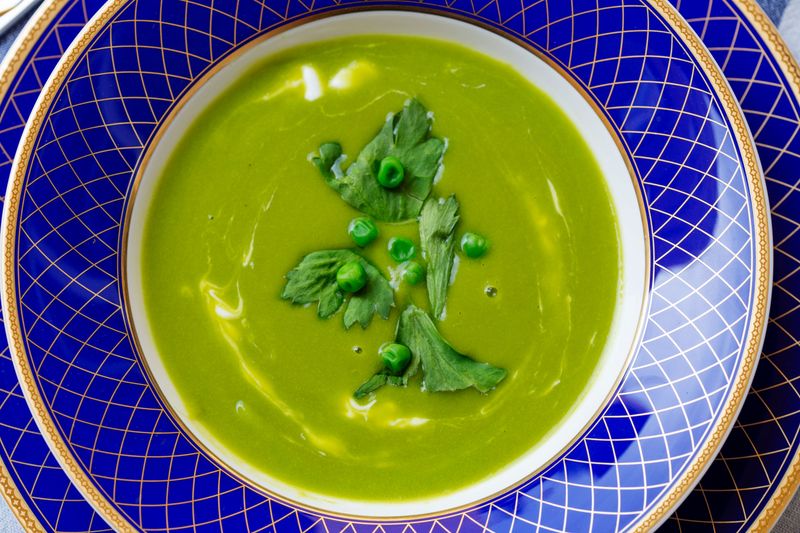
Split pea soup started with a ham bone and ended with silence. Grandma simmered patiently until peas surrendered into velvet.
Carrots and celery added sweetness that balanced smoky depth.
Canned soup coats the tongue but lacks that lingering fireplace feeling. Soak peas, sweat aromatics, and add a bay leaf and thyme.
Blend half for creaminess, leave half chunky, then drizzle olive oil. Croutons fried in bacon fat make a crunchy topping, and a splash of vinegar lifts the finish so every spoonful tastes balanced, bright, and deeply satisfying without weighing you down for the rest of the day at all.
Potato Cakes
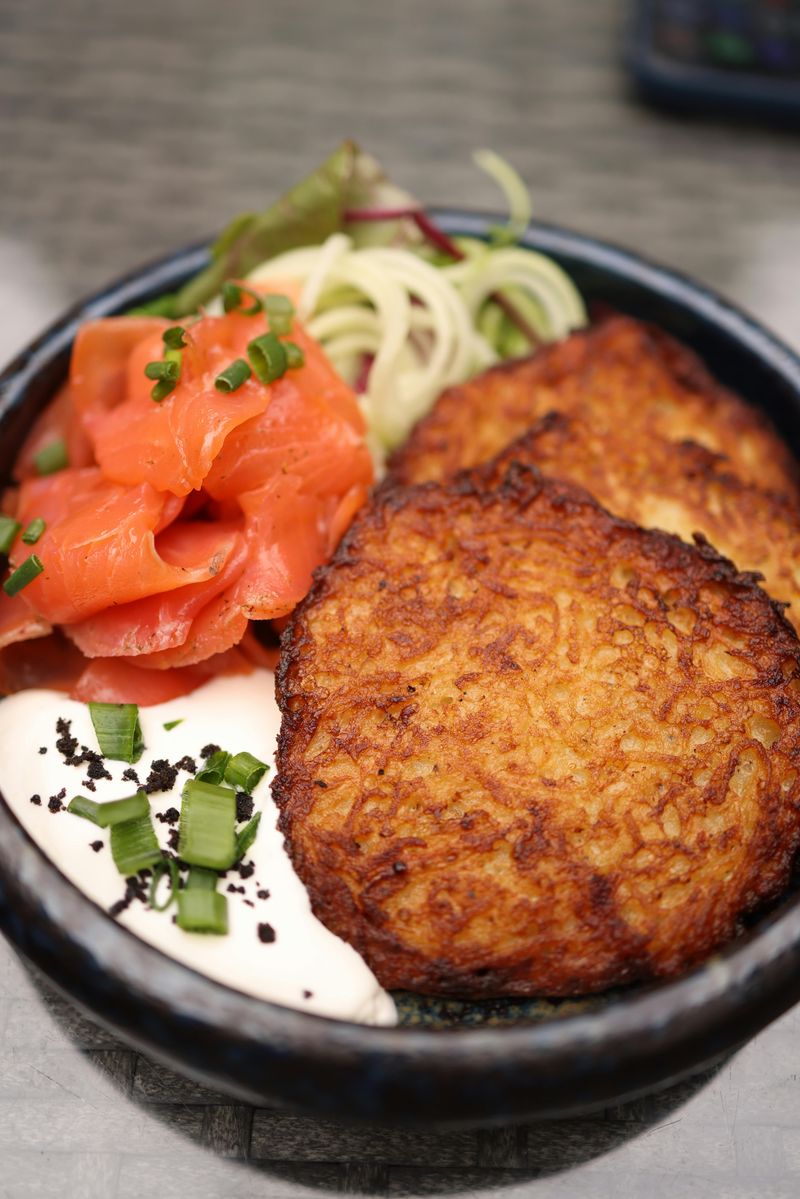
Potato cakes turned leftovers into golden breakfast treasure. Grandma mixed mash with egg, flour, scallions, and pepper.
She fried patties crisp and served with applesauce or sour cream.
Frozen patties exist, but they never quite deliver that fresh sizzle. Use cast iron, add butter, and do not rush the flip.
Shower with chives, then stack beside eggs and a pile of greens. A little grated cheddar melts into the centers, while smoked paprika adds color and warmth, making a plate that tastes like a diner breakfast upgraded by someone who knows exactly how you like your morning to begin today.
Beef Stew
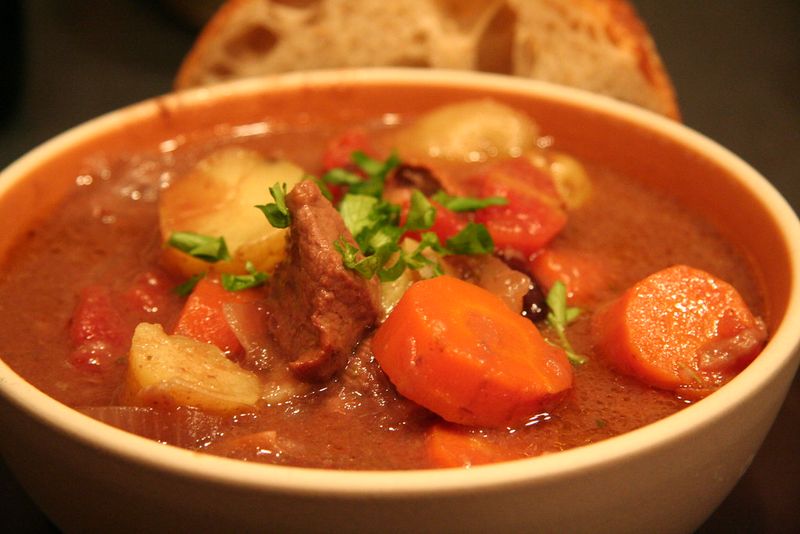
Beef stew fixed cold days with steady, fragrant patience. Grandma browned cubes, deglazed, and tucked in carrots, parsnips, and peas.
Time turned everything tender and the gravy glossy.
Pouches promise speed, but quick stews rarely develop deep flavor. Salt early, braise gently, and stir in tomato paste for body.
Add a splash of vinegar at the end to brighten. Serve with buttered bread that scrapes the bowl clean, and save a ladle for tomorrow, because stew gets bolder overnight, turning lunch into something that tastes slow, generous, and completely satisfying after a morning that would not cooperate with your plans.
Baked Apples
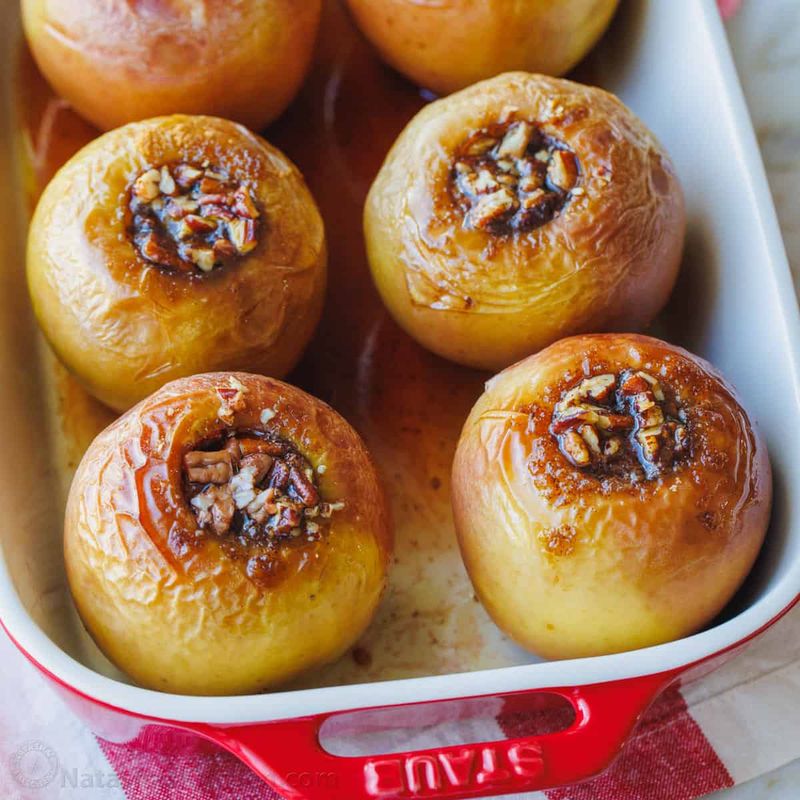
Baked apples perfumed the house like a cozy candle you could eat. Grandma cored them, stuffed oats, cinnamon, butter, and brown sugar.
They slumped tender and glossy, pooling syrup in the pan.
Microwave cups mimic dessert, but they skip fragrance and texture. Use tart apples, add nuts, and squeeze lemon to brighten.
Serve with yogurt for breakfast or vanilla ice cream for dessert. A drizzle of maple, a pinch of salt, and a dusting of nutmeg make each bite layered and grown up, the sort of simple sweetness you crave when evenings get early and blankets feel necessary at home.
Banana Pudding
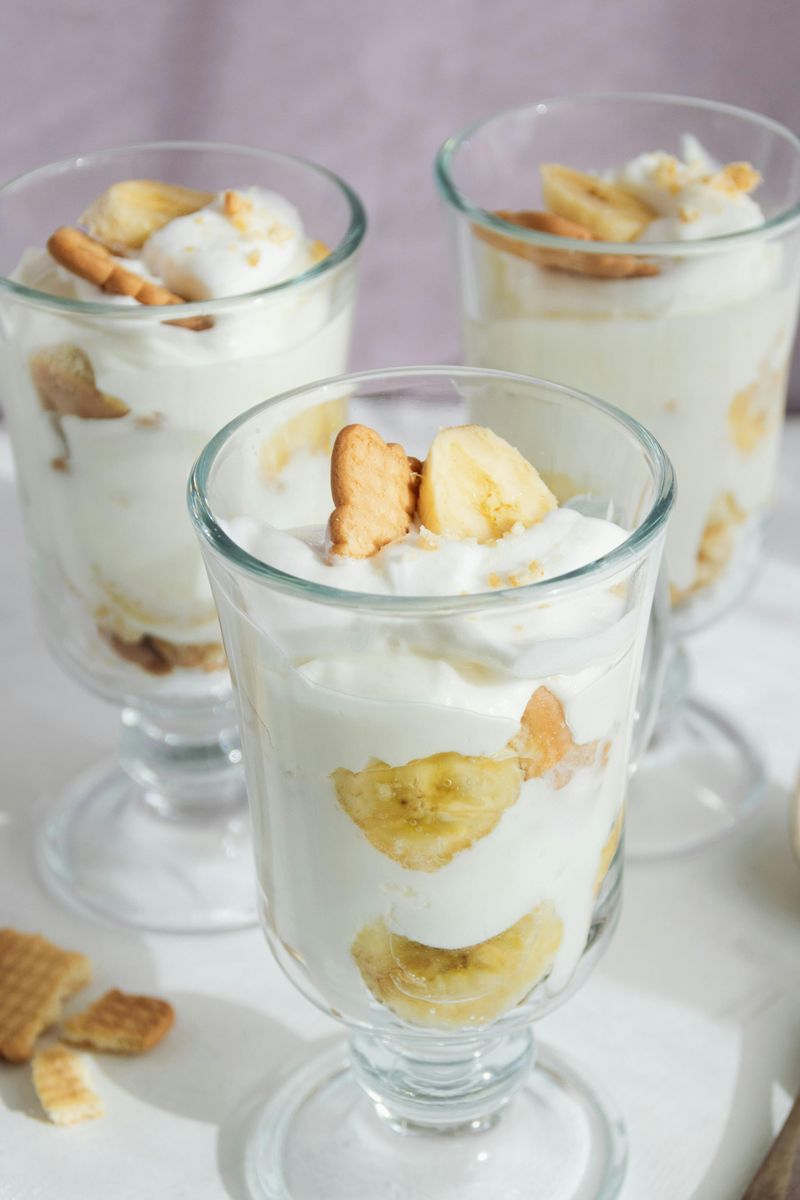
Banana pudding lived in the fridge, promising cold comfort after dinner. Grandma layered vanilla wafers, sliced bananas, and warm custard under meringue.
Hours later it settled into a luscious, spoonable dream.
Instant mixes work, but they miss that cooked banana perfume. Whisk yolks patiently, temper the milk, and add a whisper of salt.
Chill overnight, then serve big scoops with extra wafers for dipping. Fold in whipped cream for lightness if you like, but never skip ripe bananas with freckles, because they bring the caramel notes that make this simple dessert taste like a celebration made just for you tonight.
Apple Pie
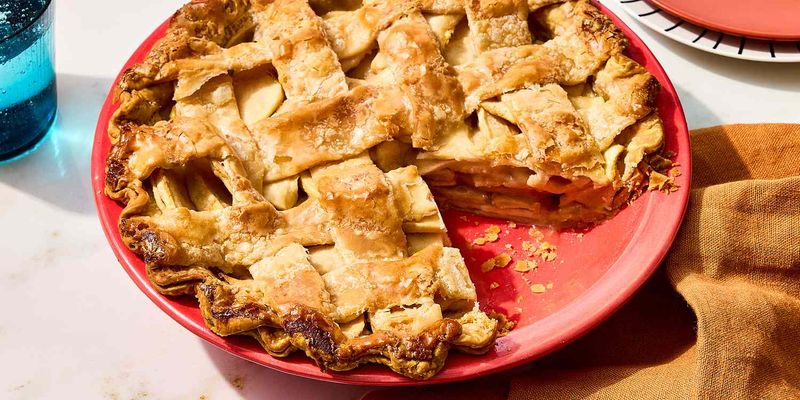
Apple pie meant floury counters and promises you could actually trust. Grandma cut butter into pebbles, chilled dough, and rolled careful circles.
She tumbled tart apples with sugar, cinnamon, and lemon.
Store pies look shiny but taste sleepy, with soggy bottoms and faint spice. Use mixed apples, vent generously, and bake low then high for layers.
Cool completely, then slice and listen for that buttery shatter. Brush with cream, shower sugar, and set the pie on the lowest rack so the bottom crisps, giving you slices that hold together instead of slumping sadly on the plate, even after a reheat.
Chicken Potpie
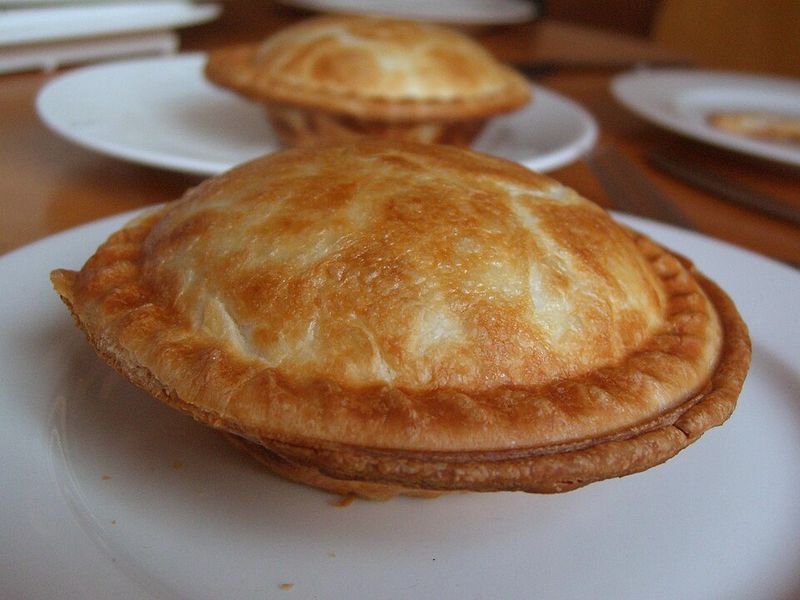
Chicken potpie was the definition of cozy, a buttery roof over stew. Grandma poached chicken, made roux, and folded in peas and carrots.
She latticed crusts or sealed a single lid, golden and flaking.
Frozen pies fill freezers, but the gravy often tastes gummy. Sweat leeks, add sherry, and season with thyme and black pepper.
Bake on a hot sheet so the bottom browns as beautifully as the top. Let it rest before cutting, then serve with a sharp salad, because that crisp bite makes the creamy filling sing and keeps you going back for careful, greedy forkfuls all night.
Chicken Noodles
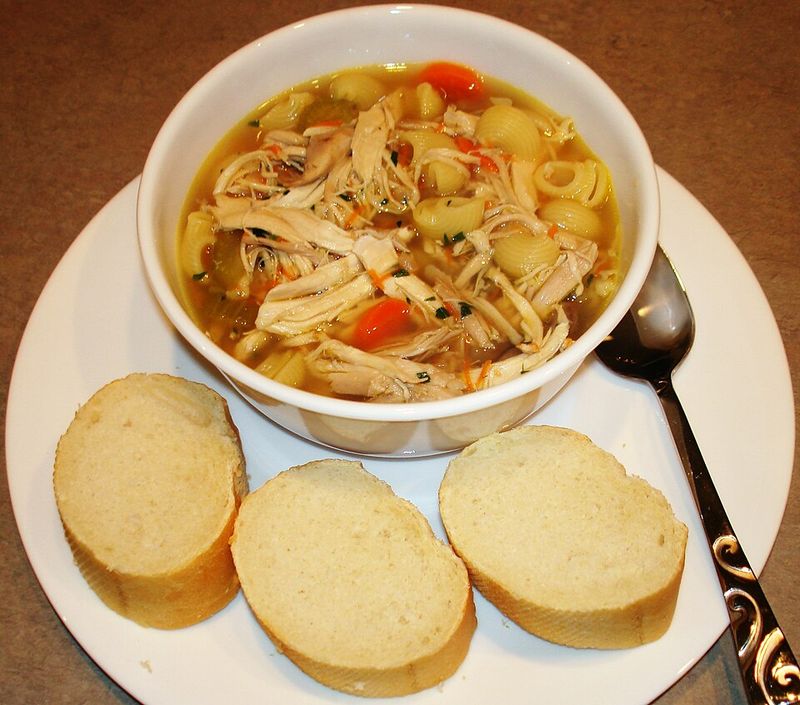
Chicken and noodles felt like blankets for your insides. Grandma rolled dough thin, dusted flour, and cut ribbons by eye.
She simmered them in broth until silky, then folded in shredded chicken.
Bagged noodles work, but hand cut ones drink broth and carry love. Salt the water, stir gently, and let the pot rest before serving.
Top with parsley and black pepper, then sit quietly for a minute. Some days, add peas and a splash of cream, and dinner becomes soothing, rib sticking, and somehow light enough that you will want seconds without apology, before bedtime feels early and welcome.
Enjoyed this story?
Add Fast Food Club as a preferred source to see more of our reporting on Google.