


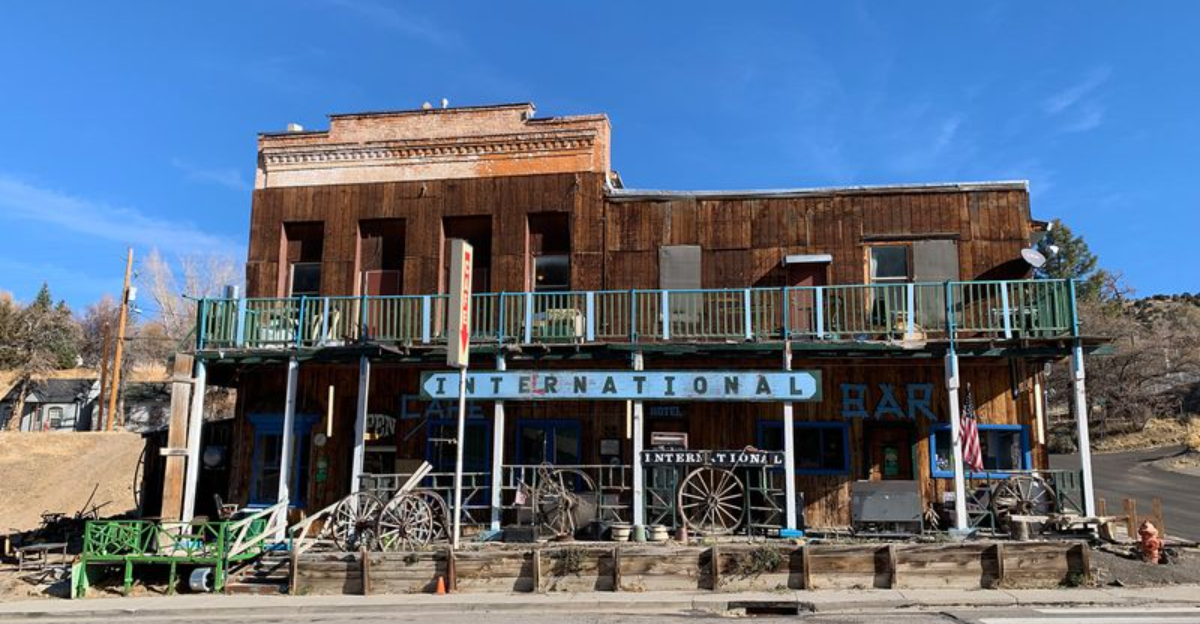
Tucked away along U.S. Route 50 in the heart of Nevada, Austin is a tiny town with a surprisingly big story to tell.
Sitting at 6,575 feet on the western slopes of the Toiyabe Range, this former county seat of Lander County is home to just 167 people. But don’t let the small population fool you — Austin is packed with history, stunning scenery, and hidden gems that most travelers never get to discover.
If you’re looking for an off-the-beaten-path adventure, this charming little Nevada town just might be exactly what you’ve been searching for.
The Legend of the 1862 Silver Discovery
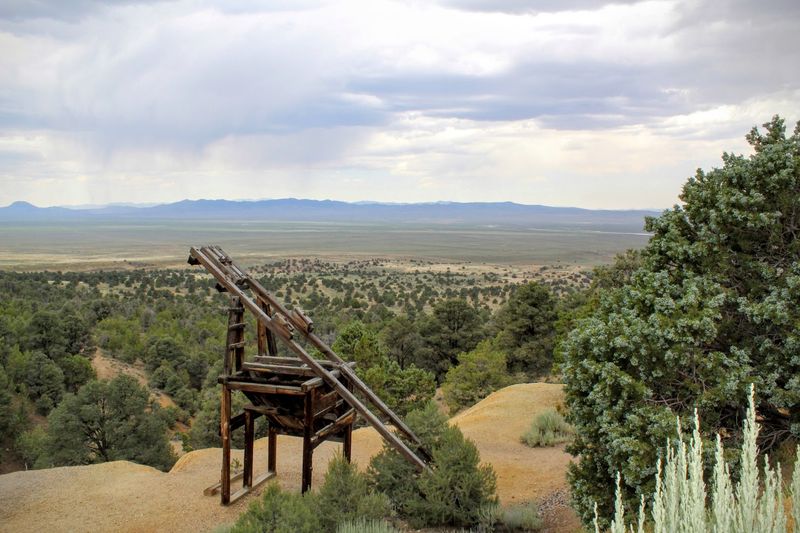
Back in 1862, a Pony Express rider’s horse accidentally kicked up a silver-bearing rock near what would become Austin, Nevada — and that one lucky stumble changed everything. Word spread fast, and within months, thousands of prospectors flooded the area hoping to strike it rich.
Austin quickly grew from an empty hillside into a bustling mining camp. At its peak, the town had thousands of residents, multiple newspapers, and a lively economy fueled entirely by silver ore pulled from the Toiyabe Range.
Today, that dramatic origin story is part of what makes visiting Austin so fascinating. You’re literally walking the same ground where one of Nevada’s great silver rushes began.
History lovers will feel a real connection to the past here, and the story of that lucky kick is still told with pride by locals who know every detail by heart.
Stokes Castle: A Three-Story Desert Oddity
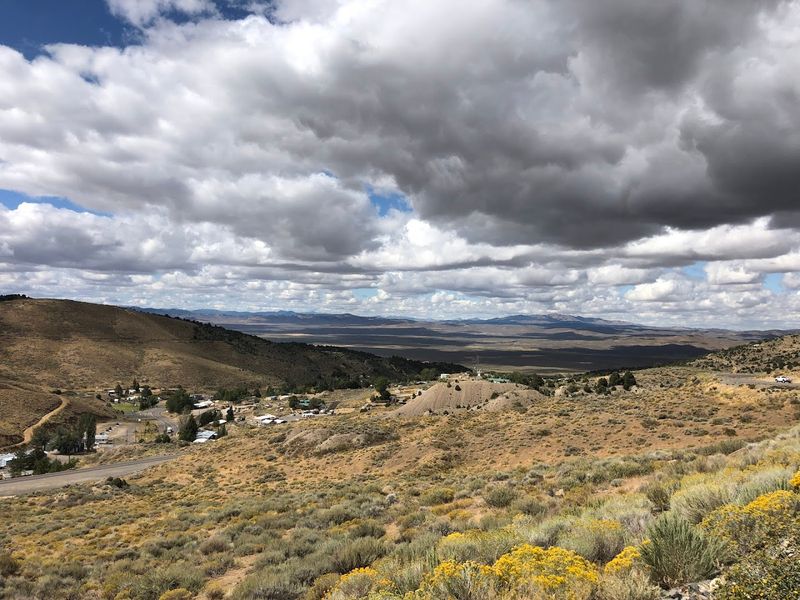
Standing alone on a rocky hillside just outside town, Stokes Castle looks like something straight out of a fantasy novel. Built in 1897 by Anson Phelps Stokes, a wealthy mining financier, this three-story granite tower was modeled after Roman villas and used as a summer residence — but only for about one month before it was abandoned.
The castle has no roof today, and its interior is off-limits, but visitors are welcome to walk around the outside and soak in the surreal atmosphere. The views from the surrounding area are absolutely breathtaking, with the valley below stretching out for miles.
Quirky, mysterious, and surprisingly photogenic, Stokes Castle has become one of Austin’s most beloved landmarks. It’s the kind of place that makes you stop and wonder: why here, and why so grand?
Sometimes the best travel stories come with no easy answers.
The Loneliest Road in America Runs Right Through Town
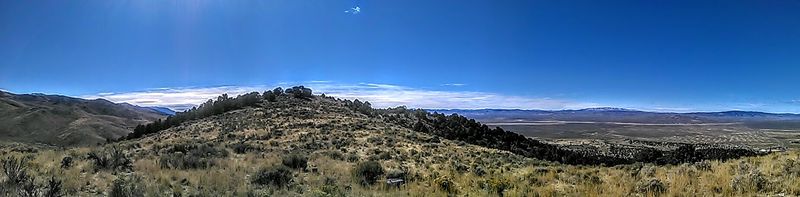
U.S. Route 50 earned its famous nickname — “The Loneliest Road in America” — from a 1986 Life magazine article that called it bleak and desolate.
Nevada proudly leaned into the label, turning it into one of the most iconic road trip routes in the entire country.
Austin sits right in the middle of this legendary stretch, making it a natural stopping point for adventurous drivers crossing the state. The town offers gas, food, and a chance to stretch your legs before heading back out into the wide-open landscape.
Travelers who drive Route 50 often describe it as a meditative, almost spiritual experience. The sky feels enormous, the silence is deep, and every small town along the way — especially Austin — feels like a reward for those willing to stray from the interstate.
Pack a full tank and an open mind.
International Hotel: A Historic Watering Hole with Stories to Spare
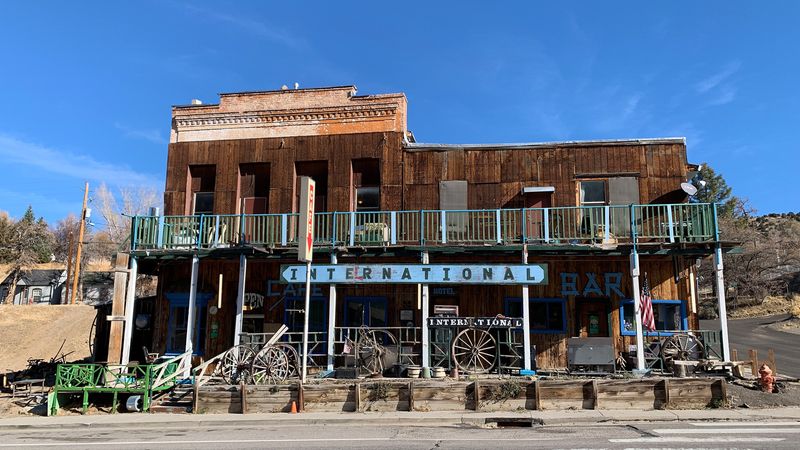
Some bars just have a feeling — a worn-in, lived-in quality that no amount of interior design can fake. Austin’s International Hotel is exactly that kind of place.
Originally established during the silver boom era, it has served miners, cowboys, travelers, and curious tourists for well over a century.
Walking through its doors feels like stepping back in time. The bar is lined with old photographs, local memorabilia, and the kind of character that only decades of real life can create.
Conversations flow easily here, and locals are usually happy to share stories about the town’s wilder days.
For anyone road-tripping through central Nevada, stopping at the International Hotel is practically a rite of passage. Order a cold drink, pull up a stool, and listen closely — the walls of this place have heard more tall tales than most history books could ever hold.
Toiyabe Range: Hiking Heaven Above the Desert Floor
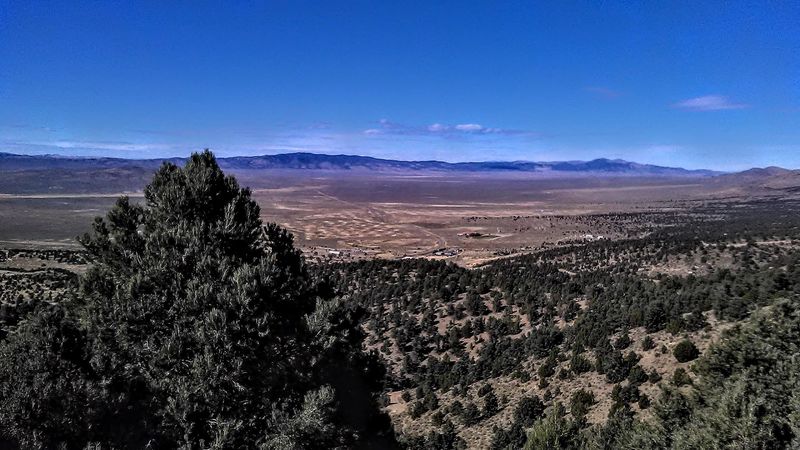
Rising dramatically above the desert floor, the Toiyabe Range offers some of the most underrated hiking in all of Nevada. Austin sits right at the base of these mountains, giving outdoor enthusiasts direct access to trails that wind through forests, canyons, and high alpine terrain.
Arc Dome, the highest peak in the range at over 11,700 feet, draws serious hikers who want a real challenge and a spectacular reward. Even shorter trails offer stunning views and a welcome escape from the heat of the valley below.
Wildlife sightings are common in the Toiyabe Range — mule deer, golden eagles, and the occasional wild horse have all been spotted by lucky hikers. The air up here is crisp and clean, and the trails feel refreshingly uncrowded.
If you love nature without the crowds, this mountain range deserves a permanent spot on your adventure list.
Reuel Gridley’s Sack of Flour: The Weirdest Fundraiser in History
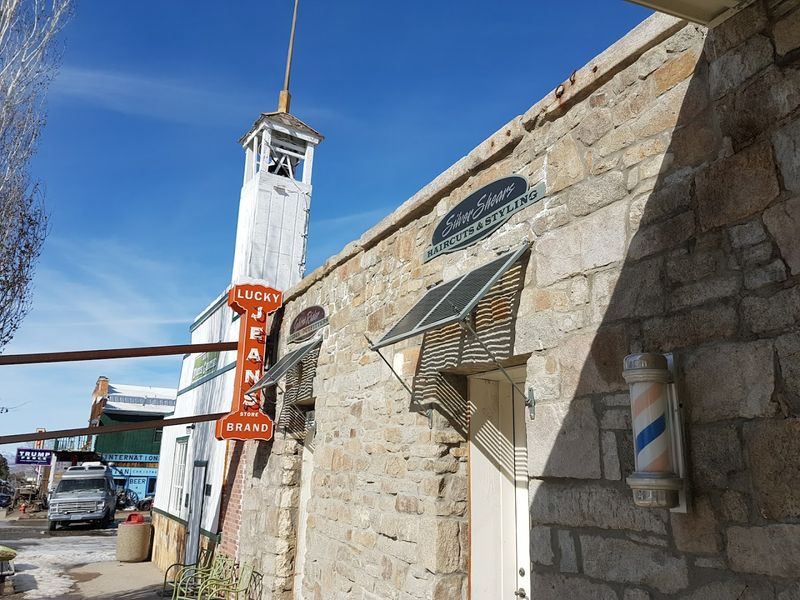
Few fundraising stories are as wonderfully strange as Reuel Gridley’s sack of flour. In 1864, Gridley — a local merchant — lost a bet and had to carry a 50-pound sack of flour through Austin while a band played.
Instead of keeping it, he decided to auction it off for Civil War relief.
Here’s the twist: every time the sack was sold, the buyer donated it back so it could be auctioned again. Gridley took his famous flour sack on a national tour, raising over $275,000 — roughly equivalent to millions today — for the U.S.
Sanitary Commission, a Civil War-era medical relief organization.
That single sack of flour became a symbol of community generosity that echoed across the entire country. Austin may be tiny, but this story proves that big-hearted ideas can start in the smallest of places and ripple outward in ways nobody ever expected.
Stargazing Like You’ve Never Seen Before
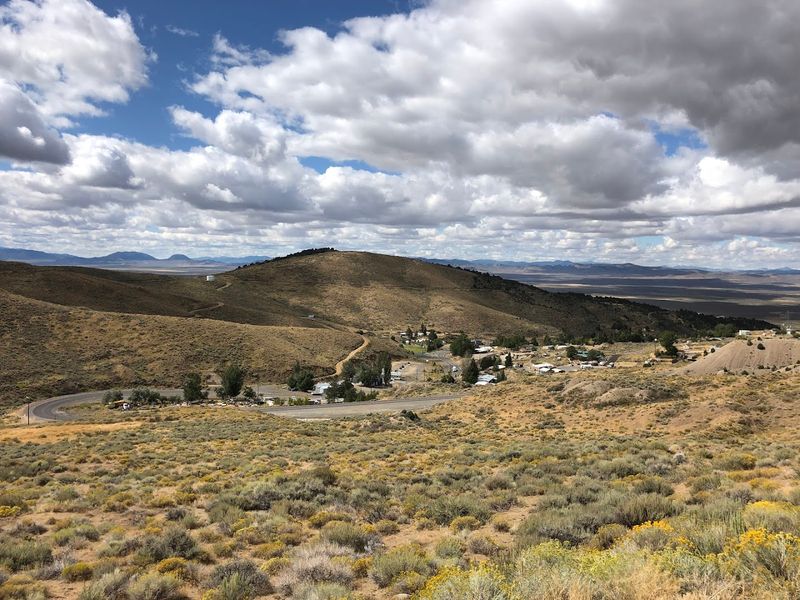
There are very few places left in the United States where light pollution is low enough to see the Milky Way with the naked eye. Austin, Nevada, happens to be one of them.
With a population of only 167 and no major cities nearby, the night skies here are genuinely spectacular.
On a clear night, the stars appear so dense and bright that first-time visitors often stop mid-sentence just to stare upward. The experience is humbling in the best possible way — a reminder of just how vast the universe really is.
Bring a blanket, find a quiet spot away from town, and give your eyes about 20 minutes to fully adjust to the darkness. Binoculars or a simple telescope will make the experience even richer.
Stargazing in Austin is completely free, endlessly rewarding, and the kind of memory that stays with you long after you’ve driven away.
Old Brick Church: A Surprisingly Elegant Landmark
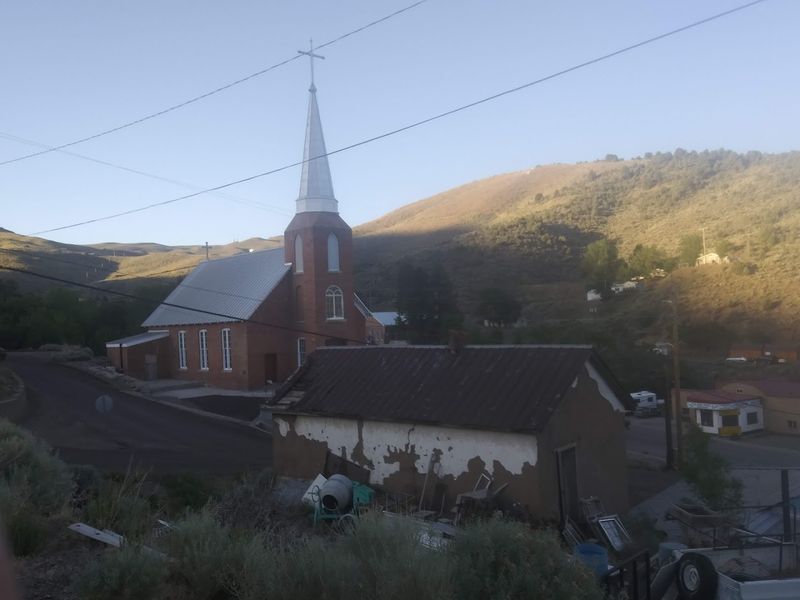
Austin’s old brick church is one of those quiet landmarks that sneaks up on you. Built during the silver boom era, it stands as a rare example of formal architecture in a region where most buildings were thrown up fast and cheap to meet the demands of a growing mining camp.
The church’s solid brick construction and carefully crafted details speak to the ambitions of early Austin residents who wanted more than just a temporary settlement — they wanted a real town with lasting institutions. That pride in permanence is visible in every carefully laid brick.
Today, the building is a beloved piece of Austin’s visual identity and a popular stop for history-minded visitors. Photographing it against the backdrop of the surrounding desert and mountain range creates an almost cinematic contrast.
Sometimes the most moving historical sites aren’t grand museums — they’re small, sturdy buildings that simply refused to disappear.
Wild Horses of the Great Basin: A Breathtaking Encounter
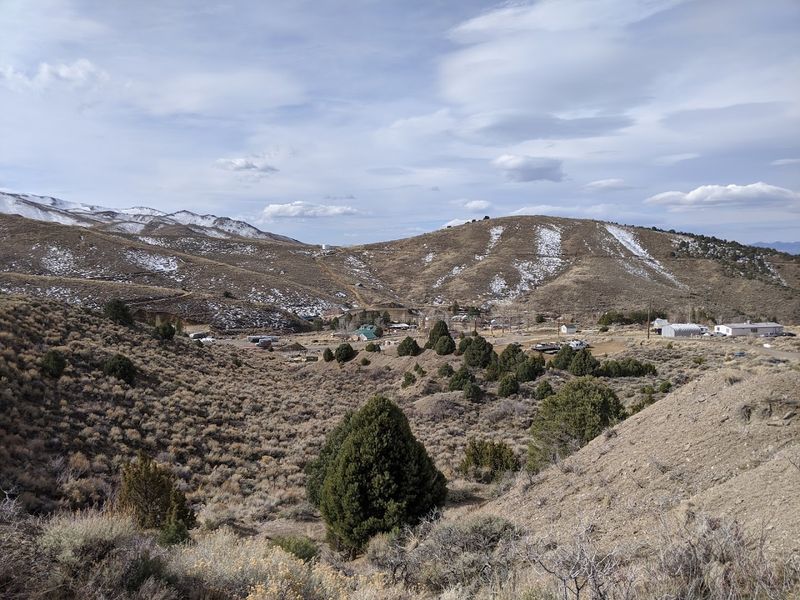
Few sights in the American West are as stirring as a band of wild horses moving freely across an open plain. Around Austin, Nevada, wild mustangs are a genuine part of the landscape — not a tourist attraction, but a living, breathing piece of the region’s natural heritage.
Spotting them requires patience and a little luck, but the payoff is unforgettable. Early morning drives along the roads surrounding Austin offer some of the best chances to see these horses grazing or trotting through the sagebrush in small family groups.
The Bureau of Land Management oversees wild horse populations in this part of Nevada, working to balance the needs of the animals with the health of the rangeland. Whether you’re a wildlife photographer or just someone who appreciates raw natural beauty, encountering wild horses near Austin is the kind of experience that makes the long drive absolutely worth every mile.
Austin’s Elevation: Where the Air Tastes Different
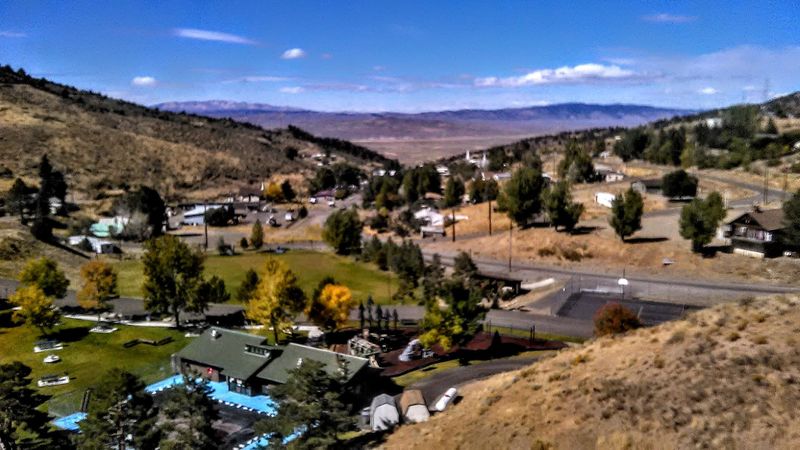
At 6,575 feet above sea level, Austin occupies a refreshingly elevated perch on the western slopes of the Toiyabe Range. That altitude makes a real difference — summers here are noticeably cooler than the scorching valley floors that most people associate with Nevada.
The high-desert climate means crisp mornings, dramatic afternoon thunderstorms in summer, and genuinely cold winters with snowfall that blankets the surrounding mountains. For travelers used to the relentless heat of Las Vegas or Reno, Austin’s elevation feels like a welcome discovery.
The air quality up here is remarkably clean, with very little industrial activity for hundreds of miles in any direction. Breathing it in while watching storm clouds build over the Toiyabe peaks is one of those simple, sensory pleasures that no travel app can fully capture.
Sometimes the best thing a place can offer is simply a good, deep breath of honest mountain air.
Lander County History: From Boom to Beautiful Quiet
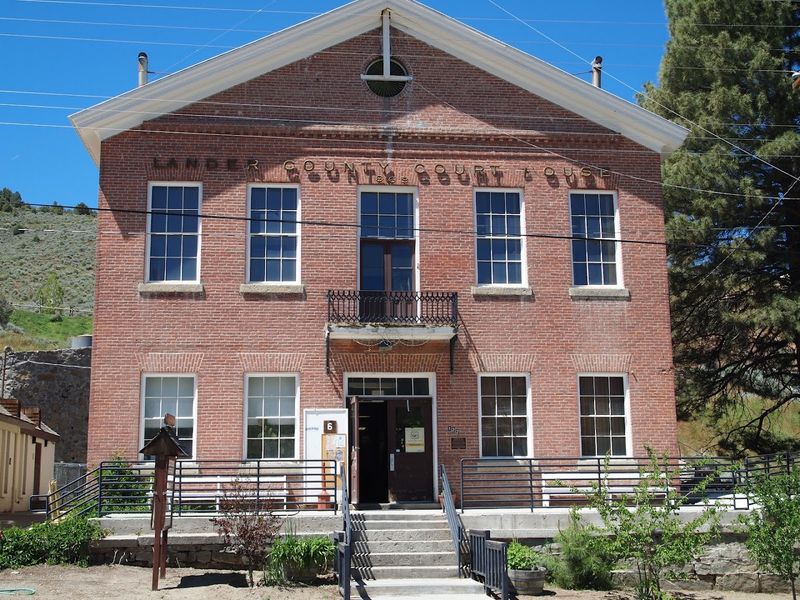
Austin served as the county seat of Lander County for many decades, and that administrative history left behind a rich paper trail of stories, records, and artifacts. The town’s rise and fall mirrors the classic arc of the American West — explosive growth, dramatic decline, and a slow, dignified settling into something quieter and more permanent.
At its peak in the 1860s and 1870s, Austin was a genuinely significant Nevada city with ambitions that matched any boomtown of the era. Banks, newspapers, hotels, and churches all competed for space on its hillside streets.
When the silver played out, many residents simply packed up and left. But those who stayed built something more durable than wealth — they built community.
Exploring Lander County’s history through Austin’s lens gives travelers a nuanced, honest picture of what frontier life in Nevada truly looked like beyond the Hollywood myths.
Backcountry Drives Through the Big Smoky Valley
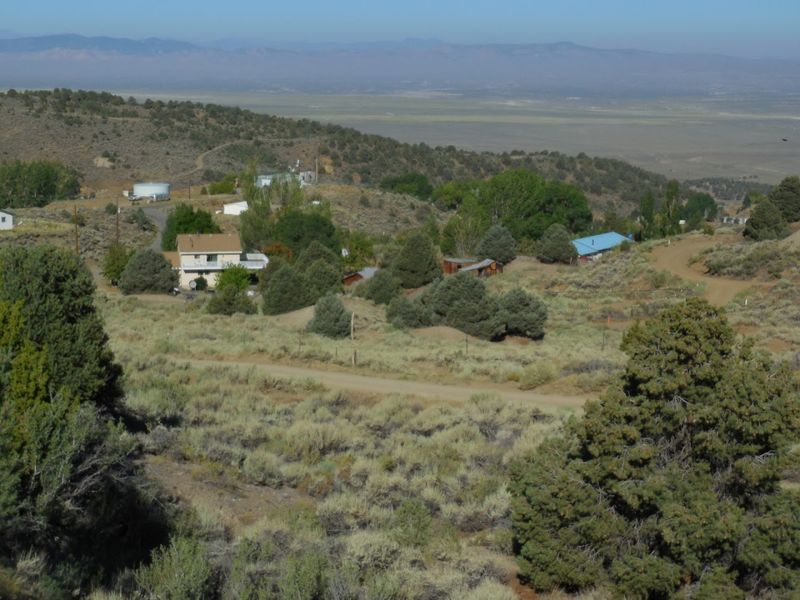
Strap in and lower your expectations for pavement — the backcountry roads around Austin lead to some of the most dramatic and empty landscapes in the entire state. The Big Smoky Valley, which stretches south of town between two mountain ranges, is the kind of place that makes you feel genuinely small in the best possible way.
A high-clearance vehicle is strongly recommended for serious exploration, though many of the main dirt roads are passable in a standard car during dry weather. The key is going slowly, watching for cattle crossings, and keeping an eye on the sky for afternoon storms.
Ghost town ruins, old mining shafts, and abandoned ranch structures dot the valley floor, each one a quiet monument to the people who tried to make a life out here. Bring plenty of water, a paper map, and a willingness to get wonderfully lost for an afternoon you won’t soon forget.
Small-Town Hospitality That Feels Genuinely Rare
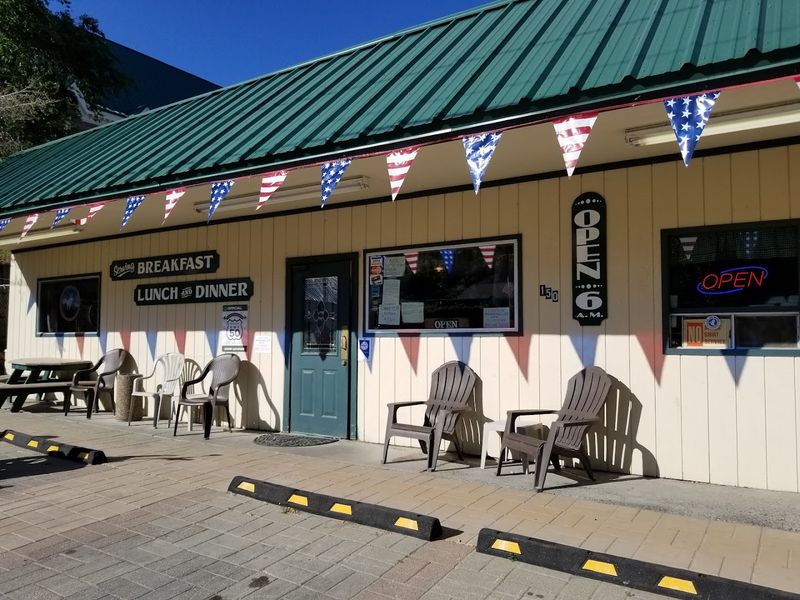
There’s something about a town with 167 people that forces genuine human connection. In Austin, Nevada, you’re not just another face in a crowd — you’re a guest, and locals treat you like one.
Conversations at the gas station, the bar, or the one local diner tend to go longer and run deeper than anywhere you’d find in a bigger city.
People here are proud of their town without being defensive about its size. They’ll happily point you toward the best hiking trail, warn you about the road conditions heading south, and tell you which canyon is worth the extra bumpy miles to reach.
That kind of unhurried, unpretentious warmth is increasingly hard to find in a world that moves faster every year. Austin reminds you that some of the most meaningful travel experiences don’t come from famous landmarks or five-star restaurants — they come from the people willing to share their story with a stranger passing through.
Enjoyed this story?
Add Fast Food Club as a preferred source to see more of our reporting on Google.