


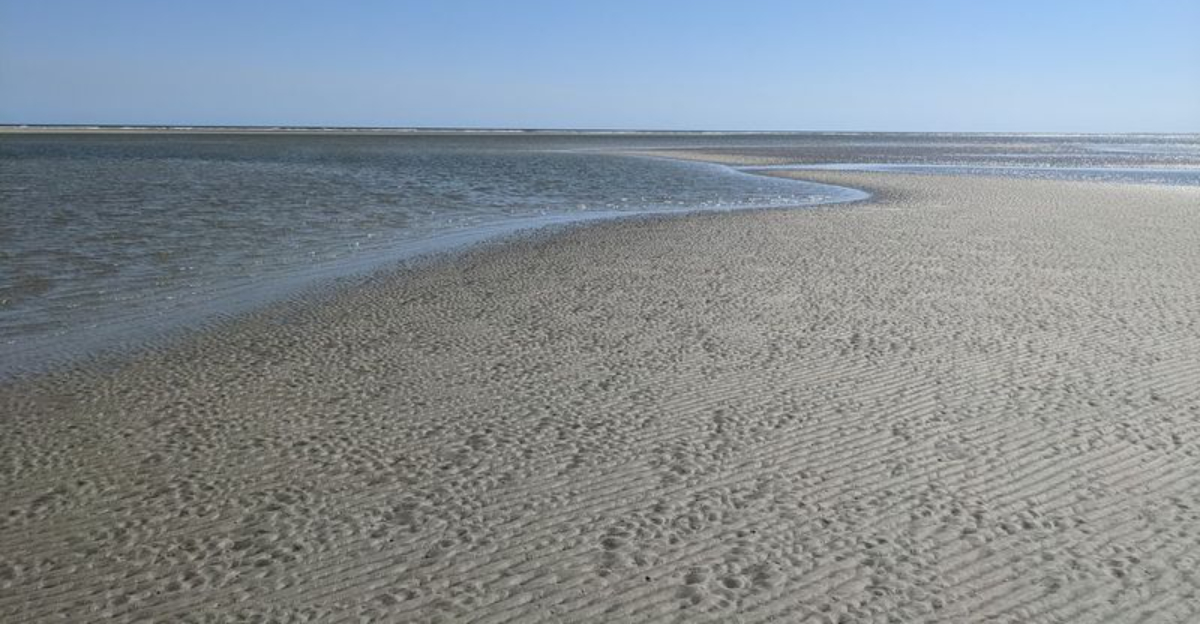
Tucked away on Sapelo Island off the Georgia coast, Nanny Goat Beach is one of the most beautifully secluded spots in the entire state. Most people drive right past the idea of it simply because they have no idea it exists.
Getting there requires a ferry ride and a reservation, which keeps the crowds away and the shoreline practically untouched. If you love wild, peaceful beaches where nature is still in charge, this hidden gem deserves a spot on your must-visit list.
Getting to Nanny Goat Beach Is Half the Adventure
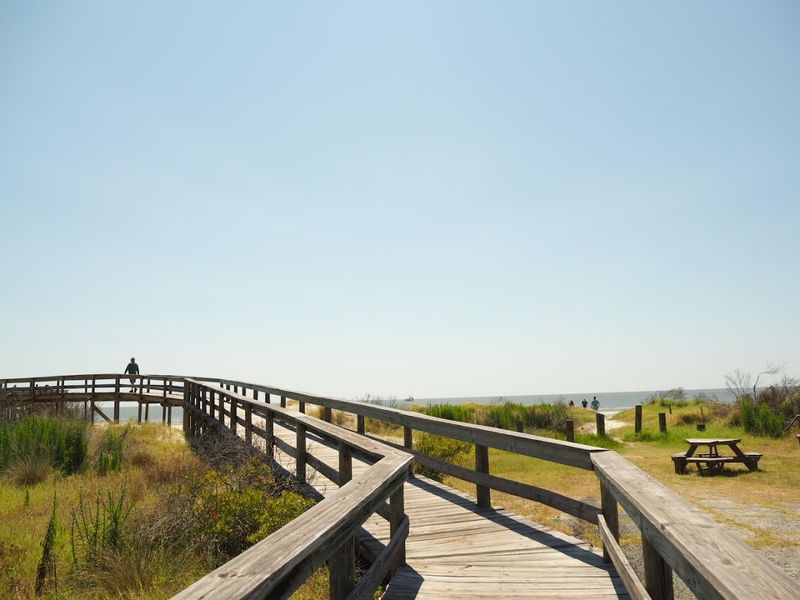
Not every great beach is easy to reach, and that is exactly what makes Nanny Goat Beach so special. To get there, you have to take a ferry to Sapelo Island, and here is the key detail most people miss: you need a reservation before you even step foot on that boat.
Without a booking, ferry operators will turn you away at the dock. That has happened to more than a few disappointed visitors who showed up expecting a casual day trip.
Plan ahead by contacting the Sapelo Island ferry service through the Georgia Department of Natural Resources. Tours are typically offered on select days, so check the schedule early.
Once you are on the island, transportation to the beach usually involves a golf cart or guided tour vehicle. The journey itself sets the tone for a truly off-the-beaten-path experience.
Sapelo Island: The Wild Heart Behind the Beach
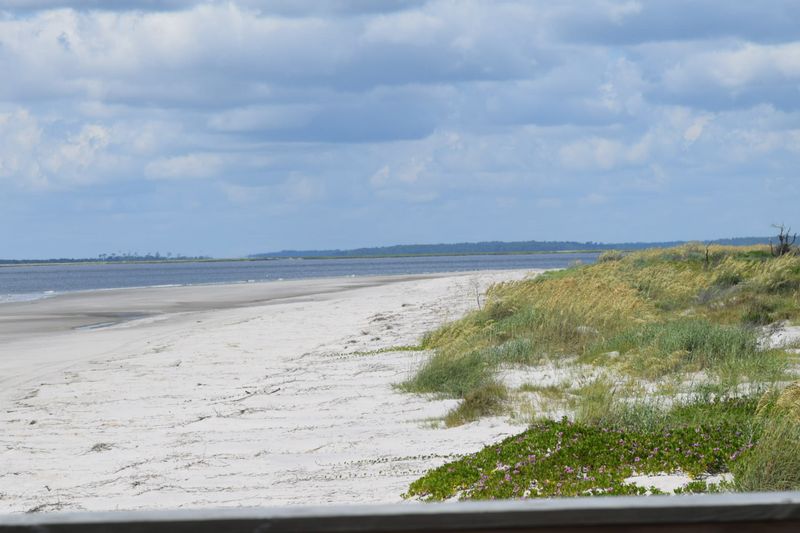
Sapelo Island is not your average barrier island. Owned largely by the state of Georgia, it remains one of the least developed barrier islands on the entire East Coast, and Nanny Goat Beach sits right at its edge.
The island is home to the Gullah-Geechee community of Hog Hammock, whose ancestors were enslaved Africans brought to the Sea Islands. Their rich cultural heritage adds a layer of history that makes visiting Sapelo feel genuinely meaningful beyond just the scenery.
Wildlife thrives here in ways that developed beach towns simply cannot support. Loggerhead sea turtles nest along the shore, and migratory birds pass through in impressive numbers.
Visiting Nanny Goat Beach means stepping into an ecosystem that has been carefully protected for decades. Few places along the Georgia coast still feel this raw, this real, and this wonderfully unhurried.
What the Shoreline Actually Looks Like Up Close
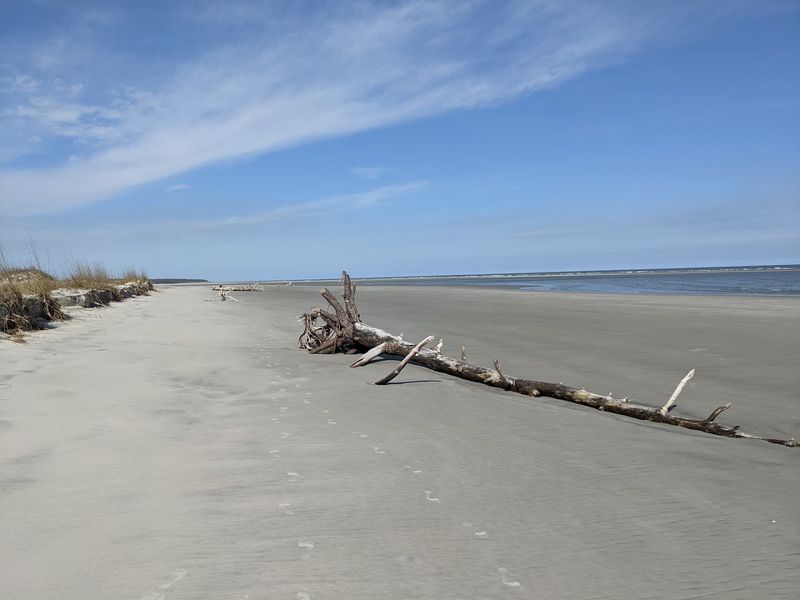
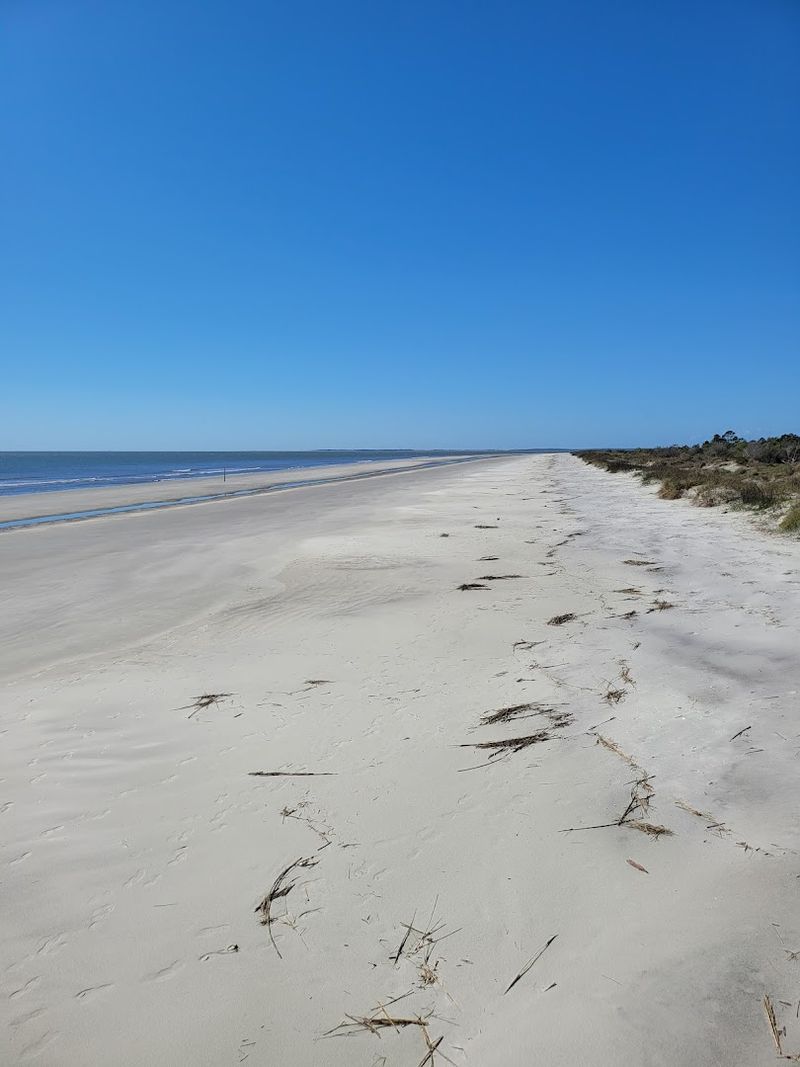
Picture a beach with no hotels looming behind it, no souvenir shops, and no umbrella rentals. That is Nanny Goat Beach on any given day.
The sand stretches out wide and clean, backed by maritime forest rather than concrete and neon signs.
Visitors consistently describe the conditions as pristine. One reviewer called it breathtaking, and that word feels earned when you see how untouched the whole scene looks.
The water is Atlantic coastal Georgia, meaning it carries that warm, greenish-blue color during warmer months.
Waves here can run on the rougher side, and there are no lifeguards stationed on the beach. Swimming is possible, but you should be a confident swimmer and stay aware of conditions.
The real draw for many visitors is simply standing on sand that feels completely removed from the modern world, soaking in a view that has barely changed in generations.
Seashell Hunting and What You Might Find
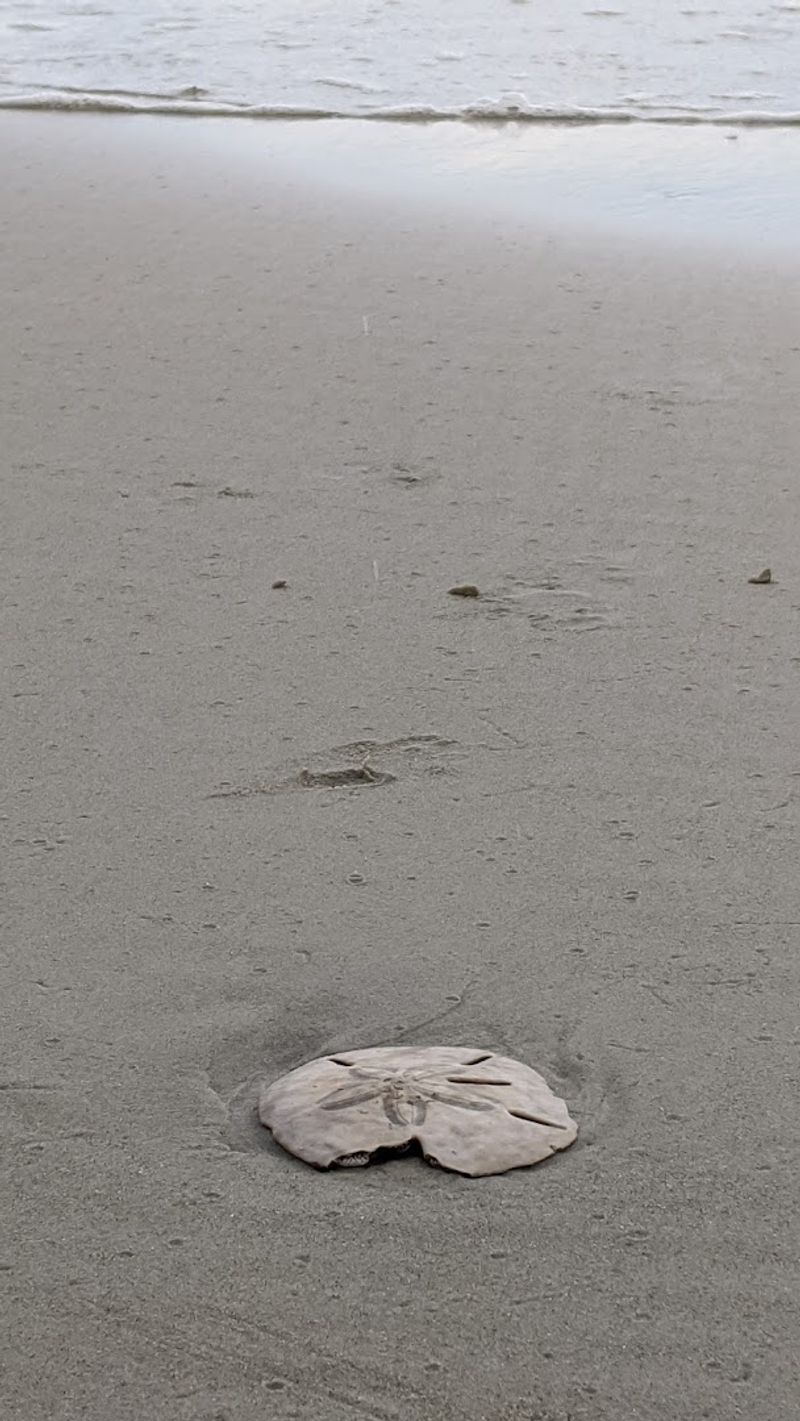
Beachcombers, take note: Nanny Goat Beach has delivered some genuinely exciting finds. Visitors have reported discovering intact sand dollars and beautiful whelk shells along the waterline, which is a treat considering how picked-over most popular beaches tend to be.
The low foot traffic here means shells have a better chance of washing ashore undisturbed. Early morning walks right after high tide offer the best window for finding the good stuff before the water claims it back.
Whelks in particular can grow impressively large along Georgia’s coast, and spotting a whole one is always a small thrill.
Keep in mind that living shells and live sand dollars should always be left alone. Only take shells that are clearly empty and no longer home to any creature.
Responsible beachcombing keeps this shoreline just as magical for the next visitor who makes the journey out here. Pack a small bag just in case.
The Lighthouse That Stands Watch Over It All
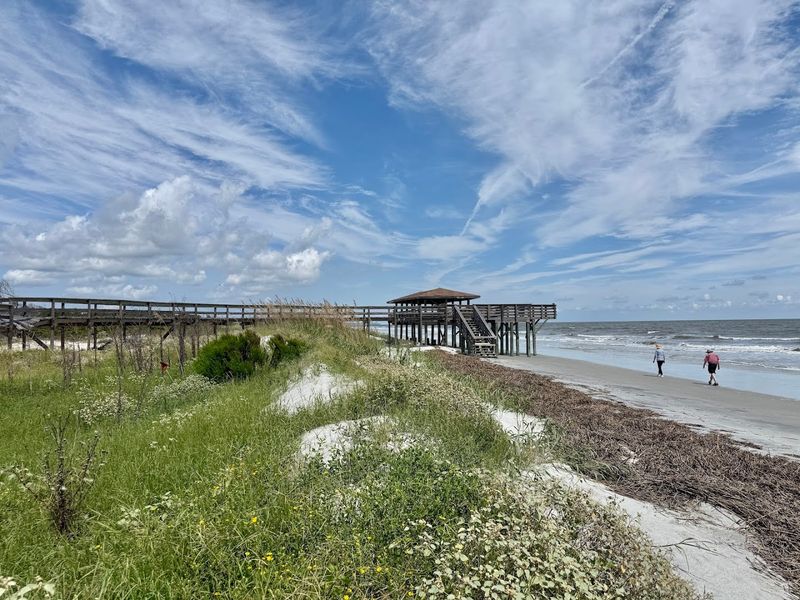
Just a short distance from the beach stands the Sapelo Island Lighthouse, one of Georgia’s most photogenic historic structures. Built in 1820 and rebuilt after the Civil War, this lighthouse has guided ships through Georgia’s coastal waters for over two centuries.
Most guided tours of Sapelo Island include a stop near the lighthouse, and the nature trails in the surrounding area are genuinely worth exploring. Reviewers specifically called out these trails as wonderful, offering a shaded, muddy, and thoroughly satisfying walk through coastal Georgia landscape.
Wear shoes you do not mind getting dirty. Keens or similar water-friendly footwear work perfectly for the mix of sandy paths and occasional muddy stretches.
The lighthouse grounds give you a quiet moment of historical reflection before or after your beach time. Standing near it and looking toward the ocean, it is easy to understand why people have worked so hard to protect this island.
Blue Crabs, Microscopes, and Outdoor Learning
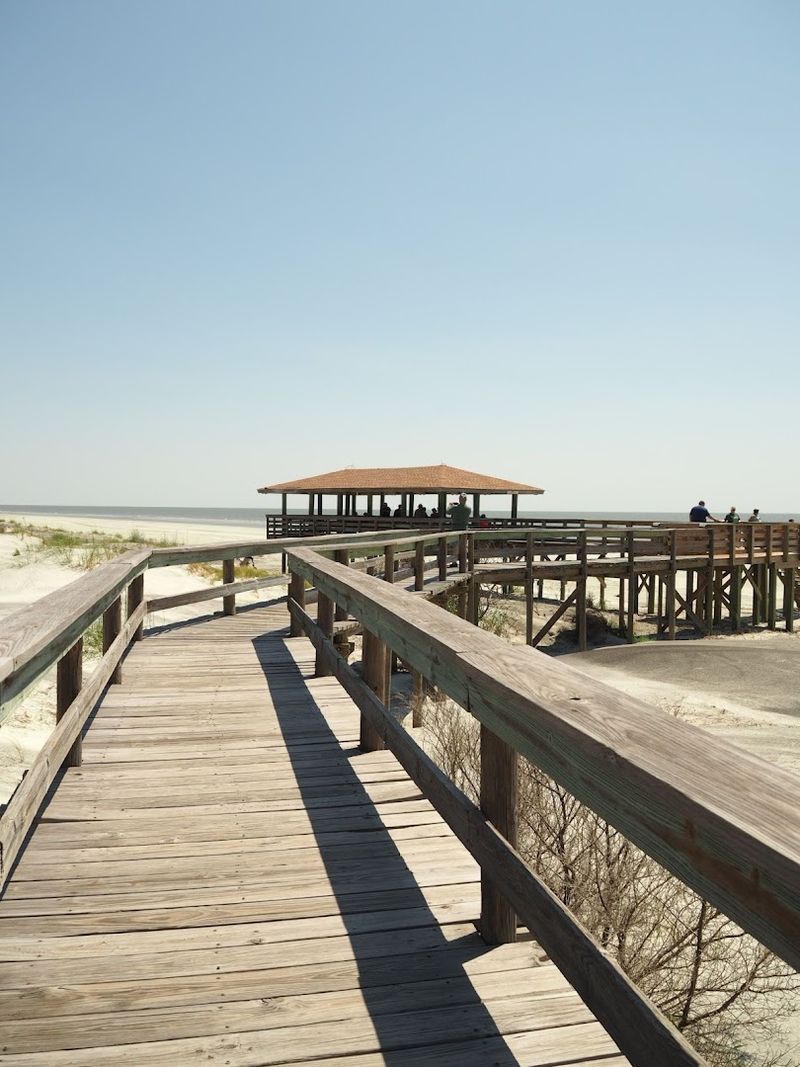
One reviewer described their visit to Nanny Goat Beach as the best field trip ever, and the details behind that claim are genuinely impressive. Their homeschool group toured the University of Georgia Marine Extension facility on Sapelo Island, testing water for salinity and turbidity before using microscopes to examine specimens.
Then came the beach, where children caught and observed live blue crabs using nets. That combination of classroom science and hands-on coastal exploration is hard to beat for young learners.
The tour guides reportedly engaged brilliantly with the kids, making every part of the day feel exciting and educational.
Families visiting Sapelo Island should absolutely look into the educational programs offered through the UGA Marine Extension and Georgia Sea Grant. These tours transform a beach day into something genuinely enriching.
Nanny Goat Beach becomes more than just sand and waves when you understand the living ecosystem thriving right beneath its surface.
Packing Smart for a Day on Sapelo Island
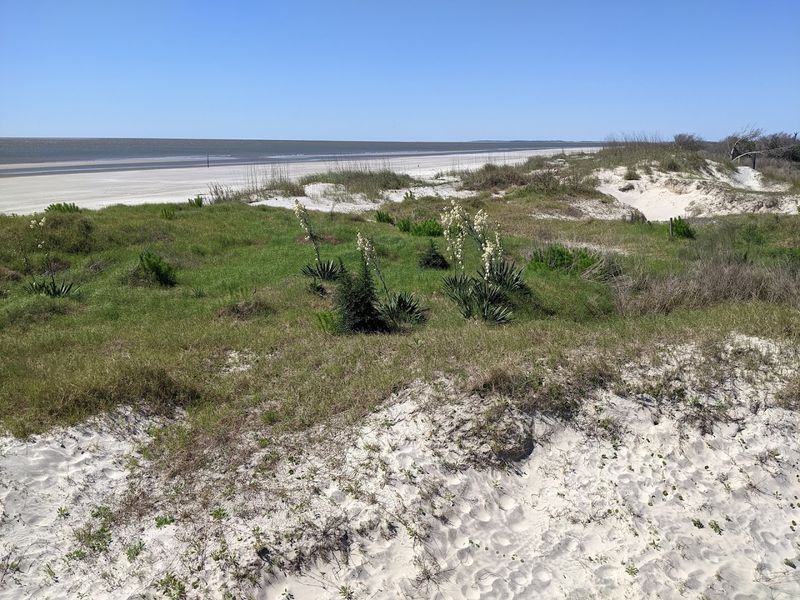
Showing up unprepared at a remote island beach is a recipe for a rough day. Sunscreen is an absolute must, and visitors are especially firm about packing bug spray.
Coastal Georgia is beautiful, but the insects along marshy barrier islands are relentless, particularly during warmer months.
There are no bathrooms on-site at Nanny Goat Beach, so plan accordingly. Bring water, snacks, and anything else you will need for the duration of your visit since there are no shops or concession stands waiting for you on the other side of that ferry.
A small backpack works well for carrying your essentials without weighing you down on the beach walk. A reusable bag for any shells you find, a towel, and a change of clothes round out a solid packing list.
Arriving prepared means you can fully enjoy the beach rather than spending the day wishing you had packed differently.
Why the Lack of Crowds Makes All the Difference
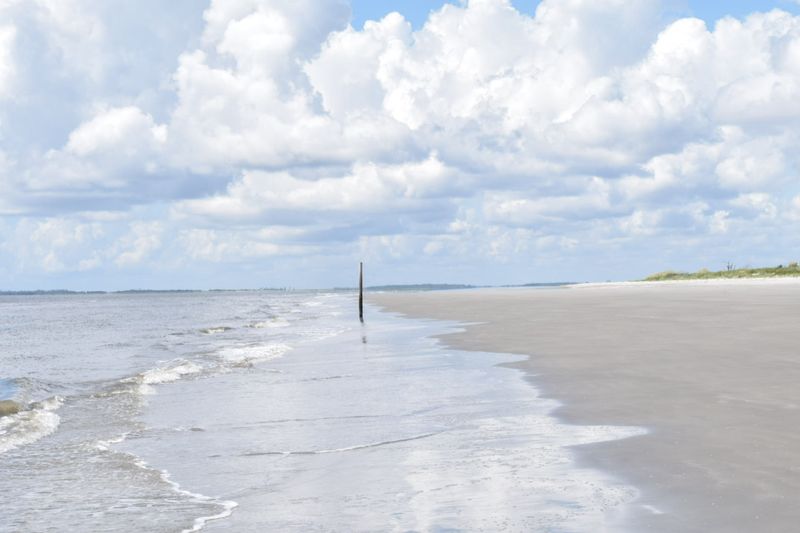
One five-star reviewer summed up the experience in just two words: lonely beaches. For most people, that sounds like a complaint.
Here, it is the highest possible compliment. Having a stretch of Atlantic coastline essentially to yourself is a luxury that is nearly impossible to find in 2024.
Nanny Goat Beach stays uncrowded by design. The ferry system, the reservation requirement, and the island’s protected status all work together to keep visitor numbers manageable.
You are not going to battle for a patch of sand or wait in line to park your car here.
That quietness creates a completely different emotional experience than a typical beach visit. You can actually hear the waves without competing noise.
You can watch birds work the shoreline without distractions. The stillness has a way of resetting something in you that busy beaches simply cannot reach.
Sometimes the best trips are the ones where almost nobody else shows up.
The Gullah-Geechee Culture That Calls Sapelo Home
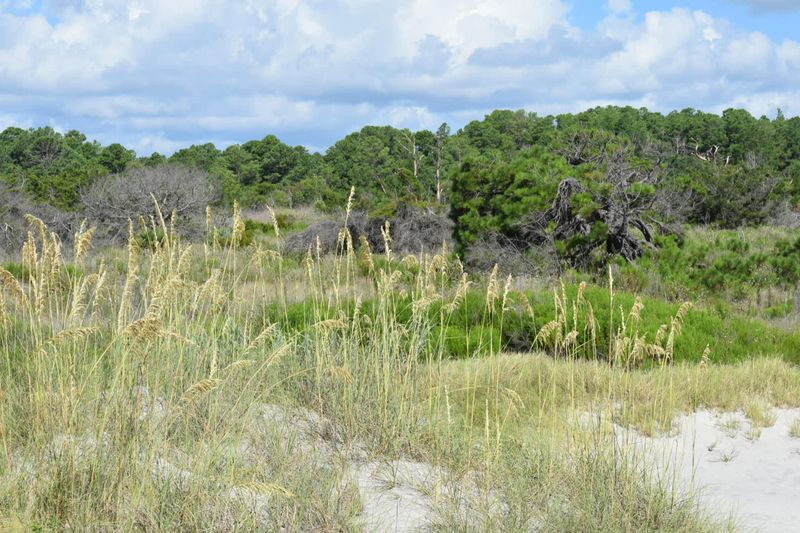
Sapelo Island holds one of the last remaining Gullah-Geechee communities in the United States. The residents of Hog Hammock are direct descendants of enslaved West and Central Africans who were brought to the Sea Islands to work rice and cotton plantations.
Their language, traditions, and foodways have survived for generations against enormous odds.
Visiting Sapelo Island without acknowledging this history would miss a huge part of what makes the island so significant. Many guided tours include stops in or near Hog Hammock, offering visitors a chance to learn about this living cultural heritage in a respectful and meaningful way.
Supporting the community by engaging with their tours, purchasing local crafts, or simply listening to the stories shared by guides contributes directly to the preservation of something irreplaceable. Nanny Goat Beach is beautiful, but the people and history of Sapelo Island are what give the whole experience its real depth and lasting meaning.
Wildlife Encounters You Would Not Expect at a Beach
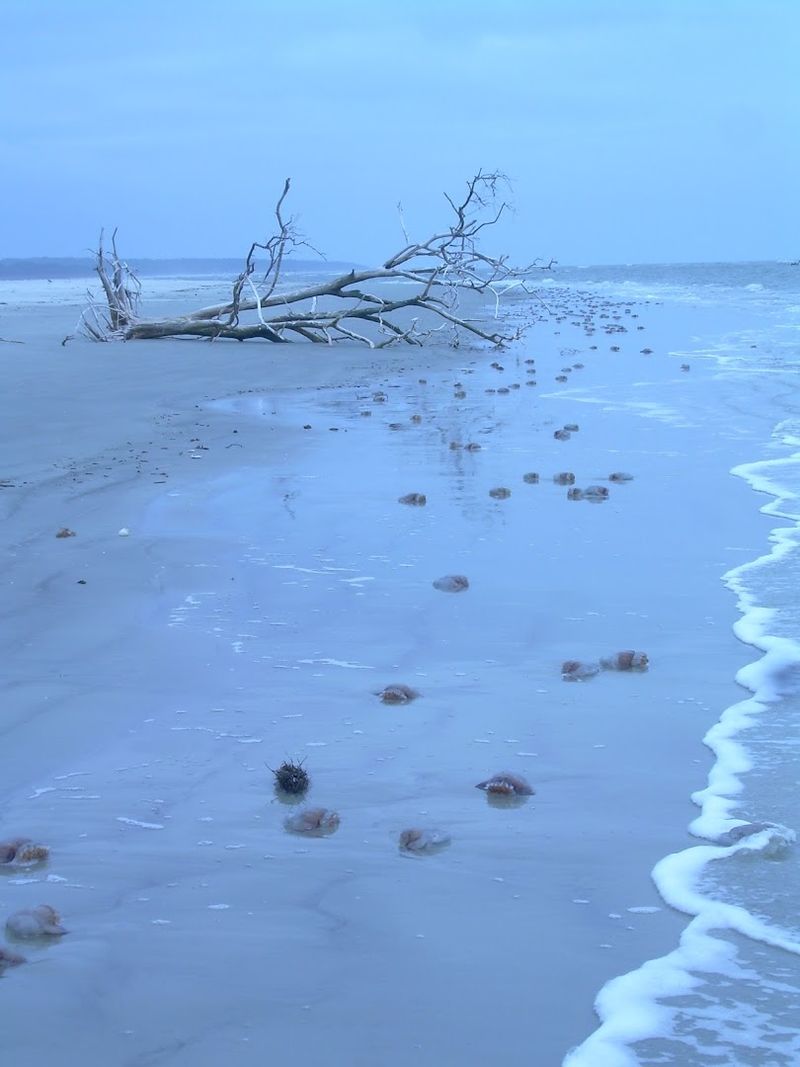
Forget the usual seagulls and sandpipers. Nanny Goat Beach sits within an ecosystem so intact that loggerhead sea turtles use its shores as nesting grounds during the summer months.
Spotting turtle tracks in the early morning is one of those experiences that stops you cold in the best possible way.
The surrounding waters and marshes support an impressive variety of coastal wildlife. Dolphins are spotted regularly offshore, and the tidal areas near the beach teem with blue crabs, fiddler crabs, and small fish that make excellent subjects for curious observers of any age.
Shorebirds including oystercatchers, willets, and various sandpiper species work the waterline throughout the day. Birdwatchers should bring binoculars because the variety here rewards patience.
Being on an island with this level of ecological health feels increasingly rare, and part of what makes Nanny Goat Beach so extraordinary is that the wildlife has not been pushed aside to make room for tourists.
How Nanny Goat Beach Got Its Quirky Name
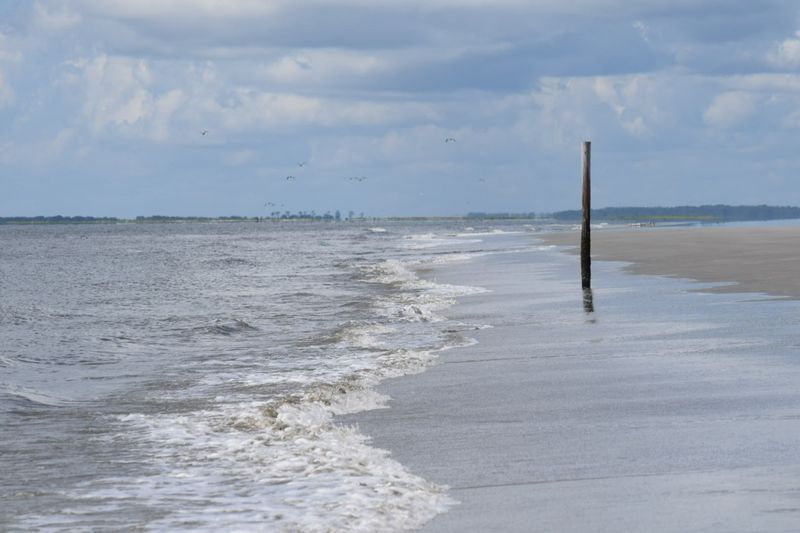
One reviewer asked the perfectly reasonable question: where are the goats? The name Nanny Goat Beach raises eyebrows and earns laughs in equal measure, but the history behind it is rooted in practical island life rather than whimsy.
Historically, residents of Sapelo Island kept goats as part of their agricultural routines, and female goats, known as nannies, were grazed in various parts of the island. The beach likely picked up the name from its association with grazing areas used by the community over generations.
Like many place names on barrier islands, it reflects a time when the land was worked and lived on rather than visited.
Today, no goats roam the shoreline, but the name has stuck with all of its charm intact. It is one of those details that makes the place feel genuinely storied rather than invented for a tourism brochure.
Some names just earn their place through time and use.
Best Times of Year to Plan Your Visit
Timing your trip to Nanny Goat Beach can make a significant difference in what you experience. Spring, particularly April and May, offers mild temperatures, lower humidity, and fewer bugs than the swampy heat of midsummer.
Fall runs a close second, with comfortable weather and stunning light that photographers absolutely love.
Summer visits are entirely doable but come with caveats. Heat and humidity in coastal Georgia can be intense, and the insects earn their fearsome reputation during those months.
Pack that bug spray and plan to spend the hottest midday hours in shaded areas rather than baking on open sand.
Winter visits are surprisingly peaceful and offer a completely different kind of beauty. The island feels even more remote when the trees are bare and the light goes soft and gray.
Ferry schedules vary by season, so always check availability well in advance regardless of when you plan to go. Early booking is never a bad idea here.
Why Nanny Goat Beach Deserves to Stay a Secret
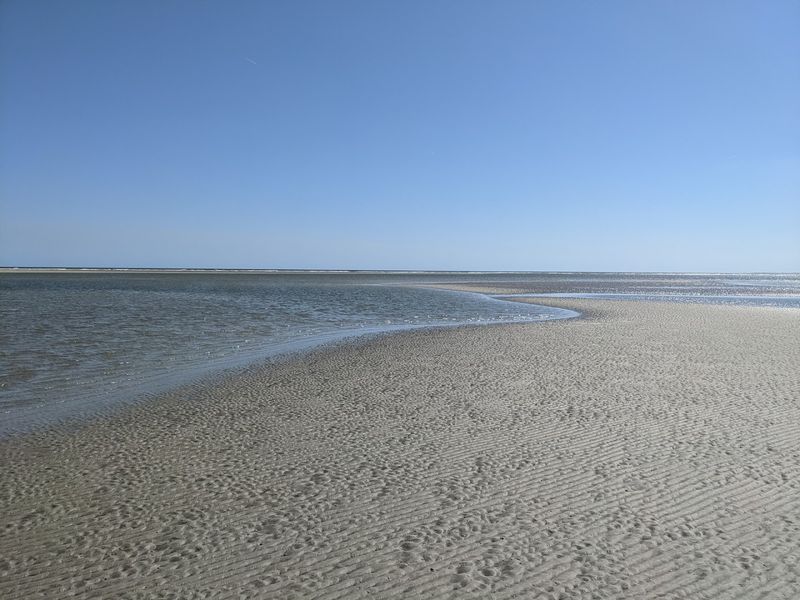
There is something quietly powerful about a place that has not been loved to death by tourism. Nanny Goat Beach holds that rare quality, and it holds it because access has always been intentionally limited.
The ferry system, the reservations, the lack of facilities on the beach itself: all of these things that might seem like inconveniences are actually what preserve the magic.
Overcrowding damages coastal ecosystems faster than almost any other human impact. Keeping visitor numbers low protects nesting sea turtles, prevents shoreline erosion, and allows the maritime forest to function the way it should.
The Georgia Department of Natural Resources has done a commendable job managing this balance on Sapelo Island.
Visiting responsibly means carrying out everything you carry in, respecting wildlife, and leaving the beach exactly as you found it. The reward for that small effort is access to one of the most genuinely unspoiled stretches of coastline on the entire East Coast.
That is worth protecting at every turn.
Enjoyed this story?
Add Fast Food Club as a preferred source to see more of our reporting on Google.