


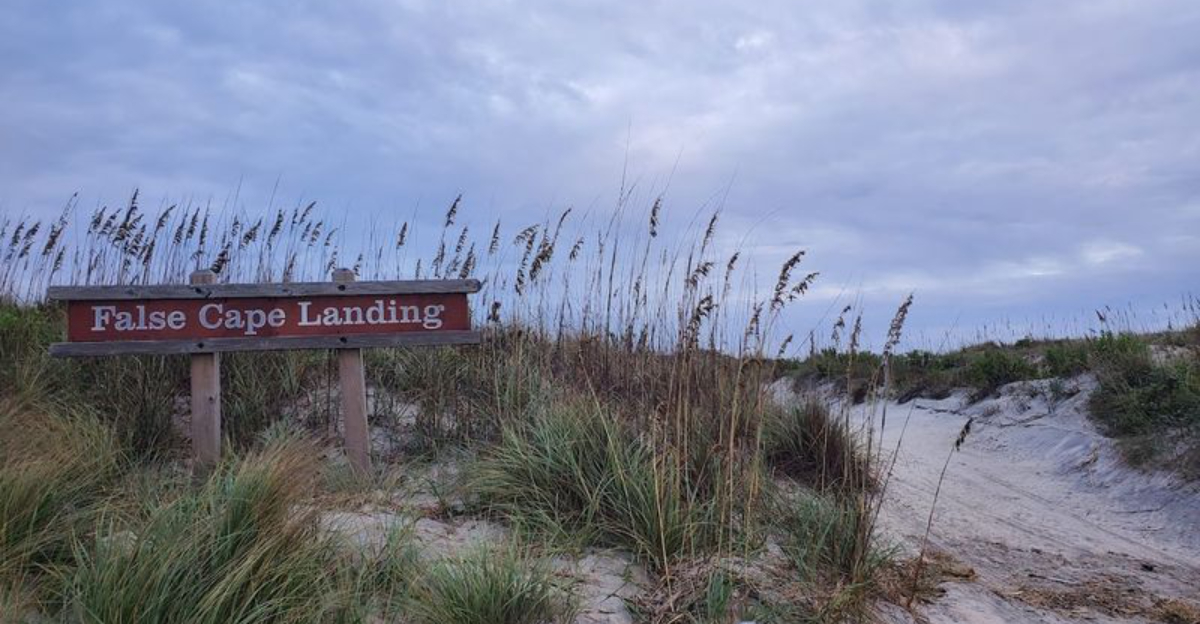
Tucked away at the southern edge of Virginia Beach, False Cape State Park is one of the most breathtaking and least-visited wild places on the entire East Coast. Unlike most parks where you simply drive up and park, this one requires you to earn your visit by foot, bike, or kayak.
That extra effort keeps the crowds away and the wilderness beautifully intact. If you live in Virginia and have never heard of this hidden gem, you are in for a serious treat.
A Park You Can Only Reach Without a Car
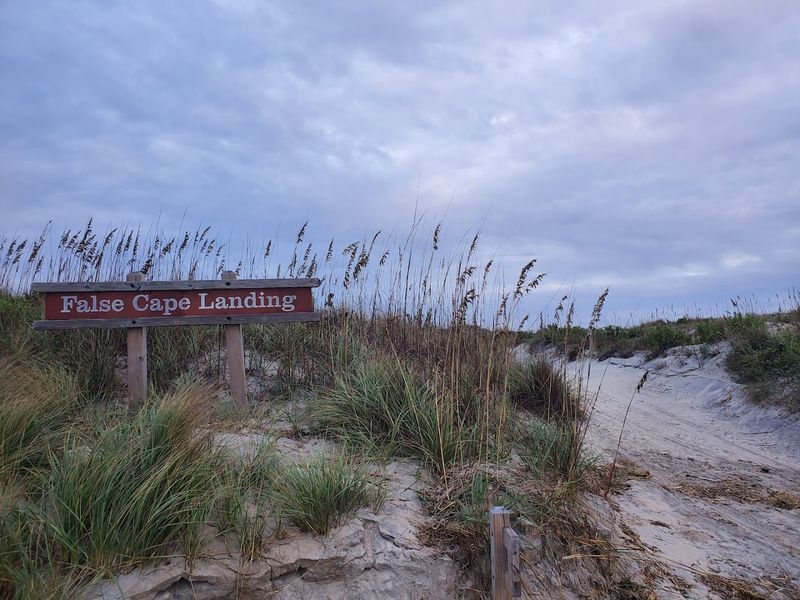
There are very few places left in America where you simply cannot drive to the front gate, and False Cape State Park is proudly one of them. No private vehicles are allowed beyond the Back Bay National Wildlife Refuge entrance, making every visit feel earned and special.
Most visitors start at Little Island City Park in Sandbridge, Virginia Beach. From there, you hike or bike roughly 5 to 7 miles through the wildlife refuge before reaching the park itself.
The flat terrain makes the journey manageable, but it weeds out casual visitors who prefer easy access.
That built-in barrier is actually the park’s greatest gift. Because getting there takes real effort, the beaches stay uncrowded, the trails stay peaceful, and the wildlife stays undisturbed.
Renting a bike from a local outfitter like Ocean Rentals, which can deliver to Little Island Park, is one of the smartest moves you can make before your trip.
Six Miles of Completely Undeveloped Coastline
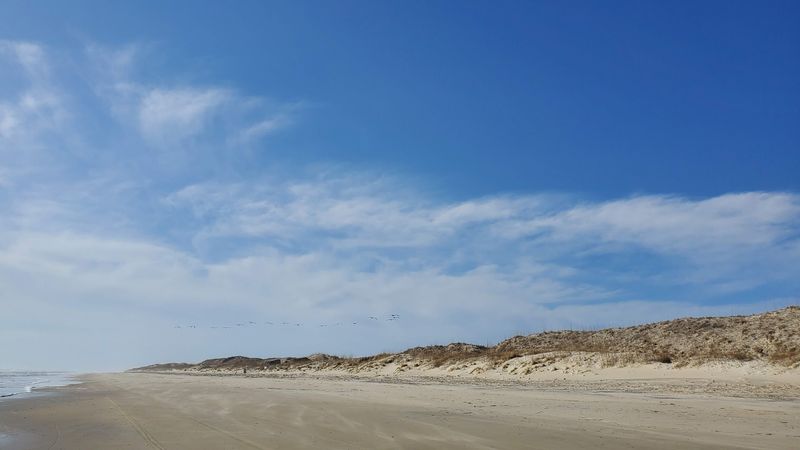
Picture a beach with no boardwalk, no hot dog stands, no beach umbrellas for rent, and no crowds. That is exactly what waits for you at False Cape.
The park protects roughly six miles of raw, undeveloped Atlantic shoreline that looks almost identical to how it did hundreds of years ago.
Visitors consistently describe the beach as breathtaking and unlike anything else on the East Coast. The sand is clean, the shells are abundant, and the sound of the ocean goes completely uninterrupted by generators or traffic noise.
One reviewer promised you will not hear an RV generator when you nestle into your tent for the night.
Shorebirds patrol the water’s edge, dolphins occasionally surface offshore, and sea turtles have been spotted nesting here during warm months. Bring a shell bag, because the collection opportunities are genuinely outstanding compared to more developed stretches of Virginia Beach shoreline.
Biking Through Back Bay National Wildlife Refuge
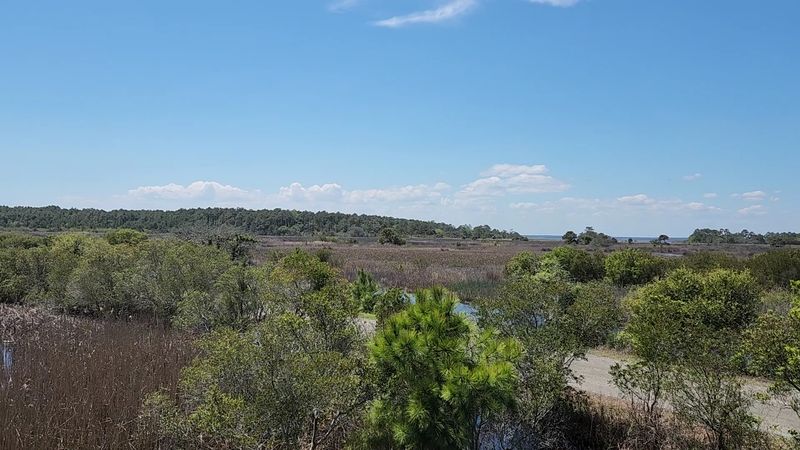
The journey to False Cape takes you straight through Back Bay National Wildlife Refuge, and honestly, the ride itself is half the adventure. Flat dike roads cut through marshes, open water, and scrubby vegetation that feels completely removed from the busy suburbs of Virginia Beach just a few miles away.
Kayakers paddling in have spotted bald eagles, ospreys, river otters, and a stunning variety of waterfowl along these same waters. Bikers report similar sightings from the elevated dike paths, especially early in the morning when wildlife activity peaks.
The east and west dike trails offer slightly different views, so seasoned visitors often take one in and the other out.
One important note: the dike trails through the wildlife refuge are only open from April through September. Outside those months, you must access the park via the beach at low tide, so always check the calendar and tide charts before heading out.
Primitive Camping Right on the Atlantic Ocean
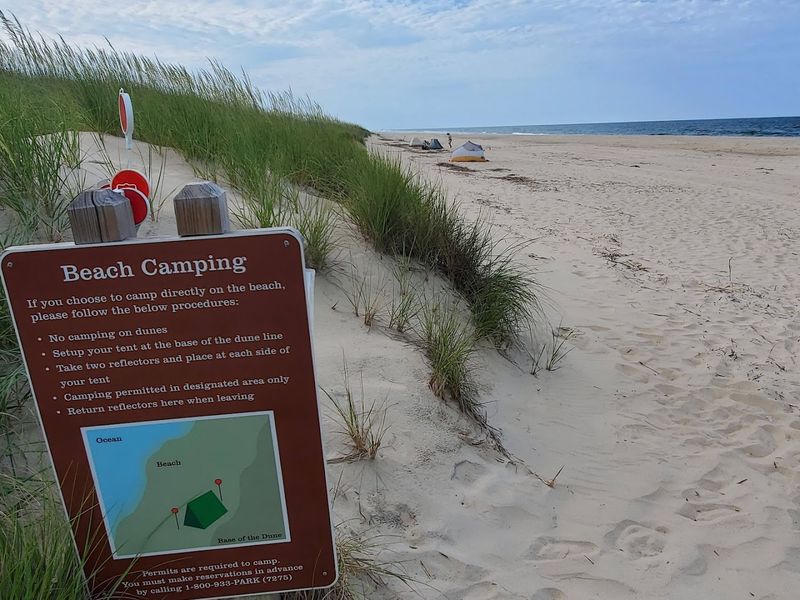
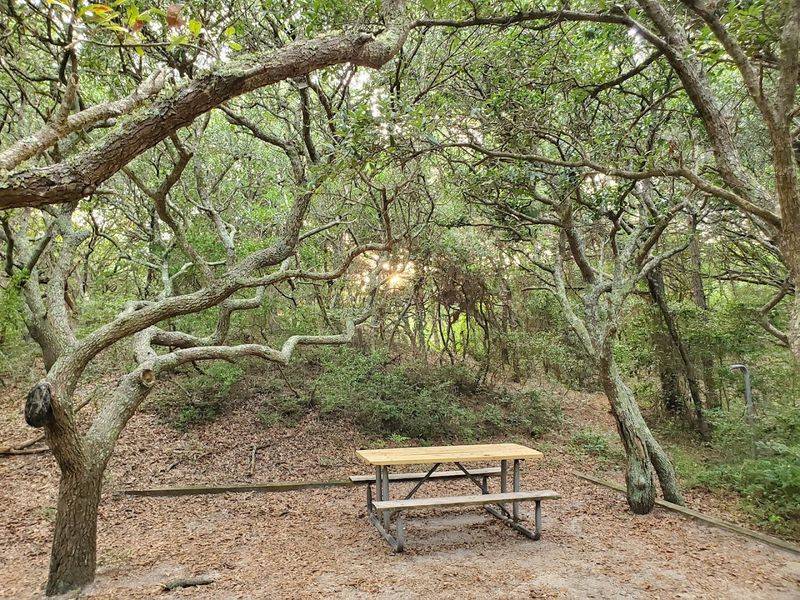
Camping at False Cape is not your typical campground experience, and that is exactly the point. The primitive campsites are tucked into maritime forest and along the oceanfront, offering a level of solitude that most campgrounds simply cannot match.
There are no RV hookups, no camp stores with ice cream, and no nightly entertainment programs.
What you do get is remarkable. The Barbour Hill Oceanside campsites come with drinking water and a shower head for rinsing off after a salty swim.
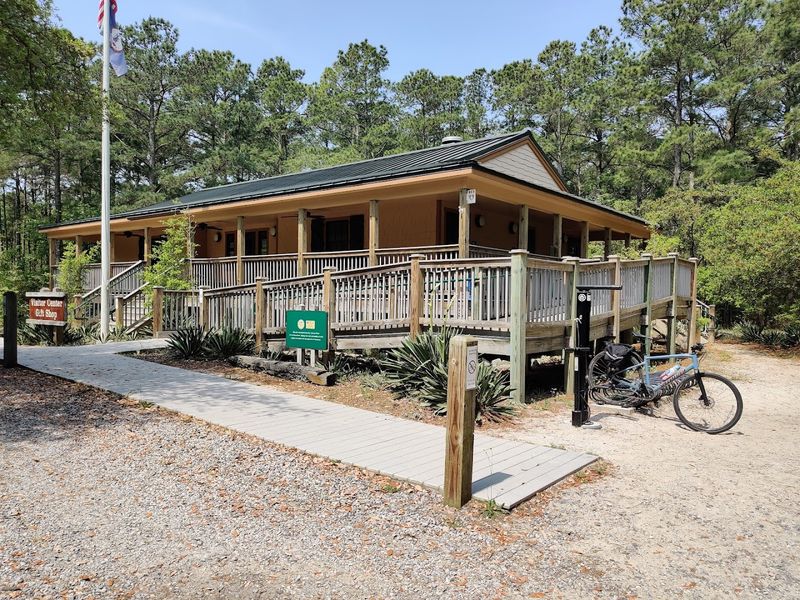
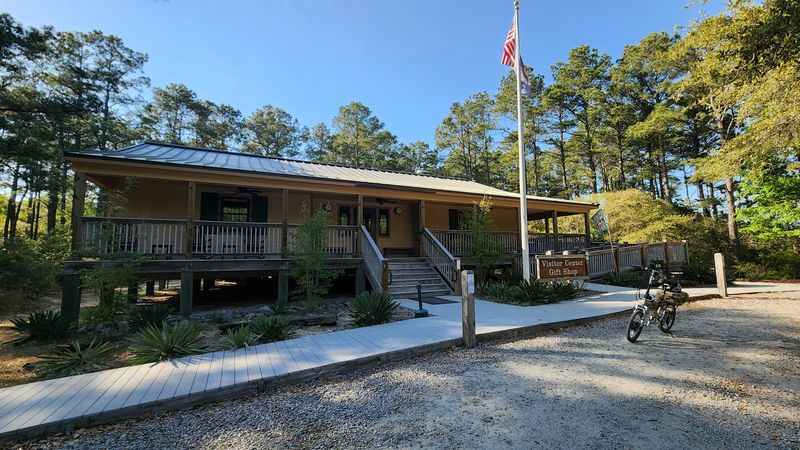
Pit toilets are on-site and reviewers consistently describe them as surprisingly well-maintained. A visitor center with real bathrooms, air conditioning, snacks, and a row of rocking chairs on the front porch provides a welcome rest stop mid-journey.
Camping on the beach itself for a second night is an option many visitors rave about, though biting flies can be intense. Pack extra bug spray, long sleeves, and collapsible water containers to make camp life noticeably more comfortable.
Wildlife Sightings That Will Genuinely Surprise You
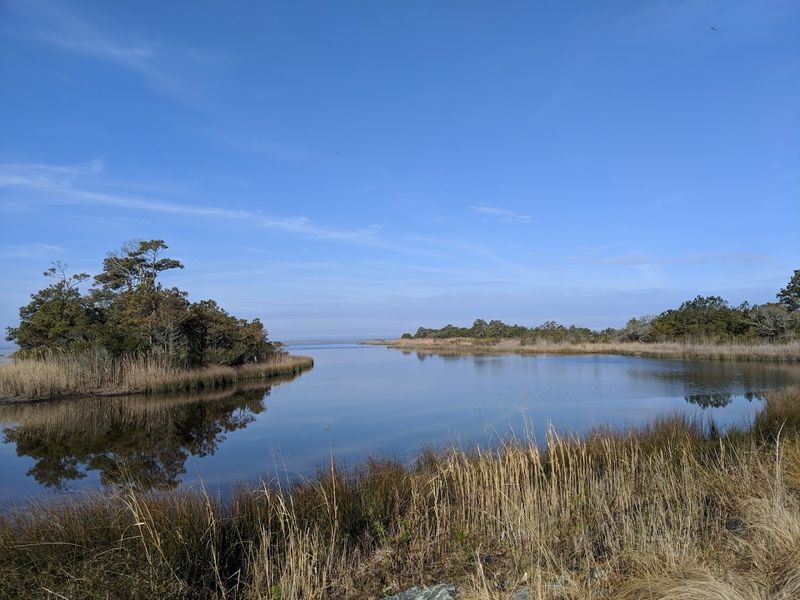
False Cape and the surrounding Back Bay National Wildlife Refuge form one of the richest wildlife corridors on Virginia’s coast. The variety of animals you might encounter on a single visit is genuinely impressive, ranging from the expected to the wonderfully unexpected.
Reviewers have logged bald eagles, ospreys, river otters, great blue herons, egrets, dolphins, sea turtles, deer, beavers, and a surprising number of snakes and turtles sunning themselves right on the trail. One visitor cheerfully noted spotting a ton of turtles and a few snakes before stumbling upon the visitor center.
The wildlife here is not behind fences or in enclosures.
Early morning visits reward the most patient observers. Bring binoculars if you have them, and move quietly along the dike roads for the best chance of spotting eagles and ospreys hunting over the open water.
This is the kind of wildlife encounter that turns casual hikers into lifelong nature enthusiasts.
The Mysterious Wash Woods Historic Site
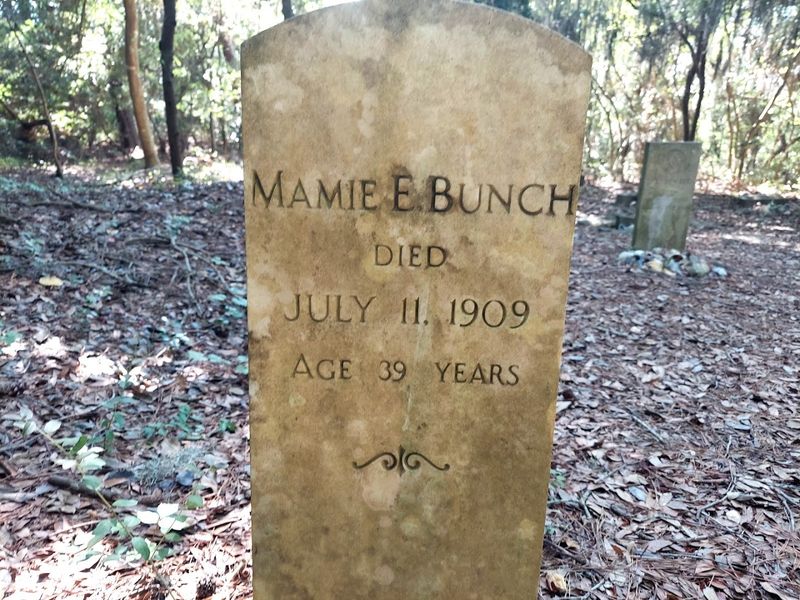
Hidden within the maritime forest of False Cape lies one of Virginia’s most fascinating historical curiosities: the Wash Woods site. This is the remnant of a 19th-century community that once thrived on this isolated stretch of coastline before being gradually swallowed by the encroaching sea and shifting sands.
A small cemetery with weathered wooden grave markers still stands among the trees, offering a quietly haunting glimpse into the lives of people who called this remote barrier island home. The community relied on the sea for survival and reportedly salvaged shipwrecks that ran aground on this treacherous coastline, which earned the area the name False Cape because sailors often mistook it for Cape Henry to the north.
Multiple reviewers mention Wash Woods as a must-see highlight they want to return for on future visits. Pack your curiosity alongside your bug spray, because this slice of forgotten coastal history adds real depth to an already remarkable park experience.
Kayaking In From the Bay Side
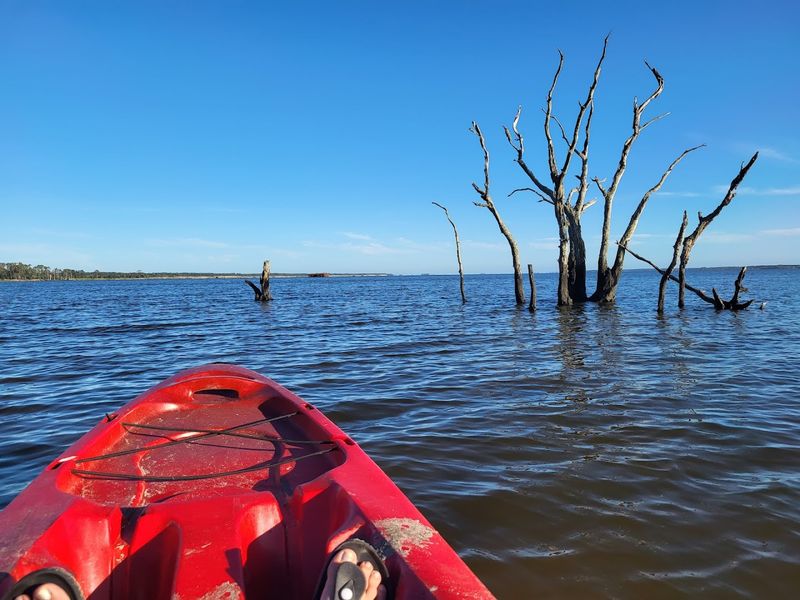
Arriving by kayak might be the most adventurous and rewarding way to experience False Cape State Park. Paddlers typically launch from Little Island City Park and navigate through the calm waters of Back Bay, weaving through the wildlife refuge before reaching the park’s bay-side shore.
The paddle is described by visitors as challenging but absolutely worth every stroke. Wildlife encounters on the water are even more intimate than those from the dike trails.
Eagles, ospreys, and otters appear frequently along the marshy shoreline, and the sense of arriving somewhere truly wild under your own power is hard to beat.
Planning is essential for a safe kayak trip. Check weather forecasts carefully, as Back Bay can develop choppy conditions with shifting winds.
Tidal currents also affect paddling difficulty, so timing your launch with favorable tides saves significant energy. Beginners should consider going with an experienced paddler the first time, since the route covers several miles of open water.
Bug Spray Is Not Optional Here
Every single glowing review of False Cape includes at least one firm warning about the insects, and it deserves its own section because the bugs here are not a minor inconvenience. Horse flies, biting flies, and mosquitoes can be genuinely relentless, especially during summer months.
One camper counted over 100 bug bites after a single weekend visit.
Reviewers describe biting flies that ignore standard bug spray, bite straight through clothing, and swarm your head the moment you stop moving. Long sleeves and long pants are strongly recommended even on warm days, and a high-DEET repellent will serve you far better than lighter formulas.
The good news is that timing your visit wisely makes a huge difference. Spring and fall trips, particularly warm weekends in April, May, September, and October, bring dramatically fewer insects while still offering beautiful weather and active wildlife.
Summer visits are still worthwhile but require serious preparation and a high tolerance for sharing the wilderness with some very persistent six-legged locals.
Fat Tire Bikes Make the Trip Dramatically Better
Standard road bikes and skinny-tire hybrids will get you through much of False Cape, but the final stretch to the beach involves deep sand that brings ordinary bikes to a grinding halt. Fat tire bikes, with their wide knobby tires designed for soft terrain, handle the sandy sections with much greater ease and keep the adventure fun instead of frustrating.
Multiple reviewers specifically recommend fat tire bikes or e-bikes for the full experience, noting that reaching the North Carolina border and back becomes a genuinely enjoyable ride rather than an exhausting slog. Electric fat tire bikes are an especially popular choice for families or less experienced riders covering the full 10-plus mile round trip.
Local outfitters near Virginia Beach offer rentals, and some will deliver bikes directly to Little Island City Park for a small fee, eliminating the hassle of transporting bikes on your own vehicle. Book rentals in advance during peak season, as availability fills up quickly on busy spring and fall weekends.
Sunrise Over the Atlantic and Sunset Over the Bay
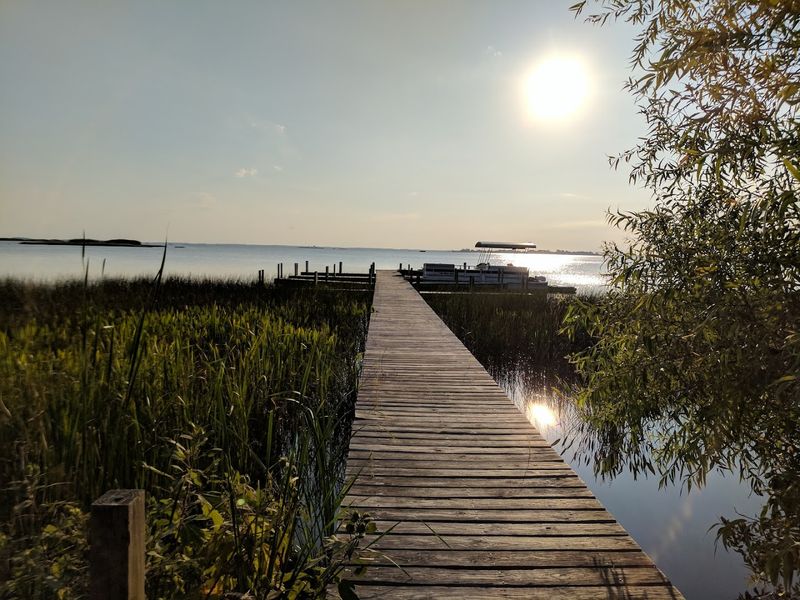
Here is a natural wonder that very few parks anywhere in the world can offer: you can watch the sun rise over the Atlantic Ocean and set over the bay, all from the same narrow strip of land in a single day. False Cape sits on a slim barrier peninsula flanked by the ocean to the east and Back Bay to the west.
Campers who spend the night describe this double sunrise-sunset experience as one of the most memorable moments of their outdoor lives. The colors reflecting off the open water on both sides create a visual spectacle that no photograph fully captures, though many visitors certainly try.
Waking up early enough to catch the Atlantic sunrise from your beach campsite is worth every lost minute of sleep. Then, as the afternoon winds down, walking or biking the short distance to the bay side to watch the sun melt into the marsh waters is the perfect ending to an already extraordinary day at False Cape.
The Tram Tour Option for Those Who Need It
Not everyone can hike seven miles or pedal a bike through a wildlife refuge, and the park thoughtfully provides an alternative. A guided tram tour operates seasonally, offering visitors who cannot manage the physical demands of hiking or biking a legitimate way to experience this remarkable place.
Reviewers who have taken the tram describe it as very well done, with knowledgeable volunteer hosts who bring the park’s history, ecology, and wildlife to life throughout the ride. The guided format also means you learn things that independent visitors often miss, from the story of Wash Woods to the finer details of the maritime forest ecosystem.
Reservations are required for the tram, and spots fill up well ahead of time during popular seasons. Check the Virginia Department of Conservation and Recreation website or call the park at 757-426-7128 to get current tour schedules and booking information.
This is a genuinely wonderful option for older visitors, families with very young children, or anyone recovering from injury.
What to Pack for the Perfect False Cape Adventure
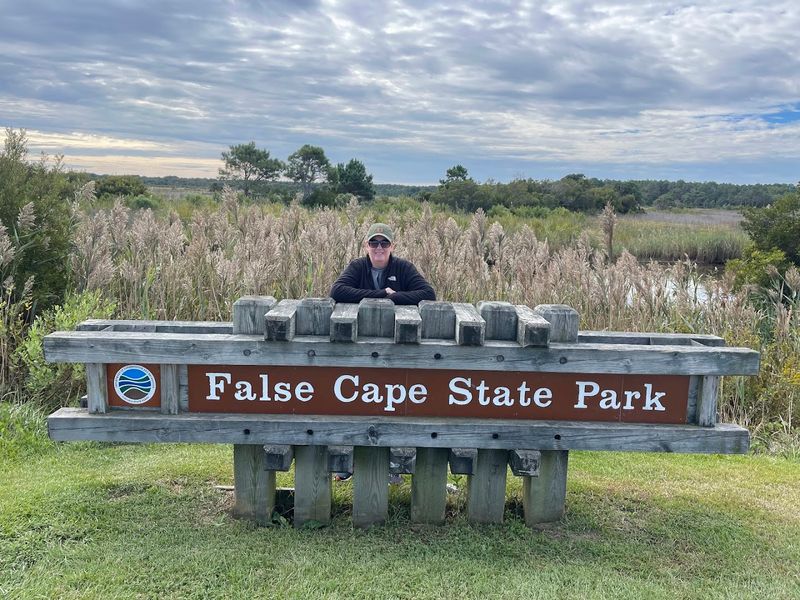
Preparation separates a magical trip to False Cape from a miserable one. Because the park has no drive-up convenience store or nearby gas station snack run, everything you need must come in on your back or your bike.
Getting this right is genuinely important.
Water is the top priority. The park has potable water spigots and a refill station at the visitor center, but bringing collapsible water containers lets you stock up without constant back-and-forth trips.
Purification tablets or a filter add an extra safety layer. Pack high-energy snacks, sunscreen, and a solid insect repellent as non-negotiables.
Comfortable, breathable long-sleeve shirts and pants pull double duty by protecting against both sun and bugs. A small first aid kit, a tide chart printout, and a fully charged phone round out the essentials.
Binoculars are worth the weight for wildlife watching. Leave the heavy camp furniture at home and focus on lightweight, packable gear that will not slow your bike or your stride on the way in.
Why False Cape Beats Many National Parks for Sheer Wild Beauty
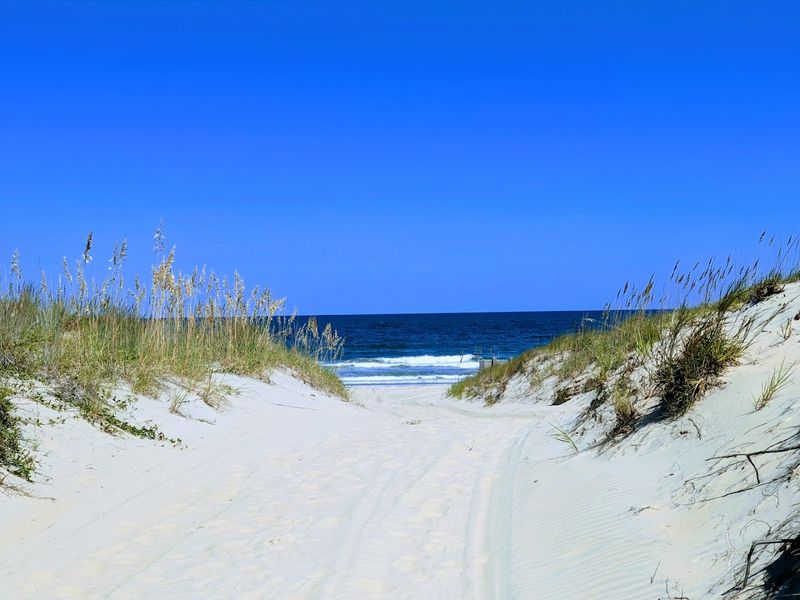
Bold claim, but plenty of experienced outdoor visitors back it up: False Cape State Park rivals and sometimes surpasses many well-known national parks when it comes to raw, unspoiled natural beauty. One longtime visitor stated flatly that the park is better than many national parks for its unique pristine beauty, and it is hard to argue after you have stood on that empty beach.
The combination of factors that make it special is difficult to replicate. No vehicular access keeps crowds away.
The maritime forest, open marshes, undeveloped Atlantic beach, and bay-side wetlands pack an extraordinary range of ecosystems into a relatively small area. Wildlife is abundant and unbothered by human activity.
Virginia residents who have never visited often express genuine disbelief that a place this wild exists so close to a major metro area. The park is roughly 25 miles from the Virginia Beach resort strip, yet it feels like a different world entirely.
That contrast is exactly what makes False Cape one of the Mid-Atlantic’s most underrated and underappreciated outdoor destinations.
Enjoyed this story?
Add Fast Food Club as a preferred source to see more of our reporting on Google.