


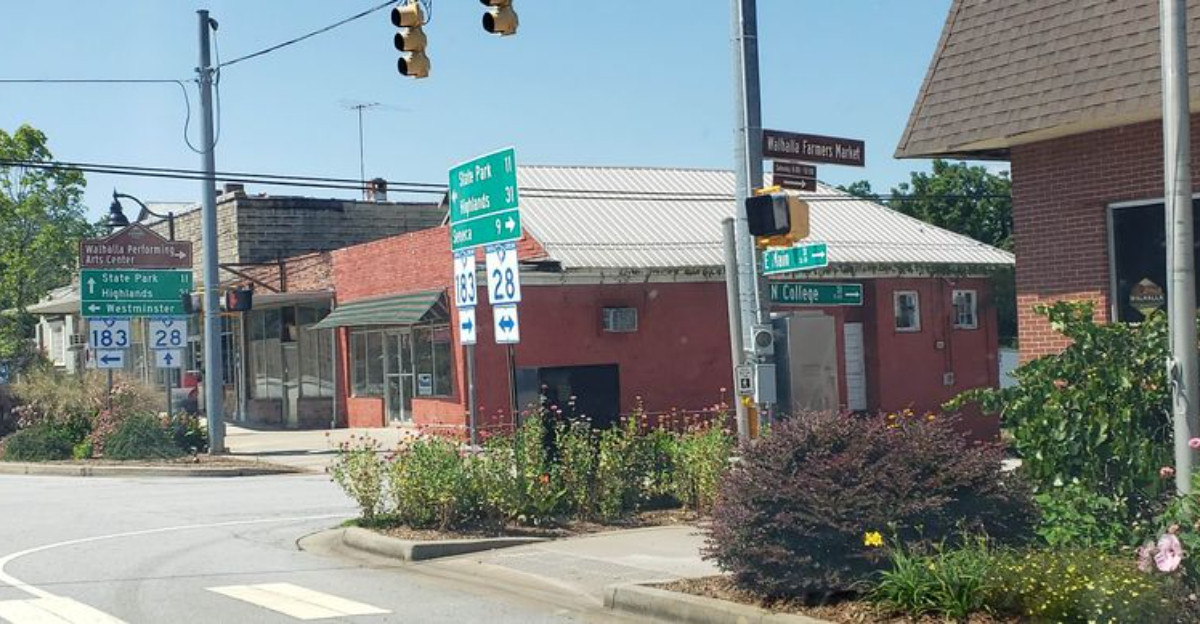
Tucked into the foothills of the Blue Ridge Mountains, Walhalla, South Carolina is a hidden gem that many retirees are discovering for its affordable living and natural beauty. This small city in Oconee County offers a peaceful pace of life, friendly neighbors, and stunning scenery without draining your savings.
Stretching your retirement dollars to around $1,750 per month here is genuinely possible, and plenty of folks are already doing it. If you have been dreaming of a slower, simpler life surrounded by waterfalls and mountain air, Walhalla just might be your answer.
Affordable Housing Options in Walhalla

Housing is often the biggest chunk of any retiree’s monthly budget, and Walhalla delivers some genuinely pleasant surprises. The median home price in Walhalla hovers well below the national average, making homeownership a realistic goal even on a modest fixed income.
Renters also find reasonable options, with one-bedroom apartments often available for under $700 per month.
Many homes here come with spacious yards, older architectural charm, and quiet streets that feel worlds away from busy city life. Property taxes in Oconee County are among the lowest in South Carolina, which adds up to real savings over time.
Seniors who qualify for the Homestead Exemption can reduce their property tax burden even further. Whether you prefer a cozy cottage or a modest ranch-style home, your housing dollar genuinely stretches further in Walhalla than in most places across the country.
Low Cost of Groceries and Everyday Goods

Keeping the refrigerator stocked without emptying your wallet is one of life’s quiet victories, and Walhalla makes it surprisingly easy. Everyday grocery prices in this part of South Carolina run noticeably lower than in larger metro areas, meaning your food budget can stay lean without sacrificing quality meals.
Local farmers markets pop up seasonally and offer fresh vegetables, fruits, eggs, and homemade goods at prices that feel almost old-fashioned in the best possible way. Stocking up on locally grown produce can shave meaningful dollars off your weekly grocery bill.
Big-box stores and discount retailers are just a short drive away in nearby Seneca and Anderson, giving you access to bulk buying when needed. For a retiree budgeting around $1,750 per month, allocating roughly $300 to $350 for groceries is very workable in this area.
Healthcare Access Near Walhalla
Healthcare access is a top concern for retirees, and Walhalla holds up reasonably well for a town of its size. Prisma Health Baptist Easley Hospital and AnMed Health Medical Center in Anderson are both within a manageable driving distance, offering full hospital services when needed.
Oconee Memorial Hospital in nearby Seneca is even closer and provides emergency care, surgical services, and specialty clinics. Many retirees find that routine checkups, dental visits, and pharmacy needs can all be handled within a short drive from Walhalla proper.
Medicare and Medicare Advantage plans are widely accepted throughout the region, which helps keep out-of-pocket medical costs predictable. Budgeting around $200 to $250 per month for healthcare costs, including premiums and copays, is realistic for most healthy retirees living in this area on a $1,750 monthly plan.
Outdoor Recreation Right at Your Doorstep

Few retirement destinations can match the sheer variety of free and low-cost outdoor activities that surround Walhalla. The city sits within striking distance of Oconee State Park, Sumter National Forest, and the stunning Chattooga Wild and Scenic River, all offering hiking, fishing, kayaking, and picnicking at little to no cost.
Walhalla is also famous for being near some of South Carolina’s most breathtaking waterfalls, including Issaqueena Falls and Station Cove Falls. Many of these natural wonders are accessible via short, easy walks perfect for retirees of varying fitness levels.
Spending your free time outdoors here does not require an expensive gym membership or paid entertainment. Fresh mountain air, scenic overlooks, and the sound of rushing water become your daily backdrop.
For budget-minded retirees, nature itself becomes the most generous and freely available amenity Walhalla has to offer.
Walhalla’s Small-Town Community Feel
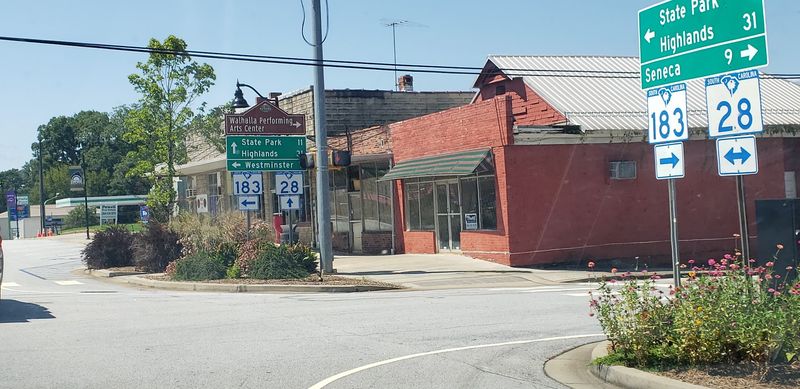
There is something quietly powerful about living in a place where people actually know your name. Walhalla has held onto that rare small-town warmth that larger cities tend to lose somewhere along the way.
Neighbors wave from porches, local business owners remember your order, and community events bring people together throughout the year.
The city hosts seasonal festivals, including the beloved Oktoberfest celebration that honors Walhalla’s German heritage dating back to its founding in 1850. These gatherings give retirees a built-in social calendar without spending much money at all.
Feeling connected to a community has real health benefits, especially for older adults living alone or far from family. Walhalla’s tight-knit atmosphere makes it easier to build friendships organically.
For retirees who worry about isolation, moving to a town like this can be one of the smartest lifestyle decisions they ever make.
Transportation Costs Stay Low Here

One of the underrated perks of retiring in a small town is how little you actually need to spend on getting around. Walhalla is compact enough that many daily errands can be handled with a single short drive, and gas prices in rural South Carolina tend to stay lower than in major metropolitan areas.
Car insurance rates also tend to be more affordable in low-traffic rural counties compared to urban zip codes. Owning one reliable vehicle is generally all a retired couple needs to manage life comfortably in Walhalla and the surrounding Oconee County area.
While there is no public bus system running through downtown Walhalla, the trade-off is minimal congestion and stress-free driving. Budgeting around $150 to $200 per month for transportation, including gas, insurance, and basic maintenance, is a realistic target for most retirees living here.
Utility Bills That Won’t Shock You

Utility costs can quietly eat away at a retirement budget if you are not careful, but Walhalla tends to be kind in this department. Average monthly utility bills for a modest home in Oconee County, covering electricity, water, and trash service, typically run between $120 and $160 depending on the season and home size.
South Carolina summers do bring heat and humidity, which means air conditioning costs can spike in July and August. However, Walhalla sits at a slightly higher elevation than the Lowcountry, which helps moderate temperatures and reduces cooling demands compared to coastal South Carolina towns.
Duke Energy and Blue Ridge Electric Cooperative serve the area, and both offer budget billing plans that smooth out seasonal spikes. For retirees managing a tight monthly budget, predictable utility costs are a genuine comfort.
Walhalla checks that box without much drama or financial stress.
Dining Out Without Breaking the Bank

Eating out on a retirement budget feels like a luxury in expensive cities, but Walhalla flips that script entirely. Local diners, family-owned barbecue spots, and casual eateries throughout the area serve generous portions at prices that feel refreshingly reasonable compared to national chains in bigger towns.
A sit-down meal for two at a local restaurant in Walhalla can easily come in under $25, including drinks and tip. That kind of affordability means dining out can be a regular pleasure rather than an occasional splurge reserved for birthdays.
The nearby town of Seneca expands your dining options with a broader variety of cuisines while still maintaining that small-town pricing sensibility. For retirees who enjoy good food and good company without financial guilt, budgeting around $150 to $200 per month for dining out in this area is a comfortable and realistic figure.
Entertainment and Hobbies on a Shoestring

Retirement is supposed to be fun, and Walhalla makes sure you do not have to spend a fortune to enjoy it. Fishing licenses in South Carolina are affordable, and the rivers, lakes, and streams surrounding Walhalla are well-stocked and beautiful.
Lake Hartwell and Lake Jocassee are both within easy reach for boating and bass fishing enthusiasts.
Local libraries, community centers, and churches frequently host free events, classes, and social gatherings that keep the calendar full. Art lovers, gardeners, birdwatchers, and history buffs all find plenty to keep them happily occupied without spending much at all.
Nearby Clemson University occasionally hosts free or low-cost public lectures, performances, and sporting events that retirees in the area enjoy attending. When your entertainment options include mountains, rivers, festivals, and a lively university town nearby, spending $100 a month on hobbies can feel like more than enough.
South Carolina’s Retirement-Friendly Tax Climate

Here is a fact that makes financial planners smile: South Carolina is consistently ranked among the most tax-friendly states for retirees in the entire country. Social Security benefits are not taxed at the state level, which immediately puts more money back in your pocket every single month.
Pension income and retirement account withdrawals also benefit from generous deductions available to residents aged 65 and older. The state’s income tax structure allows retirees to deduct up to $15,000 in retirement income annually, a significant advantage for those living on fixed incomes.
Combined with low property taxes in Oconee County and no estate tax in South Carolina, the overall tax picture is genuinely favorable for budget-conscious retirees. Moving to Walhalla is not just a lifestyle upgrade, it can also be a smart financial move that keeps more of your hard-earned retirement money where it belongs.
Safety and Peaceful Living in Oconee County

Peace of mind is priceless, and Walhalla offers plenty of it. Oconee County consistently reports crime rates that fall well below state and national averages, making it one of the safer places to settle down in South Carolina.
For retirees who prioritize feeling secure in their neighborhood, that matters a great deal.
The slower pace of life here naturally reduces the stress and anxiety that often accompany urban retirement. Traffic is minimal, noise levels are low, and the overall environment feels calm and welcoming rather than chaotic or overwhelming.
Local law enforcement maintains a visible and community-oriented presence throughout Walhalla, and neighbors tend to look out for one another in the way that small towns historically have always done. For retirees leaving behind crowded metro areas, arriving in a place this quiet and safe can feel like taking a very long, very satisfying exhale.
Proximity to Larger Cities When You Need Them

Living in a small town does not mean cutting yourself off from the conveniences of city life, and Walhalla proves that point well. Greenville, South Carolina, one of the fastest-growing and most vibrant mid-size cities in the Southeast, is roughly an hour’s drive from Walhalla.
That puts world-class medical centers, major shopping, airports, and cultural amenities well within reach.
Anderson, about 40 minutes away, offers additional hospital services, a regional shopping mall, and a broader range of restaurants and retail stores for those occasional days when small-town options feel limiting.
Asheville, North Carolina, a beloved arts and culture destination, is also reachable in under two hours. Having these options nearby gives Walhalla retirees the best of both worlds: the quiet simplicity of mountain town living paired with easy access to big-city resources whenever the situation calls for it.
Building a $1,750 Monthly Budget That Actually Works
Pulling together a $1,750 monthly retirement budget in Walhalla is not just wishful thinking, it is a plan that genuinely holds up when you run the numbers. Housing, whether renting or paying a modest mortgage, can reasonably land between $600 and $750 per month.
Groceries, utilities, and transportation together add another $600 to $700.
That leaves roughly $300 to $400 for healthcare costs, dining out, hobbies, and unexpected expenses, which is workable when you live somewhere with low taxes, free outdoor recreation, and affordable local services. The math only works this well because Walhalla’s cost of living sits meaningfully below the national average across nearly every spending category.
Retirees who own their homes outright have even more breathing room. With careful planning and a willingness to embrace the simple pleasures this mountain town offers, $1,750 per month in Walhalla is not just survivable, it is genuinely comfortable.
Enjoyed this story?
Add Fast Food Club as a preferred source to see more of our reporting on Google.