


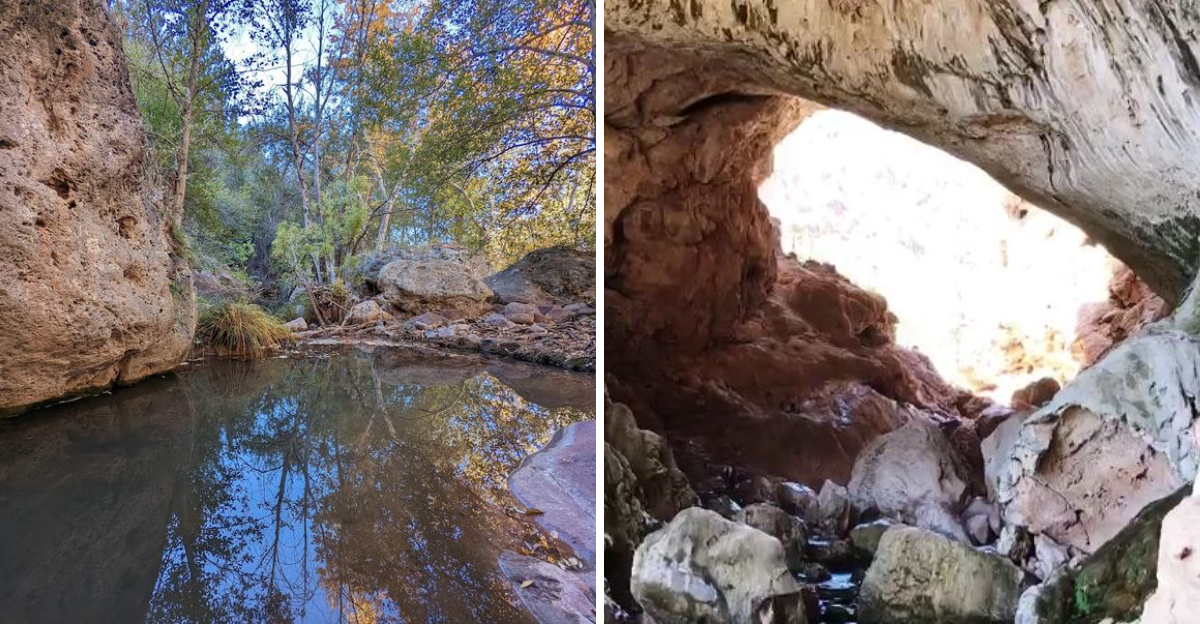
Tucked away in the pines near the small town of Pine, Arizona, Tonto Natural Bridge State Park is one of the state’s most jaw-dropping hidden gems. Home to the world’s largest natural travertine bridge, this park offers short but thrilling hikes, stunning waterfall views, and scenery that feels almost unreal.
Whether you’re a casual walker or a rock-scrambling adventurer, there’s something here that will pull you back time and time again. Pack your water bottle, lace up your hiking shoes, and get ready for an Arizona experience like no other.
The World’s Largest Natural Travertine Bridge
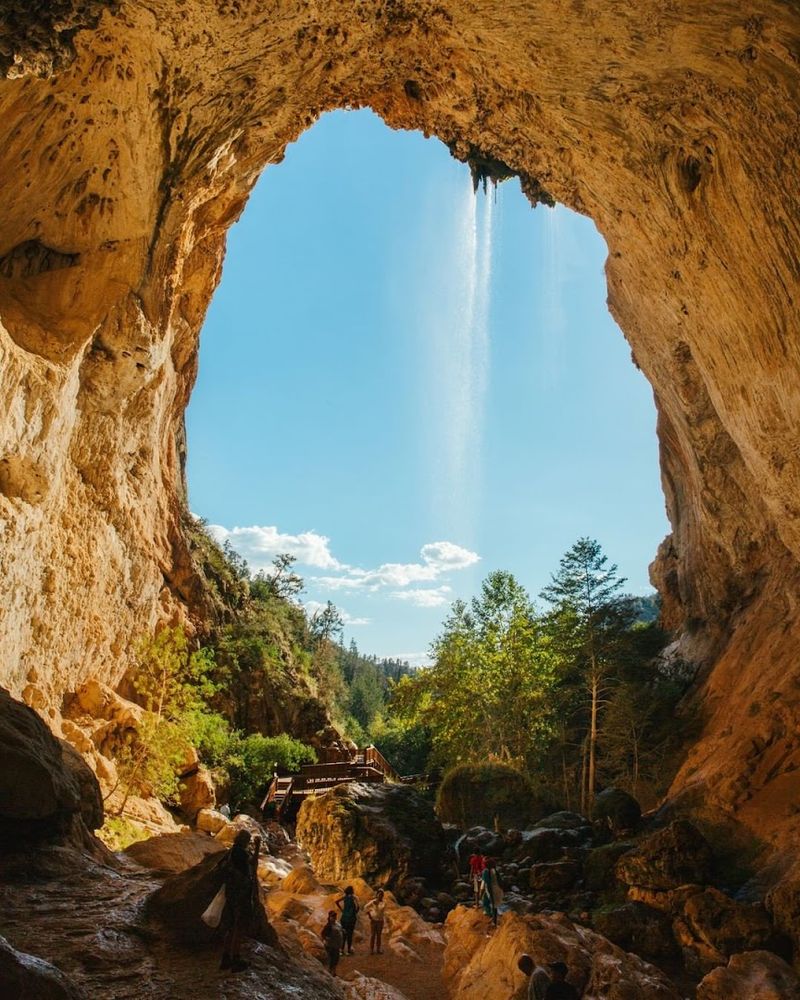
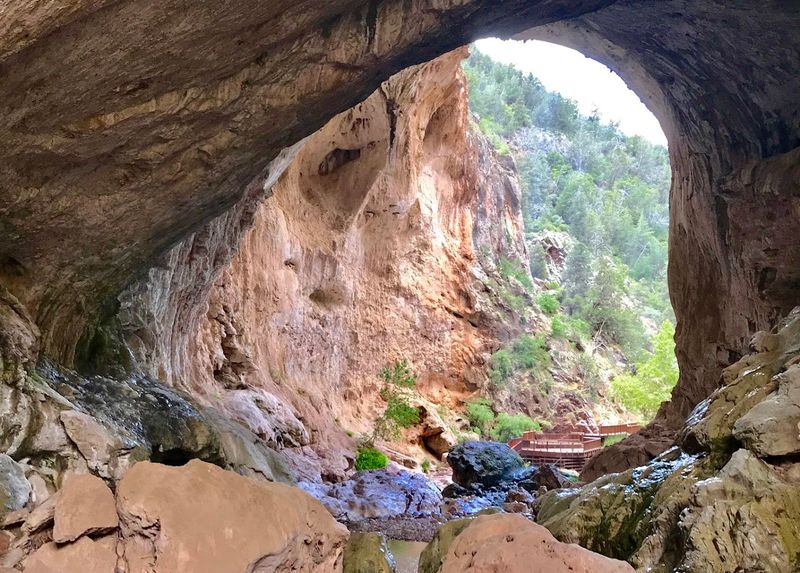
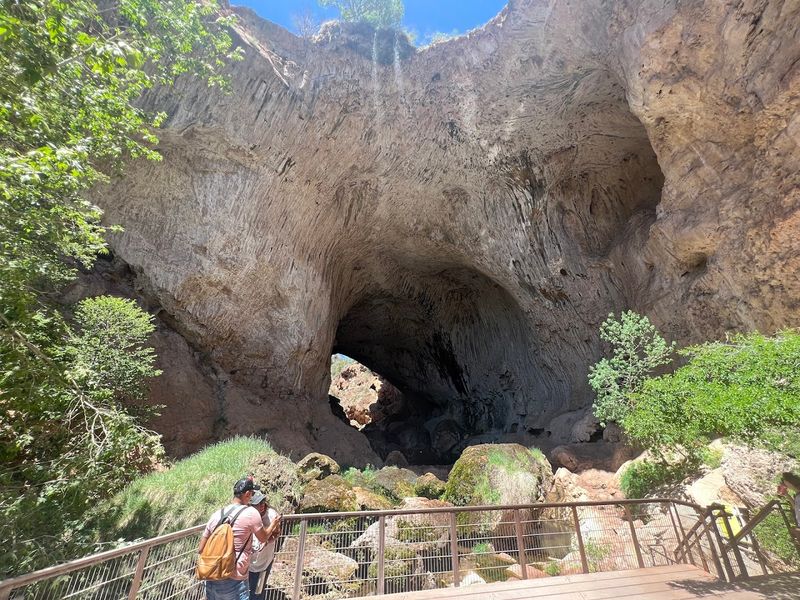
Standing beneath a bridge that nature built over thousands of years is a feeling words struggle to capture. Tonto Natural Bridge is recognized as the largest natural travertine bridge on Earth, stretching roughly 183 feet high and spanning 150 feet across a lush canyon gorge.
Travertine forms when mineral-rich water deposits calcium carbonate over centuries, slowly building up these incredible rock formations.
Visitors are consistently blown away by the sheer scale of the arch. Looking up from below gives you an immediate sense of just how massive this structure really is.
Reviewers have described it as a landmark unlike anything else in Arizona.
The bridge was discovered by a Scottish prospector named David Gowan in the 1880s, and his descendants later built a lodge on the property. Today, it anchors one of Arizona’s most beloved state parks.
Gowan Trail — The Best Way to Start Your Visit
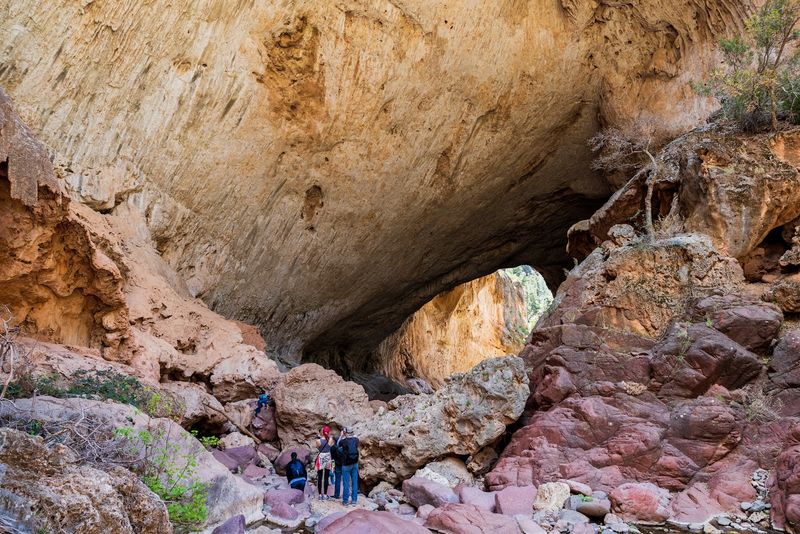
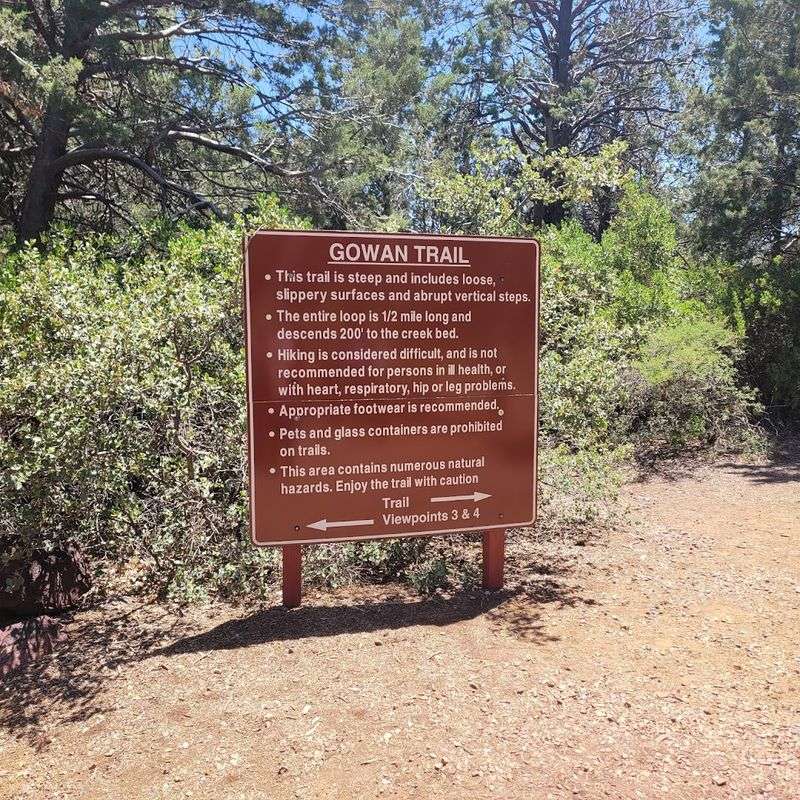
Ask almost anyone who has visited Tonto Natural Bridge State Park, and they will tell you the same thing: start with Gowan Trail. This steep but rewarding path winds down into the canyon, giving hikers their first real look at the natural bridge from below.
The descent is manageable for most fitness levels, though sturdy, closed-toe shoes are a must.
One reviewer raved about hiking Gowan Trail down the canyon and then passing through the underside of the bridge before finishing on Pine Creek Trail. That combination creates a loop experience that feels genuinely adventurous without being overwhelming.
The trail is less than a mile long, but every step reveals something new — mossy canyon walls, trickling streams, and increasingly dramatic views of the bridge overhead. Arriving early in the morning means fewer crowds and cooler temperatures, making the hike even more enjoyable.
The Waterfall Experience You Won’t Forget
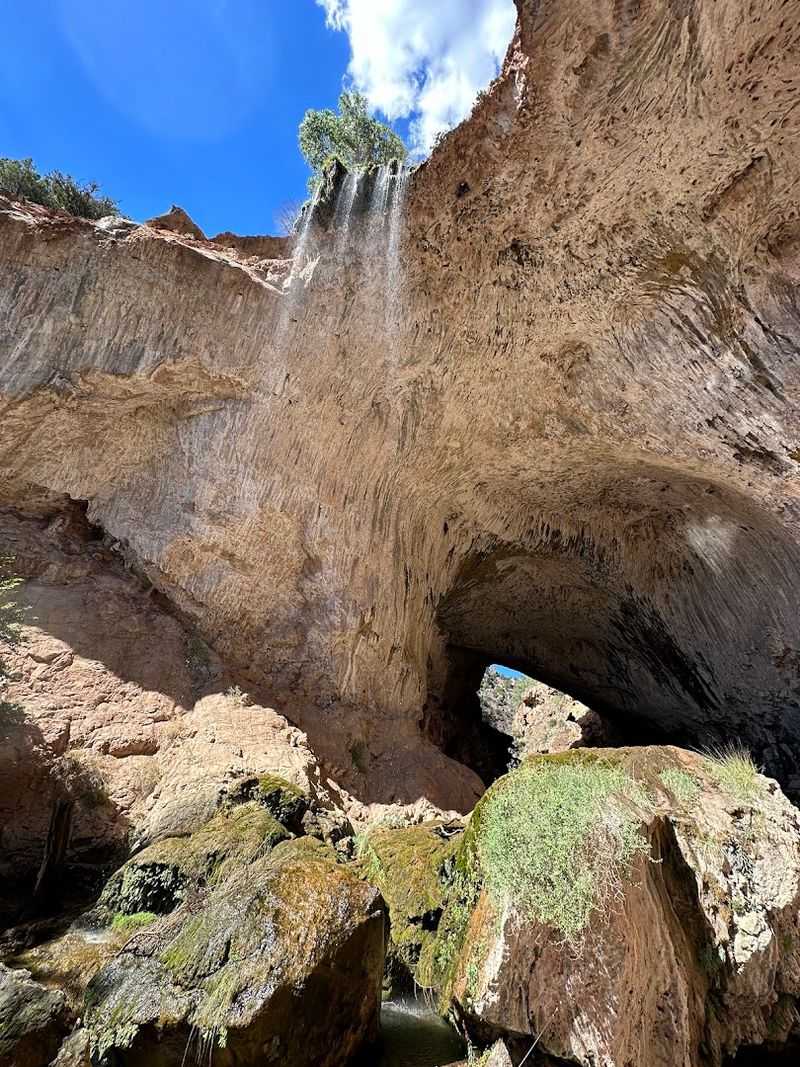
Few things in the Arizona desert feel as surprising as stumbling upon a genuine waterfall. At Tonto Natural Bridge State Park, water tumbles down through the travertine canyon, creating a cool, mist-filled environment that feels like a completely different world from the dry desert just miles away.
The sound alone — rushing water echoing off ancient rock — is worth the drive.
Reviewers suggest hiking both the front trail and back trail to fully appreciate the waterfall from every angle. Some sections of the waterfall path involve steep steps and wet leaves, so tread carefully.
Wet rocks can be slippery, especially after rain.
Sitting near the waterfall for a quiet moment is something visitors describe as deeply peaceful. Bring a snack, listen to the water, and soak in the fresh canyon air.
It is the kind of experience that reminds you why getting outside matters so much.
Pine Creek Trail — A Scenic Loop Worth Every Step
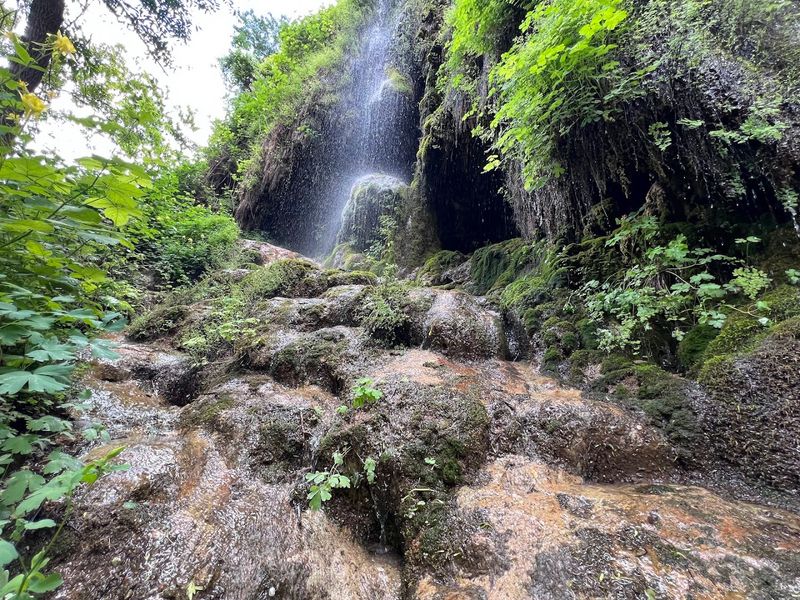
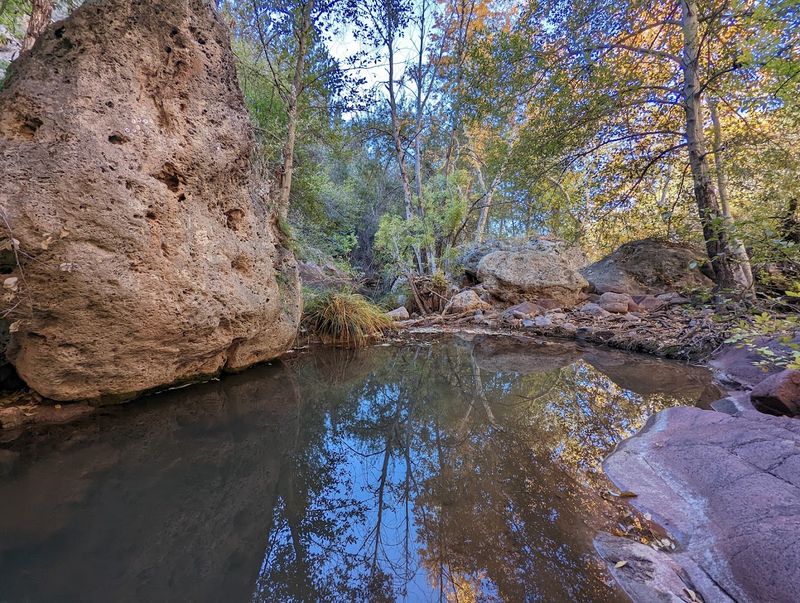
Pine Creek Trail offers a completely different perspective of the park compared to the other paths. Running alongside the creek at the canyon floor, this trail puts you right in the heart of the natural environment — close to the water, beneath towering canyon walls, and surrounded by vibrant green vegetation that feels almost tropical.
Pairing Pine Creek Trail with Gowan Trail creates a satisfying loop that most hikers complete in under two hours. The total distance stays well under 2.5 miles, making it accessible for families, older visitors, and anyone who prefers shorter outings without sacrificing scenery.
Trail markers can be a little tricky to follow in some sections, so pay close attention to signage and watch your footing on slick rocks near the creek. The payoff, however, is extraordinary — a ground-level view of the canyon that observation decks simply cannot replicate.
Observation Decks With Breathtaking Views
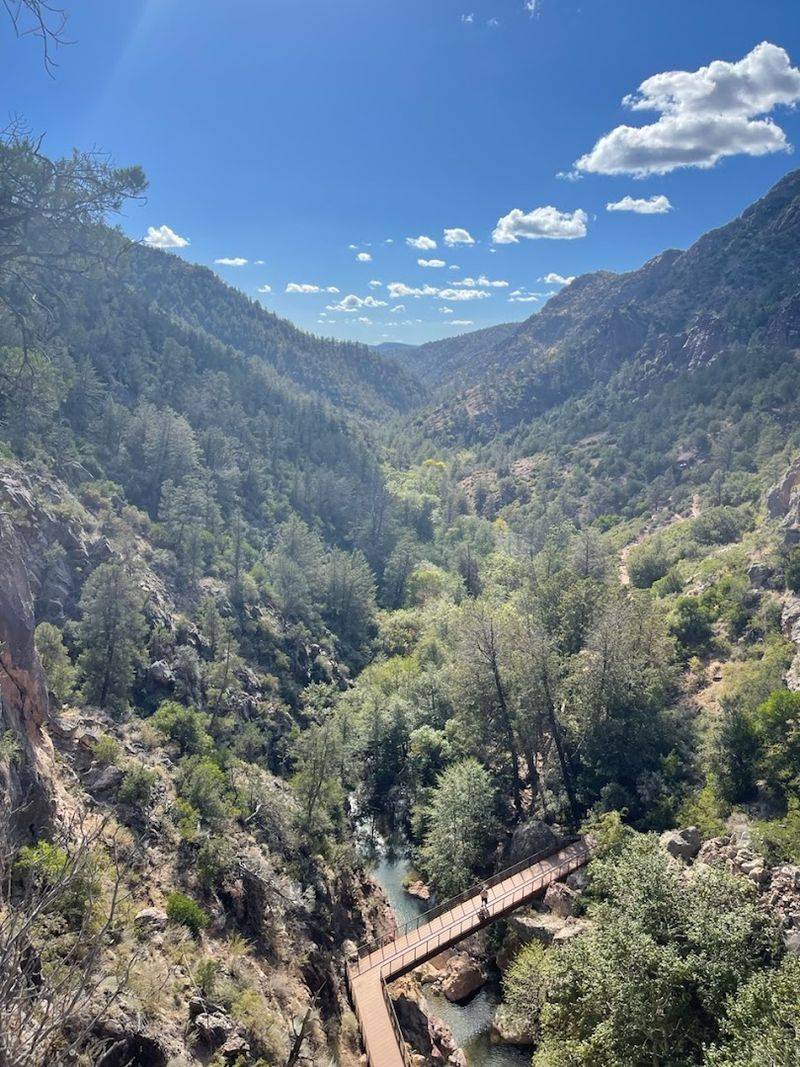
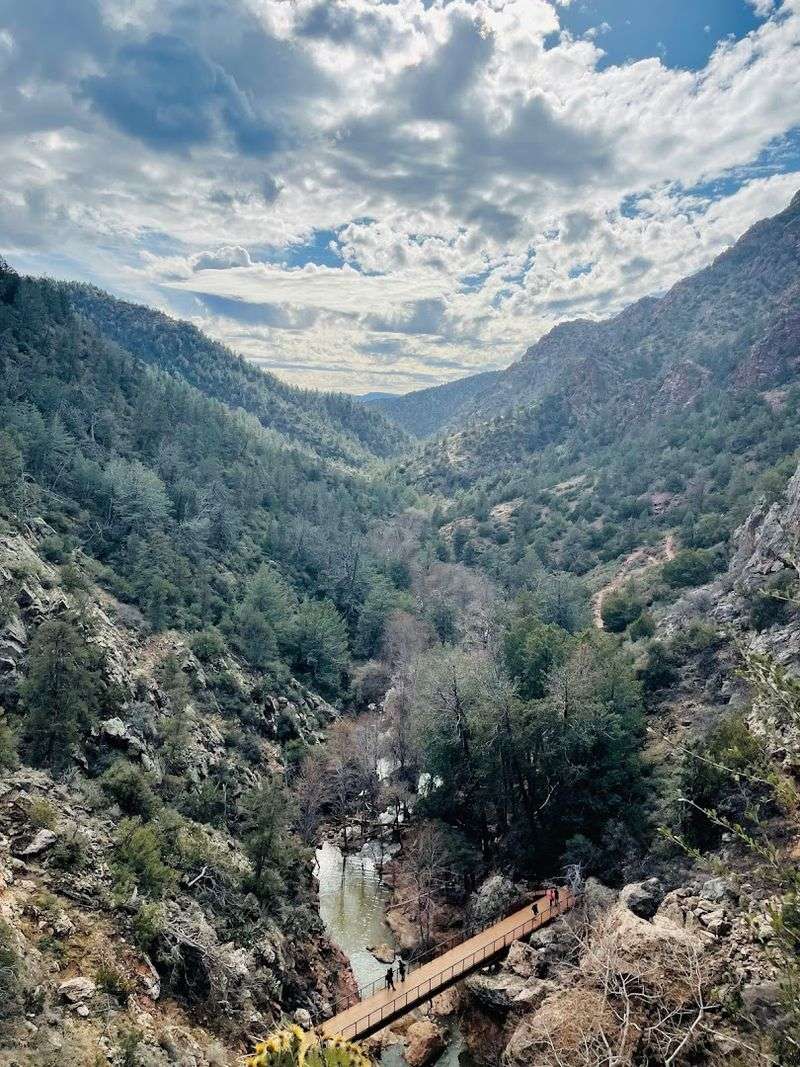
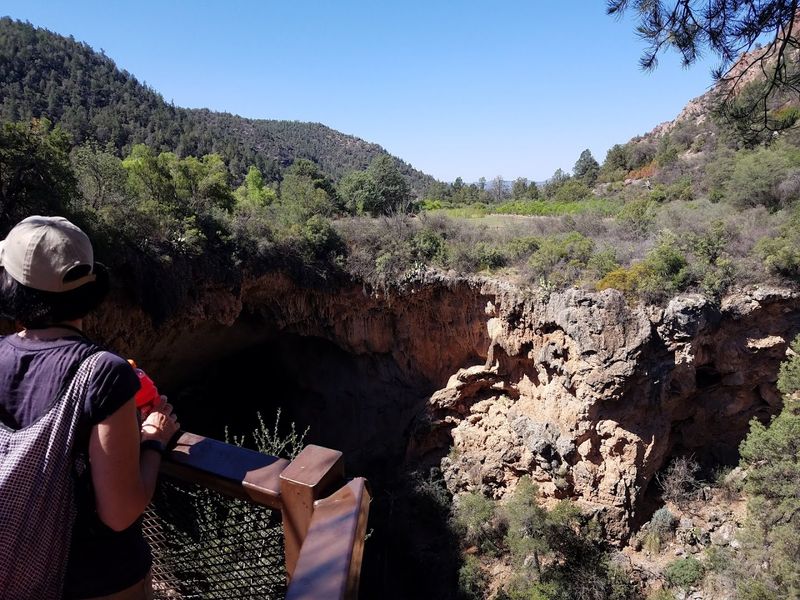
Not every great view at Tonto Natural Bridge requires scrambling down a steep canyon. The park features several paved observation decks that deliver sweeping, crowd-pleasing vistas of the bridge and surrounding landscape without demanding much physical effort.
These overlooks are ideal for visitors of all ages and mobility levels.
The paved path to the upper observation decks is mostly flat and smooth, making it stroller-friendly and accessible for those who prefer a gentler walk. From up top, you get a wide-angle perspective of the travertine arch stretching across the canyon below — an image that looks almost too beautiful to be real.
Photographers especially love the observation decks in the morning when soft light falls across the canyon walls. Spending time at multiple viewpoints around the park gives you a full appreciation of just how extraordinary this natural structure is from every direction.
Rock Scrambling Under the Bridge — An Adventure for the Bold
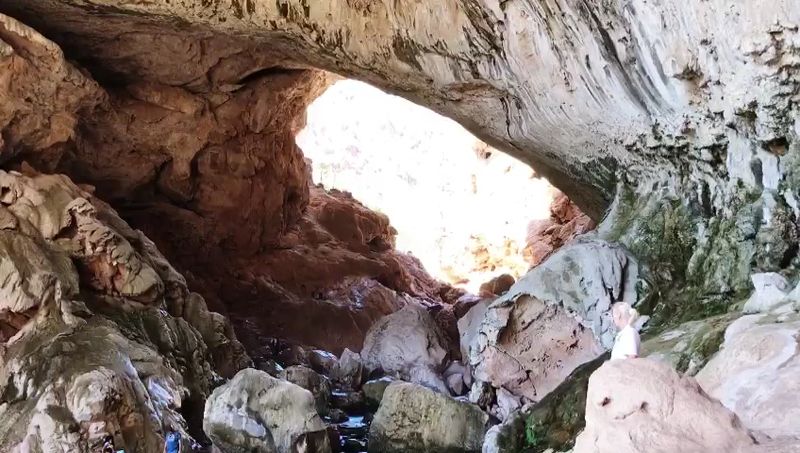
Going underneath the bridge is where the real adventure begins. Reaching the underside of the travertine arch involves navigating slick rocks, squeezing through narrow passages, and climbing over a large boulder — all while water flows just below.
It is exhilarating, a little humbling, and absolutely unforgettable.
Park staff recommends following the yellow arrows carefully, especially on the climb over the large boulder where staying to the right is essential for safety. Wet surfaces make this section genuinely challenging, and it is not recommended for young children or anyone uncomfortable with heights or uneven terrain.
But for those who tackle it? Standing directly beneath one of the world’s great natural wonders, looking up at the massive ceiling of travertine with its fascinating formations, is a moment that stays with you long after you leave Pine, Arizona.
Many visitors call it the highlight of the entire trip.
Anna Mae Trail — History Meets Hiking
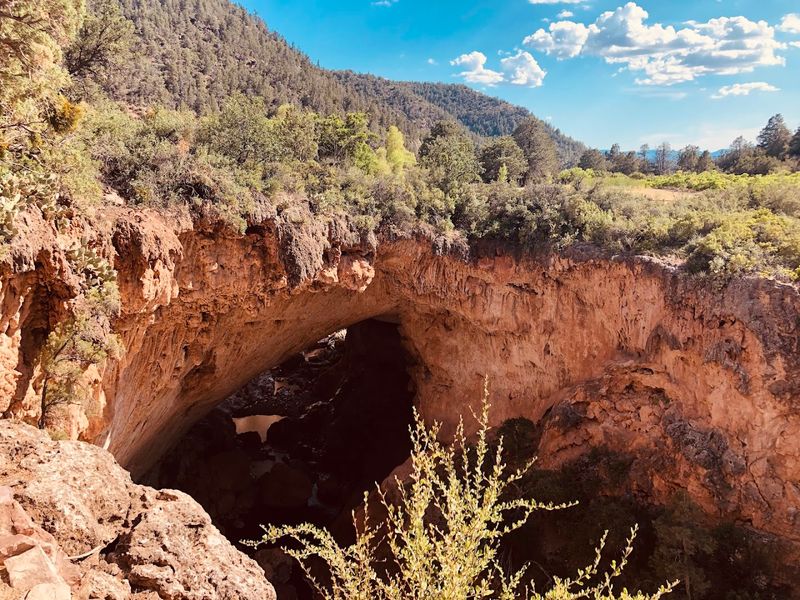
Named in honor of Anna Mae Tewksbury, a member of the family connected to the park’s early history, this trail carries a sense of story with every step. The Anna Mae Trail is one of the more popular starting points in the park, offering a manageable descent into the canyon that rewards hikers with increasingly impressive views as they go deeper.
Many visitors choose to begin their morning at Tonto Natural Bridge with the Ana Mae Trail before branching out to explore other areas of the park. The trail surface transitions from packed dirt to rocky terrain, so closed-toe shoes are highly recommended.
Wet conditions make this path particularly slippery, so check the forecast before heading out.
The trail connects to other routes within the park, making it a natural hub for building a longer loop. Starting early — before 10 a.m. — means a quieter, more personal experience on the trail.
Picnicking in the Canyon — Nature’s Best Dining Room
Forget crowded restaurant patios — few lunch spots in Arizona can compete with the canyon setting at Tonto Natural Bridge State Park. The park offers picnic areas where families and couples can spread out a blanket, unpack a meal, and enjoy one of the most scenic outdoor dining experiences the state has to offer.
Reviewers frequently mention the park as a perfect picnic destination, especially on clear days when the canyon air is crisp and fresh. After a morning of hiking, settling down for a relaxed meal surrounded by towering travertine walls and the sound of flowing water feels like a genuine reward.
Pack your own food and plenty of water, as there are no restaurants inside the park. A simple lunch of sandwiches, fruit, and snacks goes a long way when the scenery is this spectacular.
It is a tradition that many families repeat on every visit.
Wildlife Sightings — Unexpected Encounters in the Canyon
Wildlife watching at Tonto Natural Bridge State Park is full of pleasant surprises. One visitor shared an unforgettable encounter with a pack of javelina — pig-like mammals native to the American Southwest — roaming through the park on a beautiful weather day.
Spotting these quirky animals in a natural setting adds a whole new layer of excitement to the visit.
Birds, squirrels, and fish in the creek have also been spotted by visitors exploring the canyon. The riparian environment created by Pine Creek attracts species that thrive near water, making the park a quiet hotspot for casual wildlife observation.
Bring binoculars if you have them — you never know what might be perched on a canyon ledge.
Early morning visits tend to offer the best wildlife sightings before the crowds arrive and animals retreat to quieter areas. Keep noise low, stay on marked trails, and enjoy whatever nature decides to share that day.
Admission Pricing and Park Hours — What to Know Before You Go
Planning ahead makes a big difference at Tonto Natural Bridge State Park. Admission is $10 per adult, with discounted rates available for children.
Annual passes are also available for those who plan to visit multiple Arizona State Parks throughout the year — a smart investment for outdoor enthusiasts.
The park opens at 9 a.m. every day of the week and closes at 5 p.m., with trails closing around 4:20 p.m. Arriving early is strongly recommended, both for cooler temperatures and to avoid the busiest parts of the day.
One reviewer warned that the gate is locked until exactly 9 a.m., so showing up ahead of opening time means waiting at the entrance.
Weekday visits tend to be quieter than weekends, though the park is popular year-round. Stopping in nearby Payson for breakfast before heading to the park is a local favorite way to start the day right.
Getting There — The Scenic Drive Through Pine, AZ
Half the adventure at Tonto Natural Bridge is the drive to get there. The park sits along a curvy, scenic road outside the small community of Pine, Arizona, offering glimpses of dense ponderosa pine forests and dramatic elevation changes along the way.
The final stretch of road — NF-583A — is narrow and winding, so take it slow and enjoy the ride.
From Phoenix, the drive takes roughly two hours and passes through the charming town of Payson, a popular stop for breakfast or coffee before arriving at the park. Visitors traveling with trailers or large RVs should note there is a designated trailer drop-off lot at the top of the road near the park entrance.
The journey itself sets the mood beautifully. By the time you pull into the parking lot, surrounded by pines and canyon air, you already feel far removed from city life and ready for whatever the trails have waiting.
What to Wear and Bring — Gear Tips for a Great Visit
Wearing the right gear at Tonto Natural Bridge State Park can make or break your experience. Closed-toe shoes — ideally proper hiking shoes or trail runners — are essential, especially on the canyon trails where wet, slippery rocks are common.
Flip-flops and sandals are genuinely risky on the steeper sections and near the waterfall.
Water is non-negotiable. Multiple reviewers stressed the importance of bringing plenty of fluids, particularly during warmer months when the canyon can heat up quickly.
A small daypack works perfectly for carrying snacks, sunscreen, and a light jacket for cooler mornings.
If you plan to go under the bridge or tackle the lower canyon trails, consider bringing a change of clothes — wet rocks and splashing water can leave you soaked. Trekking poles are helpful for older visitors or anyone with knee concerns on the steep descents.
A little preparation goes a long way here.
Why You’ll Keep Coming Back — The Magic of Tonto Natural Bridge
Some places are worth visiting once. Tonto Natural Bridge State Park is the kind of place that earns a permanent spot on your annual outdoor calendar.
With a 4.8-star rating from over 4,000 reviews, it consistently ranks among Arizona’s most beloved state parks — and it earns every bit of that praise.
Visitors return because the experience changes with the seasons. Winter brings quiet solitude and potentially snowy canyon walls.
Spring fills the canyon with wildflowers and rushing snowmelt. Summer cools down under the shade of the travertine arch.
Fall turns the surrounding forest into a patchwork of color. Every season offers something fresh to discover.
Beyond the scenery, it is the feeling of the place — that rare combination of natural wonder, physical adventure, and peaceful escape — that keeps people coming back. Once you have stood beneath that ancient bridge and listened to the waterfall echo through the canyon, you will already be planning your return trip.
Enjoyed this story?
Add Fast Food Club as a preferred source to see more of our reporting on Google.