


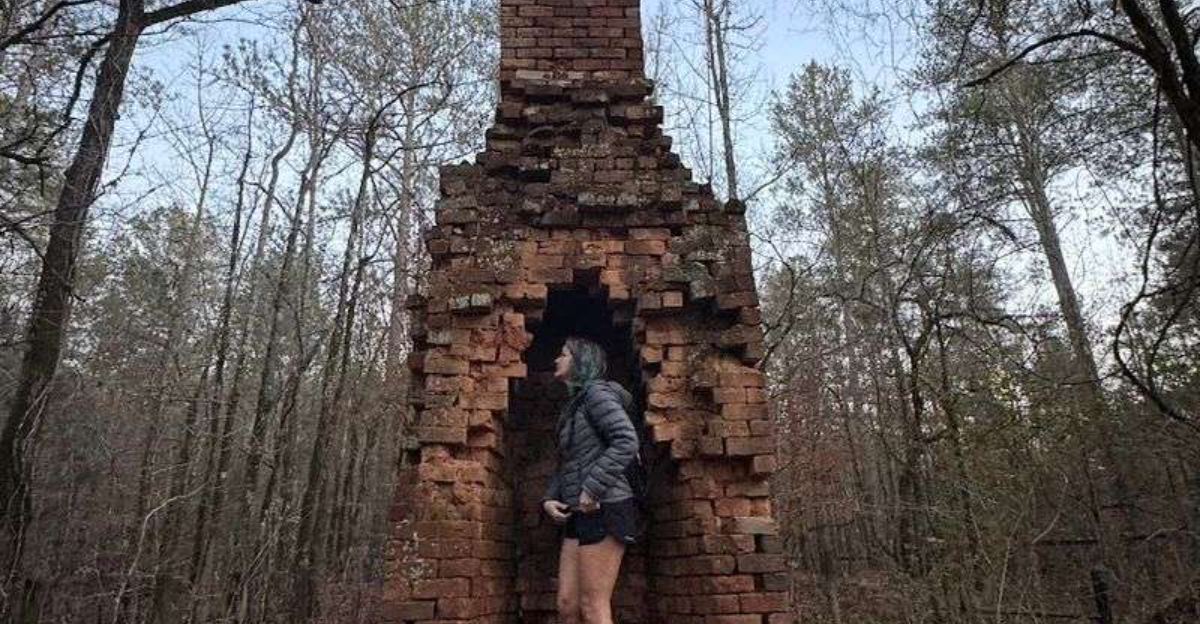
Tucked deep in the Georgia woods along the Oconee River, Scull Shoals is one of the state’s most hauntingly beautiful ghost towns. Once a thriving milling village established in the late 1700s, it was abandoned after repeated flooding left nothing but crumbling brick ruins and eerie silence.
Today, visitors brave a bumpy dirt road to explore what remains of this forgotten community. If you love history, mystery, and a little bit of spine-tingling adventure, Scull Shoals is calling your name.
A Village Swallowed by Time
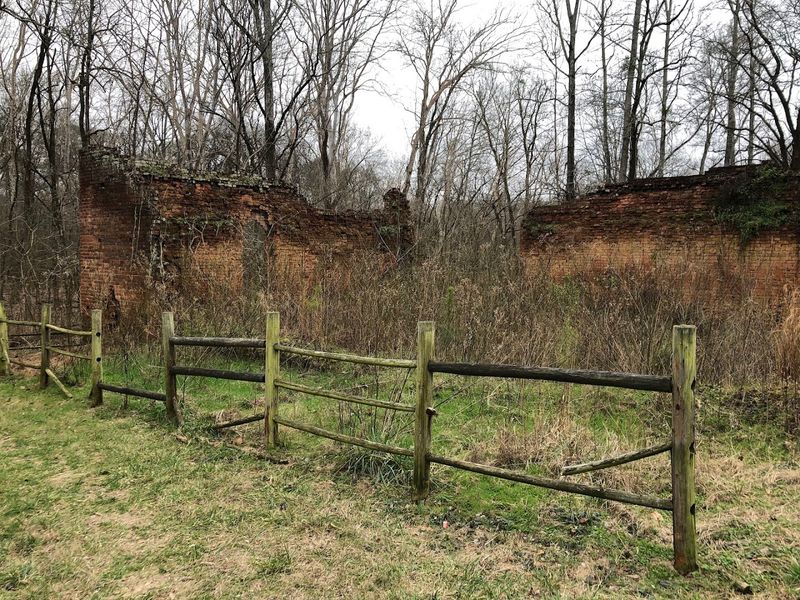
Long before Georgia had highways or shopping malls, a bustling little village hummed with life along the Oconee River. Scull Shoals was one of the earliest industrial settlements in the state, dating back to the late 1700s.
Millers, papermakers, and families built their lives here from scratch.
Then the floods came, again and again, until the community simply gave up and left. What remained was swallowed by kudzu, trees, and decades of silence.
Walking through the site today feels like stumbling into a world that time forgot.
Brick foundations peek out from the earth like buried secrets. Moss creeps across old walls, and the forest has reclaimed nearly everything.
Visitors often describe the feeling as stepping into another dimension entirely. For history lovers and curious explorers, this forgotten place offers a rare and humbling window into early Georgia life.
Georgia’s First Paper Mill Stood Right Here
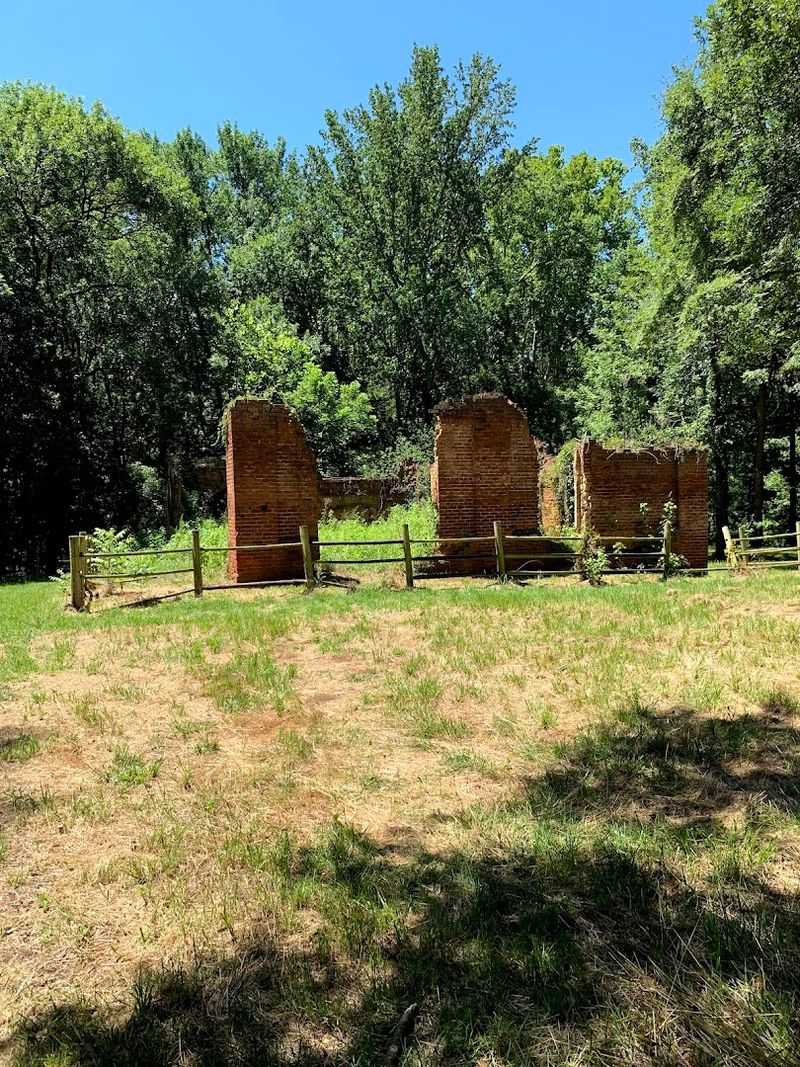
Most people have never heard of Scull Shoals, yet this quiet patch of Georgia woods holds a remarkable claim to fame. The state’s very first paper mill was built here, making Scull Shoals a genuine pioneer of American industry.
That is a pretty big deal for a place most GPS systems struggle to find.
The mill harnessed the power of the Oconee River to run its machinery, a clever and common technique for the era. Paper produced here would have been a precious commodity in the young United States.
Imagine the letters, legal documents, and newspapers that may have been printed on paper born from this very riverbank.
Almost nothing of the mill stands today, but the brick rubble scattered across the ground still sparks the imagination. History nerds and casual visitors alike tend to pause here, quietly impressed by what once was.
The Eerie Fog That Rolls In at Sunset
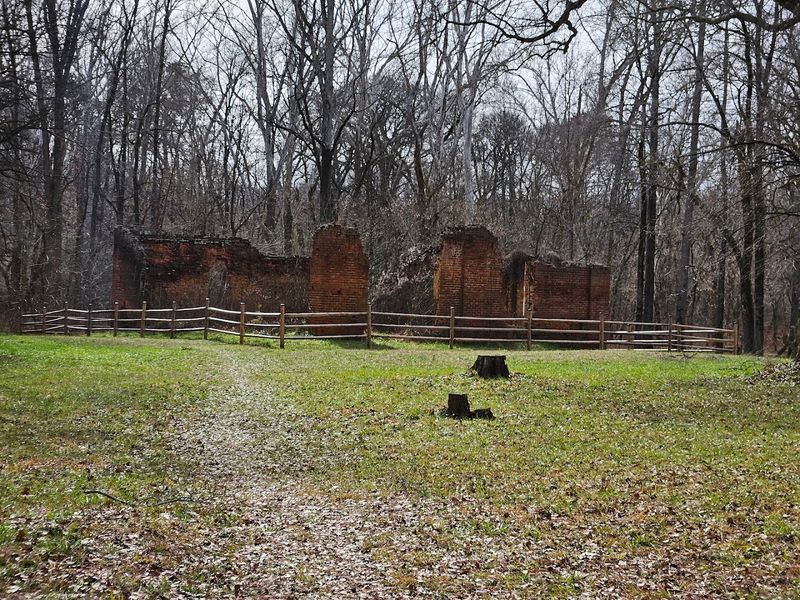
One visitor described leaving Scull Shoals just as the sun dipped below the trees, and within minutes the entire area filled with thick, creeping fog. That kind of moment is hard to plan, but somehow this place seems built for it.
The low-lying terrain near the river creates the perfect conditions for fog to form fast and heavy.
When the mist rolls in, the already-atmospheric ruins transform into something straight out of a ghost story. Tree silhouettes blur, brick walls seem to float, and every sound feels amplified.
It is the kind of setting that makes your imagination run wild in the best possible way.
Timing your visit for late afternoon increases your chances of catching this natural light show. Bring a camera, because the fog-draped ruins make for absolutely stunning photography.
Just make sure you know your way back to the car before it gets fully dark.
Overgrown Trails That Feel Like Ghost Paths
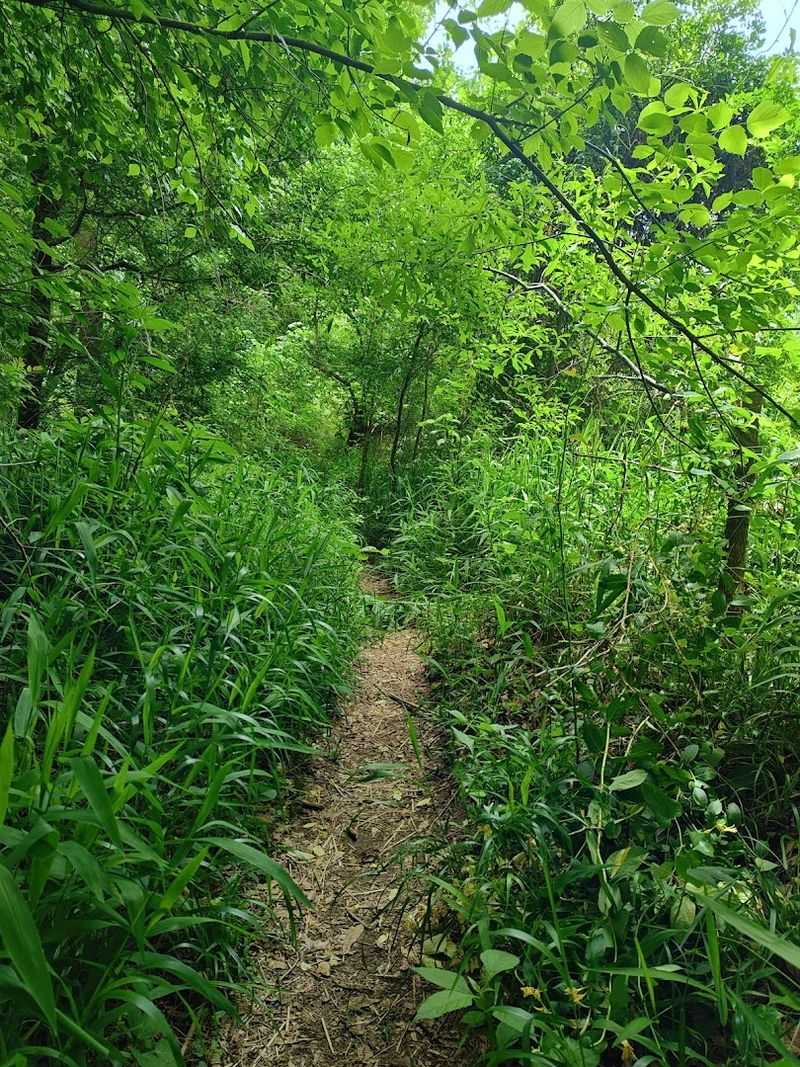
Calling the paths at Scull Shoals “trails” is being generous. Most of them are little more than suggestions, faint impressions in the earth where people have wandered before you.
Tall grass, tangled shrubs, and small trees have reclaimed much of what was once walkable ground.
Rather than feeling like a disappointment, many visitors say the overgrown paths actually add to the magic. There is something thrilling about pushing through vegetation and suddenly coming face to face with a crumbling brick wall.
Every turn feels like a small discovery.
Wearing sturdy shoes and long pants is strongly recommended before heading out here. Bug spray is your best friend in warmer months.
The terrain can be boggy near the river, so watch your step. Going slow and staying alert makes the whole experience feel more like an authentic exploration than a casual afternoon stroll through a manicured park.
The Mysterious Manager’s House Hidden in the Woods
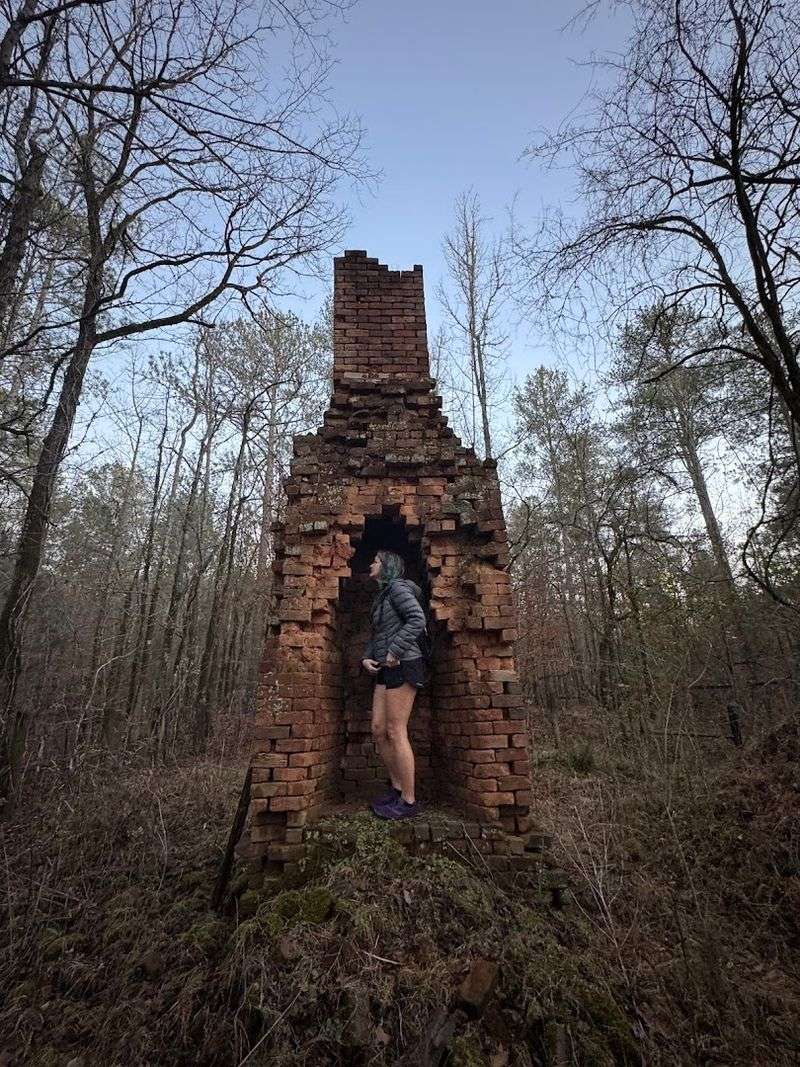
Finding the manager’s house at Scull Shoals is basically a side quest that not everyone completes. Tucked away from the main ruins area, it is easy to miss and even easier to give up on finding.
But those who persist are rewarded with one of the most atmospheric spots on the entire site.
The structure sits quietly in the woods, its walls broken and leaning, surrounded by years of unchecked growth. An old well was discovered nearby, adding another layer of forgotten history to the scene.
Standing there, it is not hard to picture a mill manager stepping outside on a cool morning, completely unaware that one day his home would become a ghost story.
The site map does not make the location obvious, so treat it like a treasure hunt. Ask fellow explorers if you cross paths with anyone.
The satisfaction of finally locating it makes the search absolutely worthwhile.
An Old Well That Whispers Forgotten Stories
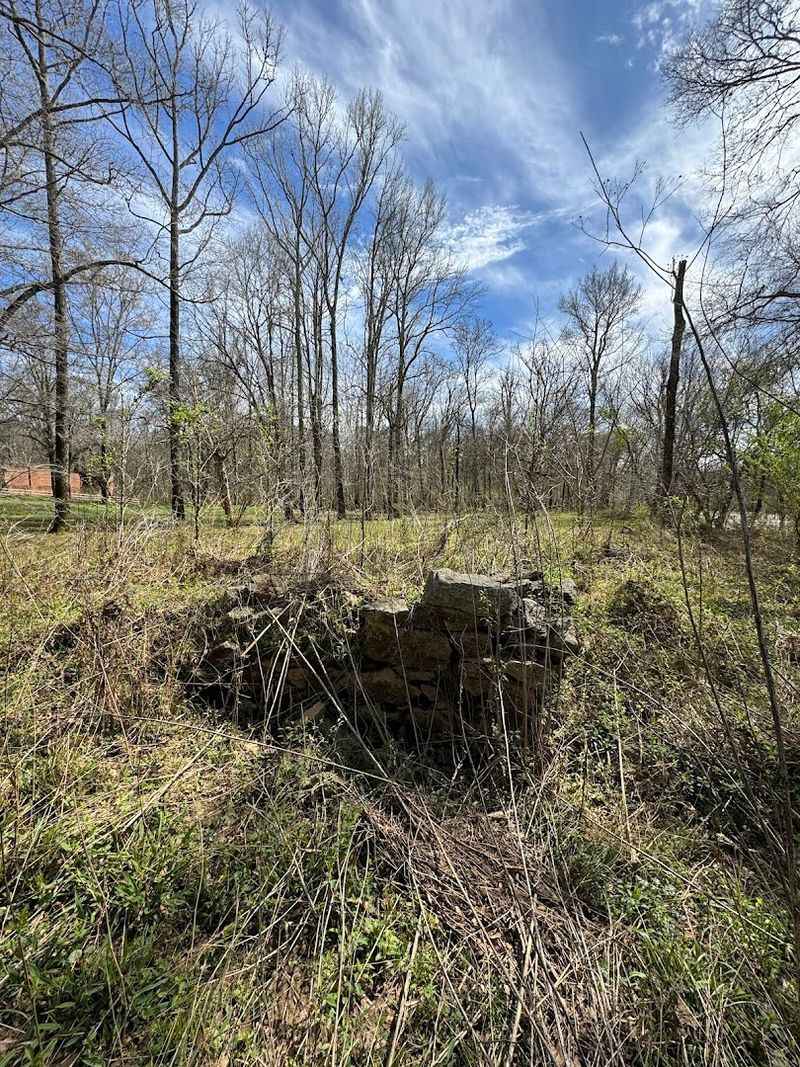
Stumbling upon an old well in the middle of the Georgia woods is the kind of discovery that stops you in your tracks. Near the manager’s house at Scull Shoals, explorers have found a well that once supplied fresh water to the families living in this long-abandoned village.
It is easy to walk right past it without noticing.
Wells like this one were the lifeblood of early American communities. Every household depended on them for cooking, drinking, and washing.
Now it sits silently in the undergrowth, no longer needed, slowly being reclaimed by the forest around it.
Peering down into an old well at a ghost town has a way of making history feel very real and very close. It is one of those small, unexpected finds that lingers in your memory long after you have driven back down the dirt road and returned to modern life.
Driving Down the Dirt Road to Get There
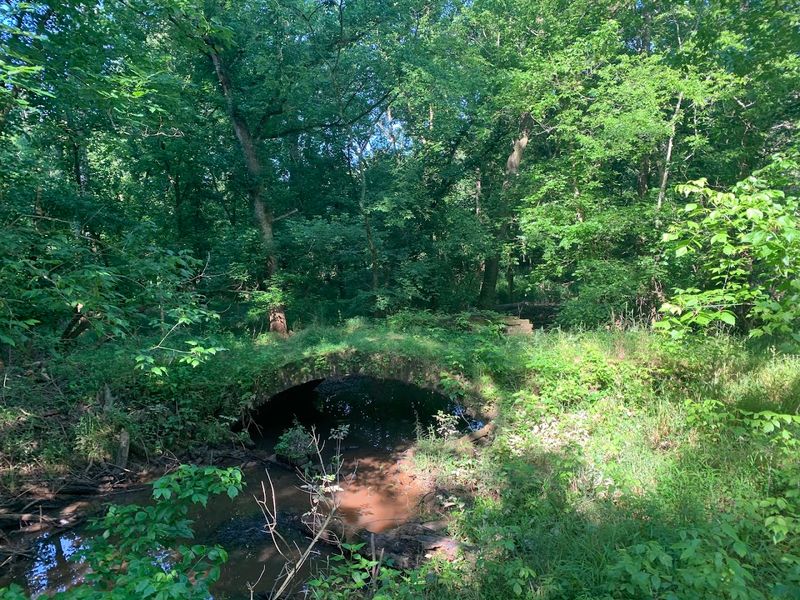
Getting to Scull Shoals is part of the adventure, and not in a glamorous way. You will spend nearly three miles on a gravel and dirt road before you even catch a glimpse of the site.
Deep ruts, low-hanging branches, and zero cell service make the drive feel genuinely remote.
The road is passable for most vehicles, but low-clearance cars might want to proceed carefully. A bridge crosses a small creek along the way, and the surrounding forest closes in tight on both sides.
By the time you park, you already feel like you have left the modern world behind.
Going prepared makes a huge difference. Download an offline map before you lose signal, fill your gas tank beforehand, and let someone know where you are headed.
The isolation is part of what makes Scull Shoals feel so hauntingly special, but a little common sense keeps the adventure fun rather than stressful.
Brick Rubble That Tells a Whole Community’s Story
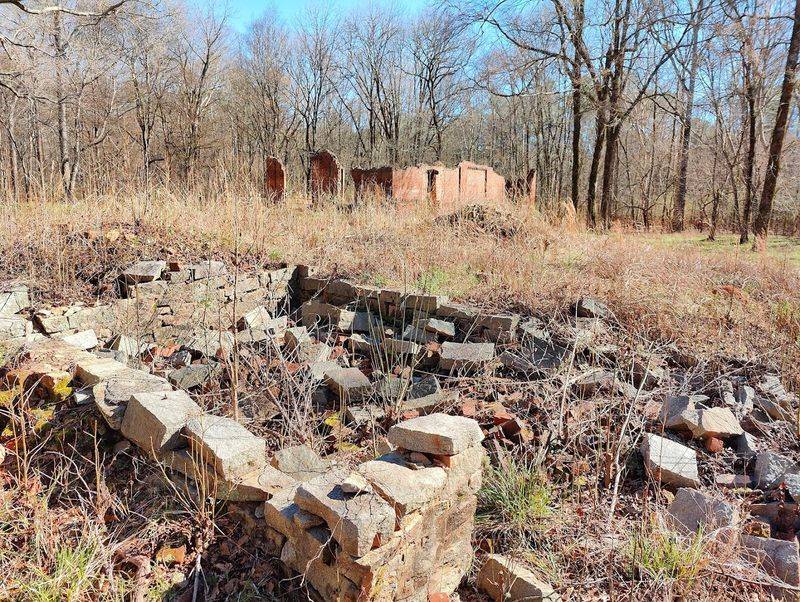
At first glance, a pile of old bricks might not seem very exciting. But at Scull Shoals, every weathered fragment represents a home, a workshop, or a community building that real people constructed with their bare hands over two centuries ago.
Context transforms rubble into something genuinely moving.
The bricks scattered across the site are all that physically remain of Georgia’s earliest industrial village. Mills, houses, and public buildings once stood where you now walk through tall grass and tree roots.
The sheer variety of ruin locations across the site gives a sense of just how developed this community once was.
Reading the informational board near the parking area before exploring helps enormously. It gives you a mental map of what stood where, turning a confusing field of debris into a readable landscape.
Suddenly the old bricks are not just rubble anymore. They are the skeleton of a life that was fully and completely lived here.
The Oconee River Running Through It All
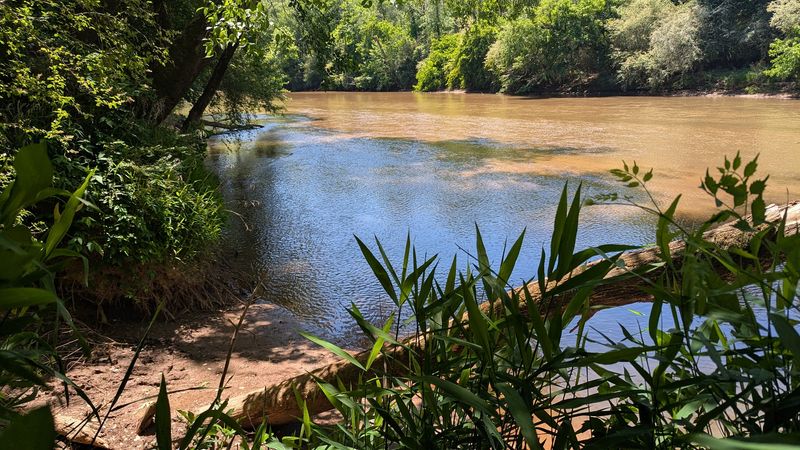
The Oconee River is the reason Scull Shoals exists at all. Early settlers chose this location precisely because the river provided the power needed to run mills and the water needed to sustain a community.
For a while, it was a perfect partnership between people and nature.
Eventually, that same river turned against the village. Repeated flooding drove residents away and erased much of what they had built.
The river that gave Scull Shoals life also ended it, which makes standing on its banks feel strangely poetic.
Today, the Oconee flows on completely indifferent to the ruins crumbling quietly along its edges. Visitors often walk down to the water after exploring the ruins, and many find it to be the most peaceful part of the trip.
Fishing is popular here too. The river remains beautiful, powerful, and utterly unbothered by the ghost town it helped create.
No Bathrooms, No Crowds, No Problem
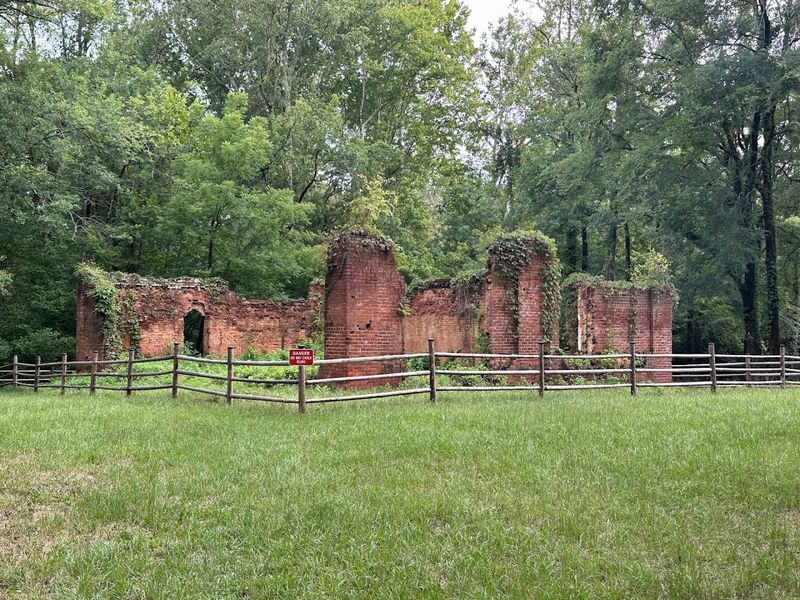
Scull Shoals is refreshingly free of tourist infrastructure, which is either a selling point or a dealbreaker depending on your personality. There are no bathrooms on site, no gift shop, no admission booth, and on most days, barely another soul in sight.
What you get instead is pure, unfiltered solitude.
Picnic tables are available near the parking area, making it a lovely spot to pack a lunch and eat surrounded by old-growth forest. Visitors who have shown up on cool, misty days report having the entire site completely to themselves.
That kind of quiet is genuinely rare and surprisingly restorative.
Planning ahead is essential since there are zero amenities once you leave the main road. Bring water, snacks, a fully charged phone, and a printed map if possible.
Embrace the lack of crowds as a feature rather than a flaw. Scull Shoals rewards those who come prepared and ready to simply wander.
History Hidden in Plain Sight on the Information Board
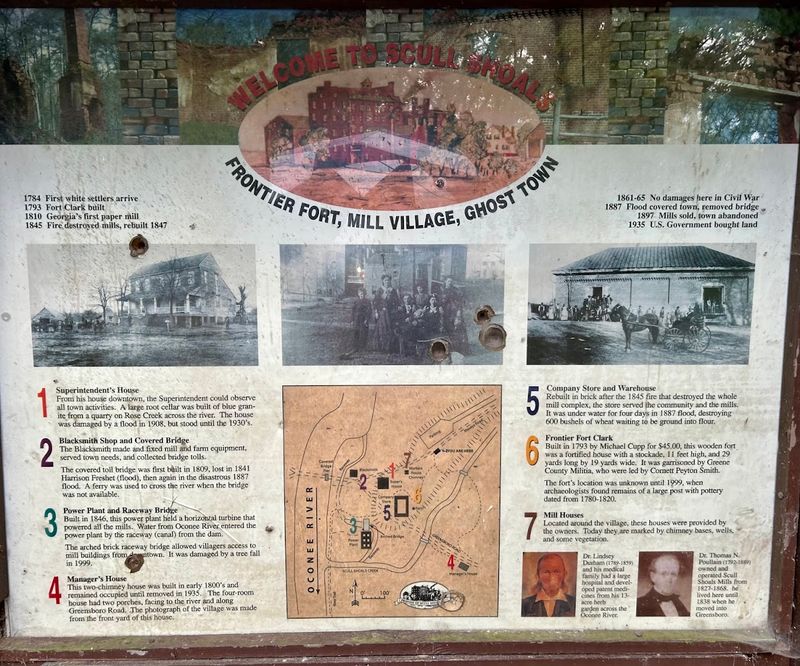
Right near the parking area at Scull Shoals stands an informational board that is genuinely worth reading before you take a single step into the ruins. It contains a map of the original village layout, descriptions of each building, and the broader story of how the community rose and fell.
Skipping it means missing the whole point.
The board explains that Scull Shoals was established in the 1790s and grew into a thriving center of early Georgia industry. Cotton gins, grist mills, a paper mill, and private homes all once occupied the land you are about to walk across.
Reading those facts first gives the ruins an entirely different emotional weight.
One common visitor complaint is that the ruins themselves have no individual markers or placards. The board is your only guide, so take a photo of the map on your phone before heading out.
That small step makes navigating the site dramatically easier and more rewarding.
What Flooding Can Do to an Entire Community
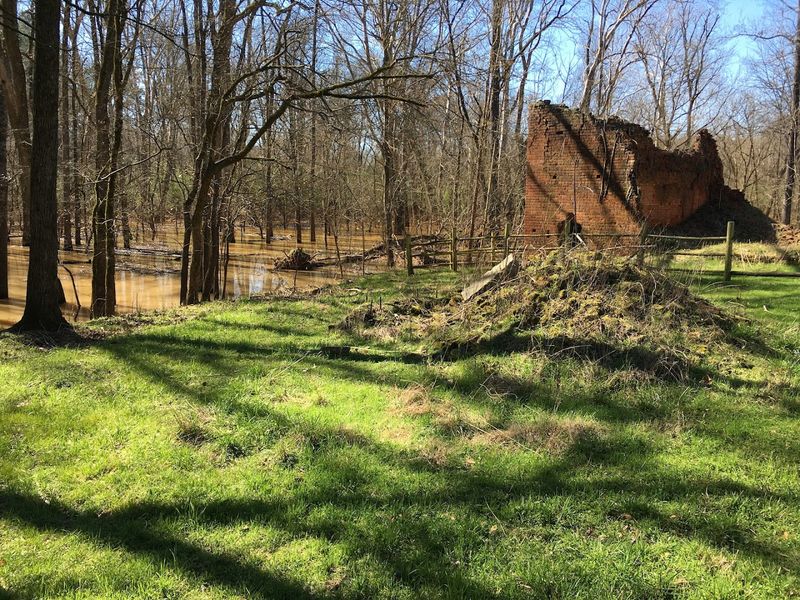
Scull Shoals did not vanish overnight. It was slowly, relentlessly worn down by floodwaters that rose again and again throughout the 19th century.
Each flood damaged the mills, destroyed homes, and pushed more families to pack up and leave for higher, safer ground. Eventually, no one came back.
The story of Scull Shoals is a powerful reminder of how fragile human settlements can be against the forces of nature. Communities that seem permanent and established can disappear within a generation when the land itself turns hostile.
It is a lesson that feels surprisingly relevant even today.
Standing at the river’s edge and looking back at the ruins, you can almost feel the weight of those repeated disasters. The Oconee River looks calm and beautiful now, but its history here is complicated.
What it gave, it ultimately took away. That tension is part of what makes Scull Shoals so quietly haunting to visit.
Why This Ghost Town Deserves a Spot on Your Georgia Bucket List
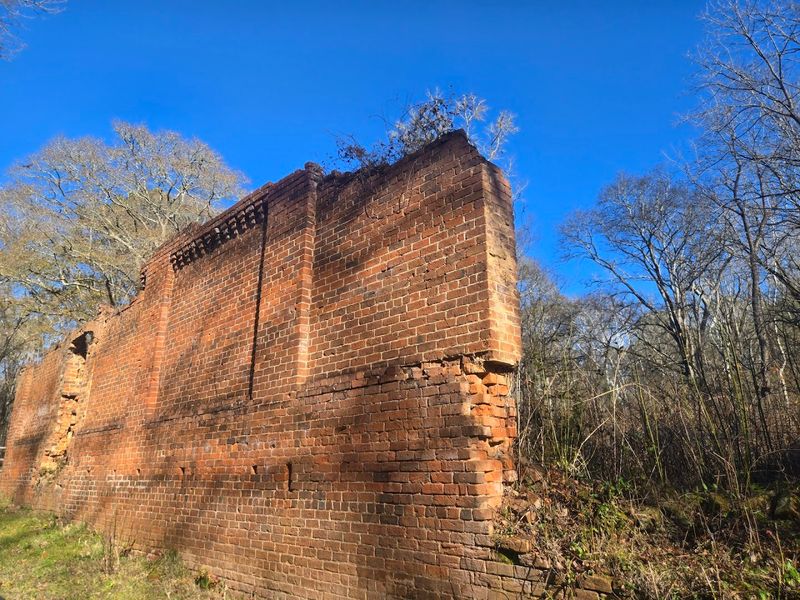
Some places earn their reputation through grand architecture or polished museum exhibits. Scull Shoals earns its place in Georgia history through raw, unfiltered authenticity.
There are no ropes keeping you back, no tour guides narrating your experience, and no souvenir stands cheapening the atmosphere. Just you, the woods, and two centuries of quiet history.
Visitors consistently describe the site as an adventure that rewards patience and curiosity. The people who love it most are the ones who slow down, read the board, explore the overgrown paths, and let their imaginations fill in what the ruins no longer show.
That kind of active engagement with history is genuinely hard to find.
Located about 35 minutes from Athens and listed on the Chattahoochee-Oconee National Forest website, Scull Shoals is free to visit and open to the public. Pack a lunch, wear good shoes, and give yourself at least two hours.
You will leave with a story worth telling.
Enjoyed this story?
Add Fast Food Club as a preferred source to see more of our reporting on Google.