


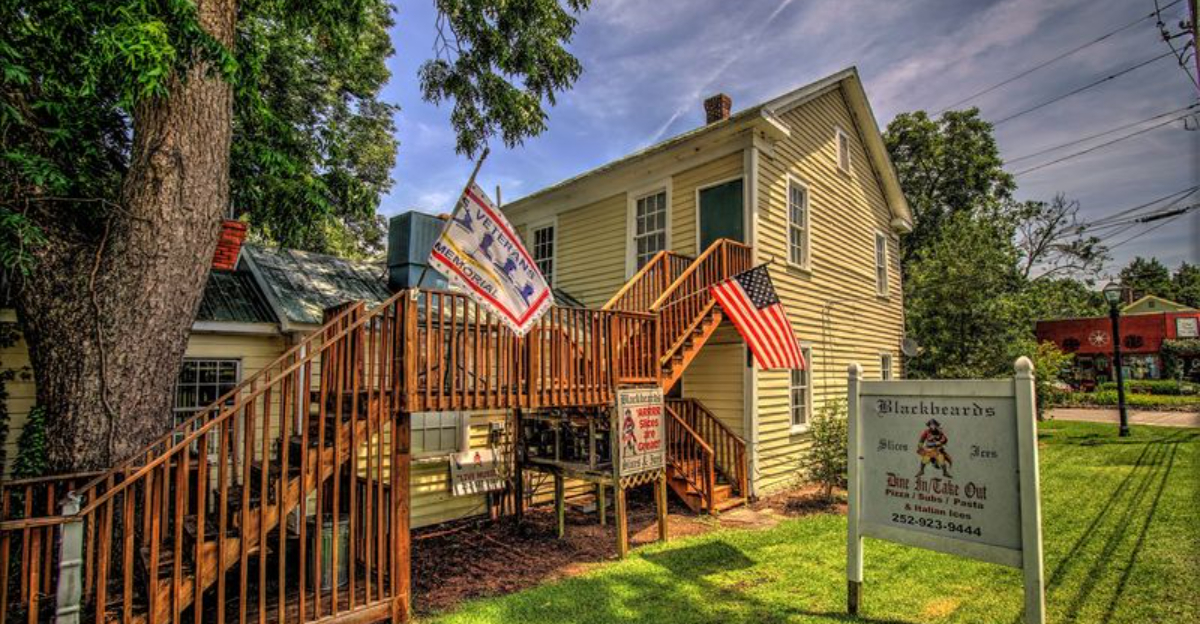
Tucked along the quiet banks of the Pamlico River, Bath, NC is a town that seems to have stopped the clock centuries ago. As North Carolina’s oldest incorporated town, chartered in 1705, it carries stories of pirates, colonial settlers, and riverside trade that still echo through its ancient streets.
With a population of just around 245 people, Bath feels more like a living museum than a modern town. If you are looking for a place where history breathes through every wooden plank and moss-covered headstone, Bath is waiting for you.
North Carolina’s Very First Town
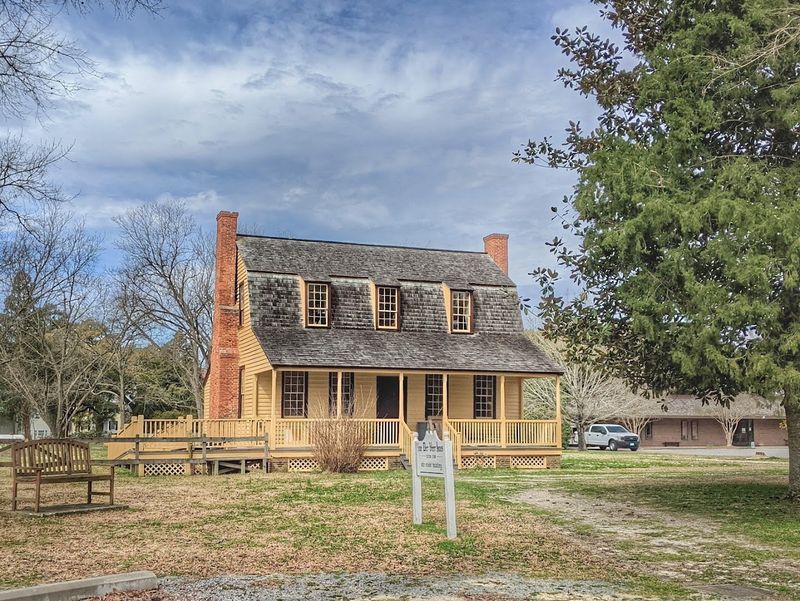
Long before Raleigh or Charlotte had a single building, Bath was already open for business. Chartered on March 8, 1705, Bath holds the proud title of North Carolina’s first incorporated town.
That is a big deal when you think about how young the entire country was at that point.
Walking through Bath today, you can almost feel the weight of those early years pressing down on the cobblestones beneath your feet. The town was strategically placed along the Pamlico River, making it a natural hub for trade and travel.
Ships carrying tobacco, furs, and naval stores once crowded its docks.
For history lovers, Bath is not just a stop on a road trip. It is a living, breathing reminder of where North Carolina truly began.
Few places in the state carry that kind of original, unfiltered history with such quiet grace.
Historic Bath State Historic Site
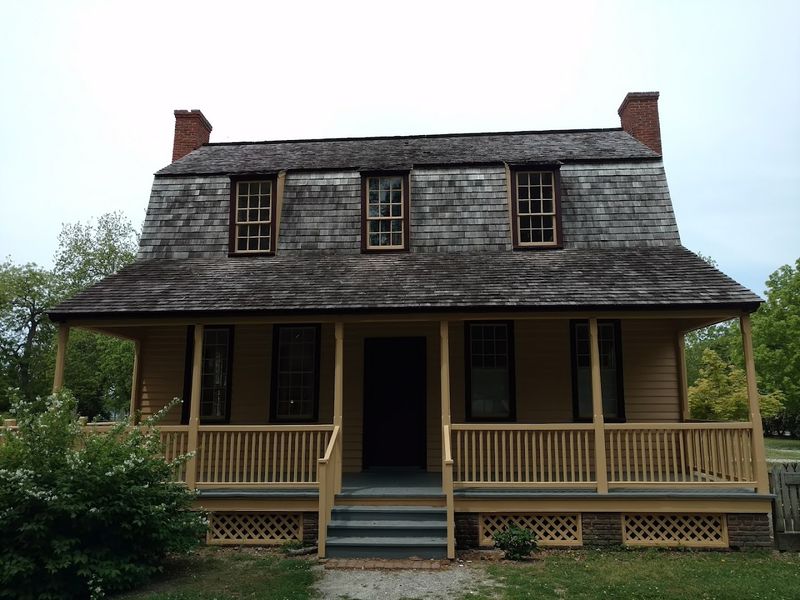
Managed by the North Carolina Department of Natural and Cultural Resources, Historic Bath State Historic Site is the town’s crown jewel. The site preserves several original and reconstructed colonial-era buildings that give visitors a real window into 18th-century life on the Carolina coast.
Guided tours are available and are honestly one of the best ways to experience the site. Knowledgeable rangers walk you through the buildings, explaining daily life, trade practices, and the dramatic events that shaped early Bath.
Kids and adults alike tend to leave with their minds buzzing.
Admission is typically free or very affordable, making it a budget-friendly outing for families. The visitor center also features exhibits with artifacts recovered from local archaeological digs.
Whether you are a seasoned history buff or just curious, this site delivers a genuinely memorable and educational afternoon in the heart of colonial North Carolina.
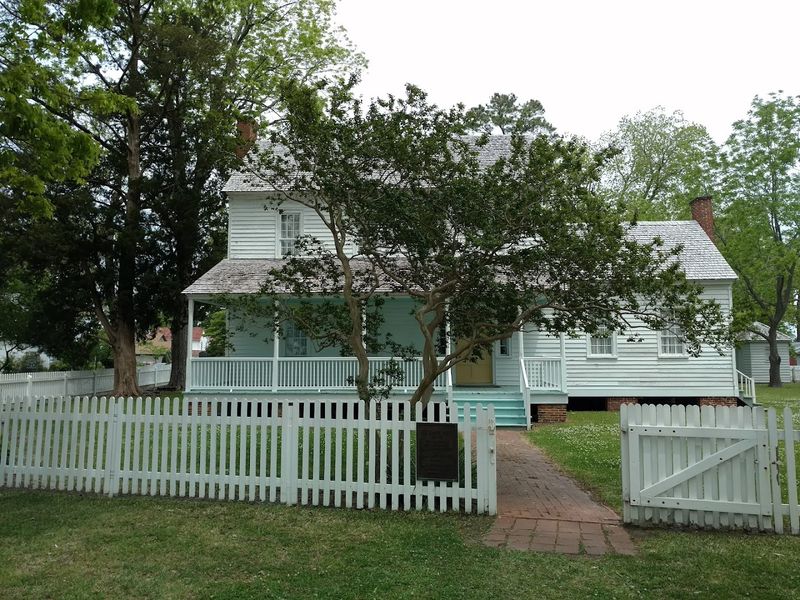
The Palmer-Marsh House
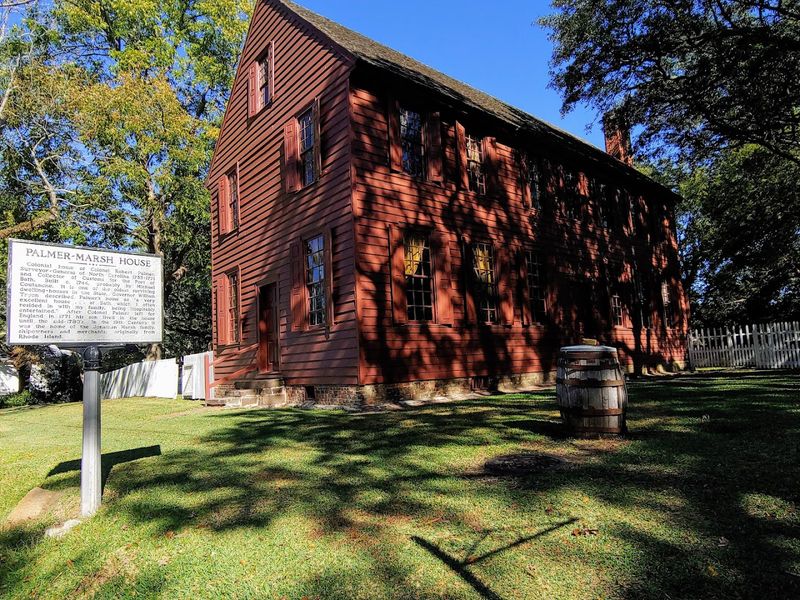
Built around 1751, the Palmer-Marsh House is one of the oldest surviving structures in North Carolina, and just standing in front of it feels like a quiet privilege. The house belonged to Robert Palmer, a prominent colonial official, and later to Daniel Marsh, a local merchant.
Their combined histories are layered right into the walls.
What makes the Palmer-Marsh House especially fascinating is its massive exterior chimney, a classic feature of colonial coastal architecture. The brickwork has survived centuries of Atlantic storms and still stands impressively solid today.
Restoration efforts have kept the home looking remarkably close to its original condition.
Visitors who tour the interior get a close look at period furniture, household items, and the layout of a wealthy 18th-century home. It is the kind of place that makes you pause and wonder about the people who once sat by that very fireplace on cold Carolina nights.
Blackbeard’s Connection to Bath
Here is a fact that makes Bath instantly more exciting: the legendary pirate Blackbeard, born Edward Teach, once called Bath home. After receiving a royal pardon in 1718, Blackbeard settled in Bath and even married a local woman named Mary Ormond.
For a brief time, he tried to live the quiet life of a retired pirate.
Spoiler alert: it did not last long. Blackbeard soon returned to piracy and was killed in a naval battle off the North Carolina coast later that same year.
But his connection to Bath remains one of the town’s most thrilling historical footnotes, drawing visitors who love the romance of the high seas and swashbuckling adventure.
Local tours often highlight the locations connected to Blackbeard’s time in town. For kids especially, learning that a real, famous pirate once walked these same streets makes Bath feel like something straight out of a storybook.
St. Thomas Episcopal Church
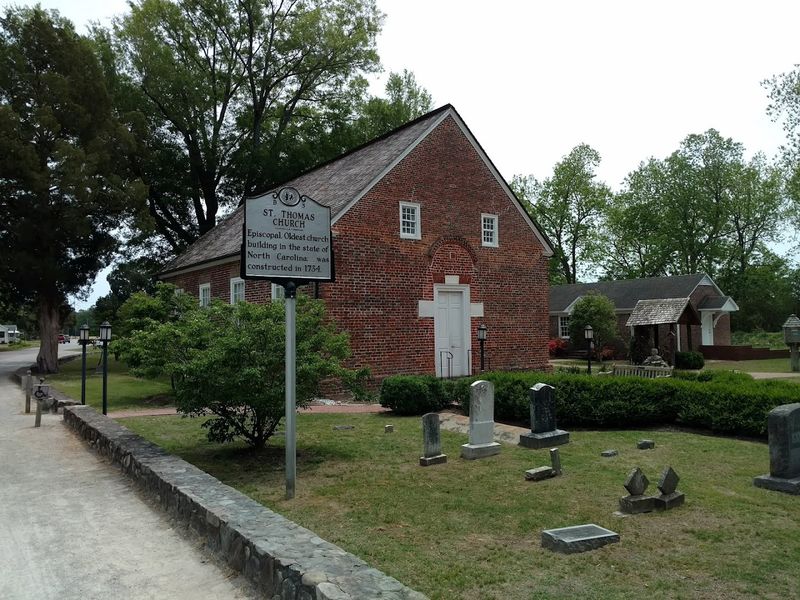
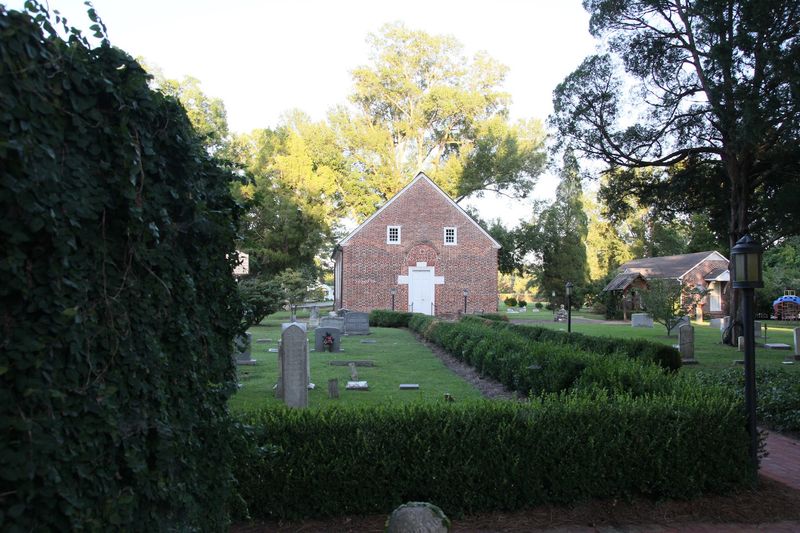
Standing since around 1734, St. Thomas Episcopal Church is the oldest surviving church building in North Carolina. That alone makes it worth a visit, but the church offers so much more than just a record-breaking age.
Its simple, elegant brick construction reflects the quiet faith and craftsmanship of early colonial settlers.
The churchyard cemetery is equally captivating. Weathered headstones bearing dates from the 1700s lean gently in the grass, each one a small monument to someone who helped build this region from the ground up.
Reading the inscriptions is a surprisingly moving experience.
Services are still held at St. Thomas today, meaning this ancient building remains very much alive as a place of worship. Visitors are generally welcome to explore the grounds and church exterior.
Few places in the entire American South combine active spiritual life with such a deep, unbroken thread of colonial history in such a small, peaceful setting.
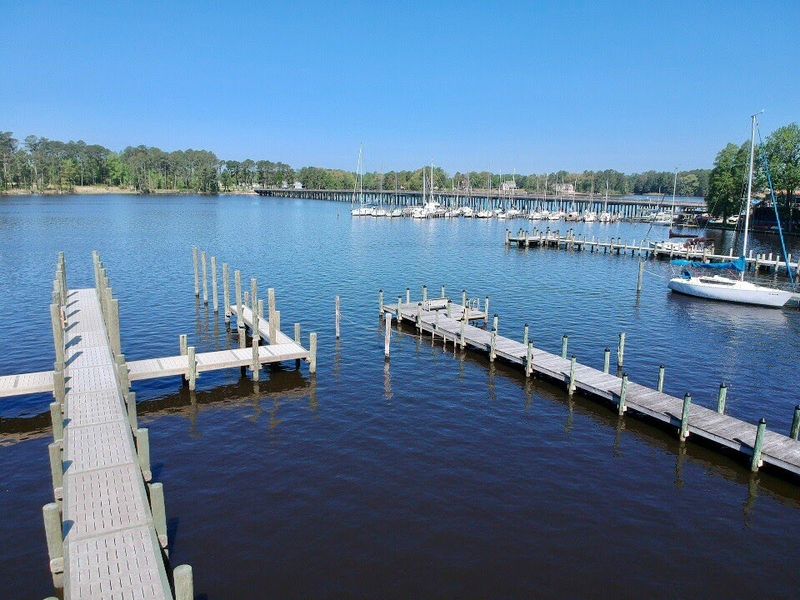
The Pamlico River Waterfront
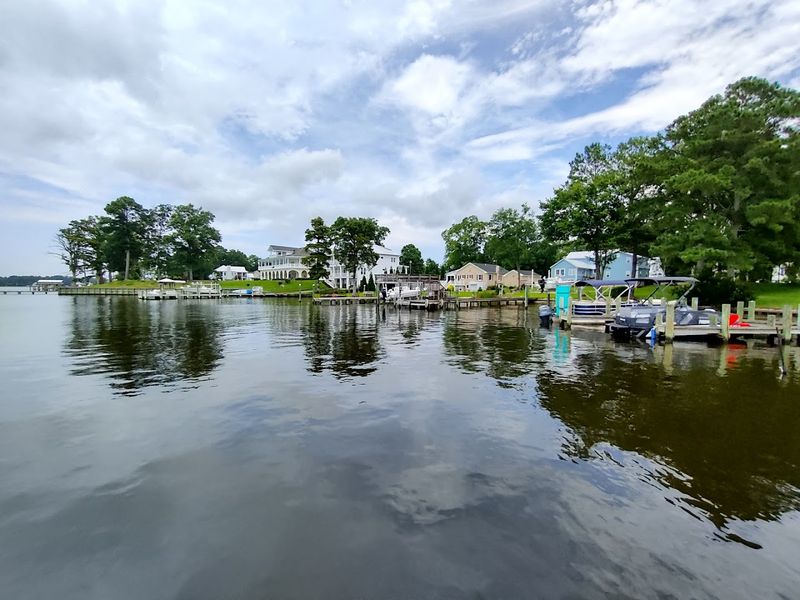
The Pamlico River is not just a backdrop for Bath. It is the reason the town exists at all.
Early settlers recognized the river as a natural highway for trade, and that strategic location shaped everything that followed. Today, the waterfront offers a completely different kind of reward: pure, unhurried peace.
Sitting along the riverbank, watching herons glide low over the water, it is easy to understand why people fell in love with this spot three centuries ago. The river is wide and calm here, reflecting the sky in a way that feels almost cinematic.
Fishing, kayaking, and simply watching the water are popular pastimes for locals and visitors alike.
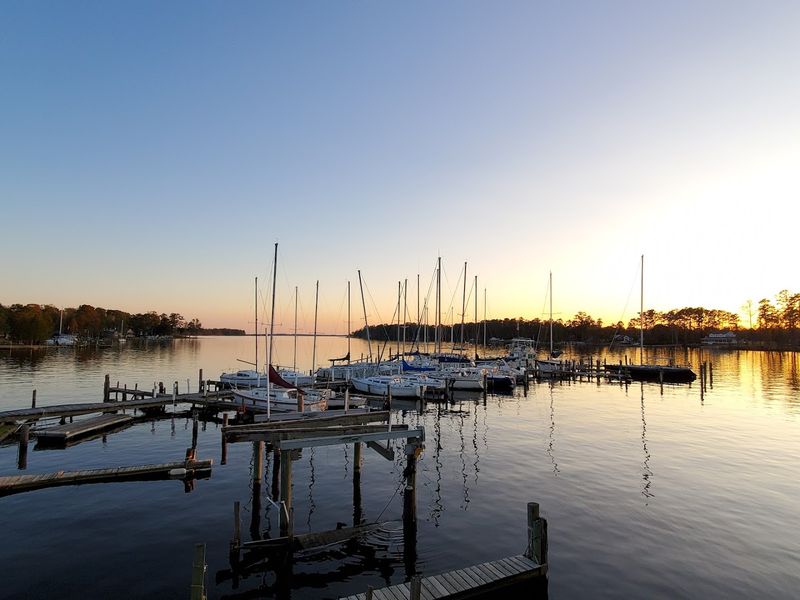
Sunsets over the Pamlico River are genuinely spectacular. The colors stretch wide across the sky, painting the water in shades of orange and gold.
Bring a chair, leave your phone in your pocket, and just breathe. Bath has a way of slowing everything down beautifully.
The Bonner House
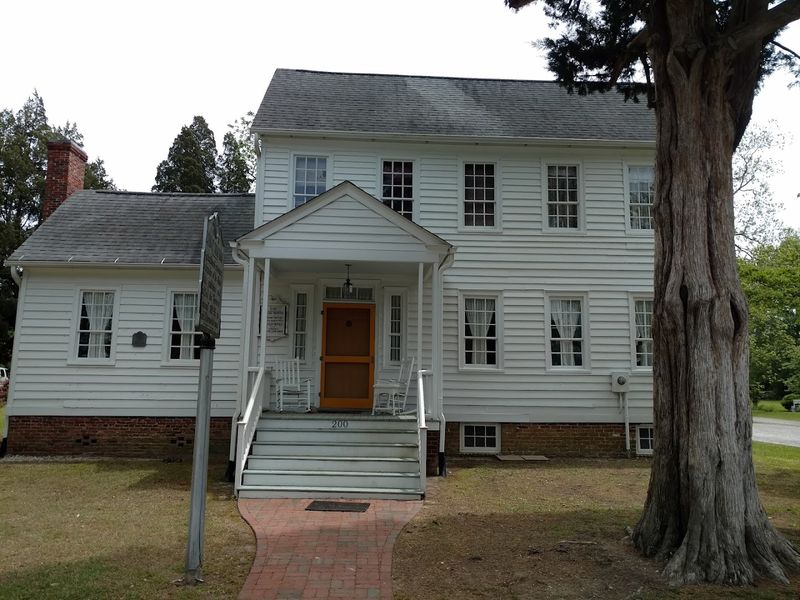
Quirky, charming, and full of stories, the Bonner House is one of Bath’s most beloved historic structures. Built around 1830, it represents a later period of Bath’s history than the colonial-era buildings but fits perfectly into the town’s time-capsule atmosphere.
The Federal-style architecture gives it a stately, dignified look that still feels welcoming.
The house is named after the Bonner family, who were prominent figures in the region for generations. Inside, period furnishings and personal artifacts paint a vivid picture of 19th-century domestic life in coastal North Carolina.
The details are surprisingly intimate, from the dishes on the table to the books on the shelves.
As part of the Historic Bath State Historic Site, the Bonner House is included in guided tours of the area. Visitors consistently describe it as one of the most personal and relatable stops on the tour, a home that feels genuinely lived-in even after all these years.
Bath’s Role in Colonial Trade
Bath did not just sit prettily on the river. It worked hard.
As North Carolina’s first official port of entry, Bath was at the center of a thriving colonial economy built on tobacco, furs, and naval stores like tar and pitch. Ships arrived regularly from England and the Caribbean, making Bath a surprisingly cosmopolitan little place for its time.
Naval stores were especially important. The longleaf pine forests surrounding Bath produced enormous quantities of tar, turpentine, and resin, all critical materials for maintaining wooden sailing ships.
Bath essentially helped keep the British naval fleet afloat, which is a remarkable legacy for such a tiny town.
Understanding Bath’s trading past adds a whole new layer to walking its streets. Every building, every dock, every street corner once played a role in a bustling commercial world.
The town may be quiet now, but its economic fingerprints are pressed firmly into the history of the entire Atlantic coast.
Small-Town Atmosphere That Feels Genuinely Timeless
With fewer than 300 residents, Bath operates at a pace that most of the modern world has completely forgotten. There are no traffic jams, no crowded shopping centers, no constant noise.
What you get instead is the kind of deep, comfortable quiet that actually lets you think straight.
Neighbors still wave to each other from their porches. Dogs wander lazily across lawns.
The main road through town could pass for a movie set from a simpler era. And yet, nothing about Bath feels staged or artificial.
The simplicity here is entirely genuine.
For visitors burned out on busy cities and overscheduled lives, Bath offers something rare and restorative. Spend even one afternoon wandering its shaded streets, and you will understand why people who discover it tend to come back again and again.
Some places just have a way of getting under your skin in the very best way possible.
Van Der Veer House
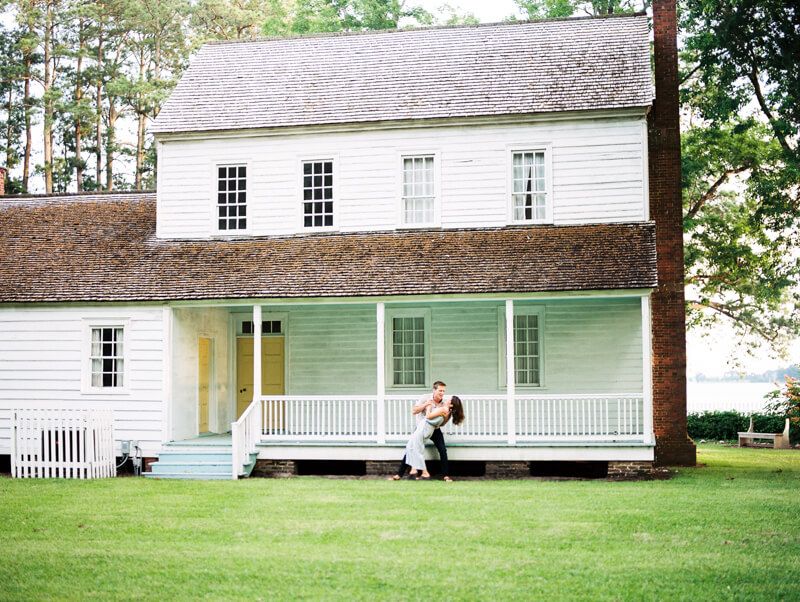
One of the oldest structures in Bath, the Van Der Veer House dates to around 1790 and carries a quietly fascinating story. Built by Jacob Van Der Veer, a Dutch-born merchant, the house reflects the diverse mix of people who made their way to early Bath from across Europe and the Atlantic world.
That international flavor is easy to overlook but genuinely important.
The house is modest by modern standards, but its age and construction tell a detailed story about how ordinary people lived in post-colonial North Carolina. The thick wooden walls and small windows were practical choices designed to handle the region’s hot summers and occasional fierce storms.
As part of the Historic Bath experience, the Van Der Veer House rounds out a picture of daily life that goes beyond the wealthy and powerful. It reminds visitors that real communities are built by everyday people, not just famous names or dramatic events.
That humanity is what makes Bath so endearing.
Nearby Nature and Outdoor Adventures

Bath is not just a history lesson. The natural world surrounding the town is equally spectacular and offers plenty of reasons to get outside.
The Pamlico River and its surrounding wetlands are a paradise for kayakers, anglers, birdwatchers, and anyone who simply loves being near water in its most natural state.
Great blue herons, ospreys, and wood ducks are common sights along the river banks. In the warmer months, the surrounding forests hum with life.
Trails near the water offer peaceful walks through landscapes that have changed very little since colonial times, which only adds to the sense of stepping back in time.
Nearby Goose Creek State Park expands the outdoor options considerably, with hiking trails, primitive camping, and beautiful river access just a short drive away. Pairing a morning of history in Bath with an afternoon of paddling the Pamlico makes for one of the most satisfying day trips in all of eastern North Carolina.
Photography Opportunities Around Every Corner
Honestly, Bath might be one of the most photogenic small towns on the entire East Coast. The combination of ancient architecture, river views, Spanish moss, and soft coastal light creates conditions that photographers absolutely dream about.
And unlike crowded tourist destinations, you rarely have to fight for a clear shot here.
Early morning is particularly magical. Mist rises off the Pamlico River, soft light filters through the oak trees, and the town sits in perfect stillness.
The churchyard at St. Thomas, the weathered facades of the historic homes, and the quiet waterfront all offer compositions that practically arrange themselves.
Even casual smartphone photographers come away with stunning images from Bath. The town rewards slow, attentive exploration.
Take your time, wander down side streets, and look for the small details: a rusted hinge, a cracked headstone, a heron standing motionless by the water. Bath has an endless supply of beautiful, unhurried moments waiting to be captured.
How To Plan Your Visit to Bath, NC
Getting to Bath is part of the charm. The town sits in Beaufort County, tucked into the coastal plain of eastern North Carolina, roughly between Washington, NC and the Outer Banks.
The drive in takes you through wide, flat farmland and forested wetlands that set the mood perfectly before you even arrive.
The best time to visit is spring or fall, when temperatures are comfortable and the crowds, such as they are, thin out. Summer visits are warm and beautiful but can be humid, so bring water and light clothing.
The Historic Bath State Historic Site is typically open Tuesday through Saturday, so plan accordingly to catch the guided tours.
There are no big hotels in Bath itself, but charming bed-and-breakfasts and vacation rentals in nearby Washington, NC offer comfortable bases for exploring the area. Pack a picnic, wear comfortable shoes, and leave your schedule loose.
Bath rewards visitors who are willing to simply wander and wonder.
Enjoyed this story?
Add Fast Food Club as a preferred source to see more of our reporting on Google.