


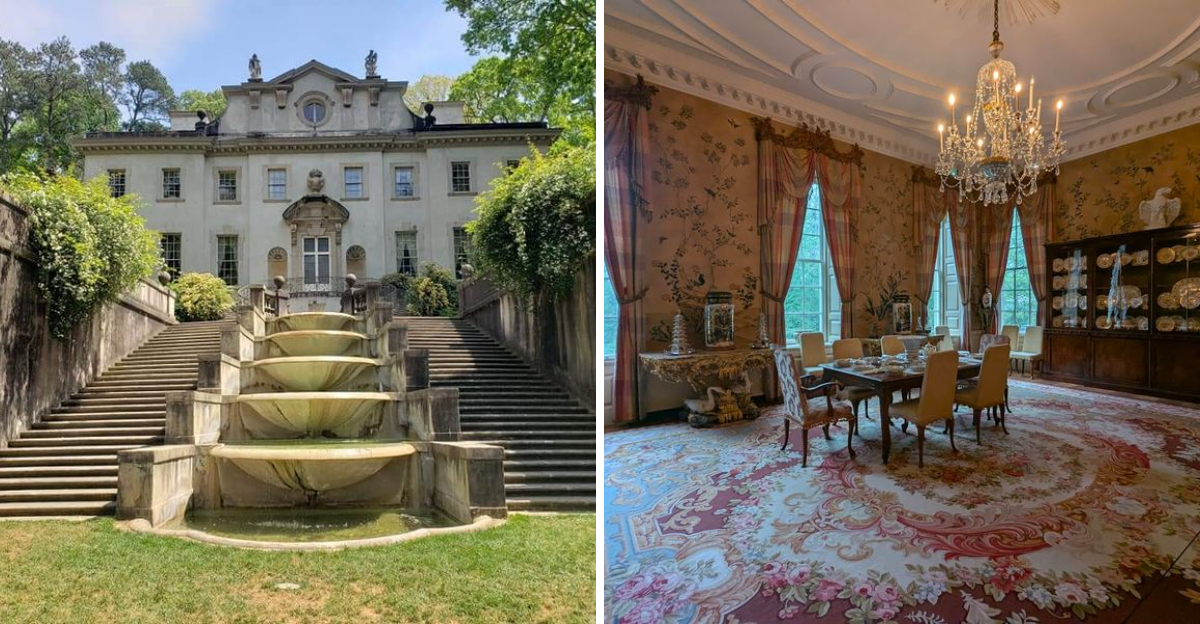
Tucked away in the leafy Buckhead neighborhood of Atlanta, the Swan House is one of Georgia’s most breathtaking historic treasures. Built in 1928 for the wealthy Inman family, this stunning neoclassical mansion was designed by the legendary architect Philip T.
Shutze and feels like a scene straight out of the Jazz Age. From its cascading gardens to its ornate interiors, every corner of the Swan House tells a story of glamour, elegance, and Southern history.
Whether you’re a history buff, architecture fan, or just looking for a one-of-a-kind Atlanta experience, this magnificent mansion is absolutely worth a visit.
The Neoclassical Architecture That Stops You in Your Tracks
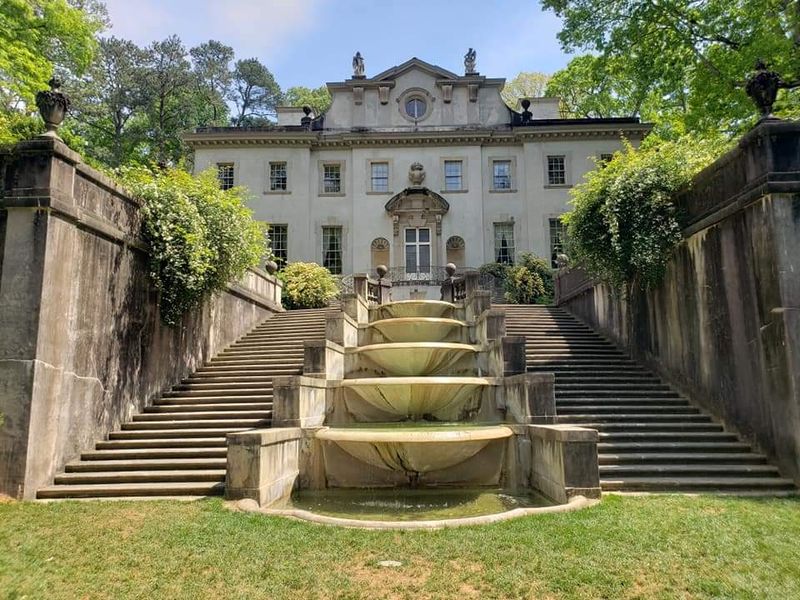
Few buildings in Atlanta command attention quite like the Swan House. Designed by Philip T.
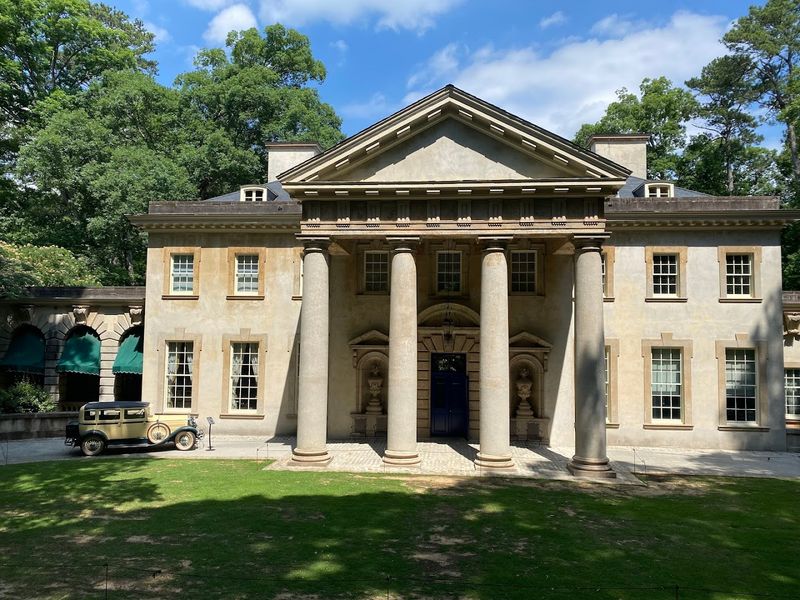
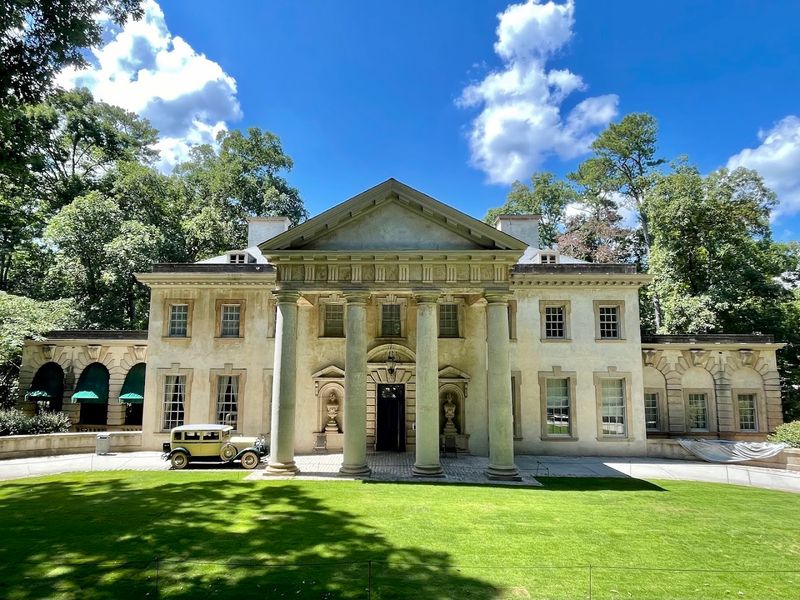
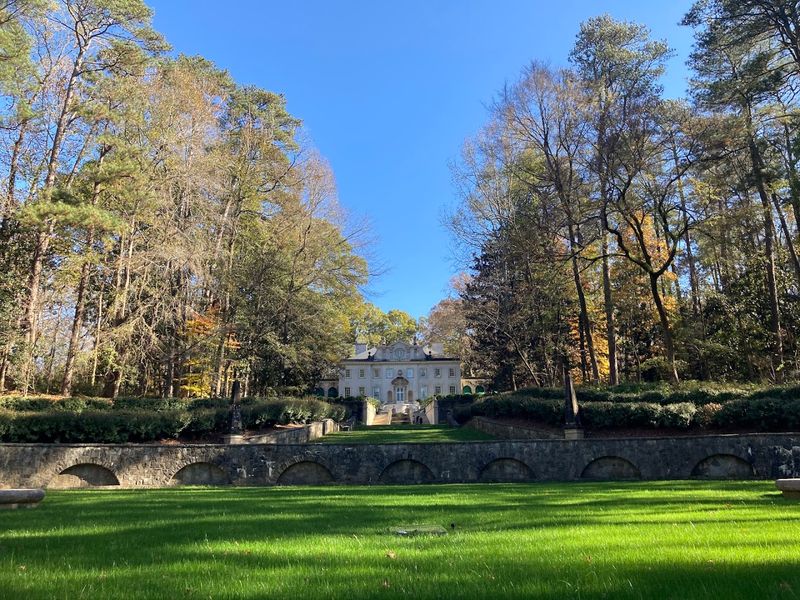
Shutze, the mansion’s neoclassical style blends Greek and Italian Renaissance influences into something truly show-stopping. The symmetrical facade, tall columns, and elegant stonework make it look like it was plucked straight from a European countryside estate.
Shutze was known for his meticulous attention to detail, and the Swan House is considered his masterpiece. Every arch, every cornice, and every window placement was carefully thought out.
Even the way the building sits on the hillside feels intentional, almost theatrical.
Visitors often say the first glimpse of the mansion takes their breath away. Whether you approach from the front or the back, the grandeur is undeniable.
If you love classic architecture, bring your camera because you’ll want to photograph every angle of this stunning 1928 gem.
Philip T. Shutze: The Genius Behind the Design
Behind every great building is a visionary, and for the Swan House, that person was Philip Trammell Shutze. Born in 1890, Shutze studied at Columbia University and the American Academy in Rome, soaking up classical European architecture before bringing those ideas back to the American South.
He was already a respected architect when Edward Inman hired him in the late 1920s, but the Swan House became the project that cemented his legacy. Shutze treated the commission like a personal artistic statement, incorporating Roman fountains, Italian garden design, and English country house elements all in one cohesive vision.
Today, Shutze is celebrated as one of the South’s greatest architects. Architecture students and history lovers alike make pilgrimages to the Swan House just to study his work up close.
Walking through the mansion feels like flipping through the pages of a living textbook on classical design.
The Inman Family and Their Cotton Fortune
The Swan House wasn’t built for royalty, but the Inman family came pretty close in Atlanta’s social circles. Edward Hamilton Inman inherited a massive fortune built on the cotton trade, making his family one of the wealthiest in early 20th-century Georgia.
When he commissioned the Swan House in 1928, no expense was spared.
Edward and his wife Emily MacDougald Inman moved into the mansion and quickly made it the center of Atlanta’s high-society life. Emily, in particular, was a passionate decorator and a champion of women’s suffrage, giving the house a personality that went far beyond its stunning exterior.
After Edward’s death, Emily continued to live at Swan House until she passed away in 1965. She left the property to the Atlanta Historical Society, which is why visitors today can still experience this extraordinary slice of Jazz Age Atlanta in such beautifully preserved condition.
Hidden Swan Symbols Tucked Throughout the Mansion
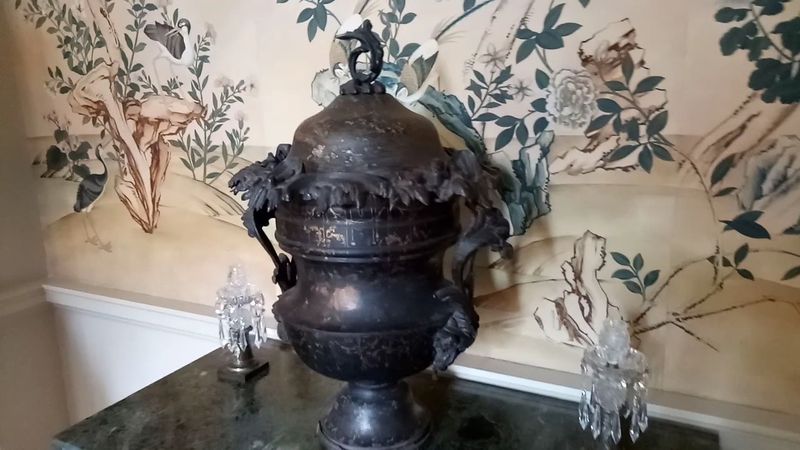
Ever wonder why it’s called the Swan House? The answer is hidden in plain sight all around you.
The mansion is filled with swan motifs tucked into the most unexpected places, from carved stonework and furniture details to decorative tiles and painted wall panels. Spotting them all becomes a fun little treasure hunt for visitors of every age.
Some swans are obvious, like the graceful stone sculptures near the fountains. Others are so subtle you might walk right past them without noticing.
One reviewer described the experience of discovering each swan as sparking “curiosity and joy,” which perfectly captures the playful spirit behind the design choice.
The swan theme ties the whole property together in a surprisingly cohesive way. It’s a reminder that great design isn’t just about grand gestures.
Sometimes the most memorable details are the small, delightful surprises hidden just beneath the surface.
The Hand-Painted Chinese Wallpaper Dining Room
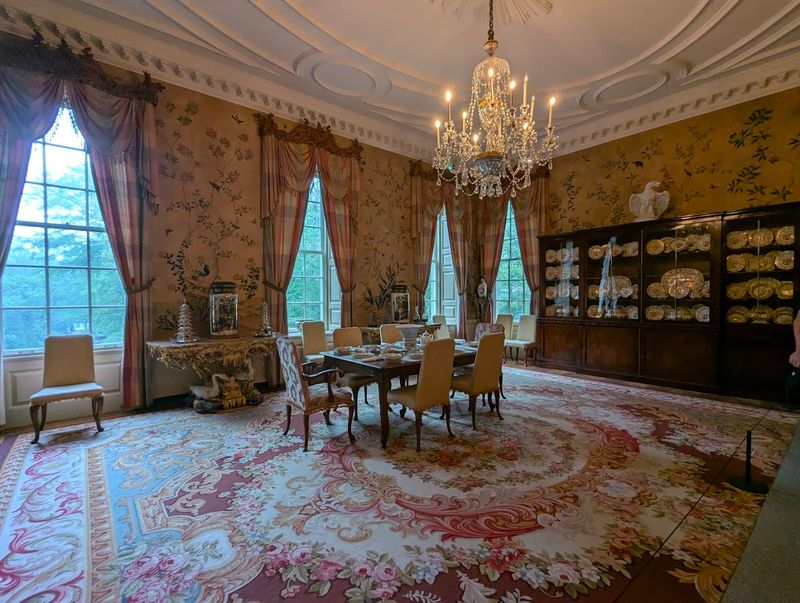
Step into the dining room of the Swan House and your jaw might just drop. The walls are covered in stunning hand-painted Chinese wallpaper, a luxurious decorating trend among wealthy American families in the 1920s.
Each panel is a work of art, featuring delicate landscapes, exotic birds, and flowering trees painted with extraordinary detail.
This kind of wallpaper was incredibly expensive even back then, which tells you everything you need to know about the Inmans’ taste for the finest things. The room was designed for formal entertaining, and you can easily imagine glittering dinner parties filled with Atlanta’s most fashionable guests gathered around the long mahogany table.
Guides at the Swan House love sharing stories about how this room was used during the family’s heyday. Pairing the wallpaper’s Asian-inspired artistry with neoclassical architecture might sound unusual, but the result is surprisingly harmonious and undeniably gorgeous.
Emily Inman’s Glamorous Oval Bedroom
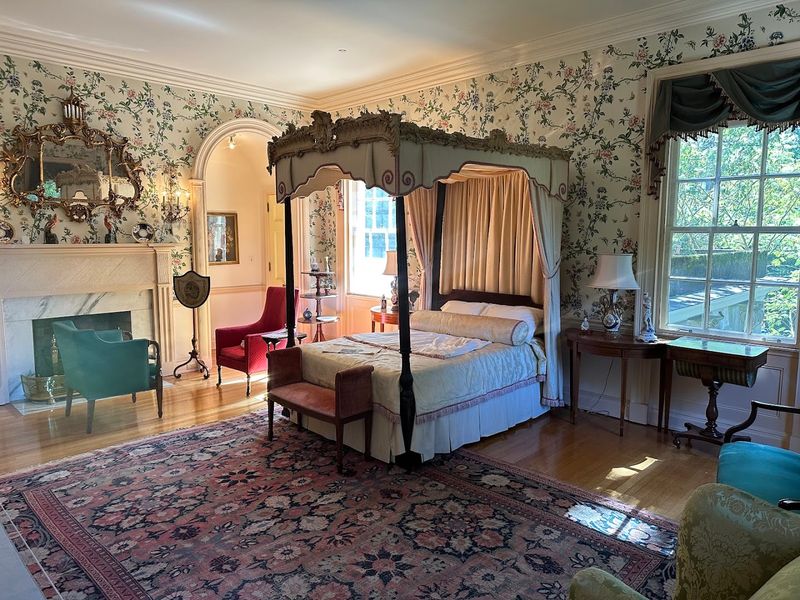
If one room captures the spirit of the Jazz Age better than any other at Swan House, it’s Emily Inman’s oval bedroom. Shaped like an ellipse, the room has an almost theatrical quality that feels more like a stage set from a golden-era Hollywood film than a place where someone actually slept.
Emily was known for her refined taste and strong personality, and her bedroom reflects both qualities perfectly. The furnishings, fabrics, and color palette all speak to a woman who knew exactly what she wanted and had the resources to get it.
Every detail feels intentional and deeply personal.
Visitors consistently mention this room as one of their favorite stops on the tour. Standing inside it, you get a real sense of what daily life looked like for Atlanta’s most privileged families during the roaring twenties.
It’s intimate, elegant, and genuinely unforgettable.
The Cascading Gardens and Fountain Terraces
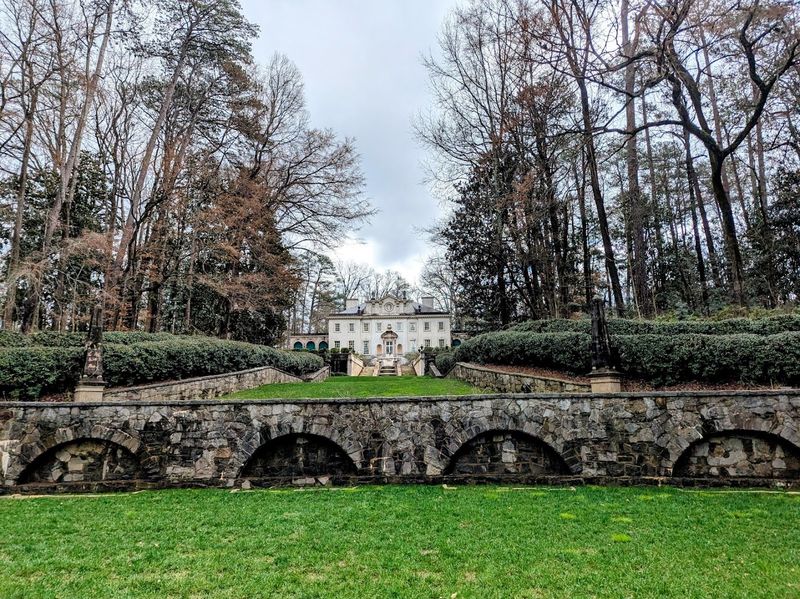
The Swan House isn’t just a mansion. It’s a full sensory experience that extends well beyond the front door.
The property’s cascading garden terraces stretch down the hillside in a series of beautifully manicured levels, each one connected by stone staircases, classical fountains, and carefully trimmed hedgerows that feel straight out of an Italian villa.
Visiting photographers absolutely rave about the grounds. One Atlanta wedding photographer called the gardens “absolutely stunning” and named Swan House the most beautiful venue in the nation.
That’s high praise, but one look at the fountains framed by Georgia’s lush greenery and you’ll understand why.
Spring is an especially magical time to visit when blooming flowers add bursts of color to the already-gorgeous landscape. Even in summer, the shaded garden paths offer a cool, serene escape from Atlanta’s heat.
Bring comfortable walking shoes and leave plenty of time to wander every level of this outdoor masterpiece.
Its Famous Role in The Hunger Games Films
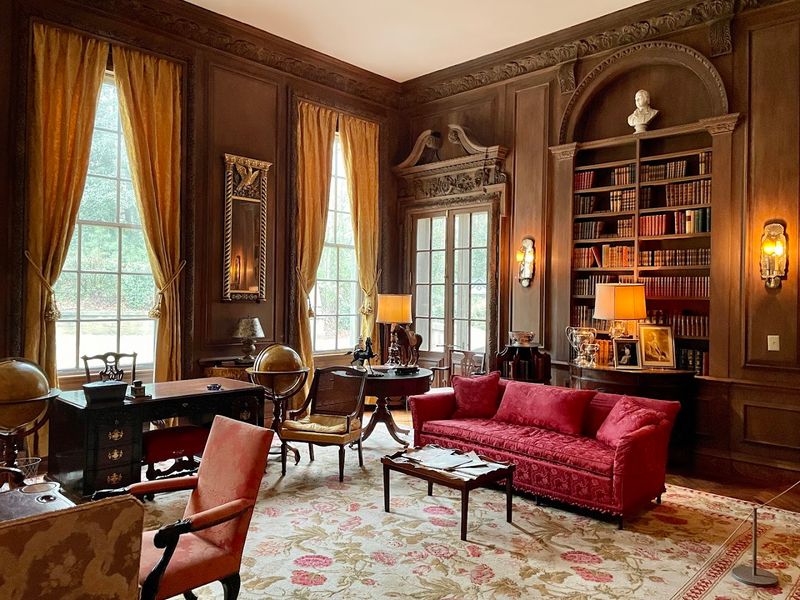
Long before most people knew about the Swan House, millions of moviegoers had already seen it on the big screen. The mansion served as President Snow’s imposing Capitol mansion in “The Hunger Games: Catching Fire” and “Mockingjay,” giving it a whole new layer of pop culture fame that continues to draw fans from around the world.
For Hunger Games devotees, walking up to the Swan House is like stepping directly into Panem. The columned facade and manicured grounds translate perfectly to the fictional Capitol’s cold grandeur, and it’s genuinely thrilling to recognize the location in person.
Several reviewers mentioned that the films were the reason they first visited, only to fall even more in love with the real history behind the building.
Even if you’ve never seen the movies, knowing that Hollywood chose this mansion above all others says something powerful about just how cinematic and awe-inspiring the Swan House truly is.
The Basement Porcelain Collection Worth Lingering Over
Most visitors are so dazzled by the main floors of the Swan House that they almost forget to head downstairs. That would be a big mistake.
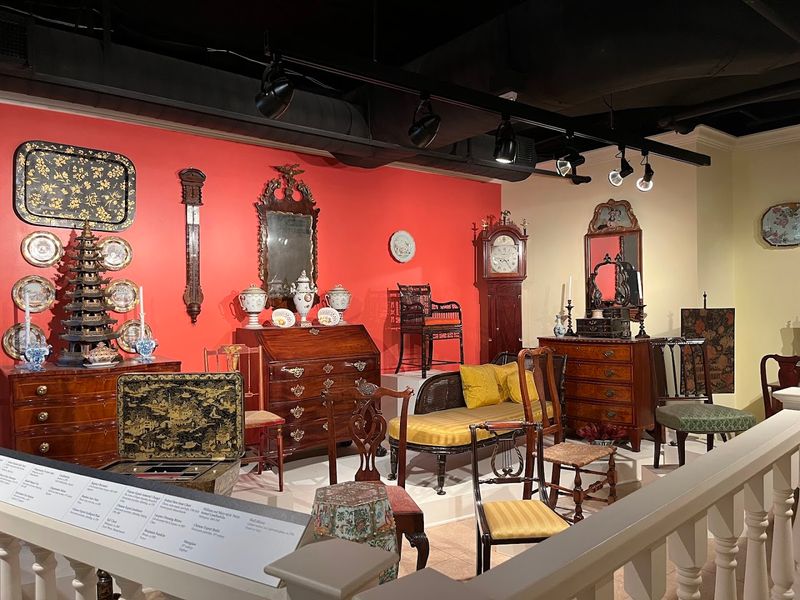
The basement houses an extraordinary collection of Chinese export porcelain that the Inman family accumulated over decades, and it’s one of the most underappreciated highlights of the entire property.
The collection includes decorative plates, vases, figurines, and serving pieces that were crafted specifically for the Western market during the 18th and 19th centuries. Each piece is beautifully displayed in glass cases, and the quiet gallery atmosphere makes it feel like a private museum experience, especially since most visitors tend to linger upstairs.
One reviewer noted that they spent two full hours photographing the mansion’s rooms and still didn’t make it to the porcelain exhibit. If you’re an art lover or history enthusiast, budget extra time specifically for this basement treasure.
You won’t regret it.
Natural Cooling: Shutze’s Clever Architectural Innovation
Here’s something that might genuinely surprise you: the Swan House was designed to stay cool without air conditioning. Philip Shutze cleverly positioned windows, hallways, and room openings to catch the natural breeze and pull cool air through the building during Georgia’s sweltering summers.
For 1928, this was remarkably forward-thinking design.
The house’s orientation on the hillside also plays a role, allowing air to flow up from the lower garden terraces and through the interior spaces. Thick stone walls helped regulate temperature, keeping rooms comfortable even during Atlanta’s most brutal heat waves.
It’s the kind of passive cooling system that modern architects still study and admire today.
Learning about these practical design choices makes touring the mansion even more interesting. The Swan House wasn’t just beautiful.
It was also smart. Shutze proved that elegance and ingenuity don’t have to be mutually exclusive, and this building stands as lasting proof of that philosophy.
Emily Inman’s Legacy as a Women’s Suffrage Champion
Emily MacDougald Inman was more than just the lady of a grand house. She was a fierce advocate for women’s rights at a time when that took real courage.
As a prominent supporter of the women’s suffrage movement, Emily used her social position and considerable influence to push for change in Georgia and beyond.
The Swan House honors her legacy with a dedicated exhibit that explores her activism alongside her role as a hostess and homemaker. Visitors who discover this side of her story often leave with a much deeper appreciation for the woman behind the mansion’s glamorous reputation.
One reviewer described being “rapt” by the exhibit’s detailed account of Emily’s trailblazing life.
Her decision to donate the property to the Atlanta Historical Society upon her death in 1965 was itself an act of generosity that ensured her home’s stories would be shared for generations. Emily Inman deserves to be remembered as much as the house she loved.
Touring the Four Floors of Preserved Period Rooms
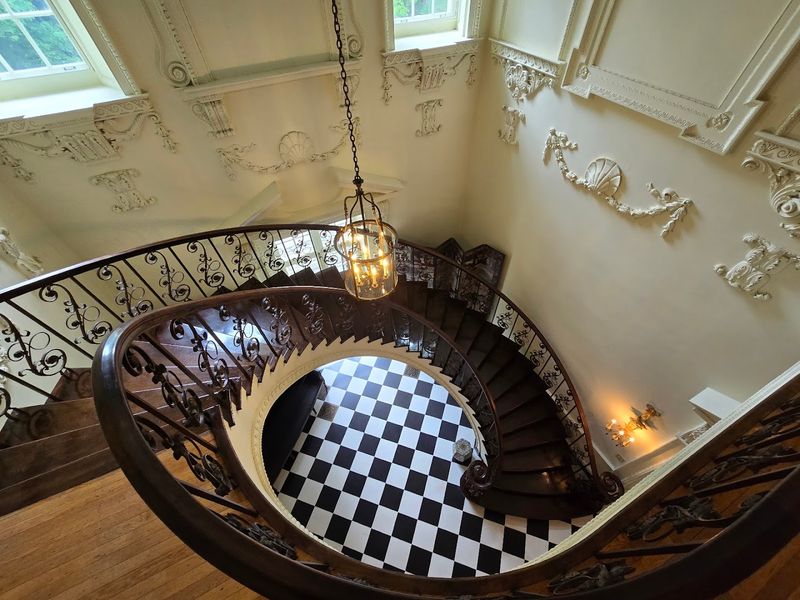
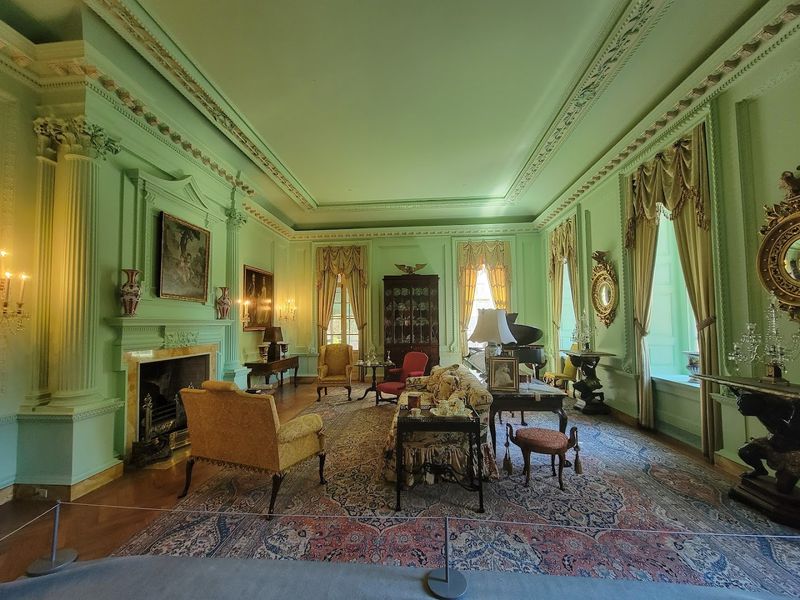
One of the most exciting things about visiting the Swan House is how much there is to actually explore. The mansion spans four floors, including a basement gallery, main living spaces, upper bedrooms, and even an attic, each filled with carefully preserved furniture, artwork, and personal objects from the Inman family’s era.
Nearly every room is accessible to visitors, which is relatively rare for a historic house of this caliber. You can peer into bedrooms, dining rooms, sitting rooms, and service areas, getting a remarkably complete picture of how the household functioned in the 1920s and 30s.
Knowledgeable guides are stationed throughout to answer questions and share stories.
Most visitors find themselves spending at least two hours inside the mansion alone, and that’s before exploring the gardens. Come with comfortable shoes, a fully charged phone for photos, and an open schedule.
The Swan House rewards slow, curious exploration in a way that few historic properties can match.
Planning Your Visit to the Swan House at Atlanta History Center
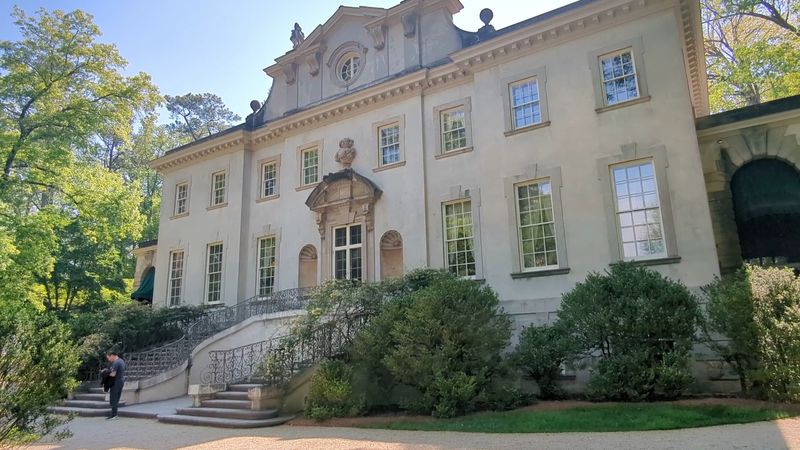
Ready to experience the Swan House for yourself? Located at 130 W Paces Ferry Rd NW in Atlanta’s Buckhead neighborhood, the mansion is part of the Atlanta History Center campus.
Your admission ticket covers not just the Swan House but also the main museum building, rotating exhibits, and the beautiful surrounding gardens, making it genuinely excellent value.
The Swan House is open Tuesday through Sunday from 9 AM to 4 PM, with Friday hours starting at 10 AM. Monday is the one day it’s closed, so plan accordingly.
The phone number for visitor information is +1 404-814-4000, and you can also check the official website at atlantahistorycenter.com for ticket pricing and special events.
If you have mobility needs, reviewers suggest bringing your own wheelchair or walker since the grounds involve some walking over varied terrain. Spring and fall are especially lovely seasons to visit when Atlanta’s famous greenery is at its most spectacular.
Enjoyed this story?
Add Fast Food Club as a preferred source to see more of our reporting on Google.