


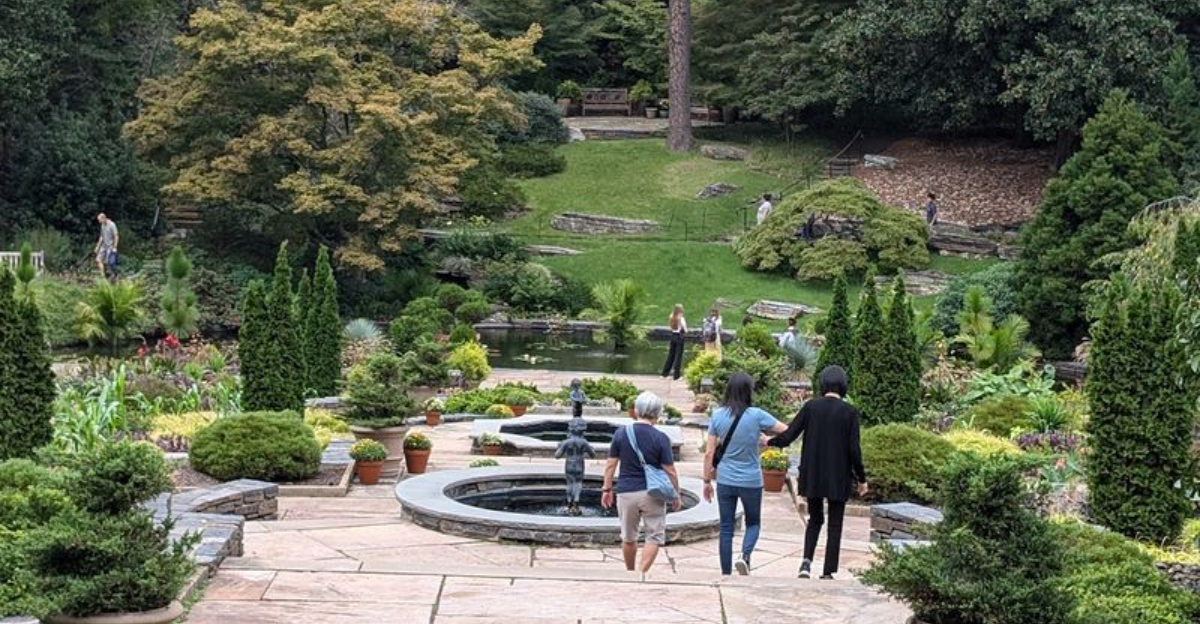
Tucked away on the campus of Duke University in Durham, North Carolina, Sarah P. Duke Gardens is one of those magical places that stops you in your tracks the moment you walk through the gate.
Spanning 55 acres with five miles of walking paths, this free botanical garden draws visitors from all over the country who come to experience its stunning landscapes, peaceful ponds, and incredible variety of plants. Whether you are a nature lover, a photography enthusiast, or simply someone looking for a beautiful escape from everyday life, this garden has something special waiting for you.
The Historic Terraces That Take Your Breath Away
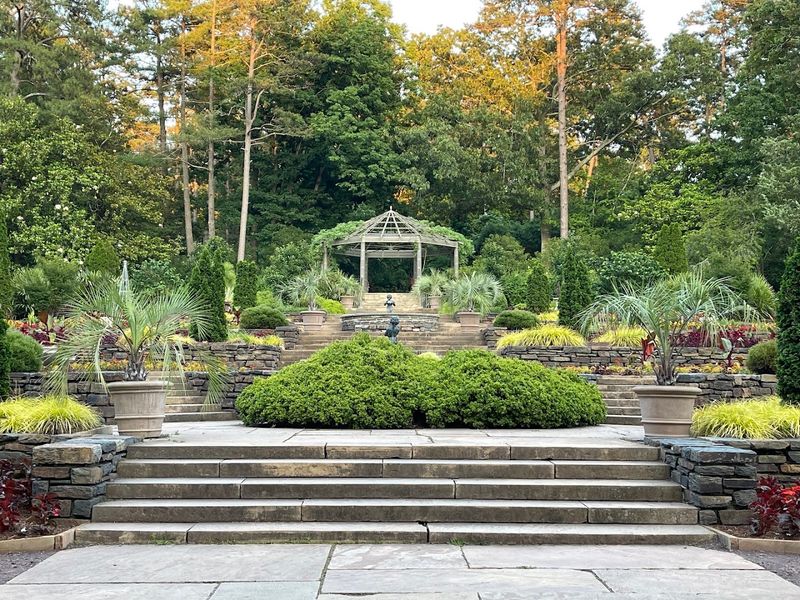
Few sights in North Carolina hit you quite like the moment you round a corner and the Historic Terraces stretch out in front of you. These beautifully sculpted garden beds tumble down a gentle hillside in layers of color that feel almost too perfect to be real.
In spring, tulips and daffodils crowd every terrace with vibrant reds, yellows, and purples.
Visitors consistently call this section the crown jewel of the entire garden, and it is easy to understand why. The stone steps, manicured hedges, and symmetrical flower beds give off a classic European garden feel right here in the American South.
Early morning light makes the colors pop in a way that photographers absolutely love.
Pro tip: visit in late March or early April to catch peak bloom season. Check the garden’s bloom calendar online before making the trip so you do not miss the show.
Five Miles of Walking Paths for Every Kind of Explorer
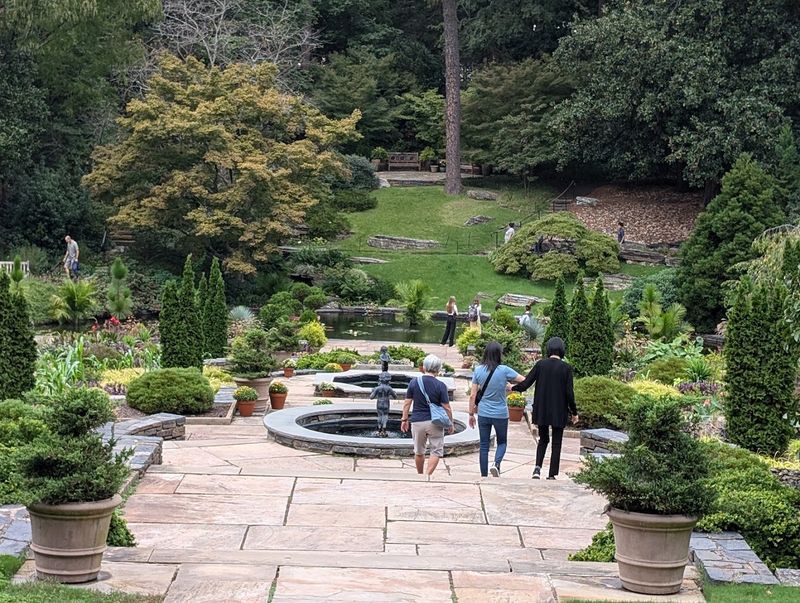
Some gardens make you feel rushed, but Sarah P. Duke Gardens practically invites you to slow down and wander.
With five full miles of walking paths crisscrossing the 55-acre property, there is always a new trail to explore no matter how many times you visit. The paths are paved and well-maintained, making them accessible for strollers, wheelchairs, and visitors of all ages and abilities.
Most visitors spend between three and four hours exploring the grounds, and even then many feel like they missed something. The paths weave through themed sections, past water features, under canopies of towering trees, and alongside open meadows where sunlight filters through in golden patches.
Wear comfortable shoes and bring a reusable water bottle since the walk is longer than most people expect. Water fountains are available throughout the property, which is a lifesaver on warm Carolina afternoons when the humidity creeps in.
The Asiatic Arboretum Feels Like a Different World
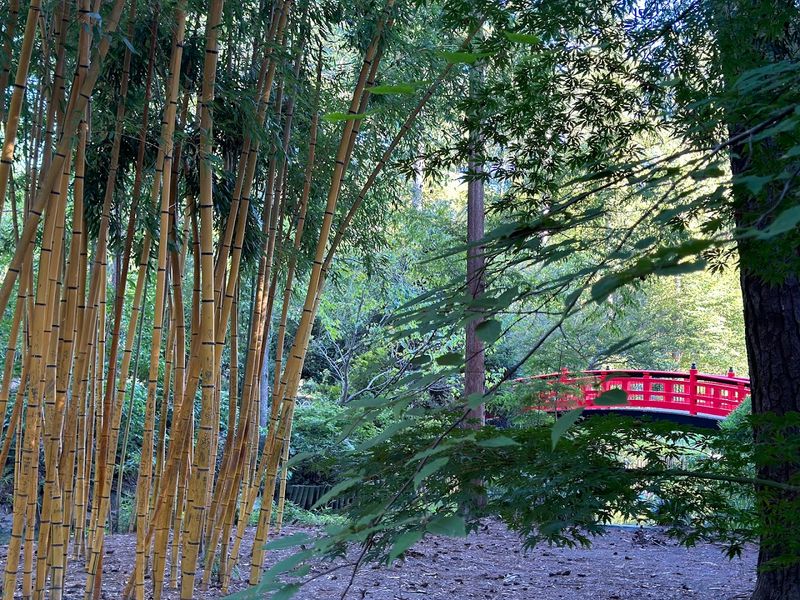
Cross the pond and you will feel like you have stepped onto an entirely different continent. The Asiatic Arboretum is one of the most talked-about sections of Sarah P.
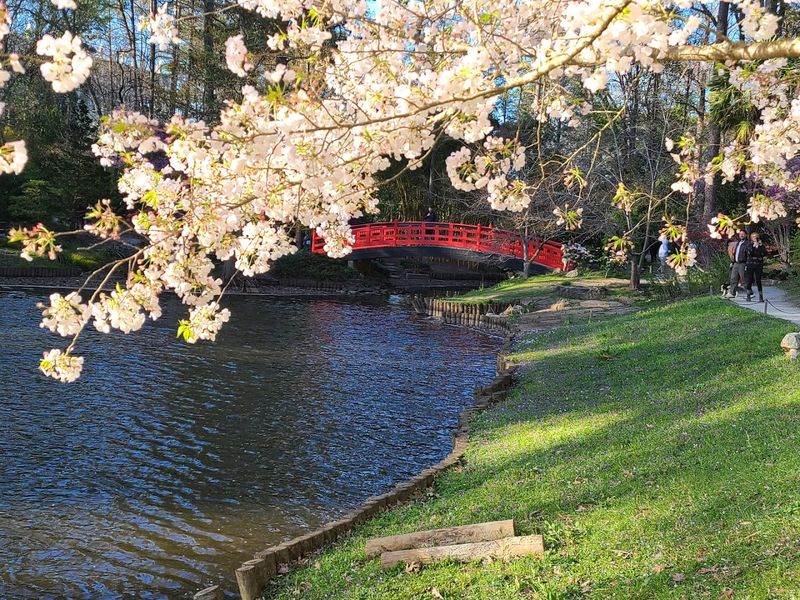
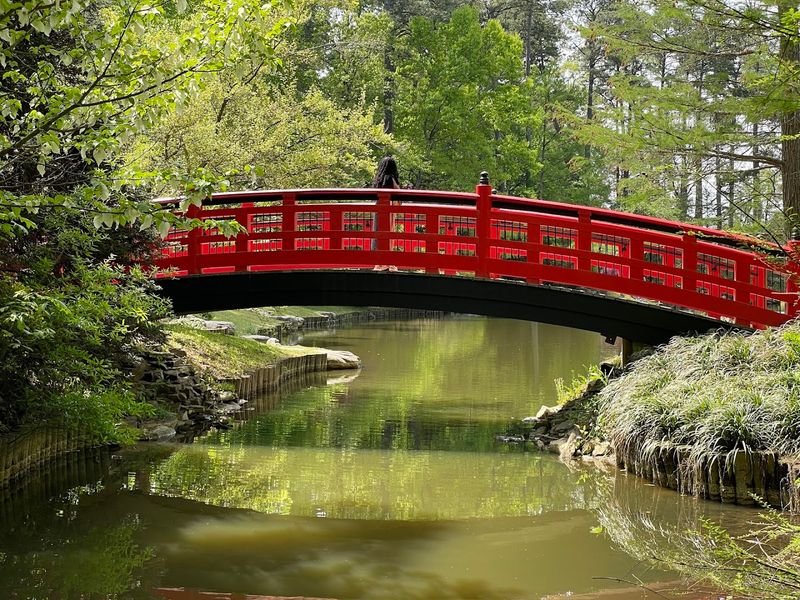
Duke Gardens, featuring Japanese maples, towering bamboo groves, stone lanterns, and a red wooden bridge that arches gracefully over a glassy koi pond. The atmosphere here is genuinely tranquil.
Early March brings something truly special to this section: magnolia blossoms fall like soft white snow, drifting across the pathways and covering the ground in delicate petals. Visitors who have seen it describe the experience as almost dreamlike.
The Asian-themed design pays careful attention to balance and harmony, giving every corner a sense of quiet intention.
Even on busy weekends, the arboretum tends to feel calmer than the main terraces. Bring a blanket, find a shaded bench near the pond, and just breathe.
You earned it.
Blomquist Garden of Native Plants Is a Hidden Treasure
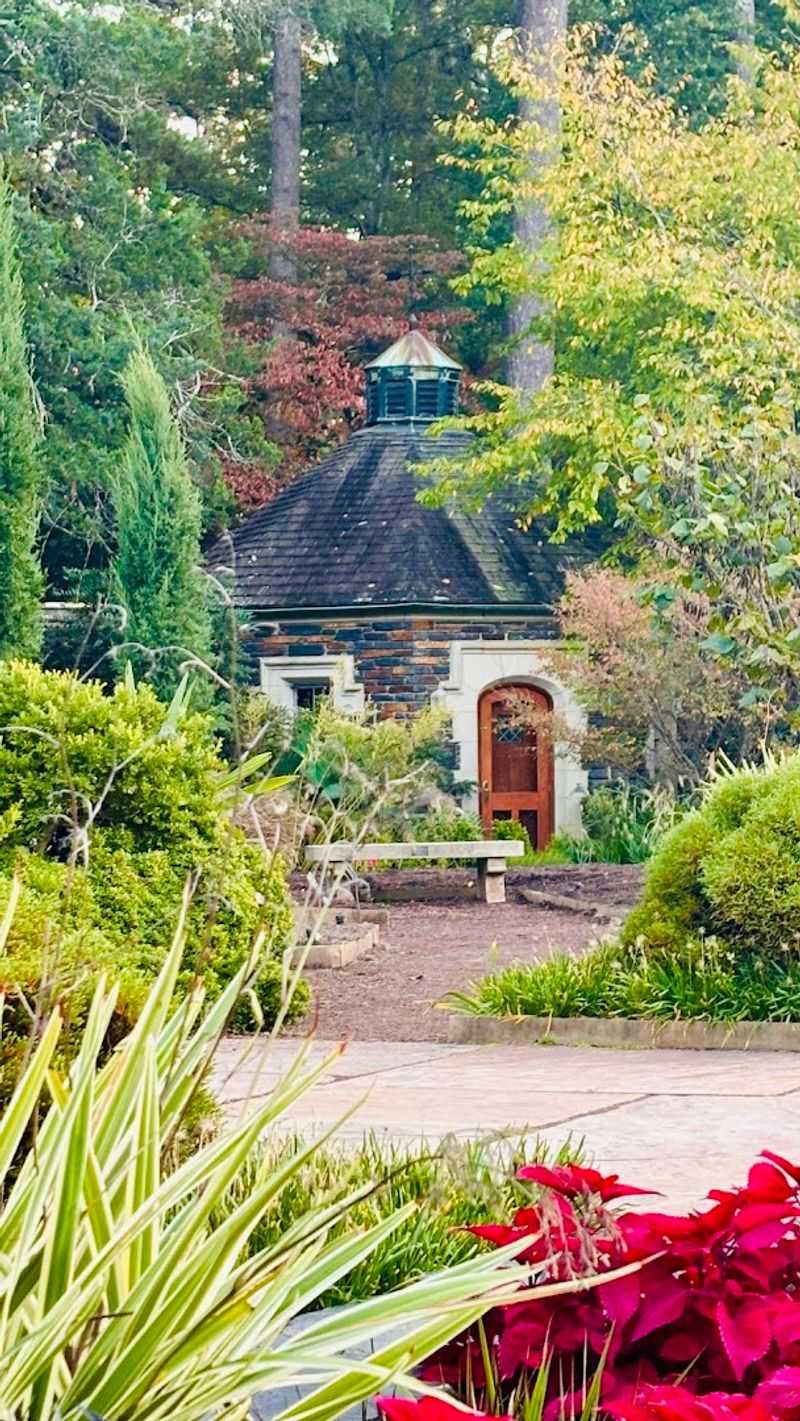
Not every garden section tries to be grand and formal. The Blomquist Garden of Native Plants takes a completely different approach, celebrating the wild, untamed beauty of North Carolina’s natural landscapes.
Walking through it feels less like visiting a curated exhibition and more like stumbling into a secret forest clearing where nature does exactly what it wants.
This section highlights hundreds of plant species native to the southeastern United States, giving visitors a genuine education in local ecology without ever feeling like a classroom. Butterflies flutter between wildflowers, birds call from the tree canopy above, and the whole place hums with quiet life.
It is the kind of spot that rewards slow, curious exploration.
Photographers especially love this area for its natural, unposed beauty. Unlike the formal terraces, the Blomquist garden has a raw, organic energy that produces stunning candid shots in every season throughout the year.
Free Admission Makes It One of the Best Deals in the South
Here is something that surprises almost every first-time visitor: getting into Sarah P. Duke Gardens costs absolutely nothing.
That is right, zero dollars for 55 acres of world-class botanical beauty. In a world where admission prices for parks and attractions keep climbing, free entry feels like a genuine gift.
Parking does come with a small fee of two dollars per hour, paid at the main entrance lot. It is a minor inconvenience that most visitors quickly forget once they are surrounded by the gardens.
Some visitors choose to park at nearby Duke Hospital and walk over, which keeps costs down and adds a little extra steps to the adventure.
The free admission policy makes this garden genuinely accessible to families, students, and anyone on a tight budget. It is one of the most democratic public spaces in Durham, welcoming everyone equally regardless of their financial situation or background.
The Koi Pond Is Pure Therapy for the Soul
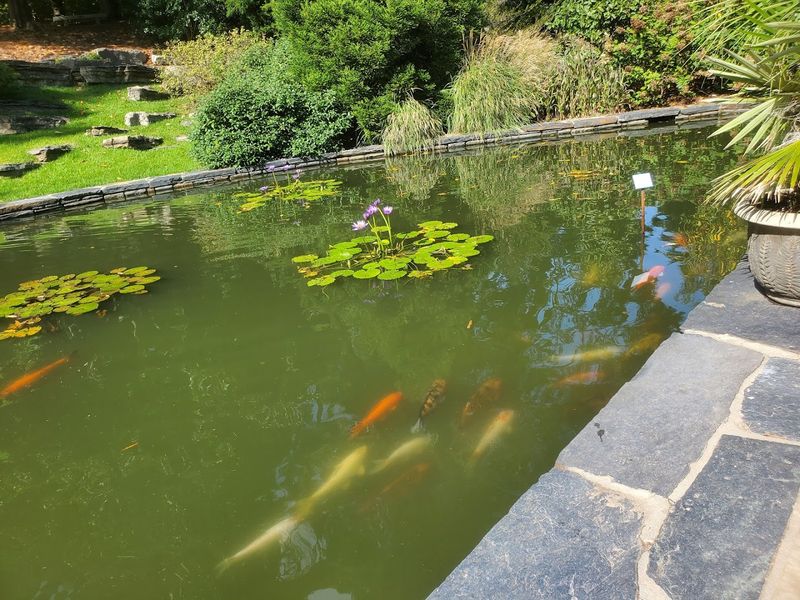
There is something undeniably calming about watching koi fish glide through still water. At Sarah P.
Duke Gardens, the koi pond sits at the heart of the garden experience, drawing visitors of all ages to its edges where they stand quietly and let the stress of the day melt away. Kids especially love spotting the different colors and sizes of the fish.
The pond reflects the surrounding trees and sky on calm days, creating a mirror-like surface that photographers cannot resist. In the early morning, mist sometimes hangs low over the water, giving the entire scene a mystical, almost painterly quality that feels straight out of a nature documentary.
Surrounding benches make it easy to sit and soak in the view without feeling like you need to keep moving. Many visitors admit they spent far more time at the pond than they originally planned, and absolutely zero regrets followed that decision.
Spring Bloom Season Transforms the Garden Into a Living Painting
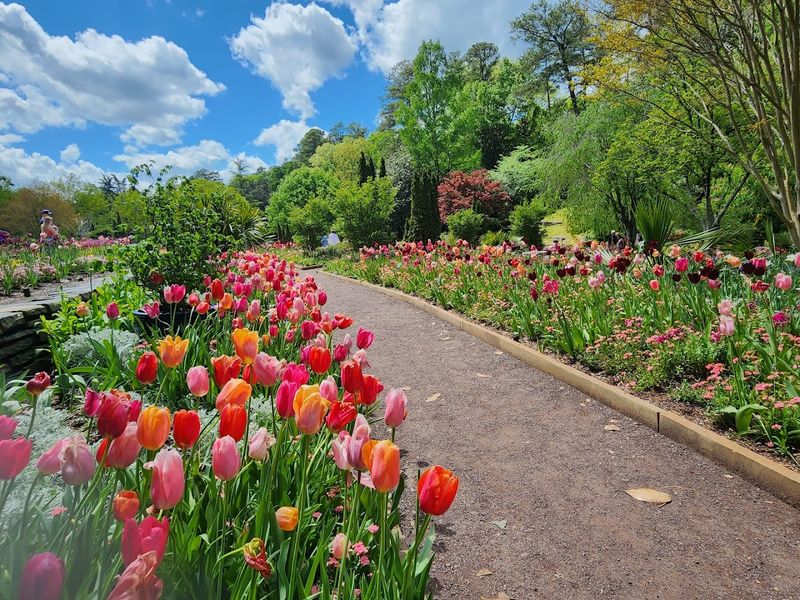
Ask any regular visitor when to visit Sarah P. Duke Gardens and they will tell you without hesitation: spring.
From late February through mid-April, the garden goes through a breathtaking transformation that has to be seen to be believed. Cherry blossoms, daffodils, magnolias, and tulips all compete for attention in one glorious, color-drenched season.
The crowds reflect just how spectacular spring bloom can be. Weekends during peak season draw large numbers of visitors, photographers, and families eager to capture the magic.
Volunteers are sometimes called in to help manage the happy chaos. If you prefer a quieter experience, weekday morning visits between 9 and 11 AM offer a noticeably calmer atmosphere.
Always check the official bloom calendar at gardens.duke.edu before planning your spring visit. Bloom timing shifts slightly each year depending on weather, and arriving even one week too late can mean missing the most dramatic displays entirely.
An Outdoor Amphitheater Brings the Garden to Life with Events
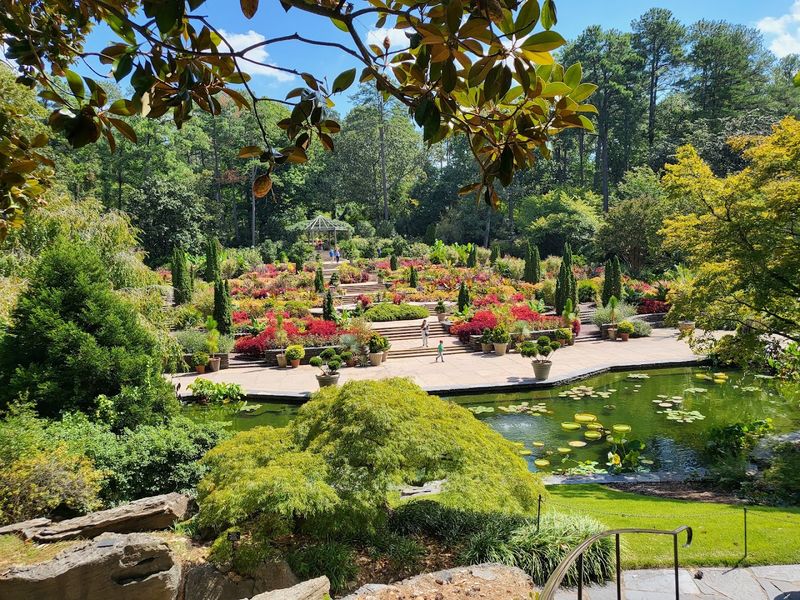
Beyond just plants and pathways, Sarah P. Duke Gardens offers a full outdoor amphitheater that hosts a rotating calendar of events throughout the year.
From educational programs and seasonal festivals to wedding ceremonies and community gatherings, the amphitheater adds a lively social dimension to what could otherwise be a purely solitary experience.
The natural setting of the amphitheater, surrounded by mature trees and carefully tended landscaping, gives every event an atmosphere that indoor venues simply cannot replicate. Imagine watching a live performance as golden afternoon light filters through the tree canopy above you.
Even an empty amphitheater is worth exploring for its peaceful, open-air architecture.
Check the garden’s official website at gardens.duke.edu for upcoming event listings before your visit. Some events are ticketed while others are free, and scheduling your trip around a special program can turn an already great visit into a genuinely unforgettable one.
Wildlife Encounters That Will Catch You Completely Off Guard
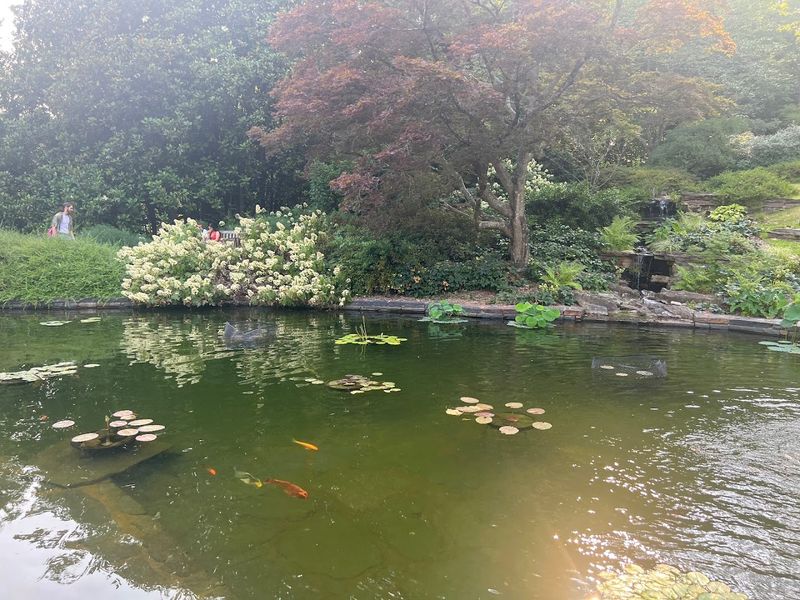
Nobody warns you about the wildlife, and honestly, that is part of the fun. Visitors to Sarah P.
Duke Gardens have reported seeing gray rat snakes slithering headfirst down tree trunks, birds chasing snakes across open pathways, butterflies landing on outstretched hands, and koi fish nearly leaping out of the water at feeding time. This garden is genuinely alive in every sense of the word.
The Blomquist Garden of Native Plants is especially active with wildlife, since its naturalistic design provides ideal habitat for birds, insects, and small animals. Birdwatchers will want to bring binoculars because the tree canopy hosts a surprising variety of species throughout the year.
Dragonflies hover over the pond surface in summer.
Keep your eyes open and your phone camera ready because unexpected encounters happen constantly. The garden never feels like a static display of plants but rather a dynamic, breathing ecosystem where something surprising waits around every corner.
Every Season Offers Something Completely Different to Discover
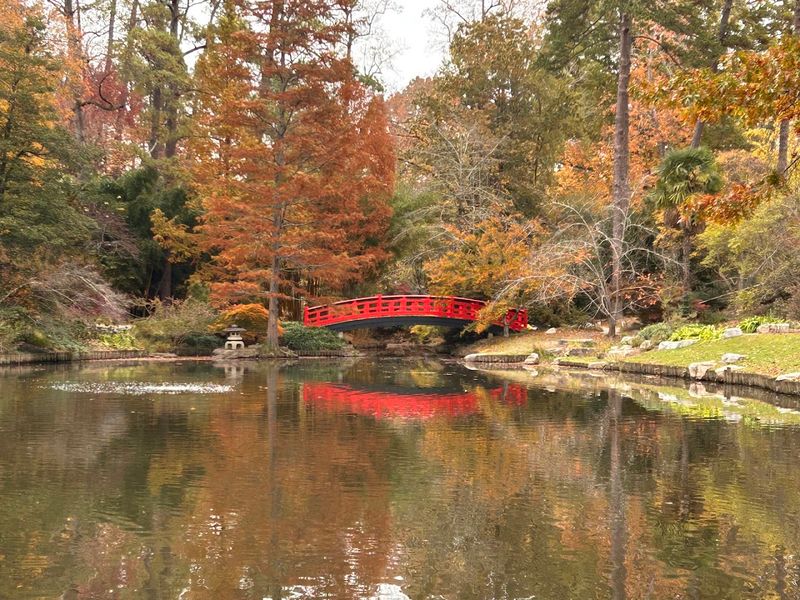
One visit to Sarah P. Duke Gardens is never enough because the place reinvents itself with every passing season.
Winter reveals the elegant bones of the garden, with bare branches tracing architectural patterns against gray skies and frost-covered stone pathways creating a quietly dramatic scene. January visitors have called it stunning, which surprises people who assume gardens only shine in warm months.
Summer brings dense green canopy and shade that makes afternoon walks surprisingly comfortable even in Durham’s heat. Fall lights up the Asiatic Arboretum with Japanese maple foliage in shades of orange, crimson, and gold that rival any New England autumn display.
The garden staff works year-round to ensure every season has its own visual rewards.
Regulars who have visited for ten or more years say they still discover new corners and new details on each return trip. That kind of depth and variety is genuinely rare in any public garden anywhere in the country.
Picnic Spots and Benches Make It Perfect for a Full Day Out
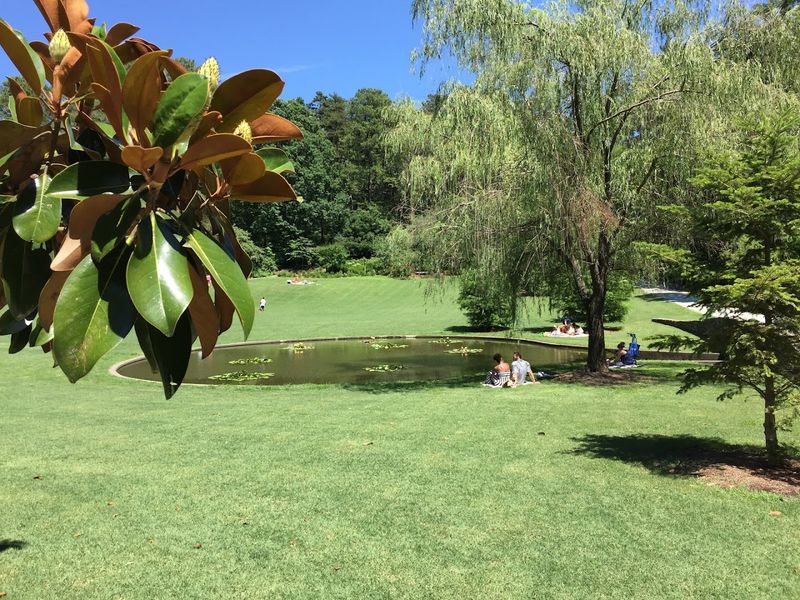
Planning a full day at Sarah P. Duke Gardens is not just possible, it is practically encouraged.
Scattered throughout the property are picnic areas, open grassy spaces, and dozens of benches and chairs where visitors can pause, eat, and simply enjoy the surroundings without any pressure to keep moving. The garden operates on a pace that you set entirely for yourself.
Families with young children particularly appreciate the large open play area tucked within the grounds, which gives kids room to run while adults relax nearby. Bringing a packed lunch is a smart move since the on-site cafe offers a limited snack selection rather than full meals.
A blanket, some sandwiches, and a good book transform a garden visit into a genuine afternoon retreat.
On major holidays like Mother’s Day, competition for shaded picnic spots gets fierce. Arriving early, ideally right when the garden opens at 9 AM, guarantees you the best spots before the crowds settle in.
Photography Opportunities Around Every Single Corner
Sarah P. Duke Gardens might be the most photogenic public space in all of North Carolina, and that is not a claim made lightly.
From the geometric precision of the Historic Terraces to the moody, atmospheric bamboo groves of the Asiatic Arboretum, virtually every section of the garden produces stunning images in almost any lighting condition. Visitors regularly use the gardens for formal portraits, engagement photos, and graduation pictures.
The red wooden bridge over the koi pond is arguably the single most photographed spot on the property, and for good reason. Reflected in the still water below, it creates a symmetrical composition that looks professionally staged even in a casual smartphone shot.
Morning light hits this spot particularly beautifully between 9 and 10 AM.
Weekday visits offer photographers more freedom to work without crowds walking into their frames. Bring a wide-angle lens if you have one because the terraces and open meadows reward expansive compositions that capture the full scale of the garden.
Practical Tips That Will Make Your Visit So Much Smoother
A little preparation goes a long way at Sarah P. Duke Gardens.
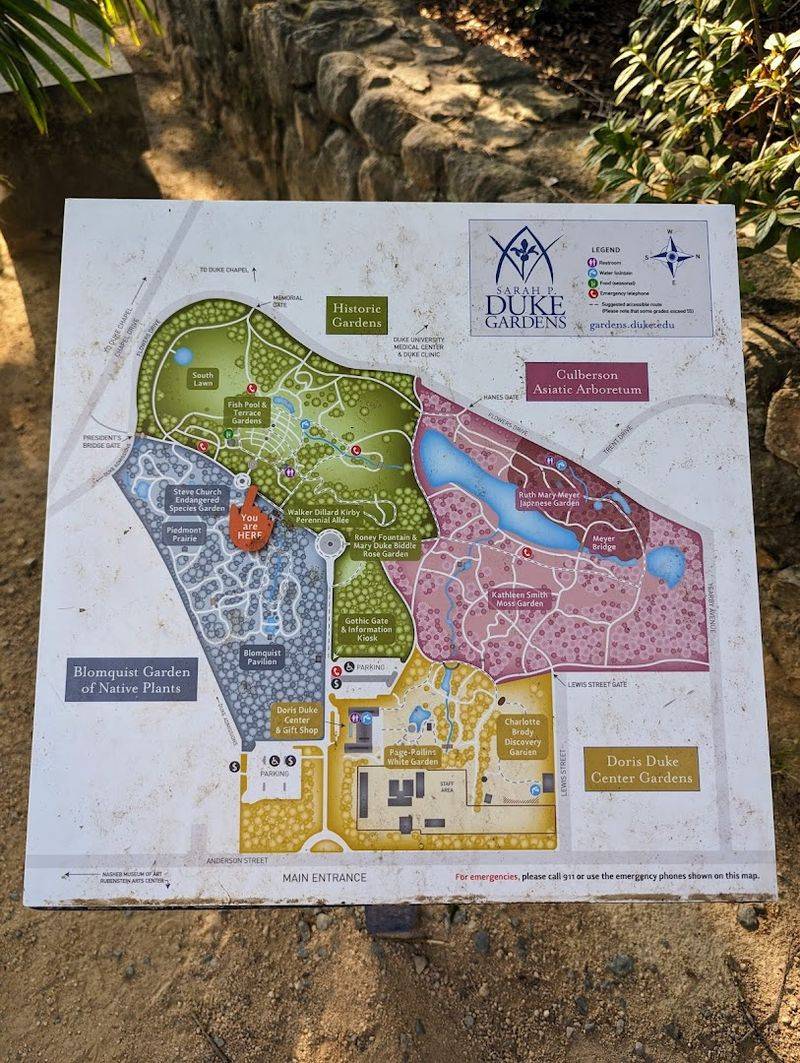
The garden is open every day from 9 AM to 5 PM, and the main entrance at 420 Anderson Street in Durham includes an information desk where staff can help you plan your route and make the most of your time. Starting at the main entrance rather than a secondary access point is strongly recommended by experienced visitors.
Parking costs two dollars per hour at the main lot. Have a credit card ready since the system requires you to enter payment information each time you add time to your session, which can feel clunky but is manageable.
Duke Hospital parking is a reasonable alternative if the main lot fills up on busy spring weekends.
Wear sunscreen, bring water, and plan for at least three to four hours of walking. Call ahead at 919-684-3698 or visit gardens.duke.edu for current bloom information and event schedules before heading out.
Enjoyed this story?
Add Fast Food Club as a preferred source to see more of our reporting on Google.