


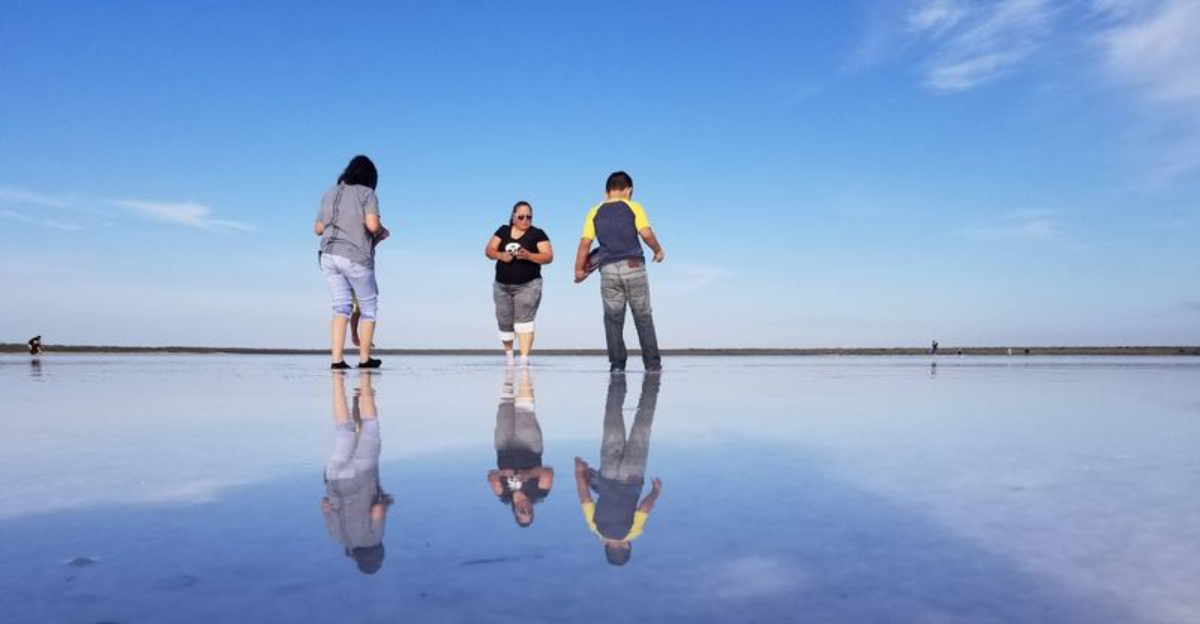
Hidden in the heart of South Texas near Edinburg, La Sal Del Rey is one of the most unusual and breathtaking natural landmarks you may never have heard of. This ancient salt lake sits on an estimated 4 million tons of salt, creating a shimmering, otherworldly landscape that feels more like a scene from another planet than the Texas brush country.
For centuries, Native Americans, Spanish explorers, and even wild animals have relied on this incredible salt source. Whether you are a nature lover, a history buff, or just someone looking for a one-of-a-kind adventure, La Sal Del Rey is absolutely worth the trip.
The Ancient History Behind La Sal Del Rey
Long before highways or smartphones existed, La Sal Del Rey was already famous. The name itself means “Salt of the King” in Spanish, and Spanish colonizers once claimed this lake as the exclusive property of the Spanish Crown.
That royal connection goes back hundreds of years, making this one of North America’s oldest known salt sources.
Native American tribes traveled great distances to harvest salt here for trade and food preservation. Animals like deer, javelinas, and wild hogs still visit the area today, drawn by that same ancient mineral pull.
You can even spot their tracks pressed into the muddy salt flats near the shoreline.
Walking through this landscape, it is hard not to feel the weight of all that history beneath your feet. Few places in Texas carry such a deep and layered past, yet remain so quiet and undisturbed.
What Makes the Salt Lake So Unique
Most lakes are made of freshwater or saltwater fed by the ocean, but La Sal Del Rey is neither. This landlocked lake formed naturally over thousands of years as salt slowly accumulated underground and pushed upward through the soil.
The result is a massive salt deposit estimated at around 4 million tons sitting right beneath the surface.
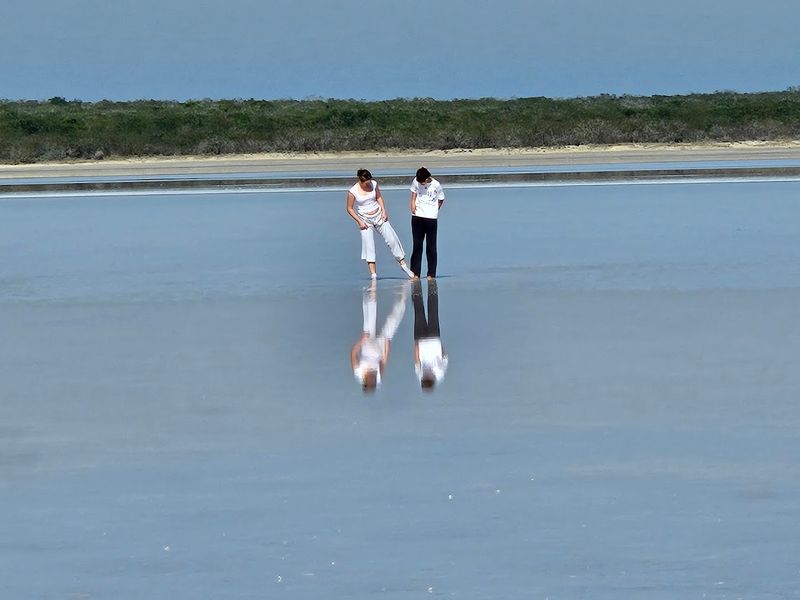
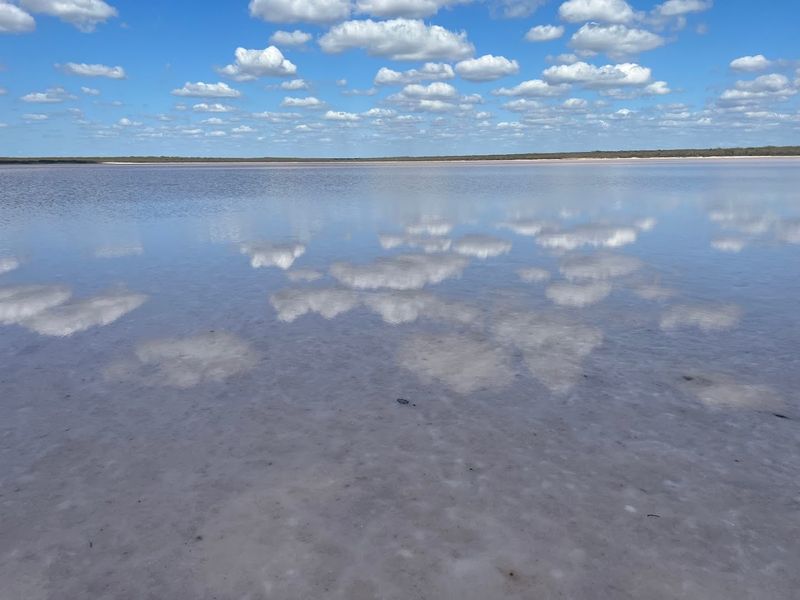
The shallow water, sometimes just one to two inches deep, creates a mirror-like reflection of the sky on calm days. Visitors have described walking across it as feeling like you are literally strolling through the clouds.
That surreal, dreamlike quality is something photographs struggle to fully capture.
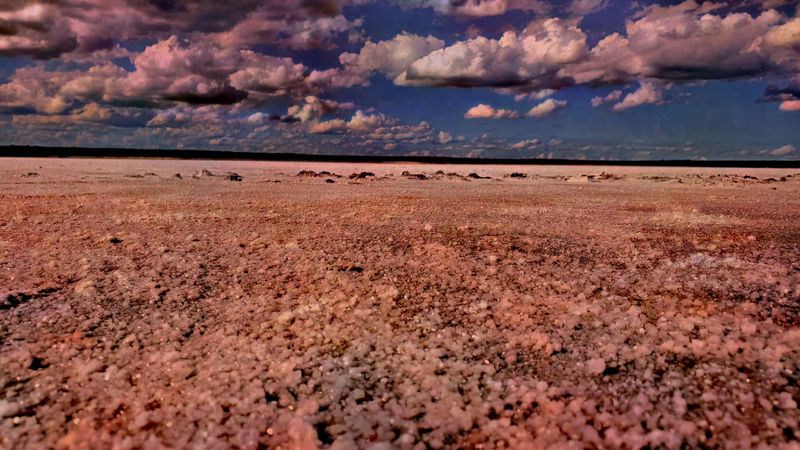
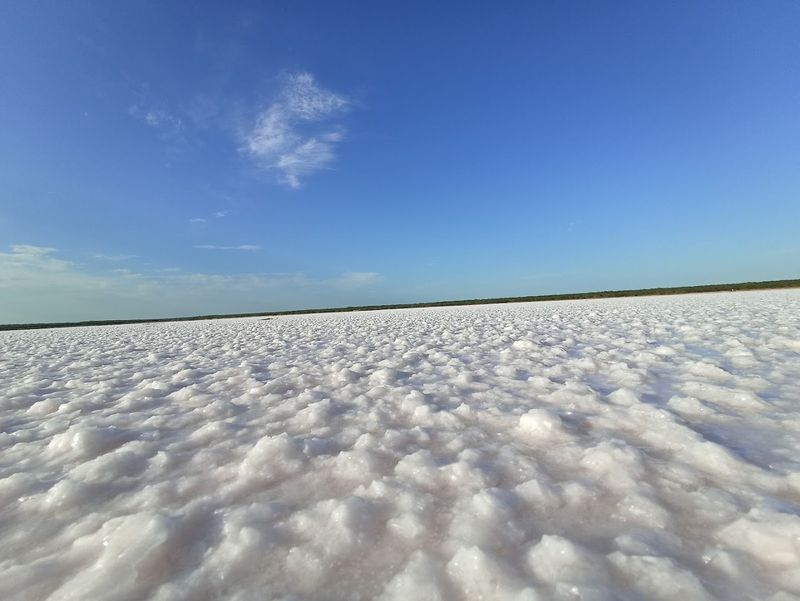
The salt formations along the edges are jagged and crystallized, almost like tiny sculptures carved by nature itself. Every visit looks slightly different depending on water levels, weather, and the angle of the sun hitting the flats.
Getting There Without Getting Lost
Fair warning: Google Maps does not always cooperate when you are trying to find La Sal Del Rey. Many visitors have been sent to the wrong entrance, ending up confused on a remote dirt road in the middle of nowhere.
The correct route is through Brushline Road, which is a rough but manageable dirt road that any standard two-wheel-drive car can handle as long as you drive slowly.
There are actually two parking areas once you get on the right path. The first sits about a mile from the lake, while the second drops you off just a short 10-minute walk from the water.
Most visitors recommend using the second parking area to save time and energy, especially on hot days.
Cell service is spotty in the area, so downloading an offline map beforehand is a smart move. Arriving prepared makes the whole experience far more enjoyable from the start.
Best Time of Day to Visit
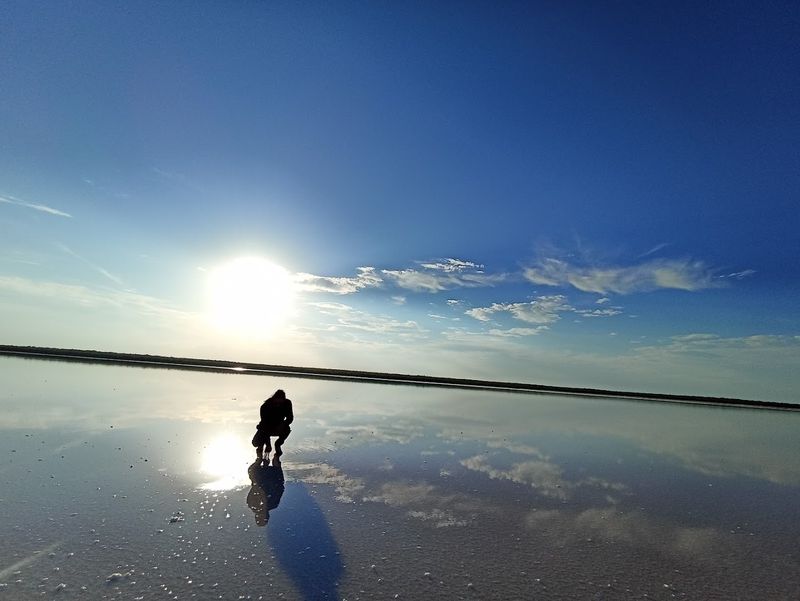
Timing your visit to La Sal Del Rey can make or break the whole experience. Multiple visitors strongly recommend arriving no later than 8 a.m. or waiting until one to two hours before sunset.
The midday heat in South Texas is no joke, especially in summer when temperatures can soar well past 100 degrees Fahrenheit.
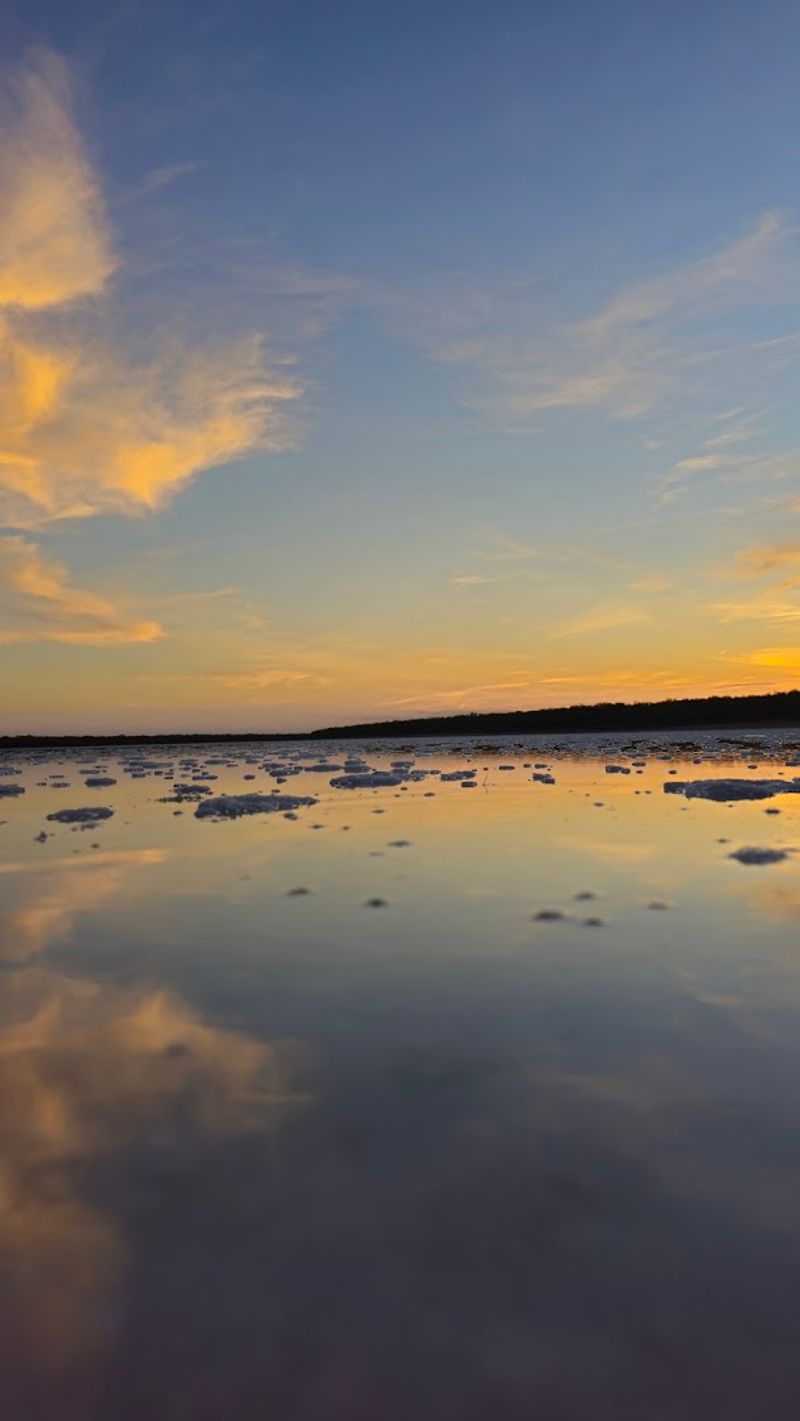
Sunrise and sunset visits offer something extra special beyond just cooler temperatures. The low-angle light creates jaw-dropping colors across the salt flats, and the reflections on the water turn the lake into a glowing, almost magical mirror.
Photographers especially rave about the golden hour shots they have captured here.
Visiting midday is possible, but bring serious amounts of water and sunscreen if you do. The flat, open terrain offers zero shade, and the white salt surface reflects extra heat upward.
Smart planning turns a good trip into an unforgettable one.
What to Pack Before You Head Out
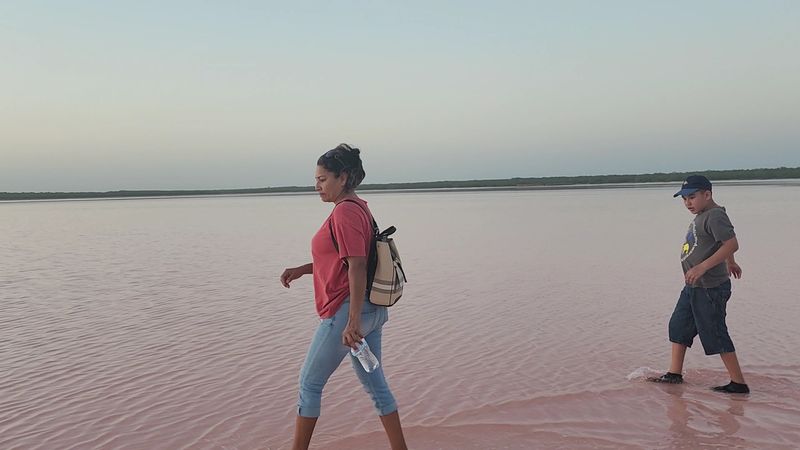
Packing right for La Sal Del Rey is honestly half the battle. The number one item on every visitor’s list is water, and lots of it.
The hike can stretch up to three miles round trip depending on which parking area you use, and the heat drains you faster than you expect in an open, shadeless environment like this.
Sunscreen is non-negotiable. The combination of direct sun above and reflected light bouncing off white salt below means your skin gets hit from multiple directions at once.
A wide-brimmed hat adds extra protection and makes the walk far more comfortable.
Bug spray is another smart addition, especially during warmer months when insects buzz around the trail. Water shoes or old sneakers you do not mind getting salty and muddy are highly recommended too.
In some spots, the mud near the lake edge can be surprisingly deep, up to three feet in places.
Walking Across the Salt Flats
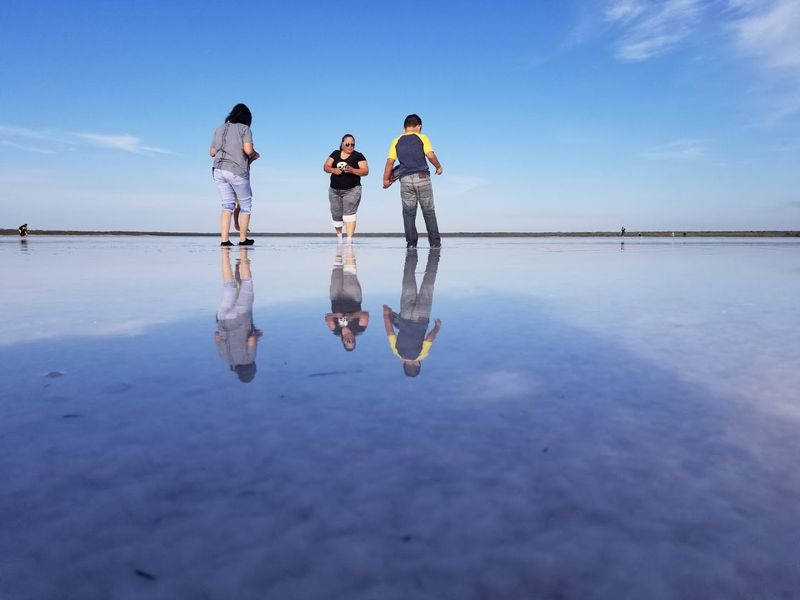
Stepping onto the salt flats at La Sal Del Rey feels like entering a completely different world. The ground beneath your feet is a mix of hard crystallized salt and soft, slippery patches that crunch and shift as you walk.
One visitor described crossing the entire lake, about three miles, and calling it one of the most surreal experiences of his life.
On calm days, the shallow water creates a near-perfect reflection of the sky, making it look like you are walking on clouds or floating through the atmosphere. Wind creates tiny ripples that dance across the surface, adding movement and life to an otherwise still landscape.
A heads-up though: the salt crystals near the edges are sharp and can cut bare feet. Water shoes are your best friend here.
The salty water is also quite warm by midday, so early morning visitors tend to have a more comfortable experience walking through it.
Wildlife You Might Spot Along the Trail
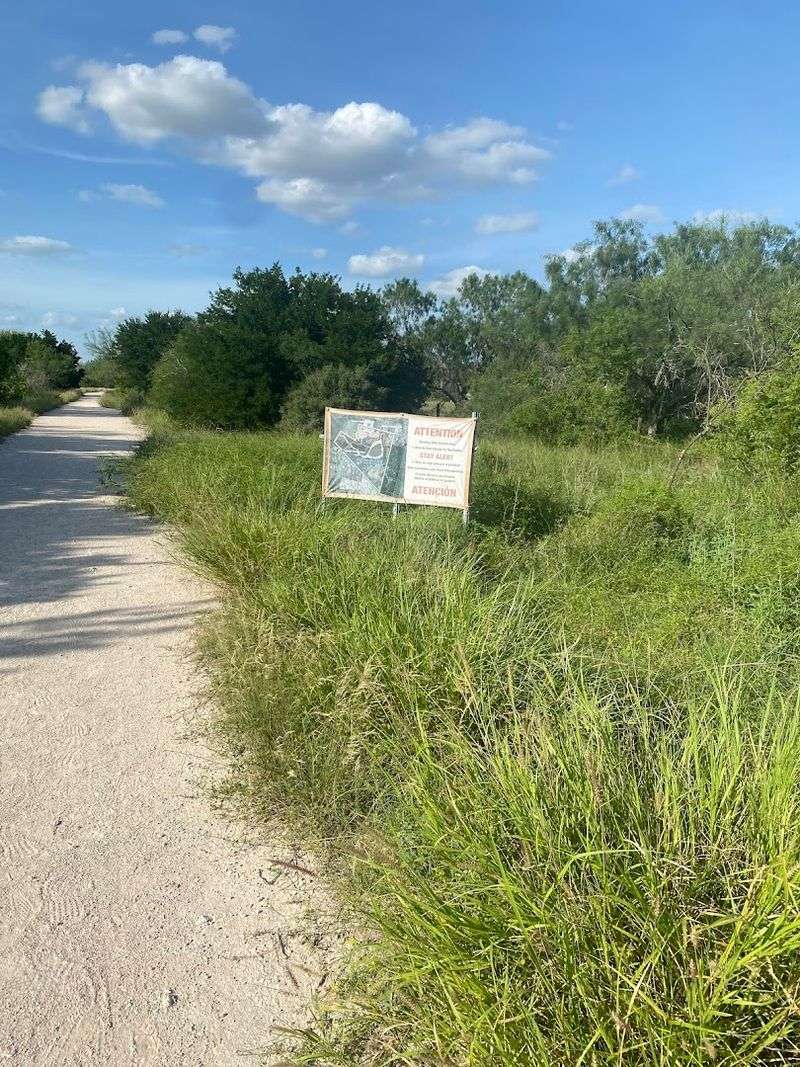
La Sal Del Rey is not just about salt. The surrounding area is part of the Lower Rio Grande Valley National Wildlife Refuge, which means the land teems with animals, birds, and insects that call this unique ecosystem home.
Butterflies flit along the trail in impressive numbers, and birdwatchers have reported spotting a wide variety of species on a single visit.
Animal tracks pressed into the muddy shoreline tell their own story. Deer, javelinas, wild hogs, and even the occasional coyote pass through regularly.
One adventurous visitor stumbled upon a young wild boar while exploring near the water, which led to a very quick exit on his part.
Lizards are a crowd favorite, especially among kids who love chasing them along the trail. The area is alive with nature in a way that feels raw and undisturbed.
Keeping a respectful distance from wildlife ensures both your safety and theirs.
The Viewing Deck Experience
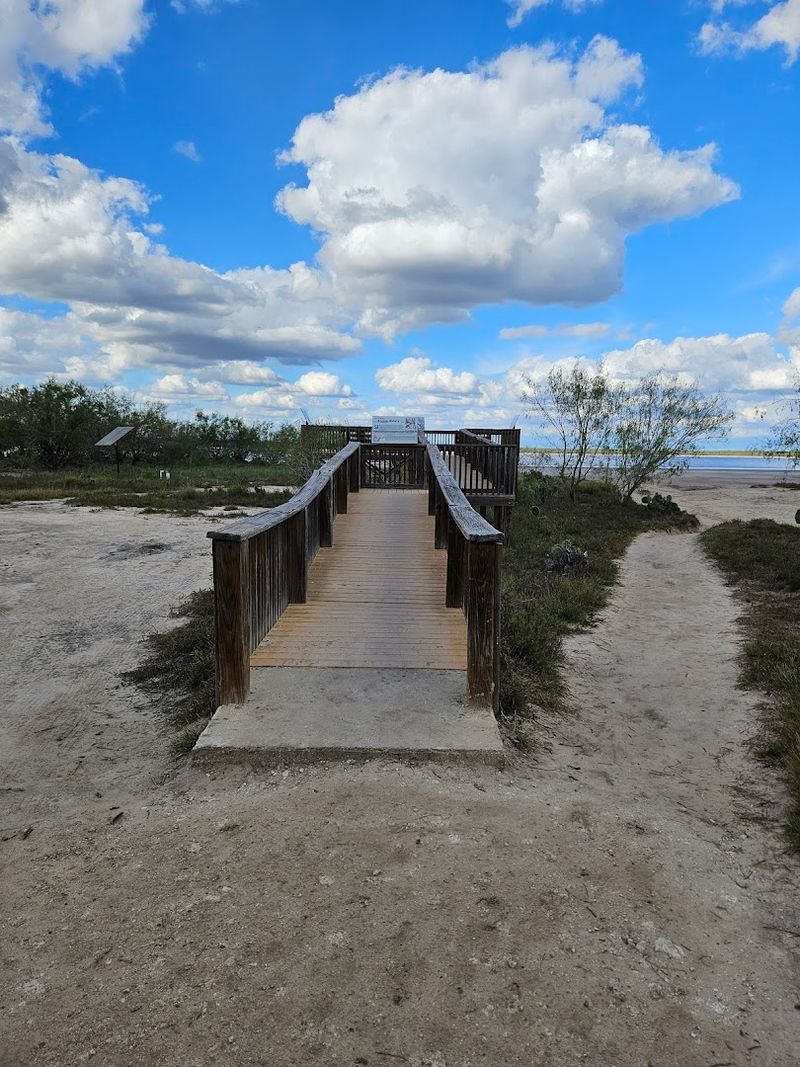
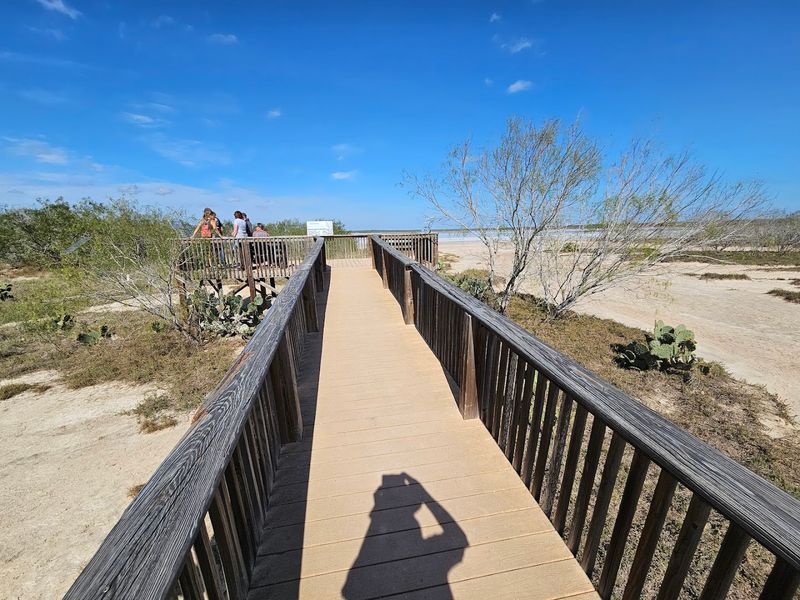
Not everyone wants to wade through mud or trek across salt crystals, and that is perfectly fine. La Sal Del Rey has an elevated wooden viewing deck that gives visitors a sweeping panoramic look at the entire lake without stepping foot in the water.
From up there, the scale of the place really hits you.
The deck is a fantastic spot for photography, especially when the water level is high enough to create reflections. You can see the full spread of the salt flat stretching out before you, framed by low brush country vegetation on the edges.
Early morning visitors often catch mist hovering over the surface from this vantage point.
Families with young children or older visitors who prefer a more relaxed experience tend to love this option. You still get the full visual impact of the lake without the physical demands of the trail.
It is a genuinely impressive sight from any angle.
The Fascinating Science of a Salt Lake
Ever wonder how a lake ends up sitting on top of 4 million tons of salt in the middle of Texas? The answer goes back millions of years to when ancient seas covered much of North America.
As those seas evaporated, they left behind enormous salt deposits buried deep underground. Over time, pressure and geology pushed that salt upward toward the surface.
La Sal Del Rey formed as groundwater dissolved and carried salt to the surface, concentrating it in a low-lying basin where water collected. The result is a hypersaline lake with salt concentrations far higher than the ocean.
Very few organisms can survive in such salty conditions, which gives the lake its distinctive, almost sterile appearance.
The crystallized formations you see along the edges are salt that has precipitated out of the water as it evaporates. It is essentially the same process used to make table salt, just happening naturally on a massive scale right here in South Texas.
Photography Tips for Capturing the Magic
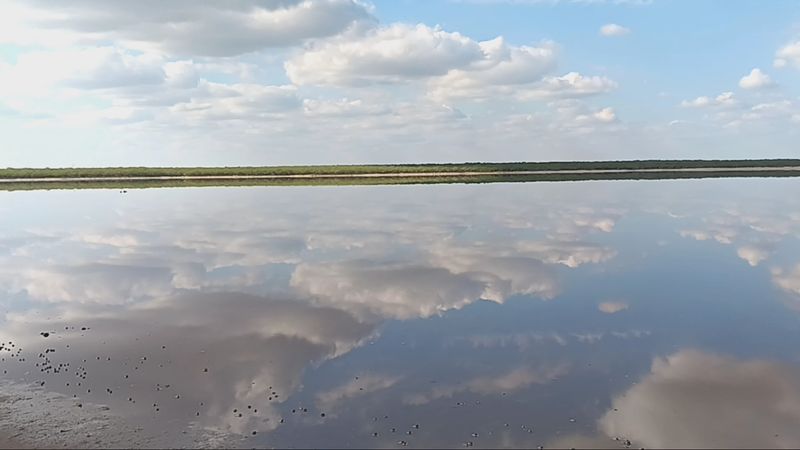
La Sal Del Rey is a photographer’s dream, but getting the best shots takes a little strategy. The most stunning images come during the golden hours of sunrise and sunset when soft, warm light skims across the salt surface and turns the water into liquid fire.
Midday shots can look washed out due to harsh overhead light and intense glare off the white salt.
Getting low is the secret weapon for reflection shots. Crouching down close to the water surface maximizes the mirror effect and makes the sky look like it extends below your feet.
A wide-angle lens captures the epic scale of the landscape in a way that standard phone cameras sometimes struggle with.
Bring a cloth to wipe your lens because salt spray and dust are constant companions out here. Also, keep your phone or camera in a bag when not shooting to protect it from the salty, humid air near the water.
Facilities and Practical Visitor Information
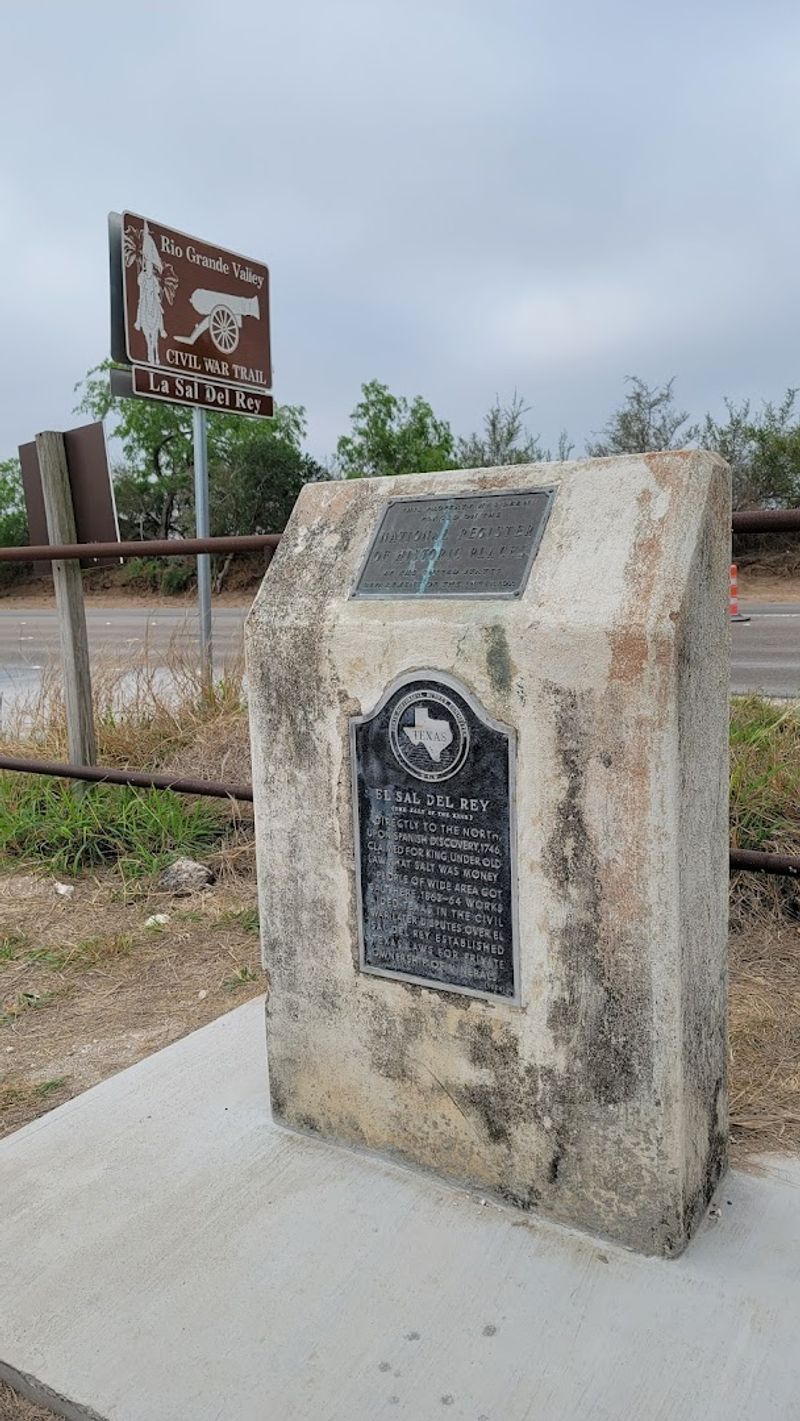
La Sal Del Rey is a federally managed wildlife refuge, which means the amenities are pretty minimal. There are vault toilets near the parking area, but do not expect paper, soap, or hand sanitizer to be stocked inside.
Bringing your own supplies is a genuinely good idea, not just a suggestion.
The site is open daily from 7 a.m. to 8 p.m., giving visitors plenty of daylight hours to explore. Admission is free, which makes it an excellent budget-friendly outing for families.
Cell service is unreliable in the area, so downloading maps ahead of time and letting someone know your plans is wise before heading out.
There is no food or water available on site, so everything you need must come with you. The nearest town with services is Edinburg, which is a reasonable drive away.
A little preparation goes a long way toward making your visit smooth and stress-free.
Gathering Your Own Salt From the Lake
One of the coolest things about La Sal Del Rey is that you can actually collect your own salt right from the lake. Visitors have been doing this for centuries, following in the footsteps of Native American tribes and Spanish settlers who depended on this very supply.
There is something deeply satisfying about scooping up a handful of crystals and knowing that people have been doing the exact same thing for thousands of years.
The salt along the edges forms thick, white crusts that break apart into chunky crystals. Some visitors scoop a small amount into a bag as a memorable souvenir from their visit.
Just be mindful of refuge rules and only collect a small personal amount, as this is a protected natural and historical site.
Tasting the salt is a surprisingly popular activity too. It has a clean, sharp mineral flavor that reminds you just how ancient and pure this natural deposit really is.
Why La Sal Del Rey Belongs on Your Texas Bucket List
Some places just stick with you long after you leave, and La Sal Del Rey is absolutely one of them. Visitors consistently describe the experience as unlike anything else in Texas, and honestly, unlike anything else in the country.
The combination of ancient history, stunning natural beauty, and raw, undeveloped wilderness creates something truly rare.
It is the kind of place where your phone loses signal and you stop caring. Families bond over lizard chasing and muddy shoes.
Couples capture dreamy reflection photos. Solo hikers find unexpected peace in the middle of nowhere.
Everyone takes something different home from this place.
Best of all, it costs nothing to visit and requires no reservations. Just show up, bring your water and sunscreen, and prepare to be genuinely surprised by what Texas is hiding in plain sight.
La Sal Del Rey is not just a landmark. It is an experience that earns its nickname, the Salt of the King.
Enjoyed this story?
Add Fast Food Club as a preferred source to see more of our reporting on Google.