


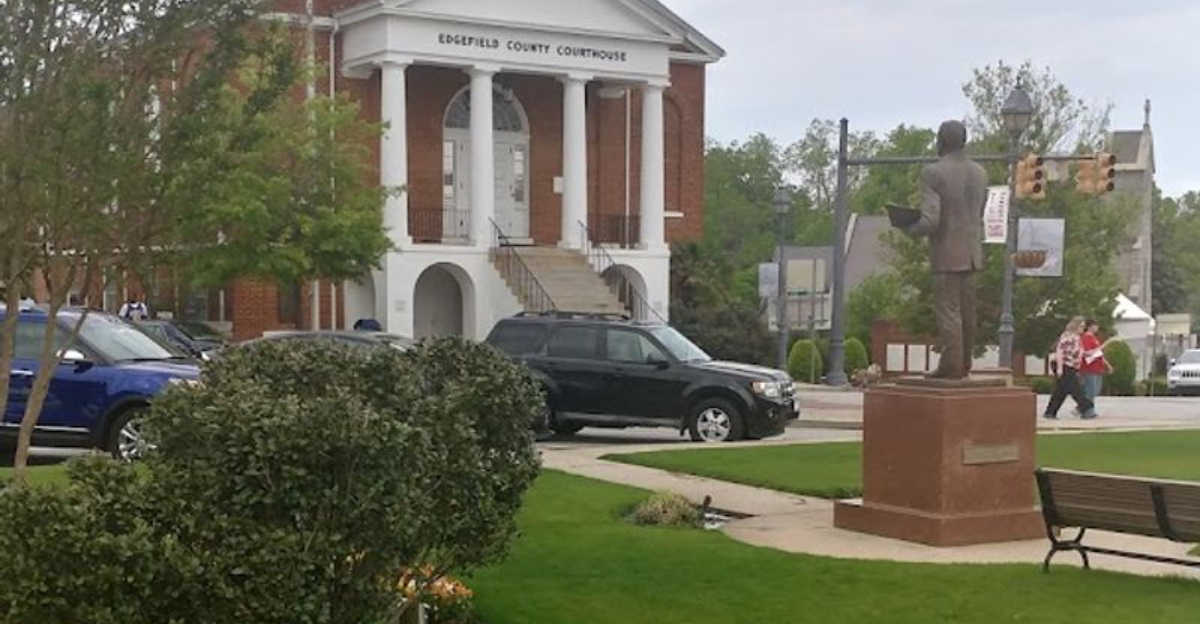
Tucked away in the western corner of South Carolina, Edgefield is a small town with a surprisingly big history. With a population of just over 2,300 people, it might not look like much at first glance, but history buffs and curious travelers are often blown away by what they find here.
From governors’ homes to pottery traditions that stretch back centuries, Edgefield holds more stories than most people expect. If you love exploring places where the past feels alive and real, this charming town deserves a spot on your travel list.
Oakley Park Museum
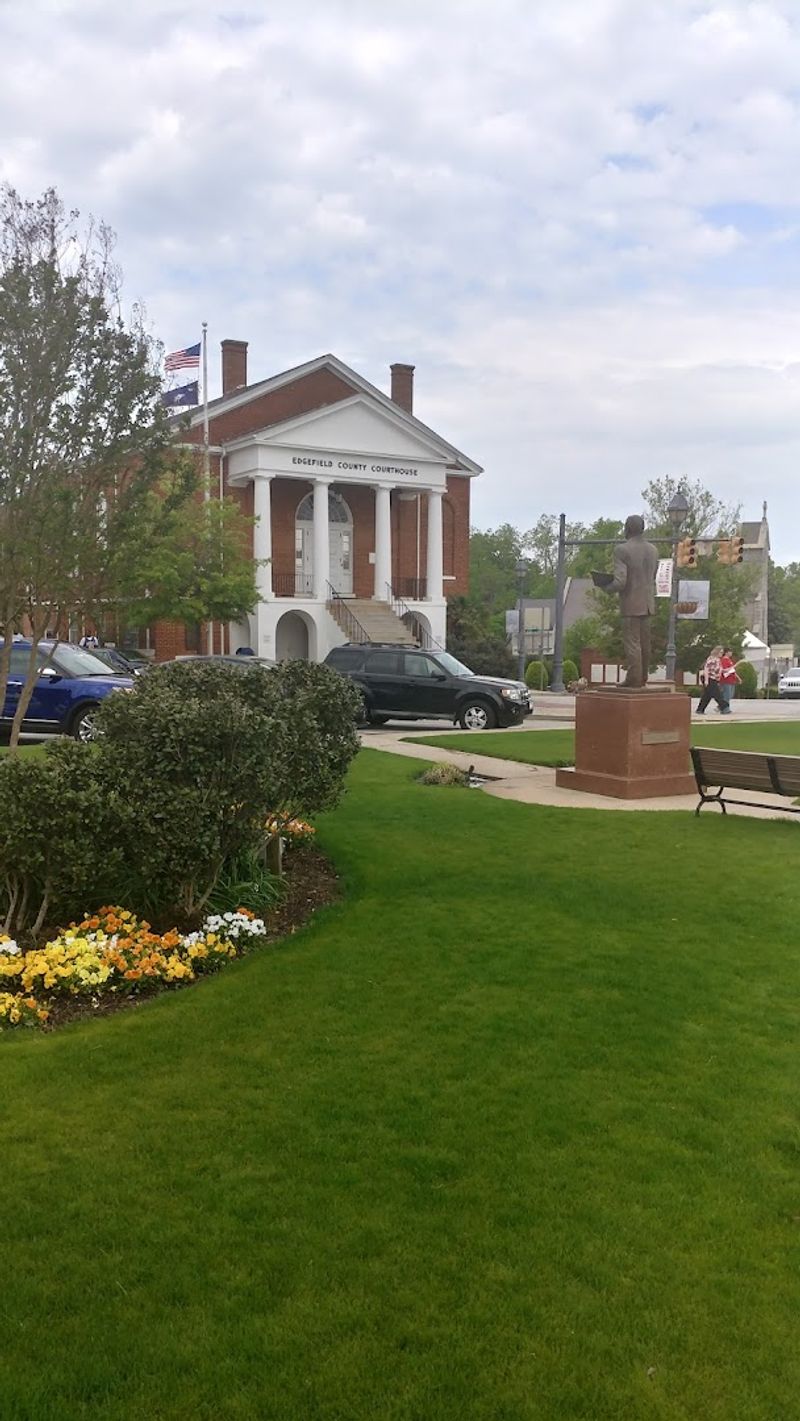
Some buildings carry the weight of history in every brick and floorboard, and Oakley Park is one of them. Built around 1835, this stunning antebellum home served as a hub for some of South Carolina’s most influential political figures.
The house is closely tied to the Red Shirts, a post-Civil War political movement that shaped the state’s Reconstruction era.
Walking through its rooms feels like stepping straight into a history textbook, except far more personal. Portraits, furnishings, and artifacts help paint a vivid picture of the era.
The museum is maintained by the United Daughters of the Confederacy and offers guided tours that bring the stories to life.
Even if you think you know your Southern history, Oakley Park will likely surprise you with details you never learned in school. It is one of Edgefield’s most visited and beloved landmarks.
Edgefield County Courthouse
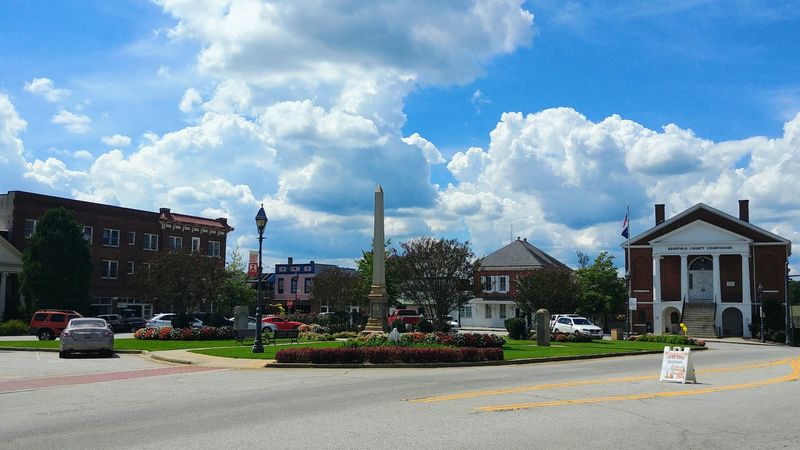
Standing proudly at the center of Edgefield’s town square, the Edgefield County Courthouse is one of those buildings that quietly commands respect. Constructed in 1839, it is one of the oldest functioning courthouses in the entire state of South Carolina.
The Greek Revival architecture gives it a timeless, serious elegance that photographers absolutely love.
Beyond its beauty, this courthouse has witnessed some of the most dramatic legal and political moments in South Carolina history. Governors, senators, and everyday citizens have all passed through its doors seeking justice or political change.
The surrounding square adds to the atmosphere, with old storefronts and shady trees framing the scene perfectly.
Visiting the courthouse is completely free, and the surrounding area is a great place for a leisurely stroll. History literally surrounds you on every corner of that town square.
Edgefield Historic District
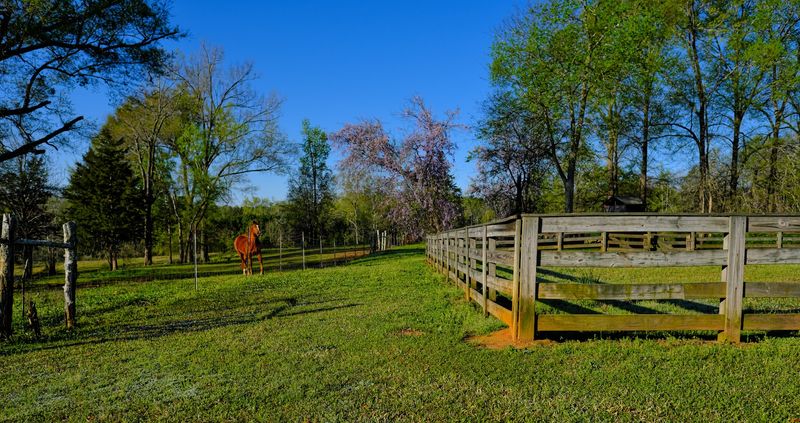
Few places in South Carolina pack as much architectural charm into such a small area as the Edgefield Historic District. Listed on the National Register of Historic Places, this district covers a significant portion of the town center and includes homes, churches, and commercial buildings dating back to the early 1800s.
Every block tells a different chapter of the town’s long story.
Strolling through the district feels genuinely unhurried and peaceful. Massive oak trees shade brick sidewalks, and well-preserved homes line the streets in styles ranging from Federal to Victorian.
Many of these buildings are still privately owned and lived in, giving the neighborhood an authentic, lived-in warmth that museum towns sometimes lack.
Pick up a self-guided walking tour map from the local visitor center and you can spend an entire morning exploring at your own pace. Comfortable shoes and a curious mind are all you really need.
The Pottersville Museum
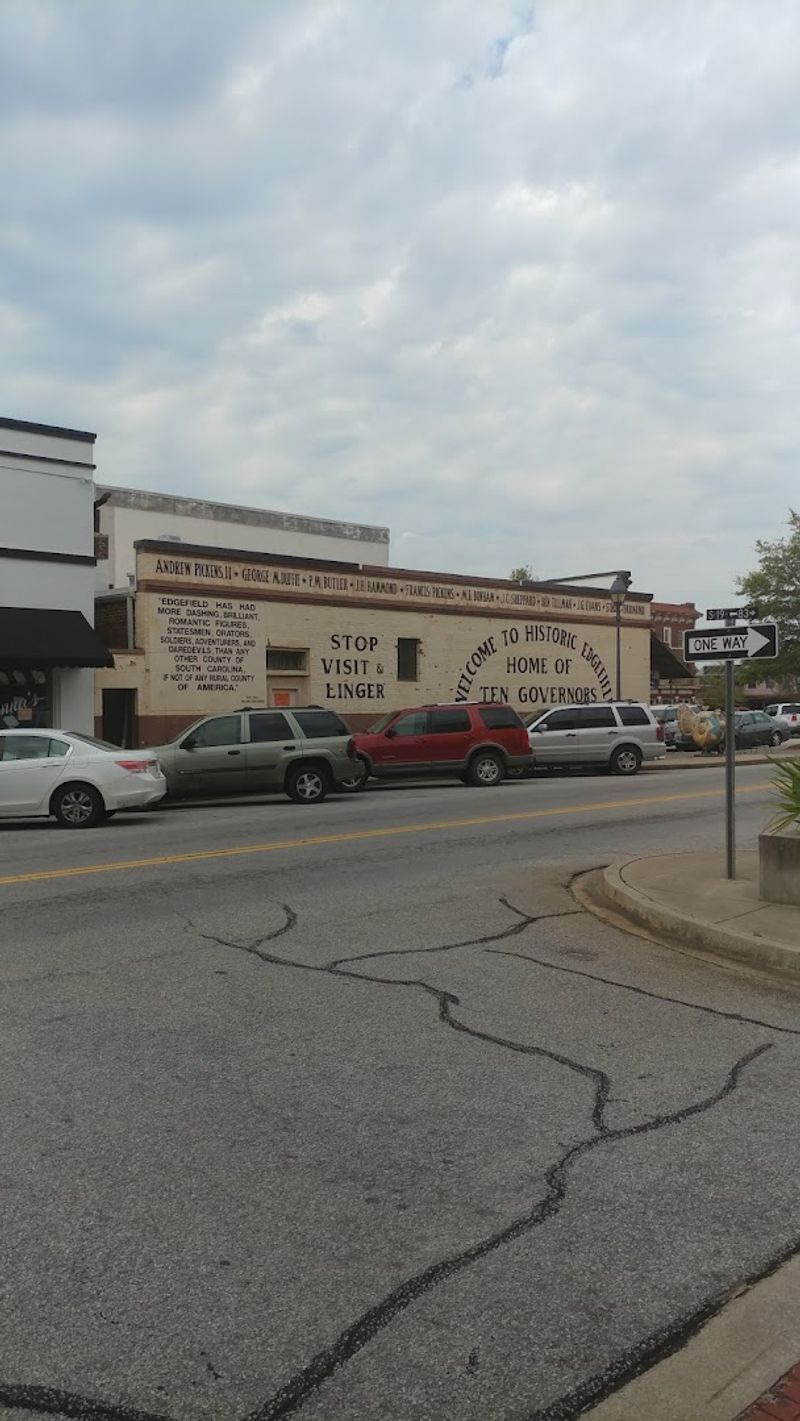
Long before Edgefield became known for its governors, it was famous for something far more hands-on: pottery. The Pottersville Museum celebrates the remarkable tradition of Edgefield stoneware, a craft that dates back to the early 1800s and produced some of the most collectible American pottery in existence today.
Pieces from this era now sell for thousands of dollars at auction.
What makes this tradition especially meaningful is that enslaved African American potters played a central role in shaping it. One of the most celebrated figures from this history is Dave the Potter, also known as Dave Drake, whose large alkaline-glazed jars often featured original poems inscribed on their sides.
His work is now displayed in major art museums across the country.
The Pottersville Museum helps visitors understand both the craft and the complex human stories behind it. It is a surprisingly moving and educational stop.
Sweetwater Creek Nature Trail
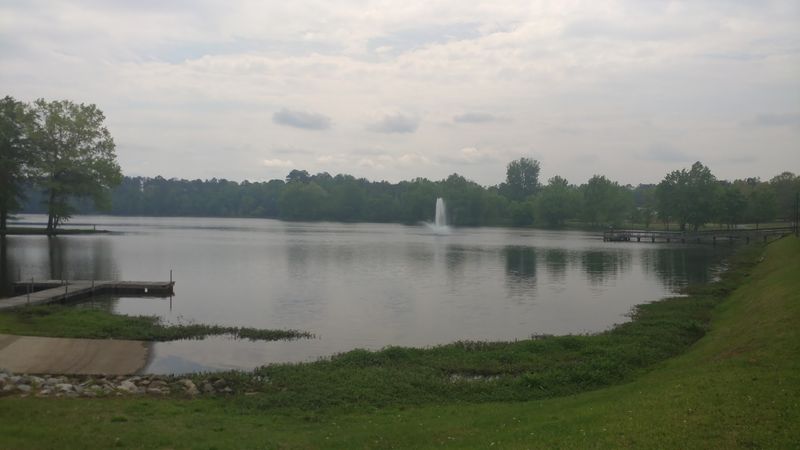
Not every great thing about Edgefield is made of brick and mortar. Sweetwater Creek Nature Trail offers a refreshing outdoor escape for visitors who want to stretch their legs and breathe in some fresh South Carolina air.
The trail winds through wooded terrain alongside a gentle creek, making it a lovely spot for a morning walk or a casual family hike.
Wildlife sightings are common here, including deer, songbirds, and the occasional turtle sunning itself on a log. The scenery changes beautifully with the seasons, so whether you visit in spring bloom or fall color, you will find something worth stopping to admire.
Locals often bring their dogs and kids along, which gives the trail a friendly, community-park kind of vibe. After a morning of museum-hopping through the historic district, a walk here feels like the perfect way to decompress and soak in Edgefield’s quieter side.
Governors’ Cemetery

Edgefield has produced more governors than almost any other county in South Carolina history, and Governors’ Cemetery is where several of them rest today. Walking among the old gravestones here is a genuinely humbling experience, especially when you start recognizing names that appear in history books and on street signs around town.
The cemetery itself is beautifully shaded by towering oak trees, and the weathered headstones have that atmospheric quality that history lovers find irresistible. Some of the graves date back to the late 1700s, making it one of the older burial grounds in the region.
Preservation efforts have kept it in respectful condition over the years.
Visiting a historic cemetery might sound unusual as a tourist activity, but in Edgefield, it feels completely natural. This is a town where history is not hidden behind velvet ropes but woven into everyday life, including its final resting places.
Tompkins Library

Here is something you might not expect from a town of 2,300 people: a library with genuine architectural and historical significance. The Tompkins Library in Edgefield has served the community for well over a century and occupies a building that reflects the town’s dedication to education and civic pride even in its earliest years.
The library holds local history archives, genealogy records, and a collection of materials about Edgefield County that researchers and history enthusiasts find incredibly valuable. If you are tracing family roots in this part of South Carolina, this is an excellent place to start your search.
Staff members are known for being helpful and knowledgeable about the area.
Even a quick visit gives you a sense of how seriously Edgefield has always taken its intellectual and cultural life. For a small town, it punches well above its weight in terms of historical preservation and community resources.
Willowbrook Cemetery

Willowbrook Cemetery is one of those places that feels frozen in a different era the moment you step through its gates. Established in the 1800s, this cemetery is the final resting place of many of Edgefield’s most prominent families, and the variety of headstone styles tells its own visual history of American funerary art across two centuries.
Some of the most elaborate Victorian-era monuments in the entire region can be found here. Marble angels, obelisks, and carved floral motifs make Willowbrook feel more like an outdoor sculpture garden than a typical cemetery.
History enthusiasts and photographers regularly make special trips just to document the stonework.
Local historians often lead informal tours of the grounds, pointing out connections between the buried residents and the broader story of Edgefield County. Visiting at dawn or dusk, when the light is soft and golden, makes the experience feel especially atmospheric and memorable.
Edgefield Advertiser Building

The Edgefield Advertiser holds the remarkable distinction of being one of the longest continuously published newspapers in South Carolina. Founded in 1836, this paper chronicled everything from local gossip to national crises, and its historic building in downtown Edgefield is a tangible reminder of how important local journalism was to small-town life in the American South.
Reading old issues of the Advertiser is like finding a time machine made of newsprint. Stories about elections, crimes, society events, and wartime updates fill the yellowed pages, giving researchers an incredibly detailed window into what life in Edgefield actually looked like across different eras.
Copies are preserved at the Tompkins Library and other local archives.
The building itself is worth admiring from the outside even if you cannot go in. It stands as a quiet monument to the power of community storytelling and the enduring importance of keeping local history alive in print.
Bacon’s Bridge Area and Revolutionary War Sites

Long before the Civil War dominated Southern history books, Edgefield County was already a battlefield. The area around Edgefield contains several sites connected to Revolutionary War skirmishes and movements, making it a layered destination for anyone interested in America’s earliest military conflicts.
Patriot and Loyalist forces clashed repeatedly through this part of South Carolina.
Many of these sites are unmarked or only identified by small historical plaques, which gives exploring them a treasure-hunt quality that history adventurers find exciting. Local historians and the Edgefield County Historical Society can point you toward the most significant locations and share the stories behind them.
Their knowledge transforms an empty field into a dramatic scene from the past.
Understanding Edgefield’s Revolutionary War history adds an entirely new layer to visiting the town. It is a reminder that this small community has been shaping American history since the very beginning, not just the 19th century chapters most people know.
Red Shirt Shrine

Edgefield was ground zero for one of the most controversial political movements in Reconstruction-era South Carolina: the Red Shirts. This paramilitary group, organized largely by Democratic Party supporters in the 1870s, played a significant and deeply contested role in ending Reconstruction in the state.
The Red Shirt Shrine in Edgefield commemorates this complicated chapter of history.
Understanding the Red Shirts requires sitting with some uncomfortable truths about power, race, and politics in the post-Civil War South. Local historians encourage visitors to engage with the full complexity of the story rather than viewing it through a simplified lens.
The shrine itself sparks important conversations about how communities choose to memorialize difficult pasts.
For students of American political history, this is a genuinely thought-provoking stop. Edgefield does not shy away from its complicated legacy, which makes it a more honest and ultimately more interesting place to visit than towns that only celebrate the pleasant parts of their history.
Edgefield County Historical Society
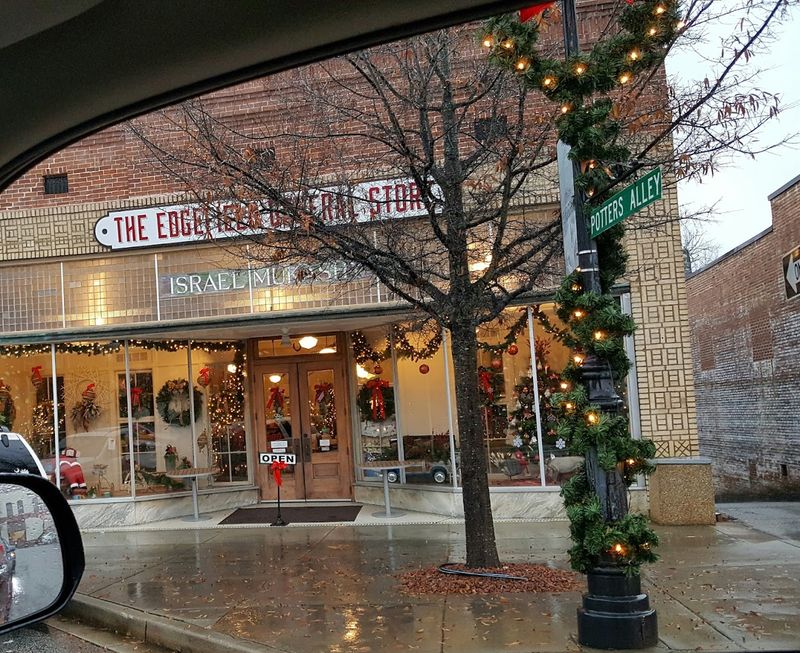
Every great historic town needs an organization dedicated to keeping its stories alive, and Edgefield has a good one. The Edgefield County Historical Society works tirelessly to collect, preserve, and share the rich history of the area, from its earliest Native American inhabitants through its role in shaping South Carolina’s political identity.
Their archives are a goldmine for researchers.
The Society regularly hosts lectures, walking tours, and special events that bring history out of dusty files and into living conversation. Members are passionate and welcoming, and they love connecting visitors with the stories that make Edgefield genuinely unique.
Even a brief chat with a local historian here can reframe your entire understanding of the town.
Checking their event calendar before your visit is a smart move. You might arrive just in time for a guided tour or a presentation that turns a good trip into an unforgettable one.
Community-driven history like this is hard to replicate anywhere else.
Strom Thurmond Birthplace and Marker
Love him or loathe him, Strom Thurmond is one of the most significant political figures ever produced by South Carolina, and his story begins right here in Edgefield. Born in 1902, Thurmond went on to become the longest-serving senator in United States history, a record that still stands today.
His birthplace in Edgefield is marked and recognized as part of the town’s extraordinary political heritage.
Thurmond’s career spanned nearly the entire 20th century, touching on some of the most dramatic moments in American political life, including the Civil Rights era. His legacy is debated passionately by historians, which makes it all the more fascinating to stand in the town where it all started.
Context and place have a way of making history feel immediate and real.
A visit to the Thurmond marker pairs naturally with stops at Oakley Park and the Red Shirt Shrine, creating a connected narrative about Edgefield’s outsized influence on American politics across multiple generations.
Enjoyed this story?
Add Fast Food Club as a preferred source to see more of our reporting on Google.