


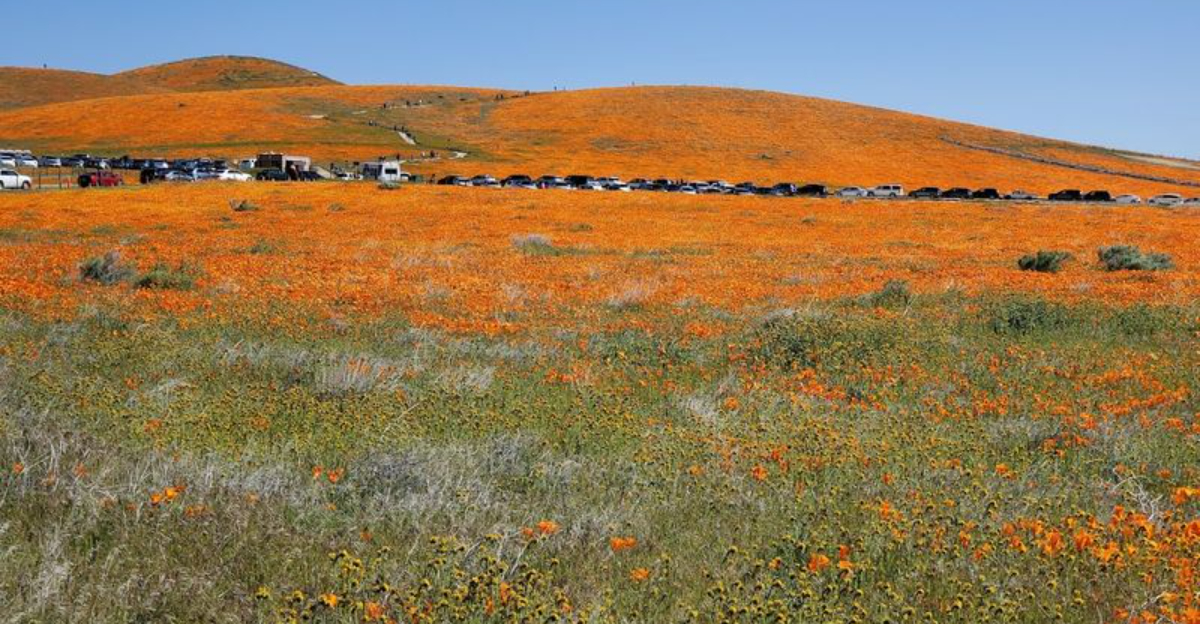
Tucked inside the Mojave Desert near Lancaster, California, the Antelope Valley California Poppy Reserve is one of the most breathtaking natural spectacles in the entire country. Every spring, millions of brilliant golden-orange poppies blanket the rolling hills, turning the landscape into a living painting that draws visitors from near and far.
This state natural reserve is not just a pretty sight — it is a protected sanctuary where wildflowers, wildlife, and wide-open skies come together in perfect harmony. Whether you are a nature lover, a photographer, or simply someone looking for a memorable outdoor adventure, this place will leave you speechless.
The Golden Poppy Bloom That Stops Traffic Every Spring
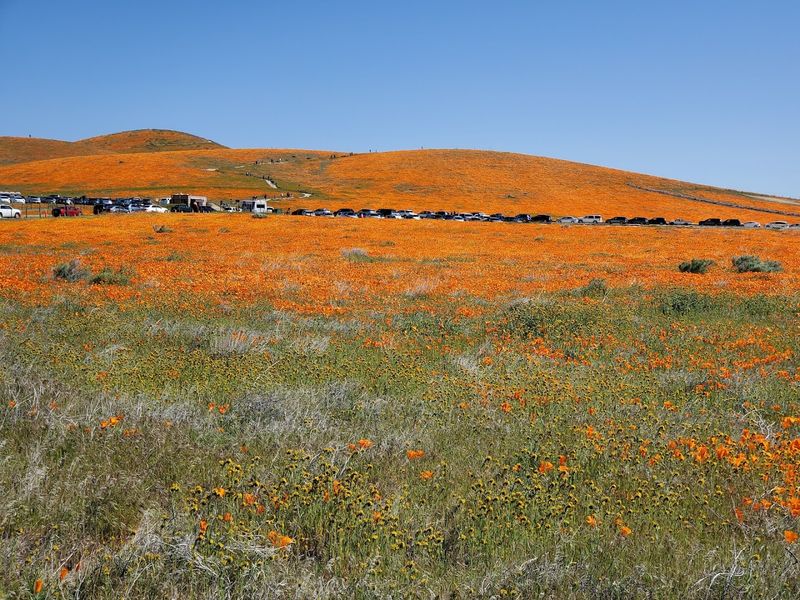
Few things in nature are as jaw-dropping as the moment the Antelope Valley hills explode in a sea of golden orange. From mid-February through May, California poppies — the official state flower — carpet the ground in waves of color that stretch as far as the eye can see.
Some years, the bloom is so dense that drivers actually pull over on Lancaster Road just to stare.
The bloom depends heavily on winter rainfall and warm spring temperatures. A wet winter followed by mild days creates what locals call a “super bloom,” and those years are absolutely legendary.
Even in lighter bloom years, scattered poppies still paint the hillsides beautifully.
The reserve spans over 1,700 acres, giving the flowers plenty of room to spread. Visiting during peak bloom — usually late March to mid-April — gives you the best chance of witnessing this golden wonderland at its most spectacular.
When To Visit For The Most Stunning Views
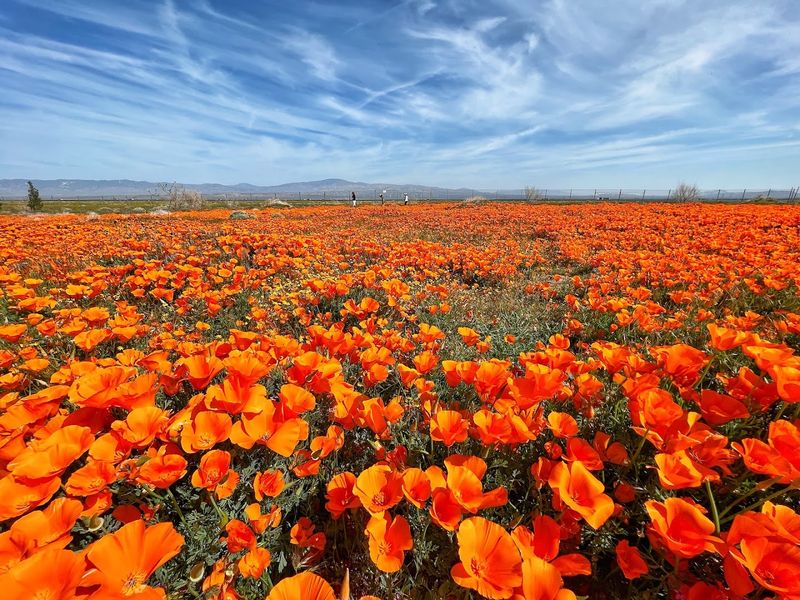
Timing your visit right can mean the difference between a magical experience and a quiet walk through green grass. The official wildflower season runs from March through May, but peak bloom usually hits its glory between late March and mid-April.
Checking the reserve’s live webcam before you go is one of the smartest moves you can make.
Morning visits are highly recommended. Poppies are sun-worshippers — they close up tight on cloudy days and do not fully open until around 9:30 in the morning.
Getting there early also helps you snag a parking spot before the crowds arrive, especially on weekends during peak season.
The reserve is open daily from 7 AM to 7 PM, giving you a generous window to explore. Weekday visits tend to be far less crowded, making the whole experience feel more personal and peaceful.
Plan ahead and you will be rewarded.
Eight Miles Of Trails That Wind Through Wildflower Heaven
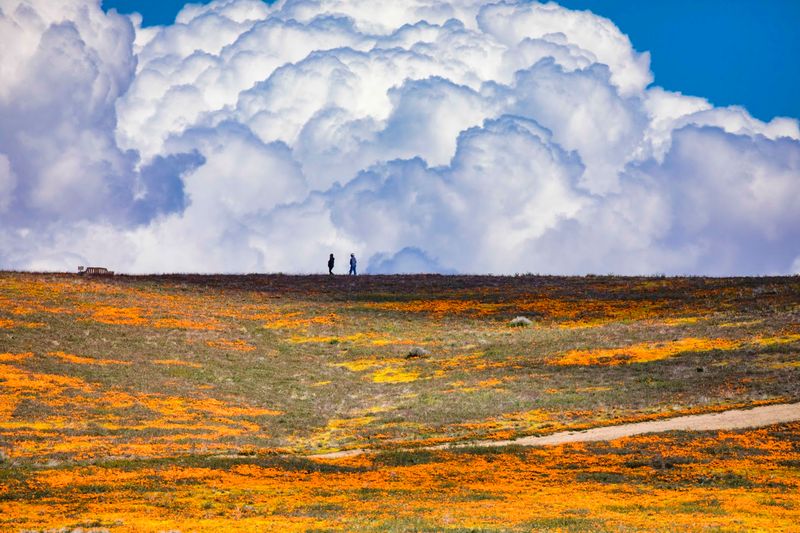
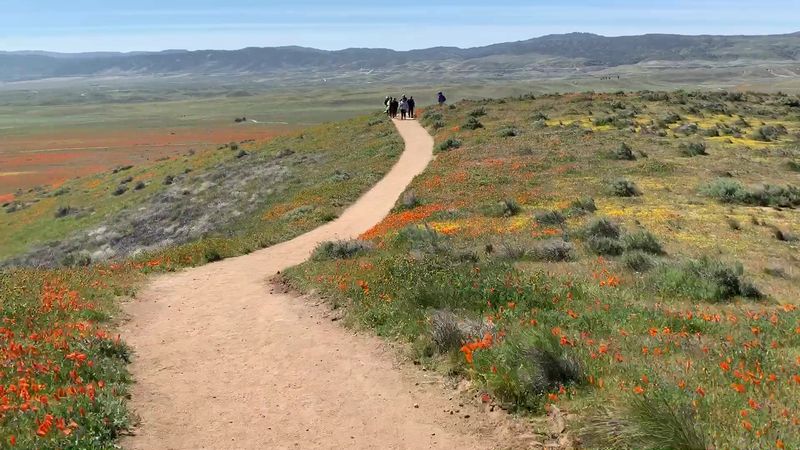
Lacing up your hiking boots here is always a good idea. The reserve offers about eight miles of well-maintained trails that range from flat, easy walks to gentle uphill climbs with rewarding panoramic views at the top.
Families with young kids, seniors, and casual walkers all find trails they can comfortably enjoy.
The most popular route leads about 1.5 miles to a scenic viewpoint where the mountains frame a breathtaking carpet of wildflowers below. Standing at that overlook feels like looking at a painting someone forgot to hang in a museum.
On clear days, you can see for miles in every direction.
Trails stay open throughout the year, not just during poppy season. Even outside of bloom time, the rolling hills offer a peaceful escape with interesting native plants, lizards darting across the path, and birds gliding overhead.
Every season brings its own quiet beauty.
A Colorful Mix Beyond Just Poppies
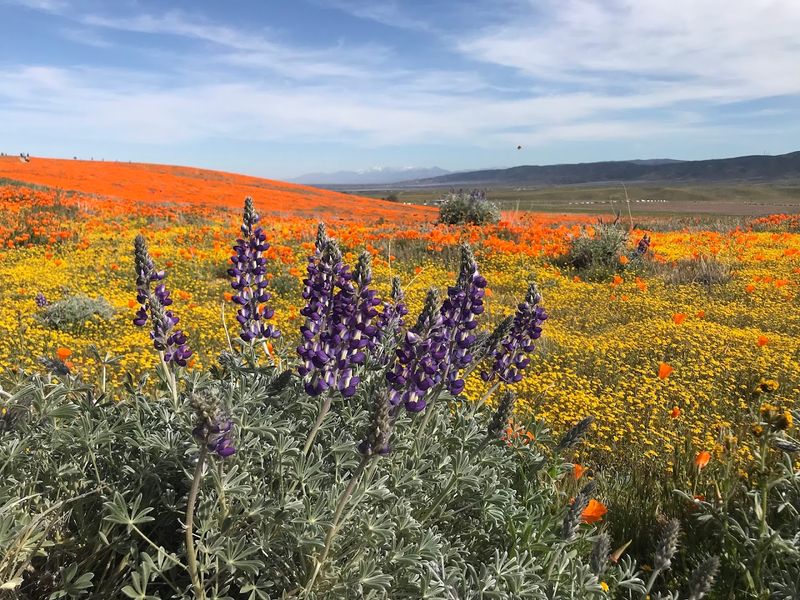
Most people come expecting poppies and leave amazed by so much more. The reserve hosts a rich variety of wildflowers that bloom alongside the famous orange poppies, creating a patchwork quilt of color across the hillsides.
Visitors regularly spot brilliant purple owl’s clover, sunny yellow goldfields, and delicate cream-colored cream cups all sharing the same slopes.
One reviewer described seeing vibrant purple, orange, and yellow colors filling the hills — and that layered palette is exactly what makes the reserve so visually stunning. The mix changes slightly from year to year depending on rainfall and temperature patterns, so no two visits ever look exactly alike.
Wildlife adds another layer of wonder. Butterflies drift between flowers, lizards sun themselves on warm rocks, and birds call from the open sky above.
Keep your eyes open and you might even spot a snake making its way across the trail, as several visitors have noted!
Parking, Fees, And Everything You Need To Know Before You Go
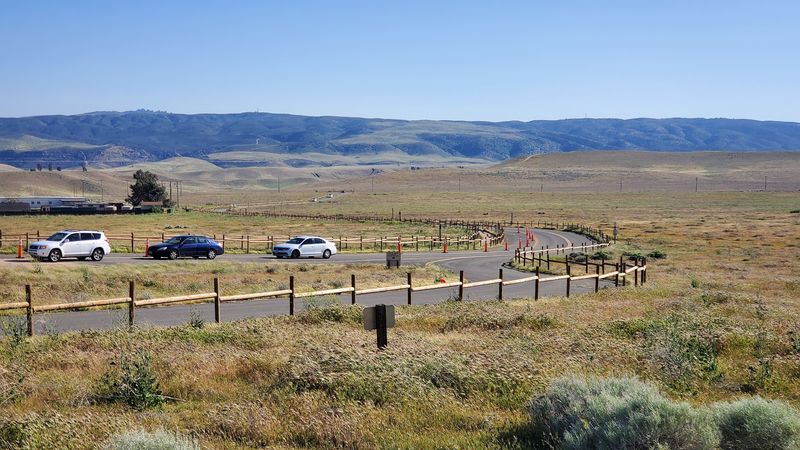
A little preparation goes a long way at this popular reserve. The entrance and parking fee is $10 per vehicle, with a discounted rate of $9 for seniors.
Payment helps fund the upkeep of the trails, restrooms, and visitor facilities that make the experience so enjoyable for everyone.
Parking is available on-site, but the lot fills up fast during peak bloom weekends. Reviewers have noted that lines can stretch out onto Lancaster Road during busy periods, sometimes causing 15-minute or longer waits.
Arriving before 9 AM on weekends is your best strategy for a smooth entry.
The reserve is located at 15101 Lancaster Rd, Lancaster, CA 93536, and is open every day from 7 AM to 7 PM. For updated bloom conditions and live camera access, visit the official California State Parks website or call the reserve directly at +1 661-724-1180 before making the trip.
The Visitor Center And Gift Shop Worth Stopping In
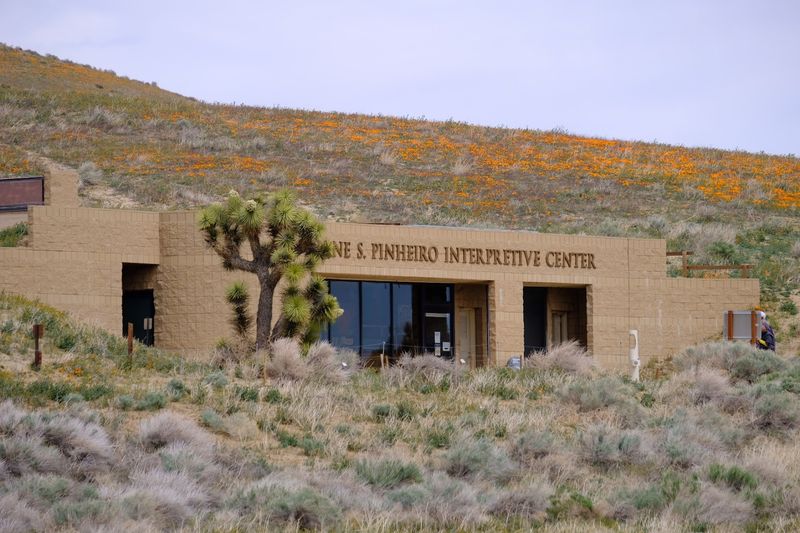
Right near the parking area sits a charming visitor center that is absolutely worth a stop before hitting the trails. Inside, you will find educational displays about the reserve’s ecology, the life cycle of the California poppy, and the surrounding Mojave Desert environment.
Rangers are usually on hand and are known for being knowledgeable and friendly — perfect for answering your questions about the bloom or the trails.
The gift shop attached to the center carries a fun selection of poppy-themed souvenirs, from keychains and magnets to books and art prints. Multiple reviewers mentioned picking up cute items as mementos of their visit.
It is the kind of small shop that makes you smile just walking through it.
Even if you are not a big shopper, spending a few minutes in the visitor center helps you appreciate the landscape on a deeper level. Understanding what you are seeing always makes a nature walk richer.
Wildlife Surprises That Make Every Walk An Adventure
Forget about staring only at flowers — the wildlife at this reserve has a way of stealing the show. Butterflies are abundant during bloom season, fluttering from poppy to poppy in a display that feels almost choreographed.
Several visitors have described watching dozens of them drift lazily across the hillsides on warm spring mornings.
Birds soar overhead throughout the year, and lizards are practically everywhere once temperatures warm up. Rattle snakes are also present, especially during warmer weather, so staying on marked trails and watching where you step is genuinely important safety advice, not just a formality.
Multiple reviewers have spotted snakes on the trails and roads nearby.
The surrounding Mojave Desert ecosystem supports far more life than most people expect. Coming with curious eyes — not just a camera pointed at poppies — transforms a simple hike into a full-on nature encounter that kids and adults alike find genuinely exciting.
Picnic Areas And Restrooms Make This A Family-Friendly Outing
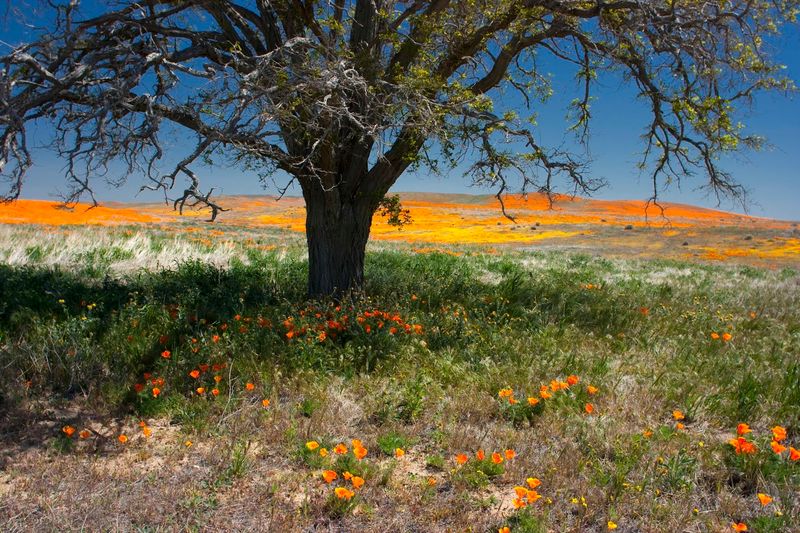
Spending a few hours here is easy and comfortable, thanks to the thoughtful facilities the reserve provides. Clean restrooms are available near the parking area, and multiple reviewers specifically called them out as being well-maintained — a detail that matters a lot when you are spending time outdoors with kids or older family members.
A picnic area near the trailhead offers a relaxed spot to eat before or after your hike. One clever reviewer suggested bringing breakfast to enjoy at the picnic tables while waiting for the poppies to open around 9:30 AM — honestly, that sounds like a perfect morning plan.
Pack snacks, sandwiches, and plenty of water.
Because there is no shade on the trails themselves, the picnic area’s limited shelter is a welcome break spot. Families with young children find the overall setup very manageable, and the easy trail options mean even little legs can handle the walk without complaint.
The Live Webcam That Saves You A Wasted Trip
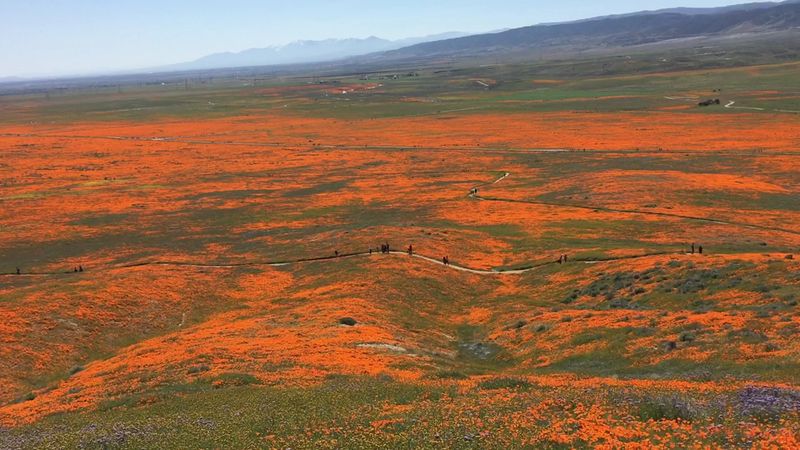
One of the most practical tools this reserve offers is something most visitors do not know about until someone tells them: a live camera feed of the poppy fields. Before driving out to Lancaster — which can be a significant distance for many Southern California residents — you can check the official California State Parks website to see exactly how the bloom is looking on any given day.
This webcam has saved countless visitors from making the trip during a slow bloom year or an off-peak week. Reviewers have mentioned checking it in late March only to find the fields still quiet, adjusting their plans accordingly.
Smart travel is always better than disappointed travel.
The camera updates regularly and gives a realistic sense of whether the hillsides are glowing orange or still mostly green. Combining the webcam check with a quick call to the reserve at +1 661-724-1180 gives you the most reliable picture of what to expect before you go.
What To Wear And Pack For A Perfect Visit
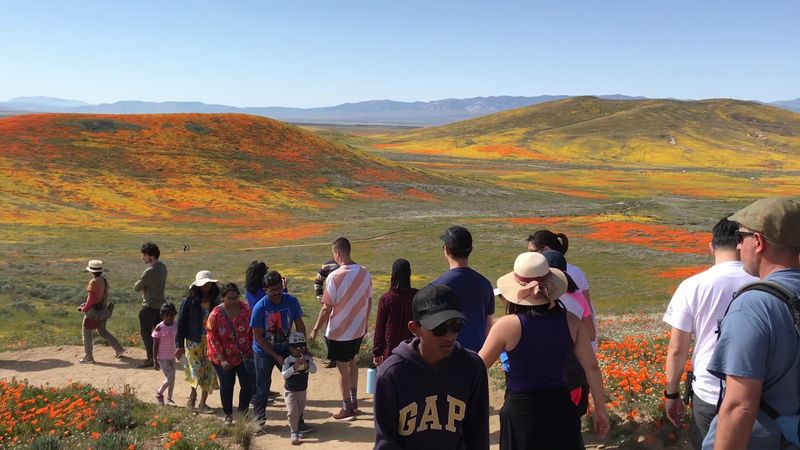
Sunshine is practically guaranteed at this Mojave Desert reserve, and the trails offer almost zero shade from start to finish. That means sun protection is not optional — it is essential.
A wide-brimmed hat, sunscreen with high SPF, and UV-blocking sunglasses are must-haves for anyone heading out onto the trails, regardless of the season.
Water is equally non-negotiable. Reviewers consistently remind fellow visitors to bring more water than they think they will need, especially on warm spring days when temperatures can climb quickly in the open desert landscape.
A reusable water bottle — or two — keeps you comfortable and hydrated throughout your hike.
Sturdy walking shoes or light hiking boots work best on the dirt trails, which can get dusty or uneven in spots. Light layers are smart for early morning visits when the air is still cool.
Toss a small snack in your bag too, because a few miles of poppy-gazing works up a real appetite.
The Drive To The Reserve Is Part Of The Magic
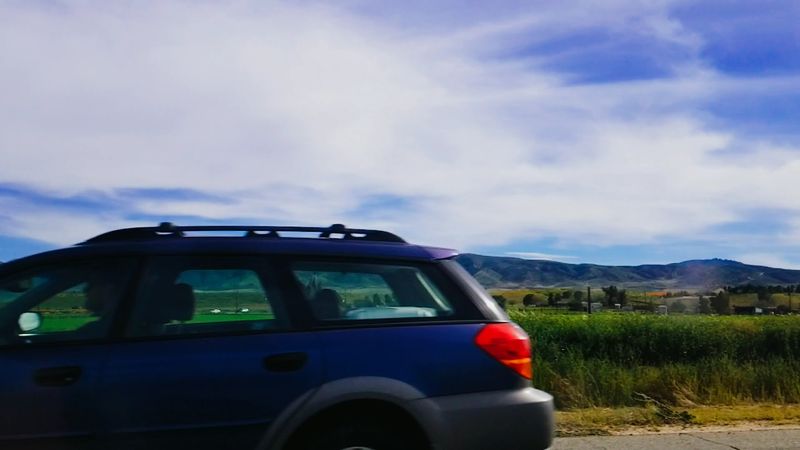
Here is a secret that regular visitors already know: the adventure starts long before you reach the parking lot. As you drive along Lancaster Road and the surrounding back roads toward the reserve, patches of poppies begin appearing on both sides of the highway miles before the entrance.
One reviewer described the drive itself as “magical,” and that word fits perfectly.
Approximately three miles before the main entrance — especially when approaching from Palmdale — the roadside poppy displays can be spectacular on their own. Pulling over safely to admire the flowers along the route is a tradition for many repeat visitors.
Some even skip the entrance fee entirely and enjoy the views from the roadside, though staying aware of private property boundaries is important.
Rolling into the Antelope Valley on a clear spring morning, with golden hills glowing on the horizon, gives you a sense of anticipation that makes the whole experience feel like an event worth celebrating.
Year-Round Beauty Beyond Poppy Season
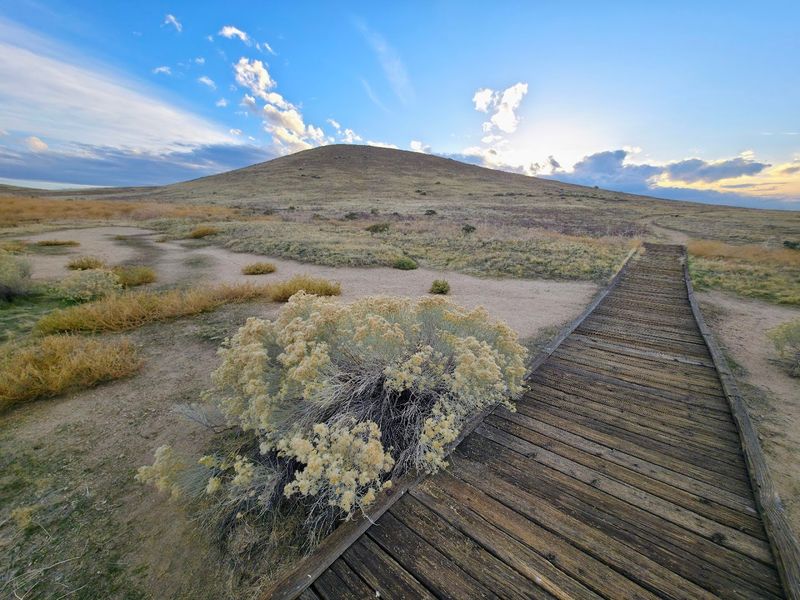
Most people associate this reserve exclusively with spring poppies, but the land holds its own quiet appeal throughout the entire year. One reviewer mentioned visiting outside of poppy season for a run and finding the hills genuinely beautiful even without a single flower in sight.
The wide-open Mojave Desert landscape, with its dramatic hills and mountain backdrops, is striking in every season.
Fall and winter visits offer a completely different atmosphere — cooler temperatures, uncrowded trails, and a sense of peaceful solitude that busy spring weekends simply cannot provide. Bird watchers, trail runners, and photography enthusiasts who seek dramatic landscape shots find plenty of reasons to come back when the poppies are sleeping.
The eight miles of trails remain open all year, and the reserve’s natural setting never fully loses its appeal. Visiting in the off-season also lets you notice details — interesting rock formations, native desert plants, and wide desert skies — that the poppy frenzy often overshadows.
Tips From Real Visitors Who Have Made The Most Of Their Trip
Real visitor reviews paint a vivid picture of what makes a trip here truly memorable. Arrive early — that is the single most repeated piece of advice across dozens of reviews.
Weekend mornings during peak bloom can bring 15-minute parking waits or longer, so getting there right when the gates open at 7 AM puts you ahead of the crowd, even if you spend the first hour waiting for the flowers to open.
Bring breakfast to enjoy at the picnic tables while the morning light warms up the hillsides. Check the live webcam before you go.
Wear layers. Watch for snakes on warmer days.
Stop along the roadside three miles before the entrance for bonus poppy views without the parking scramble.
Most importantly, go with an open mind. Bloom intensity varies year to year, and even a lighter season delivers scenery worth the drive.
Every visitor who came with realistic expectations left with a smile.
Enjoyed this story?
Add Fast Food Club as a preferred source to see more of our reporting on Google.