


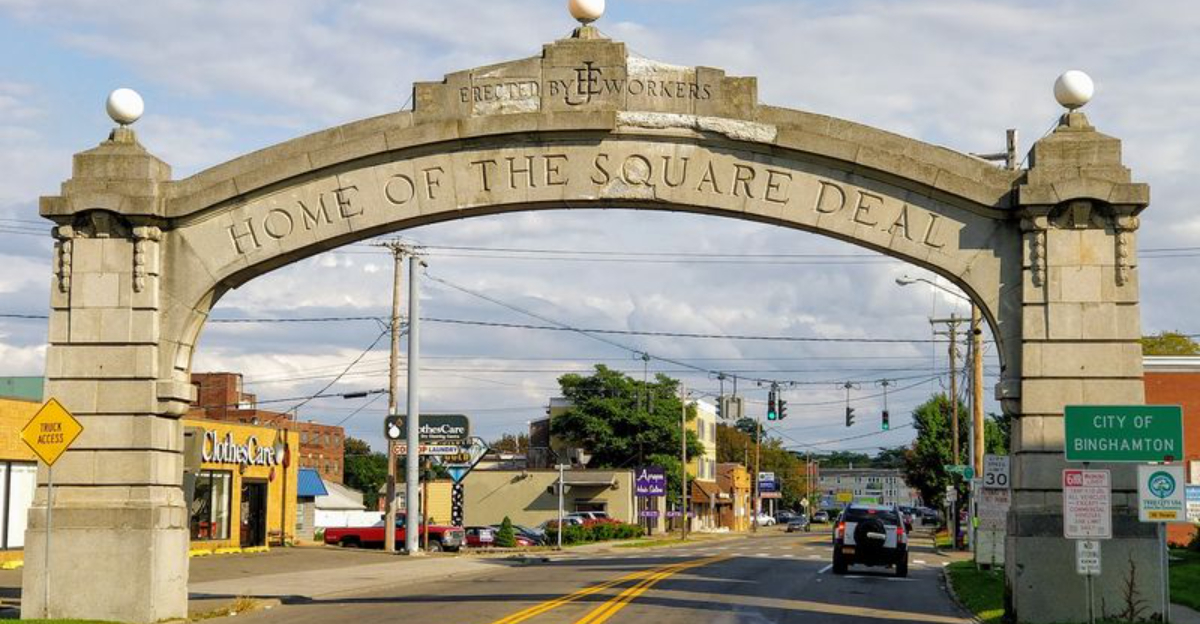
Tucked away in the Southern Tier of New York State, Binghamton is a city that many people overlook — and that is exactly what makes it so special. With affordable rent, friendly neighborhoods, and a slower pace of life, it offers something rare in today’s world: room to breathe.
Whether you are a young professional, a growing family, or someone ready for a fresh start, Binghamton has a lot more to offer than meets the eye.
Affordable Rent That Actually Makes Sense
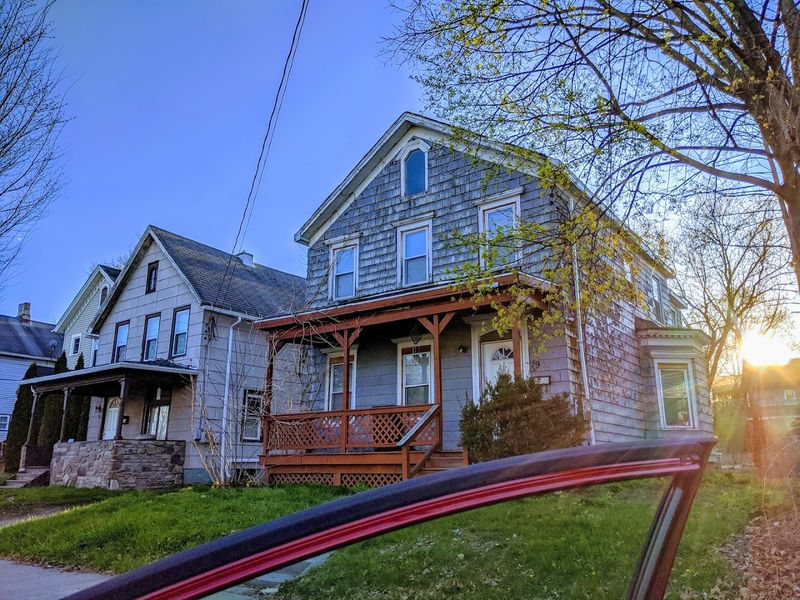
Forget paying half your paycheck just to keep a roof over your head. In Binghamton, NY, the average rent for a one-bedroom apartment hovers around $700 to $900 per month — a figure that feels almost unbelievable compared to New York City or even Albany.
That kind of savings adds up fast. Residents find themselves with extra money for groceries, hobbies, or building an emergency fund without breaking a sweat.
The city attracts young adults and families who want financial breathing room without sacrificing quality of life.
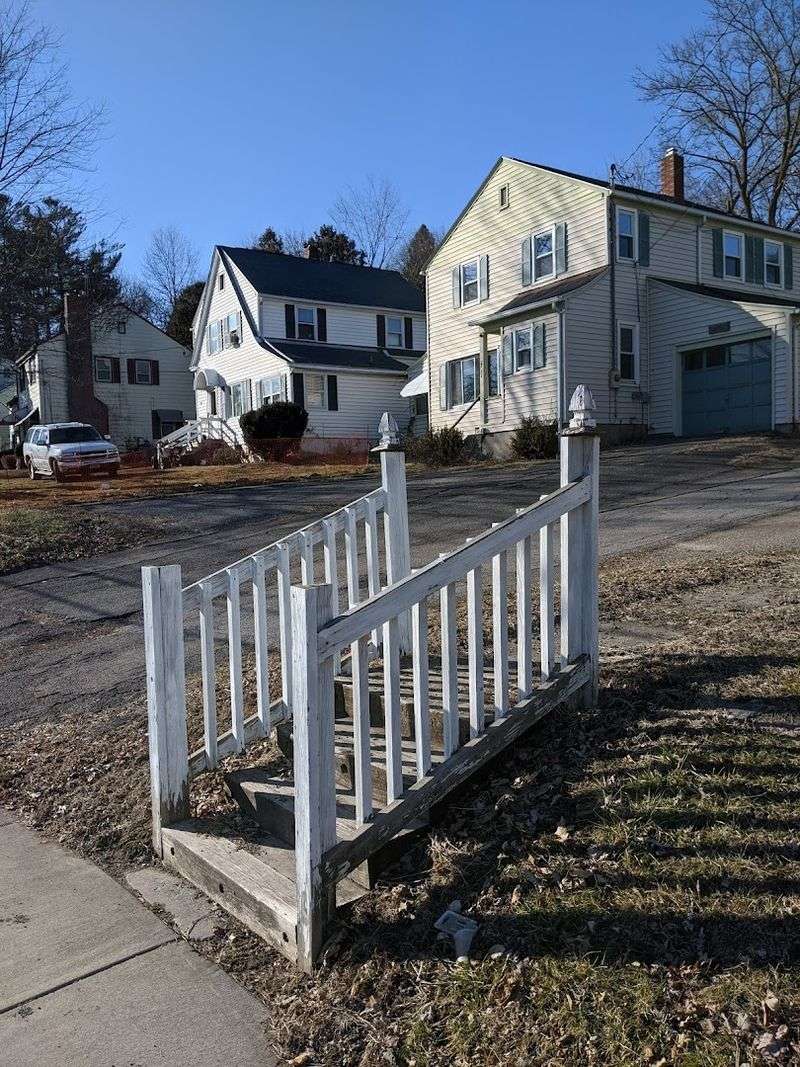
Neighborhoods like the West Side and Southside offer solid housing stock at prices that feel fair and realistic. Many homes feature older architectural charm with spacious layouts.
For anyone tired of the rent race, Binghamton is the kind of place where your paycheck finally starts working in your favor.
A Slower, Quieter Pace of Life
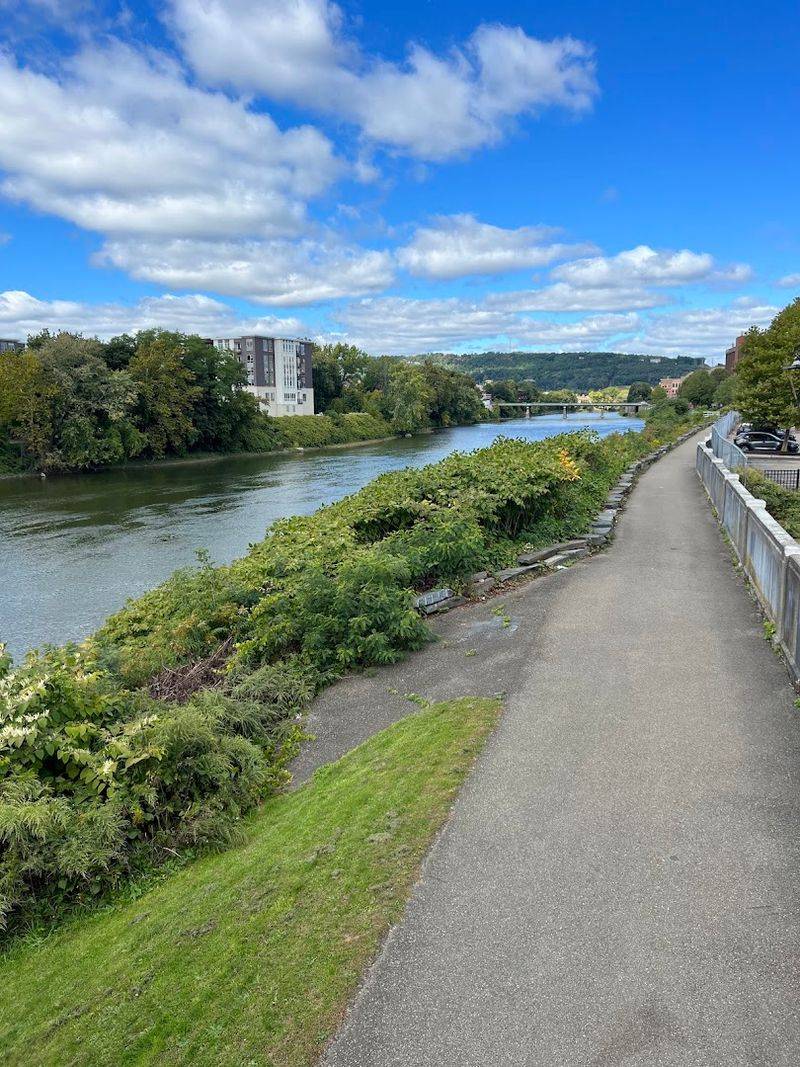
Life in Binghamton moves at a pace that feels human. There are no gridlocked highways stretching for miles, no deafening crowds rushing past you on every sidewalk, and no constant pressure to keep up with a city that never sleeps.
Mornings here often start with birdsong and the smell of coffee from a local diner. Evenings wind down with neighborhood walks or front-porch conversations with people who actually know your name.
That kind of daily rhythm does something good for your mental health.
Binghamton is sometimes called the “Parlor City” — a nickname rooted in its history as a welcoming, comfortable place. That spirit still lives in the community today.
For people burned out by the noise and speed of bigger cities, settling into Binghamton feels less like settling and more like finally arriving somewhere worth staying.
Ross Park Zoo: A Hidden Gem Worth Visiting
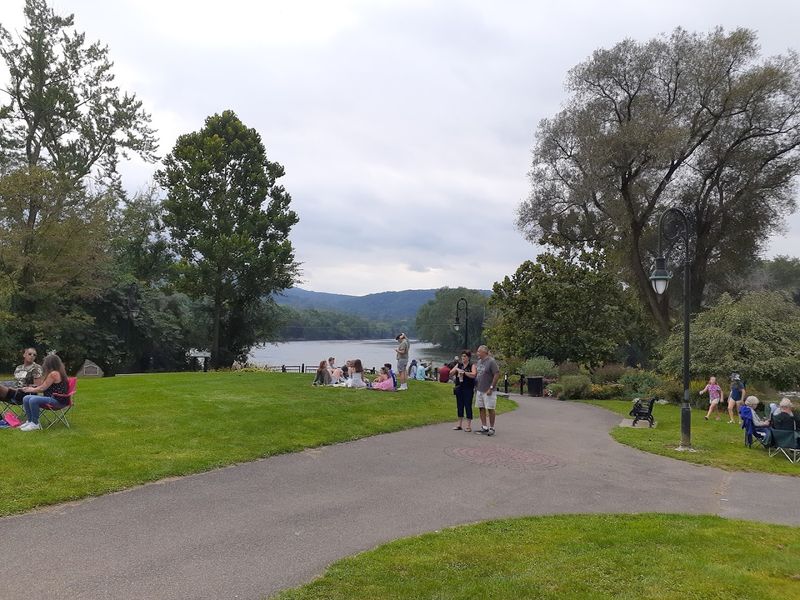
Opened in 1875, the Binghamton Zoo at Ross Park holds the title of one of the oldest zoos in the United States — and it still draws crowds with its genuine charm. Admission prices are refreshingly low, making it an easy family outing that does not require weeks of saving up.
The zoo is home to monkeys, birds of prey, and endangered big cats that draw wide-eyed visitors of all ages. Snow leopards are among the most talked-about residents, and for good reason — they are breathtaking up close.
What sets this zoo apart from flashier alternatives is its community feel. Staff members are knowledgeable and approachable, and the grounds feel manageable rather than overwhelming.
A trip here can easily fill an entire afternoon without anyone checking their phone. It is the kind of local treasure that reminds you why smaller cities have so much soul.
Carousels That Carry a Century of History
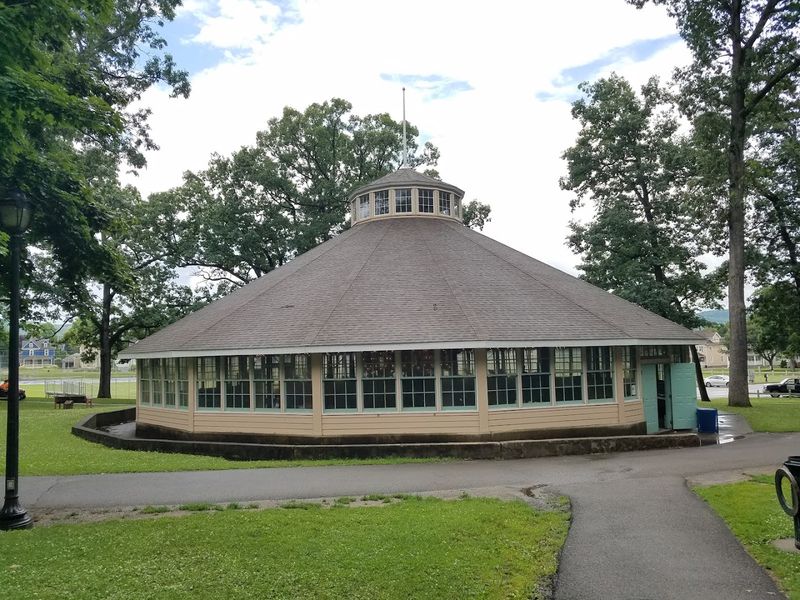
Here is something you will not find in most American cities: Binghamton has six antique, hand-carved wooden carousels — and every single one of them is free to ride. That is not a typo.
These carousels, crafted in the 1920s, were gifted to the city and have been lovingly maintained ever since.
Recreation Park is one of the most popular spots to find one, and watching kids light up when they climb onto those painted horses is genuinely moving. These are not replicas or modern imitations — they are the real thing, complete with original woodwork and old-fashioned charm.
The carousels have become a symbol of Binghamton’s identity, representing a city that values its history and takes care of what it has. Visitors from across the state make special trips just to experience them.
Sometimes the simplest things — a spinning wooden horse, a summer breeze — are all you really need.
The Discovery Center: Learning Feels Like Play Here
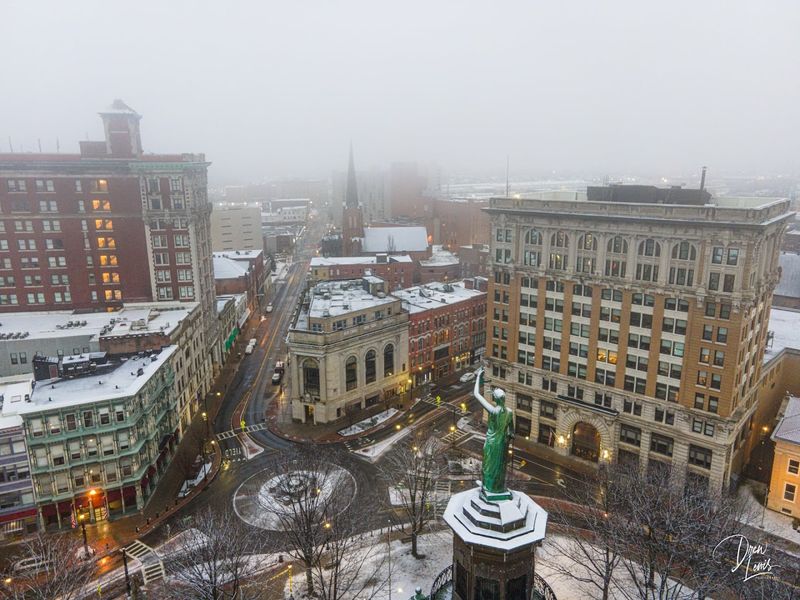
The Discovery Center of the Southern Tier is one of those places where kids beg to stay longer. Located in Binghamton, this hands-on museum is packed with interactive exhibits designed to spark curiosity in children from toddlers through early teens.
Science, art, and imagination all share the same roof.
Parents love it because the exhibits are genuinely educational without feeling like homework. Kids love it because everything is touchable, buildable, or explorable.
A trip here rarely ends without someone learning something new without even realizing it.
The center also hosts rotating exhibits and special events throughout the year, giving families reasons to return again and again. Admission is affordable, and the staff creates a warm, welcoming atmosphere that makes every visit feel comfortable.
For families who have just moved to Binghamton, the Discovery Center is often one of the first places that makes the new city feel like home.
Strong Community Roots and Neighborly Culture
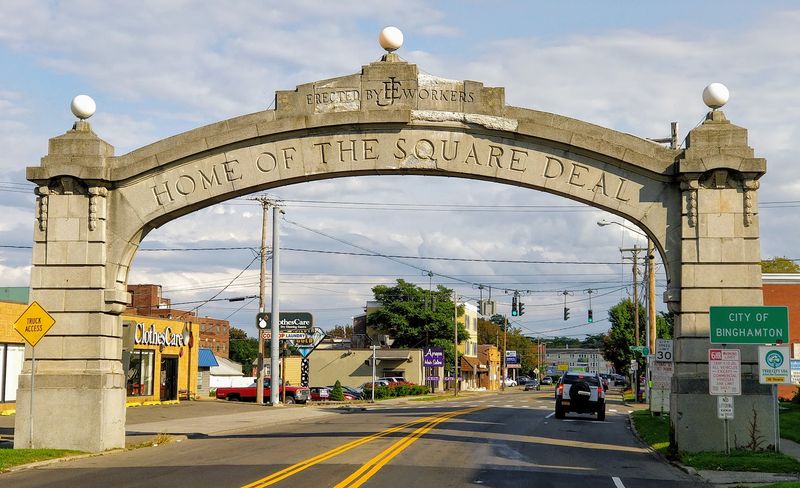
Ask anyone who grew up in Binghamton, and they will tell you the same thing: people here actually look out for each other. It is not uncommon to have a neighbor shovel your walkway without being asked or receive a plate of food when you are going through a tough time.
That sense of community is not manufactured — it grew organically from generations of working-class families who built their lives side by side in this city. Ethnic neighborhoods, local churches, and community organizations have long served as the backbone of daily life in Binghamton.
Block parties, farmers markets, and neighborhood clean-up days are regular events that bring residents together without requiring a social media campaign to organize them. For newcomers, fitting in does not take long.
The culture here is open, unpretentious, and refreshingly real — the kind of community spirit that people in bigger cities often wish they had.
Binghamton University Brings Energy and Opportunity
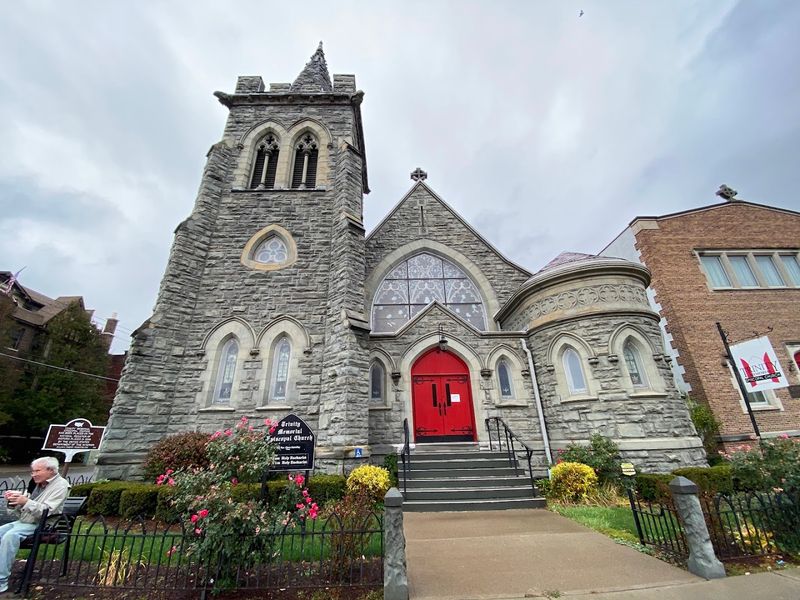
Binghamton University, part of the State University of New York system, is consistently ranked among the top public universities in the nation. Its presence gives the city a youthful energy that balances nicely with the quieter residential pace of the surrounding neighborhoods.
The university pumps life into the local economy through jobs, events, and a steady stream of students who eventually settle in the area after graduation. Many local businesses, coffee shops, and restaurants thrive in part because of the student population that fills their seats year-round.
For residents, the university means access to cultural events, lectures, sports games, and performing arts shows — many of them free or low cost. It also creates a pipeline of talented young professionals who choose to plant roots in Binghamton rather than flee to bigger markets.
That combination of academic prestige and small-city accessibility is genuinely rare and worth celebrating.
Phelps Mansion Museum: A Gilded Age Treasure
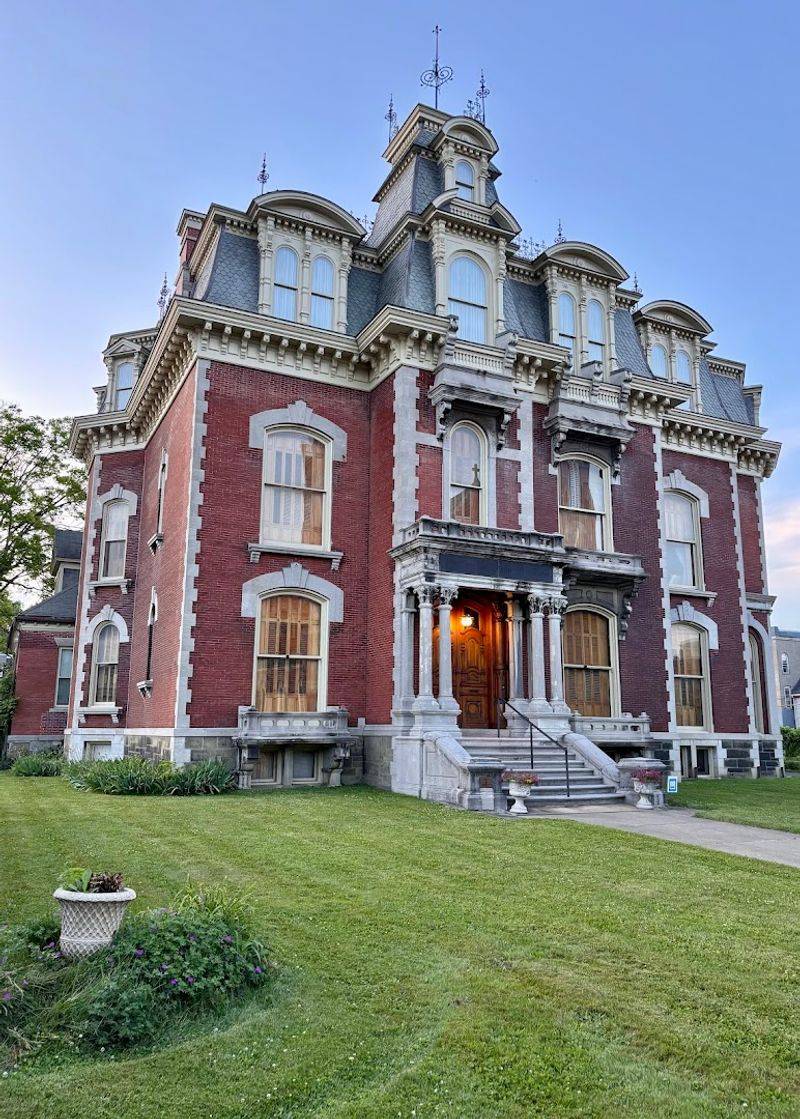
Walking through the Phelps Mansion Museum feels like stepping back into a world of velvet curtains, mahogany staircases, and carefully arranged parlors that whisper stories of wealth and ambition. Built in 1870 for banker Sherman Phelps, this Victorian mansion is one of the most striking historic structures in all of the Southern Tier.
The museum offers guided tours that bring the Gilded Age to life in vivid detail. Visitors learn about the social customs, fashion, and daily life of Binghamton’s most prominent 19th-century families.
It is the kind of history that feels personal rather than distant.
Preservation efforts have kept the mansion in remarkable condition, and the dedicated volunteers who run tours clearly love what they do. Admission is very reasonable, and the experience is far richer than the price tag suggests.
History enthusiasts, architecture lovers, and curious first-timers all walk away genuinely impressed by what they find inside.
Outdoor Spaces That Invite You to Unplug
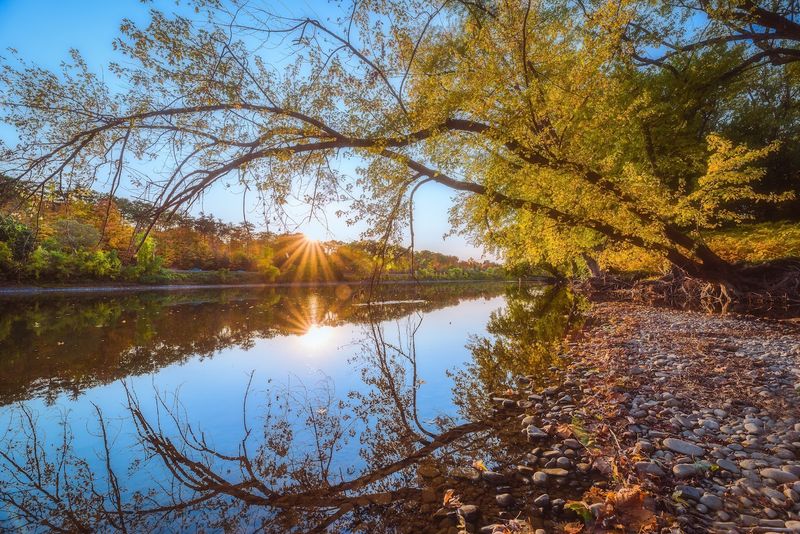
Binghamton sits at the confluence of the Susquehanna and Chenango Rivers, giving the city a natural beauty that surprises first-time visitors. Green spaces are plentiful, well-maintained, and genuinely enjoyable to spend time in without needing a reservation or paid parking.
Recreation Park is a local favorite for morning jogs, afternoon picnics, and lazy weekend strolls. Otsiningo Park along the Chenango River offers walking trails, open fields, and river views that feel miles away from any urban stress.
Families, dog walkers, and solo wanderers all share these spaces comfortably.
The changing seasons give these parks a rotating personality — blazing oranges and reds in the fall, snow-dusted paths in winter, and blooming trees in spring. Binghamton’s outdoor scene is not extreme or adventure-driven; it is simply peaceful.
For people who crave quiet nature without the hassle of long drives, the city delivers consistently and without fanfare.
A Food Scene Built on Authenticity, Not Hype
Binghamton’s food culture did not come from a trendy magazine spread — it grew from the kitchens of immigrant families who brought their recipes and traditions to the Southern Tier generations ago. The result is a dining scene that feels honest, affordable, and deeply satisfying.
The spiedie sandwich is the city’s most famous culinary contribution — marinated meat served on a slice of Italian bread, grilled to perfection at backyard cookouts and local restaurants alike. Every August, the Spiedie Fest draws tens of thousands of visitors who come specifically to eat and celebrate this beloved local tradition.
Beyond spiedies, the city offers everything from Greek and Italian family restaurants to Vietnamese noodle shops and classic American diners. Meals rarely come with an outrageous bill attached.
Eating well in Binghamton does not require a reservation at a trendy spot — just a willingness to follow the locals to their favorite tables.
Low Cost of Living Beyond Just Rent
Rent gets the most attention, but the affordability of Binghamton goes well beyond what you pay for housing. Groceries, utilities, transportation, and dining out all tend to cost noticeably less here than in most mid-sized northeastern cities.
That combination creates a lifestyle that feels financially sustainable in a way that many Americans are desperately searching for.
Car insurance rates in the area are lower than state averages. Property taxes, while never a subject anyone loves, are more manageable when home values stay grounded and realistic.
Utilities for a standard apartment or small home run reasonably throughout most of the year.
For people relocating from expensive metro areas, the adjustment to Binghamton’s cost of living can feel almost surreal at first. Suddenly, a modest income stretches further, stress decreases, and financial goals start to feel achievable rather than theoretical.
That kind of practical freedom changes daily life in meaningful ways.
Arts and Culture That Punch Above Their Weight
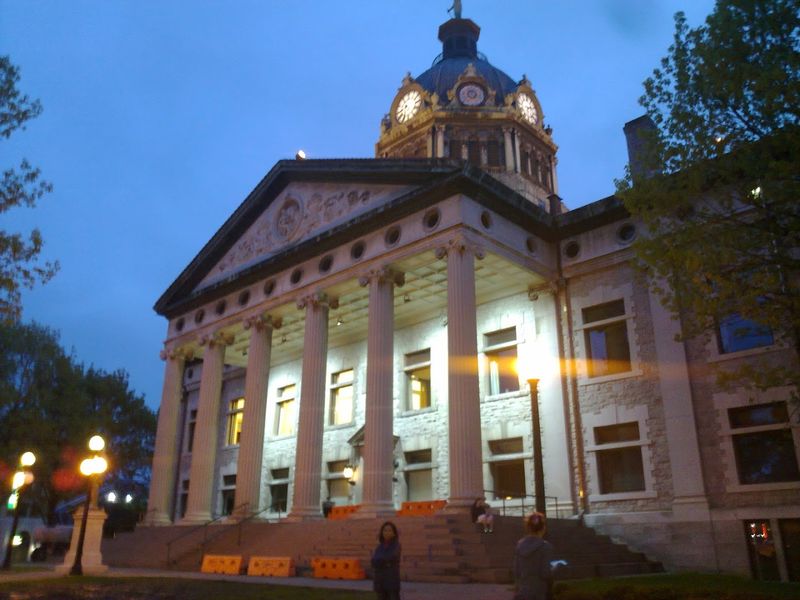
Do not let Binghamton’s modest size fool you — the city has a surprisingly rich arts and cultural scene that regularly punches above its weight class. The Forum Theatre, a beautifully restored venue in the heart of downtown, hosts concerts, Broadway touring productions, and community performances throughout the year.
The Roberson Museum and Science Center blends local history with rotating art exhibits and hands-on science programming in a way that appeals to both curious kids and thoughtful adults. First Friday art walks draw residents downtown each month to browse galleries, meet local artists, and enjoy the creative energy that hums through the city’s core.
Binghamton has historically been a city that values creative expression, and that legacy continues through its theater groups, music venues, and public art installations. For people who worry that small-city life means sacrificing culture, Binghamton offers a convincing and enjoyable argument to the contrary.
A City With Real Potential for Growth
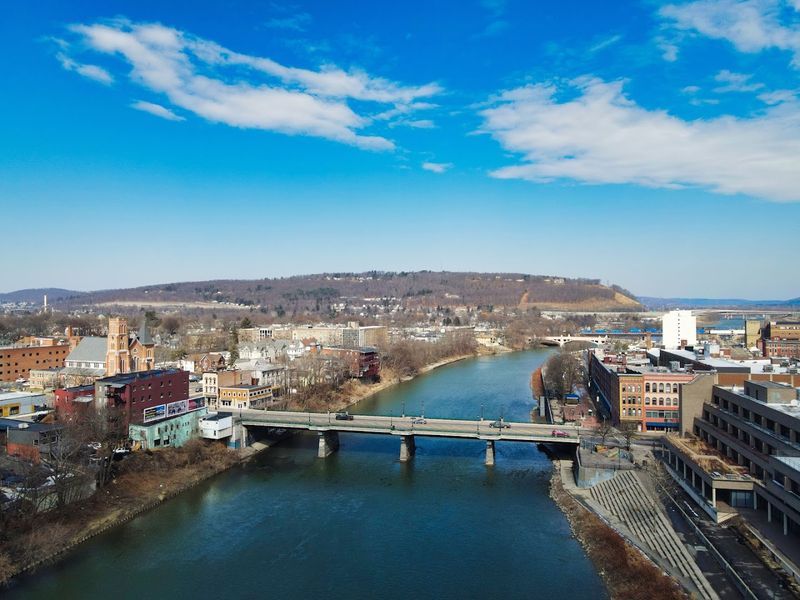
Binghamton has faced its share of economic challenges over the decades, as many post-industrial cities have. But something is shifting.
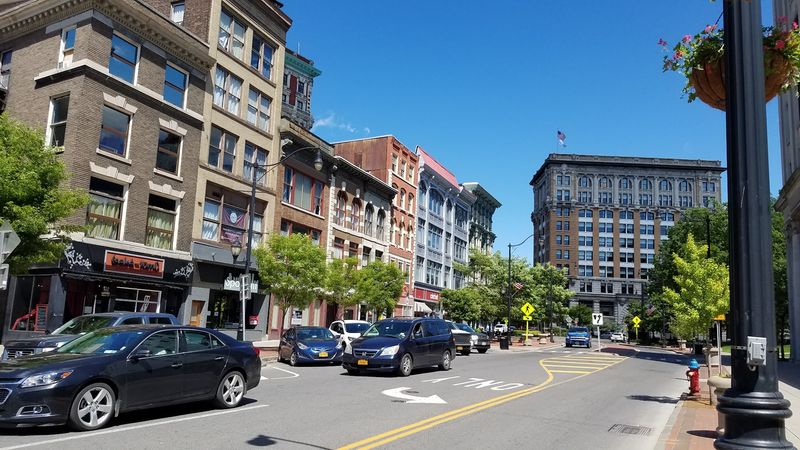
Downtown revitalization efforts, new small business openings, and increased investment from both public and private sectors are quietly reshaping what the city looks and feels like.
Young entrepreneurs are opening coffee shops, co-working spaces, and creative studios in buildings that sat empty for years. Murals have replaced blank walls.
Farmers markets have returned to public squares. The energy, while not explosive, is steady and real — the kind that suggests a city finding its footing again with confidence.
For people willing to arrive a little early to a city’s comeback story, Binghamton offers rare upside. Property values are still low enough to make homeownership achievable.
Community investment feels personal rather than corporate. Getting in now, before the full wave of attention arrives, might be one of the smartest moves a young family or professional could make.
Enjoyed this story?
Add Fast Food Club as a preferred source to see more of our reporting on Google.