


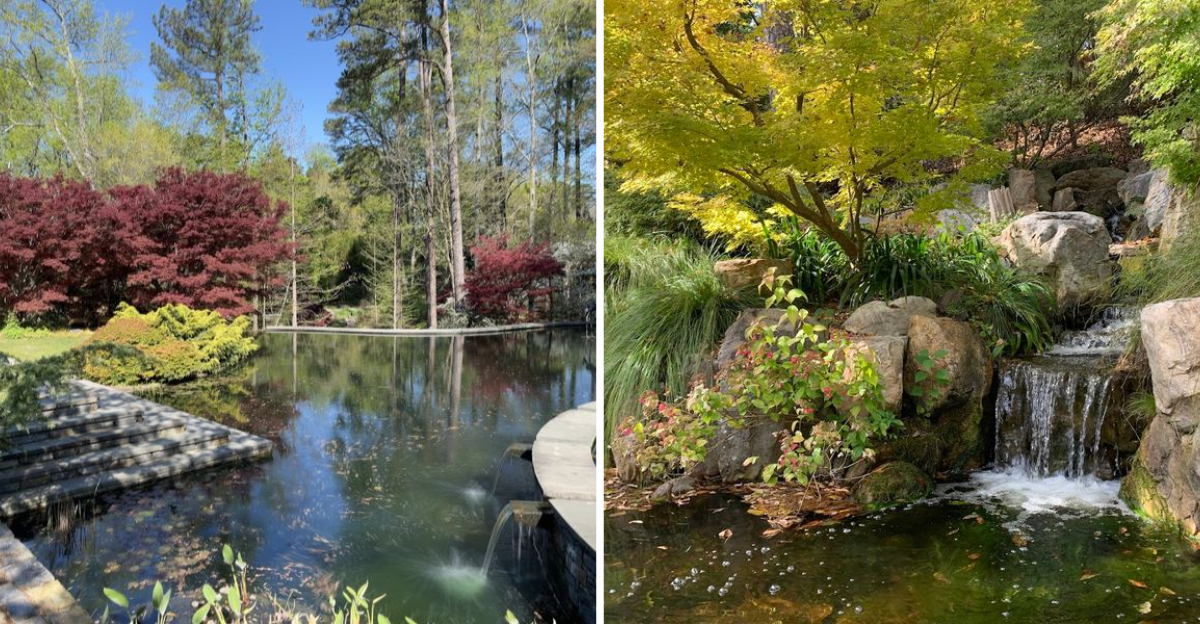
Tucked right on the edge of Duke University’s campus in Durham, North Carolina, Sarah P. Duke Gardens is one of those places that stops you in your tracks the moment you walk through the gate.
Spanning 55 stunning acres with five miles of walking paths, this free botanical garden has earned a near-perfect 4.9-star rating from thousands of visitors who keep coming back season after season. Whether you love flowers, peaceful walks, or just need a quiet escape from everyday life, this garden has something that will speak to your soul.
Once you visit, you will absolutely start counting down the days until your next trip.
The Historic Terraces: Where Beauty Meets Classic Garden Design

Few places in the American South can match the elegance of the Historic Terraces at Sarah P. Duke Gardens.
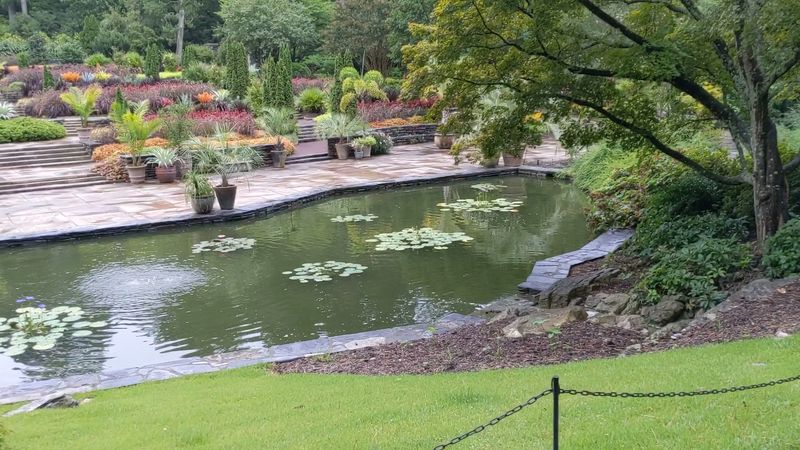
Designed in a formal European style, these cascading garden beds are arranged with geometric precision and bursting with seasonal color throughout the year.
Spring brings tulips and pansies that paint the terraces in vivid purples, reds, and yellows. Summer shifts the palette to bold annuals and fragrant blooms that practically glow in the afternoon sunlight.
Fall introduces warm chrysanthemums and ornamental grasses that feel cozy and welcoming.
The stone steps and low walls that frame each level give the space an almost storybook quality. Visitors often linger here longer than anywhere else in the garden, snapping photos or simply sitting on a nearby bench to soak it all in.
Starting your visit here sets the perfect tone for everything else that follows.
The Blomquist Garden of Native Plants: A Wild Side Worth Exploring
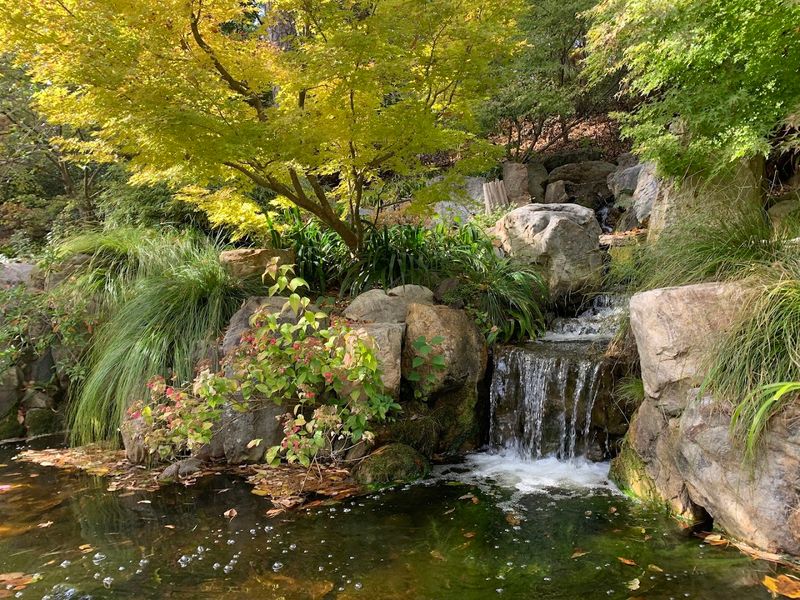
Most botanical gardens lean heavily on exotic imports, but the Blomquist Garden of Native Plants takes a refreshingly different approach. Every single species here is native to the southeastern United States, making it a living classroom about the plants that naturally belong in this region.
Walking through Blomquist feels like stepping into a quiet forest clearing. Trilliums, wild ginger, native ferns, and pitcher plants grow alongside rocky outcroppings and small streams.
The atmosphere shifts from the manicured formality of the Terraces to something rawer and more organic.
Wildflower enthusiasts especially love this section in spring, when the understory bursts into color beneath the towering tree canopy. Birders frequently spot warblers and other songbirds moving through the native habitat.
Even visitors who do not typically get excited about plants tend to slow down here, drawn in by the earthy textures and the surprising variety hidden among the green.
The Asiatic Arboretum: A Serene Journey to Another World
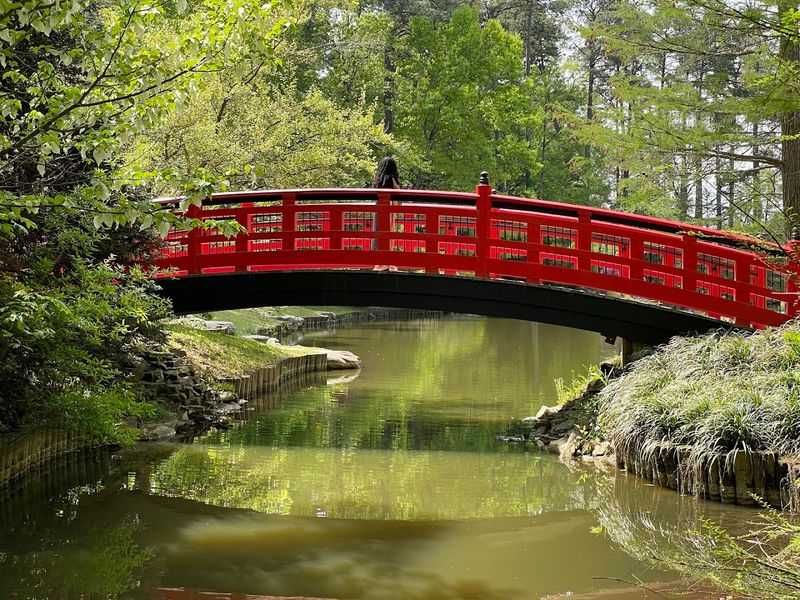
Cross the pond and you will feel like you have been transported to a completely different continent. The Asiatic Arboretum at Sarah P.
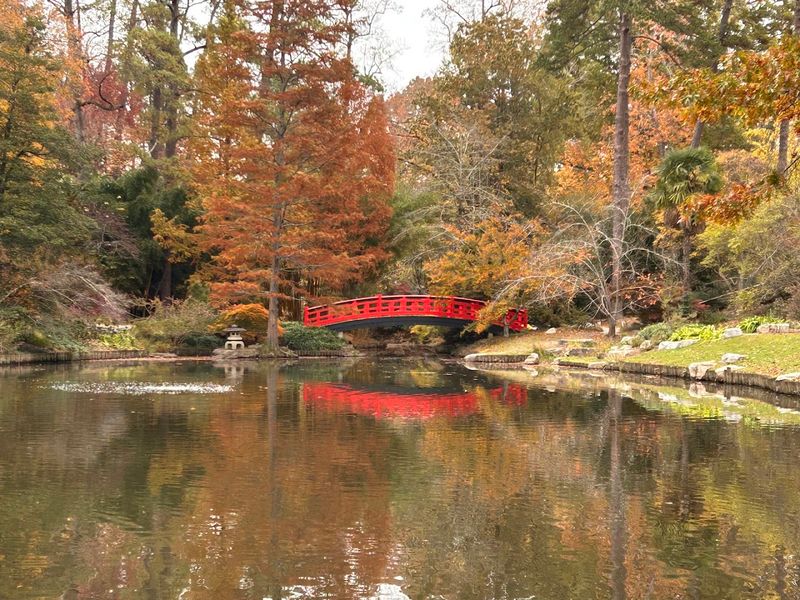
Duke Gardens is one of its most beloved and photographed sections, featuring Japanese maples, bamboo groves, stone lanterns, and a charming red wooden bridge that arches gracefully over a calm koi pond.
One visitor described the early March magnolias as “snowing” over the Japanese garden, and that description is spot on. The blossoms drift down like soft white confetti, creating a scene that feels almost too beautiful to be real.
Fuyu persimmons also grow here, adding unexpected color in the fall months.
The sound of water and the rustle of bamboo in the breeze make this corner of the garden feel naturally meditative. Families, couples, and solo visitors alike tend to slow their pace here, letting the peaceful atmosphere wash over them completely before moving on.
Spring Tulip Season: The Floral Show That Stops People Cold
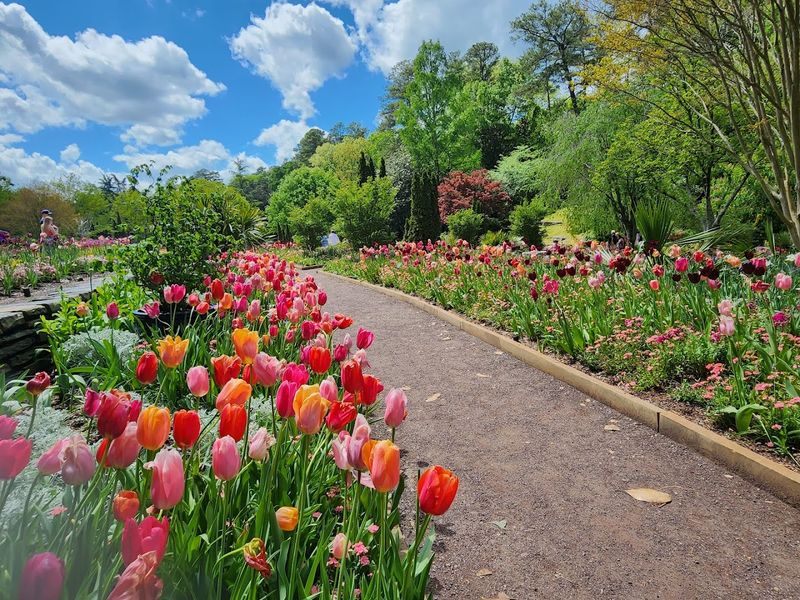
Ask any regular visitor what their favorite time to come, and a huge percentage will say spring without hesitation. When the tulips arrive at Sarah P.
Duke Gardens, the entire mood of the place shifts into something almost electric. Thousands of blooms erupt across the Terraces and surrounding beds in colors that seem almost too saturated to be natural.
Cherry blossoms and daffodils join the tulips in this seasonal spectacle, layering fragrance and texture on top of the visual fireworks. One reviewer called the spring display “picture-perfect,” and honestly that is underselling it a little.
Here is the key tip seasoned visitors always share: check the bloom calendar on the gardens website before you go. Timing really does matter.
Arriving a week or two past peak bloom means missing the main event entirely. Plan ahead, arrive early on a weekday morning, and you will have the full show practically to yourself.
Five Miles of Walking Paths: Every Step Reveals Something New
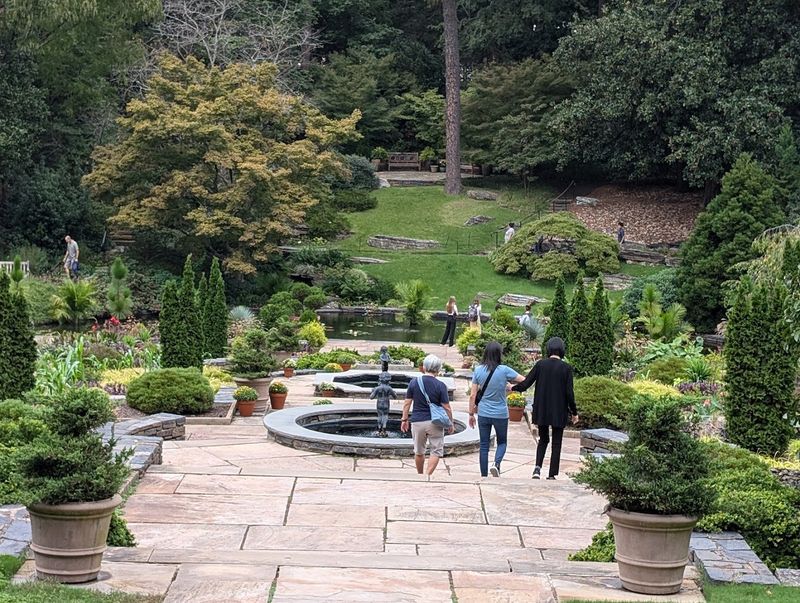
Five miles of paths sounds like a lot, and it genuinely is. Sarah P.
Duke Gardens gives walkers an almost endless variety of routes to explore, from wide paved promenades to narrower dirt trails that wind through wooded sections. No two loops feel exactly the same.
The paths are well-maintained and mostly accessible, making them welcoming for strollers, wheelchairs, and wagons. Families with young children navigate the garden comfortably, though some reviewers note that the gravel sections and rolling hills can feel like a workout on a hot day.
Plan on spending three to four hours if you want to cover the whole garden properly. Comfortable walking shoes are a must, and bringing a water bottle is strongly recommended, especially in summer.
Many visitors pick a favorite bench along the way and simply pause to watch the world drift by. The paths reward both the purposeful hiker and the aimless wanderer equally well.
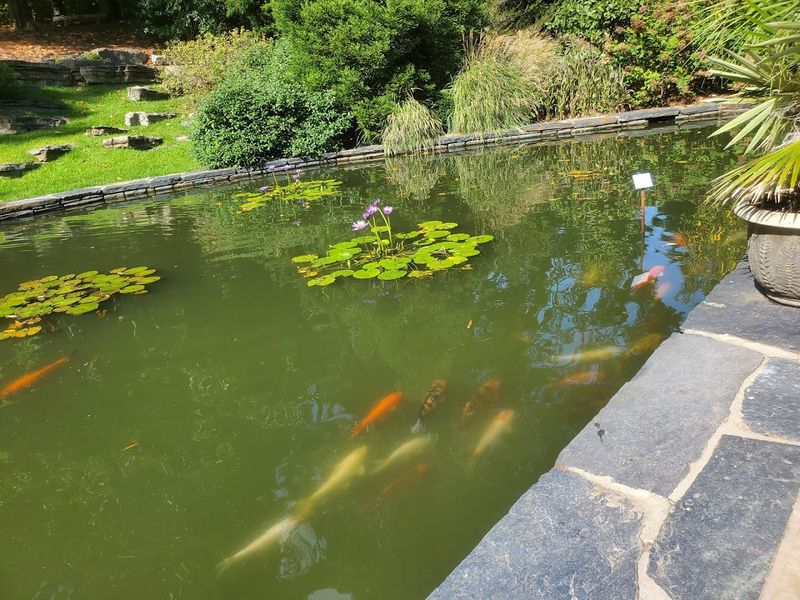
The Koi Pond: A Living Painting You Can Watch for Hours
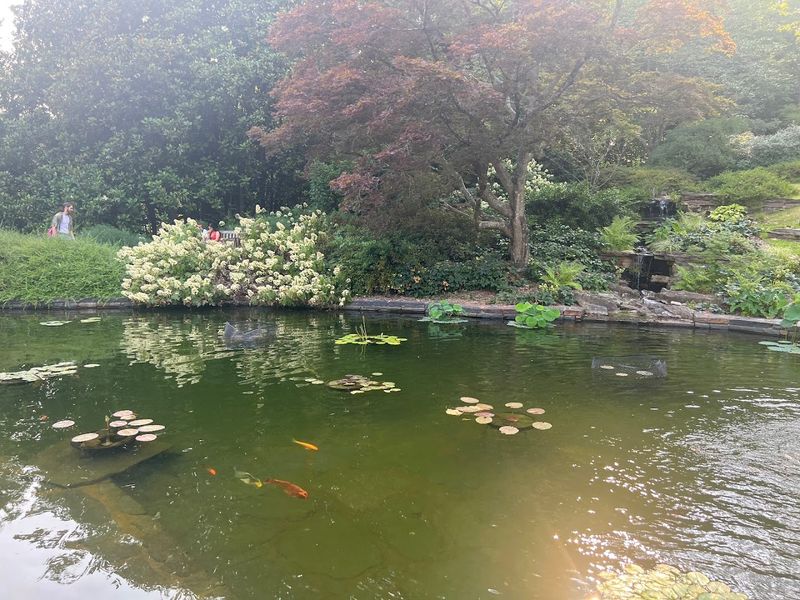
There is something quietly hypnotic about standing at the edge of the koi pond at Sarah P. Duke Gardens.
The water is clear enough to watch the fish in real time, their orange, white, and gold scales catching the light as they glide through the reflections of surrounding trees and sky.
Children are particularly enchanted here, pressing close to the water and pointing out their favorite fish with the kind of focus they rarely give anything else. Adults tend to find it equally meditative, using the spot as a natural pause point mid-walk.
The pond sits at the heart of the Asiatic Arboretum, framed by Japanese maples and weeping willows that create a natural canopy overhead. In autumn, the falling leaves drift across the surface, adding another layer of visual poetry.
Reviewers consistently mention the koi pond as one of the garden highlights that makes them want to come back again.
Free Admission: World-Class Beauty Without Spending a Dime
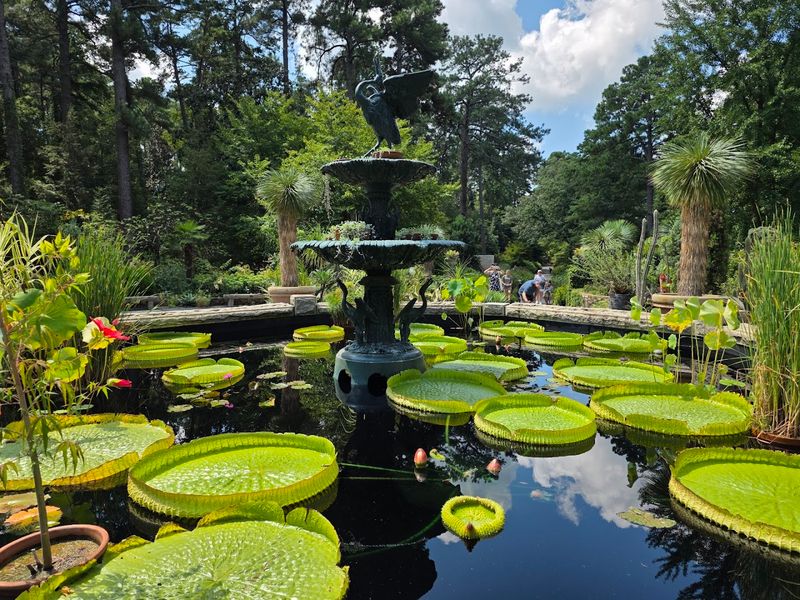
Not many places with this level of beauty and maintenance are completely free to enter, which makes Sarah P. Duke Gardens feel like a genuine gift to the public.
Whether you are a Durham local or just passing through North Carolina, walking through those gates without paying a cent never stops feeling like a lucky break.
Parking does cost money, running about two dollars per hour at the main entrance lot. A few reviewers mention that the payment process could be more streamlined since you have to re-enter your information each time you add an hour.
That said, two dollars an hour for access to 55 acres of stunning landscape is still an extraordinary value.
Alternative parking options exist nearby, including Duke Hospital, which is a short walk away. The free admission policy reflects the garden’s mission to be welcoming and accessible to absolutely everyone in the community, regardless of budget or background.
Year-Round Beauty: Every Season Has Its Own Magic
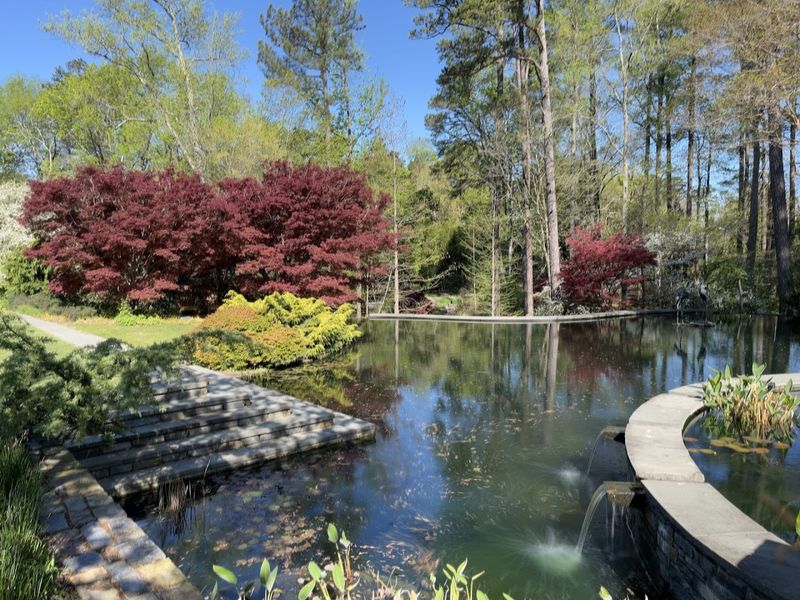
One of the most underrated things about Sarah P. Duke Gardens is how completely it reinvents itself with each passing season.
Spring gets most of the attention thanks to tulips and cherry blossoms, but the garden holds its own in every other month of the year.
Summer brings dense green canopies that provide generous shade, making even the hottest Durham afternoons surprisingly manageable on the paths. Fall transforms the Asiatic Arboretum into a tapestry of orange, red, and gold as the Japanese maples shift color.
Winter strips things back to an elegant simplicity, revealing the architectural bones of the garden in a way that feels almost sculptural.
One reviewer visited in January and still called it “absolutely stunning,” praising the horticulturists whose work makes even the off-season feel intentional and beautiful. No matter when your schedule allows a visit, this garden will not disappoint.
There is always something worth seeing.
Wildlife Encounters: Snakes, Birds, and Butterflies, Oh My
Sarah P. Duke Gardens is not just about plants.
The rich habitat supports a surprisingly active wildlife community that adds an unexpected layer of excitement to any visit. Butterflies drift between blooms, koi flash beneath the pond surface, and birds call from every corner of the canopy.
Some encounters are more dramatic. One reviewer spotted a bird actively chasing a snake across the garden path, which is the kind of wildlife moment you do not forget.
Another visitor watched a gray rat snake descend headfirst down a tree trunk, an experience they described as genuinely new and thrilling.
The Blomquist Garden of Native Plants functions as a particularly active wildlife corridor, attracting pollinators and songbirds that depend on native vegetation. Bringing binoculars is not a bad idea if you enjoy birdwatching.
Even young children who might normally rush through a garden tend to slow down the moment they spot something moving in the undergrowth.
Perfect for Families: Open Spaces, Picnic Areas, and Easy Exploration
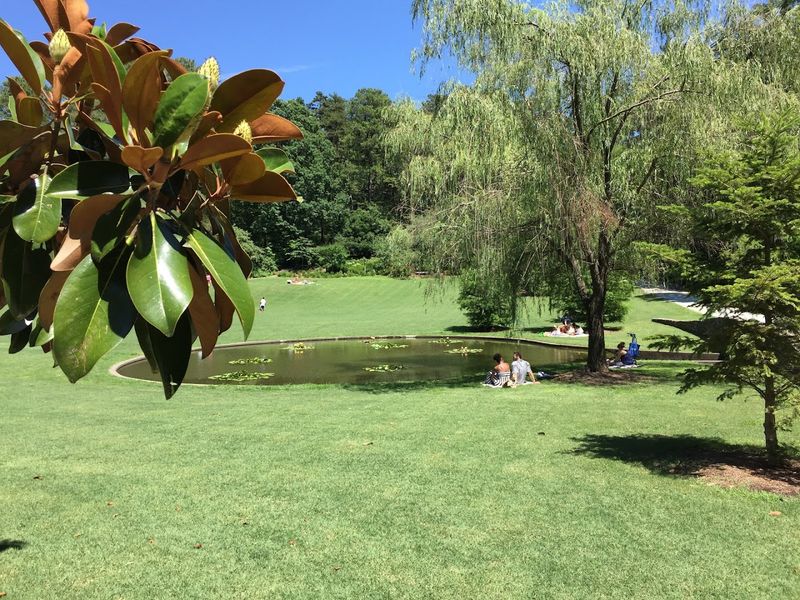
Bringing kids to a botanical garden can sometimes feel like a gamble, but Sarah P. Duke Gardens genuinely works for families of all sizes and ages.
Large open grassy areas give younger children room to run and play while parents relax nearby without worrying about fragile exhibits or crowded indoor spaces.
Picnic spots are scattered throughout the grounds, making it easy to pack a lunch and turn a garden visit into a full half-day outing. Benches appear around every corner, giving tired little legs frequent opportunities to rest.
Reviewers with toddlers mention bringing wagons, which roll well on the paved sections, though some gravel areas and hills require a bit more effort.
Clean restrooms are available on-site, which parents of young children will especially appreciate. The sheer size of the garden means that even on crowded weekend days, families can find quieter pockets to explore without feeling pressed in by the crowds around them.
Photography Heaven: Every Corner Is a Perfect Frame
Photographers absolutely love this place, and it is easy to understand why. From the geometric precision of the Terraces to the moody, filtered light of the wooded native plant garden, Sarah P.
Duke Gardens offers an almost unfair variety of compelling subjects within a single visit.
The red wooden bridge in the Asiatic Arboretum has become one of the most photographed spots in all of Durham, appearing in countless social media feeds and professional portfolio shoots. Graduation photos, engagement sessions, family portraits, and formal dance pictures all happen here regularly.
One reviewer described their formal photo session as feeling “magical.”
Golden hour light in late afternoon turns the Terraces into something genuinely cinematic, with long shadows and warm tones that make even a smartphone camera look professional. Weekday morning visits offer the clearest paths and the most uninterrupted compositions for anyone serious about capturing the garden at its most photogenic.
Events and Programs: More Than Just a Walk in the Garden
Sarah P. Duke Gardens is not simply a place to walk through and admire.
The grounds host a rotating calendar of events that keep the space lively and engaging throughout the entire year. Weddings, educational programs, seasonal festivals, and guided tours all take place regularly on the property.
The garden amphitheater serves as an elegant outdoor venue that takes full advantage of the surrounding landscape. Educational programs draw school groups, nature enthusiasts, and curious visitors who want to understand the stories behind the plants they are looking at.
Seasonal events often celebrate specific bloom cycles or cultural themes tied to different sections of the garden.
Checking the official website at gardens.duke.edu before your visit is always a good idea. You might discover a guided tour or a special program happening on the exact day you plan to go.
Adding a structured experience on top of your own exploration can turn a nice visit into a truly memorable one.
Tips for the Best Visit: Timing, Parking, and What to Bring
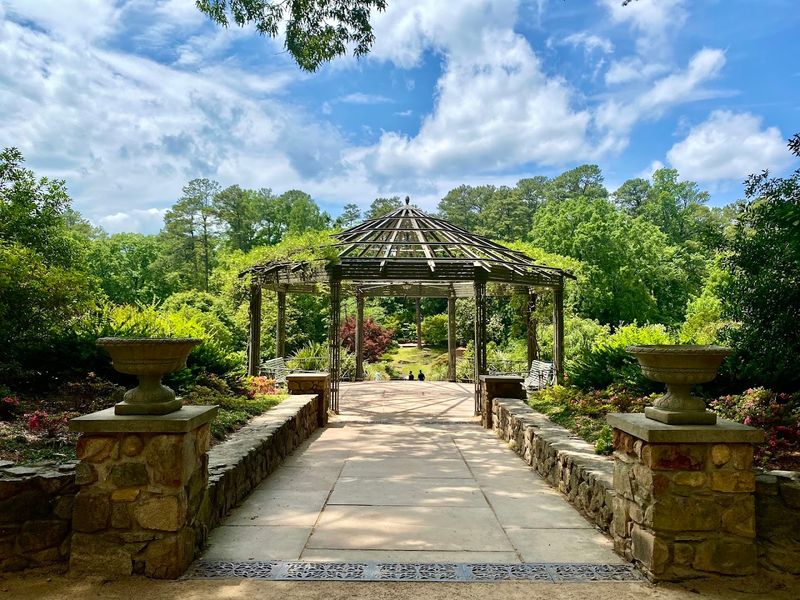
A little planning goes a long way at Sarah P. Duke Gardens.
The main entrance on Anderson Street has an information desk staffed by helpful volunteers who can orient you to the entire property and point you toward whatever is currently in bloom. Starting here is strongly recommended over entering through one of the secondary gates.
Weekday mornings offer the quietest experience. Weekend afternoons, especially around holidays and Duke graduation, can get crowded enough to make finding a shaded bench or a clear photo spot genuinely challenging.
Checking the bloom calendar online before you go prevents the disappointment of arriving just after peak season.
Wear comfortable shoes, bring sunscreen, and carry water, especially from late spring through early fall. Parking runs two dollars per hour at the main lot, or you can park at Duke Hospital and walk over for free.
The garden is open daily from 9 AM to 5 PM. Plan for three to four hours to see it properly.
Enjoyed this story?
Add Fast Food Club as a preferred source to see more of our reporting on Google.