


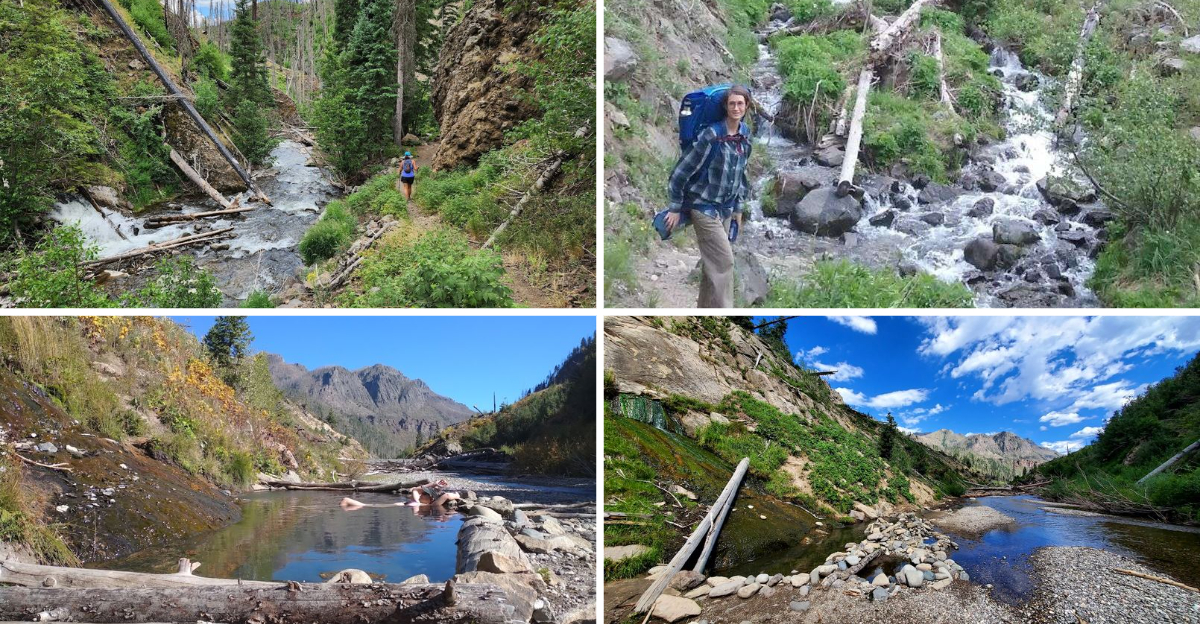
Tucked deep inside the San Juan National Forest near Pagosa Springs, Colorado, Rainbow Hot Springs is one of those rare places that feels like a well-kept secret. Most people drive past Pagosa Springs without ever knowing that a stunning natural hot spring waits at the end of a scenic backcountry trail.
The reward for making the journey is soaking in warm, mineral-rich water surrounded by towering mountains and the sound of a rushing river. If you love the outdoors and want an adventure that feels truly off the beaten path, Rainbow Hot Springs deserves a spot on your bucket list.
The Hike That Makes It All Worth It
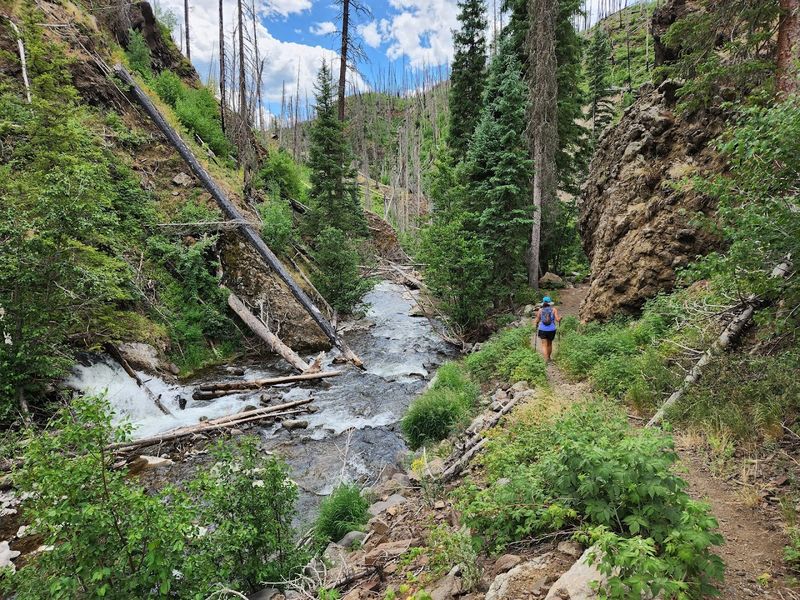
Few hikes in Colorado deliver the kind of payoff that the trail to Rainbow Hot Springs does. The journey starts at the West Fork trailhead and stretches roughly 5 to 6 miles one way, depending on your starting point.
That means you are looking at a 10 to 12 mile round trip, so lace up your boots and prepare your legs.
The trail follows the San Juan River for much of the route, giving hikers stunning river views and the sound of rushing water as a constant companion. You will climb over 1,000 feet in elevation, which can feel challenging if you are not used to high-altitude hiking.
Taking your time and setting a steady pace makes the whole experience much more enjoyable.
Plenty of hikers say the trail itself is the real highlight of the trip. The scenery is varied, dramatic, and genuinely breathtaking every step of the way.
Getting the Distance Right Before You Go
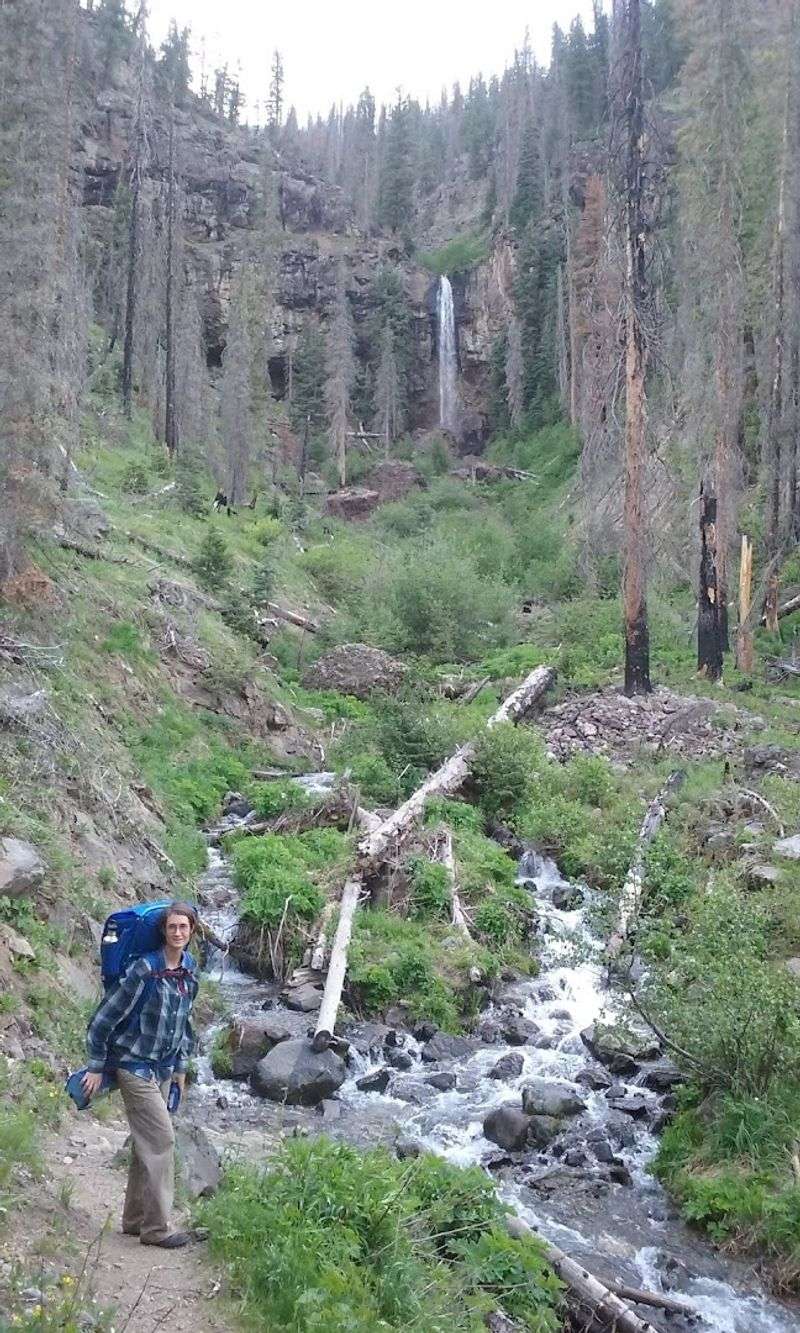
Here is something that trips up a lot of first-time visitors: the distance listed online is often wrong. Many websites and apps have historically listed the hike as 4 to 4.5 miles one way, but experienced hikers consistently report it is closer to 5.5 to 6 miles each direction.
That adds up to a serious 11 to 12 mile round trip.
Underestimating the distance can leave you exhausted, dehydrated, or caught on the trail after dark. Always plan for the longer estimate so you are never caught off guard.
Starting early in the morning gives you plenty of daylight and cooler temperatures for the hike out.
Checking recent trail reports from fellow hikers is a smart move before heading out. Apps like AllTrails can have outdated information, so reading the actual user comments tells you much more than the official stats ever will.
What the Hot Springs Actually Look and Feel Like
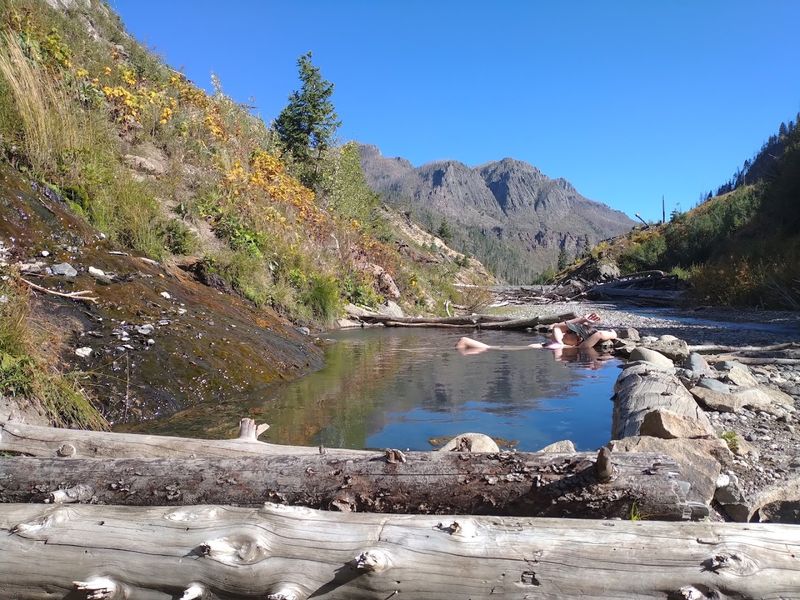
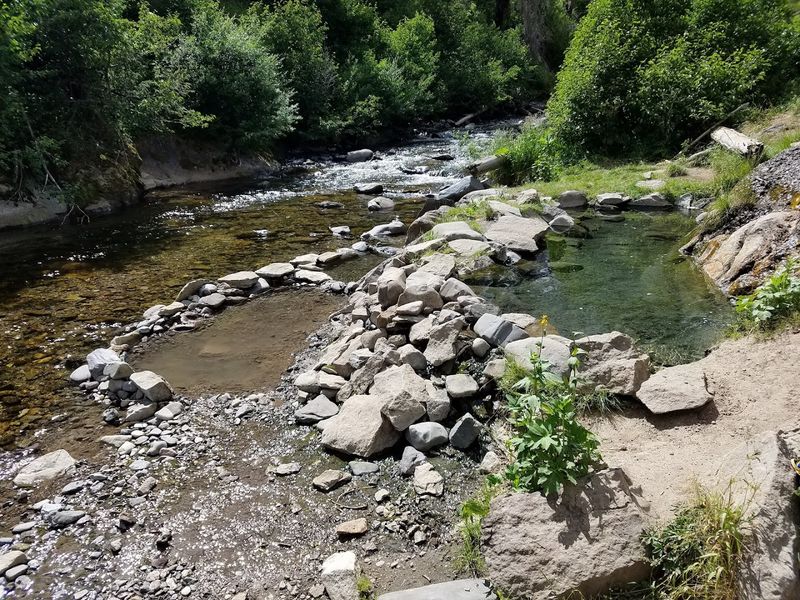
Arriving at Rainbow Hot Springs after a long hike feels like stumbling onto something the rest of the world forgot to discover. The pools sit right alongside the San Juan River, tucked against the riverbank in a setting that feels almost too cinematic to be real.
Water temperature hovers around 100 degrees Fahrenheit, which is just warm enough to ease tired muscles without feeling unbearably hot.
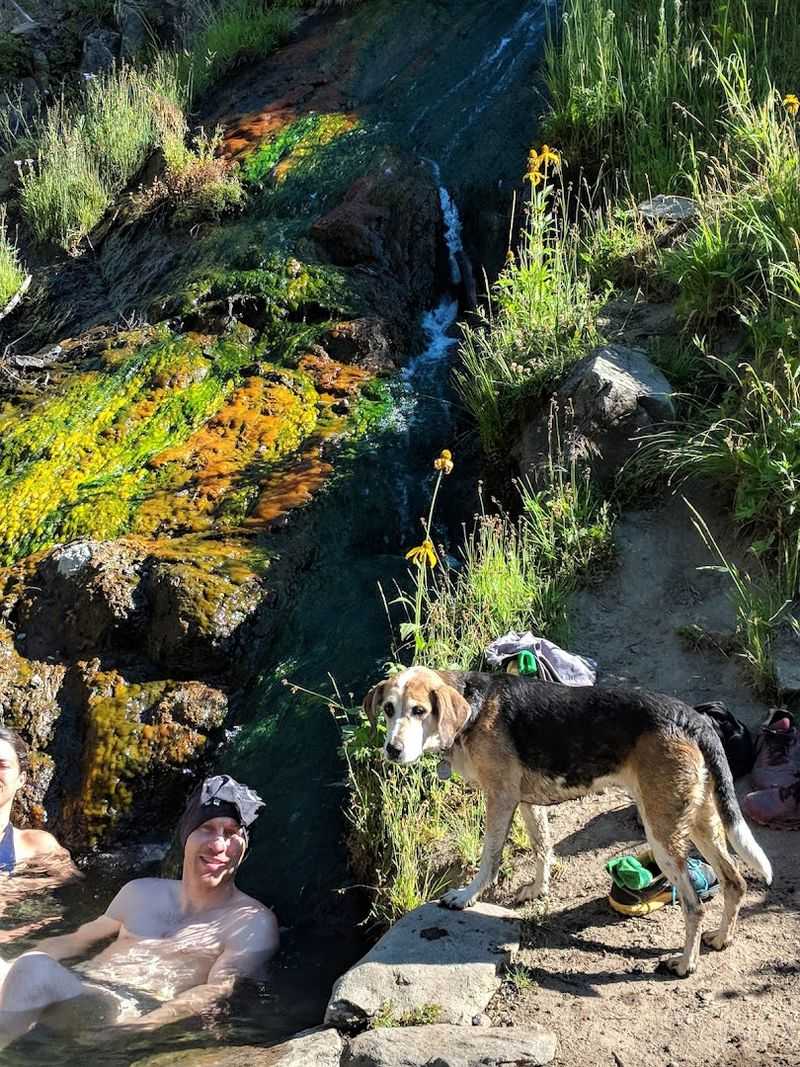
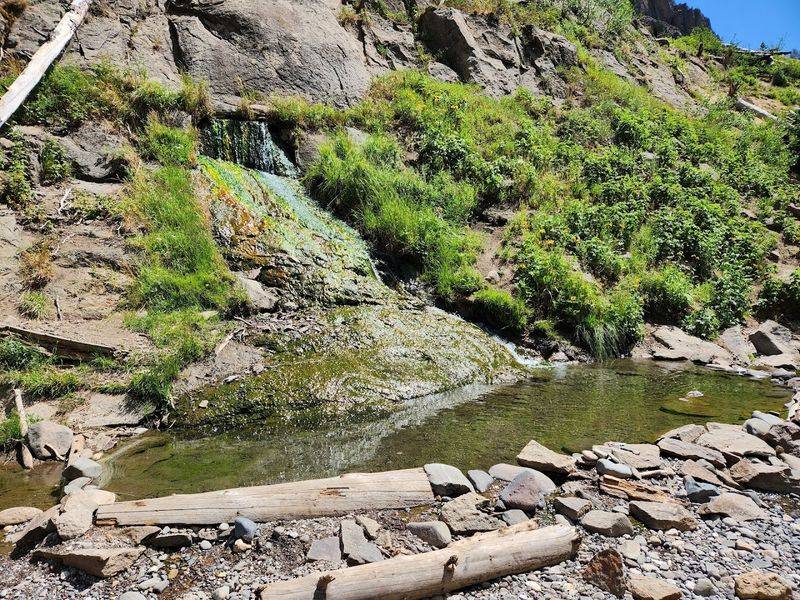
Keep your expectations honest, though. Like most natural hot springs, these pools contain algae, silt, and murky water.
There are no tiled floors or manicured edges here. The experience is raw, earthy, and completely natural, which is honestly a big part of the charm.
The pool depth runs a little over a foot, giving you plenty of room to sit and soak. Wildlife occasionally wanders nearby, and chipmunks have been known to get surprisingly close to curious visitors relaxing in the water.
Finding the Springs Once You Arrive
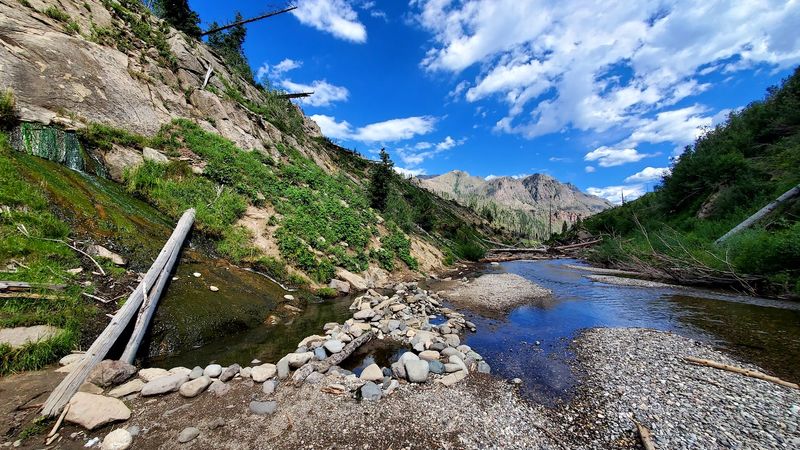
Reaching the end of the trail does not automatically mean you have found the springs. Navigation gets a little tricky near the end, and several hikers have walked right past the pools without realizing it.
The hot springs are located near campsite number 8, close to the river’s edge, with another smaller pool near campsite number 1.
Look for the numbered campsite marker posts in the ground, which act as your best landmarks once you are in the area. From there, head straight toward the river.
The path down to the water can be steep in spots, so watch your footing carefully, especially if the ground is wet or muddy.
Following the Google Maps pin closely is also a helpful trick. Multiple reviewers confirm that heading directly toward the river from that pinned location is the most reliable way to find the pools without wandering around in frustration.
Elevation and Altitude Challenges to Prepare For
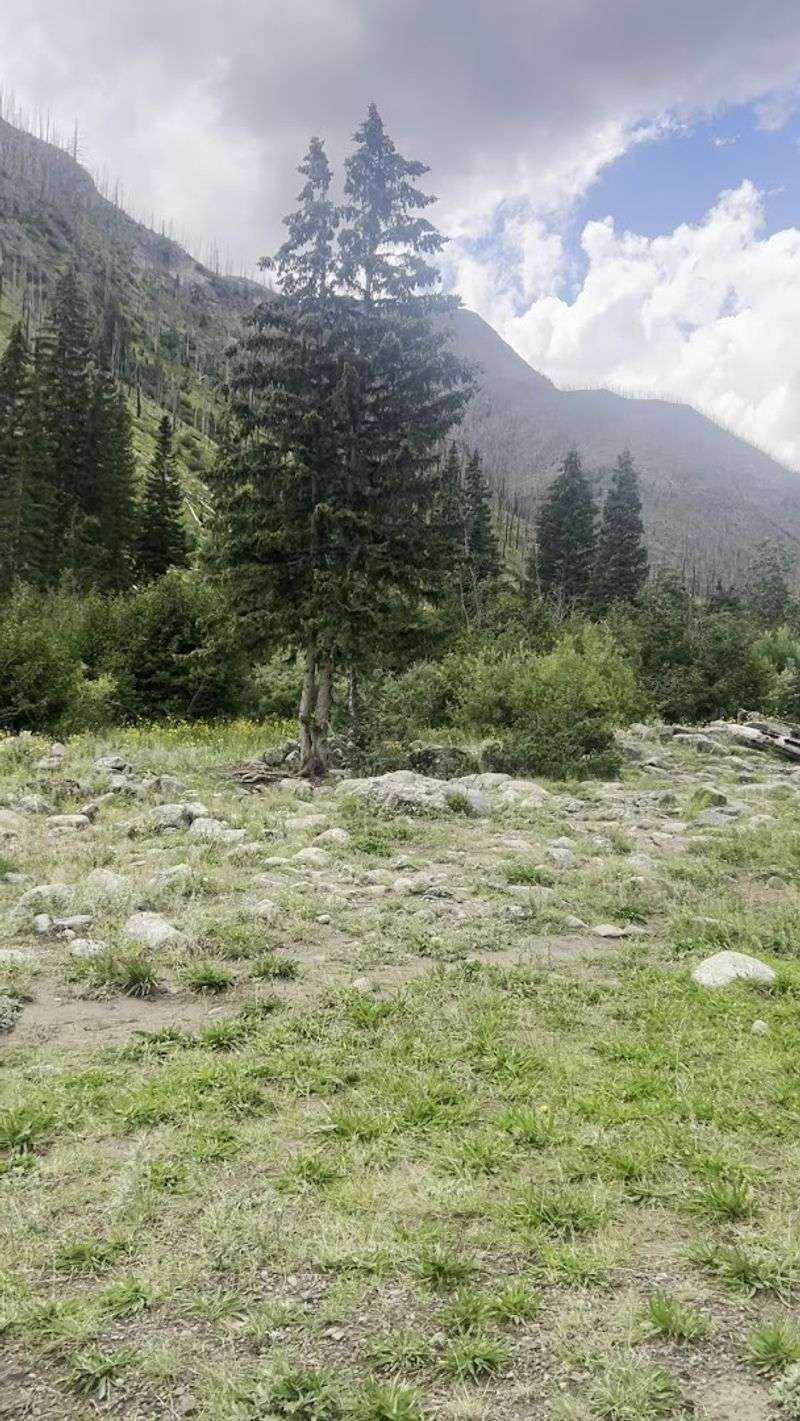
Colorado altitude is not something to take lightly, and the Rainbow Hot Springs trail makes that very clear. The trailhead sits at a significant elevation, and the hike gains over 1,000 feet before you reach the springs.
Visitors coming from lower elevations, especially sea level, often feel the effects of thin air more intensely than they expect.
Symptoms like headaches, shortness of breath, and unusual fatigue are common for people who have not had time to acclimatize. Spending at least one or two nights in Pagosa Springs before attempting the hike gives your body a chance to adjust.
Staying well-hydrated also helps your system handle the altitude more effectively.
The good news is that the return trip is mostly downhill, which feels like a genuine relief after the uphill push. Plan the hardest climbing for the morning when your energy levels are at their highest and the day is still cool.
Weather Changes That Can Catch You Off Guard
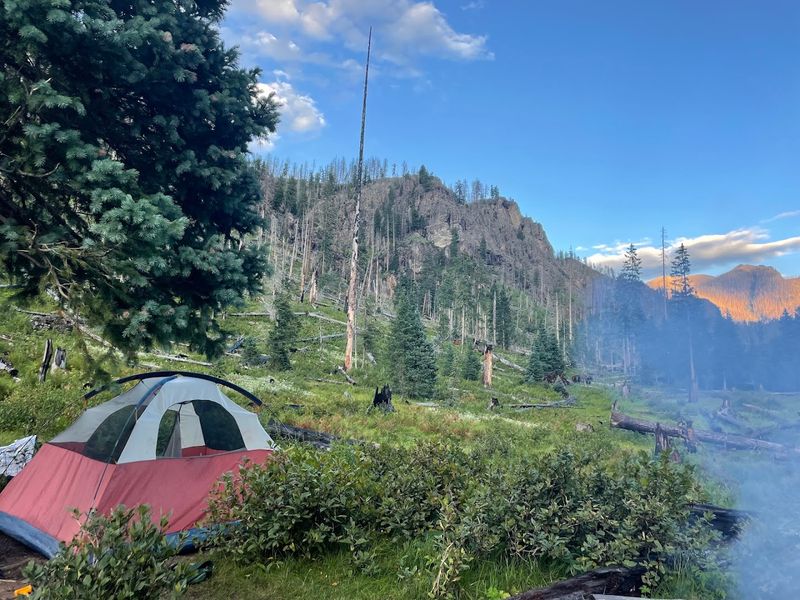
Mountain weather in Colorado operates on its own schedule, and it rarely gives much warning before changing dramatically. Clear blue skies in the morning can turn into thunderstorms by early afternoon, which is a pattern that catches unprepared hikers by surprise every single season.
The Rainbow Hot Springs trail passes through a significant burn area, meaning large sections of it are completely exposed with no tree cover for shelter.
Rain gear is an absolute must, not a nice-to-have extra. Pack a lightweight waterproof jacket even if the morning forecast looks perfect.
Lightning is a serious danger on exposed ridges and open hillsides, so if you see dark clouds building, start heading back without hesitation.
One group of reviewers spent a cold, wet night after hiking in through rain and hail without proper jackets. They made it through safely, but said they would never skip the rain gear again on any Colorado backcountry adventure.
Wildlife You Might Encounter Along the Way
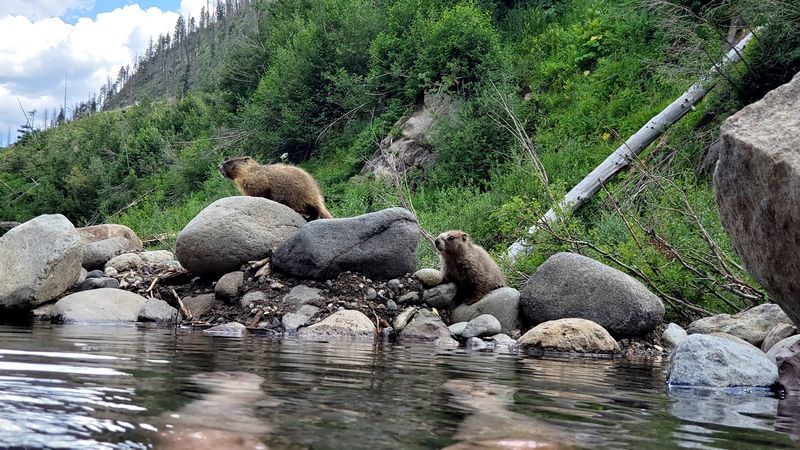
The trail to Rainbow Hot Springs winds through wild backcountry that is home to an impressive variety of animals. Deer are a common sight along the river corridor, and black bears have been spotted on the trail with enough regularity that hikers should always be aware of their surroundings.
Horses and mules sometimes travel the trail as well, since it connects to a larger backcountry network used by equestrian groups.
Smaller critters add a surprising amount of personality to the experience. Marmots have been spotted waddling near the springs, and at least one reviewer had a chipmunk leap directly onto their knee while they were soaking in the pools.
It is one of those moments that feels straight out of a nature documentary.
Bringing bear spray on any backcountry hike in Colorado is a smart precaution. Making noise on the trail helps animals hear you coming and gives them time to move away before you get close.
The Fire History That Shaped the Landscape
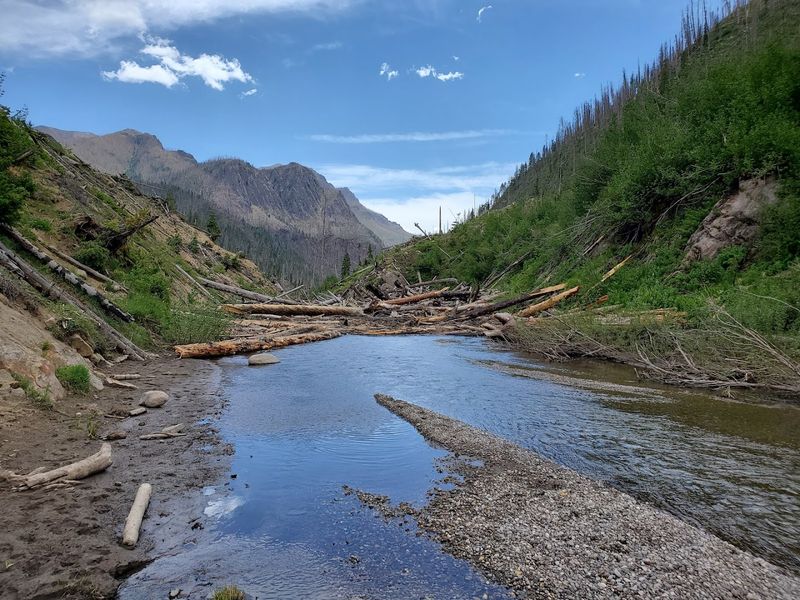
Walking the Rainbow Hot Springs trail means hiking through a living story of destruction and renewal. A major wildfire in 2013 swept through the area, leaving behind miles of scorched trees and open terrain that dramatically changed the character of the landscape.
At first glance, the burn area can feel stark and a little eerie, with blackened trunks standing like silent sentinels along the trail.
Look closer, though, and the signs of recovery are everywhere. New growth pushes up through the forest floor, wildflowers bloom in the clearings, and young trees are slowly reclaiming the hillsides.
Several hikers have described the contrast between the fire damage and the fresh new life as unexpectedly beautiful and even moving.
The burn area also creates wide-open views that a dense forest would normally block. On a clear day, you can see for miles across the valley, which turns what could feel like a bleak stretch of trail into one of the most scenic sections of the entire hike.
Essential Gear and Supplies to Pack
Packing smart for Rainbow Hot Springs is the difference between a great adventure and a miserable slog. Water is the single most important thing to bring, and most experienced hikers recommend carrying more than you think you will need.
The trail passes through a burn area with almost no shade, which means the sun can drain your hydration faster than expected, especially in summer months.
A water filter or purification tablets are worth tossing in your pack as well, since the river runs alongside much of the trail. Snacks with a good mix of protein and carbohydrates help maintain your energy on the long return trip.
A towel and a dry change of clothes are essential if you plan to soak in the springs before hiking back out.
Trekking poles make a noticeable difference on the uneven terrain, particularly on the descent. Sunscreen, a hat, and bug spray round out the basics that every hiker on this trail should carry.
Camping Near the Springs for a Longer Stay
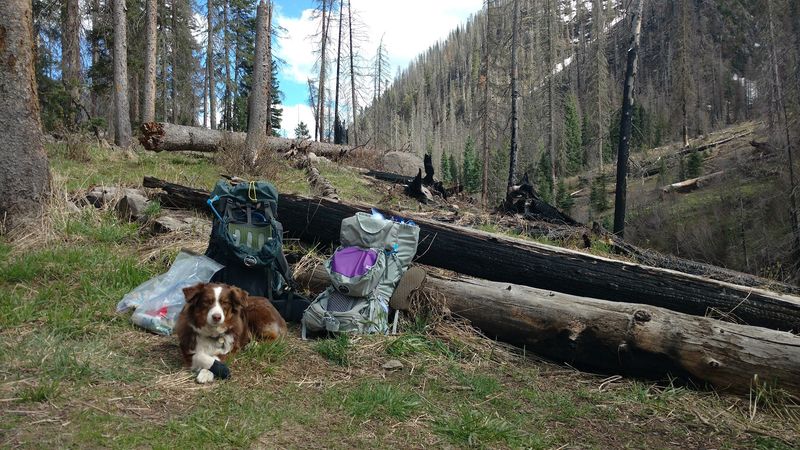
Turning the Rainbow Hot Springs trip into an overnight adventure changes the whole experience in the best possible way. Several designated campsites sit near the springs, and waking up to the sound of the San Juan River with the pools just steps away is genuinely hard to beat.
Camping means you can soak in the evening, sleep under a sky full of stars, and soak again in the morning before the hike back out.
The campsites are numbered and marked with posts in the ground, making them easy to identify once you arrive. Leave No Trace principles are especially important here.
Proper waste disposal is a must, and reviewers have specifically called out the need to bury human waste away from the water and trail to protect the environment for everyone who comes after you.
Staying overnight also lets you beat the day hikers to the springs in the morning, giving you a peaceful, private soak that feels almost impossibly serene in such a beautiful setting.
Trail Obstacles and Downed Trees to Expect
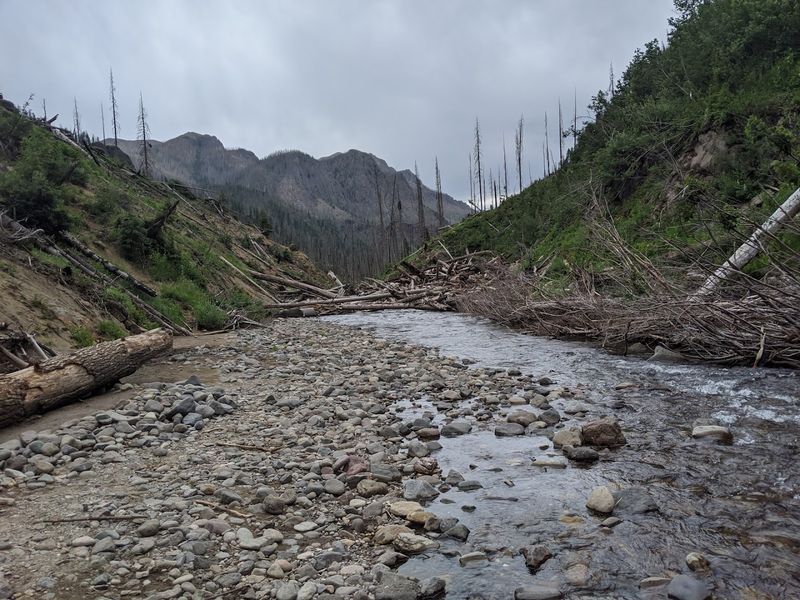
One thing the trail to Rainbow Hot Springs does not lack is character, and a big part of that character comes in the form of downed trees. High winds and past fire damage have left sections of the trail littered with fallen logs that require hikers to climb over, duck under, or navigate around.
One adventurous group counted 151 downed trees on a single trip, which they cheerfully dubbed “tree obstacles” to keep spirits high.
The obstacles are manageable for most hikers but do add extra time and physical effort to the journey. Wearing long pants helps protect your legs when climbing over rough bark and branches.
Trekking poles provide extra stability when your footing is uncertain on uneven log crossings.
There is also a section of the trail that has been known to flood, turning part of the path into knee-deep river water. Waterproof boots or gaiters make crossing those sections far less unpleasant and keep your feet dry for the miles ahead.
The Free Access That Makes It Extra Special
In a state where commercial hot spring resorts charge steep entrance fees and require advance reservations, Rainbow Hot Springs stands out as a completely free experience on public land. There are no gates, no ticket booths, and no crowds of tourists in swimsuits waiting for a numbered pool.
Just wild, open backcountry and a natural spring that belongs to everyone willing to earn the journey.
The no-cost access does come with responsibility, though. Respecting the land, packing out all trash, and following Leave No Trace guidelines ensures that this hidden gem stays beautiful for future visitors.
The public land status means anyone can camp, hike, and soak here without spending a dime beyond trail supplies.
Comparing this experience to a paid resort visit makes the value feel almost unreal. A little sweat and a long hike unlock one of Colorado’s most rewarding natural experiences, and you do not need to book anything in advance to make it happen.
Tips for a Safe and Memorable Visit
A few smart habits can turn a good Rainbow Hot Springs trip into a truly unforgettable one. Starting early is the single best piece of advice most experienced visitors share.
Hitting the trail at sunrise keeps you ahead of afternoon thunderstorms, gives you cooler hiking temperatures, and means you often arrive at the springs before anyone else gets there.
Telling someone your plans before you leave is a basic safety step that too many solo hikers skip. Cell service disappears quickly once you are deep in the backcountry, so a downloaded offline map is far more reliable than counting on your phone signal.
Carrying a small first aid kit adds another layer of preparedness for minor trail injuries.
Turning your phone off and fully soaking in the experience without distractions is something multiple visitors have mentioned as the most rewarding choice they made. The springs, the river, and the mountains deserve your full attention.
Enjoyed this story?
Add Fast Food Club as a preferred source to see more of our reporting on Google.