


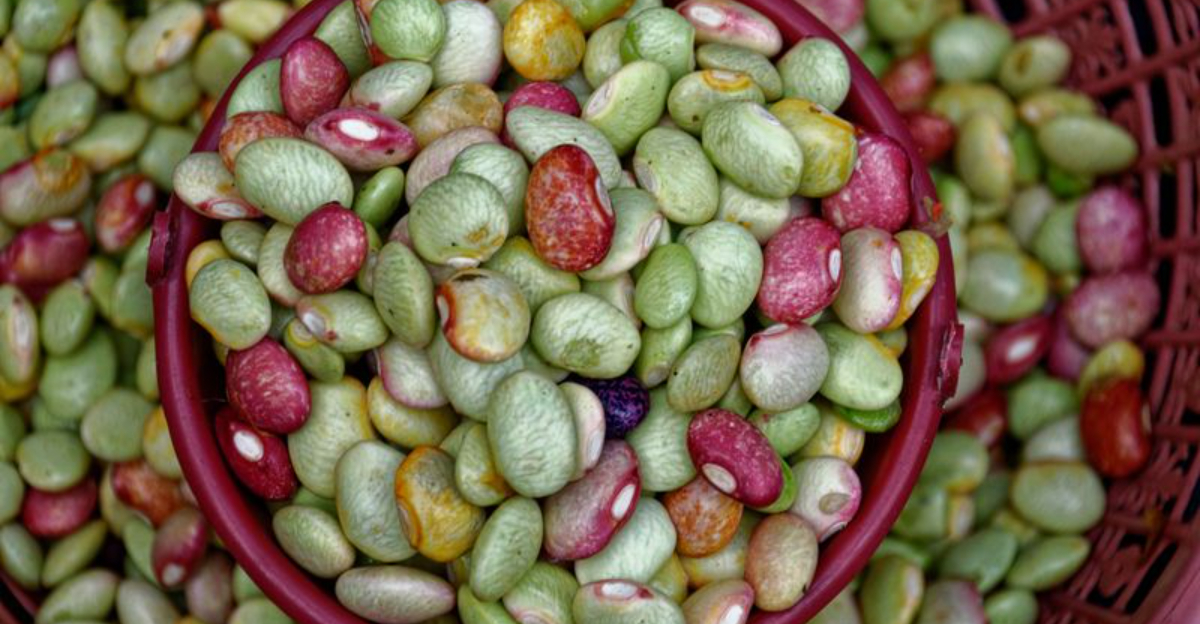
You want lower cholesterol without living on oatmeal, and the good news is you have delicious options. Simple swaps and smart additions can move LDL in the right direction while keeping meals exciting.
Think creamy, crunchy, and deeply savory foods that actually make you look forward to eating well. Let’s stock your kitchen with proven, satisfying choices you will use all week.
Lentils
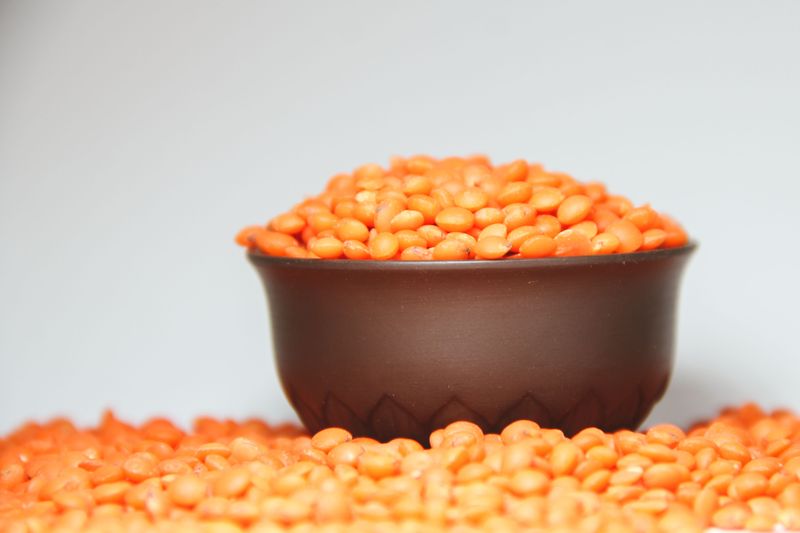
Lentils are tiny powerhouses of soluble fiber that help lower LDL by binding bile acids. They cook quickly, making heart smart meals realistic on busy nights.
Each serving brings plant protein, iron, and polyphenols that support vessel health. You feel satisfied without heavy saturated fat, which gives cholesterol a chance to improve.
Simmer lentils into hearty soups, dals, or tomato based stews. Try a warm lentil salad with olive oil, lemon, herbs, and roasted vegetables.
For lunch, fold into tacos or stuff into pitas with crisp greens. Rinse, then cook one cup with two cups water until tender, about 20 minutes.
Walnuts
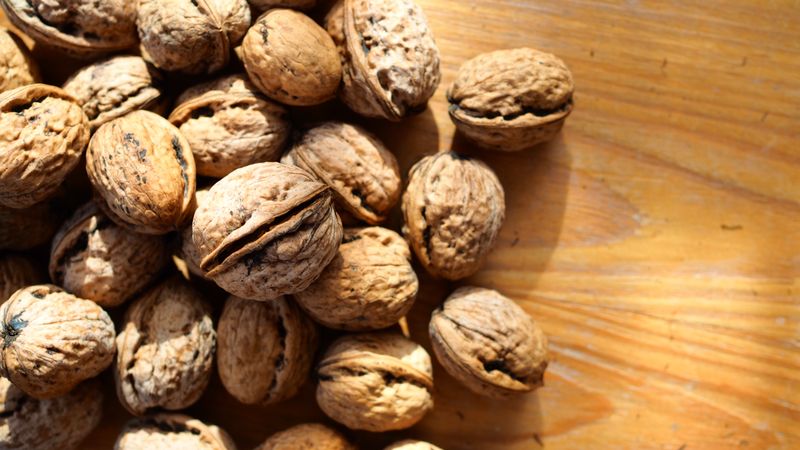
Walnuts deliver omega 3 ALA that helps reduce inflammation and improves the way LDL behaves in your bloodstream. Their polyphenols protect delicate LDL particles from oxidation, a key step in plaque.
A couple small handfuls can nudge triglycerides down, too. You also get magnesium, copper, and plant sterols supporting healthy cholesterol balance.
Snack on lightly toasted walnuts or sprinkle them over yogurt, oats, and salads. Blend into pesto with parsley and lemon for a rich, savory sauce.
For baking, swap part of butter with walnut butter to cut saturated fat. Keep them refrigerated to preserve oils and that fresh, sweet slightly bitter crunch.
Almonds
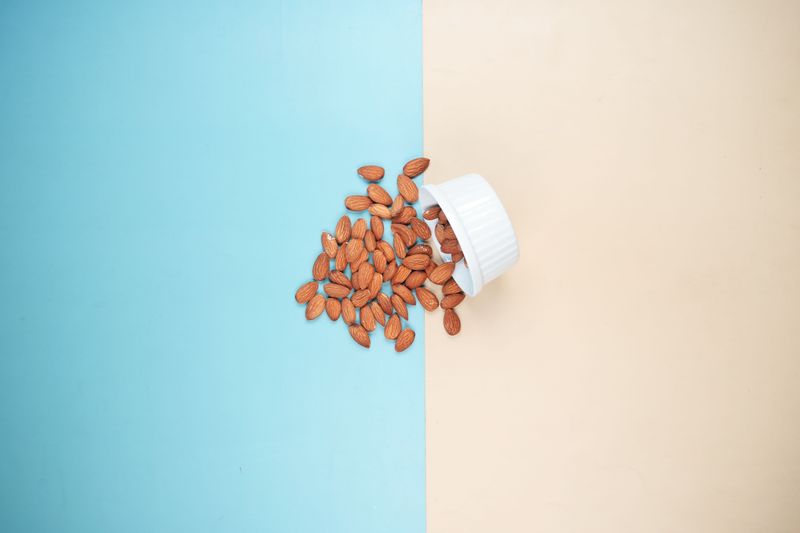
Almonds help lower LDL when they replace snacks high in refined carbs or saturated fat. Their monounsaturated fats and vitamin E support heart health while keeping hunger in check.
The fiber and crunch make portion control easier than chips. Studies show daily almond intake can improve the LDL to HDL ratio over time.
Grab a small handful, or slice them onto salads, yogurt, and roasted vegetables. Choose unsalted almonds to minimize sodium, and watch portions around one ounce.
For a creamy swap, use almond butter on whole grain toast. Toasting briefly in a skillet wakes up flavor, so your snack feels gourmet, not routine.
Avocados
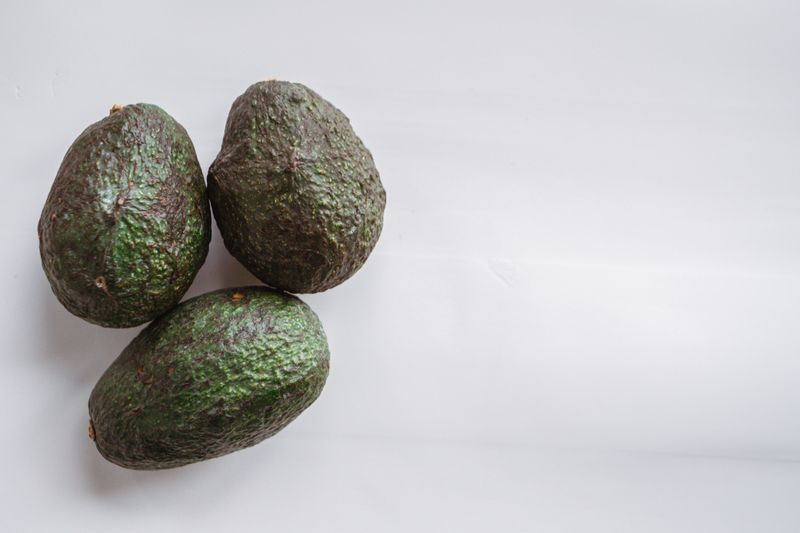
Avocados are loaded with monounsaturated fats that help lower LDL while raising heart friendly HDL. Their fiber slows digestion and supports healthy gut bacteria.
Add one half to a meal and you will likely feel satisfied for hours. That fullness can help you trade heavy sauces for creamy avocado without feeling deprived.
Mash with lime, cilantro, and chili for quick guacamole, or fan slices over grain bowls. Blend into smoothies for velvet texture without dairy.
For sandwiches, smash avocado with lemon juice and a pinch of salt to replace mayo. Keep ripening avocados on the counter, then refrigerate once soft so timing works.
Salmon
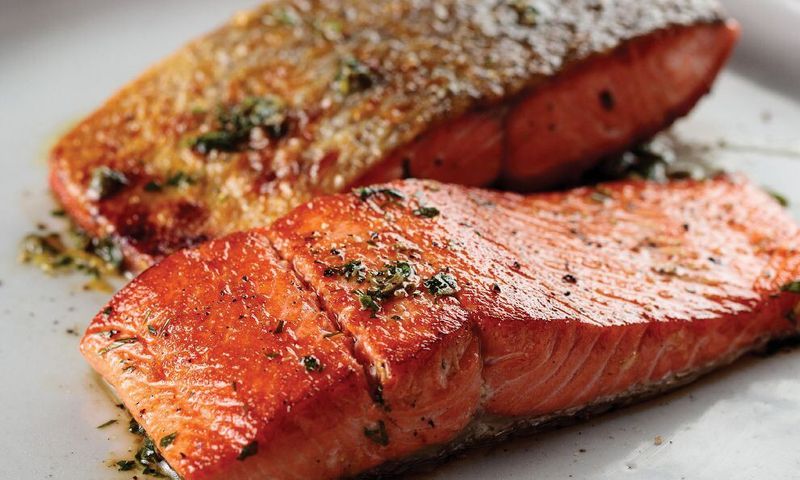
Salmon brings EPA and DHA omega 3s that lower triglycerides and improve overall lipid profiles. These fats help calm inflammation that destabilizes plaques.
Choosing salmon as a protein often means less saturated fat at dinner, another win for LDL. You also gain vitamin D, selenium, and quality protein that supports muscle and satiety.
Bake fillets with lemon and herbs, grill with a smoky rub, or flake into salads. Canned salmon is affordable, calcium rich, and perfect for salmon cakes.
Aim for two seafood meals weekly, balancing species for sustainability. If fishy flavor worries you, choose mild coho or Atlantic varieties and serve with bright citrus.
Sardines
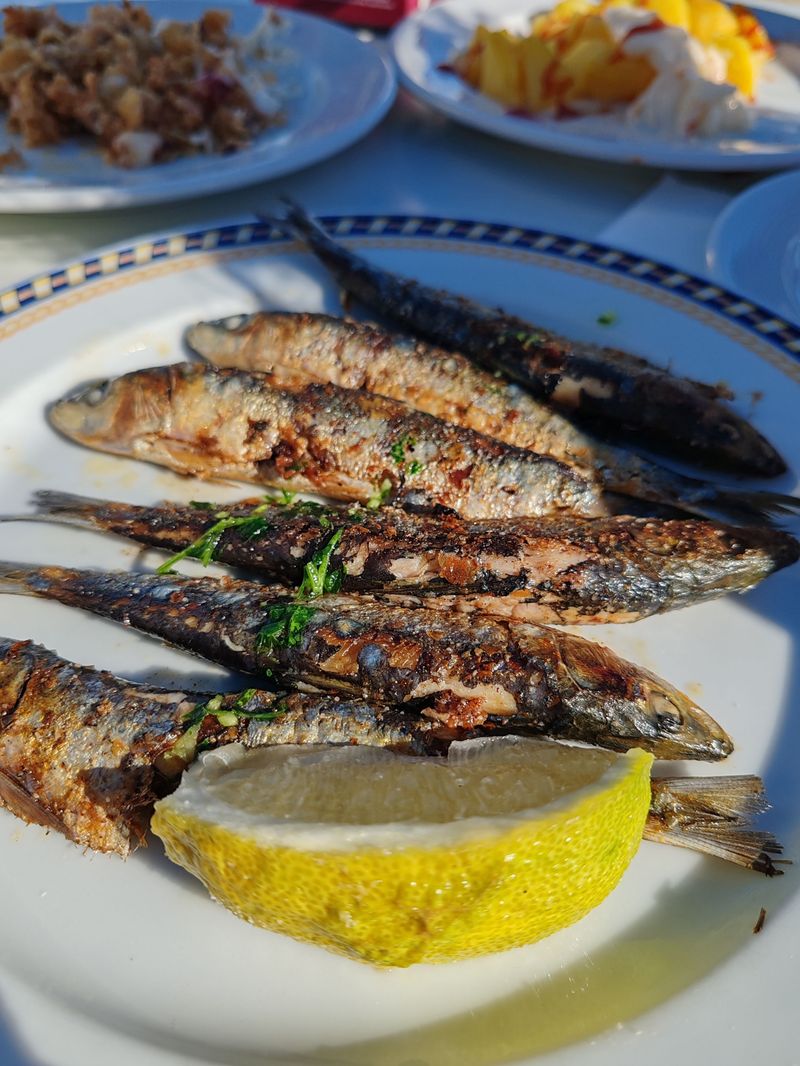
Sardines are small but mighty, offering omega 3s, vitamin D, and calcium from edible bones. Regular servings can lower triglycerides and support healthier HDL levels.
Compared with larger fish, sardines are low in mercury and budget friendly. Their savory richness makes smaller portions satisfying, which helps replace processed meats that raise cholesterol.
Try them mashed with lemon, capers, and parsley on whole grain toast. Toss sardines into tomato sauced pasta or break over crisp salads.
For an easy pantry dinner, warm with olive oil, garlic, and chili, then serve with beans. If texture worries you, choose skinless boneless tins for a gentler introduction.
Barley
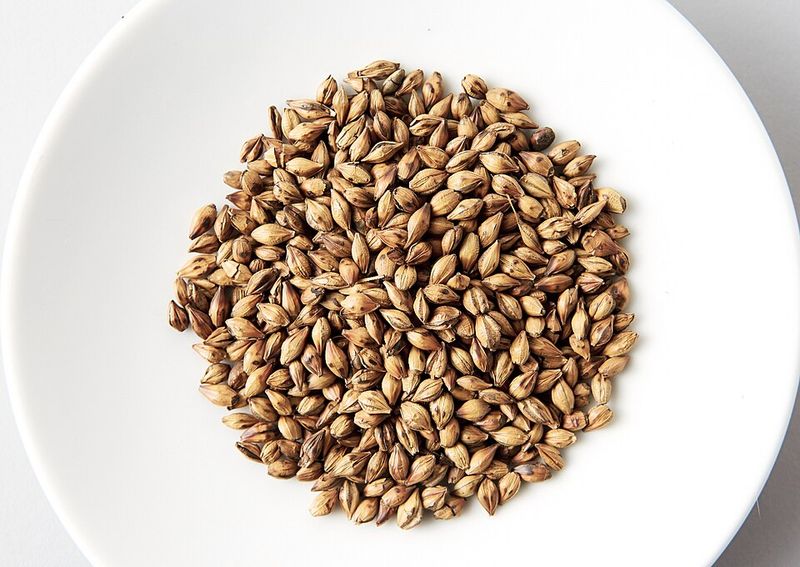
Barley is rich in beta glucan, a soluble fiber shown to lower LDL by capturing bile. It creates a gel in your gut that slows absorption and steadies blood sugar.
That combination supports a friendlier cholesterol pattern over time. Pearled barley cooks faster, while hulled barley retains more fiber and minerals.
Use barley like rice for grain bowls, or simmer into soups for a silky, hearty bite. Cook extra, then chill for salads with cucumbers, tomatoes, and lemony dressing.
Toast dry grains before boiling to deepen flavor. If gluten is a concern, choose certified gluten free oats instead, since barley contains gluten.
Eggplant
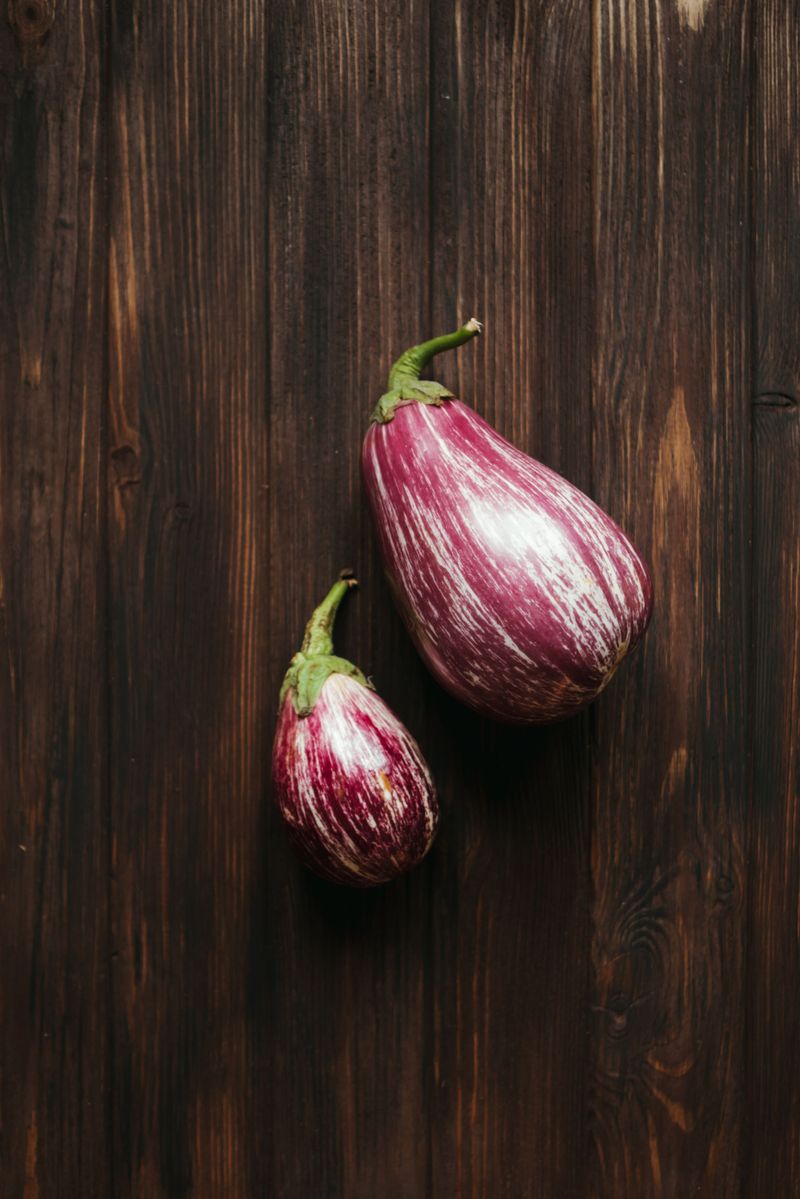
Eggplant offers fiber and anthocyanins that support heart health while keeping meals satisfying. Its spongy flesh drinks up olive oil, turning simple dishes into luxurious, cholesterol friendly comfort.
Roasting or grilling concentrates flavor without heavy breading. Using eggplant as a meaty centerpiece can help you eat fewer processed meats that raise LDL.
Roast cubes with garlic and tomatoes, then fold into whole grain pasta. Char thick slices for sandwiches layered with herbs and a splash of vinegar.
For silky dips, blend roasted eggplant with tahini, lemon, and cumin. Salt slices first to draw out moisture and reduce bitterness so the texture turns tender.
Okra
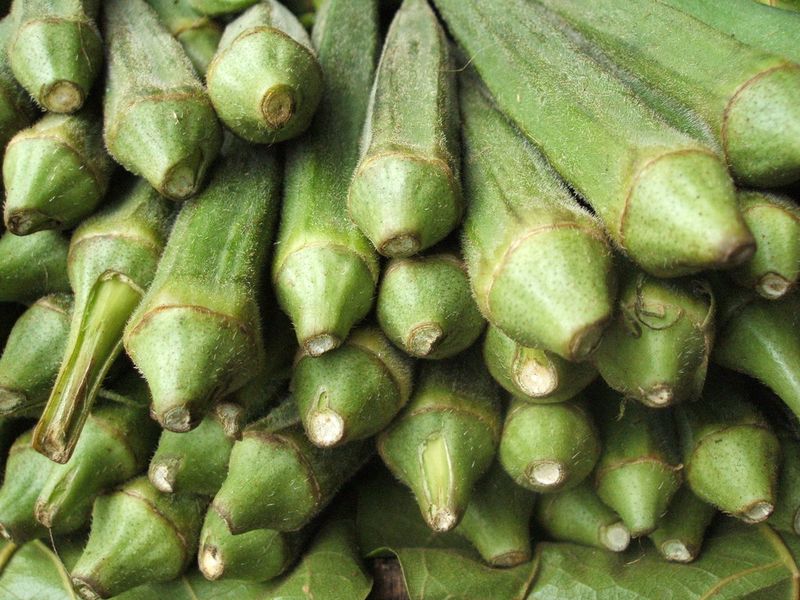
Okra contains viscous soluble fiber that forms a gel, trapping cholesterol and supporting lower LDL. That same gel slows digestion, helping steady post meal blood sugar.
When cooked gently, okra is tender and subtly sweet. Pairing okra with tomatoes, onions, and spices builds deep flavor while keeping saturated fat comfortably low.
Try quick sauteed okra with garlic and lemon, or roast spears until edges crisp. Add sliced okra to gumbo, but keep the roux modest to limit butter.
For freezer bags, choose small pods to reduce stringiness. If slime scares you, cook hot and fast, avoid overcrowding, and splash with acid.
Apples
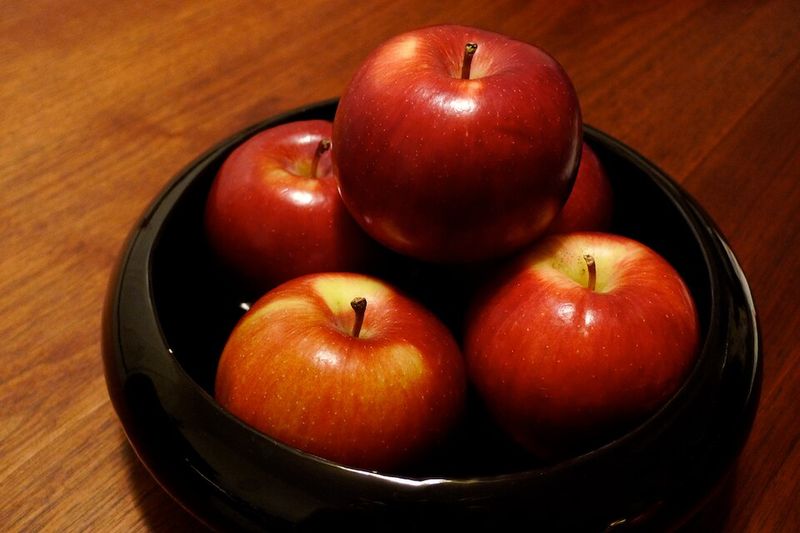
Apples supply pectin, a soluble fiber that helps lower LDL by binding cholesterol rich bile acids. Their crunch satisfies a sweet craving without spiking blood sugar.
Eating an apple before meals can curb portions naturally. Polyphenols in the peel offer antioxidant support that complements fiber for a simple, everyday heart helper.
Slice into salads with walnuts, or simmer into a quick compote to spoon over yogurt. Bake apple halves with cinnamon for dessert that feels cozy but smart.
Choose smaller apples for convenient snacks, especially if managing calories. For maximum fiber, eat the skin after rinsing well, and pair with a little protein.
Blueberries
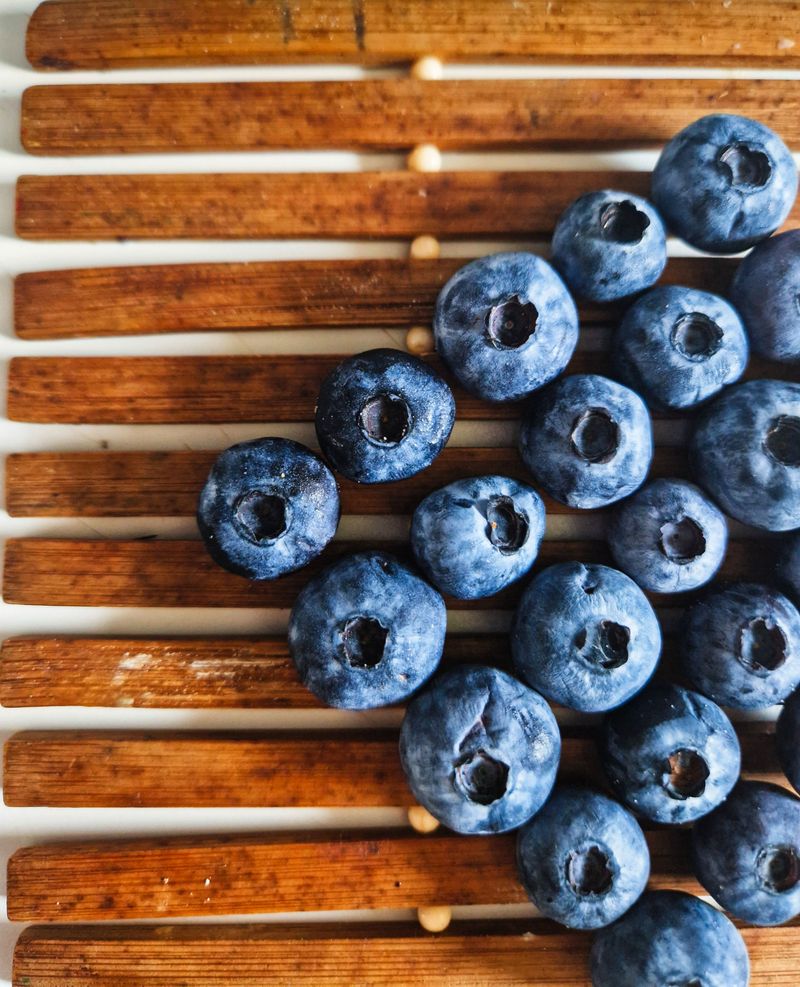
Blueberries bring anthocyanins that improve endothelial function and may modestly lower LDL oxidation. Their natural sweetness makes it easier to skip pastries without feeling deprived.
Fiber and polyphenols also support a healthier gut, which can influence cholesterol metabolism. Frozen blueberries are just as nutritious, so you can enjoy summer flavor anytime.
Toss into oatmeal, blend into smoothies, or fold into whole grain pancakes. Make a quick chia jam by simmering blueberries with lemon and letting it thicken.
For salads, pair with spinach, goat cheese, and toasted nuts. Keep a bag in the freezer so fruit is always ready for breakfasts and snacks.
Flaxseeds
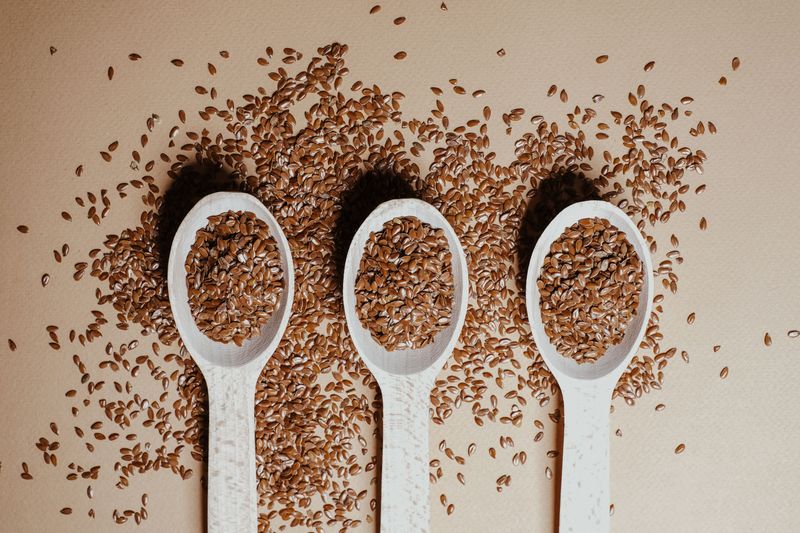
Flaxseeds offer ALA omega 3s and lignans that support lower LDL and triglycerides. Ground flax works best because whole seeds often pass through undigested.
The soluble fiber forms a gentle gel that helps trap bile acids. Adding a tablespoon daily can subtly improve cholesterol over weeks while supporting digestive regularity, too.
Stir ground flax into yogurt, smoothies, oatmeal, or pancake batter. Sprinkle over salads with a squeeze of lemon to brighten earthy notes.
Store ground flax in the fridge or freezer to protect delicate oils. If baking, replace part of flour with flax meal and add moisture, since flax absorbs liquid.
Chia Seeds
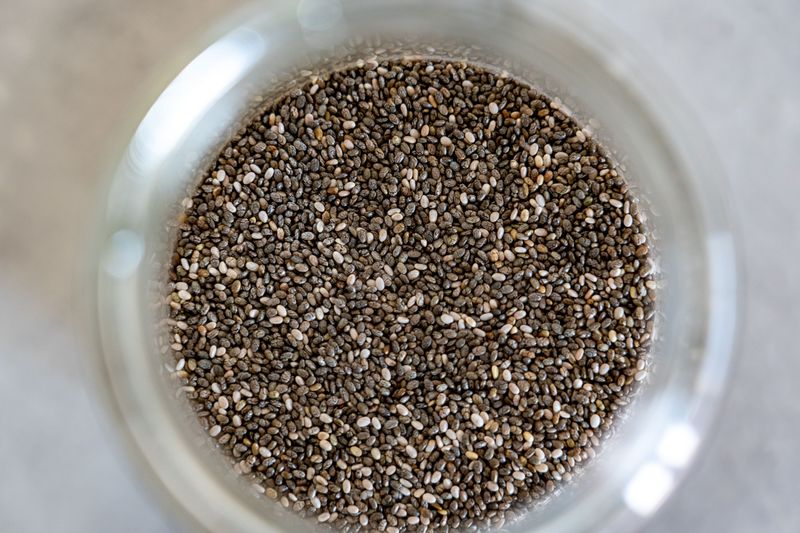
Chia seeds swell into a gel, delivering soluble fiber that can lower LDL and stabilize blood sugar. They also provide ALA omega 3s and minerals like magnesium.
Because they absorb many times their weight, small amounts feel satisfying. That satiety can make it easier to choose heart smart portions at your next meal.
Stir chia into overnight oats or whisk with milk, vanilla, and cocoa for simple pudding. Sprinkle over salads for tiny crunch, or blend into smoothies to thicken naturally.
Hydrate first to avoid clumping. If starting new, begin with one teaspoon and increase slowly so your gut adjusts comfortably over several days.
Soybeans
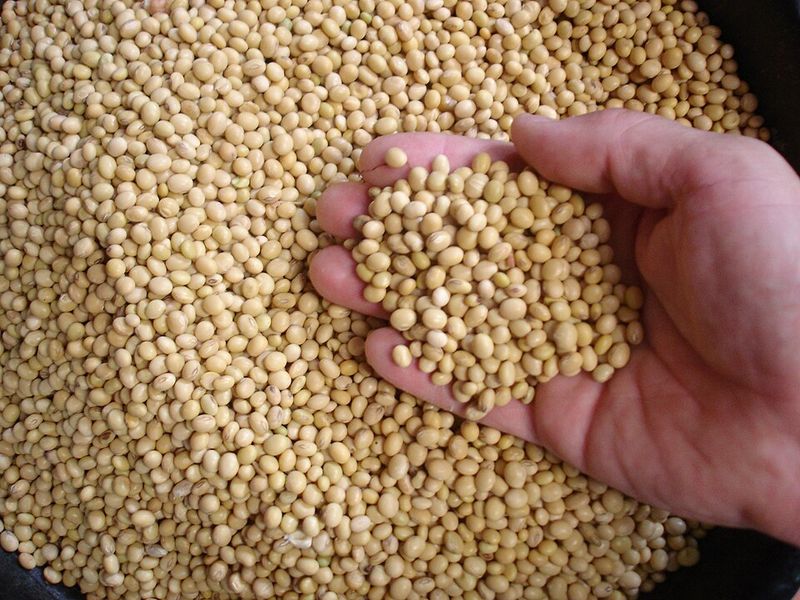
Soybeans and soy foods can modestly lower LDL when they replace animal protein high in saturated fat. Soy protein and isoflavones support healthier lipids and flexible vessels.
Edamame offers fiber and minerals alongside satisfying protein. Choosing tofu or tempeh a few times a week helps create cholesterol friendly patterns without sacrificing flavor.
Stir fry tofu with vegetables, bake crispy cubes, or simmer silken tofu into soups. Try tempeh marinated in tamari, ginger, and sesame, then sear until caramelized.
For snacks, steam edamame and sprinkle with chili and lime. If thyroid or medication questions arise, talk with your clinician for personalized, evidence based guidance.
Brussels Sprouts
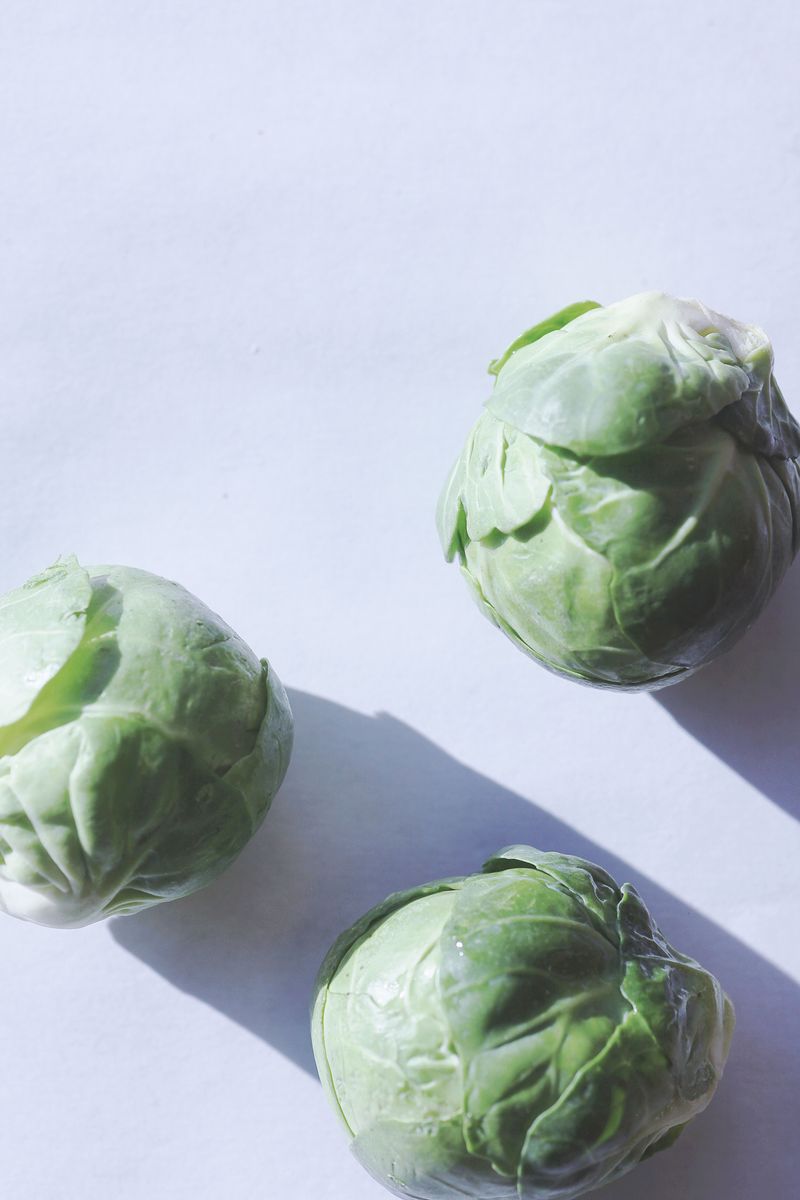
Brussels sprouts are crucifers packed with soluble fiber and glucosinolates that support heart health. Roasting converts bitterness into sweetness while keeping calories moderate.
Their fiber helps lower LDL by trapping cholesterol related compounds. Eating more sprouts can also displace heavier sides, making room for lean protein and healthy fats that improve your numbers.
Halve sprouts, toss with olive oil, salt, and pepper, and roast until edges char. Shred raw for salads with lemony vinaigrette and shaved Parmesan.
For a quick skillet, add garlic, mustard, and a splash of vinegar. If odor worries you, cook briefly and ventilate well, since overcooking releases stronger sulfur aromas.
Olive Oil
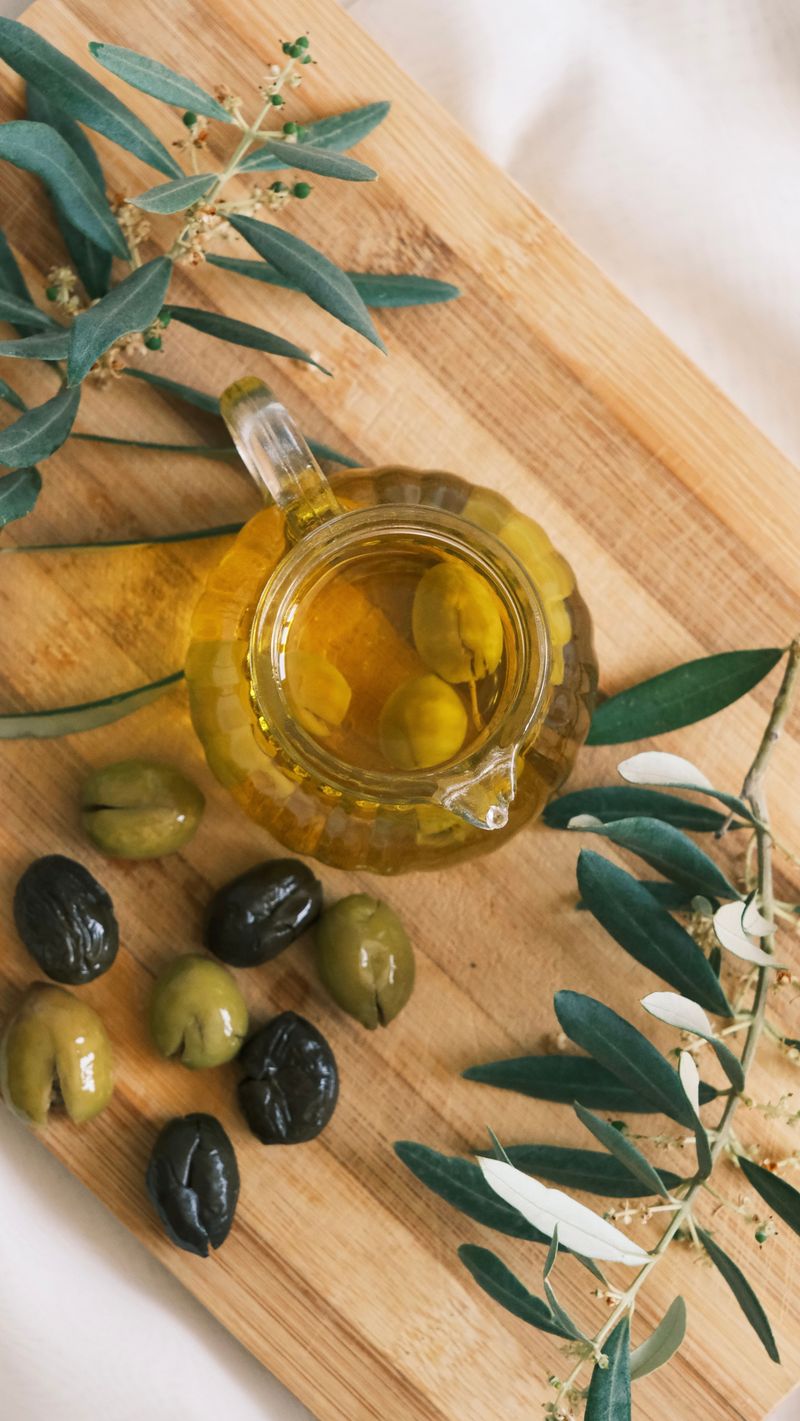
Extra virgin olive oil is rich in monounsaturated fats and polyphenols that support lower LDL and higher HDL. Swapping it for butter reduces saturated fat without losing flavor.
The antioxidants in high quality oil protect delicate lipids from oxidation. A drizzle can transform vegetables and grains into satisfying, heart supportive meals.
Use for salad dressings, warm grain bowls, and gentle sauteing. Finish soups with a fruity swirl, or mash into chickpeas for quick hummus.
Choose fresh, well sealed bottles and store away from heat and light. If calories concern you, measure portions, since oil is energy dense yet incredibly powerful for cholesterol.
Beans
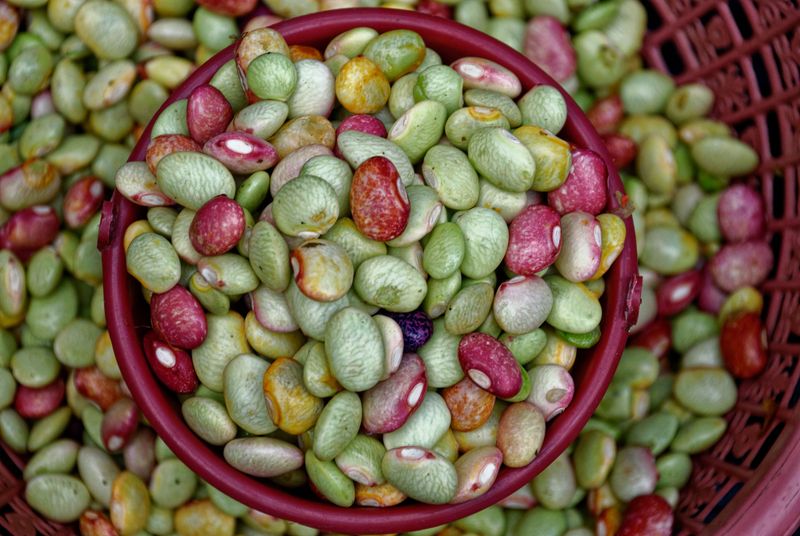
Beans pack soluble fiber that traps cholesterol in your gut so it gets escorted out. Eating a cup a day can nudge LDL down while keeping you pleasantly full.
They digest slowly, helping steady blood sugar and appetite between meals. You also get plant protein, potassium, and resistant starch that feeds friendly microbes.
Choose black, pinto, kidney, or cannellini beans and rotate for flavor. Rinse canned beans to cut sodium, then toss into salads, tacos, soups, and grain bowls.
If gas worries you, increase portions gradually and cook with garlic or bay leaf. Meal prep a big pot on Sunday so weeknights feel easy.
Enjoyed this story?
Add Fast Food Club as a preferred source to see more of our reporting on Google.