


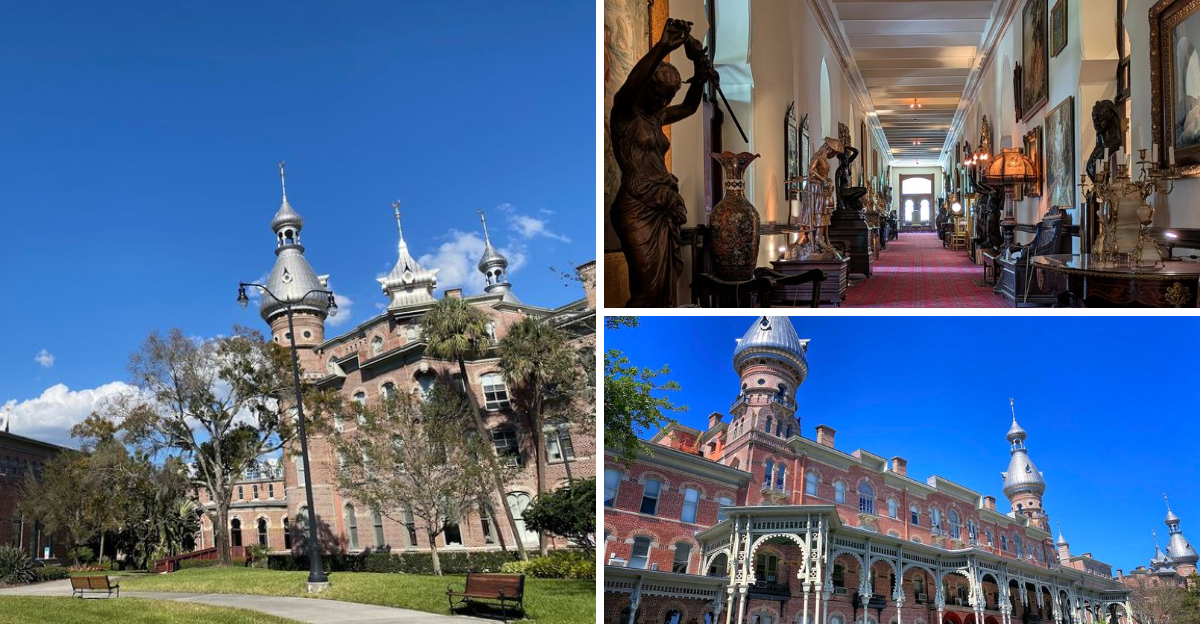
Tucked along the Hillsborough River in Tampa, Florida, the Henry B. Plant Museum is one of those rare places that stops you in your tracks the moment you lay eyes on it.
Built in 1891 as the grand Tampa Bay Hotel, this stunning building features silver minarets, sweeping arches, and ornate details that look straight out of a fairy tale. Today, it stands as a museum that preserves the glamour of Florida’s Gilded Age while telling the story of how one man’s bold vision helped shape an entire city.
Whether you love history, architecture, or just beautiful old buildings, this place is absolutely worth a visit.
The Iconic Silver Minarets That Crown the Skyline
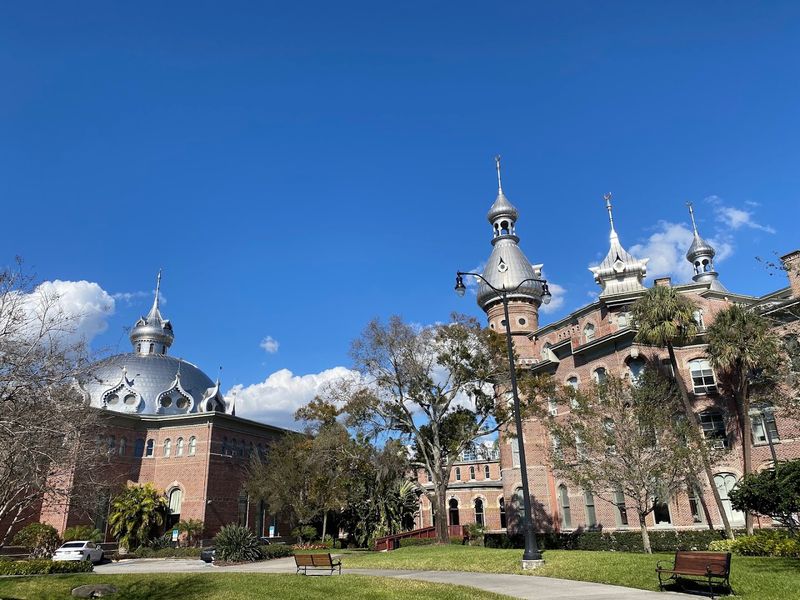
Few rooftops in Florida are as instantly recognizable as the ones topping Plant Hall. The 13 gleaming silver minarets rise dramatically above the treeline, giving the building a silhouette that looks more like a Middle Eastern palace than a Florida landmark.
When sunlight hits them just right, they practically glow against the sky.
Henry B. Plant chose this Moorish Revival style intentionally, wanting his Tampa Bay Hotel to feel unlike anything else in America.
The minarets were not just decorative — they were a statement. Visitors arriving by train in the 1890s would have been absolutely dazzled by the sight.
Even today, snapping a photo from across the river captures something magical. Many visitors say the building looks straight out of a vintage postcard, and honestly, it is hard to argue with that.
Plan to arrive with a fully charged phone camera.
A Gilded Age Hotel Turned Living Museum
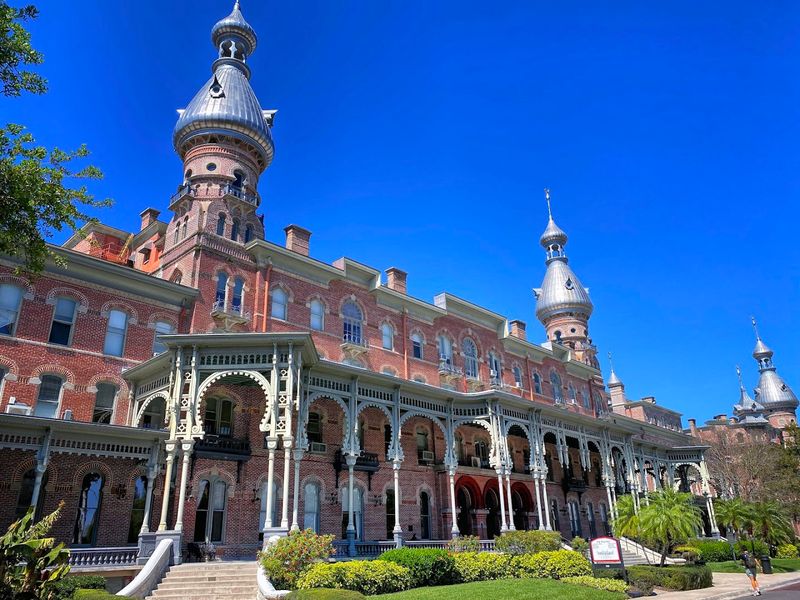
Back in 1891, the Tampa Bay Hotel was one of the most luxurious resorts in the entire United States. Henry B.
Plant spent around $3 million building it — a jaw-dropping sum at the time — and filled it with priceless European and Asian art. Guests who stayed here experienced a level of opulence that was almost unimaginable for the era.
When the hotel eventually closed, the building was transformed into what is now the University of Tampa. A wing was preserved and opened as the Henry B.
Plant Museum, keeping the spirit of that original grandeur alive. Walking through the restored rooms feels genuinely like stepping into another century.
Original furniture, decorative artwork, and carefully curated exhibits bring the Gilded Age back to life in a way that no textbook ever could. Reviewers consistently say the preserved interiors are the highlight of the entire experience.
Henry B. Plant — The Man Who Transformed Tampa
Without Henry B. Plant, Tampa might have remained a sleepy coastal town.
Plant was a railroad and steamship magnate who extended his rail lines into Tampa in the 1880s, essentially putting the city on the map for tourists and businesses alike. His ambition was enormous, and his impact on Florida’s development is still felt today.
He built the Tampa Bay Hotel as the crown jewel of his tourism empire, hoping to attract wealthy northerners escaping cold winters. The strategy worked brilliantly.
Guests poured in, and Tampa began its transformation into a real city with a real economy.
The museum dedicates significant exhibit space to Plant’s life story, from his humble beginnings to his rise as one of America’s most influential industrialists. Learning about him adds rich context to everything else you see inside the building.
He truly was a remarkable person, as many visitors note.
Moorish Revival Architecture That Stops You Cold
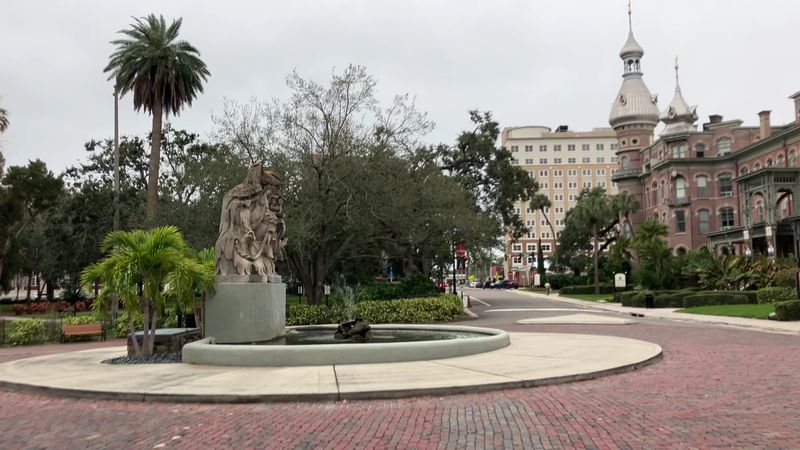
Honestly, nothing quite prepares you for seeing this building in person. The Moorish Revival style blends horseshoe arches, intricate ornamentation, and dramatic towers in a way that feels both exotic and elegant.
It is the kind of architecture that makes you slow your car down just to stare.
Plant hired the New York firm of Carrere and Hastings — the same architects behind the New York Public Library — to design the structure. The result was a building that stretched 500 feet along the riverfront and contained 511 rooms.
That scale is still impressive when you stand beside it today.
Visitors who enjoy comparing historic and modern construction are often struck by the craftsmanship on display here. The woodwork, columns, and carved details represent a level of care that is rare in contemporary building.
One reviewer summed it up perfectly: too bad we do not build things like this anymore.
The Spanish-American War Connection You Might Not Expect
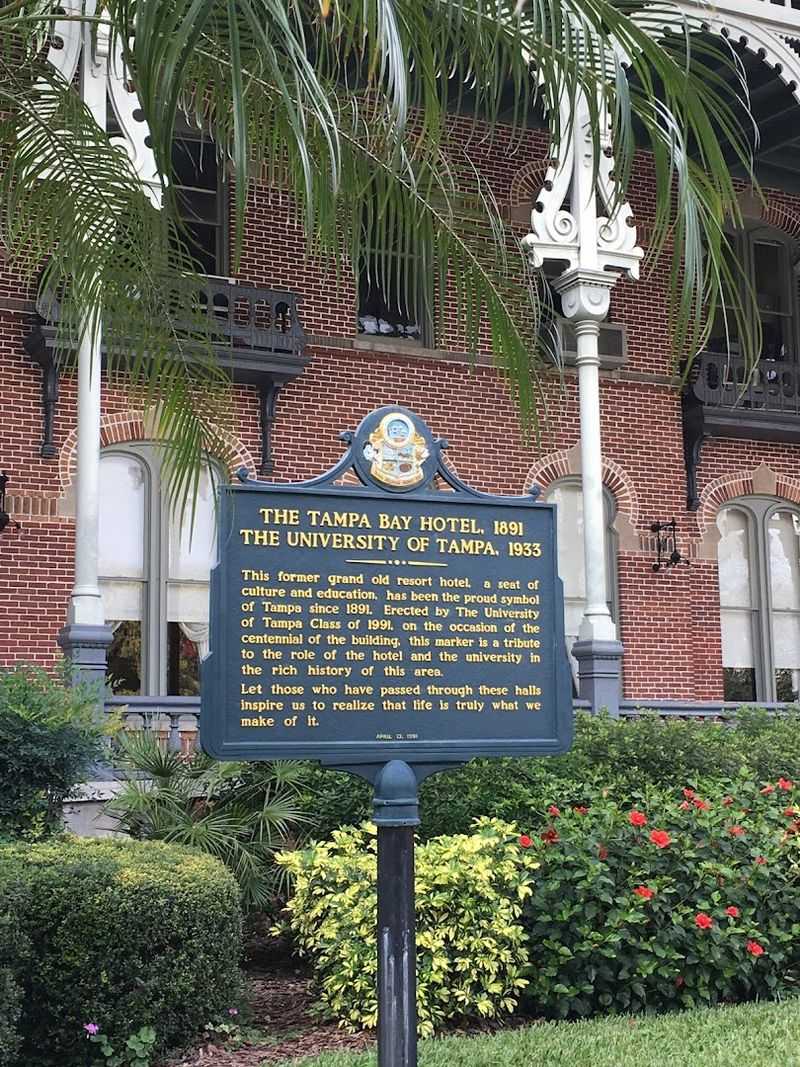
Here is a fact that surprises most first-time visitors: the Tampa Bay Hotel served as the headquarters for U.S. military officers during the Spanish-American War of 1898. Figures like Theodore Roosevelt and his famous Rough Riders actually stayed here before shipping off to Cuba.
The hotel essentially became the nerve center of the entire military operation.
The museum preserves this chapter of history with dedicated exhibits that include photographs, artifacts, and detailed accounts of those dramatic months. It is a fascinating reminder that Tampa was once at the center of a world-changing conflict.
For history lovers, this section alone is worth the price of admission. You can almost imagine uniformed officers striding through these elegant corridors, maps spread across ornate tables.
The contrast between the hotel’s luxurious setting and the urgency of wartime planning makes for a genuinely compelling story that stays with you long after you leave.
Original Antiques and Decorative Art From Around the World
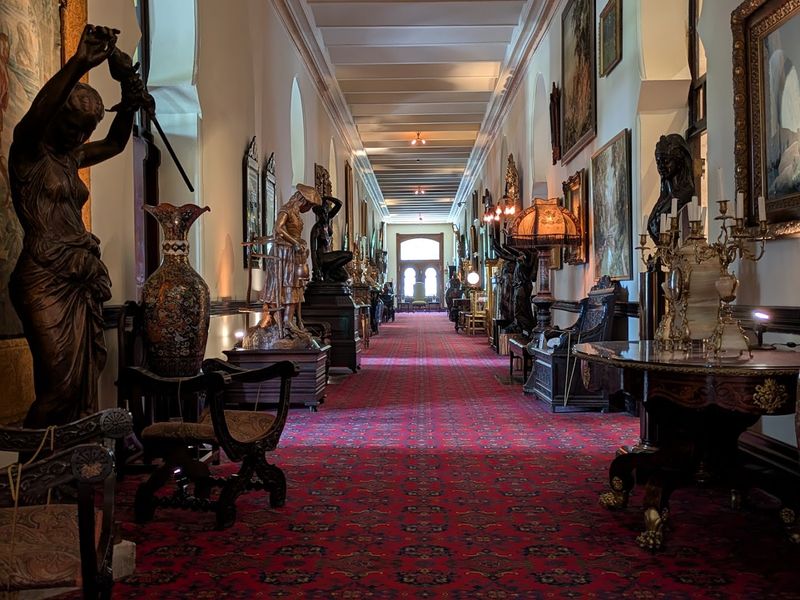
Plant did not just build a beautiful shell — he filled it with treasures. During his travels, he and his wife Margaret collected European, Asian, and Floridian art and decor that transformed the hotel’s interiors into something resembling a world-class gallery.
Many of those original pieces are still on display inside the museum today.
From delicate porcelain to carved wooden furniture and richly woven textiles, the collection reflects the eclectic tastes of the Victorian era. Each room feels curated rather than cluttered, giving visitors space to appreciate individual pieces without feeling overwhelmed.
One of the most rewarding parts of visiting is discovering unexpected details — a gilded mirror here, an intricate tapestry there. Reviewers frequently mention how gorgeous the pieces are and how much there is to look at throughout the space.
If you slow down and pay attention, the collection rewards you with something new around every corner.
The Audio Tour That Brings Every Room to Life
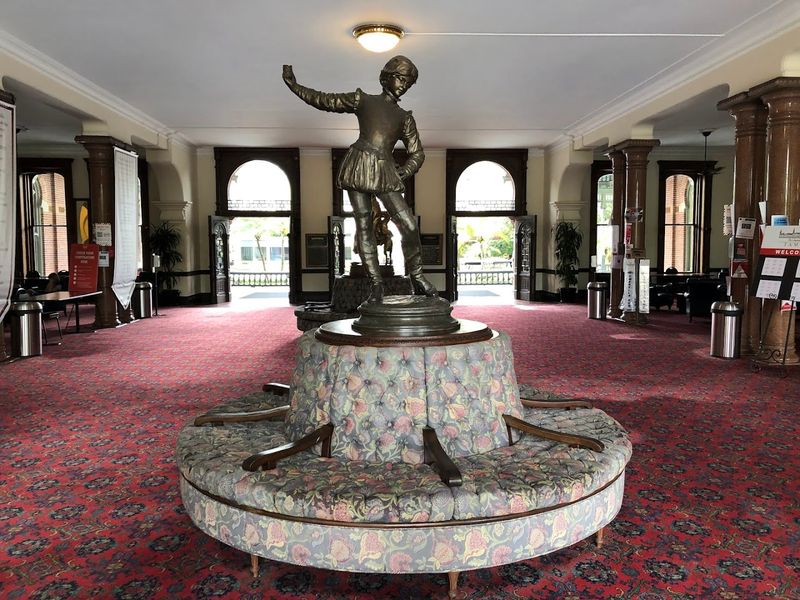
Museum audio tours can sometimes feel dry and forgettable, but the one at Henry B. Plant Museum consistently earns praise from visitors.
Included with admission, it walks you through each room with narration that adds depth and personality to what you are seeing. It transforms a simple walk-through into a genuinely immersive experience.
The audio content covers the building’s history, the people who shaped it, and the stories behind specific artifacts. For anyone who prefers to explore at their own pace without a guided group, this format is ideal.
You can linger as long as you like in a room that captures your attention.
Several reviewers specifically called out the audio tour as a highlight, noting that it helped them learn far more than they expected. Families with older kids tend to find it especially engaging.
Budget around one to two hours to get the full benefit without rushing through anything.
The Scavenger Hunt That Keeps Everyone Engaged
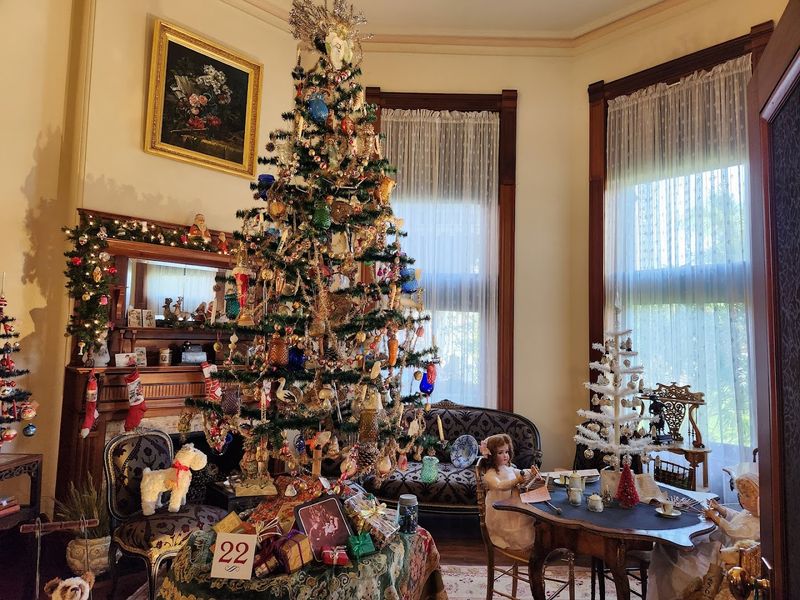
Whoever came up with the museum’s scavenger hunt deserves a round of applause. Multiple visitor reviews mention it as a fun way to stay engaged while exploring, especially during special events like the Victorian Christmas Stroll.
It encourages you to look closely at artifacts and details you might otherwise walk right past.
The scavenger hunt is particularly great if you are visiting with kids or anyone who tends to get restless in museum settings. Having a goal to complete makes the experience feel more like an adventure than a quiet stroll through history.
Even adults get caught up in the hunt.
It is one of those small touches that shows the museum genuinely cares about creating a memorable visit for everyone, not just dedicated history buffs. If you pick one up at the entrance, you will find yourself pausing longer in each room, which honestly makes the whole experience richer and more rewarding.
Victorian Christmas Stroll — A Holiday Tradition Like No Other
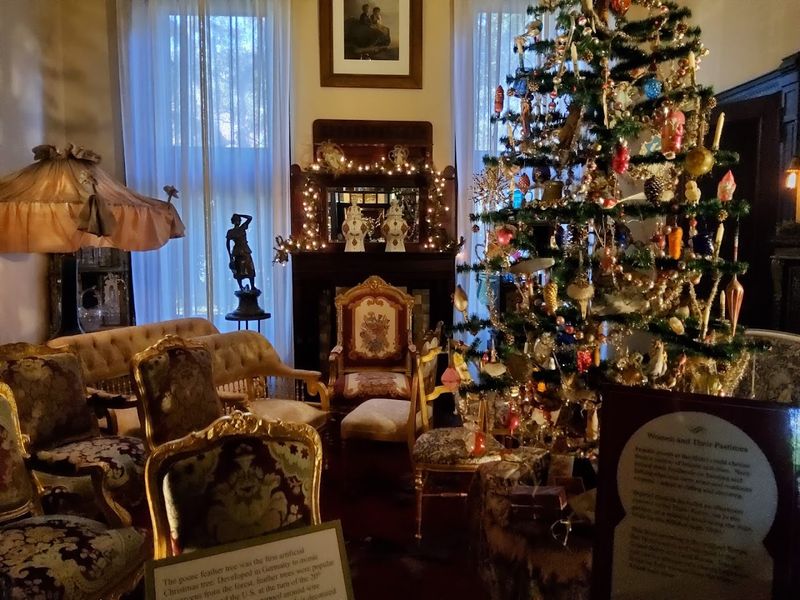
Every holiday season, the Henry B. Plant Museum transforms into something straight out of a Charles Dickens story.
The Victorian Christmas Stroll is one of Tampa’s most beloved seasonal events, drawing visitors who want to experience the magic of 19th-century holiday traditions in a genuinely historic setting. Decorated trees, period-appropriate ornaments, and live carolers fill the space with warmth.
Tickets typically run around $20 per person and sell out quickly, so booking online in advance is strongly recommended. The event includes the scavenger hunt and a short introductory video that sets the scene beautifully before you begin exploring.
Reviewers describe the atmosphere as cozy, romantic, and wonderfully immersive. The combination of stunning architecture, tasteful holiday decor, and live music creates a mood that is genuinely hard to replicate anywhere else in Florida.
Even if you visit the museum at other times of year, make a note to come back for this one.
The Beautifully Kept Grounds Along the River
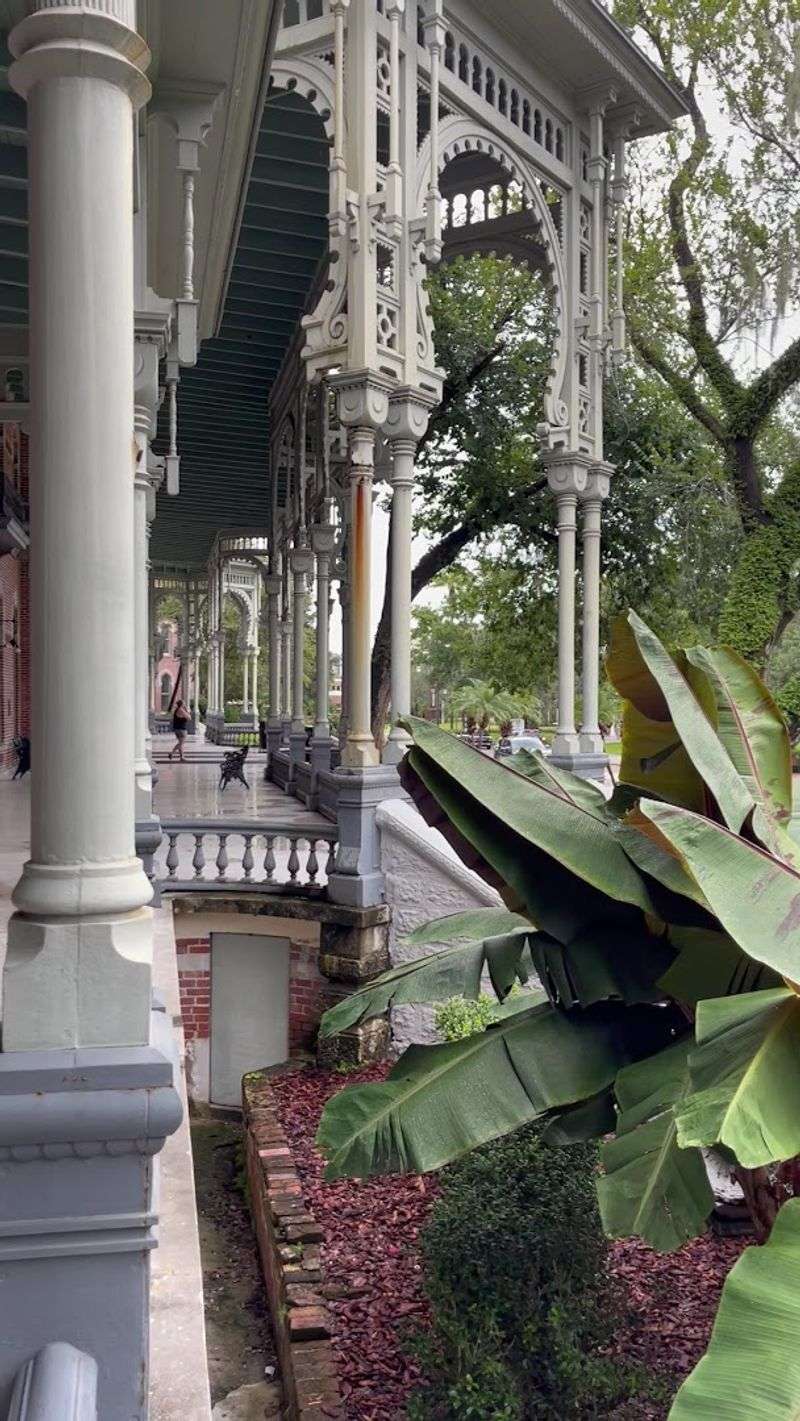
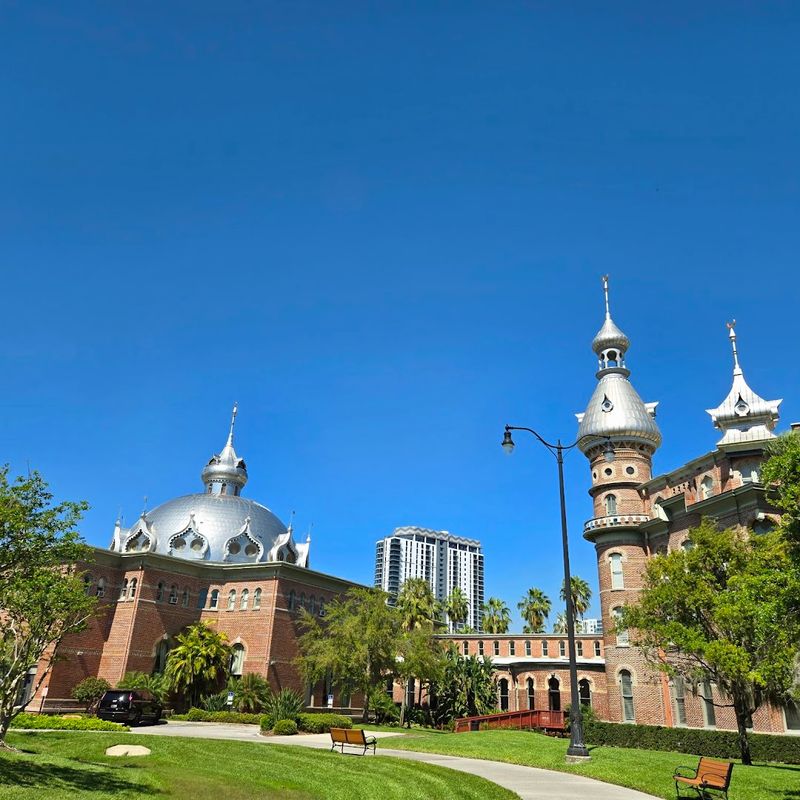
Even if you arrive when the museum is closed, the grounds surrounding Plant Hall are absolutely worth a stroll. The park wrapping around the building is well-maintained, peaceful, and offers some of the best views of the building’s dramatic exterior.
One reviewer who visited on a day off specifically praised the grounds and said the walk left them genuinely happy.
The Hillsborough River runs nearby, adding a scenic backdrop that makes the whole setting feel almost dreamlike. Early mornings are especially quiet and beautiful, with light filtering through the trees and catching the silver minarets above.
Bringing a camera or sketchbook and spending time outside before or after your museum visit is highly recommended. The combination of lush greenery, historic architecture, and riverside views creates a setting that feels worlds away from the bustle of modern Tampa.
It is the kind of spot that stays in your memory long after you have gone home.
Parking Tips That Will Save You Stress
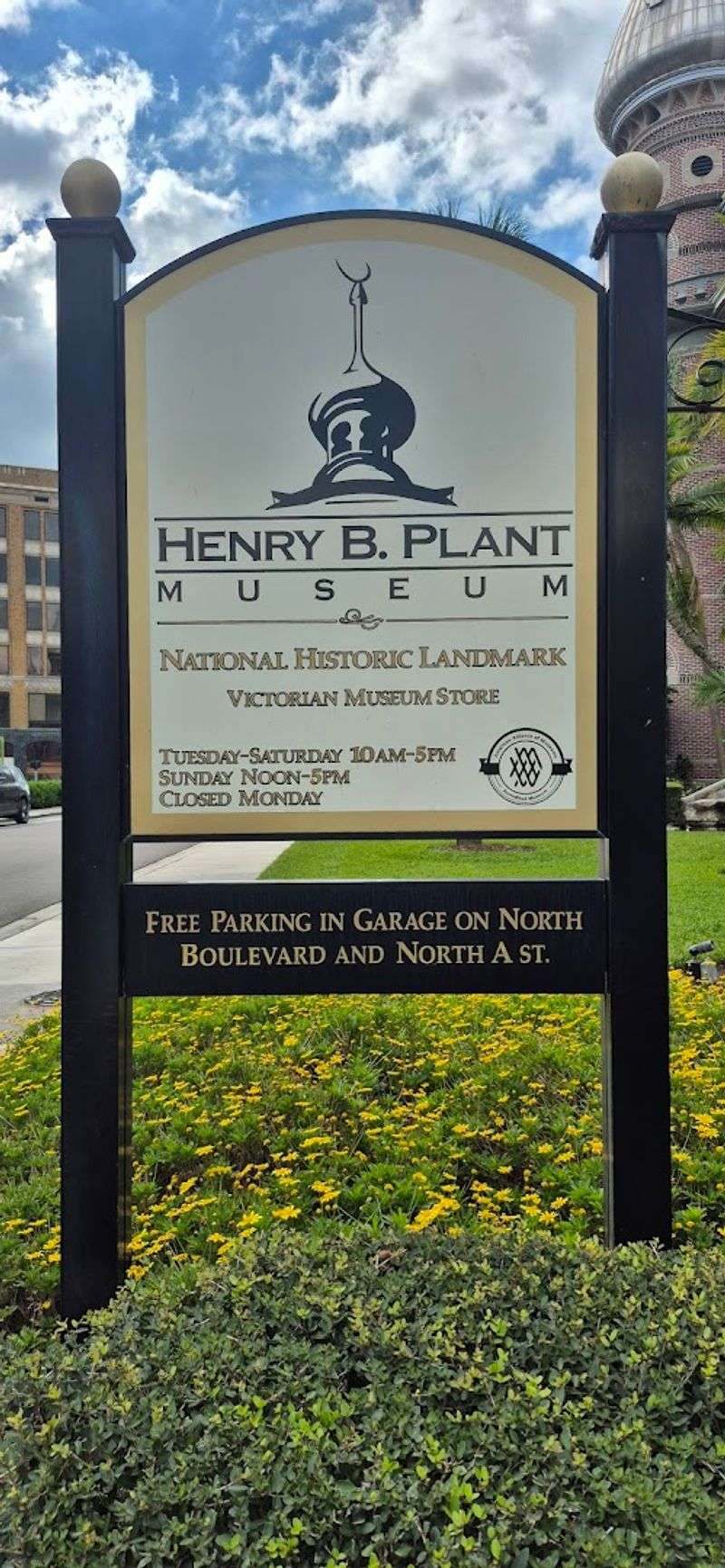
Parking near the Henry B. Plant Museum is one of those things worth sorting out before you arrive, because the lot directly in front of the building is quite small and fills up fast.
A few visitors have mentioned confusion about where to park, so knowing your options ahead of time makes a real difference to your experience.
The good news is that there is a free parking garage down the street that museum visitors can use when the front lot is full. The museum staff can provide a parking slip to help with validation.
Just ask at the front desk when you check in, and they will point you in the right direction.
Arriving a few minutes early on busy days — especially during special events like the Christmas Stroll — gives you the best shot at a convenient spot. The walk from the garage is short and pleasant, passing through the beautiful campus grounds along the way.
Admission Prices and Hours Worth Knowing
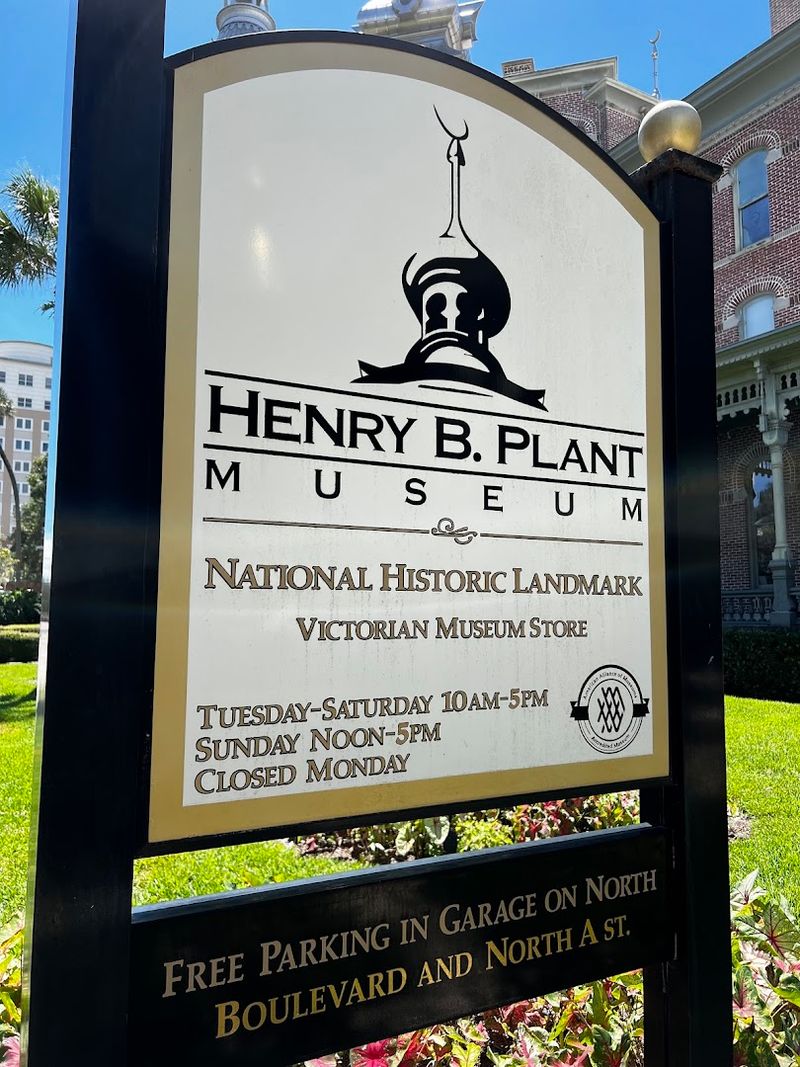
Planning your visit starts with knowing when and how much. The Henry B.
Plant Museum is open Tuesday through Saturday from 10 AM to 5 PM and on Sundays from 12 PM to 5 PM. The museum is closed on Mondays, so double-check before heading over to avoid any disappointment upon arrival.
Admission is reasonably priced, especially considering that the audio tour is included with your ticket. Reviewers consistently describe the cost as fair for what you get, and many say they felt they received excellent value for the time spent inside.
Special events like the Victorian Christmas Stroll have separate pricing, usually around $20 per person.
Buying tickets online in advance is a smart move, particularly during popular events or holiday seasons. The museum’s website at plantmuseum.com has current pricing and event information.
You can also call ahead at +1 813-254-1891 if you have specific questions before your visit.
The Gift Shop Finds That Make Perfect Souvenirs
Before you head out, make sure to stop by the museum gift shop — it is genuinely worth a browse. Unlike generic souvenir shops, this one stocks items that actually connect to the museum’s history and character.
One visitor delightedly reported finding Dolce and Gabbana Grecas and the hotel’s own coffee line among the shelves, calling them incredible and fun finds.
Books about Tampa’s history, decorative pieces inspired by the Victorian era, and unique keepsakes make the shop a satisfying final stop. Whether you are shopping for yourself or picking up a gift for someone back home, there is usually something that catches the eye.
The shop is small but thoughtfully stocked, much like the museum itself. Quality over quantity seems to be the guiding principle.
Spending a few extra minutes here rounds out the visit nicely and gives you something tangible to remember your time at one of Florida’s most extraordinary historic landmarks.
Enjoyed this story?
Add Fast Food Club as a preferred source to see more of our reporting on Google.