


America is a country full of wild, wonderful, and downright strange foods that most people have never tried. From deep-fried delicacies to century-old regional recipes, the United States has no shortage of dishes that raise eyebrows and spark curiosity.
Some of these foods are beloved local traditions, while others are the kind of thing you have to taste to believe. Get ready, because this list might just change everything you thought you knew about American cuisine.
Rocky Mountain Oysters
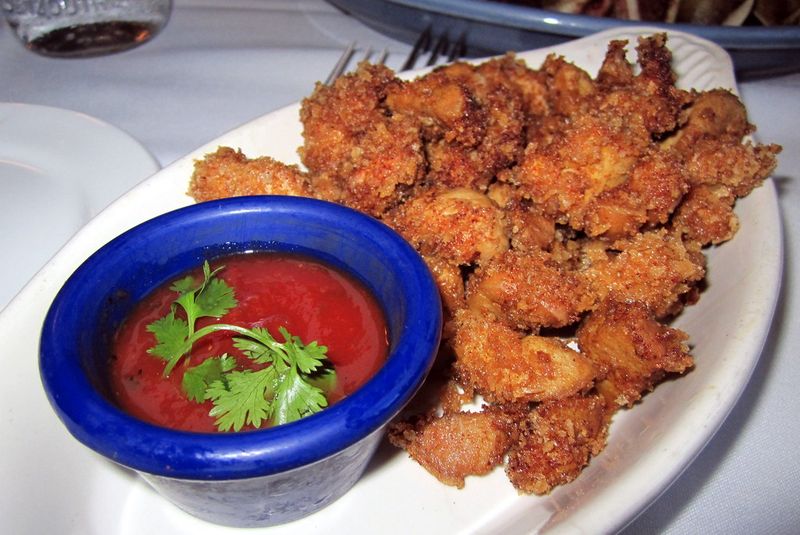
If someone offers you Rocky Mountain Oysters at a Colorado steakhouse, don’t expect seafood. These are actually deep-fried bull testicles, and yes, people absolutely love them.
Ranchers in the American West have been eating them since the frontier days as a way to use every part of the animal. They’re crispy on the outside and surprisingly tender inside.
Brave enough to try one? Many Western festivals serve them up fresh every spring.
Scrapple
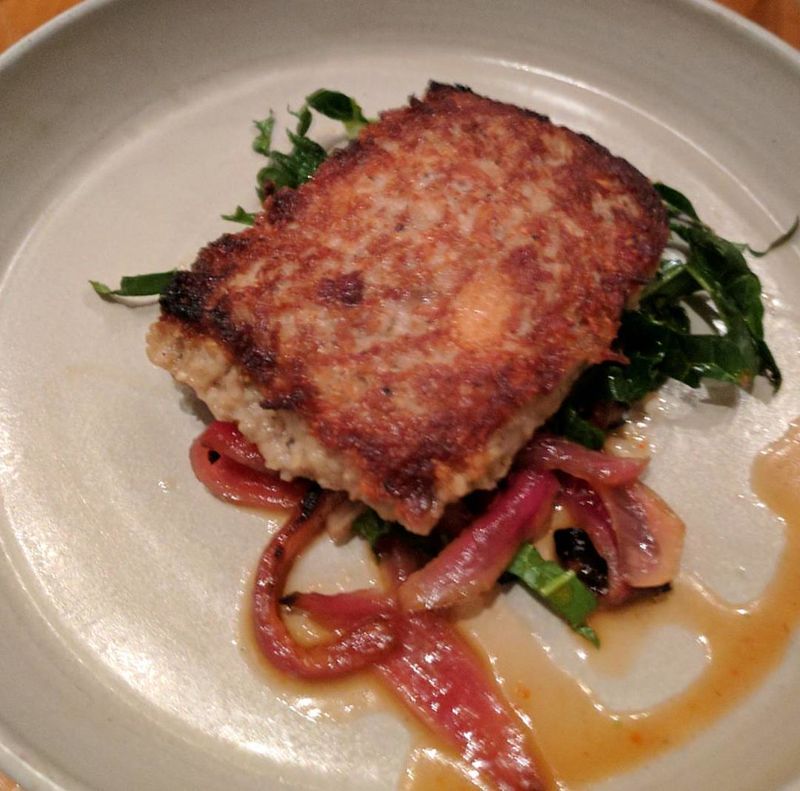
Scrapple is the breakfast meat that Pennsylvania Dutch communities have been making for centuries, and it wastes absolutely nothing from the pig.
Pork scraps, cornmeal, and spices are mixed together, formed into a loaf, sliced, and then fried until crispy on the outside. The result is something between a sausage patty and a slice of polenta.
It sounds odd, but once you taste that crispy, savory bite on a cold morning, you’ll completely understand the obsession.
Chitlins
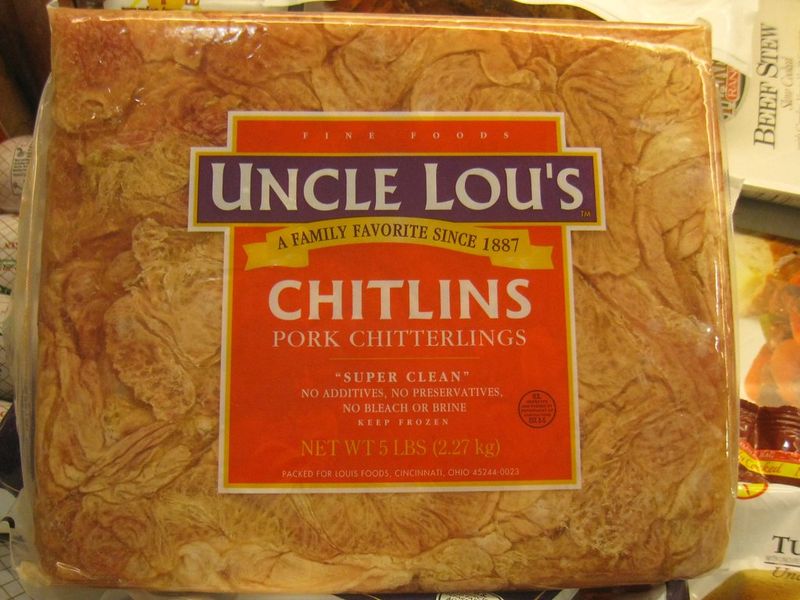
Chitlins, short for chitterlings, are cleaned and slow-cooked pig intestines that have been a staple of Southern soul food for generations. The cooking process is long and the smell is intense, but the flavor payoff is real.
Rooted in African American culinary tradition, chitlins were born out of necessity during slavery and became a symbol of resilience and community.
Today they’re a celebrated part of soul food culture, especially around the holidays.
Pickle Pizza
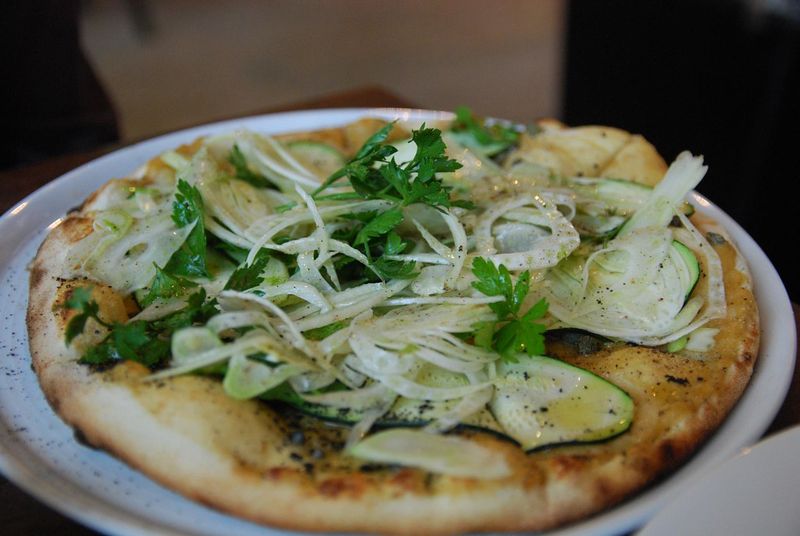
Pickle lovers, this one was made for you. Pickle pizza swaps out the tomato sauce for a creamy garlic or ranch base, then piles on sliced dill pickles and melted mozzarella.
It sounds like a dare, but pizza shops across the country have turned it into a genuine fan favorite. The tangy, briny pickle flavor cuts through the richness of the cheese in a surprisingly satisfying way.
Once you go pickle pizza, regular pizza might feel a little boring.
Kool-Aid Pickles
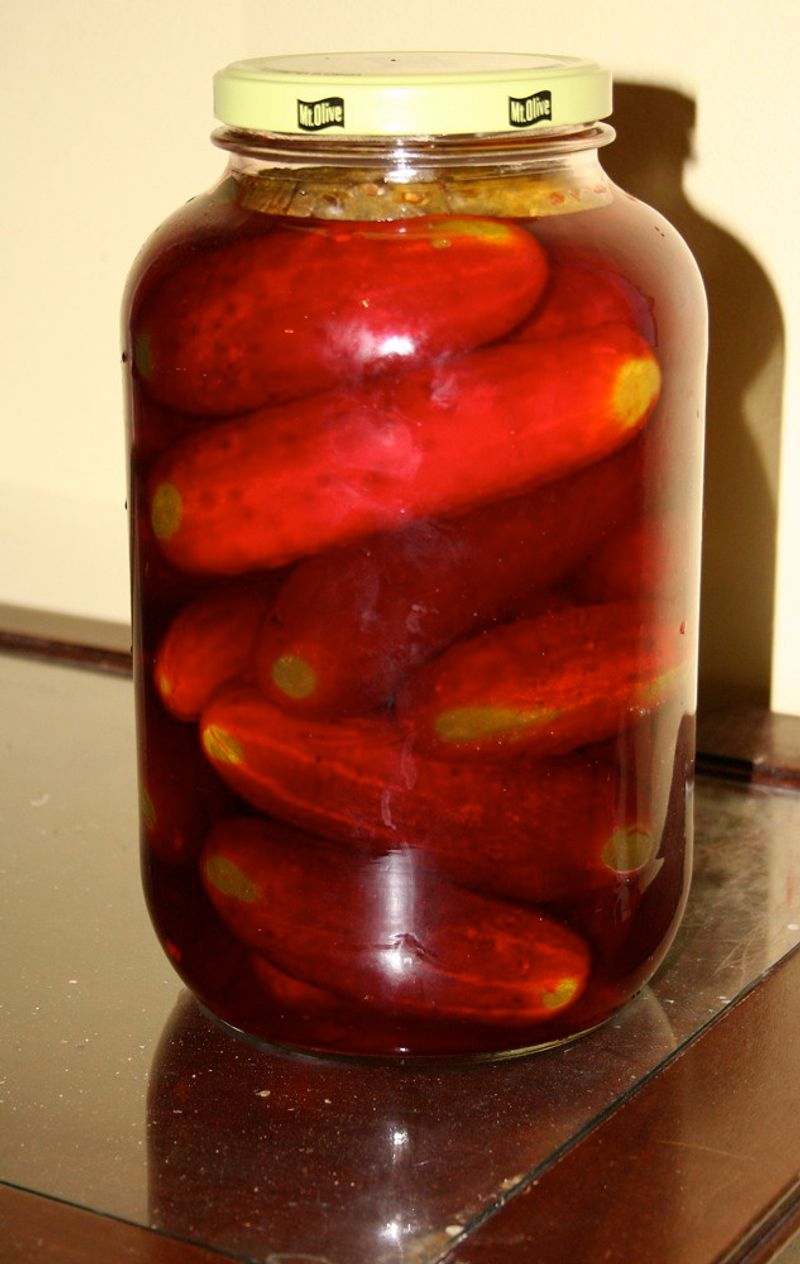
Kool-Aid Pickles, also called Koolickles, are exactly what they sound like: dill pickles soaked in a sweet, colorful Kool-Aid brine. They’re a beloved snack in the Mississippi Delta region and have been for decades.
The pickles turn a shocking shade of red or purple and taste both sweet and sour at the same time. Kids and adults alike go crazy for them at corner stores and local markets.
They’re weird, they’re wonderful, and they’re 100% worth trying.
Fried Butter
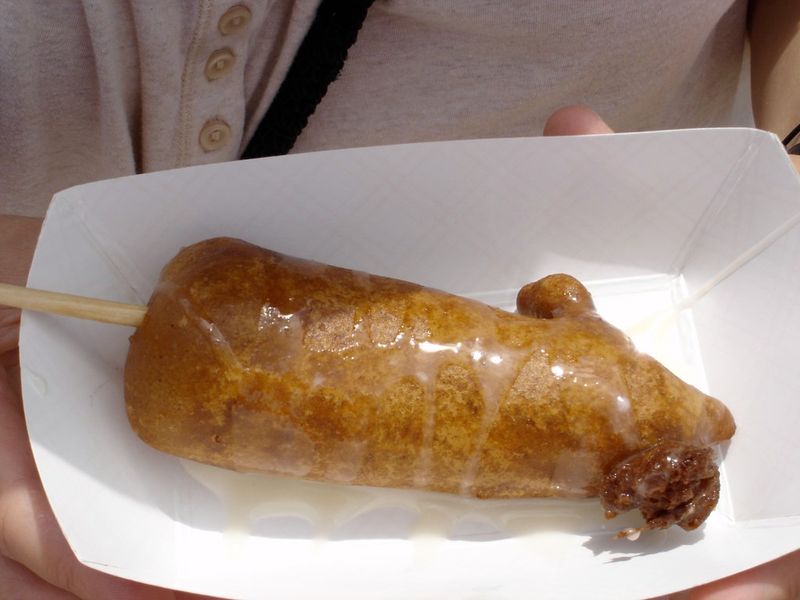
Yes, someone really did deep-fry butter, and yes, it became a state fair sensation. Fried butter is usually made by freezing a chunk of butter, coating it in dough or batter, and then dropping it into hot oil.
The outside gets crispy and golden while the inside turns into a warm, melted, buttery dream. It was popularized at the Texas State Fair and spread quickly to fairs across the country.
Cardiologists might cringe, but fair-goers keep coming back for more.
Lutefisk
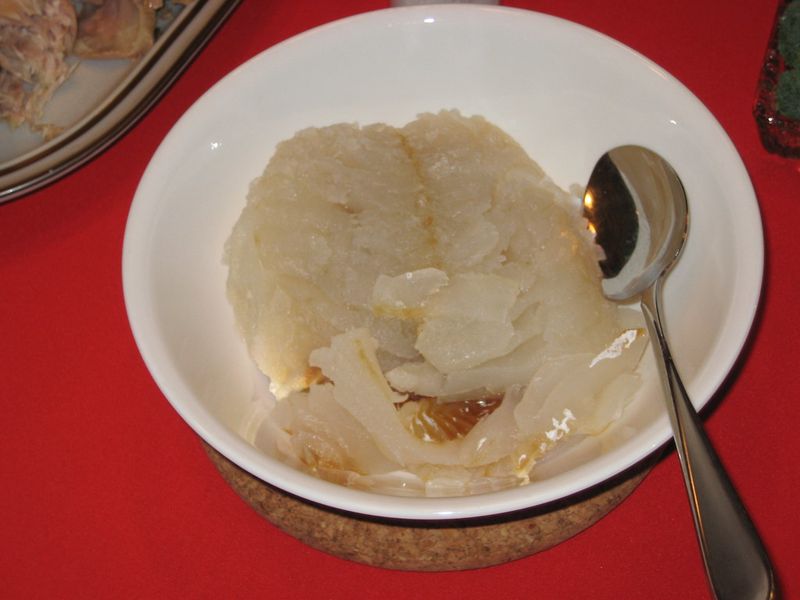
Lutefisk is a traditional Scandinavian dish that found a second home in the upper Midwest, especially in Minnesota and Wisconsin, where Norwegian and Swedish immigrants settled.
It’s made from dried whitefish that’s been soaked in lye for days, giving it a gelatinous, wobbly texture unlike anything else you’ve ever eaten. The smell is notoriously strong and the texture is polarizing.
Despite all that, Lutheran church suppers across the Midwest serve it every winter to enthusiastic, nostalgic crowds.
Spam Musubi
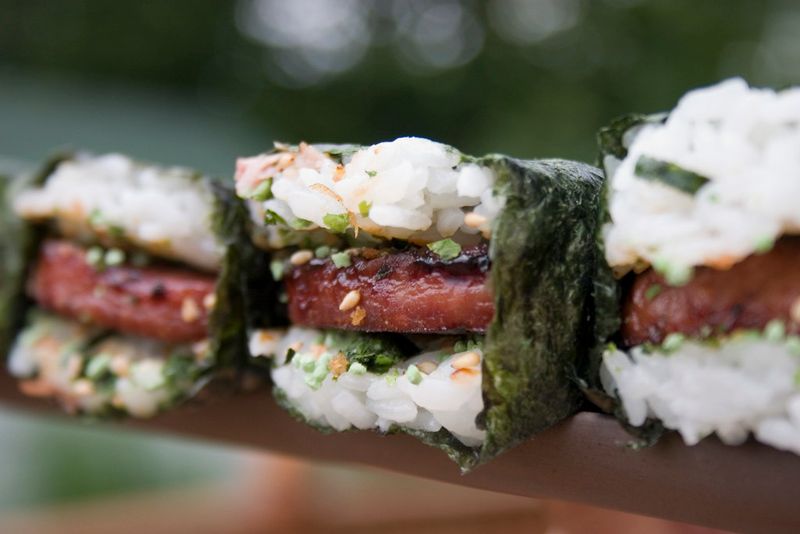
Spam Musubi is Hawaii’s favorite grab-and-go snack, and once you try one, you’ll wonder why it hasn’t gone national. A slice of grilled, slightly caramelized Spam sits on top of a block of seasoned rice, all wrapped together with a strip of nori seaweed.
Spam became popular in Hawaii during World War II when fresh meat was scarce. Today it’s a point of cultural pride.
You’ll find these at every convenience store, school cafeteria, and potluck across the islands.
Garbage Plate
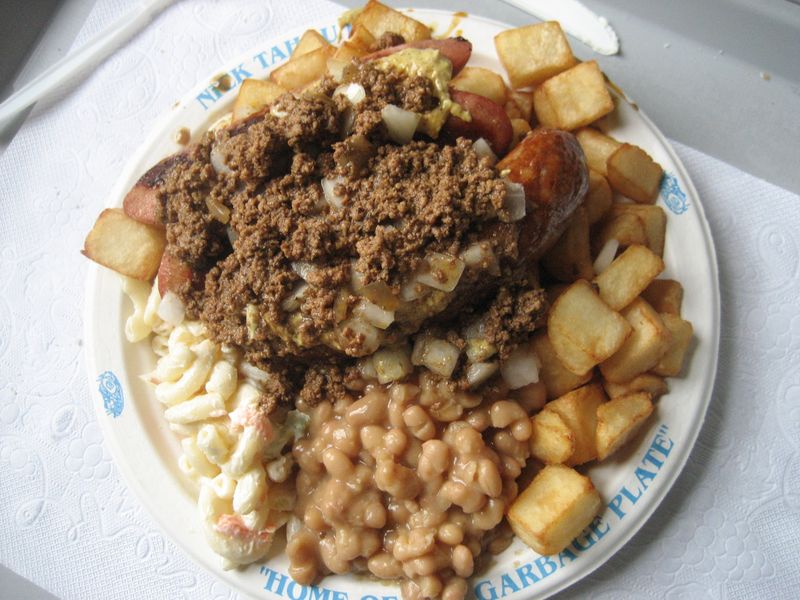
Rochester, New York gave the world the Garbage Plate, and the name tells you everything you need to know. It’s a massive, glorious pile of macaroni salad, home fries, and your choice of protein, all smothered in a spicy meat sauce.
Nick Tahou Hots, the original restaurant, has been serving this legendary mess since the 1920s. It became a trademark dish and a Rochester institution.
College students, night owls, and hungry locals have been demolishing plates of it for over a century.
Cincinnati Chili
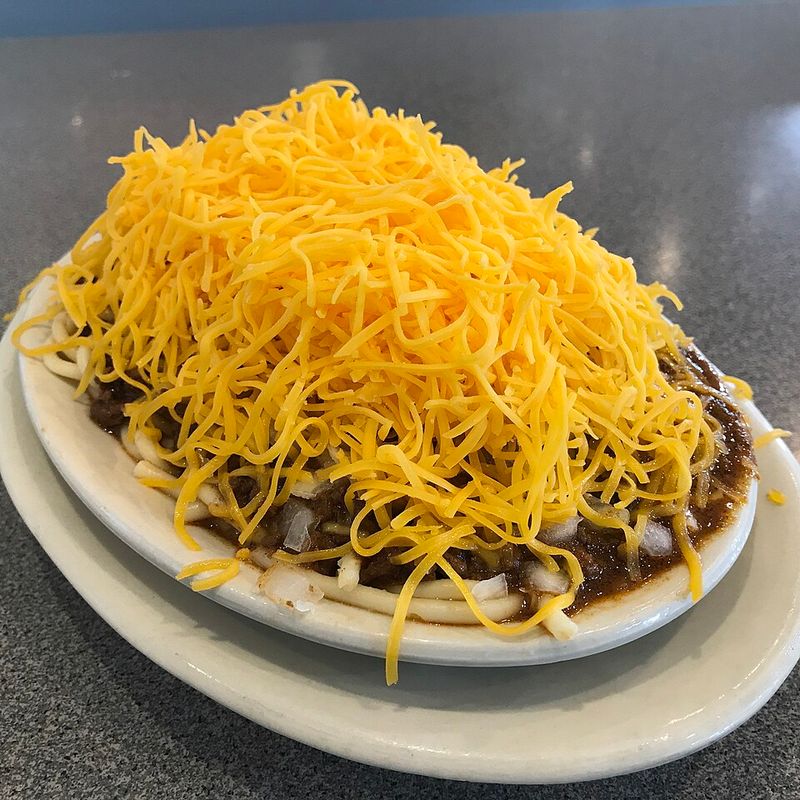
Cincinnati Chili breaks every rule you thought you knew about chili. It’s served over spaghetti noodles and topped with a mountain of finely shredded cheddar cheese, and it doesn’t have beans unless you specifically ask for them.
The chili itself is thinner and spiced with warm flavors like cinnamon, chocolate, and allspice, giving it a uniquely sweet-savory taste. Skyline Chili and Gold Star Chili are the two legendary local chains.
Cincinnatians are fiercely loyal to their style, and first-timers are usually converted after one bite.
Gator Tail
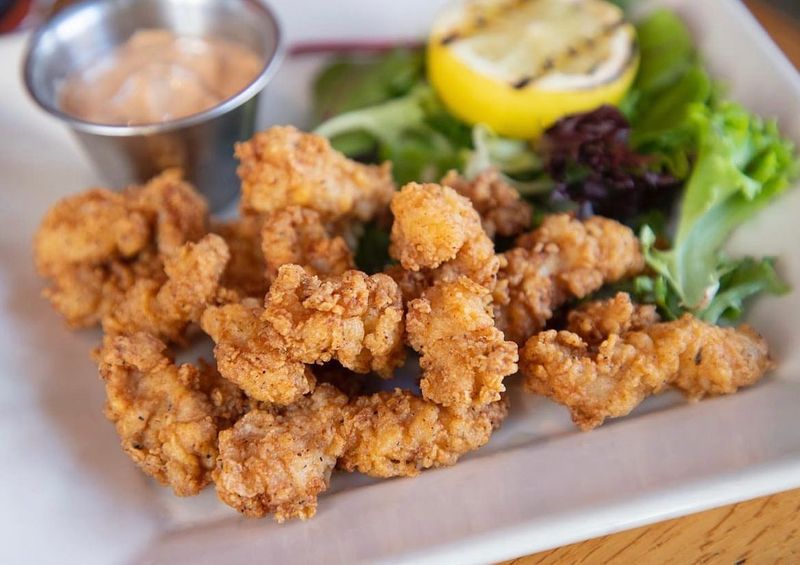
Gator tail is a Southern delicacy that’s especially popular in Florida and Louisiana, where alligators are plentiful and hunting them is a regulated tradition.
The meat is typically cut into chunks, battered, and deep-fried until golden and crispy. It tastes surprisingly mild, often compared to chicken or fish, which makes it a great entry point for adventurous eaters.
Roadside stands, seafood shacks, and Cajun restaurants all put their own spin on gator tail, making every bite a little different.
Frog Legs
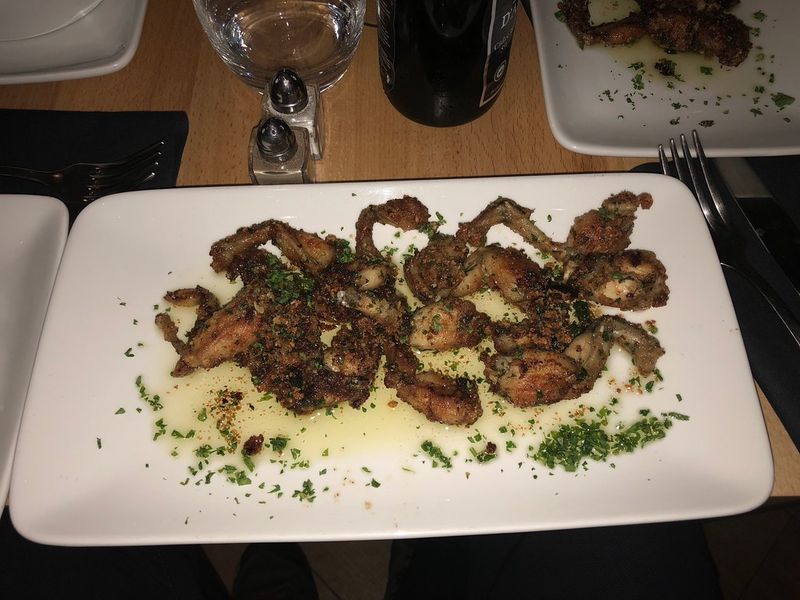
Mark Twain might have immortalized the jumping frog of Calaveras County, but Southerners immortalized frog legs on the dinner plate. These small, delicate limbs are usually battered and fried or sauteed in garlic butter.
The flavor is genuinely mild and tender, sitting somewhere between chicken wings and fish. They’ve been a Southern staple for generations, especially in Louisiana, Mississippi, and Arkansas.
If you can get past the slightly unusual appearance on the plate, frog legs are a genuinely delicious surprise.
Boiled Peanuts
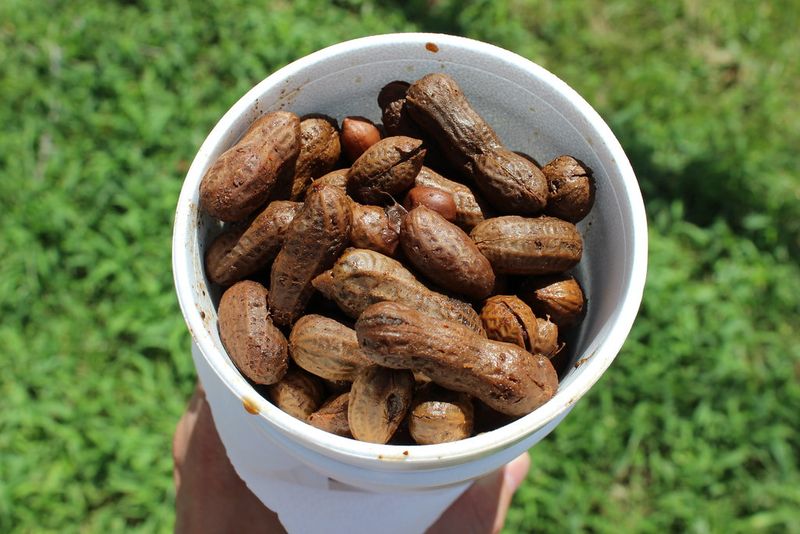
Pull over at any roadside stand in South Carolina or Georgia and you’ll likely spot a hand-painted sign that says “Boiled P-Nuts.” Raw peanuts are slow-cooked in heavily salted water for hours until they become soft, salty, and almost creamy inside.
The texture is nothing like roasted peanuts, and that surprises most first-timers. They’re warm, juicy, and deeply savory.
Southerners eat them by the bagful at gas stations, baseball games, and family reunions without a second thought.
Pickled Pig’s Feet
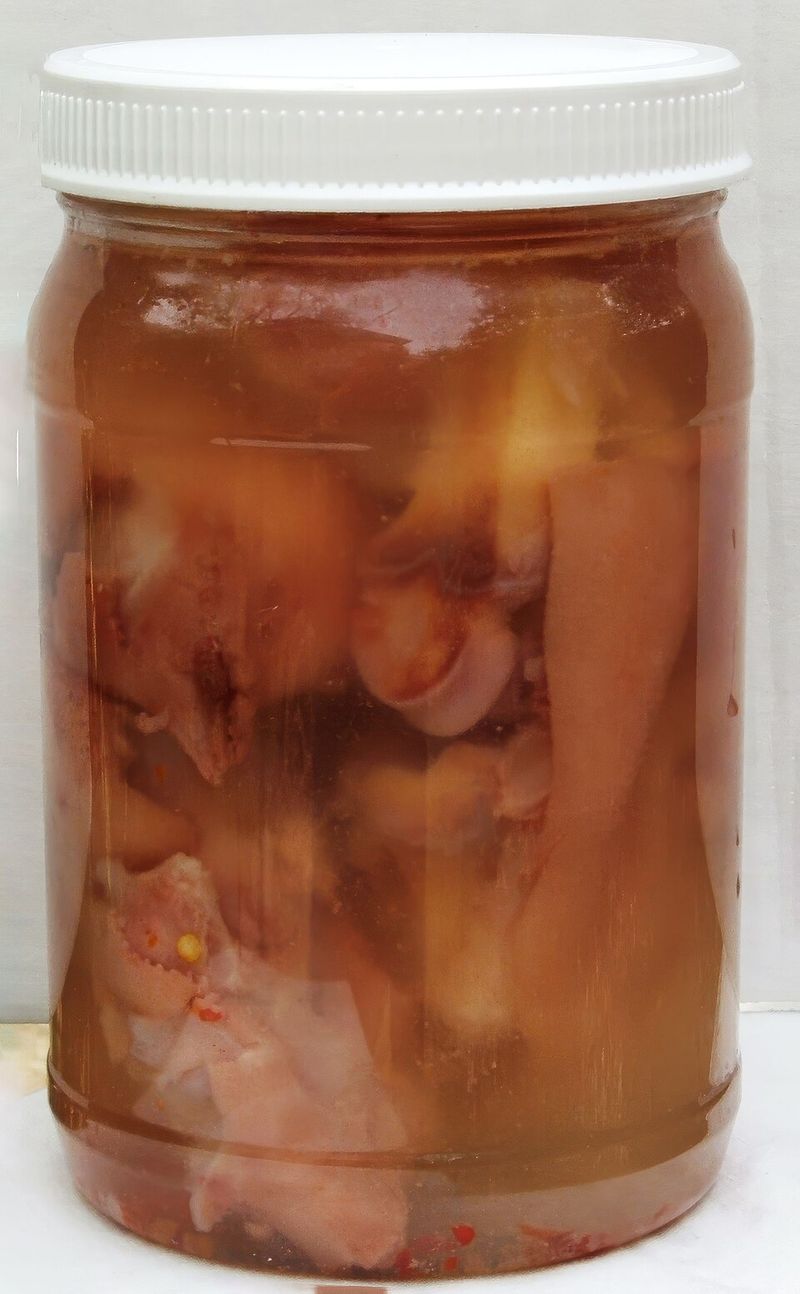
Pickled pig’s feet have been sitting in big glass jars on Southern convenience store counters for as long as anyone can remember. The pig’s feet are slow-cooked, then preserved in a tangy vinegar brine with spices.
They’re chewy, gelatinous, and packed with that sharp pickled flavor that fans absolutely crave. Like chitlins, this dish has deep roots in African American and Appalachian food traditions.
They’re not for everyone, but devoted fans will tell you there’s nothing else quite like them.
Livermush
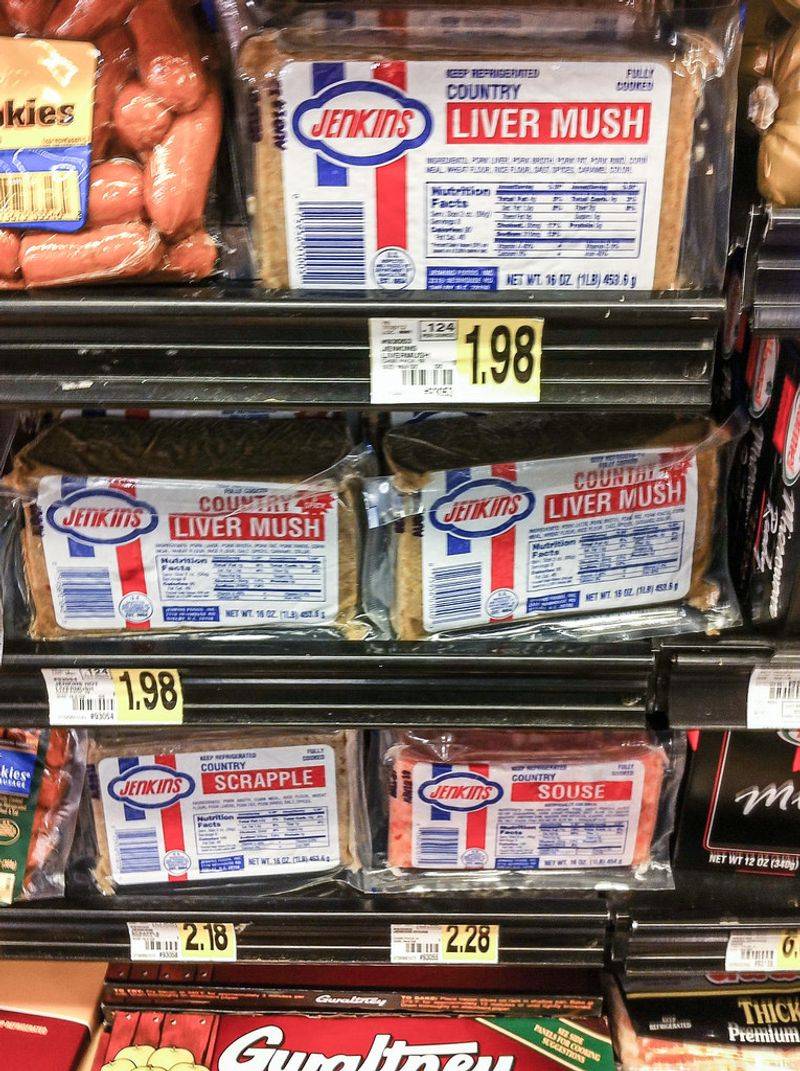
North Carolina’s livermush is the state’s proudest and most misunderstood breakfast food. Made from pork liver, cornmeal, and spices, it’s pressed into a loaf and then sliced and pan-fried until the edges turn crispy and golden.
The flavor is earthy, savory, and rich in a way that’s hard to compare to anything else. Towns like Shelby, NC even host an annual Livermush Exposition celebrating the dish.
Locals eat it on biscuits, in sandwiches, or straight off the skillet without apology.
Brain Sandwich
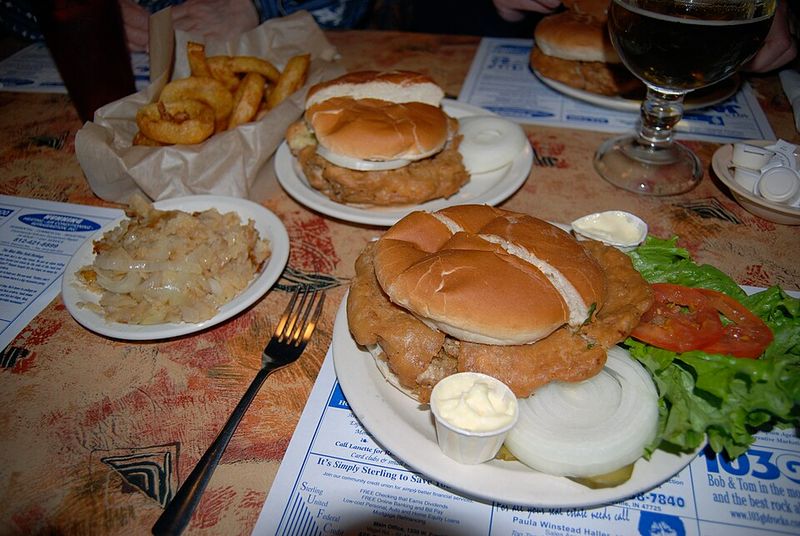
Before mad cow disease concerns changed everything in the 1990s, brain sandwiches were a lunchtime staple in Evansville, Indiana and parts of the Ohio River Valley. Sliced beef or pork brain was breaded, fried, and served on a soft bun with mustard and onions.
A few determined restaurants still serve them today using pork brain, keeping the tradition barely alive. The texture is creamy and soft, unlike any other meat.
It’s a genuine slice of Midwestern culinary history that most people never knew existed.
Goetta
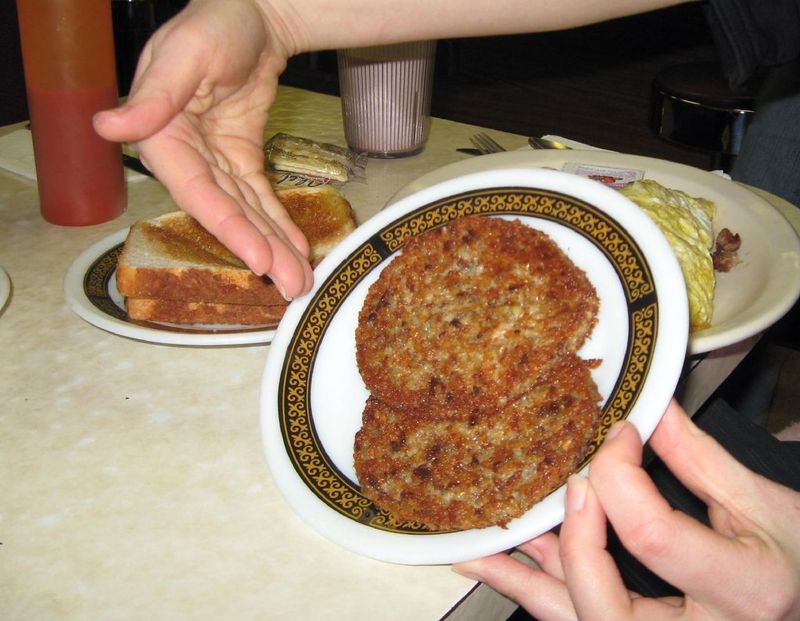
Goetta is Cincinnati’s other famous food obsession, and it deserves just as much attention as Cincinnati chili. Made from ground pork, beef, steel-cut oats, and spices, it’s formed into a loaf, sliced, and then fried until the outside is wonderfully crispy.
German immigrants brought this recipe to the Cincinnati area in the 1800s as a budget-friendly way to stretch meat further. Glier’s Goetta is the most famous brand.
Every September, Cincinnati hosts Goettafest, a whole festival dedicated entirely to this humble, hearty patty.
Hotdish
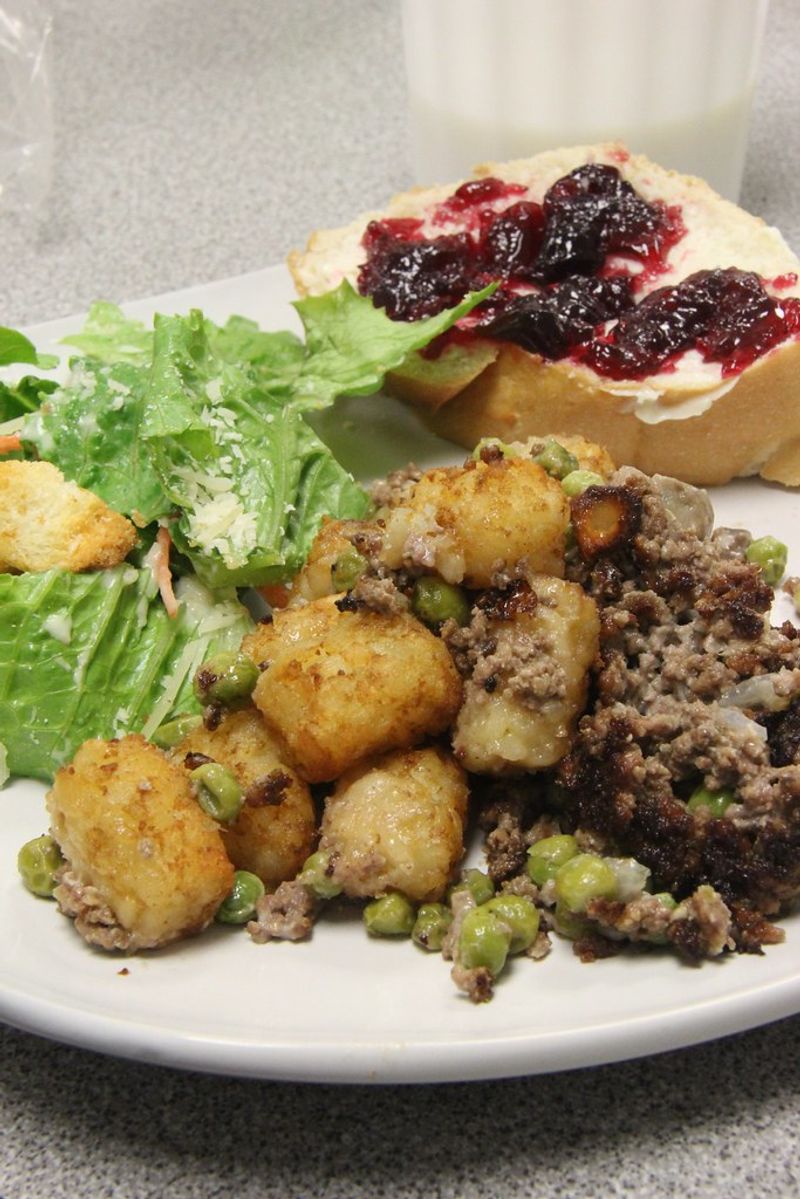
Hotdish is the Midwest’s ultimate comfort food, and Minnesotans will defend it with their whole hearts. At its most classic, it’s a casserole of ground beef, cream of mushroom soup, mixed vegetables, and a thick layer of tater tots baked until bubbling and golden.
Every church potluck, family gathering, and school fundraiser in Minnesota features at least one hotdish. Recipes vary by family, but the cozy, filling result is always the same.
It’s humble, hearty, and hits different on a cold winter night.
Frito Pie
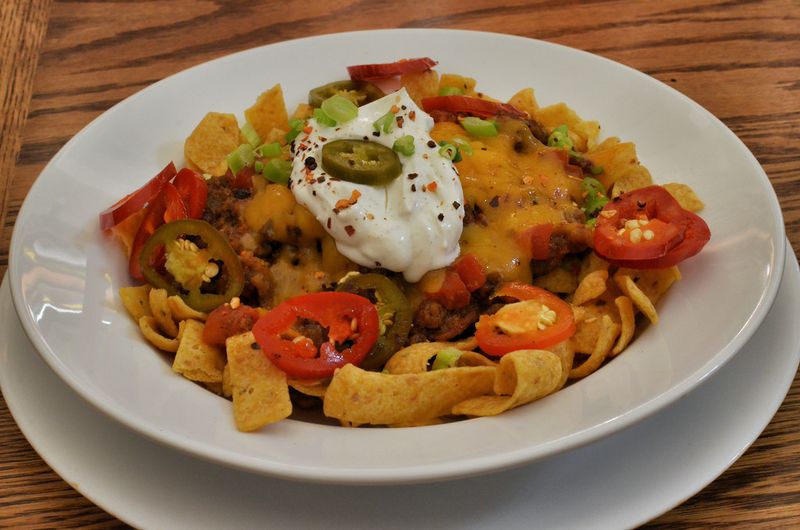
Frito Pie is the kind of food that was invented for Friday night football games and has never left. The simplest version is just a bag of Fritos corn chips split open and loaded with chili, shredded cheese, and onions.
Texas claims it as a native dish, though New Mexico has a strong counter-argument. Either way, this snack is pure Americana.
The chips stay crunchy just long enough for you to eat it before they soak up all that chili.
Messy, salty, satisfying, and absolutely worth the mess.
Sonoran Hot Dog
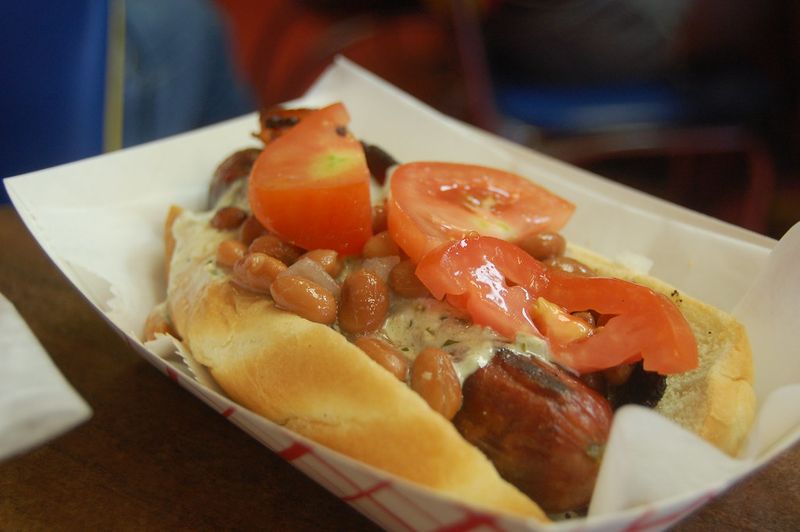
The Sonoran Hot Dog is what happens when Mexican street food culture meets the American hot dog, and the result is spectacular. The dog is wrapped in bacon and grilled, then nestled into a soft, pillowy bolillo-style bun.
From there it gets piled with pinto beans, diced tomatoes, onion, mayonnaise, mustard, and crumbled cotija cheese. It’s a full meal on a bun.
Tucson, Arizona is the undisputed capital of the Sonoran dog in the United States.
Street carts and small taquerias serve them late into the night.
Turducken
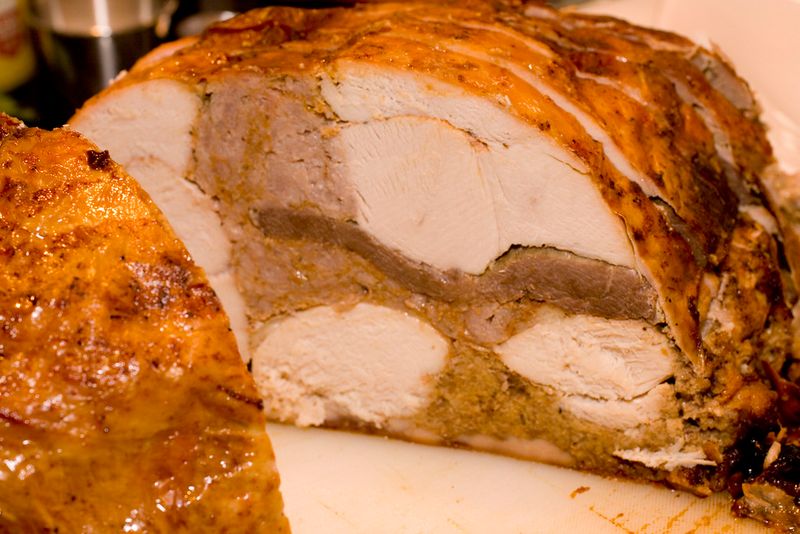
Turducken is the ultimate Thanksgiving overachiever: a chicken stuffed inside a duck, stuffed inside a turkey, with layers of stuffing packed between each bird. The result is a dramatic, multi-layered roast that feeds a crowd and sparks conversation.
Louisiana chef Paul Prudhomme is widely credited with popularizing it in the 1980s, though the concept of stuffing one bird inside another goes back centuries. Cajun country still produces some of the best ones.
Carving it at the table is half the spectacle.
Peanut Butter Burger
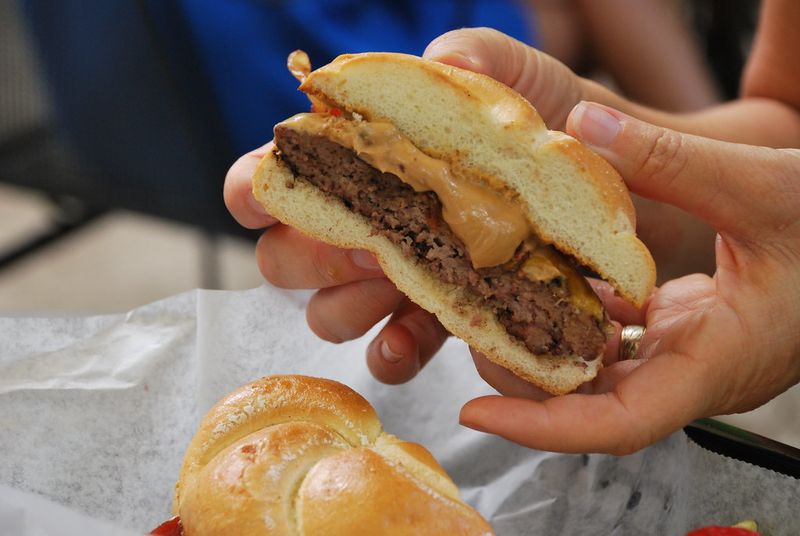
The peanut butter burger sounds like something a kid dared a chef to make, but it’s actually a beloved menu item at diners and burger joints across the country. A thick beef patty gets topped with a generous smear of creamy peanut butter, and sometimes bacon and cheese join the party.
The combination of savory beef and rich, nutty peanut butter is surprisingly harmonious. The fat from the burger and the creaminess of the peanut butter melt together beautifully.
Skeptics become believers after the very first bite.
Fried Green Tomatoes
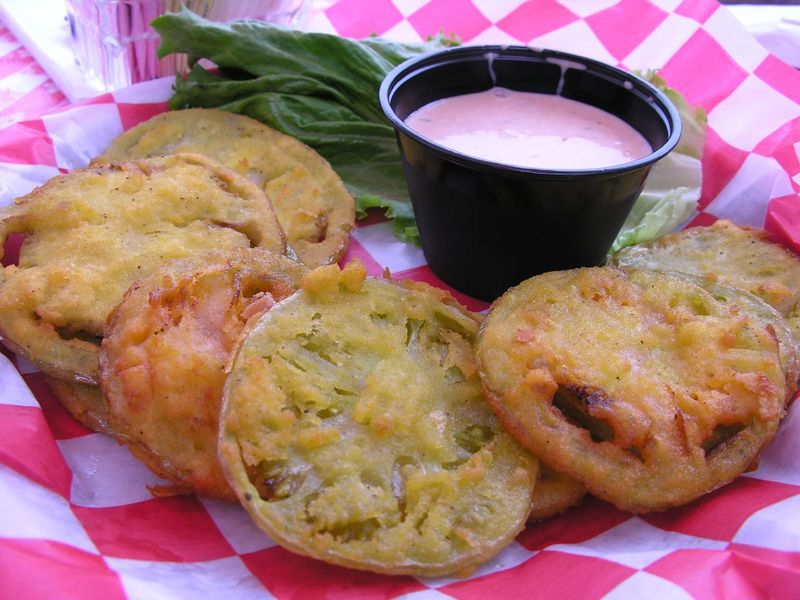
Long before the 1991 movie made them famous nationwide, Southerners had been frying up unripe green tomatoes for generations. Sliced thick, coated in seasoned cornmeal, and fried until golden and crispy, they’re tart, crunchy, and completely addictive.
The firm texture of a green tomato holds up perfectly to the heat of frying in a way a ripe tomato never could. They’re usually served with a creamy remoulade or buttermilk dipping sauce.
A true taste of the South that belongs on every food bucket list.
Oyster Dressing
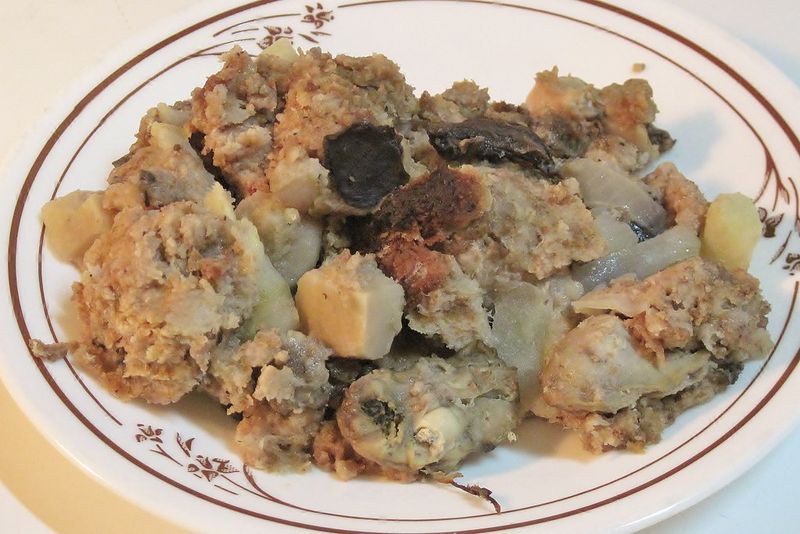
Oyster dressing is a Thanksgiving side dish that coastal Southerners consider non-negotiable. Briny, plump oysters are folded into a savory cornbread or bread stuffing mixture with celery, onion, herbs, and butter, then baked until golden on top.
The oysters add a rich, oceanic depth of flavor that transforms ordinary stuffing into something extraordinary. It’s especially popular in Virginia, the Carolinas, and along the Gulf Coast.
Families who grew up eating it can’t imagine a holiday table without it sitting right there in the center.
Chow-Chow Relish
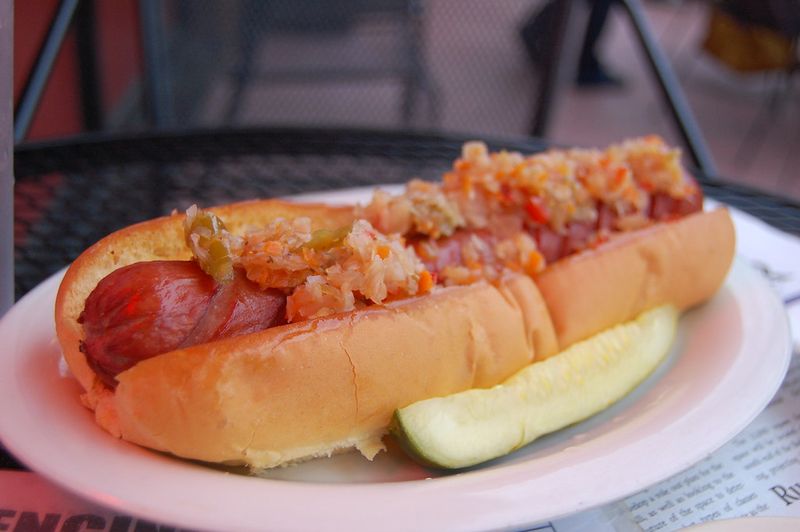
Chow-chow relish is a tangy, crunchy condiment made from a mix of chopped green tomatoes, cabbage, peppers, and onions pickled in a sweet and sour vinegar brine. It’s a staple of Appalachian and Southern cooking that most people outside the region have never encountered.
Every family has their own version, passed down through handwritten recipe cards and mason jars given as gifts. It goes on beans, hot dogs, cornbread, and just about anything else you put on a plate.
Homemade chow-chow is a labor of love and a taste of genuine American heritage.
Hoppin’ John
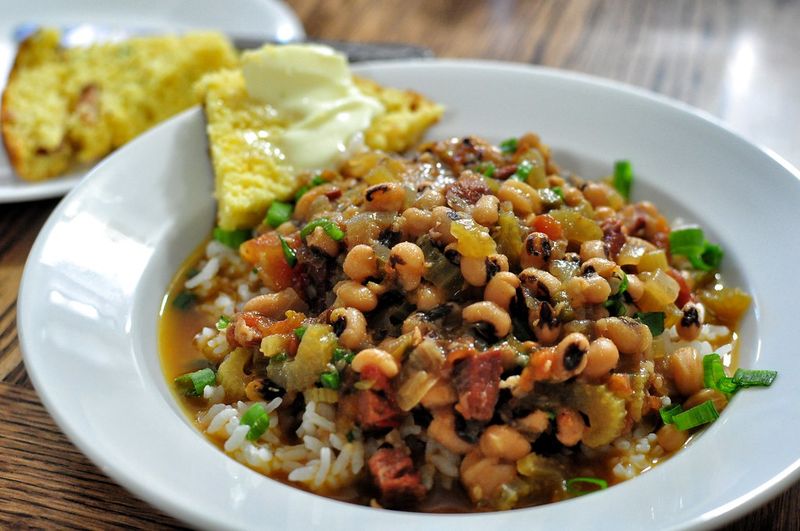
Eating Hoppin’ John on New Year’s Day is serious business in the South. Black-eyed peas are simmered low and slow with a smoky ham hock or bacon, then served over fluffy white rice with a side of collard greens and cornbread.
The black-eyed peas symbolize coins and good luck for the coming year, while the greens represent paper money. The tradition dates back centuries and has West African roots.
Whether you believe in the luck or not, this dish is deeply comforting and full of rich, smoky flavor.
Runza
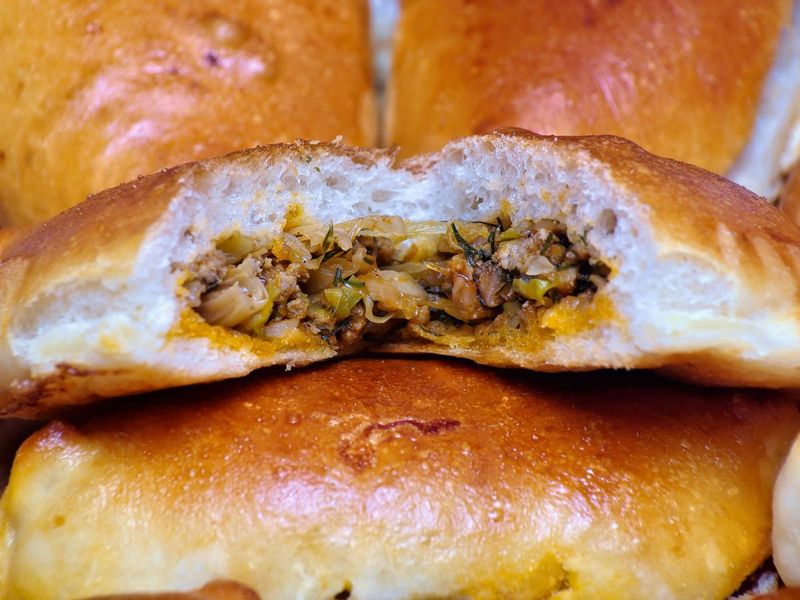
Nebraska has its own fast food chain built entirely around one sandwich, and that sandwich is the Runza. It’s a soft, baked bread pocket stuffed with seasoned ground beef, cabbage, and onions, and it traces its roots back to Russian-German immigrant communities on the Great Plains.
The Runza chain has been serving them since 1949 and remains a point of fierce Nebraska pride. The bread is pillowy, the filling is hearty, and the whole thing is deeply satisfying.
If you’re ever passing through Nebraska on a road trip, stopping for a Runza is absolutely mandatory.
Pepperoni Roll
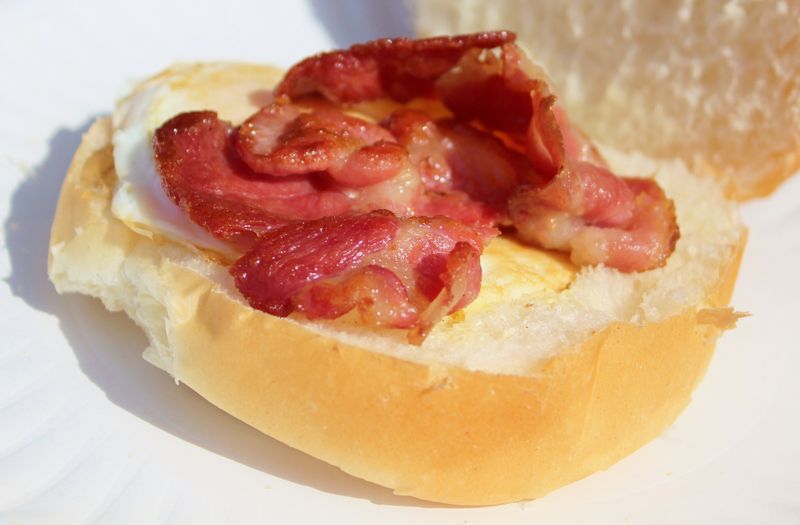
The pepperoni roll is West Virginia’s official state food and a source of enormous local pride. It’s exactly what it sounds like: soft, slightly sweet bread dough baked around sticks or slices of pepperoni, with the grease soaking beautifully into the bread as it bakes.
Italian immigrant miners in the northern coalfields of West Virginia invented them in the early 1900s as a convenient, portable lunch that needed no refrigeration. Country Club Bakery in Fairmont is considered the original home of the pepperoni roll.
Simple, satisfying, and steeped in working-class history.
Fried Alligator Bites
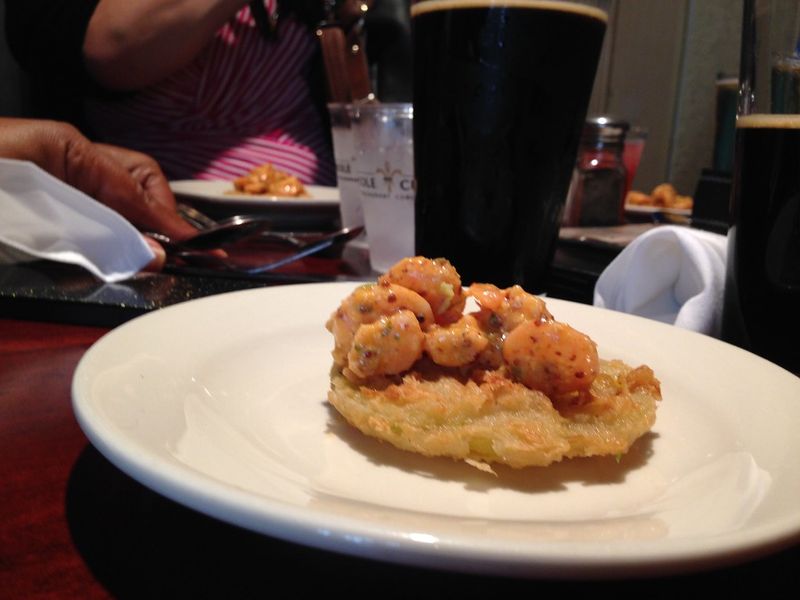
Fried alligator bites are a Cajun party food staple, showing up at festivals, tailgates, and seafood restaurants all across Louisiana. Small chunks of alligator tail meat are seasoned, battered, and fried until perfectly crispy on the outside and tender on the inside.
The flavor is surprisingly mild and slightly chewy, often described as a cross between chicken and fish. Hot sauce is basically mandatory on the side.
First-timers are almost always shocked by how approachable and downright delicious these little bites actually are.
Cashew Chicken Springfield Style
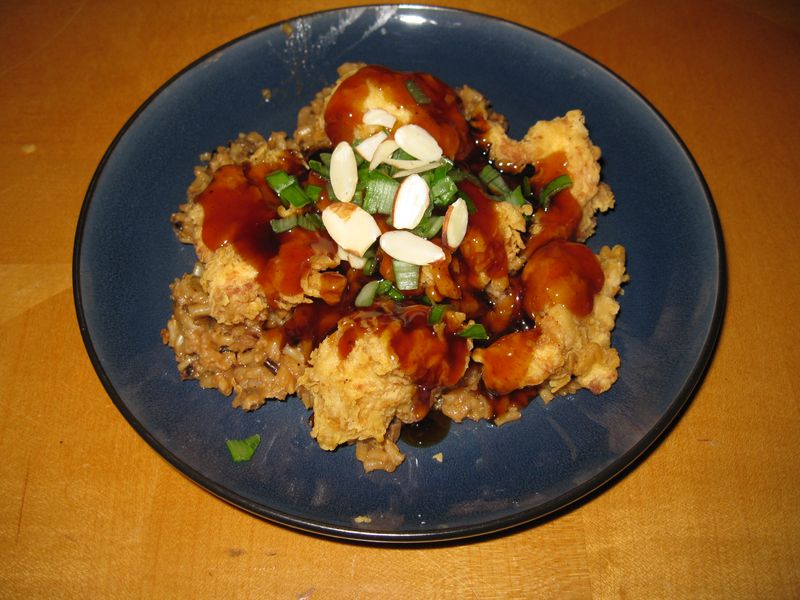
Springfield, Missouri has its very own version of cashew chicken, and it looks nothing like what you’d find at a typical Chinese-American restaurant. Created by chef David Leong in 1963, it features crispy deep-fried chicken pieces drenched in a rich, savory brown oyster sauce and topped generously with whole cashews.
It became so popular that it’s now considered a defining dish of the Springfield food scene. Over 50 local restaurants serve their own version today.
It’s a genuine American invention wrapped in Chinese-American culinary tradition, and it’s absolutely fantastic.
Enjoyed this story?
Add Fast Food Club as a preferred source to see more of our reporting on Google.