


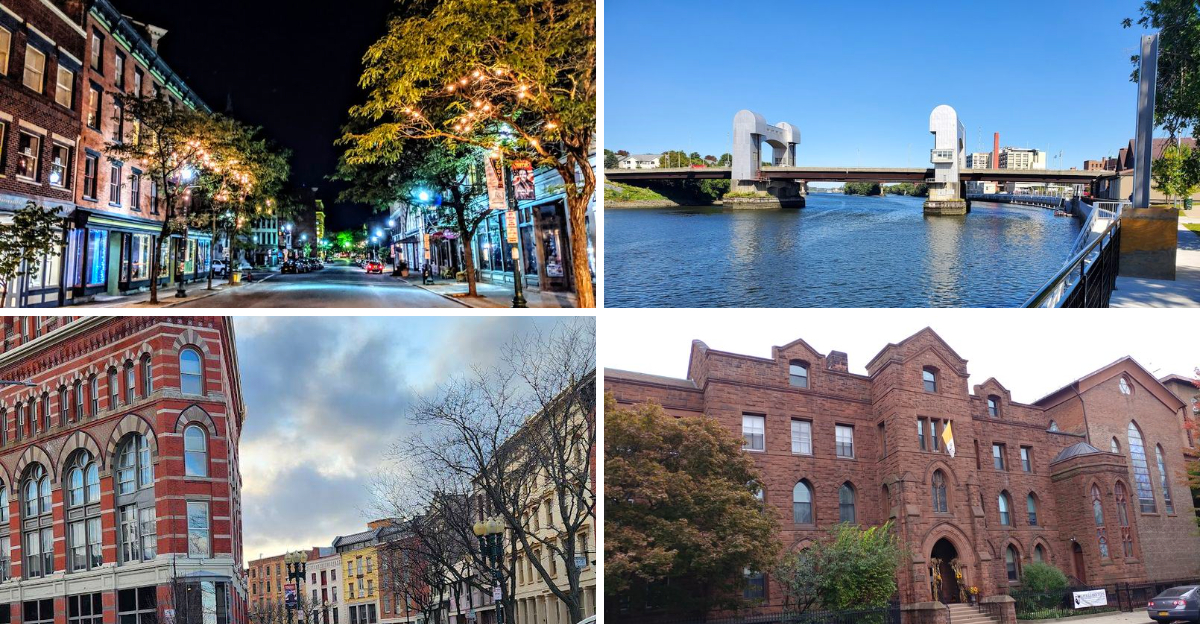
Tucked along the eastern bank of the Hudson River, Troy, NY is one of New York’s most overlooked gems. With stunning Victorian architecture, a buzzing arts scene, and a rich history that shaped the entire nation, this city punches well above its weight.
Most people rush past Troy on their way to Albany or the Adirondacks, never realizing what they’re missing. If you’re ready to discover a city that truly has it all, Troy is waiting for you.
The Stunning Victorian Architecture That Lines the Streets
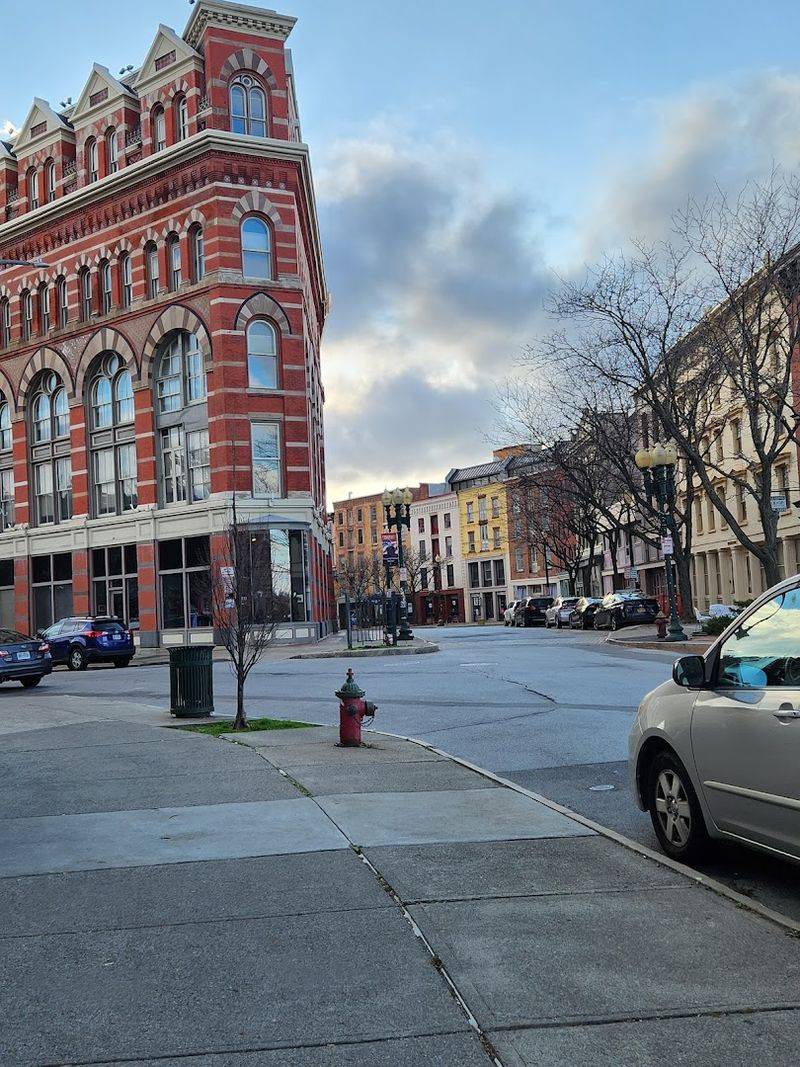
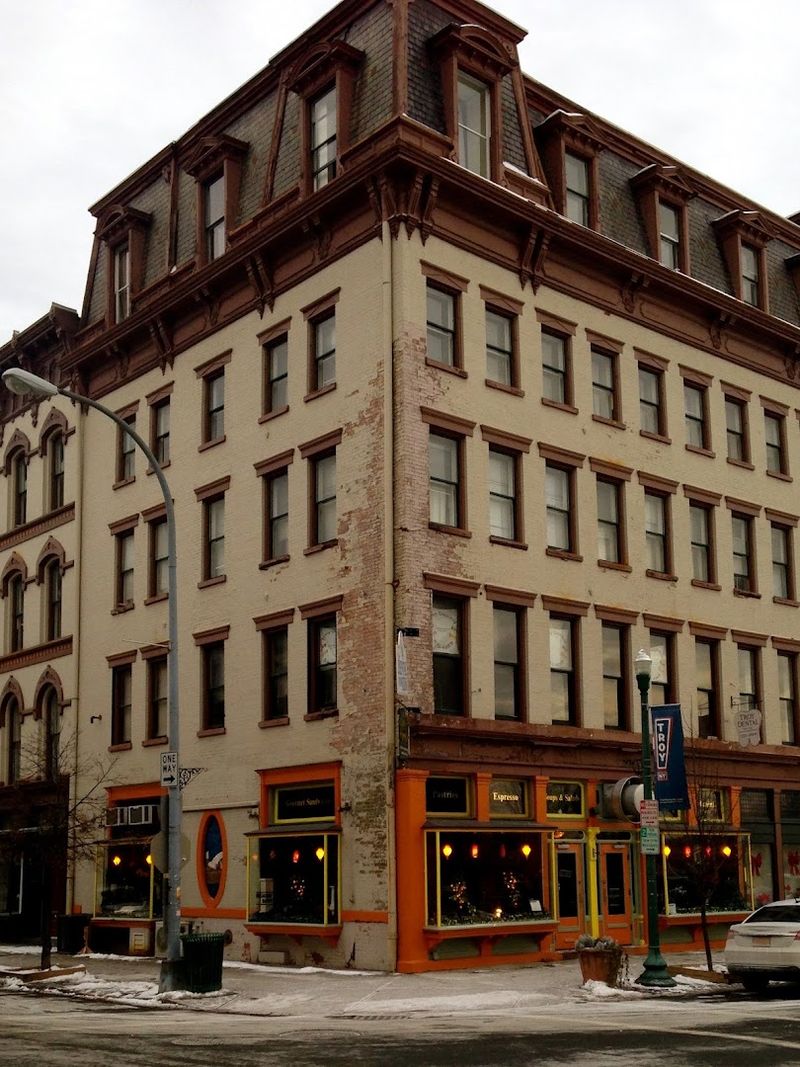
Walking through Troy feels like stepping into a living history museum. The city boasts one of the most impressive collections of 19th-century Victorian architecture in the entire Northeast, with block after block of beautifully preserved brownstones, rowhouses, and commercial buildings that date back to the 1800s.
What makes Troy special is that so much of this architecture survived urban renewal projects that wiped out similar neighborhoods in other cities. Strolling down Washington Street or along Monument Square gives you a real sense of what prosperous 19th-century America actually looked like.
The carved stone details, arched windows, and decorative ironwork are genuinely breathtaking.
Local preservation groups have worked tirelessly to protect these buildings for future generations. History buffs, architecture lovers, and curious travelers all find something to admire here.
Troy’s streets are essentially an open-air museum that you can explore completely for free.
Uncle Sam’s Hometown: A Patriotic Origin Story
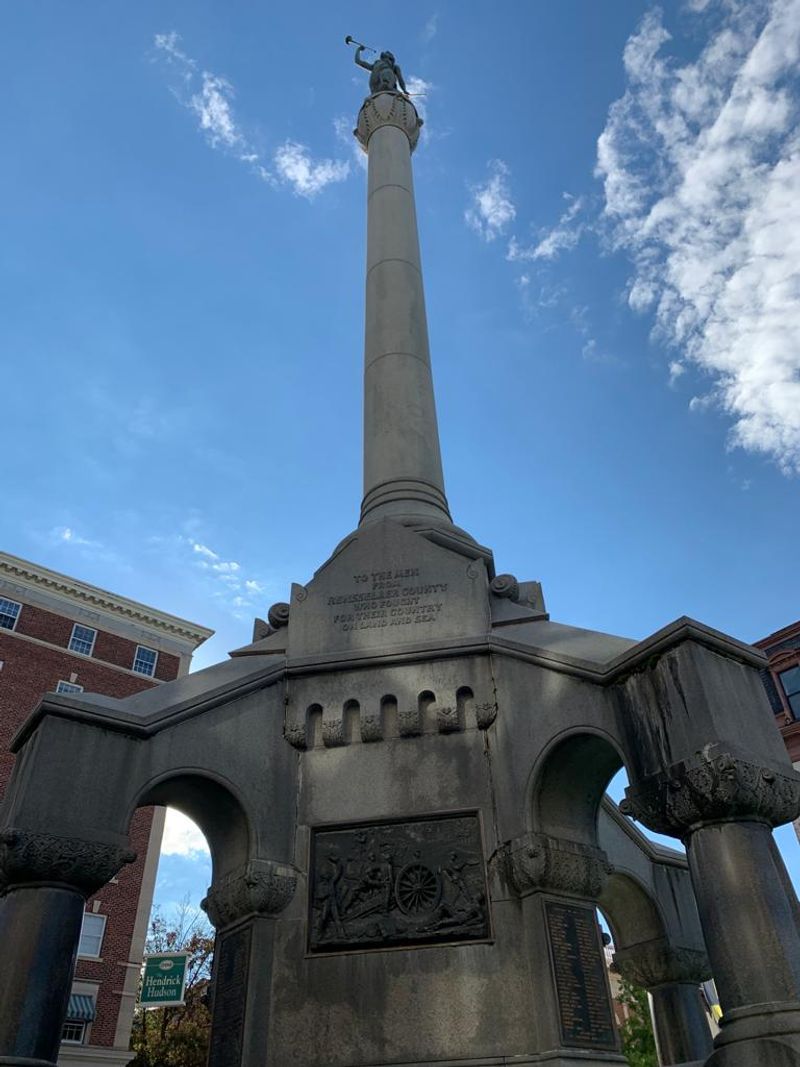
Here’s a fact that surprises almost everyone: Troy, NY is the actual birthplace of Uncle Sam. Samuel Wilson, a meat packer from Troy, is widely believed to be the real person behind America’s most iconic patriotic symbol.
During the War of 1812, he supplied barrels of beef to the U.S.
Army stamped with “U.S.,” and soldiers jokingly said the initials stood for “Uncle Sam.”
The name caught on, spread through newspapers, and eventually became the national symbol we all recognize today. Troy proudly celebrates this quirky piece of American history with a memorial statue and an annual Uncle Sam parade that draws visitors from across the state.
Knowing that this beloved national figure has roots in a small Hudson River city makes Troy feel deeply connected to the American story. It’s one of those fun historical footnotes that makes you see the whole country differently.
A Food Scene That Rivals Much Bigger Cities
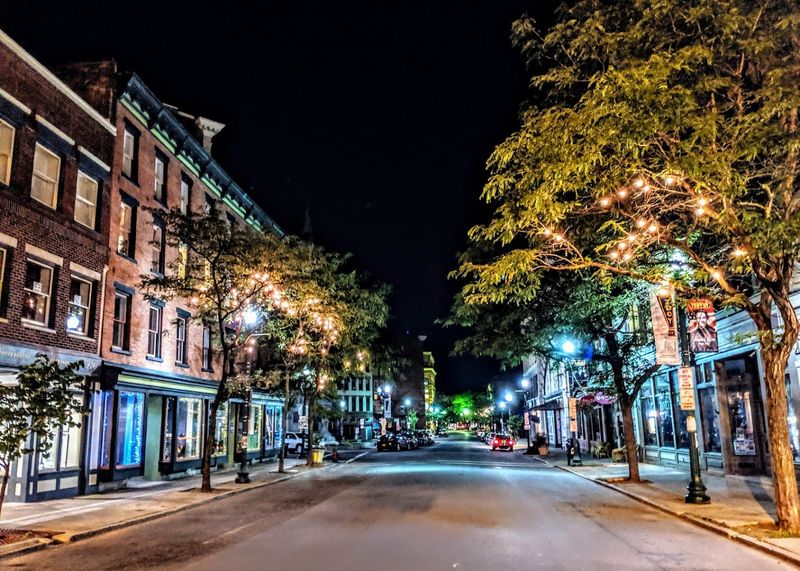
Troy’s food scene has quietly become one of the best-kept secrets in upstate New York. The city’s Troy Waterfront Farmers Market, held every Saturday from spring through fall, is legendary among food lovers in the Capital Region.
Dozens of local vendors sell everything from fresh produce and artisan cheeses to handmade pasta and wood-fired bread.
Beyond the market, Troy’s restaurant row along River Street and Congress Street is packed with options that would impress even the most seasoned foodie. You’ll find farm-to-table bistros, authentic ethnic eateries, cozy coffee shops, and creative craft cocktail bars all within walking distance of each other.
The secret ingredient is Troy’s tight-knit community of passionate chefs and small business owners who genuinely care about quality. Eating your way through Troy isn’t just satisfying for your stomach — it’s a real cultural experience that connects you to the people who call this city home.
The Hudson-Mohawk Industrial Gateway and Its Incredible Mills
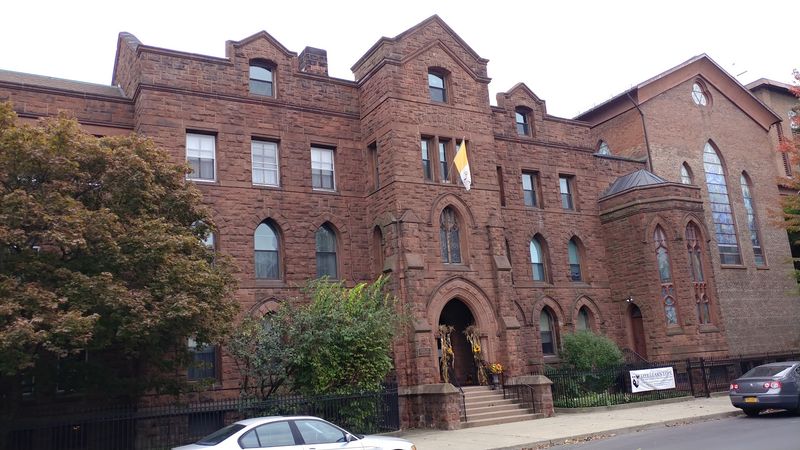
Long before Silicon Valley existed, Troy was one of America’s most important industrial powerhouses. In the 19th century, the city was famous worldwide for producing iron stoves, steel, and — most famously — detachable shirt collars and cuffs.
At one point, Troy manufactured nearly 90% of all the detachable collars worn across the United States.
The Hudson-Mohawk Industrial Gateway preserves and celebrates this remarkable manufacturing heritage through guided tours, educational programs, and historic sites scattered across the city. The old mill buildings themselves are architectural marvels, constructed from rich red brick with massive windows and soaring ceilings built to accommodate heavy industrial machinery.
Many of these buildings have been repurposed into loft apartments, studios, and creative spaces, giving the industrial past a vibrant second life. Touring this history reminds you that Troy wasn’t just a footnote — it was a driving force behind the American Industrial Revolution.
Russell Sage College and Rensselaer Polytechnic Institute: A College Town Energy
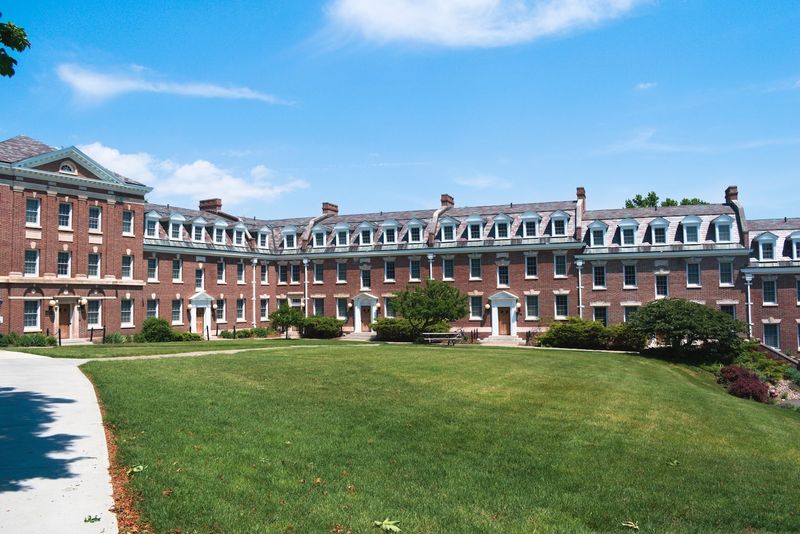
Troy has a youthful, energetic pulse that comes directly from its thriving college community. Rensselaer Polytechnic Institute, founded in 1824, is one of the oldest technological universities in the English-speaking world and consistently ranks among the top engineering schools in the nation.
Its hilltop campus offers stunning views over the Hudson River and the city below.
Russell Sage College adds another layer of academic life to Troy’s already rich cultural fabric. Together, these institutions bring thousands of students, professors, and researchers into the city, fueling a constant stream of innovation, creativity, and new ideas.
The college-town atmosphere means Troy always has something happening — live music, art exhibitions, public lectures, and lively coffee shop debates are all part of the everyday rhythm. That intellectual energy spills into the streets and gives Troy a forward-looking spirit that balances beautifully with its deep historical roots.
Breathtaking Views Along the Hudson River Waterfront
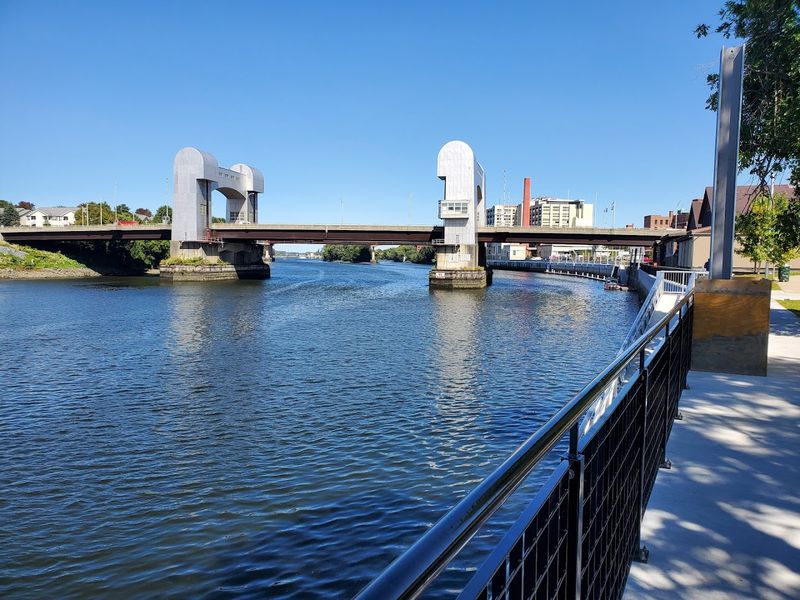
Few cities in New York offer a waterfront experience as genuinely beautiful as Troy’s stretch along the Hudson River. The Riverfront Park area gives visitors and residents alike easy access to the water’s edge, with walking paths, open green spaces, and sweeping views that look out across the river toward the rolling hills of the Hudson Valley.
Watching the sun set over the Hudson from Troy is the kind of simple, soul-refreshing experience that city dwellers pay a lot of money to find elsewhere. Kayakers, cyclists, and joggers all share the waterfront, creating a lively but peaceful atmosphere that feels miles away from urban stress.
Seasonal events like outdoor concerts, boat tours, and waterfront festivals make the riverfront a gathering place for the whole community. The Hudson River isn’t just a backdrop in Troy — it’s an active, living part of the city’s identity and daily life.
The Arts District That’s Quietly Booming
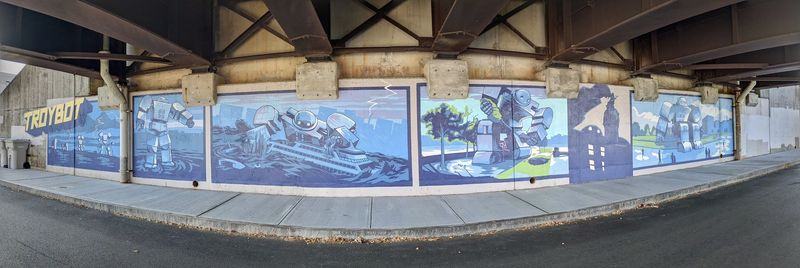
Something creative is happening in Troy, and the art world is starting to take notice. Over the past decade, the city has developed a thriving arts district centered around the downtown area, with galleries, murals, studios, and performance spaces popping up in renovated historic buildings.
The result is a neighborhood that feels genuinely alive and constantly evolving.
The Troy Savings Bank Music Hall, often called one of the finest concert halls in North America for its acoustics, anchors the cultural scene with world-class performances year-round. Meanwhile, local galleries showcase emerging artists from the region, and open studio events let visitors meet the creators behind the work.
Street art has transformed many of Troy’s older walls into outdoor canvases that tell the city’s story in bold, vivid color. For anyone who appreciates creativity in all its forms, Troy’s arts scene offers discovery around every corner — and admission is often free.
Troy Savings Bank Music Hall: A Hidden Acoustic Gem
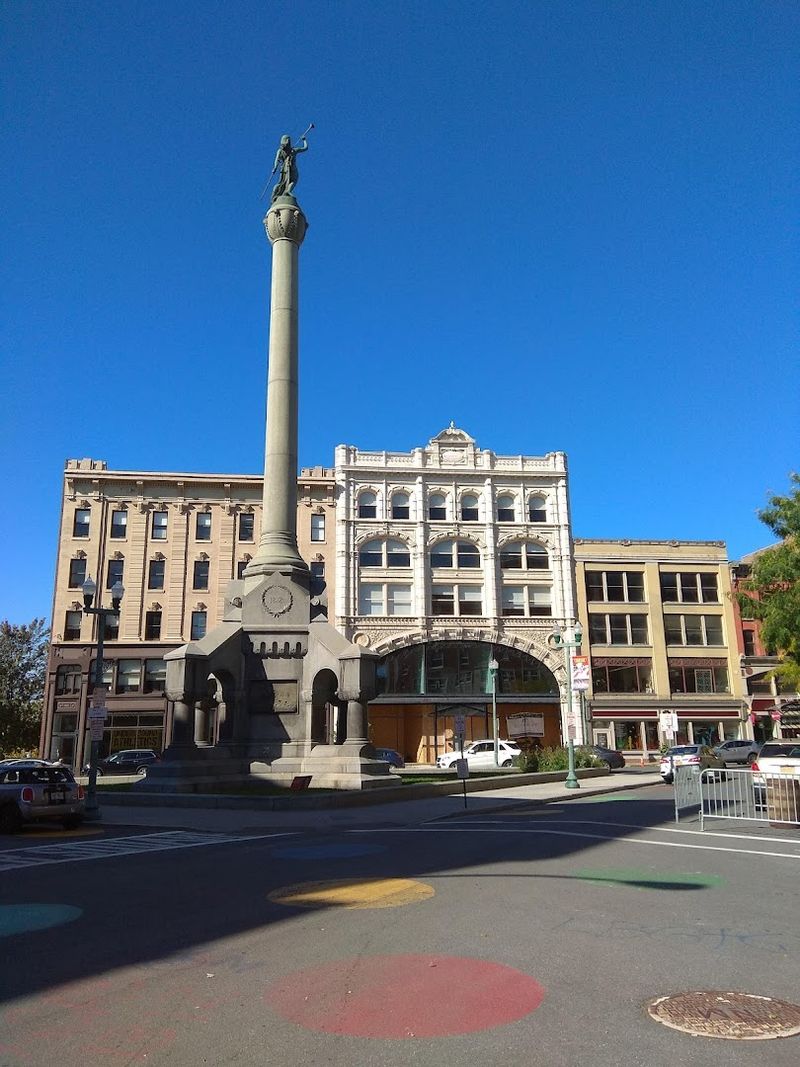
Opened in 1875, the Troy Savings Bank Music Hall is considered one of the best-sounding concert venues anywhere in the world. Legendary conductor Leonard Bernstein once praised its acoustics as among the finest he had ever encountered.
That’s a remarkable claim for a mid-sized city in upstate New York, and it’s one that music lovers who visit quickly understand.
The hall’s interior is jaw-dropping — soaring ceilings, gilded balconies, intricate woodwork, and a massive pipe organ that still resonates with thunderous beauty. Attending a concert here feels like a genuine privilege, the kind of experience usually reserved for major metropolitan opera houses.
Despite its world-class status, tickets remain surprisingly affordable compared to venues in New York City or Boston. The Music Hall hosts everything from classical orchestras and jazz ensembles to folk singers and chamber music.
Troy’s greatest cultural treasure is hiding in plain sight, waiting to be heard.
Green Island and the Surrounding Natural Beauty
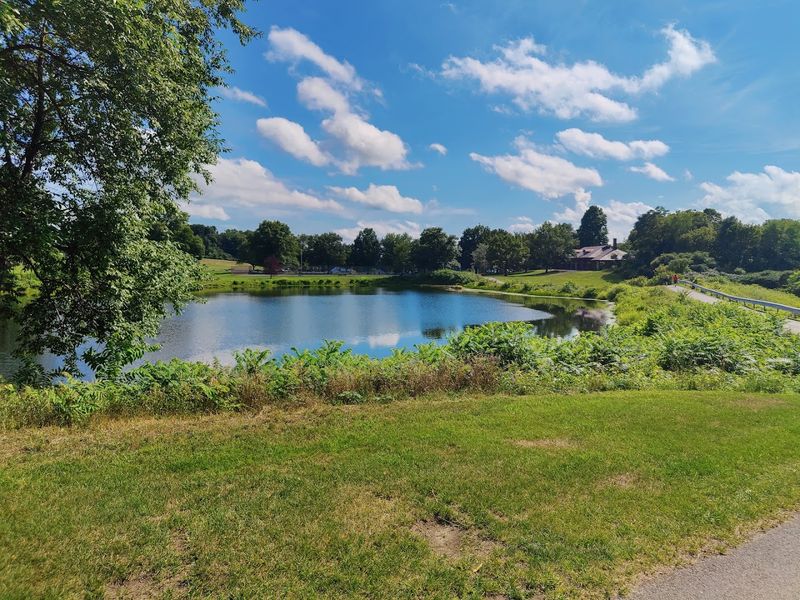
Nature lovers don’t have to travel far from Troy to find stunning outdoor scenery. The area surrounding the city is packed with parks, trails, and natural landscapes that offer a refreshing escape from urban life.
Peebles Island State Park, located just minutes from downtown, sits at the confluence of the Mohawk and Hudson Rivers and offers miles of hiking trails through dense forest.
The park’s history adds another dimension to the experience — it was once home to a textile factory, and remnants of the old industrial buildings are scattered along the trails, creating an intriguing mix of nature and history. Birdwatchers, photographers, and picnickers all find their slice of paradise here.
Seasonal changes transform the landscape dramatically, with brilliant fall foliage, snowy winter trails, and wildflower meadows in spring. Living near Troy means never being far from genuine natural beauty, which is one of the city’s most underappreciated qualities.
A Craft Beer Scene Worth Raising a Glass To
Craft beer enthusiasts have found their happy place in Troy. The city has embraced the craft brewing movement with genuine enthusiasm, and a cluster of excellent local breweries has taken root in its historic downtown buildings.
Walking from taproom to taproom on a weekend afternoon has become one of Troy’s most popular social activities.
Brown’s Brewing Company, one of the oldest craft breweries in the Capital Region, has called Troy home since the 1990s and helped pave the way for the brewing renaissance the city now enjoys. Their brewpub on the waterfront combines great beer with stunning river views — a combination that’s hard to beat.
Newer breweries have added exciting variety to the scene, experimenting with local ingredients, seasonal flavors, and creative brewing techniques. The craft beer culture in Troy fits perfectly with the city’s broader identity as a place that values craftsmanship, community, and a good time shared among friends.
The Collar City Bridge and Iconic City Views
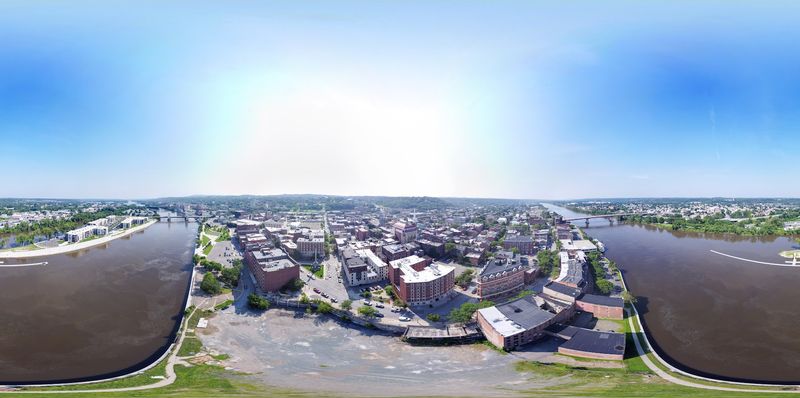
Troy earned the nickname “Collar City” from its historic dominance of the detachable collar manufacturing industry, and that proud identity is literally built into the city’s infrastructure. The Collar City Bridge, connecting Troy to the western bank of the Hudson River, offers one of the most photogenic views in the entire Capital Region.
Standing on or near the bridge, you get a sweeping panorama of Troy’s skyline, which is punctuated by the steeples of historic churches, the rooflines of Victorian commercial blocks, and the gentle curve of the Hudson River stretching north and south. It’s the kind of view that makes you reach for your camera without even thinking about it.
The bridge is also a reminder of how geography shaped Troy’s destiny — positioned perfectly at a natural crossing point on the Hudson, the city grew into a vital hub of trade, industry, and culture that still resonates powerfully today.
Vibrant Neighborhoods Full of Character and Community
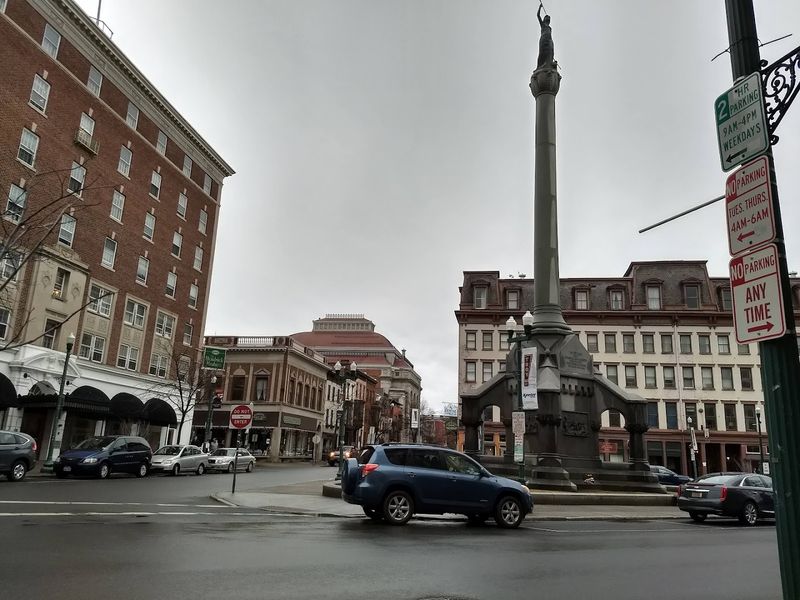
Every great city is really a collection of neighborhoods, and Troy’s are each wonderfully distinct. The Lansingburgh neighborhood in the northern part of the city has a cozy, small-town feel with its own main street and tight-knit community organizations.
Downtown Troy buzzes with creative energy, while South Troy carries a proud working-class heritage that shapes its character to this day.
What all these neighborhoods share is a genuine sense of community that’s increasingly rare in modern American cities. Neighbors actually know each other here.
Block parties, community gardens, and local volunteer organizations are all active parts of Troy’s social fabric.
The city’s diversity adds richness to every corner — different cultures, cuisines, and traditions coexist and intersect in ways that make everyday life more interesting and more human. Troy’s neighborhoods aren’t just places to live; they’re communities where people actively choose to invest in each other’s well-being.
Easy Access to the Broader Hudson Valley and Capital Region
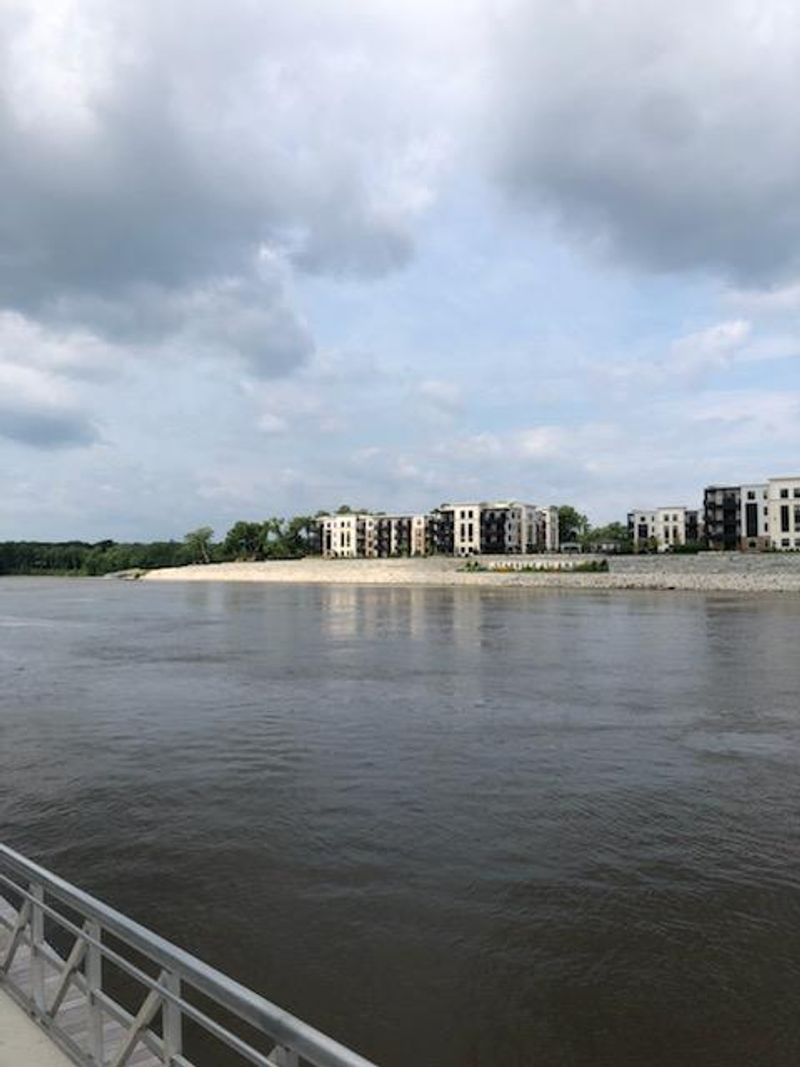
One of Troy’s most practical advantages is its incredible location. Sitting just northeast of Albany, Troy serves as a natural gateway to some of New York’s most celebrated destinations.
The Adirondack Mountains are within easy reach to the north, the Catskills beckon to the south, and the scenic Hudson Valley stretches in both directions along the river.
Saratoga Springs, famous for its horse racing, mineral springs, and performing arts scene, is less than 40 miles away. The Berkshires of Massachusetts are a short drive east.
Albany’s state government hub and cultural institutions are practically next door. Troy’s central position means you’re never more than an hour from something extraordinary.
For visitors, this makes Troy an ideal base camp for exploring the broader region without the expense of staying in more tourist-heavy destinations. You get a real, lived-in city experience while having the entire magnificent Northeast within easy striking distance.
Enjoyed this story?
Add Fast Food Club as a preferred source to see more of our reporting on Google.