


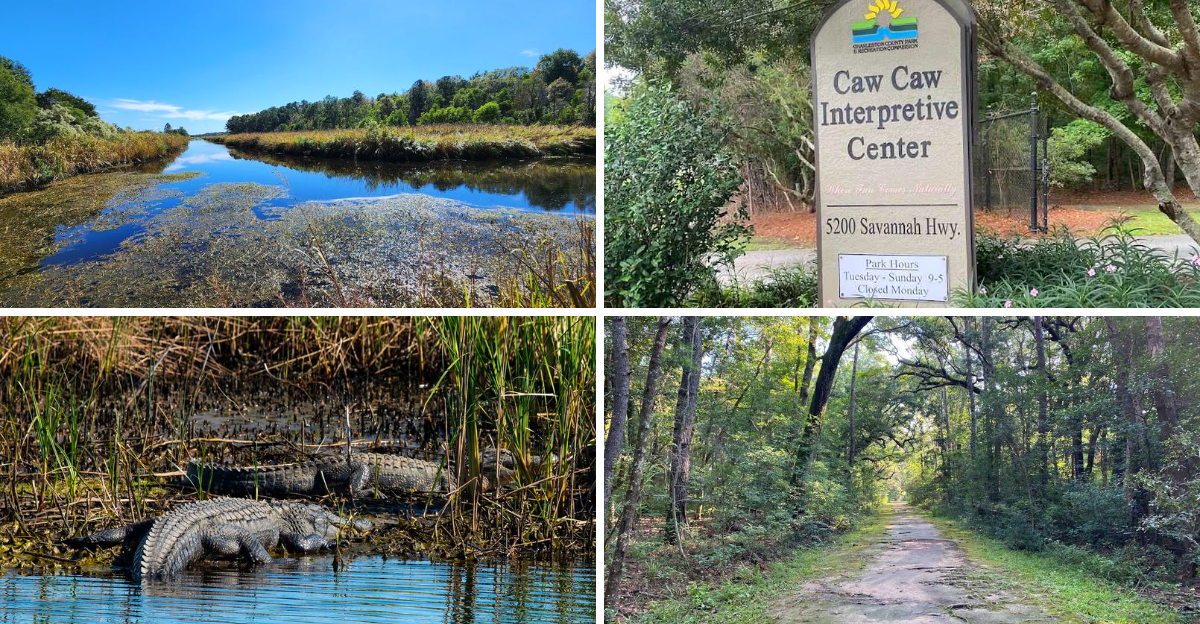
Tucked away just outside Charleston, the Caw Caw Interpretive Center in Ravenel, SC is one of those hidden gems that most people drive right past. Set on a historic rice plantation, this stunning 3.6-mile trail system winds through wetlands, swamp sanctuaries, and open rice fields filled with incredible wildlife.
For just $2 per person, you get access to one of the most rewarding nature experiences in the entire state. If you love birds, alligators, peaceful scenery, and a little history, this is the hike you never knew you needed.
A Historic Rice Plantation That Sets the Scene
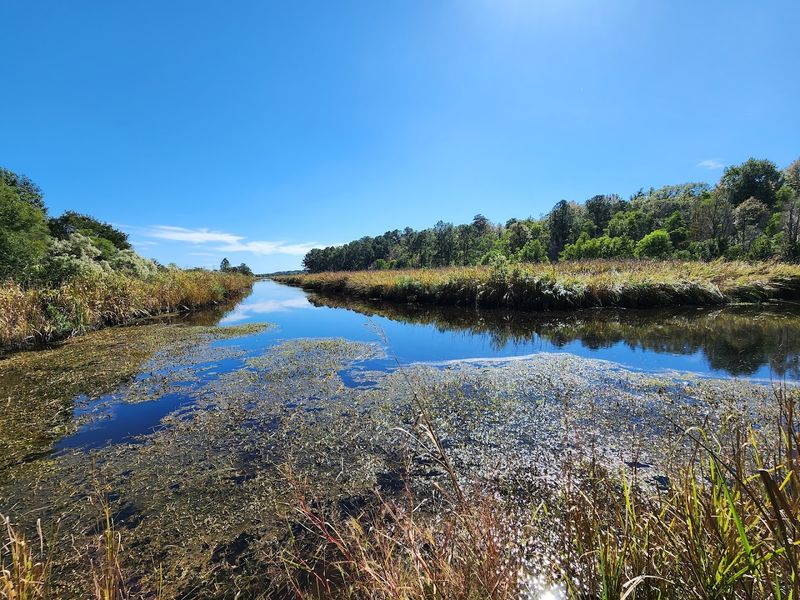
Long before it became a beloved nature park, Caw Caw Interpretive Center was a working rice plantation with a deep and complex history. Walking these trails, you can almost feel the weight of that past beneath your feet.
The landscape itself tells a story that no museum exhibit could fully capture.
The rice fields that once defined this land now serve as rich wildlife habitats, drawing birds, reptiles, and insects from across the region. Staff members are genuinely passionate about sharing this history with visitors.
Many guests say learning about the plantation’s background makes the hike feel even more meaningful.
Whether you are a history buff or just someone who loves a good walk, this backstory adds a layer of depth that elevates the entire experience. Caw Caw is not just a trail — it is a living piece of South Carolina’s past.
Getting There: Location and Basic Details
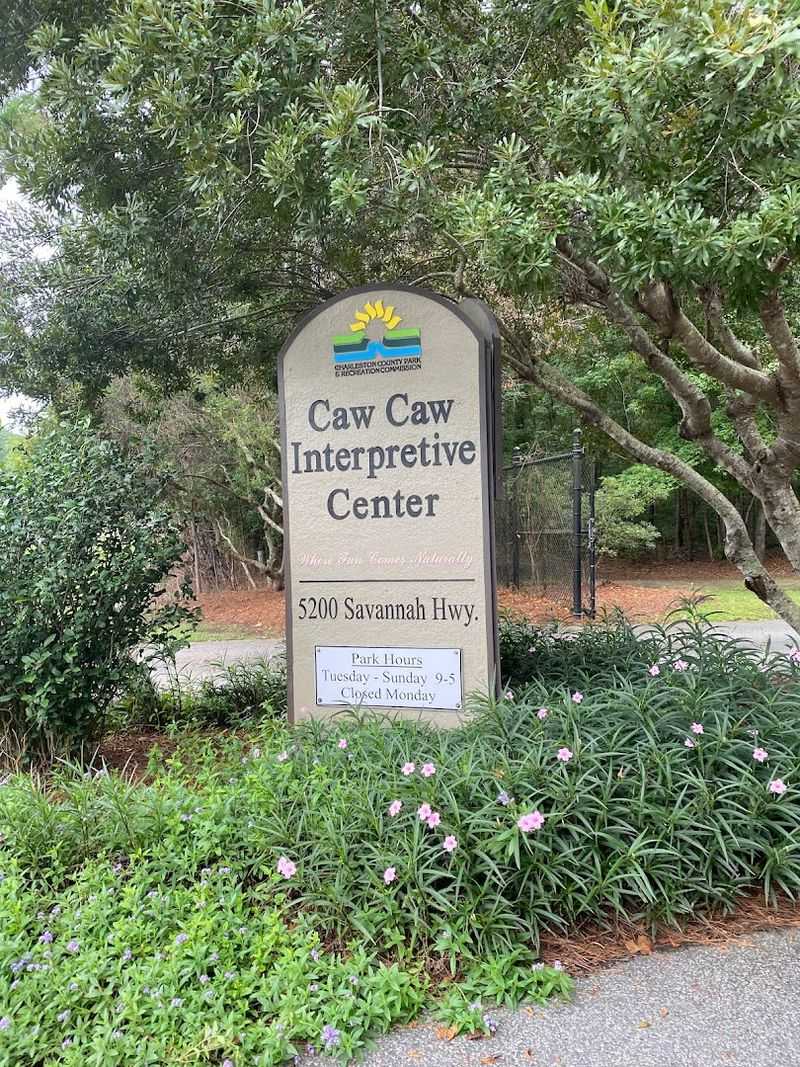
Finding Caw Caw is straightforward once you know where to look. The center sits at 5200 Savannah Hwy, Ravenel, SC 29470, just a short drive southwest of downtown Charleston.
It is close enough for a quick day trip but feels worlds away from the city buzz.
The park is open Wednesday through Sunday from 9 AM to 5 PM and is closed on Mondays and Tuesdays. Arriving early on a weekday gives you the best chance of spotting wildlife before the heat of the day kicks in.
The phone number is +1 843-762-8015 if you want to call ahead with questions.
Parking is free and plentiful, so you never have to stress about finding a spot. The entrance fee is just $2 per person, though Charleston County Parks Gold Pass holders get in free.
It is one of the most affordable outdoor adventures in the Lowcountry.
Wildlife Encounters That Will Leave You Speechless

Nothing prepares you for your first alligator sighting at Caw Caw. Visitors regularly spot multiple gators — including babies — lounging along the water’s edge without a care in the world.
Keeping a safe distance is a must, but the views are absolutely unforgettable.
Beyond alligators, the park is home to an extraordinary variety of creatures. Snakes, lizards, dragonflies in every color of the rainbow, squirrels, herons, and even river otters have all been spotted on these trails.
Bald eagles make occasional appearances that tend to stop hikers dead in their tracks.
One reviewer summed it up perfectly: “Wildlife all over. Miles of hiking trails, gators, birds, eagles — you name it, and I’ve seen it here.” Coming in the early morning after a rain dramatically increases your chances of memorable encounters.
Pack your binoculars and keep your eyes open wide.
Birdwatching Paradise for All Skill Levels
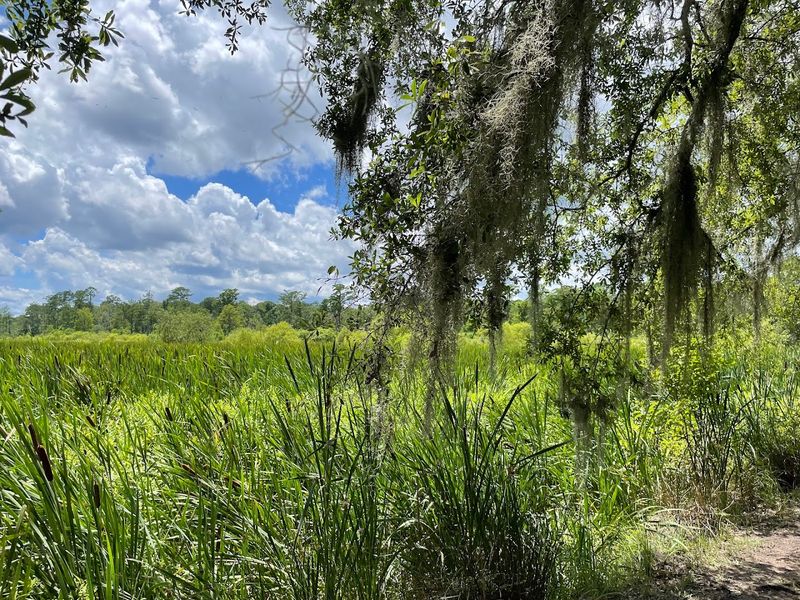
Birders absolutely love Caw Caw, and for good reason. The park’s mix of wetlands, swamp forest, and open rice fields creates the perfect mosaic of habitats that attracts dozens of species throughout the year.
Even casual visitors who cannot name a single bird species tend to walk away amazed.
The center occasionally hosts guided bird walks led by incredibly knowledgeable guides who can identify species by their songs alone. One guest raved about a 2.5-hour early morning bird walk where the guide set up equipment at every stop so everyone could get an up-close look.
Spotting a bald eagle during one of those walks is a moment people talk about for years.
Bring binoculars and a field guide if you have them, but even without gear, the sheer variety of birds visible from the trail is remarkable. Morning visits consistently yield the best sightings at Caw Caw.
The Swamp Sanctuary Trail: A Must-Walk Experience
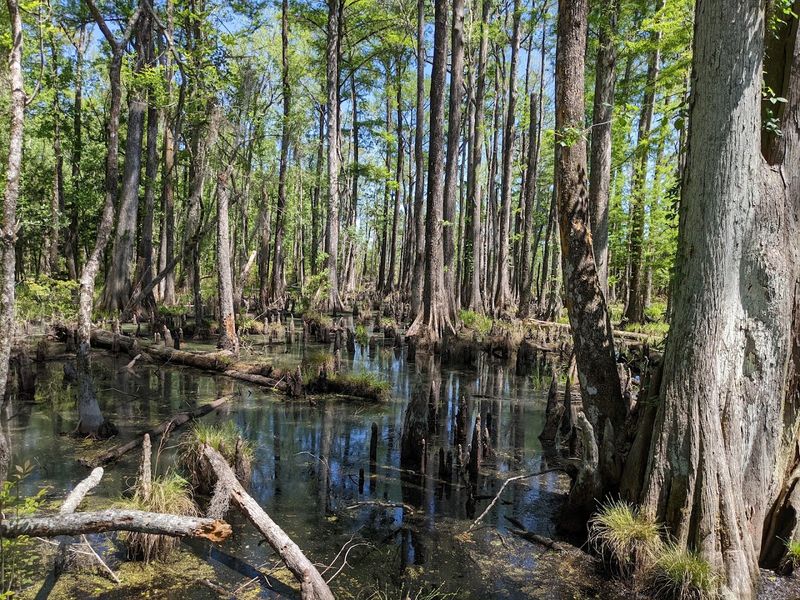
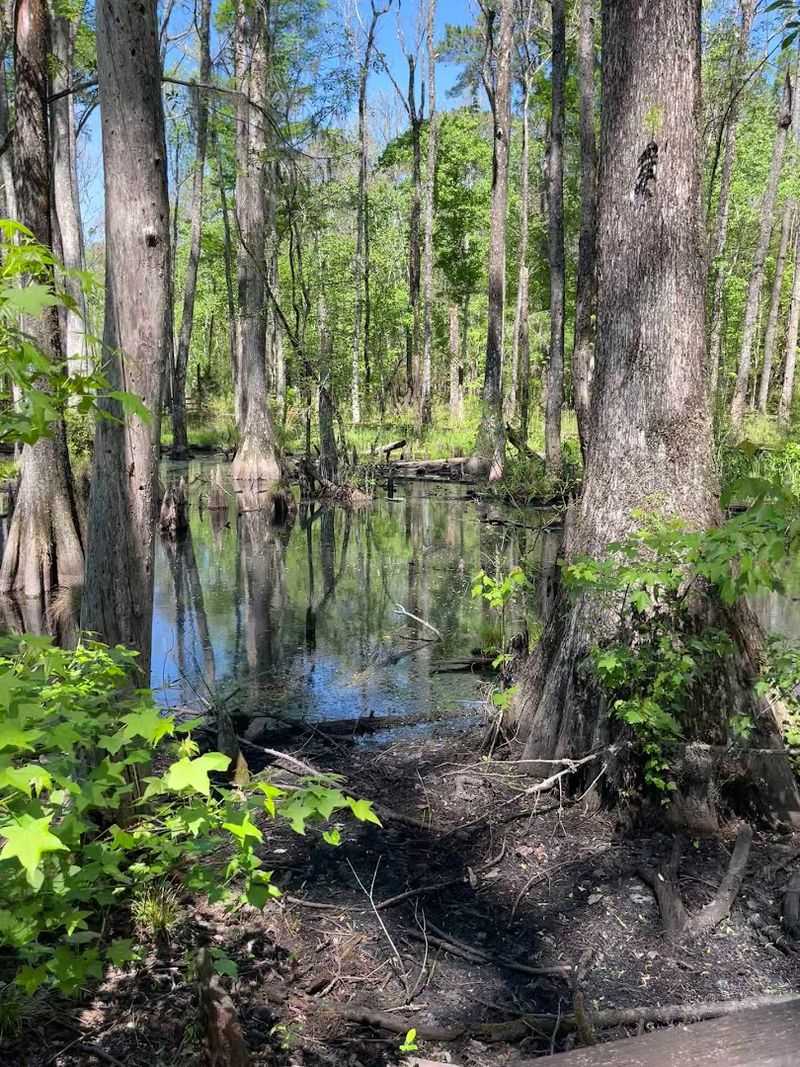
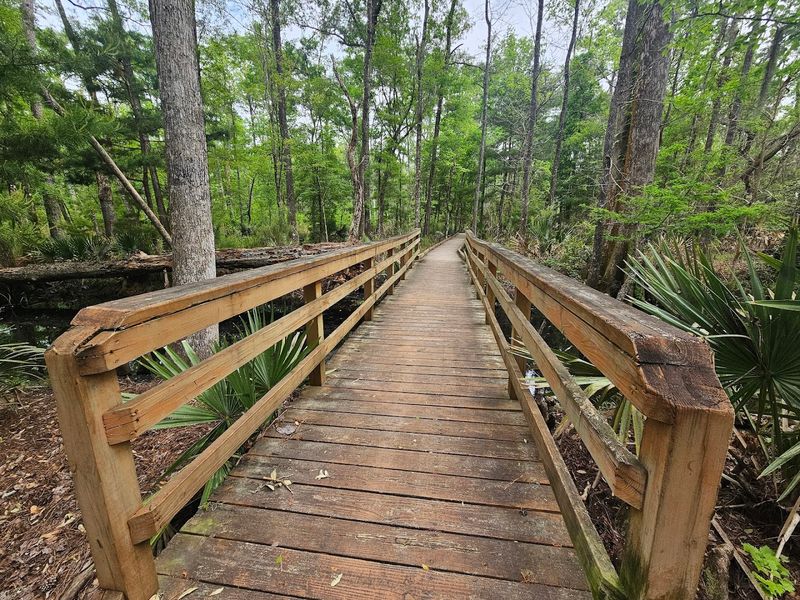
Ask any regular visitor where to start, and they will point you straight to the Swamp Sanctuary Trail. The boardwalk section that cuts through the swamp forest is genuinely magical — dark water mirrors the cypress trees above, and the air feels thick with the sounds of frogs and insects.
It is the kind of place that makes you feel completely swallowed by nature.
Colorful dragonflies dart across the water’s surface, lizards scramble through the underbrush, and if you are lucky, you might spot a snake draped over a low branch. Bug spray is non-negotiable on this particular trail, especially in warmer months.
Wearing long sleeves also helps if you are sensitive to mosquitoes.
The swamp trail is not long, but it is incredibly rewarding. Many visitors say it is the highlight of their entire visit, and it is easy to see why once you step onto that first plank of boardwalk.
Rice Field Trails That Stretch Into the Horizon
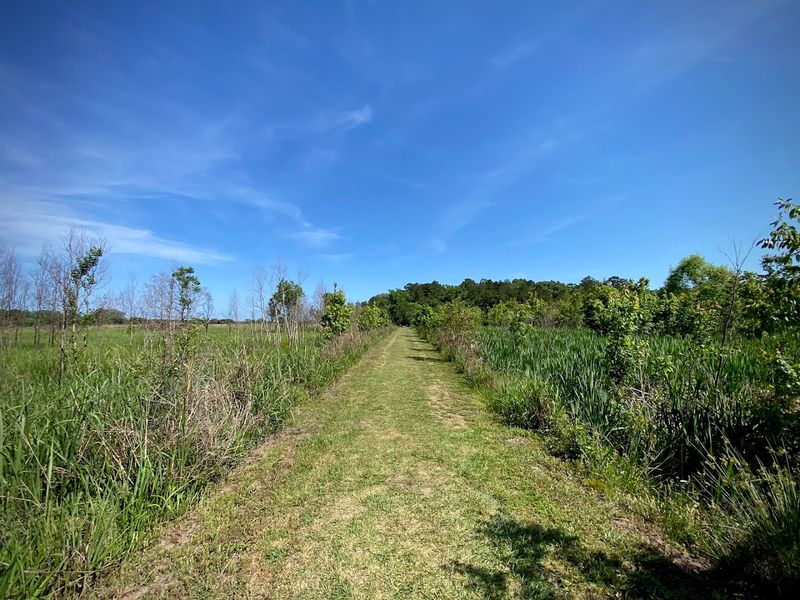
After finishing the swamp boardwalk, most hikers naturally transition to the rice field trails, and the contrast is striking. Where the swamp feels enclosed and mysterious, the rice fields open up into sweeping, wide-open views that seem to stretch forever.
Tall grasses sway in the breeze, and the sky feels enormous above you.
These trails run along old earthen levees that once controlled water flow for rice cultivation. They are flat, wide, and easy to walk — even for young children and older adults.
On overcast days with mild temperatures, this section of the trail is particularly stunning.
American alligators are commonly spotted here sunning themselves along the water’s edge, often in plain view from the levee path. One visitor described watching the grass sway in the wind while alligators lounged nearby as one of the most peaceful moments they had ever experienced outdoors.
Hard to argue with that.
Trail Difficulty and Accessibility for Every Hiker
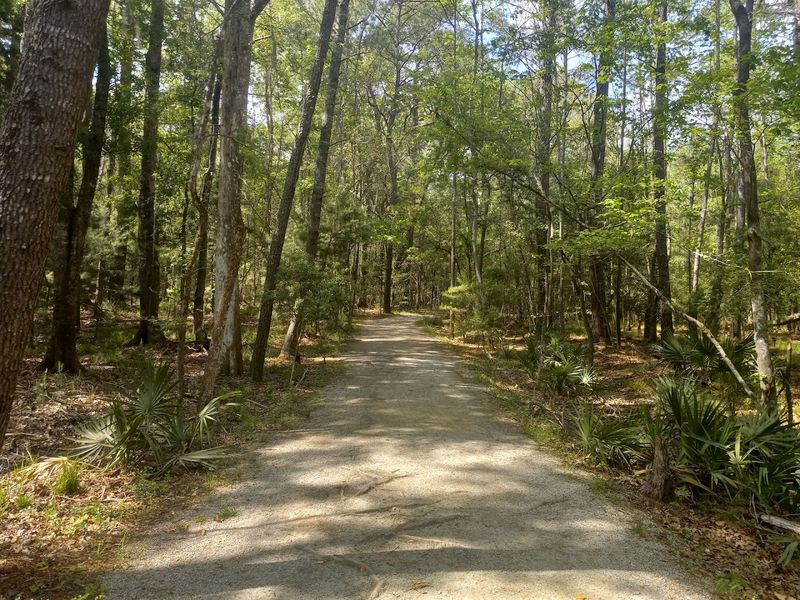
One of the best things about Caw Caw is that practically anyone can enjoy it. The trails are not paved, but they are flat and wide enough to be accessible for most visitors.
A few sections get a little bumpy or muddy after rain, but nothing that requires special gear or serious fitness.
Families with young kids do well here, though children may find the longer stretches a bit tiring in summer heat. Choosing a cooler morning or an overcast day makes a huge difference in comfort.
Benches are scattered throughout the trail system, giving everyone a chance to rest and take in the surroundings.
Wear supportive shoes or light hiking boots rather than flip-flops, since some sections have uneven ground. The trails are clearly marked with signs, so getting lost is unlikely.
For anyone looking for an easy, rewarding outdoor adventure near Charleston, Caw Caw checks every single box.
What to Bring for the Perfect Visit
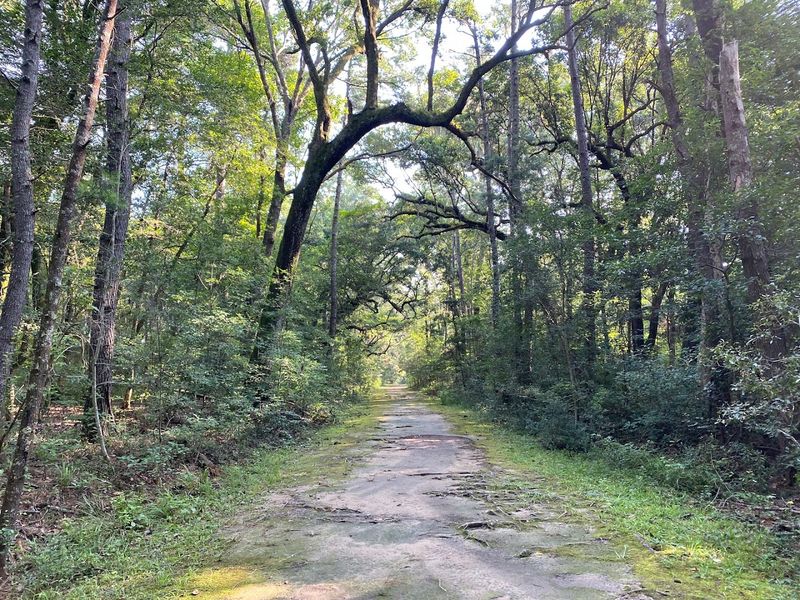
Packing smart makes a massive difference at Caw Caw, especially during the warmer months. Bug spray is probably the single most important item you can bring — apply it before you hit the trail rather than waiting until you are already getting bitten.
A wide-brimmed hat and sunscreen are equally essential since parts of the trail offer very little shade.
Water is a must. There are no water fountains along the trails, so bring more than you think you will need, especially if you are hiking with kids.
Binoculars transform the birdwatching experience from interesting to absolutely spectacular, so toss a pair in your bag if you own them.
Polarized sunglasses help cut the glare off the water, making it much easier to spot alligators and birds near the surface. Comfortable, closed-toe shoes with some grip will keep your feet happy across all trail sections.
A little preparation goes a very long way here.
Best Time of Year and Day to Visit
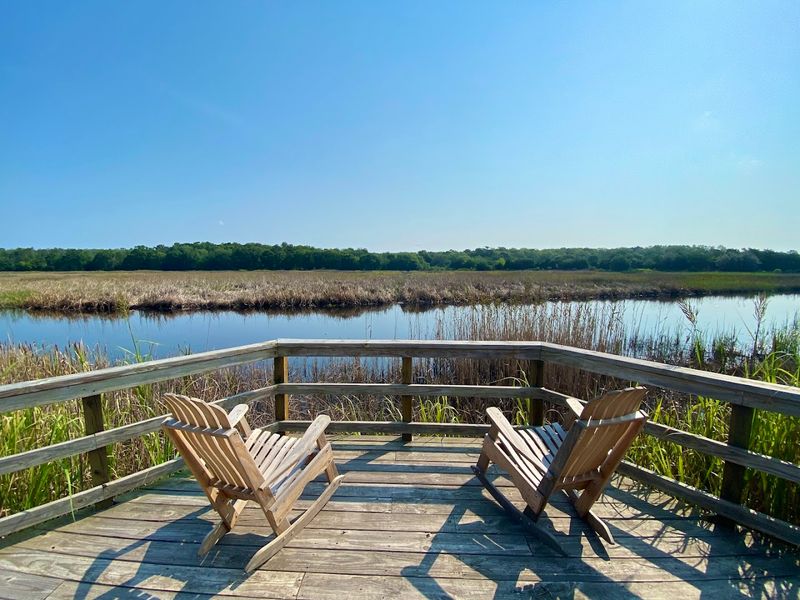
Timing your visit wisely can completely transform your experience at Caw Caw. Early mornings are widely considered the best time of day, particularly for wildlife and birdwatching.
The park comes alive with activity in those first couple of hours after opening, and the temperatures are far more manageable before midday heat sets in.
Spring and fall are the sweet spots for visiting. The weather is comfortable, the wildlife is active, and the mosquito population is much more tolerable than in summer.
Winter visits can also be surprisingly rewarding, with fewer bugs and excellent bird diversity as migratory species pass through the region.
Summer is possible but demands extra preparation — heavy bug spray, plenty of water, and an early start are non-negotiable. One clever tip from a regular visitor: come right after a rain in the morning to catch an explosion of mushrooms and fungi sprouting all along the paths.
Truly a unique sight.
The Visitor Center, Gift Shop, and Educational Exhibits
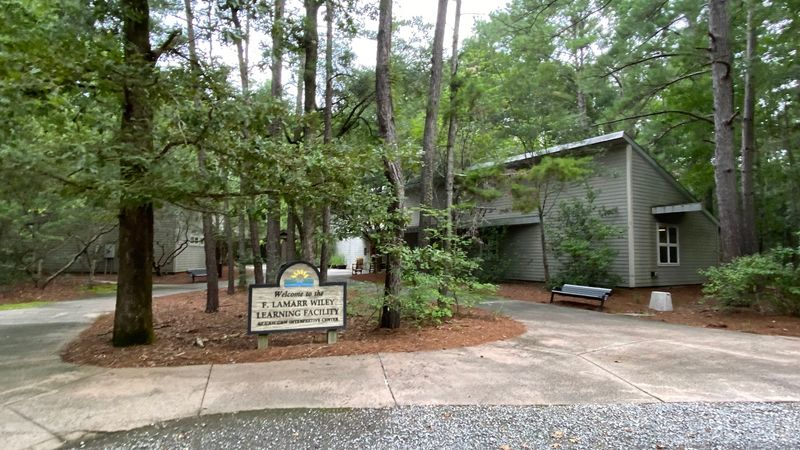
Caw Caw offers more than just trails — the visitor center and gift shop add a fun, educational dimension to any trip. Staff members at the entrance are consistently praised in reviews for being friendly, knowledgeable, and genuinely excited to share information about the park.
They hand out trail maps and even scavenger hunts for kids visiting with families.
The indoor exhibit center features displays about the history of the rice plantation and the diverse wildlife found on the property. Note that as of recent visits, the indoor exhibit center has been closed for renovation, so it is worth calling ahead to check current availability before planning your trip around it.
The gift shop carries nature-themed items perfect for picking up a small souvenir or a field guide to help you identify what you spotted on the trail. Even the few minutes spent chatting with staff before heading out tends to enrich the whole experience significantly.
Guided Programs and Special Events Worth Booking
If a self-guided walk sounds good, a guided program sounds even better. Caw Caw offers a range of organized programs, including early morning bird walks that have earned rave reviews from visitors of all ages.
The guides are exceptionally well-informed, covering bird identification, ecology, plantation history, and ongoing conservation research all in one outing.
One visitor described a 2.5-hour guided bird walk as one of the most educational outdoor experiences they had ever had. The guide used spotting equipment at multiple stops along the trail, bringing distant birds into sharp focus for everyone in the group.
Spotting a bald eagle together during one of these walks creates a shared moment that sticks with people for a long time.
Check the park’s website at ccprc.com or call +1 843-762-8015 to find out about upcoming programs and events. Booking in advance is recommended since popular guided walks tend to fill up quickly, especially in spring and fall.
Fascinating Flora Along the Trail System
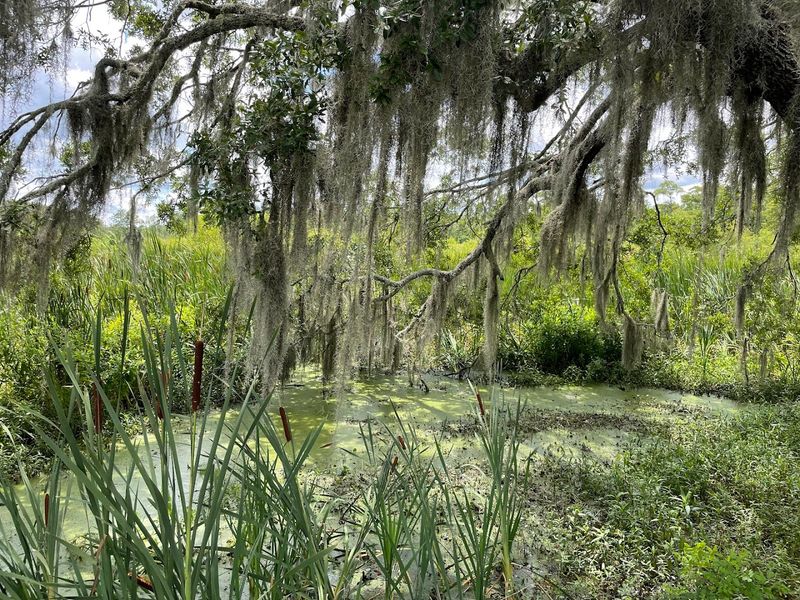
Most visitors come for the alligators and birds, but the plant life at Caw Caw deserves its own spotlight. The trail winds through a remarkable variety of vegetation zones, from dense swamp forest draped in Spanish moss to open grasslands and wetland edges thick with native marsh plants.
Every habitat transition brings something new to look at.
After a rain, the forest floor erupts with fungi of all shapes, sizes, and colors. Mushrooms pop up along the path in clusters that look almost too vivid to be real.
Ferns carpet the shaded sections of the trail, and native wildflowers add unexpected bursts of color throughout the warmer months.
The diversity of plant life here reflects how many different ecosystems converge on this single piece of land. Even if you know nothing about botany, the sheer visual richness of the vegetation makes the walk feel endlessly interesting.
Bring a camera with a good macro setting to capture the details up close.
Why Caw Caw Deserves a Spot on Every SC Bucket List
With a 4.8-star rating across more than 420 reviews, Caw Caw Interpretive Center has clearly won over everyone who gives it a chance. Visitors consistently describe it as exceeding expectations, with one reviewer noting it was “even better than our experience with the national forest.” That kind of praise from real hikers speaks volumes about what this place delivers.
For just $2 per person, you get access to miles of well-marked trails, extraordinary wildlife, rich history, and the kind of peaceful natural beauty that is genuinely hard to find close to a major city. It is the rare place that works equally well for solo adventurers, couples, families, and serious naturalists alike.
South Carolina has no shortage of beautiful outdoor spaces, but few offer this particular combination of accessibility, affordability, and raw natural wonder. Caw Caw is not just overlooked — it is underrated in the best possible way.
Go see it for yourself.
Enjoyed this story?
Add Fast Food Club as a preferred source to see more of our reporting on Google.