


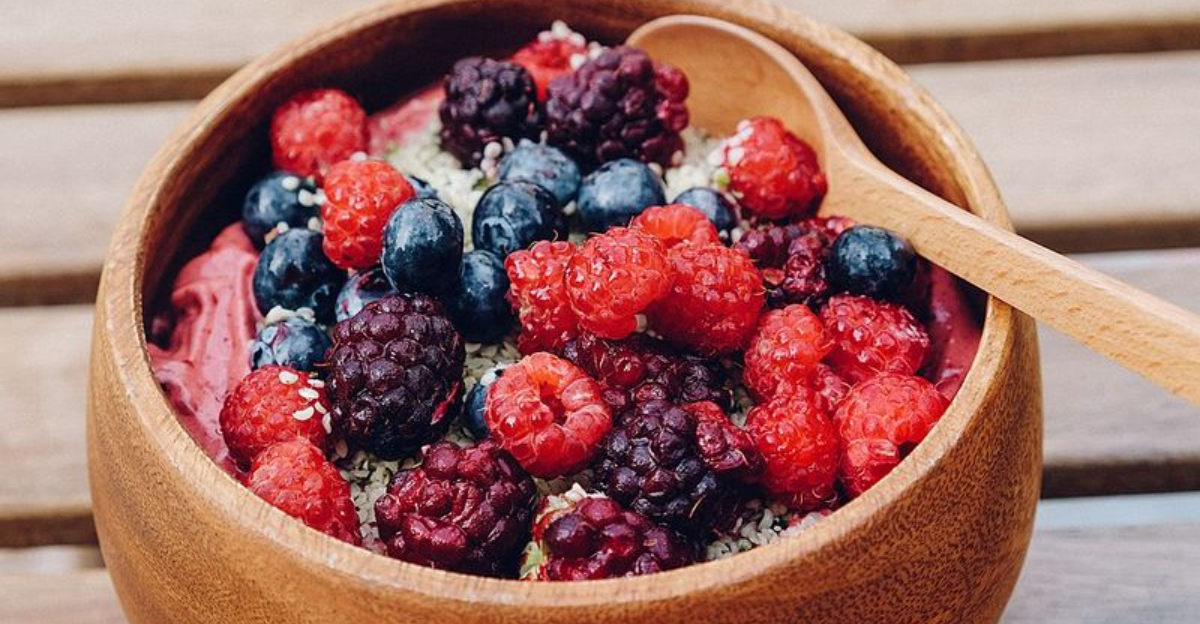
For years, certain foods were praised as the go to “healthy” choices, then research and real world results made many of us pause. Labels looked virtuous, marketing sounded convincing, and habits set in.
But sugar, additives, and clever serving sizes changed the story. If you have ever wondered whether your “better for you” pick still deserves a spot on your plate, this list is for you.
Fruit Juice
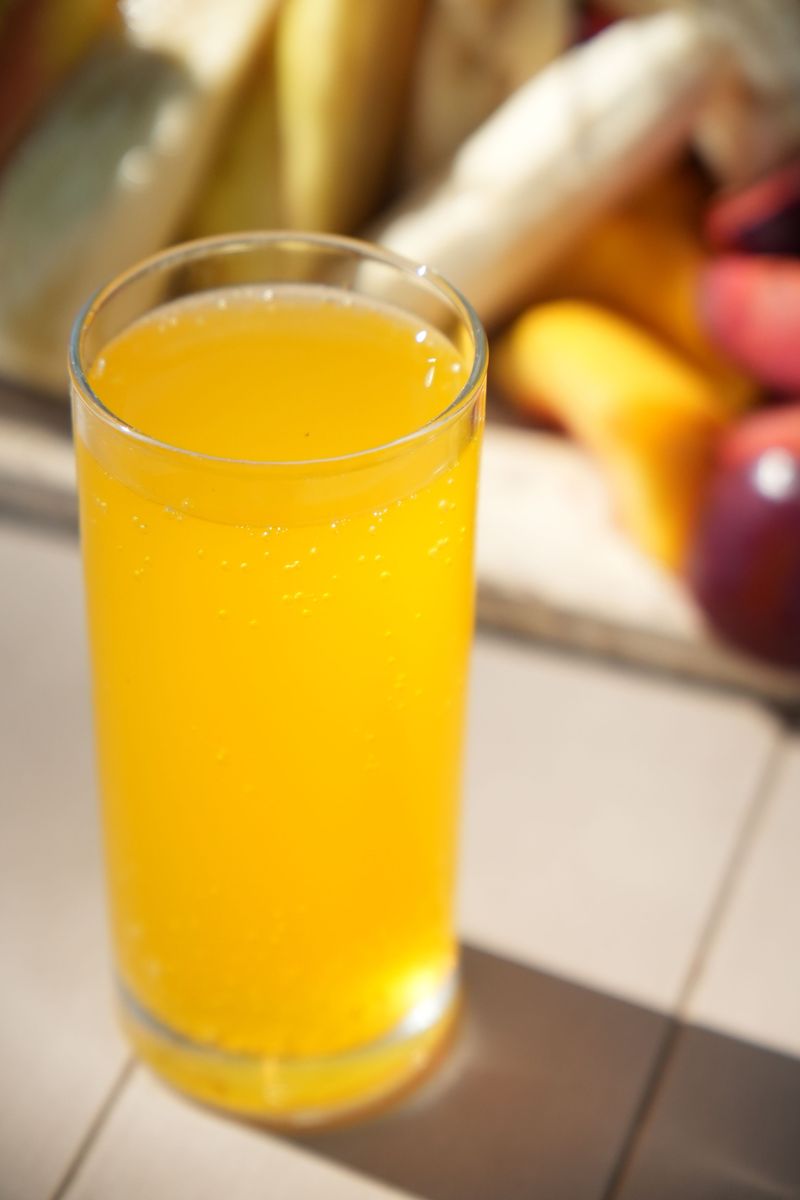
Fruit juice sounded wholesome, especially with pictures of orchards on the label. But most store bottles strip away fiber while concentrating sugar, spiking blood sugar faster than a whole orange ever would.
Even “no added sugar” versions can pack as many calories as soda, just wrapped in a virtuous glow.
If you love juice, think of it as a treat, not a daily habit. Dilute half with sparkling water, or better yet, eat whole fruit for fiber and fullness.
When cravings hit, try citrus slices in water. You will still get flavor, minus the glucose roller coaster.
Granola Bars
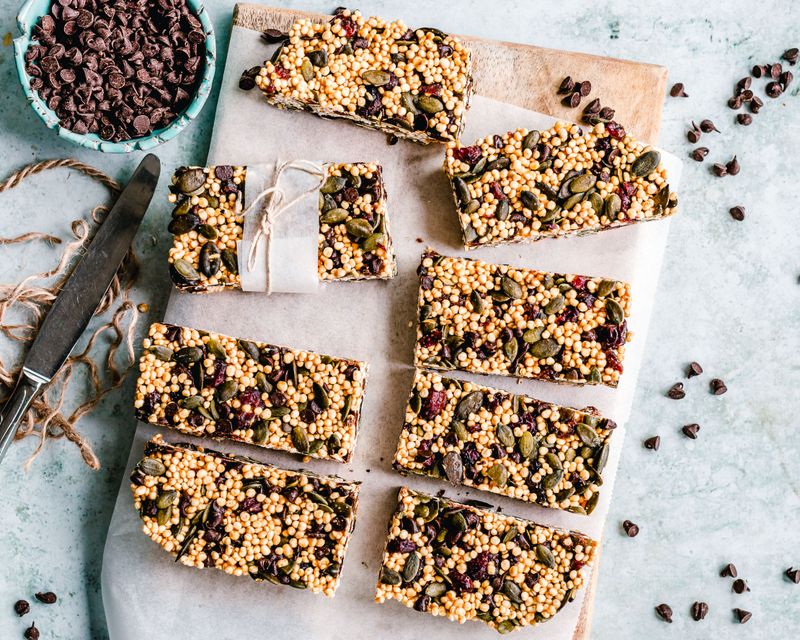
Granola bars promised energy and whole grains, yet many hide corn syrup, palm oils, and candy level add ins. The portions look small, but two bars can equal a full dessert in sugar.
Even “protein” versions often lean on cheap isolates and sweeteners that leave you hungrier later.
Scan the label like a detective. Aim for short ingredients, nuts, seeds, and at least 3 grams of fiber.
Skip yogurt coatings and chocolate chips on workdays, save them for hikes. Or make a quick tray at home using oats, nut butter, and dates.
You control the sweetness.
Diet Soda
Diet soda felt like a clever hack, all fizz and no calories. Then studies began linking some artificial sweeteners with appetite changes, altered gut microbes, and cravings that boomerang later.
You might skip sugar now, only to chase sweets by dinner.
If bubbles help you cut regular soda, that is progress. But try rotating in sparkling water with citrus, or tea over ice for variety.
Save diet soda for occasional use and watch how hunger behaves. The goal is not perfection, it is learning what keeps you satisfied without nudging you toward late night snacking.
Yogurt
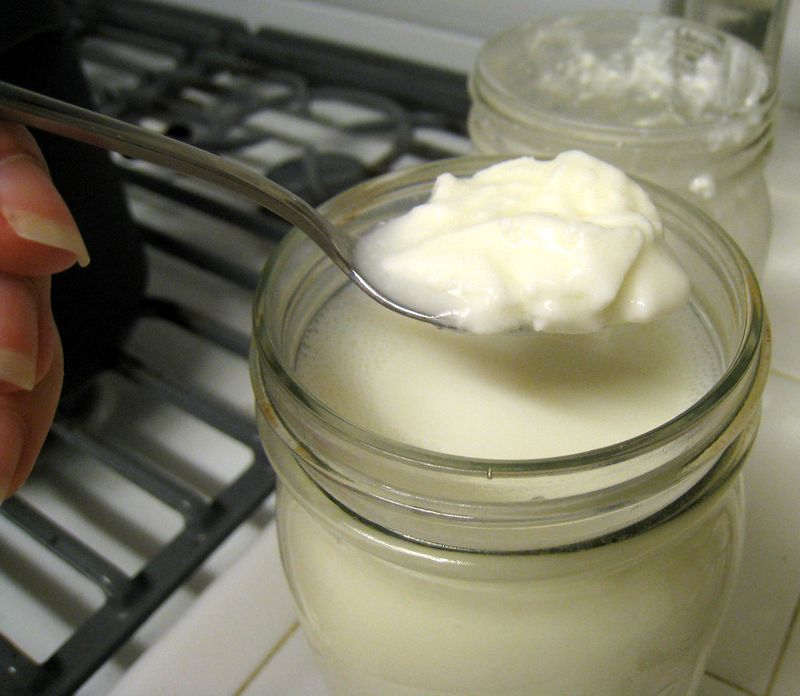
Yogurt earned health halos for probiotics and protein, and that can be true. The catch is the sugar bomb in many flavored cups, sometimes rivaling ice cream.
Fruit on the bottom often means syrup on the bottom, and teeny serving sizes are easy to overshoot.
Pick plain, then add your own sweetness with berries, cinnamon, or a drizzle of honey. Greek styles bring more protein per spoon, helping you feel full.
If lactose bugs you, try lactose free or skyr. You still get the creamy comfort, just without the stealthy dessert vibes hiding under a wellness label.
Veggie Chips
Veggie chips look like a salad turned crunchy, but most are potato starch with vegetable powders and plenty of oil. The vitamins you imagine rarely survive processing, and portions vanish quickly because they are airy and salty.
You end up eating more for less satisfaction.
When you want crunch, reach for roasted chickpeas, popcorn, or sliced cucumbers with hummus. If chips call your name, compare labels for real vegetables listed first and modest sodium.
Better yet, bake thin slices of beet or zucchini at home. You get actual veggies, real fiber, and a snack that works harder for you.
Protein Bars
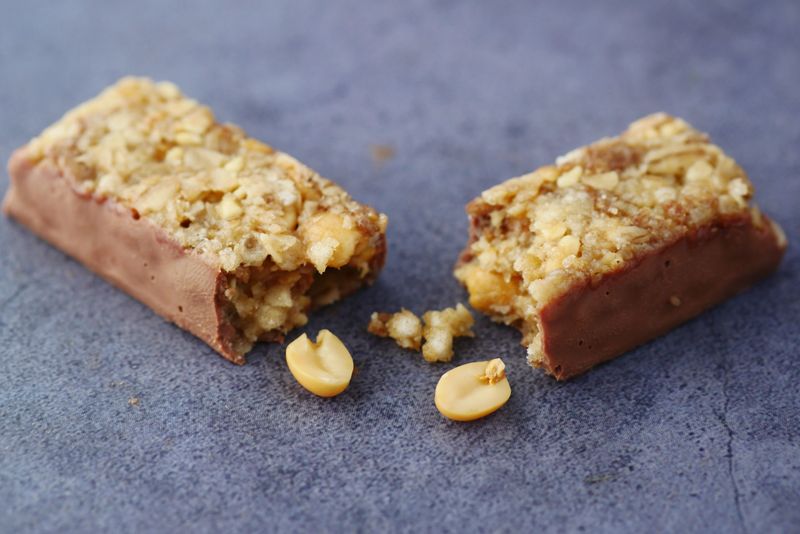
Protein bars promise convenience and muscle support, but many eat like candy in disguise. Sugar alcohols can cause bloating, and low quality isolates do not always keep you full.
A bar might fit a travel day, yet relying on them can crowd out real meals.
Check for 10 to 20 grams of protein, at least 3 grams fiber, and under 8 grams added sugar. Fewer ingredients usually means fewer surprises.
Pair a bar with fruit or yogurt when rushing. When possible, build a mini meal instead, like nuts, cheese, and berries.
Your energy will feel steadier and more satisfying.
Frozen Smoothies
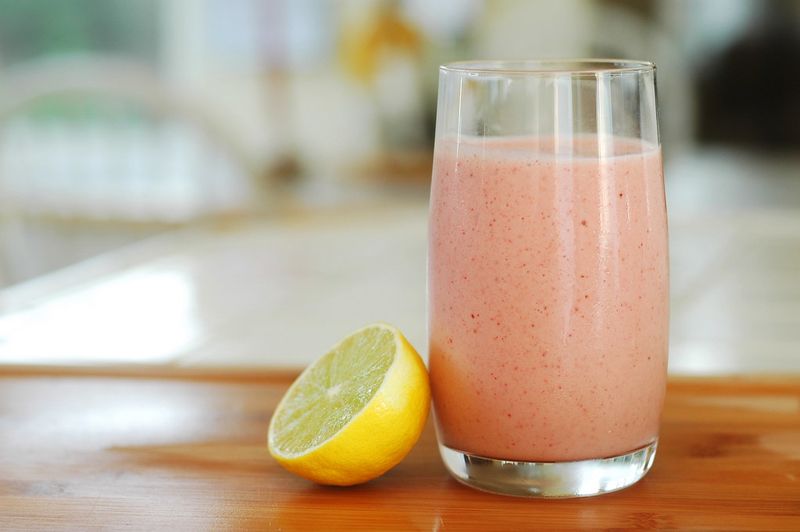
Frozen smoothie packs feel like a shortcut to wellness, but many rely on fruit juice bases and added sugars. The result is a sweet rush without the fiber you expect from a real blended meal.
Portion sizes also creep up, turning snacks into unplanned calorie bombs.
Build your own freezer packs with spinach, berries, avocado, and plain yogurt. Add chia or flax for fiber, then blend with water or unsweetened milk.
It tastes fresher and keeps you fuller. If buying prepacked, choose options with whole fruit and vegetables listed first and no syrups.
Your blender becomes a smarter ally.
Rice Cakes
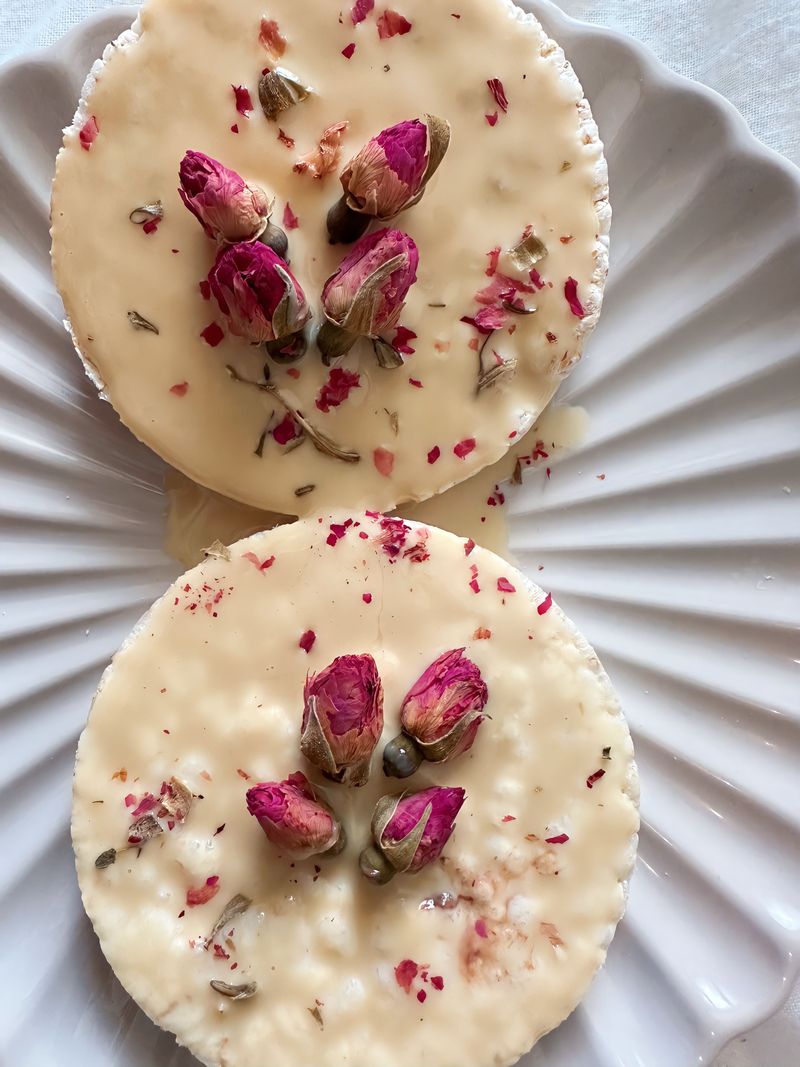
Rice cakes seemed like the ultimate diet snack, light and airy with almost no calories. The problem is they are mostly puffed starch, spiking blood sugar and leaving you hungry soon after.
Flavored versions often add sugar and sodium, turning bland into misleading.
Use rice cakes as a vehicle, not a meal. Add protein and fat like peanut butter, cottage cheese, or smoked salmon to make them stick.
Or swap for whole grain crackers with seeds for more fiber. You will feel satisfied longer and less likely to prowl the pantry an hour later.
Low Fat Dressing
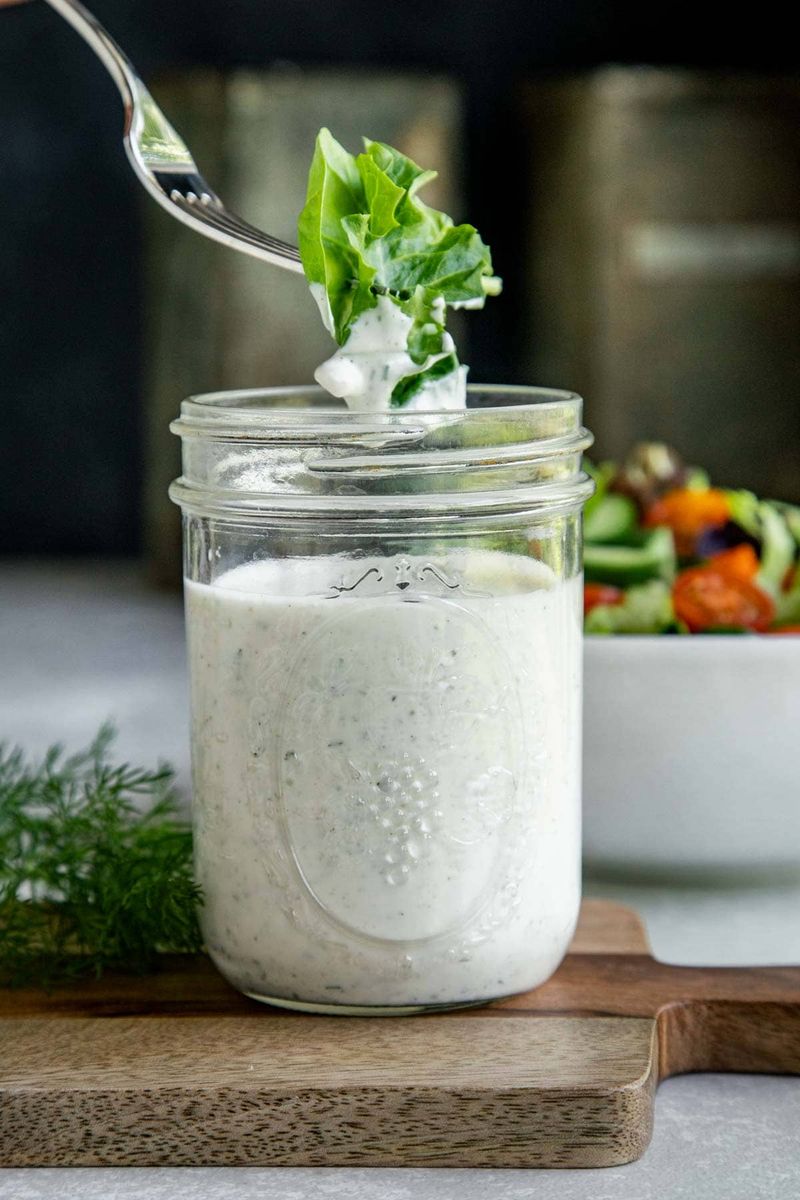
Low fat dressing once sounded smart, but fat removed often means sugar, thickeners, and artificial flavors added back. You get fewer satisfying fats, so salads stop being filling.
Then snacks creep in later and the calorie math fails.
Choose vinaigrettes with olive oil, or make quick versions at home using lemon, Dijon, and herbs. A little real fat helps absorb fat soluble vitamins from vegetables.
Toss greens lightly and measure a tablespoon or two. You will enjoy your salad more, feel satisfied, and sidestep the sneaky sweetness hiding in many low fat bottles.
Breakfast Muffins

Breakfast muffins parade as portable morning fuel, yet bakery versions are basically cake. Giant portions, refined flour, and sugary toppings push them into dessert territory.
Even “bran” labels can hide syrups that cancel the fiber benefits.
If you love a muffin, shrink the size and change the mix. Use whole grain flour, grated zucchini or carrot, and add walnuts for staying power.
Keep sweetness modest and pair with Greek yogurt or eggs. Freeze a batch so you are not tempted by coffee shop sugar bombs.
You get that cozy bite without the 11 a.m. crash.
Store Granola
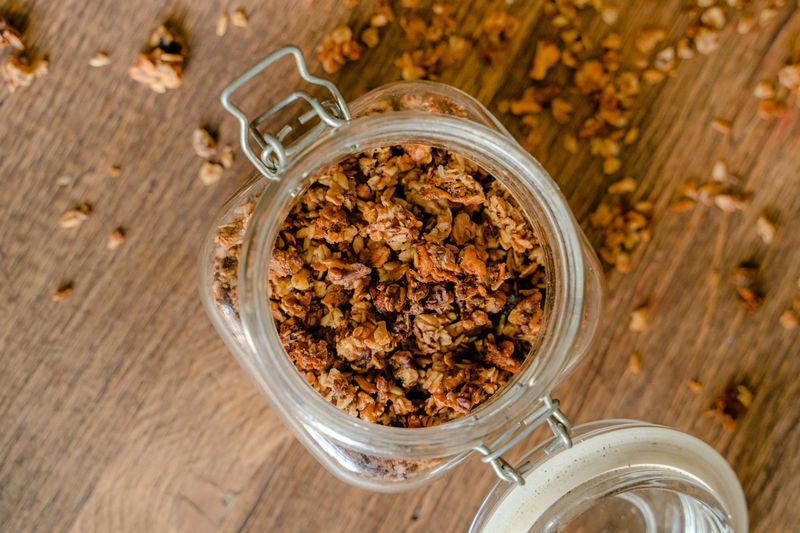
Granola marketed as hearty and wholesome can pack surprising sugar and oil. Those crunchy clusters often cling together thanks to syrups, not magic.
A half cup serving is tiny, and most people pour double without noticing, turning breakfast into a dessert bowl.
Read for added sugars and aim for versions with nuts, seeds, and at least 3 grams of fiber. Better yet, toast your own with oats, coconut flakes, and a little maple.
Mix with plain yogurt and fresh fruit to balance sweetness. You keep the crunch and lose the stealth calories that sneak into store blends.
Agave Syrup
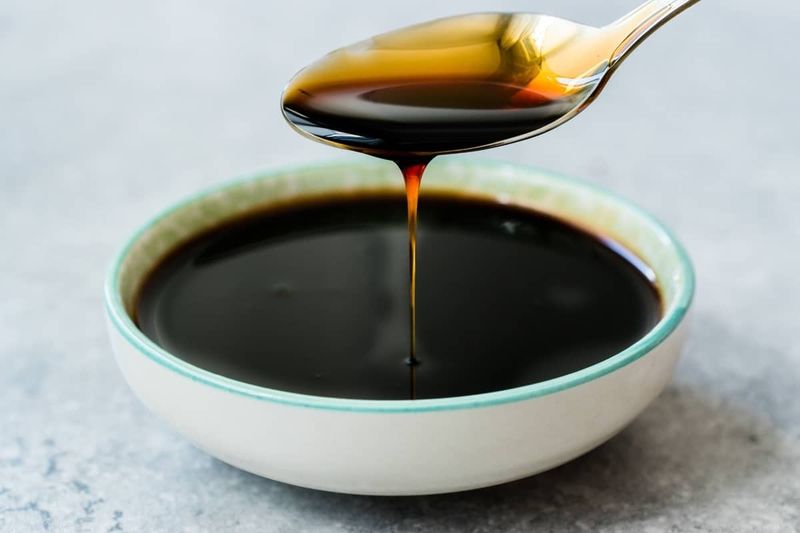
Agave syrup looked like a natural swap for sugar, but its very high fructose content can stress the liver. The low glycemic index sounds great, yet that rating does not make it a free pour.
Over time, too much fructose may nudge triglycerides upward.
If you want a touch of sweetness, use less and savor it. Honey or maple offer flavor that travels farther per teaspoon.
Even better, lean on spices like cinnamon, vanilla, and citrus zest. The goal is not a perfect sweetener, it is using less often.
Your taste buds adapt faster than you think.
Frozen Yogurt
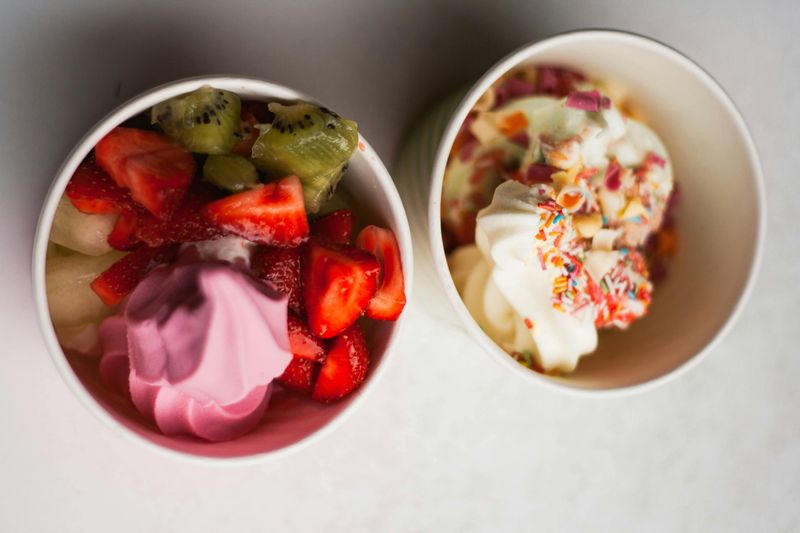
Frozen yogurt arrived as the lighter dessert, but the toppings bar tells another story. Candy bits, cookie crumbs, and syrup rivers quickly outrun any savings from lower fat.
Portions creep because cups are huge and machines reward enthusiasm.
If froyo makes you happy, set ground rules. Choose a small cup, fill mostly with plain tart, and add fruit and nuts for texture.
One syrup drizzle, then call it done. Or split a cup with a friend so the treat stays treat sized.
You keep the fun without pretending it is health food.
Trail Mix
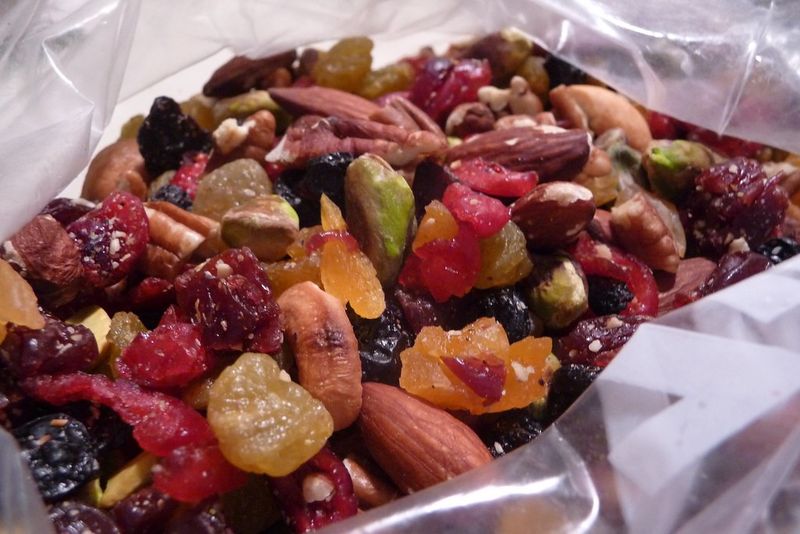
Trail mix shines on actual trails, where dense calories are your friend. At a desk, the handfuls add up fast, especially with chocolate candies and sweetened fruit.
Salt and sugar keep you reaching back into the bag like it is bottomless.
Portion it out before you snack. Choose mixes heavy on nuts and seeds, light on candy, and skip yogurt chips.
Add spices like cinnamon or chili for interest without sugar. Pair a measured serving with tea and step away from the bag.
You will enjoy it more and stop eating on autopilot.
Dried Fruit
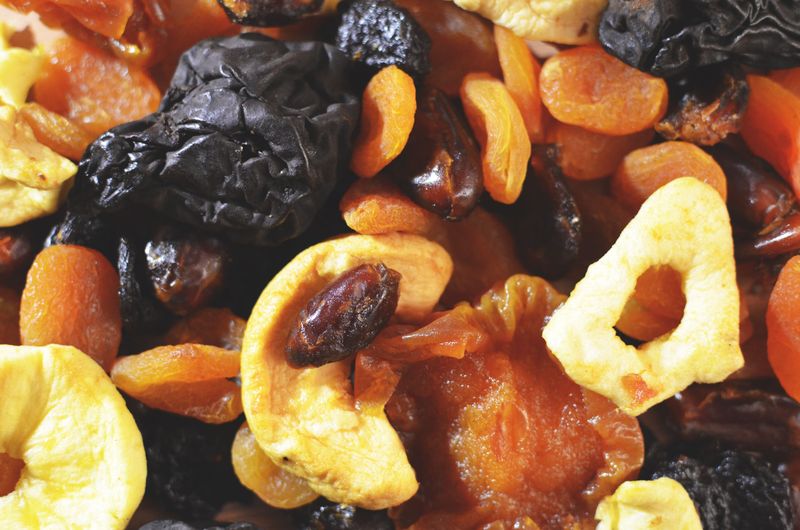
Dried fruit concentrates natural sugars into bite sized pieces that are easy to overeat. Sulfites and added sweeteners sometimes sneak in, too.
A small handful is fine, but cups of raisins turn into dessert calories quickly, minus the water that helps fullness.
Scan for “no sugar added” and watch portions. Pair dried fruit with nuts or yogurt to slow the sugar rush.
Better yet, choose fresh fruit when available for volume and hydration. If you bake, chop dried fruit finely so a little flavors the whole batch.
You will get the taste without the sugar avalanche.
Instant Oatmeal
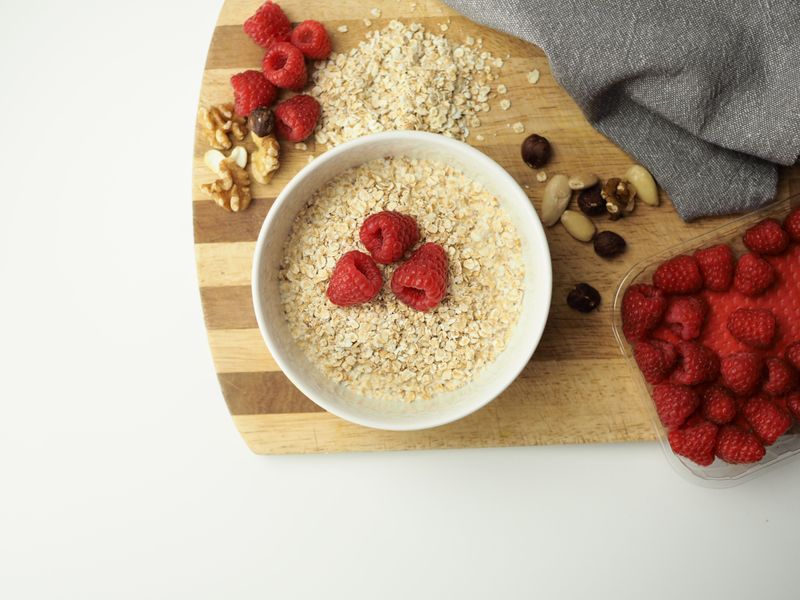
Instant oatmeal wins on speed, but many packets lose on fiber and add sugar or flavorings you do not need. The flakes are processed thin, digesting faster and spiking hunger sooner.
That cinnamon roll taste usually is chemistry, not a bakery.
Use plain packets and doctor them up with chia, nuts, and real fruit. Or batch cook steel cut oats and reheat with milk for the week.
A little salt, cinnamon, and vanilla go far. You will get the same convenience with better texture and staying power, minus the sugar spiral that trips up mornings.
Turkey Bacon
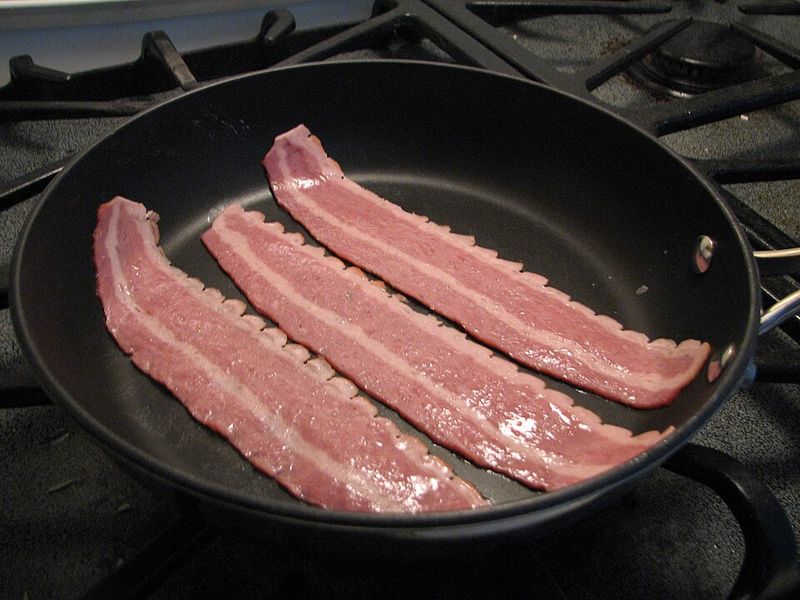
Turkey bacon sounded like a leaner fix for brunch, but processing and sodium can be high. You save some fat, yet additives and texture trade offs leave many unsatisfied, which can lead to overeating elsewhere.
Flavor often needs extra sauces that add sugar or salt back in.
If bacon joy matters, use the real thing sparingly and savor it. Or try Canadian bacon or smoked salmon for protein with fewer additives.
Balance the plate with eggs and fruit. The smarter move is frequency and portion, not chasing a perfect substitute that never truly scratches the itch.
Multigrain Bread
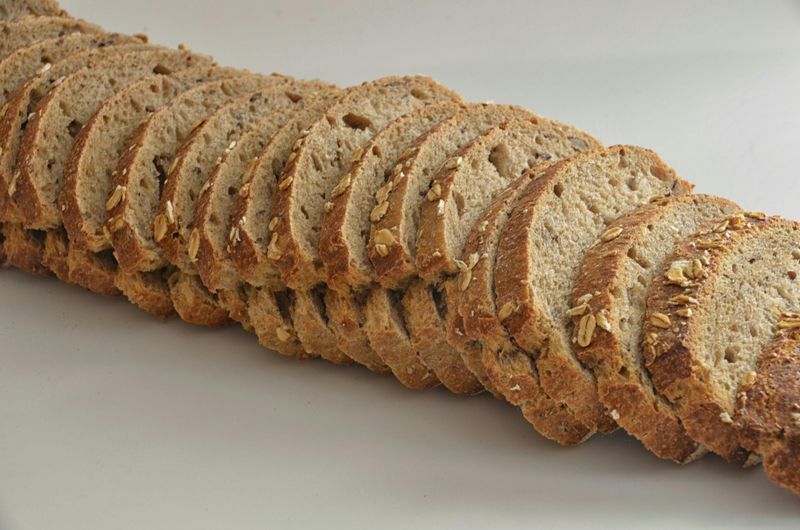
Multigrain sounds robust, but the label can simply mean multiple grains, not whole grains. Many loaves still rely on refined flour with a sprinkling of seeds on top for show.
The texture feels hearty while the nutrition behaves like white bread.
Look for “100 percent whole grain” as the first words and at least 3 grams of fiber per slice. Dark color is not proof.
If gluten works for you, sourdough can also be gentler on blood sugar. Toast with avocado or eggs and you have a real meal, not just marketing baked into a crust.
Smoothie Bowls
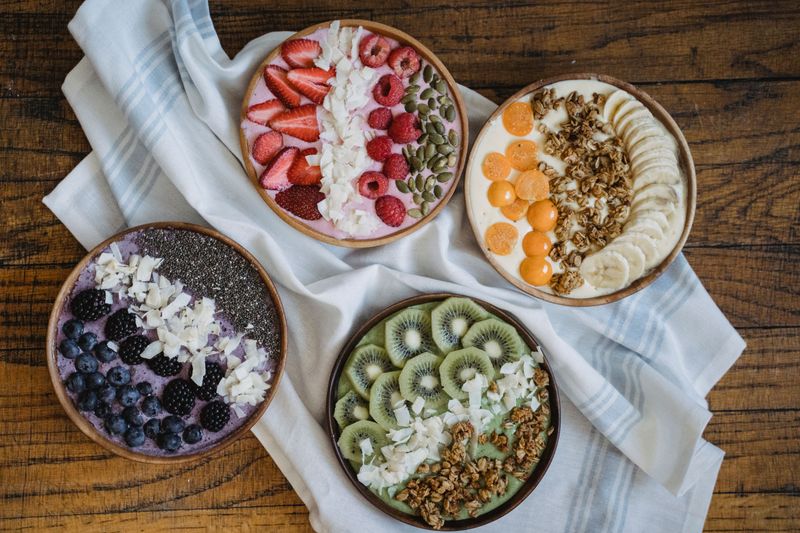
Smoothie bowls are stunning on Instagram, but beauty can mask big sugar and calorie loads. Thick bases often blend banana with juice, then get showered with granola and honey.
You finish feeling light but hungry again within hours.
Build a bowl with protein and fiber first. Use Greek yogurt or protein powder, add berries, spinach, and chia, and skip the juice.
Top with a measured spoon of nuts for crunch. Think of it as a meal, not a dessert.
You will still get the colors without the sneaky sugar that turns breakfast into a sugar rush.
Flavored Water

Flavored water promised hydration with fun, but some brands use sweeteners, acids, and dyes that can bother teeth or guts. The taste trains your palate toward constant sweetness, making plain water feel boring.
It is better than soda, yet not always neutral.
Try infused water with lemon, cucumber, or berries, or go sparkling with a squeeze of lime. Rotate plain water often so your taste buds reset.
If you buy bottled, choose unsweetened and check ingredients. Hydration should be simple, refreshing, and drama free, not a chemistry set in a sleek bottle.
Acai Bowls
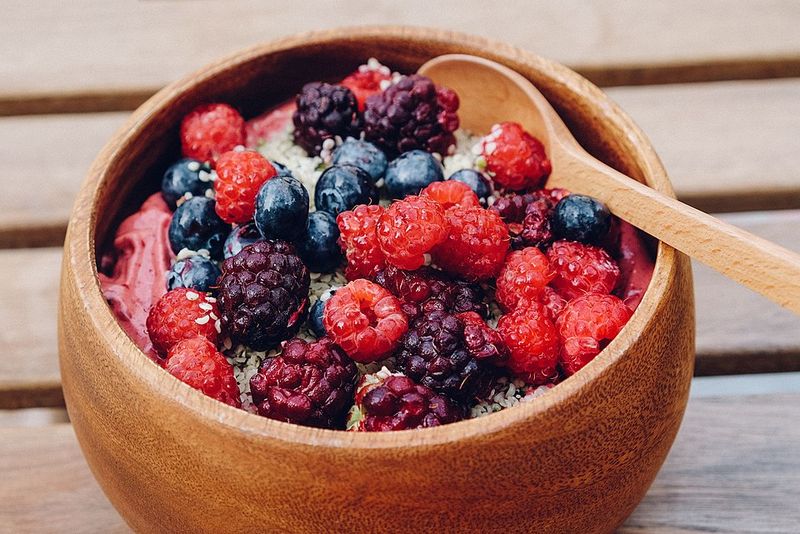
Acai bowls wear a superfood cape, but the base is often blended with juice and bananas, then piled with sweet toppings. Antioxidants are great, yet the sugar surge can overshadow benefits.
Portions at cafes easily hit dessert territory, even before the honey drizzle.
At home, keep the base unsweetened, add protein powder or Greek yogurt, and lean on berries for natural sweetness. Top with nuts and seeds, not candy like add ons.
Treat it like a meal, not a haloed snack. You get the color and tang without pushing your breakfast into milkshake land.
Enjoyed this story?
Add Fast Food Club as a preferred source to see more of our reporting on Google.