


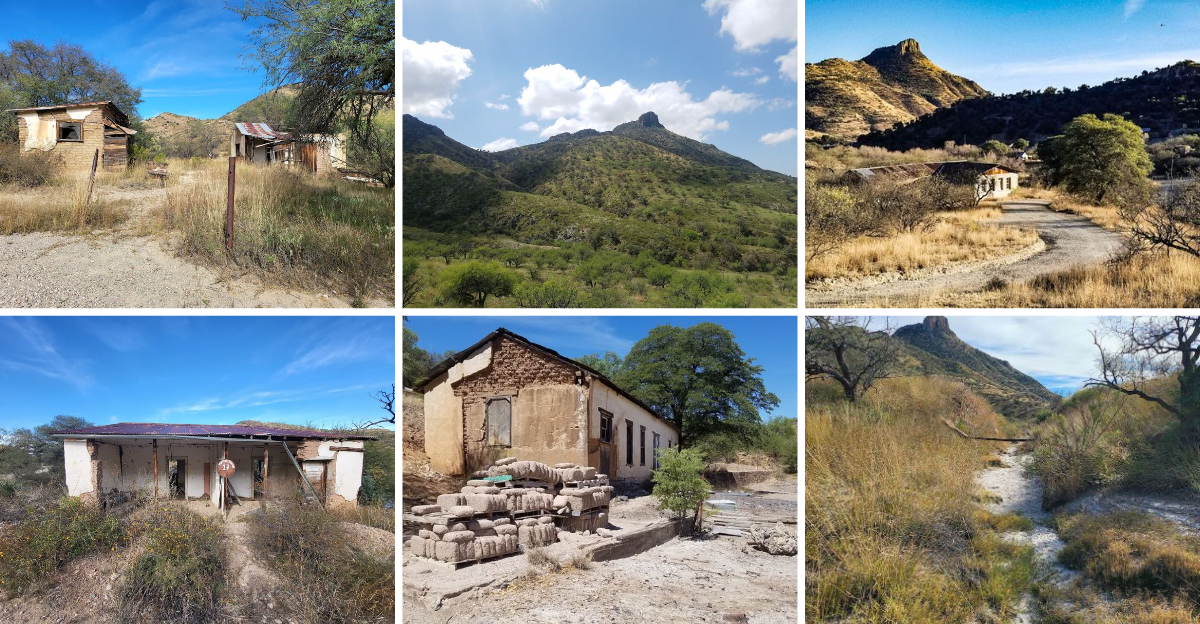
Tucked away in the remote hills of Santa Cruz County, Arizona, Ruby is one of the most fascinating ghost towns in the entire Southwest. Founded back in 1877 as a mining camp called Montana Camp, this abandoned settlement sits near the base of Montana Peak in the Pajarita Wilderness.
Visitors who make the journey out to Ruby are treated to a place where history feels alive, the landscape plays tricks on your eyes, and every crumbling building tells a wild story. Whether you are a history buff, an adventure seeker, or just someone who loves exploring unusual places, Ruby, Arizona will absolutely blow your mind.
The Ghost Town That Time Forgot
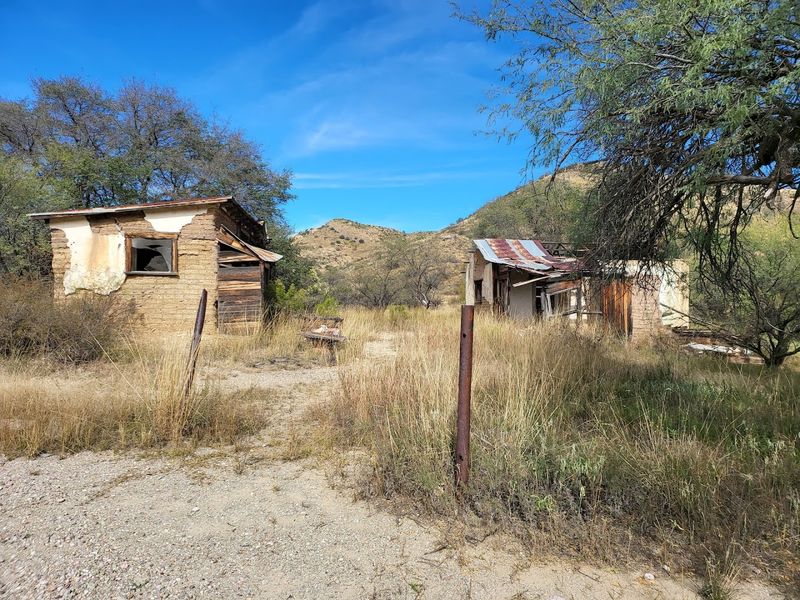
Some places feel frozen in time, and Ruby, Arizona is exactly that kind of place. Walking through the remains of this once-bustling mining camp, you get an eerie feeling that the miners just stepped away for lunch and never came back.
The silence is almost loud.
Ruby was founded in 1877 and grew quickly thanks to silver, lead, and zinc mining operations in the surrounding hills. At its peak, hundreds of people called this remote desert outpost home.
General stores, a school, and even a post office once lined these dusty streets.
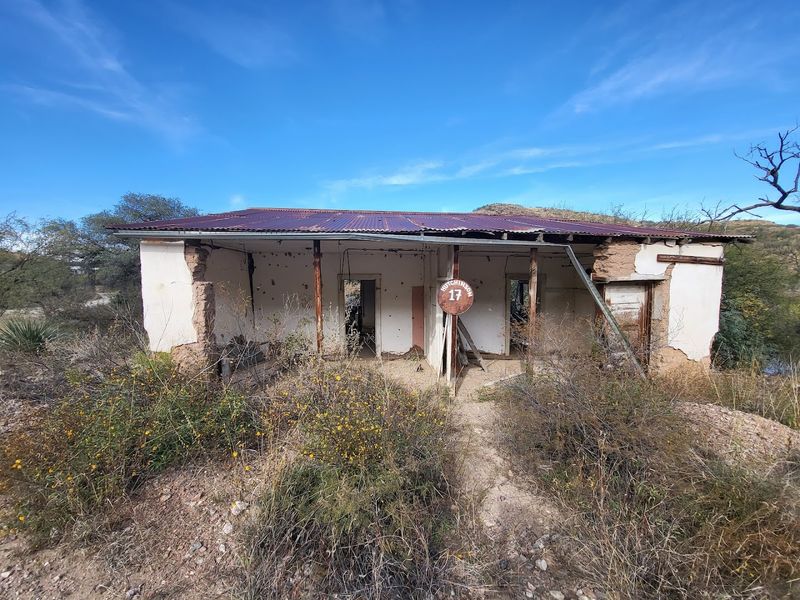
Today, crumbling adobe walls and rusted machinery are all that remain. Every broken window and collapsed roof feels like a piece of a puzzle from another era.
Visiting Ruby feels less like a tourist trip and more like stepping through a time portal into Arizona’s rugged, unpredictable past.
Montana Peak Looming Large Overhead
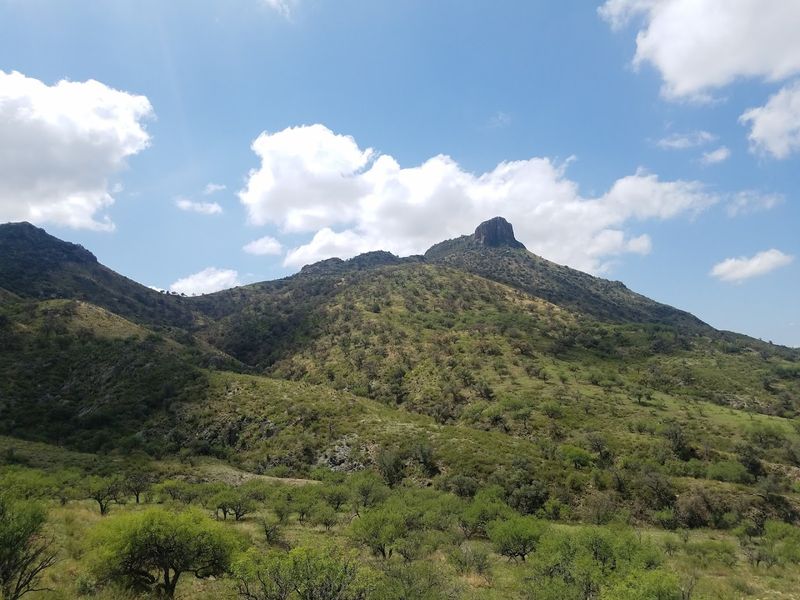
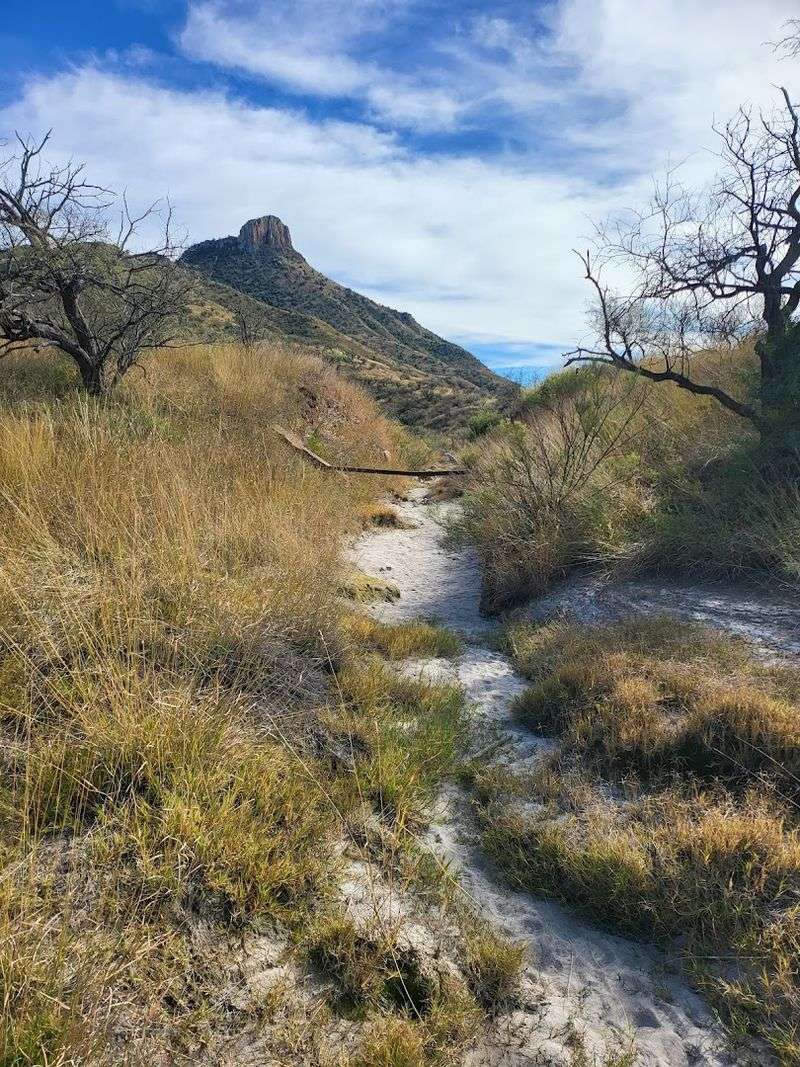
Standing at the base of Montana Peak and looking straight up is one of those experiences that makes you feel wonderfully small. The mountain towers over the ghost town of Ruby like a silent guardian, its rocky face carved by millions of years of wind and rain.
It is honestly breathtaking.
Montana Peak sits within the Pajarita Wilderness, a protected area that keeps the land wild and untouched. Hikers who tackle the trails around the peak are rewarded with sweeping views of the surrounding desert and mountain ranges.
On a clear day, you can see all the way into Mexico.
The mountain also played a practical role in Ruby’s history. Miners used its ridgelines as landmarks while navigating the rugged terrain.
Even now, Montana Peak serves as a natural compass point for anyone exploring this remote corner of Arizona’s Santa Cruz County.
A Mining Camp With a Surprising Origin Story
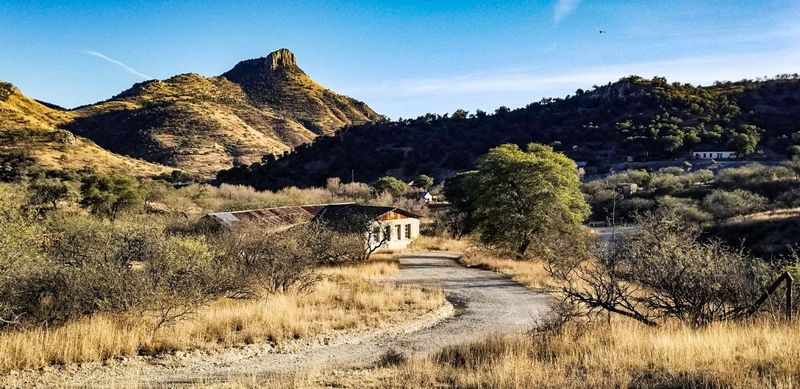
Here is a quirky piece of history most people do not know: Ruby was not always called Ruby. The town started out as Montana Camp in 1877, named after the towering peak that watches over the valley.
The name change came later, and the story behind it is surprisingly sweet.
The town was renamed Ruby after Lillian B. Ruby, the wife of a local postmaster named Julius Andrews.
Andrews applied for a post office in the area and submitted his wife’s maiden name as the official town name. The postal service approved it, and just like that, Montana Camp became Ruby.
This kind of personal, human detail is what makes ghost towns so much more interesting than history books let on. Behind every dusty name on an old map is a real person with a real story.
Ruby’s origin is proof that even forgotten places carry meaningful memories.
Only 25 Miles From Rio Rico But a World Away
Geographically speaking, Ruby is not that far from civilization. It sits roughly 25 miles west of Rio Rico, a community in Santa Cruz County that most Arizonans would recognize.
But those 25 miles feel like traveling through a completely different dimension.
The road to Ruby is unpaved for much of the journey, winding through desert scrub and rocky terrain that demands a high-clearance vehicle. There are no gas stations, no convenience stores, and no cell service once you get deep into the backcountry.
You are truly on your own out there.
That sense of isolation is part of the magic. When you finally arrive at the ghost town, the remoteness makes the experience feel earned.
You did not just pull off a highway and walk into a gift shop. You ventured out into the wild and discovered something rare, quiet, and genuinely unforgettable.
Just 7 Miles From the Mexican Border
Ruby sits just 7 miles north of the Mexico-United States border, which gives this ghost town a unique cultural and geographic identity that most Arizona landmarks simply do not have. The proximity to the border shaped everything from the town’s workforce to its trade routes during its mining heyday.
In the early days, workers and supplies moved fluidly across the borderlands. The region was a crossroads of cultures, and that blended heritage is still visible in the architectural styles of the remaining structures.
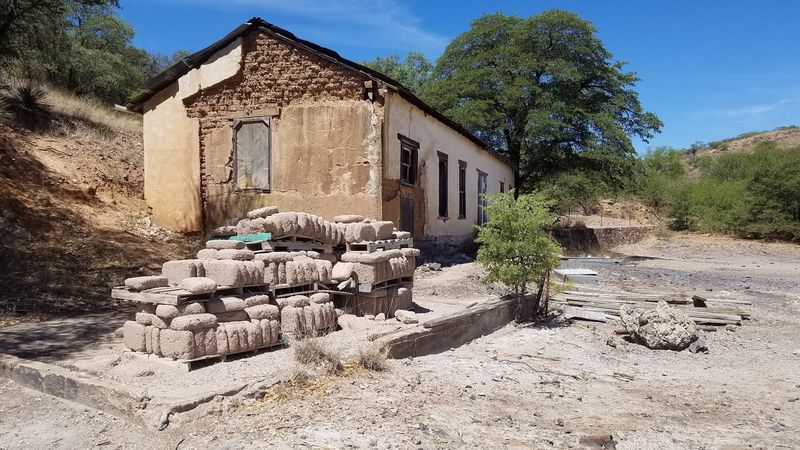
Adobe construction techniques, common throughout northern Mexico, were widely used in Ruby.
Today, the border proximity adds another layer of intrigue for visitors. The landscape itself feels like it belongs to both countries, with plant species and wildlife that are native to the Sonoran Desert straddling both sides of the line.
Ruby truly exists in a fascinating in-between world.
The Pajarita Wilderness Surrounding the Town
Ruby is not just a ghost town sitting in an empty field. It is nestled right at the edge of the Pajarita Wilderness, one of Arizona’s most biologically rich and visually stunning protected areas.
The wilderness designation means the land around Ruby remains largely undisturbed by modern development.
The Pajarita Wilderness covers thousands of acres of rugged terrain filled with oak woodlands, canyon washes, and rocky ridgelines. It is a hotspot for birdwatchers because of the incredible diversity of species that pass through during migration seasons.
Rare birds from Mexico regularly appear here, making it a bucket-list destination for serious birding enthusiasts.
Exploring the wilderness around Ruby feels like unwrapping a natural mystery. Every trail reveals something unexpected, whether it is a hidden spring, an ancient rock formation, or a coyote trotting confidently through the brush.
Nature here is bold, alive, and completely unfiltered.
Silver, Lead, and Zinc Beneath the Desert Floor
What made Ruby worth building a whole town around? The answer lies underground.
The hills surrounding Ruby were loaded with valuable deposits of silver, lead, and zinc, minerals that were in high demand during the late 1800s and early 1900s. Mining these resources was hard, dangerous work, but the payoff kept people coming back.
The mines in the Ruby area operated for decades, changing ownership multiple times as fortunes rose and fell with the commodity markets. At various points, the operations were considered among the most productive in southern Arizona.
Ore was hauled out on wagons and later by truck to processing facilities.
When the minerals ran out and prices dropped, the economic reason for Ruby’s existence simply disappeared. That is the classic ghost town story, and Ruby tells it beautifully.
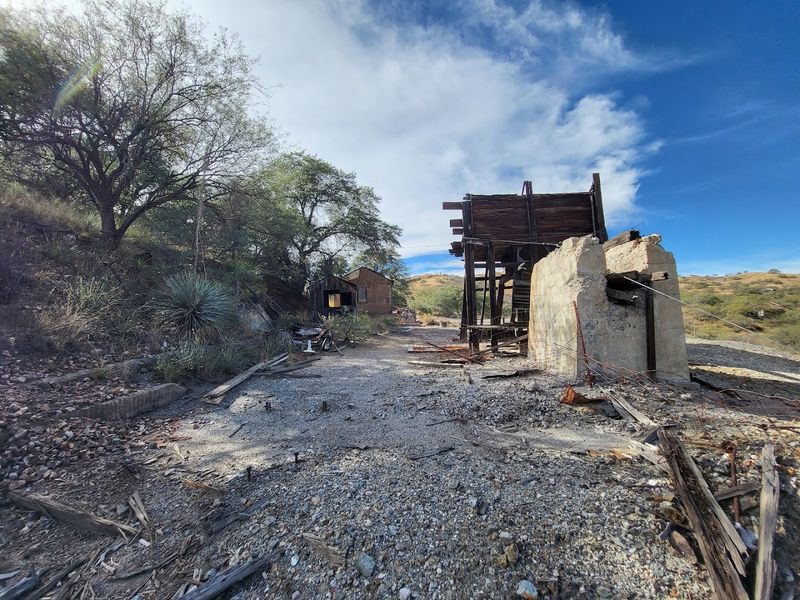
The empty mine shafts and processing ruins scattered around the site are a raw, honest reminder of how fragile boom-and-bust economies truly are.
The Notorious Ruby Murders of 1920
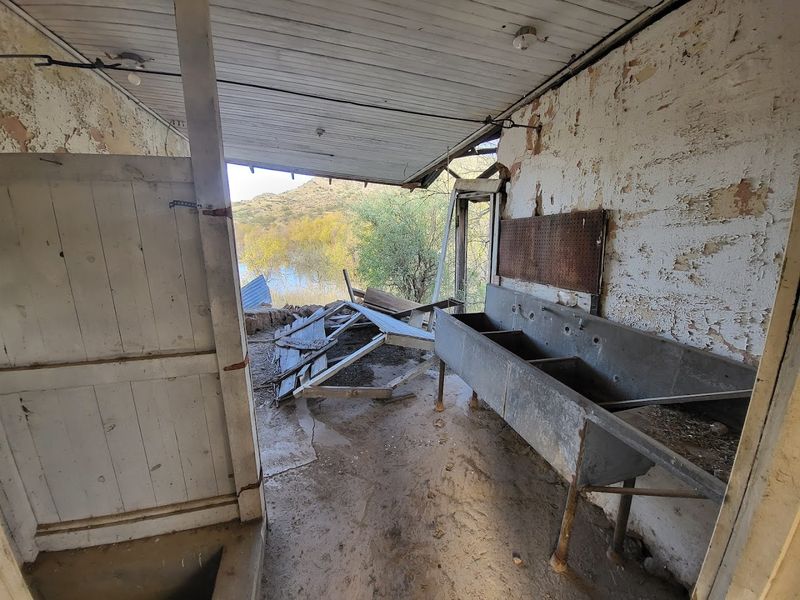
Not everything about Ruby’s history is quiet and picturesque. The town was the site of two shocking violent incidents in 1920 that left the entire region rattled.
Known historically as the Ruby Murders, these events involved the brutal killing of store owners and remain one of the darkest chapters in Arizona’s ghost town lore.
The victims were operators of the local general store, which also served as the post office. Bandits crossed over from Mexico and attacked the store on two separate occasions, killing multiple people.
The crimes shocked residents and drew attention from law enforcement across the region.
Eventually, suspects were caught and tried for the murders. The story adds a layer of grim reality to what might otherwise seem like a romanticized frontier settlement.
Ruby was not just a quirky historical relic. It was a real, sometimes dangerous place where ordinary people faced extraordinary hardships every single day.
Wildlife That Calls the Ruins Home
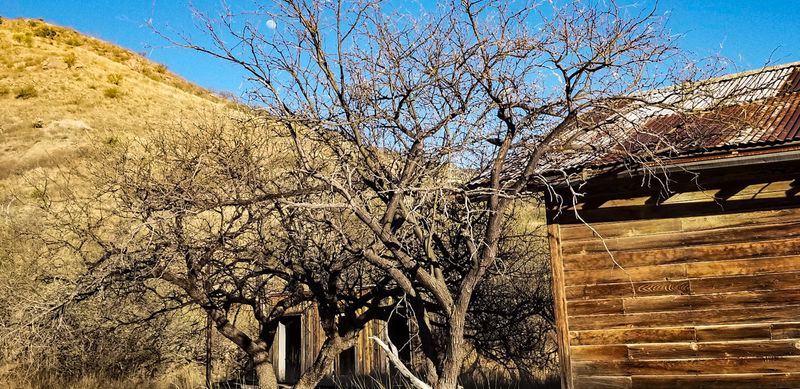
When the last human residents packed up and left Ruby for good, the wildlife moved right in. Today, the ruins serve as an unofficial wildlife sanctuary, with all kinds of desert creatures making their homes among the crumbling walls and overgrown lots.
Nature has a way of reclaiming what was once taken from it.
Javelinas, coatis, mule deer, and a wide variety of reptiles are regularly spotted around the ghost town. Rattlesnakes particularly like the cool shade provided by collapsed structures, so visitors are always advised to watch their step.
The ruins have become an accidental ecosystem all their own.
Birdwatchers find Ruby especially rewarding because of its location near the Pajarita Wilderness flyway. Elegant trogons, painted redstarts, and sulphur-bellied flycatchers have all been spotted in the area.
For nature lovers, the wildlife alone makes the bumpy drive out to Ruby absolutely worth every pothole.
The Old Schoolhouse Still Standing Strong
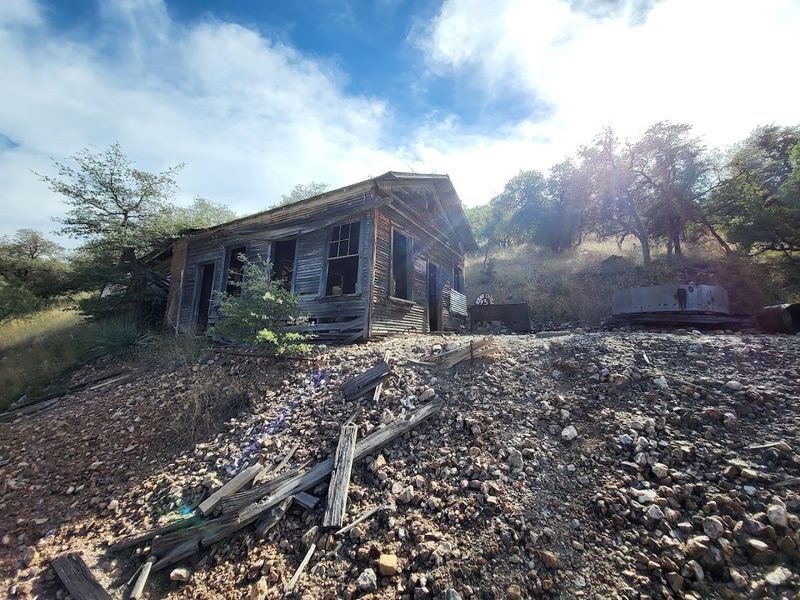
One of the most emotionally striking structures still visible at Ruby is the old schoolhouse. Standing amid all the decay and collapse, the building carries a quiet dignity that stops visitors in their tracks.
Somewhere in those faded walls, children once learned to read, write, and dream about the future.
At its peak, Ruby had enough families living in the area to justify a proper school with regular teachers. Education in remote mining towns was always a challenge, but communities like Ruby made it work because parents understood that knowledge was just as valuable as silver ore.
Seeing the schoolhouse today is a genuinely moving experience. It is easy to imagine the sounds of children playing outside during recess, the smell of chalk dust, and the hum of a teacher’s voice carrying through the desert air.
Ruby was never just a mine. It was a real, breathing community.
Photographing Ruby: A Visual Feast for Adventurers
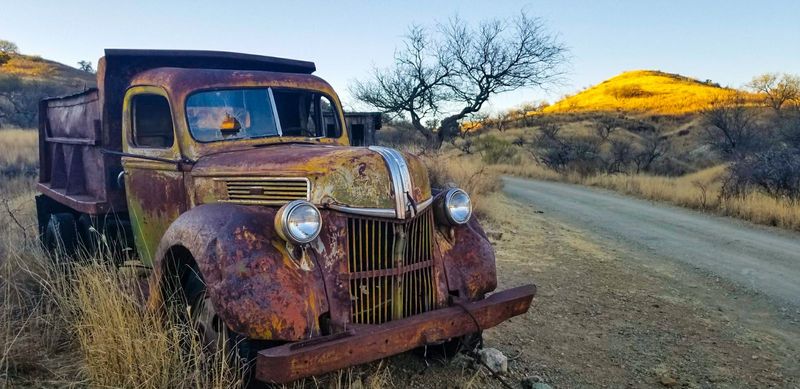
Ask any landscape or urban exploration photographer about Ruby, and their eyes will light up immediately. The combination of crumbling adobe architecture, rusted industrial equipment, dramatic mountain backdrops, and wide-open desert skies creates an almost impossibly photogenic environment.
Every direction you point a camera delivers a compelling frame.
Golden hour at Ruby is something photographers genuinely plan road trips around. When the late afternoon sun hits the reddish adobe walls and casts long shadows across the rocky ground, the whole scene transforms into something that looks like a movie set.
Except it is completely real and completely free of crowds.
Even amateur photographers with just a smartphone come away from Ruby with stunning images. The textures, colors, and sense of scale are so dramatic that the location does most of the creative work for you.
Pack extra memory cards, because you will absolutely not want to stop shooting.
Getting to Ruby Requires a Real Adventure Spirit
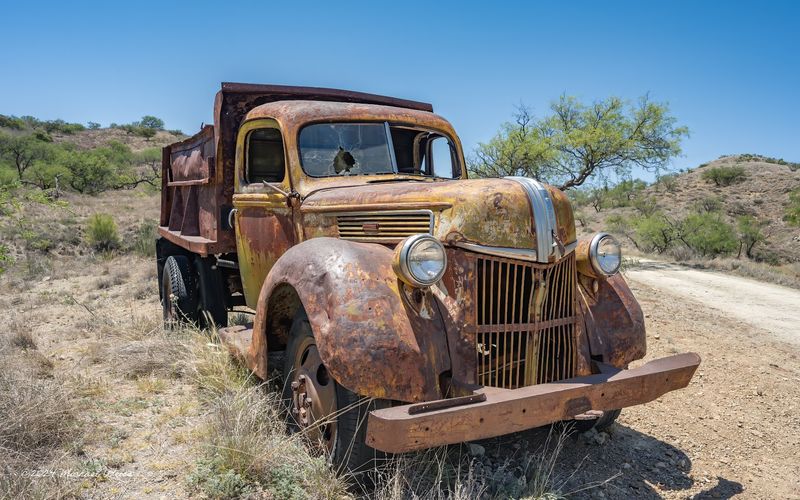
Ruby does not roll out a welcome mat for casual visitors. Reaching the ghost town requires navigating several miles of rough, unpaved roads that can become genuinely impassable after heavy rainfall.
A high-clearance four-wheel-drive vehicle is not just recommended. It is essentially required if you want to make it there and back without incident.
The remote access is actually part of what makes Ruby so special. Because the journey demands some preparation and a sense of adventure, the ghost town never gets overrun with tourists.
On most days, you might share the place with just a handful of other explorers, which makes the experience feel deeply personal.
Before heading out, always check road conditions and weather forecasts for the Ruby area. Monsoon season in southern Arizona can turn dry washes into rushing rivers within minutes.
Preparation is everything when visiting a place this wonderfully, stubbornly off the beaten path.
Why Ruby Feels Like an Optical Illusion All Its Own
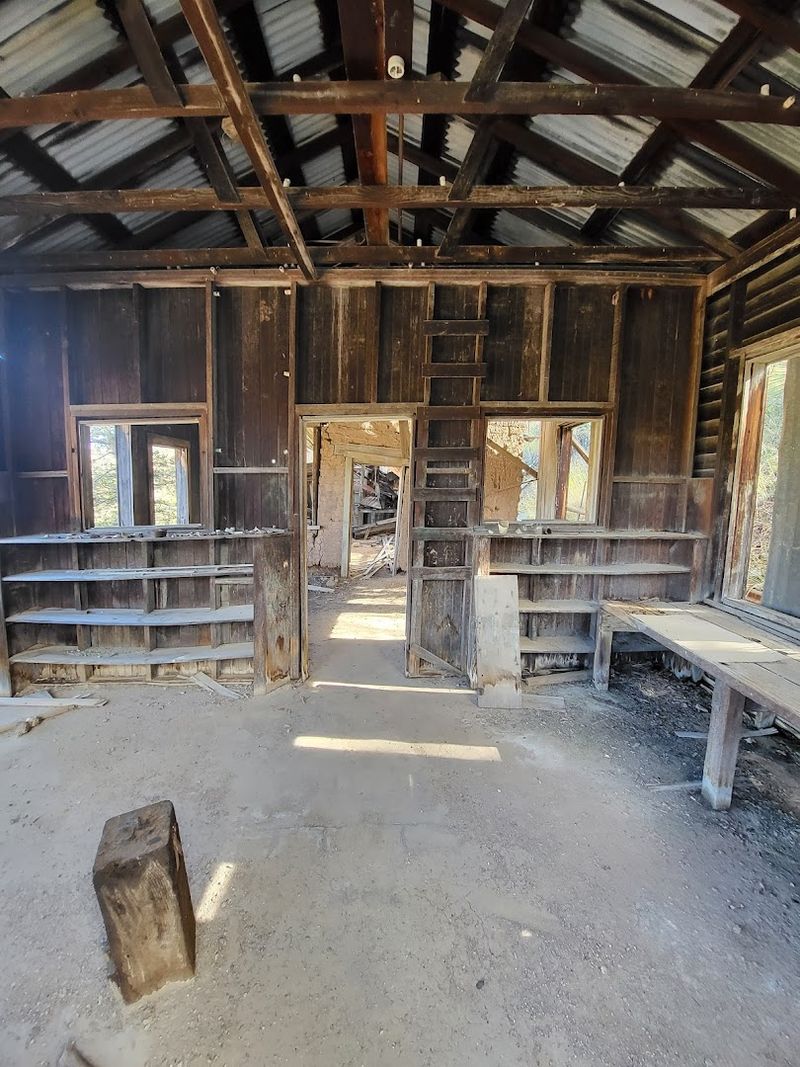
There is something almost surreal about standing in Ruby that makes your brain do a double-take. The town looks close to nothing on a map, yet it once held an entire functioning community.
The ruins look ancient, yet they are barely a century old. Time moves differently out here, and that disorientation is part of the experience.
The way the desert light plays across the landscape shifts constantly throughout the day. Shadows stretch and shrink, colors deepen and fade, and the mountains seem to move closer or farther depending on the hour.
Visitors frequently describe feeling like the environment itself is quietly shifting around them.
Ruby proves that you do not need a flashy museum full of trick mirrors to have your sense of reality challenged. Sometimes all it takes is an abandoned town in the middle of the Arizona wilderness to make you question everything you thought you knew about time, place, and permanence.
Enjoyed this story?
Add Fast Food Club as a preferred source to see more of our reporting on Google.