


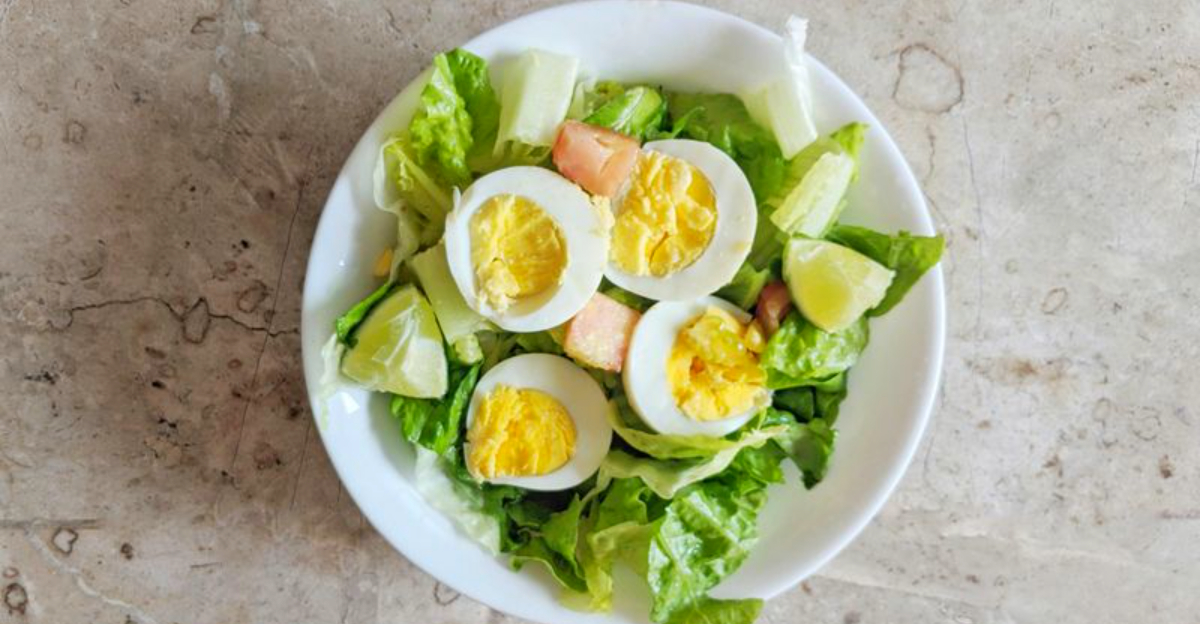
You plan a menu, then someone makes a face, and suddenly a classic dish disappears from the table. These foods spark nostalgia for some and instant protests from others, so hosts quietly retire them to avoid drama.
But here is the truth: many of these so called problem plates taste amazing when done right. Let’s revisit the dishes people stopped serving, and decide if they deserve a comeback at your next gathering.
Liver and onions
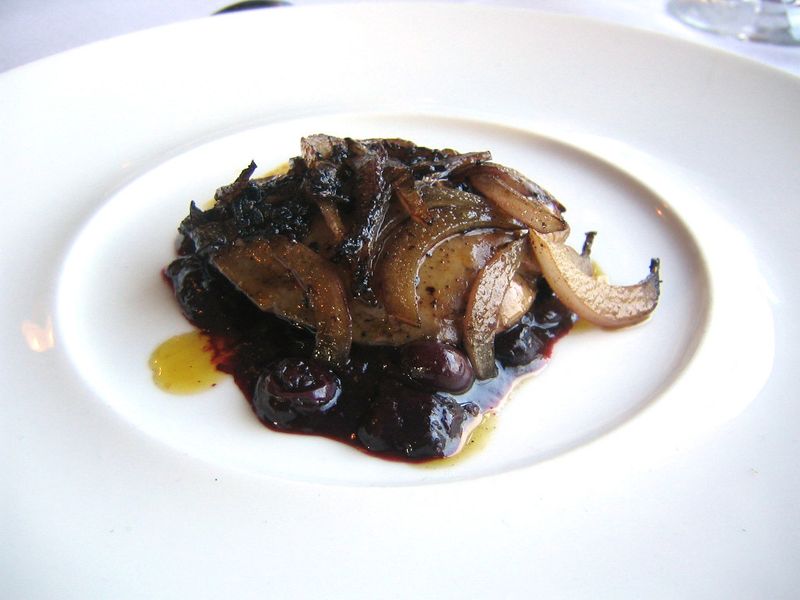
Liver and onions carries baggage, usually a childhood memory of overcooked slabs and bitter aftertaste. Yet when seared quickly, salted well, and paired with deeply caramelized onions, the texture becomes velvety and the flavor rich.
Still, someone at the table will mutter about iron and funk.
Serve it with buttery mashed potatoes, lemon to brighten, and a crisp salad to cut richness. Use milk soak or buttermilk to temper intensity.
You will either witness surprise delight or carefully concealed napkin shuffles.
Brussels sprouts
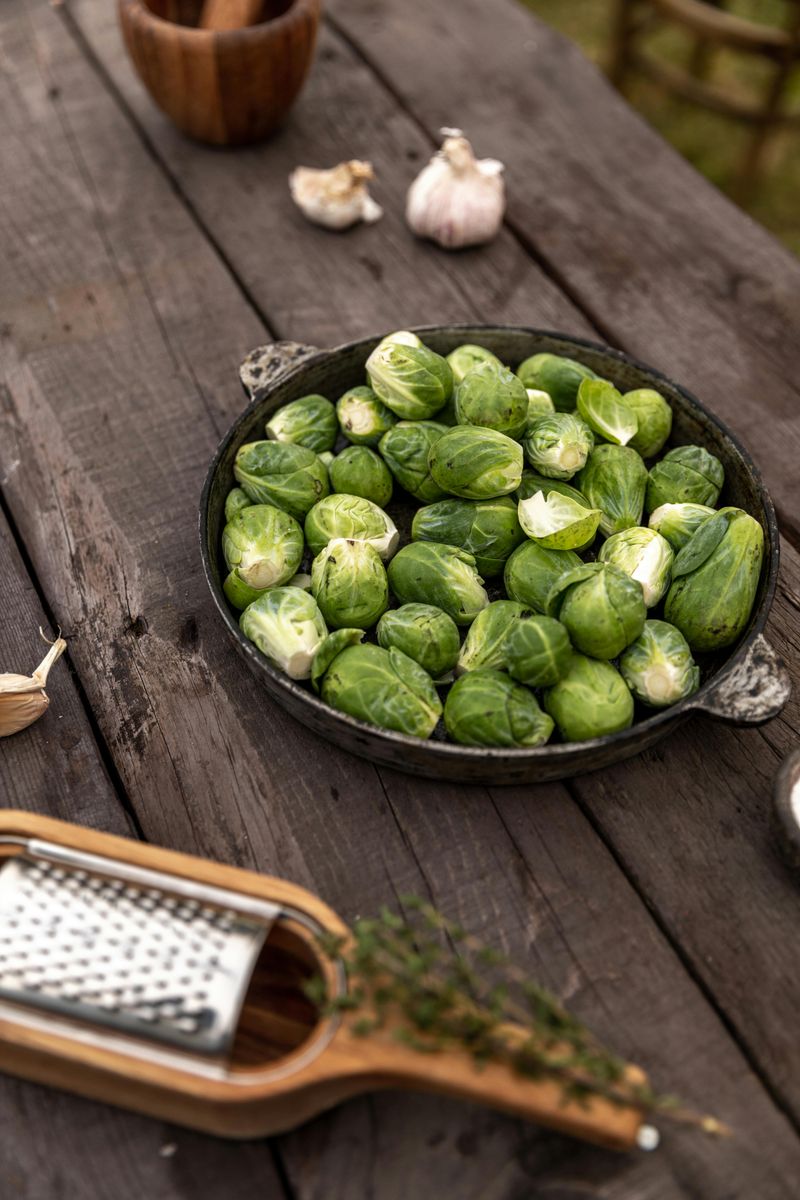
For years, Brussels sprouts suffered from boiling into sulfurous mush. Now they are roasted until charred and sweet, tossed with bacon, balsamic, or maple, and suddenly people fight for the crispy leaves.
Still, there is always one guest who swears they taste like gym socks.
Cut them in halves, dry thoroughly, and blast in a hot oven for maximum browning. Add lemon zest, chile flakes, or honey for contrast.
If complaints persist, tuck them into tacos.
Anchovies
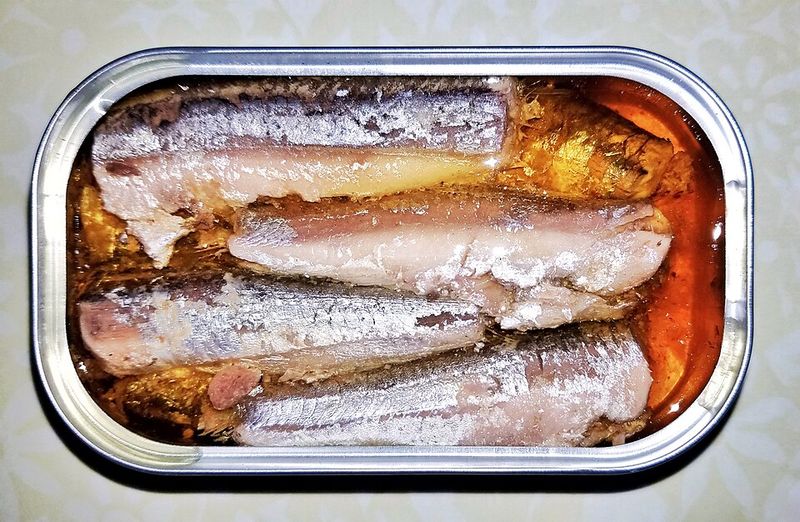
Anchovies trigger knee jerk reactions about fishiness, but they are secret umami bombs. Melted into hot oil, they vanish, leaving depth that makes vegetables, sauces, and meats taste mysteriously better.
Served on toast with butter and lemon, they shine unapologetically.
Keep a tin in the pantry and mash into dressings or pasta sauce for instant sophistication. The right anchovy tastes clean, briny, and savory, not pungent.
You might convert skeptics without them realizing.
Sardines
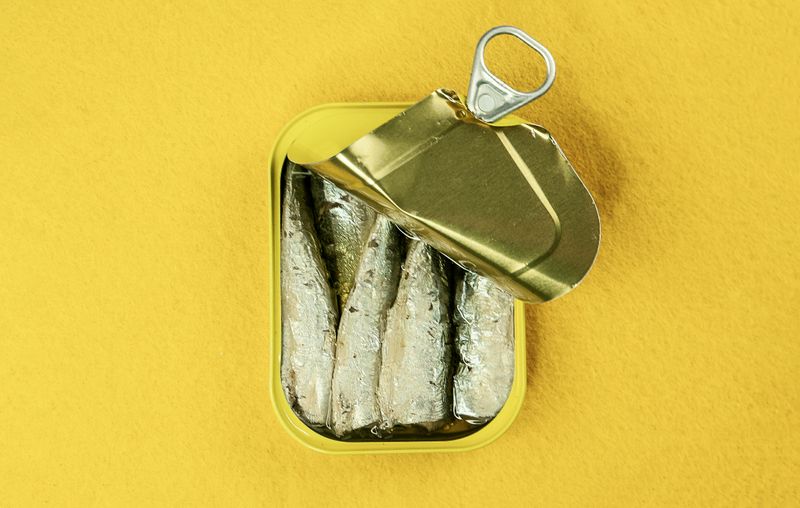
Sardines get side eyed at parties, thanks to bold aroma and silver skin. But they are sustainable, nutrient dense, and versatile.
Grill fresh sardines with garlic and lemon, or flake canned ones into a bright salad with herbs and crunchy celery.
To ease newcomers in, serve on toast with Dijon, pickled onions, and dill. Balance richness with acid and texture.
If someone still complains, smile and enjoy more for yourself.
Blue cheese
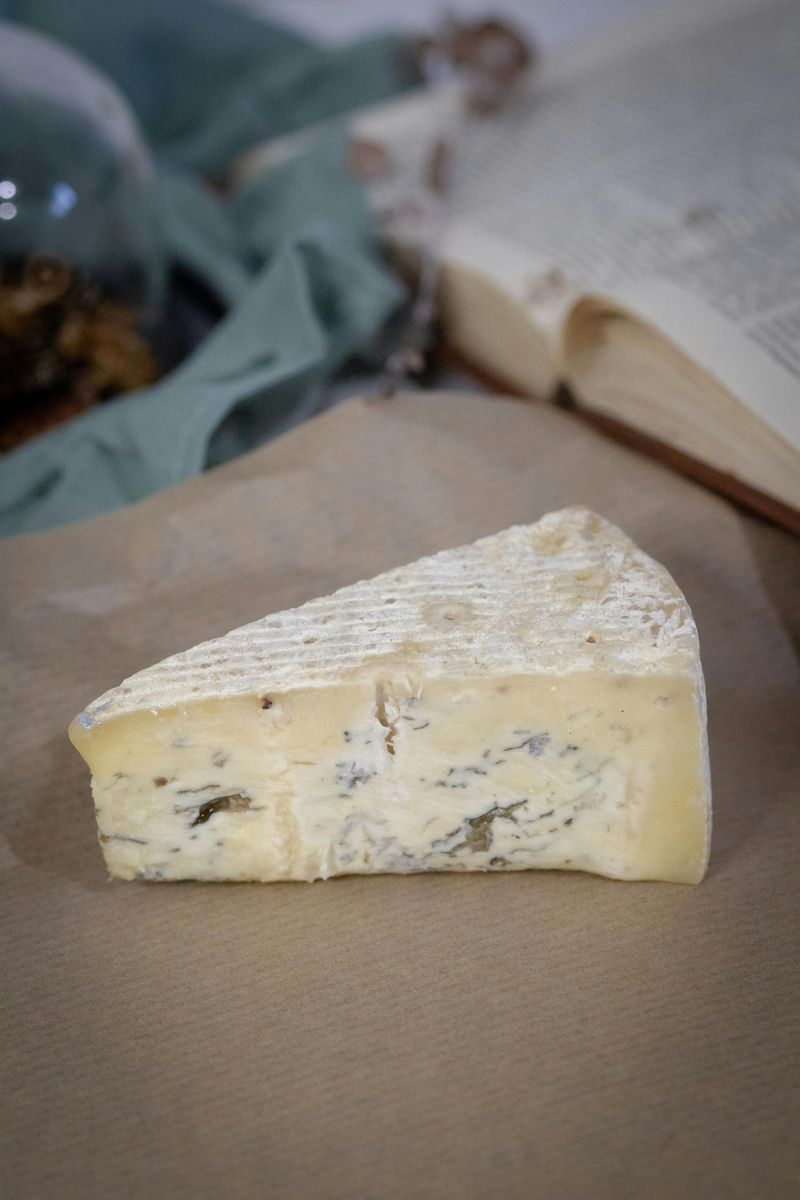
Blue cheese divides rooms. The veins promise pungency and a creamy crumble that sings with honey, pears, or steak.
For many, that earthy, mushroomy tang reads as an instant no, and the aroma alone can end the conversation.
Offer mild styles like gorgonzola dolce or creamy cambozola before jumping to Roquefort. Pair with sweetness and crunch to soften the edges.
Suddenly, the cheese plate disappears faster than expected.
Olives
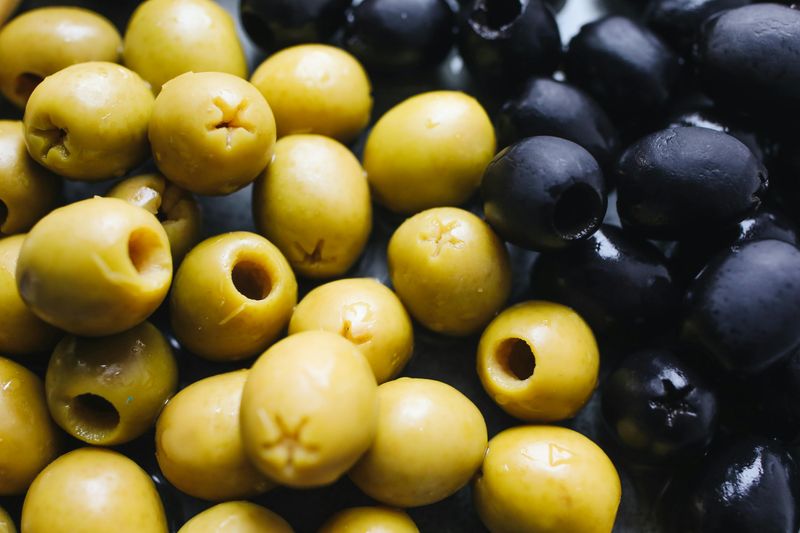
Olives provoke dramatic reactions: love at first bite or absolute refusal. Their briny snap and lingering bitterness make cocktails sing and salads pop.
Still, someone will complain about pits, texture, or that unmistakable olive perfume.
Marinate with citrus peel, herbs, and chile to tame sharp edges. Offer a mix of buttery Castelvetrano and wrinkled oil cured varieties.
A good assortment can gently win curious palates.
Mushrooms
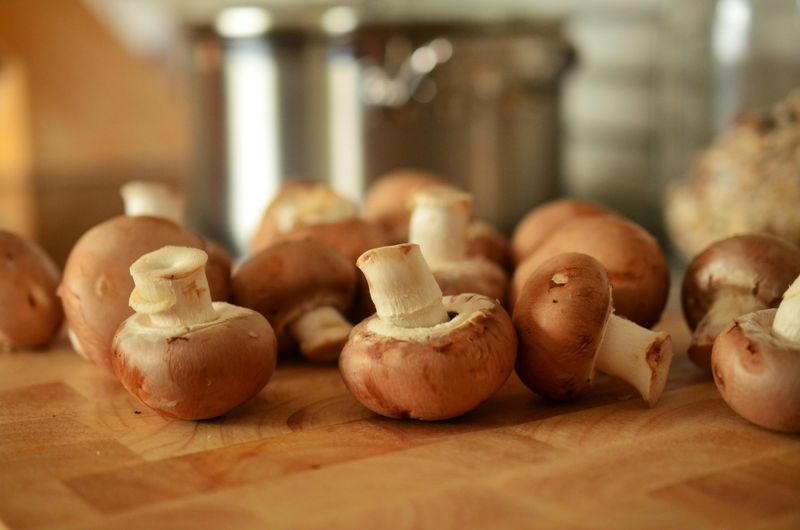
Texture complaints often doom mushrooms before the pan heats. When sautéed hot until browned, they become meaty and fragrant, nothing like the rubbery slices of cafeteria lore.
Their savory depth makes steaks happier and pastas luxurious.
Use a dry pan first to drive off moisture, then butter and herbs. Slice thick for chew and finish with a splash of sherry.
Suddenly the mushroom haters go quiet.
Beets
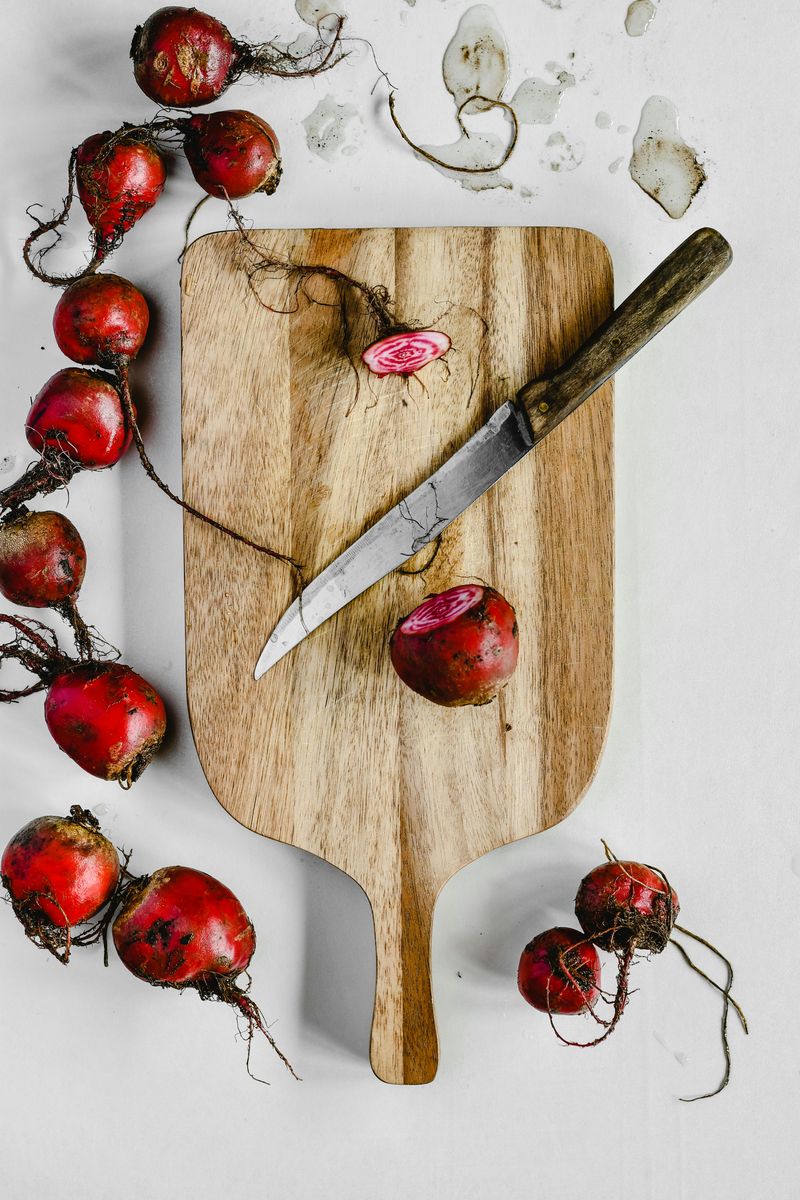
Beets suffer from canned memories and earthy reputation. Roast them until tender and sweet, then pair with tangy goat cheese, peppery greens, and nuts for crunch.
The color alone is a conversation starter, even if objections follow.
Slip skins off after roasting, dress while warm, and add citrus segments for sparkle. Golden beets are gentler for skeptics.
Serve chilled or room temperature to keep flavors bright.
Sauerkraut
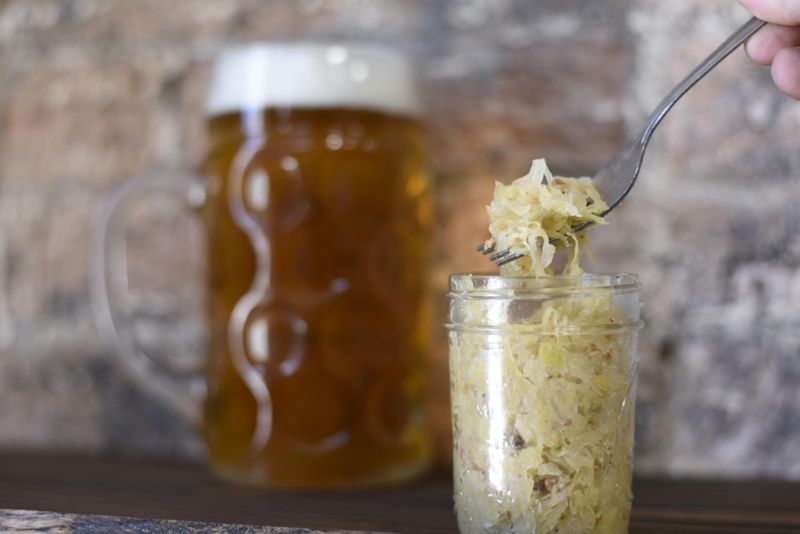
Sauerkraut’s tangy funk can dominate a table, leading some to revolt. Yet this fermented cabbage brings crunch, acid, and probiotics that cut through rich meats beautifully.
A little goes a long way on sausages, sandwiches, or pierogi.
Rinse lightly to mellow sharpness, warm gently with onions, or fold into salads for brightness. Fresh, raw kraut tastes cleaner than shelf stable versions.
Let guests add their own to keep peace.
Cottage cheese
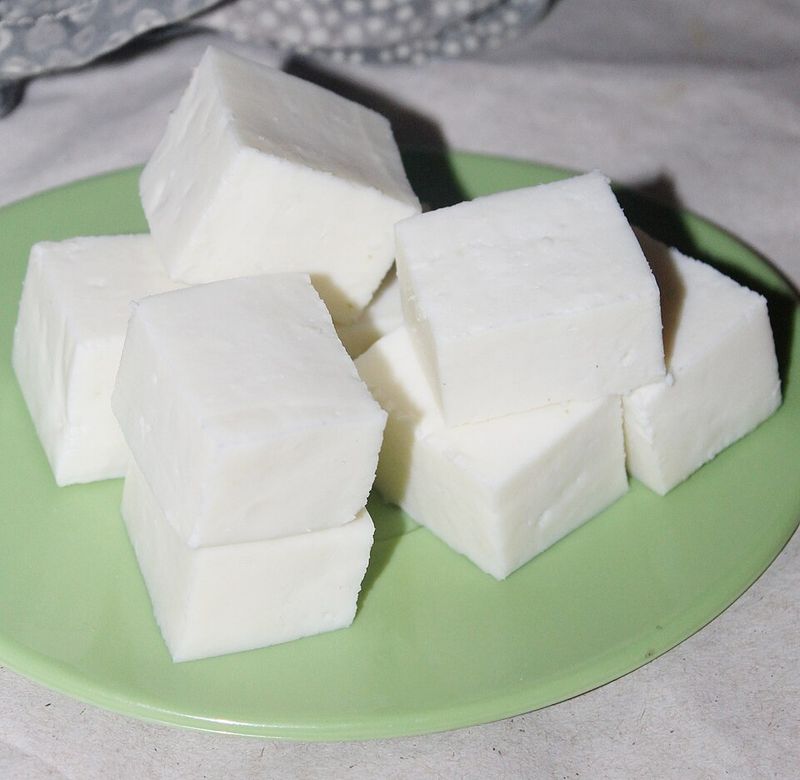
The curds and whey look can be off putting, and the squeaky texture makes some shudder. Still, cottage cheese is creamy, protein rich, and friendly with fruit or savory toppings.
Blend it smooth for sauces or whip it for a lighter feel.
Top with everything bagel seasoning, cucumber, and tomatoes, or go sweet with berries. Season assertively and serve chilled.
You might convert a few texture skeptics.
Canned tuna
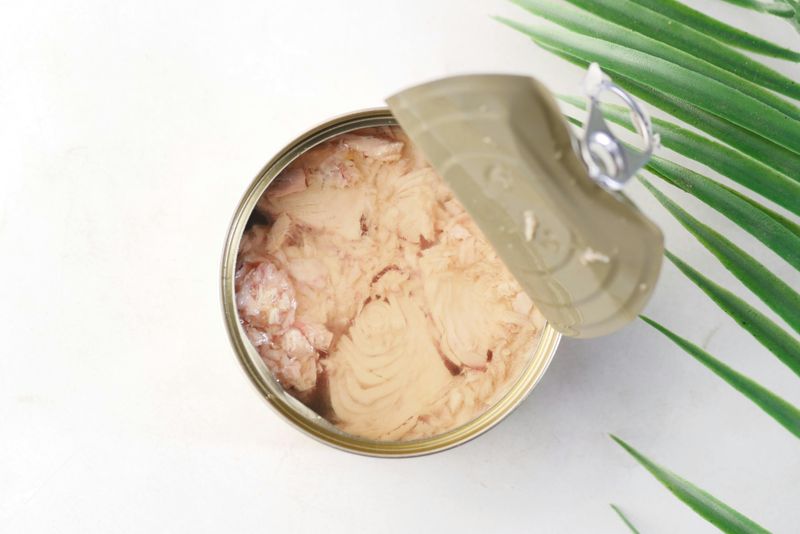
Canned tuna can smell like the lunchroom, which invites instant complaints. Choose tuna packed in olive oil and gently flake into salads with lemon, capers, and crunchy celery.
The flavor becomes clean, briny, and satisfying instead of fishy.
Drain well, season boldly, and chill before serving. Keep portions modest if sensitive noses are around.
Good tuna tastes like a seaside picnic, not a chore.
Tuna casserole
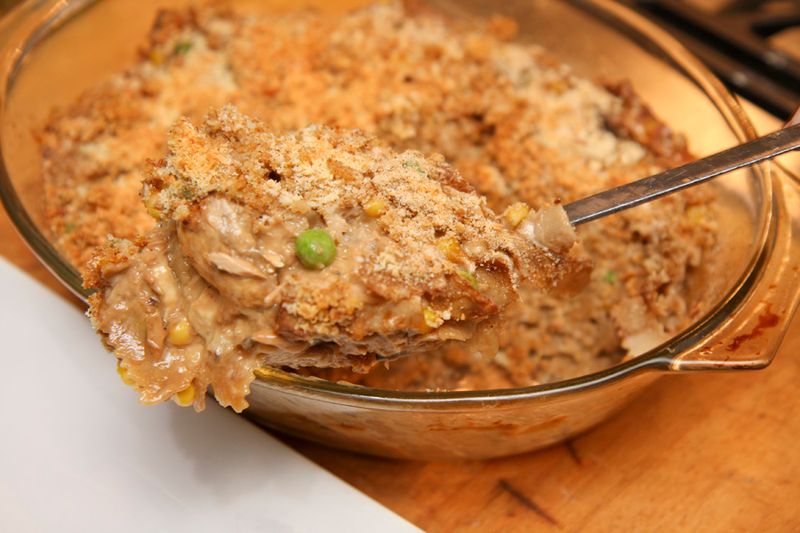
Tuna casserole triggers memories of gluey noodles and canned soup heaviness. Make it with a scratch béchamel, sautéed mushrooms, and good oil packed tuna to change minds.
A crunchy breadcrumb topping and lemony peas brighten the whole dish.
Serve hot, not stodgy, and let it rest briefly so slices hold. Still, someone will complain about casserole culture.
Smile and claim the crispy corners.
Fish sticks
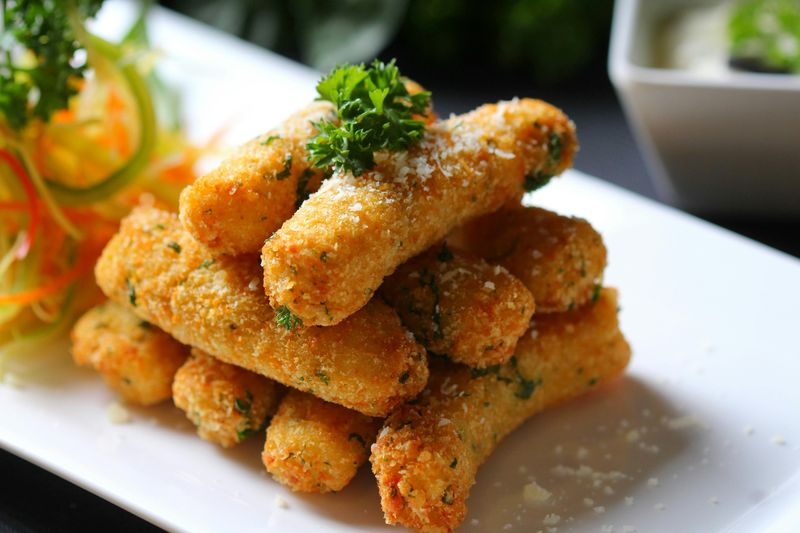
Fish sticks get dismissed as soggy freezer fare, but they can be golden and crunchy when baked on a rack. Use panko, a touch of paprika, and real fish fillets for better texture.
Lemon and tartar sauce help with any lingering resistance.
Serve immediately to protect crispness. If someone still complains, offer a dipping flight and call it interactive.
They will keep reaching for seconds.
Meatloaf
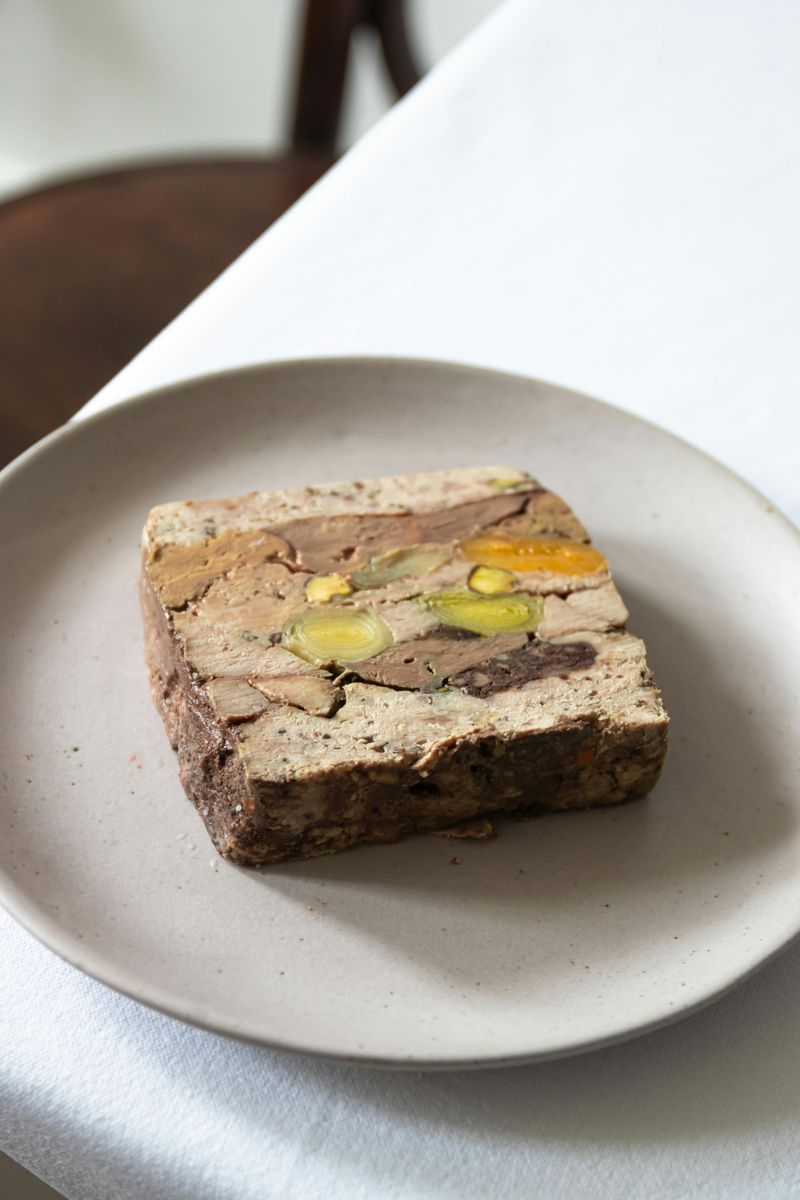
Meatloaf’s reputation suffers from dry bricks and ketchup overload. Treated right, it is juicy, tender, and deeply savory, especially with a panade and onion garlic base.
A tangy glaze adds shine without covering flavor.
Let it rest, slice thick, and serve with creamy potatoes and green beans. Leftovers make great sandwiches with pickles.
The table might stop complaining mid bite.
Cabbage stew
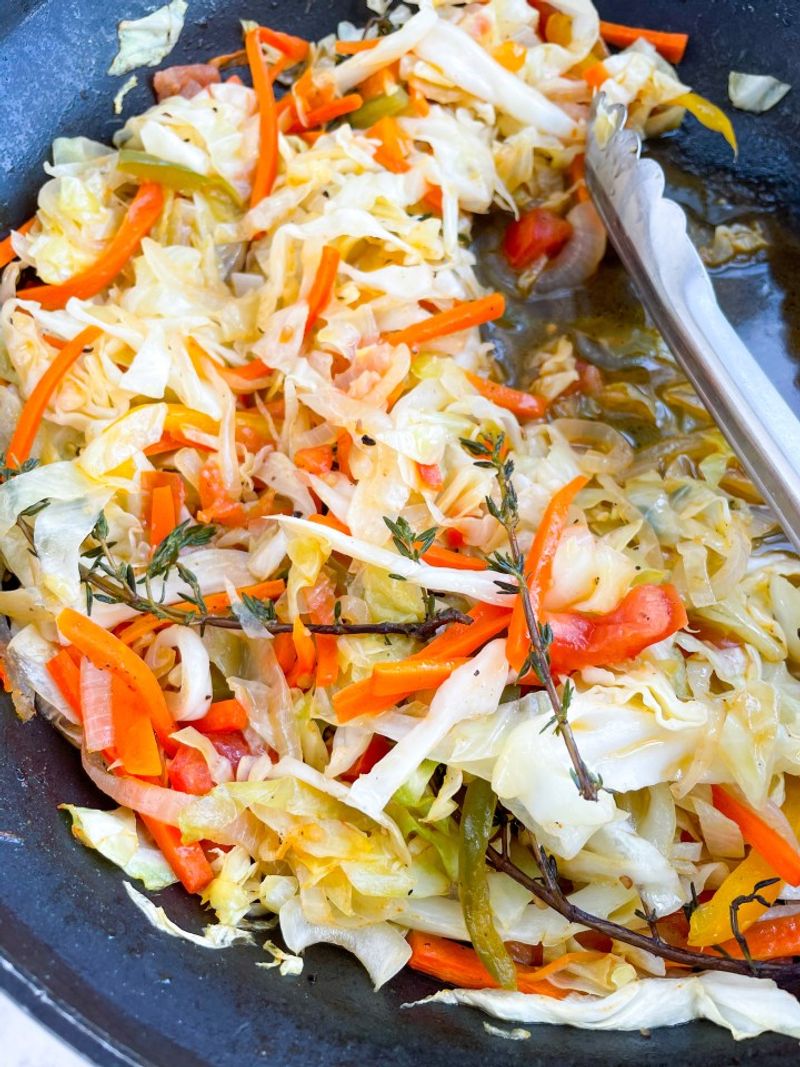
Cabbage stew fills a house with hearty aromas that some call too cabbage forward. When balanced with tomatoes, carrots, and potatoes, it becomes comforting and surprisingly sweet.
The broth gets richer overnight, making leftovers a quiet triumph.
Brown the meat well, sweat onions patiently, and add vinegar for brightness. A handful of dill or parsley finishes fresh.
Serve with crusty bread and let the warmth win.
Split pea soup
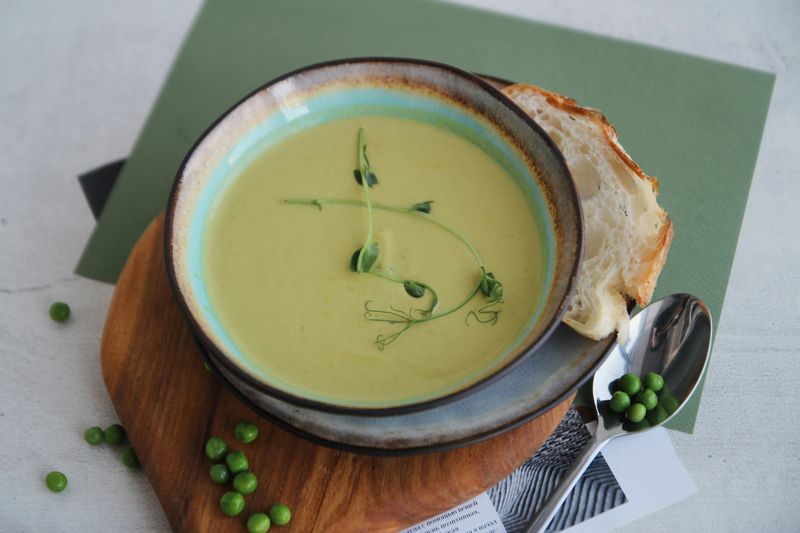
Split pea soup looks like baby food to some, which invites instant teasing. But a slow simmer turns peas into silky comfort, especially with smoky ham or miso for depth.
The flavor is gentle, warming, and endlessly sippable.
Toast spices in the pot, add mirepoix, and finish with vinegar or lemon. A drizzle of cream or olive oil adds luxury.
Suddenly, the color seems charming.
Jello salad
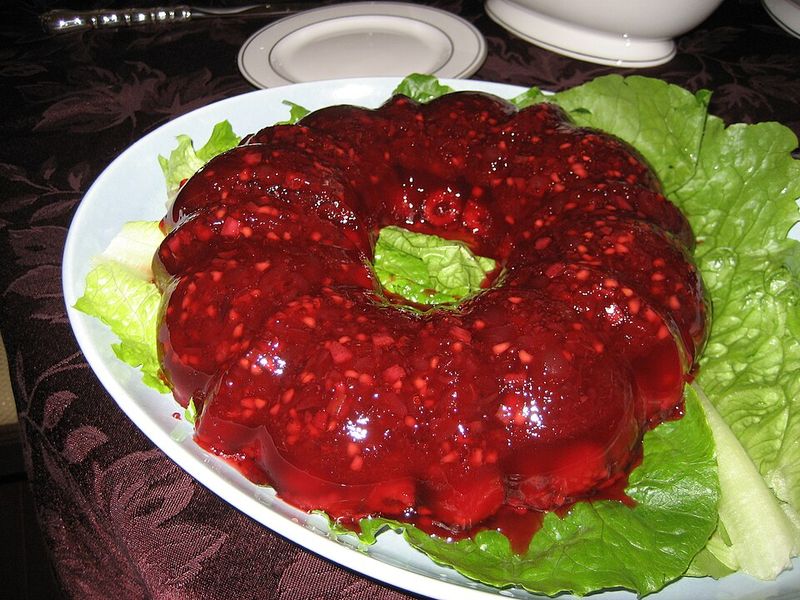
Jello salad feels like a time capsule that not everyone wants to open. Wobbly, neon, and studded with fruit or marshmallows, it inspires giggles or groans.
But it can be refreshing, light, and fun when balanced with tart flavors.
Use real fruit purees, citrus, and minimal sweeteners. Unmold confidently and serve cold with whipped yogurt instead of heavy cream.
Nostalgia might suddenly taste modern.
Ambrosia salad
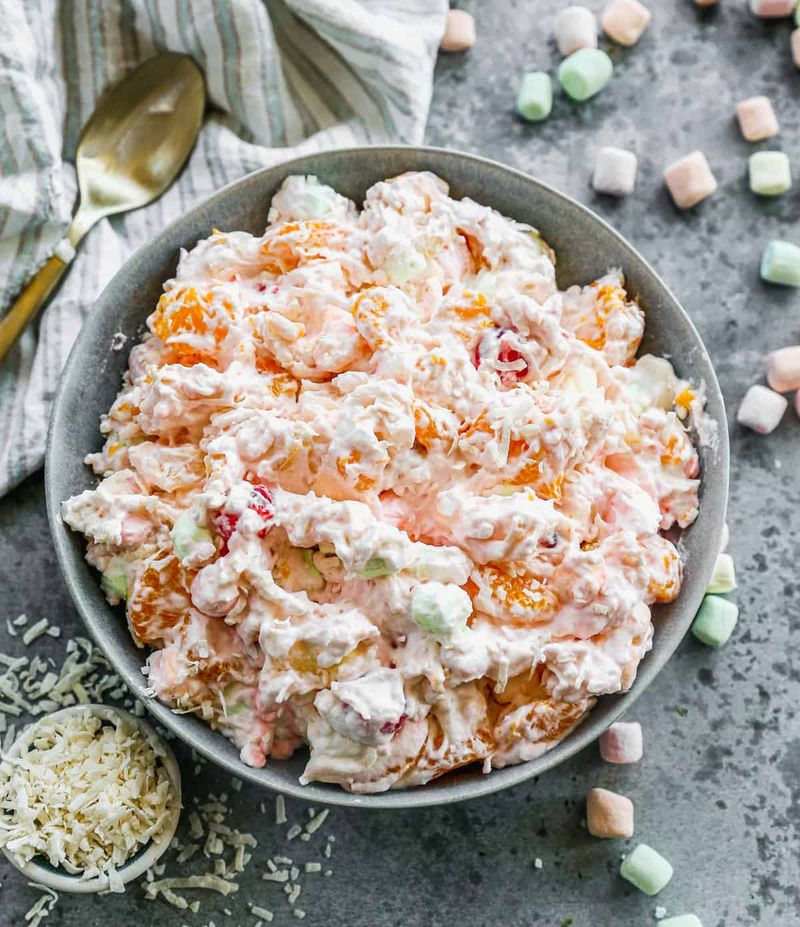
Ambrosia salad is the potluck wildcard, creamy, sweet, and unapologetically retro. The combination of canned fruit and marshmallows reads dessert, not side, which sparks debate.
Still, the first chilled spoonful on a hot day hits refreshing notes.
Upgrade with fresh citrus segments, toasted coconut, and Greek yogurt to cut sweetness. Add a pinch of salt to balance.
Expect eye rolls, then empty bowls.
Deviled eggs
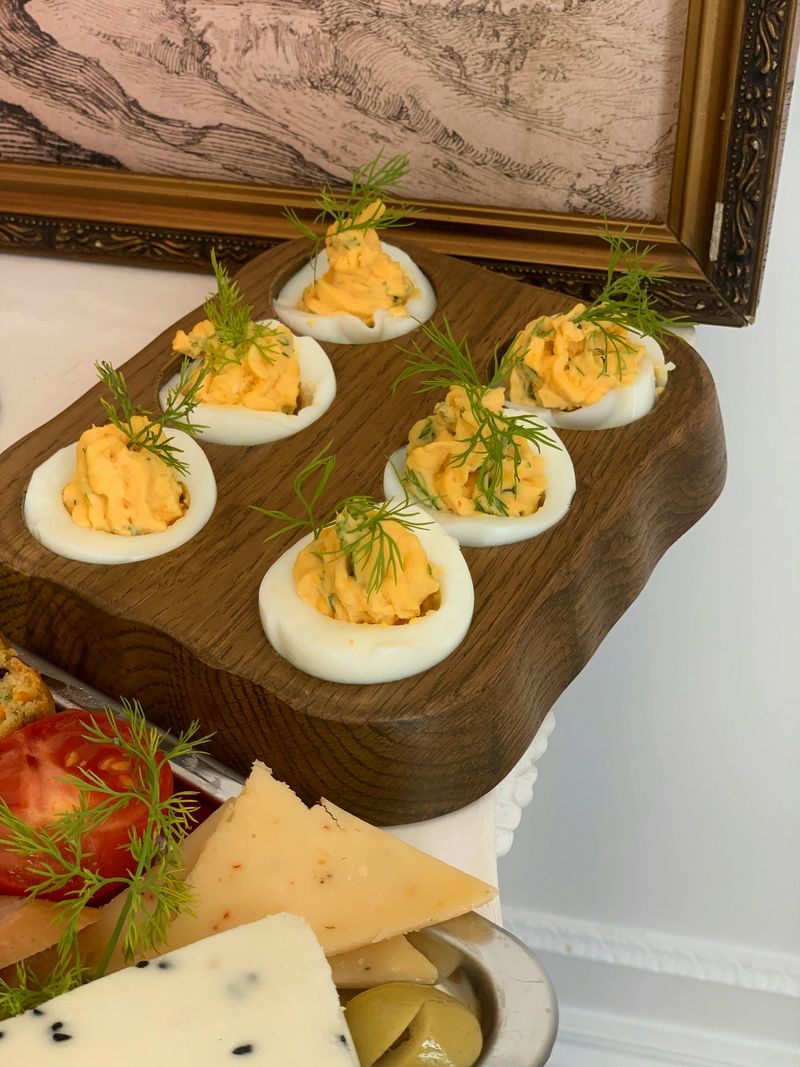
Deviled eggs can spark debates about mayo, mustard ratios, and unexpected toppings. Some guests fear sulfur smells or rubbery whites, which happen when eggs overcook.
Done right, they are creamy, tangy, and addictive.
Steam eggs, chill quickly, and mash yolks silky with Dijon and vinegar. Finish with paprika, chives, or crunchy bacon bits.
They vanish faster than complaints can form.
Potato salad
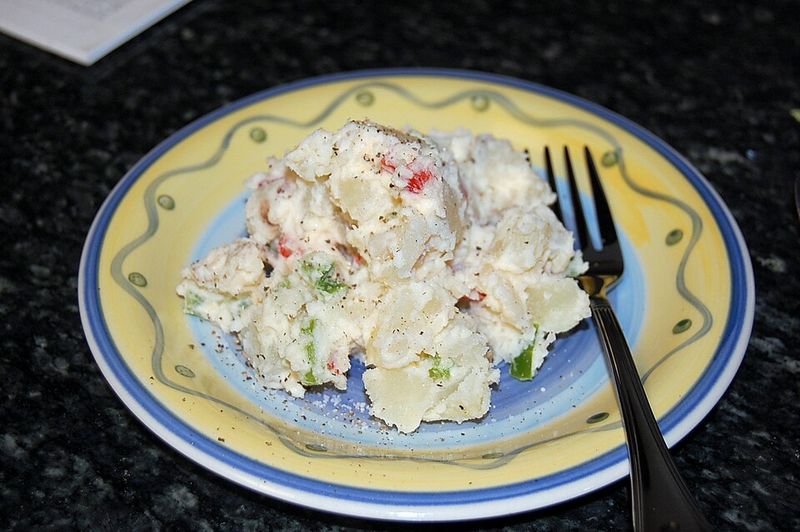
Potato salad invites strong opinions: mustard or mayo, pickles or not, warm or chilled. Texture matters most, and overcooked potatoes turn to paste.
When seasoned while warm and dressed thoughtfully, it becomes bright and satisfying.
Use waxy potatoes, add vinegar early, and fold in herbs and crunch. Keep it cold for safety and fresh flavor.
Suddenly everyone asks for seconds.
Onion soup
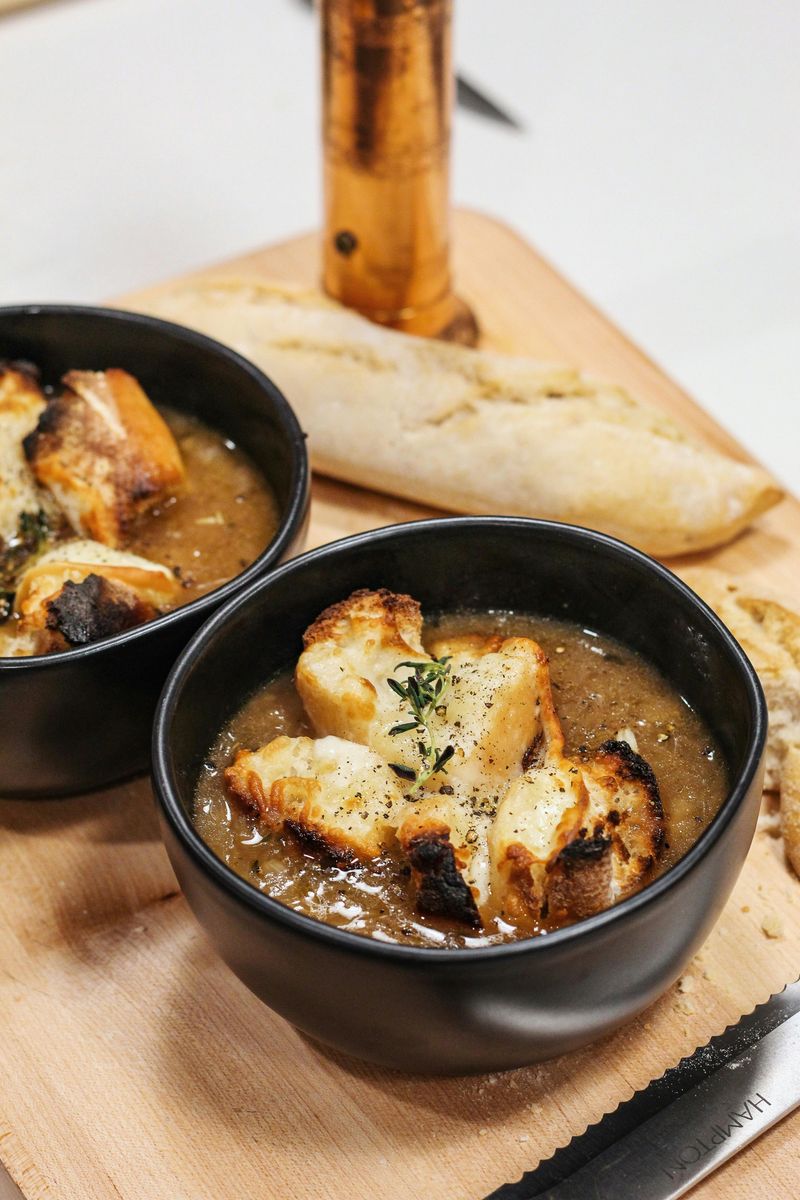
Onion soup looks heavy, and the bubbling cheese lid can intimidate neat eaters. But beneath is sweet, mahogany broth built from patiently caramelized onions.
A crouton soaks up flavor while Gruyere delivers nutty richness.
Caramelize slowly and deglaze repeatedly for depth. Finish with a splash of sherry or cider vinegar.
Serve hot, warn about cheese strings, and enjoy contented silence.
Egg salad
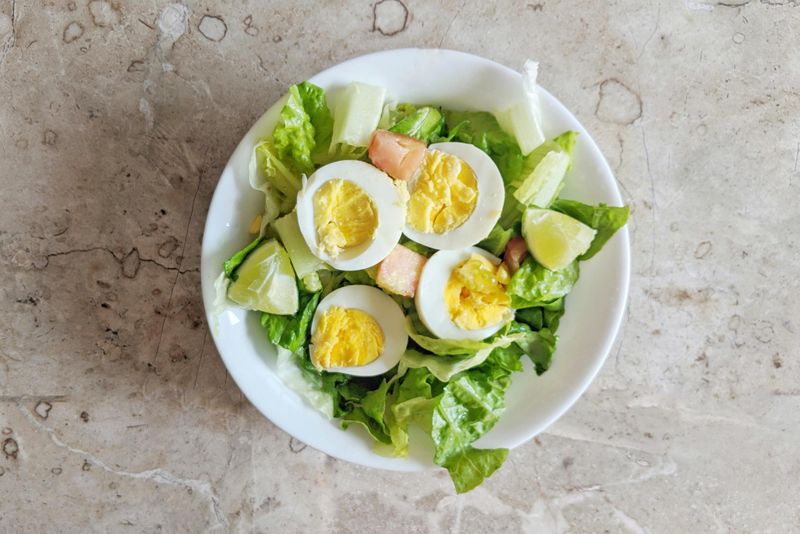
Egg salad polarizes with sulfur worries and mayo fears. The secret is perfectly cooked eggs, chopped with celery, dill, and a tangy hit of mustard and lemon.
Keep it chilled and pile on crisp lettuce for contrast.
Serve open faced on good toast or tucked into soft rolls. Sprinkle with paprika and flaky salt.
Complaints quiet once the bite lands.
Enjoyed this story?
Add Fast Food Club as a preferred source to see more of our reporting on Google.