


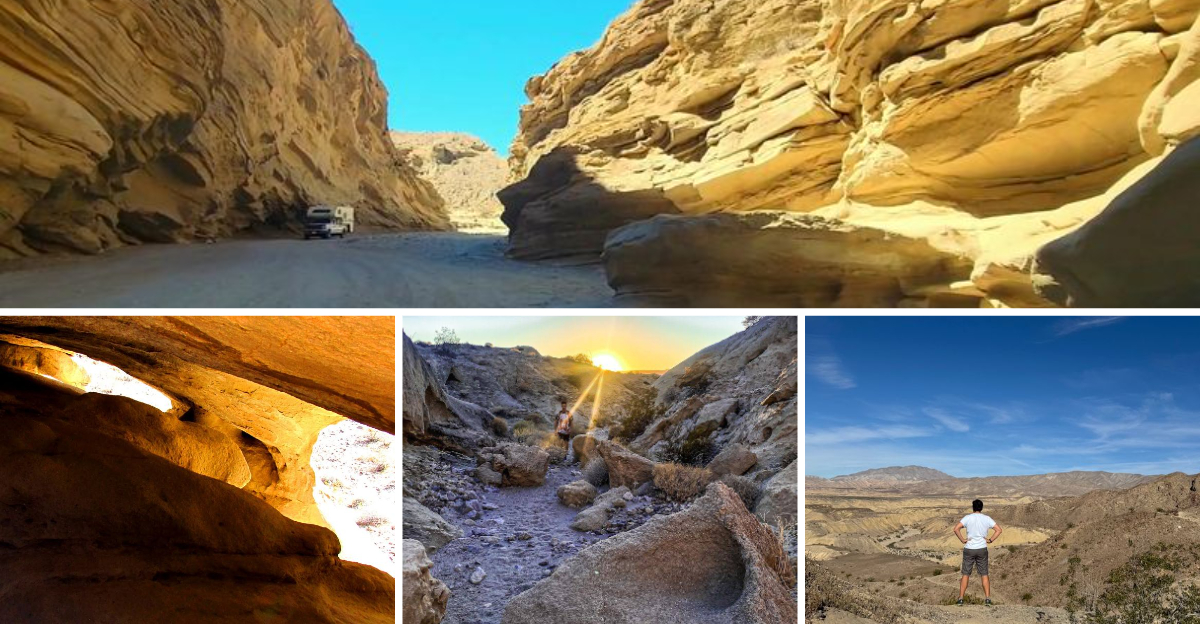
Tucked away in the rugged desert of Anza-Borrego State Park, the Wind Caves near Borrego Springs, California, are one of the most jaw-dropping hidden gems in the entire state. Carved by wind and time into the sandstone hillsides, these natural cave formations feel like something straight out of a fantasy movie.
The trail is short — under two miles round trip — but packed with so much wonder that every step feels worth it. Whether you are a first-time hiker or a seasoned explorer, this adventure is one you will be talking about long after you brush the desert dust off your boots.
Getting There: The Off-Road Adventure Begins Before the Trail
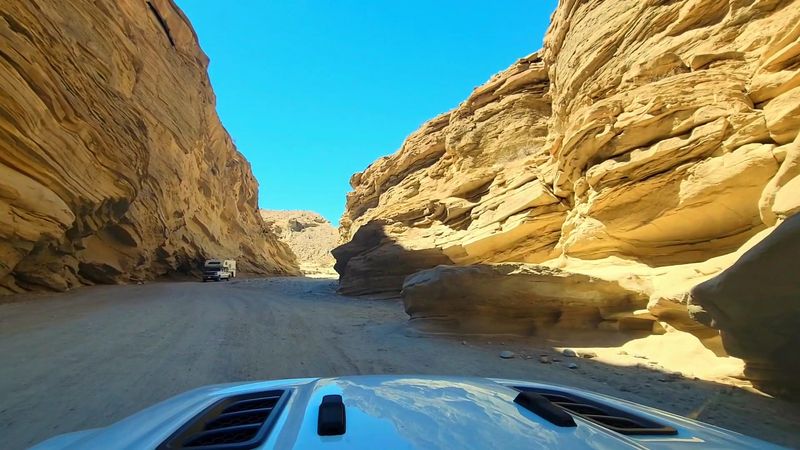
Before you even lace up your hiking boots, the journey to Wind Caves is already an adventure. Reaching the trailhead requires driving through Fish Creek Wash, a sandy, rocky desert road that demands a 4-wheel drive or all-wheel drive vehicle.
The canyon walls rise dramatically on both sides, creating a natural corridor that feels almost cinematic.
Soft sand, embedded rocks, and uneven terrain make this no place for a regular sedan. High-clearance vehicles with good tires are strongly recommended.
Drivers should go slowly, watch for oncoming traffic around blind turns, and keep their eyes open for stunning geological features along the way.
Download offline maps before you go, because cell service out here is basically nonexistent. The trailhead itself is not well marked, so having a GPS or the AllTrails app ready will save you a lot of confusion and backtracking.
Finding the Trailhead: A Puzzle Worth Solving
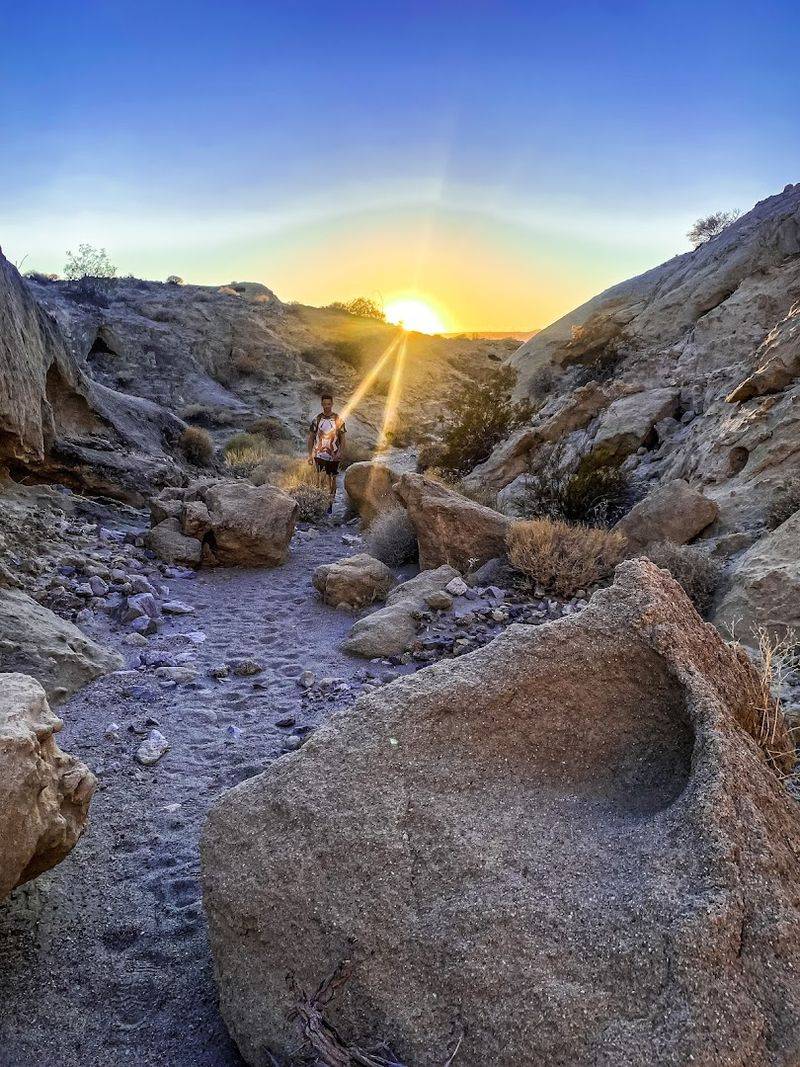
Here is something a few visitors learn the hard way — the trailhead for Wind Caves is genuinely tricky to find. The sign at the start of the trail has been reported missing by multiple hikers, and without a reliable GPS or downloaded map, you could easily walk right past it.
The trailhead sits along Fish Creek Wash, blending into the surrounding desert landscape. Downloading the AllTrails map or a similar hiking app before you leave home is not just helpful here, it is practically essential.
Mark the GPS coordinates ahead of time so you are not scrambling around in the desert heat looking for a starting point.
Once you spot the trailhead, you will feel that little rush of excitement that comes with finding something tucked away from the world. That feeling only grows stronger as you start climbing up the rocky path ahead.
The Steep Climb: Short Distance, Big Effort
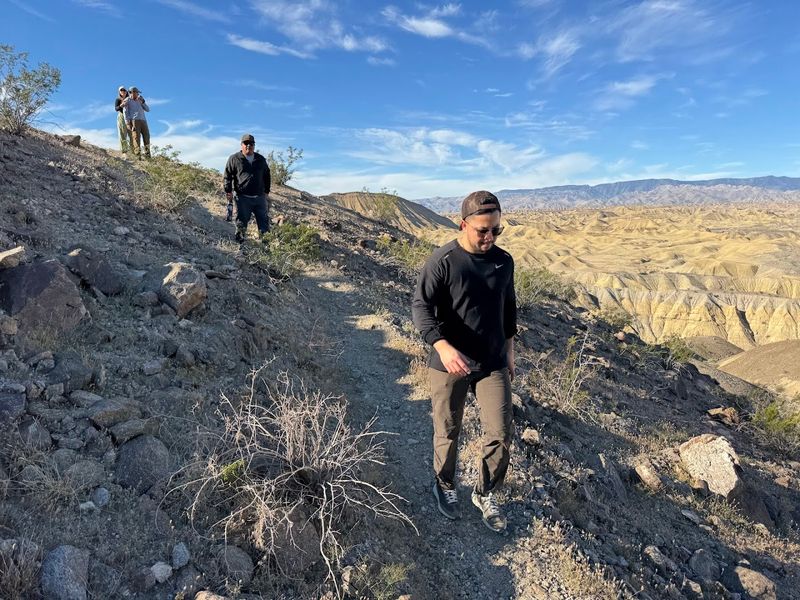
Do not let the short distance fool you. The Wind Caves trail is less than a mile from the wash to the caves, but that mile goes almost straight uphill.
Hikers gain roughly 259 feet in elevation over a very short stretch, which means your legs and lungs will definitely feel it.
Loose rocks and sandy patches make each step a little unpredictable, so planting your feet carefully is key. Trekking poles can be a real lifesaver here, especially on the way back down when gravity is working against your balance.
The left-side path tends to be steeper, while the right-side path offers a slightly more forgiving incline — most experienced visitors recommend starting on the right.
Even if you have to pause and catch your breath a couple of times, that is completely normal. The reward waiting at the top makes every huff and puff feel totally worth it.
What to Wear: Gear That Can Handle the Desert
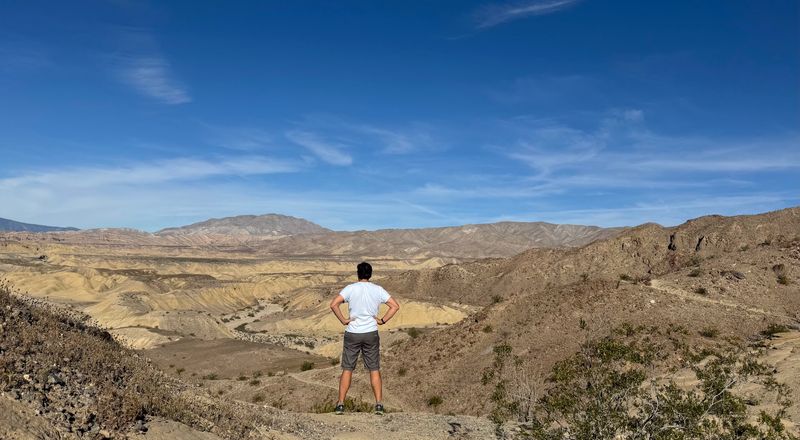
Wearing the right shoes on this trail is not optional — it is a safety matter. Loose rocks and sandy soil mean that flip-flops or casual sneakers are a recipe for twisted ankles.
Sturdy hiking boots with good ankle support and grippy soles are the clear choice for this terrain.
Beyond footwear, layering is smart even in the desert. Mornings can be surprisingly cool, especially in winter and spring, while midday temperatures can soar.
A lightweight moisture-wicking shirt, a hat with a wide brim, and sunscreen are all must-haves. Sunglasses protect your eyes from both UV rays and blowing dust.
Light, breathable pants or shorts with pockets for your phone and snacks round out the perfect outfit. The goal is to stay comfortable, protected, and ready to scramble through cave openings without feeling weighed down by heavy gear.
Water and Snacks: Fueling Up in the Desert Heat
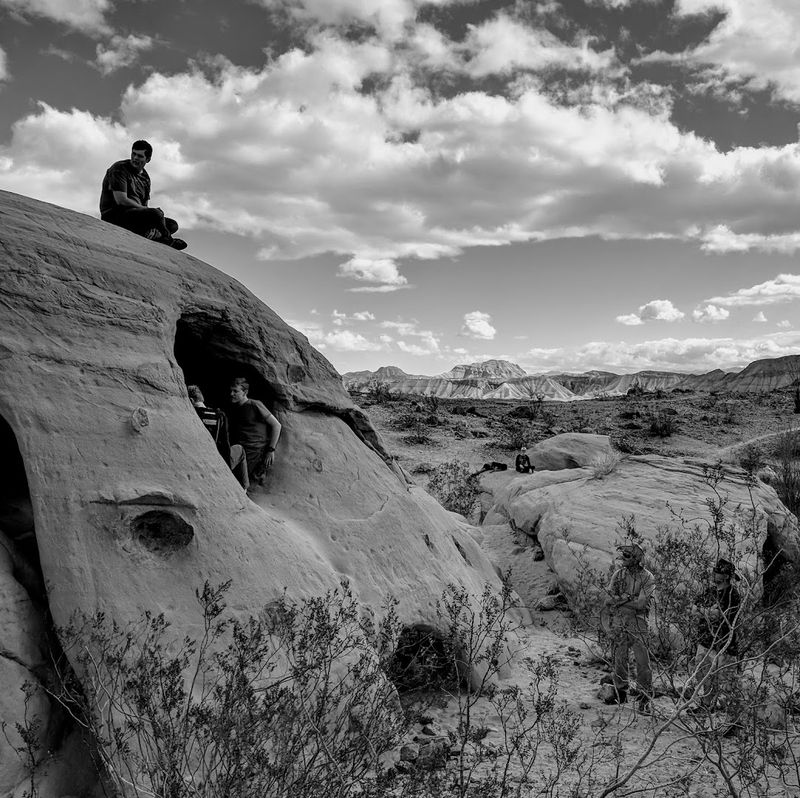
Hydration in the desert is not something to take lightly. Even on a trail as short as Wind Caves, the combination of heat, sun exposure, and physical exertion can drain your body of fluids faster than you expect.
Experienced visitors recommend bringing at least three liters of water per person, especially during warmer months.
Pack a salty snack like trail mix, granola bars, or crackers to help replace electrolytes lost through sweat. Eating something light before you start the climb helps keep your energy steady throughout the hike.
Avoid heavy meals right before heading out, as they can slow you down on the steep sections.
There are zero water sources or services along the trail, so everything you need must come with you. Treat your pack like a survival kit — the desert does not offer second chances when it comes to staying hydrated and fueled.
Best Time to Visit: Timing Your Trip for Magic
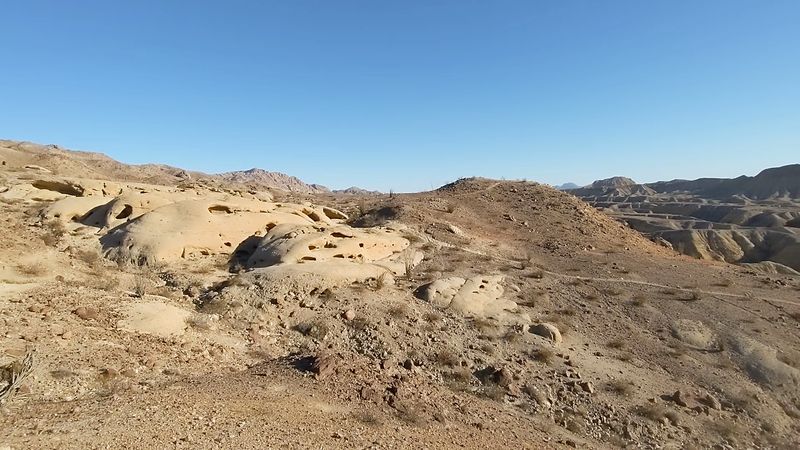
Timing your visit to Wind Caves can completely change the experience. Early mornings and late afternoons are hands-down the best windows for this hike.
The light hits the sandstone caves at a gorgeous angle, the temperatures are cooler, and the whole desert feels calm and peaceful in a way that midday just cannot match.
Spring, from February through April, is widely considered the prime season for Anza-Borrego. Wildflowers sometimes bloom across the desert floor, adding a splash of color to the sandy landscape.
Fall visits, from October through November, also offer pleasant temperatures and fewer crowds.
Summer visits are possible but genuinely risky. Temperatures regularly exceed 100 degrees Fahrenheit, and even seasoned hikers have found themselves in trouble in that kind of heat.
If you must go in summer, start at sunrise and be back at your car before 9 a.m. without exception.
The Caves Themselves: Nature’s Sculpted Masterpiece
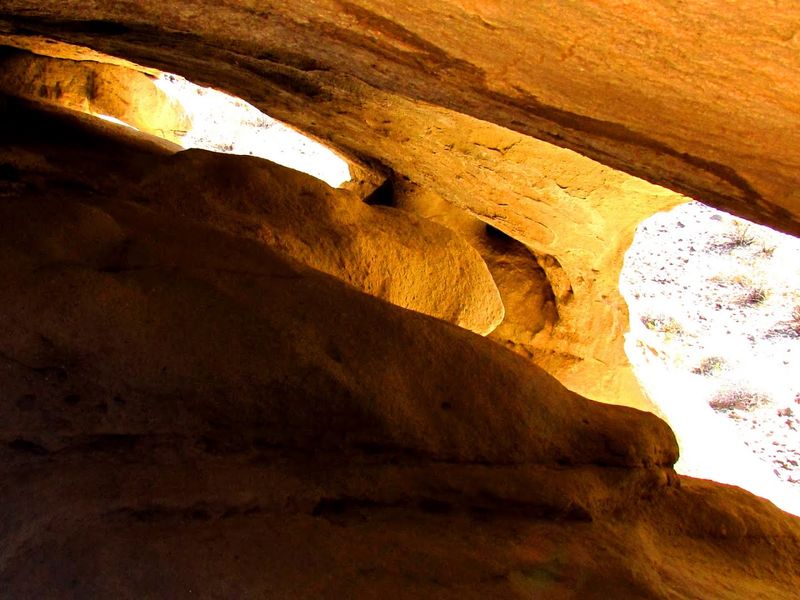
Reaching the Wind Caves feels like stepping into another world. These formations were carved by wind and water over thousands of years, eating away at the soft sandstone to create hollow chambers, narrow passages, and sweeping arches.
Some caves are large enough to fit several people comfortably, while others are tight little tunnels you have to crouch through.
What makes this place so thrilling is the sheer number of formations packed into a small area. You can spend a solid hour just crawling through openings, poking your head around corners, and discovering chambers you did not notice at first glance.
Some caves even pass completely through the rock, framing stunning views of the desert below like a natural picture window.
The walls have a smooth, almost sculpted texture that feels remarkable to touch. Every nook and cranny holds a slightly different shape, making each cave feel like its own tiny universe worth exploring thoroughly.
The View from the Top: A Panorama That Stops You Cold
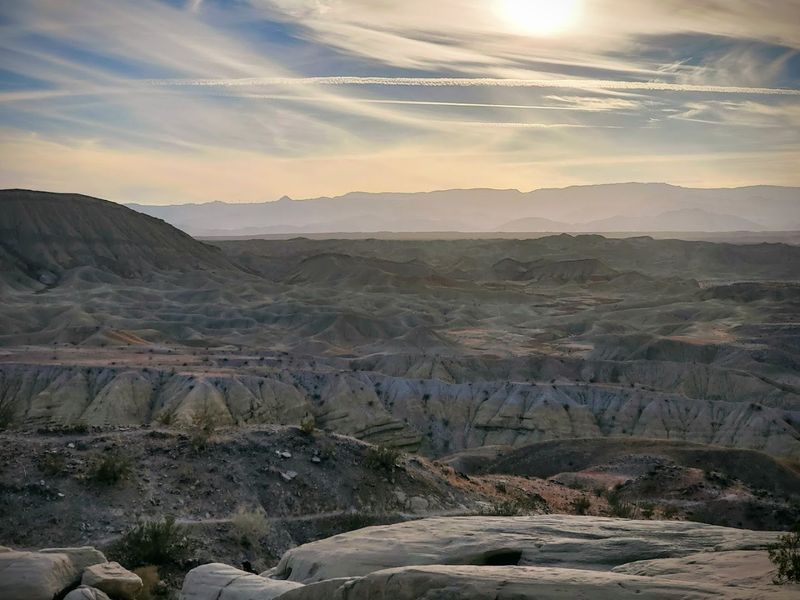
Scramble up to the highest point near the Wind Caves and prepare to have your breath taken away — and not just from the climb. The view from the top stretches out across the Carrizo Badlands, a vast and eerily beautiful landscape of eroded rock layers painted in shades of brown, tan, and rust.
Far below, Fish Creek Wash snakes through the canyon like a pale ribbon, and distant mountain ranges stack up on the horizon in soft shades of blue and purple. On a clear day, the visibility seems almost endless.
Many hikers say this viewpoint alone is worth the entire effort of getting there.
Bring a camera or make sure your phone is charged, because this is absolutely a moment you will want to capture. Sunrise and sunset light transform the badlands into something almost otherworldly, turning a great view into an unforgettable one.
Exploring Multiple Routes: Do Not Go Back the Way You Came
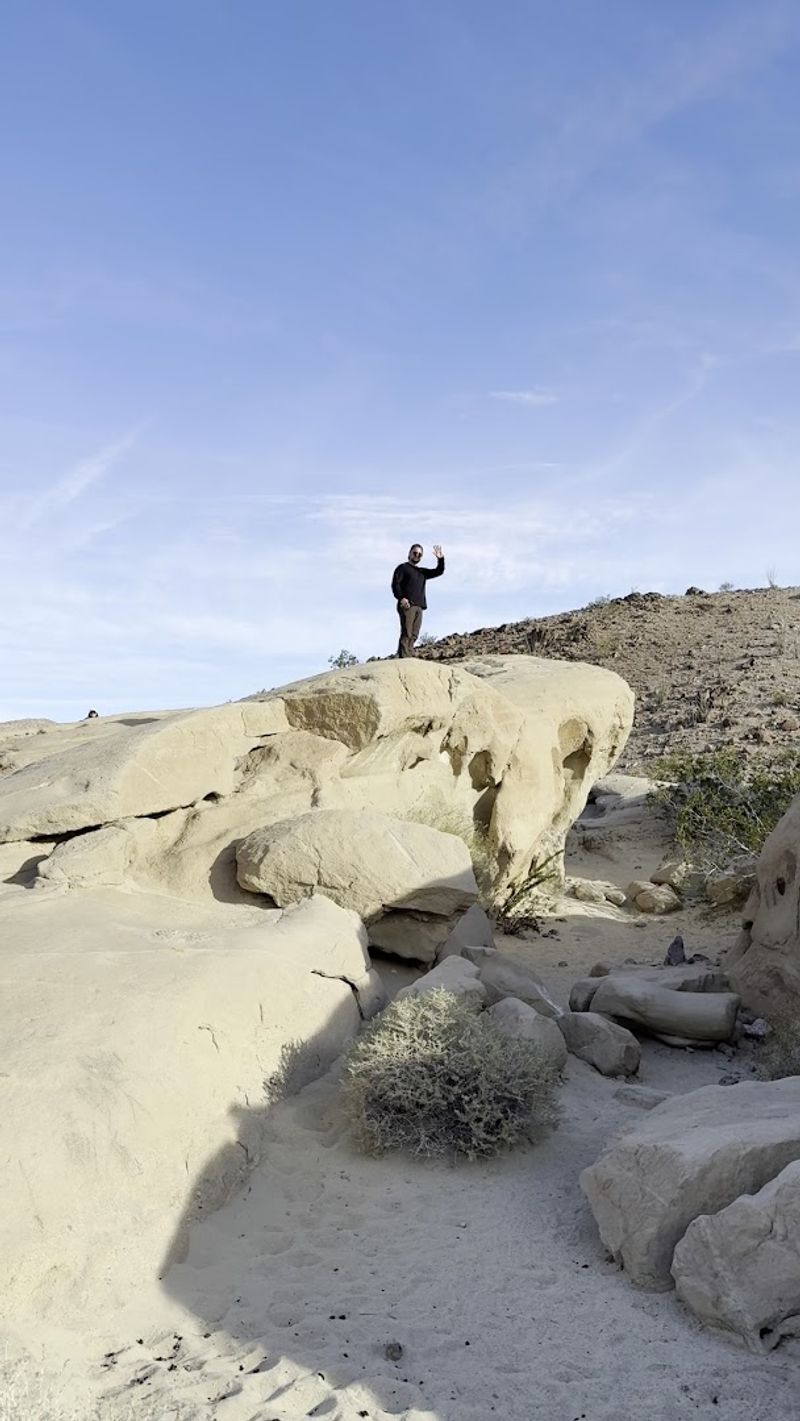
One of the best pieces of advice from seasoned Wind Caves visitors is refreshingly simple — do not retrace your steps on the way back down. The area around the caves is laced with multiple natural routes and paths that weave between the formations, each offering a slightly different perspective on the landscape.
Taking a different path back down adds a sense of discovery to the second half of your hike. You might stumble across a cave you missed on the way up, catch a new angle of the badlands view, or find a smoother route that is easier on your knees during the descent.
Wandering between the various cave formations without a rigid plan is part of what makes this place feel like a genuine adventure rather than just a quick walk. Stay aware of your surroundings, keep the wash visible below as your landmark, and enjoy getting a little wonderfully lost.
Leave No Trace: Protecting a Fragile Desert Gem
Sadly, some visitors have left their mark on Wind Caves in all the wrong ways. Graffiti, trash, and damage to the cave formations have been reported by hikers who clearly forgot that this is a protected natural area.
The caves are fragile, and every act of vandalism chips away at something that took thousands of years to form.
Leave No Trace is not just a slogan here — it is a responsibility. Pack out every wrapper, bottle, and piece of trash you bring in.
Resist the urge to carve names into the sandstone walls, break off rock pieces as souvenirs, or disturb any wildlife you encounter inside or near the caves.
Treating this place with genuine respect ensures that future hikers — including kids who have not even been born yet — will get to experience the same magic you did. The desert is resilient, but only if people choose to protect it.
Wildlife and Nature: More Than Just Rocks
Wind Caves is not just about geology — the surrounding desert is alive in ways that might surprise you. Anza-Borrego Desert State Park is home to desert bighorn sheep, roadrunners, various lizard species, and a surprisingly diverse array of desert plants.
Keep your eyes open and you might spot more than just rocks.
Bats have occasionally been reported roosting in the cave formations, though sightings depend heavily on the season and time of day. The caves stay noticeably cooler than the open desert, making them attractive shelter for small creatures seeking shade.
Moving quietly and respectfully through the caves gives you a better chance of spotting wildlife without disturbing it.
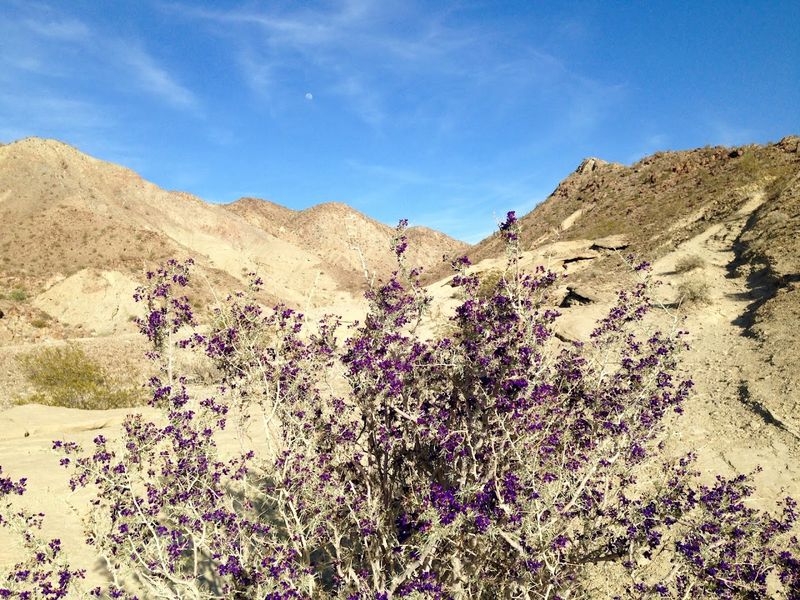
Spring blooms can also transform the desert floor around the trail into a carpet of wildflowers, with ocotillo, desert sunflowers, and other native plants putting on a spectacular seasonal show that makes the whole hike feel extra magical.
Kid-Friendly Fun: A Trail That Sparks Young Imaginations
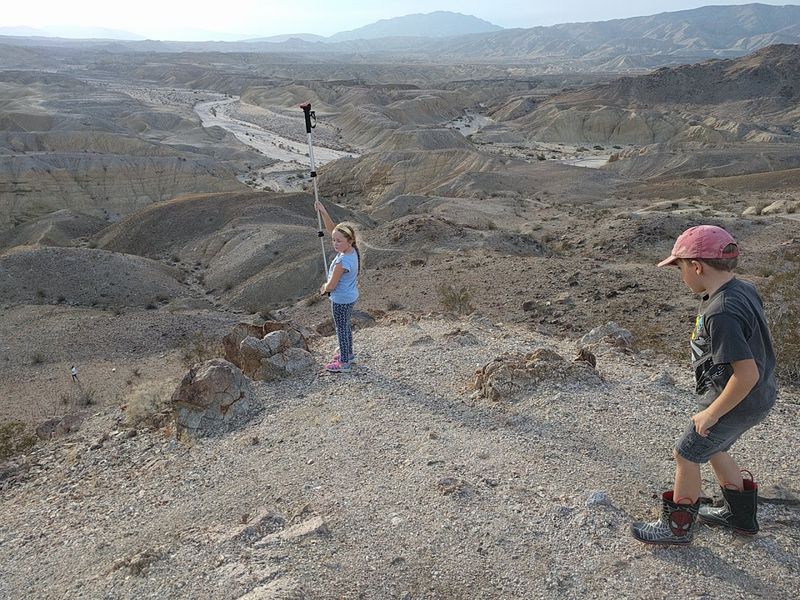
Few hiking destinations fire up a child’s imagination quite like Wind Caves. Crawling through tunnels, squeezing between rock walls, and popping out the other side of a cave feels less like exercise and more like a real-life adventure story.
Kids who might normally groan at the idea of a hike tend to completely forget their complaints once they see the caves.
The trail is short enough that even younger children with decent fitness levels can complete it with some encouragement. Parents should supervise closely near steep edges and loose rock sections, and make sure little ones have their own small water bottles to carry.
Giving kids a job — like spotting the next cave entrance — keeps them engaged and moving.
Families consistently rate this as one of the most memorable outdoor experiences in Southern California. The caves turn a hike into a story kids will retell for years at school and family dinners.
Rules and Etiquette: What You Need to Know Before You Go
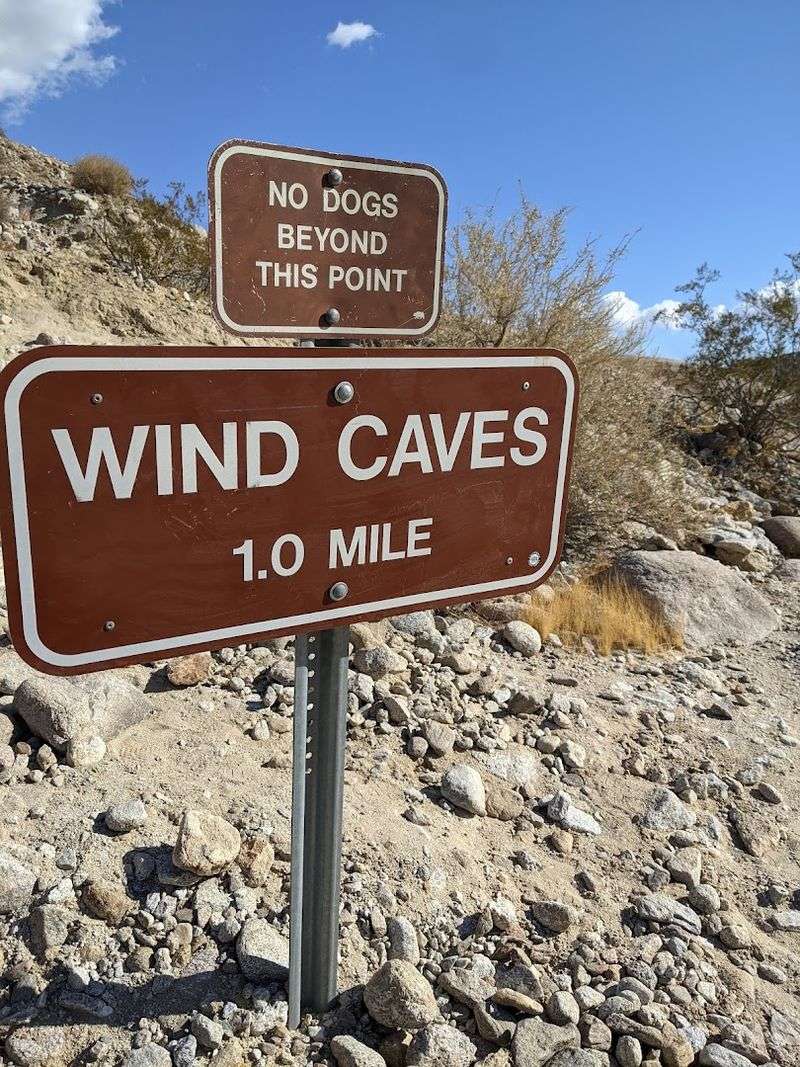
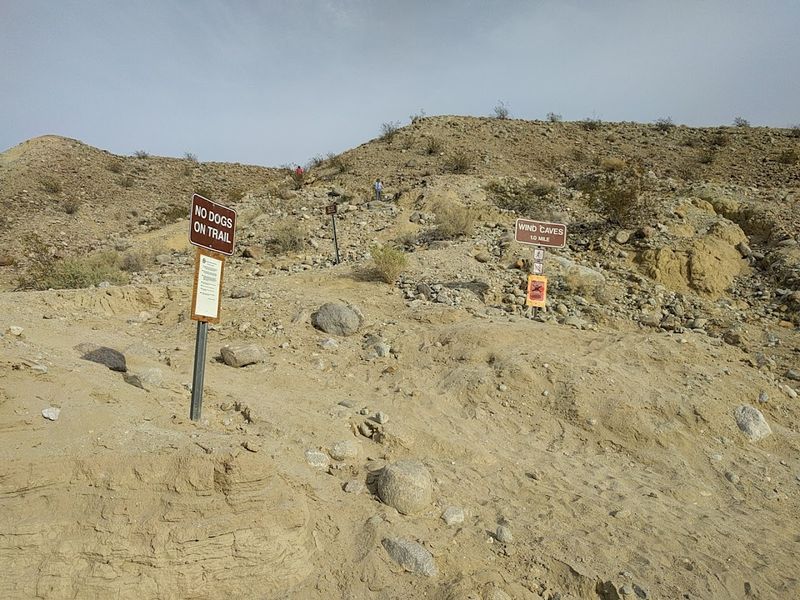
A few rules at Wind Caves are worth knowing before you pack the car. Dogs are not allowed on this trail — full stop.
Despite what some visitors apparently decide on their own, the no-dogs policy is real and posted at the trailhead. Leaving your pup at home or with a pet sitter is the only respectful option here.
Bikes are also not permitted on the trail. This is a hiking-only area, and the steep rocky terrain would make cycling genuinely dangerous anyway.
Parking at the trailhead is free, which is a nice bonus for a destination this spectacular.
Cell service is unreliable to nonexistent in the area, so download your maps before leaving town. Tell someone where you are going and when you plan to return — a simple safety habit that matters more in remote desert locations than almost anywhere else.
Common sense goes a long way out here.
Enjoyed this story?
Add Fast Food Club as a preferred source to see more of our reporting on Google.