


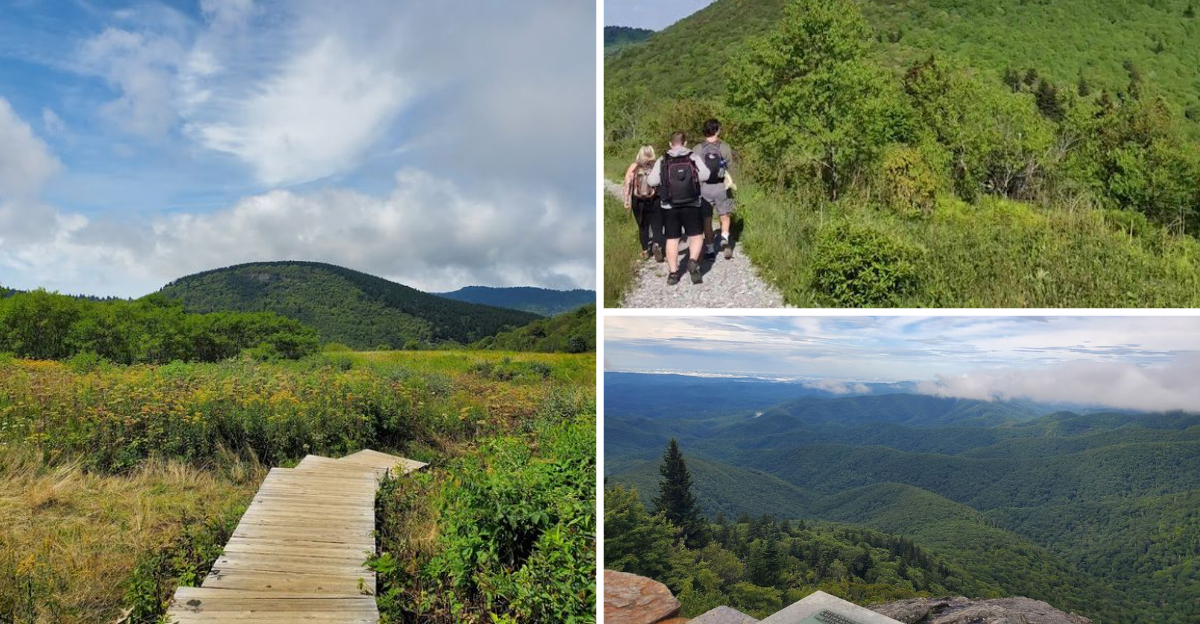
Tucked away in the Blue Ridge Mountains near Canton, North Carolina, Sam Knob Trail is one of those hidden gems that most people drive right past. This short but rewarding hike rewards visitors with sweeping 360-degree views that stretch across the Black Balsam Knob area and beyond.
Whether you are a seasoned hiker or just getting started, Sam Knob offers an unforgettable experience without demanding too much effort. If you have been searching for a mountain escape that feels both wild and welcoming, this trail might be exactly what you need.
Where Sam Knob Trailhead Is Located
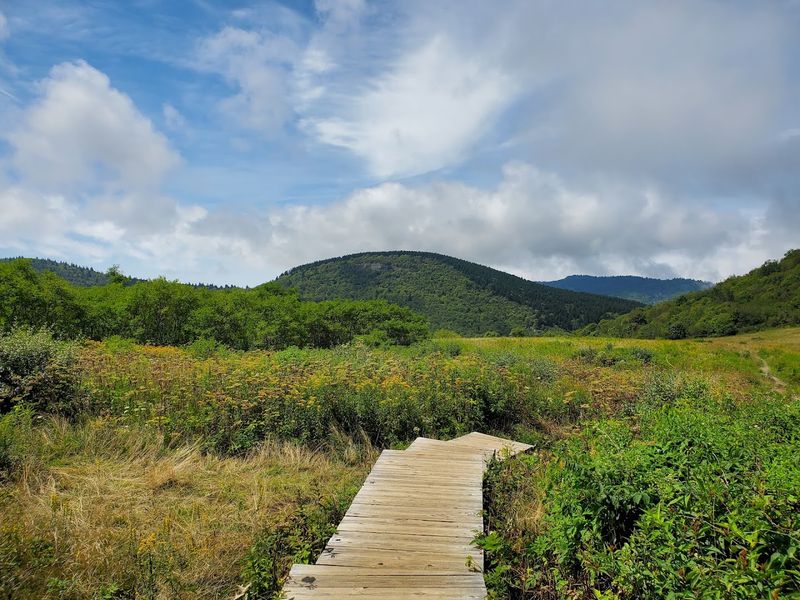
Most hikers heading to the Blue Ridge Parkway overlook this trailhead entirely, and that is exactly what keeps it so peaceful. Sam Knob Trailhead sits near milepost 420.2 on the Blue Ridge Parkway, close to Canton, NC, at an elevation of roughly 5,700 feet.
Getting there feels like stepping into another world.
The trailhead is accessed via Black Balsam Road, a short gravel spur off the parkway. Parking is available in a small lot, and the area fills up quickly on weekends during peak season.
Arriving early on a weekend morning is the smartest move you can make.
The surrounding landscape is open and breezy, with wide grassy balds visible even from the parking lot. First-time visitors often stop to take photos before they even hit the trail.
Coordinates place it at approximately 35.327, -82.888 for GPS users.
How Long and Difficult the Trail Actually Is
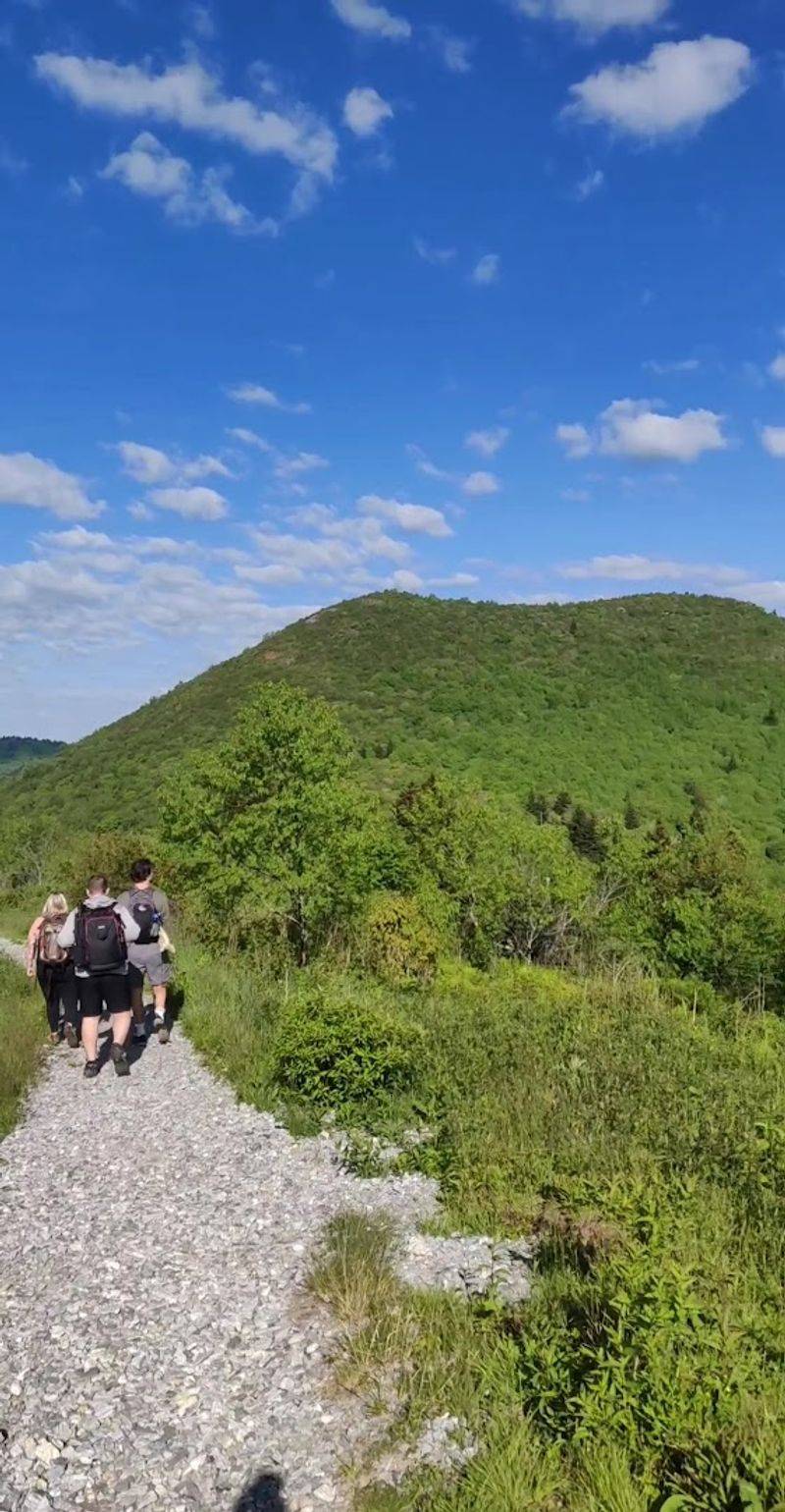
Sam Knob Trail clocks in at roughly 2.8 miles round trip, making it one of the most accessible summit hikes in all of western North Carolina. The elevation gain is around 400 feet, which is manageable for most fitness levels.
You do not need to be an ultra-marathoner to enjoy this one.
The trail is rated moderate, mostly because of some rocky sections near the summit. Most hikers complete the full round trip in under two hours, though lingering at the top is highly encouraged.
The views make it almost impossible to leave quickly.
Families with older kids, older adults, and casual hikers all regularly complete this trail without serious trouble. That said, the exposed ridgeline near the summit can be windy and cold even in summer.
Layering up is always a smart strategy regardless of the season.
The Jaw-Dropping 360-Degree Views at the Summit
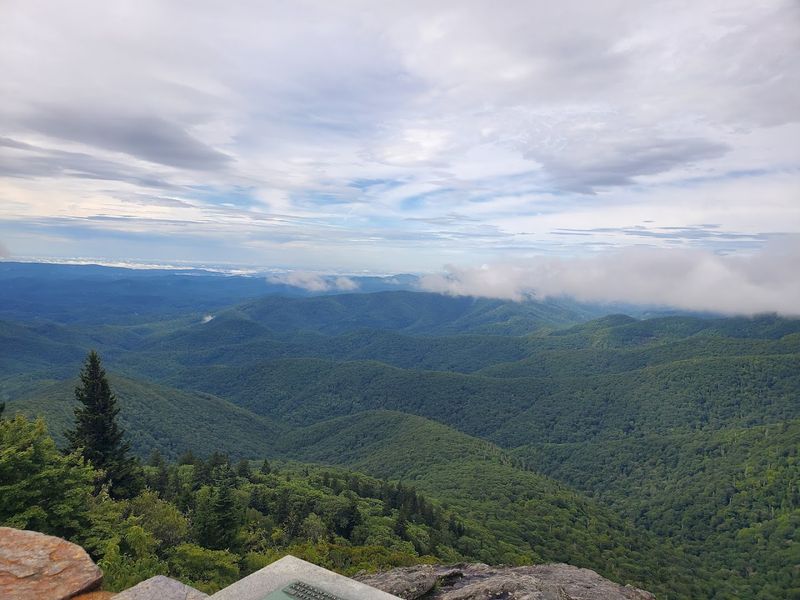
Standing on top of Sam Knob feels like the whole world just opened up around you. On a clear day, you can see wave after wave of mountain ridges rolling off in every direction, including views toward Black Balsam Knob, Tennent Mountain, and even distant peaks in the Shining Rock Wilderness.
It is the kind of view that makes you forget what day it is.
The summit sits above the treeline, which means nothing blocks your sightlines from any angle. Sunrise and sunset visits reward hikers with colors that cameras struggle to fully capture.
Golden hour here is genuinely something special.
Even on slightly hazy days, the layered mountain silhouettes create a moody, painterly backdrop worth every step of the climb. Photographers frequently call this one of the most underrated viewpoints in the entire southern Appalachians.
Bring extra memory cards just in case.
Best Time of Year to Visit Sam Knob
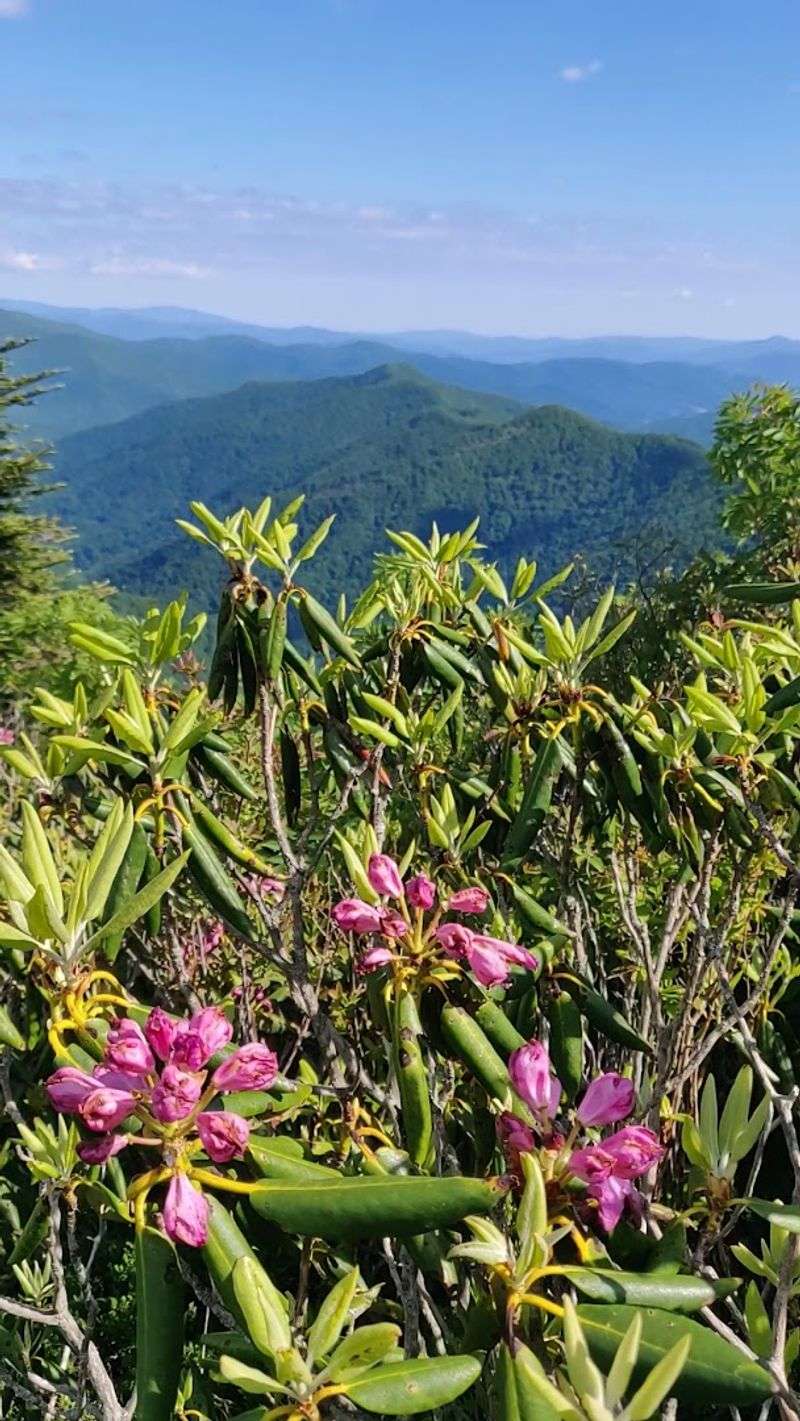
Fall is the undisputed champion season for visiting Sam Knob. October brings an explosion of red, orange, and gold across the surrounding ridges, turning the hike into a moving painting.
The crisp mountain air adds an extra layer of magic that is hard to describe until you experience it yourself.
Summer visits offer lush green meadows and wildflowers blooming across the open balds, making June and July equally rewarding in a different way. Afternoon thunderstorms are common in summer, so starting your hike early in the morning is strongly recommended.
Nobody wants to be on an exposed summit during lightning.
Spring brings its own quiet charm, with the landscape waking up slowly after winter. Winter hikes are possible but require microspikes or traction devices due to ice and snow.
Each season gives Sam Knob a completely different personality worth exploring at least once.
Wildlife You Might Spot Along the Way
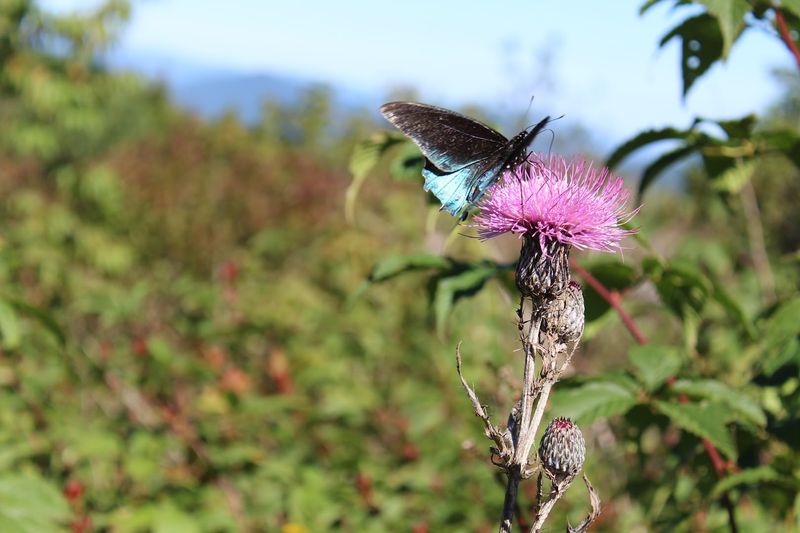
The open balds and forest edges around Sam Knob create a surprisingly rich habitat for wildlife. Wild turkeys, white-tailed deer, and a variety of songbirds are commonly spotted along the trail and in the meadows below the summit.
Birders especially love this area during spring migration season.
Red-tailed hawks and other raptors are frequently seen riding thermals above the ridgeline. Keep your eyes peeled and your voice low if you want to catch a glimpse of something special.
Loud hikers tend to scare animals away before they ever get close enough to notice.
Black bears are present in this region of North Carolina, though sightings on this particular trail are rare. Carrying bear spray and knowing how to use it is still a responsible habit anywhere in the southern Appalachians.
Respecting wildlife from a safe distance makes the experience better for everyone involved.
What to Pack for a Sam Knob Hike
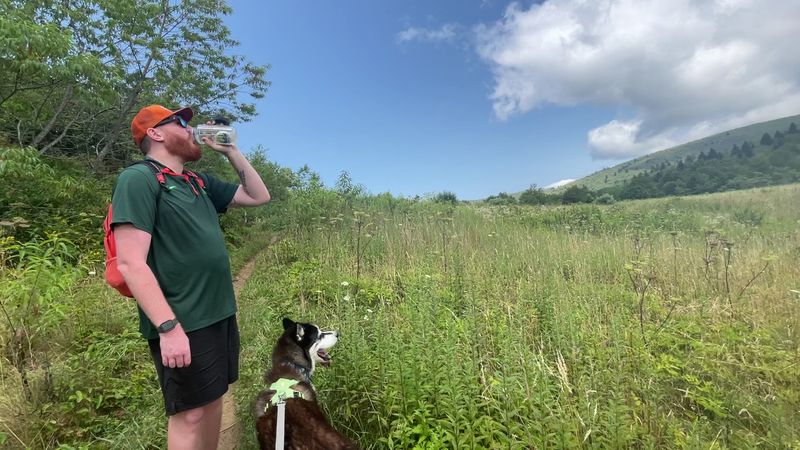
Packing smart makes a huge difference on a mountain hike, even one as short as Sam Knob. Water is the most important item to bring, with at least one liter per person recommended for the round trip.
Dehydration sneaks up on hikers faster than most people expect at higher elevations.
Snacks like trail mix, granola bars, or fruit give you sustained energy without weighing your pack down. A lightweight rain jacket is worth its weight in gold up here, since mountain weather shifts quickly and without much warning.
Sunscreen and sunglasses matter too, especially on the exposed summit.
Trekking poles help on the rocky sections near the top and can save your knees on the descent. A basic first aid kit, a charged phone, and a printed or downloaded trail map round out a solid packing list.
Overpreparing for a short hike is never something you will regret.
Trail Conditions and Terrain to Expect
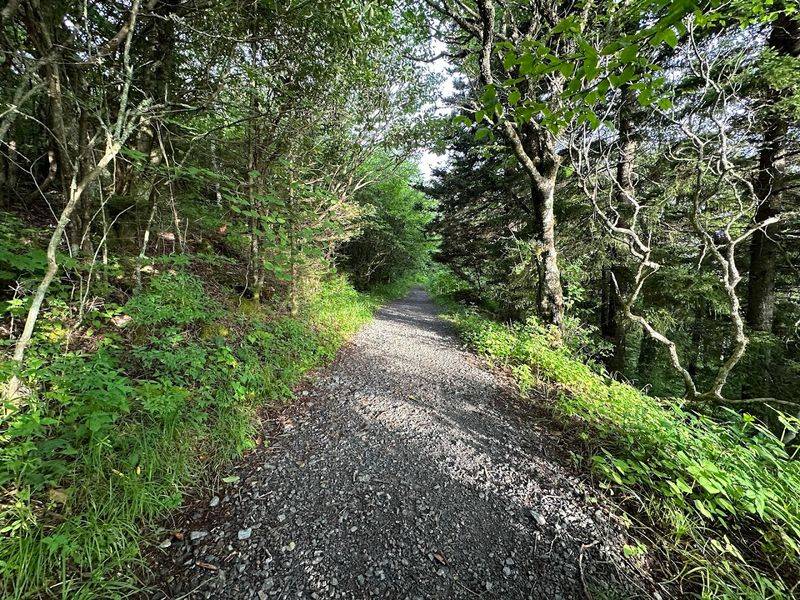
The trail starts out wide and relatively smooth, crossing open meadow terrain that feels almost gentle underfoot. As you gain elevation, the path narrows and becomes rockier, especially in the final push toward the summit.
Sturdy hiking shoes or boots are a must for comfortable footing on the loose stones.
Mud can be a real factor after rain, particularly in the lower meadow sections where the ground stays saturated. Wearing waterproof footwear after wet weather keeps your feet dry and your attitude positive.
Soggy socks have ended more than a few good hikes prematurely.
The exposed summit section can feel steep for a short stretch, but the scramble is brief and very manageable. Trail markers are present but sparse, so staying aware of your surroundings helps avoid wrong turns.
Overall, the terrain rewards hikers who pay attention and move at a comfortable, steady pace.
Nearby Trails Worth Combining With Sam Knob
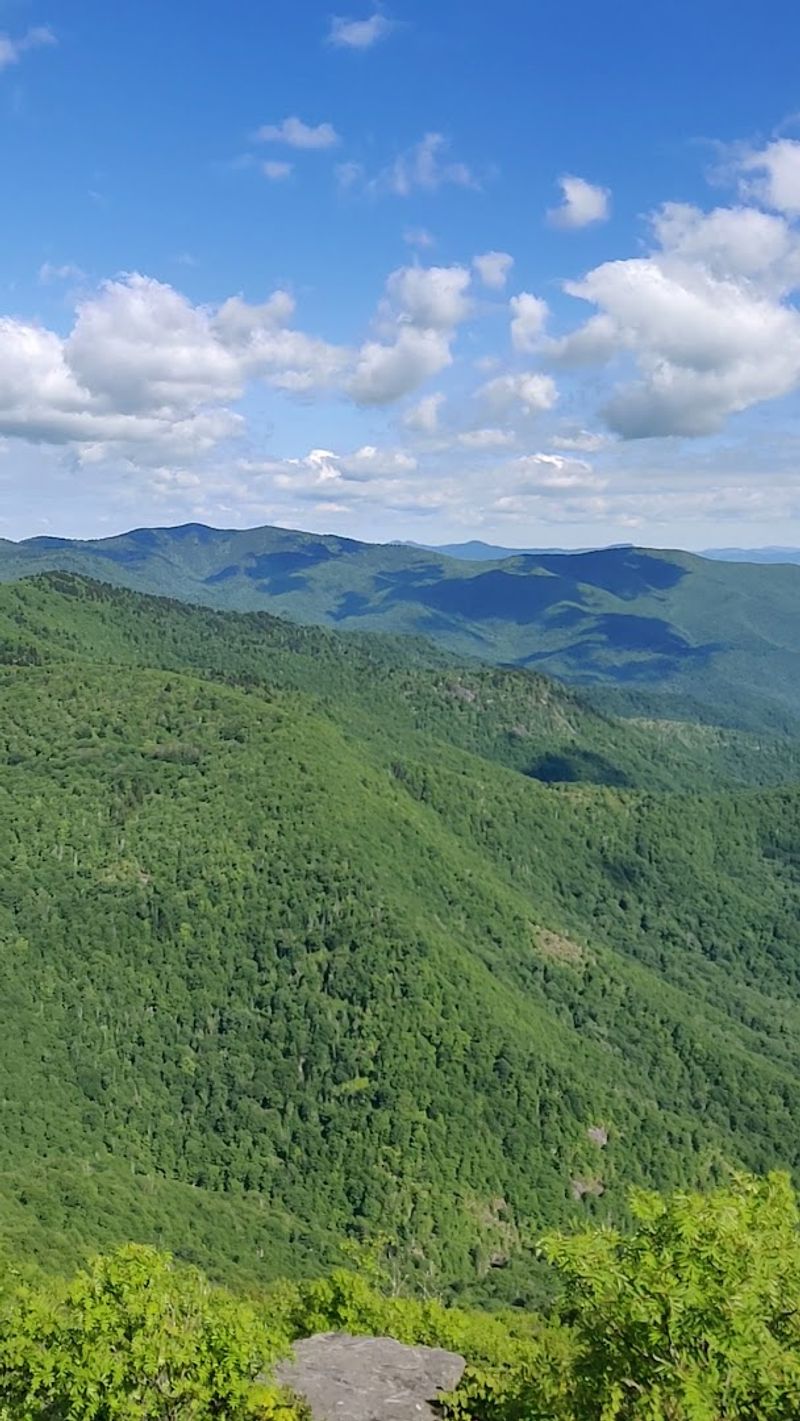
One of the best things about visiting Sam Knob is how easily it connects to other incredible trails in the area. Black Balsam Knob is just a short distance away and offers similarly stunning open bald views with a slightly longer approach.
Combining both summits in a single day is a popular and deeply satisfying option.
The Ivestor Gap Trail links several high-elevation landmarks and passes through the Shining Rock Wilderness, a federally designated wild area with limited regulations and spectacular scenery. Tennent Mountain is another nearby objective that rewards hikers with broad views and a quieter experience than some busier trails.
Planning a loop that hits multiple summits turns a short outing into a full mountain adventure.
Art Loeb Trail also passes through this corridor, offering longer routes for those craving more mileage. The entire Black Balsam area is one of the most scenic hiking zones in the eastern United States, full stop.
Photography Tips for Capturing the Views
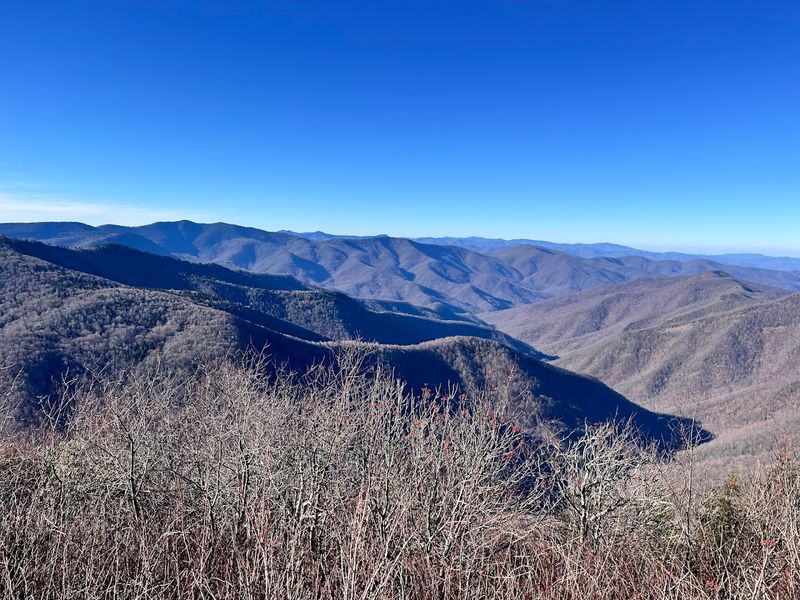
Sam Knob is a photographer’s dream, but getting the best shots takes a little planning. Golden hour, which is the hour after sunrise and the hour before sunset, delivers the warmest and most dramatic light on the surrounding ridgelines.
Setting an alarm to hike up before dawn is absolutely worth the sacrifice of a little sleep.
Wide-angle lenses work beautifully here for capturing the full sweep of the 360-degree panorama. A polarizing filter helps cut glare and deepen the blue tones in the sky, especially on clear days.
Shooting in RAW format gives you more flexibility to bring out detail in the shadows and highlights during editing.
Even smartphone photographers can capture stunning images from this summit with a little patience and good timing. The open bald means no trees blocking your composition from any direction.
Experimenting with foreground elements like wildflowers or rocks adds depth and interest to otherwise wide landscape shots.
The History Behind Sam Knob and Its Name
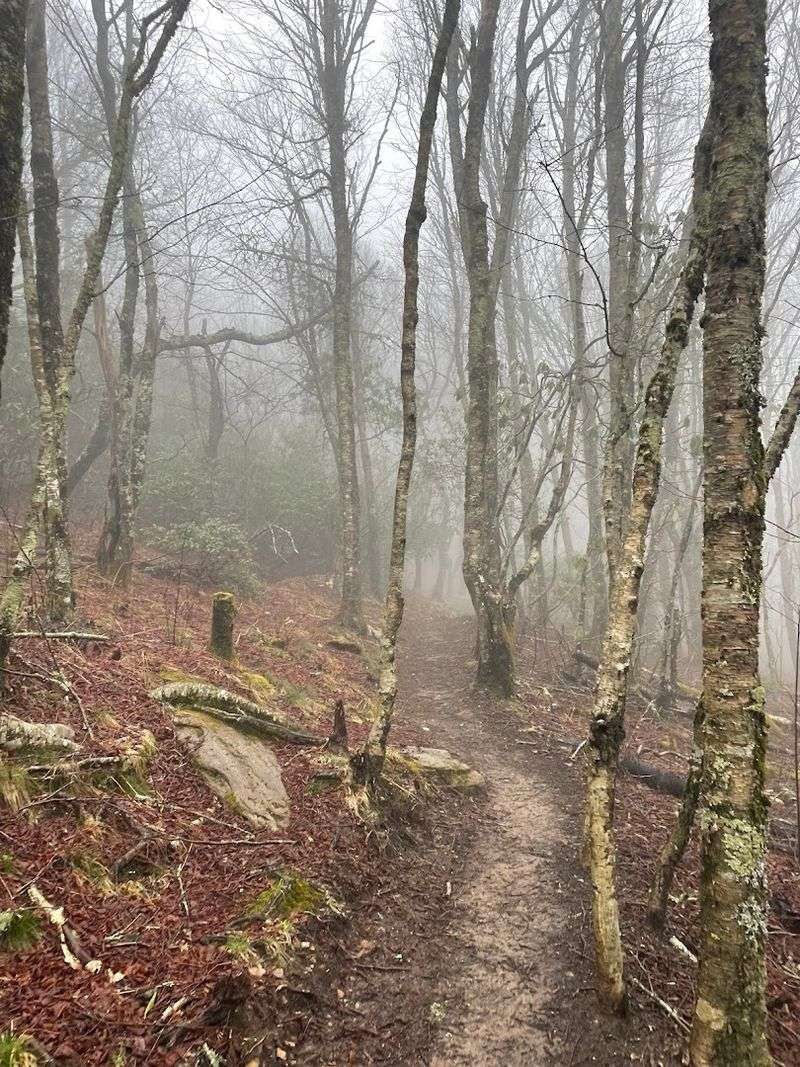
Sam Knob carries one of those names that makes you wonder about the story behind it. Like many peaks in the southern Appalachians, it was likely named after an early settler or local figure whose exact history has faded over time.
The southern mountains are full of peaks named after people whose stories deserve to be remembered.
The surrounding Shining Rock Wilderness was designated in 1964, protecting thousands of acres of high-elevation forest and open balds. Before federal protection, this land was heavily logged in the early 20th century, stripping the slopes of their old-growth trees.
The open grassy balds visible today are partly a legacy of that logging history, though the landscape has largely healed.
The Blue Ridge Parkway, which provides access to the trailhead, was itself constructed between 1935 and 1987. It remains one of the most visited national park units in the entire country, drawing millions of travelers every year.
Parking, Fees, and Trailhead Access Details
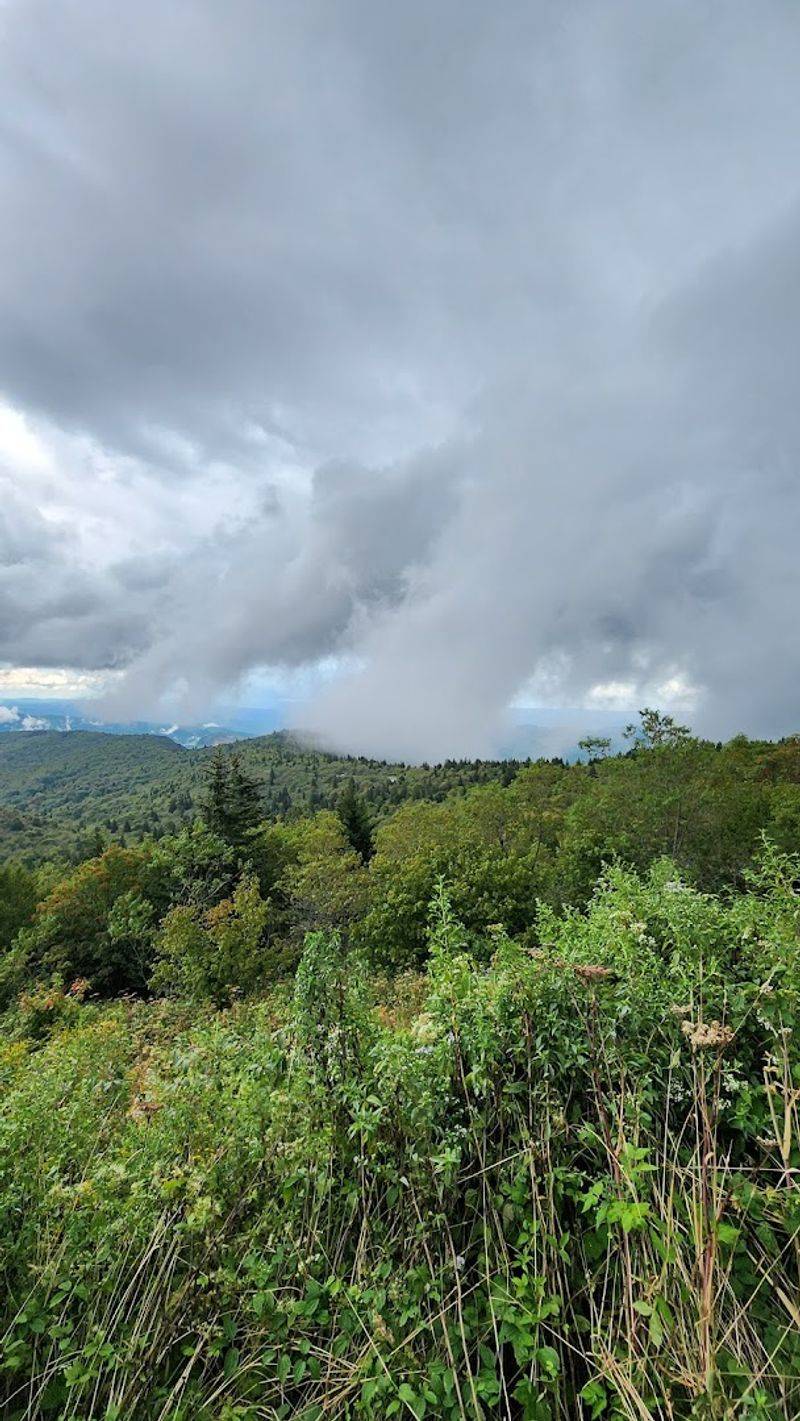
Getting to Sam Knob Trailhead is straightforward once you know the route. From the Blue Ridge Parkway near milepost 420.2, you turn onto Black Balsam Road, a short gravel road that leads directly to the trailhead parking area.
The road is generally passable for most standard vehicles, though high-clearance helps on rougher days.
Parking is free, which is a refreshing change from many popular trailheads in the region. However, the lot is small and fills up fast on fall weekends and holiday periods.
Arriving before 8 a.m. on busy days is the most reliable way to secure a spot without stress.
There are no fees to hike Sam Knob or access the Shining Rock Wilderness area. No permits are required for day hikes, though overnight camping in the wilderness does have specific Leave No Trace guidelines to follow.
Restroom facilities at the trailhead are minimal, so plan accordingly before you leave home.
Tips for Hiking With Kids or Beginners
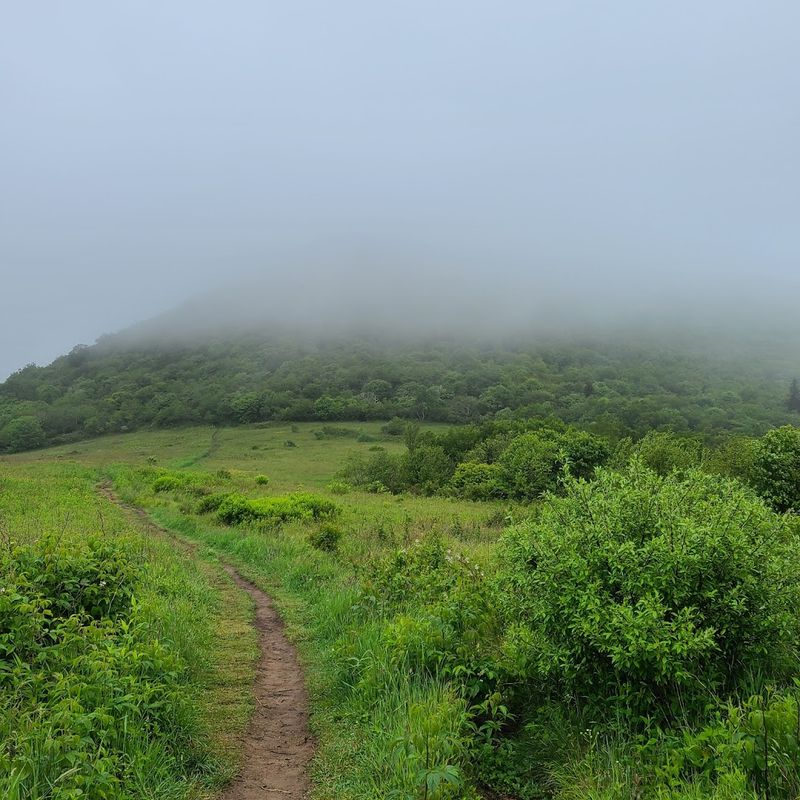
Sam Knob is one of those rare hikes where beginners and families can genuinely feel successful without being overwhelmed. The relatively short distance and moderate elevation gain make it approachable for kids roughly eight years and older who are comfortable walking on uneven ground.
Younger children can sometimes manage it too, depending on their energy and enthusiasm.
Taking frequent breaks to enjoy the scenery makes the hike feel less like exercise and more like an adventure. Pointing out birds, wildflowers, and rock formations keeps younger hikers engaged and curious along the way.
Turning the trail into a discovery walk rather than a race to the summit changes the whole dynamic.
Bringing plenty of snacks and water keeps morale high when little legs start to tire. Setting realistic expectations with kids before the hike helps avoid meltdowns near the rocky summit section.
Celebrating at the top with a snack and a big group photo makes the whole effort feel like a real achievement.
Why Sam Knob Deserves Way More Attention
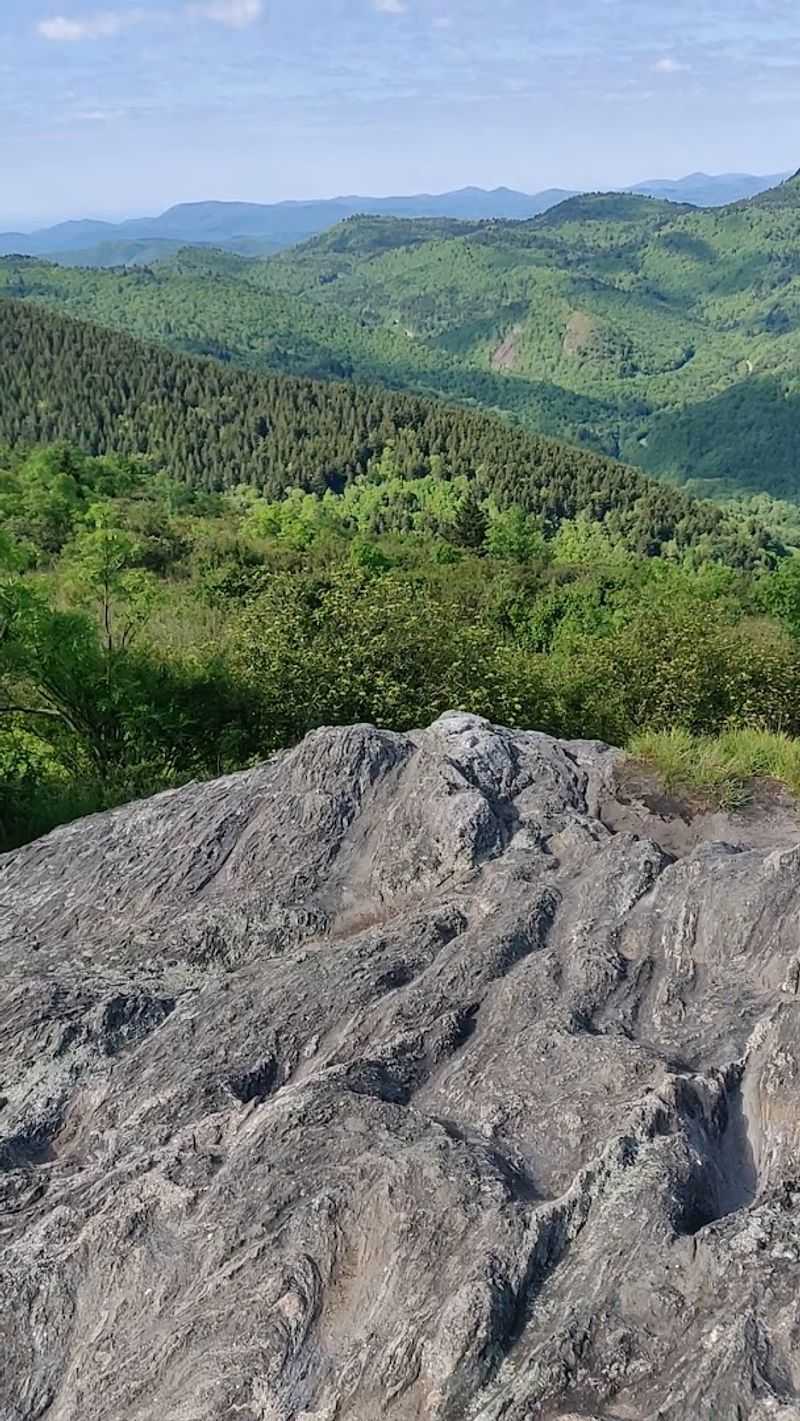
For a trail that delivers this level of scenery, Sam Knob remains surprisingly under the radar. Compared to nearby heavy-hitters like Graveyard Fields or Max Patch, the crowds here are noticeably thinner, which makes the experience feel more personal and rewarding.
There is something genuinely special about having a mountain summit mostly to yourself.
The combination of short distance, manageable difficulty, and world-class views makes this trail almost absurdly good value for the effort involved. Experienced hikers sometimes overlook it because it seems too easy, but the summit views rival trails twice as long and three times as hard.
Easy does not mean boring when the payoff looks like this.
Word is slowly spreading, and weekends are getting busier each year as more people discover what locals have quietly known for a long time. Visiting sooner rather than later means enjoying the trail before it becomes another crowded destination.
Sam Knob is still a secret worth keeping, but not one worth missing.
Enjoyed this story?
Add Fast Food Club as a preferred source to see more of our reporting on Google.