


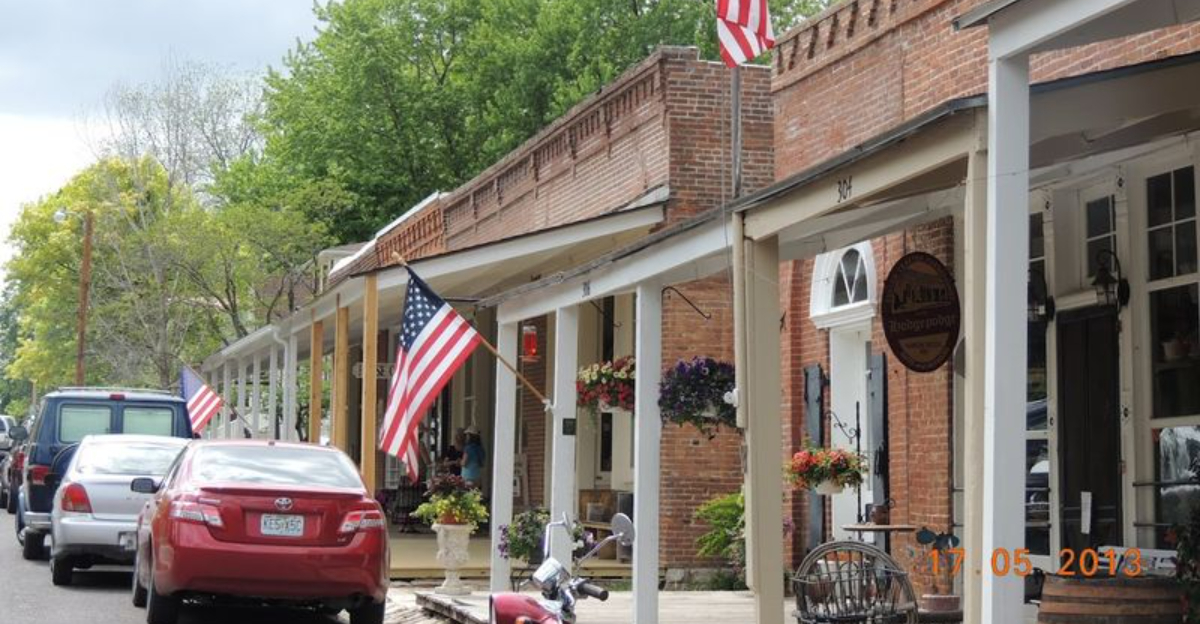
Tucked along the banks of the Missouri River, Arrow Rock is a tiny village that feels like a living postcard from the 1800s. With fewer than 60 residents, this National Historic Landmark in Saline County, Missouri, has managed to hold onto its old-world charm without turning into a tourist trap.
History buffs, nature lovers, and weekend wanderers have quietly discovered what locals have known for years. Arrow Rock is one of Missouri’s most magical hidden gems, and those who call it home are perfectly happy keeping it that way.
A Village Frozen Beautifully in Time
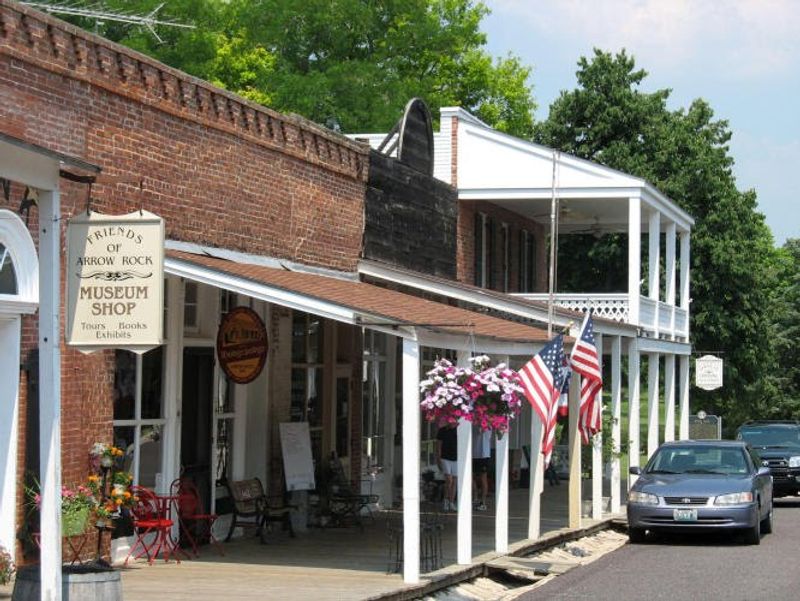
Walking down the main street of Arrow Rock feels like stepping into a history book that never got dusty. The village looks almost exactly as it did in the 1800s, with original brick buildings, creaky wooden storefronts, and gas-lamp-style lighting that sets a mood no theme park could ever fake.
Arrow Rock was designated a National Historic Landmark in 1963 by the National Park Service, recognizing just how remarkably well-preserved it truly is. The entire village sits within the Arrow Rock Historic District, making nearly every corner worth a photograph.
What makes this place so special is that it never tried too hard to impress anyone. The authenticity here is organic, unhurried, and genuinely rare.
Visitors often describe the experience as peaceful rather than performative, which is exactly why locals treasure it so deeply.
Missouri River Views That Take Your Breath Away
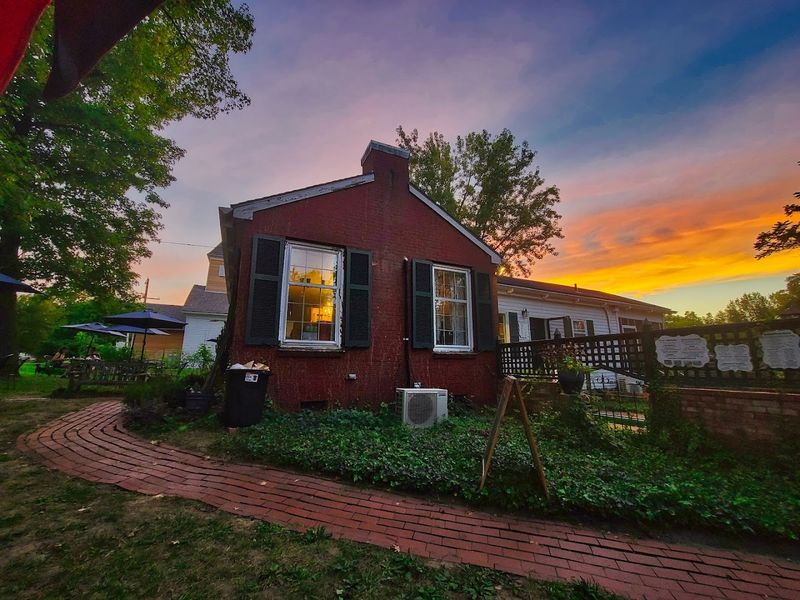
Perched near the Missouri River, Arrow Rock offers some of the most quietly stunning river views in the entire state. The bluffs above the river give visitors a sweeping perspective that early explorers like Lewis and Clark would have recognized immediately.
Before it became a village, this spot was a well-known river crossing used by Native Americans, fur traders, and westward-bound settlers. The name “Arrow Rock” itself comes from a rocky outcropping that served as a landmark for travelers navigating the river long before GPS existed.
Standing at the bluff today, you can almost hear the echo of flatboats pushing through the current below. Whether you visit at sunrise or sunset, the river has a way of making time feel wonderfully irrelevant.
Pack a blanket, bring some snacks, and let the Missouri River do the rest.
Arrow Rock State Historic Site Worth Every Step
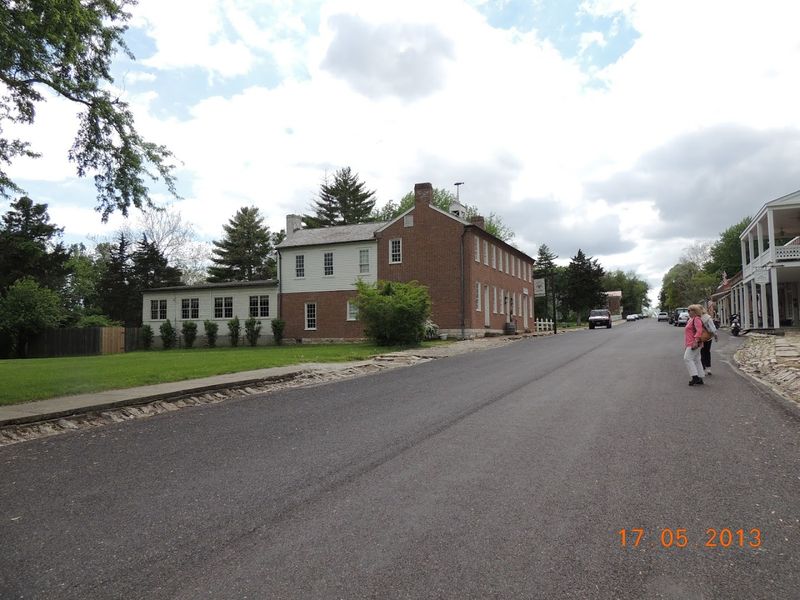
Arrow Rock State Historic Site is the anchor of everything this tiny village stands for. Managed by Missouri State Parks, the site includes preserved buildings, walking trails, and interpretive exhibits that bring the region’s layered history to life in a way that feels genuinely engaging rather than classroom-dry.
Rangers lead tours through original structures including an 1830s tavern, a courthouse, and a log cabin that once belonged to famous Missouri artist George Caleb Bingham. Each building tells a chapter of the story of westward expansion along the Santa Fe Trail.
Even if history was never your favorite subject in school, something about standing inside these actual rooms changes that quickly. The site is open most of the year and admission is very affordable, making it an easy day trip from Kansas City or Columbia without breaking the bank.
George Caleb Bingham’s Legacy Lives Here
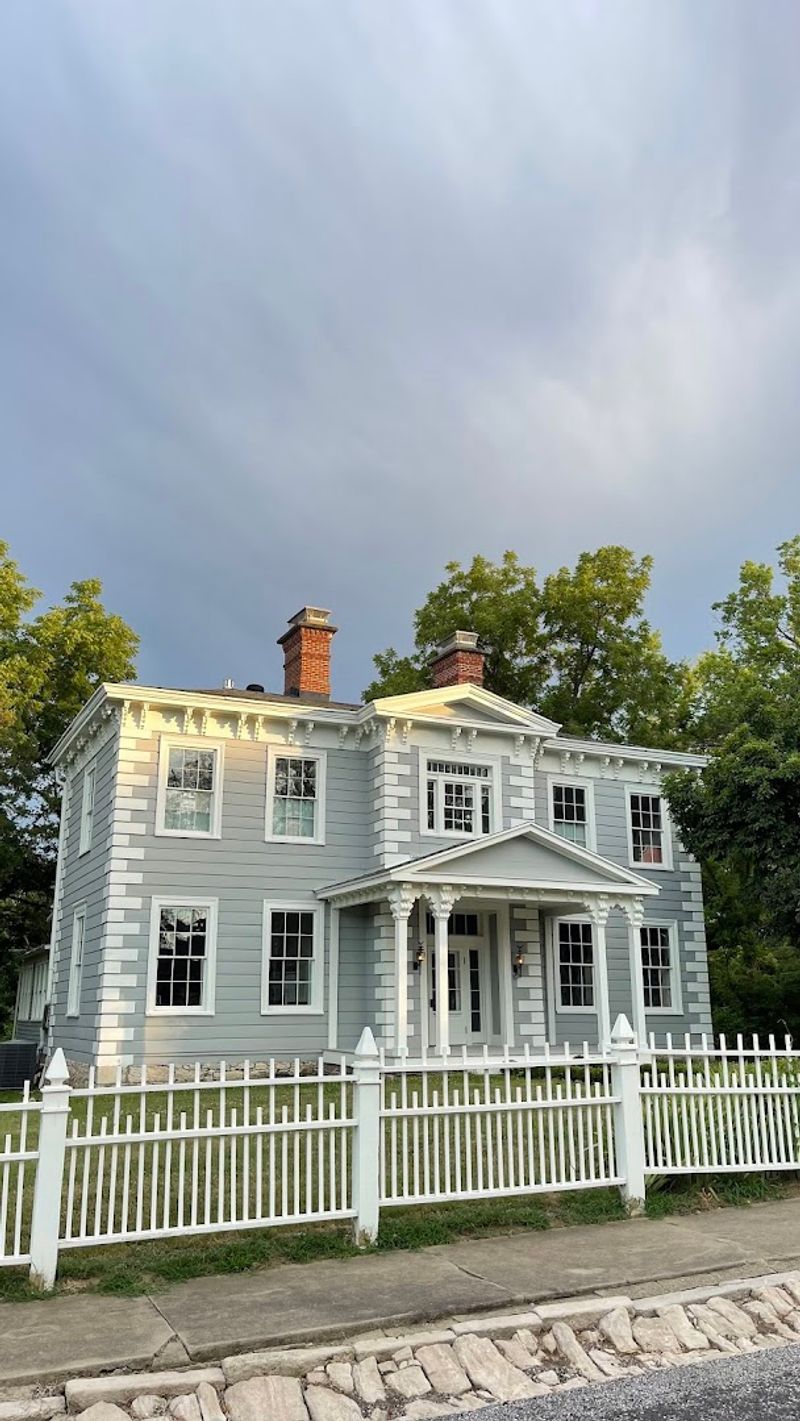
Few small towns in America can claim a world-famous artist as a former resident, but Arrow Rock can. George Caleb Bingham, one of America’s most celebrated 19th-century painters, called this village home, and his restored house still stands as a tribute to his remarkable life and work.
Bingham is best known for his vivid paintings of Missouri River life, frontier politics, and everyday American scenes that captured a young nation finding its identity. His work hangs in major museums across the country, yet his humble Arrow Rock home remains surprisingly understated.
Touring the Bingham house feels personal in a way that museum exhibits rarely do. You can see where he lived, worked, and drew inspiration from the very landscape that surrounds the village today.
Art lovers will find this stop especially moving, but honestly, anyone with curiosity will walk away impressed.
The Old Tavern That Has Seen Everything
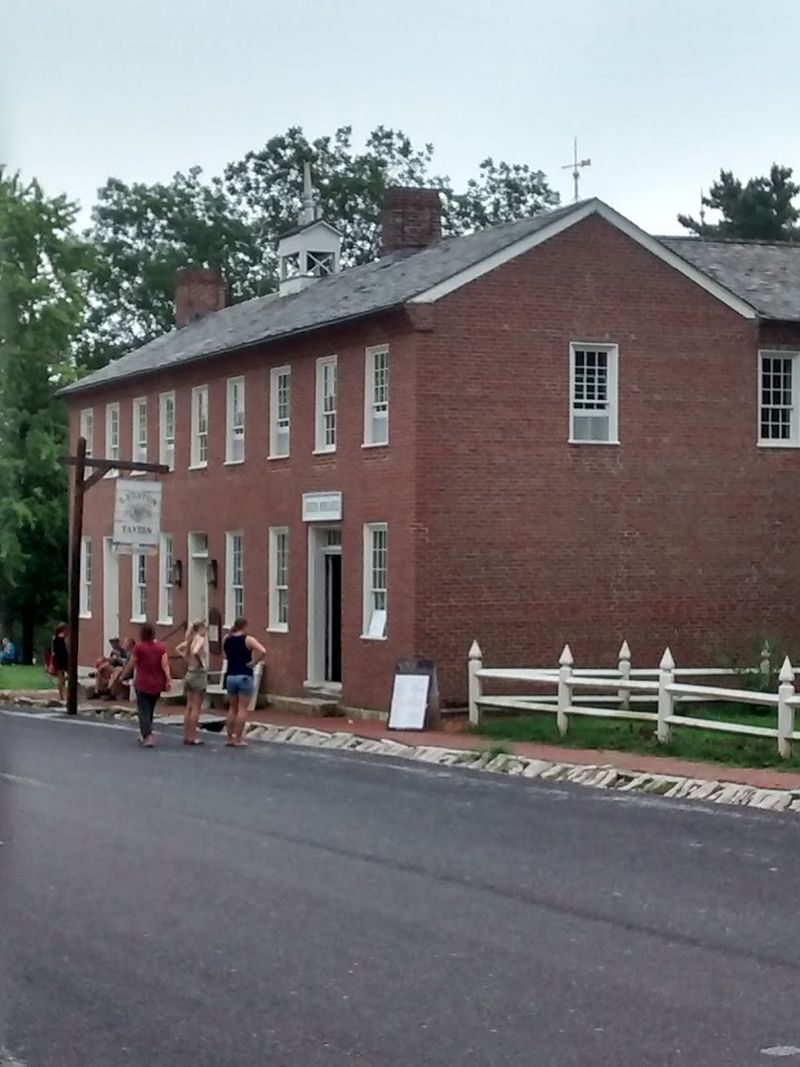
Built in 1834, the J. Huston Tavern is one of the oldest continuously operating restaurants west of the Mississippi River, and yes, it still serves food today.
That alone makes it worth the drive. The building has welcomed travelers, politicians, traders, and curious tourists for nearly two centuries without missing a beat.
The menu leans into Missouri comfort food, with hearty dishes that feel perfectly suited to the rustic, candlelit atmosphere inside. Sitting at a wooden table in a building that old has a way of making even a simple meal feel like an occasion.
Reservations are strongly recommended, especially on weekends and during festival seasons, because word has gotten out just enough to fill the place up fast. Still, the staff keeps things warm and unhurried, which is exactly the Arrow Rock way of doing things.
Lyceum Theatre Bringing Live Performances to the Prairie
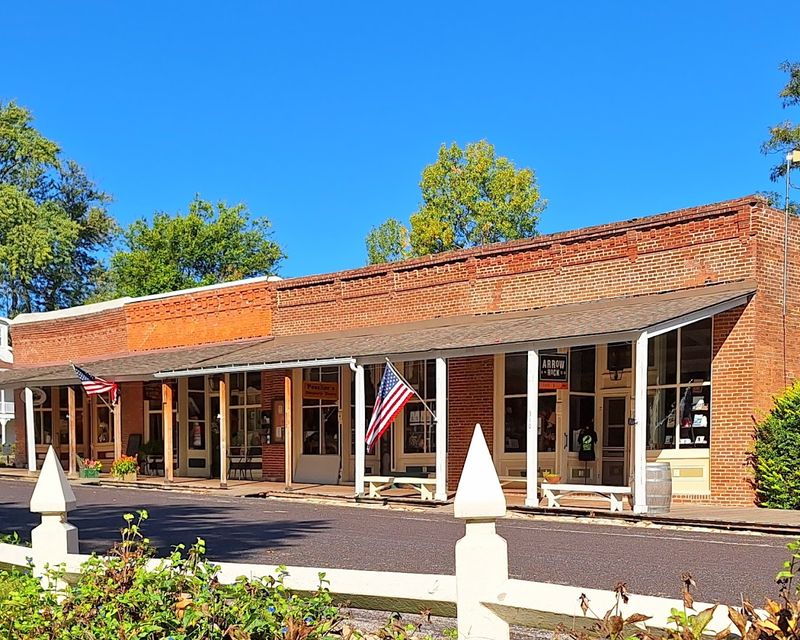
Stumbling upon a professional regional theater in a village of fewer than 60 people is one of Arrow Rock’s most delightful surprises. The Arrow Rock Lyceum Theatre has been producing high-quality live performances since 1961, drawing audiences from across Missouri and beyond.
The theater stages a rotating season of musicals, dramas, and comedies each summer in an intimate setting that makes every seat feel like the best in the house. Actors come from professional backgrounds, and the production quality rivals much larger city venues in ways that consistently catch first-time visitors off guard.
An evening at the Lyceum is more than just entertainment. It is a reminder that culture and creativity can thrive anywhere, even in a tiny Missouri village surrounded by cornfields and river bluffs.
Checking the summer schedule before your visit is highly recommended because shows sell out regularly.
Santa Fe Trail History Woven Into Every Corner
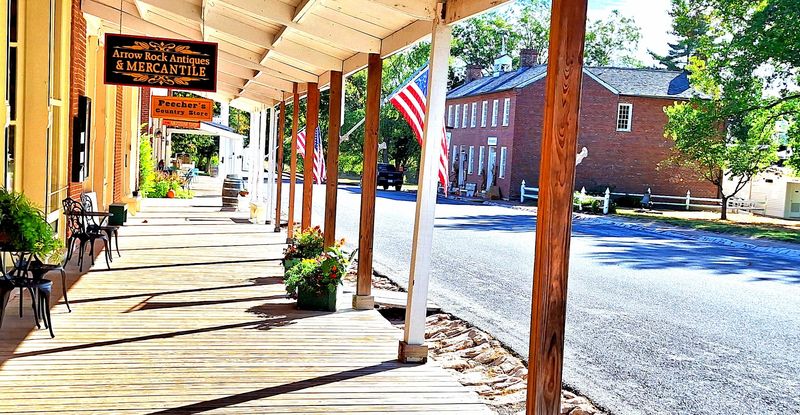
Arrow Rock was not just a pretty village. It was a critical launching point along the Santa Fe Trail, one of the most important trade routes in American history.
Merchants, adventurers, and settlers passed through here by the thousands during the mid-1800s, loading supplies and saying their farewells before heading into the unknown west.
Remnants of the trail can still be spotted in the landscape around Arrow Rock, including faint wagon ruts pressed into the earth by thousands of wheels over many decades. Interpretive signs throughout the area help connect the dots between what you see and what once happened here.
Learning about the Santa Fe Trail in a classroom is one thing. Standing where those wagons actually rolled is something else entirely.
Arrow Rock gives history a physical address, and that makes all the difference for anyone trying to truly understand America’s westward story.
Antique Shops and Quirky Little Finds
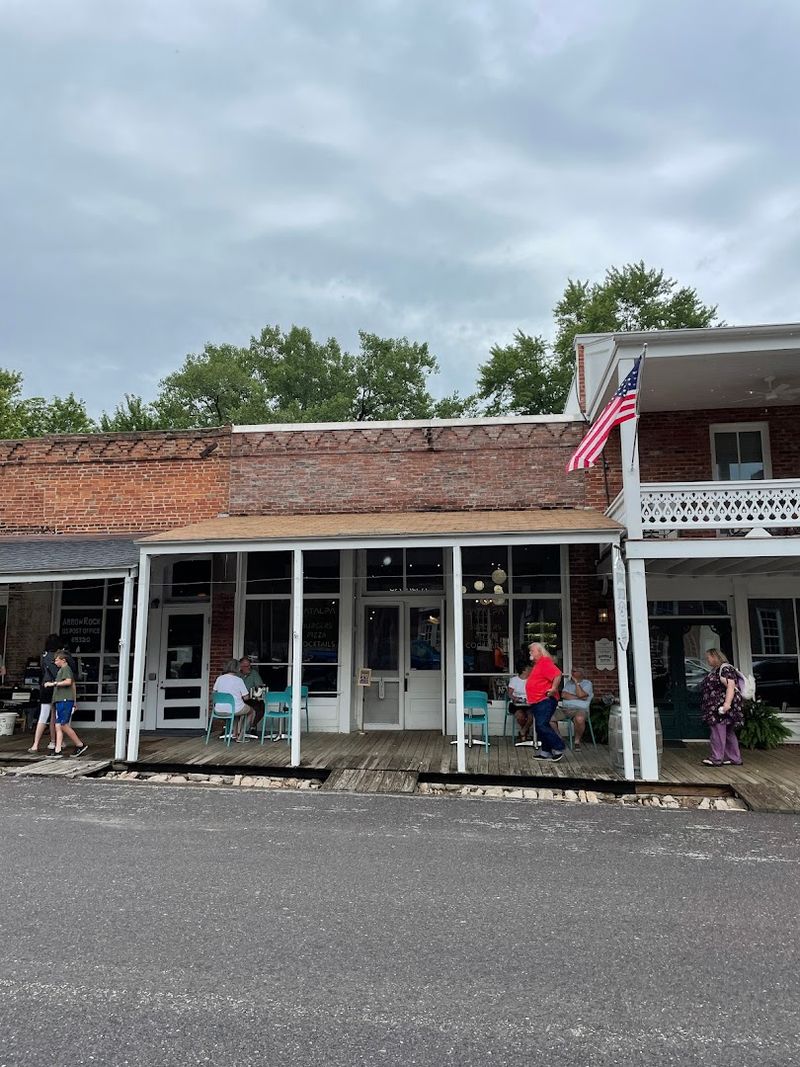
Antique hunters have a quiet obsession with Arrow Rock, and it is not hard to understand why. The village’s small collection of shops offers an eclectic mix of vintage treasures, handmade goods, and Missouri-made products that you simply will not find at a chain store or online marketplace.
Browsing here feels unhurried and genuinely fun. Shop owners tend to know the stories behind their items, and striking up a conversation often leads to discovering something even more interesting than what was on the shelf.
That kind of personal touch is increasingly rare in modern retail.
Whether you are searching for old farm tools, vintage kitchenware, handcrafted jewelry, or a quirky piece of Americana to hang on your wall, Arrow Rock’s shops deliver. Budget a couple of hours to wander, because rushing through these little stores would be doing yourself a real disservice.
Peaceful Hiking Trails Through Ozark Edge Landscapes
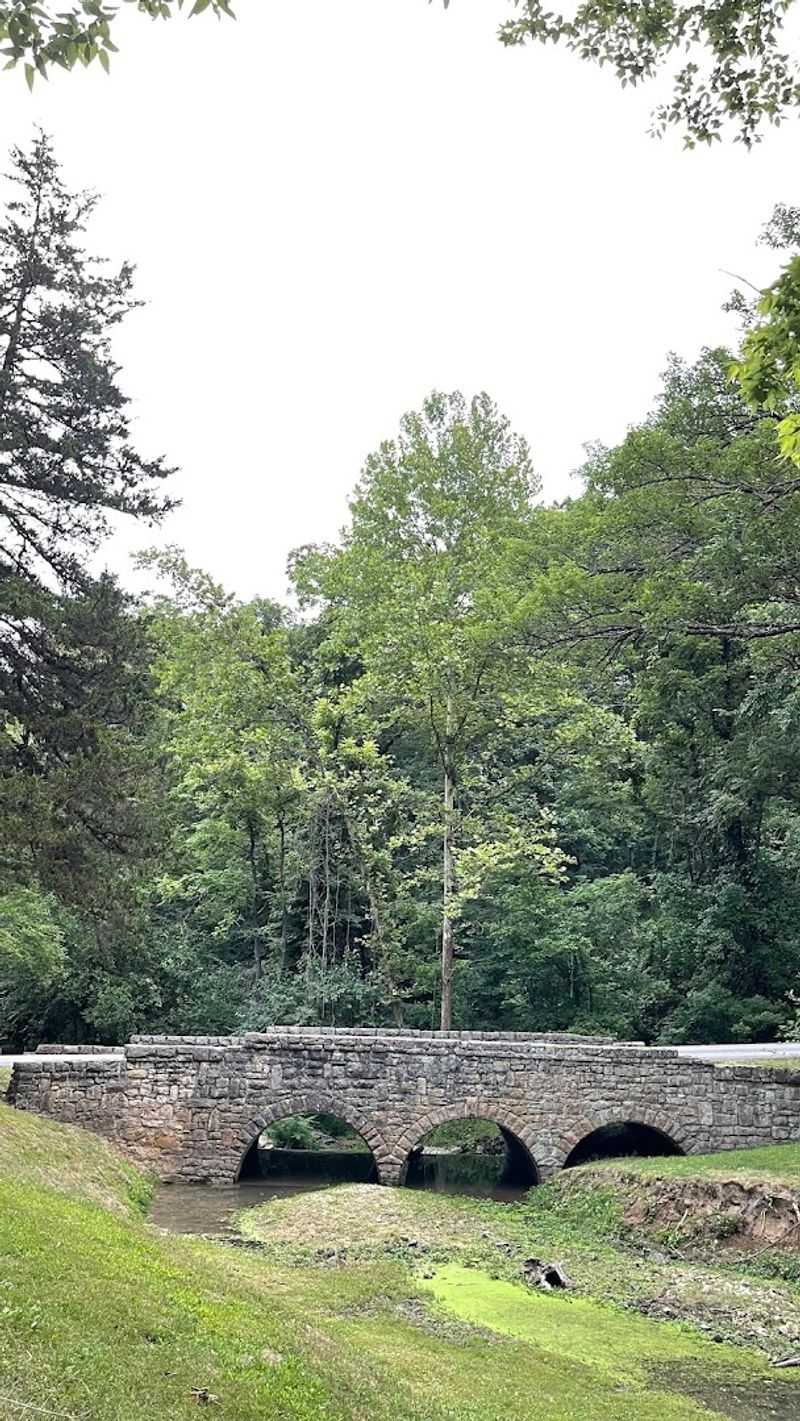
Nature has its own quiet argument for why Arrow Rock deserves more attention. The surrounding landscape offers easy to moderate hiking trails that wind through dense hardwood forests, open meadows, and along the Missouri River corridor.
It is the kind of outdoor experience that feels restorative rather than exhausting.
The Arrow Rock State Historic Site maintains several trails that combine natural scenery with historical interpretation. You might round a bend and find yourself standing next to a 19th-century cemetery or a long-forgotten stone foundation hidden beneath decades of ivy and oak leaves.
Birding is also popular here, as the river corridor attracts a wide variety of migratory species throughout the year. Bring a decent pair of binoculars, wear comfortable shoes, and give yourself at least a half day to explore the trails properly.
The woods around Arrow Rock reward those who slow down.
Friendly Festivals That Draw Devoted Crowds
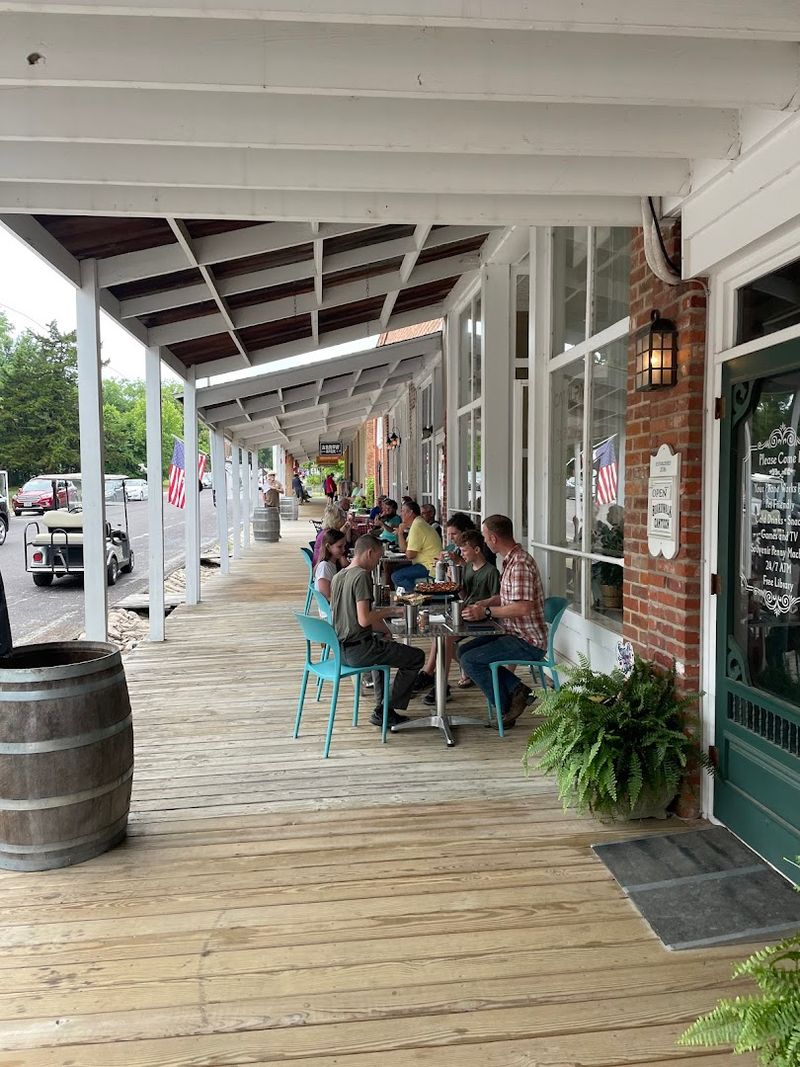
Arrow Rock knows how to throw a festival without losing its small-town soul. Throughout the year, the village hosts events that celebrate its history, arts, and community in ways that feel genuinely festive rather than commercialized.
The annual Craft Festival is one of the most beloved gatherings in central Missouri.
Living history weekends bring the 1800s back to life with costumed interpreters, blacksmithing demonstrations, period music, and hands-on activities for kids and adults alike. Families with curious children tend to find these events especially memorable.
What makes Arrow Rock’s festivals stand out is the sense of community that underlies all of it. Vendors know their customers by name.
Volunteers show up because they genuinely love this place. Visitors leave feeling like they were welcomed into something real, not just sold a ticket to a production.
That feeling is hard to manufacture and impossible to fake.
A Cemetery That Tells Missouri’s Oldest Stories
History enthusiasts and genealogy researchers have long made pilgrimages to the Arrow Rock cemetery, where some of Missouri’s earliest settlers rest beneath headstones that date back to the early 1800s. Reading the names and dates carved into old limestone is a surprisingly moving experience.
Many of the graves belong to people who played significant roles in shaping not just Arrow Rock, but Missouri and American history as a whole. Politicians, physicians, artists, and trailblazers all found their final resting place in this quiet, shaded hillside cemetery overlooking the river valley.
The cemetery is well-maintained and open to respectful visitors year-round. Walking through it slowly, taking time to read each marker, gives you a profound sense of continuity between past and present.
It is one of those places that reminds you how many extraordinary lives were lived in ordinary-looking small towns.
Architecture Straight Out of an American History Textbook
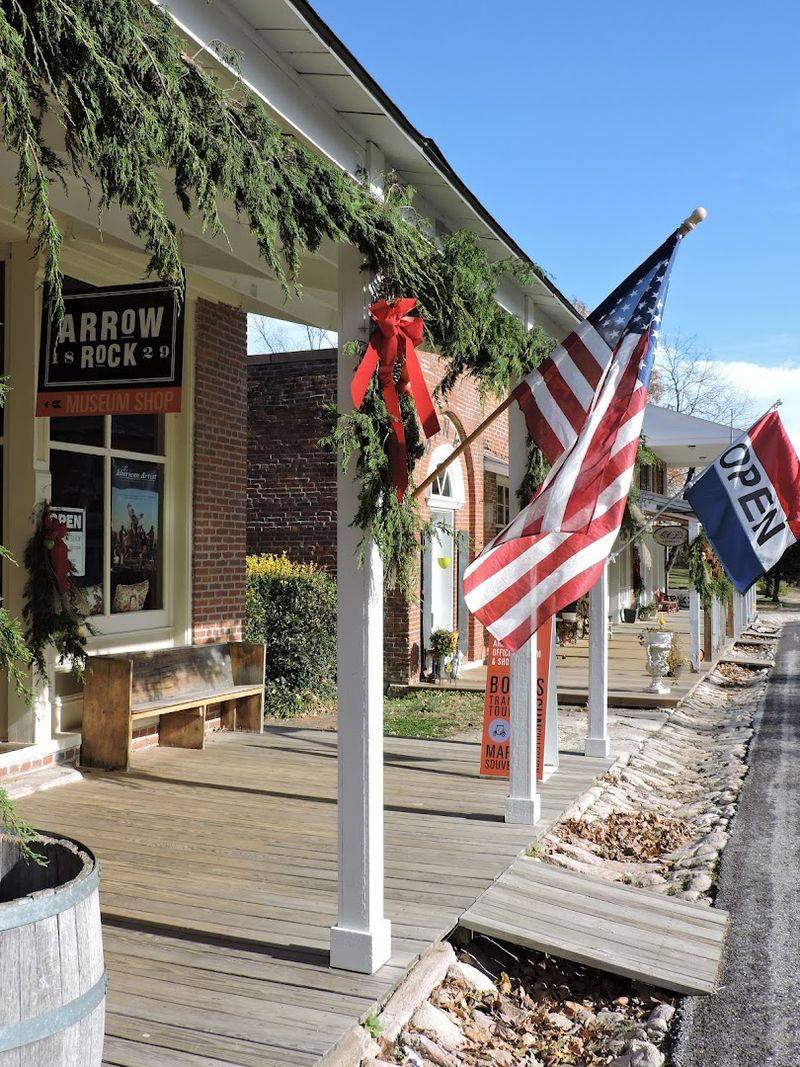
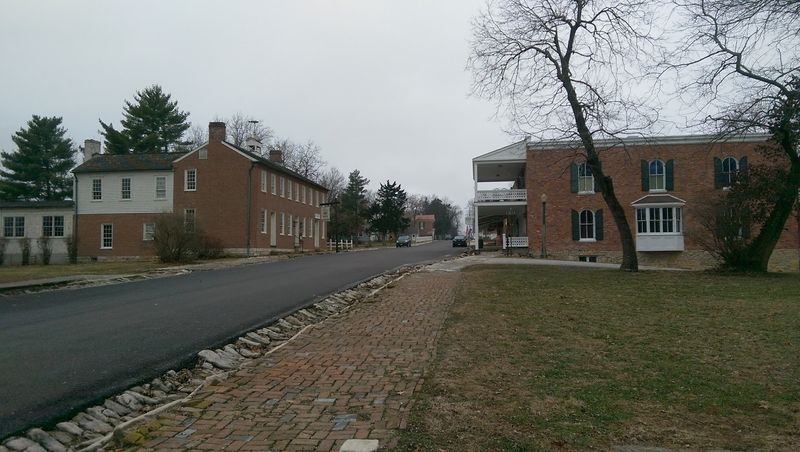
Architecture lovers could spend an entire afternoon in Arrow Rock without running out of things to admire. The village preserves an impressive collection of Federal, Greek Revival, and vernacular frontier-style buildings that represent nearly every decade of the 19th century in one compact, walkable area.
What is remarkable is how intact these structures remain. Unlike many small towns where historic buildings were torn down to make room for parking lots or strip malls, Arrow Rock resisted that fate almost entirely.
Credit goes to generations of dedicated preservationists who understood what was at stake.
Even the courthouse, the doctor’s office, and the old gun shop have been carefully maintained with period-appropriate materials and methods. Strolling through Arrow Rock with even a basic appreciation for old buildings turns the whole village into an open-air architectural museum that costs nothing extra to enjoy.
Why Locals Want to Keep This Place Just the Way It Is
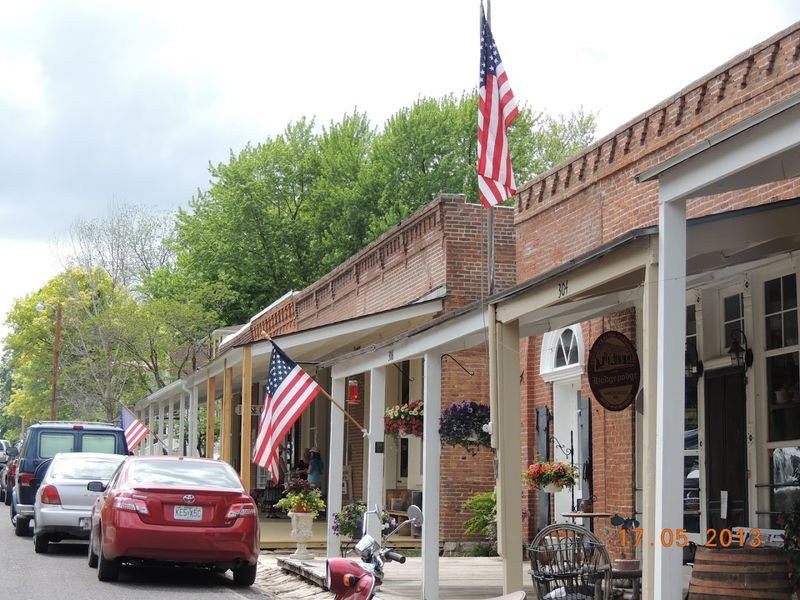
Ask anyone who lives in Arrow Rock why they stay, and you will likely get a long, thoughtful pause followed by a simple answer: because there is nowhere else quite like it. The village has managed to preserve something increasingly rare in modern America, which is a genuine sense of place that has not been smoothed out by commercialization.
Locals tend to be protective of that quality, not out of selfishness, but out of love. They have watched other small towns lose their character to overdevelopment and are determined not to let that happen here.
The balance between welcoming visitors and preserving authenticity is one they navigate carefully and proudly.
Visitors who arrive with respect and curiosity are always welcomed warmly. Arrow Rock does not need to be famous to be wonderful.
Sometimes the best places are the ones the world has not fully found yet, and Arrow Rock is proof of that.
Enjoyed this story?
Add Fast Food Club as a preferred source to see more of our reporting on Google.