


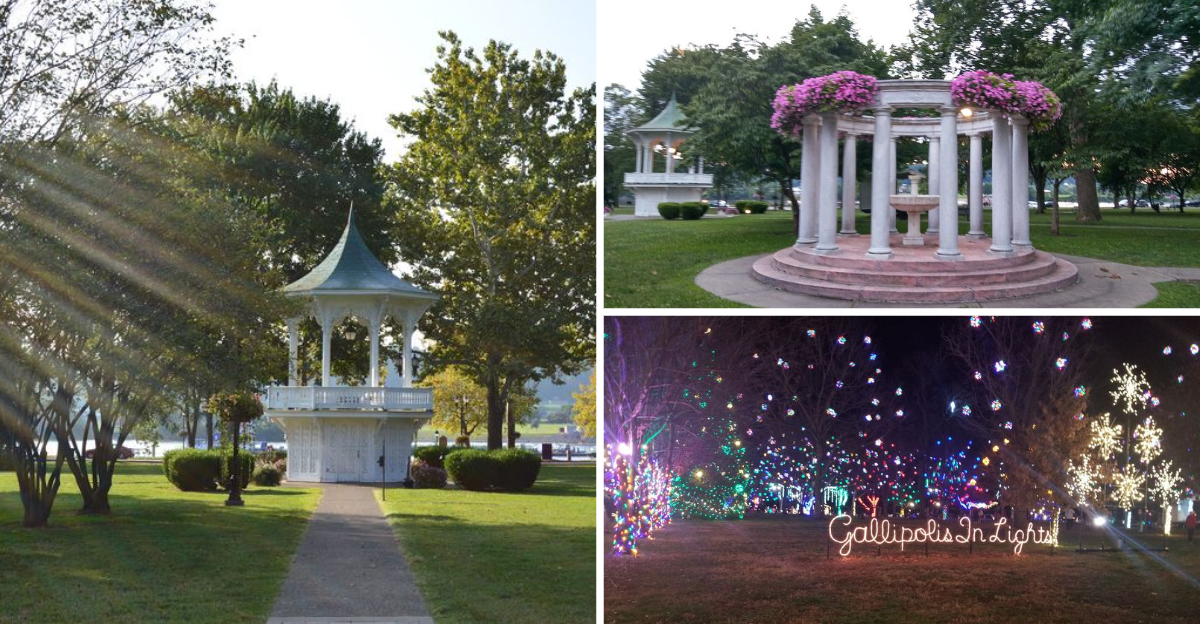
Tucked along the banks of the Ohio River in southeastern Ohio, Gallipolis is a small town with a big story to tell. At its center sits a remarkable three-block park that has served as the beating heart of this community for well over two centuries.
Since 1790, this green space has witnessed festivals, gatherings, and everyday life in a town that proudly holds onto its history. Whether you are a history buff, a nature lover, or simply curious about charming American small towns, Gallipolis and its beloved park are sure to capture your imagination.
The French 500 and the Founding of Gallipolis
Back in 1790, a group of French immigrants stepped off flatboats and onto the banks of the Ohio River, ready to start a new life. They called their settlement “Gallipolis,” which means “City of the Gauls” in Greek.
These settlers had been sold land by the Scioto Company under false pretenses, yet they stayed and built something remarkable.
The town they created eventually grew into the county seat of Gallia County. Their resilience shaped the culture of the region in ways that are still felt today.
Many of the original settlers were educated professionals, including doctors, lawyers, and artists, which gave the town a cultured and sophisticated early character.
That French heritage is still celebrated in Gallipolis, making it one of the most historically unique communities in all of Ohio. The town’s origin story is both heartbreaking and inspiring.
City Park: Three Blocks of Living History
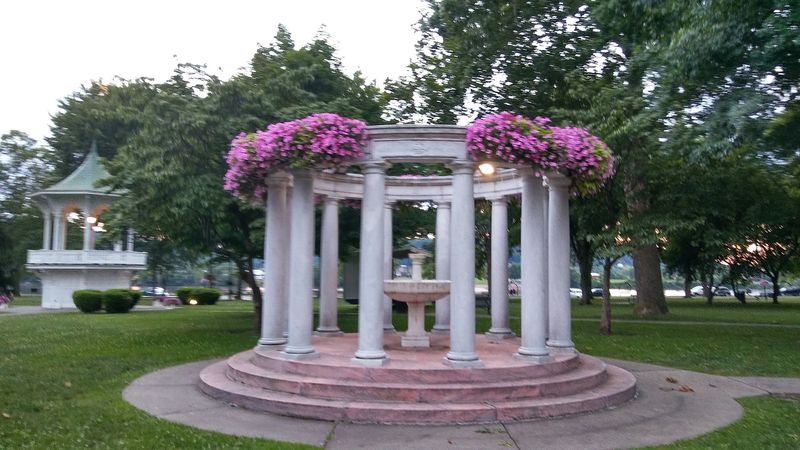
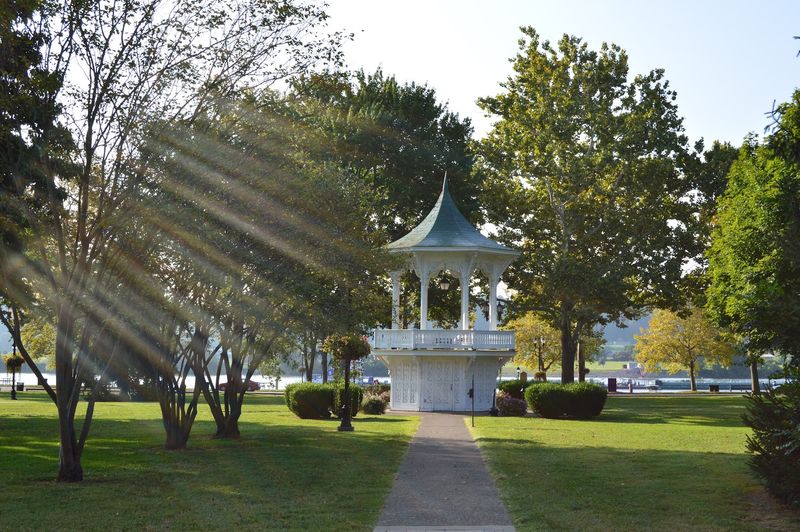
Stretching across three city blocks in the heart of downtown Gallipolis, City Park is one of the oldest public parks in Ohio. Established around 1790, it has served as a gathering place for residents through wars, floods, celebrations, and quiet Sunday afternoons.
Few parks in America can match its unbroken record of community service.
The park sits just steps from the Ohio River, offering beautiful views and a calming atmosphere. Tall shade trees, manicured lawns, and historic monuments make it feel like stepping back in time.
Families spread out picnic blankets here on warm evenings, and children run freely across the same grass their great-grandparents once played on.
What makes this park truly special is not just its age but its consistency. Generation after generation has returned to this same green space, creating a living thread that connects Gallipolis across centuries.
The Bandstand That Has Seen It All
Few structures in Gallipolis carry as much community spirit as the park’s iconic bandstand. For generations, this open-air stage has hosted concerts, political speeches, holiday celebrations, and community events that brought neighbors together.
On summer evenings, the sound of live music drifting across the park is one of those simple pleasures locals truly treasure.
The bandstand has been updated over the years while keeping its classic charm. It remains a central feature of the park’s layout, drawing visitors to its steps for photos, performances, and quiet reflection.
Local musicians have used it as their stage for everything from marching band performances to folk music festivals.
There is something deeply comforting about a bandstand that has stood through so much history. It is not just a structure — it is a symbol of how Gallipolis has always made time for music, togetherness, and community pride.
The Ohio River: Gallipolis’s Liquid Backbone
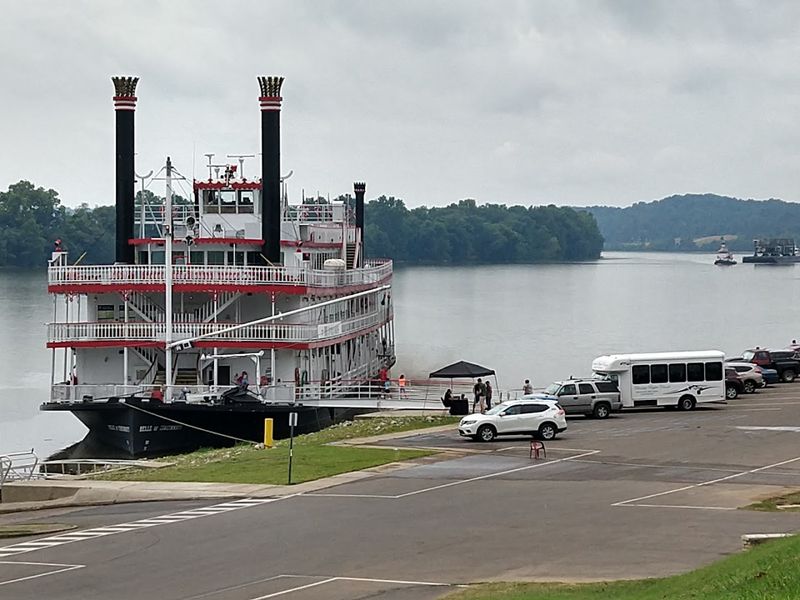
The Ohio River is not just a backdrop for Gallipolis — it is the reason the town exists at all. Early settlers chose this spot precisely because of the river, which provided transportation, food, and trade opportunities.
The river shaped the town’s economy, its culture, and even its personality over more than two centuries.
Today, the river still plays a central role in daily life. Residents and visitors enjoy fishing along its banks, watching barges drift by, and taking in the sweeping views that stretch toward West Virginia just 44 miles to the southeast.
The riverfront adds a wild, open feeling to a town that might otherwise feel entirely landlocked by rolling hills.
Flooding has always been a challenge for Gallipolis, but locals take it in stride. The river gives and it takes, and through it all, the town has learned to live alongside its most powerful neighbor with remarkable grace.
Our House Museum: A Window Into the Past
Built in 1819, the Our House Tavern is one of the most treasured historic landmarks in Gallipolis. This Federal-style brick building once served as a bustling inn and tavern along the Ohio River, welcoming travelers, merchants, and notable figures passing through the region.
Today, it operates as a museum managed by the Ohio History Connection.
Step inside and you will find period furnishings, historical artifacts, and exhibits that bring early 19th-century life in Gallipolis vividly to life. The building itself is remarkably well-preserved, giving visitors an almost tangible sense of what daily life looked like two hundred years ago.
Guided tours add depth and personality to each room.
Fun fact: the famous Marquis de Lafayette reportedly visited Gallipolis during his 1825 American tour, and the Our House Tavern is connected to that legendary visit. History literally walked through these doors.
Seasonal Festivals That Fill the Park With Life
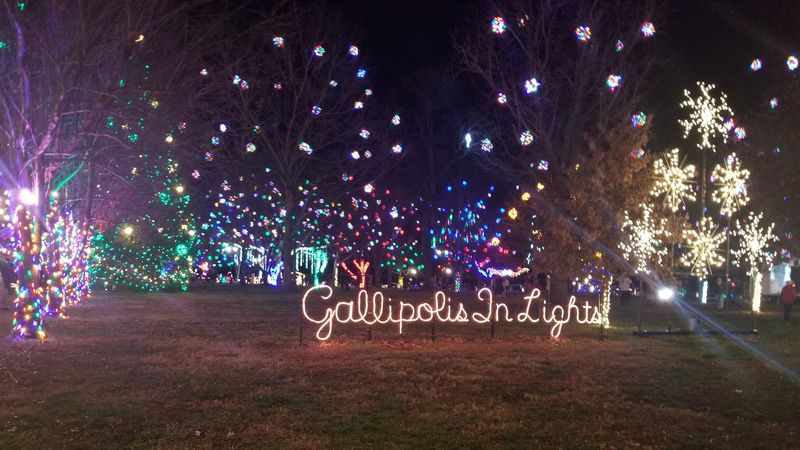
Throughout the year, Gallipolis City Park transforms into a festival ground that draws visitors from across the region. From summer concerts to fall harvest events, the park’s wide open spaces make it a natural venue for community celebrations.
The French Art Colony’s events, holiday parades, and seasonal markets all find a home here.
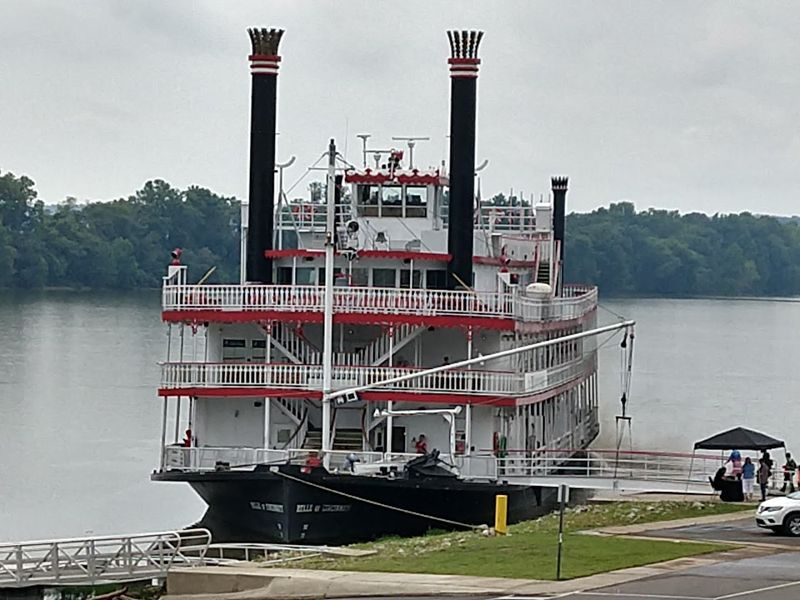
One of the most beloved annual traditions is the Ohio River Sternwheel Festival, a regional event that celebrates the area’s steamboat heritage with music, food, and river activities. The energy during festival season is contagious, with the smell of fair food mixing with river breezes and the sound of laughter filling the air.
These events are more than just fun — they are the glue that holds the community together. For many Gallipolis families, attending the park festivals is a yearly ritual passed down from grandparents to grandchildren, keeping local traditions beautifully alive.
The French Art Colony: Culture in a Small Town
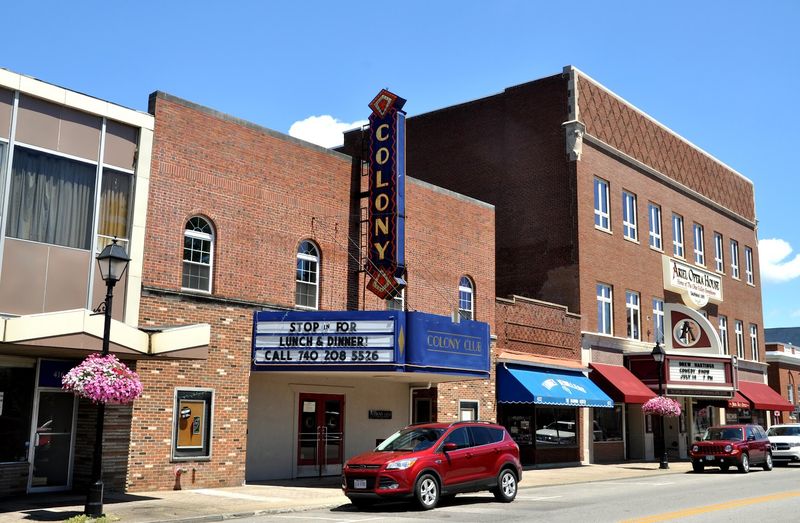
Not every small Ohio town can claim a thriving arts organization, but Gallipolis has been home to the French Art Colony since 1941. Founded to honor the town’s French heritage and promote the visual arts, the Colony has grown into a beloved cultural institution that serves the entire region.
It hosts exhibitions, workshops, and educational programs year-round.
The French Art Colony is located in a beautifully preserved historic building and regularly features work by both local and regional artists. Its gallery spaces feel welcoming and unpretentious, making art accessible to everyone from first-time gallery visitors to seasoned collectors.
Children’s programs are especially popular, sparking creativity in the next generation of Gallipolis residents.
What is especially charming is how naturally art fits into this small river town. The French Art Colony proves that culture does not belong only to big cities — sometimes the most meaningful artistic communities grow quietly in unexpected places.
Gallia County Courthouse: Standing Guard Over the Square
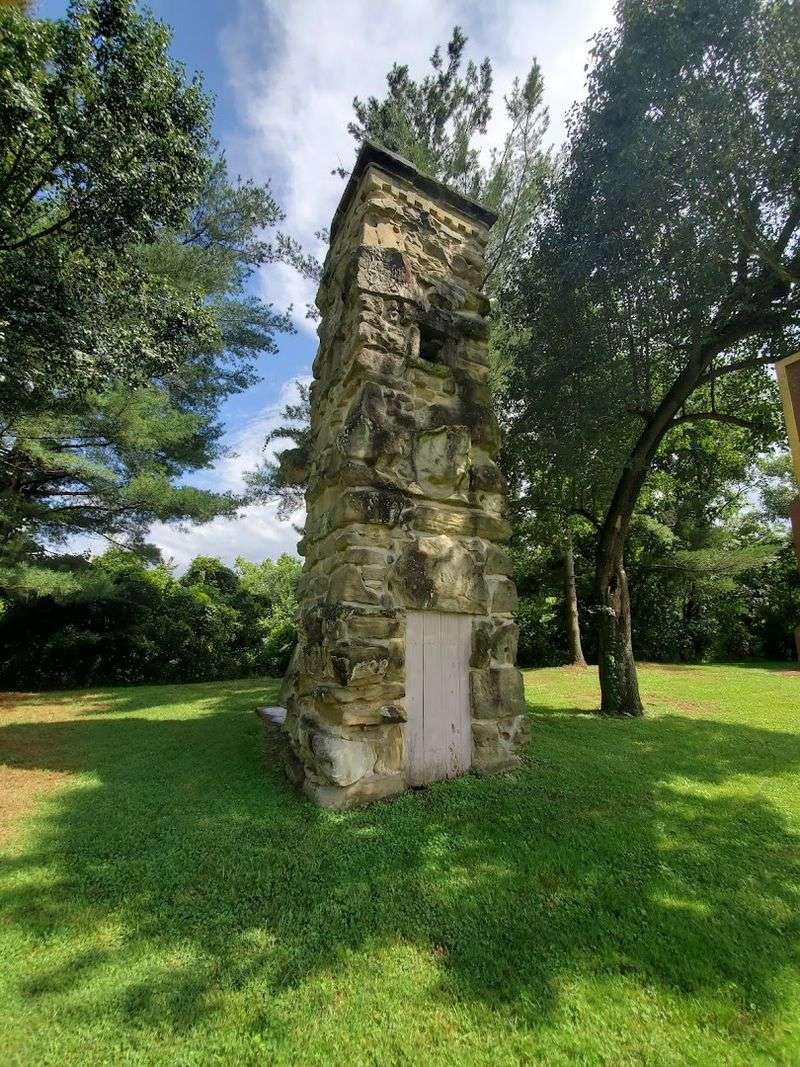
Anchoring the civic identity of Gallipolis is the Gallia County Courthouse, a stately structure that has presided over the town square for generations. As the county seat of Gallia County, Gallipolis has always been a center of local government and law, and the courthouse embodies that role with quiet authority.
Its architecture signals permanence and civic pride.
The building is positioned near City Park, creating a natural civic corridor that connects government, green space, and community life in a single walkable area. On weekday mornings, the courthouse steps bustle with activity, while on weekends the area quiets down into a peaceful urban landscape enjoyed by joggers and dog walkers.
For residents, the courthouse is more than just a government building. It is a landmark that orients them in their own town, a fixed point in a world that keeps changing.
Its clock tower has marked the hours for Gallipolis for longer than most people can remember.
The Spirit of Community: Neighbors Who Show Up
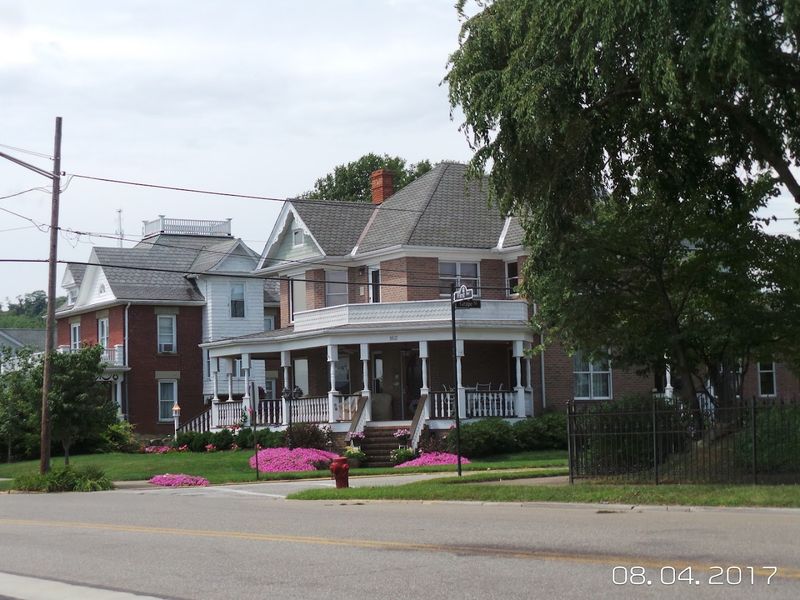
One of the first things visitors notice about Gallipolis is how genuinely connected the people are. With a population of just over 3,300 as of the 2020 census, this is a town where people know their neighbors, show up for each other, and take pride in their community.
That spirit of togetherness is woven into everyday life here.
Volunteer organizations, civic clubs, and local churches all contribute to a social fabric that keeps Gallipolis functioning as more than just a place to live. Residents organize food drives, park cleanups, and youth programs with the kind of quiet dedication that rarely makes headlines but makes all the difference.
The park itself has benefited from countless volunteer hours over the decades.
There is a warmth in Gallipolis that is hard to manufacture and easy to feel. It comes from generations of people who chose to stay, to invest, and to build something worth belonging to.
Historic Architecture Along Second Avenue
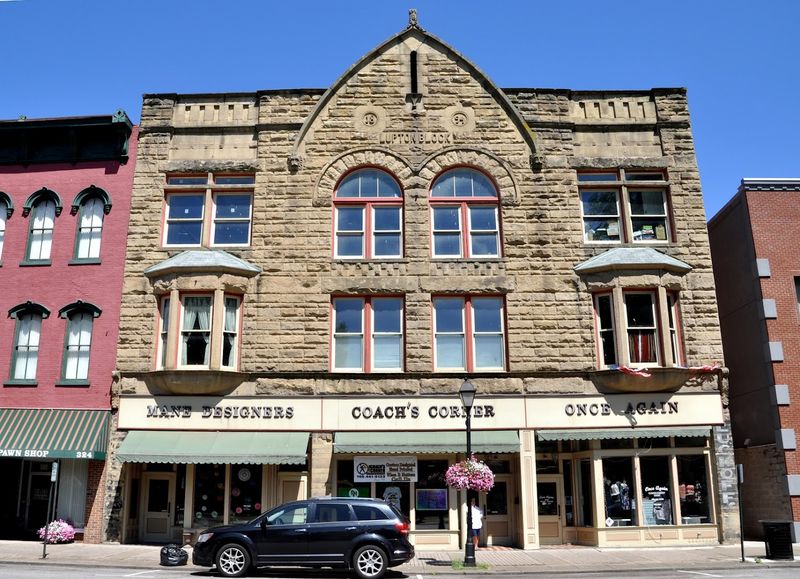
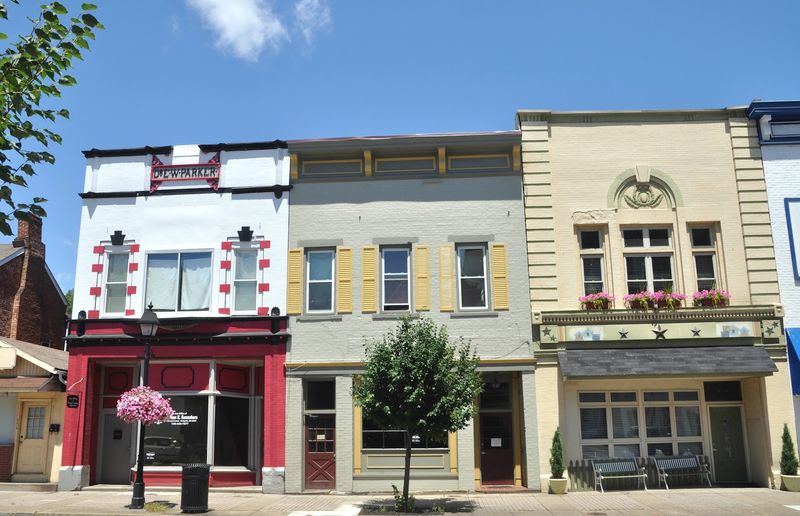
Walking through downtown Gallipolis feels like flipping through a living history book. Second Avenue and the surrounding streets are lined with beautifully preserved 19th-century brick buildings that reflect the town’s prosperous past as a river trade hub.
Many of these storefronts still operate as local businesses, blending old-world charm with everyday modern life.
Architecture enthusiasts will find Federal, Italianate, and Victorian-era styles all within a short stroll of each other. The scale of the downtown is perfectly human — nothing feels overwhelming or out of place.
Ornate cornices, tall windows, and decorative brickwork reward anyone who takes the time to look up as they walk.
Preservation efforts by local organizations and property owners have kept much of this architectural heritage intact. Unlike many small towns where historic buildings have been lost to neglect or demolition, Gallipolis has held onto its built environment with admirable determination and community pride.
Bob Evans: A Gallipolis-Area Legend
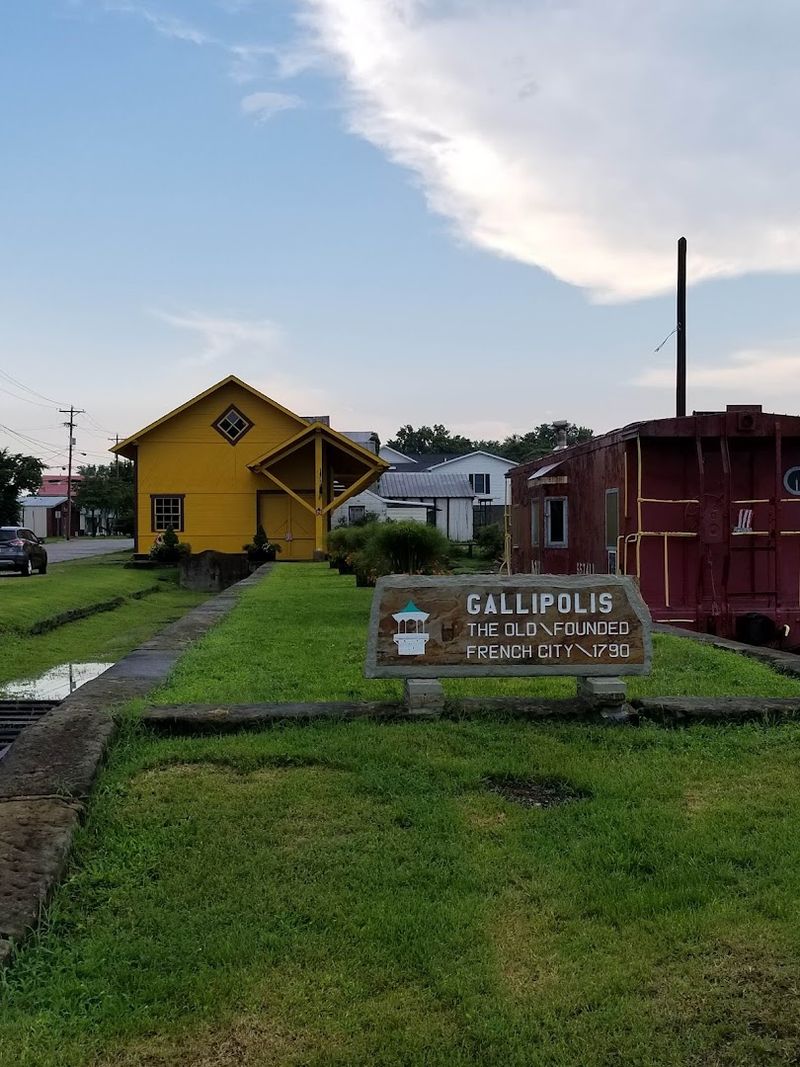
Just a short drive from Gallipolis lies the original Bob Evans Farm in Rio Grande, Ohio — the birthplace of one of America’s most beloved restaurant chains. Bob Evans himself grew up in this corner of southeastern Ohio, and the rural landscape around Gallipolis clearly shaped his vision of hearty, homestyle food served with genuine hospitality.
The Bob Evans Farm hosts an annual festival each October that draws tens of thousands of visitors to the region, boosting local businesses and shining a spotlight on the Gallipolis area. For many families across Ohio, the trip to the farm is a beloved autumn tradition filled with crafts, music, and farm animals.
The connection between Gallipolis and Bob Evans is a point of regional pride. It is a reminder that big ideas and beloved American institutions can grow out of small, overlooked corners of the country — places like this quiet river town in southeastern Ohio.
The Role of City Park During Times of Crisis
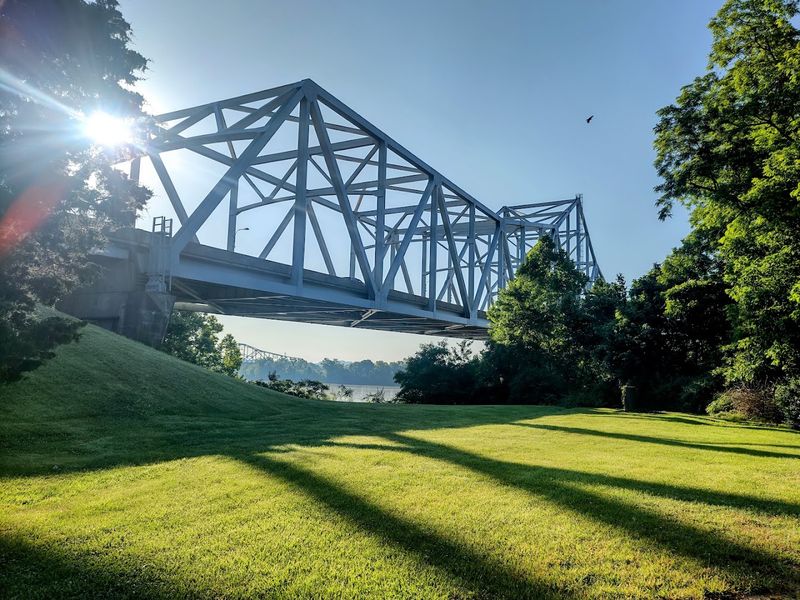
Throughout its long history, Gallipolis City Park has served the community in ways that go far beyond picnics and concerts. During the devastating Ohio River floods of the 20th century, the park became a gathering point for displaced residents, relief workers, and community volunteers.
In times of crisis, its open space proved invaluable.
The Great Flood of 1937 was particularly brutal for Gallipolis, inundating much of the lower town and forcing thousands from their homes. Residents rallied together, and the park served as a coordination hub for recovery efforts.
That shared experience of hardship and rebuilding deepened the community’s attachment to the space in ways that are hard to fully articulate.
Even in more recent difficult times, the park has remained a place where Gallipolis residents instinctively gather. Whether for a candlelight vigil or a relief drive, the park continues to anchor the community when it needs anchoring most.
Why Gallipolis City Park Still Matters Today
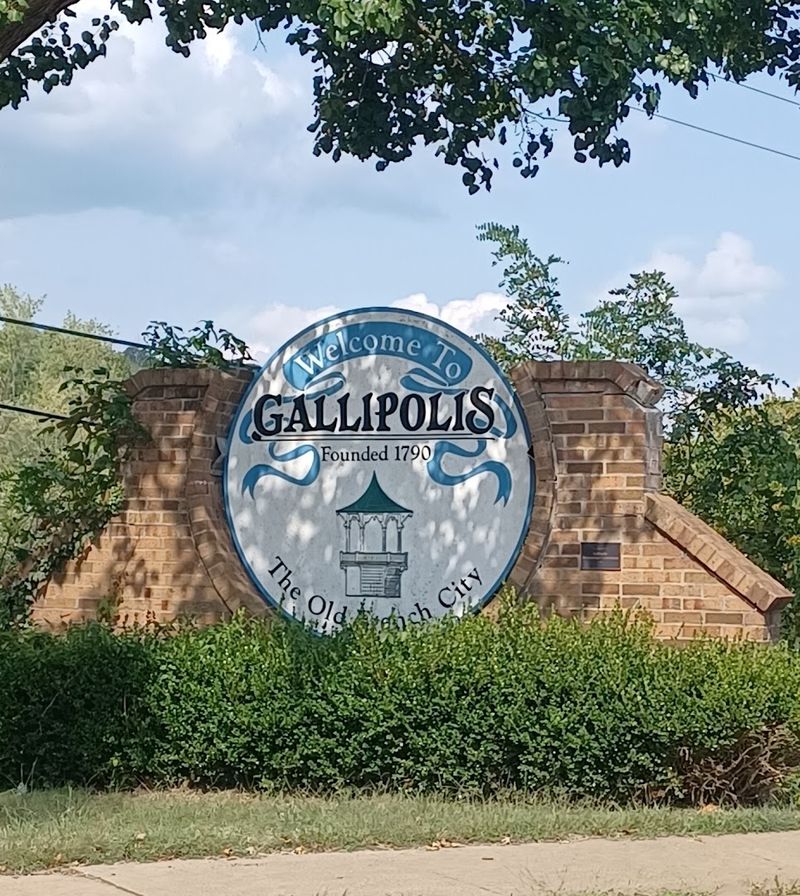
More than 230 years after the first French settlers walked this ground, Gallipolis City Park remains the soul of the town. In an era when public spaces are often neglected or replaced by commercial development, this three-block park stands as a quiet act of defiance — proof that some communities still believe in the value of shared green space.
Modern visitors find a park that balances history with everyday usability. Joggers, dog walkers, parents with strollers, and retirees reading on benches all share the space with easy comfort.
The park does not demand anything of you — it simply offers itself, just as it always has.
For anyone looking to understand what makes a small American town worth preserving, a walk through Gallipolis City Park tells the whole story. It is not just a park.
It is a promise — one that this community has renewed, quietly and consistently, for over two centuries.
Enjoyed this story?
Add Fast Food Club as a preferred source to see more of our reporting on Google.