


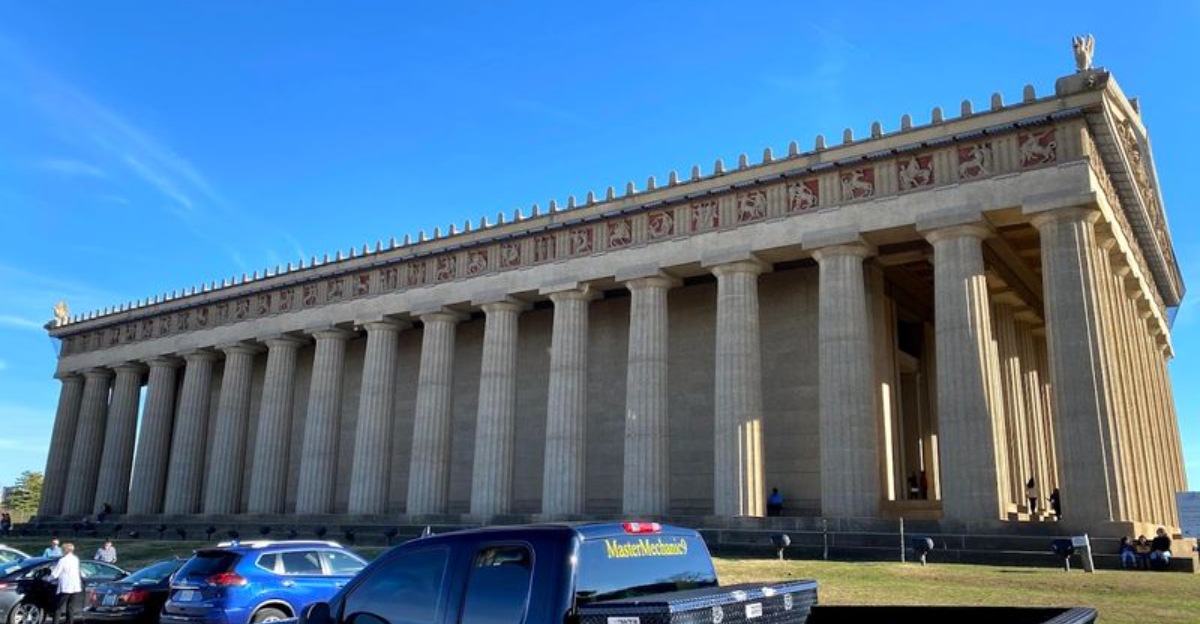
Tucked inside Centennial Park in Nashville, Tennessee, stands one of the most surprising landmarks in all of America — a full-scale replica of the ancient Greek Parthenon. Built in 1897 for Tennessee’s Centennial Exposition, this stunning structure has grown from a temporary exhibit into a permanent treasure that draws visitors from around the world.
Whether you are a history lover, an art fan, or just someone looking for something truly unique to see, this place delivers in a big way. Here are 13 reasons why Nashville’s Parthenon is far too beautiful to stay hidden.
A Full-Scale Replica That Defies Belief
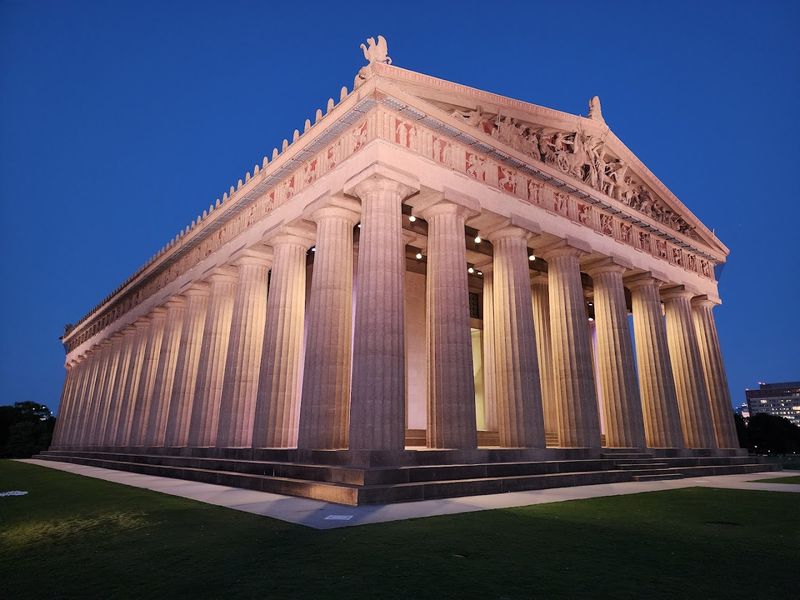
Standing face-to-face with the Nashville Parthenon for the first time is the kind of moment that genuinely stops you in your tracks. Most people expect something smaller, something symbolic — but what they find is a building that matches the original Parthenon in Athens dimension for dimension.
Built originally in 1897 for Tennessee’s Centennial Exposition, the structure was meant to last only six months. Nashville loved it so much that a permanent concrete version was constructed and completed in 1931.
Every column, every step, every carved detail was recreated with extraordinary care.
Visitors consistently say the sheer size catches them off guard. Seeing it rise above the green lawns of Centennial Park feels almost surreal, like stepping into a time machine pointed straight at ancient Athens.
It is a bucket-list moment hiding in plain sight right in the heart of Tennessee.
Athena Parthenos — The Largest Indoor Sculpture in the Western Hemisphere
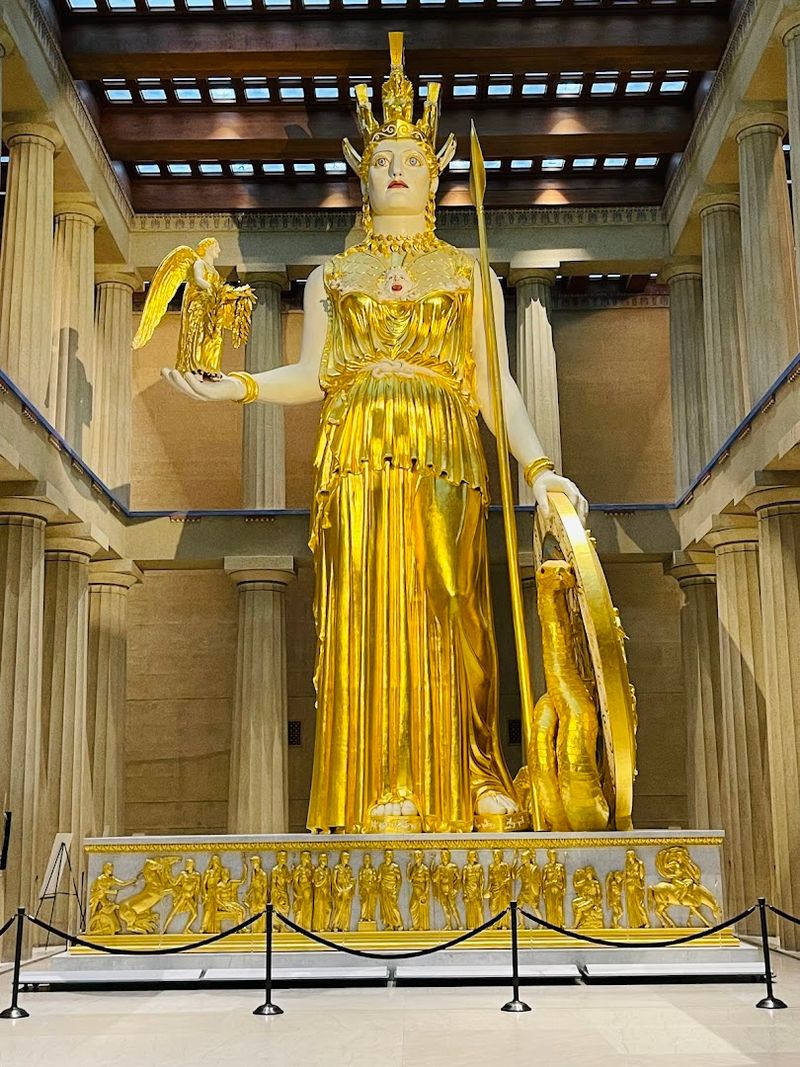
Nothing quite prepares you for the moment you walk into the main hall and look up. At over 42 feet tall, the statue of Athena Parthenos inside Nashville’s Parthenon holds the title of the largest indoor sculpture in the entire Western Hemisphere.
That is not a small claim.
Sculptor Alan LeQuire spent eight years crafting this masterpiece between 1982 and 1990. The finished statue is covered in 23.75-karat gold leaf, giving Athena a radiant, almost otherworldly glow.
She holds Nike, the goddess of victory, in one outstretched hand — and even that miniature figure stands a towering 6 feet 4 inches tall.
Reviewers often describe her eyes as “kinda creepy” but undeniably magnetic. The documentary playing nearby about the statue’s creation process adds fascinating behind-the-scenes context.
Standing beneath Athena feels humbling in the best possible way.
Nashville’s Identity as the Athens of the South
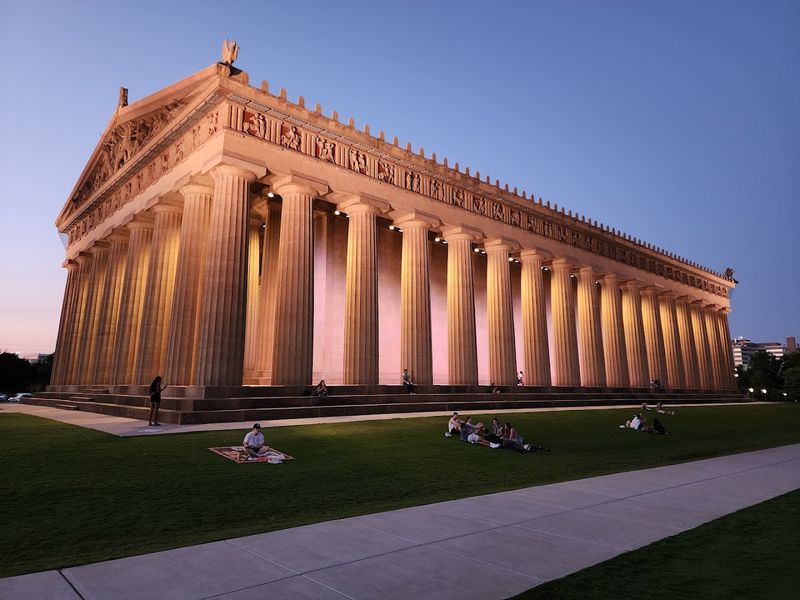
Long before Broadway neon signs and honky-tonks defined Nashville’s image, the city wore a very different crown. Throughout the 1800s, Nashville earned the nickname “Athens of the South” thanks to its impressive concentration of universities, classical architecture, and a deep cultural appreciation for education and the arts.
The Parthenon was built as the ultimate expression of that identity. When Tennessee hosted its Centennial Exposition in 1897, organizers chose to build a replica of one of history’s greatest architectural achievements — and it fit Nashville perfectly.
The city already had the spirit; the building gave it a monument.
That nickname still rings true today. Walking through Centennial Park and gazing at those towering columns, you feel the weight of Nashville’s intellectual and cultural ambitions across two centuries.
It is a proud piece of civic identity that most tourists never fully appreciate until they visit.
Centennial Park — A Green Oasis Surrounding the Temple
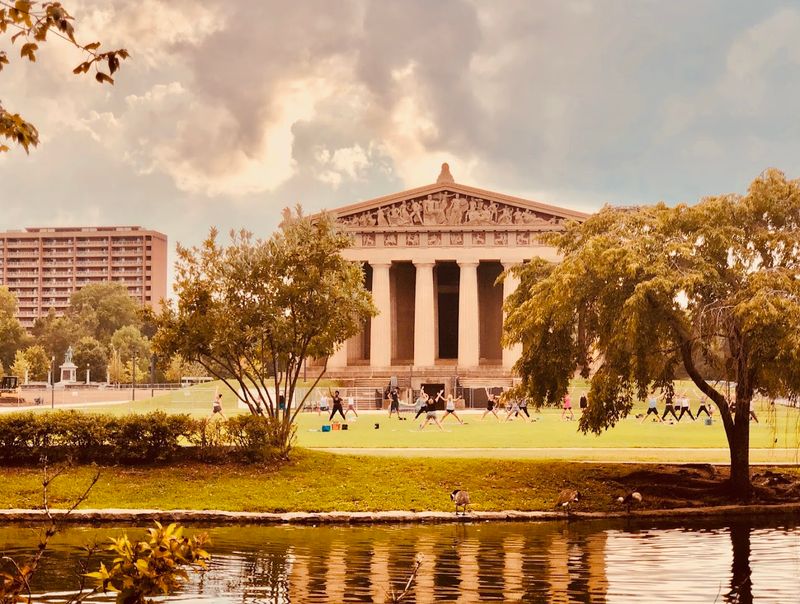
The Parthenon does not stand alone — it is wrapped in one of Nashville’s most beloved public parks, and the two together create an experience that feels genuinely magical. Centennial Park stretches across 132 acres of open green space, tree-lined paths, a peaceful lake, and wide lawns perfect for spreading out a blanket.
Visitors regularly mention the park as a highlight equal to the building itself. On any given day, you will find dog walkers, picnickers, frisbee throwers, and families simply enjoying the fresh air.
The lake near the Parthenon attracts geese and ducks, adding a charming natural element to the scenery.
Evening visits carry their own kind of magic. As the sun dips and the Parthenon lights up against the darkening sky, the park transforms into something almost dreamlike.
Many reviewers say they returned multiple nights during a single trip just to soak it all in.
American Art Galleries Hidden Inside the Ancient Walls
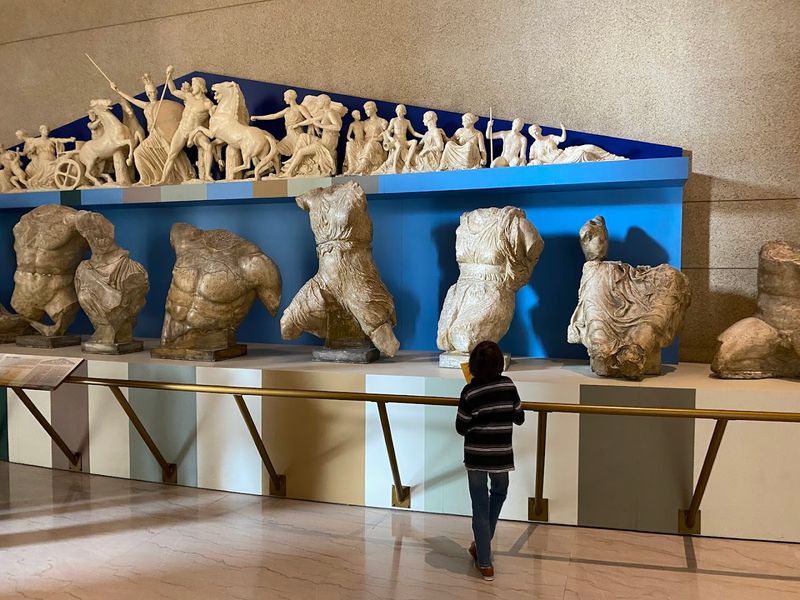
Here is something that surprises nearly every first-time visitor: inside those ancient-looking walls lives a fully functioning art museum. The Parthenon houses a permanent collection of 19th and 20th-century American paintings donated by James M.
Cowan, along with rotating temporary exhibits that keep the experience fresh on return visits.
The upper gallery level adds real depth to the visit. Beyond just marveling at Greek architecture, guests get to engage with American artistic history in a setting unlike any other museum in the country.
There is also a beloved section showcasing winners from local school art competitions, which adds a sweet community-centered touch.
Admission runs about $15 for adults, which covers both the Athena statue and the full gallery experience. Several reviewers noted that the art collection was a pleasant surprise they had not expected.
For art lovers, this hidden layer makes the Parthenon genuinely worth every penny of the entry fee.
The Free Audio Tour That Brings the Architecture to Life
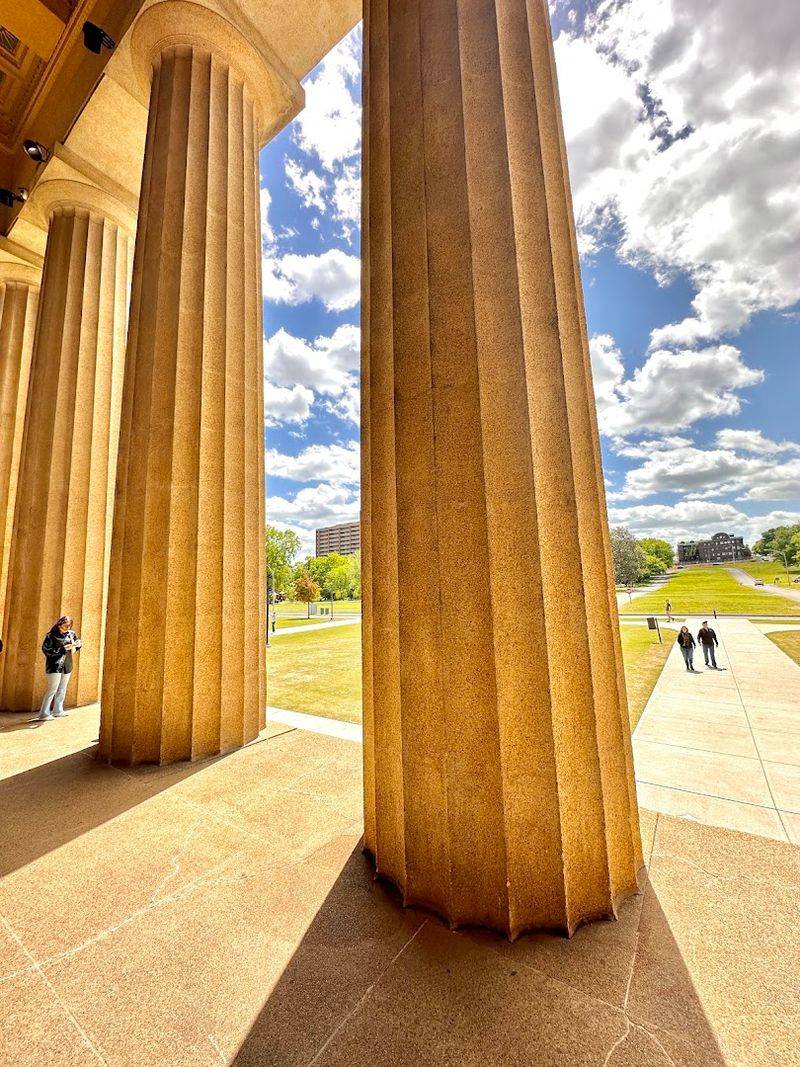
You do not need a tour guide or an expensive ticket to learn the fascinating story behind every column and carving on the Nashville Parthenon. A free self-guided audio tour is available via QR code on the sidewalk near the front corner of the building, and it is packed with interesting architectural facts.
The tour walks you through the history of the original Parthenon in Athens, explains how Nashville’s replica was constructed, and highlights specific design details you might otherwise walk right past. It is a genuinely impressive resource that makes the outdoor experience much richer, especially for visitors who are not planning to go inside.
Even on days when the museum is closed for renovations or maintenance, the audio tour keeps the visit worthwhile. Families with kids especially love it because it turns the walk around the building into an interactive adventure.
Bring your earbuds and take your time.
The Stunning Pediment Sculptures That Tell Ancient Stories
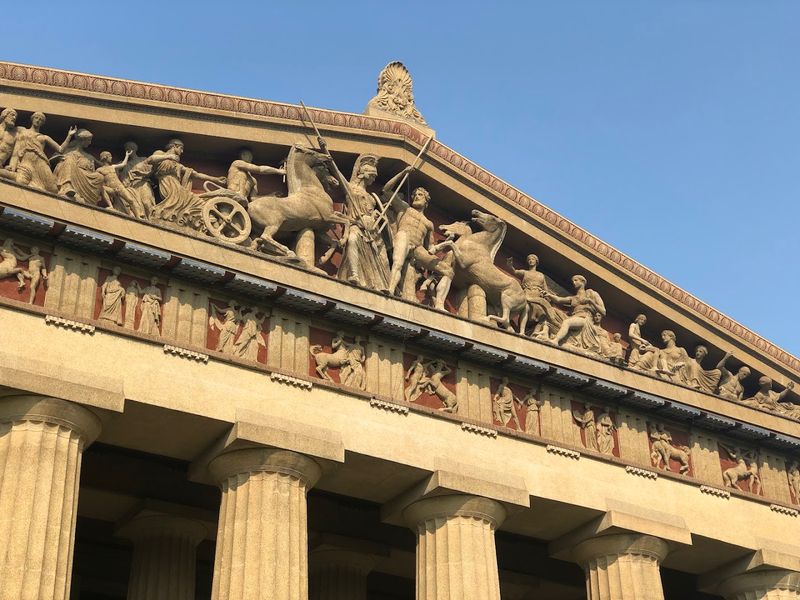
Look up at the triangular pediments on either end of the Nashville Parthenon and you will find something extraordinary — carefully recreated sculptural scenes pulled straight from Greek mythology. These plaster reproductions of the original Parthenon’s pediment carvings took years of research and craftsmanship to complete.
The east pediment depicts the birth of Athena, while the west pediment shows the contest between Athena and Poseidon for patronage of Athens. Every figure is positioned with dramatic energy, frozen mid-story in a way that feels alive even in stone.
Several reviewers specifically mentioned loving the detailed information available about how these scenes were recreated.
Greek mythology fans will recognize familiar faces — Hermes, Zeus, and other gods appear throughout the sculptural program. Spotting each deity becomes a fun little game, especially for younger visitors or fans of the Percy Jackson book series who already know the stories well.
A Percy Jackson Filming Location That Fans Cannot Miss
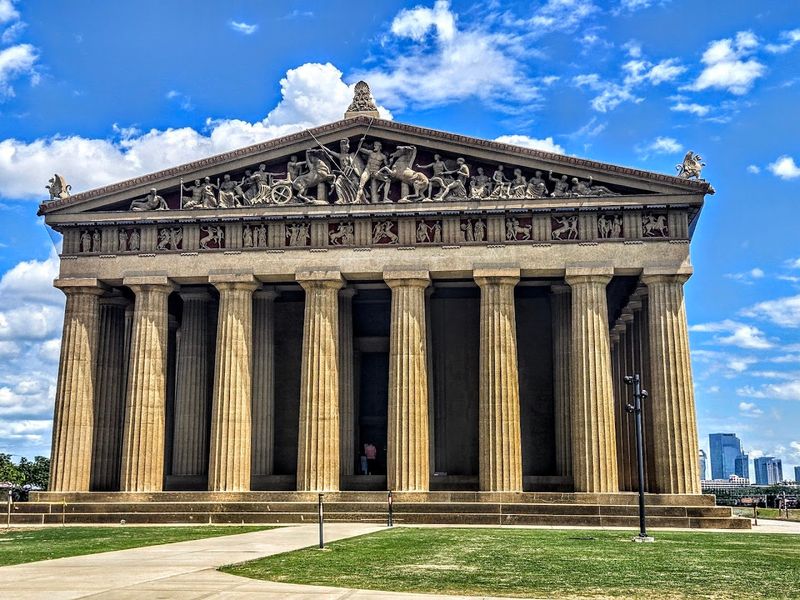
Percy Jackson fans, this one is for you. The Nashville Parthenon served as a filming location for the Percy Jackson and the Sea of Monsters movie, and visiting feels like stepping directly into the pages of Rick Riordan’s beloved series.
Multiple reviewers with Percy Jackson-obsessed kids specifically called this out as a major highlight.
The Parthenon’s role in the film makes total sense — what better stand-in for an ancient Greek landmark than the only full-scale Parthenon replica in the world? Young visitors who grew up reading about Camp Half-Blood and Olympus light up when they realize they are standing where their favorite movie was actually filmed.
One reviewer mentioned her daughter, a big Percy Jackson fan, was completely thrilled by the visit for exactly this reason. It adds a pop culture layer that makes the Parthenon accessible and exciting for a whole new generation of mythology enthusiasts.
Taylor Swift’s Bench — A Sweet Surprise by the Pond
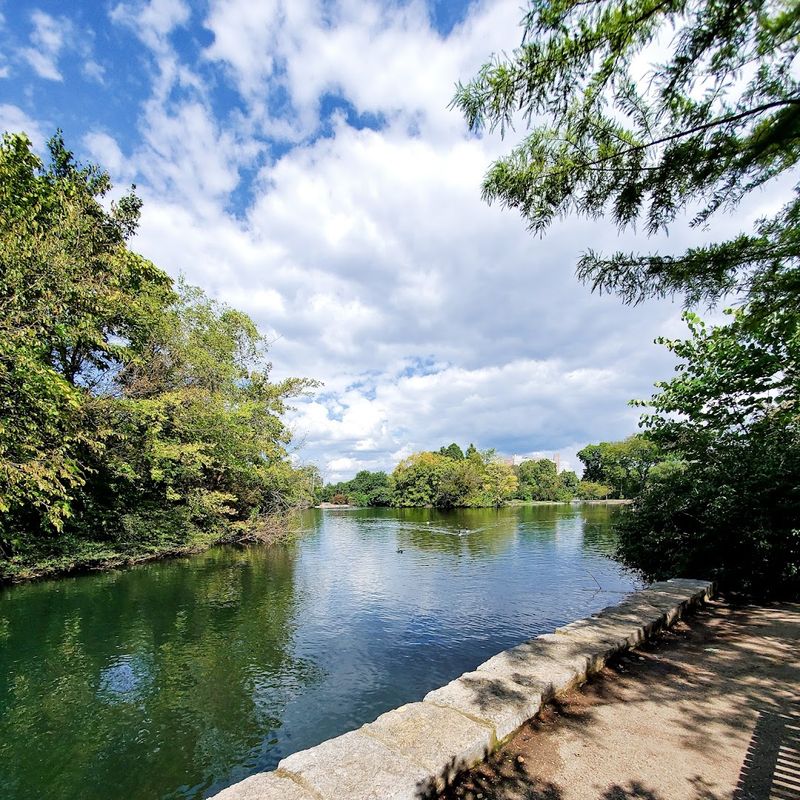
Centennial Park holds one more secret that a certain group of visitors will absolutely love. Somewhere near the pond just outside the Parthenon, there is a bench connected to Taylor Swift — and Swifties make a dedicated pilgrimage to find it every single day.
The bench has become an unofficial landmark within the larger landmark, adding a fun modern layer to a place steeped in ancient history. One reviewer specifically told fellow Swifties to make finding the bench a priority during their visit.
It is a charming little treasure hunt that blends pop culture with one of Nashville’s most historically significant spots.
Even visitors who are not Taylor Swift fans tend to enjoy the peaceful pond area, which is genuinely beautiful on its own. The calm water, the surrounding trees, and the distant view of the Parthenon columns make it one of the most relaxing corners of the entire park.
The Women’s Suffrage Monument and Other Park Treasures
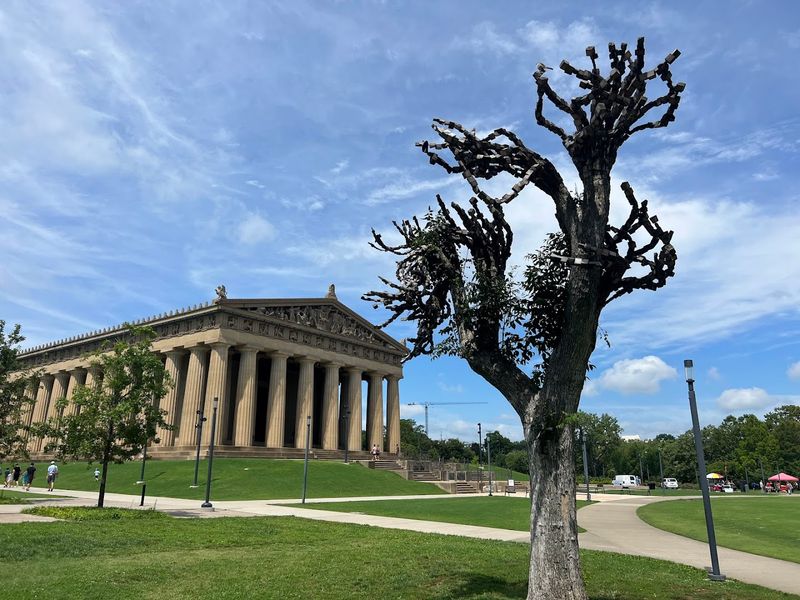
Centennial Park is more than just a backdrop for the Parthenon — it is a living history museum spread across open green space. Scattered throughout the grounds are monuments and art installations that reward curious visitors who take time to wander beyond the main attraction.
One standout is the women’s suffrage monument, which honors Tennessee’s pivotal role in the passage of the 19th Amendment. Tennessee was the deciding state that ratified women’s right to vote in 1920, making this monument especially meaningful in its Nashville home.
There is also a replica of an ancient Archimedes dial and some creative tree art that visitors stumble across with delight. The audio tour touches on several of these additional features, but honestly, part of the fun is just exploring and discovering them on your own.
The park rewards slow walkers and curious minds far more than those who rush straight to the building and leave.
Honey From Beehives — The Gift Shop’s Most Unique Souvenir
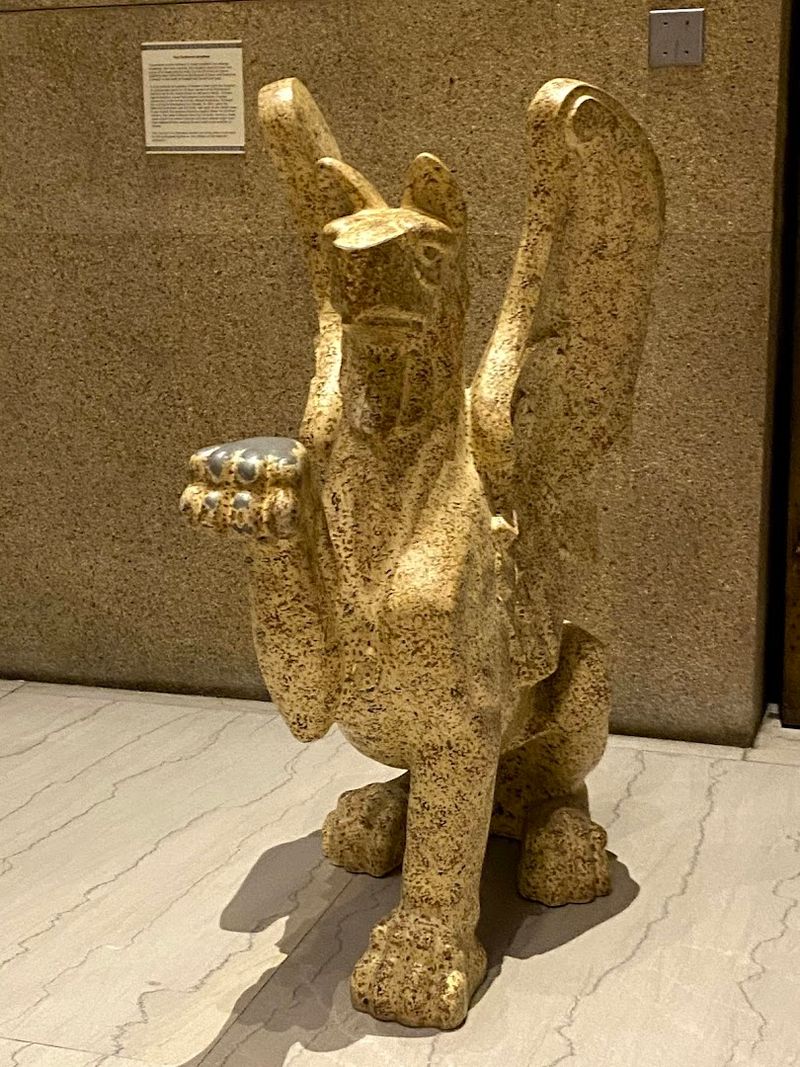
Gift shops at historical sites tend to follow a predictable formula — postcards, magnets, maybe a coffee mug. The Parthenon’s gift shop does all of that, but it also stocks something genuinely special: locally harvested honey from the beehives kept right there in Centennial Park.
Yes, actual beehives sit in the middle of the park’s water area, and the honey they produce is sold inside the gift shop. It is the kind of quirky, hyperlocal souvenir that you simply cannot find anywhere else.
One detailed reviewer raved about this discovery, noting it as an unexpected delight.
Beyond the honey, the shop carries a solid selection of Greek mythology items, Parthenon-themed keepsakes, and art-related merchandise that ties into the museum’s collection. Whether you are shopping for yourself or picking up gifts for friends back home, the store offers more personality than the average museum gift shop by a noticeable margin.
The Magic of Seeing It Lit Up at Night
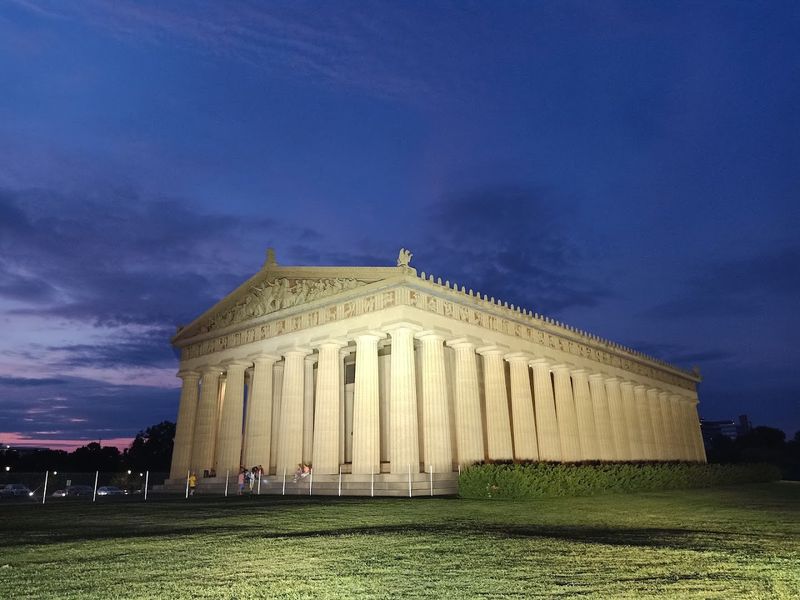
Daytime visits to the Nashville Parthenon are wonderful, but experienced visitors know the real secret: come back after dark. When the building lights up at night, it transforms into something that feels genuinely magical — like the ancient world flickering back to life in the Tennessee darkness.
One reviewer described staying until sunset specifically to witness the transition, calling it one of the most memorable moments of their Nashville trip. The warm glow across those massive columns creates a mood that photographs struggle to capture and words barely do justice.
Evening visits also tend to be less crowded, giving you more space to stand back and absorb the scale of the building without bumping into tour groups. The park stays active at night with dog walkers and couples, giving the whole scene a relaxed, community-park energy that perfectly balances the monument’s grandeur.
An evening visit here is unforgettable.
Free Parking and Easy Access Make It a No-Brainer Stop
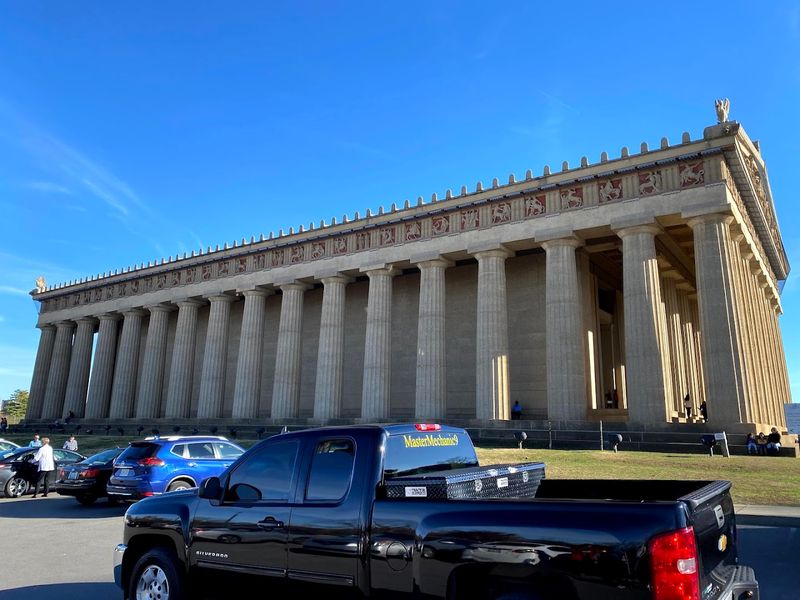
Practical details matter when planning a trip, and the Nashville Parthenon gets high marks for accessibility. Free parking is available right next to the building, which is a refreshing rarity for a popular attraction in a major city.
Reviewers consistently mention this as a welcome bonus, though they do note the lot can fill up on busy days.
The museum entrance is located on the side of the building away from the main parking lot, so first-timers should plan to walk around to find it. Tickets are purchased inside, downstairs, before heading up to see Athena.
The layout is intuitive once you get oriented.
Admission is approximately $15 for adults, which most visitors agree is reasonable given everything included. Even if the museum happens to be closed during your visit — it occasionally closes for renovations — the outdoor experience alone is completely free and thoroughly worth the stop.
No excuses not to visit.
Enjoyed this story?
Add Fast Food Club as a preferred source to see more of our reporting on Google.