


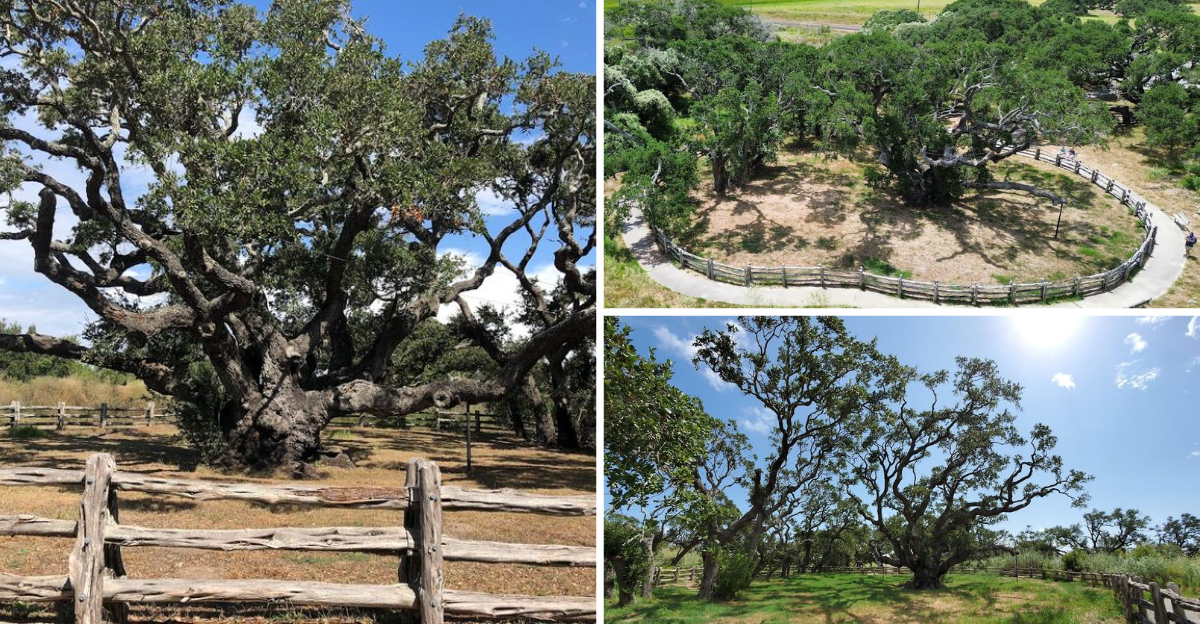
Tucked inside Goose Island State Park near Rockport, Texas, stands one of the most jaw-dropping natural wonders in the entire Lone Star State. Known simply as “The Big Tree,” this ancient coastal live oak has been growing for an estimated 1,000 to 2,000 years, making it older than most civilizations you’ve read about in history class.
It survived hurricanes, floods, and centuries of change along the Texas Gulf Coast. Whether you’re a nature lover, a history buff, or just someone looking for something truly unforgettable, The Big Tree is absolutely worth the trip.
A Living Giant With 1,000 Years of Stories
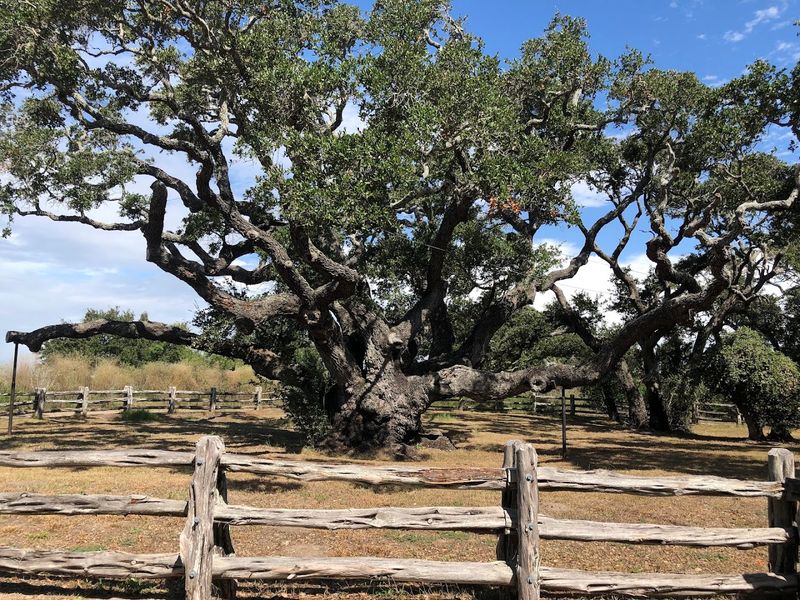
Imagine standing next to something that was alive before the first European explorers ever set foot in the Americas. That’s exactly what you experience when you visit The Big Tree at Goose Island State Park.
Scientists estimate this enormous coastal live oak is somewhere between 1,000 and 2,000 years old, though no one knows for certain.
The tree’s massive trunk and sprawling, gnarled branches stretch outward like arms reaching for the sky. A protective fence surrounds it, but a paved walkway lets you circle the entire tree for a full 360-degree view.
Visitors consistently say standing near it gives them chills. One reviewer wrote that it makes you want to talk to the tree about everything it has witnessed across the centuries.
History doesn’t get much more tangible than this remarkable, breathing monument to time.
Goose Island State Park: The Perfect Setting
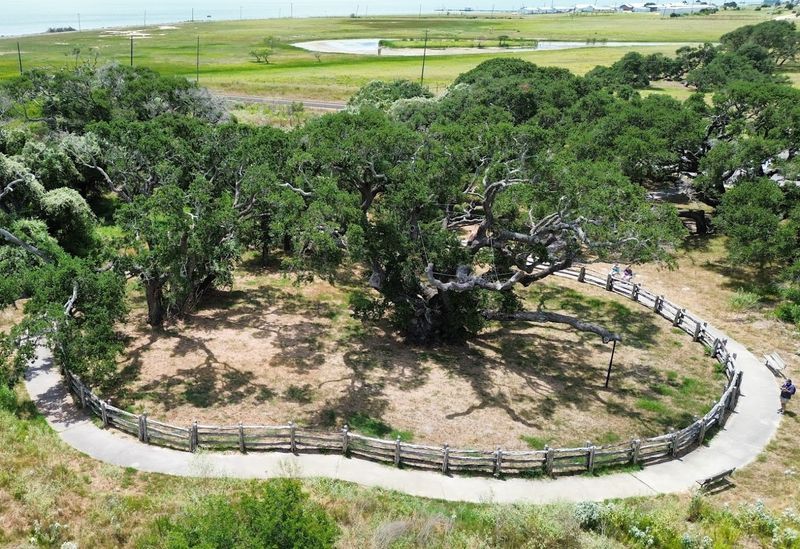
The Big Tree doesn’t sit alone in some empty field. It’s cradled inside Goose Island State Park, a stunning stretch of Texas Gulf Coast that blends marshes, bay shorelines, and dense oak groves into one breathtaking package.
The park itself is a destination worth visiting even beyond the famous tree.
Located near Rockport and Fulton, Goose Island offers camping, fishing piers, bird watching trails, and peaceful waterfront views. The drive through the park toward The Big Tree winds through scenery that feels genuinely remote and wild.
Some visitors mentioned that signage along the route could be improved, so keep your eyes open for markers as you navigate toward the tree. Once you arrive, though, the payoff is absolutely worth any minor navigation hiccups.
The coastal breeze and natural beauty surrounding the park create an atmosphere that’s hard to replicate anywhere else in Texas.
Free to Visit and Open Almost All Day
Here’s a fun fact that makes this trip even better: visiting The Big Tree costs nothing. That’s right, admission is completely free, though donation boxes are available for those who want to support conservation efforts.
The site is open daily from 8 AM to 10 PM, giving you plenty of flexibility to plan your visit around your schedule.
Early morning visits offer soft golden light that photographers absolutely love. Evening visits, on the other hand, bring a peaceful, almost magical atmosphere as the sun dips toward the bay and bird calls fill the air.
One thing to keep in mind is that mosquitoes can be fierce, especially during warmer months and evening hours. Pack bug spray before you leave the house, and you’ll have a much more enjoyable experience.
A little preparation goes a long way when exploring this coastal treasure.
Hurricane Harvey Survivor: A Tree That Refuses to Fall
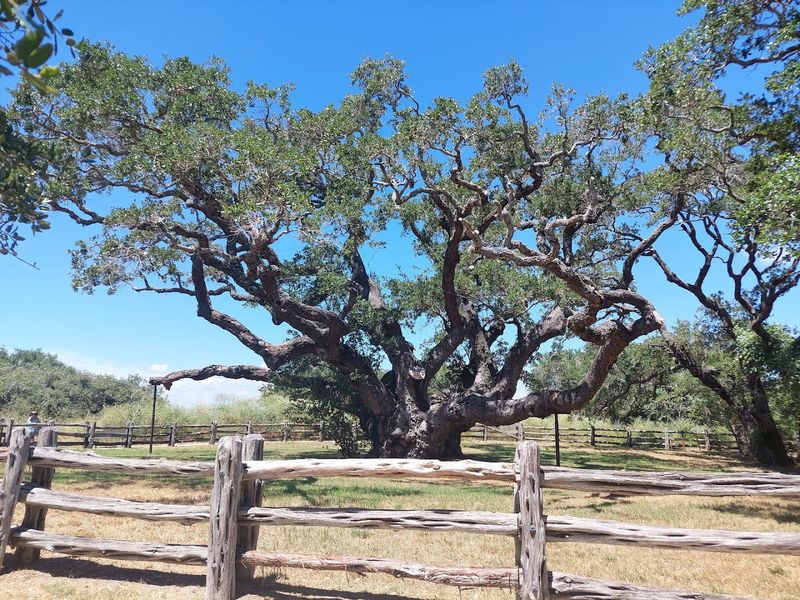
When Hurricane Harvey roared ashore near Rockport in August 2017 as a catastrophic Category 4 storm, many feared The Big Tree wouldn’t survive. Harvey was one of the most powerful hurricanes to hit Texas in decades, and the damage it caused to the surrounding community was devastating.
Yet somehow, The Big Tree stood.
That survival story adds an incredible layer to an already remarkable history. This tree has outlasted countless storms, droughts, and centuries of coastal weather.
Steel cables and support poles now help prop up some of its heaviest branches, a sign that conservationists are working hard to keep this natural wonder standing for future generations.
Seeing those support structures up close actually makes the tree feel even more human, like a beloved elder being cared for with dignity and love. It’s a powerful reminder of both nature’s strength and our responsibility to protect it.
Bird Watching Heaven Right Next to the Tree
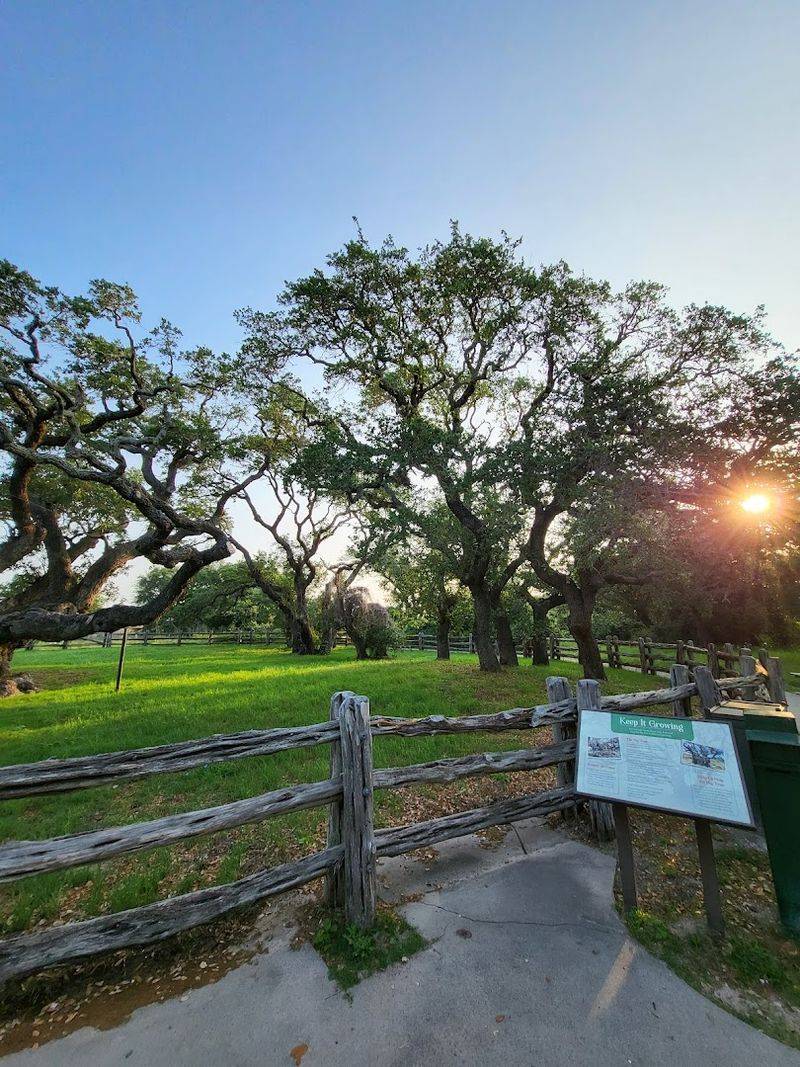
Bird watchers, get ready to be thrilled. The area surrounding The Big Tree is an absolute paradise for spotting feathered wildlife.
Dozens of bird species call this coastal habitat home year-round, and the tree’s canopy buzzes with activity from songbirds that seem completely unbothered by visitors below.
During winter months, the real showstopper arrives: whooping cranes. These rare, endangered birds migrate to the Aransas area each year, and the fields near The Big Tree are among the best places in the world to spot them.
Tour groups specifically meet at The Big Tree to begin whooping crane expeditions.
Binoculars are a smart addition to your packing list, especially if whooping cranes are on your wish list. Reviewers have spotted the cranes in fields just west of Lamar Beach Road, only a short distance from the tree itself.
It’s a two-for-one natural wonder experience.
Deer Wandering Freely Through the Park
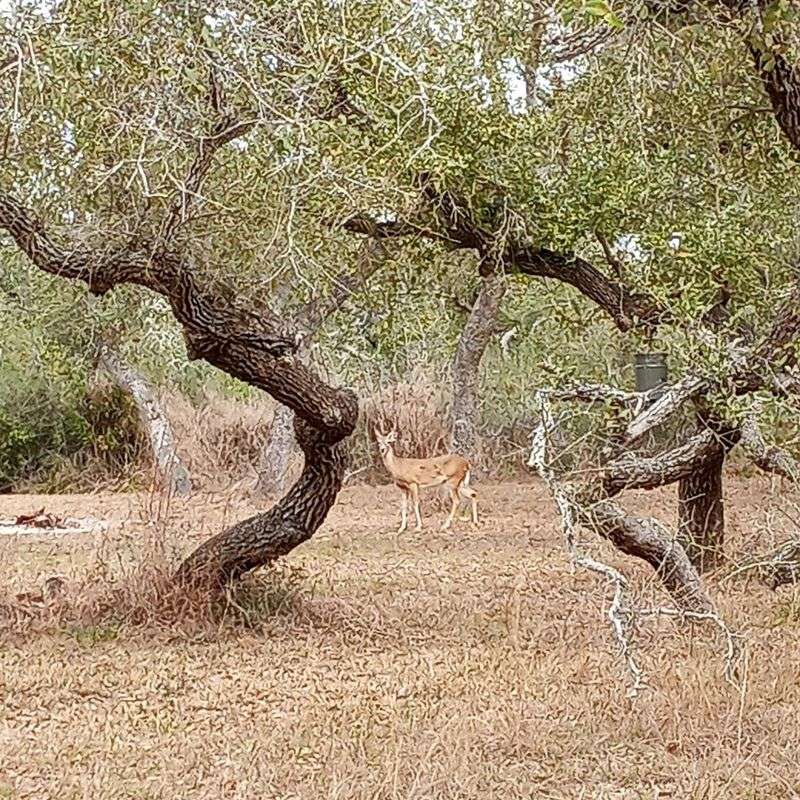
Wildlife encounters at The Big Tree aren’t limited to birds. White-tailed deer roam freely throughout the grounds, often appearing without much warning from between the trees.
Visitors frequently spot them grazing quietly near the parking area and along the path leading to the main attraction.
The deer here seem surprisingly comfortable around people, which makes for some genuinely memorable close-up encounters. Kids especially love spotting them, and it turns the whole trip into something that feels like a real wildlife adventure rather than just a sightseeing stop.
One important tip from experienced visitors: drive slowly through the park. Deer tend to dart across the road unexpectedly, and the posted speed limit exists for good reason.
Slowing down also gives you more time to enjoy the gorgeous coastal oak scenery as you make your way toward the tree. Patience pays off in big ways here.
The Paved Walkway: Easy and Accessible for Everyone
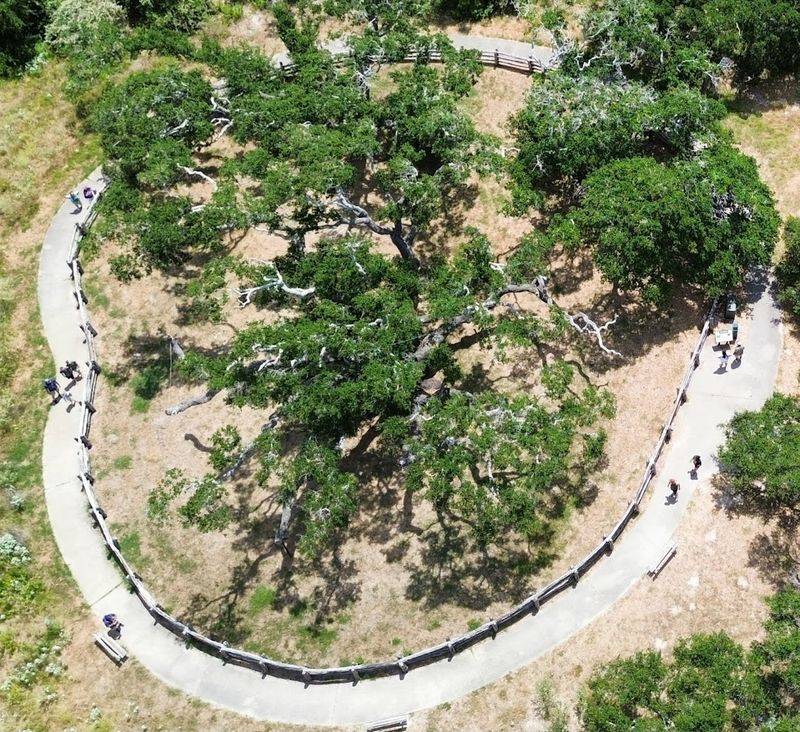
One of the most thoughtful things about The Big Tree site is how accessible it is. A smooth, paved walkway circles the entire tree, making it easy for people of all ages and mobility levels to enjoy the full experience.
Wheelchair users, stroller-pushing parents, and elderly visitors can all comfortably make the loop.
The walk itself is short, so don’t expect a long hike. Most visitors complete the circuit in just a few minutes, though many choose to linger, sitting on the benches placed nearby to soak in the atmosphere.
The path is well maintained and gives you clear sightlines to the tree from every angle.
One small caution worth mentioning: stinging nettle grows at the base of the fence surrounding the tree. Keep your ankles clear of the vegetation near the fence line, and you’ll avoid an itchy, unpleasant surprise that a few past visitors have encountered.
The Coastal Shoreline Just Steps Away

After circling The Big Tree, many visitors discover that the bay shoreline is only a short walk away, and it’s every bit as rewarding as the tree itself. The water sits calm and glittering just beyond the grove, offering sweeping views across Copano Bay and the surrounding coastal wetlands.
Shells litter the shoreline, making it a low-key treasure hunt for younger visitors. Some reviewers mentioned spending time on a nearby bicycle path along the water, turning a quick stop into a relaxed half-day outing.
The combination of ancient tree and serene coastline makes this spot feel like two destinations rolled into one.
A cool coastal breeze typically rolls in off the water, which helps make even warm Texas days feel manageable. Standing at the shore with the old oak grove behind you is genuinely one of those peaceful moments that stays with you long after the drive home.
Other Magnificent Oaks Surrounding the Star of the Show
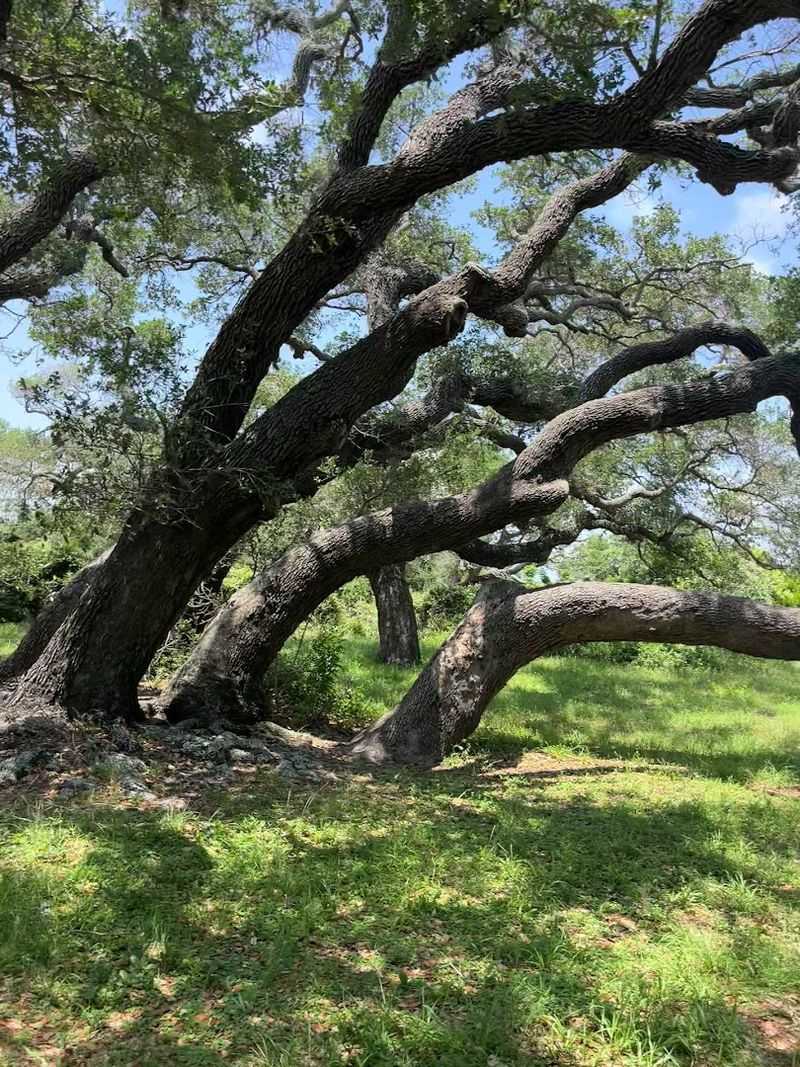
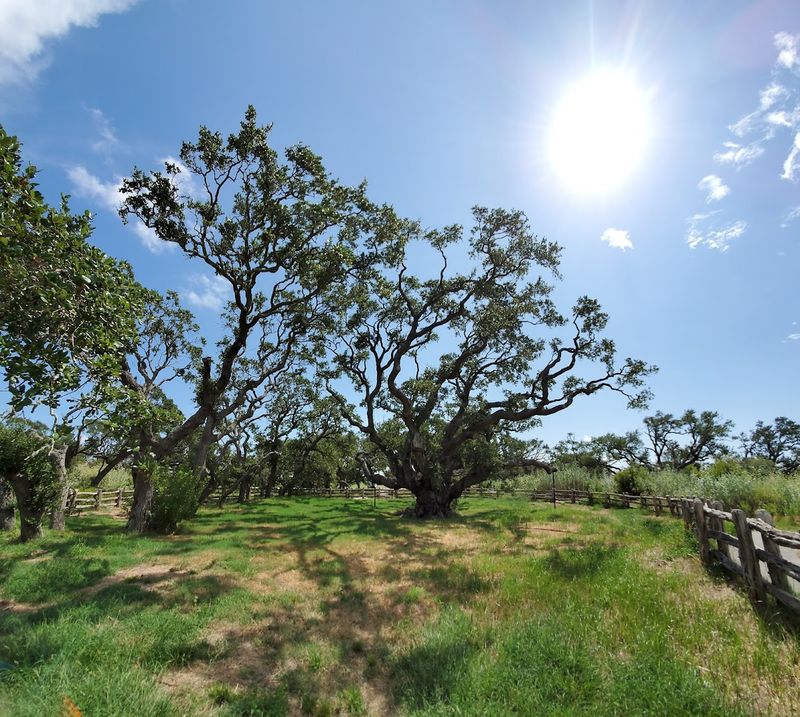
The Big Tree gets all the headlines, but the supporting cast of live oaks surrounding it deserves serious attention too. These companion trees are enormous in their own right, with wide-spreading branches that reach low enough for children to climb safely.
Walking among them feels like stepping into a storybook forest.
Several reviewers pointed out that some of the surrounding oaks are visually striking enough to stand on their own as attractions. Their gnarled, mossy limbs stretch outward in every direction, creating a shaded canopy that feels ancient and alive at the same time.
Photographers will find incredible compositions everywhere they turn in this oak grove, not just at the main tree. The interplay of light filtering through the canopy creates a moody, atmospheric quality that makes every photo feel dramatic.
Bring a camera with a wide-angle lens to capture the full scale of these coastal giants.
Best Times to Visit for a Peaceful Experience
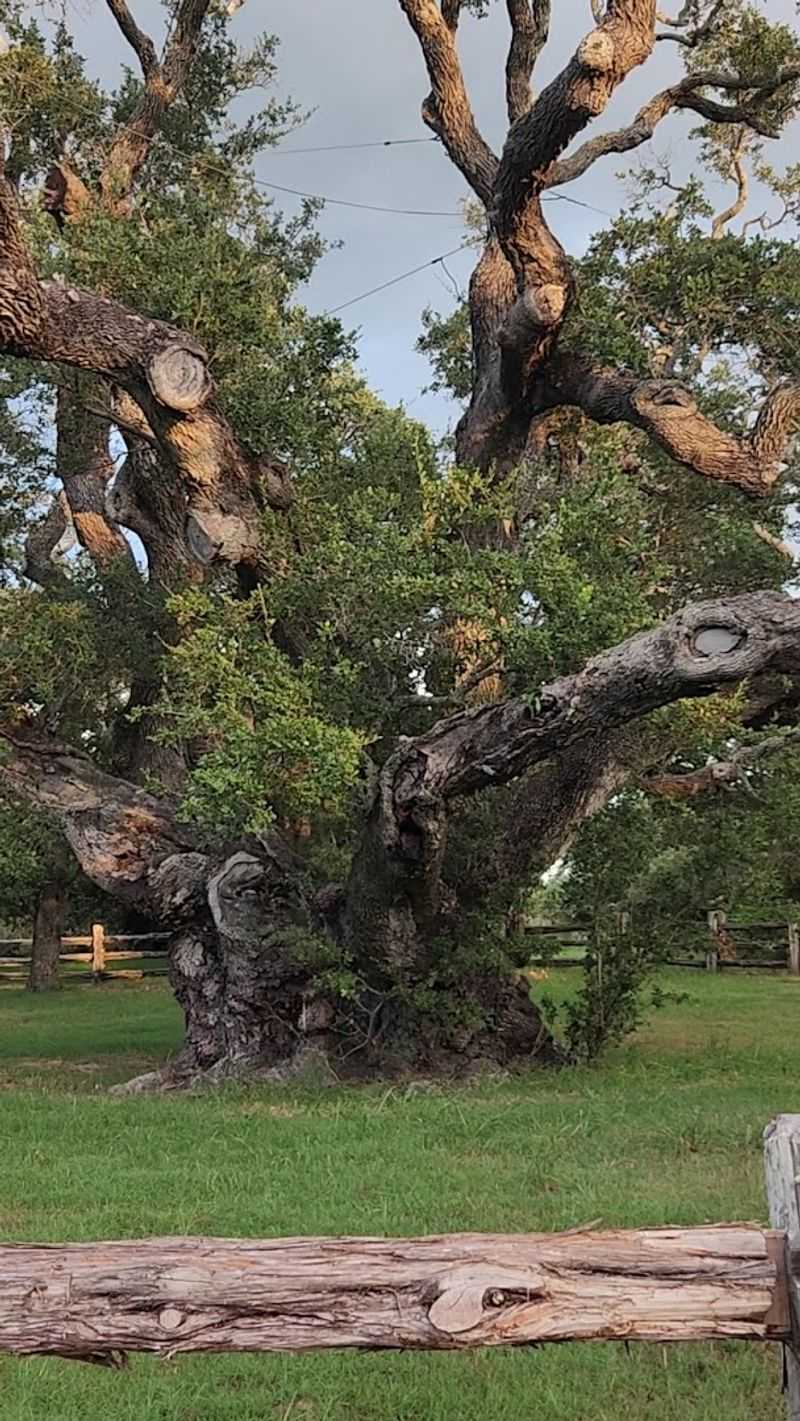
Timing your visit smartly can make a huge difference in the overall experience. Weekday mornings tend to be the quietest, with very few other visitors around.
That kind of solitude lets you truly absorb the scale and atmosphere of the tree without distractions.
Sunset visits are wildly popular and for good reason. The warm orange light hitting the ancient bark creates an almost otherworldly glow, and the bird activity peaks during the golden hour as species settle in for the evening.
One reviewer visited just before sunset and described it as genuinely magical.
Summer months bring aggressive mosquitoes, especially in the evening hours, so bug spray is non-negotiable during that season. Spring and fall offer the most comfortable temperatures and lighter insect activity, making those seasons the sweet spot for a relaxed, unhurried visit to this extraordinary corner of the Texas coast.
Conservation Efforts Keeping This Wonder Alive
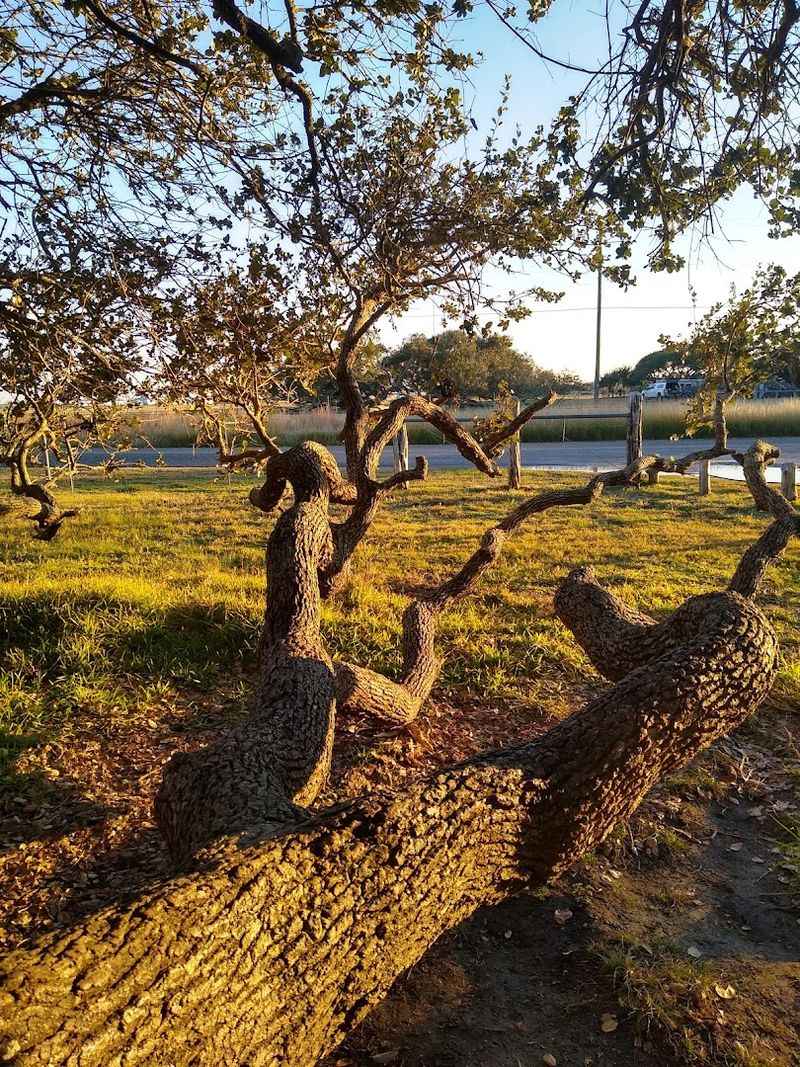
The Big Tree is not just surviving on its own; it has a dedicated team of conservationists working to ensure it keeps standing. Steel cables and support poles brace many of the tree’s heaviest branches, preventing breakage that could accelerate its decline.
The protective fence around the trunk keeps foot traffic from compacting the soil near its roots.
Some visitors have noted that the tree appears to be in decline, with trimmed limbs and visible aging. That reality is a reminder that even the most enduring living things need human care and attention to survive into the future.
Donation boxes near the site allow visitors to contribute directly to preservation efforts. Even a small contribution helps fund the ongoing work that keeps this ancient wonder accessible for future generations.
Knowing your visit supports conservation adds a meaningful layer to what is already an incredibly moving experience.
Getting There: Directions and What to Expect
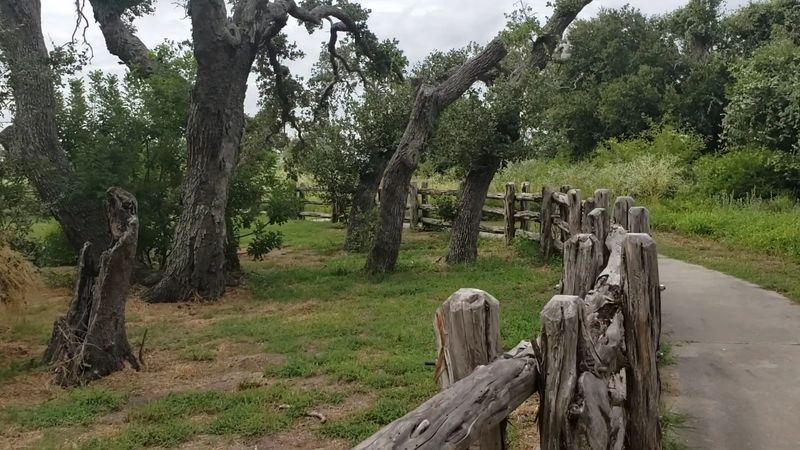
Finding The Big Tree takes just a little bit of navigation savvy. The official address is 1622 12th Street in Lamar, Texas, though many GPS systems list it under Rockport.
It sits on the north side of the Copano Bay Causeway in an unincorporated community called Lamar, so don’t be alarmed if your map app shows slightly different location names.
From the park’s main visitor station, the tree requires a bit of a drive along the park road. A few reviewers mentioned that signage along the way could be clearer, so pay close attention to any directional markers you spot.
Following GPS coordinates directly to the site tends to work more reliably than relying solely on road signs.
Parking is available near the tree, with enough space for several vehicles. The lot is small, so arriving early on busy weekends helps you snag a spot without any hassle or waiting around.
Why This Tree Deserves a Spot on Your Texas Bucket List
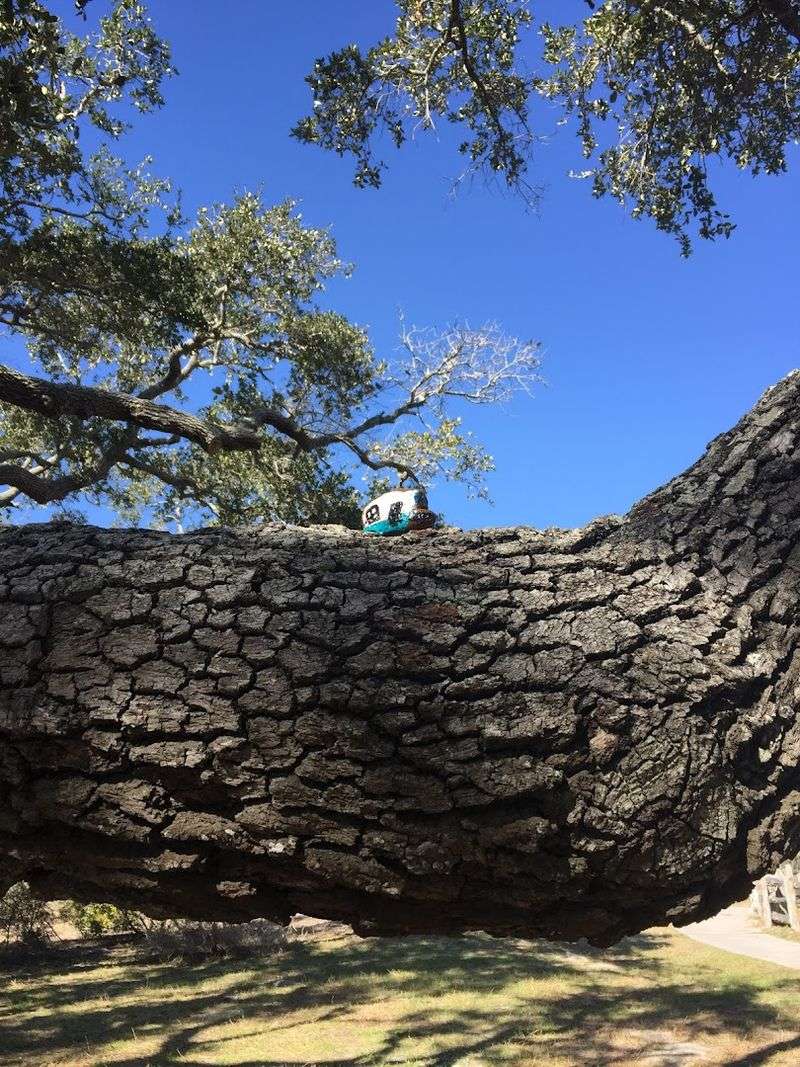
Some places earn their reputation through hype. The Big Tree earns its reputation through sheer, undeniable presence.
Standing beneath a living organism that has watched over the Texas coast for a millennium puts everyday life into a perspective that no museum exhibit or documentary can fully replicate.
The combination of ancient natural history, free admission, accessible pathways, wildlife encounters, and stunning coastal scenery makes this spot one of the most well-rounded natural attractions in the entire state. Families, solo travelers, photographers, birders, and casual road-trippers all find something deeply satisfying here.
With a 4.7-star rating from over 1,000 visitors, the reviews speak for themselves. People from all walks of life leave this place feeling quietly moved.
If you’re anywhere near the Texas Gulf Coast, skipping The Big Tree would genuinely be a mistake you’d regret. Make the detour, breathe the coastal air, and meet a tree that has outlasted empires.
Enjoyed this story?
Add Fast Food Club as a preferred source to see more of our reporting on Google.