


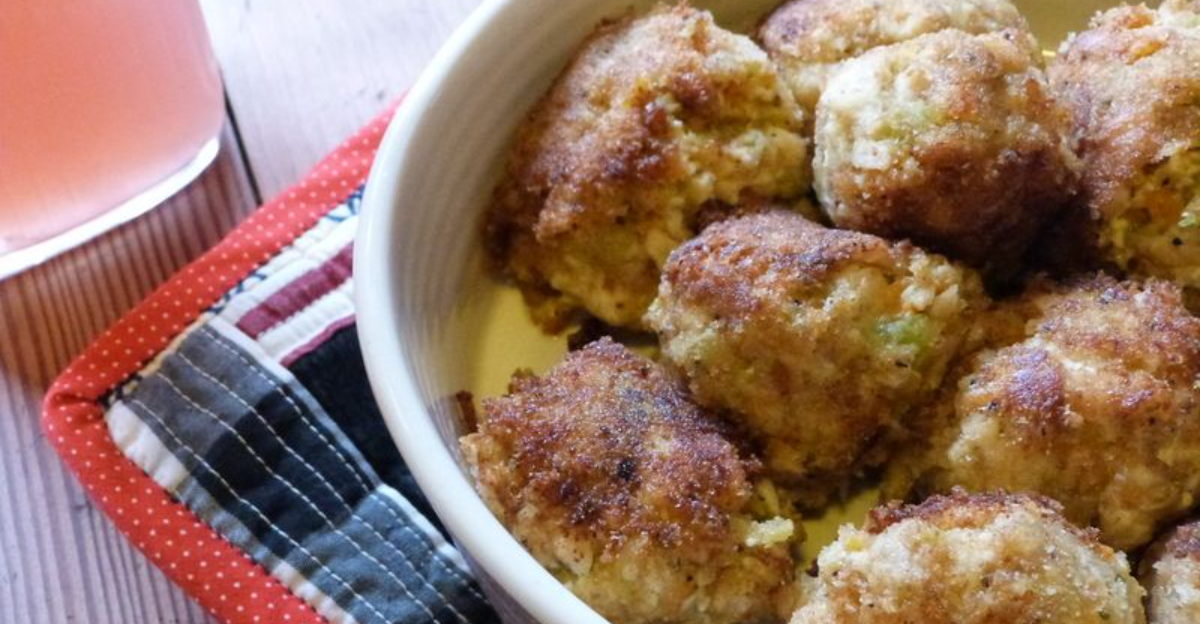
Blink and some dishes just vanished from the family table. You remember the aromas, the clatter of serving spoons, and that one aunt who always insisted on seconds.
Now those classics feel like postcards from another time, quietly retired without a farewell. Let’s revisit the plates that slipped away, and maybe nudge a few back into rotation.
Salisbury steak
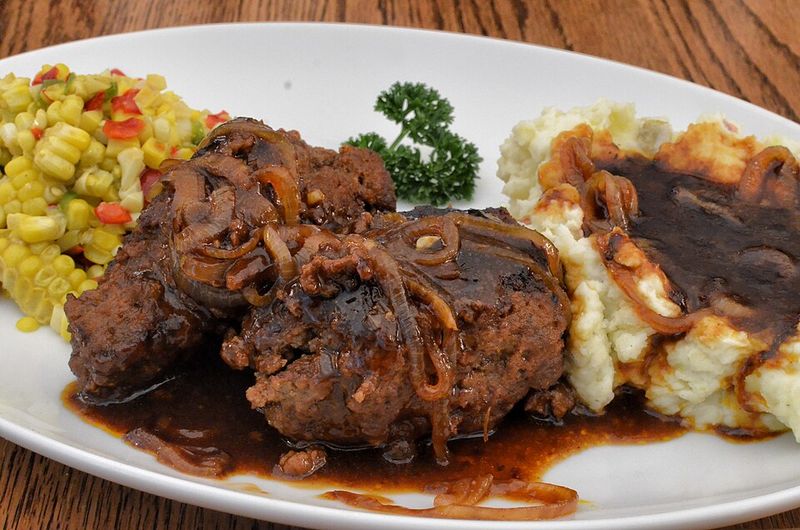
Salisbury steak used to arrive in a gravy tidal wave, soft and savory over mashed potatoes. It felt like Sunday comfort in a skillet, steaming and familiar, a dependable hug on a plate.
You barely needed a knife, just a fork and a patient appetite. The onions melted into the sauce, and nobody argued with seconds.
Then it drifted away, nudged aside by leaner menus and quicker meals. Maybe we overcorrected, chasing convenience and protein counts.
If you miss it, try a lighter grind and mushrooms to modernize the gravy. That first bite still says home, even if the calendar does not.
Tuna noodle casserole
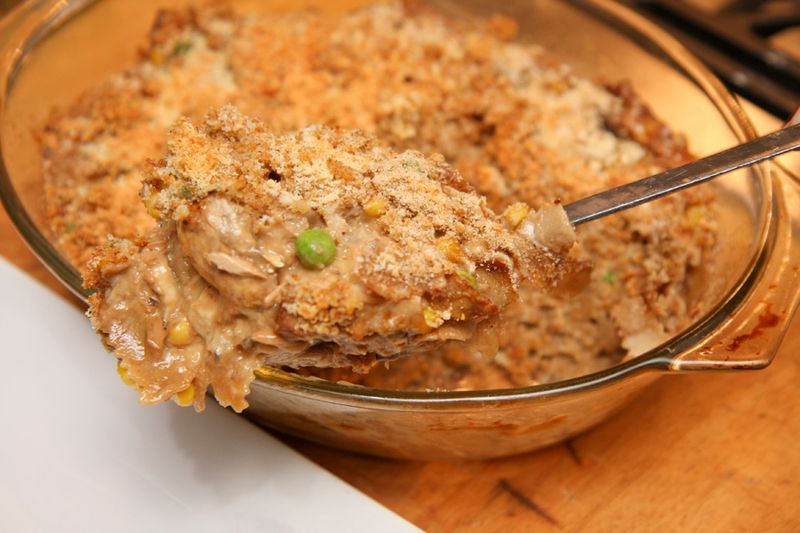
Tuna noodle casserole was the midweek hero, creamy and budget friendly, dotted with peas and crowned with crunchy crumbs. It came from pantry magic, the kind you learn when time and money run tight.
One stir, a quick bake, and a family was fed. You could smell the canned tuna before the oven timer sang.
It fell out of fashion as fresher seafood and gluten free trends took over. Still, there is charm in its thrift and warmth.
Upgrade with good albacore, sharp cheddar, and caramelized onions. Suddenly, nostalgia wears better shoes, and your table gets that lived in glow again.
Swiss steak
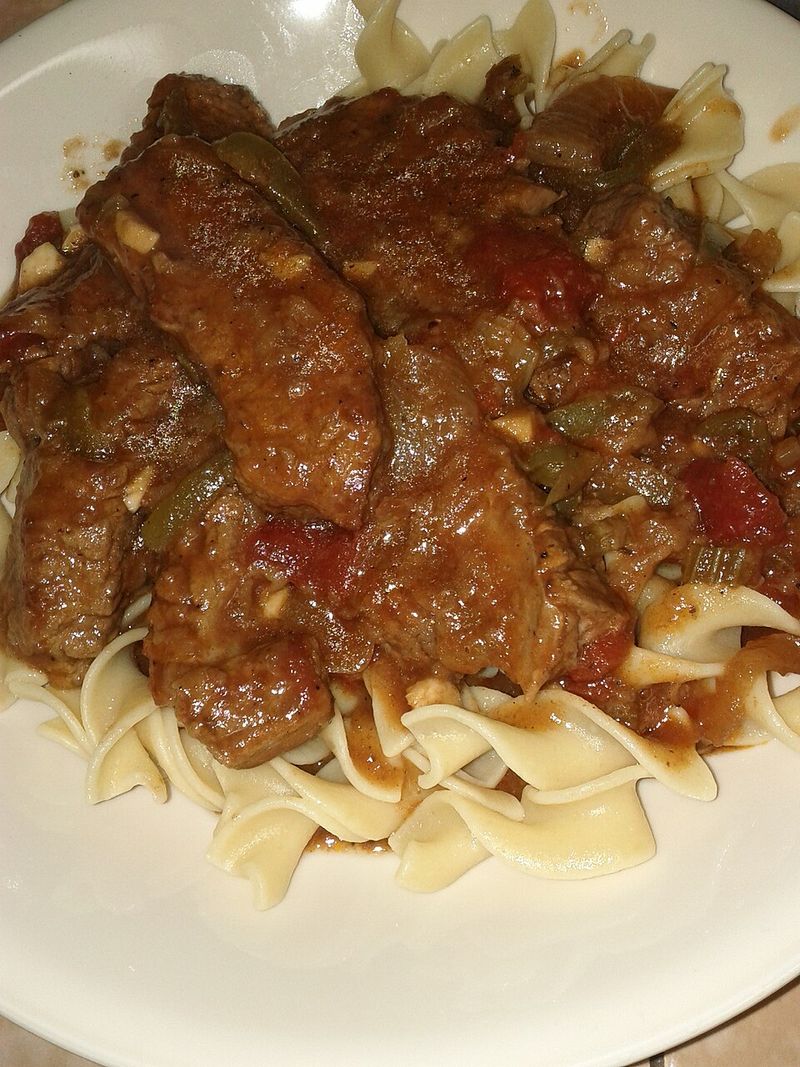
Swiss steak was a slow braise that softened everything, including conversation. Tomato rich sauce, peppers, and tenderized beef simmered until the kitchen windows fogged.
It tasted like patience and plan ahead wisdom. You ladled it over rice, mashed potatoes, or buttered noodles, and the world calmed down by degrees.
It slipped away when pressure cookers and fast sears took center stage. But low heat still casts a spell.
If you bring it back, sear deeply, add smoked paprika, and finish with a splash of sherry. The sauce clings, the meat yields, and your timeline stretches just enough to breathe.
Ham loaf
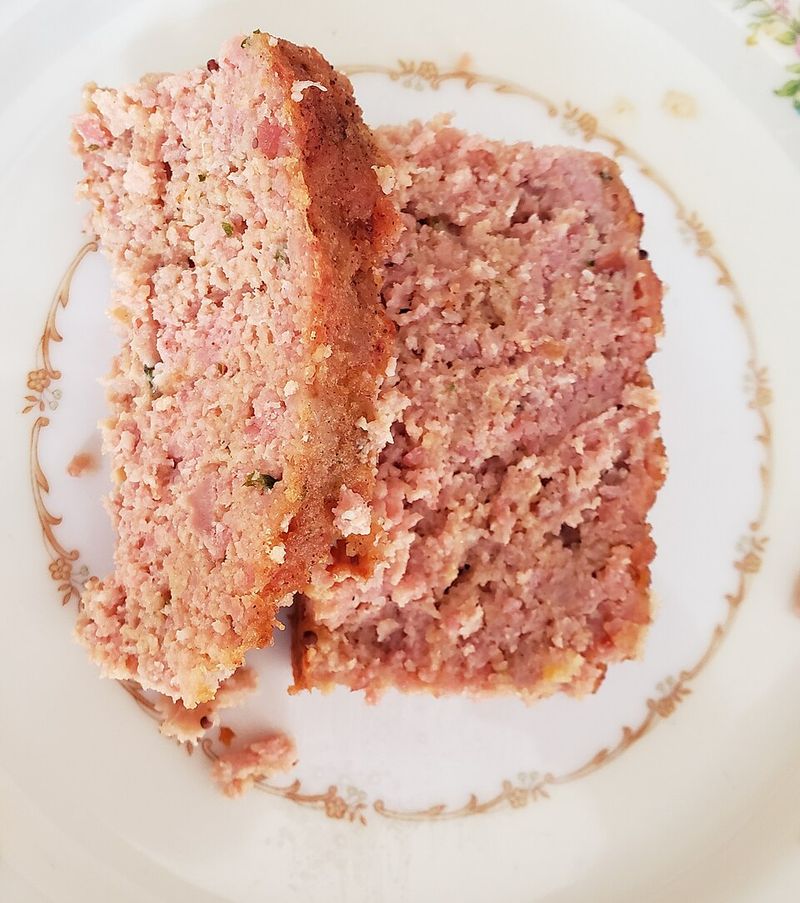
Ham loaf once strutted in with a sweet tangy glaze and a proud slice pattern. It was a thrifty cousin to meatloaf, made from ground ham and pork, somehow both festive and frugal.
You could taste church suppers and potluck smiles in every bite. The glaze left a sticky shine that children secretly loved.
It faded as spiral hams and charcuterie boards grabbed attention. Still, there is charm in grinding leftovers into something cheerful.
Try maple mustard, a touch of clove, and coarse breadcrumbs. When it caramelizes at the edges, you remember why thrift can taste downright celebratory on ordinary nights.
Liver and onions
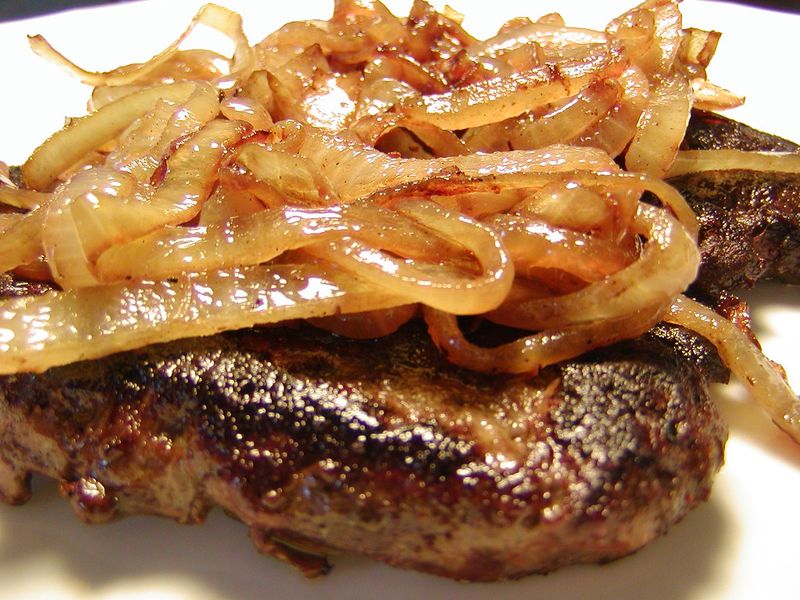
Liver and onions brought iron clad confidence to the table, whether anyone cheered or not. The aroma was bold, the onions sweet, and the pan sauce glossy with butter.
It felt like a grown up meal even when you were ten. Some of us learned to like it only after learning to chew slower.
It disappeared when milder cuts took over and taste buds softened. If curiosity nudges you back, soak in milk, cook gently, and season with smoked salt.
Pair with mashed potatoes and a bright vinegar splash. Suddenly, the plate becomes less dare and more deeply satisfying memory.
Chicken à la king
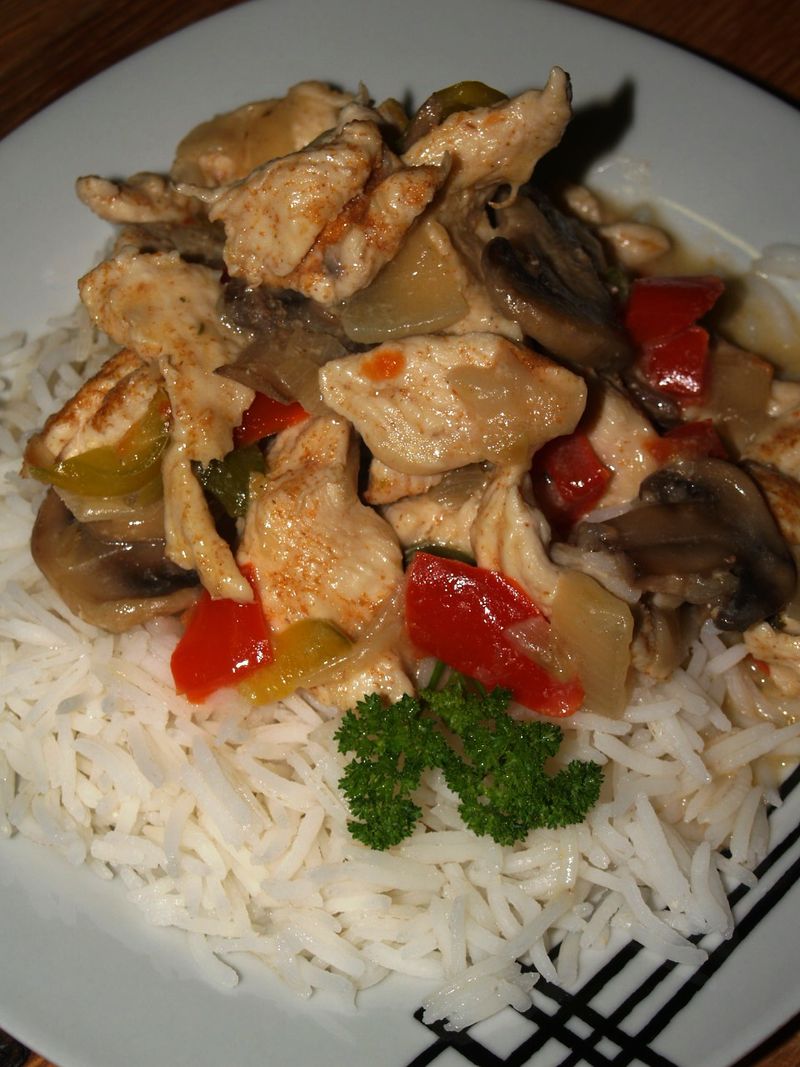
Chicken a la king was weeknight luxury, silky cream sauce dotted with peas and pimentos over toast points or puff shells. It felt hotel fancy in a modest kitchen, like someone ironed the napkins just for you.
The chicken was tender, the sauce polite, and the meal mercifully forgiving.
It vanished when lighter sauces won the day and cream retreated. But elegance can be practical too.
Poach gently, add mushrooms, and brighten with sherry and lemon. Serve over buttered rice or toasted brioche.
You get nostalgia plus confidence, a ladle of comfort that makes leftovers feel like deliberate planning.
Stuffed cabbage
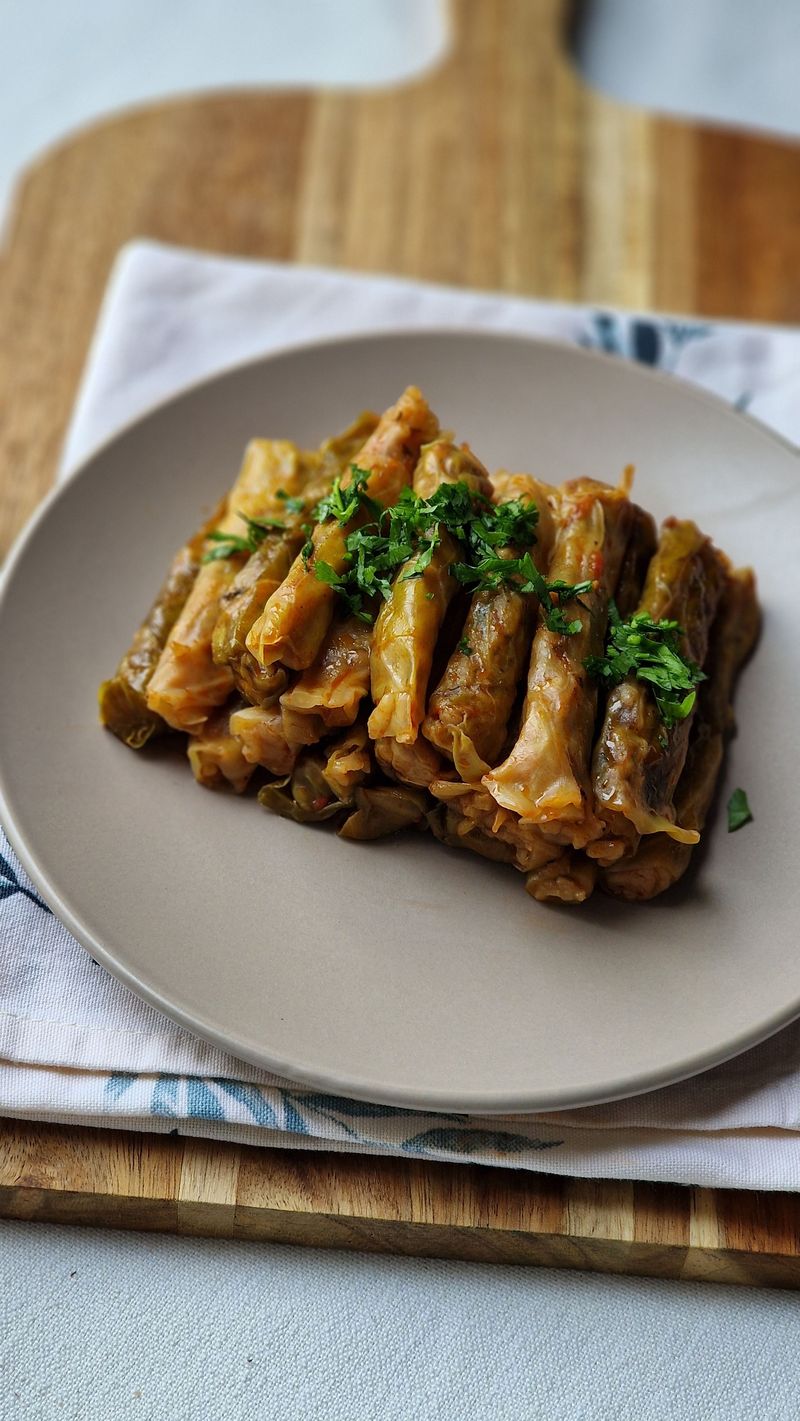
Stuffed cabbage arrived like edible parcels of patience. Leaves softened, filled with beef and rice, then tucked into tomato sauce for a long, friendly simmer.
The kitchen smelled like grandparents and stories, a slow chorus bubbling under the lid. Each roll was tidy, generous, and surprisingly elegant for something so humble.
It slipped away as weeknights tightened and rolling felt fussy. But there is therapy in tucking and arranging.
Use a pressure cooker, swap in turkey, season boldly with paprika and dill. Freeze extras.
Then on a gray evening, you open a pan and the house remembers how to exhale.
Creamed chipped beef
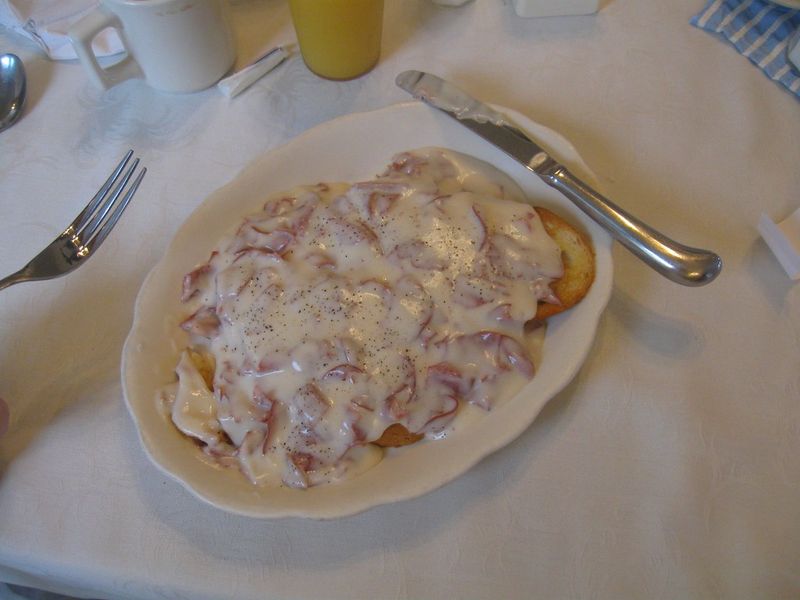
Creamed chipped beef on toast was salty, silky, and strangely comforting, especially when mornings ran cold. It came from pantries, bases, and boarding houses, stretching a little meat into plenty of sauce.
Pepper did the heavy lifting, and toast turned it into something steady. Not fancy, but it filled the corners.
It disappeared when sodium counts and fresh deli meat took over. Still, a homemade version can be kind.
Rinse the beef, use half stock and half milk, and whisk until just thick. Spoon over buttered toast with chives.
Suddenly, breakfast feels anchored, and nostalgia has better manners.
Baked ham
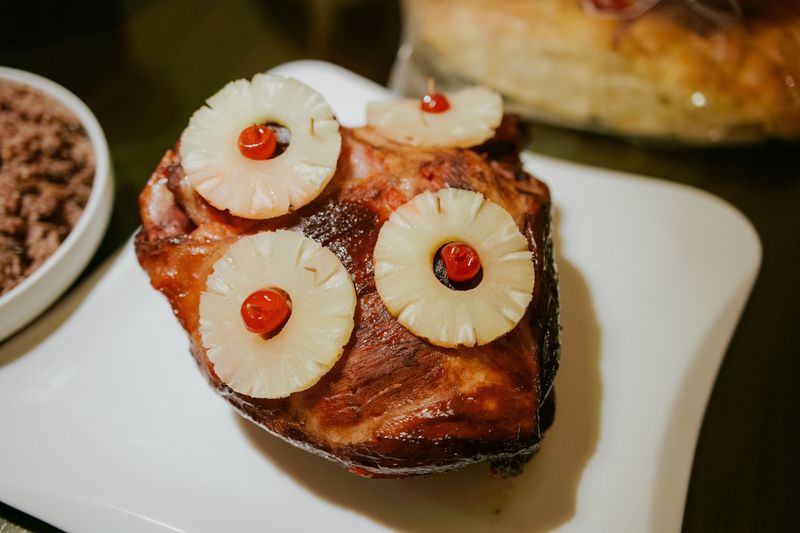
Baked ham used to center the table like a pink moon, shiny with brown sugar and mustard. Cloves perfumed the air, and someone always carved too-thick slices.
The leftovers promised sandwiches, beans, and omelets for days. It was an event disguised as dinner, even when the calendar claimed it was ordinary.
It faded as smaller households and charcuterie boards took over. Still, a half ham and smart planning can make it practical.
Try orange marmalade glaze, roast low, then blast high for shine. Save the bone for soup.
One roast, many meals, and that unmistakable festival smell returns.
Porcupine meatballs
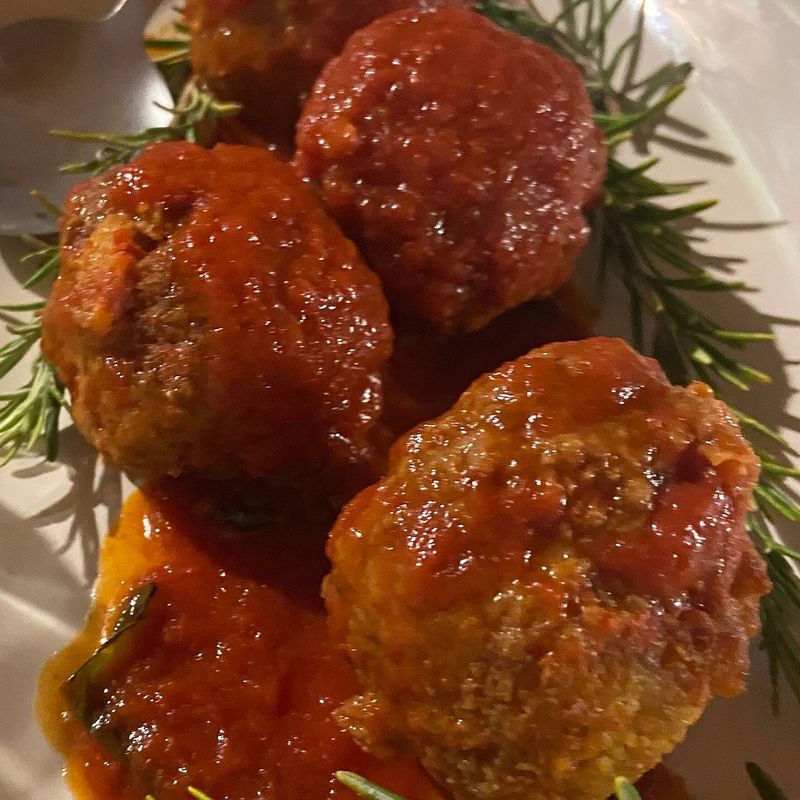
Porcupine meatballs charmed kids with rice spikes poking through, simmered in tomato sauce that stained every spoon. They were playful without being precious, easy to ladle over mashed potatoes or buttered noodles.
The meat stayed tender, the rice did double duty, and dinner felt like a small celebration disguised as practical cooking.
They drifted away when polished meatballs and panko took over. Bring them back with basmati for texture, a hit of Worcestershire, and plenty of onion.
Simmer gently so the rice blooms. Suddenly, the name makes sense again, and the table leans in for another scoop.
Goulash
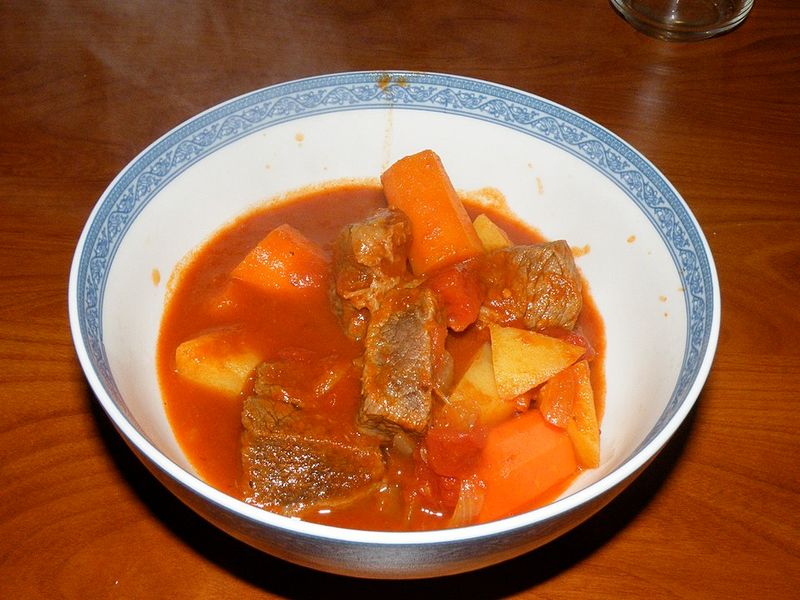
Goulash meant elbows and elbows, both the pasta and the crowd around the pot. Tomatoes, ground beef, paprika, and macaroni turned into a one pot truce between picky eaters.
It was saucy, mild, and endlessly forgiving. You could stretch it with another can and nobody minded.
Leftovers tasted even better.
It faded as meal kits and spicier pastas edged in. But the appeal remains.
Toast the paprika, bloom the garlic, and splash a little vinegar at the end. Finish with sharp cheddar if you like.
Suddenly, Tuesday behaves, bowls empty, and the dishwasher has an easier shift.
Succotash
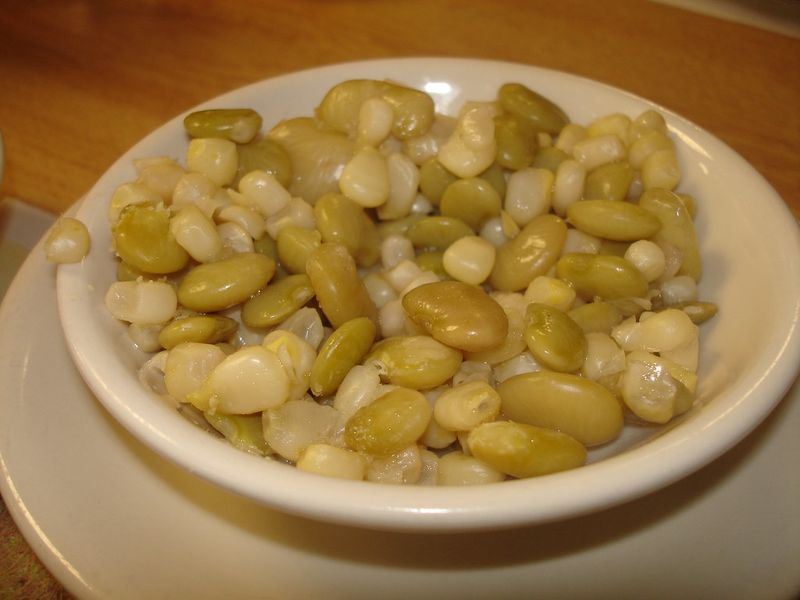
Succotash was summer in a skillet, butter glossing corn and lima beans until they tasted like agreement. The colors brightened dull plates, and it played nicely with everything from chicken to pork chops.
Sometimes cream joined in, sometimes bacon, but the core was honest and sweet.
It wandered off as side dishes grew flashier and salads stole the show. Still, fresh corn and frozen limas make it easy.
Add scallions, thyme, and a whisper of cream. A squeeze of lemon wakes it up.
Suddenly, the side dish is the conversation, and you remember why simple wins.
Oyster stew
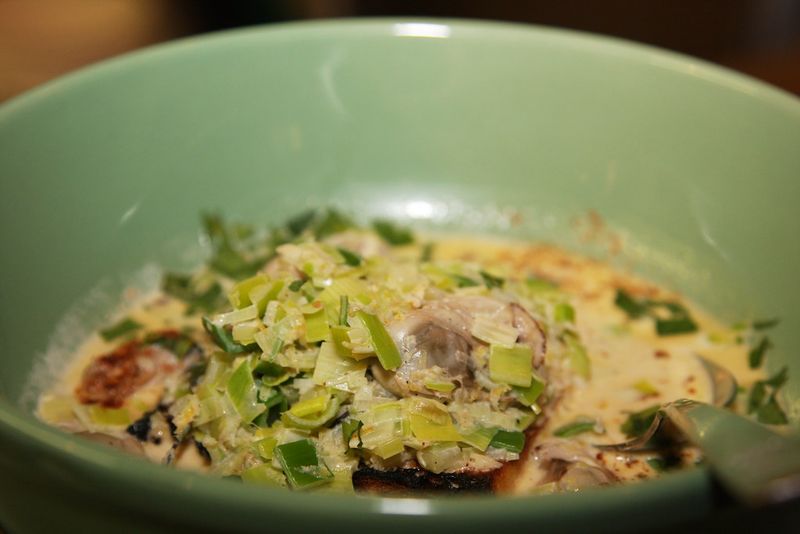
Oyster stew slid into bowls like silk, simple and briny, with butter floating in golden moons. It was a holiday whisper in some homes, a Friday tradition in others.
Pepper, cream, and quick cooked oysters did the whole job. You learned to respect heat, because overcooking turned treasure into rubber.
It faded as prices rose and tastes shifted away from delicate soups. Still, a small pot can feel luxurious.
Use good cream, strain the liquor, and finish with chives. Serve with crackers and a quiet evening.
You are a few careful minutes from an old coastal memory.
Spoon bread
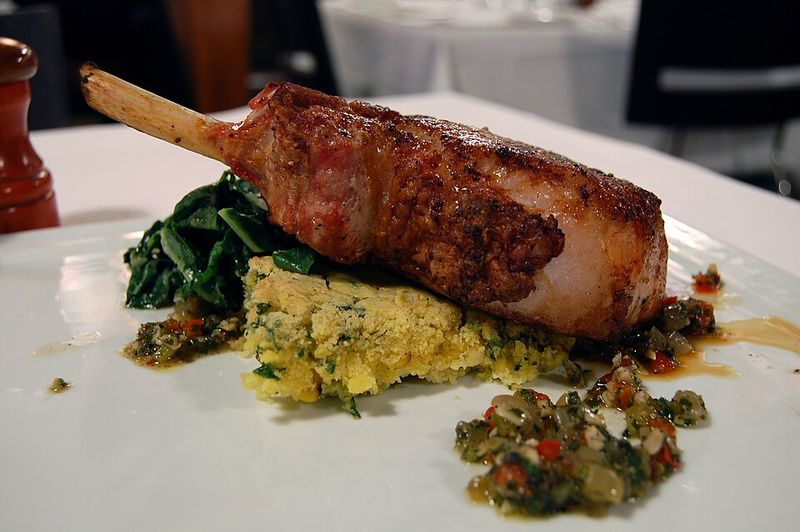
Spoon bread arrived puffed and tender, somewhere between cornbread and custard. You did not slice it, you scooped it, and it trembled a little in the spoon.
Butter melted into tiny rivers and everyone leaned forward. It paired with ham, greens, or chili like an old friend who knows the room.
It slipped away as boxed mixes simplified cornbread into uniform squares. But spoon bread is still simple comfort.
Whisk cornmeal into hot milk, fold in eggs, and bake until barely set. A drizzle of honey or hot sauce turns it into an easy, generous centerpiece again.
Corn pudding
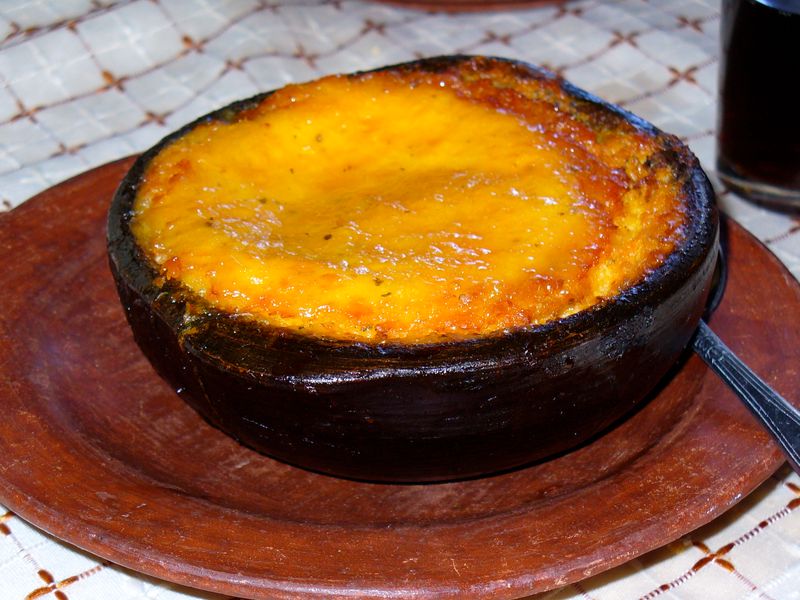
Corn pudding balanced sweetness and custard, the gentle cousin of cornbread that made plates feel complete. It scooped clean, leaving glossy trails, and kids usually said yes twice.
You could trust it alongside roast chicken or pork, because it never argued. A little nutmeg or black pepper made it quietly interesting.
It retreated when lighter sides and roasted vegetables took the stage. Still, whisked eggs, cream, and corn together are quick wins.
Add caramelized onions and a handful of cheddar if you like. Bake until barely set.
The spoon goes in, conversation follows, and dinner remembers its rhythm.
Stewed tomatoes
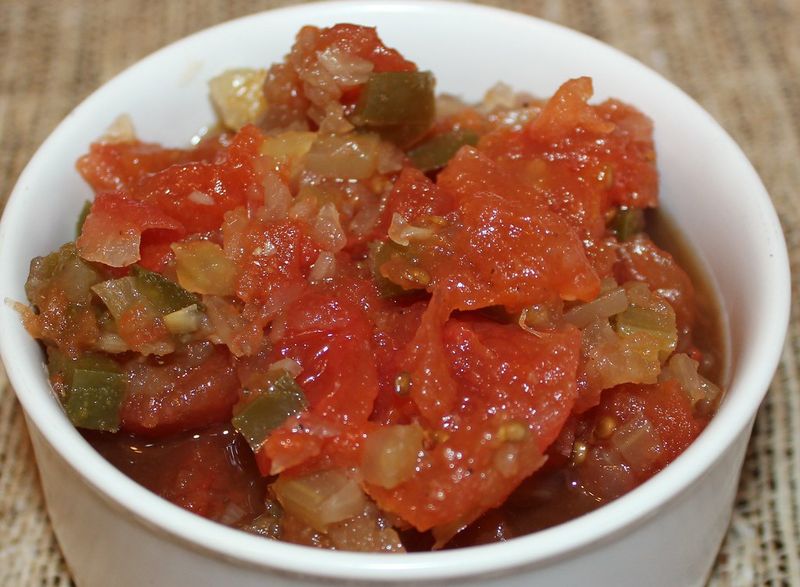
Stewed tomatoes used to show up like a red exclamation, soft and tangy, sweetened just enough. They slipped around meatloaf and spoon bread, bringing brightness to heavy plates.
A little celery, onion, and butter made the sauce cozy. You could dunk cornbread and call it a win.
They drifted off when fresh salsas and roasted pans took over. But a can plus patience still works magic.
Simmer with bay and vinegar, finish with basil, and maybe a pinch of sugar. Suddenly, the side lights up the meal, and your plate looks thoughtfully composed again.
Rice croquettes
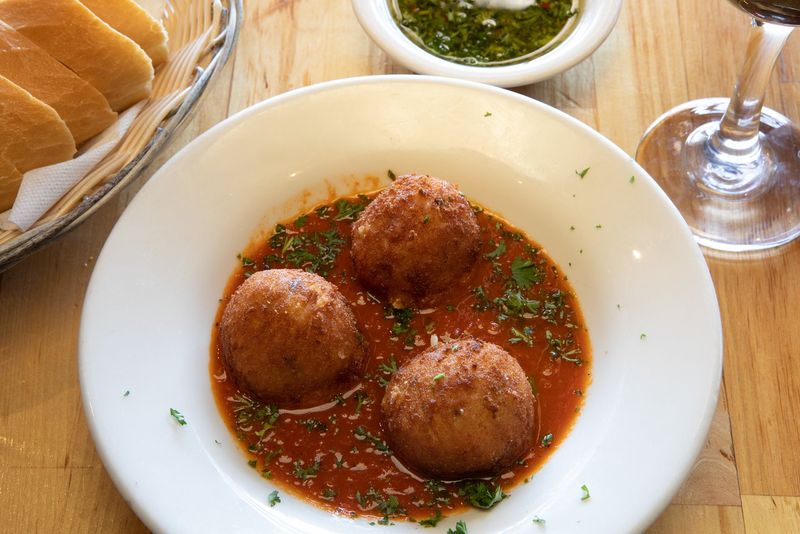
Rice croquettes gave leftovers a second life, crisp outside with a soft, sometimes cheesy center. They lined up like little promises on the plate, neatly breaded and ready for dipping.
A squeeze of lemon or swipe of sauce made them shine. You could stretch a cup of rice into a respectable snack or side.
They faded as takeout and arancini took the spotlight. But the method is universal and forgiving.
Fold in herbs, parmesan, and chopped ham, chill, then fry or air fry. Suddenly, last night’s rice becomes today’s applause, and nobody asks where the recipe came from.
Hoppin’ John
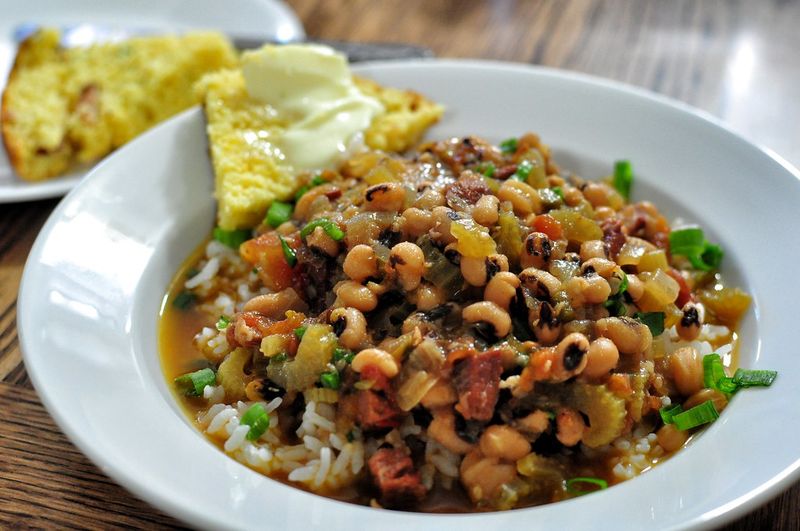
Hoppin’ John carried luck and comfort in the same spoon. Black eyed peas, rice, and smoky pork made a bowl that tasted humble yet celebratory.
It showed up around New Year’s, but it worked on any weekday that needed reassurance. The aroma felt grounding, like porch talks and soft weather.
It stepped back as grain bowls and new traditions moved in. Still, it cooks simply and feeds plenty.
Use good stock, finish with scallions and hot sauce, and let the pot rest. A squeeze of lemon brightens everything.
You will taste thrift, history, and welcome in one bite.
Hash brown casserole
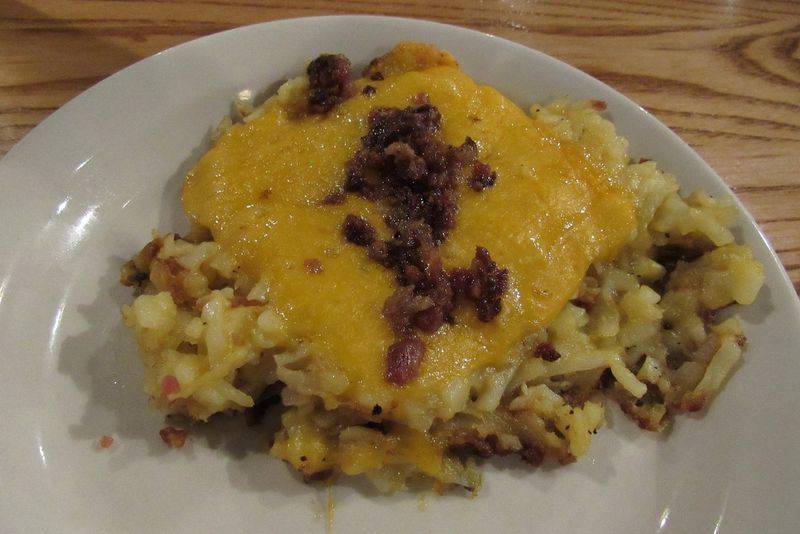
Hash brown casserole was a brunch crowd pleaser that snuck onto dinner plates, too. Shredded potatoes, sour cream, and cheddar melted into a bubbling square with irresistible edges.
It asked little and delivered a lot, especially to tired cooks and hungry teenagers. A cornflake or breadcrumb topping added extra crunch.
It eased out of rotation when lighter sides and roasted vegetables became the norm. Still, you can streamline and keep the charm.
Use Greek yogurt, sharp cheddar, and scallions, then bake hot for frizzled edges. It lands golden, smells like comfort, and everyone scoops before you set down the mitts.
Breaded pork chops
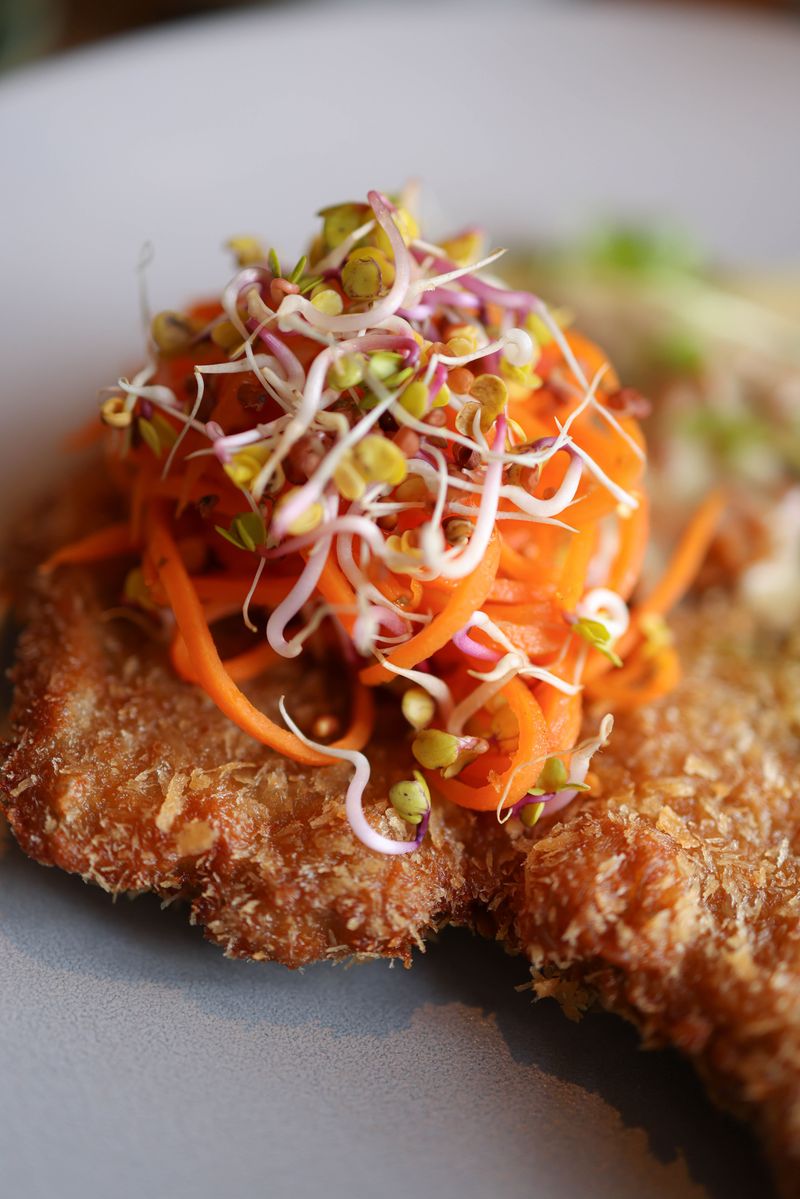
Breaded pork chops once ruled Tuesday nights, sizzling in shallow oil until the crumbs turned sunset gold. They were juicy if you timed them right, and even better with a squeeze of lemon.
The kitchen smelled like victory and patience. A side of applesauce or slaw kept everything friendly.
They drifted off when sheet pan dinners and boneless chicken took the lead. Still, a quick brine, thin cut, and panko make magic.
Pan fry, finish in the oven, and rest. The crust stays crisp, the meat stays tender, and the table remembers how satisfying simple can be.
Turkey tetrazzini
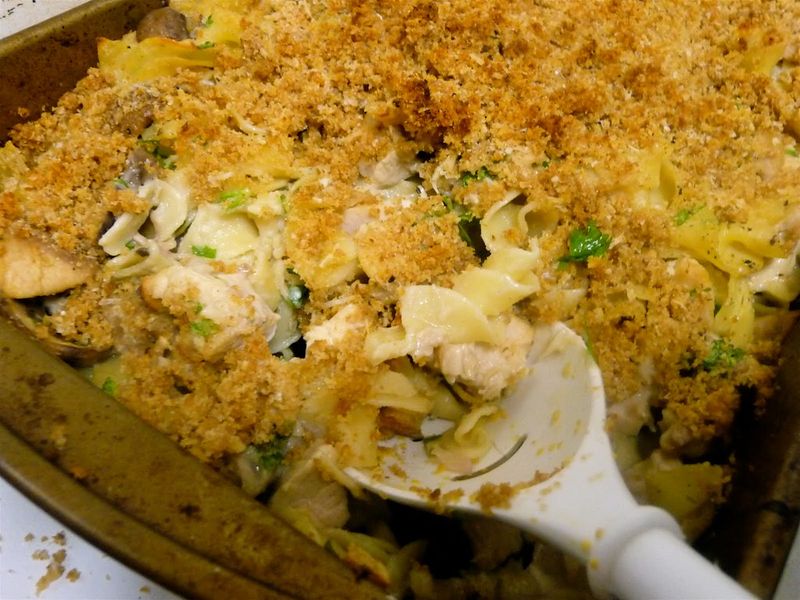
Turkey tetrazzini transformed leftovers into something company worthy. Spaghetti tangled with mushrooms, turkey, and a creamy sauce under a crisped parmesan blanket.
You took a scoop and it stretched like a warm promise. Somehow it made the days after a holiday feel like a bonus course rather than cleanup duty.
It slipped away with carb caution and quicker reheats. But bake once and you coast for lunches.
Use stock lightened with wine, fold in peas, and finish with lemon zest. The topping should shatter slightly.
That first bite is gentle, grateful, and far more glamorous than a cold sandwich.
Chicken croquettes
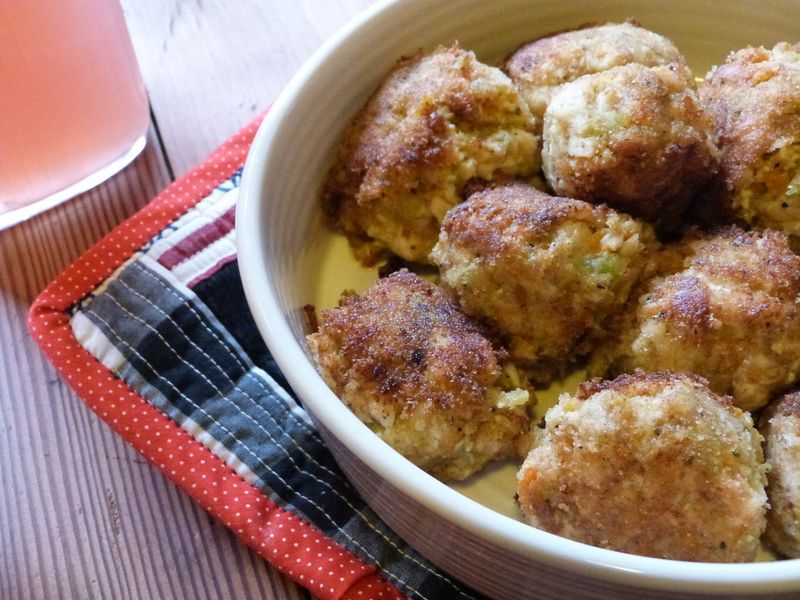
Chicken croquettes were crispy on the outside, tender and creamy inside, a tidy way to turn scraps into treats. They landed with a faint crunch and a polite plume of steam.
A drizzle of parsley cream sauce made them feel dressed up. You could hold one with a fork and feel like you accomplished dinner.
They vanished when air fryers and nuggets claimed the spotlight. But the method still works.
Make a velouté base, fold in shredded chicken, chill hard, then bread and fry. Serve with lemon and herbs.
Suddenly, thrift looks elegant again, and company asks for the recipe.
Enjoyed this story?
Add Fast Food Club as a preferred source to see more of our reporting on Google.