


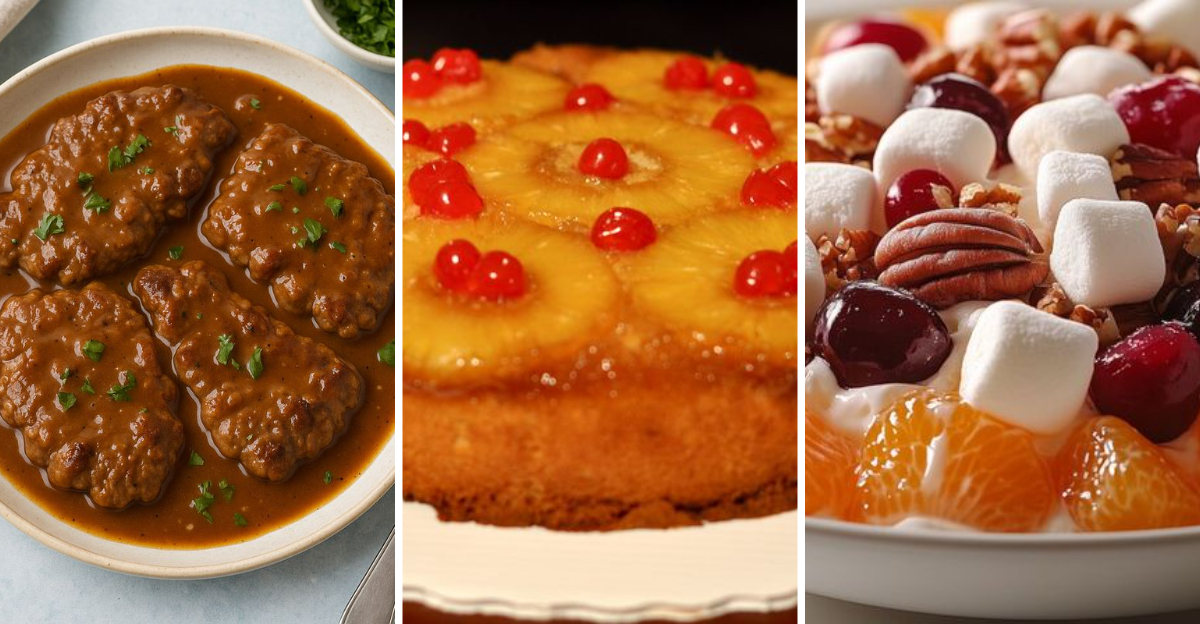
The 1960s were a golden era for home cooking, dinner parties, and bold flavors that families still talk about today. From fancy dishes served at elegant gatherings to simple weeknight comfort meals, the food of this decade had a style all its own.
Whether it came out of a casserole dish, a fancy mold, or a frozen TV tray, 1960s food was unforgettable. Here are the best foods of that groovy decade, ranked for your reading pleasure.
Beef Wellington
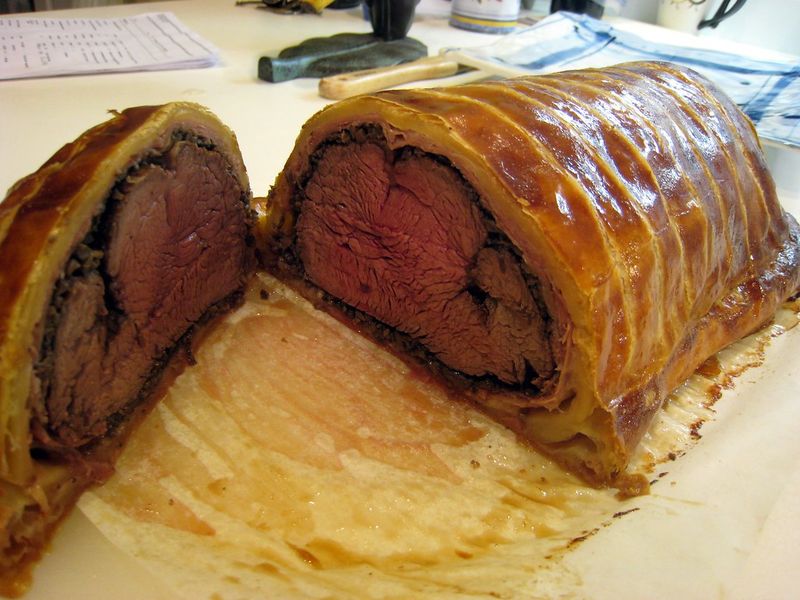
Few dishes have ever commanded a dinner table quite like Beef Wellington. This showstopper wrapped a juicy beef tenderloin in savory mushroom paste and golden, flaky puff pastry, making every slice look like a masterpiece.
It was the ultimate way to impress guests in the 1960s.
Home cooks and professional chefs alike loved showing it off at dinner parties. The crispy outside and tender, rosy inside made every bite feel like a special occasion worth celebrating.
Chicken à la King
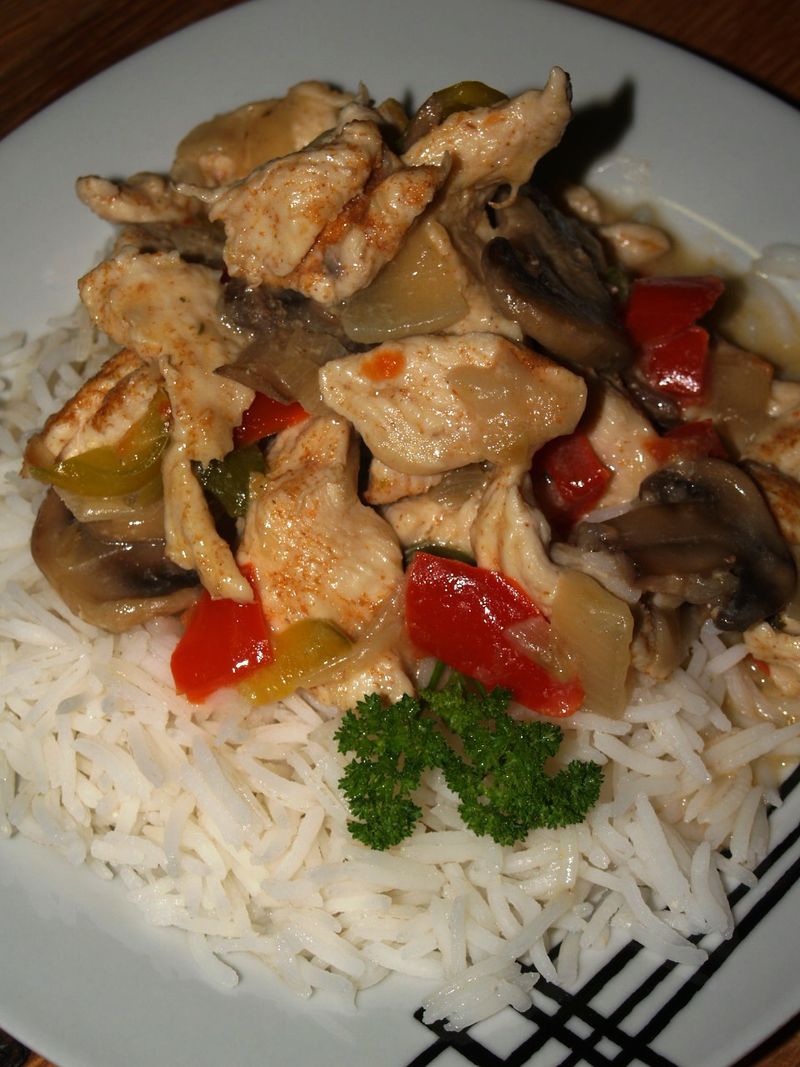
Creamy, savory, and totally satisfying, Chicken à la King felt fancy without being fussy. Tender chunks of chicken floated in a velvety cream sauce packed with mushrooms, peas, and pimentos, then spooned over fluffy rice or toast points.
It was the kind of dish that made a Tuesday feel like a celebration.
Restaurants and home kitchens both claimed this classic. Its rich flavor and simple ingredients made it a go-to meal that earned a permanent spot on 1960s dinner tables.
Fondue
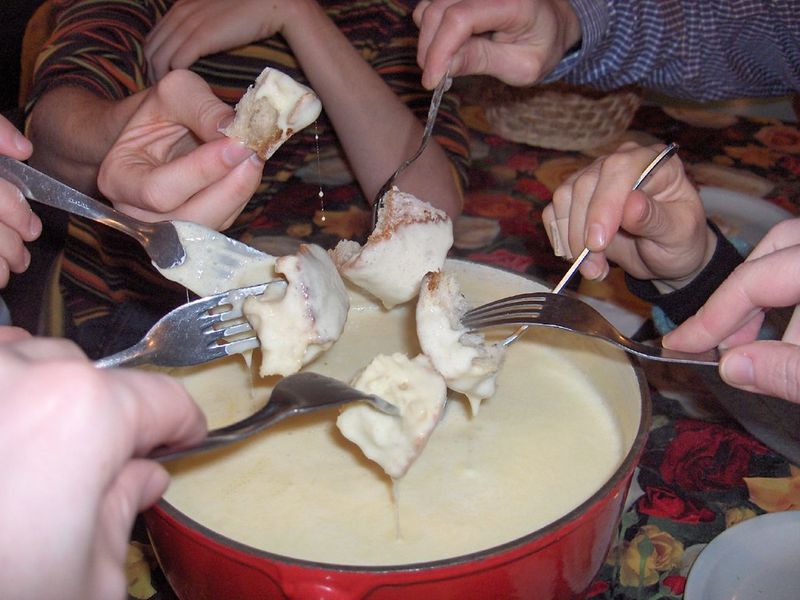
Fondue turned dinner into an event. Bubbling pots of melted Swiss cheese sat at the center of the table while guests dipped crusty bread cubes on long forks, laughing and chatting all night long.
It was interactive, warm, and just a little bit adventurous for the average 1960s household.
Fondue sets became one of the most popular wedding gifts of the decade. Whether it was cheese, chocolate, or hot oil, this communal cooking style brought people together in the most delicious way possible.
Shrimp Cocktail
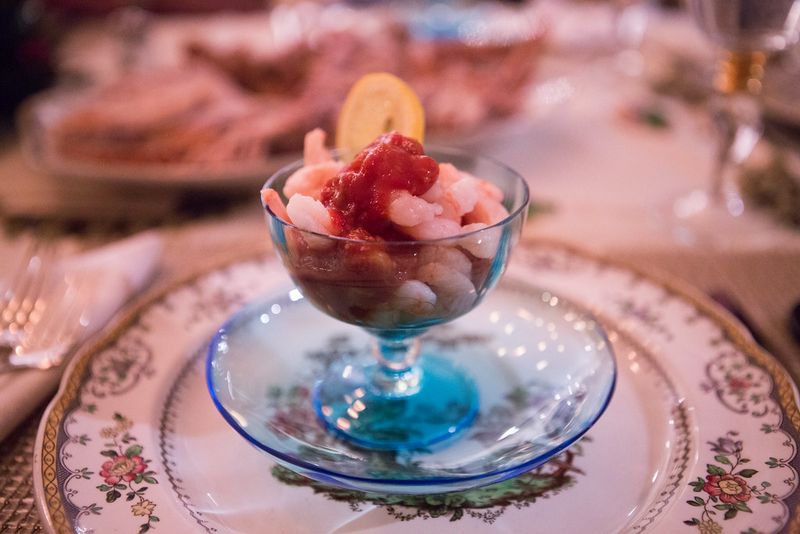
Nothing said sophistication at a 1960s dinner party like a shrimp cocktail. Large, chilled shrimp draped elegantly over a glass with tangy red cocktail sauce waiting below made guests feel like they were dining at the finest restaurant in town.
It was classy, simple, and absolutely delicious.
Shrimp cocktail became the appetizer of choice for hosts who wanted to impress without spending hours in the kitchen. That bold, zesty sauce paired with cold, snappy shrimp never got old.
Swedish Meatballs
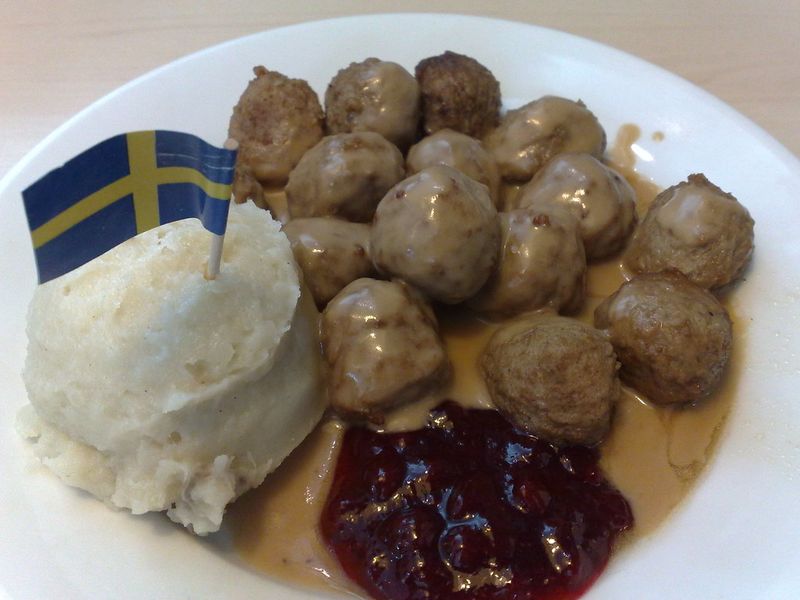
Swedish meatballs were the life of every 1960s buffet table. These small, tender meatballs smothered in a rich, creamy brown gravy had a warm, slightly sweet flavor that kept people coming back for seconds and thirds.
They were equally at home on a dinner plate or skewered with toothpicks at a cocktail party.
Their Scandinavian roots gave them an exotic flair that Americans adored. Served over egg noodles or rice, Swedish meatballs were pure comfort with just enough elegance to feel special.
Deviled Eggs
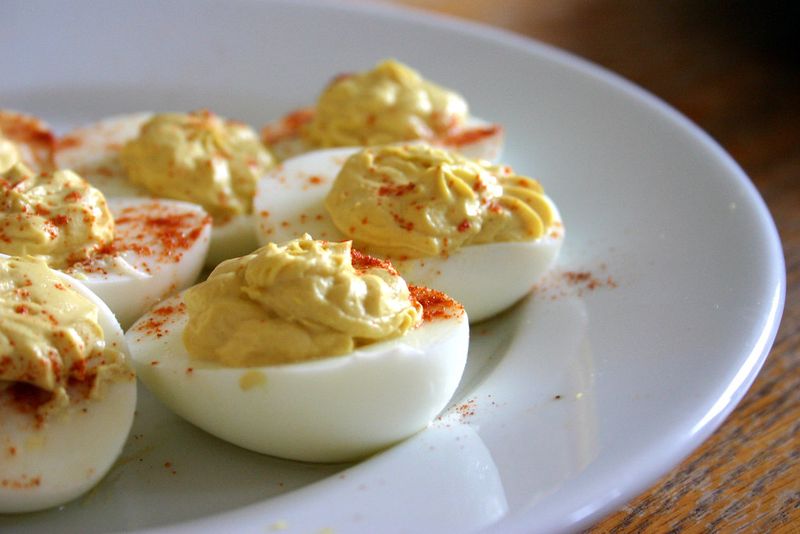
Deviled eggs were practically a law at 1960s potlucks and holiday gatherings. Halved hard-boiled eggs filled with a creamy, tangy yolk mixture and dusted with paprika disappeared faster than any other dish on the table.
They were easy to make, easy to eat, and impossible to resist.
Every family had their own secret twist, whether it was a dash of pickle relish, a squeeze of mustard, or a pinch of cayenne. That personal touch made deviled eggs feel like a little gift from whoever made them.
Salisbury Steak
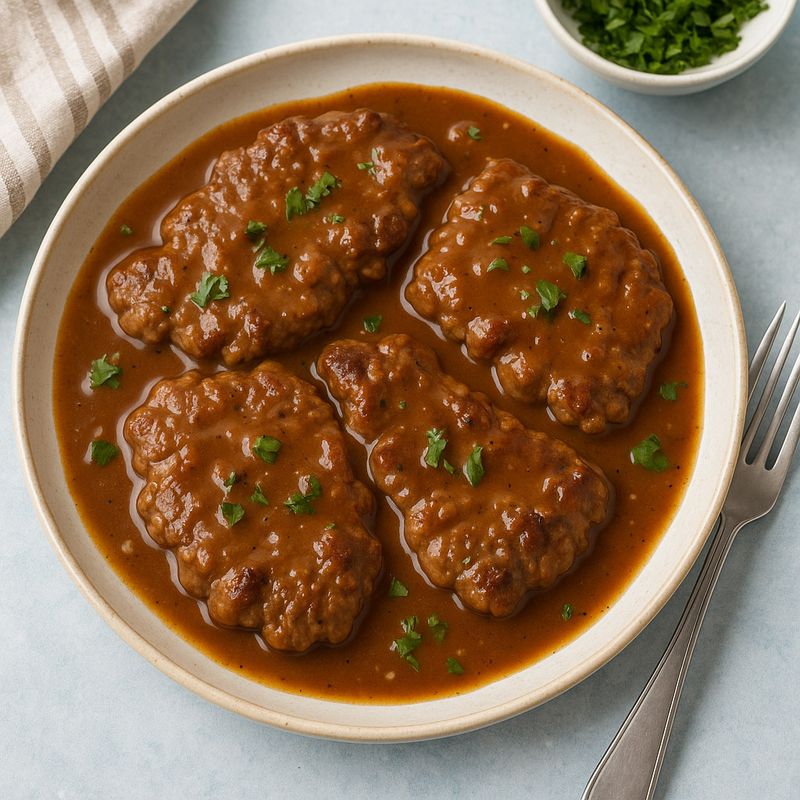
Salisbury steak was the working family’s answer to a fancy beef dinner. Seasoned ground beef shaped into oval patties, pan-fried and smothered in a thick mushroom and onion gravy, it was hearty, filling, and wildly satisfying after a long day.
Mashed potatoes on the side were basically mandatory.
Named after a 19th-century doctor who promoted beef for health, Salisbury steak became a 1960s staple both at home and in TV dinners. It had that no-nonsense, stick-to-your-ribs quality that Americans absolutely loved.
Tuna Noodle Casserole
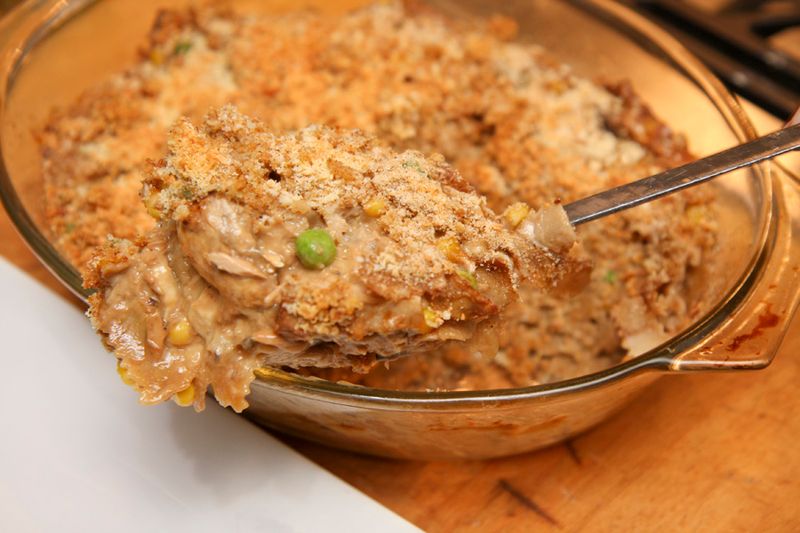
Tuna noodle casserole was the definition of 1960s weeknight cooking. Egg noodles, canned tuna, cream of mushroom soup, and peas baked together into a bubbly, golden-topped dish that fed the whole family without breaking the budget.
It was practical, warm, and surprisingly delicious.
The crispy breadcrumb topping added just the right crunch to every forkful. Generations of kids grew up eating this dish, and many still make it today as a nostalgic reminder of simpler, cozier times around the family dinner table.
Chicken Cacciatore
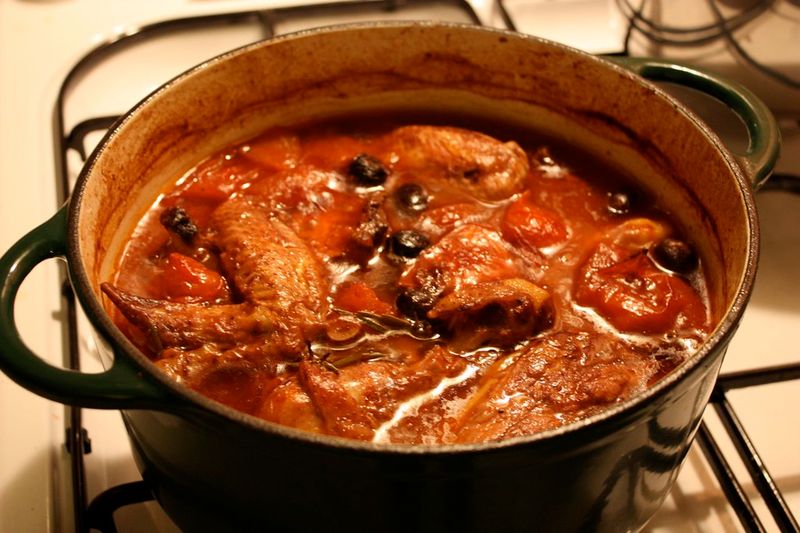
Chicken Cacciatore brought a taste of Italian countryside cooking straight to American dinner tables in the 1960s. Bone-in chicken pieces braised low and slow in a hearty tomato sauce with peppers, mushrooms, and herbs created deep, complex flavors that felt like a restaurant meal made at home.
The name means “hunter’s chicken” in Italian, and it lived up to that bold, robust reputation. Served over pasta or with crusty bread to soak up every drop of that sauce, this dish was pure weeknight magic.
Beef Stroganoff
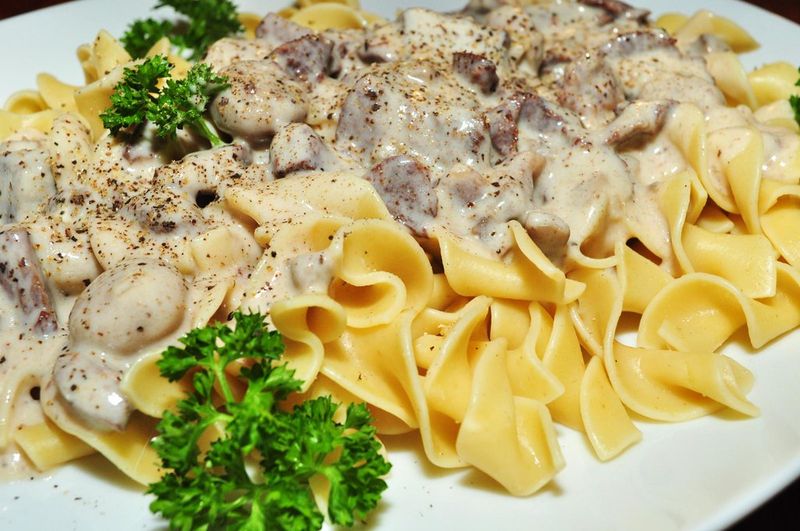
Beef Stroganoff had a sophistication that made it feel like dinner-party food even on a random Wednesday. Strips of tender beef and earthy mushrooms bathed in a silky sour cream sauce, all piled over egg noodles, created a dish that was rich, comforting, and deeply satisfying.
Originally from Russia, this recipe became wildly popular in American homes during the 1960s. Cookbooks everywhere included their version, and each household had its own twist that made theirs the “best one” according to everyone in the family.
Stuffed Bell Peppers
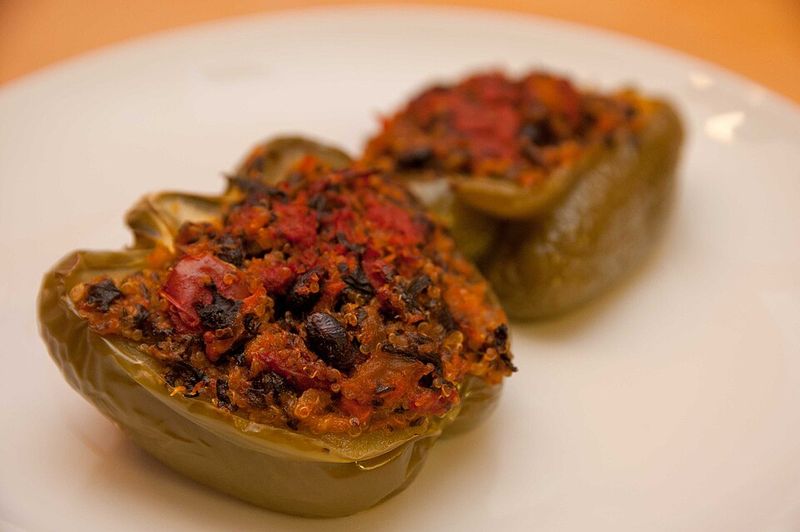
Stuffed bell peppers were a clever, colorful solution to feeding a family on a budget. Hollowed-out peppers packed with seasoned ground beef, rice, and tomato sauce baked into a self-contained, flavorful meal that looked far more impressive than the effort required to make it.
Each pepper was its own little edible bowl, which kids found particularly fun. The combination of sweet pepper, savory meat filling, and bubbly tomato topping made this dish a well-rounded, satisfying staple that appeared on 1960s dinner tables week after week.
TV Dinners
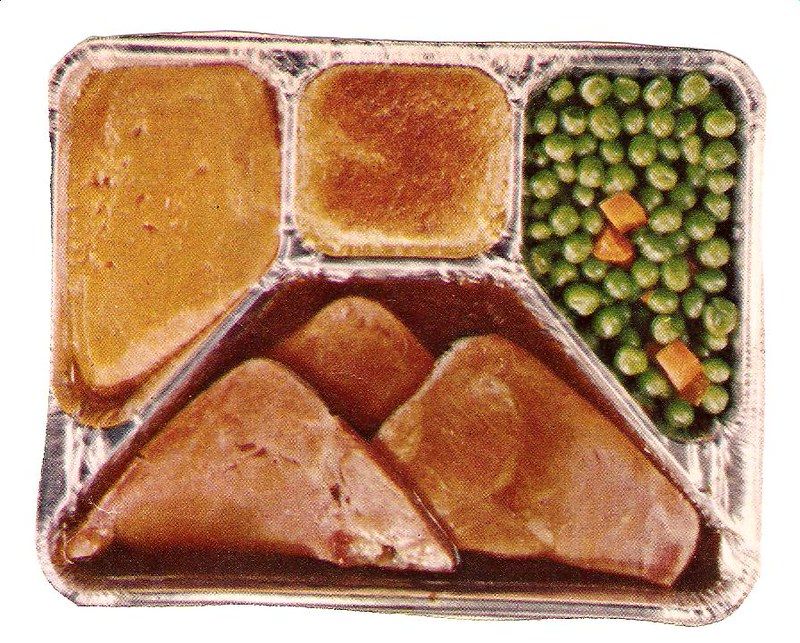
TV dinners were revolutionary. Swanson introduced the world to the idea of a complete meal frozen in a tray, ready to heat and eat while watching your favorite show.
For busy families in the 1960s, this was nothing short of a miracle of modern convenience.
The aluminum trays with their neat little compartments felt futuristic and fun. Kids especially loved them because eating in front of the TV felt like a special treat.
TV dinners changed the way America thought about mealtime, forever.
Sloppy Joes
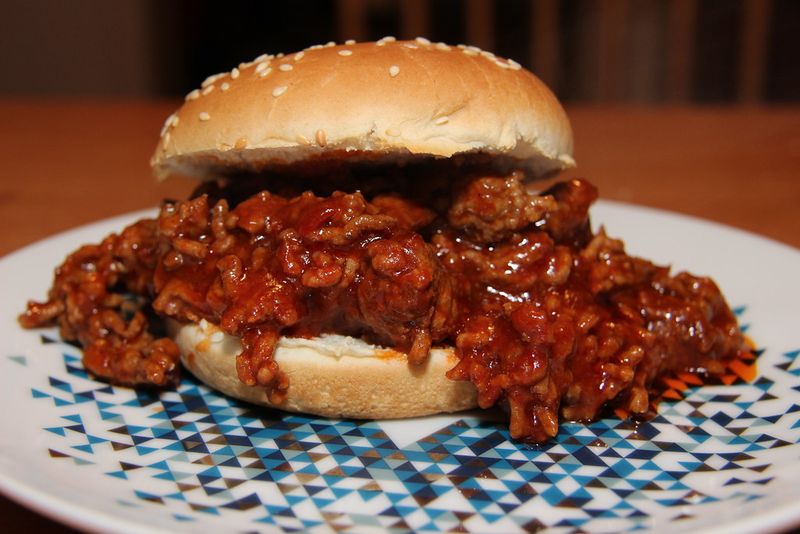
Sloppy Joes were messy, saucy, and completely wonderful. Seasoned ground beef simmered in a sweet and tangy tomato-based sauce piled onto a soft hamburger bun was the kind of lunch or dinner that made kids race to the table.
No fancy plating required, just plenty of napkins.
School cafeterias and home kitchens both served this beloved classic throughout the 1960s. The name perfectly matched the experience, and somehow the messier it got, the better it tasted.
Few sandwiches have ever matched that carefree, crowd-pleasing energy.
Meatloaf
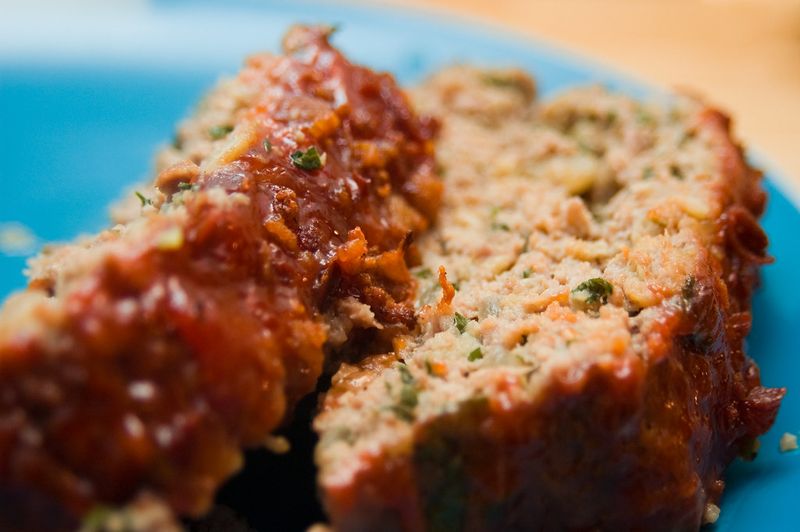
Meatloaf was the ultimate symbol of 1960s home cooking. Ground beef mixed with breadcrumbs, eggs, and seasonings, shaped into a loaf and baked with a glossy ketchup glaze on top, it was hearty, economical, and deeply comforting.
Cold meatloaf sandwiches the next day were honestly just as good.
Every mom had her secret recipe, and every family swore theirs was the best. Whether dressed up with onion soup mix or kept simple with salt and pepper, meatloaf delivered honest, no-fuss flavor that never went out of style.
Green Bean Casserole
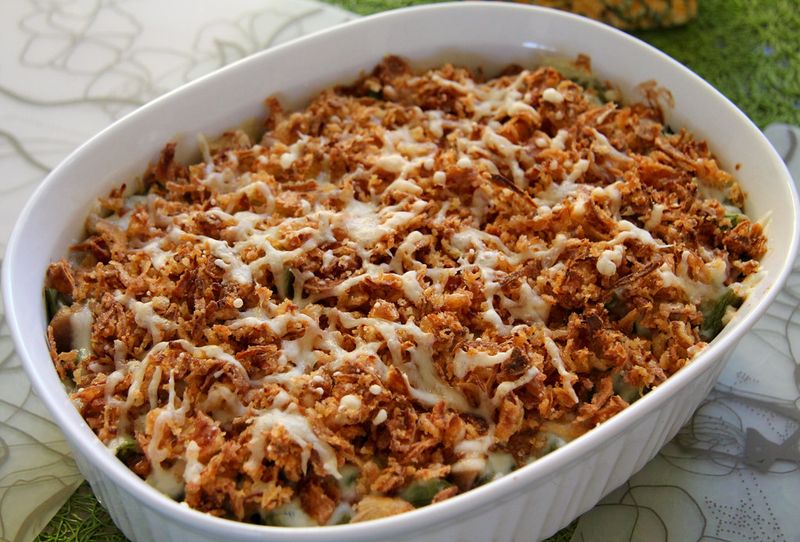
Campbell’s Soup Company gave the world green bean casserole in 1955, and by the 1960s it had become a holiday table non-negotiable. Green beans smothered in cream of mushroom soup, topped with crunchy French fried onions, baked until bubbling and golden, it was simple perfection in a casserole dish.
The contrast between the creamy filling and the crispy topping made every bite interesting. Generations of families have served this dish at Thanksgiving, and remarkably, nobody ever seems to get tired of it.
Ambrosia Salad
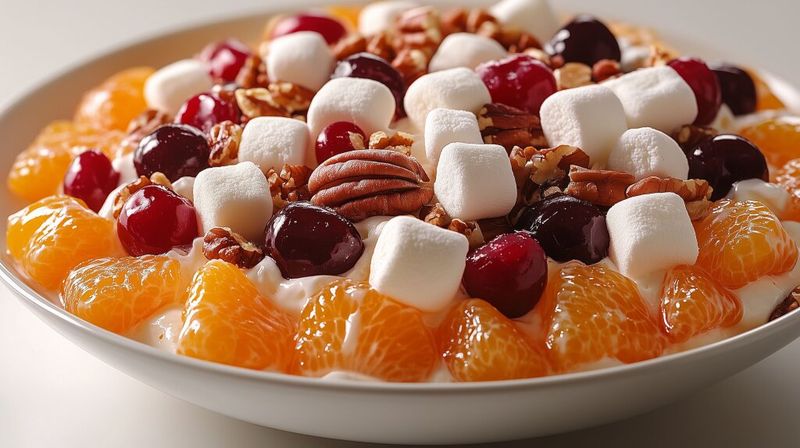
Ambrosia salad had a name that meant food of the gods, and 1960s cooks took that title seriously. Fluffy whipped cream folded together with mandarin oranges, pineapple chunks, mini marshmallows, and shredded coconut created a sweet, tropical, cloud-like dish that straddled the line between salad and dessert.
It showed up at every potluck, holiday dinner, and church gathering imaginable. The bright colors and sweet flavors made it a hit with kids and adults alike, and its effortless no-bake preparation made it a favorite for busy hosts everywhere.
Pineapple Upside-Down Cake
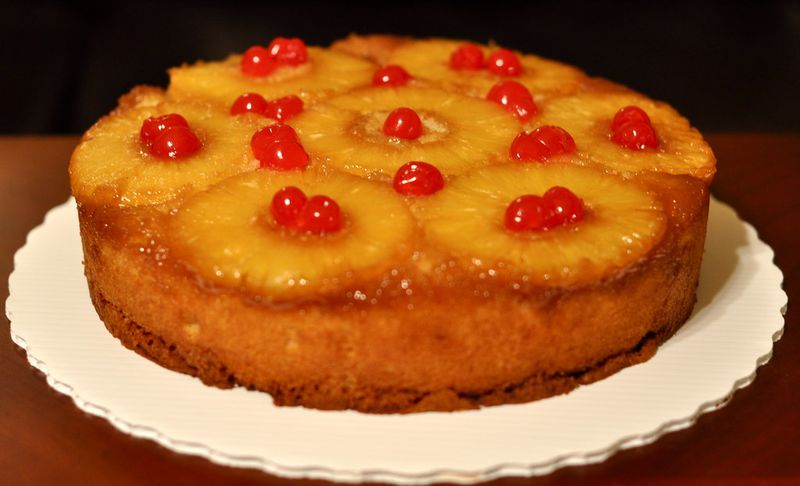
Flipping this cake out of the pan was one of the most satisfying moments in 1960s baking. The caramelized pineapple rings with bright red maraschino cherries nestled in each center glistened on top of a buttery, golden sponge cake that smelled absolutely incredible fresh from the oven.
It was visually stunning without requiring any decorating skills, which made it a favorite for home bakers everywhere. That sticky, sweet pineapple topping soaked into the cake as it cooled, creating a moist, fruity, irresistible dessert that became a true icon of the era.
Jell-O Mold Salad
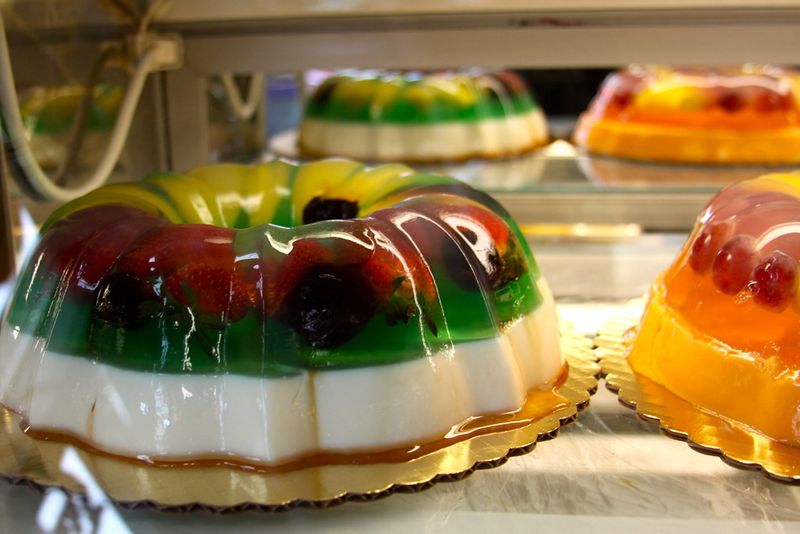
Jell-O molds were the most creative, baffling, and strangely beloved food trend of the 1960s. Gelatin in every color imaginable was poured into decorative molds and suspended with fruits, vegetables, marshmallows, and even cream cheese, then chilled and unmolded onto a platter with theatrical flair.
Lime Jell-O with cream cheese and crushed pineapple was a particular crowd favorite. Whether served as a salad or dessert, these wobbly, jewel-toned creations were a point of pride for the cook who made them, no matter how unusual the combination.
Chipped Beef on Toast
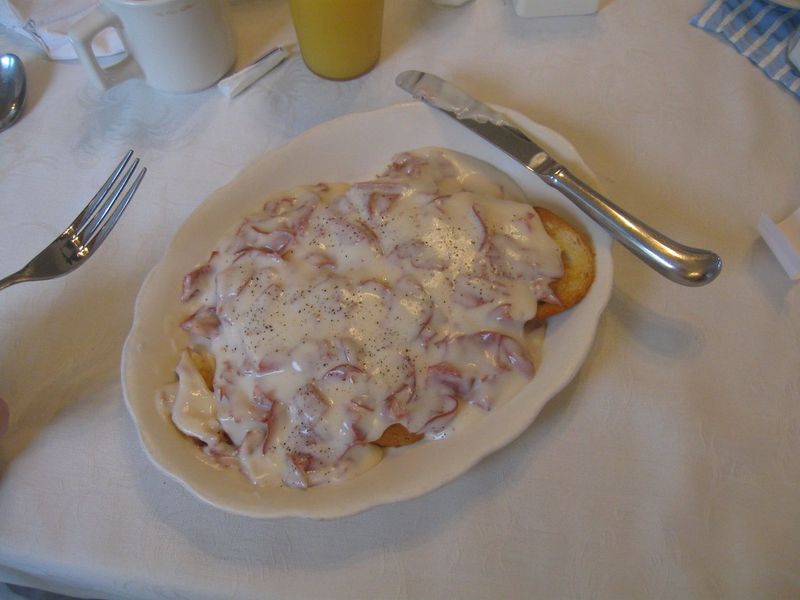
Nicknamed something unprintable by soldiers who ate it in the military, Chipped Beef on Toast still found its way onto plenty of 1960s breakfast and dinner tables with great affection. Thin, salty slices of dried beef stirred into a simple creamy white gravy and ladled over toast was pure, humble comfort food.
It required almost no time and very few ingredients, making it a reliable meal for tight budgets. The saltiness of the beef balanced the mild gravy perfectly, and those who grew up eating it remember it with genuine fondness.
Pigs in a Blanket
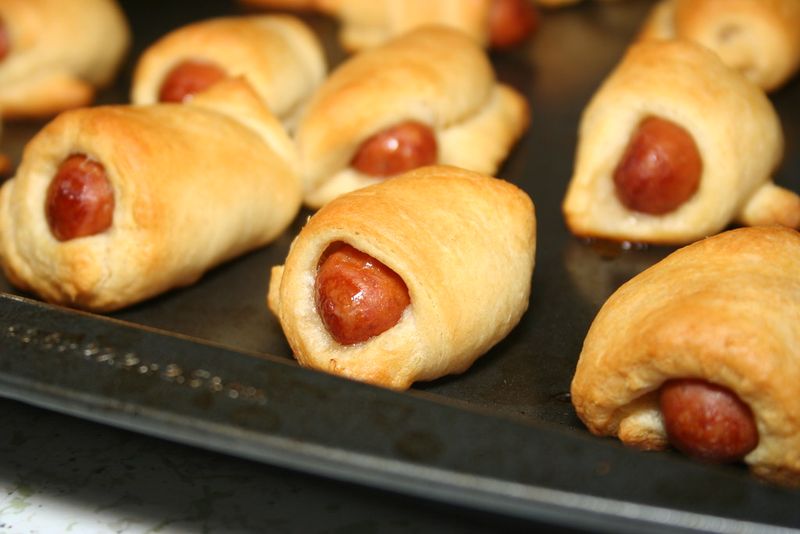
Party hosts in the 1960s knew one universal truth: put out pigs in a blanket, and every guest will be happy. Little cocktail sausages rolled up in buttery crescent dough and baked until golden brown were the ultimate finger food, warm, savory, and totally impossible to eat just one of.
They disappeared from the appetizer tray faster than anything else at the party. Simple to prepare and endlessly crowd-pleasing, pigs in a blanket earned their permanent place in the 1960s entertaining playbook with zero competition.
Chicken Pot Pie
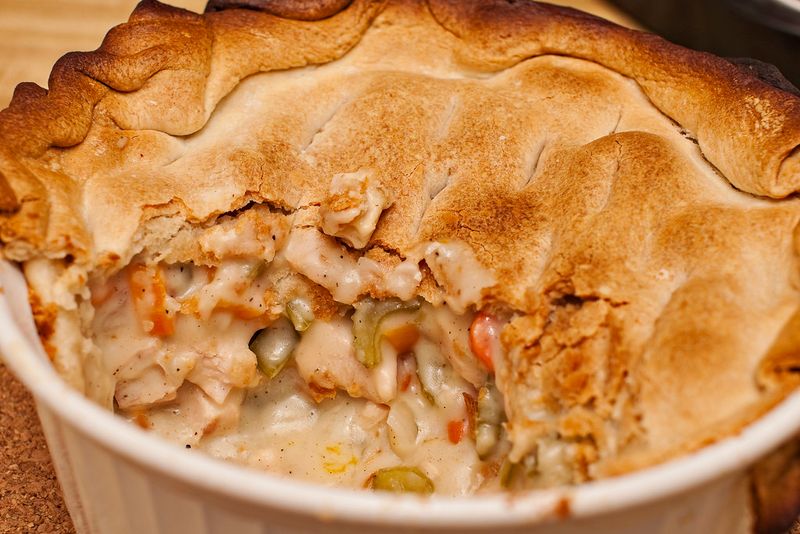
Chicken pot pie was like a warm hug in pastry form. A thick, creamy filling of tender chicken, carrots, peas, and potatoes sealed under a buttery, flaky golden crust made this dish one of the most comforting things imaginable on a cold evening in the 1960s.
Breaking through that crispy crust to reveal the steaming filling underneath was half the joy of eating it. Whether made from scratch or picked up frozen from the grocery store, chicken pot pie was a reliable, deeply satisfying meal that families genuinely looked forward to.
Waldorf Salad
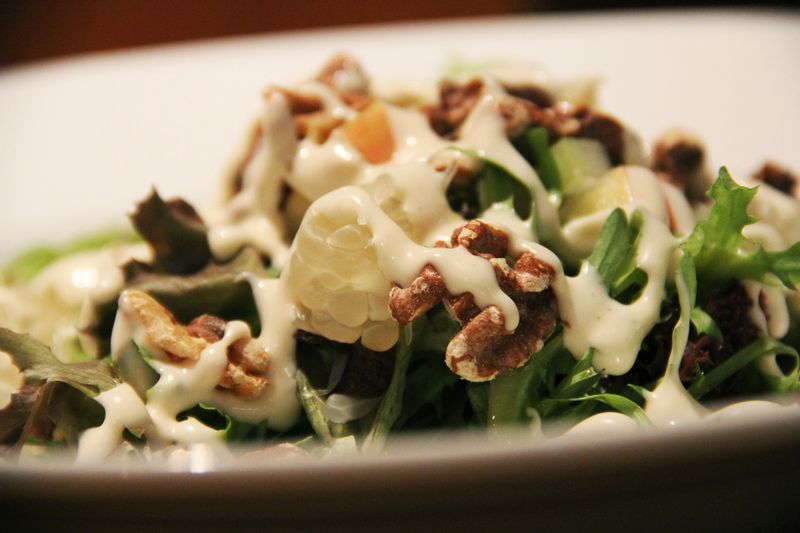
Born at New York’s Waldorf-Astoria Hotel in the late 1800s, the Waldorf Salad reached peak popularity on American tables during the 1960s. Crisp apple chunks, crunchy celery, toasted walnuts, and sweet grapes tossed in a creamy mayonnaise dressing created a refreshing, texturally exciting salad unlike anything else on the menu.
It was light enough to serve as a starter but satisfying enough to stand on its own. The mix of sweet, crunchy, and creamy in every forkful made it a sophisticated yet approachable dish that dinner guests always appreciated.
Tomato Aspic
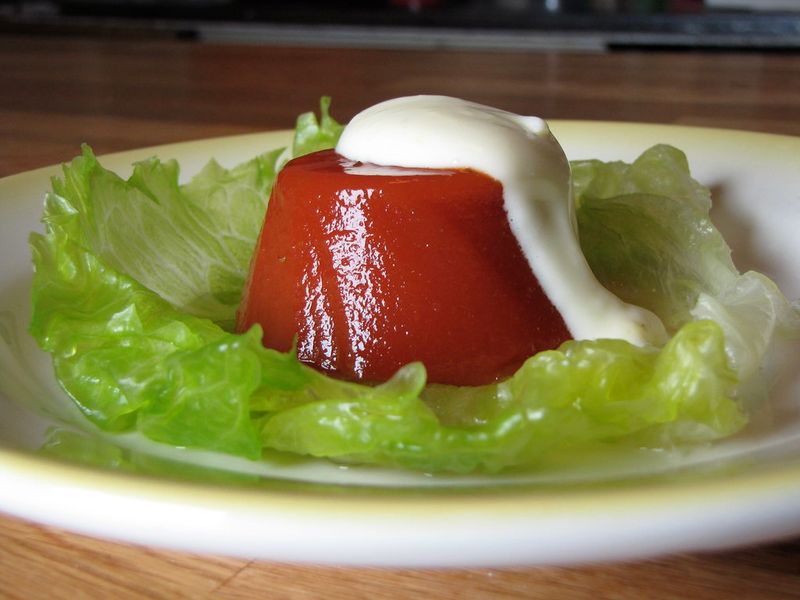
Tomato aspic might be one of the most misunderstood dishes of the 1960s, but in its heyday it was considered the height of elegant entertaining. Savory tomato juice set into firm gelatin with bits of celery, olives, and sometimes shrimp stirred in, then unmolded onto a lettuce-lined platter, it was striking and unusual.
The tangy, savory flavor worked surprisingly well as a light starter or side dish. Today it raises eyebrows, but back then a perfectly unmolded tomato aspic on the table meant the hostess really knew what she was doing.
Liver and Onions
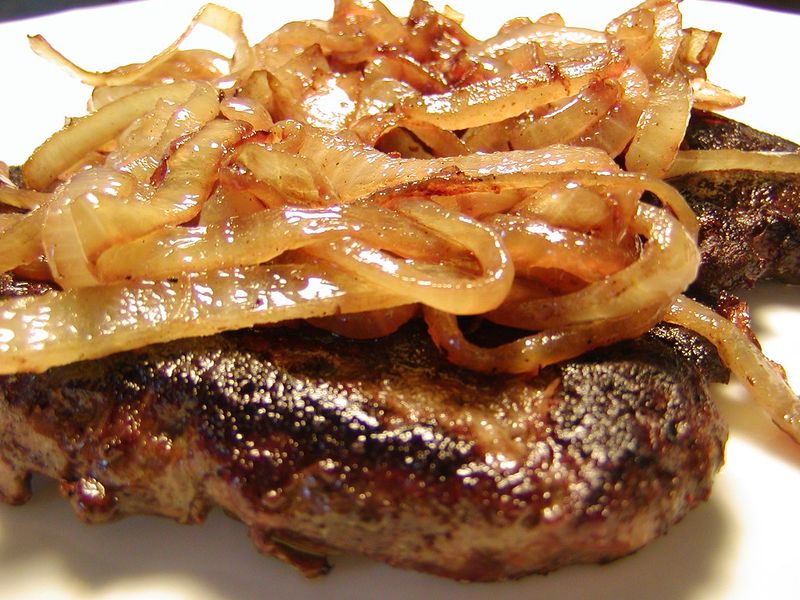
Liver and onions was the dish that divided households right down the middle. Kids dreaded it, but parents who grew up during leaner times knew its nutritional value and earthy, iron-rich flavor made it worth every protest.
Pan-fried beef liver with sweet, slow-cooked caramelized onions was deeply savory and surprisingly complex.
When cooked properly, not overcooked and tough, liver had a tender, almost silky texture that paired beautifully with those sweet onions. It was economical, nourishing, and a staple on 1960s dinner tables whether the children liked it or not.
Rice Pudding
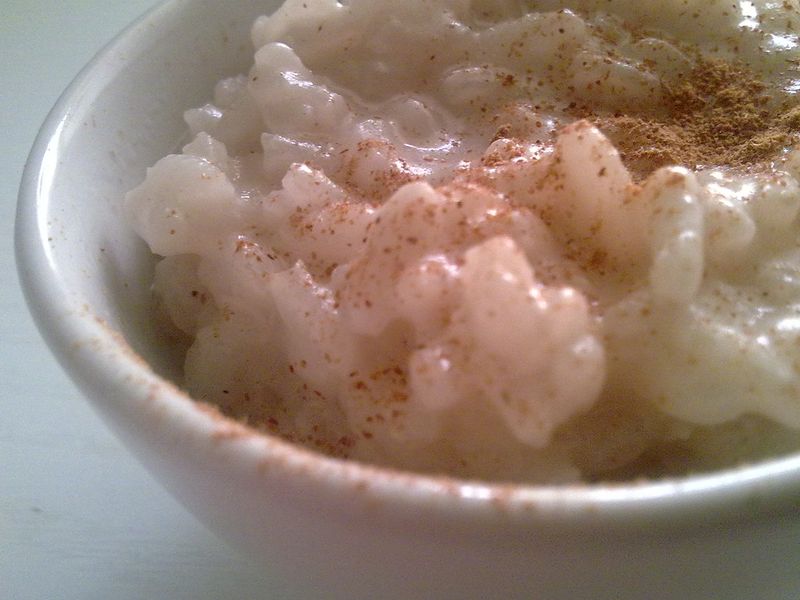
Rice pudding was the kind of dessert that felt like a warm blanket on a rainy afternoon. Soft, slow-cooked rice stirred into sweetened, creamy milk and flavored with vanilla and cinnamon created a gentle, soothing dessert that never tried too hard and never failed to deliver comfort.
Raisins stirred in added little bursts of sweetness throughout. It was humble, inexpensive, and made from pantry staples most families already had on hand.
In a decade full of flashy party foods, rice pudding was the quiet, dependable dessert that everyone secretly loved most.
Baked Alaska
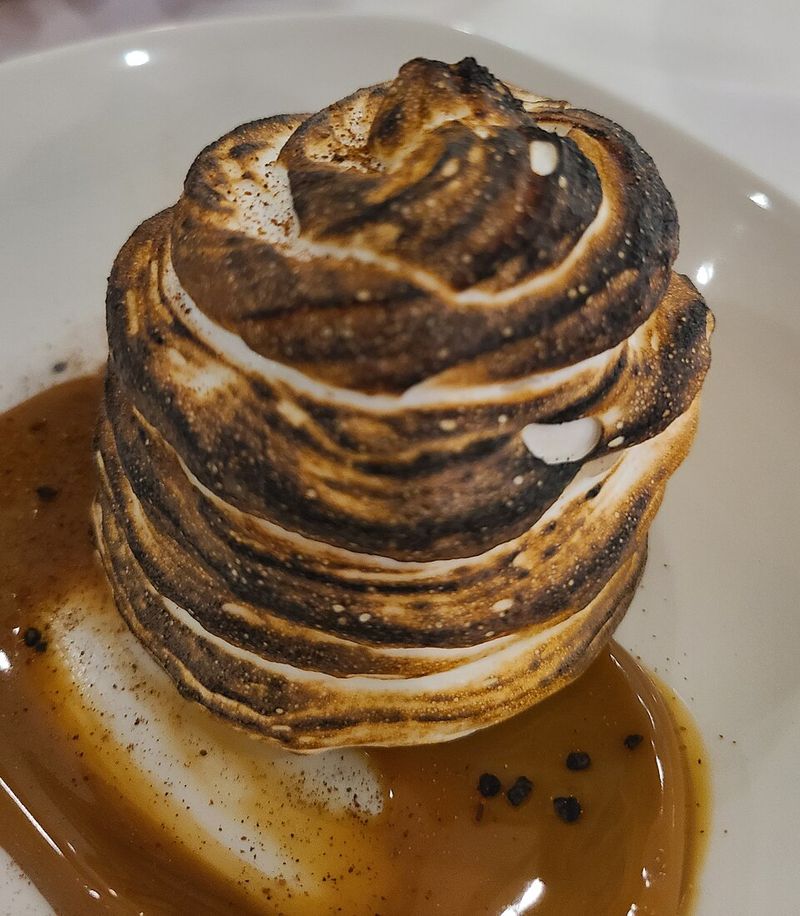
Baked Alaska was pure theater on a dessert plate. A dome of fluffy meringue insulated ice cream and sponge cake inside, then the whole thing went into a blazing hot oven just long enough to toast the outside golden brown without melting anything inside.
The science behind it felt like magic.
It was the showstopper dessert of 1960s dinner parties, guaranteed to produce gasps and applause when brought to the table. Pulling it off successfully made any home cook feel like a culinary genius, and the combination of warm meringue and cold ice cream was genuinely extraordinary.
Cherry Jubilee
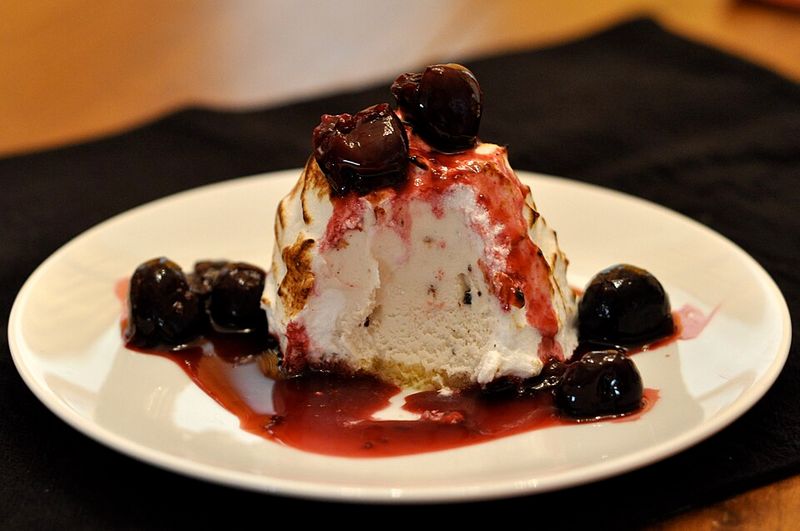
Cherries Jubilee was all about the flame. Plump cherries simmered in a brandy or kirsch sauce were set dramatically ablaze tableside, then spooned over vanilla ice cream while the blue flames still danced.
It was less a dessert and more a performance, and 1960s dinner party guests absolutely adored every second of it.
The warm, boozy cherry sauce melting into cold, creamy ice cream was a brilliant combination of temperatures and flavors. For hosts who wanted to end the evening on an unforgettable high note, nothing matched the spectacle of Cherries Jubilee.
Banana Cream Pie
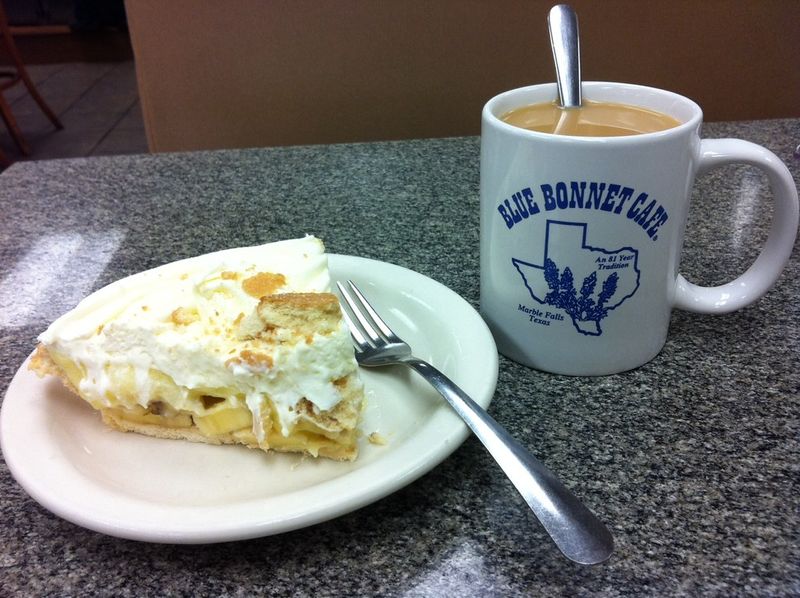
Banana cream pie had a way of making everything better. A buttery pie crust filled with layers of fresh banana slices, rich vanilla custard, and a generous cloud of whipped cream on top was straightforward, beautiful, and absolutely delicious.
It required no fancy techniques, just good ingredients and a little patience while it chilled.
Diners and home kitchens both made legendary versions of this pie throughout the 1960s. The sweetness of ripe bananas against cool, silky custard and airy whipped cream made every single slice feel like a small, personal celebration worth savoring slowly.
Chocolate Cream Pie
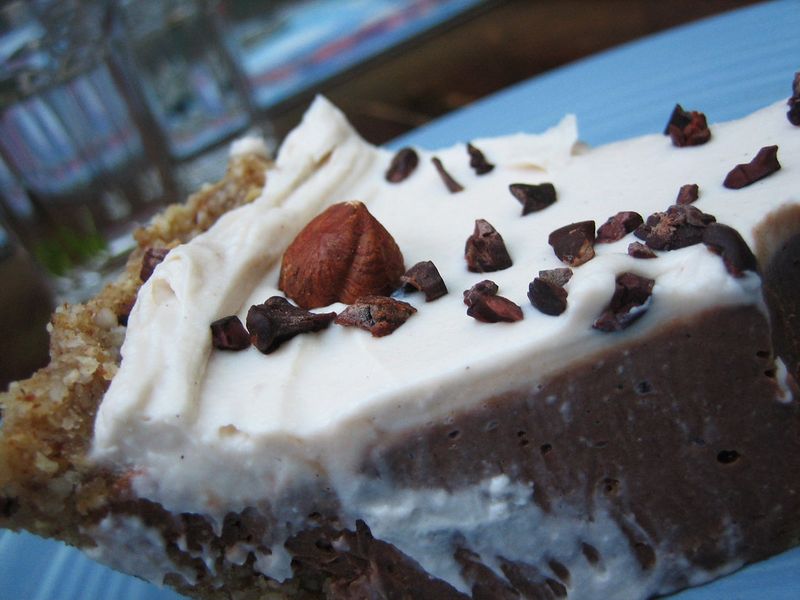
For chocolate lovers in the 1960s, chocolate cream pie was the answer to every craving. A crisp, flaky crust filled to the brim with dense, velvety chocolate pudding and crowned with billowy whipped cream and chocolate shavings delivered maximum indulgence in every single forkful.
No one ever turned down a slice.
It was a staple at diners, potlucks, and holiday dinners across the country. The deep, bittersweet chocolate filling balanced beautifully against the sweetness of the whipped cream, making this pie one of the most consistently beloved desserts the decade had to offer.
Banana Split
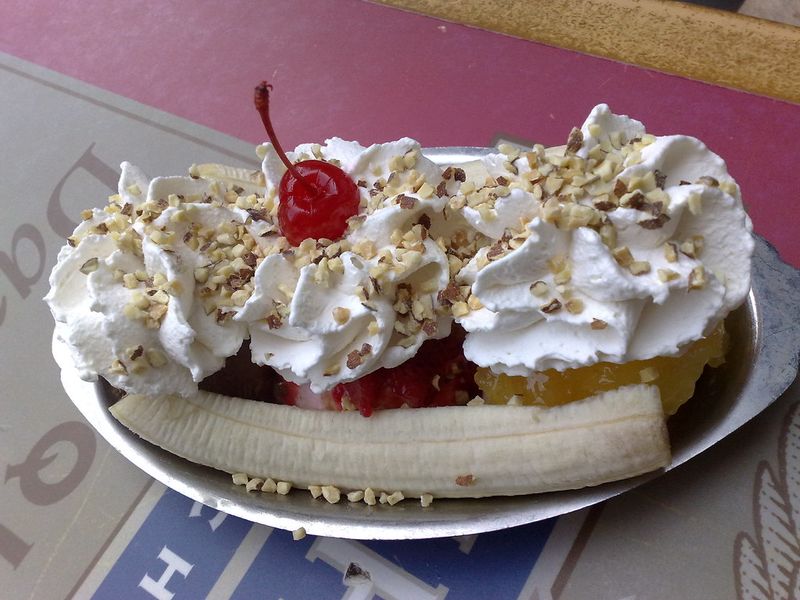
The banana split was the ultimate ice cream experience of the 1960s, a full-on dessert adventure in a single long dish. A split banana cradled three scoops of ice cream, each topped with its own sauce, then piled high with whipped cream, crushed nuts, and a bright maraschino cherry on top.
Soda fountains and ice cream parlors built their reputations on this legendary creation. Sharing one with a friend or sibling was a rite of passage for American kids, and finishing one solo was a personal achievement worth bragging about for at least a week afterward.
Enjoyed this story?
Add Fast Food Club as a preferred source to see more of our reporting on Google.