



Some foods went from pantry staples to headline villains practically overnight. One study drops, a documentary trends, and suddenly your breakfast feels like a moral referendum.
Let’s dial down the noise and bring back some common sense. Here’s a calm, practical look at everyday foods that deserve less drama and more balance.
Butter

Butter went from table staple to nutritional villain, then back to misunderstood classic. You have probably heard saturated fat warnings, corporate margarine pushes, and confusing headlines.
In real life, portion size and context matter more than clicky debates.
Use a thin pat on hot vegetables, finish a pan sauce, or bake on occasion. Buy quality if you can, store it cold, and enjoy the taste you actually notice.
Real food, reasonable amounts, less noise.
If dairy is not your friend, skip it confidently and choose olive oil or ghee. Butter is a choice, not a moral test, and breakfast should feel calm again.
Whole milk

Whole milk became a lightning rod because of fat content and long debates about heart health. Yet many people find it more satisfying, which may help with portion control.
The key is listening to your body and looking at your whole diet.
If lactose bothers you, choose lactose free or fermented options like kefir. Pair milk with fiber rich foods, not sugary cereals, to keep energy steady.
Consider cultural traditions that thrived with dairy in balance.
You are not doing nutrition wrong if you enjoy a small glass. Choose what feels good, fits your goals, and keeps you full longer.
Eggs
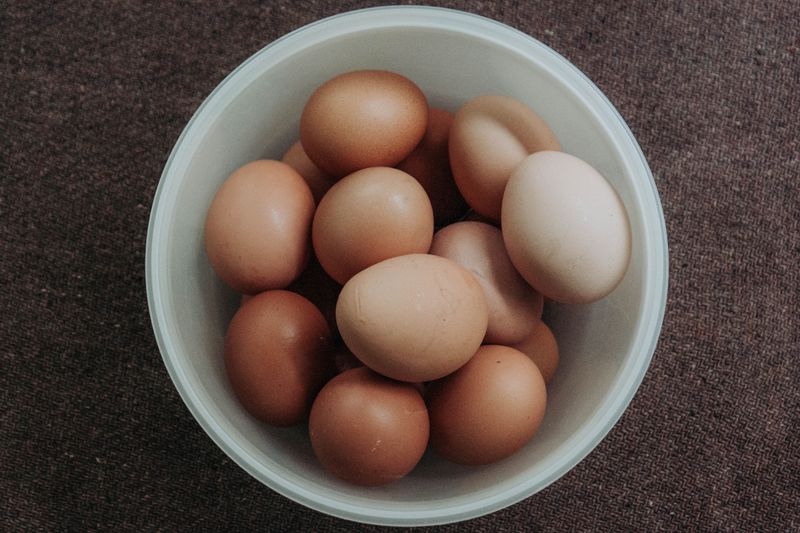
Eggs wore the cholesterol crown for decades, and many of us got spooked. Then research clarified that dietary cholesterol affects people differently.
For most healthy folks, eggs can fit into a balanced pattern without drama.
They are affordable, protein rich, and ridiculously versatile. Scramble with vegetables, boil for snacks, or poach over greens.
If your doctor gave specific guidance, follow it, but do not fear an omelet by default.
Buy what aligns with your budget and values, whether pasture raised or conventional. Keep portions reasonable, add color on the plate, and let breakfast be satisfying again.
Bacon
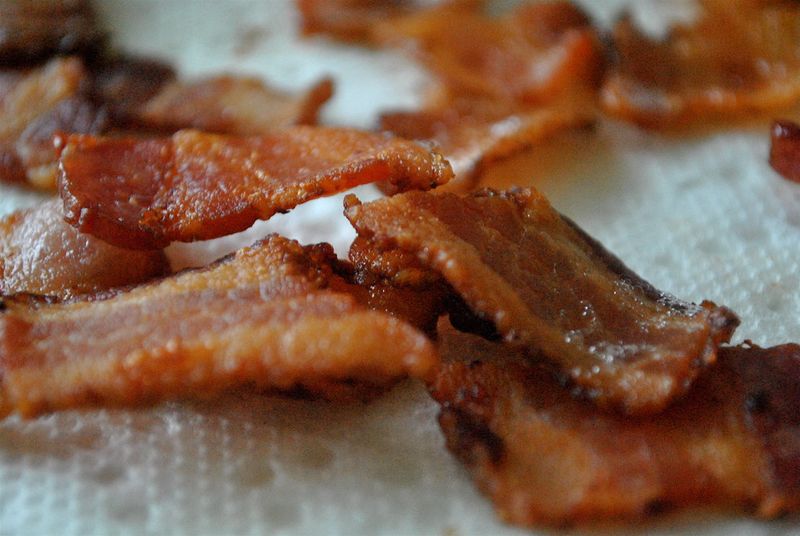
Bacon became the internet’s mascot and the nutrition world’s villain at the same time. Processed meat risks are real, yet total exposure and frequency matter.
Turning bacon into a daily habit is different from a weekend garnish.
If you love it, treat it like a condiment. Crumble a slice over eggs or a salad instead of stacking a plate.
Cook gently, drain excess fat, and pair with fruit or greens.
Alternatively, skip it without fanfare. Breakfast can be savory with smoked paprika, mushrooms, or avocado.
You deserve flavor without feeling judged by memes or fear fueled headlines.
White bread

White bread got labeled empty calories, which is not entirely unfair but not the whole story. It is softer, easier to digest for some, and nostalgic.
The problem is often excess, not a single slice.
Use it intentionally for a grilled cheese or a tomato sandwich you truly enjoy. Balance the meal with protein and produce to slow the ride.
If you need more fiber, keep whole grain bread as your daily default.
Food is not a morality quiz. Choose the bread that fits the moment, notice how you feel, and move on.
Simplicity helps.
White rice
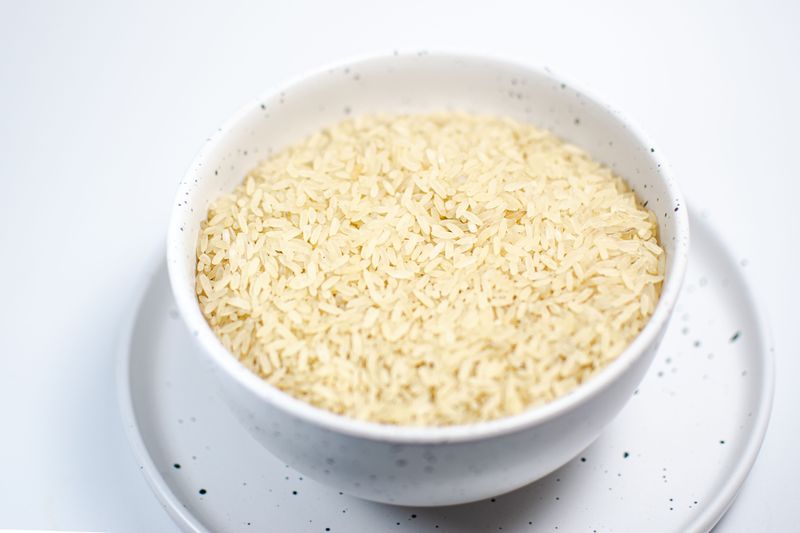
White rice often gets dismissed as bland starch, yet billions thrive with it alongside vegetables, legumes, and seafood. The issue is not the grain itself but the company it keeps.
Sauces, portions, and add ins matter.
Rinse, cook gently, and pair with fiber rich sides like beans or leafy greens. Consider cooling and reheating for a touch more resistant starch.
If you prefer brown rice, alternate, but do not shame cultural staples.
Your plate can hold both tradition and nutrition. Choose the version that supports your digestion, energy, and taste buds without stress.
Practical beats perfect.
Potatoes
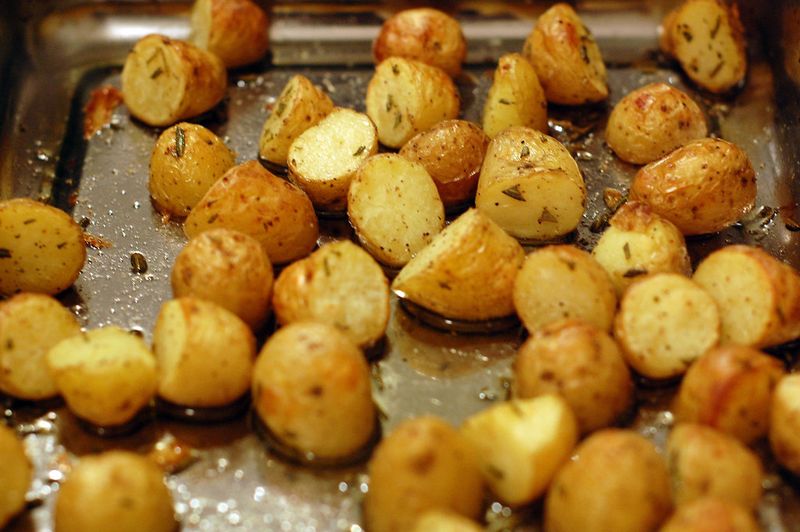
Potatoes got tangled in low carb wars and fast food guilt by association. Yet a plain potato is a mineral rich, satisfying base.
The controversy lives mostly in what we pile on top and how we cook them.
Bake, boil, or roast with olive oil, salt, and herbs. Keep skins when possible for fiber.
Pair with protein and a colorful salad to balance blood sugar and make the meal last.
Fries are fun sometimes, not a daily requirement. You can love a humble baked potato without apology.
Practical choices, not perfection, bring comfort back to the table.
Peanut butter
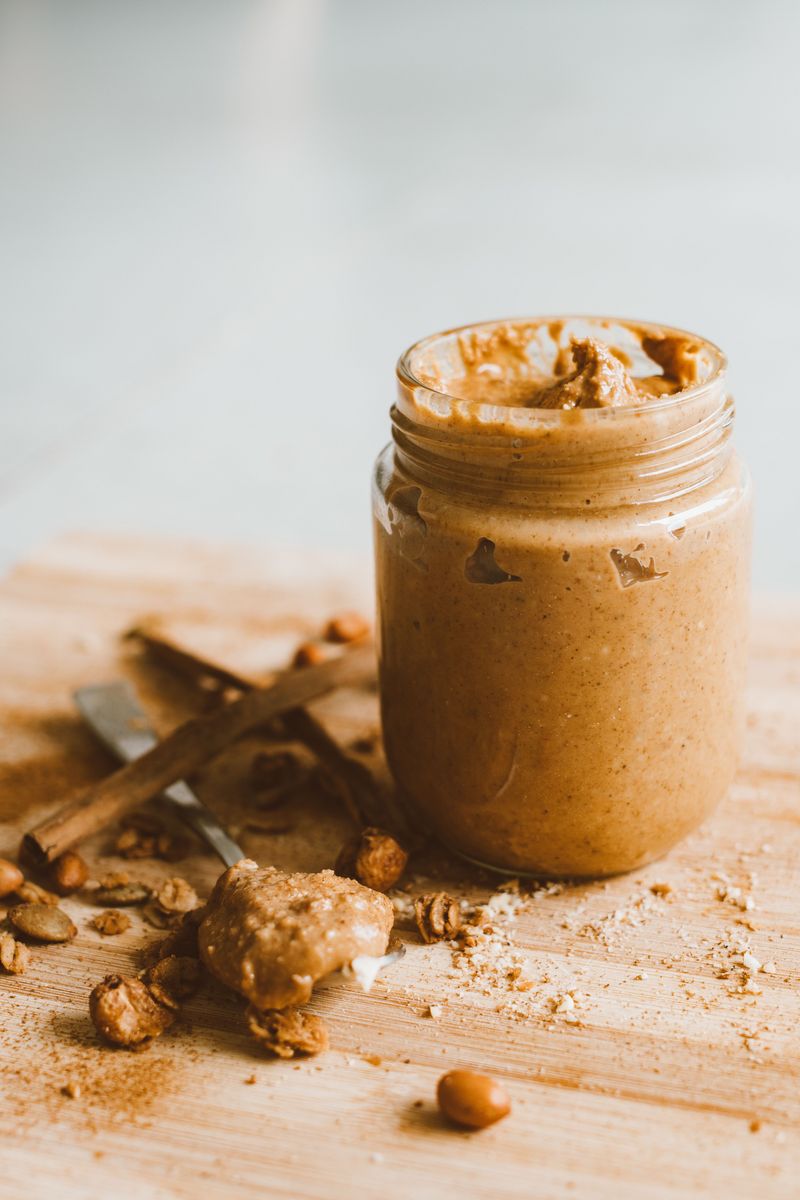
Peanut butter swings between protein hero and sugar trap depending on the label. Many jars add oils and sweeteners, but simple versions are just peanuts and salt.
Portion size matters because it is energy dense and easy to love.
Spread a measured spoon on toast, swirl into oatmeal, or dip with crisp apples. Stir natural jars to blend the oils.
If allergies are in play, choose safe alternatives like almond butter or sunflower seed spread.
You deserve convenience without confusion. Read ingredients, aim for what you enjoy, and keep servings intentional.
Satisfaction beats snacking chaos every time.
Coffee
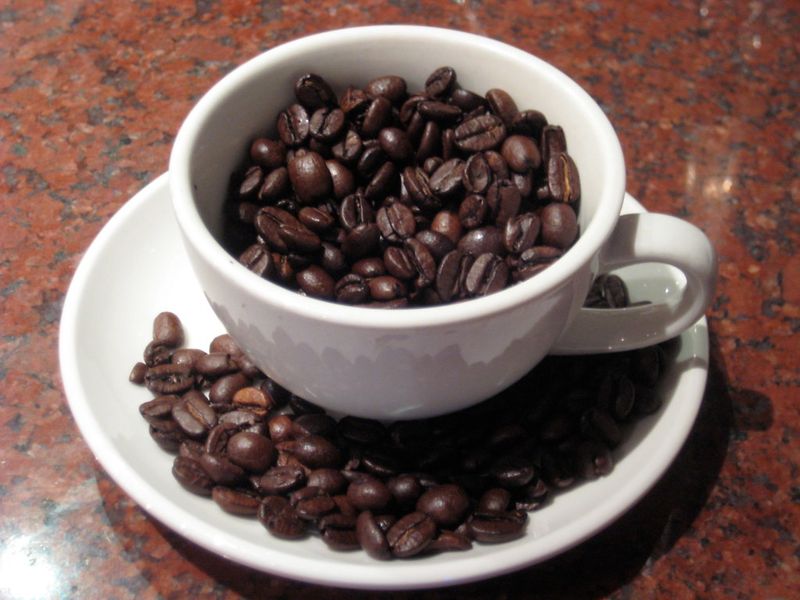
Coffee has been framed as both longevity juice and anxiety in a mug. The truth is personal tolerance rules.
Caffeine timing, dose, and what you add to the cup decide how it treats you.
Drink it earlier in the day, sip water too, and skip the sugar avalanche. Try it black, with milk, or lightly sweetened depending on your goals.
If sleep or jitters suffer, scale back without guilt.
Rituals matter. Brew at home, meet a friend, or take a mindful minute alone.
Coffee can enhance life when it supports your rhythm, not hijacks it.
Cheese

Cheese is delicious and divisive, usually because of saturated fat, salt, and portion creep. Yet it brings protein, calcium, and serious satisfaction.
The fix is mindful amounts, not total exile for most people.
Buy a flavorful wedge so a small piece goes a long way. Pair with fruit, whole grains, or vegetables to round out the plate.
If dairy bothers you, try aged varieties or lactose free options.
There is room for pleasure in a healthy pattern. Slice thoughtfully, savor slowly, and move on with your day.
Cheese should be joy, not judgment.
Salt

Salt gets blamed for everything, yet most sodium sneaks in through restaurant meals and packaged foods. Home cooking with a measured pinch is a different story.
Your taste buds and health needs should guide the shaker.
Season during cooking, then adjust at the table. Use acid, herbs, and spices to amplify flavor without defaulting to more salt.
If your doctor set limits, follow them and read labels closely.
Hydration, potassium rich produce, and movement support balance too. Cooking at home gives you control.
Flavor should feel bright and alive, not smothered or blandly fearful.
Pasta
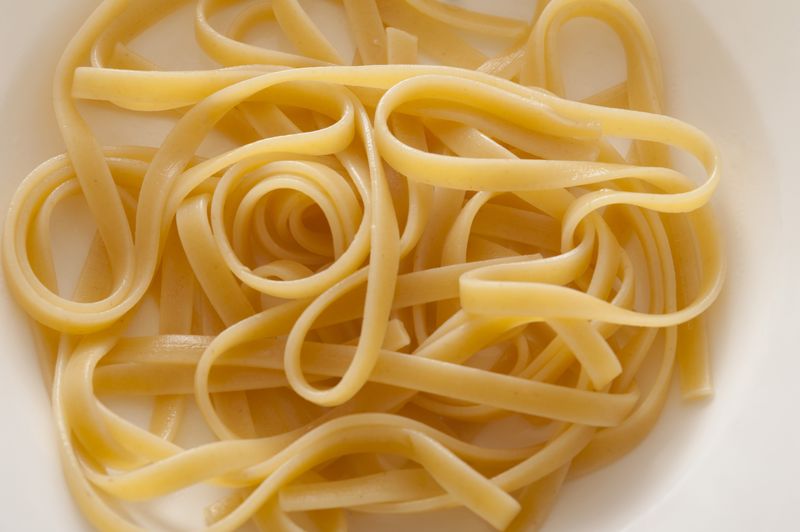
Pasta became a carb scapegoat, though cultures have thrived with it for ages. The trick is portions, sauces, and company on the plate.
Overloaded cream sauces and giant bowls are a different experience than measured servings with vegetables.
Cook al dente, toss with olive oil, garlic, and seasonal produce. Add protein like beans, shrimp, or chicken for staying power.
Choose shapes you love and enjoy the texture mindfully.
There is no need for panic. A modest bowl alongside a salad can be a weeknight win.
Balance brings pasta back from the penalty box.
Orange juice
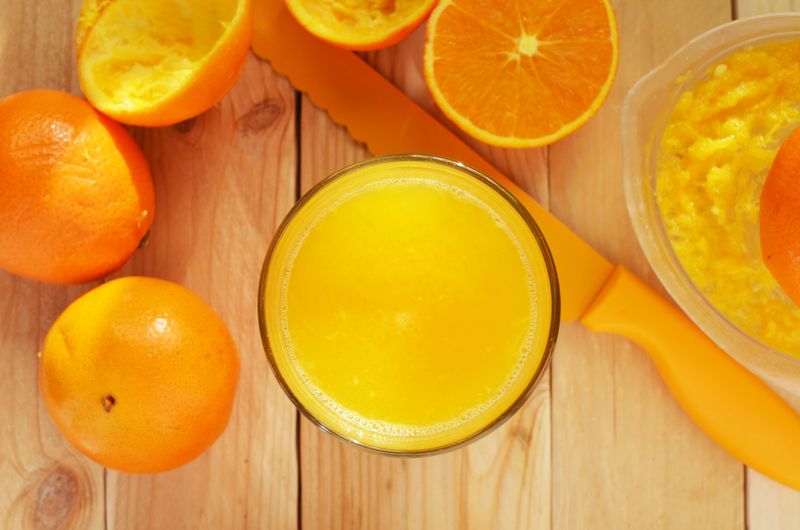
Orange juice took heat for being liquid sugar, and yes, it is concentrated. But context matters.
A small glass with breakfast is different from guzzling a bottle in the car.
Use a juice glass, pair with protein and fiber, and savor it slowly. If blood sugar is a concern, choose whole oranges more often or dilute with sparkling water.
Freshly squeezed or not from concentrate can taste better, but budget counts too.
Food should fit your life. Keep the pour modest, enjoy the sunshine flavor, and let breakfast feel simple again.
Chocolate
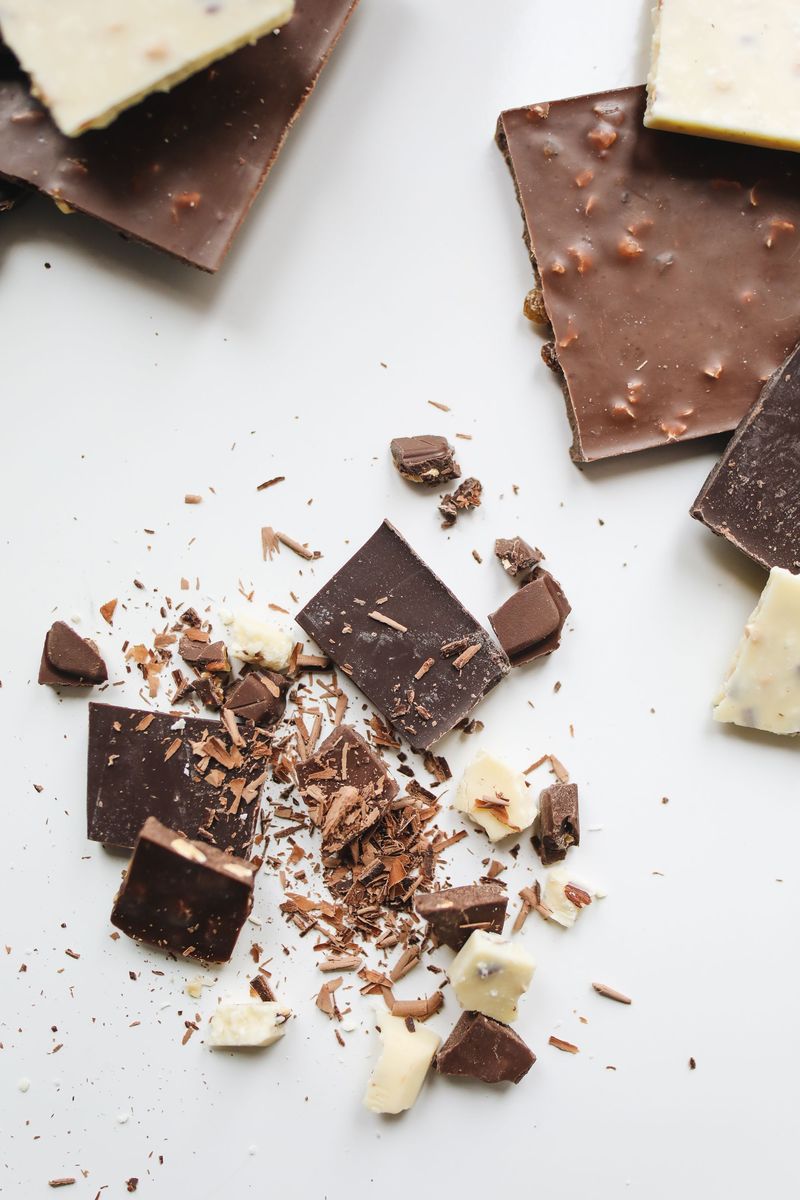
Chocolate has swung between superfood and sinful treat. The reality is enjoyable moderation and mindful ingredients.
Higher cocoa content usually means more flavor with less sugar, but choose what you truly like.
Have a square or two after dinner, not the entire bar while distracted. Pair with berries or nuts for a satisfying finish.
If caffeine or sugar affects sleep, enjoy earlier in the day.
Pleasure matters. Savor the snap, aroma, and melt rather than rushing.
Chocolate can be part of a balanced week without drama, guilt, or superhero capes.
Popcorn

Popcorn gets unfairly lumped with movie theater butter bombs. Plain air popped corn is a whole grain with fiber and crunch.
The controversy lives in toppings and bucket sizes, not the kernels themselves.
Air pop at home, drizzle a little olive oil, and season with salt, paprika, or nutritional yeast. Measure portions into a bowl instead of bottomless grazing.
If store bought, scan labels for added oils and sugar.
Snack time should feel fun and calm. Pop, season, munch, and move on.
It is comfort without the side of confusion.
Yogurt

Yogurt went from gut hero to sugar trap depending on the tub. Plain varieties offer protein and probiotics, while many flavored cups pack dessert level sweetness.
Your best bet is choosing simple and sweetening it yourself.
Stir in fruit, a touch of honey, or crunchy nuts. If dairy is tricky, try lactose free or cultured plant based options with live cultures.
Watch portions, because add ins can pile up quickly.
Breakfast should feel steady and satisfying. Build a bowl you actually crave and that treats your stomach kindly.
Consistency beats perfection every time.
Bananas

Bananas caught flak during low carb trends and for being too sugary. In reality, they are portable potassium powerhouses.
Ripeness changes sweetness and texture, so pick what suits your needs.
Pair a banana with peanut butter for staying power, or slice into yogurt and oats. For gentler sugars, choose slightly green fruit.
If you are active, ripe bananas can quickly refuel you without fuss.
Food should be easy sometimes. Grab, enjoy, and move on.
There is no need to litigate a piece of fruit like a courtroom drama.
Corn

Corn shoulders blame for everything from carbs to subsidies. Yet sweet corn on the cob is a seasonal joy with fiber and antioxidants.
The issue is not a summer ear but ultra processed corn derivatives everywhere.
Grill or boil, add lime and chili, and enjoy it alongside protein and salad. If corn bothers digestion, smaller portions or off the cob can help.
Frozen kernels tossed into soups are wonderfully practical.
Hold nuance in both hands. Whole corn is food, corn syrup is a product.
You can love one and limit the other without conflict.
Canned vegetables

Canned vegetables get dismissed as second class, but convenience can save a meal. Many are harvested ripe and packed quickly.
Rinse to reduce sodium, and you have an accessible, budget friendly backup.
Tomatoes, beans, and corn shine in soups, stews, and quick pastas. Keep a few cans for nights when energy is low.
Read labels for simple ingredients and choose no salt added when possible.
Perfection is the enemy of dinner. A good enough vegetable beats no vegetable at all.
Pantry smarts turn hectic evenings into something warm and nourishing.
Frozen vegetables
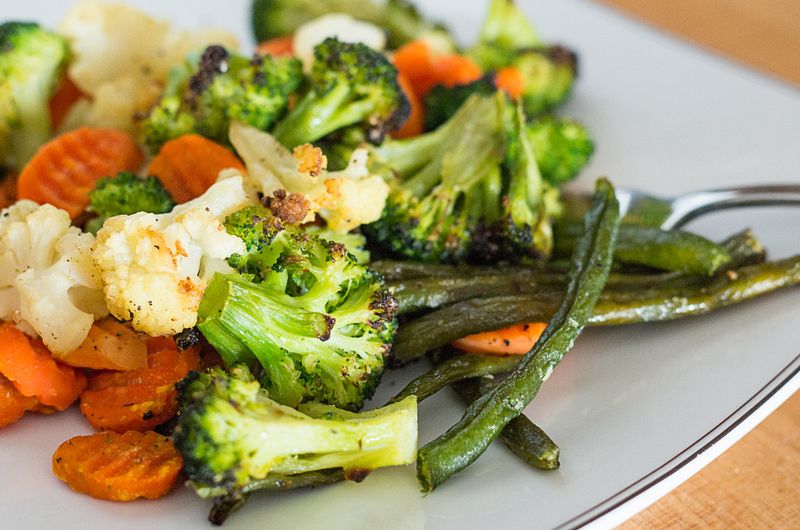
Frozen vegetables are often fresher than limp produce forgotten in the crisper. They are picked at peak and flash frozen, holding nutrients well.
The controversy mostly stems from outdated myths and sauces loaded with salt or cream.
Choose plain mixes and season them yourself. Stir fry, roast from frozen, or microwave for speed.
Keep a few bags around to guarantee color on any plate.
Weeknights get easier with this safety net. You are not cheating by using your freezer wisely.
Consistent veggies, however they arrive, support real life health.
Red meat

Red meat sparks instant debate about health, environment, and ethics. Those concerns matter, but personal context matters too.
Frequency, portion size, cut quality, and what shares the plate can shift its impact meaningfully.
If you eat it, consider smaller portions with plenty of vegetables and fiber. Choose leaner cuts or occasional higher fat ones you truly savor.
Balance weekly choices with plant proteins, legumes, and fish for variety.
Respect your values, medical needs, and budget. You do not have to eat steak to be strong, and you do not have to quit forever to care.
Nuance beats noise.
Enjoyed this story?
Add Fast Food Club as a preferred source to see more of our reporting on Google.