


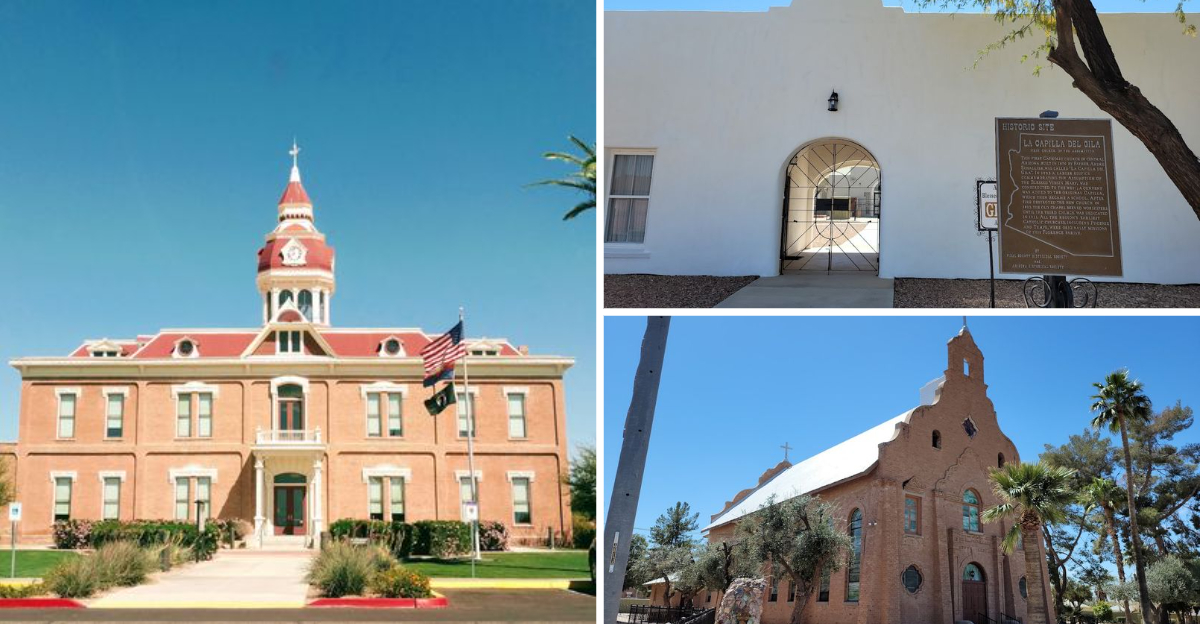
Tucked away in Pinal County, Florence, Arizona is one of the state’s oldest and most fascinating towns. Founded in 1866, this small desert community carries more than 150 years of history within its sun-baked streets.
Florence is home to a National Historic District featuring over 25 buildings listed on the National Register of Historic Places, making it a true treasure hiding in plain sight. If you think Arizona is all about modern cities and sprawling suburbs, Florence is about to change your mind completely.
Florence Was Founded Before Arizona Was Even a State
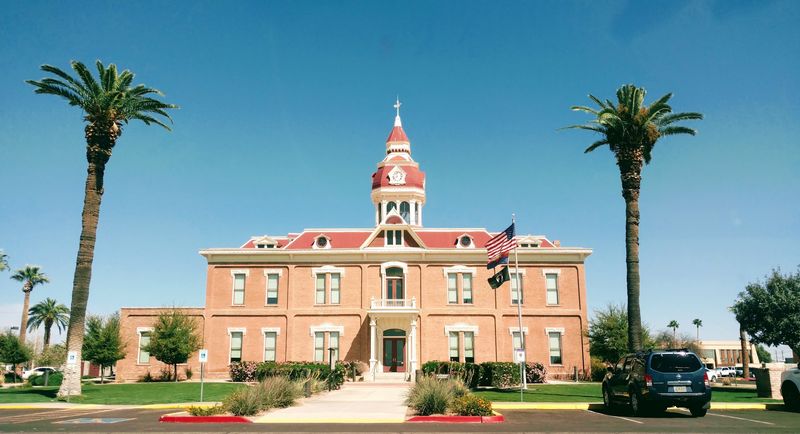
Long before Arizona officially became the 48th U.S. state in 1912, Florence was already a thriving community. The town was established in 1866, making it one of the oldest settlements in the entire Arizona Territory.
That means Florence has been around for well over 150 years, quietly watching history unfold around it.
Back in those early days, Florence served as an important stop for travelers and settlers moving through the Sonoran Desert. Its location along the Gila River made it a practical hub for trade and communication.
People depended on this little town for supplies, news, and community connection.
Knowing that Florence predates Arizona’s statehood by nearly half a century gives the town a special kind of gravity. Walking its streets feels like stepping back through layers of American frontier history that most people never expect to find in a small Arizona town.
The National Historic District Is a Living Museum
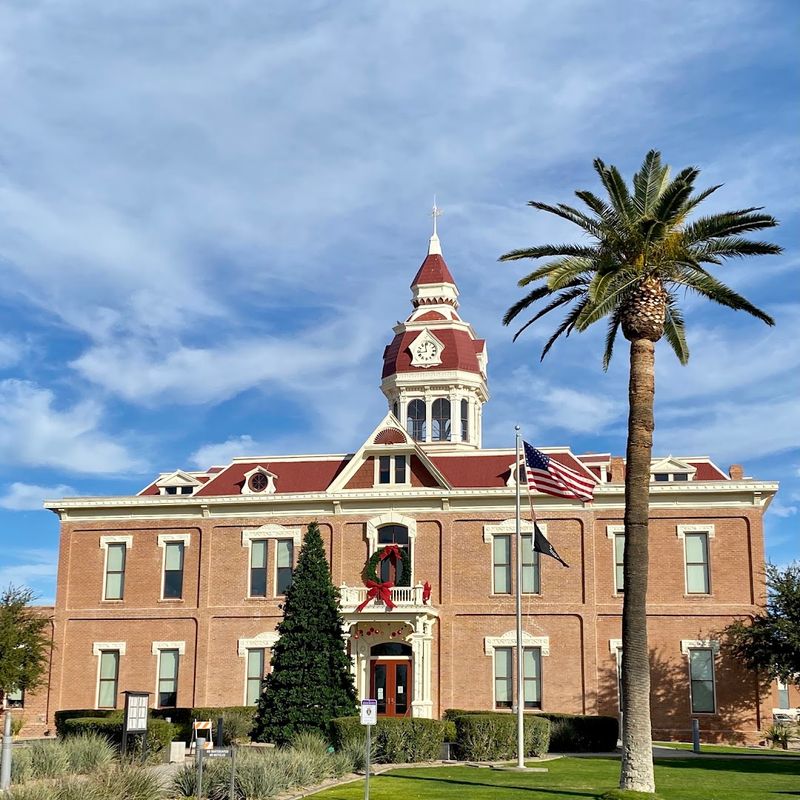
Most towns have a museum where history gets locked behind glass cases. Florence takes a different approach entirely.
The town’s National Historic District stretches across its downtown core, featuring more than 25 buildings officially listed on the National Register of Historic Places. History here walks right alongside you on the sidewalk.
Strolling through the district feels like flipping through a living history book. Territorial-era architecture mixes with early 20th-century styles, creating a streetscape that genuinely earns the word “historic.” Each building tells its own quiet story of the people who built, worked, and lived within its walls.
Visitors often express surprise at how well-preserved everything looks. Florence hasn’t traded its heritage for flashy development, and that restraint is exactly what makes the district so special.
For history lovers and curious travelers alike, the National Historic District is an absolute must-see stop in central Arizona.
Pinal County Courthouse Stands as an Architectural Crown Jewel
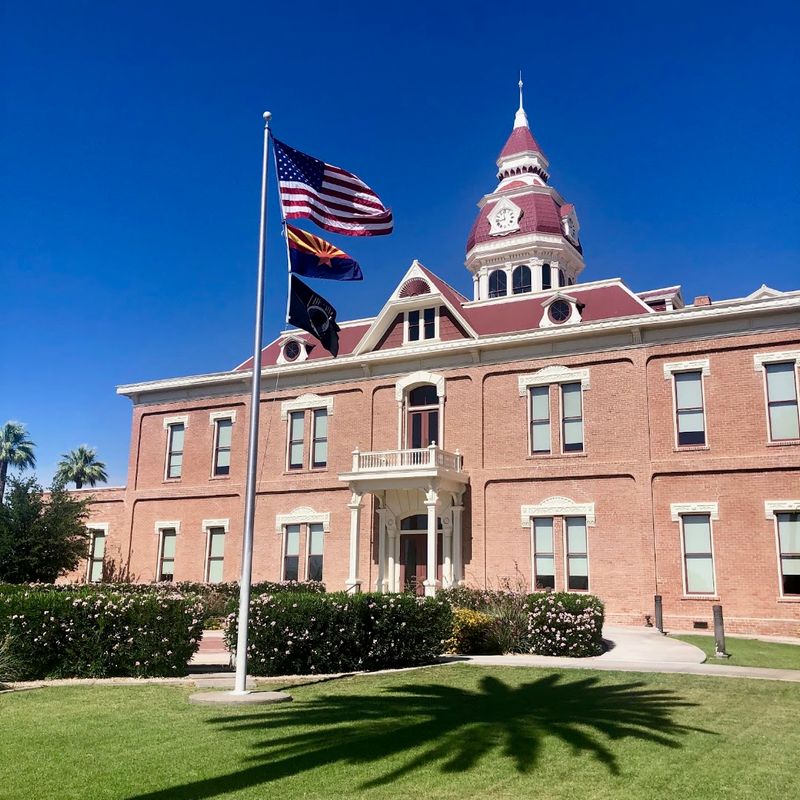
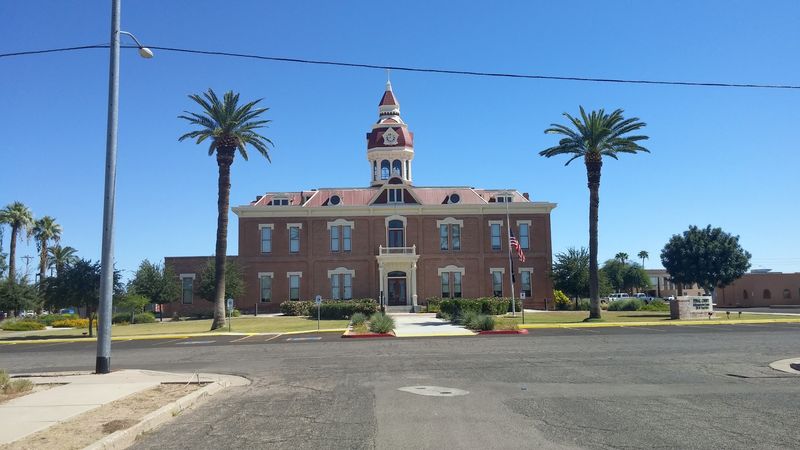
Few buildings in Arizona command as much quiet admiration as the Pinal County Courthouse in Florence. Built in 1891, this stunning Victorian-style structure features a clock tower that has been keeping time over the desert for well over a century.
It remains one of the oldest continuously operating courthouses in the entire state.
The courthouse’s red brick exterior and ornate detailing stand in striking contrast to the surrounding Sonoran Desert landscape. Architects and history buffs travel from across Arizona just to photograph and study its design.
The building was placed on the National Register of Historic Places, cementing its status as a true landmark.
What makes this courthouse extra meaningful is that it still functions as an active county government building today. It isn’t a relic preserved behind velvet ropes.
Real county business happens here daily, giving this gorgeous old building a living, breathing purpose that keeps it firmly connected to the present.
McFarland State Historic Park Preserves a Fascinating Piece of WWII History
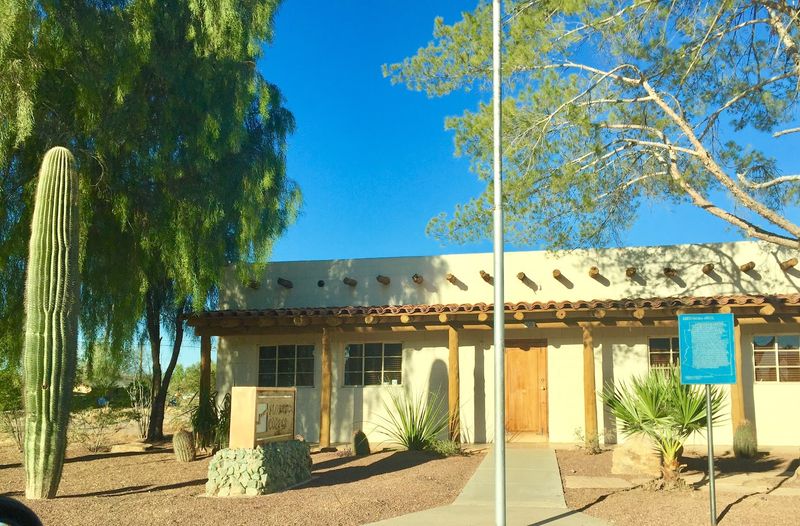
Hidden within Florence’s historic core is a state park that carries stories stretching from territorial justice to World War II. McFarland State Historic Park occupies the site of Arizona’s first territorial courthouse, built in 1878.
The park is named after Ernest W. McFarland, a former Arizona governor and U.S.
Senate majority leader.
During World War II, the site served as a Japanese-American internment camp holding facility. That chapter of history is carefully documented and respectfully interpreted within the park’s exhibits.
It’s a sobering reminder of how even small towns become part of much larger national stories during times of conflict.
The park also showcases exhibits about Pinal County’s territorial-era legal history, making it a genuinely layered experience for visitors. Families, students, and history enthusiasts all find something meaningful here.
Spending an afternoon at McFarland State Historic Park is one of the most thoughtful ways to connect with Florence’s complex and compelling past.
The Gila River Shaped Florence’s Entire Identity
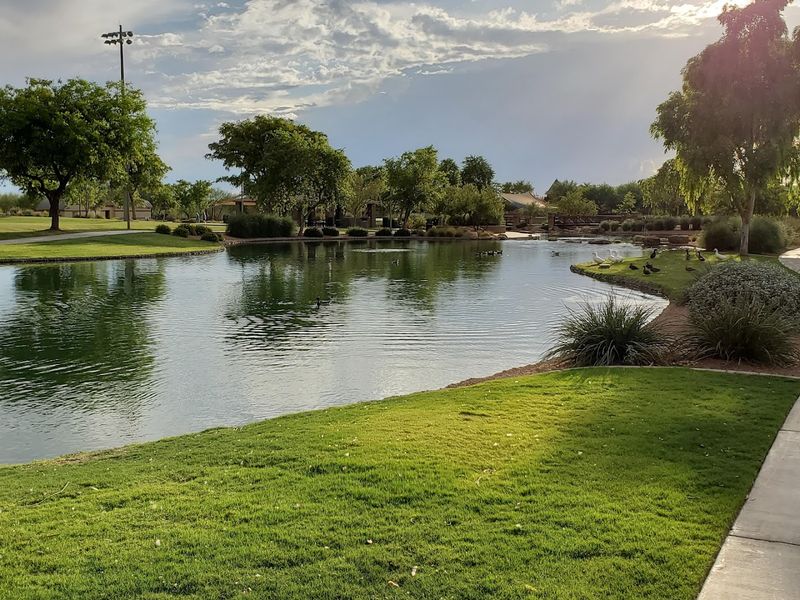
Water is everything in the desert, and Florence owes its very existence to the Gila River. Early settlers chose this location specifically because the river provided the reliable water supply necessary for farming, drinking, and sustaining a growing community in an otherwise harsh environment.
Without the Gila, Florence simply would not exist.
The river shaped the town’s economy for decades, supporting agriculture that fed both local residents and distant markets. Cotton farming eventually became a major industry in the region, and the fertile floodplains near the Gila River made that possible.
The agricultural legacy of this area still influences Pinal County’s economy today.
Beyond economics, the Gila River carries deep cultural and spiritual significance for the Akimel O’odham and Maricopa peoples who have called this region home for thousands of years. Florence sits on land layered with Indigenous heritage, and the river is the thread connecting all of those stories across centuries of human presence.
Florence Has One of Arizona’s Most Storied Prison Histories
Ask anyone familiar with Arizona’s legal history, and Florence will come up quickly in the conversation. The Arizona State Prison Complex in Florence has been operating since 1909, making it one of the oldest correctional facilities in the entire American Southwest.
Its history is as dramatic as the desert landscape that surrounds it.
The prison has housed some of Arizona’s most notorious criminals over the decades, and several high-profile executions have taken place within its walls. The facility has expanded significantly over the years and today operates as a major correctional complex.
Its presence has shaped Florence’s economy and community identity in profound ways.
For history enthusiasts interested in the intersection of justice, law, and frontier society, Florence’s prison history offers a genuinely gripping narrative. It reflects the broader story of how the American West worked to establish law and order in communities that were, not so long ago, entirely untamed and unpredictable.
The Town’s Adobe Architecture Tells Stories in Mud and Straw
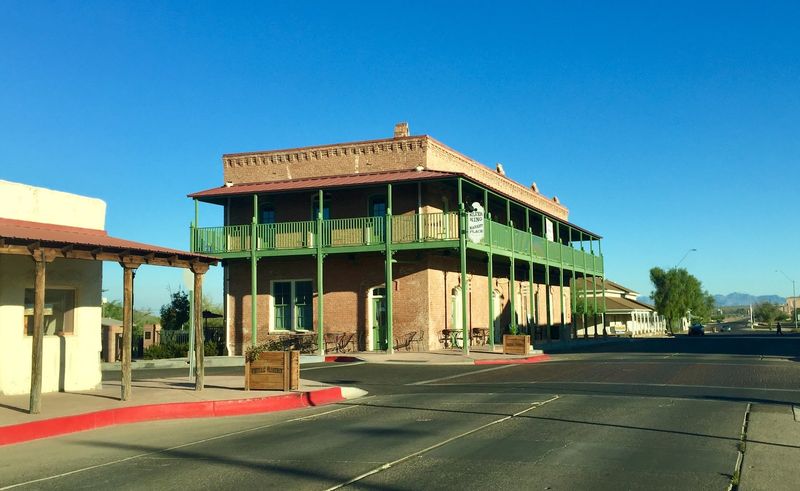
Adobe construction is one of the oldest building techniques in the American Southwest, and Florence has some of the finest surviving examples you will find anywhere in Arizona. The thick earthen walls of these historic structures were built to handle the brutal desert heat, keeping interiors cool long before air conditioning was ever invented.
That practical genius is baked right into the architecture itself.
Walking past Florence’s adobe buildings feels like observing a conversation between human ingenuity and the natural environment. Local craftspeople used materials pulled directly from the surrounding land, creating structures that blend almost seamlessly into the desert color palette.
Many of these buildings have stood for well over a century with surprisingly little structural intervention needed.
Photographers and architecture students frequently visit Florence specifically to document its adobe streetscapes. The buildings carry a raw, honest beauty that modern construction rarely achieves.
Florence’s commitment to preserving these structures ensures that future generations can still experience this remarkable chapter of Southwestern architectural heritage firsthand.
Florence Junction Serves as a Gateway to Arizona’s Outdoor Adventures
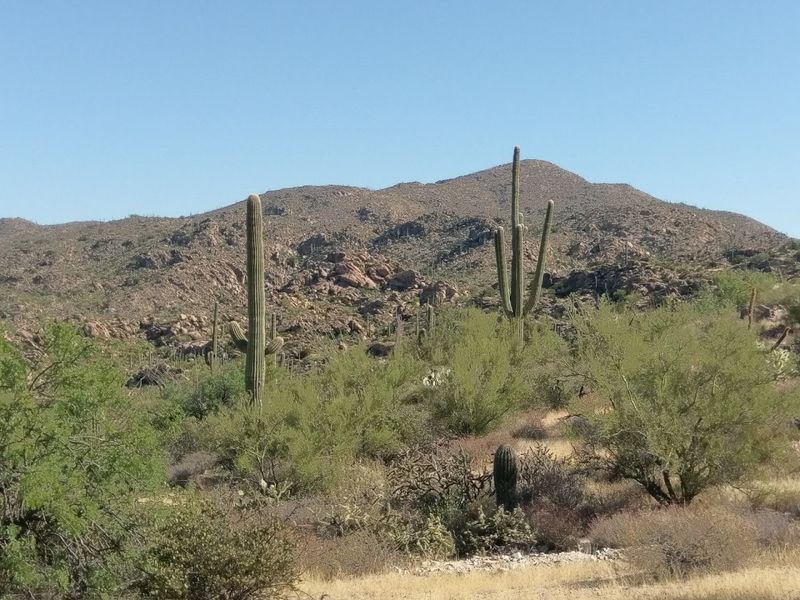
Florence’s location in central Pinal County makes it a surprisingly excellent base camp for exploring some of Arizona’s most breathtaking outdoor scenery. Picacho Peak State Park, known for its dramatic volcanic spire rising sharply from the desert floor, sits just a short drive away.
That striking landmark has served as a navigation point for travelers crossing the desert for centuries.
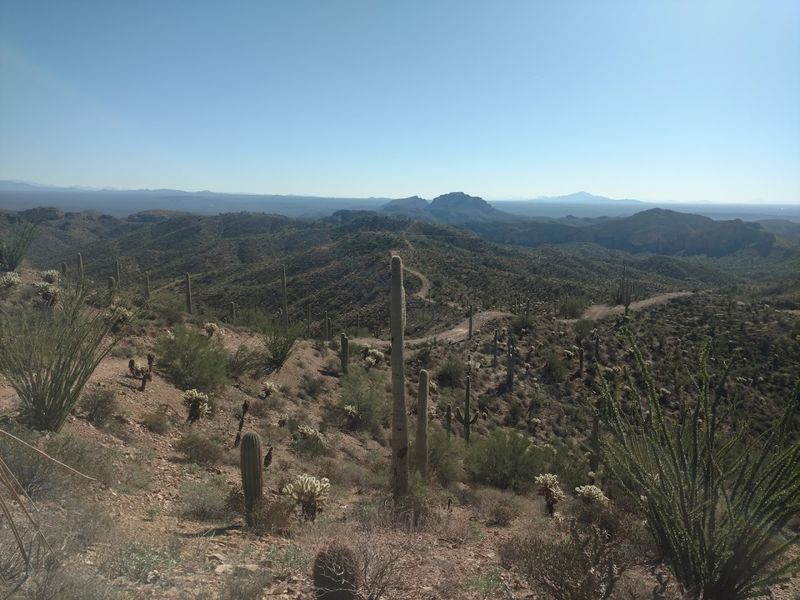
The nearby Sonoran Desert offers world-class hiking, wildlife watching, and photography opportunities across every season of the year. Saguaro cacti, roadrunners, coyotes, and countless desert wildflowers make the landscape feel alive in ways that genuinely surprise first-time visitors.
Spring wildflower blooms in this region can be absolutely spectacular after a wet winter.
Outdoor enthusiasts who choose Florence as their home base get access to an impressive range of adventures without fighting the heavy tourist crowds found at more famous Arizona destinations. The town’s central location is honestly one of its most underappreciated practical advantages for active travelers.
The Annual Florence Junior Parada Celebrates Western Heritage
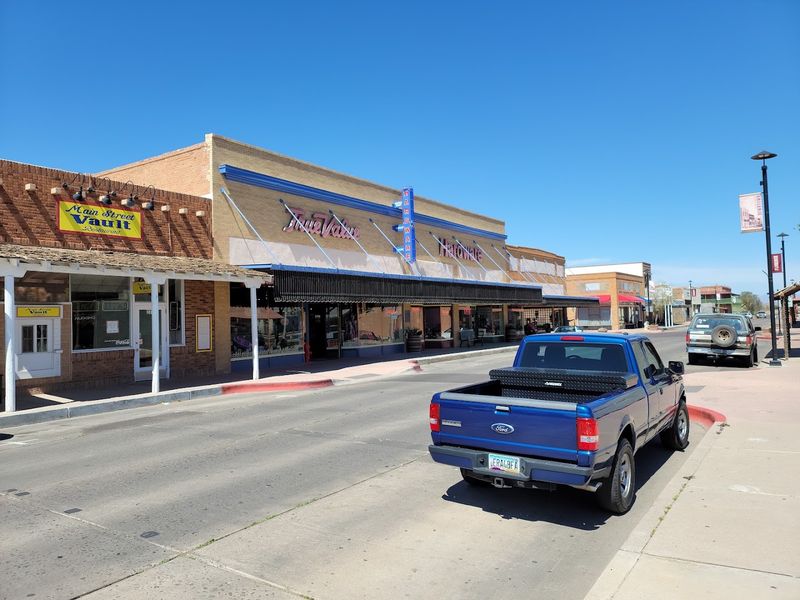
Every year, Florence throws one of the most charming Western celebrations in all of Arizona. The Florence Junior Parada has been bringing the community together for decades, celebrating the town’s deep cowboy and ranching heritage with a parade, rodeo events, and a whole lot of hometown pride.
Kids on horseback, local marching bands, and decorated floats fill the historic downtown streets.
What makes the Junior Parada genuinely special is how community-driven the whole event feels. This isn’t a corporate festival or a manufactured tourist attraction.
Real families from Florence and the surrounding Pinal County region show up to celebrate together, carrying forward traditions that have been passed down through multiple generations of Arizona ranching families.
Attending the Florence Junior Parada is one of the warmest ways to experience the town’s living culture rather than just its preserved past. The energy is joyful, the atmosphere is welcoming, and the Western spirit feels completely authentic from the very first horse that rounds the corner.
Florence’s Relationship With the Akimel O’odham People Runs Deep
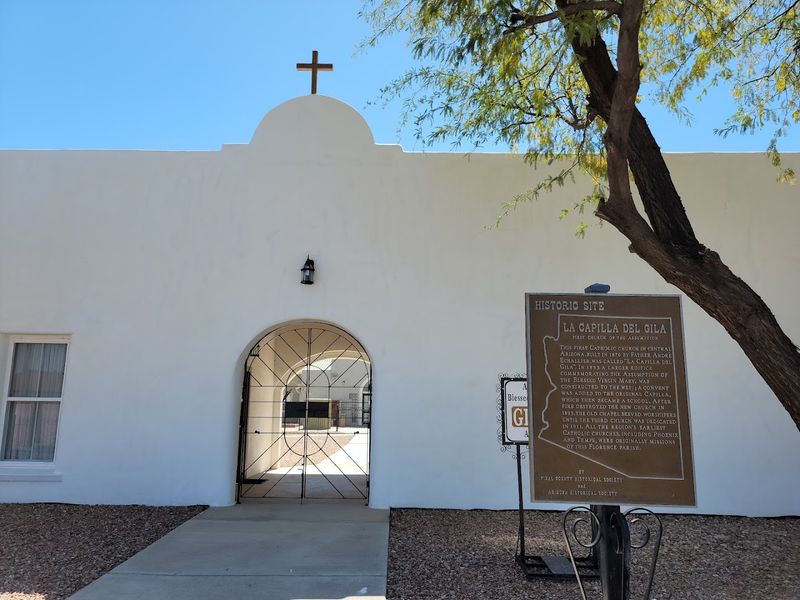
Before European settlers arrived in the 1860s, the land around Florence was home to the Akimel O’odham, also known as the River People. This Indigenous nation built sophisticated irrigation canals along the Gila River thousands of years ago, creating agricultural systems that genuinely impressed the early settlers who encountered them.
The ingenuity of these ancient canals influenced how later communities developed farming in the region.
The Gila River Indian Community, home to the Akimel O’odham and Maricopa peoples, sits adjacent to the Florence area today. Their cultural presence, traditions, and history are woven into the very fabric of the land that Florence occupies.
Acknowledging that history enriches the experience of visiting and understanding this remarkable town.
Learning about the Akimel O’odham people adds meaningful depth to any Florence visit. Their story is not a footnote to the town’s history but rather its oldest and most enduring chapter, one that deserves thoughtful recognition and genuine respect from every visitor.
Historic Churches Anchor Florence’s Spiritual and Architectural Legacy
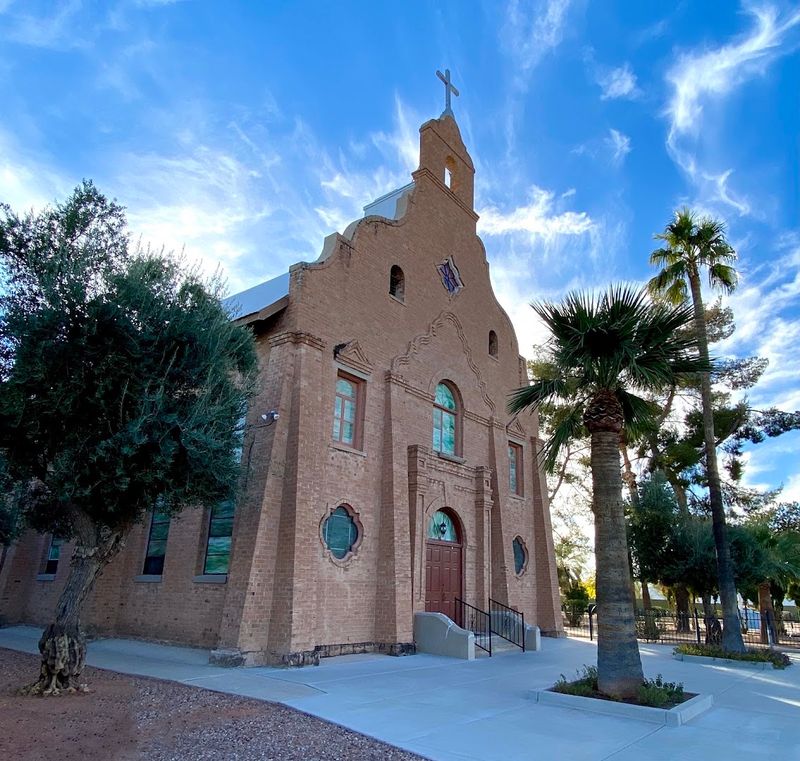
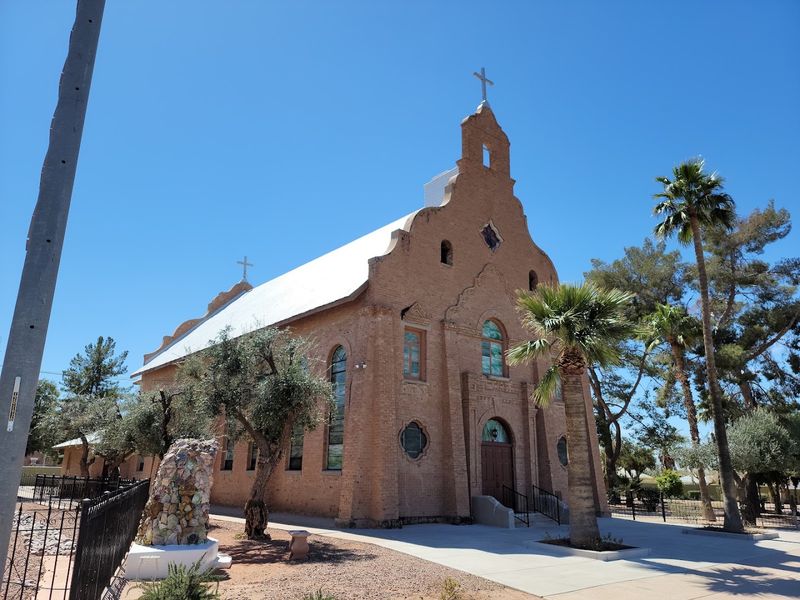
Some of Florence’s most visually striking buildings are its historic churches, which have served the community’s spiritual life since the territorial era. St. Anthony of Padua Catholic Church, with its elegant mission-style architecture and gleaming white exterior, is one of the most photographed landmarks in the entire town.
It stands as a quiet testament to the faith communities that helped Florence grow and survive its earliest, hardest years.
These historic churches aren’t just architectural showpieces. They remain active houses of worship where Florence residents gather for services, celebrations, and community events just as their great-grandparents once did.
That continuity of purpose gives these buildings an emotional weight that purely decorative landmarks simply cannot match.
For visitors exploring Florence’s historic district, the churches provide natural anchoring points along the walking route. Their towers and facades punctuate the streetscape beautifully, and stepping inside reveals interiors that have changed very little over the past century, creating a genuine sense of timeless spiritual sanctuary.
Florence’s Cotton Farming Legacy Shaped the Entire Region
Pull up to Florence on a clear autumn day and you might see cotton bolls dotting the fields like patches of fresh snow across the desert floor. Cotton farming transformed Pinal County into one of Arizona’s most productive agricultural regions during the 20th century, and Florence sat right at the heart of that economic boom.
The crop brought jobs, infrastructure, and lasting prosperity to an area that many outsiders once dismissed as too remote to matter.
Pinal County still ranks among Arizona’s top agricultural counties, producing cotton, alfalfa, and other crops that feed markets across the country. The farming heritage visible around Florence gives the town a grounded, working-class character that feels refreshingly different from Arizona’s more glamorous tourist destinations.
Real people have worked this land for generations, and that history shows.
Driving the rural roads surrounding Florence offers a genuine window into Arizona’s agricultural soul. The combination of desert scenery, irrigated farmland, and distant mountain ranges creates a landscape unlike anything else in the American Southwest.
Why Florence Deserves a Spot on Every Arizona Road Trip Itinerary
Road trippers racing between Phoenix and Tucson on Interstate 10 often blow right past the Florence exit without a second thought. That’s a genuine shame, because Florence offers something that neither of those major cities can replicate: the unfiltered feeling of an Arizona town that has held onto its history without turning it into a theme park.
The authenticity here is completely real.
Spending even a half-day in Florence rewards visitors with historic architecture, fascinating museums, genuine small-town hospitality, and a sense of place that feels increasingly rare across the modern American landscape. The town is compact enough to explore on foot, making it accessible for families, solo travelers, and everyone in between.
Florence proves that the most memorable travel experiences don’t always require long flights or expensive resorts. Sometimes the most surprising discoveries are hiding just off a familiar highway, waiting patiently for curious travelers willing to slow down, turn off the GPS, and simply explore what’s already there.
Enjoyed this story?
Add Fast Food Club as a preferred source to see more of our reporting on Google.