


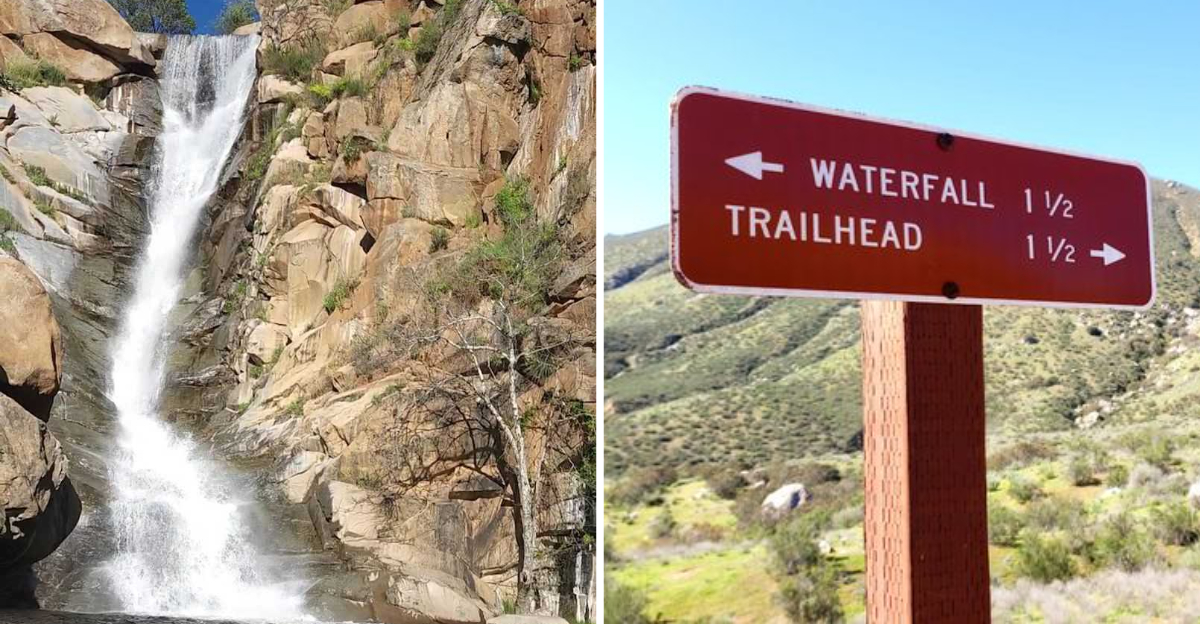
Tucked away in the hills of San Diego County, Cedar Creek Falls is one of California’s best-kept secrets. This stunning waterfall rewards hikers with crystal-clear water, peaceful surroundings, and views that feel more like a national park than a local trail.
Whether you are a seasoned hiker or just looking for a refreshing escape, this spot delivers something truly special. Get ready to discover why Cedar Creek Falls deserves a top spot on your outdoor bucket list.
Getting Your Permit Before You Go
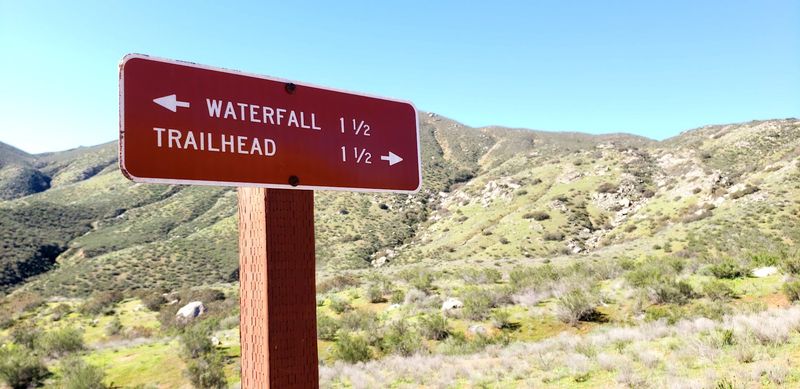
Before anything else, you need a permit to hike Cedar Creek Falls — and trust us, skipping this step will turn your adventure into a disappointment fast. The permit costs just $6 per person and is available through recreation.gov.
You can bring up to five people per permit, making it a solid deal for a group outing.
Here is the key tip: download your permit before leaving home. Cell service near the trailhead can be unreliable, and rangers check permits right at the entrance.
Showing up without one means you are not getting in, period.
Booking ahead also helps you plan smarter. Weekday permits are easier to snag, and a Monday morning hike means you may have the trail almost entirely to yourself.
Grab your permit early, save it offline, and start your trip on the right foot.
Starting the Hike Early for the Best Experience
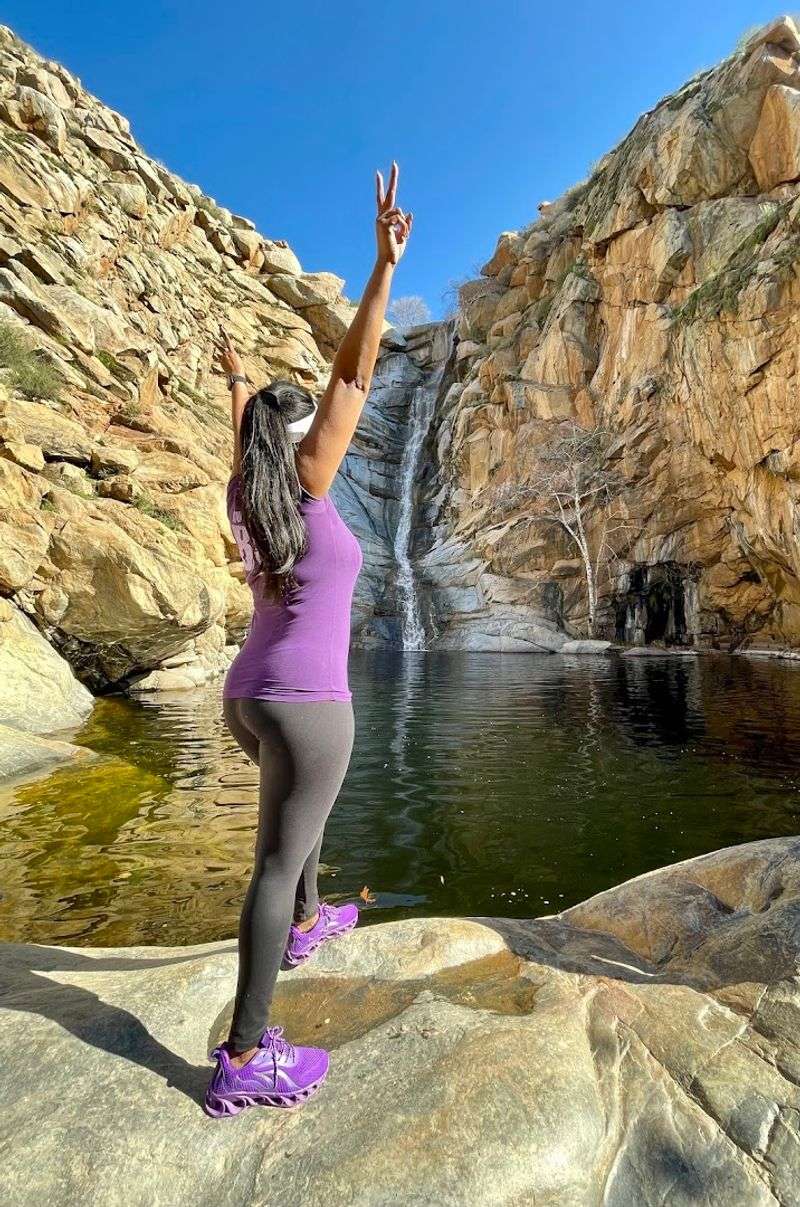
Early birds absolutely win at Cedar Creek Falls. Hikers who arrive around 7 or 8 in the morning are rewarded with cooler temperatures, quieter trails, and a waterfall that feels like their own private paradise.
By mid-morning, the crowds start rolling in and the magic shifts a little.
Starting at 7:30 a.m. can get you to the waterfall in under an hour. That means you are swimming in the pool, snapping photos, and soaking in the scenery before most people have even laced up their boots.
The morning air is crisp, the light is gorgeous, and the wildlife is active.
On the hike back, the sun climbs fast and the heat becomes a real factor. Going early gives you a head start before temperatures spike into the upper 80s or beyond.
Set that alarm — it is absolutely worth it.
What the Trail Is Actually Like
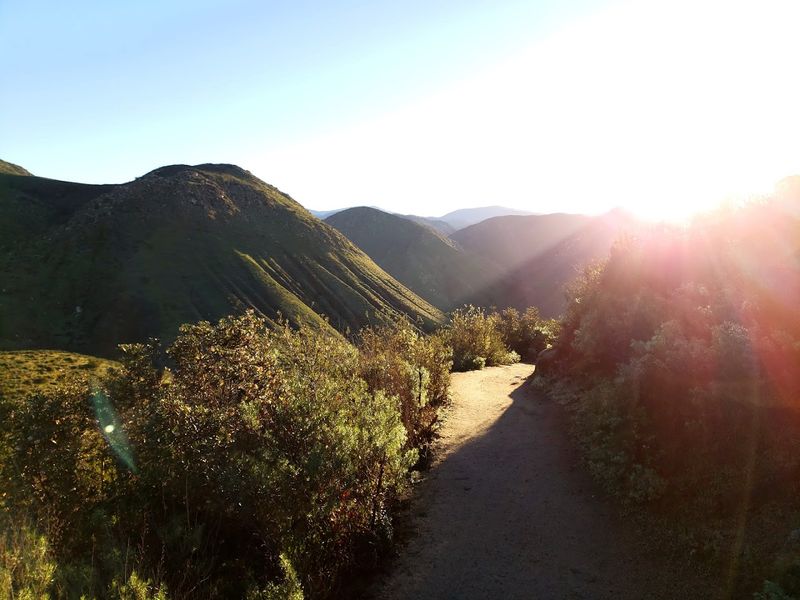
Picture this: you start on a dry, arid desert path that slowly transforms as you descend into a lush canyon filled with wildflowers, tall grass, and the sound of flowing water. The trail to Cedar Creek Falls is roughly 2 miles each way, totaling about 4 to 6 miles round trip depending on the route you take.
Going down is genuinely easy and enjoyable. The path is wide, well-maintained, and dotted with benches along the way for quick rest stops.
Rangers have even built shade shelters at regular intervals, which are a lifesaver on the return trip when the sun is blazing overhead.
Hikers of most fitness levels can handle this trail comfortably. The incline is not dramatic, and the scenery keeps things interesting the entire way.
Three stream crossings add a fun splash of adventure before you finally reach the falls.
Navigating the Three Water Crossings
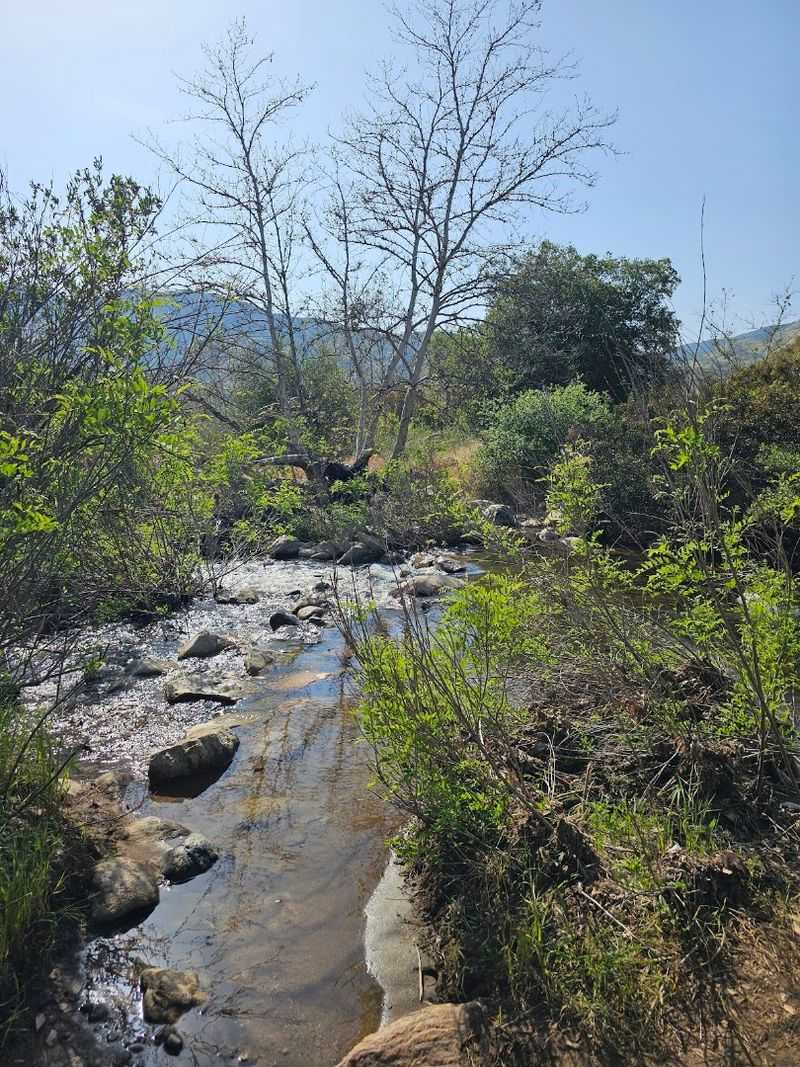
One of the most memorable parts of hiking to Cedar Creek Falls is crossing the three streams along the way. These crossings range from ankle-deep trickles to thigh-high currents after heavy rain, so knowing what to expect helps you prepare properly.
After a wet winter, the water can move surprisingly fast.
Bring water shoes or reef sandals and switch into them at the first crossing. Hiking boots get soaked quickly, and wet boots on slippery rocks are a recipe for a tumble.
Changing footwear at the crossings makes the whole experience safer and way more comfortable.
The rocks near the waterfall area can also get slippery as more people pass through, so tread carefully. Trekking poles are a smart addition if you have them.
These crossings are part of what makes the hike feel like a real adventure rather than just a walk in the park.
The Waterfall and Devil’s Punchbowl Up Close
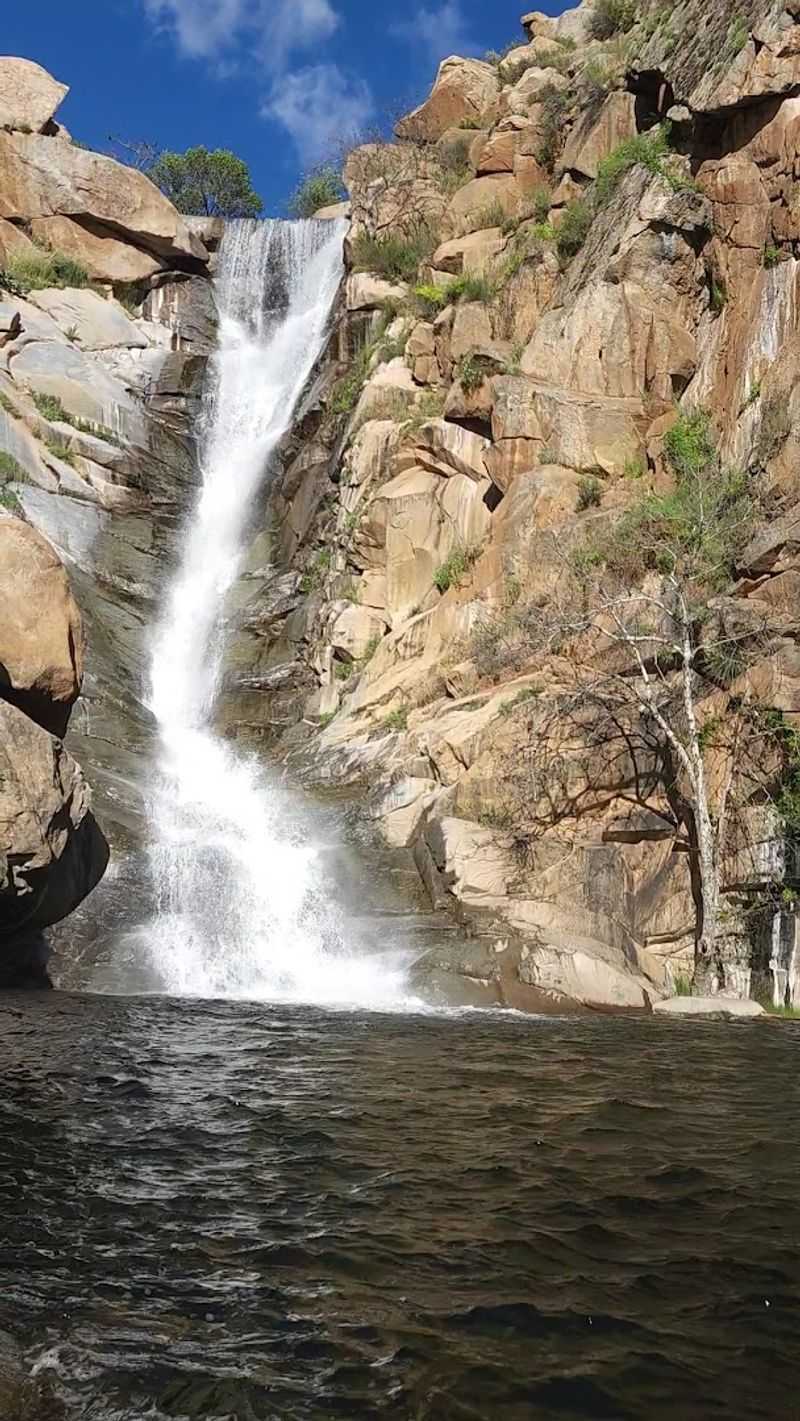
Nothing quite prepares you for your first look at Cedar Creek Falls. The waterfall tumbles dramatically into a stunning natural pool known as Devil’s Punchbowl — a deep, crystal-clear basin that practically begs you to jump in.
After a sweaty hike down, that water feels absolutely incredible.
The pool is surprisingly deep and clear enough to see fish swimming around below the surface. On spring days after good rainfall, the falls roar with power, sending mist into the air and creating a sound that drowns out everything else.
Even in drier months, the waterfall is a beautiful sight worth the journey.
Many visitors jump from the rocks into the pool, adding to the lively, joyful atmosphere around the falls. Whether you prefer to swim, sit on a rock, or simply watch the water cascade, this spot delivers a payoff that makes every step of the hike feel completely worthwhile.
Wildlife You Might Encounter Along the Way

Cedar Creek Falls is alive with wildlife, and that is part of what makes the experience feel so wild and real. Birds, rabbits, bees, and even fish in the creek are commonly spotted along the trail.
The canyon ecosystem supports a surprising variety of animals that thrive in this rugged terrain.
However, the wildlife encounter that demands the most respect is the rattlesnake. Multiple hikers have reported spotting Western diamondbacks, sometimes just inches from the trail.
One reviewer saw two rattlesnakes before 9 a.m. Stay alert, watch where you step, and never reach into rocky crevices without looking first.
Large spiders have also been spotted near the waterfall rocks, so be mindful about setting your belongings directly on the ground. Ticks are another concern, especially if you bring a dog.
A little awareness goes a long way toward keeping your adventure safe and enjoyable.
Bringing Your Dog Along — What You Need to Know
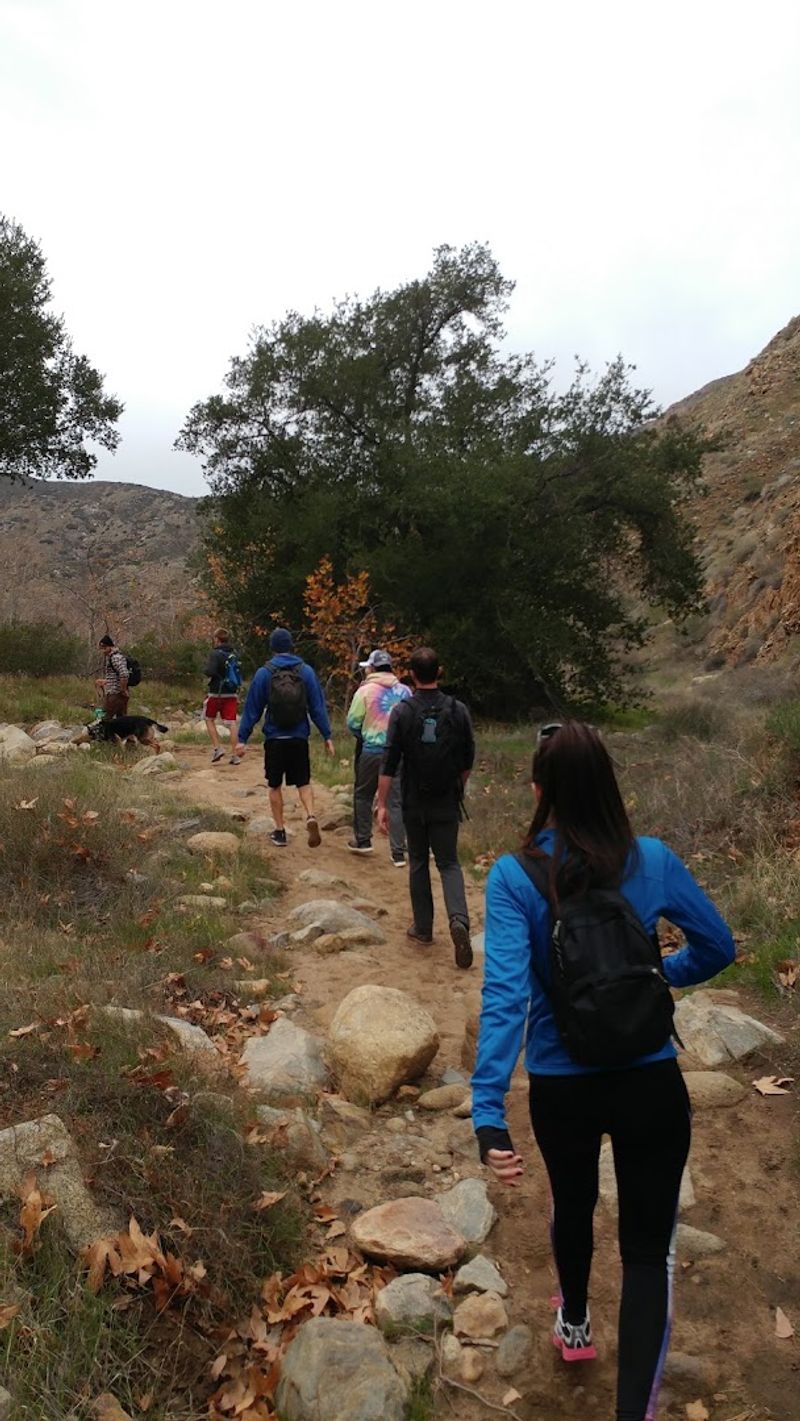
Dogs are allowed on the Cedar Creek Falls trail, and plenty of pups have made the trip with their owners. That said, this hike comes with some real challenges for four-legged companions that every pet owner should consider carefully before heading out.
The rocky, sun-baked trail can get extremely hot underfoot, which is tough on sensitive paw pads. Dog boots are a highly recommended investment for this hike.
Carrying a collapsible water bowl is equally important — dehydration is a serious risk on a warm day in this exposed terrain.
Short-nosed breeds like bulldogs and pugs struggle with heat much faster than other dogs, so think twice before bringing them. Ticks are also common in this area, so check your dog thoroughly after the hike.
The stream crossings can be challenging for smaller or less confident swimmers. Know your dog’s limits before committing to the trail.
Essential Gear and What to Pack
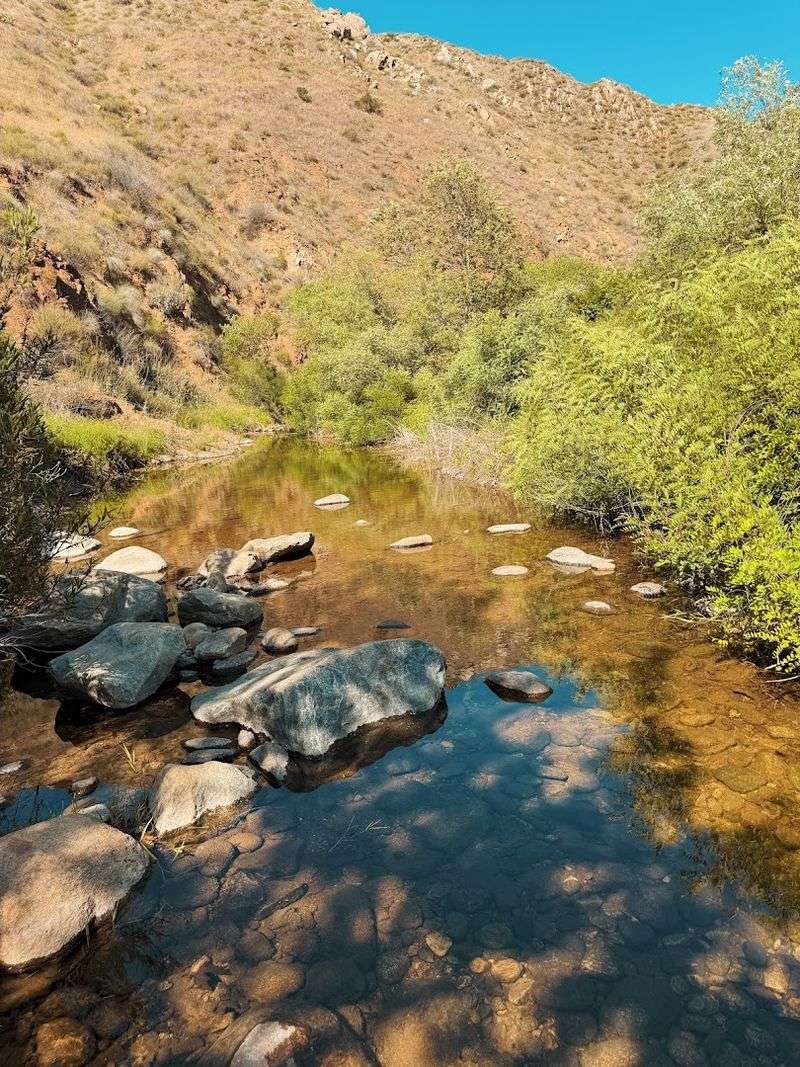
Packing smart for Cedar Creek Falls can make the difference between a memorable adventure and a miserable slog home. The number one item on your list should be water — lots of it.
The trail offers little to no shade on the way back up, and the heat can be surprisingly intense even in spring.
Sunscreen is non-negotiable. Apply it before you start and bring extra to reapply mid-hike.
A hat and lightweight, breathable clothing will also go a long way toward keeping you comfortable as temperatures rise through the morning hours.
Water shoes or sandals are essential for the stream crossings, and trekking poles help on both the rocky sections and the uphill return. Toss in some energy snacks, a basic first aid kit, and a fully charged phone with offline maps downloaded.
The AllTrails app has been praised by multiple hikers for keeping them on track when the trail gets confusing near the bottom.
Using AllTrails and Navigating the Route
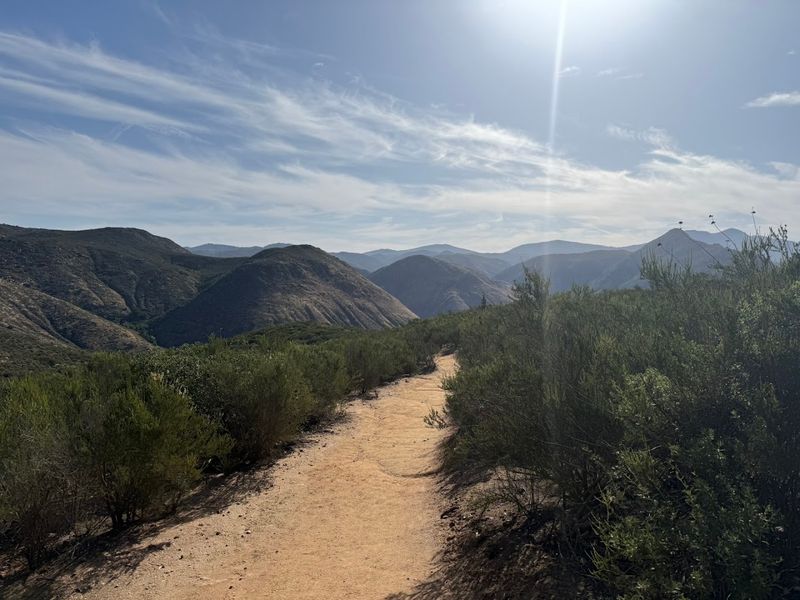
Cell service near Cedar Creek Falls can be unreliable, and a few hikers have shared stories of accidentally wandering onto private property or losing the trail near the canyon bottom. Having a navigation tool ready before you leave the parking lot is genuinely important, not just a nice-to-have.
AllTrails is the go-to app for this hike. Download the map for offline use while you still have a strong signal at home or on the road.
The trail near the waterfall base can get confusing, and having that map on hand gives you confidence to keep going without second-guessing every fork.
Also double-check your GPS coordinates before you leave. At least one reviewer accidentally followed incorrect coordinates and ended up on a private off-road path, adding an extra hour to their drive.
A little tech prep at home saves a lot of frustration on the trail.
Best Time of Year to Visit
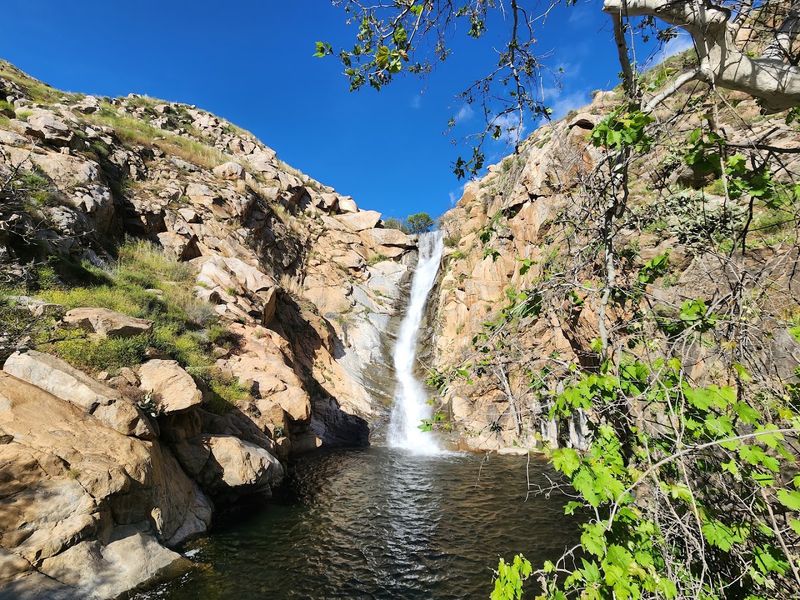
Spring is widely considered the best season to visit Cedar Creek Falls. From late February through May, the waterfall flows at its most dramatic, wildflowers carpet the hillsides, and temperatures are manageable — especially in the morning.
Desert lilies, colorful blooms, and lush green meadows make the hike feel almost magical during this window.
Winter visits are surprisingly pleasant too. The water stays warmer than you might expect, and one reviewer noted that swimming in the pool during winter was actually enjoyable.
Rain years bring extra power to the falls, creating a roaring cascade that is hard to forget.
Summer visits are possible but demanding. Heat is the main challenge, and temperatures can climb past 89 degrees by mid-morning.
October visits tend to produce only a trickle at the falls. Whenever you go, always start early and check recent trail reports to know what conditions to expect.
How Crowded Does It Get — and How to Avoid the Rush
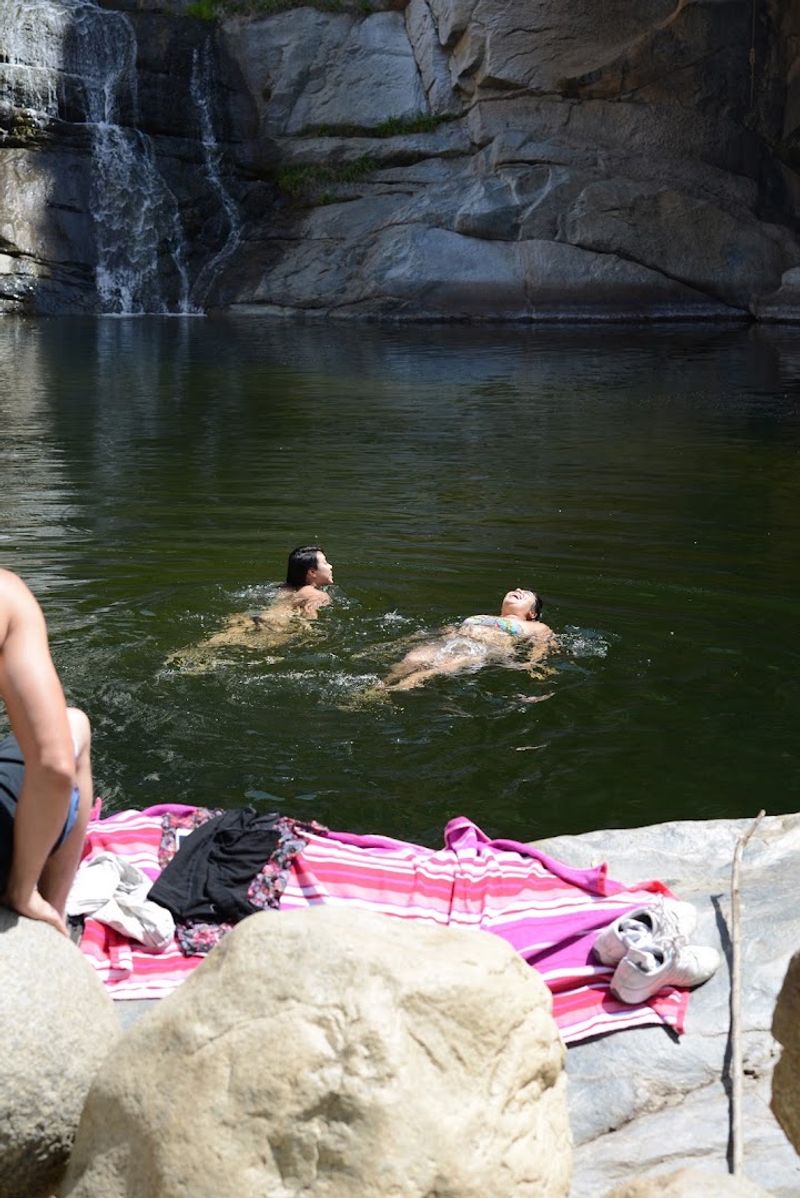
Cedar Creek Falls has earned a devoted following, and that popularity shows on weekends. By mid-morning on a Saturday, the trail can feel busy, and the pool at the falls fills up with swimmers, families, and groups of friends all jostling for the best spots.
The peaceful vibe can shift quickly once the crowd arrives.
Weekdays are a completely different story. Monday mornings, in particular, offer a near-solitary experience.
Multiple reviewers have raved about having the entire trail to themselves on weekday visits, which transforms the hike into something deeply peaceful and personal.
Going early on any day helps too. Arriving at the trailhead by 7 a.m. gives you a solid head start before the weekend rush kicks in.
The permit system does help manage numbers to some extent, but popular spring weekends still draw a lively crowd. Plan accordingly and you will love every step.
The Friendly Rangers Who Make It All Work
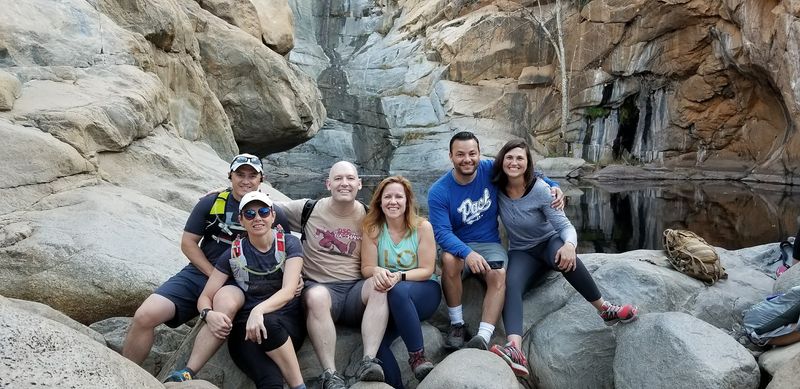
One detail that comes up again and again in hiker reviews is how genuinely helpful and friendly the rangers at Cedar Creek Falls are. These folks are not just checking permits at the gate — they are actively improving the trail, answering questions, and making sure everyone has a safe and enjoyable experience.
Rangers have been spotted building shade shelters along the return path, a practical improvement that hikers dealing with afternoon sun truly appreciate. They offer tips on trail conditions, wildlife sightings, and water levels at the creek crossings, which can vary significantly depending on recent rainfall.
Knowing that knowledgeable, welcoming people are watching over the trail adds a layer of comfort, especially for first-time visitors. If you have questions when you arrive, do not hesitate to ask.
The rangers here seem to genuinely love this place, and that enthusiasm is contagious.
Why Cedar Creek Falls Feels Like a Hidden Gem Worth Protecting
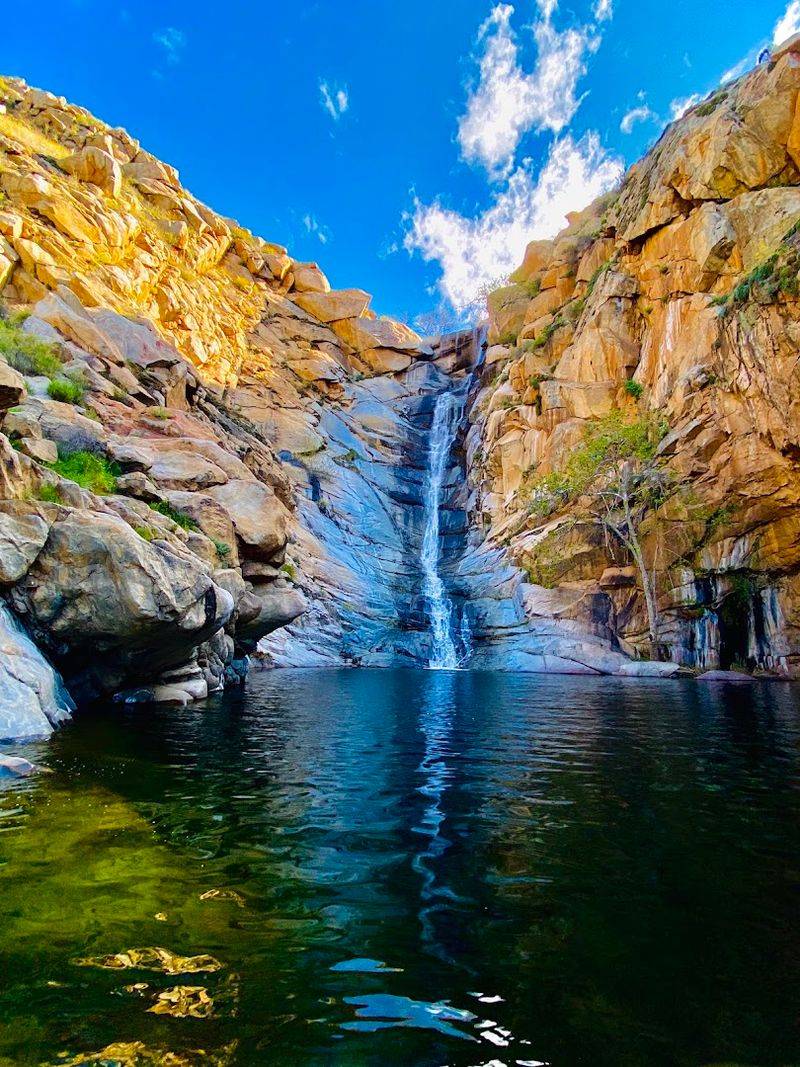
Even long-time San Diego residents admit they waited too long to discover Cedar Creek Falls. There is something almost surprising about finding a place this beautiful tucked within reach of a major city.
The canyon feels wild, the waterfall feels earned, and the whole experience leaves you wondering why you did not come sooner.
The permit system, while sometimes seen as a hurdle, is actually what keeps this place clean, uncrowded, and well-preserved. Rangers maintain the trail with care, and the natural environment reflects that stewardship.
The water is clear, the wildlife is active, and the scenery remains genuinely breathtaking.
Places like Cedar Creek Falls are rare, and they stay special only when visitors treat them with respect. Pack out your trash, stay on the trail, and follow the rules.
Doing so ensures that this under-the-radar California waterfall stays exactly as magical for the next hiker as it was for you.
Enjoyed this story?
Add Fast Food Club as a preferred source to see more of our reporting on Google.