


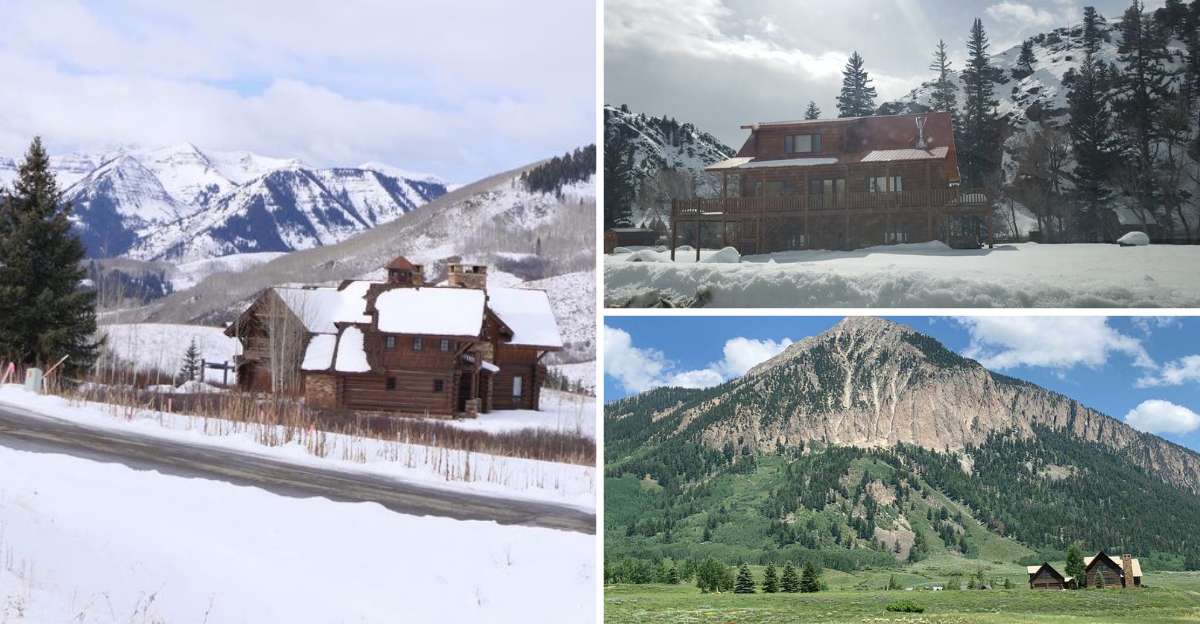
Tucked deep into the Rocky Mountains of Colorado, Crested Butte is a small town that feels like it was made for outdoor lovers. With rugged peaks, wildflower-covered meadows, and hundreds of miles of trails, hikers of every skill level will find something to love here.
The town itself is charming, with colorful wooden buildings lining Elk Avenue and a welcoming community that makes visitors feel right at home. If you have ever wanted a hiking destination that combines breathtaking scenery with small-town character, Crested Butte is calling your name.
Gothic Road Trail to Judd Falls
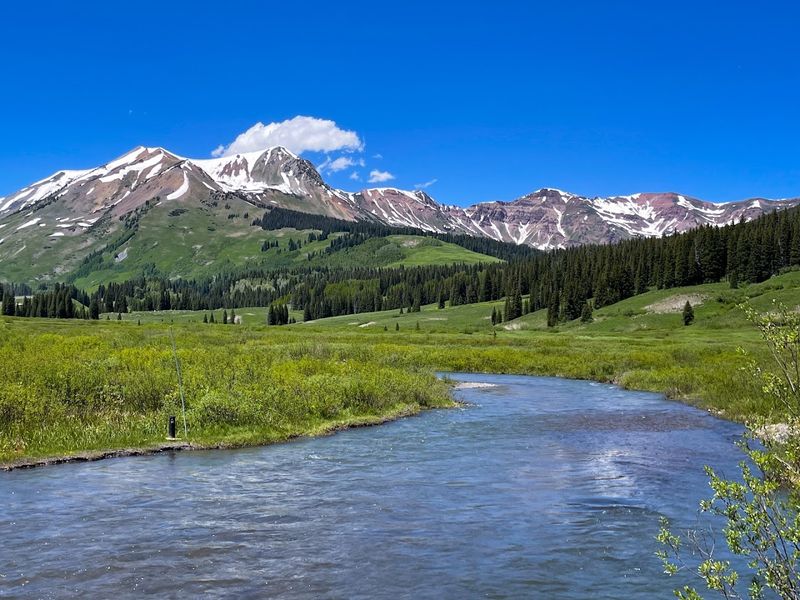
Not every great hike starts with a dramatic climb. Gothic Road Trail to Judd Falls offers a mellow, forested walk that rewards you with a stunning waterfall at the end.
It is one of those trails where the journey feels just as good as the destination.
The trail winds through the Gothic Natural Area, a place that scientists have studied for decades because of its rich plant and wildlife diversity. You might spot deer, marmots, or even a moose along the way.
The surrounding trees create a cool, shaded canopy that makes summer hikes genuinely comfortable.
Judd Falls itself drops dramatically into a rocky canyon, creating a roaring sound you can hear before you even see it. The round trip is roughly four miles, making it manageable for most hikers.
Pack a snack, bring your camera, and enjoy one of Crested Butte’s most rewarding easy trails.
Snodgrass Trail Loop
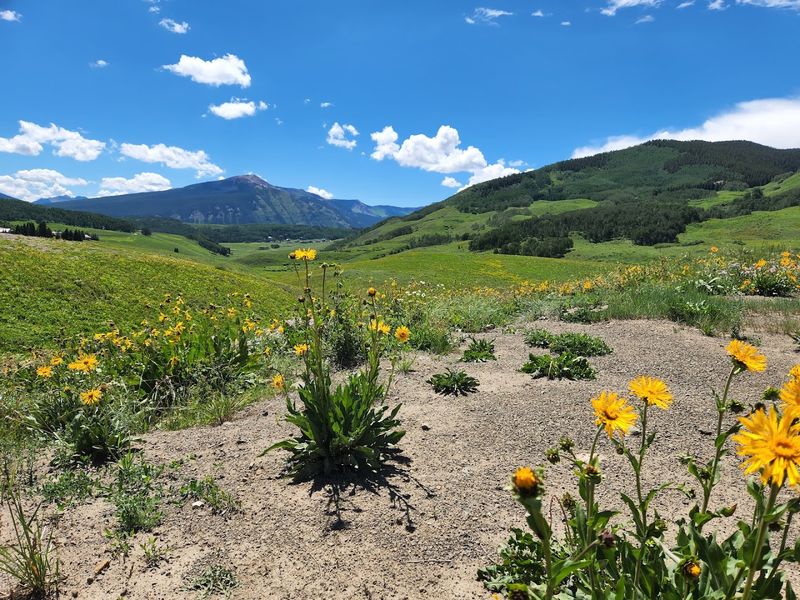
Imagine stepping onto a trail and immediately feeling like you are inside a nature painting. Snodgrass Trail Loop delivers exactly that kind of experience, offering sweeping views of the Elk Mountains without requiring a grueling climb.
It is a favorite among locals and visitors alike for good reason.
The loop stretches about four miles and sits at a comfortable elevation, making it accessible even for hikers who are still adjusting to Colorado’s altitude. Wildflowers carpet the hillsides in summer, turning the landscape into a sea of color.
Elk and deer frequently graze nearby, adding a wildlife element that feels almost magical.
Because the trail circles back on itself, you never have to retrace your steps, which keeps the experience fresh throughout. Families with older kids often choose this route for weekend outings.
Sunrise hikes here are particularly spectacular, with golden light pouring over the surrounding peaks.
Kebler Pass and the Quaking Aspen Forests
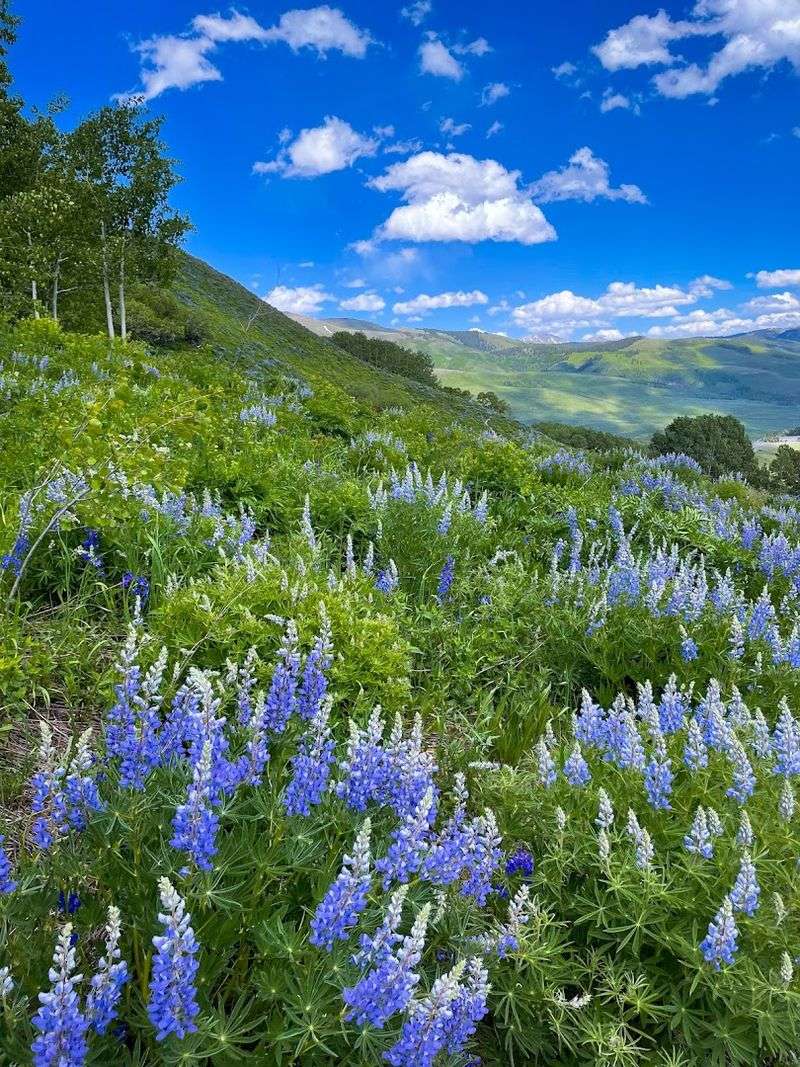
There is a moment every fall when Kebler Pass transforms into one of the most jaw-dropping places in all of Colorado. The Quaking Aspen trees shift from green to brilliant gold and orange, creating a display that photographers travel hundreds of miles to capture.
Hiking through this area during peak fall color feels almost unreal.
Kebler Pass sits to the west of Crested Butte along the West Elk Loop Scenic and Historic Byway. Several hiking trails branch off from the pass road, ranging from short nature walks to longer backcountry routes.
The air smells like pine and cool mountain breeze, making every breath feel refreshing.
Even outside of fall, Kebler Pass is a wonderful hiking destination. Wildflowers bloom here in early summer, and the wide open meadows offer excellent opportunities for spotting local wildlife.
Bring layers because mountain weather can shift quickly, even on seemingly perfect days.
Crested Butte Mountain Resort Trails
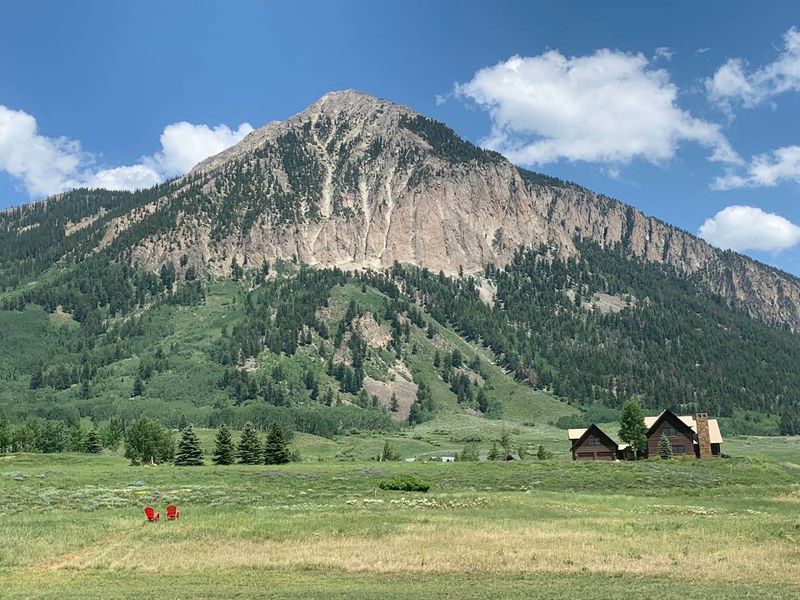
When the snow melts and ski season wraps up, Crested Butte Mountain Resort does not slow down at all. The resort opens its slopes to hikers and mountain bikers, revealing a network of trails that crisscross the mountain in every direction.
Summer at the resort has an energy all its own.
Chairlifts operate during summer months, giving hikers the option to ride up and hike down at their own pace. This setup is perfect for people who want big mountain views without committing to a full uphill climb.
The views from the upper mountain stretch across valleys and ridgelines that seem to go on forever.
Trail difficulty ranges from gentle forest paths to steep, technical ridgeline routes that challenge even experienced hikers. The resort also hosts guided hiking tours, which are a fantastic way to learn about local geology and plant life.
No matter your fitness level, there is a trail here waiting for you.
Copper Creek Trail to Copper Lake
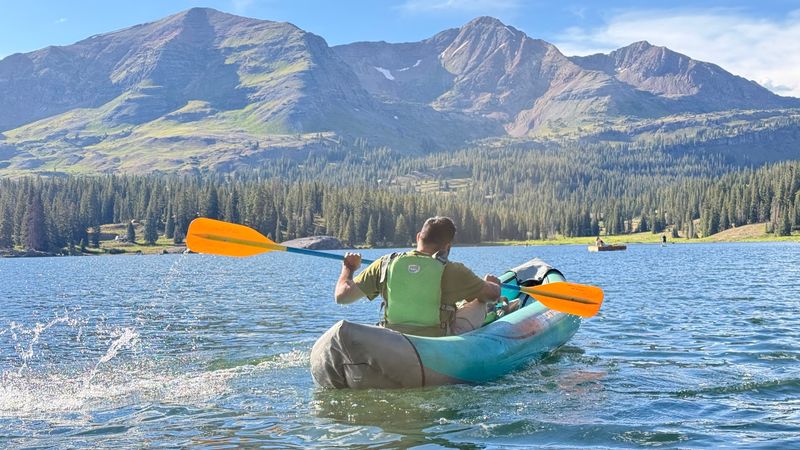
Some trails feel like they were designed to make you forget about everything else in the world. Copper Creek Trail to Copper Lake is exactly that kind of escape.
The hike climbs steadily through meadows and forest before opening up to one of the most beautiful alpine lakes in the Elk Mountains.
The trail covers about nine miles round trip, with around 2,000 feet of elevation gain. It is a moderate-to-challenging hike, so trekking poles and sturdy boots are strongly recommended.
The payoff, however, is absolutely worth every uphill step.
Copper Lake sits in a rocky basin surrounded by towering peaks that reflect perfectly in the still water on calm mornings. Wildflowers crowd the shoreline during July and August, adding splashes of purple, yellow, and red to the scene.
Pack a full lunch, because once you arrive, you will want to stay and soak it all in for as long as possible.
Elk Avenue and Downtown Crested Butte
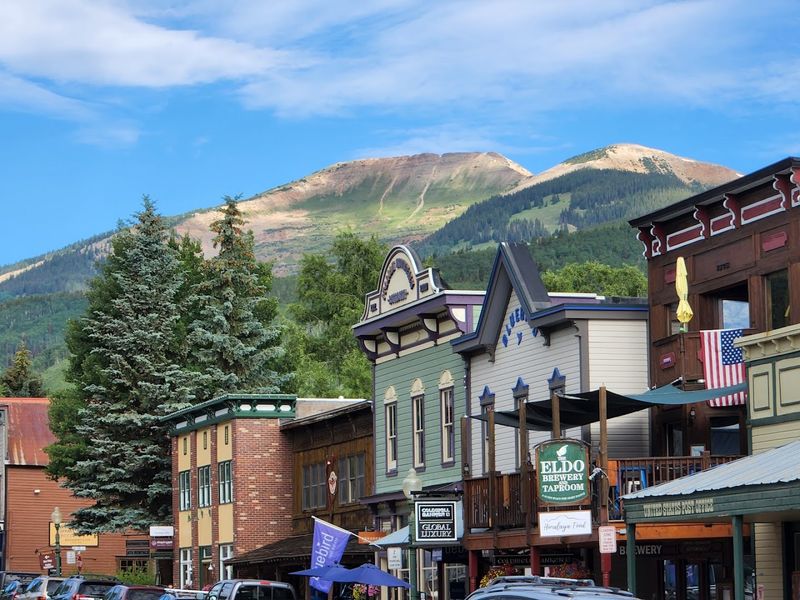
After a long day on the trails, Elk Avenue is exactly where you want to end up. The main street of downtown Crested Butte is lined with brightly painted wooden buildings housing local restaurants, coffee shops, gear stores, and art galleries.
It has the kind of small-town charm that is genuinely hard to find these days.
Stopping here before a hike is just as rewarding. Several outdoor gear shops offer trail maps, equipment rentals, and advice from staff who actually hike these mountains regularly.
Grabbing a breakfast burrito or strong cup of coffee before hitting the trail is a Crested Butte morning tradition many visitors quickly adopt.
After your hike, the local restaurants serve hearty meals that feel well-earned after miles on the mountain. Live music often drifts out of bars and restaurants on summer evenings, giving the whole street a festive, relaxed atmosphere.
Elk Avenue makes Crested Butte feel like a real community, not just a tourist stop.
401 Trail for Wildflower Season
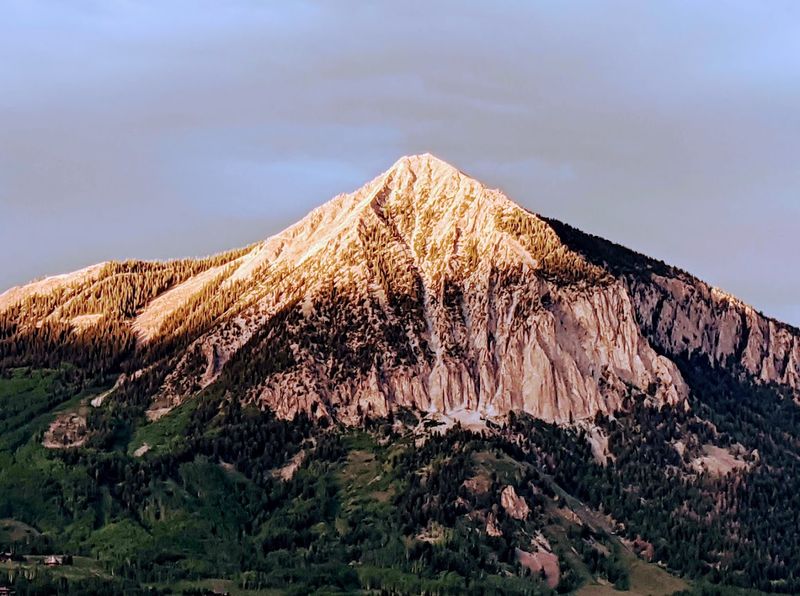
Crested Butte proudly calls itself the Wildflower Capital of Colorado, and the 401 Trail is the single best place to understand why. Every summer, typically from late June through early August, the hillsides along this trail erupt into an incredible display of columbines, Indian paintbrush, lupine, and dozens of other species.
Walking through it feels like wandering through a botanical garden that nature built entirely on its own.
The trail runs about seven miles one way and offers some of the most photographed scenery in the entire state. The views of Mount Crested Butte towering above the flower-filled meadows are absolutely unforgettable.
Hikers often stop every few minutes just to take pictures or sit and stare.
Peak wildflower season draws crowds, so starting early in the morning helps you enjoy the trail with fewer people around. Wear sunscreen and bring plenty of water because the high-altitude sun is stronger than most visitors expect.
West Elk Loop Scenic and Historic Byway
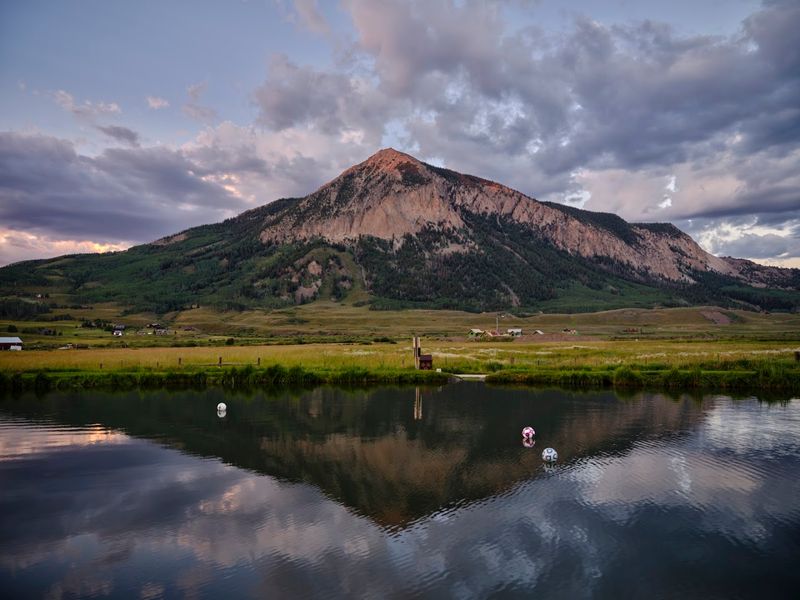
Road trips and hiking adventures blend beautifully along the West Elk Loop Scenic and Historic Byway. This iconic route winds through some of the most dramatic landscapes in western Colorado, connecting wilderness areas, historic sites, and trailheads that lead deep into the backcountry.
Starting from Crested Butte, the byway passes through Kebler Pass and continues through stunning terrain that changes around every bend.
Numerous pull-offs along the route mark the beginning of hiking trails, making it easy to stop, lace up your boots, and explore. Some trailheads lead to quick one-mile nature walks, while others connect to multi-day backcountry routes through the West Elk Wilderness.
The variety is part of what makes this byway so special for outdoor adventurers.
Fall is arguably the best time to drive and hike along this route, when aspen groves blaze with color across the hillsides. Traveling slowly and stopping often is the only way to truly appreciate everything this byway has to offer.
Maroon Bells Day Trip from Crested Butte
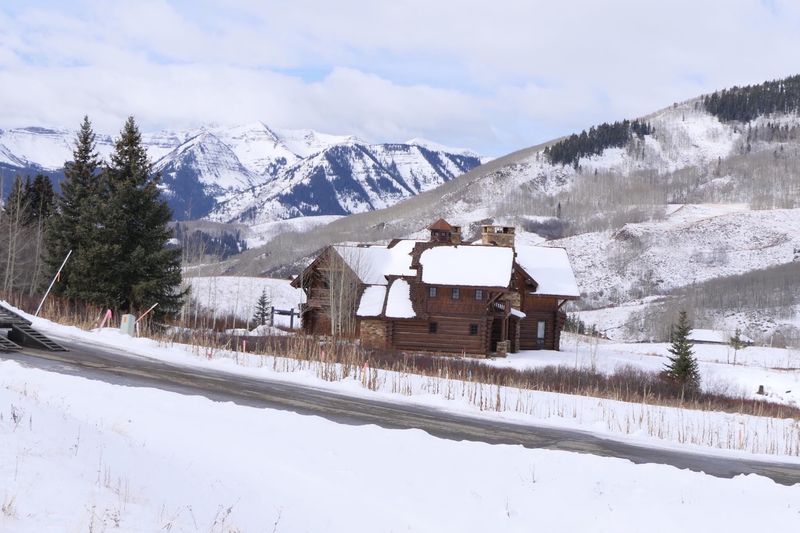
Crested Butte’s location makes it a perfect base camp for exploring some of the most famous scenery in all of Colorado. The legendary Maroon Bells, two of the most photographed peaks in North America, are just a scenic drive away.
Many hikers staying in Crested Butte make the trip to Aspen to tackle the trails around Maroon Lake.
The Crater Lake Trail, which begins at Maroon Lake, is a four-mile round trip that puts you up close with the iconic twin peaks. The trail gains about 500 feet in elevation, making it manageable for most hikers with basic fitness.
Early morning visits offer the clearest reflections in the lake and the fewest crowds.
Returning to Crested Butte after a day at Maroon Bells gives you the best of both worlds: world-famous scenery and a cozy small-town atmosphere to relax in afterward. It is a combination that is genuinely hard to beat anywhere in Colorado.
Brush Creek Trail System
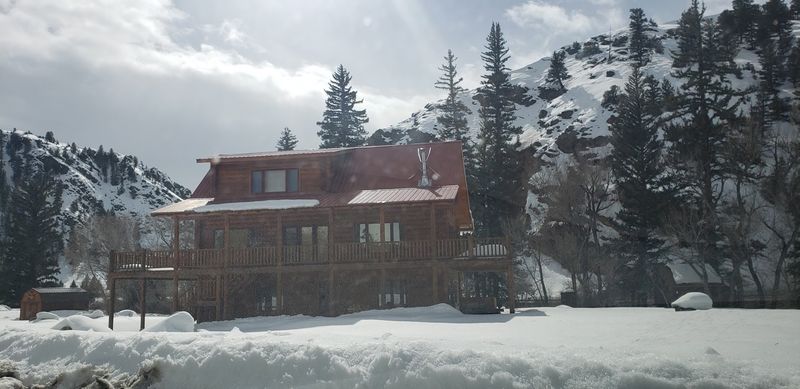
Not every great hike needs to end at a summit or a lake. Sometimes the real reward is the journey itself, and Brush Creek Trail System understands that perfectly.
This network of interconnected trails winds through open meadows, creek-side corridors, and rolling terrain that feels both peaceful and endlessly explorable.
The trail system is popular with hikers, runners, and mountain bikers, making it one of the more active outdoor recreation areas near town. Wide, well-maintained paths make navigation straightforward, even for first-time visitors.
Signage along the route is clear and helpful, so getting lost is rarely a concern.
Spring and early summer bring rushing creek sounds and fresh green meadows that feel wonderfully alive after a long mountain winter. Dogs on leashes are welcome on most sections of the trail, making it a popular choice for visitors traveling with pets.
Brush Creek Trail System is the kind of place locals return to again and again without ever getting bored.
Swampy Pass Trail in the West Elk Wilderness
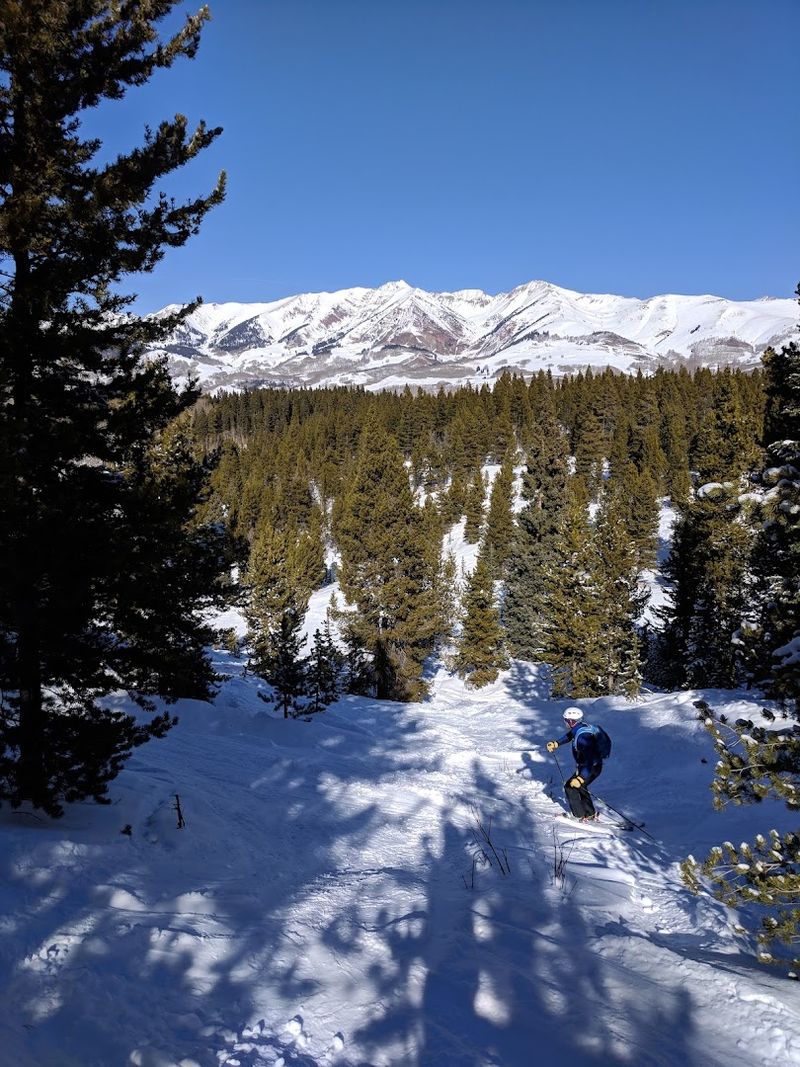
For hikers who crave genuine solitude, the West Elk Wilderness delivers an experience that feels miles away from the modern world, because it truly is. Swampy Pass Trail cuts through this rugged wilderness area, offering a backcountry adventure that rewards those willing to work for it.
The trail sees far fewer visitors than many other routes near Crested Butte, which is a big part of its appeal.
The route climbs through dense spruce and fir forests before breaking into open alpine terrain near the pass. Wildlife sightings are common here, including black bears, elk, and golden eagles soaring overhead.
Carrying bear spray and knowing how to use it is a smart precaution on any backcountry trail in this region.
The West Elk Wilderness has no motorized vehicles and very limited development, preserving a raw, untouched character that feels increasingly rare. Backpackers often use Swampy Pass as part of a longer multi-day loop through the wilderness, camping beneath skies full of stars.
Crested Butte Nordic Center Trails
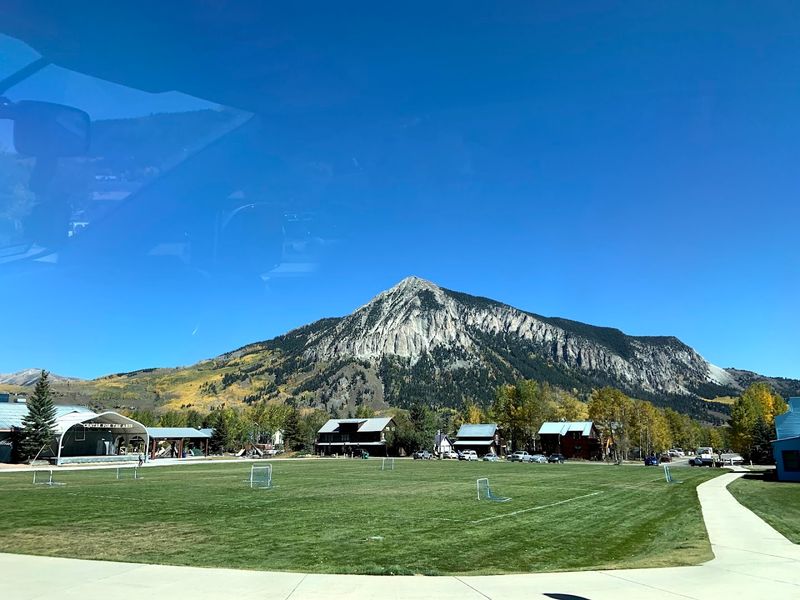
Most people associate Nordic skiing with winter, but the Crested Butte Nordic Center offers trail experiences that extend well beyond the snowy months. In summer and fall, the groomed Nordic track corridors transform into excellent hiking and walking paths that wind through meadows and forested areas just outside of town.
The terrain is gentle and scenic, making it a wonderful option for hikers looking for a relaxed outing.
The Nordic Center sits close to downtown, which means you can walk from Elk Avenue to the trailhead in just a few minutes. This convenience makes it especially appealing for visitors who want a morning hike before exploring town.
The trails loop in various combinations, so you can customize your distance based on how much energy you have that day.
Birdwatching along these trails is surprisingly rewarding, with many species of songbirds and raptors frequenting the open meadows. It is a quieter side of Crested Butte that many visitors overlook but absolutely should not miss.
Hiking to Mount Crested Butte Summit
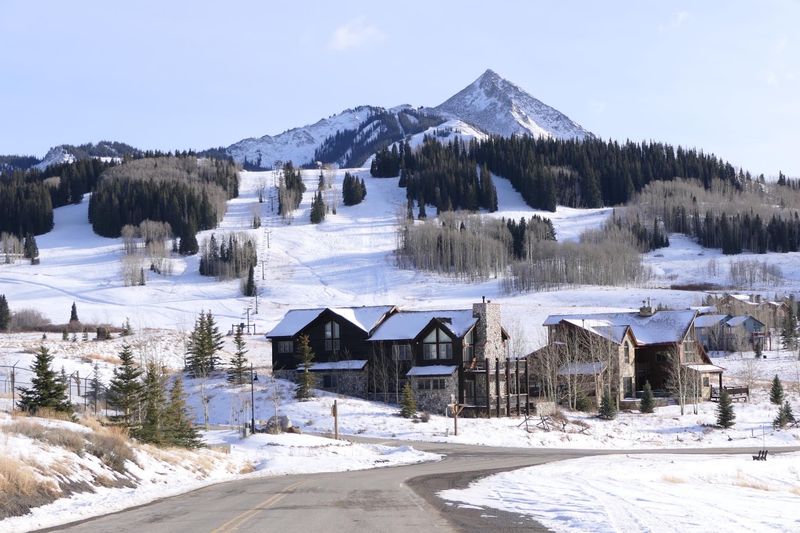
Standing at the summit of Mount Crested Butte at 12,162 feet is one of those experiences that hikers talk about for years afterward. The mountain’s distinctive pointed shape dominates the skyline of the town below, and reaching its peak feels like a genuine achievement.
This is not a casual stroll, but for those ready for the challenge, it is deeply rewarding.
The most common route to the summit begins at the ski area base and climbs steeply through rocky terrain, gaining significant elevation over roughly five miles. Hikers should start early in the morning to avoid afternoon thunderstorms, which build quickly over Colorado’s high peaks during summer.
Solid hiking boots, trekking poles, and layers for wind protection are essential gear for this climb.
From the top, the panoramic views stretch across an ocean of mountain ranges in every direction. On clear days, you can see peaks that are dozens of miles away.
Few hikes in the region match the sense of accomplishment this summit delivers.
Enjoyed this story?
Add Fast Food Club as a preferred source to see more of our reporting on Google.