


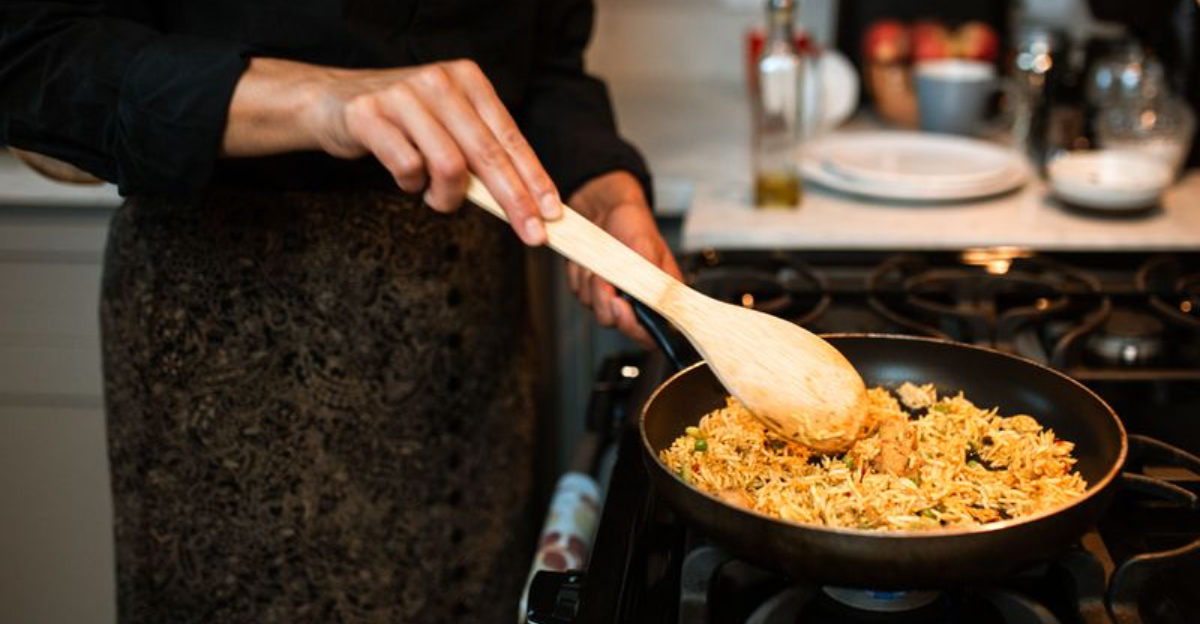
Grandpa swore by simple rules that sounded old fashioned but tasted like pure magic. These small habits quietly turned everyday meals into something you remember long after the dishes are done.
You can borrow them today without fancy tools or chef training. Try a few, and your kitchen will start to feel like the best seat in the house.
Save bacon grease for cooking
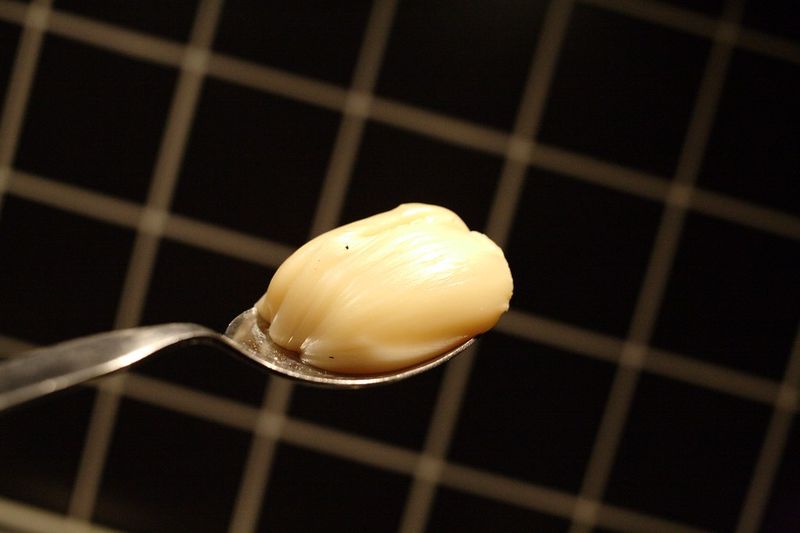
Bacon grease is liquid flavor you can stash for rainy days. Strain it into a clean jar, keep it in the fridge, and use a spoonful when sautéing greens or frying potatoes.
You will get smoky depth without adding extra seasoning. It is like a built in head start for weeknight cooking.
Try it in cornbread for a crisp edge, or brush it on a hot griddle before pancakes. A little goes a long way, so treat it like a seasoning.
You will notice richer aromas, better browning, and a nostalgic, savory finish every single time.
Make gravy from pan drippings
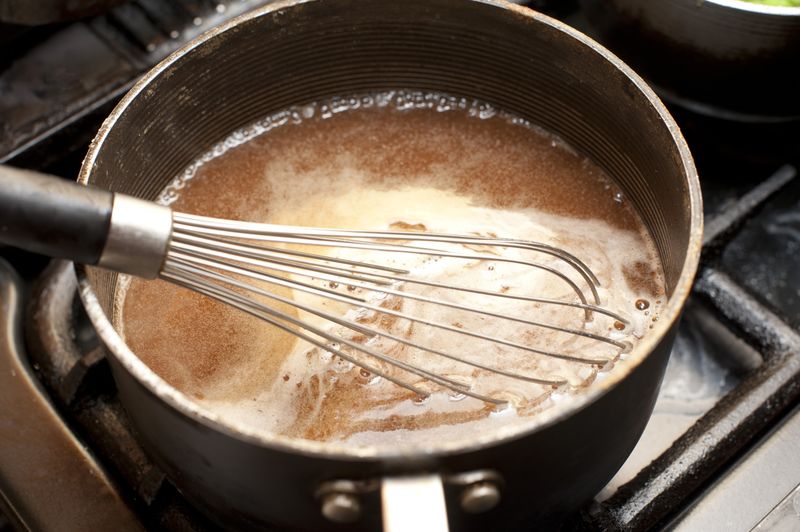
Those browned bits on the pan are flavor gold. Set the heat to medium, sprinkle flour, and whisk while the fat blooms it into a roux.
Splash in warm stock, scrape the fond, and watch it transform into silky gravy. Season with salt, pepper, and a little vinegar or mustard to wake everything up.
Use what the roast gave you, not a packet. It tastes honest, cooks fast, and ties the whole meal together.
You are basically recycling flavor into sauce. Pour it over potatoes, biscuits, or rice, and suddenly dinner feels deliberate instead of improvised.
Always brown the meat first
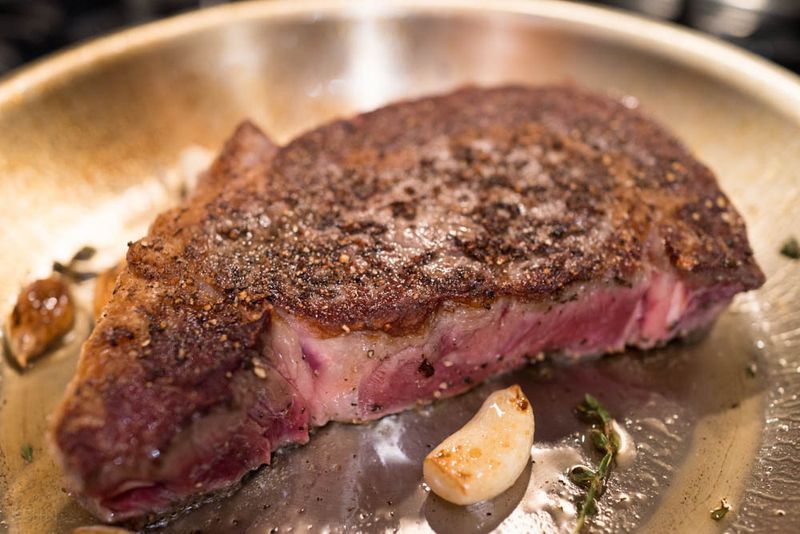
Browning is where dinner becomes dinner. Pat meat dry, salt it, and give it room in a hot pan so it actually sears instead of steams.
The crust builds deep aromas that carry through soups, sauces, and braises. Resist poking.
Flip once the meat releases easily and shows real color.
Those dark bits, the fond, are your flavor ticket. Deglaze with wine, stock, or even water, and scrape everything into the pot.
Suddenly a simple stew tastes like you cooked all day. You are not burning it.
You are building layers that pay off with every bite.
Cook with cast iron
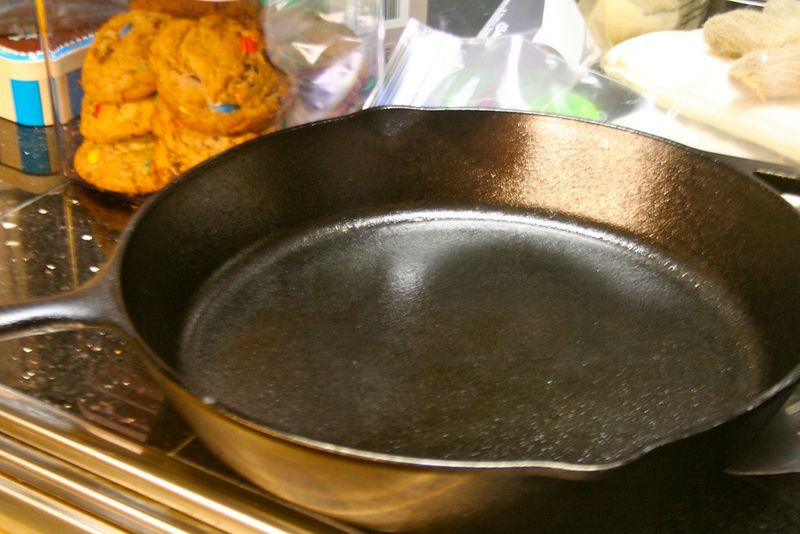
Cast iron gives you heat you can trust. It sears evenly, bakes beautifully, and moves from stovetop to oven without blinking.
Treat it right and it lasts longer than the house. Keep it seasoned with thin layers of oil, heat, and patience.
Do not fear a little soap, just dry and re oil.
From skillet cornbread to crispy potatoes, it adds a subtle char and sturdy texture. Food releases once the pan is hot and the surface is cared for.
You gain confidence because it behaves. Cook, wipe, repeat, and it becomes the quiet hero of everyday meals.
Salt pasta water generously
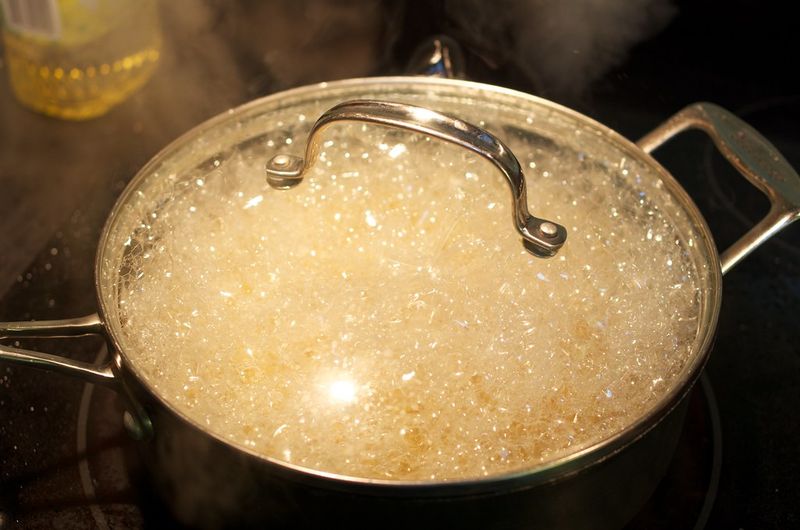
Pasta water should taste like the sea, not a timid puddle. Salt early so the grains dissolve and season the noodles from the inside out.
You will need less sauce because the pasta already carries flavor. It is the difference between bland and balanced, and you will taste it immediately.
Before draining, save a mug of that starchy, salty liquid. It emulsifies sauce, loosens thickness without dulling taste, and makes everything glossy.
Skip it and you miss restaurant silkiness. Add, toss, taste, adjust.
Simple, cheap, and transformative, this small habit makes Tuesday night pasta feel special without extra effort.
Taste before serving
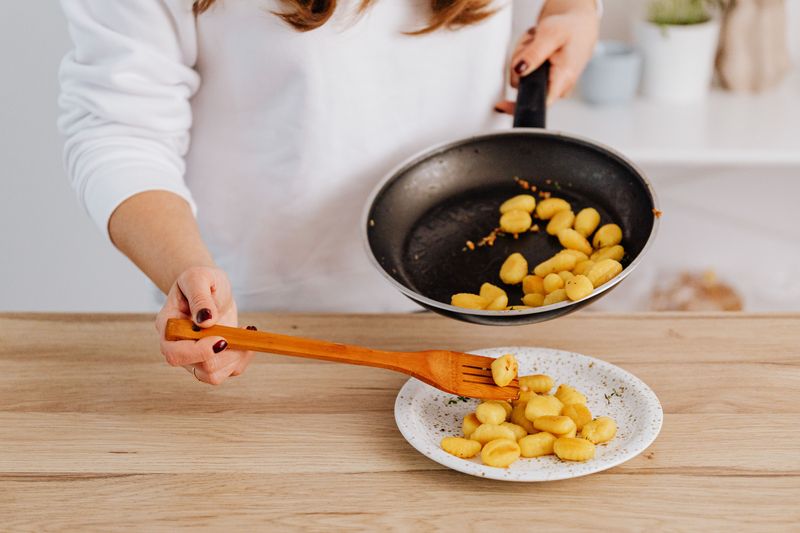
Your tongue is the final tool. A dish can look perfect yet need a pinch of salt, squeeze of lemon, or hit of pepper.
Taste near the end and again just before plating. Adjust in small moves so you do not overcorrect.
It is easier to add than to undo.
Check temperature, texture, and balance. Do you need acid, fat, sweetness, or heat?
Maybe just a splash of pasta water. You become the quality control that restaurants rely on.
This habit prevents disappointment and makes every meal feel intentional and dialed in.
Never rush a stew
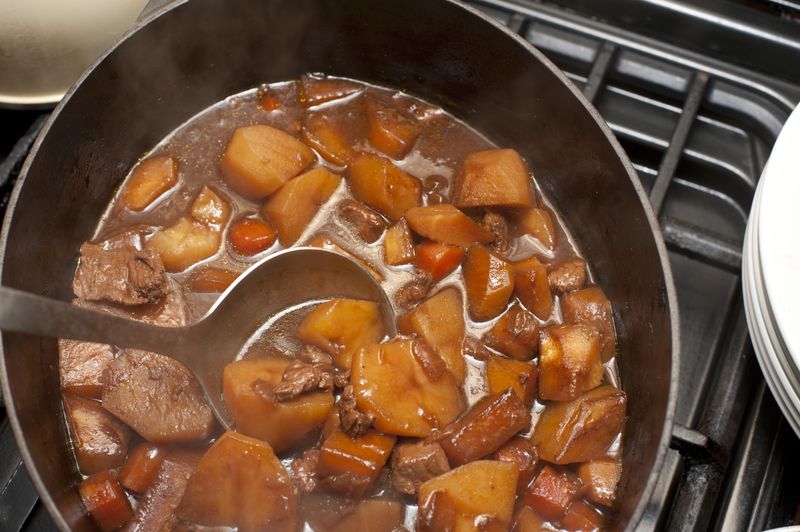
Stew rewards patience more than precision. Low heat coaxes collagen into silky body while vegetables melt into the broth.
Give it time and space, and the aroma tells you when it is ready. Rushing leaves tough meat and watery sauce.
Slow cooking lets flavors marry so each spoonful tastes complete.
Skim fat, adjust salt, and add herbs near the end for brightness. If it feels thin, simmer uncovered to reduce.
If it is salty, add a potato or splash of water. Relax and let it burble.
Dinner will wait for you, not the other way around.
Bake biscuits from scratch
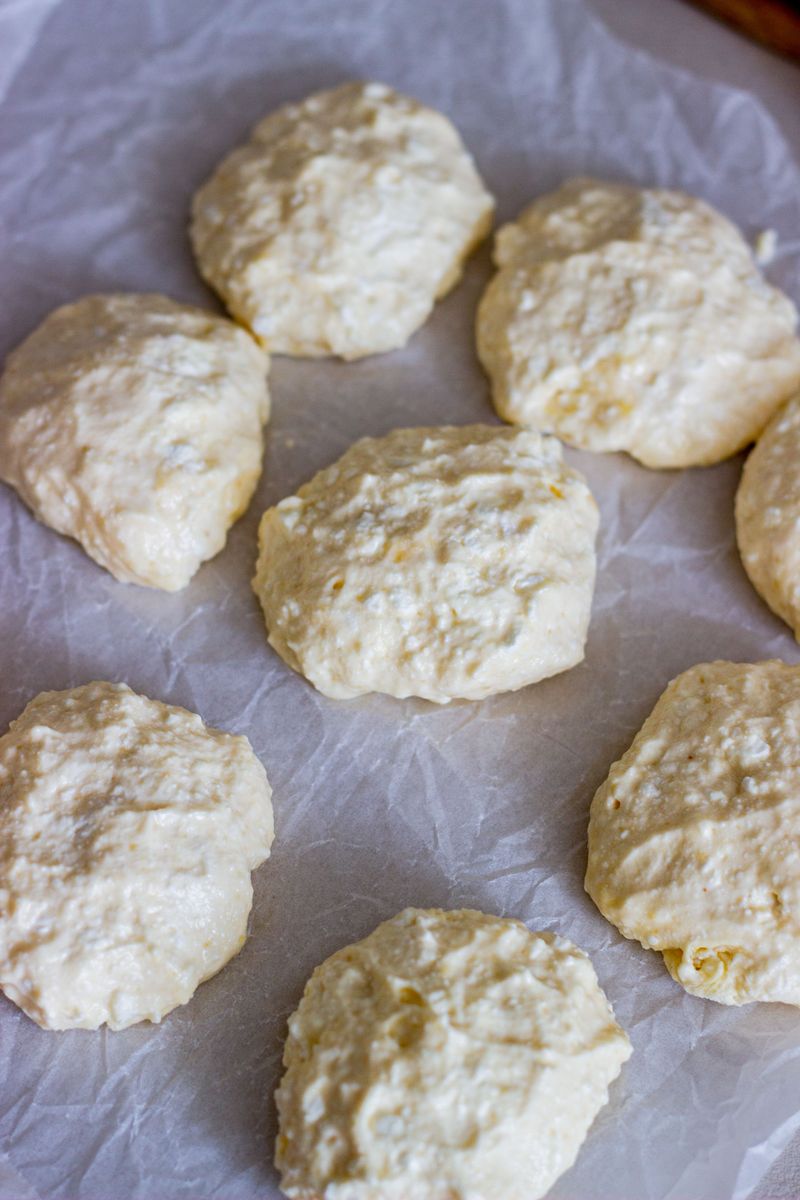
Scratch biscuits are faster than you think and taste like home. Keep butter cold, handle dough gently, and do not twist the cutter so layers rise straight.
Use buttermilk for tang and tender crumb. Hot oven, tall sides, golden tops.
You get steam puff and flaky joy in minutes.
Press scraps together softly to avoid tough bites. Brush with butter when they land to invite shine and aroma.
They are perfect with jam, gravy, or a fried egg. Once you master the feel, canned dough feels flat forever.
Weekend mornings suddenly become a ritual worth repeating.
Use buttermilk whenever possible

Buttermilk is a quiet miracle worker. Its gentle acidity tenderizes chicken, softens biscuits, and brightens dressings without heaviness.
Swap it for milk in pancakes or quick breads for deeper flavor and better browning. The result tastes like you tried harder than you did.
It is kitchen leverage in a bottle.
Do not have it? Stir lemon juice or vinegar into milk and let it sit.
It is not identical, but it works in a pinch. Keep some on hand and you open doors to tangy sauces and moist bakes that always disappear fast.
Let meat rest before slicing
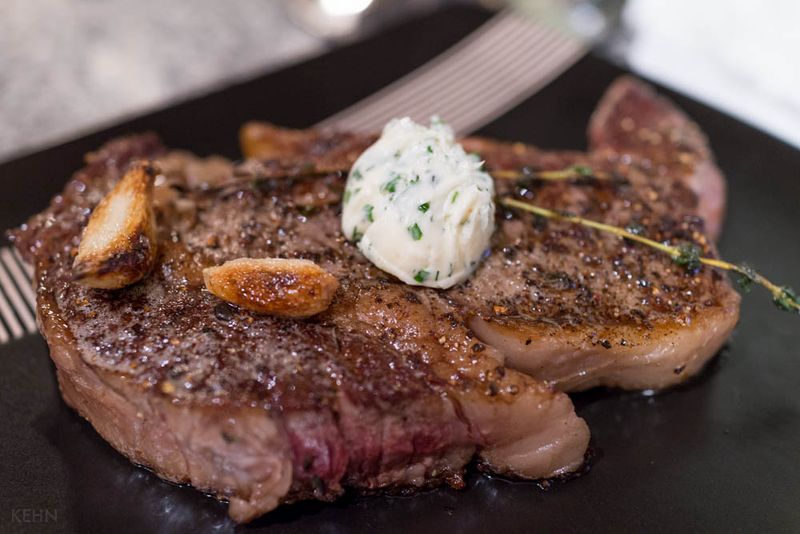
Resting meat feels like waiting, but it saves dinner. Heat pushes juices to the center during cooking.
Give it a few minutes off heat and those juices redistribute, staying in each slice instead of on the cutting board. The texture evens out, and the flavor seems fuller and calmer.
Tent loosely with foil for bigger cuts, and shorten the rest for thinner ones. Slice against the grain when possible.
You worked for that sear, so keep the payoff. A tiny pause delivers tenderness money cannot buy, and your plates will show it.
Keep homemade stock in the freezer
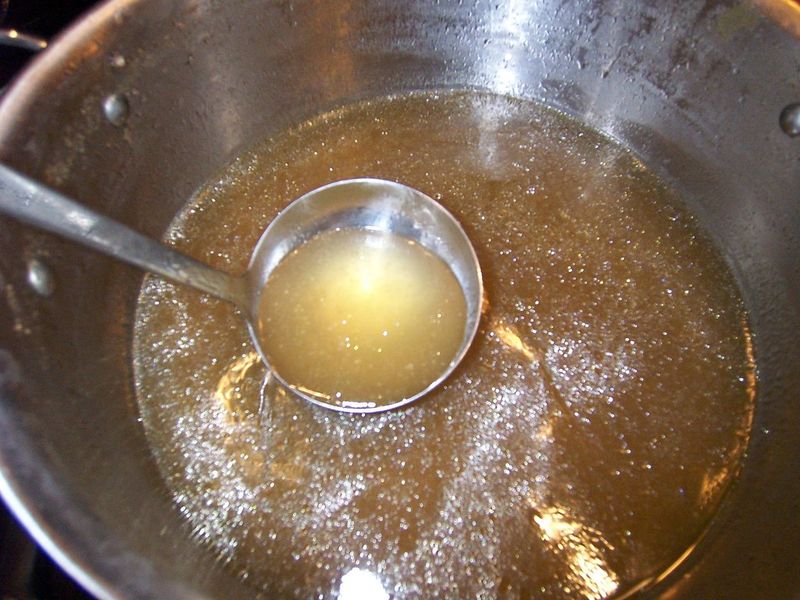
Homemade stock is a flavor bank account. Save bones, onion ends, and herb stems, then simmer gently until the kitchen smells generous.
Strain, cool, and freeze in jars or cubes. Suddenly soups, risottos, and sauces start with soul.
You are not chasing flavor anymore. You already built it.
Label containers so you grab chicken, beef, or vegetable fast. A splash in a pan rescues tired leftovers.
Thaw what you need and keep cooking. It costs almost nothing and replaces salty cartons.
Future you will thank present you every time a recipe asks for depth.
Season beans while they cook
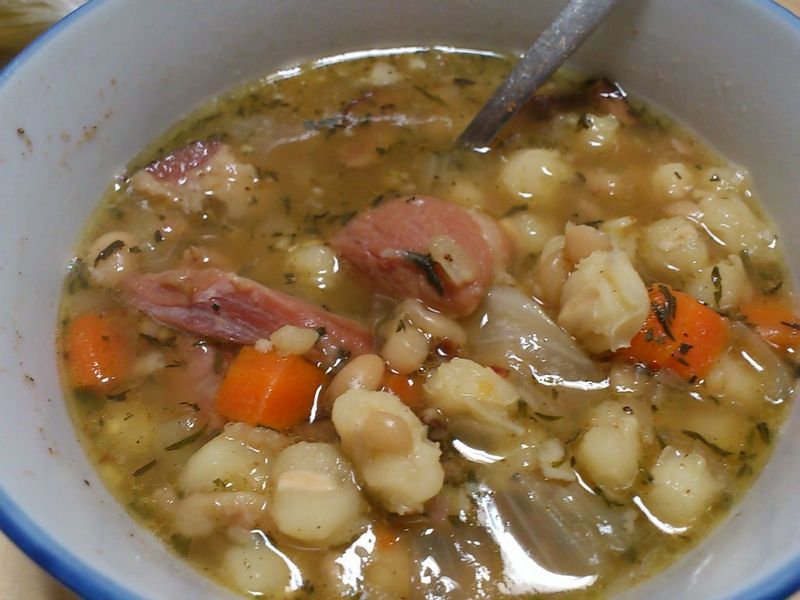
Beans need company in the pot. Salt early enough that it penetrates the skins, not just the broth.
Add bay leaves, onion, garlic, or a ham hock for body. Keep the simmer low so they cook evenly without bursting.
Patience gives creamy centers and flavorful liquid you will want to save.
Toss the myth that salt makes beans tough. Old beans do that.
Taste as they near tender, then finish with acid like vinegar or lemon to brighten. Use the pot liquor as soup base.
You end up with beans that taste cared for.
Toast spices before using them
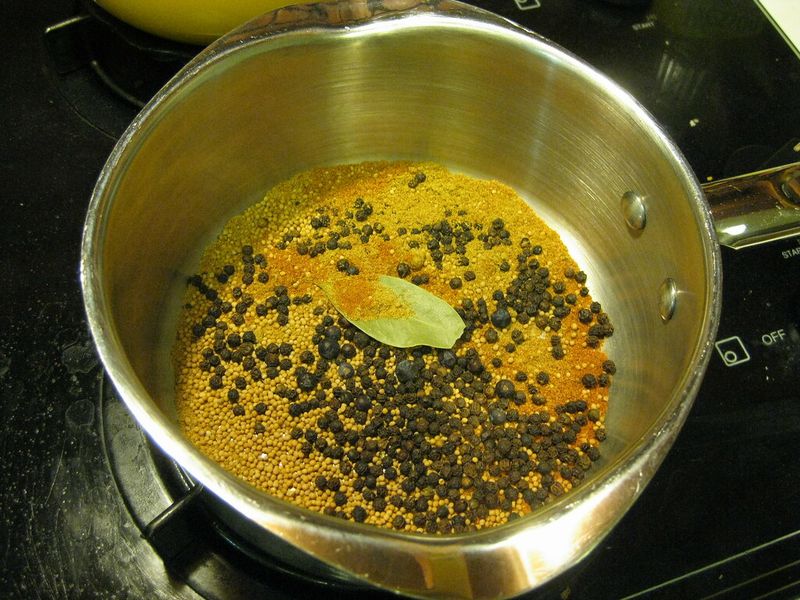
Heat wakes up sleepy spices. Toss whole seeds in a dry pan until fragrant, then grind.
Even ground spices benefit from a quick bloom in hot oil or butter. You are amplifying complexity without adding anything extra.
The kitchen smells alive and your food suddenly tastes wider and warmer.
Go gently to avoid bitterness. Once they darken slightly and smell nutty, you are there.
Add them early to infuse, or finish a dish for a bold top note. This tiny step elevates everyday recipes and makes store bought blends act like they were freshly made.
Peel potatoes by hand
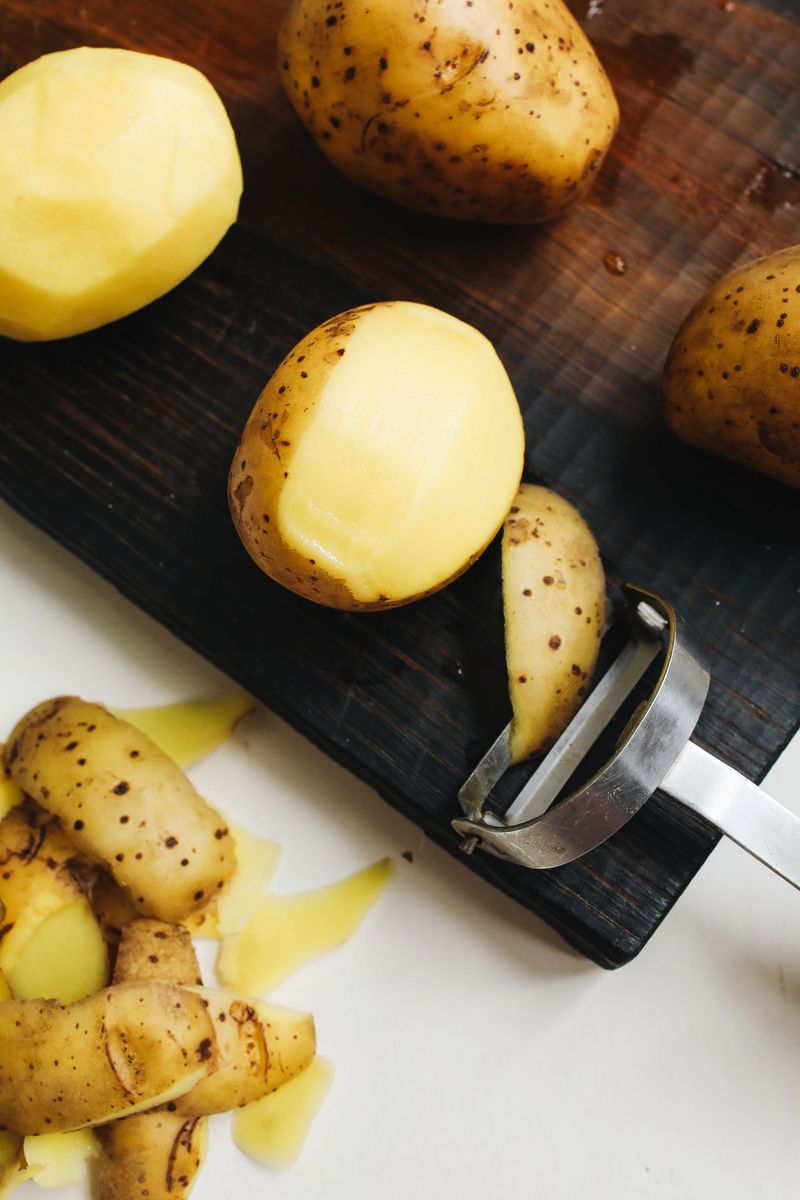
Hand peeling gives you control. You keep the shape you want and waste less than aggressive gadgets.
A steady rhythm over a bowl of water keeps everything tidy. Save peels for stock or roast them crisp for a salty snack.
It is slower, but you feel the ingredient and notice imperfections.
For rustic mash, leave some skin on. For fries, trim evenly so they cook together.
The knife or peeler tells you when a potato is too soft or sprouted. That quiet feedback makes better decisions and, somehow, better meals.
Cook low and slow
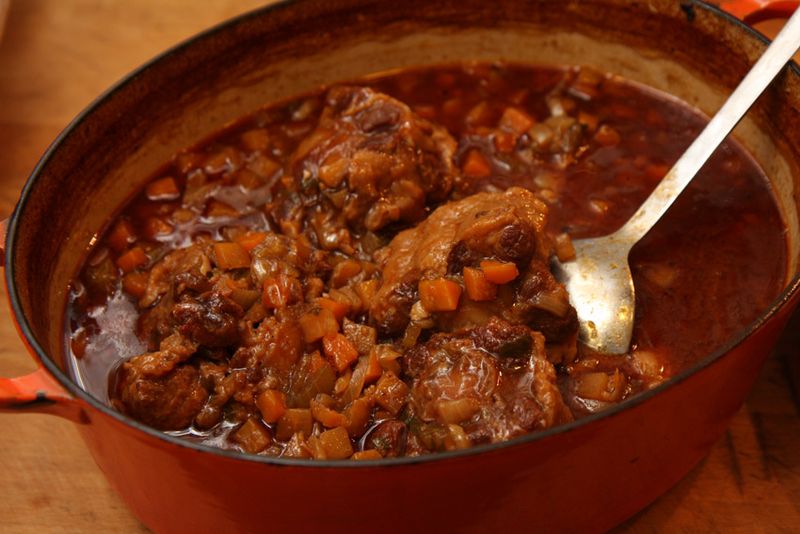
Low heat trades speed for results you cannot fake. Tough cuts relax, sauces thicken naturally, and flavors knit into something round and comforting.
Keep the lid on, trust the gentle bubble, and avoid fiddling. The payoff is tenderness that survives reheating and tastes even better tomorrow.
Your home will smell like patience.
If time is short, start earlier next time. Use the oven to maintain steady heat and free the stovetop.
Build flavor first with browning, then let time do the heavy lifting. You are not cooking slower.
You are cooking smarter.
Use real butter
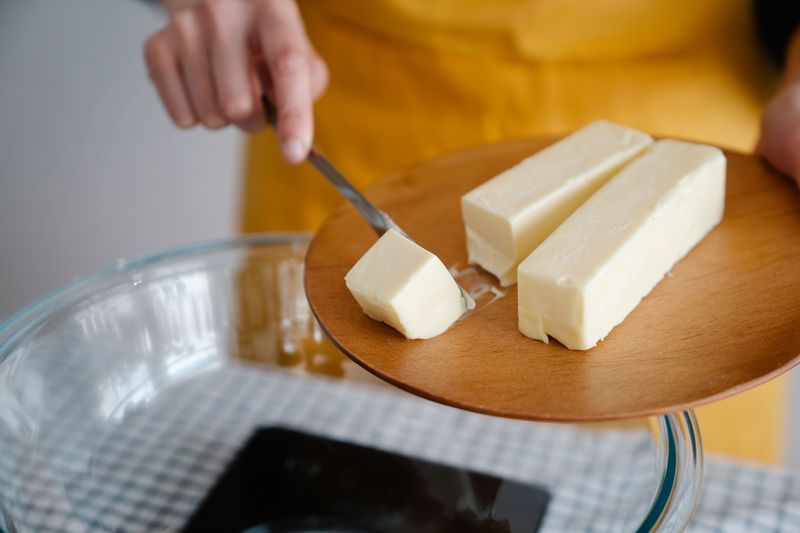
Real butter brings body, aroma, and clean flavor that margarine cannot mimic. A knob finishes sauces with shine and rounds off sharp edges.
In baking, butter controls tenderness and browning while adding that unmistakable depth. Salted for table, unsalted for recipes, so you decide the seasoning.
Keep it cool but workable.
Brown it for nuttiness or mash with herbs for instant compound butter. A little goes far when used with intention.
You are not chasing fake flavor. You are using the good stuff, sparingly and purposefully, for maximum impact and honest comfort.
Save stale bread for recipes
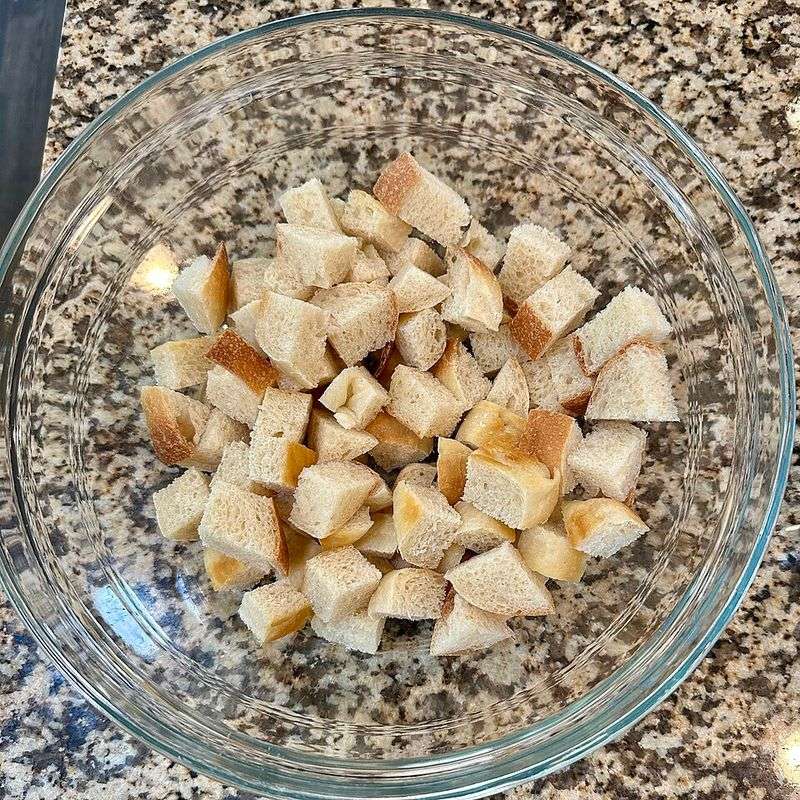
Stale bread is not waste. It is tomorrow’s breadcrumbs, croutons, stuffings, and bread puddings.
Dry cubes in a low oven, toss with oil, and season for salads or soups. Pulse into crumbs for cutlets or pasta toppings.
You are turning tired loaves into tools that make dinner crunch and sing.
Soak torn pieces in milk and eggs for meatballs with tenderness you cannot buy. Save heels for thickening stews.
Label a freezer bag and keep adding odds and ends. This small habit saves money, reduces waste, and quietly upgrades texture across a week of meals.
Add onions to almost everything
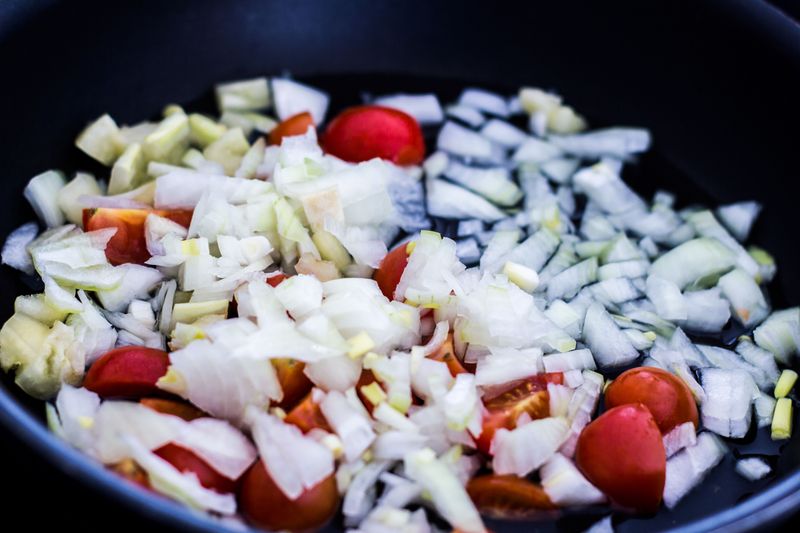
Onions are a foundation, not an afterthought. Sweat them slowly with salt until sweet, or take them further to caramel for jammy depth.
Even quick sautés gain backbone when onions meet the pan first. They welcome garlic, peppers, and spices like old friends, then disappear into sauces as quiet heroes.
Choose yellow for all purpose, red for fresh crunch, and sweet for gentle profiles. Keep them patient and they will reward you with flavor that tastes cooked, not rushed.
If bitterness creeps in, add a splash of water to deglaze. Your dishes will feel more complete.
Always preheat the oven
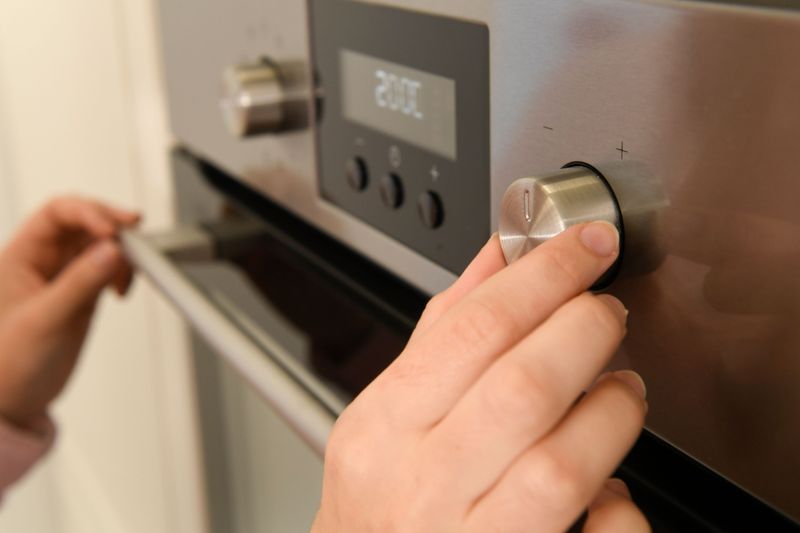
Heat sets structure. If the oven is not ready, biscuits spread, cakes sink, and roasts miss their sear.
Preheating gives you the promised temperature so timing and texture make sense. Use an oven thermometer because dials lie.
Waiting those extra minutes saves entire recipes from mediocrity.
Slide pans in only when the signal says go. For bread and pizza, give it even longer so stones and steel saturate with heat.
Consistency is the quiet secret behind great baking. Preheat, then trust your timer and nose.
Your results will snap into place.
Finish with black pepper
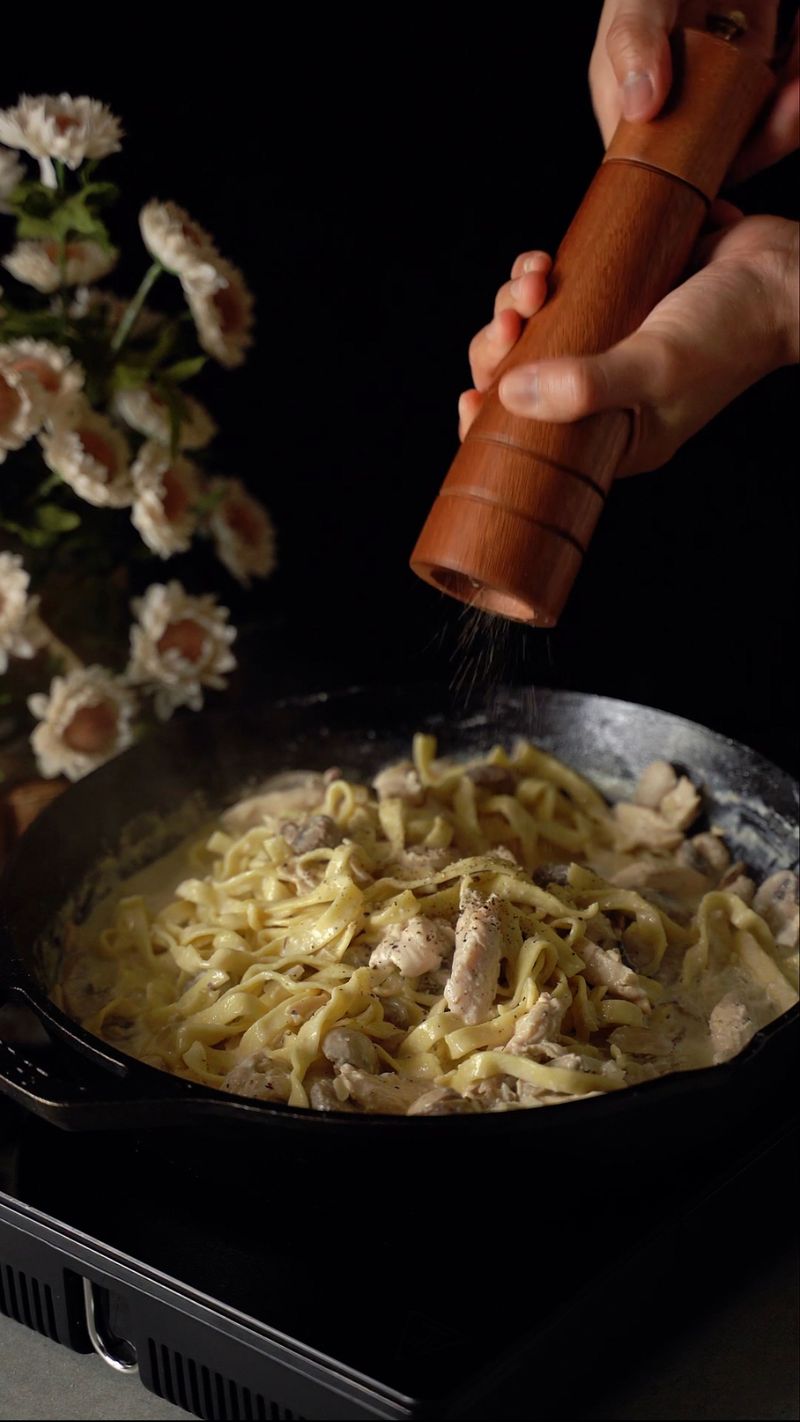
Freshly cracked pepper is not the same as pre ground. Grind it at the end so its oils stay lively and bright.
The aroma hits first, then a gentle heat that makes flavors feel sharper. You control grind size for steaks, salads, or creamy soups.
It finishes dishes with confidence.
Bloom some in butter for cacio e pepe vibes, or shower it over eggs right before serving. Do not cook it to death.
Let it speak at the table. That last twist wakes up dinner like a good chorus after the bridge.
Stir with a wooden spoon
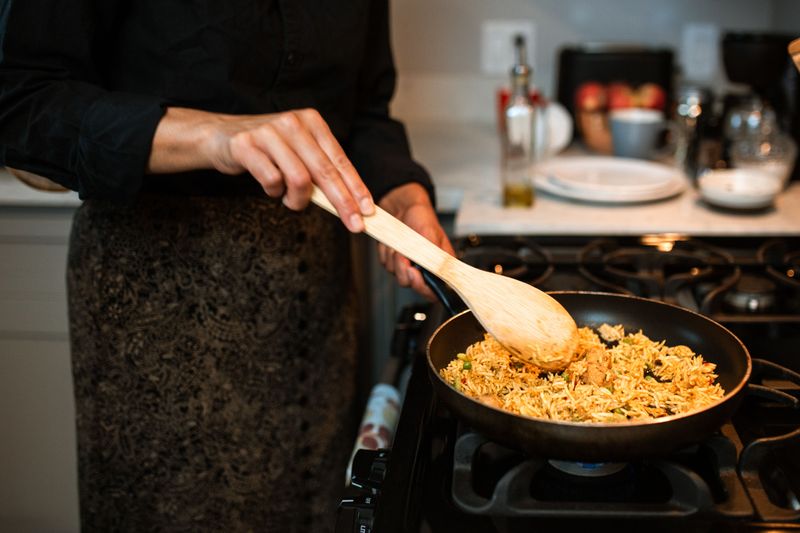
A wooden spoon is quiet control. It will not scratch pans, it does not get hot fast, and it carries sauce perfectly from pot to taste.
The flat edge scrapes fond without tearing up your cookware. It is simple, reliable, and built for feel.
You know when sauce thickens because the spoon tells you.
Stir polenta, risotto, and gravy confidently. The handle stays friendly, and the bowl holds just enough.
Wash, dry, and oil it occasionally so it lasts. Cheap, dependable, and always ready, it is the tool you reach for without thinking.
Enjoyed this story?
Add Fast Food Club as a preferred source to see more of our reporting on Google.