


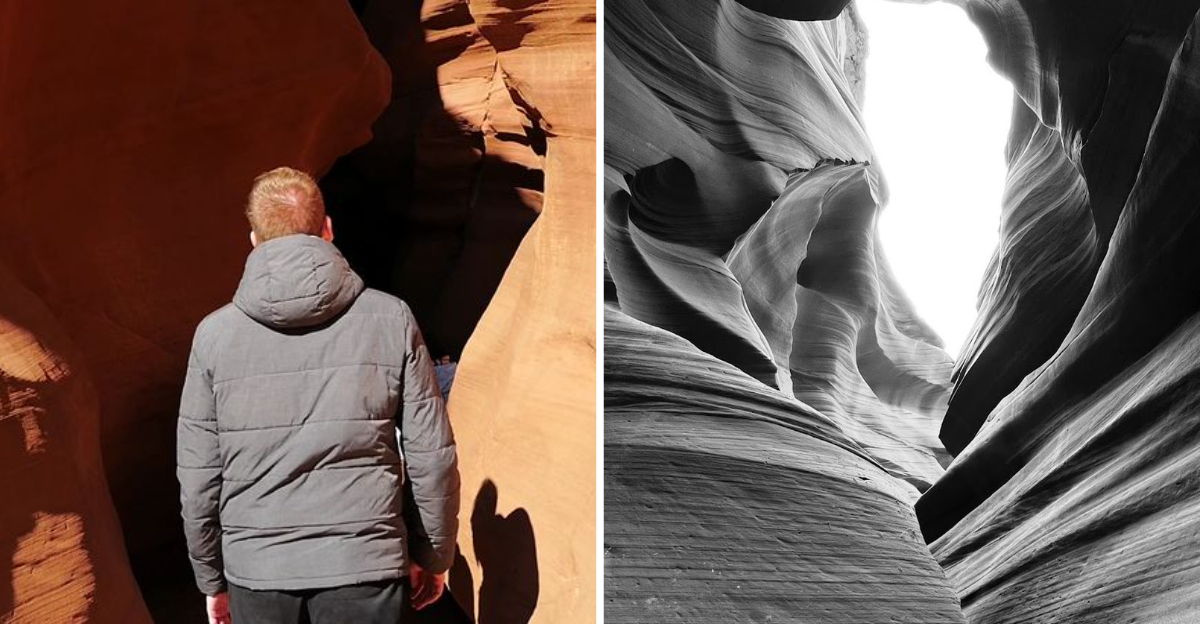
Tucked away on Navajo Nation land just east of Page, Arizona, Lower Antelope Canyon is one of those places that makes you stop and wonder if you are actually still on Earth. Carved over thousands of years by rushing floodwaters, this V-shaped slot canyon is a masterpiece of swirling sandstone walls, glowing colors, and breathtaking light.
Despite being one of the most photographed natural wonders in the American Southwest, it still flies under the radar for many travelers. If you are planning a day trip and want something truly unforgettable, here are 13 reasons why Lower Antelope Canyon absolutely belongs on your list.
The Jaw-Dropping Sandstone Walls That Look Like Liquid Stone
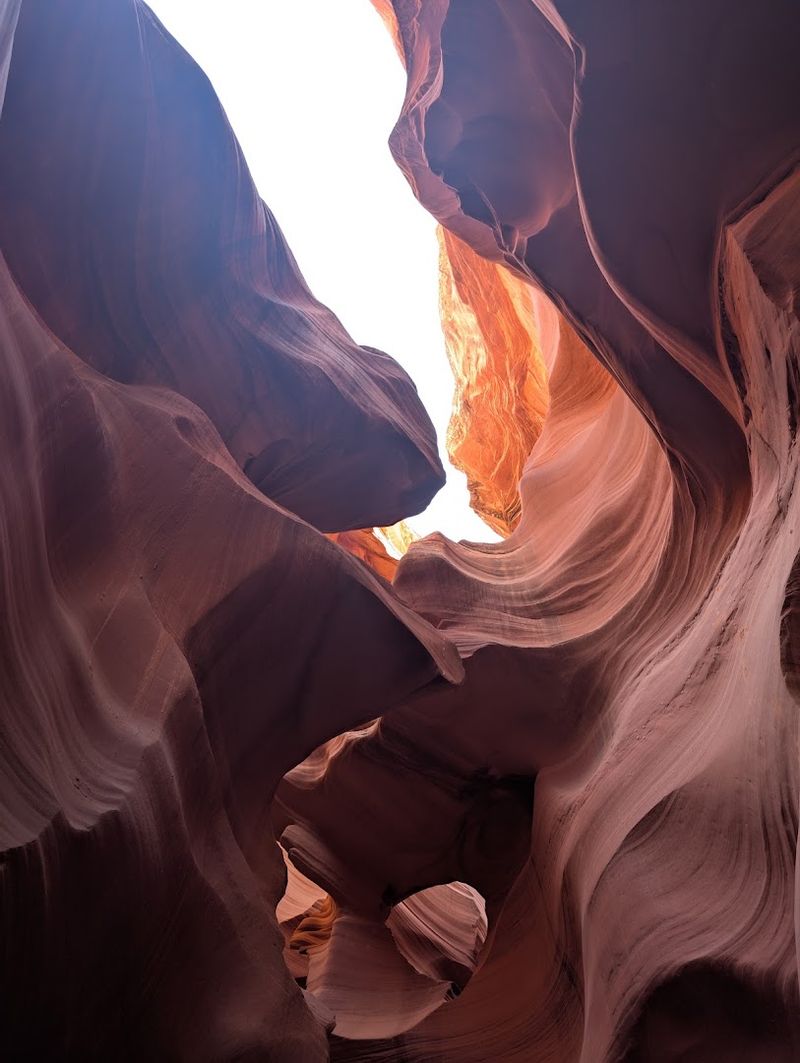
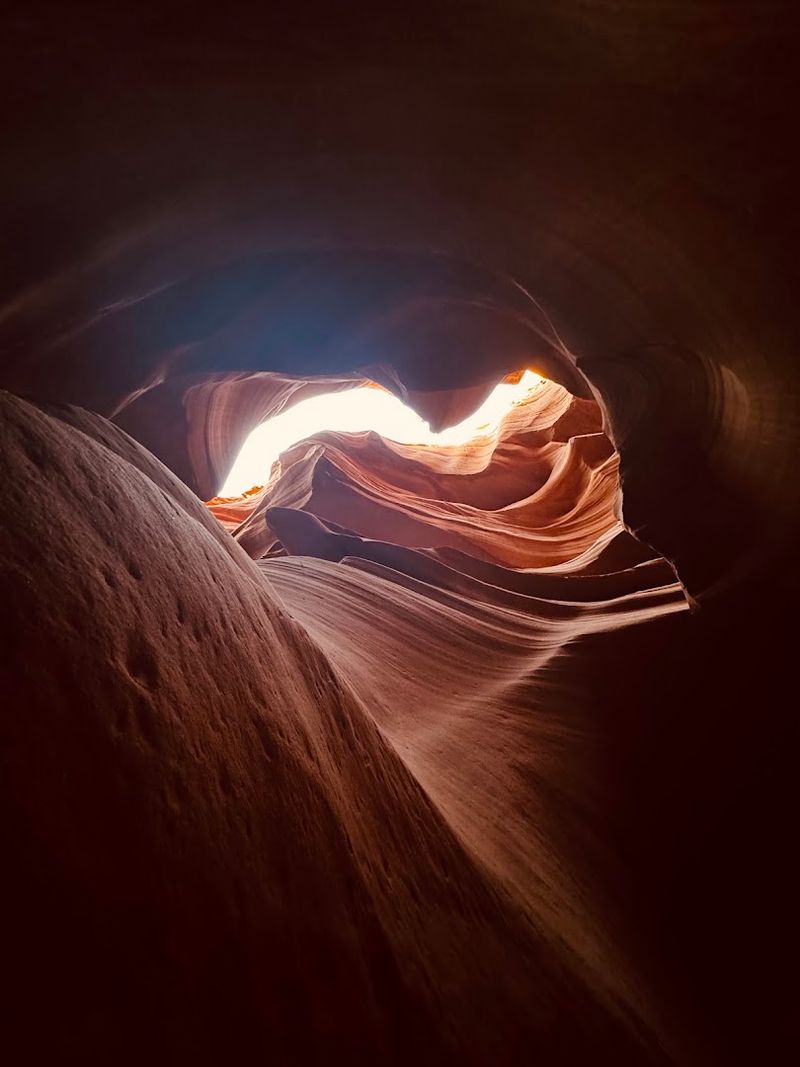
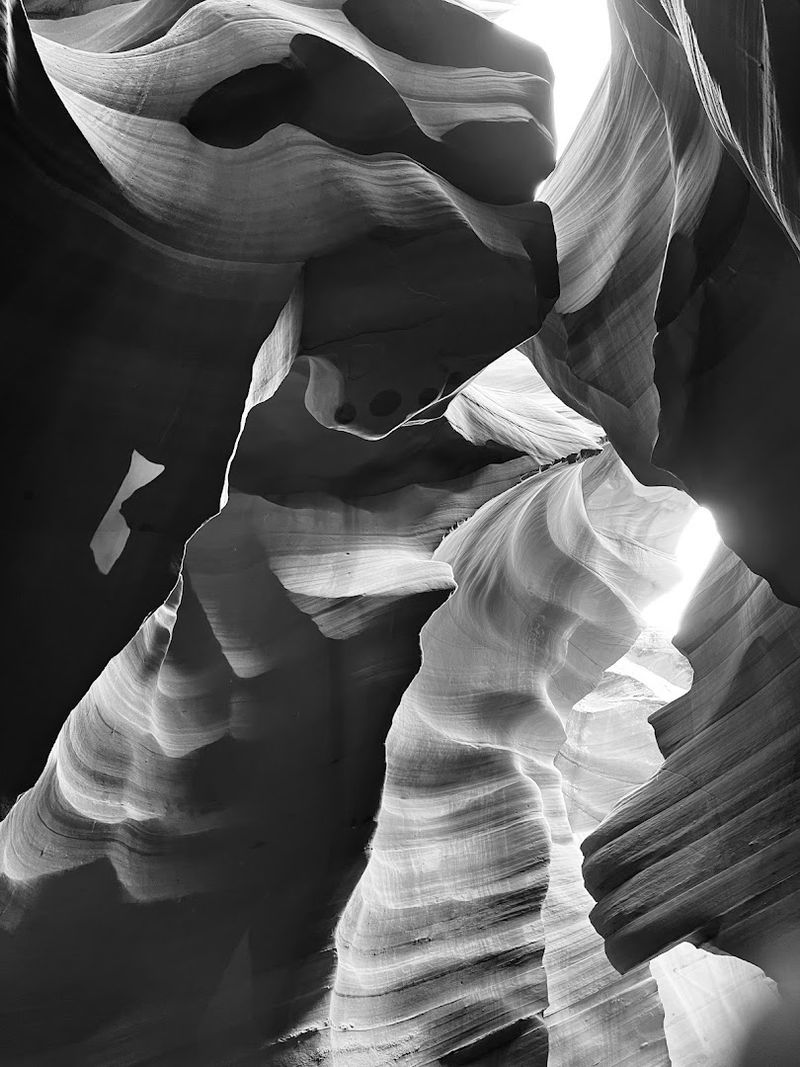
Standing inside Lower Antelope Canyon feels like being swallowed whole by a living painting. The sandstone walls twist and curl around you in waves of amber, copper, rust, and gold — colors so vivid they almost seem unreal.
Water carved these shapes over thousands of years, and every curve tells a story of ancient floods rushing through narrow rock.
The texture of the walls is silky smooth in some places and rippled like ocean waves in others. Visitors often say touching the canyon walls made the whole experience feel surreal, like pressing your hand against time itself.
No photo fully captures the depth and warmth of these formations.
If you have ever seen a picture of this canyon and thought it looked digitally edited, just wait until you see it in person. The walls are completely real — and even more stunning up close.
A Living Geography Lesson Hidden Underground
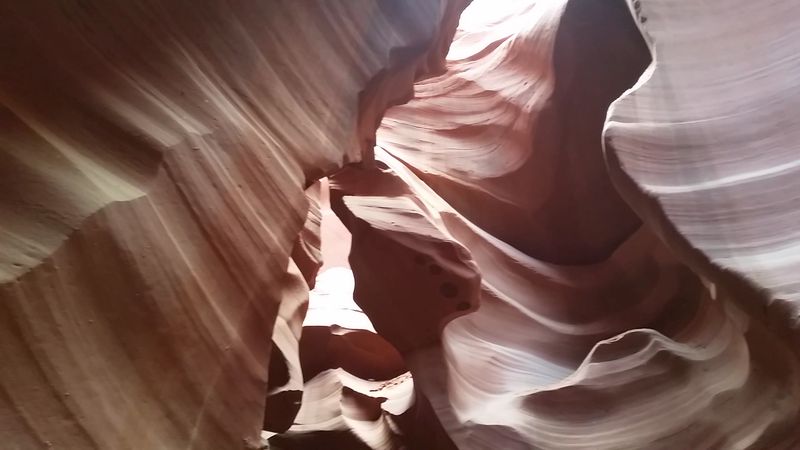
Lower Antelope Canyon is not just beautiful — it is a hands-on science class that nobody wants to leave. The canyon was formed by a geological process called slot canyon formation, where fast-moving floodwaters carrying sand and sediment carved narrow passages deep into Navajo sandstone over millions of years.
Seeing it in person makes textbook diagrams finally click.
Guides explain how erosion, water pressure, and time shaped every curve you walk through. For students, science lovers, or anyone who has ever wondered how the Earth builds its own art, this place delivers answers in the most dramatic way possible.
One visitor who had studied canyon formations for years described the moment of touching the walls as surreal — like watching a textbook come to life. Whether you are eight or eighty, walking through geological history this vivid is an experience that sticks with you long after you leave.
Magical Light Beams That Turn the Canyon Into Pure Magic
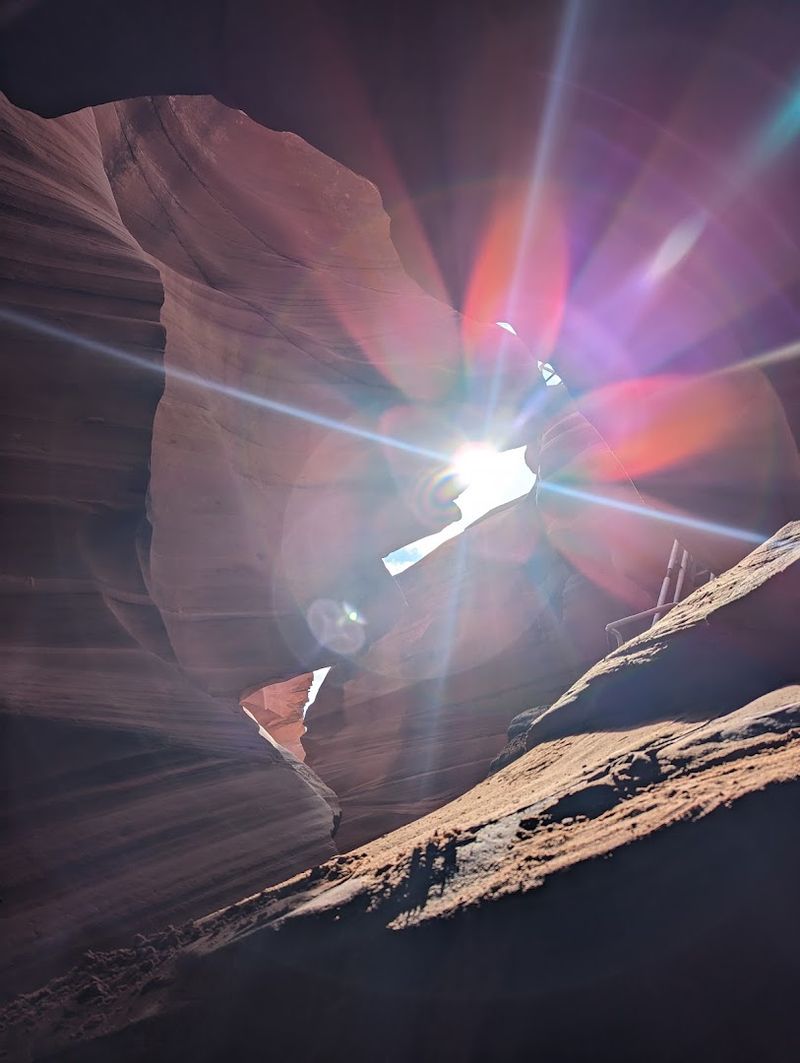
Few natural phenomena are as breathtaking as the light beams that pour into Lower Antelope Canyon during certain times of day. When sunlight hits the narrow opening above just right, golden shafts of light slice through the dim canyon air like spotlights on a stage.
The effect is otherworldly, and photographers travel from around the world hoping to catch this moment.
Afternoon bookings tend to fill up fastest because the light conditions are often at their most dramatic then. However, even without the famous beams, the ambient glow bouncing off the canyon walls creates a warm, glowing atmosphere at nearly any hour.
Every turn reveals a different color palette depending on how the light hits.
Booking your tour for the right time of day can make a huge difference in what you experience. Check with your tour company about the best time slots for light conditions when you visit.
Knowledgeable Navajo Guides Who Bring the Canyon to Life
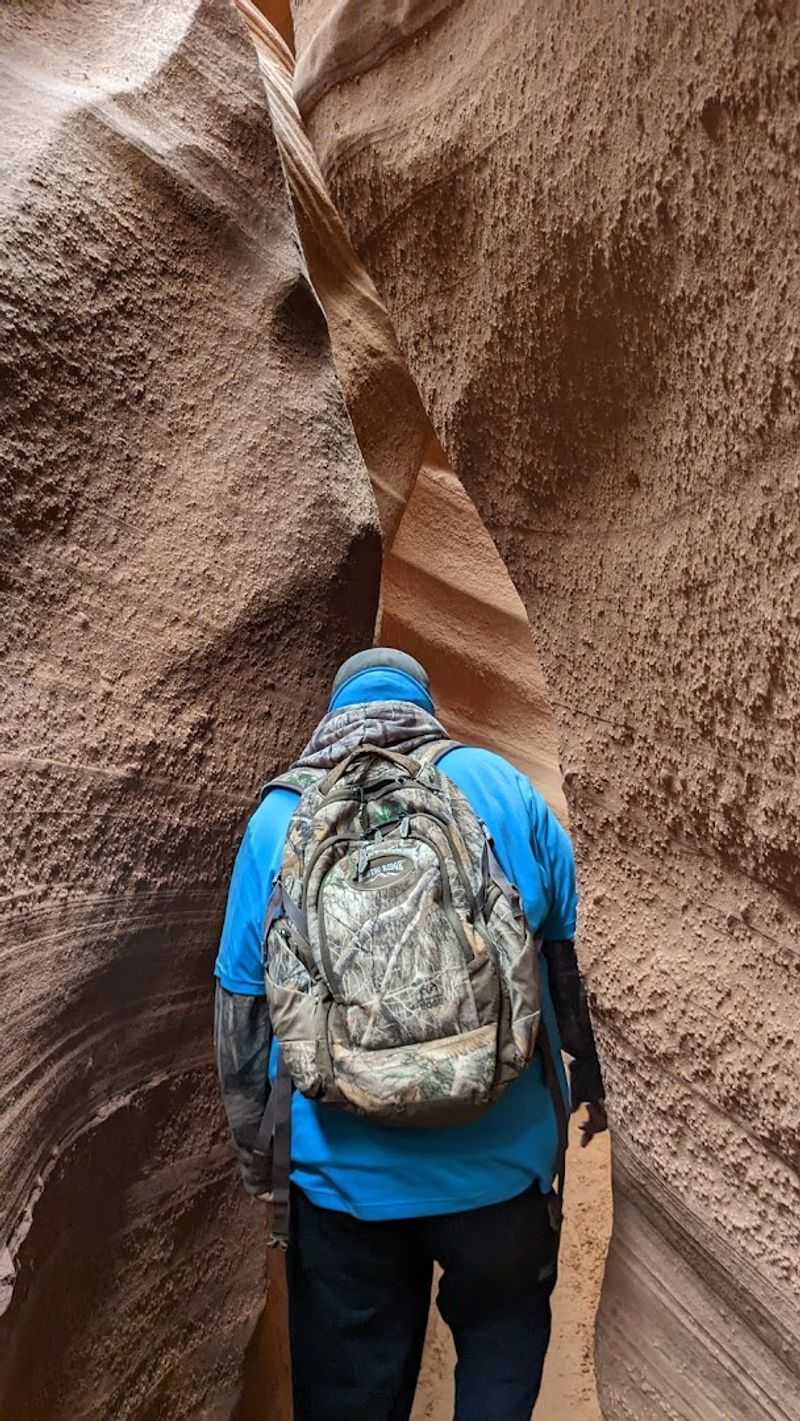
You cannot visit Lower Antelope Canyon without a licensed Navajo guide — and honestly, that rule makes the experience so much better. These guides know the canyon inside and out, from its geological history to the best camera angles for stunning photos.
Many visitors say their guide was the highlight of the entire trip.
Guides like Chris B, Gabby, and Mama have earned glowing reviews for their warmth, knowledge, and genuine passion for sharing this special place. They point out hidden formations, explain the canyon’s cultural significance to the Navajo people, and help you capture images that look professionally shot.
Beyond the photos, guides also keep everyone safe and moving smoothly through narrow passages. The canyon sits on Navajo Nation land, and the guided tour requirement is a way of honoring and protecting that heritage.
Tipping your guide generously is a small way to show your appreciation for an extraordinary experience.
Steep Ladders and Narrow Passages That Add a Thrill
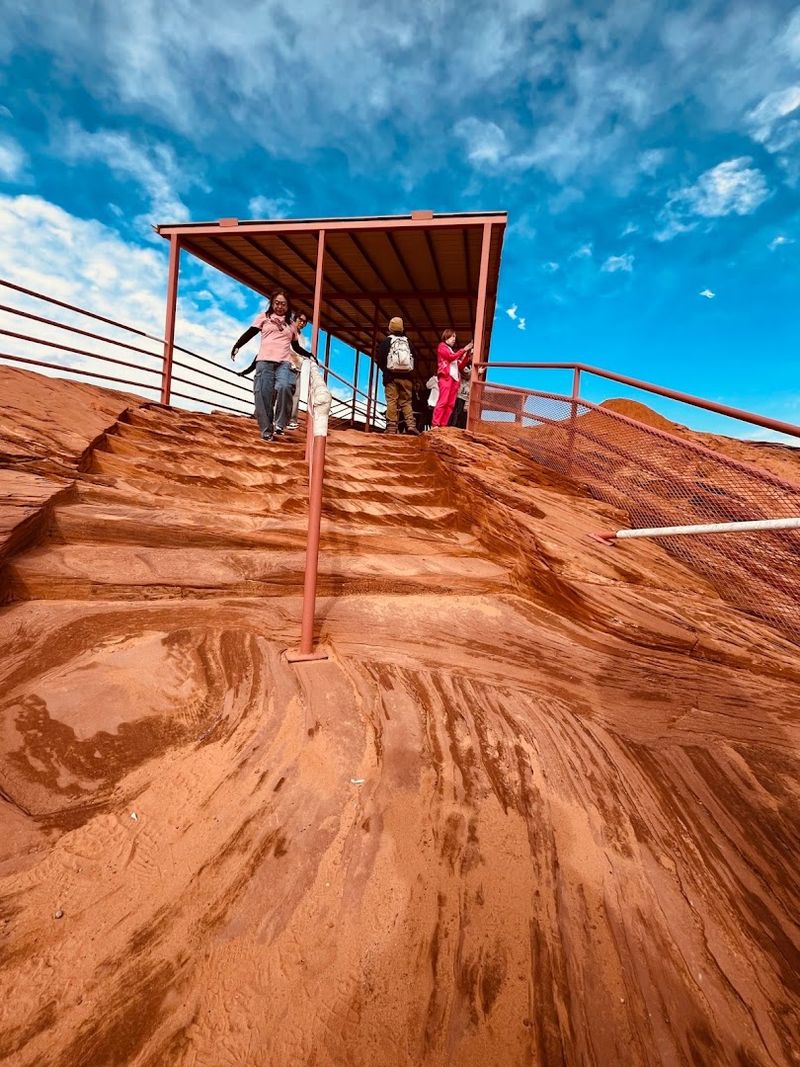
Unlike its sibling Upper Antelope Canyon, the lower version requires a bit more physical effort — and that is exactly what makes it exciting. Visitors descend roughly 70 feet underground using steep metal ladders and staircases to reach the canyon floor.
The descent is narrow, sometimes tight, and genuinely thrilling in the best possible way.
Once inside, the path stretches about 1.1 miles round trip over sandy, uneven ground. Most of it is flat and manageable, but the entry and exit points demand careful footing.
Guides always remind visitors to focus on the steps rather than their cameras while climbing — solid advice that keeps everyone safe.
For those who find the ladders too challenging, some tour operators offer an alternative exit route through the canyon itself. Know your limits before you go, but if steep stairs are not a problem for you, the adventurous entry only adds to the wow factor waiting below.
Photography Opportunities That Feel Almost Unfair
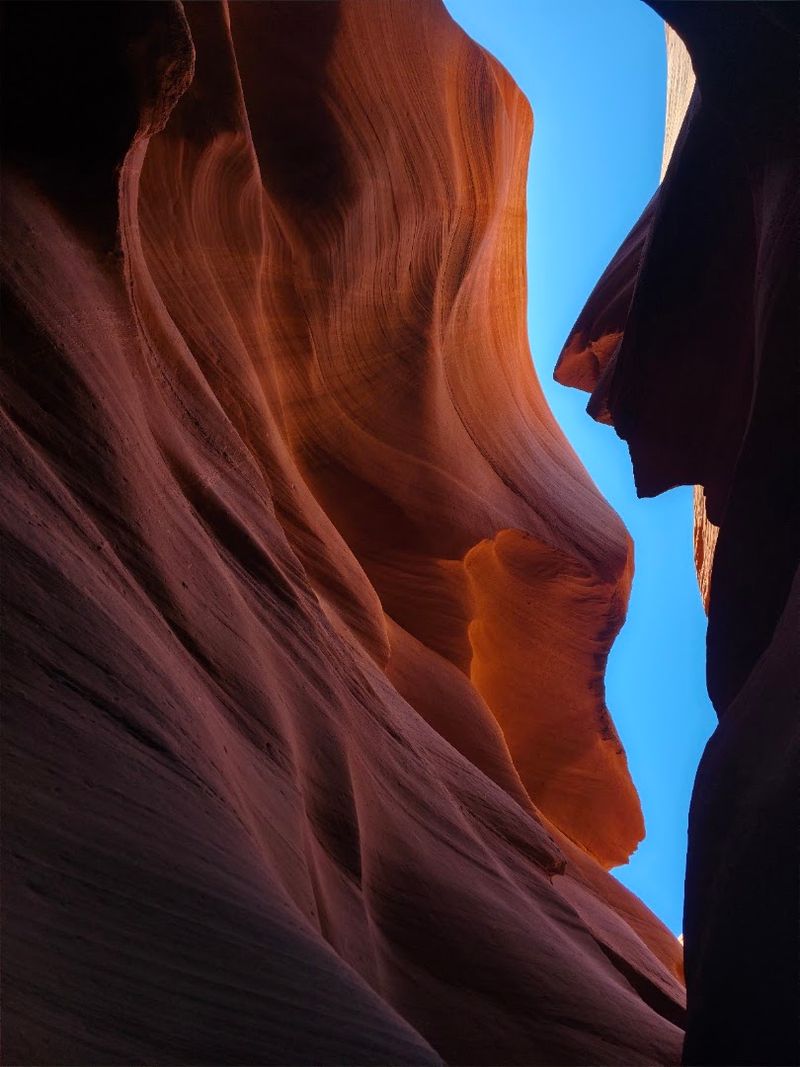
Photographers — amateur and professional alike — treat Lower Antelope Canyon like a pilgrimage site. The combination of narrow passages, warm sandstone colors, dramatic shadows, and shifting natural light creates conditions that make almost every shot look stunning.
Even a basic smartphone photo comes out looking like a magazine cover inside these walls.
Guides actively help visitors get the best shots, showing them creative angles and camera positions that reveal optical illusions only visible through a lens. Some formations look completely different depending on the direction you point your camera, which means every visitor walks away with a unique set of images.
One practical tip: no selfie sticks or tripods are allowed, and videos are restricted during the tour. Keep your camera or phone ready in your hands and follow your guide’s direction.
You will end up with photos that genuinely look like they belong on a travel magazine cover without any editing needed.
Weather Rules That Keep Everyone Safe — and Why They Matter
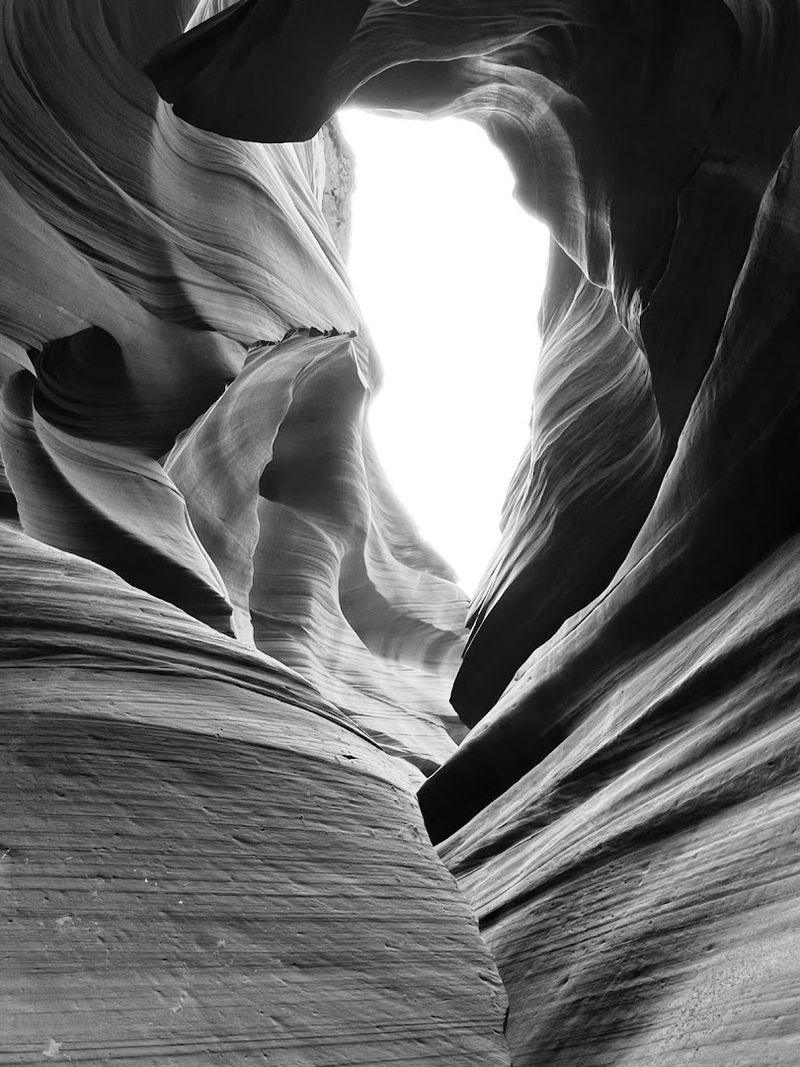
Lower Antelope Canyon was literally carved by floodwater, which means water is still a very real concern for visitors today. The canyon closes immediately when rain is in the forecast, and that policy exists for serious safety reasons.
Flash floods can fill the narrow canyon passages rapidly, turning a beautiful experience into a dangerous one within minutes.
Before booking your visit, always check the weather forecast for the Page, Arizona area and surrounding regions. Even rain falling miles away can funnel into the canyon.
Tour operators monitor conditions closely and will cancel tours without hesitation if there is any risk.
While a cancellation is disappointing, most companies work with visitors to reschedule. Winter visits are often recommended because monsoon season, which runs through late summer, brings the highest risk of flash flooding and tour cancellations.
Planning around weather is not just smart — it is essential for your safety and enjoyment.
How to Book Your Tour Before Spots Run Out
Spots at Lower Antelope Canyon sell out fast — sometimes weeks in advance, especially during peak travel seasons. Two licensed tour companies operate tours into the canyon, and both require advance reservations.
Showing up without a booking and hoping for a walk-in spot is a gamble that rarely pays off, particularly during busy weekends or holidays.
Most experienced visitors recommend booking at least two weeks ahead of your planned visit, and sometimes even earlier during summer or spring break. Tour prices vary by company and time slot, but most travelers agree the cost is absolutely worth it for what you experience.
When selecting your time slot, consider what kind of experience you want. Early morning tours offer cooler temperatures and smaller crowds, while afternoon slots often deliver the most dramatic light inside the canyon.
Read reviews for each tour company before booking, since guide quality can vary and makes a big difference in your overall visit.
What to Wear and Bring for the Perfect Visit
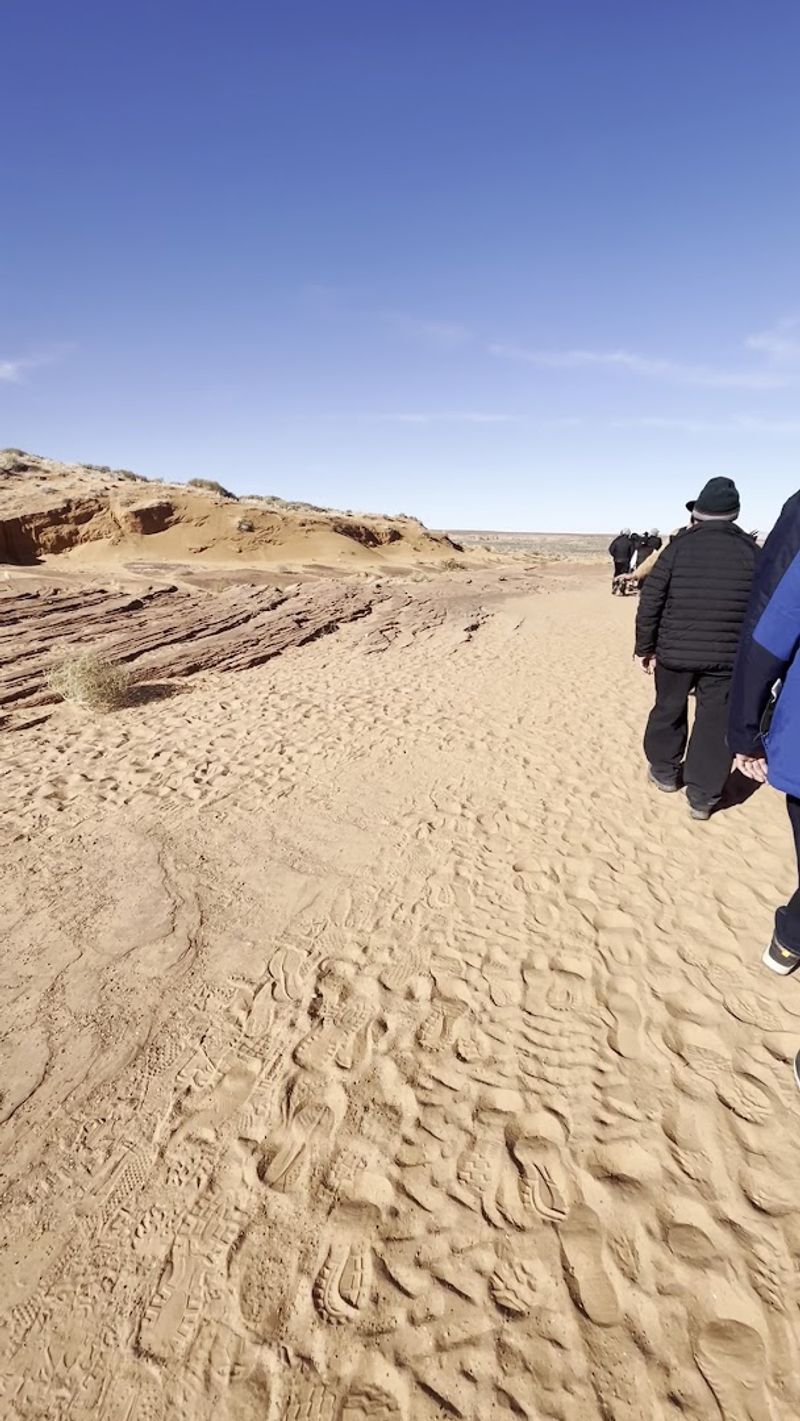
Packing smart for Lower Antelope Canyon can make a big difference in your comfort and experience. The canyon itself stays relatively cool compared to the blazing Arizona sun outside, but the walk to the entrance and back can get hot, especially in summer.
A hat and sunglasses are highly recommended for the outdoor portions of your visit.
Bags of any kind are not allowed inside the canyon, so plan to carry only the essentials in your hands or pockets. Bring a small water bottle to stay hydrated — guides strongly recommend drinking water before you enter since the tour lasts about 90 minutes.
Comfortable, closed-toe shoes with good grip are a must for navigating the sandy, uneven canyon floor.
Leave the selfie sticks and umbrellas at home since both are prohibited inside the narrow passages. Wearing light, breathable clothing helps keep you comfortable throughout the tour, especially if you visit during warmer months when the desert heat outside is intense.
The Difference Between Lower and Upper Antelope Canyon

Many first-time visitors wonder whether to choose Lower or Upper Antelope Canyon — and the honest answer is that both are spectacular but feel completely different. Upper Antelope Canyon is A-shaped, meaning it is wider at the bottom and narrower at the top.
It is also the one famous for its dramatic light beams between 11 AM and 1 PM. Lower Antelope Canyon is V-shaped, narrower at the bottom, and requires descending steep ladders to enter.
Lower Antelope Canyon is longer, more physically adventurous, and many visitors say the colors feel more vibrant and the experience more immersive. It is also managed by different tour companies than the upper canyon, so the two visits are entirely separate bookings.
If you can only choose one, reviews consistently praise the lower canyon for its sense of adventure and photographic variety. If time and budget allow, doing both in one day is an unforgettable double feature that showcases two very different sides of the same natural wonder.
Getting There: Location and Directions from Page, Arizona
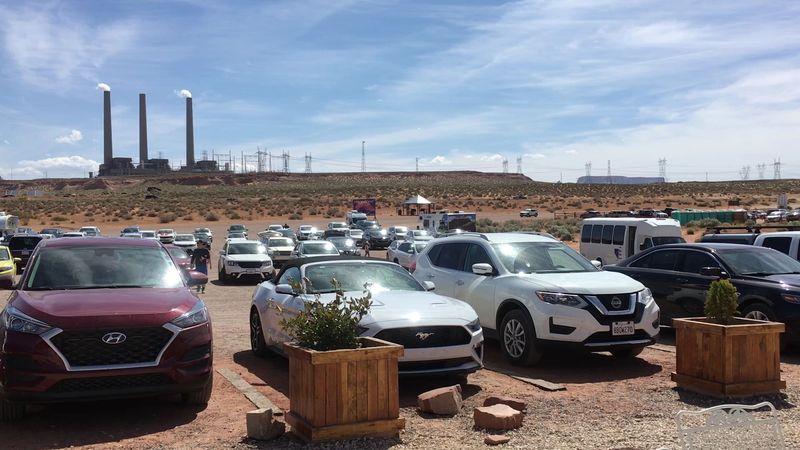
Lower Antelope Canyon sits on Navajo Nation land approximately 10 minutes east of Page, Arizona, just off Highway 98. The entrance is actually below ground level, which surprises many first-time visitors who expect a more visible landmark from the road.
Look for the tour company meeting points near the parking area, where your guide will greet you before leading you to the canyon entrance.
Page itself is a great base for exploring the area, with hotels, restaurants, and other nearby attractions like Horseshoe Bend and Lake Powell. From Las Vegas, the drive to Page takes roughly four to five hours, making it a popular — if ambitious — day trip for visitors staying on the Strip.
Arrive at least 30 minutes before your scheduled tour time. Restroom facilities near the meeting area are limited to portable toilets, so plan accordingly before you arrive.
The parking area is straightforward, and tour staff are usually easy to spot near the entrance.
Why Lower Antelope Canyon Feels Like Another Planet
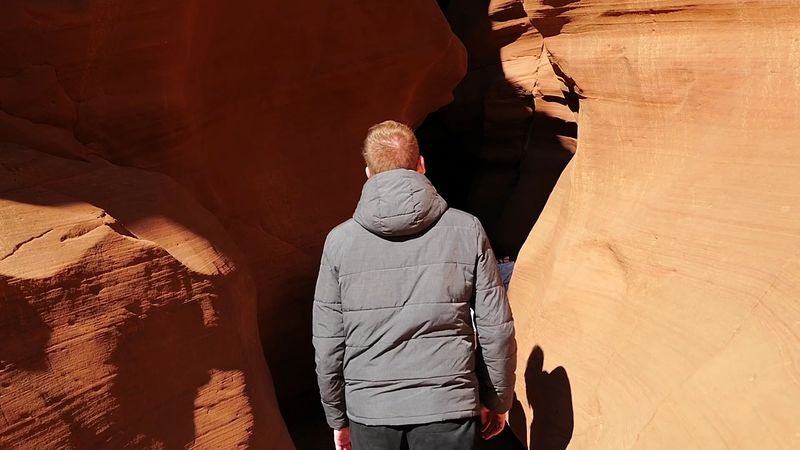
More than a few visitors have described walking through Lower Antelope Canyon as feeling like stepping onto another planet entirely. The combination of glowing walls, deep shadows, narrow passages, and ever-shifting light creates an atmosphere unlike anything you will find on the surface above.
Even seasoned travelers who have visited dozens of natural wonders tend to rank this one near the very top.
The canyon does not just look different from every angle — it feels different too. The air is cooler, the sounds are muffled, and the outside world simply disappears once you are deep inside.
Some visitors describe a sense of peaceful awe that is hard to put into words but impossible to forget.
One reviewer described it as feeling like stepping into a different country, or even a different dimension. That kind of reaction is not unusual here.
Lower Antelope Canyon has a way of making the ordinary world feel very far away, even if only for 90 extraordinary minutes.
Tips From Real Visitors to Make the Most of Your Trip
Real visitors who have made the trip to Lower Antelope Canyon have plenty of wisdom to share for first-timers. Hydrate before you enter — the tour lasts about 90 minutes and the desert heat outside can leave you thirstier than expected.
Drink water at the parking area before your guide leads you in, since you will not get another chance until you exit.
Trust your guide completely when it comes to photos. They know the best light, the best angles, and the hidden optical illusions that only reveal themselves through a camera lens.
Handing your phone to your guide for a few shots almost always results in images that look professionally composed.
Finally, keep moving with your group and avoid stopping suddenly on the ladders. The tours run on a schedule, and staying with your group ensures everyone gets equal time to enjoy each section.
Going in with a relaxed attitude and an open mind makes the whole experience significantly better.
Enjoyed this story?
Add Fast Food Club as a preferred source to see more of our reporting on Google.