


Remember when some groceries practically leapt into your cart without asking? Prices, labels, and changing routines have a way of slowing that roll.
These days, a little strategy turns old defaults into smarter choices that still taste great. Let’s rethink the usual suspects together so your meals feel satisfying and your budget breathes easier.
Bacon
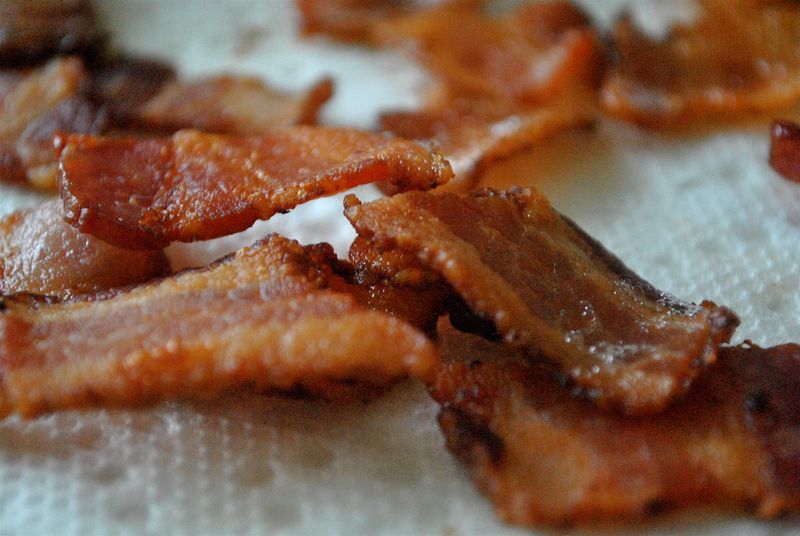
Bacon used to jump into the cart without much thought. Crispy, smoky strips felt like weekend happiness in a skillet.
Now the price per pound nudges me to pause, and the sodium content whispers about energy slumps and thirst.
I still love the aroma, but I buy smaller packs or choose turkey bacon for recipes where crisp bits matter. You can stretch flavor by chopping and using as a garnish rather than a centerpiece.
It becomes a treat again, not a Tuesday default, and wallets breathe easier. Leftover fat seasons beans, greens, and cornbread without extra slices on busy weeks.
Butter
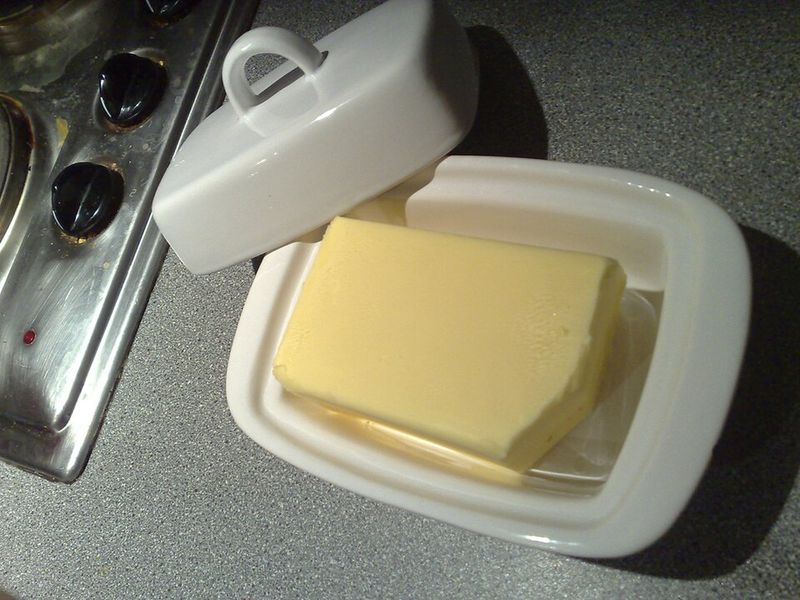
Butter once felt essential, a golden block riding home every trip. Baking, frying, and spreading made it vanish faster than plans.
Lately the sticker shock and saturated fat stats make a person look twice, especially when recipes work fine with olive oil swaps.
I still keep some for pastries that truly need it. You can buy half sticks, freeze extras, or mix softened butter with olive oil to stretch flavor.
For everyday toast, a slick of nut butter or jam hits the spot and keeps costs and cravings in balance. Salted varieties also last longer and satisfy smaller servings nicely.
Eggs
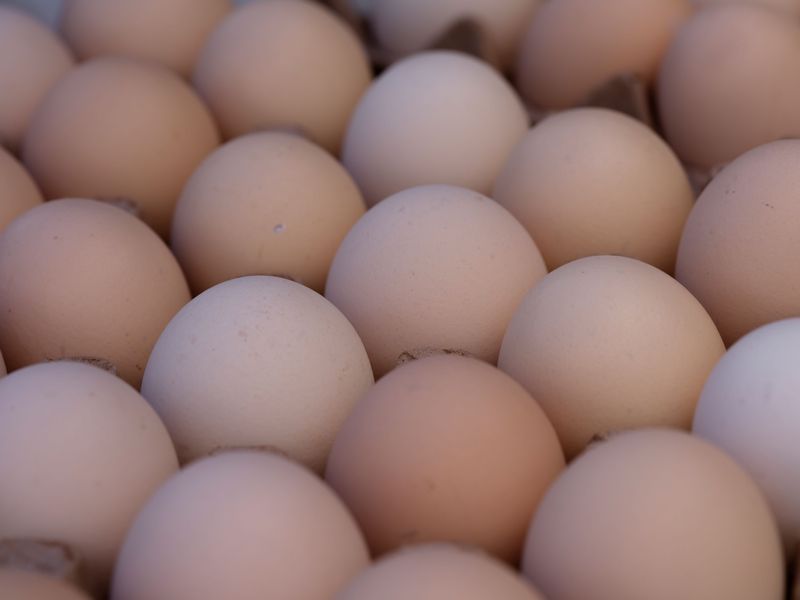
Eggs used to be the automatic protein. A dozen felt cheap, versatile, and ready for any skillet situation.
Then prices jumped and you might not want a scramble every morning, especially when beans, oats, or chia puddings handle breakfast without stressing the budget.
I still love a soft jammy egg on salads or ramen. You can plan egg nights, bake frittatas with leftover vegetables, or split cartons with neighbors.
Rotate proteins, buy from local farms when possible, and remember that smart timing matters as much as coupons when shelves feel unpredictable. Hard boiled batches become quick snacks and easy lunches.
Orange juice
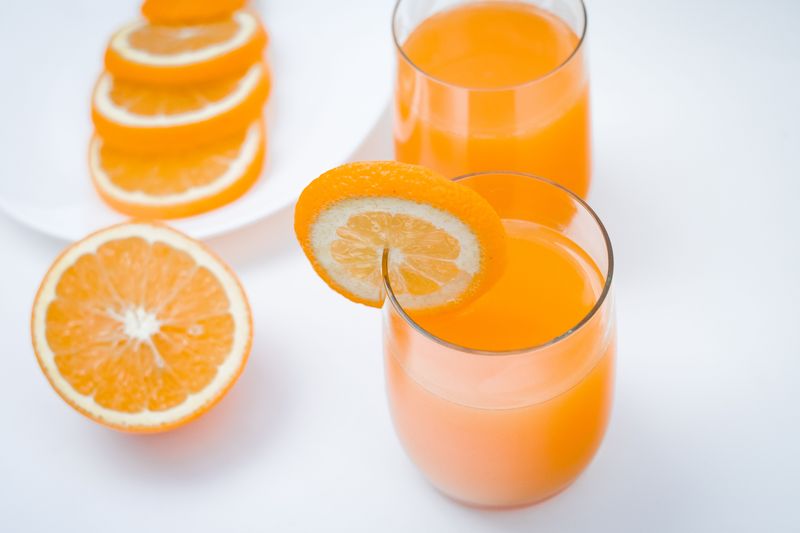
Orange juice used to ride shotgun next to milk. A bright carton promised breakfast energy and immune support.
Now the sugar load, price hikes, and watered concentrates make a full pour feel less necessary, especially when whole oranges deliver fiber, satisfaction, and fewer cloudy midmorning crashes.
I still enjoy a small glass on special brunch days. You can dilute with sparkling water, freeze cubes for sauces, or zest peels to capture that sunny aroma.
Buying a couple fresh oranges offers more uses, more control, and less waste than hauling home a heavy container. Pulp adds body to marinades and muffins.
Potato chips
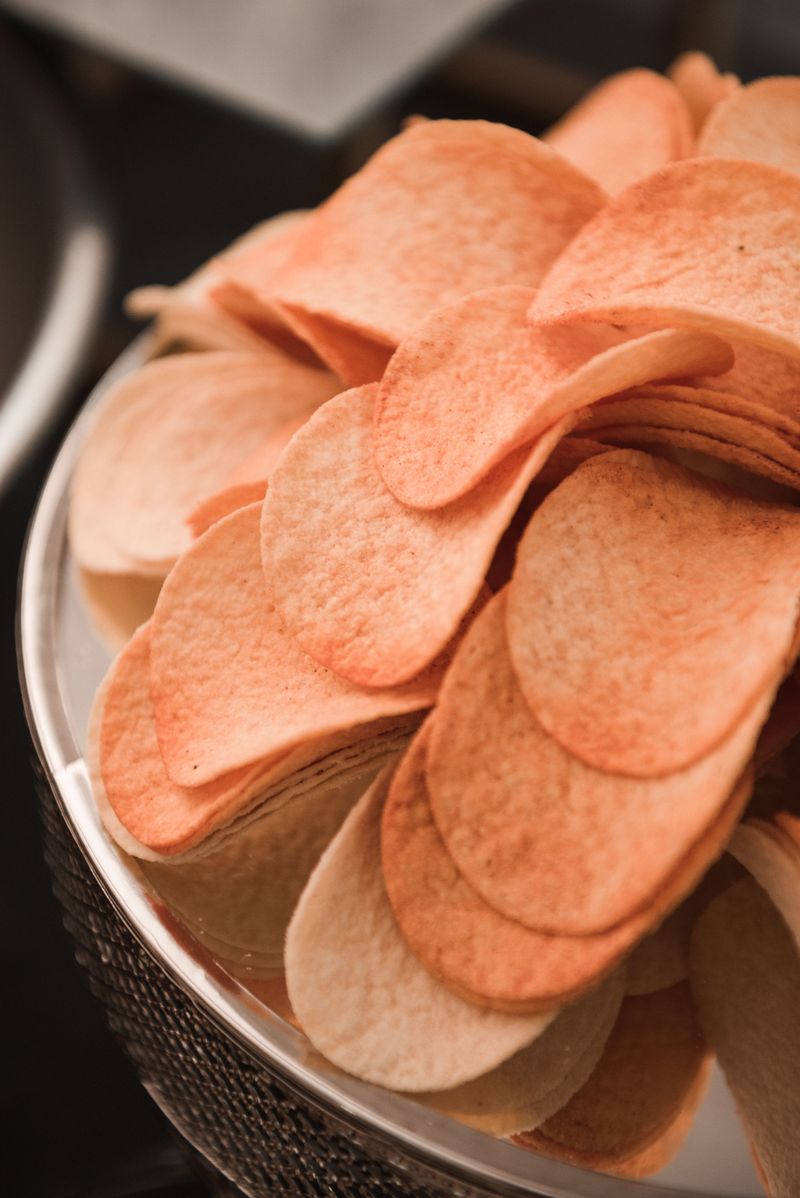
Potato chips used to be a no question snack. Crunchy, salty, shareable, they felt perfect for streaming nights.
Lately the shrinking bag sizes and oil choices give pause, especially when air popped popcorn, roasted chickpeas, or crackers with hummus deliver crunch without vanishing in one sitting.
I still bring a favorite flavor to picnics. You can portion chips into small bowls, pair them with a sandwich, and stop when the bowl empties.
For daily snacking, crunchy vegetables plus dip scratch the itch and keep budgets, salt, and calories closer to the rails. Leftovers stay sealed tightly.
Save them for parties.
Breakfast cereal
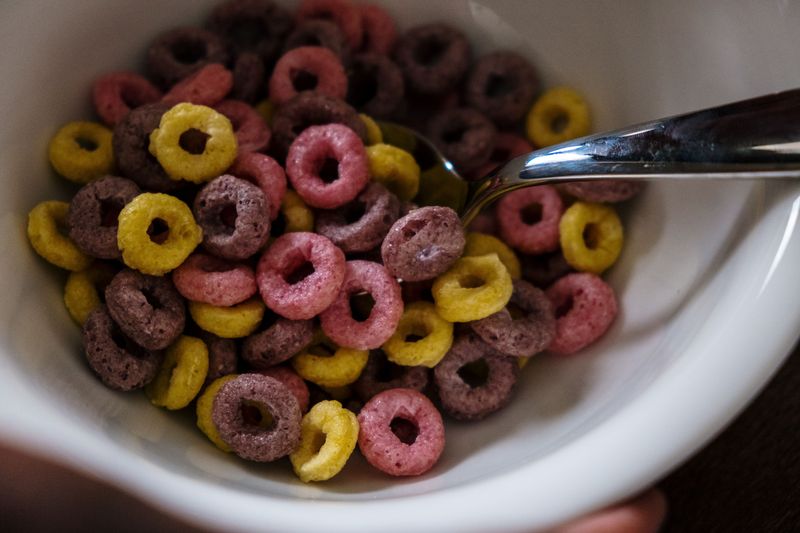
Breakfast cereal once felt like fast comfort. Bright boxes, toy memories, and milk made mornings easy.
Now sugar counts, fortified yet processed grains, and tiny portions make it a sometimes food, especially when overnight oats or yogurt parfaits satisfy longer and cost less per serving over time.
I still love a nostalgic bowl sometimes. You can mix half cereal with nuts and seeds, buy plain flakes and sweeten lightly, or keep it for travel mornings.
Building a routine around whole grains and protein steadies energy, reduces impulse buys, and makes those colorful boxes feel optional again. Warm cinnamon helps, too.
Ground beef
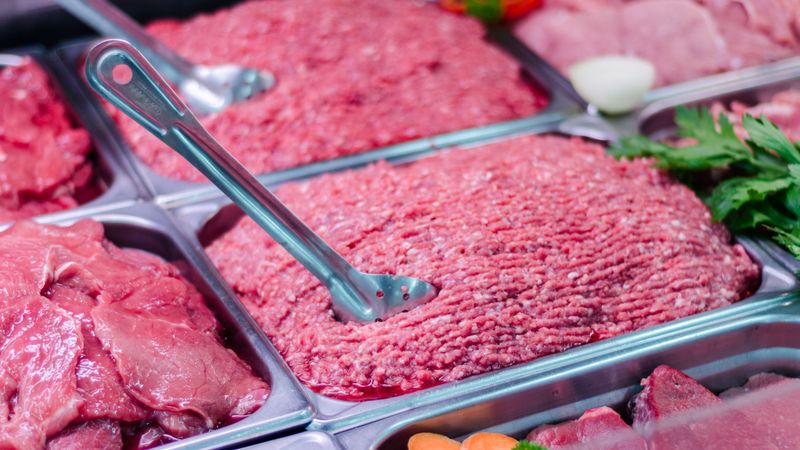
Ground beef used to anchor weeknight dinners. Tacos, meatballs, and skillet meals felt fast and crowd pleasing.
With prices climbing and fat content varying widely, it now competes with lentils, tofu, and shredded mushrooms that stretch sauces beautifully while keeping flavor, texture, and cleanup under calmer control.
I still buy it for burgers or chili. You can blend half beef with beans, choose leaner percentages, and drain well.
Season boldly, use umami boosters like soy sauce, and let vegetables carry weight. That way you enjoy favorite dishes while spending less and feeling better after dinner.
Freeze portions for quick nights.
Deli turkey
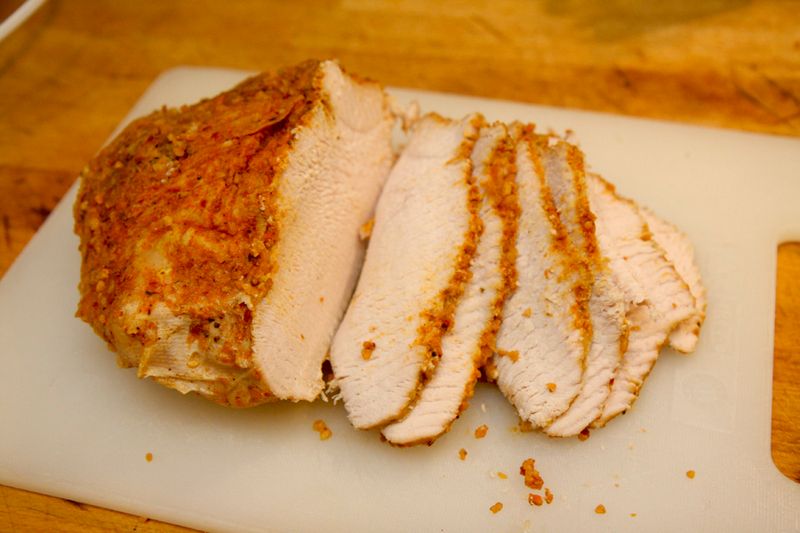
Deli turkey used to feel like clean, simple protein. Thin slices stacked easily into sandwiches and wraps.
But additives, sodium, and rising per pound costs make it less automatic, especially when roasting a small turkey breast or chicken yields better flavor and lunches for days with fewer additives.
I still order a quarter pound when traveling. You can ask for thicker cuts, buy low sodium styles, or switch to hummus and vegetables.
Leftover roast meat freezes well in flat packs. It becomes more planned, more satisfying, and usually cheaper than grabbing watery slices every single week.
Home roasting builds confidence.
Cheese slices
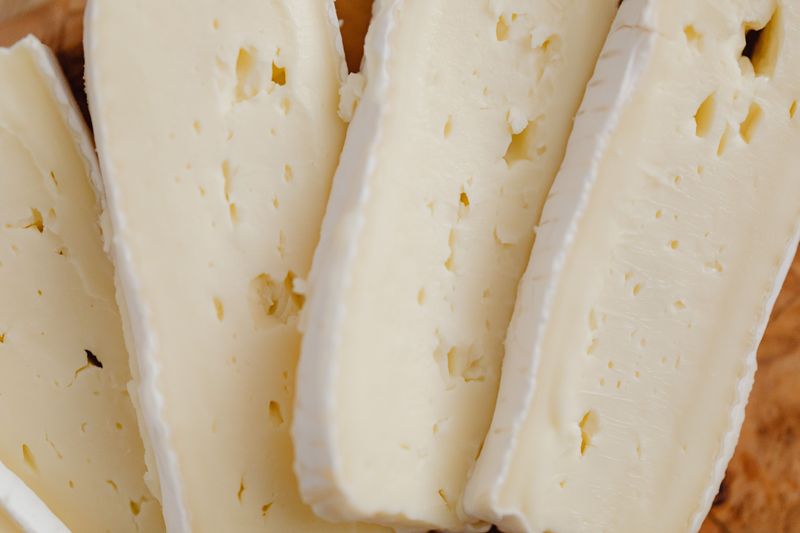
Cheese slices once lived in the drawer constantly. Melty squares turned any burger or toast into comfort.
Lately the ultra processed textures and shrinking counts feel less appealing, especially when a block of real cheddar, provolone, or Swiss slices fresher, tastes better, and lasts longer for the price.
I still keep sandwich slices for road trips. You can use a sharp cheese and melt less, grate to cover evenly, and savor flavor instead of volume.
Pair with crunchy vegetables and mustard so the cheese shines. Suddenly, restraint feels easy and quality beats convenience most days.
Wax paper prevents clumping nicely.
Frozen pizza
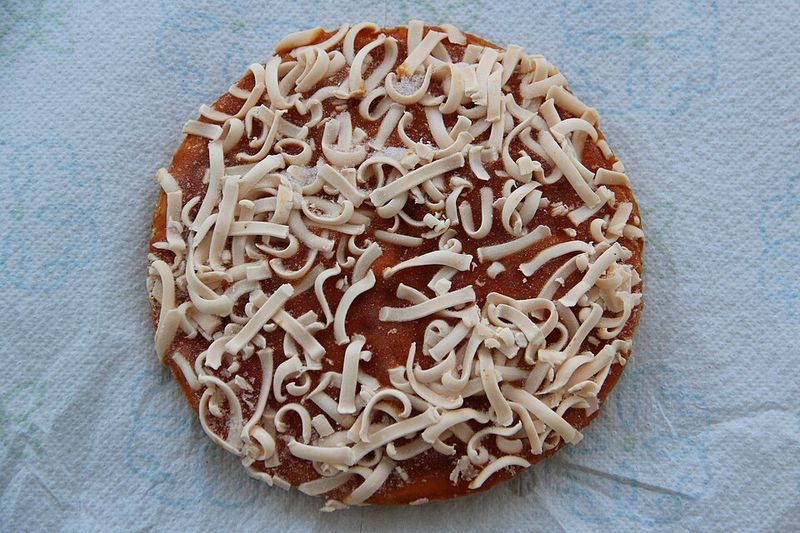
Frozen pizza used to be the emergency dinner. Slide it in, done.
Now crust quality, rising prices, and heavy sodium make it a backup rather than a staple, especially when flatbreads, tortillas, or naan pizzas build fast with pantry sauce, vegetables, and a sprinkle of cheese.
I still keep one for late returns. You can add fresh greens after baking, crack an egg on top, or halve portions and serve with soup.
The goal is convenience with control, so dinner feels comforting without the salt hangover or budget guilt the next day. Frozen dough offers alternatives.
Plan sides for balance.
Ice cream
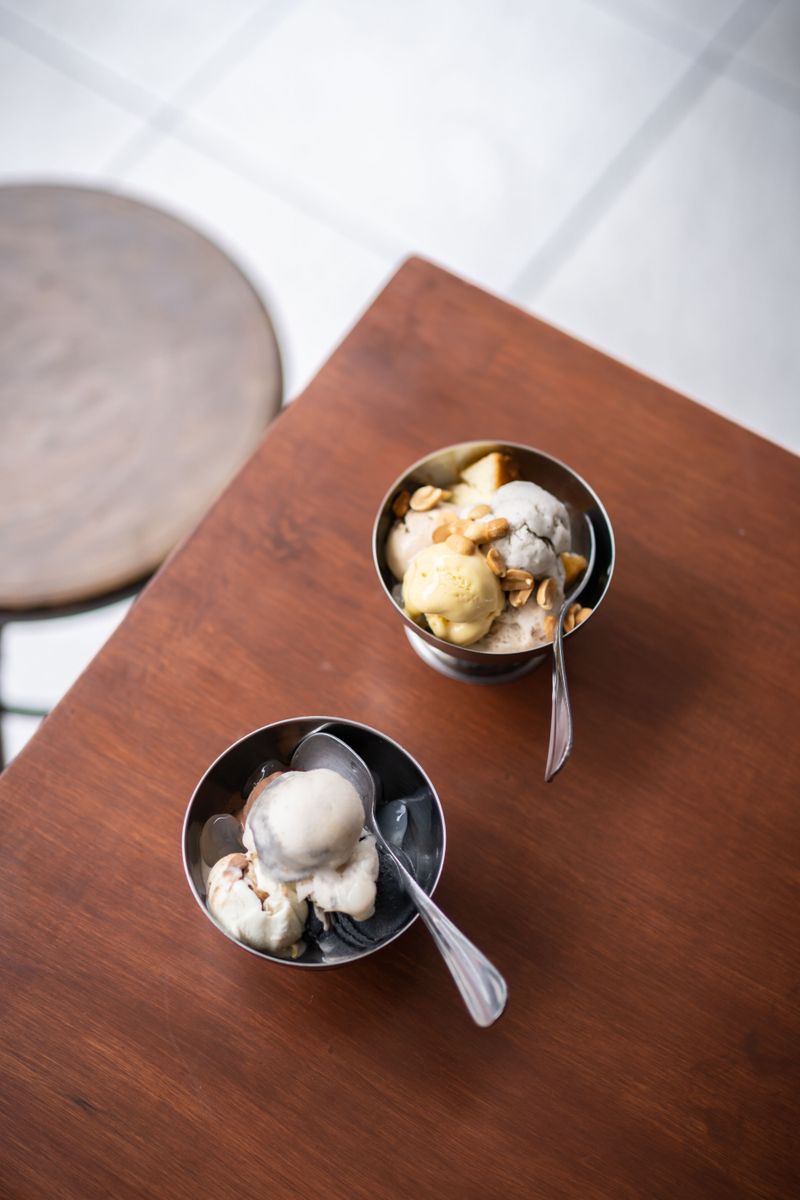
Ice cream once claimed a permanent freezer corner. A pint for tough weeks felt justified.
With higher prices, airier textures, and sugar creeping into every occasion, it shifts to a planned treat, especially when frozen bananas, yogurt pops, or fruit crisps scratch the sweet tooth with gentler impact.
I still celebrate milestones with the good stuff. You can buy single scoops out, portion pints into tiny bowls, or garnish with nuts to slow the pace.
When dessert stops being automatic, the joy returns, and one pint stretches much further than a mindless nightly spoon habit. Seasonal flavors keep excitement alive.
Crackers
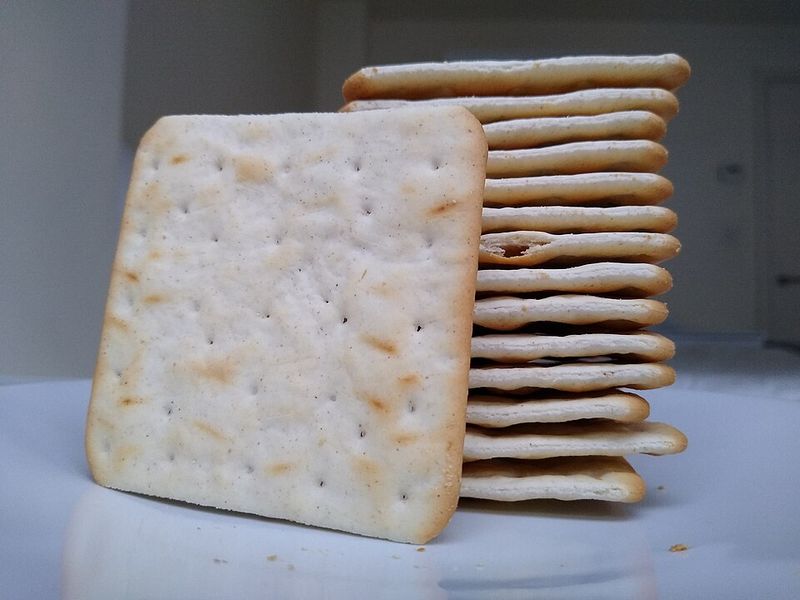
Crackers used to hop in as effortless hosts. Cheese boards and soup sides made them dependable.
Now odd oils, small sleeves, and rising prices encourage baking quick flatbreads, or choosing seeded varieties that actually satisfy, especially when paired with spreads that bring protein and color rather than just crunch.
I still like a sturdy cracker around hummus. You can portion a couple, stack with vegetables, and stop before the sleeve empties.
Homemade pita chips or toasted baguette slices answer parties nicely, and weekday snacks become intentional, not crunchy autopilot that disappears before anyone notices the box is gone anyway completely.
Yogurt
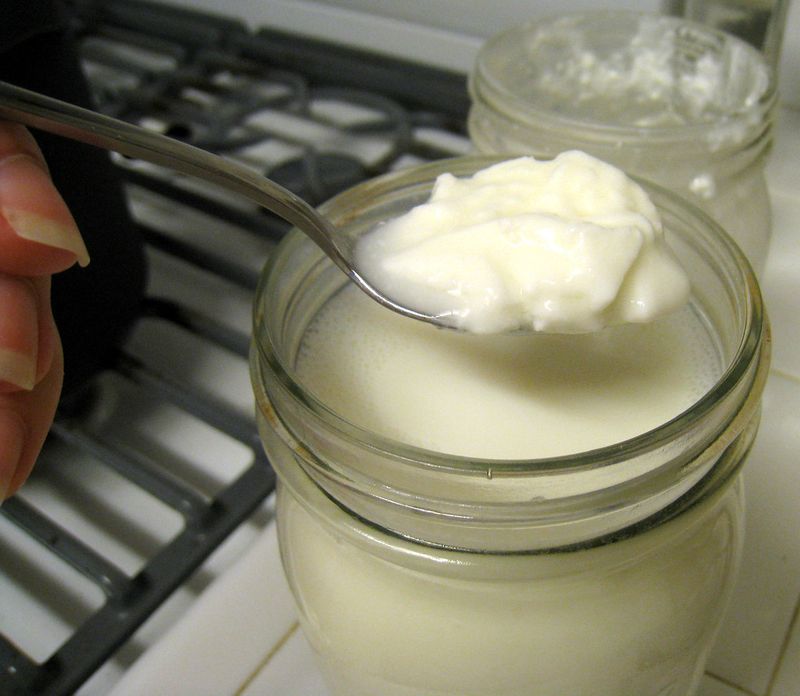
Yogurt once felt like a saintly staple. Cups stacked up, promising probiotics and quick breakfasts.
Then sugar counts, sweeteners, and plastic waste pushed a rethink, especially when plain tubs stretch further, and kefir, cottage cheese, or chia puddings offer similar benefits with adjustable sweetness and better control over ingredients.
I still grab a Greek tub for sauces and bowls. You can buy bigger containers, portion into jars, and top with fruit or nuts.
Skip candy mix ins and lean into tang. The result tastes grown up, saves money, and turns yogurt back into a helpful building block.
Great for breakfast.
Granola bars
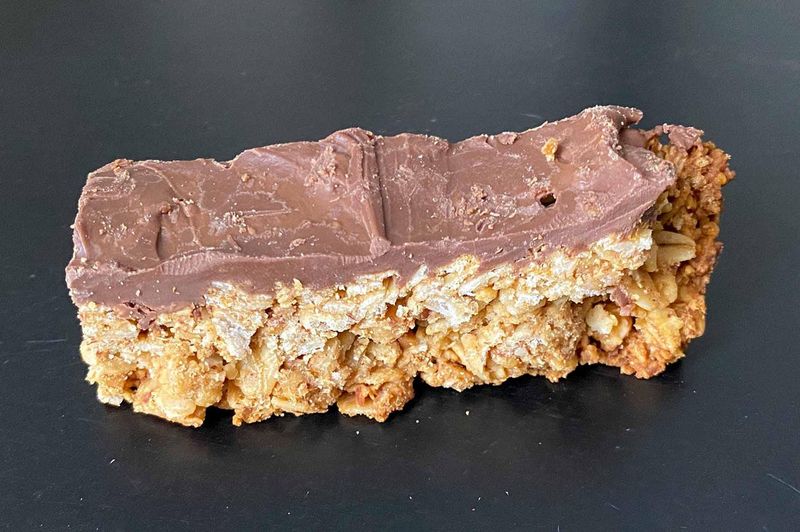
Granola bars used to live in every bag. Quick, tidy, and sweet, they solved hanger instantly.
Now labels read like candy, prices climb, and the satisfaction window feels short, especially when trail mix, fruit with nuts, or homemade oat bars keep energy steadier without surprise syrups and mystery textures.
I still carry one for flights. You can pick simpler ingredient lists, buy in bulk, or assemble snack boxes with cheese, crackers, and berries.
When the afternoon dip hits, real food wins. The bar stops being a habit and returns to its rightful role as helpful backup on busy work days.
Soda
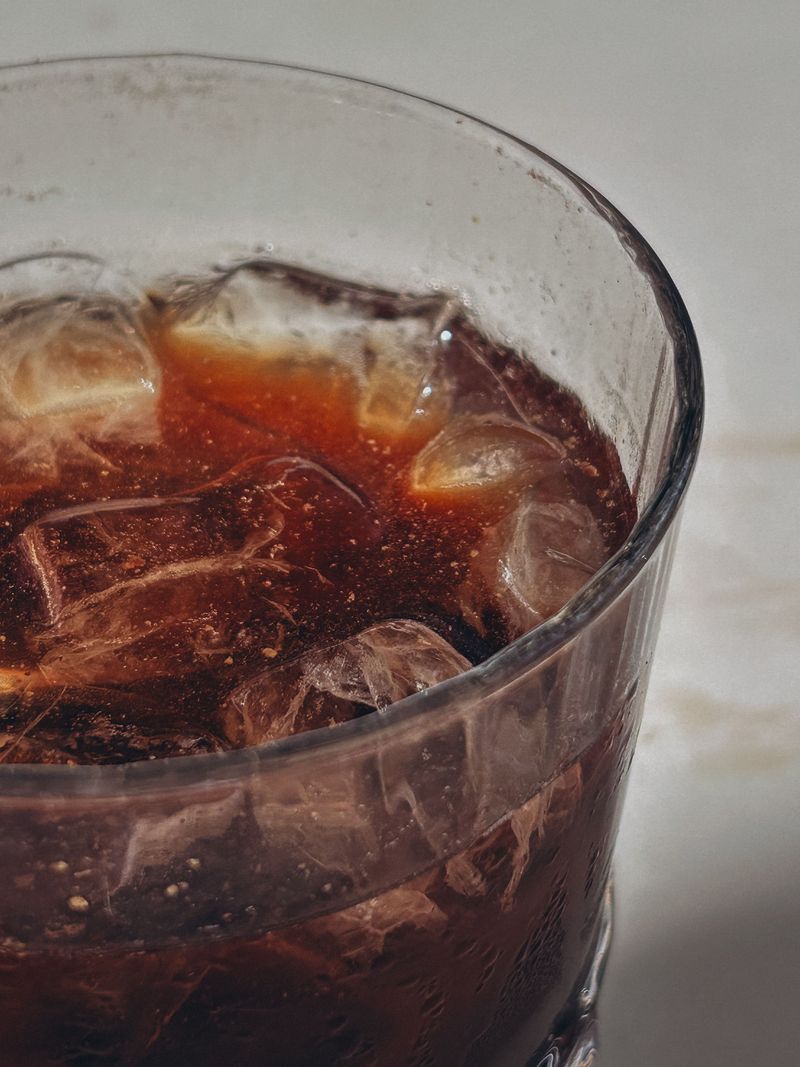
Soda used to stow away in the cart by default. Fizzy sweetness promised pep and nostalgia.
Now prices, dental bills, and restless sleep after late cans make it an occasional pick, especially when sparkling water, iced tea, or fruit spritzers scratch the bubble craving without the syrupy afterglow.
I still enjoy a cold can with pizza night. You can choose small bottles, pour over ice, and slow down with mindful sips.
Keep it celebratory, not constant. Hydration feels better, energy steadies, and you notice flavors again instead of chasing a sugar spike every afternoon.
Save them for weekends or parties.
Peanut butter
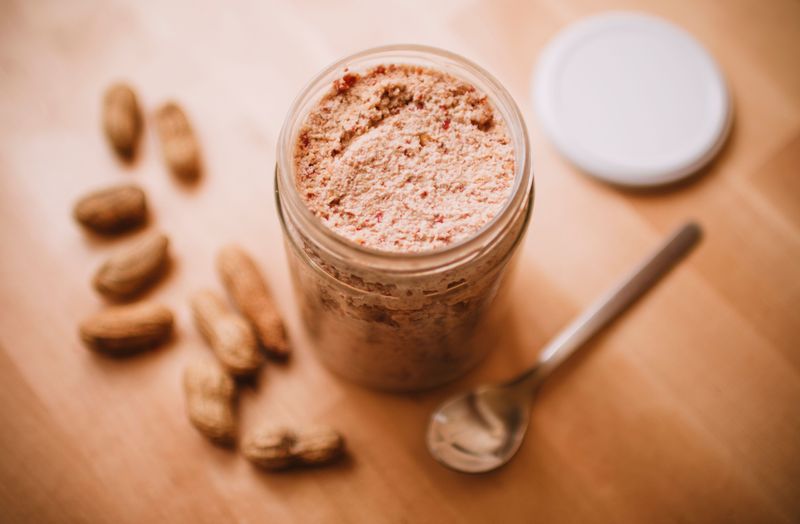
Peanut butter used to vanish fast in smoothies and sandwiches. Creamy jars felt like easy protein.
Recently the added sugars, palm oils, and rising prices steer choices toward natural jars, powdered options for shakes, or rotating with tahini and almond butter depending on sales, recipes, and nutrition goals.
I still crave a peanut butter banana toast. You can buy small jars, stir in salt to taste, and keep portions honest with a measuring spoon.
For savory dishes, a spoon in noodles goes far. Making it intentional protects budgets and makes each spoonful taste better.
Store jars upside down to mix.
Cookies
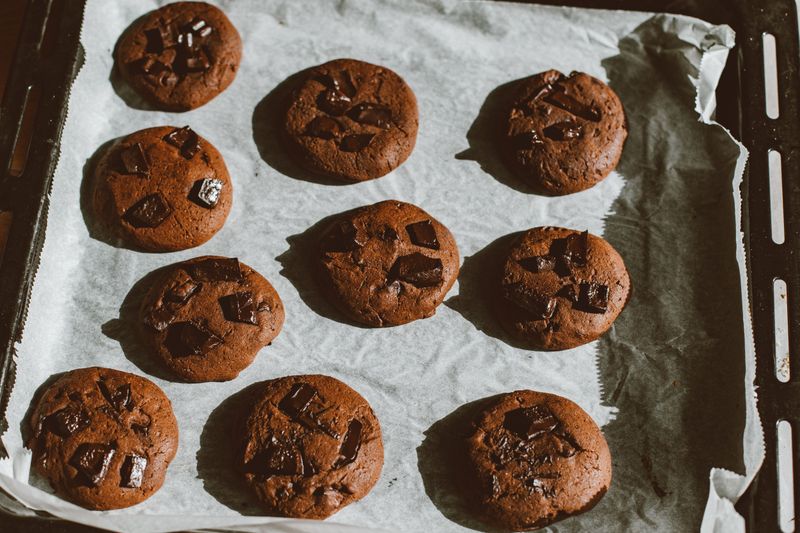
Cookies once rode home as a weekly prize. Crunchy or chewy, they disappeared quickly.
With higher prices and ingredient lists that read like science class, boxed cookies become a sometimes purchase, especially when bakery singles, homemade batches, or dark chocolate squares scratch the dessert itch with fewer regrets.
I still love dunking one in milk. You can buy small packs, freeze extras, and serve on a plate to slow down.
Bake on Sundays and stash in tins. Suddenly dessert feels thoughtful, not automatic, and that last cookie tastes like a treat rather than background noise.
Savor with tea some nights.
Frozen vegetables
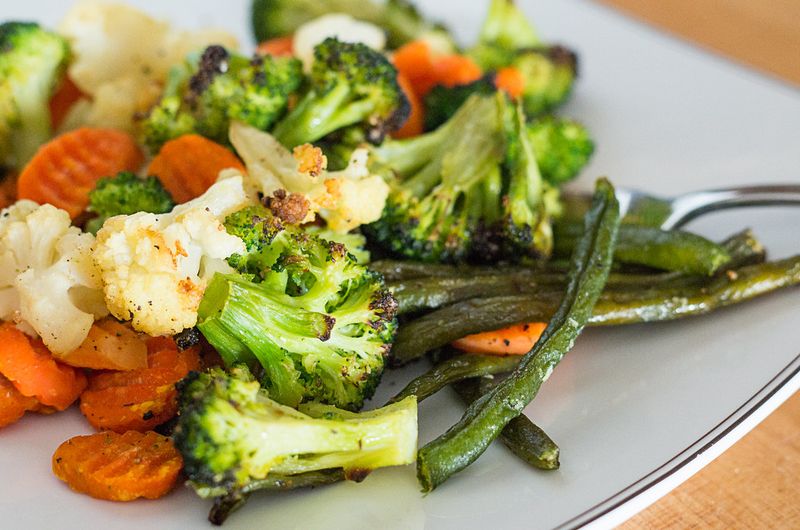
Frozen vegetables used to be the thrifty hero. Toss a bag in, dinner saved.
Recently textures and sneaky sauces can disappoint, but plain bags remain solid if you season well. Comparing unit prices matters, and flash frozen peas, corn, or broccoli still beat limp produce that languishes in drawers.
I still keep staples like spinach and peppers. You can roast from frozen, steam briefly, and finish with olive oil and lemon.
Add to soups, noodles, and eggs. Buying what you will actually use keeps waste down and puts vegetables back into meals without last minute guilt or panic shopping.
Bagged salad
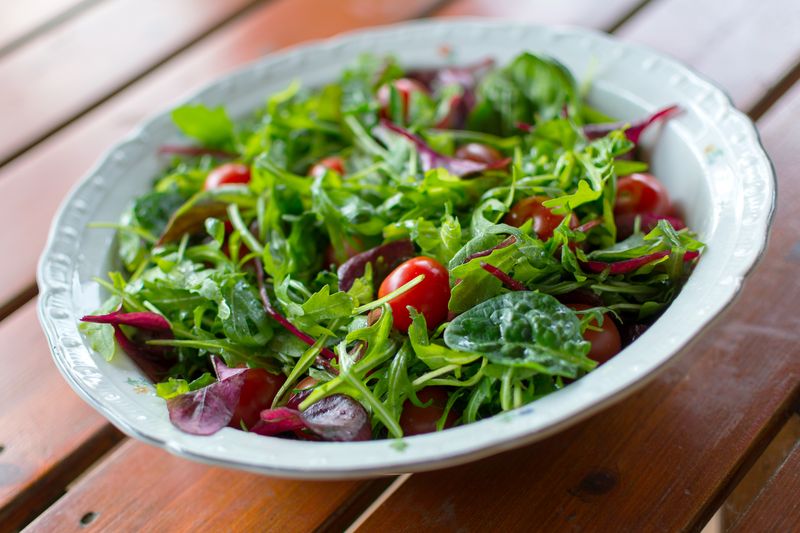
Bagged salad used to promise instant health. Open, toss, dressing, done.
Now slimy leaves, tiny portions, and pricey kits disappoint, especially when whole heads last longer, taste crisper, and cost less per serving. A quick wash and spin turns lettuce from chore to staple without the sad plastic surprise.
I still grab a kit when traveling. You can add extra greens, swap dressings, and bulk with beans or chicken.
Store washed leaves in a towel lined container. Suddenly salads feel abundant, not skimpy, and lunches stop relying on wilted mixes that expire the second you blink on Sundays sometimes.
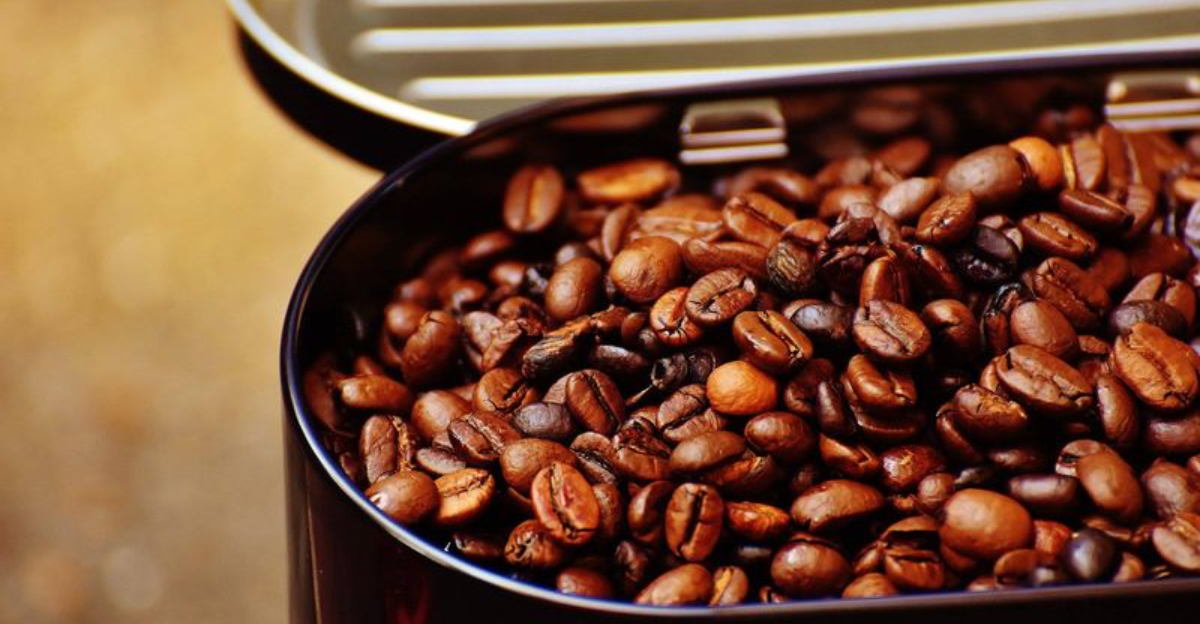
Coffee
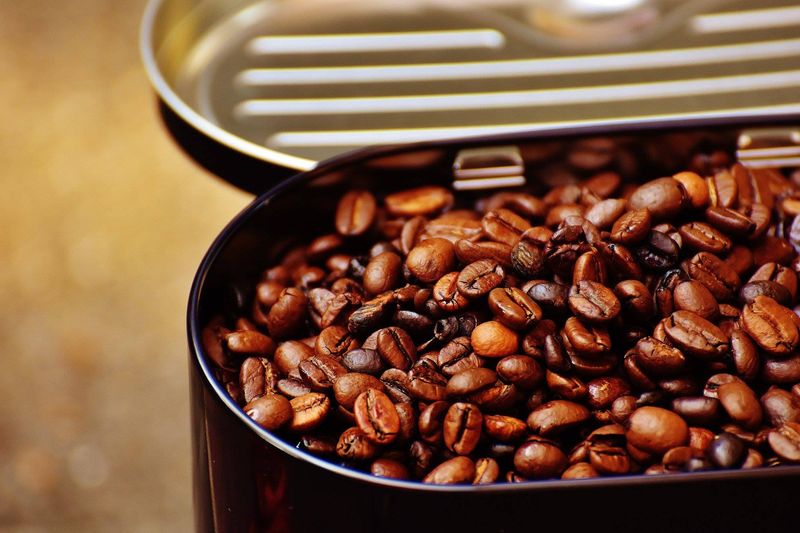
Coffee was a default bag every week. The morning ritual felt non negotiable, with beans grinding before the sun.
Rising prices and cafe treats creeping into routines make a person rethink automatic refills, especially when tea, water, or smaller brews keep the habit enjoyable without draining the budget.
I still treasure a Saturday pour over. You can buy better beans less often, store them airtight, and dial serving sizes.
A stovetop moka pot, French press, or single cup cone turns coffee into a moment worth savoring rather than a constant stream that empties wallets and patience. Refills become intentional pauses.
Enjoyed this story?
Add Fast Food Club as a preferred source to see more of our reporting on Google.