


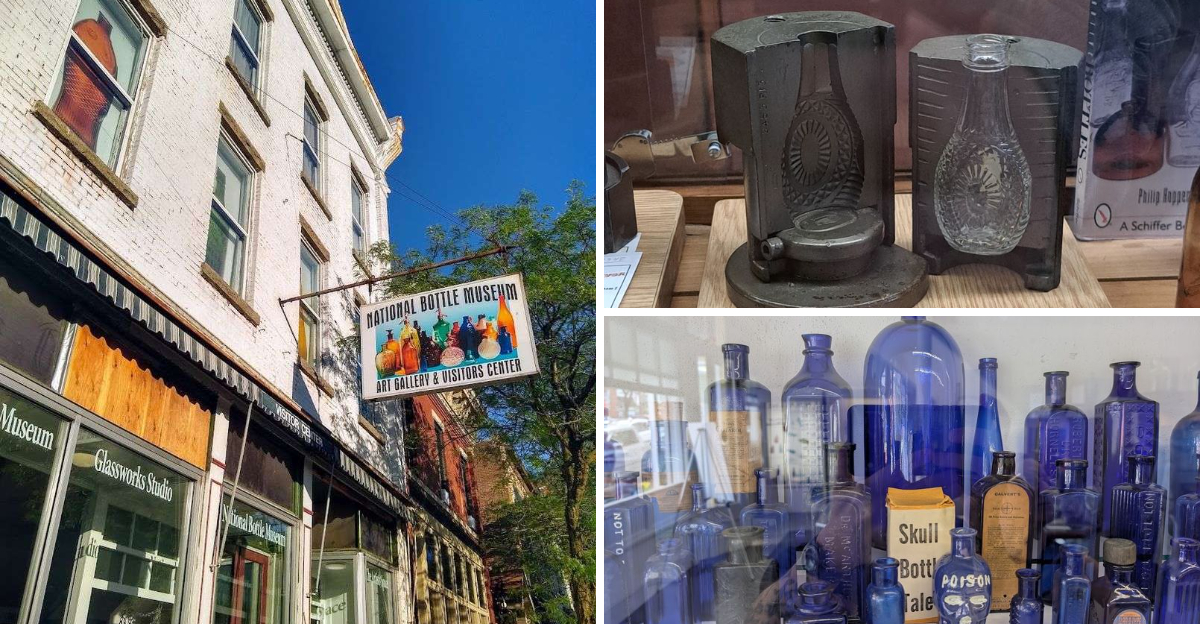
Tucked away in the charming village of Ballston Spa, New York, the National Bottle Museum is one of those rare places that surprises nearly everyone who walks through its doors. What sounds like a quirky little stop turns out to be a genuinely fascinating journey through American history, craftsmanship, and glass-making culture.
From antique apothecary bottles to glowing uranium glass, there is far more to discover here than most people expect. If you are looking for an off-the-beaten-path adventure in upstate New York, this museum deserves a top spot on your list.
A Hidden Gem Right in Ballston Spa
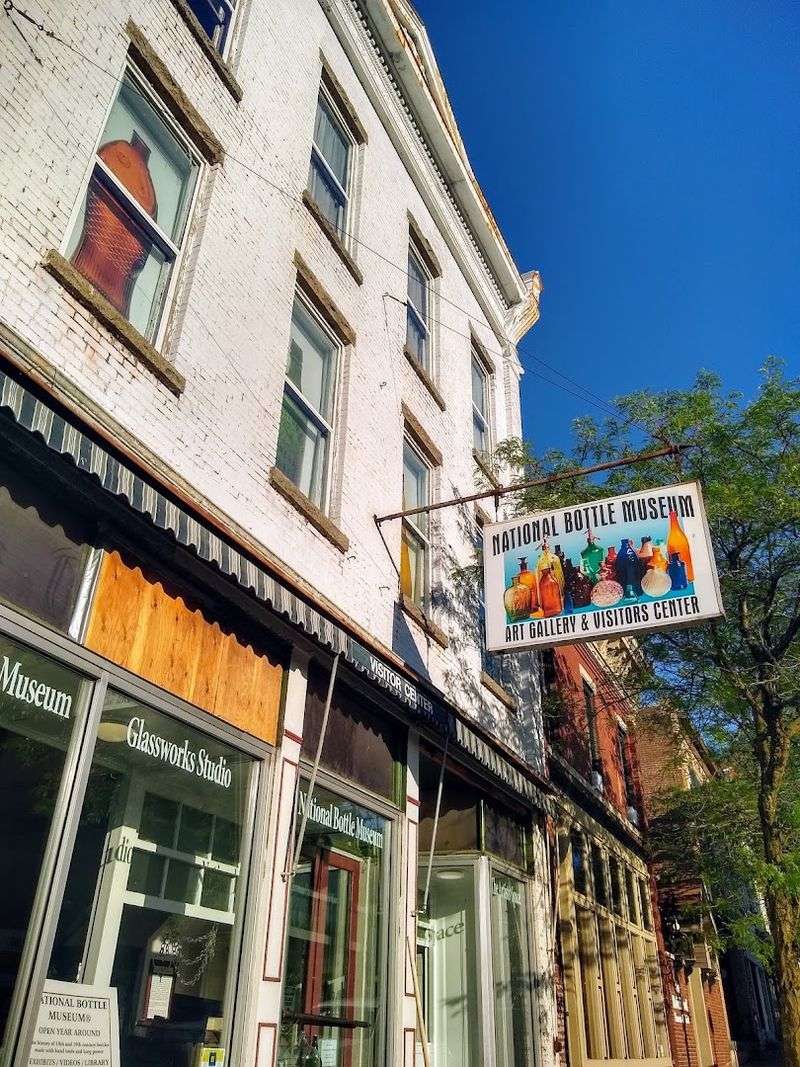
Most people drive right through Ballston Spa without realizing they are passing one of the most unexpectedly fascinating museums in all of New York State. Sitting quietly at 76 Milton Ave, the National Bottle Museum blends right into the historic streetscape, looking more like a charming old shop than a full-blown museum experience.
Once you step inside, though, the story changes completely. Shelves lined with hundreds of antique bottles stretch across the room, each one carrying a piece of American industrial and social history.
The building itself used to be a hardware store, and those original old shelves now hold the museum’s remarkable collection.
Visitors consistently rate it 4.5 stars, and the reviews speak for themselves. People who stumble upon this place almost always say the same thing: they had no idea it would be this good.
Glassblowing History Brought to Life
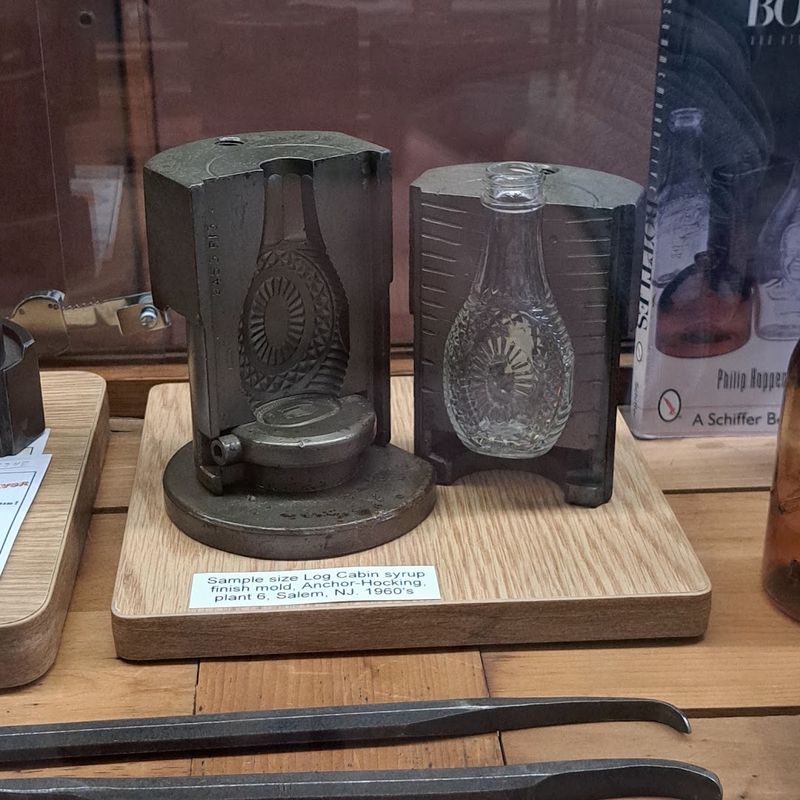
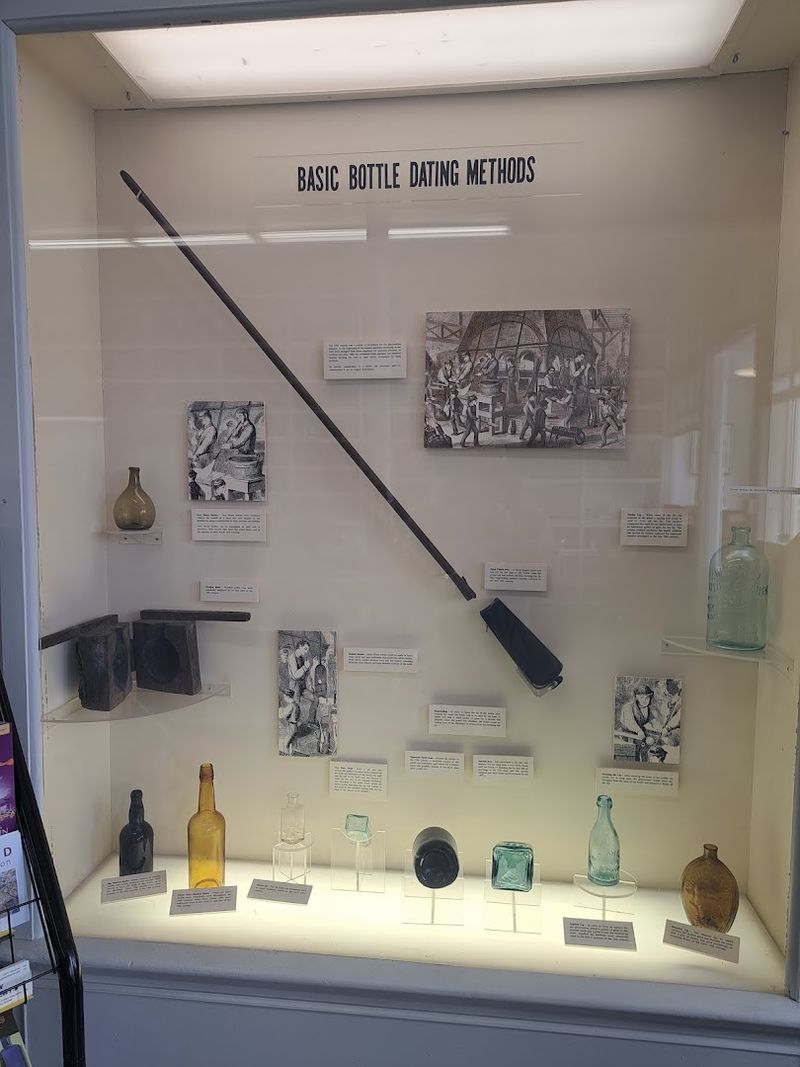
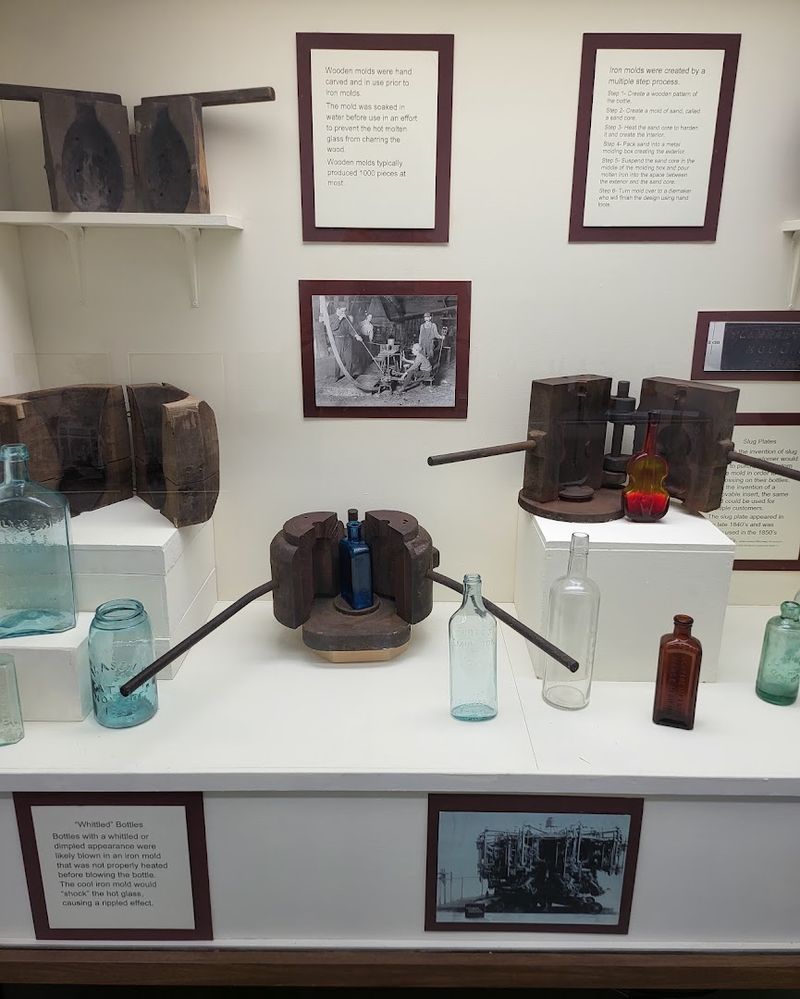
Long before plastic packaging took over the world, glass was the go-to material for storing and transporting almost everything. The National Bottle Museum tells this story with real depth, walking visitors through the fascinating evolution of glassblowing from a skilled hand craft to a large-scale industrial operation.
Back in the day, glassblowers needed years of training to master their craft. Each bottle was shaped by human breath and skilled hands, making every piece slightly unique.
The museum showcases how these techniques changed over time, especially as machines began to take over bottle production in the early 20th century.
Seeing the actual tools, molds, and examples of hand-blown bottles side by side with machine-made ones makes the history feel real and relatable. For anyone who has ever wondered how people stored things before modern packaging, this exhibit is a fantastic eye-opener.
Uranium Glass That Actually Glows
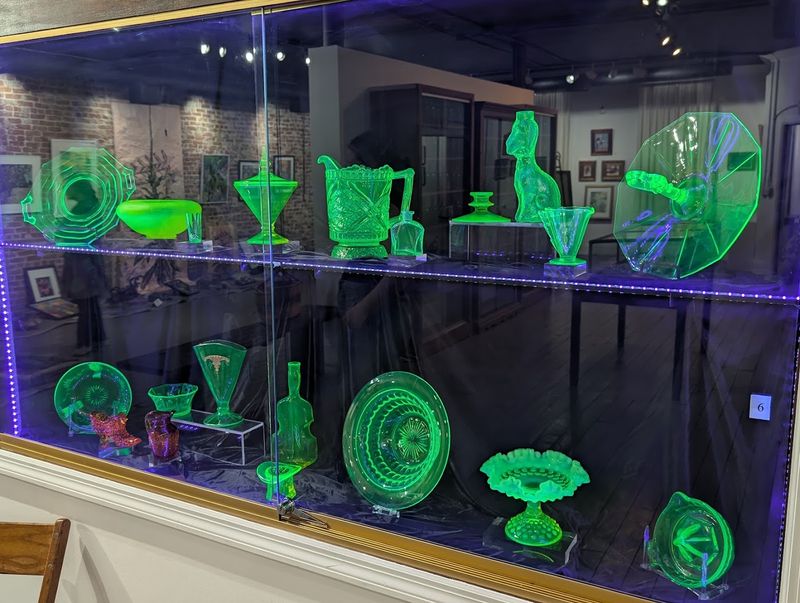
Here is a fun fact that tends to stop visitors in their tracks: some of the bottles in this museum literally glow. The uranium glass display is one of the most talked-about highlights at the National Bottle Museum, and for good reason.
Under ultraviolet black light, these antique glass pieces emit an eerie, brilliant green glow that looks almost otherworldly.
Uranium glass was actually pretty common in the late 1800s and early 1900s. Manufacturers added small amounts of uranium oxide to the glass mixture, which gave it a distinctive yellowish-green color in normal light.
It was used for everything from decorative vases to medicine bottles.
Multiple reviewers specifically call out this display as a standout moment during their visit. Whether you are a history buff or just someone who loves a cool visual experience, the glowing uranium bottles deliver something genuinely memorable and conversation-worthy.
Old Apothecary Setup Worth Seeing
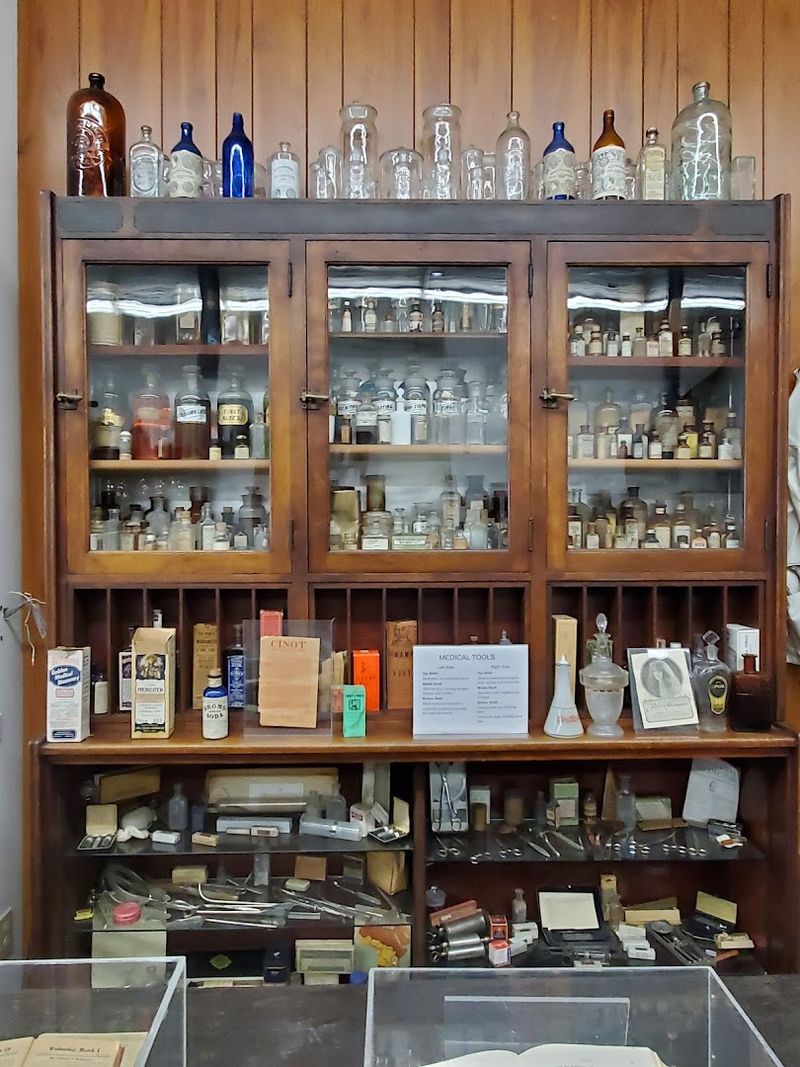
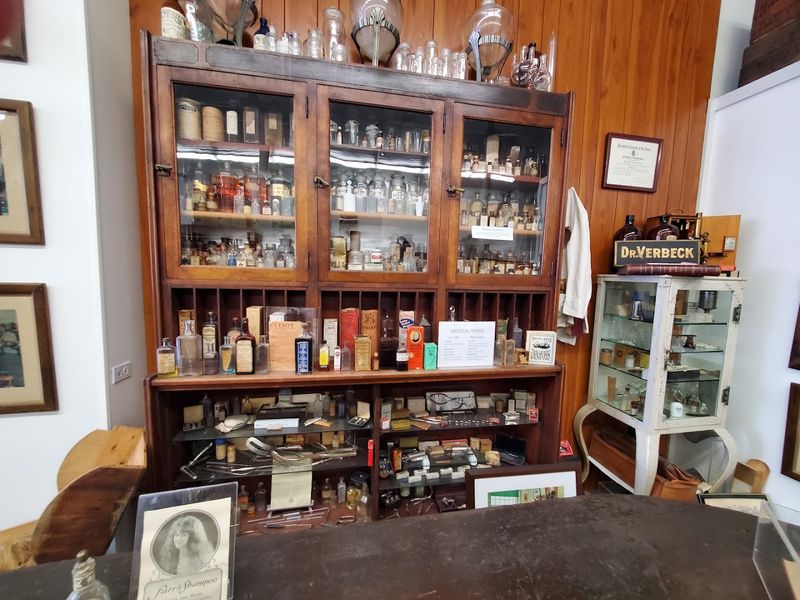
Step back in time with the museum’s old apothecary exhibit, which recreates the look and feel of a 19th-century pharmacy in a way that feels surprisingly immersive. Rows of carefully labeled medicine bottles, tincture jars, and glass containers sit exactly as they might have appeared in a working apothecary shop over a century ago.
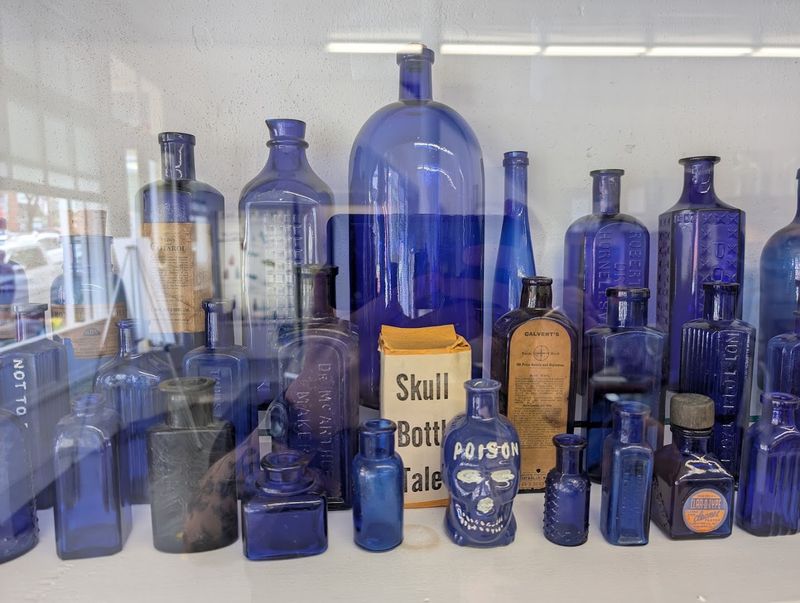
Before modern medicine came along, pharmacists relied heavily on glass bottles to store, measure, and dispense remedies. The variety of shapes, sizes, and colors used for different medicines was not just decorative.
Color coding and bottle shape actually helped people identify contents before widespread literacy made labels practical for everyone.
Reviewers who mention this section of the museum always seem delighted by how detailed and thoughtfully arranged it is. It sparks genuine curiosity about everyday life in earlier centuries and makes you appreciate just how central glass was to health and daily survival.
Adopt an Orphan Bottle and Take It Home
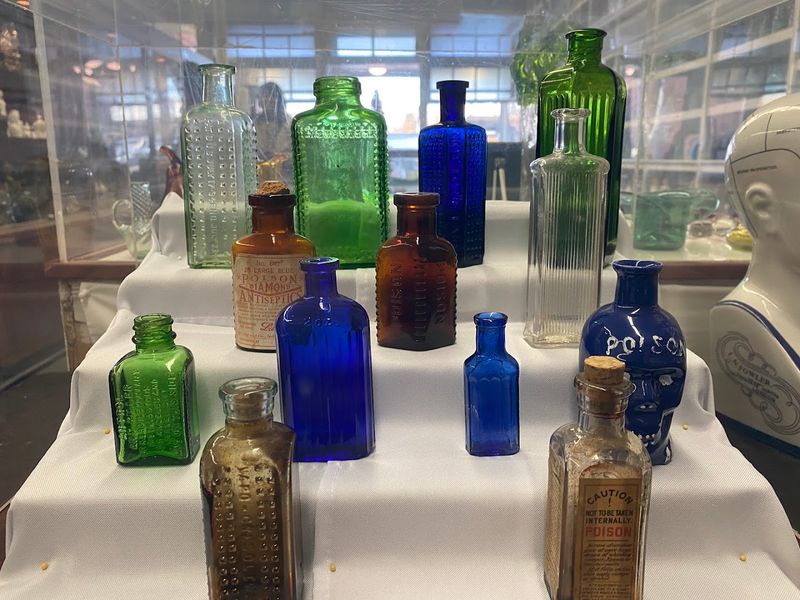
One of the quirkiest and most beloved traditions at the National Bottle Museum is the chance to adopt an orphan bottle. For just a five-dollar donation, visitors get to take home a real antique bottle that did not quite make it into the permanent collection.
It is part souvenir, part charitable act, and completely one of a kind.
Past visitors have walked away with everything from old Canada Dry soda bottles to vintage Pepsi Cola containers. Each bottle comes with its own little mystery.
Nobody knows exactly where it came from or what it once held, which makes the whole experience feel like a mini treasure hunt.
The money goes directly toward keeping the museum running, since the National Bottle Museum operates largely on donations and volunteer support. Adopting a bottle is a genuinely feel-good way to wrap up your visit and carry a piece of history home with you.
Bottles From Around the United States Exhibit
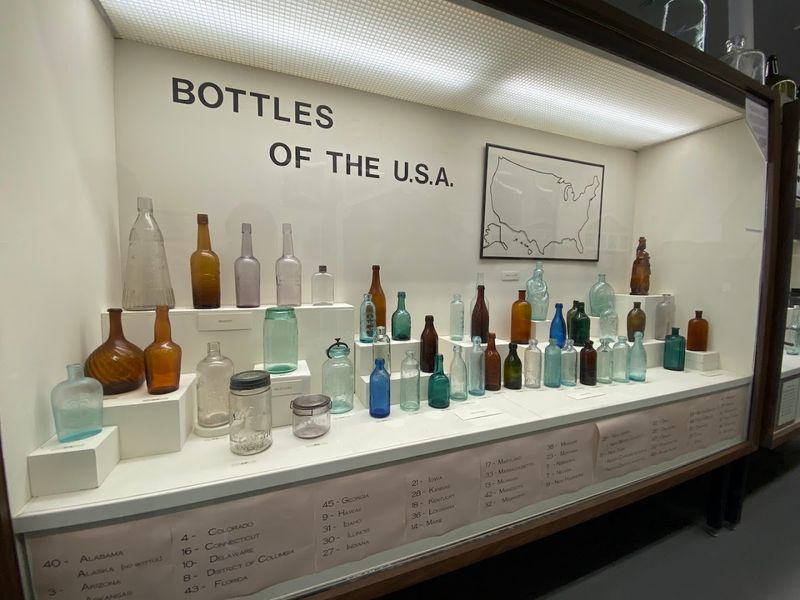
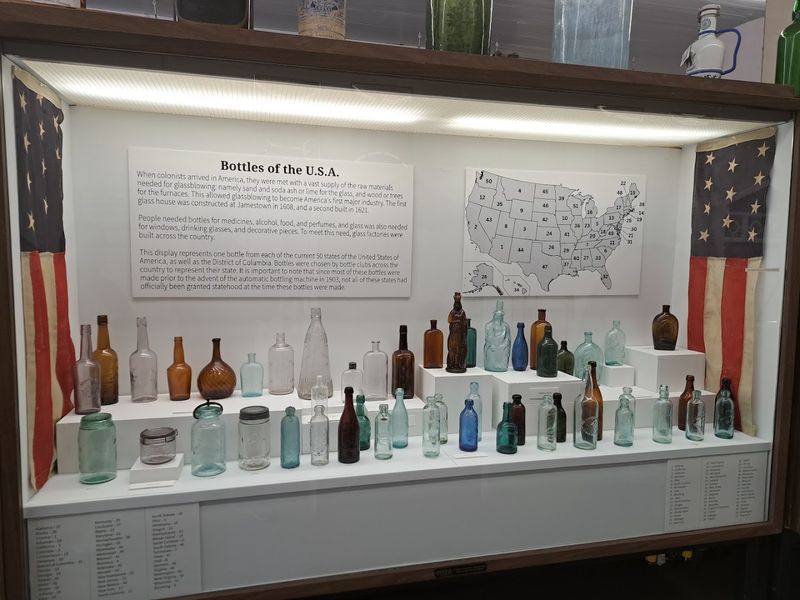
The Bottles From Around the U.S. exhibit is a crowd favorite that puts the sheer variety of American bottle-making culture on full display. Glass production was not centralized in one region.
Instead, it was a sprawling, decentralized industry spread across many states, each developing its own styles, colors, and techniques based on local resources and needs.
Seeing bottles grouped by their state of origin makes you realize just how much regional identity was baked into everyday objects. A bottle from a Pennsylvania mineral spring looks completely different from one made in a Southern soda factory or a New England medicine shop.
The differences in color, embossing, and shape tell surprisingly rich regional stories.
Families and history enthusiasts alike tend to enjoy hunting for bottles from their home states. It turns a simple exhibit into something personal and interactive, giving every visitor a slightly different experience depending on where they are from.
Second Floor Art Gallery That Changes Regularly
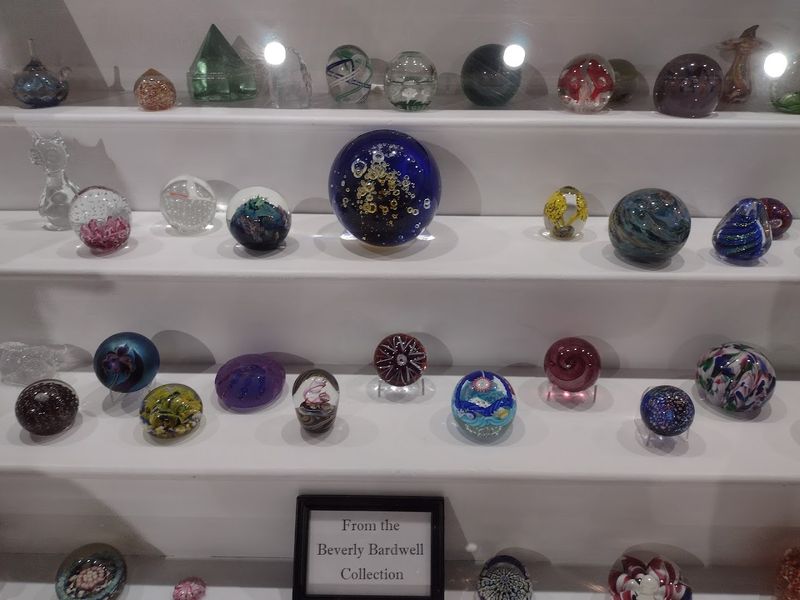
Many first-time visitors are genuinely surprised to discover that the National Bottle Museum experience does not end on the ground floor. Head upstairs and you will find a completely different atmosphere waiting for you: a rotating art gallery that showcases work by both known and emerging local artists.
The gallery features an impressive range of creative mediums, including photography, paintings, metalworks, and glassworks. Exhibits typically follow a theme and are refreshed every four to eight weeks, meaning repeat visitors almost always find something new to enjoy.
The space is run with real care and curatorial thoughtfulness.
One reviewer described discovering genuine artistic gems up there that they would not have found anywhere else. For a small museum in a quiet upstate village, the quality and variety of art on the second floor is genuinely impressive.
It adds a whole extra layer to an already worthwhile visit.
Knowledgeable and Friendly Staff Who Love What They Do
A museum is only as good as the people inside it, and the National Bottle Museum absolutely shines in this department. Reviewers mention the staff by name, praising guides like Chris for being warm, approachable, and genuinely passionate about everything bottle-related.
That kind of personal connection is rare and makes a real difference.
The museum is run mostly by volunteers who bring their own love of art, history, and community to every interaction. Whether you want a deep conversation about 19th-century glass-making techniques or simply prefer to explore quietly on your own, the staff reads the room and respects your preference without making you feel pressured either way.
That relaxed, welcoming energy is something visitors consistently highlight in their reviews. It transforms a casual afternoon stop into something that feels more like a conversation with a knowledgeable friend than a formal museum tour.
The people here genuinely make it special.
Perfect Visit Length for Busy Travelers
Not every great experience needs to take an entire day. The National Bottle Museum is perfectly sized for a satisfying visit that typically runs between 45 minutes and an hour and a half, depending on how deeply you want to explore each exhibit.
That makes it an ideal stop for travelers passing through the Saratoga Springs area who want something enriching without a major time commitment.
The compact layout actually works in the museum’s favor. Everything is thoughtfully organized and easy to navigate, so you never feel overwhelmed or like you are missing something important.
The ground floor covers the bottle history and collections, while the second floor offers the art gallery experience.
Fitting it into a road trip itinerary is surprisingly easy. Several reviewers described it as the perfect quick and educational stop before heading to nearby Saratoga Lake, Saratoga Springs, or other local attractions in the region.
Free Admission With an Optional Donation
Here is something that makes the National Bottle Museum even more appealing: admission is free. You heard that right.
Walking through the door and exploring the entire collection costs absolutely nothing. For families, budget travelers, or anyone who simply appreciates a no-pressure cultural experience, this is a genuinely refreshing policy.
Of course, the museum does encourage a small five-dollar donation, which comes with a pretty sweet bonus. Donate, and you get to adopt one of those charming orphan bottles to take home as a keepsake.
Most visitors find that deal so good they happily chip in without a second thought.
Running a museum on donations and volunteer labor is no small feat, and the fact that this team manages to maintain such a high-quality experience on that model is impressive. Your five dollars genuinely helps keep this community treasure alive and accessible for future visitors.
Historic Building With Original Hardware Store Shelves
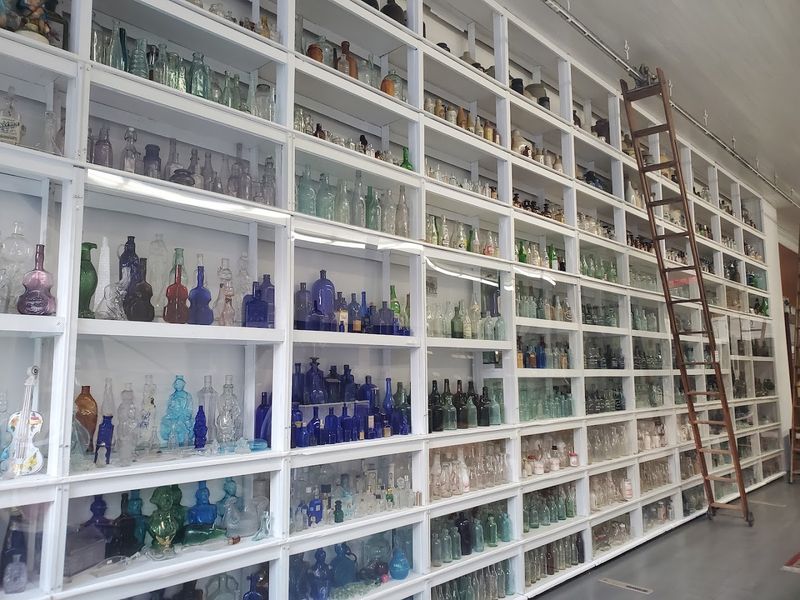
There is something extra special about a museum that preserves not just its collection but also the physical space that holds it. The National Bottle Museum is housed in a beautifully maintained historic building, and one of its most charming features is that the original wooden shelves from the building’s days as a hardware store are still in place, now serving as the perfect home for hundreds of antique bottles.
Those old shelves give the museum an authenticity that purpose-built exhibit spaces often lack. Standing in front of them feels like stepping into a preserved slice of small-town American commercial life from a century ago.
The combination of the architectural history and the bottle collection creates a layered experience that is hard to replicate.
Visitors who appreciate heritage architecture will find this detail especially rewarding. It is the kind of thoughtful preservation that turns a simple display into a genuinely atmospheric and historically resonant environment.
A Living Record of an Entire Lost Industry
Before refrigerators, before plastic, before aluminum cans, glass bottles were the backbone of how goods moved through American society. The National Bottle Museum tells the story of an entire industry that most people today have completely forgotten existed.
At its peak, bottle-making employed thousands of skilled workers across the country and kept communities economically afloat.
One reviewer put it beautifully: if you wanted to store or transport fluids back then, you almost certainly needed glass. That simple reality drove a massive, decentralized manufacturing ecosystem that touched nearly every corner of daily life, from medicine to food to beverages to household chemicals.
The museum captures this lost world with real care, using exhibits that explain production methods, labor history, and the social role of the bottle industry. It is the kind of history that rarely gets told anywhere else, which makes this museum genuinely irreplaceable as a cultural institution.
Open Wednesday Through Saturday for Your Planning Needs
Planning your visit to the National Bottle Museum is straightforward once you know the schedule. The museum is open Wednesday through Saturday, from 10 AM to 4 PM each day.
Sunday, Monday, and Tuesday are closed, so a little advance planning goes a long way to avoid an unnecessary trip.
The museum recommends checking their website at nationalbottlemuseum.org or their Facebook page for any updates to hours or special events before you head out. Hours can occasionally shift depending on volunteer availability, so a quick check beforehand saves potential frustration.
You can also call ahead at +1 518-885-7589.
Located at 76 Milton Ave in Ballston Spa, the museum sits within easy driving distance of Saratoga Springs, making it a natural add-on to any Saratoga-area trip. Arriving early in the day gives you plenty of relaxed time to explore before heading to other nearby destinations.
Enjoyed this story?
Add Fast Food Club as a preferred source to see more of our reporting on Google.