


Ever notice how some grocery staples just are not the same anymore? You bring them home, take a bite, and think, wait, when did this change.
Brands quietly tweak recipes, shrink sizes, and swap ingredients, and suddenly your old reliable does not hit like it used to. Here are the once-loved items people keep side-eyeing on the shelves and what changed enough to make many of us stop buying.
Frozen waffles
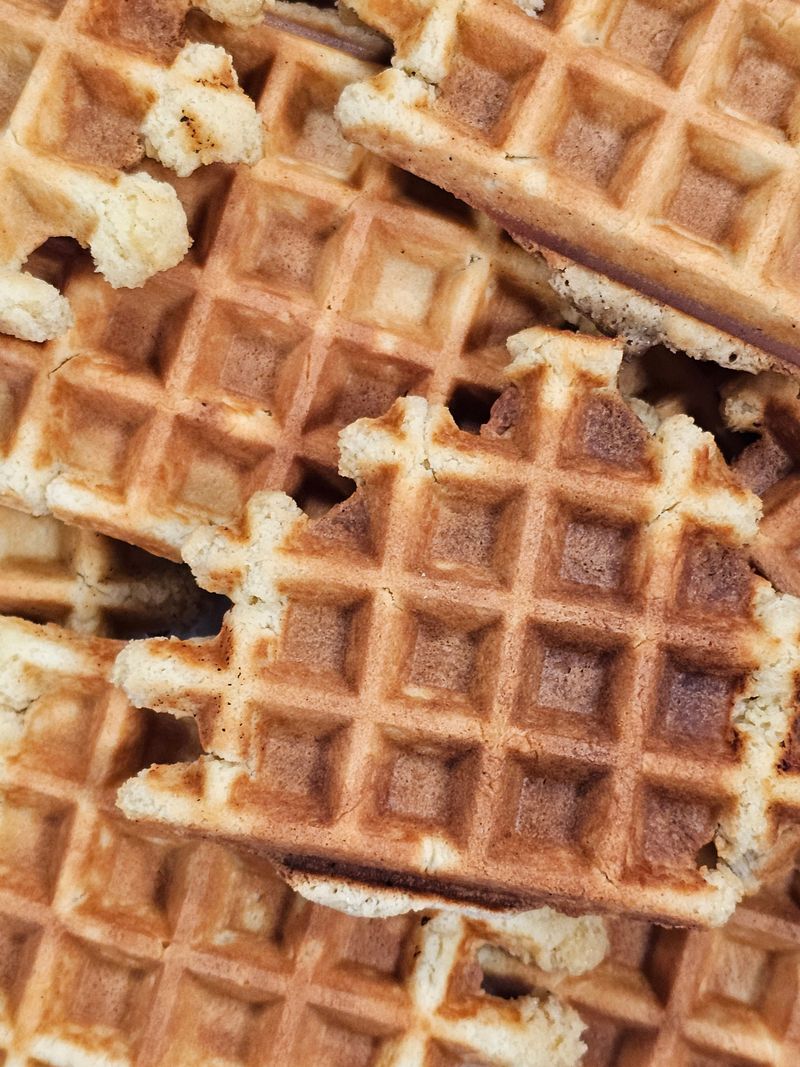
Remember when frozen waffles were crisp on the edges and fluffy inside? Lately, they feel thinner, sweeter, and oddly spongy, like the batter was stretched.
You notice the box seems smaller too, with fewer waffles hiding behind cheerful branding. Heat one and it browns fast but goes limp in minutes.
Ingredient lists grew longer with gums, flavorings, and extra sugar. Whole grain claims often mask a still-refined base.
Syrup soaks through instead of pooling. You can toast them extra, but they still miss that bakery-like snap.
It is not nostalgia talking. The texture, size, and flavor quietly shifted, and breakfast taste buds noticed.
Boxed cake mix
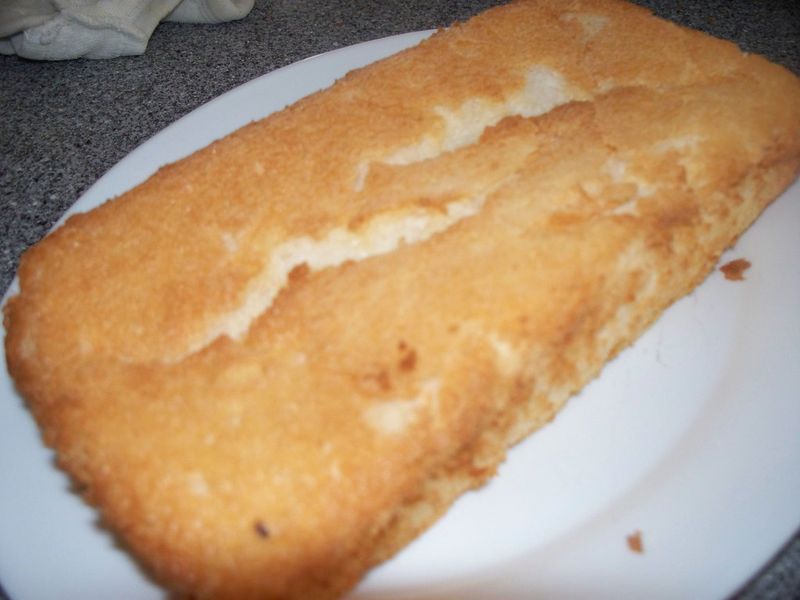
Boxed cake mixes used to deliver tender crumb with minimal fuss. Now, the instructions add extra steps, call for more oil, or push “deluxe” upgrades.
Cakes rise tall but taste oddly uniform, like vanilla perfume instead of vanilla bean. The boxes feel lighter, and pans do not yield the generous layers they once did.
Many mixes rely on emulsifiers and starches that create bounce but little depth. Frosting cannot hide that sweet-but-shallow flavor.
You can doctor them with sour cream or pudding, yet it feels like chasing what changed. People noticed, and birthdays started leaning back toward scratch or bakery cakes again.
Frozen pot pies
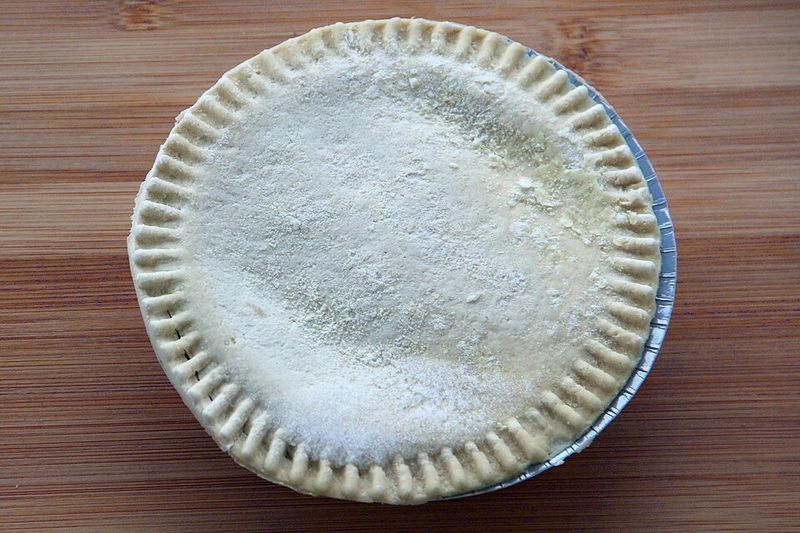
Frozen pot pies used to deliver flaky lids and rich, savory fillings. Today, the crust is thinner and tends to shatter, while the gravy runs salty and starchy.
You dig for chicken and find mostly carrot coins and potato cubes. The personal-size pies bake quicker, but the center stays lava-hot, edges go soggy.
Downsized portions and swapped fats changed the mouthfeel. Butter-like richness gave way to vegetable shortening blends.
The aroma promises comfort, yet the spoon finds watery sauce and air pockets. If you grew up loving them on cold nights, it is hard not to notice how far they drifted.
Bottled salad dressing
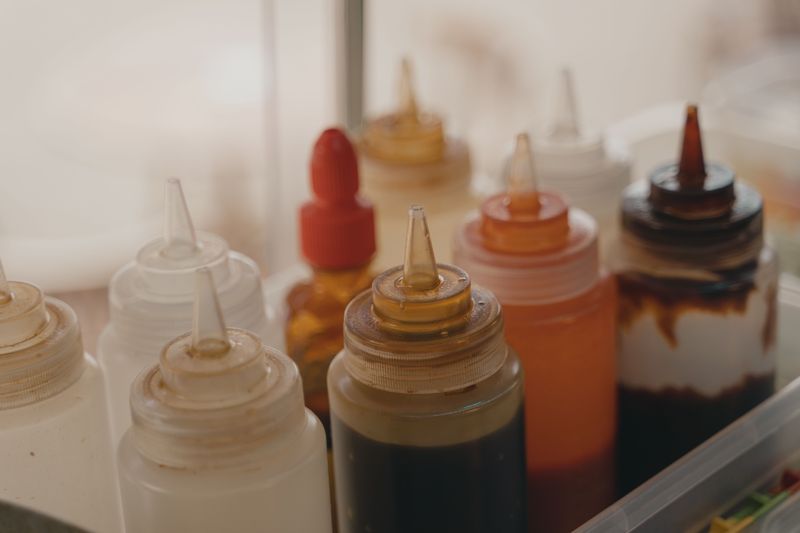
Bottled salad dressing used to coat greens luxuriously. Now, many taste thin, sweet, or sharply acidic without balance.
The oils separate quickly, herbs look rehydrated, and the creamy ones feel gummy. You shake and pour, but the flavor often hits loud upfront, then disappears, leaving a sugary aftertaste.
Reformulations chased lighter calories or cleaner labels, yet texture and depth suffered. Real Parmesan became “natural flavor,” and olive oil made cameo appearances.
You can fix it with a squeeze of lemon and good olive oil, but then why buy the bottle? Homemade whisked in a jar suddenly makes more sense.
Flavored yogurt
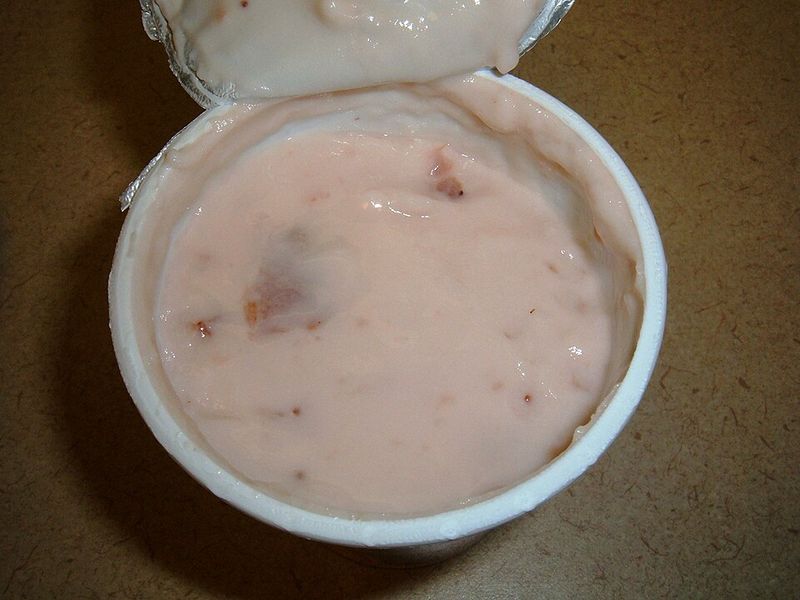
Flavored yogurt shifted from creamy treat to protein billboard. Textures range from chalky to jelly-like, especially in fat-free or high-protein cups.
Fruit swirls taste like candy more than fruit, and artificial sweeteners leave a lingering tingle. You open a cup and get a puff of perfume instead of dairy richness.
Formulas pushed thickeners and stabilizers to mimic creaminess without cream. The tang mellowed, sweetness climbed, and cultures took a flavor backseat.
Stirring helps, but the mouthfeel gives it away. If you remember simple whole-milk cups with real fruit, today’s aisle can feel like a lab experiment wearing a peach costume.
Frozen fish sticks
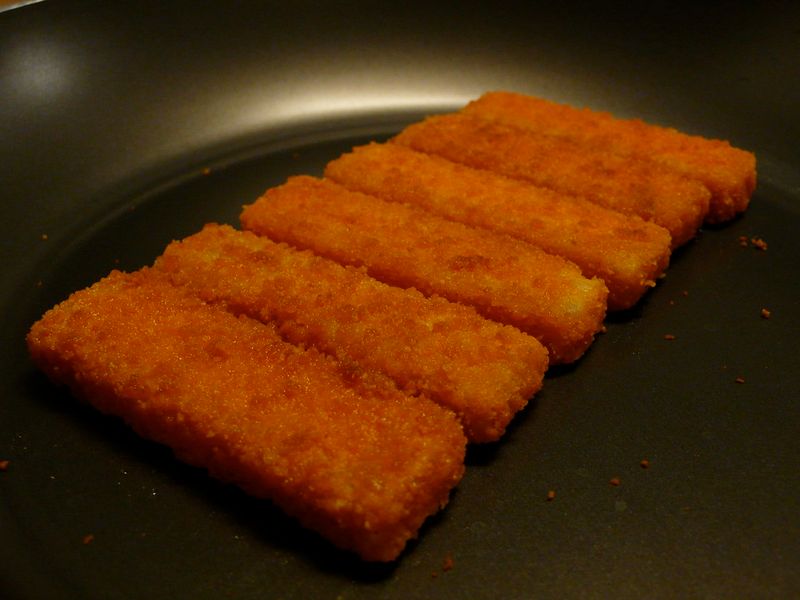
Frozen fish sticks used to crackle with crisp crumbs and flaky fish. Lately, the breading is thicker while the fish feels minced and damp.
Boxes quietly slimmed down, and the sticks themselves look shorter. Bake them perfectly and they still teeter between soggy and scorched, never landing that golden middle.
Ingredient panels hint at blends and binders that turn fillets into paste. The ocean note became faint, replaced by fryer flavor.
Dipping sauces work overtime to add personality. If you remember tearing open a stick to steam and flakes, the new bite feels like nostalgia filtered through cardboard.
Hot dog buns
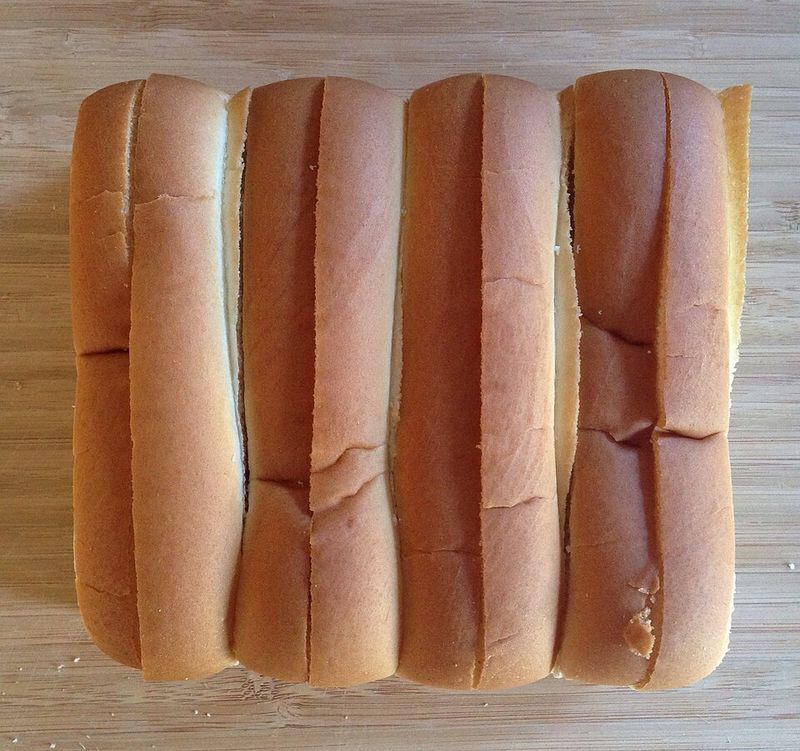
Hot dog buns went from sturdy carriers to fluffy crumb machines. They split, compress, and turn to paste after a few minutes with mustard.
Packages promise “softer” and “fresher longer,” but that often means more conditioners and sugar. Toasting helps a bit, yet the hinge still cracks or collapses under relish.
Sizes drifted too, with buns slightly shorter than many dogs. The chew of old-school bakery rolls got traded for pillowy sweetness.
You can revive them with a buttered skillet, but it is extra work for a basic bun. Backyard grilling deserves bread that stands up, not folds down.
Canned soup
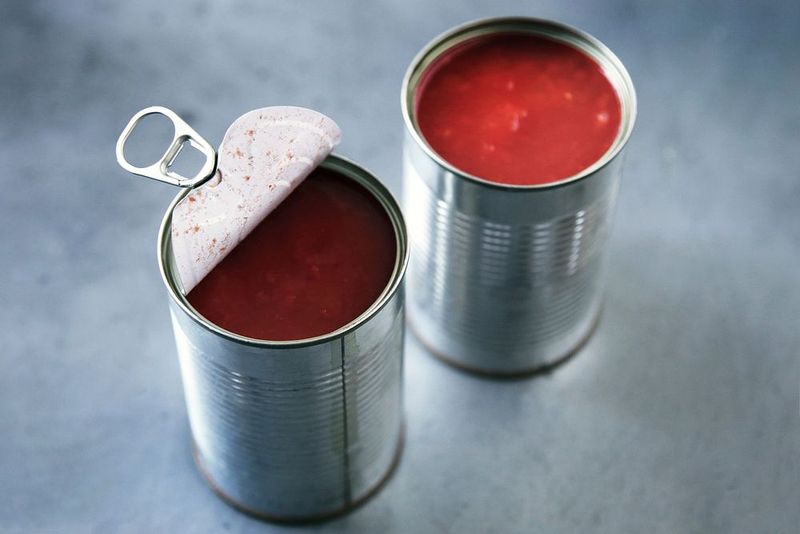
Canned soup was once a pantry hero, but something changed. Broths taste thin, vegetables feel rubbery, and meat shows up in token bites.
Reduced-sodium versions solved salt but lost soul, relying on sweetness or flavorings to compensate. You heat a can and get nostalgia on the nose, disappointment on the spoon.
Recipes trimmed costs by stretching starches and simplifying seasonings. Noodles overcook to mush, and the color looks dulled.
A squeeze of lemon and herbs can lift it, yet it is patchwork. Many of us now simmer quick homemade pots, because thirty extra minutes beats thirty minutes of meh.
Frozen hash browns
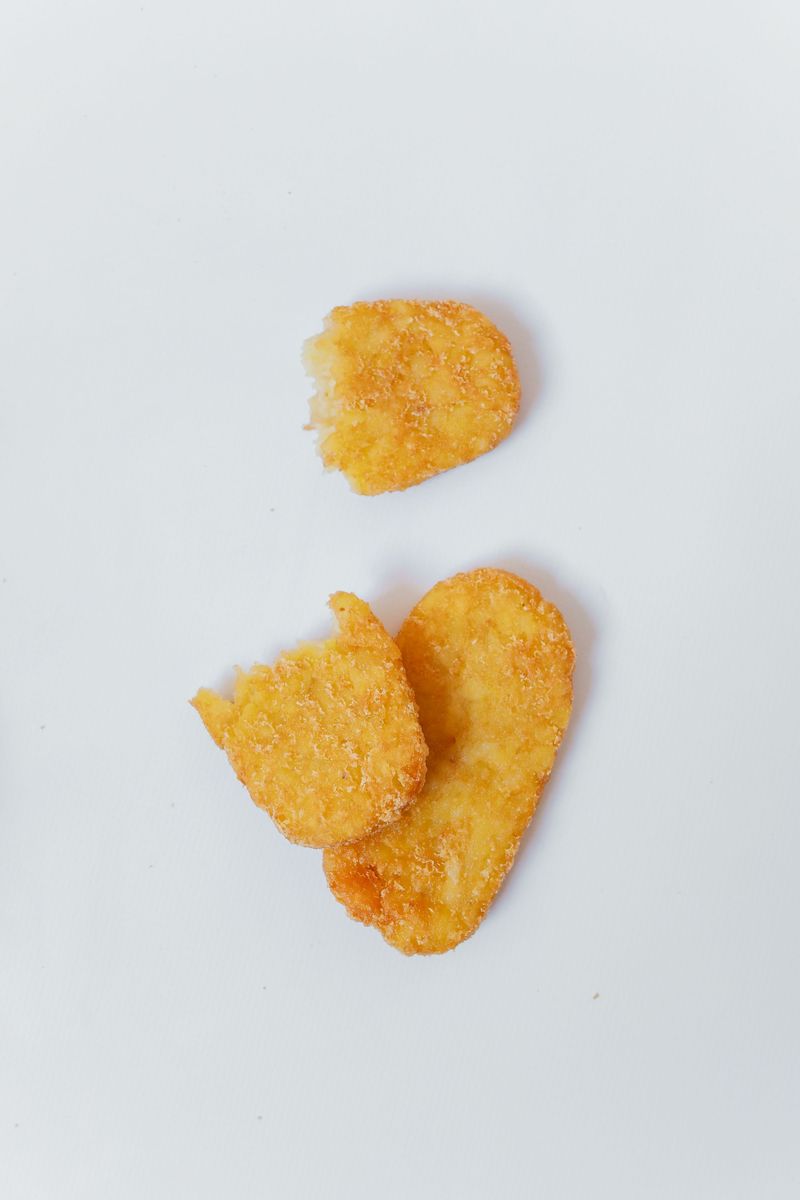
Frozen hash browns used to crisp into lattices of potato gold. Today, they steam more than sizzle.
You chase browning with extra oil, but pockets stay pale and damp. The shreds clump, hinting at added moisture and anti-caking agents.
Even when you spread them thin, they release water and stall that coveted crunch.
Par-cooking methods changed, and potatoes may be blanched differently. Seasoning leans salty, not savory.
The skillet test reveals it all: sound matters, and these do not sing. If breakfast needs real texture, grating a potato and squeezing it dry wins every time, mess and all.
Chocolate syrup
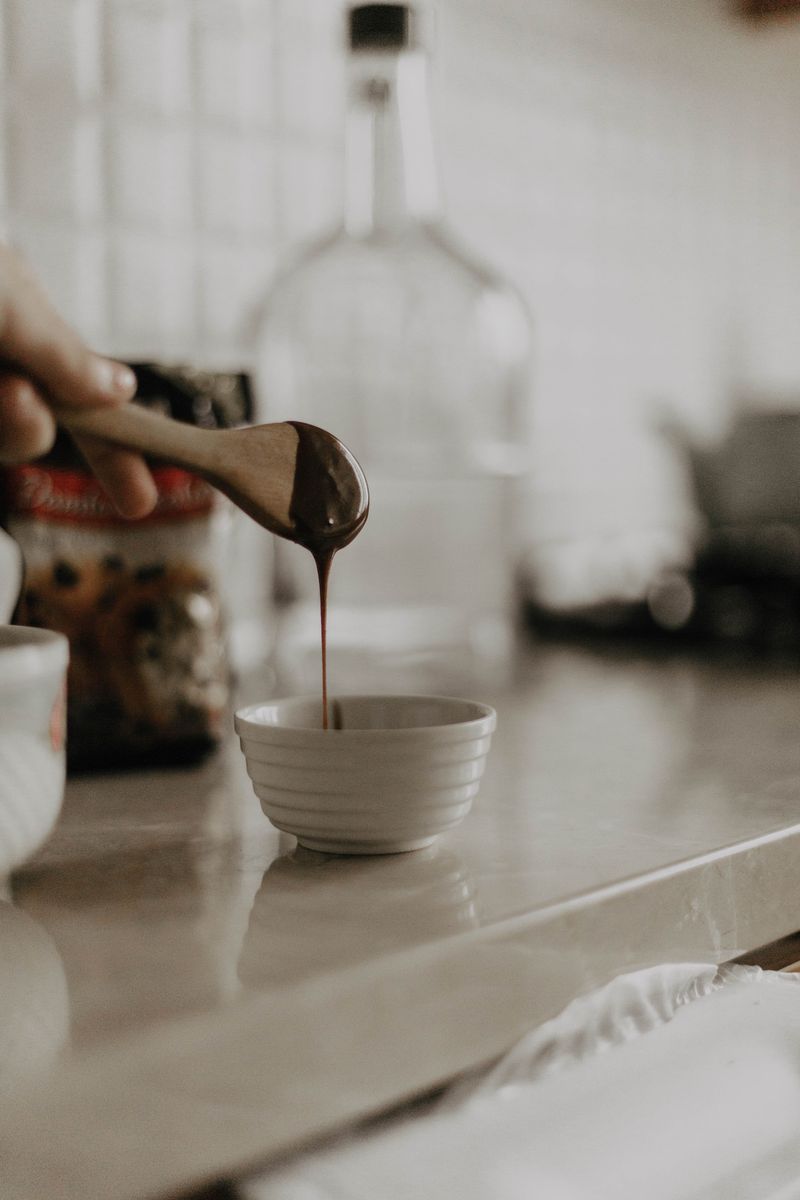
Chocolate syrup used to blanket ice cream with fudgy depth. Lately it pours like shiny water, sweet upfront and hollow after.
Milk turns beige instead of chocolatey, and the cocoa flavor fades under corn syrup notes. Squeeze bottles brag about fewer calories, but you taste the tradeoff immediately.
Labels swap cocoa percentages and add stabilizers that mimic body without richness. The aroma leans chocolate-adjacent, not true cocoa.
You add more syrup and still miss that echoing finish. People reached for hot fudge, melted bars, or homemade mixes to reclaim thickness and honest chocolate.
Dessert should whisper wow, not why.
Marshmallows
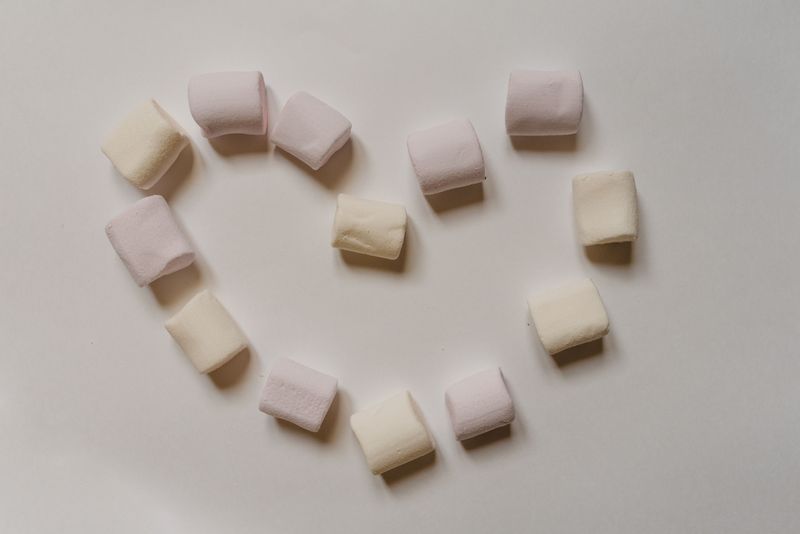
Marshmallows feel different now, lighter yet oddly tough. They melt into cobwebs on cocoa and slump on a skewer before browning.
Bags boast bigger sizes or fun shapes, but the bounce is off. You squeeze one and it resists, then sticks to your fingers with a syrupy cling.
Gelatin blends and cornstarch dusting seem heavier, and vanilla tastes more like simple sweetness. In rice treats, they liquefy too quickly, leaving slickness without pillowy body.
Homemade versions, or artisan mallows, remind you what air and sugar can do. The basic bag once did that.
Quiet shifts stole the magic.
Frozen pancakes
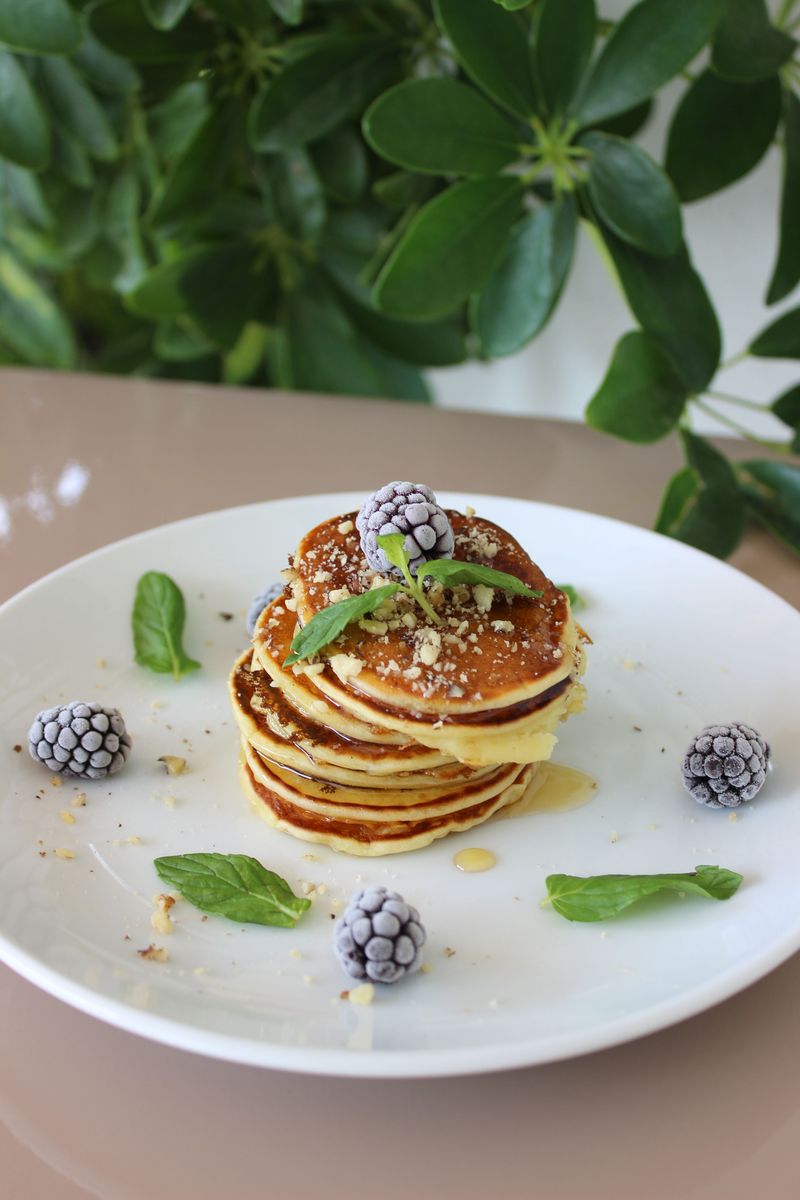
Frozen pancakes promise convenience, but recent batches chew like warm coasters. The edges bend instead of tearing, and the centers spring back like foam.
You try skillet reheats, yet they still taste perfumey-sweet, not buttery. Syrup puddles on top, never soaking properly, as if the crumb forgot how to drink.
Mixes skewed toward shelf stability, with proteins and gums faking tenderness. Portion sizes shrank while sweetness climbed.
Kids may not complain, but adults taste the shortcut. When even a quick batter yields better results, it is tough to justify the box.
Weekend griddles are calling, spatula ready.
Instant mashed potatoes
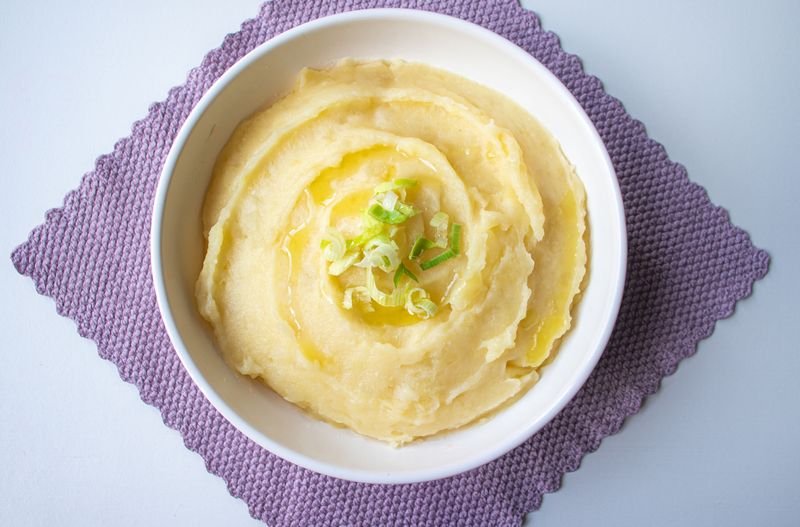
Instant mashed potatoes used to get close to the real deal. Now they swing gluey or powdery, even when you follow directions perfectly.
Butter flavoring walks in loudly, but potato character whispers. The flakes rehydrate fast, then tighten into paste if you blink, stubbornly resisting that cloudlike fluff you remember.
Cost-cutting and added stabilizers changed how they take on milk. Low-sodium versions often taste flat and sweet.
You can tweak with hot cream, real butter, and a whisk, yet it feels like rescuing instead of cooking. On busy nights they still work, but taste buds register the compromise immediately.
Garlic bread
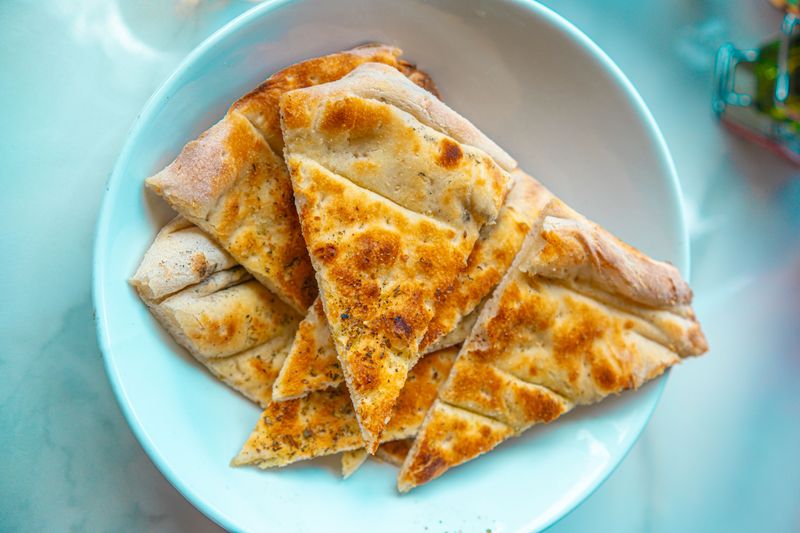
Frozen garlic bread used to ooze buttery goodness. Now the spread feels thin, herbs look tired, and the crust races from pale to scorched.
You taste oil more than butter, garlic more like powder than cloves. The slice crunches, then crumbles dry, leaving you chasing a sip of water.
Par-baked loaves lost that bakery chew, and portions shrank. Even the aroma is lighter, promising more than it delivers.
A homemade version with real butter and fresh garlic outshines it without trying hard. When the side dish used to steal the show, noticing the downgrade makes spaghetti night a little sadder.
Coffee creamer

Coffee creamer shifted from silky to splashy. Zero-sugar and plant-based lines multiplied, but many thin out coffee instead of rounding it.
Flavors lean candy-like, with aftertastes that cling. You pour more to chase body, and your mug turns pale without getting creamier.
The scent drifts bakery, the sip lands artificial.
Stabilizers and sweeteners changed the glide across your tongue. Old-school half-and-half still wins for mouthfeel.
If you loved seasonal flavors, reformulations can feel like costume versions of themselves. A small pour should make coffee bloom, not drown it.
People are returning to milk, cream, or simple syrup plus spices.
Fruit snacks
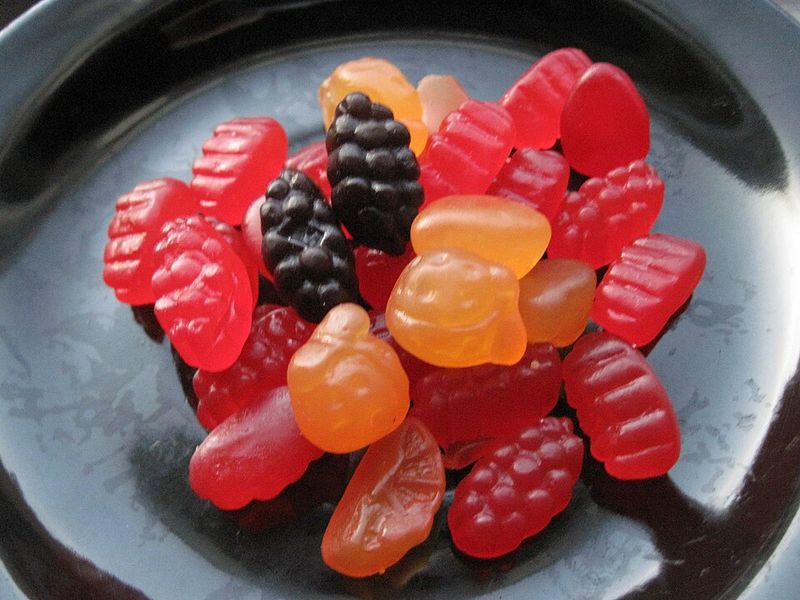
Fruit snacks once felt juicy-chewy, now they bounce like erasers. Reduced sugar claims brought starchier bites and shinier surfaces.
Flavors read red, purple, and orange more than strawberry or grape. They stick to teeth in a clingy way, and the little fruit shapes feel more toy than treat.
You give a pack and kids shrug.
Juice concentrates swapped ratios, and gelatin blends tightened. Vitamins got added, flavor got blunted.
The snack drawer deserves better than edible stickers. Dried fruit or homemade gel gummies hit nostalgia with real taste.
Quiet tweaks turned a lunchbox favorite into a placeholder.
Jarred pasta sauce
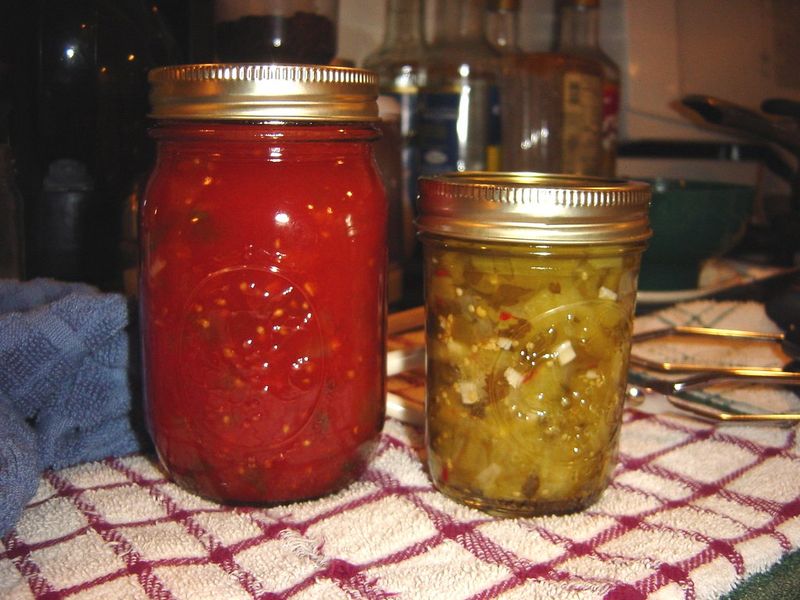
Jarred pasta sauce pivoted to brighter labels and thinner sauces. You pour and watch water ring the pan before the tomatoes catch up.
Herbs taste dried, not fresh, and sweetness sneaks in to cover acidity. Simmering helps, but the flavor rarely deepens.
Meatier versions scatter bits instead of building body.
Oil choices shifted, and tomato sourcing shows in color and aroma. “No added sugar” sometimes means more carrot puree, not more balance. A quick stovetop spin with garlic, paste, and a knob of butter rescues dinner.
Still, many noticed and started canning or freezing their own Sunday sauces again.
Pancake syrup
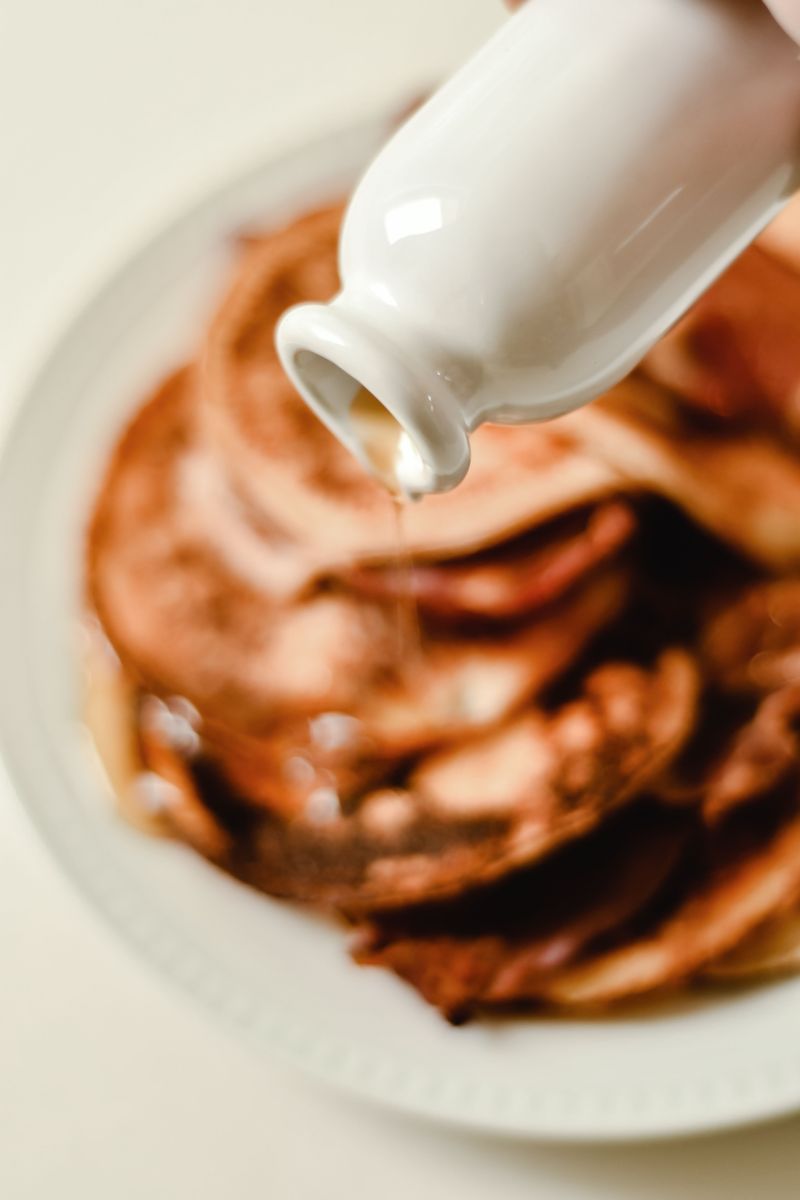
Pancake syrup leaned hard into shine and sweetness. The maple vibe got faint, replaced by generic candy notes.
You pour a river and it runs straight off the stack, barely clinging. Butter blends, but the finish tastes like caramel color and memory.
Real maple changed expectations, and this stuff did not keep up.
Light versions turned watery, regular turned louder. Ingredient decks read corn syrup layered with flavor and color.
If you only need a drizzle, that drizzle should deliver flavor, not just sugar. Many brunch plates now wear pure maple or fruit compotes, sending the squeeze bottle back to the pantry.
Biscuit dough
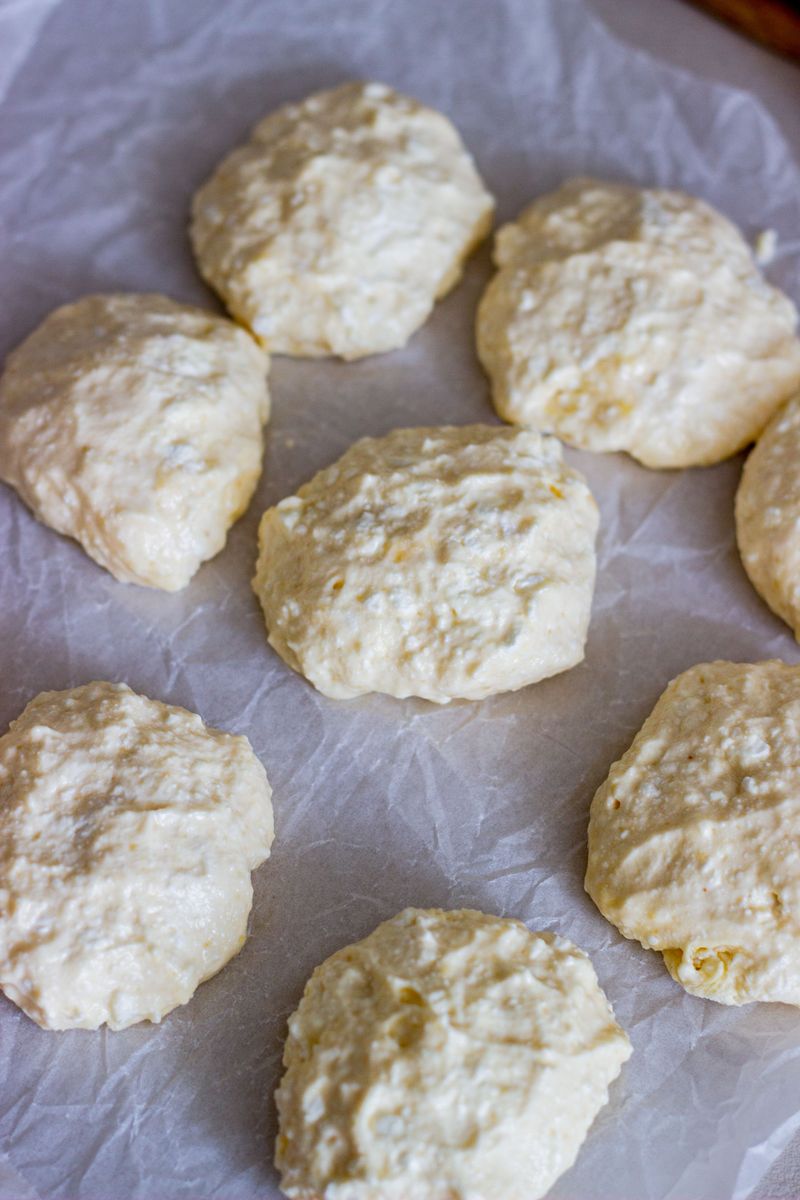
Refrigerated biscuit dough used to pop into layered clouds. Now the lift looks impressive, but the bite feels bready, not flaky.
Butter flavor shouts while real butter whisper-acts. Layers stick together instead of peeling into tender sheets.
You can brush with cream and bake hot, but the crumb still leans uniform.
Shortening blends and dough conditioners chase consistency over character. Some tubes even taste a touch sweet.
Gravy helps, but biscuits should stand alone. Weekend bakers returned to cold butter, sharp cutters, and cast-iron heat.
The can still pops with drama. The biscuits just do not deliver on the promise.
Frozen meatballs
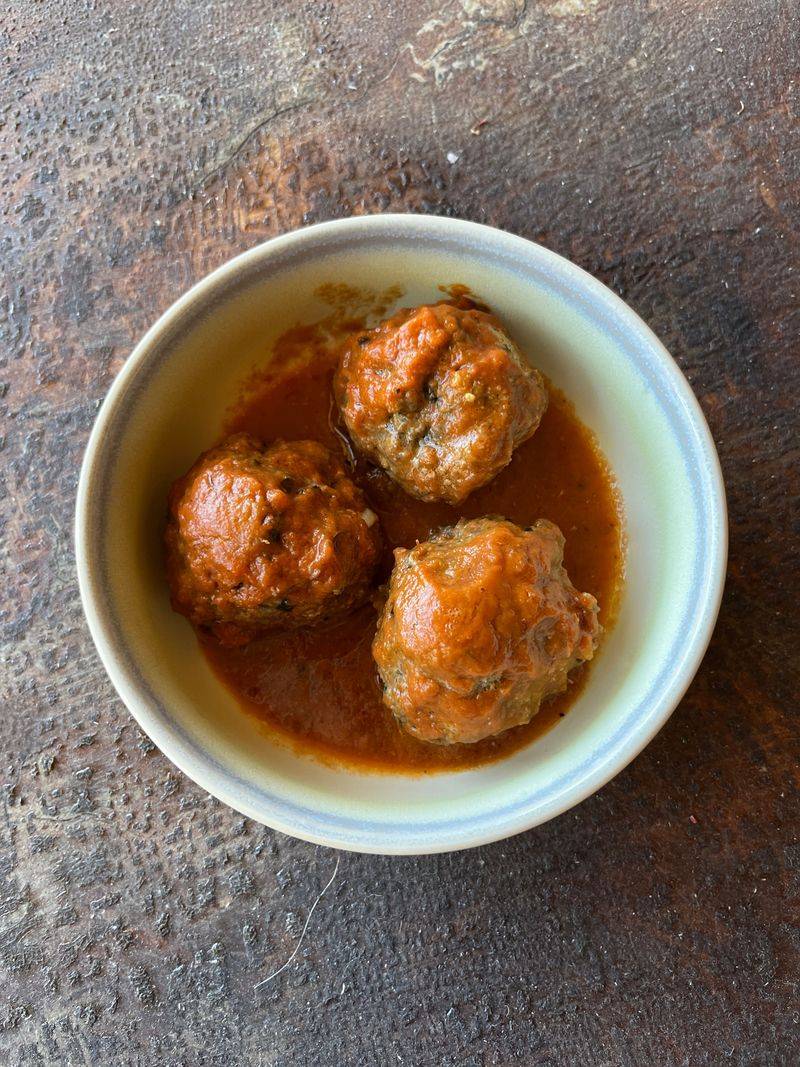
Frozen meatballs used to taste like Sunday simmered shortcuts. Today they are denser, sweeter, and oddly springy.
Slice one and you see uniform grind with few herb flecks. Beefy depth got swapped for breadcrumb heft and sugar glaze tendencies.
They heat fast, but flavors sit on the surface, not inside.
Lean formulas and binders keep shape but mute character. Sauces must work double, masking salt and sweetness mismatches.
You can pan-sear for crust, yet the center stays cafeteria. Many folks roll quick homemade batches or buy from butcher counters instead.
Meatballs should taste like meat first, convenience second.
Hamburger buns
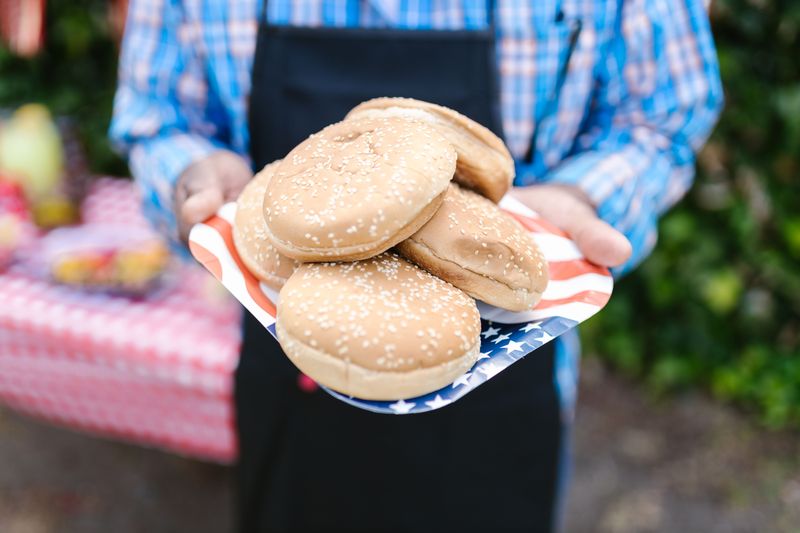
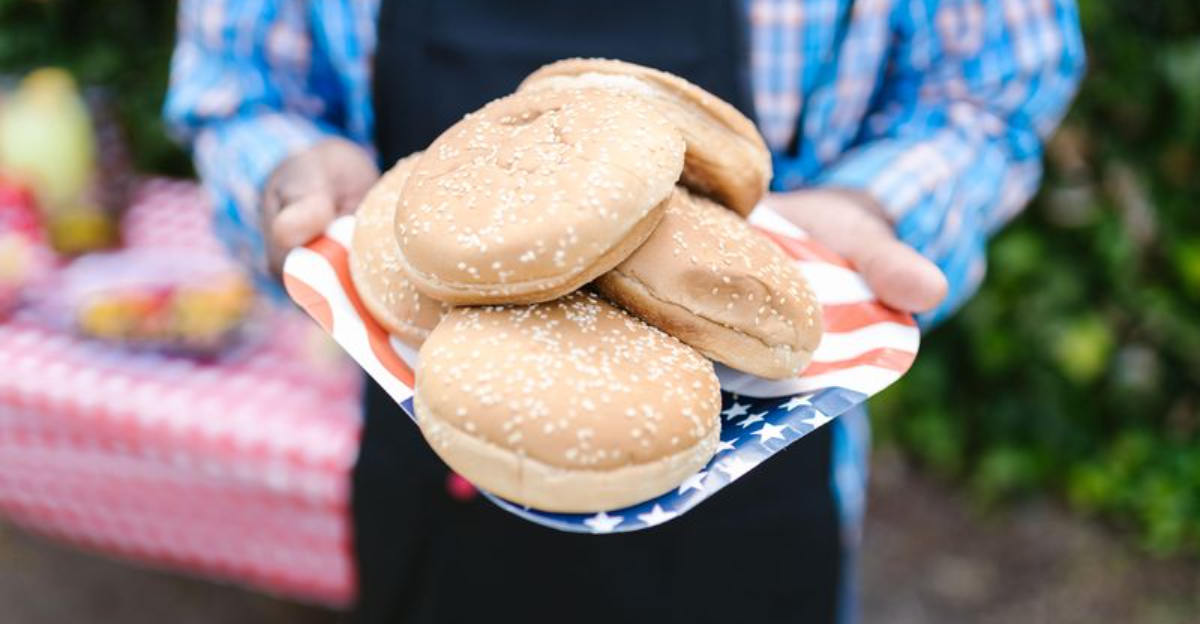
Hamburger buns used to hug a patty without turning gummy. Now they feel cottony, sweet, and quick to sog.
Labels shout “buttery” while the crumb behaves like cake. Toasting gives color but not structure, and juices bleed straight through.
One bite and the burger slides out, leaving you juggling toppings.
Shifting to cheaper fats and dough conditioners drove consistency, not character. The sesame scattering shrank, and crust all but disappeared.
A sturdy bun should resist and spring back. Instead, these collapse under a smash burger’s charm.
People shifted to brioche or bakery rolls, chasing chew, flavor, and real toasting magic.
Enjoyed this story?
Add Fast Food Club as a preferred source to see more of our reporting on Google.