


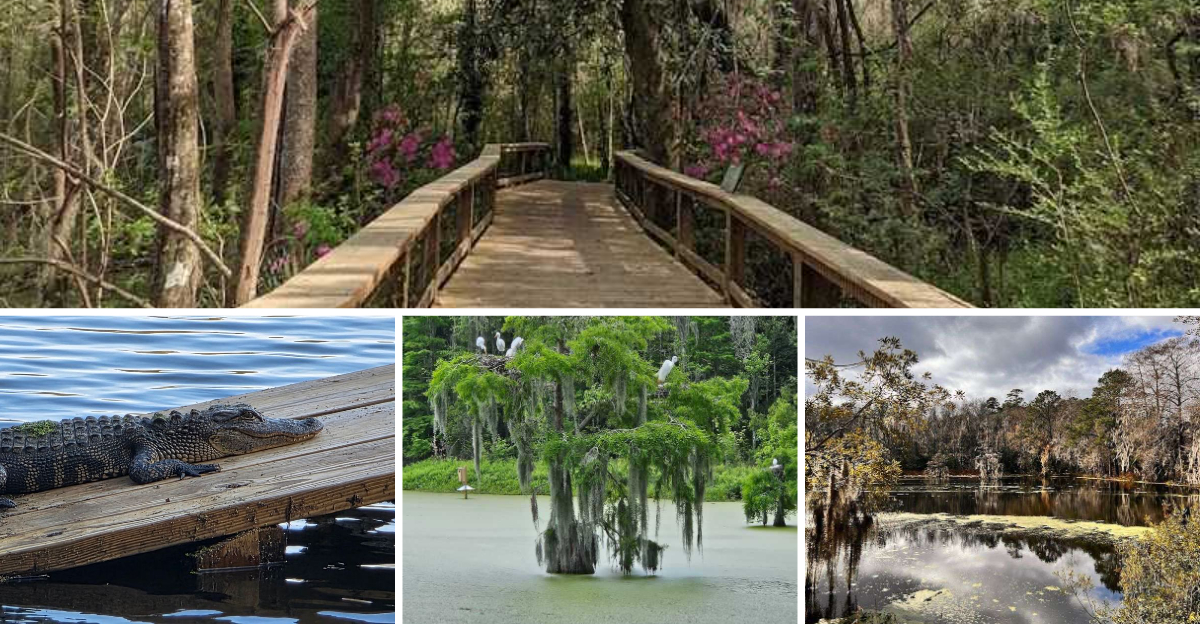
Tucked away in Charleston, South Carolina, the Audubon Swamp Garden at Magnolia Plantation is one of the most magical outdoor spaces you will ever walk through. Spread across 60 acres of wetlands, this incredible garden lets you explore a world filled with alligators, exotic birds, turtles, and stunning plant life.
A winding boardwalk and a series of bridges guide you safely over the water, giving you front-row views of nature at its wildest. Whether you are a first-time visitor or a returning fan, this swamp garden never stops surprising you.
The Iconic Boardwalk and Bridge Trail
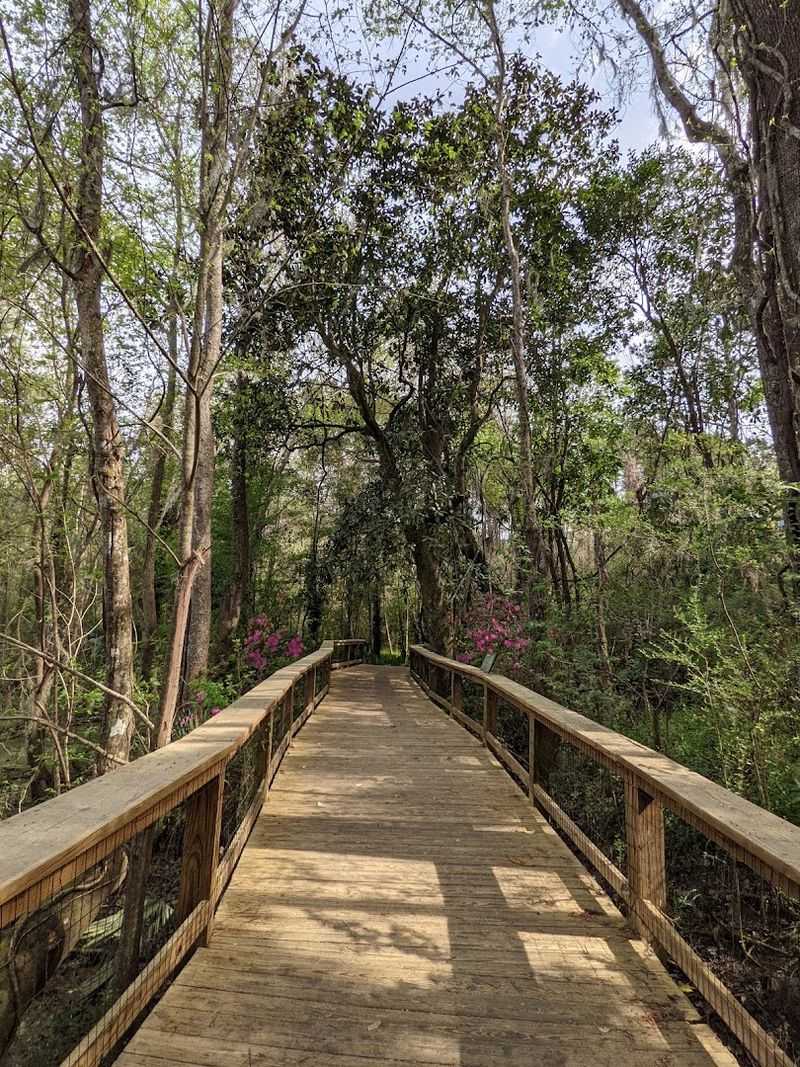
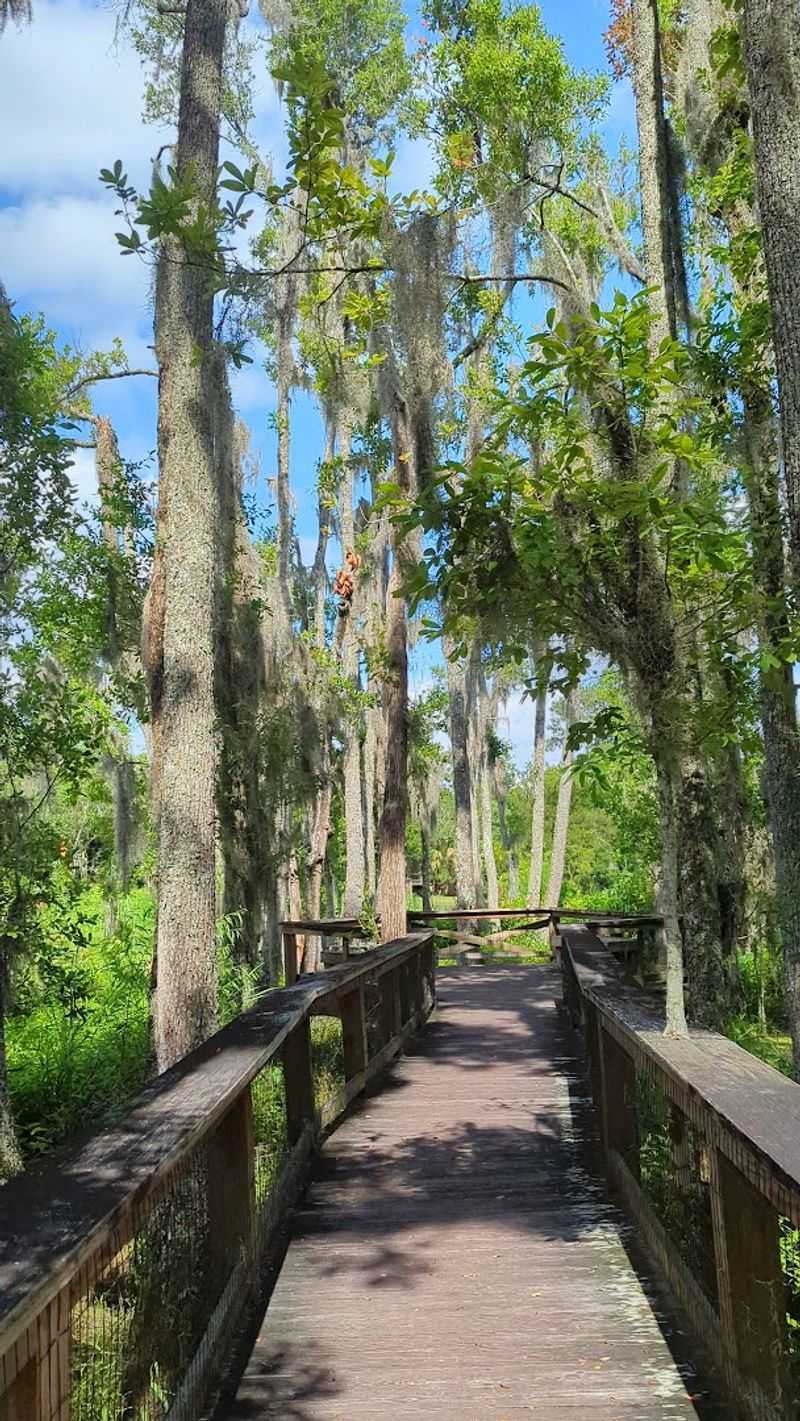
Few things feel as adventurous as stepping onto a wooden boardwalk that stretches out over a living, breathing swamp. The trail system at Audubon Swamp Garden is the backbone of the entire experience, guiding visitors safely through 60 acres of wetland wonder.
The path forks off in about five different directions, so you can explore at your own pace without retracing your steps. Bridges arch over glassy black water while Spanish moss sways overhead, creating a scene that feels almost dreamlike.
Most visitors complete the full trail in about 30 to 45 minutes, though many stop frequently to watch wildlife. Wear comfortable shoes since the paths are well-maintained but not paved.
Early morning or late afternoon visits tend to offer the best lighting and the most active wildlife sightings, making your walk feel truly unforgettable.
Alligator Sightings Up Close
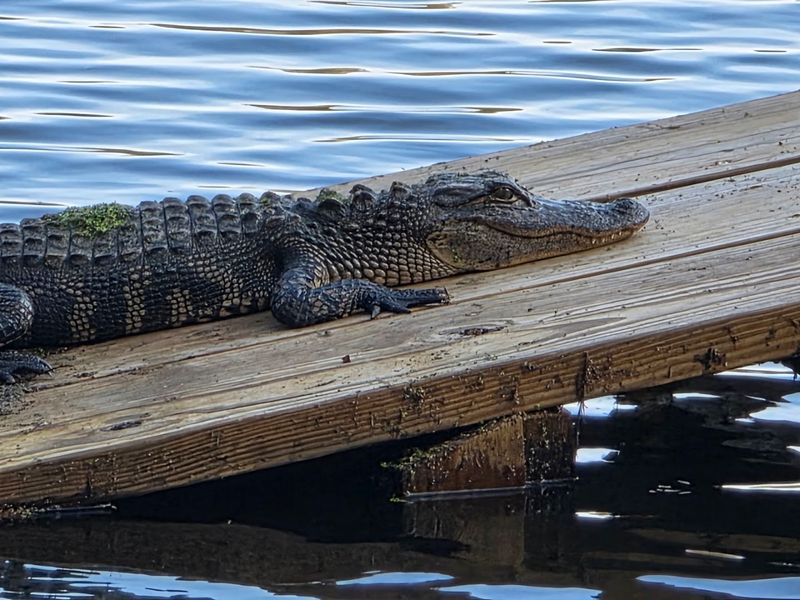
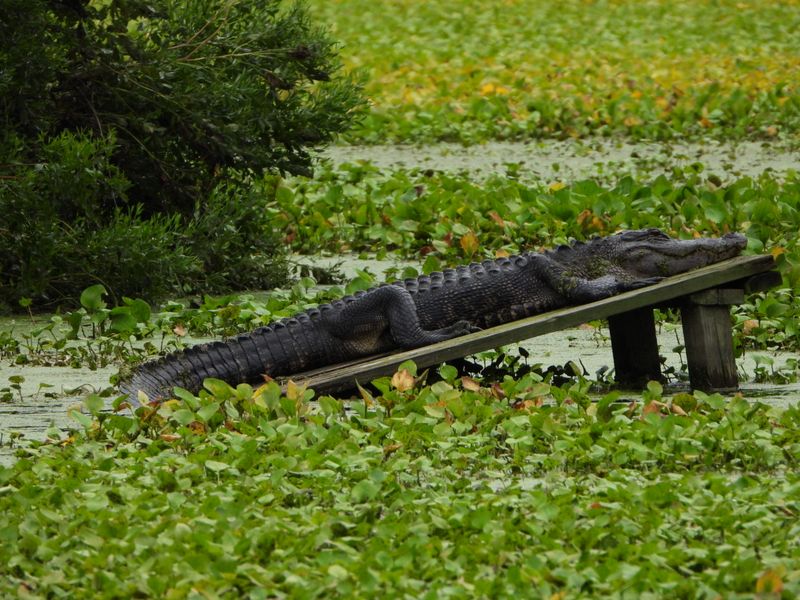
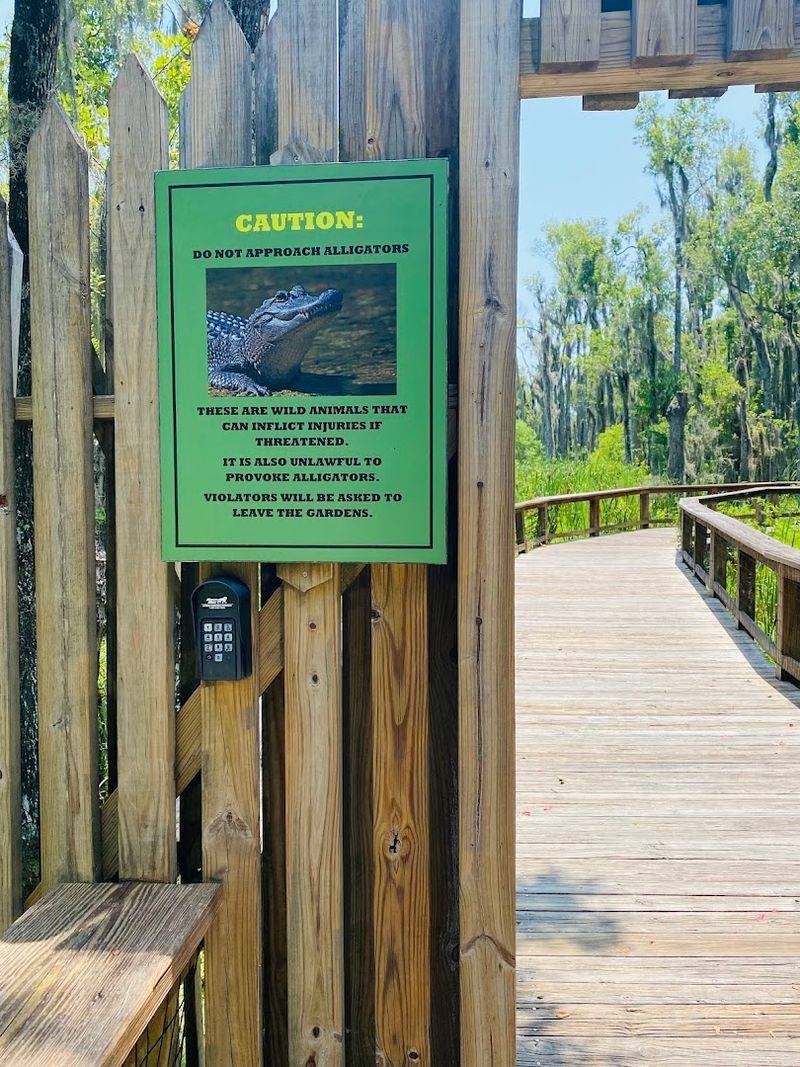
Imagine rounding a corner on the boardwalk and coming face to face with a full-grown alligator sunning itself just a few feet away. At Audubon Swamp Garden, that is not a rare event — it is practically a guarantee.
Visitors consistently spot alligators of all sizes, from small juveniles lurking near lily pads to massive adults stretched out along the banks. One reviewer even described an alligator crossing the tram trail directly in front of their group, which made for an unforgettable story.
The key to enjoying these encounters safely is simple: keep your distance, never feed them, and admire from the boardwalk. These are wild animals living in their natural habitat, and they deserve respect.
Bring a zoom lens or binoculars for the best photos without getting dangerously close to these impressive reptiles.
Bird Watching Paradise for Every Skill Level
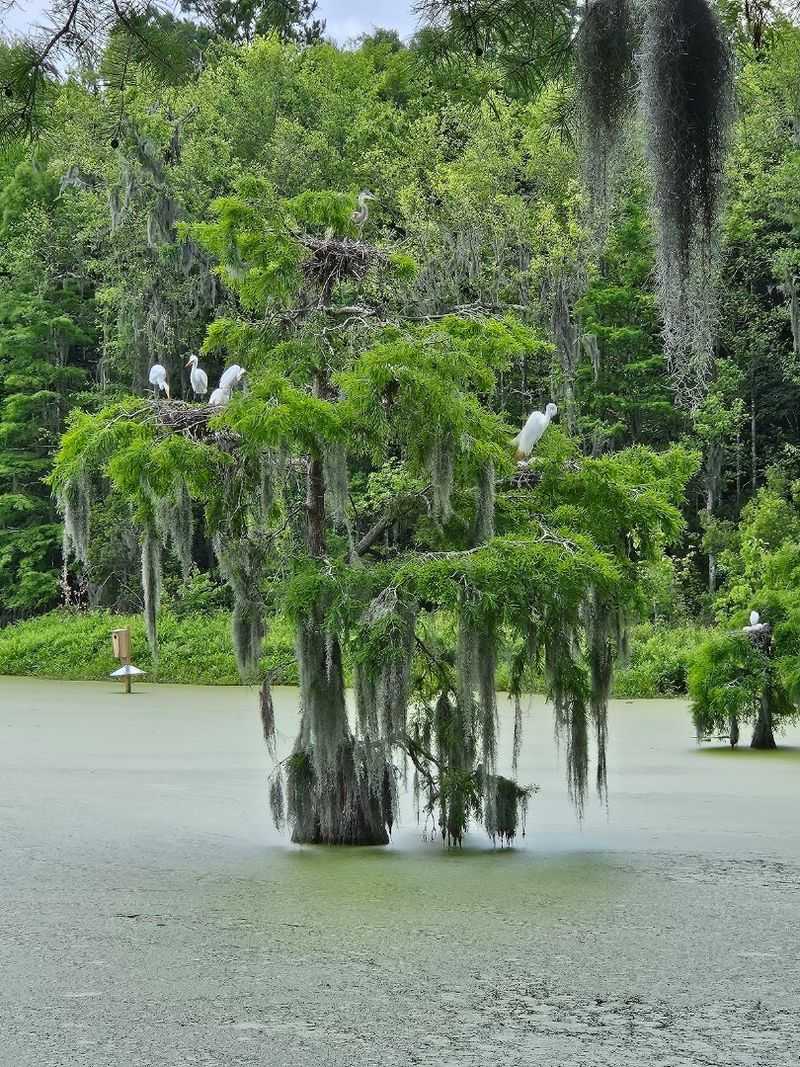
Bird lovers, get ready to be completely overwhelmed in the best possible way. Audubon Swamp Garden is a haven for dozens of bird species, from snowy egrets and great blue herons to ibis and even peacocks roaming freely through the grounds.
Spring and early summer are peak nesting season, which means birds are especially active and easier to spot perched in trees or wading through shallow water. Reviewers recommend bringing binoculars and a camera with a good zoom lens to capture the action from the boardwalk without disturbing the birds.
Apps like iNaturalist and Seek can help you identify species on the spot, turning your walk into an interactive learning experience. Whether you are a seasoned birder with a life list or just someone who enjoys watching herons fish in slow motion, this garden delivers on every level.
The Serene and Hauntingly Beautiful Scenery
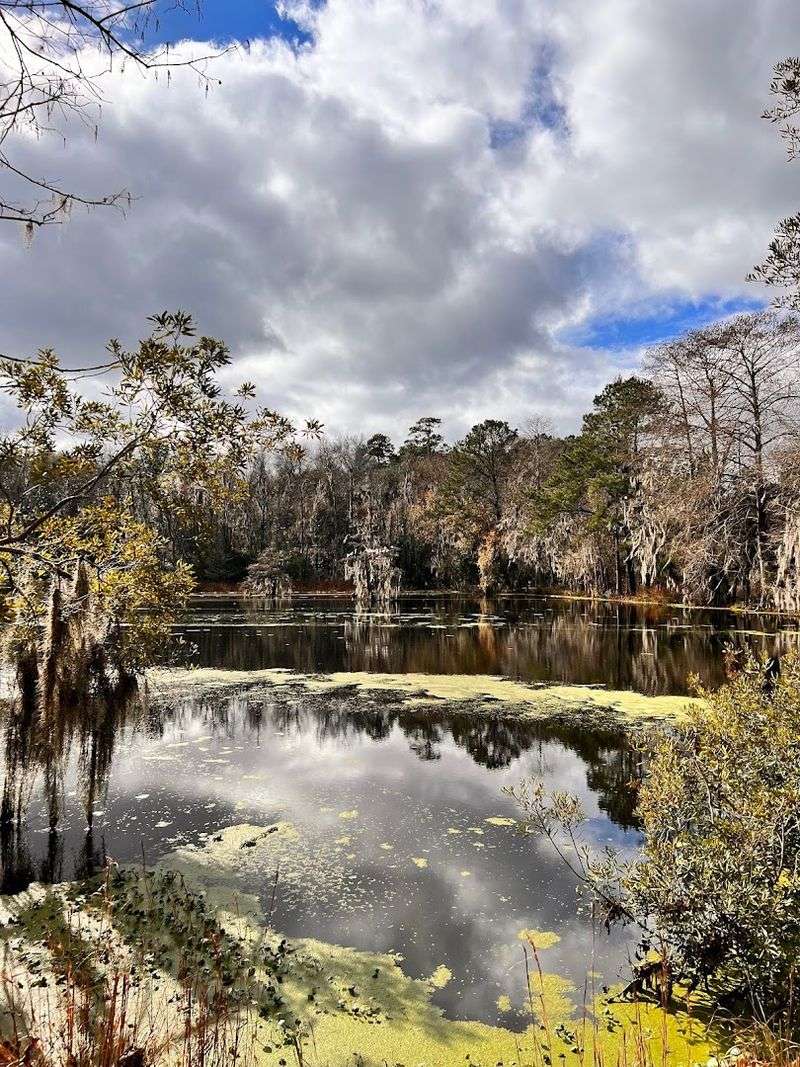
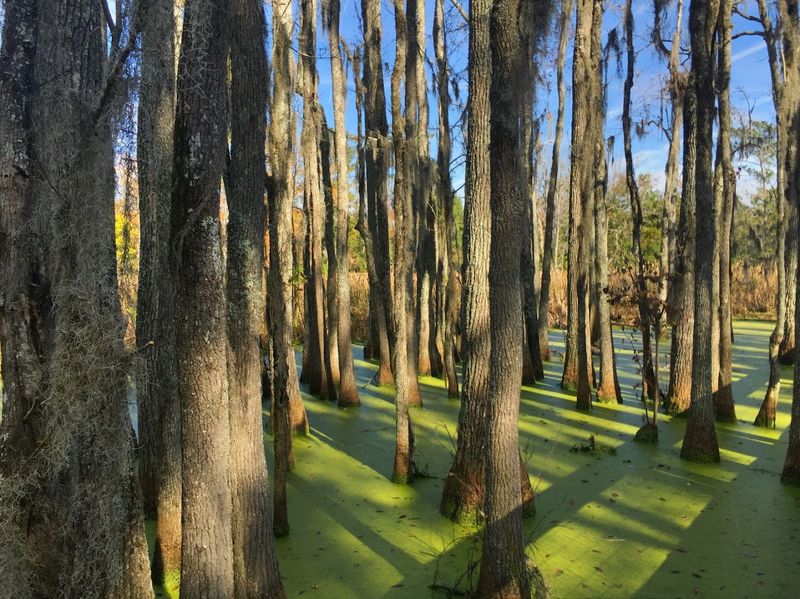
There is a particular kind of quiet that settles over you when you step into the Audubon Swamp Garden. The air feels thick with humidity, the light filters softly through the canopy, and the dark water below mirrors the entire scene like a painting.
Spanish moss drapes dramatically from ancient cypress trees, and clusters of water lilies float lazily across the surface. Every turn of the boardwalk reveals another stunning composition that seems tailor-made for a photograph or a moment of peaceful reflection.
Visitors who come in fall describe the changing colors adding a whole new layer of warmth to the landscape. Even on overcast days, the moody atmosphere has its own kind of magic.
This is the kind of place that slows you down and reminds you just how extraordinary the natural world really is when given space to thrive.
Turtles, Snakes, and Other Swamp Residents
Alligators get most of the attention, but the Audubon Swamp Garden is actually home to a surprisingly rich cast of reptiles and critters that make every visit feel like a wildlife documentary. Turtles are everywhere, stacking themselves on logs and poking their heads above the waterline with cheerful regularity.
Snakes also make appearances along the trail, though they tend to be shy and quick to disappear into the vegetation. Lizards dart across the boardwalk railing, and if you look carefully into the water, you might spot a softshell turtle gliding just below the surface.
One reviewer was thrilled to spot dolphins on a boat tour nearby, proving that the biodiversity here goes well beyond what you might expect from a swamp garden. Keep your eyes scanning in all directions — above, below, and to the sides — because wildlife shows up exactly where you least expect it.
The Pontoon Boat Tour Experience
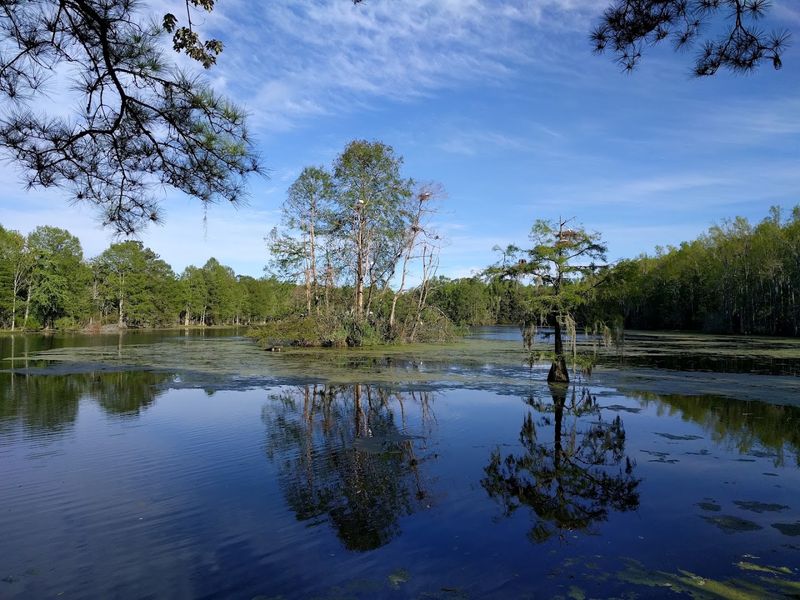
If walking the boardwalk gives you a ground-level view of the swamp, the pontoon boat tour takes that experience out onto the open water in a whole new way. This optional add-on lets you cruise through the wetlands while a guide points out wildlife hiding along the banks and in the treetops.
Reviewers who took the boat tour raved about spotting wading birds, alligators, and even dolphins during their time on the water. The pace is relaxed and unhurried, giving everyone on board plenty of time to take photos and soak in the surroundings.
The boat tour does come with an extra fee beyond the standard admission ticket, but most visitors agree it is well worth the added cost. Book early if you are visiting during busy seasons, as spots can fill up quickly, especially on weekends and holidays.
Visiting With Kids and Families
Bringing kids to the Audubon Swamp Garden is one of those parenting wins that practically plans itself. The trail is flat, easy to navigate, and just thrilling enough to hold a child’s attention for the entire loop without any complaints about tired legs.
Spotting alligators from a safe boardwalk gets kids genuinely excited, and the variety of turtles, birds, and lizards keeps the curiosity going from start to finish. Families who visited during a special Lego art installation reported that their grandkids were absolutely enchanted by the combination of nature and creative sculptures tucked along the trails.
The garden is also stroller-friendly and accessible for elderly visitors or those with limited mobility. Pack snacks, bring bug spray, and dress the little ones in light layers.
Plan to spend at least two to three hours here — the kids will not want to leave.
Tips for Beating the Heat and Bugs
Let’s be honest — a summer swamp in South Carolina is not exactly breezy. One reviewer who visited in July described it as 100 percent humidity with serious heat, and that is a fair warning for anyone planning a warm-weather trip to the Audubon Swamp Garden.
The good news is that with a little preparation, the heat is very manageable. Arrive early in the morning when temperatures are cooler, or come in the late afternoon when the sun begins to dip.
Wear lightweight, breathable clothing in light colors, and always bring a water bottle.
Bug spray is non-negotiable. Mosquitoes and other insects are part of the swamp ecosystem, and they will absolutely find you if you come unprepared.
A DEET-based spray works best. Despite the heat and humidity, reviewers consistently say the experience is completely worth the discomfort, so do not let the weather talk you out of going.
The From Slavery to Freedom Guided Tour
Magnolia Plantation carries a history that is as important as it is painful, and the From Slavery to Freedom guided tour gives visitors a chance to truly reckon with that past. Included in the general admission ticket, this tour takes you through the stories of the enslaved people who lived and worked on this land for generations.
Guides are knowledgeable, thoughtful, and deeply committed to honoring the lives and legacies of those who shaped this place. Reviewers describe the experience as both educational and emotionally moving, calling it one of the most meaningful parts of their visit.
The tour is appropriate for older children and adults, though parents should prepare younger kids for some heavy subject matter. Taking this tour alongside the natural beauty of the swamp garden creates a full, layered visit that balances wonder with reflection.
History here is not hidden — it is front and center.
Photography Opportunities Around Every Corner
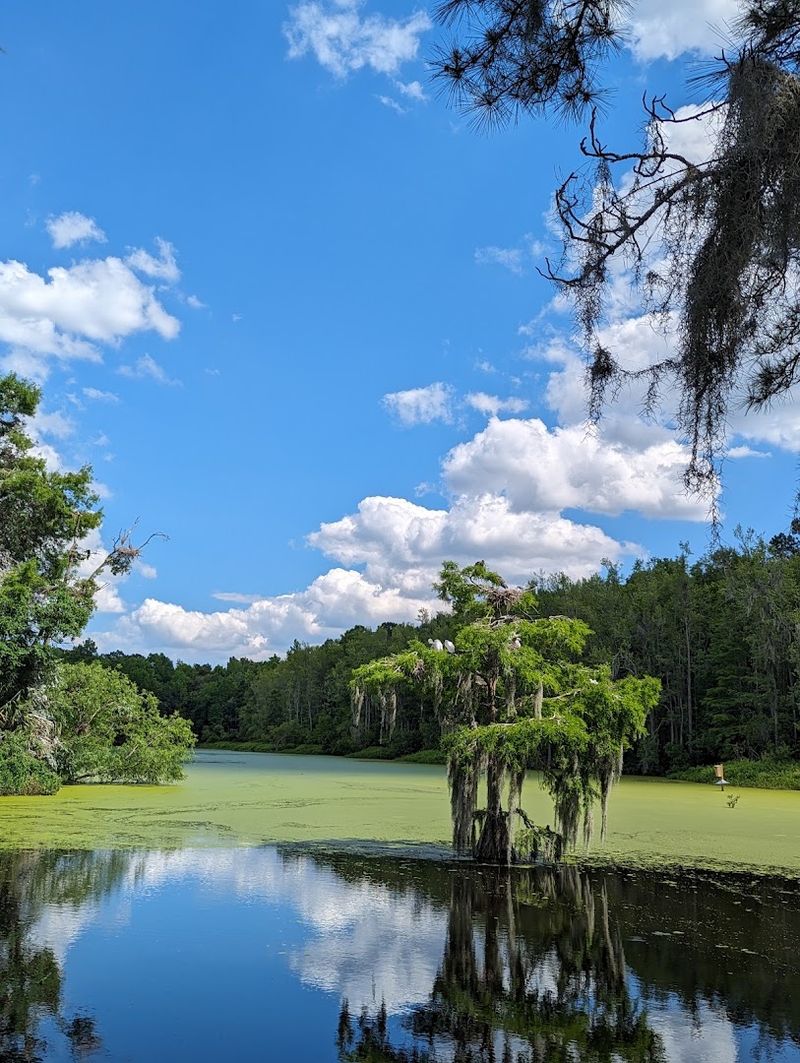
Photographers, amateur or professional, will find the Audubon Swamp Garden almost impossibly rewarding. The combination of moody water reflections, dramatic Spanish moss, vibrant wildlife, and soft filtered light creates conditions that make even a smartphone photo look stunning.
Golden hour visits — that magical window just after opening or in the late afternoon before closing — produce some of the most atmospheric shots imaginable. Alligators lounging in golden light, herons mid-flight above black water, turtles stacked like living sculptures on sun-warmed logs — every moment is a potential frame-worthy image.
One reviewer who visited as an amateur bird photographer noted that arriving at opening time gives you the best chance at undisturbed wildlife shots before the crowds arrive. A zoom lens is strongly recommended for close-up animal photography without disturbing the natural behavior of the creatures you are capturing.
Admission, Pricing, and What Is Included
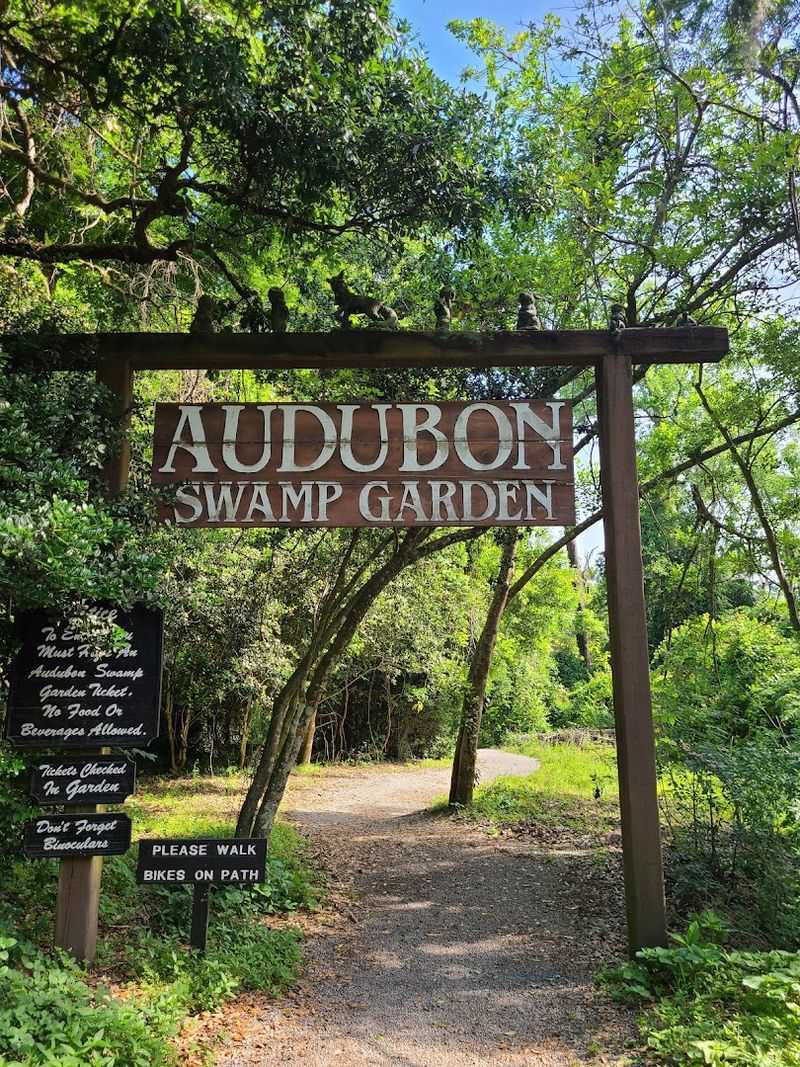
Figuring out what you are paying for before you arrive at Audubon Swamp Garden saves a lot of confusion at the ticket counter. One price covers a surprisingly generous package: access to the swamp garden boardwalk, 66 acres of public gardens, the wildlife center, the From Slavery to Freedom guided tour, train tours, and walking and biking trails.
The pontoon boat ride and entry into Magnolia House come with separate fees, but you can walk around the exterior of the house at no extra charge. The train tour is free but requires a reserved time slot so the ride does not get overcrowded.
Prices vary by season and visitor category, so checking the official website at magnoliaplantation.com before your visit is a smart move. Dogs are welcome on a leash throughout most of the property, though they are not permitted on the guided tours.
The Best Time of Year to Visit
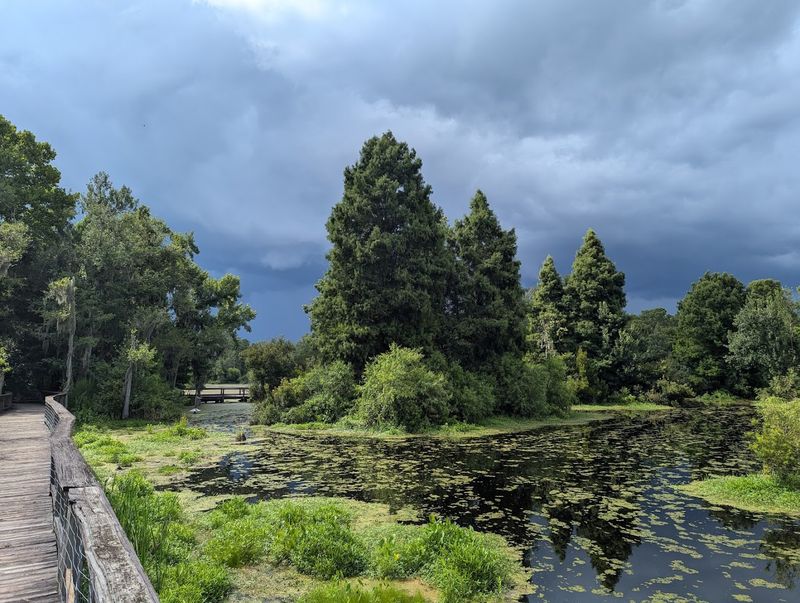
Timing your visit to the Audubon Swamp Garden can make a big difference in what you experience. Spring is widely considered the best season, when birds are actively nesting, wildflowers are blooming, and the entire garden feels alive with energy and color.
Early summer is also excellent for wildlife activity, though the heat and humidity ramp up significantly by July. Fall brings a softer, quieter beauty to the swamp, with changing foliage adding warm amber and rust tones to the usual greens and grays.
Winter visits are less crowded and surprisingly pleasant on mild days, offering a more peaceful experience for those who prefer solitude over spectacle. One reviewer noted that the garden is stunning year-round, which is a testament to how well the ecosystem maintains its appeal across all four seasons.
Any month is a good month to visit — some are just extraordinary.
Planning Your Full Day at Magnolia Plantation
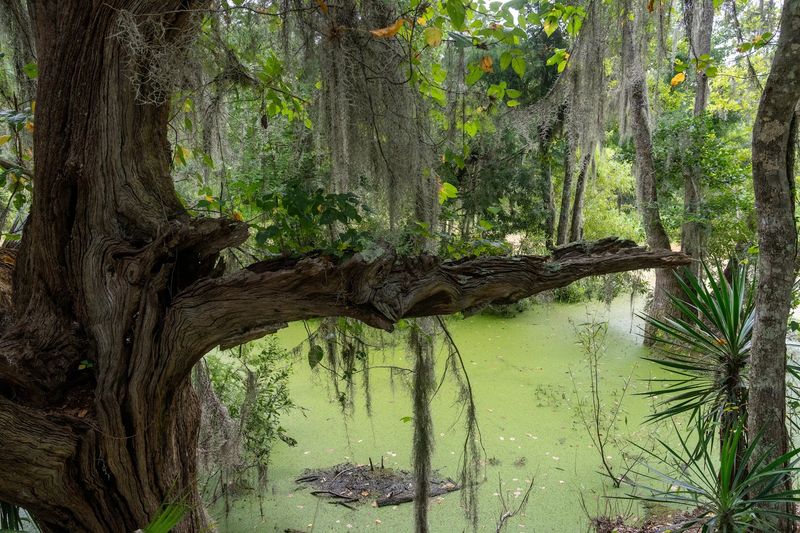
Smart visitors treat the Audubon Swamp Garden as just one chapter of a full day spent at Magnolia Plantation. The broader property offers so much that five hours can pass before you realize you have not seen everything yet — and that is a wonderful problem to have.
Start with the swamp garden boardwalk in the morning when wildlife is most active and temperatures are cooler. Then grab a snack from the food kiosk, catch the train tour, and spend the afternoon wandering the 66-acre public gardens filled with ancient trees and blooming magnolias.
Finish with the From Slavery to Freedom tour for a meaningful close to the day. Parking is free and the lot is generously sized.
Your admission ticket is valid for multiple days, so if you run out of time, you can return the next day and pick up right where you left off.
Enjoyed this story?
Add Fast Food Club as a preferred source to see more of our reporting on Google.