


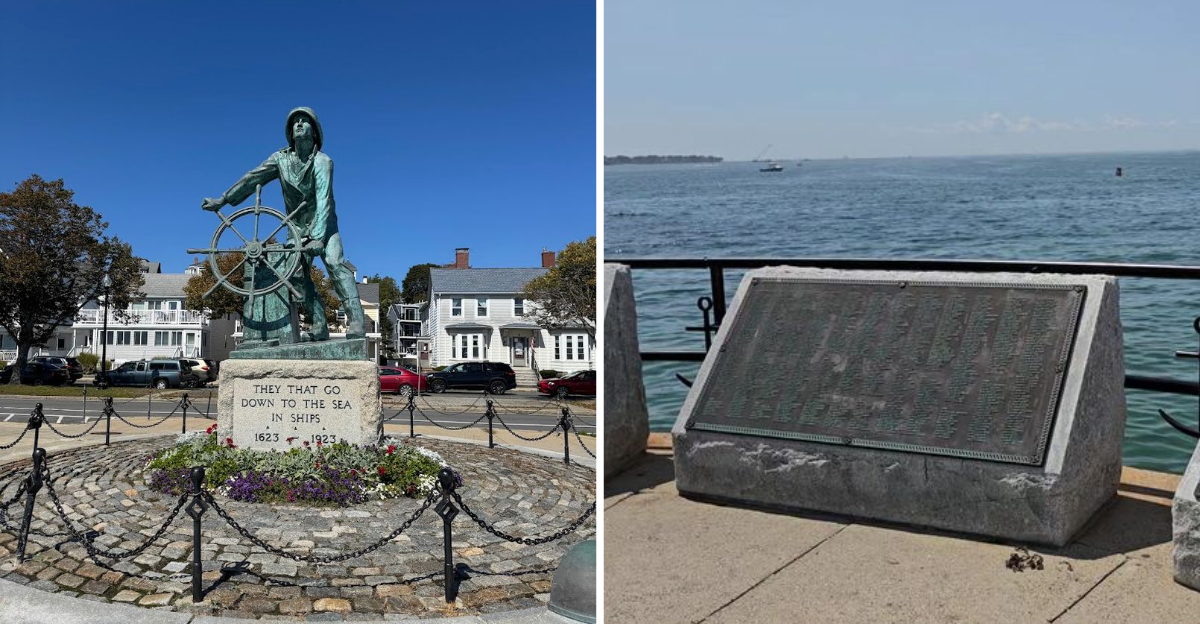
Standing at the edge of Gloucester Harbor, the Fisherman’s Memorial has watched over this Massachusetts city for over a century. Known locally as “The Man at the Wheel,” this powerful bronze statue honors the thousands of brave fishermen who never came home from the sea.
Every name etched into the surrounding granite blocks tells a real story of courage, family, and sacrifice. Get ready to discover 13 chilling and fascinating facts about this iconic memorial that will stay with you long after you visit.
The Statue That Started It All: Man at the Wheel
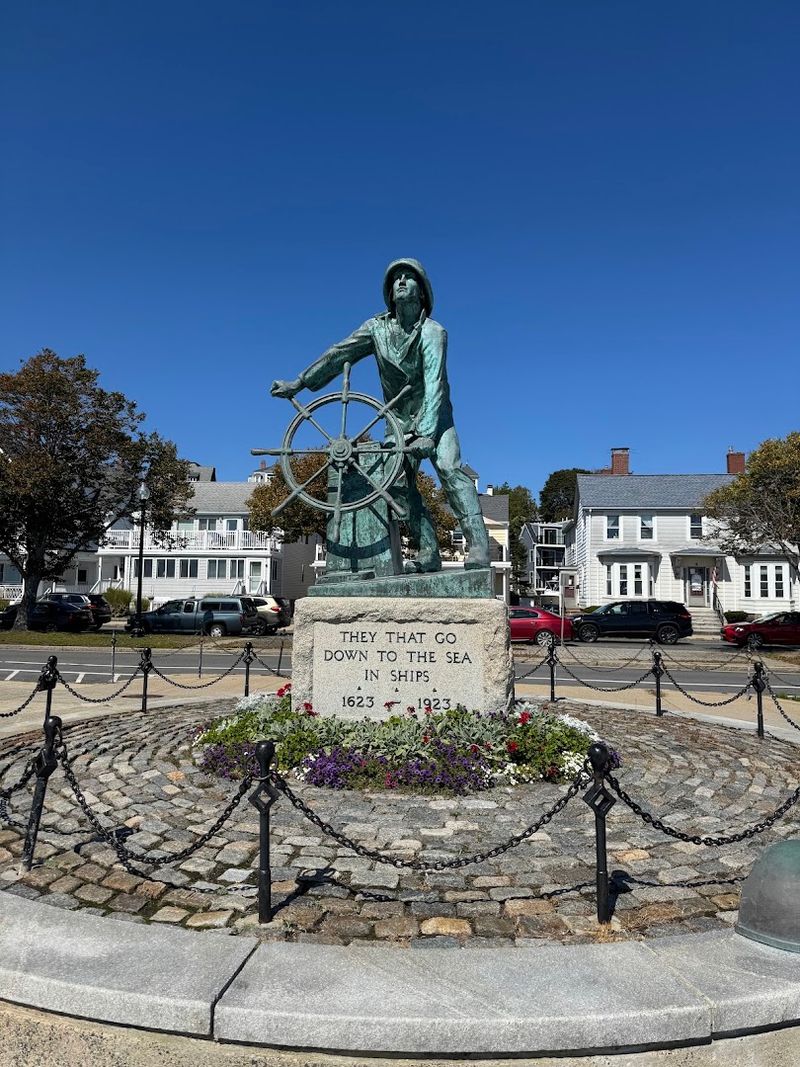
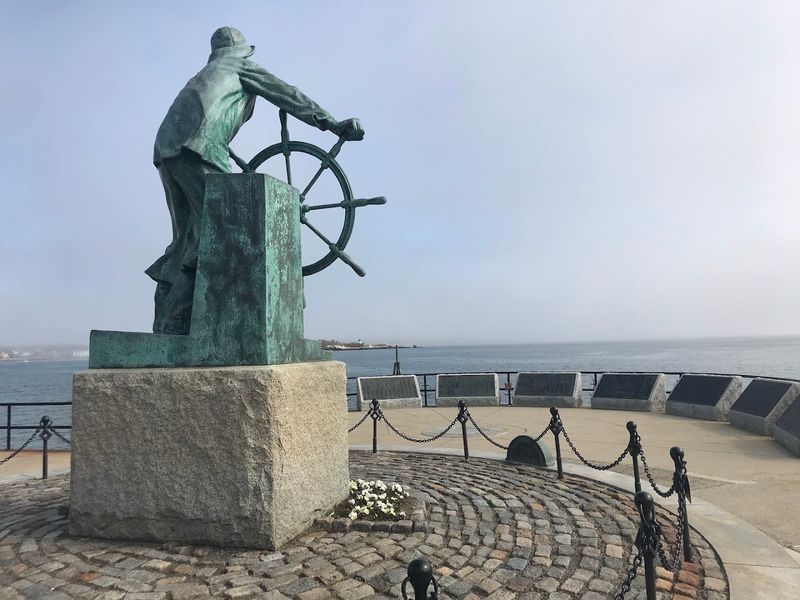
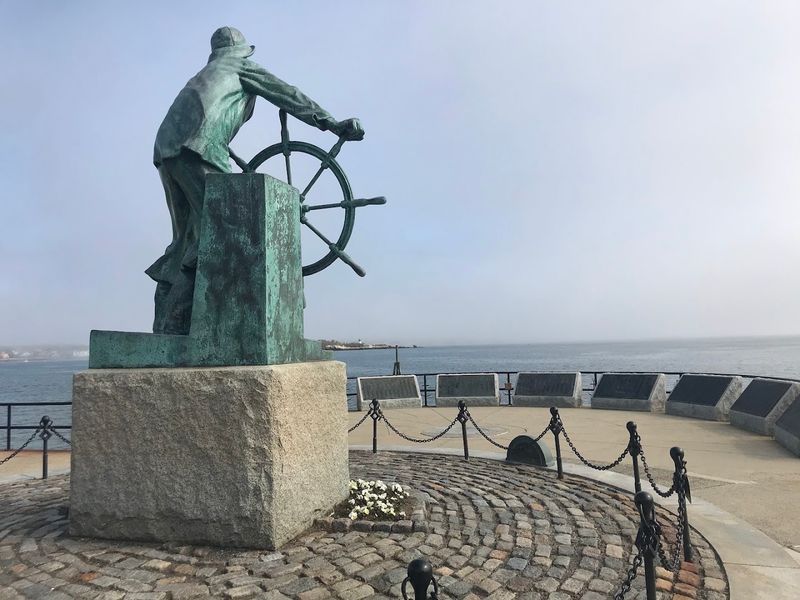
Few statues in New England carry as much emotional weight as the bronze figure gripping a ship’s wheel along Stacy Boulevard in Gloucester. Cast in 1923, the sculpture depicts a determined fisherman in oilskins, eyes fixed on the horizon as if steering through a dangerous storm.
The statue was created to mark the 300th anniversary of Gloucester’s founding and was funded by local residents who wanted a permanent tribute to the men who risked everything at sea. Sculptor Leonard Craske brought the figure to life with remarkable detail, capturing both strength and vulnerability in one powerful pose.
Standing before it, visitors often feel a wave of emotion wash over them. The figure doesn’t just represent one man — it represents every fisherman who ever left this harbor.
That universal human connection is exactly why this memorial continues to move people from all over the world.
Over 5,300 Names Carved Into History
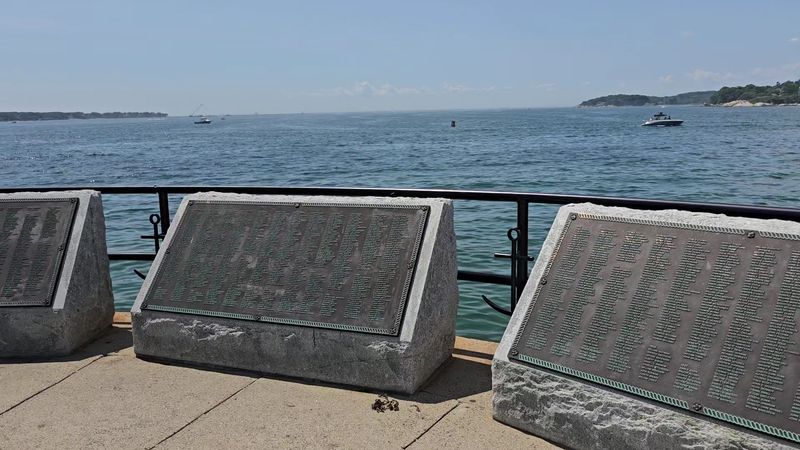
Imagine reading name after name, row after row, knowing each one belonged to a real person who never made it back home. The semi-circular wall of granite blocks surrounding the statue holds bronze plaques listing more than 5,360 fishermen lost at sea since Gloucester’s earliest days.
Visitors frequently describe standing at those plaques as one of the most humbling experiences of their lives. Some names appear multiple times, hinting at brothers, fathers, and sons from the same family who all perished on the water.
Entire households were wiped out by a single storm.
Reading those names out loud — even quietly to yourself — transforms the memorial from a landmark into something deeply personal. It forces you to reckon with the true human cost of bringing fish to dinner tables across America.
No history book makes that point quite as powerfully as these granite stones do.
A Single Storm That Swallowed 120 Men
Here is a number that is almost impossible to wrap your head around: in one storm in 1862, fifteen schooners sank and 120 men drowned. That single event devastated Gloucester in a way that echoes through the town’s history even today.
Entire neighborhoods lost their breadwinners overnight.
Gloucester was no stranger to tragedy, but that storm stood out as one of the darkest chapters in the city’s maritime past. Families who had sent husbands and sons out that morning never saw them again.
The grief spread through every street and every household.
Stories like this are exactly why the memorial carries such enormous meaning. It isn’t just about honoring heroes in an abstract sense — it’s about acknowledging real pain that real families endured.
When you visit and read those plaques, that 1862 storm becomes more than a statistic. It becomes a human story you carry home with you.
Leonard Craske: The Sculptor Who Captured a Soul
Behind every great work of art is an artist who poured something deeply personal into the creation. Leonard Craske, a British-born sculptor who had settled in Massachusetts, was chosen to design the Gloucester Fisherman’s Memorial statue in the early 1920s.
His task was enormous — how do you capture an entire community’s grief and pride in a single figure?
Craske spent considerable time studying Gloucester fishermen, observing their posture, their clothing, and the particular way they braced themselves against wind and waves. That careful research shows in every detail of the finished bronze, from the folds of the oilskin jacket to the firm grip on the wheel.
His work proved so successful that the statue became one of the most recognized maritime sculptures in the United States. Craske gave Gloucester something that words alone could never fully express — a permanent, visible symbol of what its people endured and achieved.
The 300th Anniversary That Sparked a Monument
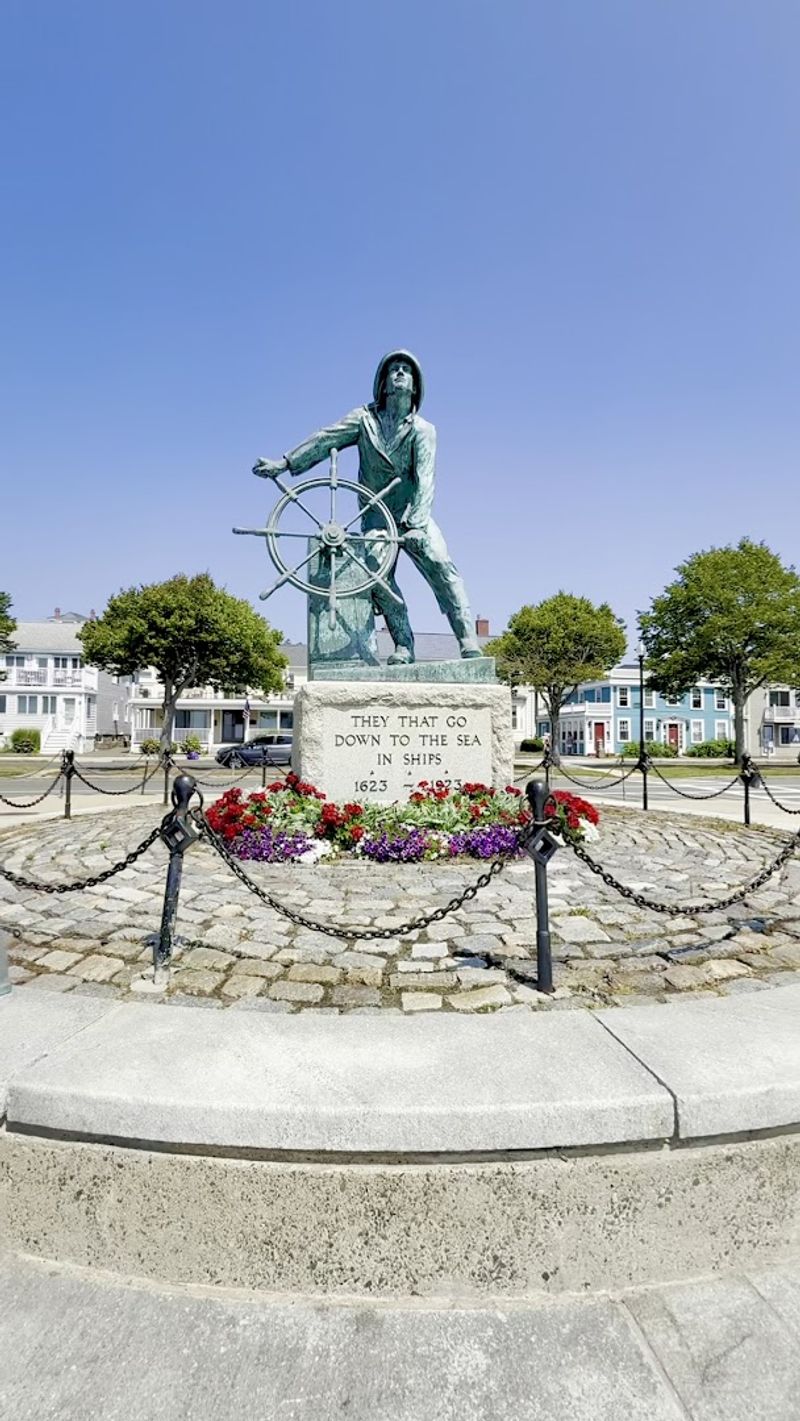
Anniversaries have a funny way of making people stop and reflect on what really matters. When Gloucester prepared to celebrate its 300th anniversary in 1923, city leaders and residents decided the occasion called for something lasting — not just a party, but a permanent tribute to the foundation of the city’s identity: its fishermen.
Fundraising efforts brought the community together in a way that few projects could. Locals, businesses, and civic organizations all contributed to make the memorial a reality.
The shared sense of purpose turned the project into something bigger than a statue — it became a collective act of remembrance.
When the memorial was unveiled, it marked both a celebration of Gloucester’s past and a solemn promise to never forget those who built it through sacrifice. That dual purpose — joy and mourning held together — is part of what gives the memorial its unique emotional power even a century later.
The Perfect Storm Connection Fans Can’t Resist
Fans of the 2000 blockbuster film “The Perfect Storm” have been making pilgrimages to Gloucester ever since the movie hit theaters. The film, starring George Clooney and Mark Wahlberg, dramatized the true story of the Andrea Gail fishing vessel, which was lost in a catastrophic 1991 storm that killed all six crew members.
The Gloucester Fisherman’s Memorial serves as an emotional anchor point for visitors who connect the movie to real history. Standing before the statue after watching that film hits differently — suddenly the drama on screen has faces, names, and a physical place attached to it.
Reviewers consistently mention the memorial in the same breath as the movie, calling it a must-see for anyone moved by the story. One visitor described finally seeing the statue in person after years of wanting to as a moment that “did not disappoint.” Hollywood brought people here, but the real history keeps them coming back.
Whole Families Listed Side by Side on the Plaques
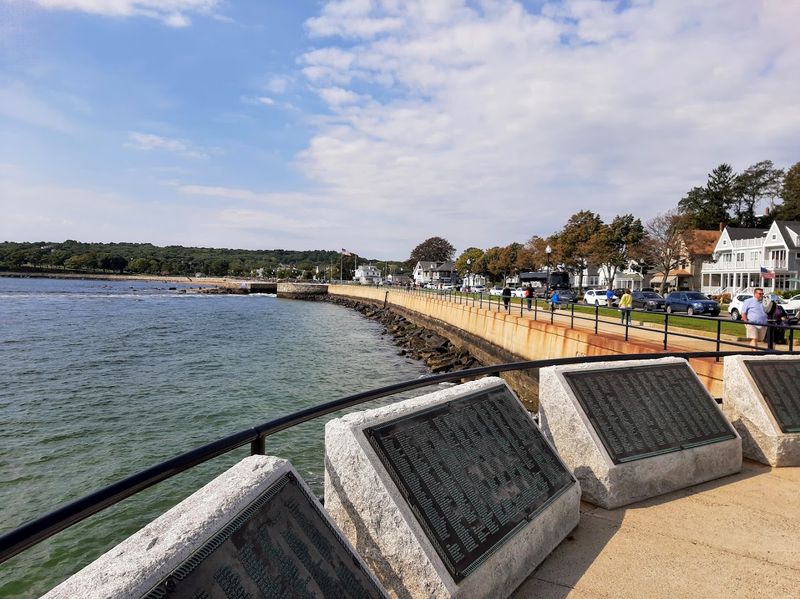
One of the most heartbreaking discoveries visitors make at the memorial is seeing the same family name appear on the plaques over and over again. Brothers, fathers, uncles, and sons — entire bloodlines lost to the same unforgiving sea across different years and different storms.
Fishing was not just a job in Gloucester; it was a family inheritance passed down through generations. Young boys grew up watching their fathers prepare nets and mend boats, fully expecting to follow the same path.
That tradition of pride and belonging came with a devastating risk that too many families paid in full.
One visitor wrote that seeing “some whole families” listed on the memorial made the experience “very touching and sad.” That reaction is almost universal among people who take the time to read the names carefully. The plaques don’t let you keep your emotional distance — they pull you right into the story whether you’re ready or not.
Saint Peter’s Fiesta: Celebration Meets Remembrance
Not everything at the Gloucester Fisherman’s Memorial is solemn. Every summer, the area around the statue erupts with color, music, and competition during Saint Peter’s Fiesta — one of the most beloved and lively traditions in all of New England.
The festival honors Saint Peter, the patron saint of fishermen.
Longboat races and the famous greasy pole competition draw massive crowds both on land and in boats anchored in the harbor. The energy is electric, a joyful counterpoint to the quiet grief the memorial normally inspires.
Watching competitors scramble across a grease-covered pole extended over the water is pure, chaotic fun.
What makes the fiesta so meaningful is how it holds both celebration and remembrance at the same time. Fishermen and their families gather here to honor Saint Peter, to cheer for their neighbors, and to keep the spirit of Gloucester’s maritime community alive and loud.
It’s tradition wrapped in laughter and sea spray.
Fireworks Over the Harbor: A Dazzling Annual Tradition
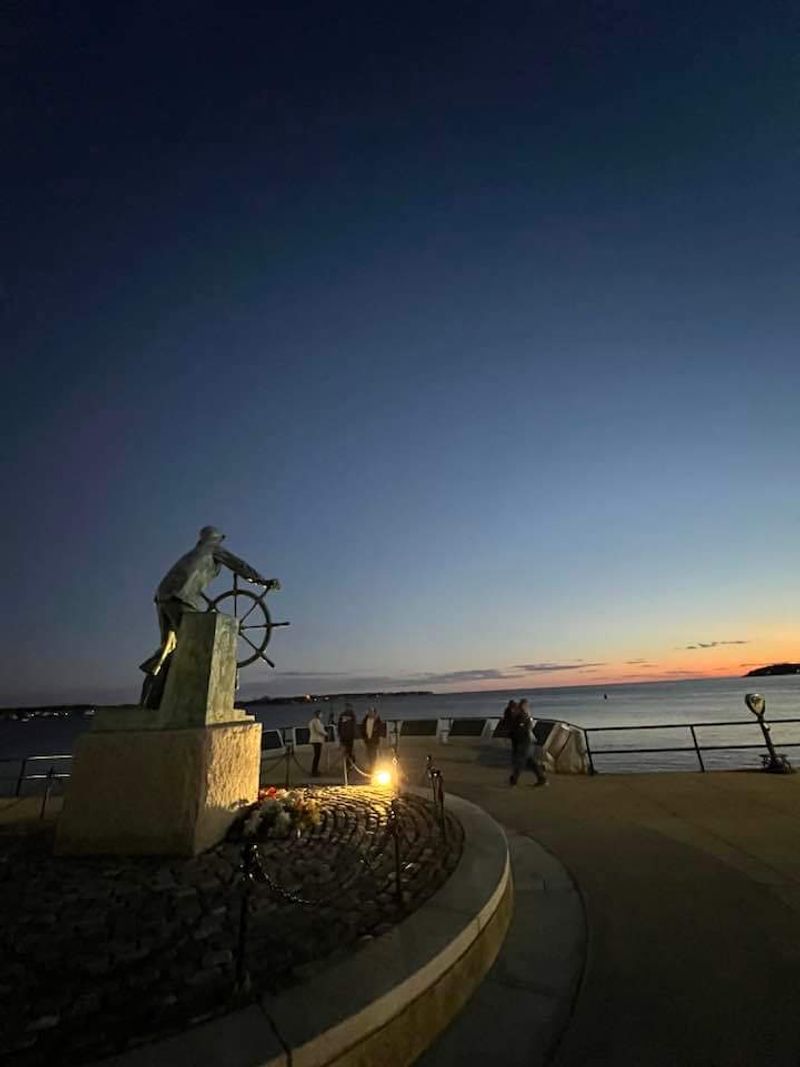
Three times a year, the sky above Gloucester Harbor lights up with fireworks, and the area around the Fisherman’s Memorial becomes one of the best viewing spots in the city. Locals know to arrive early and claim a spot along Stacy Boulevard, where the combination of water reflections and open sky makes the show absolutely spectacular.
There is something deeply poetic about fireworks bursting above a memorial dedicated to men who spent their lives reading the same sky for weather signs. The celebration feels like a tribute layered on top of a tribute — a city expressing its joy and its gratitude all at once.
Visitors who happen to be in town during one of these events often describe it as an unexpectedly moving experience. The beauty of the display, set against the backdrop of the harbor and the silent statue, creates a moment that is hard to put into words but impossible to forget.
Bewitched Actually Filmed Here — Yes, Really
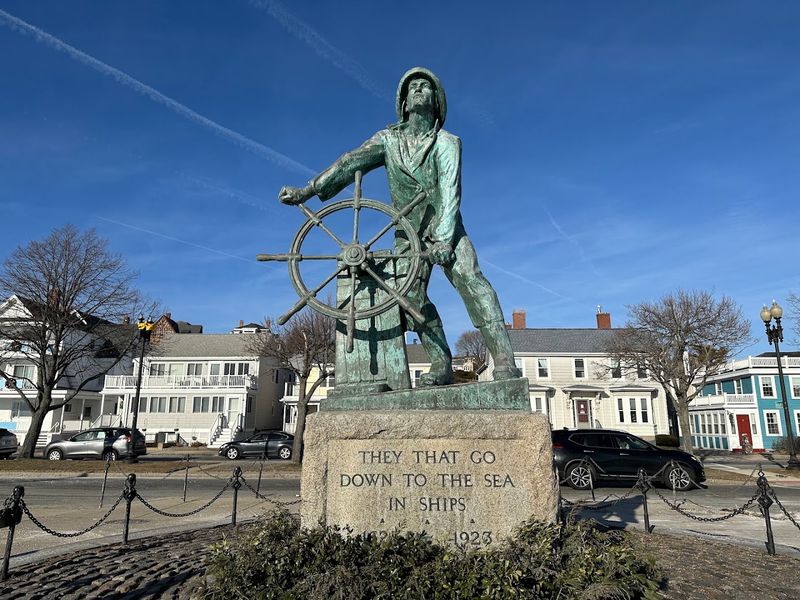
Pop culture has a way of finding the most unexpected places, and the Gloucester Fisherman’s Memorial is no exception. During the seventh season of the classic television show “Bewitched,” the character Darren was magically transformed into this very statue.
It’s a quirky footnote that surprises even devoted fans of the show.
The connection adds a lighthearted layer to the memorial’s story, proof that its iconic image reached far beyond the shores of Massachusetts and into American living rooms during the golden age of television. Not many memorials can claim a starring role in a beloved sitcom.
For visitors who grew up watching “Bewitched” reruns, spotting the statue in person carries an extra little thrill. It’s a reminder that places carry multiple stories at once — some deeply serious, some wonderfully silly.
The Gloucester Fisherman’s Memorial manages to hold all of those stories with equal grace and dignity.
Fresh Flowers Left After Recent Tragedies at Sea
The Gloucester Fisherman’s Memorial is not frozen in the past — it continues to serve as a living place of mourning whenever tragedy strikes. When the fishing vessel Lily Jean went down recently, community members filled the area around the statue with bouquets of flowers, turning the landmark into an active memorial once again.
That ongoing use of the space speaks to how deeply the community still connects with the statue’s meaning. For Gloucester residents, the fisherman at the wheel is not just a historical artifact — he is a neighbor, a symbol of everyone still out on the water today.
One local reviewer described the statue as “the heart of this vibrant city,” noting the vast number of bouquets placed around the figure after the Lily Jean tragedy. Seeing fresh flowers at a century-old memorial is a powerful reminder that some losses never become history — they stay present, raw, and real.
A Waterfront Walk That Puts History Right Under Your Feet
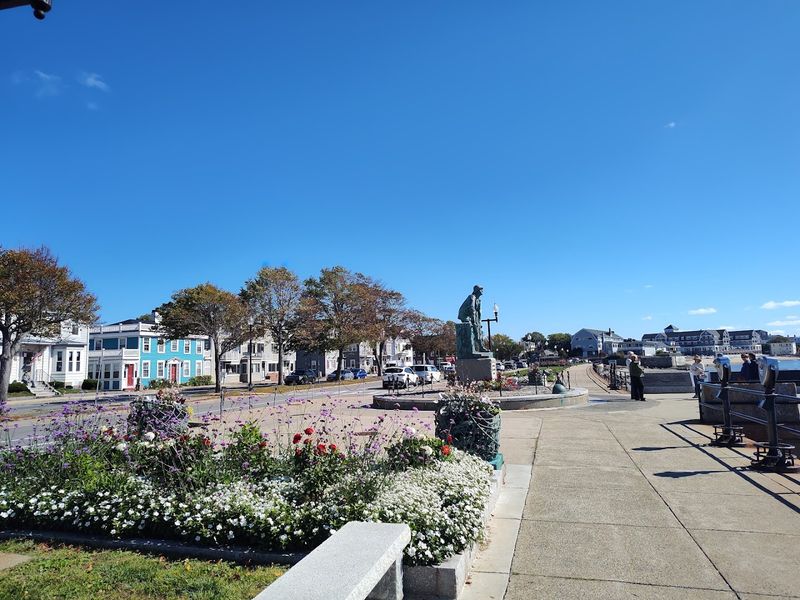
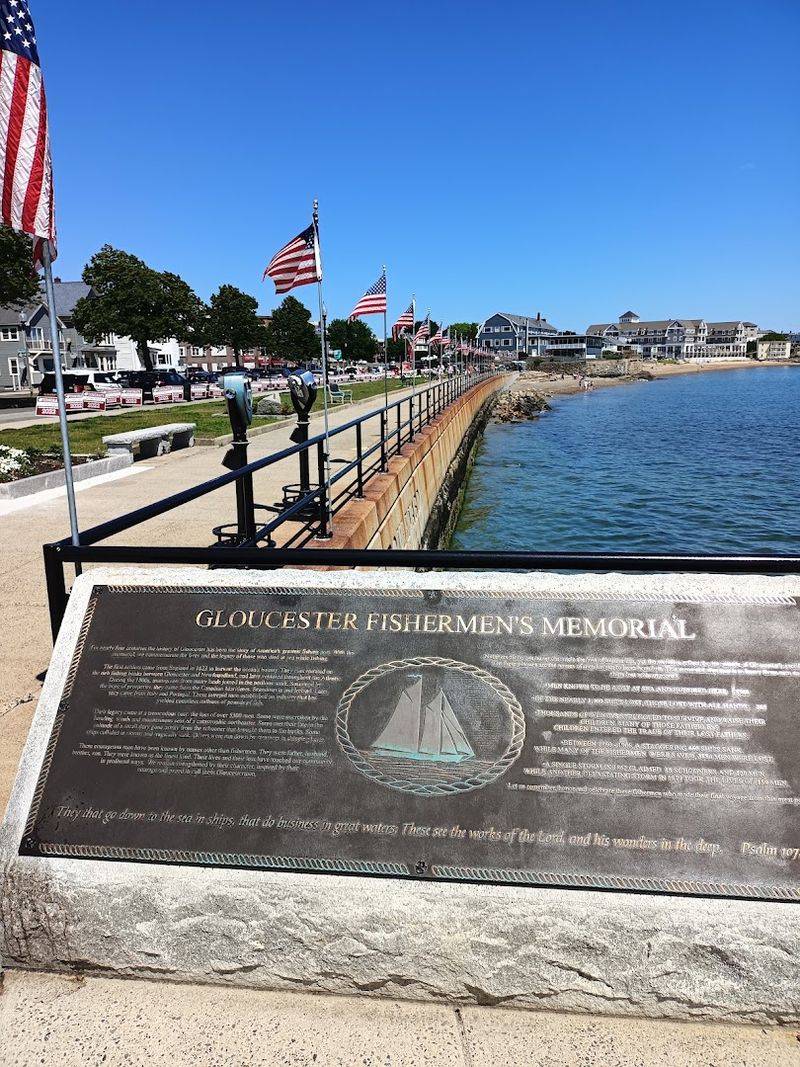
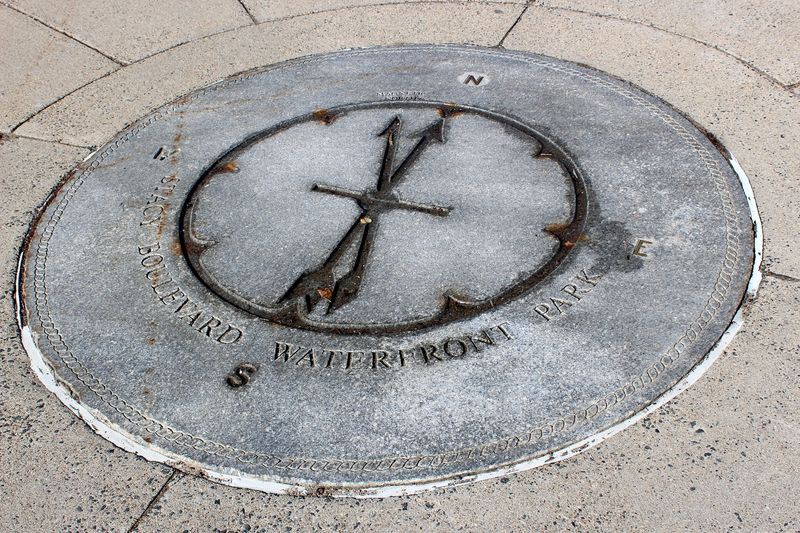
Getting to the Gloucester Fisherman’s Memorial is half the experience. The walk along Stacy Boulevard follows the curve of the harbor, offering stunning views of fishing boats, open water, and the distant horizon that so many fishermen once sailed toward and never returned from.
Flower beds line the path, and benches are placed at regular intervals so visitors can pause, breathe, and take it all in. During summer, American flags flutter along the walkway, adding a patriotic warmth to an already beautiful scene.
The whole route is easy and accessible for walkers of all ages and abilities.
Multiple reviewers have called the walk “breathtaking” and noted that they stopped at the memorial almost by accident — drawn in by the views before they even realized what they were approaching. That organic discovery makes the emotional impact of arriving at the statue feel even more powerful and genuine.
Open Every Hour of Every Day: A Memorial Without Walls
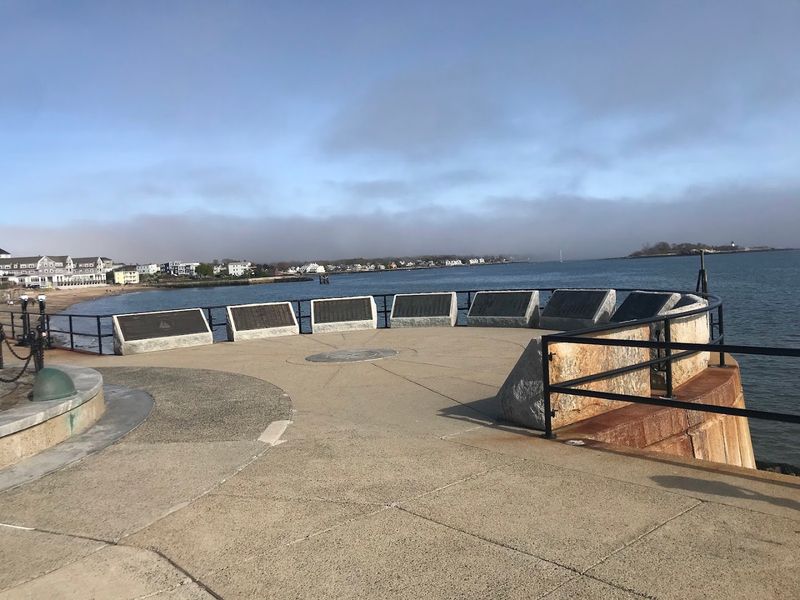
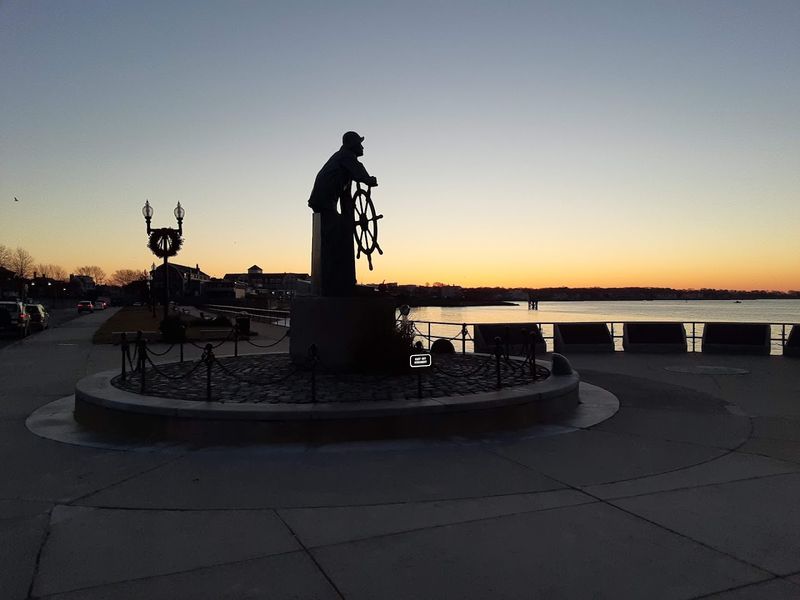
Some of the most powerful moments at the Gloucester Fisherman’s Memorial happen not during peak tourist hours, but in the quiet stillness of early morning or late at night. Because the memorial is open 24 hours a day, seven days a week, anyone can visit at whatever hour feels right for them.
Sailors returning from overnight trips have stopped here before heading home. Grieving families have visited in the middle of the night when they needed somewhere to feel connected to a loved one lost at sea.
The lack of gates or closing times sends a clear message: this place belongs to everyone, always.
That openness reflects something important about what memorials are truly for. They exist not just for organized ceremonies or tourist visits, but for quiet, private moments of reflection whenever they are needed most.
Gloucester understood that from the beginning, and the city has honored it ever since.
Enjoyed this story?
Add Fast Food Club as a preferred source to see more of our reporting on Google.