


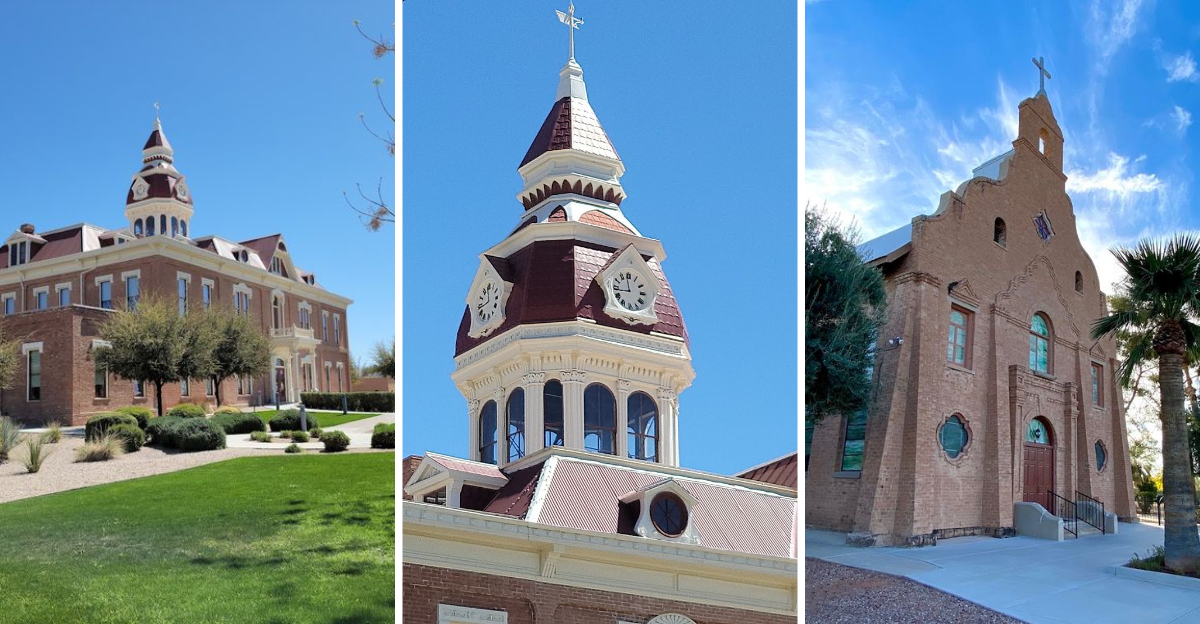
Tucked away in Pinal County, Florence, Arizona is a small town with a surprisingly big past. Founded in 1866, it stands as one of the oldest towns in the county and serves as the county seat.
With more than 25 buildings listed on the National Register of Historic Places, Florence offers a rare window into Arizona’s territorial days. Whether you’re a history buff or just a curious traveler, this town has more layers than most people ever expect.
Florence Was Founded Before Arizona Was Even a State
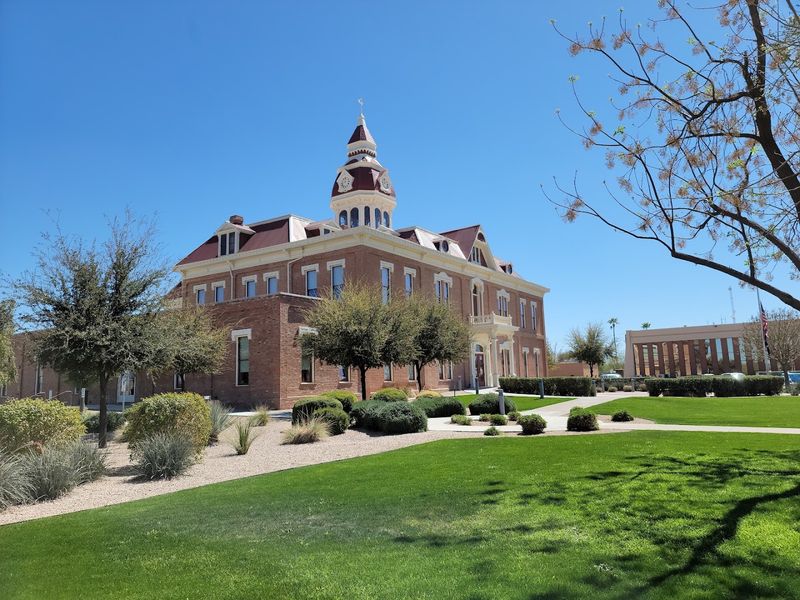
Most people forget that Arizona didn’t become a state until 1912, but Florence was already a thriving settlement by 1866. That’s nearly 50 years of history before statehood even happened.
The town was established along the Gila River, making it a natural stopping point for travelers, traders, and settlers moving through the rugged desert landscape.
Florence quickly became an important hub in the Arizona Territory. Its early growth was fueled by agriculture, mining activity nearby, and its role as a government center.
The town was named after the sister of Governor Richard McCormick’s friend, giving it a surprisingly elegant name for such a frontier outpost.
Walking through Florence today, you can still feel echoes of those early territorial years. The town’s age is part of what makes it so fascinating for anyone who loves American history.
A National Historic District Right in the Heart of Town
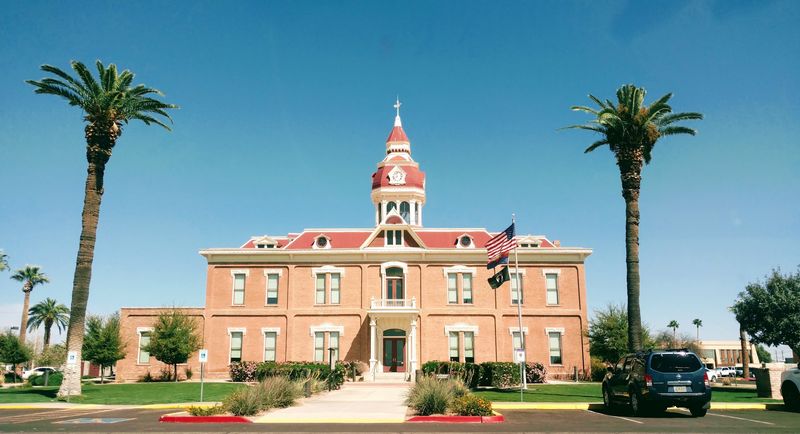
Florence is home to a stunning National Historic District packed with architecture that tells stories spanning over 150 years. More than 25 buildings in this district are listed on the National Register of Historic Places, which is a remarkable number for a town of its size.
Strolling down the streets feels like flipping through a living history book.
The district includes everything from old courthouses to churches and private homes, each one carefully preserved to honor its original character. Many of the structures showcase adobe construction techniques used by early settlers, blending Spanish Colonial and territorial American styles beautifully.
History enthusiasts especially love how well-maintained these buildings are. Florence doesn’t just talk about its past — it actually keeps it standing upright and open for everyone to appreciate.
Few Arizona towns can claim such a concentrated collection of authentic historic architecture.
The Pinal County Courthouse Stands as a True Landmark
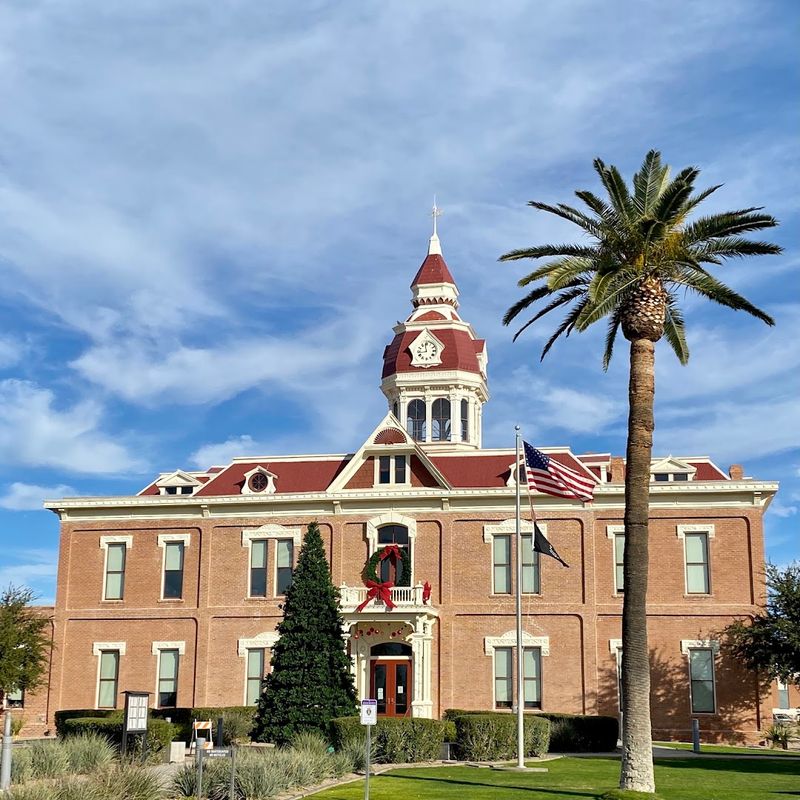
Built in 1891, the Pinal County Courthouse is one of the most recognized landmarks in all of Florence. It served as the seat of county government for over a century and remains a proud symbol of the town’s long-standing role as a civic center.
The building’s territorial-style architecture makes it stand out even among the other historic structures nearby.
What’s especially cool is that the courthouse has been carefully restored over the years while keeping its original character intact. Thick walls, arched windows, and detailed brickwork give it a commanding presence that modern buildings simply can’t replicate.
Visitors often stop to photograph the courthouse because it looks almost exactly as it did more than 100 years ago. For anyone curious about how Arizona governed itself during its early territorial days, this building is a must-see stop in Florence.
McFarland State Historic Park Preserves Layers of Arizona’s Past
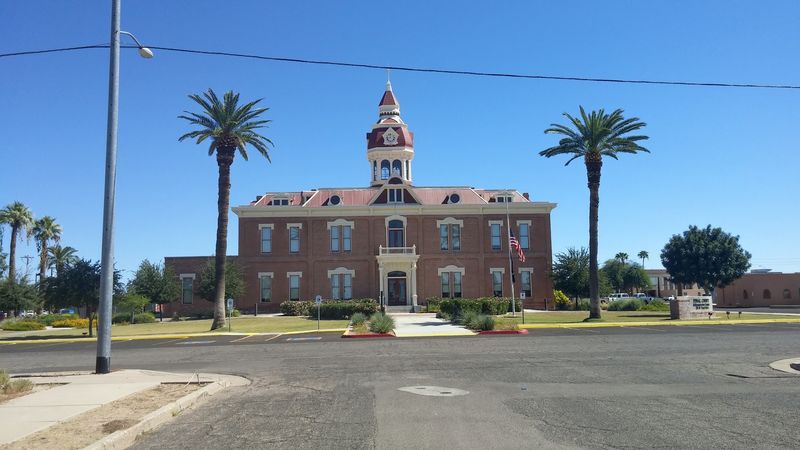
Named after former Arizona Governor Ernest W. McFarland, this state historic park sits right in the center of Florence and covers some seriously interesting ground — literally.
The park’s main building was originally constructed in 1878 as Pinal County’s first courthouse, making it one of the oldest surviving government buildings in Arizona.
Over the decades, the site served multiple purposes, including as a hospital and a prisoner of war camp during World War II. That layered history gives the park a depth that surprises most visitors who wander in expecting just another old building.
Inside, exhibits walk you through each chapter of the building’s life, from territorial justice to wartime operations. McFarland State Historic Park is the kind of place where a single afternoon visit leaves you with a whole new appreciation for how much history can be packed into one small Arizona town.
Over 25 Buildings on the National Register of Historic Places
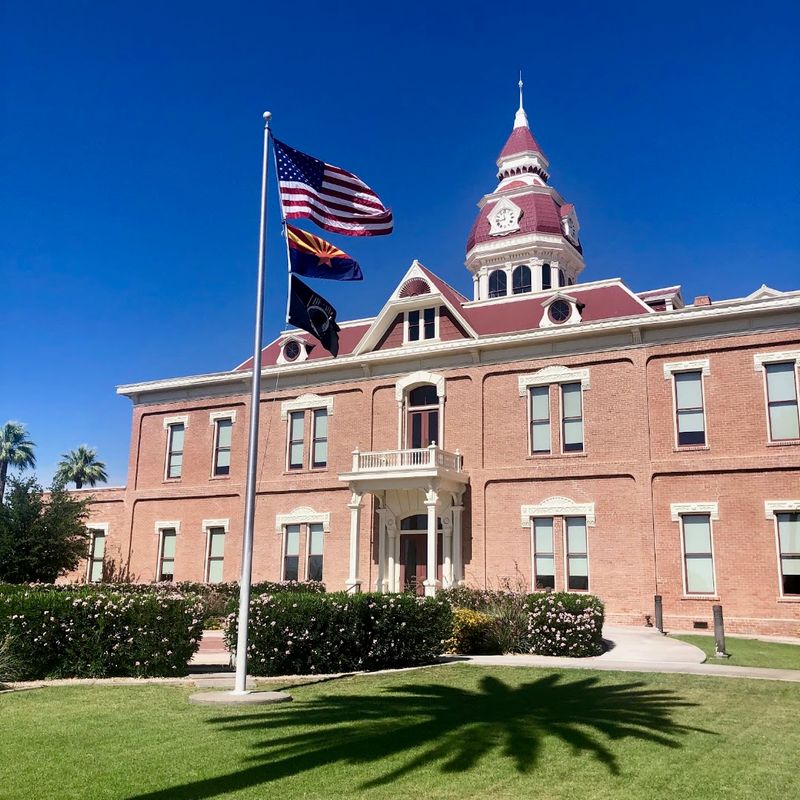
Having more than 25 buildings on the National Register of Historic Places is not something most small towns can brag about — but Florence pulls it off effortlessly. Each registered structure represents a different chapter in the town’s long story, from early pioneer life to Arizona’s territorial government era.
The variety of architectural styles across these buildings is genuinely impressive. You’ll find adobe homes built by early settlers sitting just blocks away from brick commercial buildings that once housed frontier-era businesses.
Together, they create a neighborhood that feels like an open-air museum.
What makes this especially meaningful is that real people still live and work in many of these historic spaces. Florence hasn’t turned its past into a theme park — it has woven history into everyday life.
That authenticity is exactly what keeps curious travelers coming back to explore more of what this remarkable town has to offer.
The Gila River Shaped Florence’s Early Growth
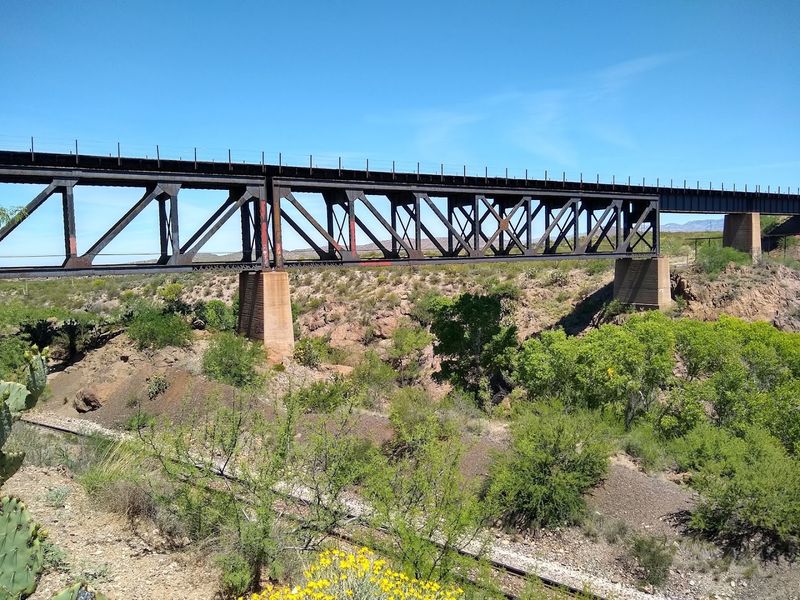
Long before Florence had courthouses or historic districts, it had the Gila River — and that made all the difference. Early settlers chose this location precisely because of the river’s reliable water supply in an otherwise dry and unforgiving desert landscape.
Water meant farming, and farming meant survival.
The Hohokam people had already figured this out centuries earlier, building sophisticated irrigation canals along the Gila River long before European settlers arrived. When pioneers came through in the 1800s, they essentially followed a blueprint that Indigenous communities had already proven worked beautifully in this environment.
Today, the Gila River still flows near Florence, though its role has shifted from a lifeline to a scenic backdrop. Understanding the river’s history helps explain why Florence grew where it did and why it managed to outlast so many other frontier settlements that simply couldn’t sustain themselves in Arizona’s harsh desert climate.
Ancient Hohokam Roots Run Deep Beneath the Desert
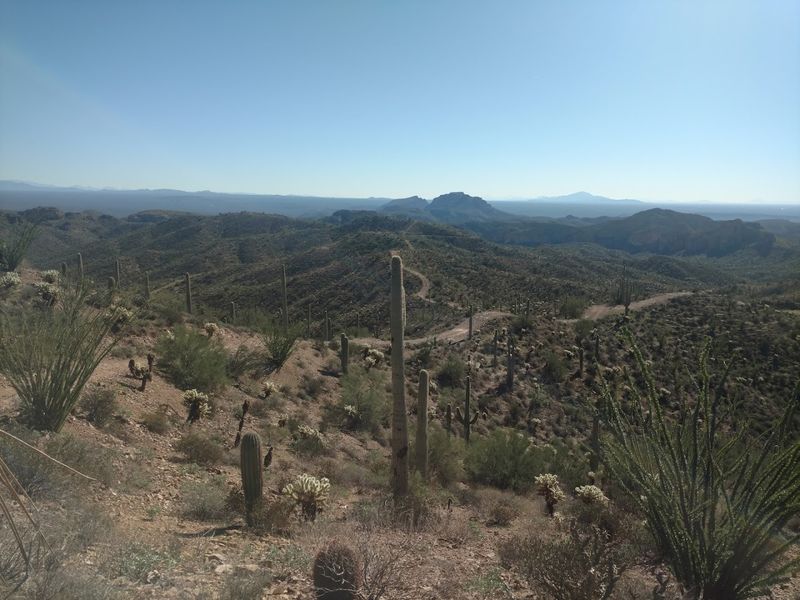
Before any American settler ever set foot in the Florence area, the Hohokam people were already masters of desert living here. They built one of the most advanced irrigation systems in the ancient world, channeling water from the Gila River to grow crops across miles of dry land.
Their engineering was so effective that modern farmers in the region still follow some of those same canal routes today.
The Hohokam thrived in this area for roughly a thousand years before mysteriously declining around 1450 AD. Archaeologists have found evidence of their settlements, pottery, and canal systems throughout Pinal County, giving researchers incredible insight into pre-colonial life in the Southwest.
Florence sits on land that carries this deep Indigenous heritage. Recognizing the Hohokam legacy adds a whole new layer to the town’s already impressive historical timeline, pushing its human story back far beyond the 1800s and into genuinely ancient territory.
Florence’s Adobe Architecture Tells Stories in Every Wall
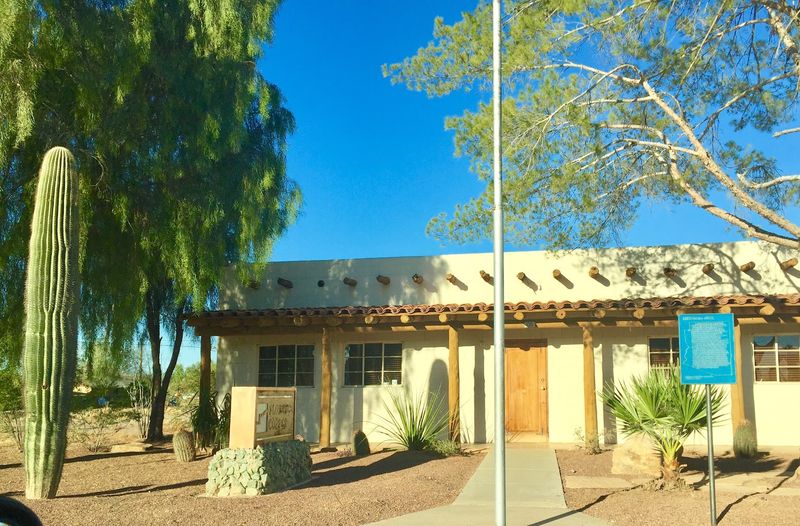
Adobe construction is one of the most distinctive features of Florence’s historic buildings, and it’s more than just a building style — it’s a survival strategy. Thick earthen walls naturally regulate temperature, keeping interiors cool during blazing Arizona summers and warm during chilly desert nights.
Early settlers quickly adopted this technique from Indigenous builders who had perfected it over generations.
Walking through Florence, you’ll notice how many original adobe structures are still standing in excellent condition. Some date back to the 1870s and 1880s, yet their walls remain solid and sturdy.
That durability is a testament to the skill of the craftspeople who built them.
Preservation groups in Florence have worked hard to maintain these structures rather than replace them with modern construction. The result is a townscape that genuinely looks and feels like territorial Arizona, giving visitors a sensory experience that photographs alone simply cannot capture.
The Town Served as a Stop on the Old Butterfield Overland Mail Route
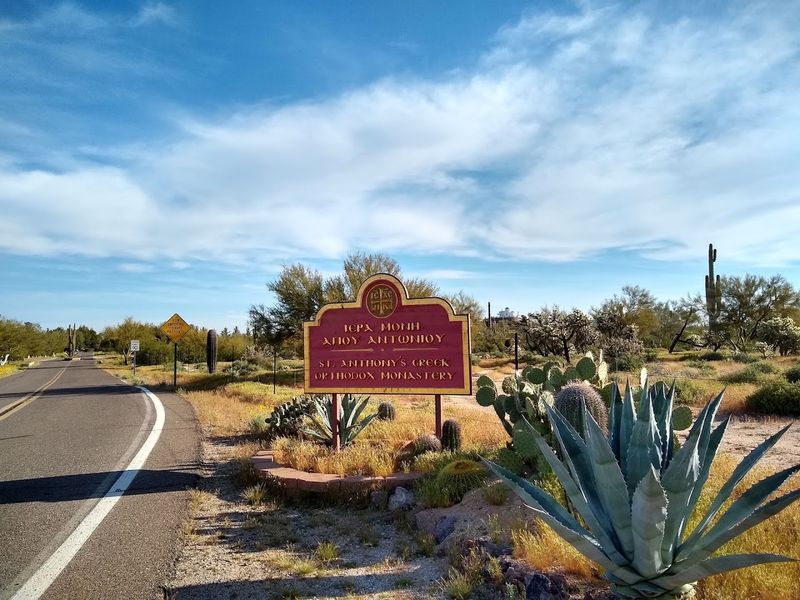
Back in the mid-1800s, getting mail across the American Southwest was a serious logistical challenge. The Butterfield Overland Mail route was one of the boldest solutions to that problem, running stagecoaches through some of the most rugged terrain in the country.
The Florence area sat along this critical corridor, making it a recognized waypoint for travelers and mail carriers crossing Arizona.
Stagecoach stops like those near Florence weren’t just postal facilities — they were lifelines. Passengers could rest, eat, and water their horses before continuing through miles of unforgiving desert.
The social and economic activity these stops generated helped small settlements like Florence grow faster than they otherwise would have.
Knowing that mail coaches once rattled through this quiet town adds an adventurous chapter to Florence’s story. It connects the community to the broader history of westward expansion and the daring effort to link America’s coasts during a transformative era.
Florence Has Been the Pinal County Seat Since 1875

Earning the title of county seat is a big deal for any small town, and Florence has held that honor since 1875. Being the county seat meant Florence was the center of legal, governmental, and civic life for the entire surrounding region.
Courts met here, deeds were recorded here, and major decisions about the area’s future were made right on these streets.
That status brought steady growth and investment to Florence at a time when many Arizona settlements were struggling to survive. Government buildings, hotels, and businesses followed, giving the town an infrastructure that outlasted many of its frontier-era competitors.
Florence still serves as the Pinal County seat today, which means its governmental role has never really ended. For a town that has been around since the 1860s, that kind of institutional continuity is genuinely rare and speaks volumes about the community’s resilience and lasting importance in Arizona’s development.
Historic Churches Add Spiritual Depth to the Town’s Story
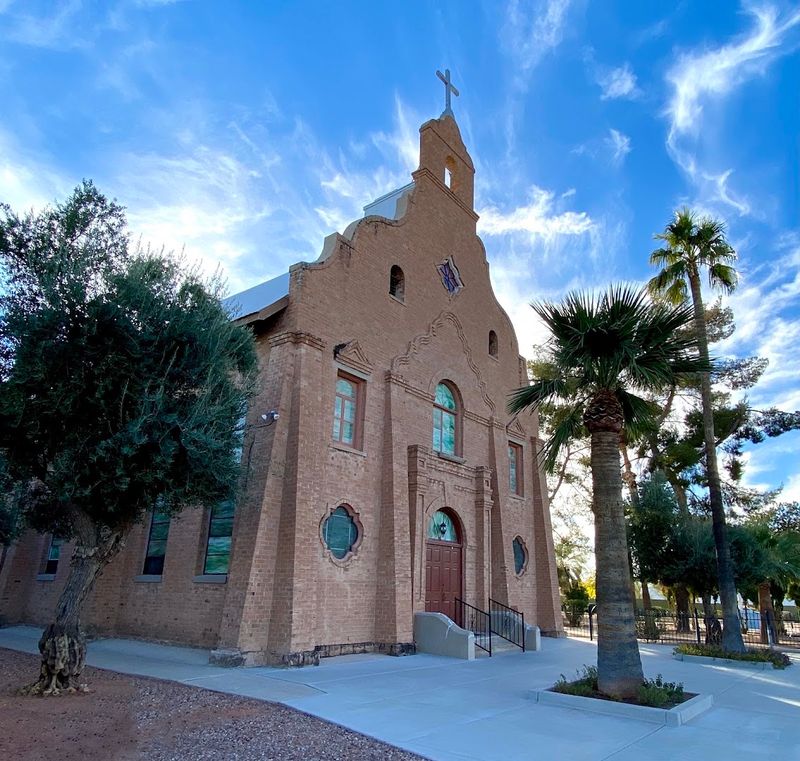
Religion played a central role in frontier life, and Florence’s historic churches are living proof of that. Several of the town’s oldest churches are listed on the National Register of Historic Places, reflecting how important faith communities were to early settlers trying to build stable lives in the desert Southwest.
The architecture of these churches is genuinely beautiful. Many feature thick adobe walls, hand-carved wooden details, and bell towers that have been ringing over Florence for well over a century.
Standing outside one of these buildings, it’s easy to imagine the community gatherings and ceremonies that have taken place there across generations.
Beyond their architectural appeal, these churches represent the diverse cultural backgrounds of Florence’s early residents, including Mexican, Anglo-American, and other communities who all contributed to the town’s character. Their continued presence in Florence is a quiet but powerful reminder of the human stories woven into every corner of this remarkable place.
Mining History Played a Major Role in the Region’s Growth
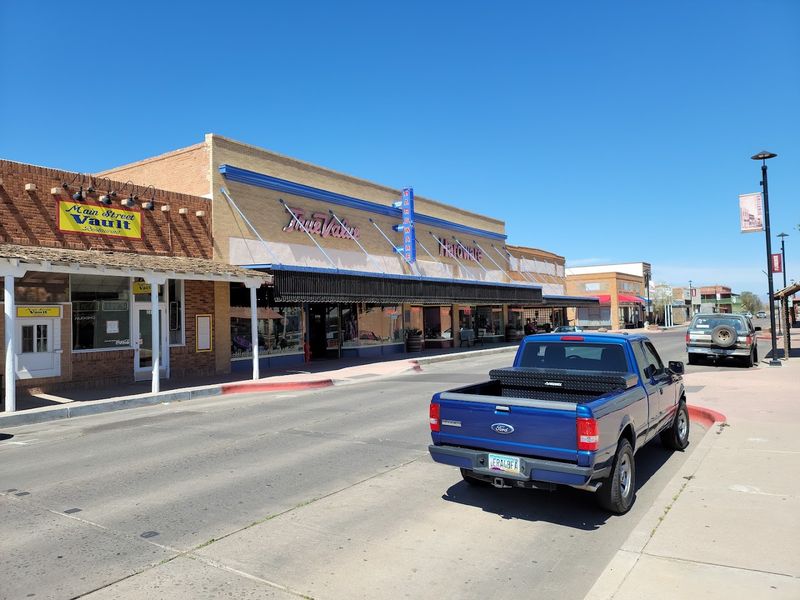
Gold and silver fever swept through Arizona in the 1800s, and the region around Florence was no exception. Nearby mountain ranges held promising mineral deposits that drew prospectors from across the country, pumping energy and money into the local economy.
Florence benefited enormously as a supply and services hub for the surrounding mining camps.
General stores, blacksmiths, saloons, and boarding houses all thrived in Florence partly because miners needed somewhere to spend their earnings and restock their supplies. The boom-and-bust cycles of mining shaped the town’s growth in ways that are still visible in its historic commercial buildings.
Even after the major mining rushes faded, Florence retained its economic foundation because of its government role and agricultural base. The mining era left behind stories of ambition, risk, and occasional fortune that add a rugged, adventurous dimension to what is already an impressively layered small-town history.
Florence Today Balances Small-Town Charm With Living History
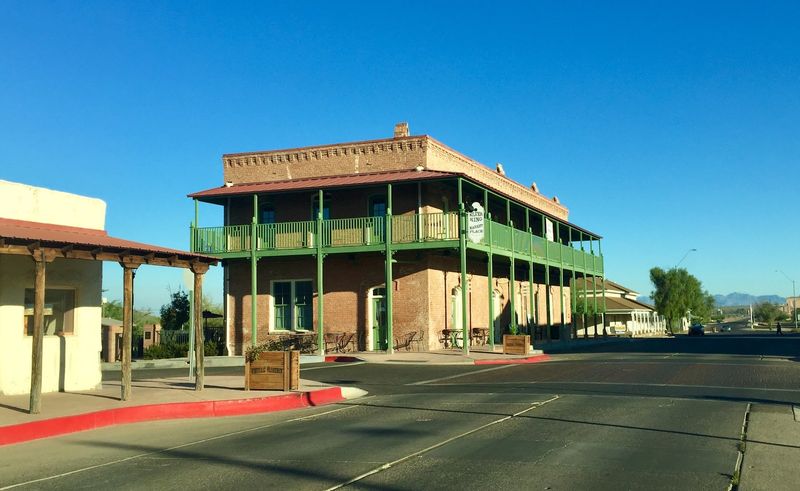
One of the most refreshing things about Florence today is how naturally it blends the old with the everyday. You won’t find a commercialized tourist trap here — instead, you’ll find real residents going about their lives in a town that happens to be surrounded by authentic 19th-century architecture.
That combination of genuine community and rich history is increasingly rare.
Local events, small businesses, and community pride keep Florence feeling alive rather than frozen in time. The town hosts annual festivals and heritage celebrations that draw visitors from across Arizona and beyond, all eager to connect with a place that takes its past seriously without being stuffy about it.
For anyone looking to explore Arizona beyond the big cities, Florence is an easy and rewarding day trip. Bring comfortable shoes, a curious mind, and a camera — because this charming town will give you more history per square mile than almost anywhere else in the entire state.
Enjoyed this story?
Add Fast Food Club as a preferred source to see more of our reporting on Google.