


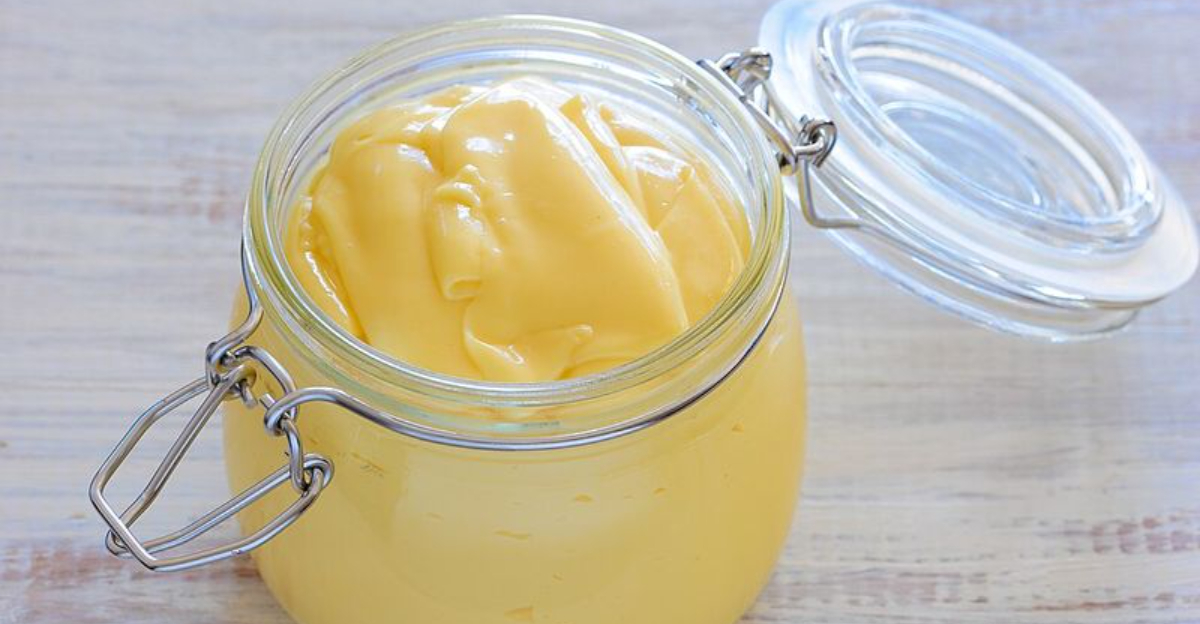
You grab the same brands you grew up with, expecting the same taste and comfort. But behind familiar labels, quiet tweaks have changed what ends up on your plate.
From shrinkflation to ingredient swaps, many staples are not quite what they used to be. Here is how your everyday favorites have evolved, and what to watch for next trip.
Breakfast cereal
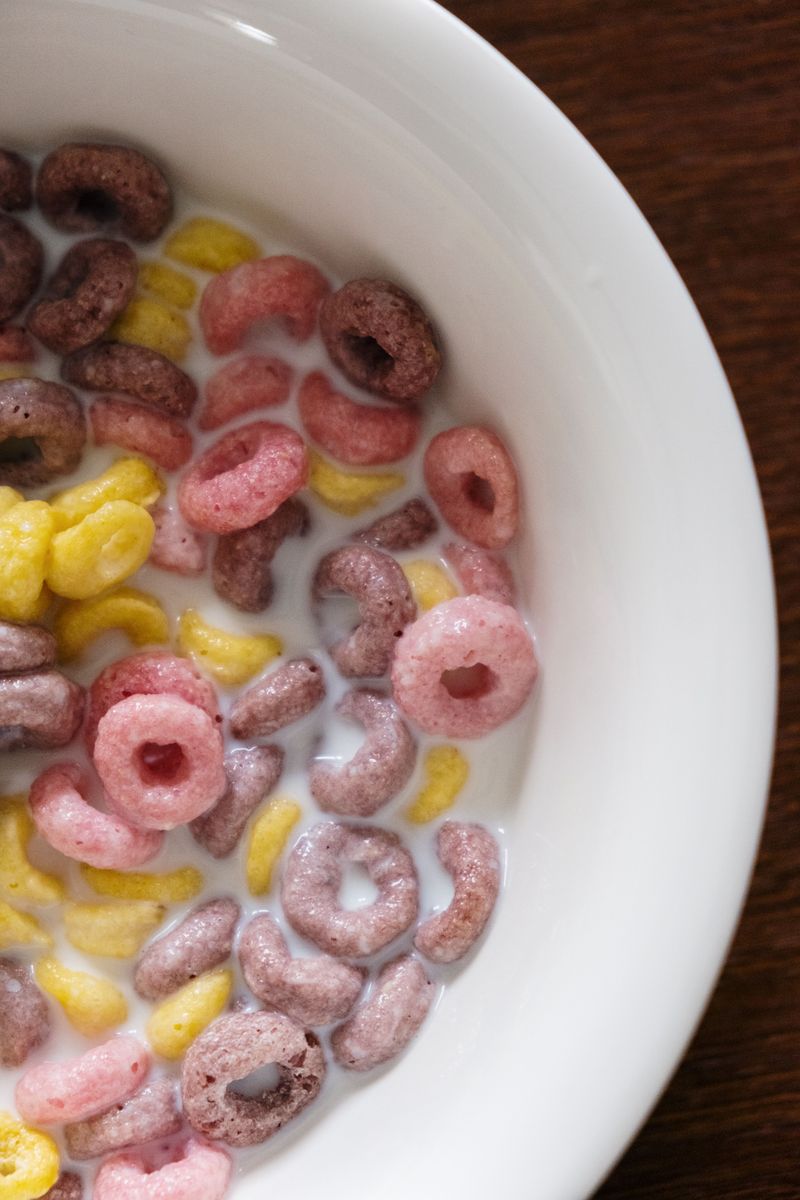
That familiar box still smiles at you, yet the flakes inside feel lighter, sweeter, and somehow less satisfying. Recipes shifted toward cheaper grains, extra sugar, and added protein isolates that change crunch and soak faster in milk.
Portions shrank, too, so the same bowl suddenly empties quicker.
Fiber once came from whole grains, now it often arrives via chicory root or processed bran. Vitamins are sprayed on differently, and artificial colors quietly gave way to concentrates that dull over time.
You still recognize breakfast, but the experience has drifted toward dessert, engineered to taste nostalgic while costing manufacturers a little less.
Potato chips
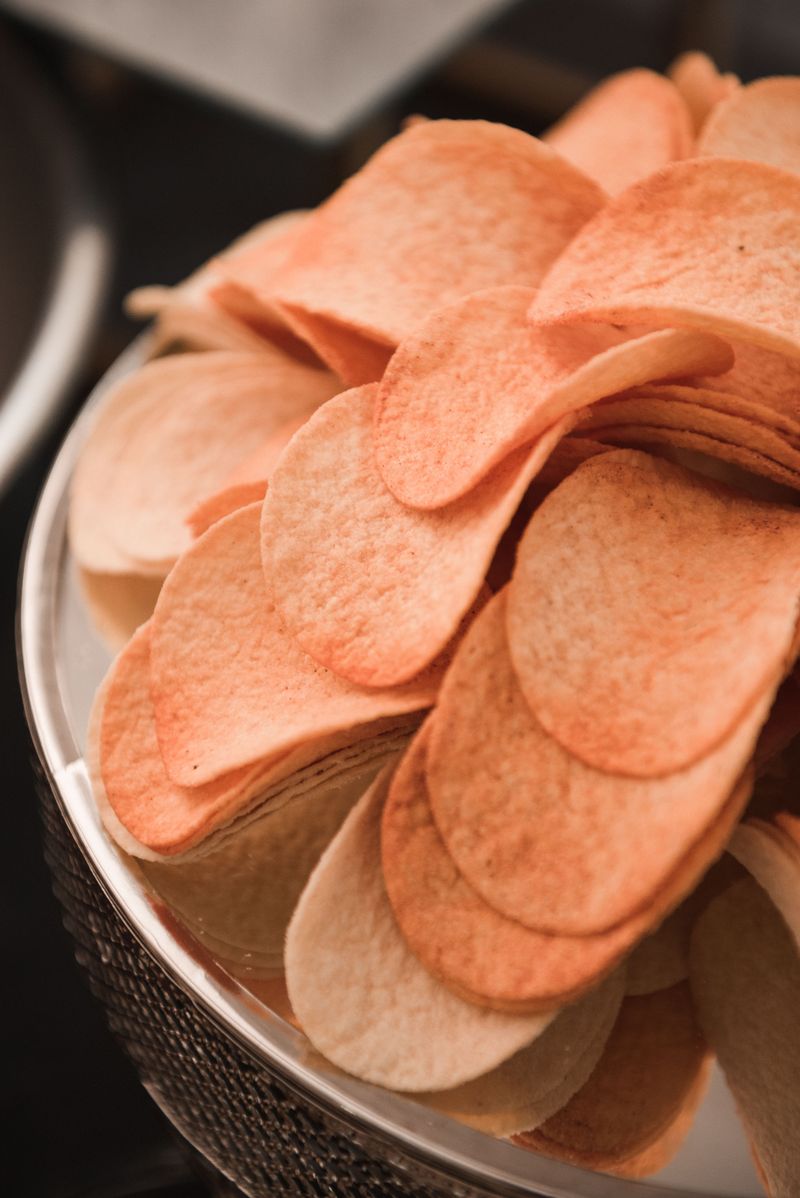
The bag looks identical, yet the chips inside break easier and taste saltier. Reformulated oils, like high oleic blends, altered the crunch, while fine seasoning powders stick harder to thinner slices.
Air space expands as net weight inches down, so you finish sooner and crave another bag.
Manufacturers chase consistent color with specific potato varieties and enzyme treatments that mute natural variation. Batches fried cooler deliver less browning but also less hearty flavor.
You still hear that snap, but the bite feels wispy, engineered for loud crunch with less potato. It is the same logo, only a different snack experience.
Chocolate bars
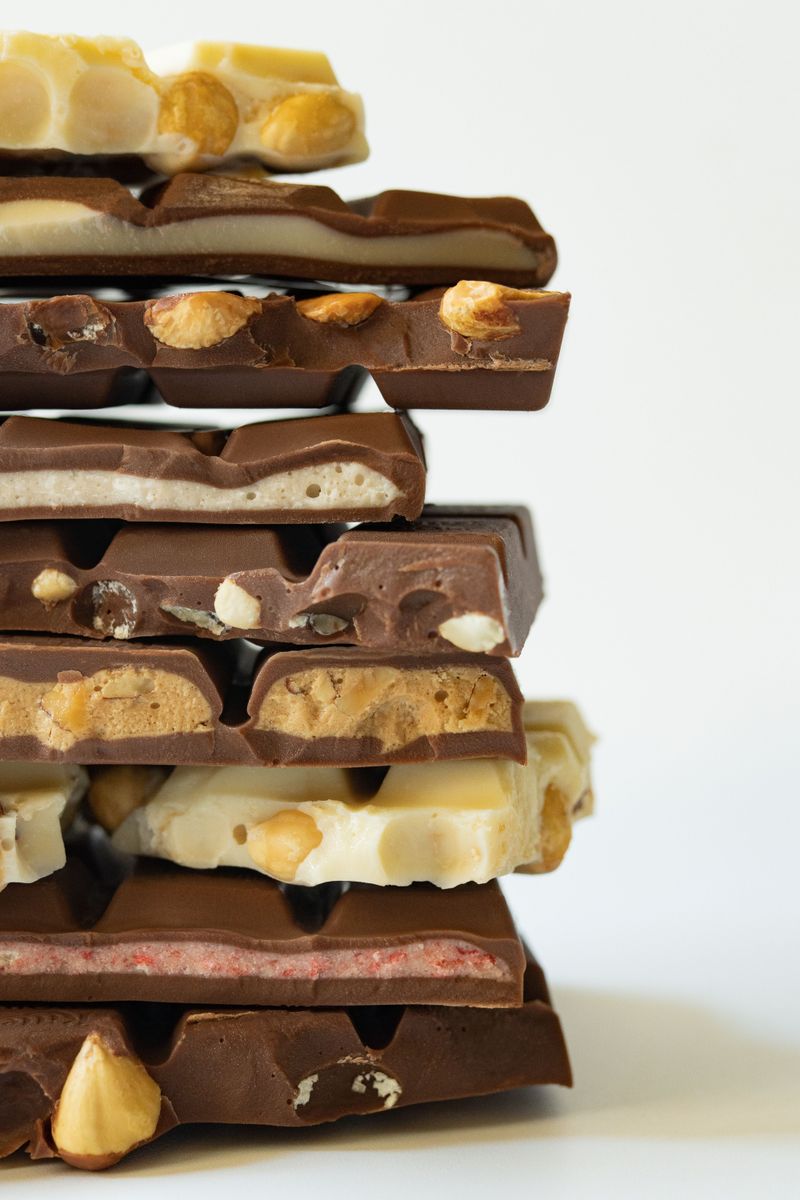
Unwrap your favorite bar and the snap sounds familiar, but the melt tells a new story. Cocoa percentages shifted, sugar climbed or fell, and added emulsifiers tweak texture so it feels smoother yet finishes quicker.
Some bars use more milk powder or palm oil to control cost without announcing it loudly.
Shapes subtly changed, too, with thinner squares or aerated centers creating volume without weight. Flavors lean sweeter, with vanilla notes masking lighter cocoa body.
You still recognize the wrapper, but the balance of bitterness, creaminess, and linger has moved. It is comfort chocolate, redesigned to stretch ingredients while keeping memories intact.
Ice cream

The pint still promises indulgence, yet the first scoop lifts too easily. More overrun means extra air, giving a fluffy texture that melts faster and tastes lighter.
Stabilizers and gums keep scoops pretty while replacing some cream, shifting richness into sweetness. Your spoon glides, but the depth of dairy has thinned.
Vanilla changed from beans to natural flavors, and cocoa mixes smooth flavor while cutting cost. Seasonal swirls add excitement, though they also distract from simpler, denser bases.
Labels now whisper ultrafiltered milk or sugar alcohols. It is still ice cream night, just optimized for scoopability, shelf life, and a breezy, Instagram friendly scoop.
Frozen pizza
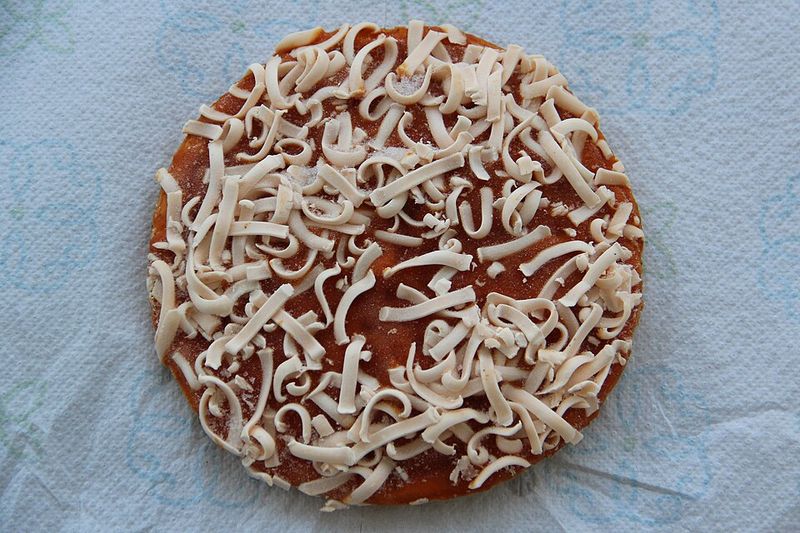
Slide a frozen pie into the oven and the crust puffs beautifully, yet it chews like bread more than pizza. Reformulated doughs use added sugars and conditioners to brown quickly and freeze cleanly.
Cheese blends lean on starches and oils for stretch, while toppings include formed meats shaped to look generous.
Sauce tastes brighter but thinner, designed to spread evenly in factory lines. The circle looks abundant, yet weights quietly crept downward.
You still get game night pizza, only engineered for speed, visual appeal, and reliable bake across ovens. It satisfies, but the old corner slice soul feels farther away.
Sandwich bread
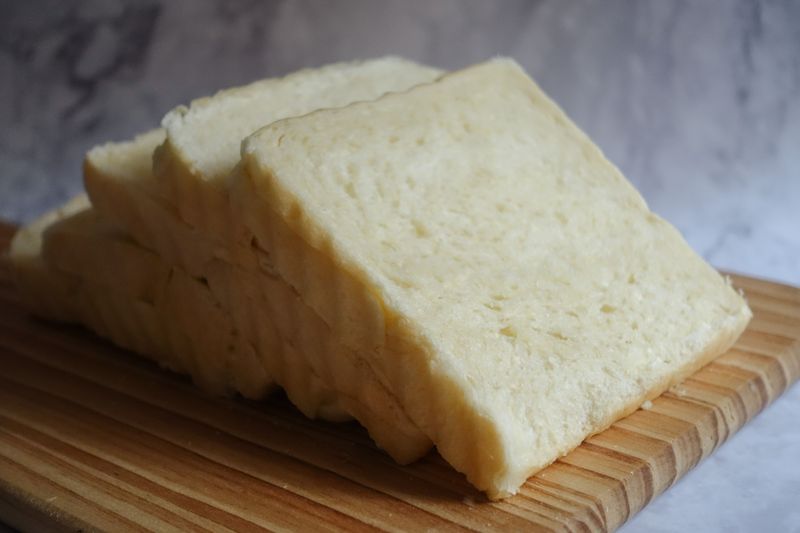
The loaf stands taller in the bag, yet each slice squishes flat with a gentle press. Dough conditioners, extra sugar, and refined oils create a plush crumb that toasts quickly but goes stale faster.
Added fibers like inulin boost numbers without restoring whole grain character. Your sandwich stacks neatly, though flavor stays faint.
Weights eased downward while slice count rose, making bread feel abundant but lighter. Preservatives stretch shelf life, trading sourdough tang for uniform mildness.
It is still lunchbox perfect, only tuned for softness over substance. Toast helps, yet the honest chew you remember has been quietly engineered out.
Peanut butter
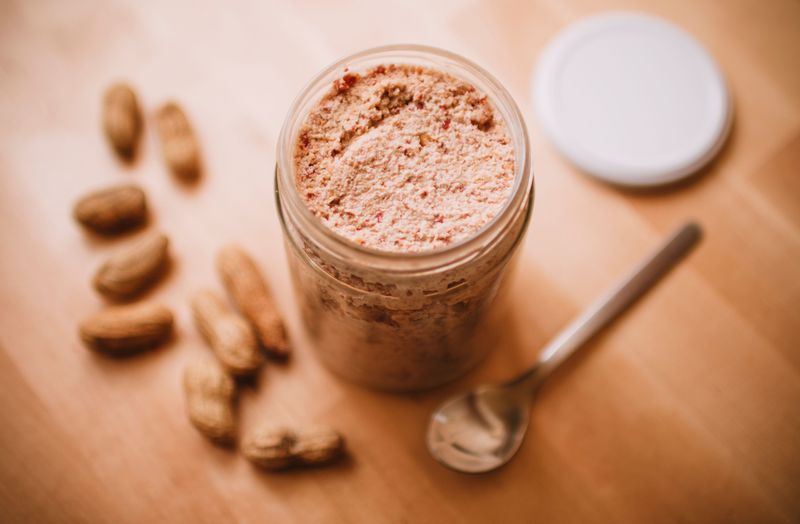
The jar opens smooth, almost glossy, and oil barely rises anymore. Many mainstream jars now include palm oil stabilizers and sugars that tame separation and boost spreadability.
The roast can taste lighter, masking peanutty depth with sweetness and salt. Stir less, spread easier, lose some complexity.
Natural options changed too, with grind size adjusted to feel creamier and labels highlighting protein more than ingredients. Portion sizes shrank while jar shapes stayed familiar.
You still love the ritual, but the finish sticks faster and washes away quicker. It is nostalgia on toast, engineered for convenience and a tidy pantry shelf.
Yogurt
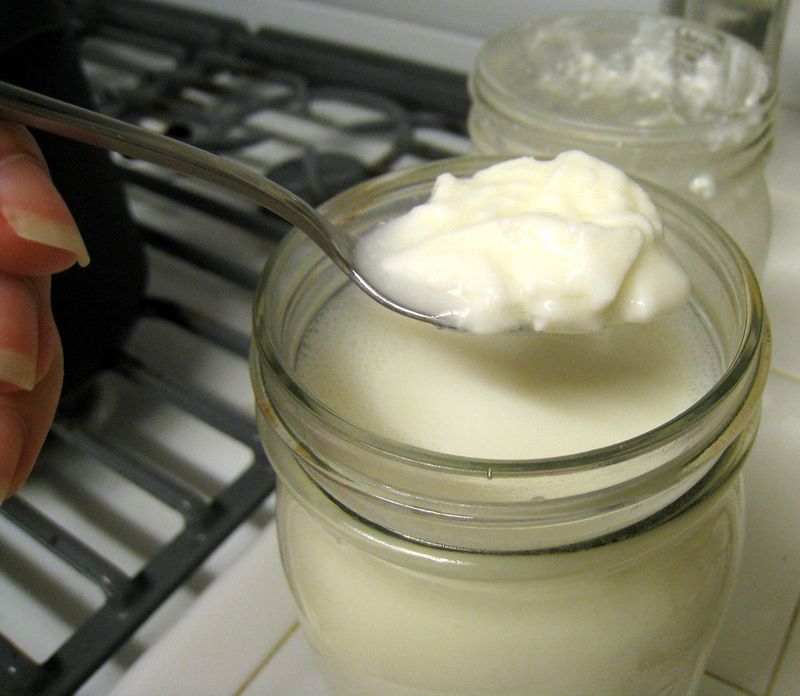
Peel the lid and the surface gleams, thicker than you remember. Straining or added milk proteins pump up body, while stabilizers keep fruit neat and glossy.
Cultures shifted toward milder profiles as sweetness rose, softening tang into dessert territory. High protein claims lead, old world sour takes a back seat.
Fruit often arrives as puree with concentrates and color from vegetables, not whole chunks. Portions trimmed subtly, yet toppings like granola clusters add buzz and sugar.
You still feel virtuous eating it, but the cup leans candy bar with probiotics. Breakfast survived, just optimized for texture, macros, and shelf sparkle.
Crackers
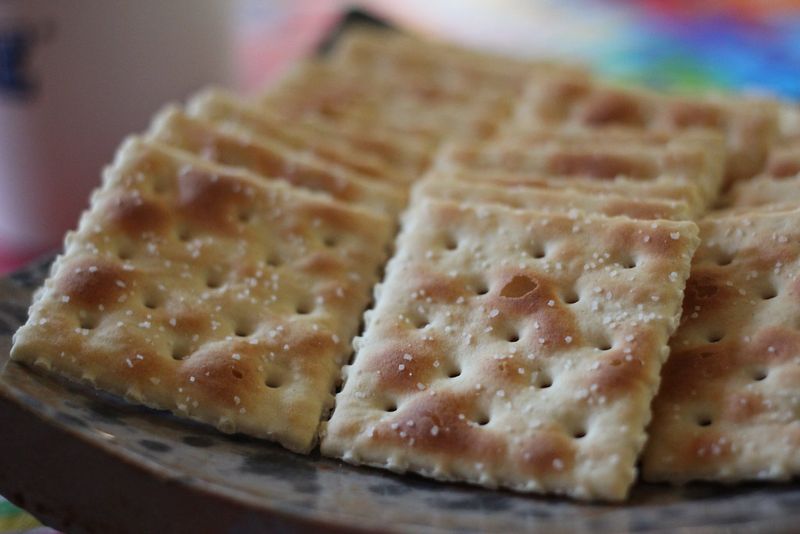
The crunch still snaps, yet crumbs turn to powder faster. Thinner bakes, added starches, and fine seasoning powders replace the hearty, toasty bite many crackers once had.
Oil types changed to keep color even and oxidation low. Net weights nudged downward while boxes stayed reassuringly familiar in size.
Whole grain flags appear, sometimes powered by added fiber instead of richer flours. Shapes sharpened for machine handling, not cheese board romance.
Salty dust delivers excitement up front, then fades quickly. You still stack them for dips, but the underlying cracker tastes lighter, engineered for crispness, shelf stability, and precise factory line runs.
Cookies
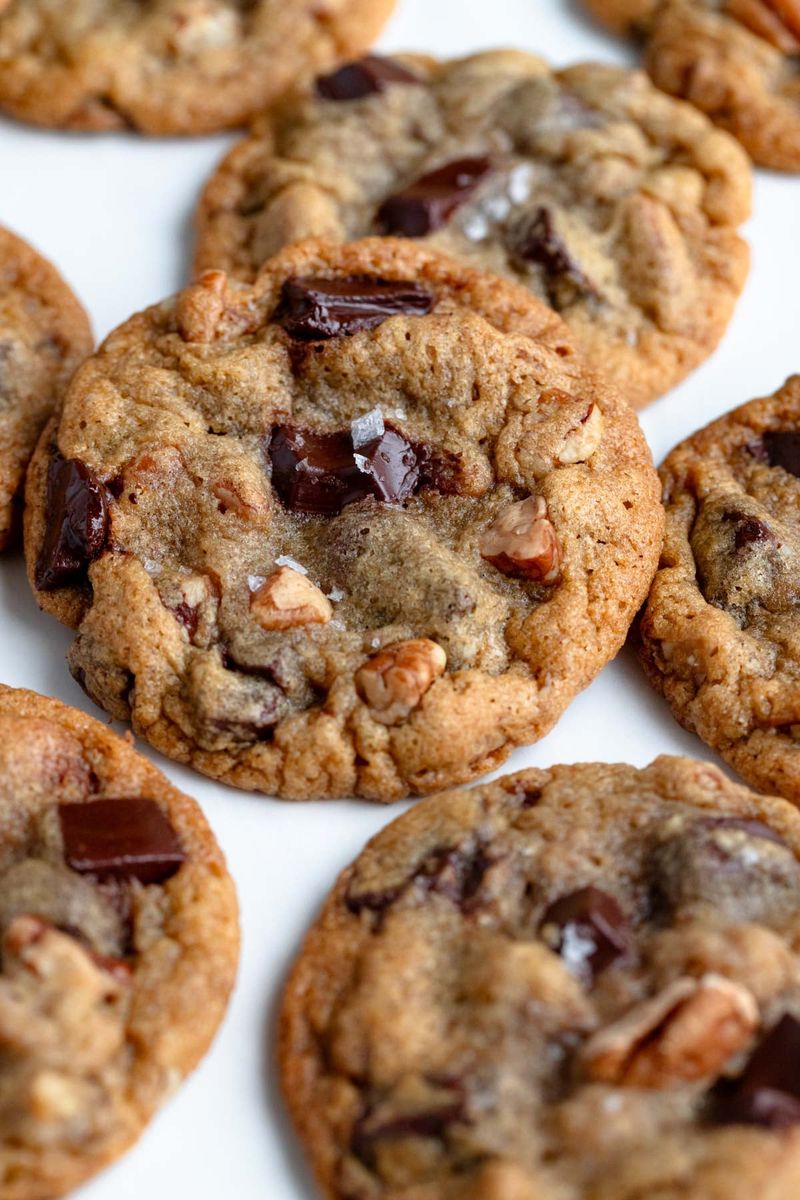
The cookie looks the same but feels softer, even days after opening. Reformulated fats and humectants lock in moisture, tipping textures toward cake-like.
Chocolate chips can be flatter and sweeter, engineered to hold shape without deep cocoa. Serving sizes shrank while counts stayed comforting, so the sleeve seems endless yet finishes sooner.
Flavors got bolder up front, thanks to artificial vanillas and toasted notes, then fade faster. Browning is consistent, but that homemade chew went missing.
You still dunk happily, only now it is optimized softness and a controlled crumble. The label did not change much, the bite certainly did.
Orange juice

The color still glows sunrise bright, yet the taste reads flatter. Pasteurization, storage, and blending create consistent flavor year round, sometimes using flavor packs to restore aroma.
Many cartons shifted between from concentrate and not from concentrate, with sweetness managed to target a number, not a grove.
Pulp now appears as reconstituted bits to sell freshness, and calcium adds a health halo. Cartons slimmed while prices climbed.
You still picture orchards, but the glass speaks more to controlled consistency than seasonal fruit. Breakfast feels familiar, yet the zingy, just-squeezed spark has been carefully engineered into smooth, predictable, supermarket sunshine.
Bacon
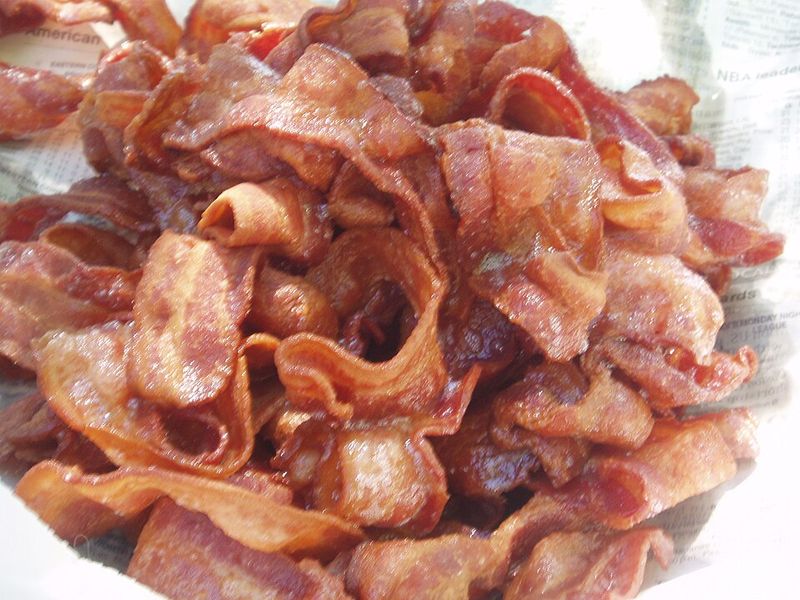
Lay out strips and notice they stretch longer but cook down smaller. Water and injected solutions help with curing and uniformity, yet they steam before they sizzle.
Fat renders fast, leaving a crisp that shatters rather than chews. Smoke flavor often comes from liquid smoke instead of traditional wood.
Thick cut options exist, but even they can lean wet and sweet. Packages sometimes hide fewer slices behind familiar branding.
You still chase that Saturday aroma, only the skillet whispers shortcuts. The bacon looks like yesterday, tastes like today, shaped for speed, shelf life, and picture perfect strips on breakfast plates.
Coffee
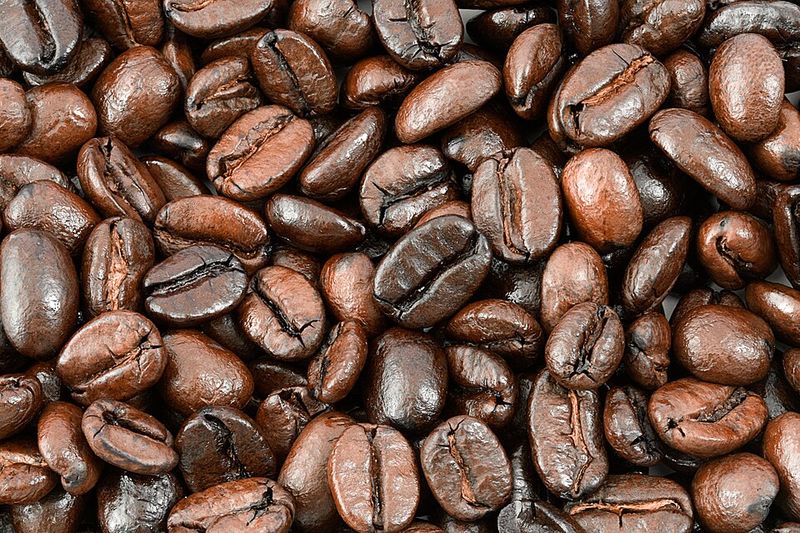
Your morning mug smells comforting, but the cup tastes simpler. Blends shifted to stabilize supply and price, smoothing edges while muting origin character.
Roast profiles moved lighter for acidity or darker for consistency, depending on brand strategy. Pre-ground coffee leans finer, delivering big aroma fast but staling quickly.
Flavored varieties mask variability with vanilla or caramel notes. Package sizes shrank quietly while freshness valves and buzzwords multiplied.
You still get caffeine and calm, though the nuanced fruit or cocoa you remember now feels generalized. It is reliable coffee, engineered to taste the same everywhere, every time, at acceptable cost.
Butter
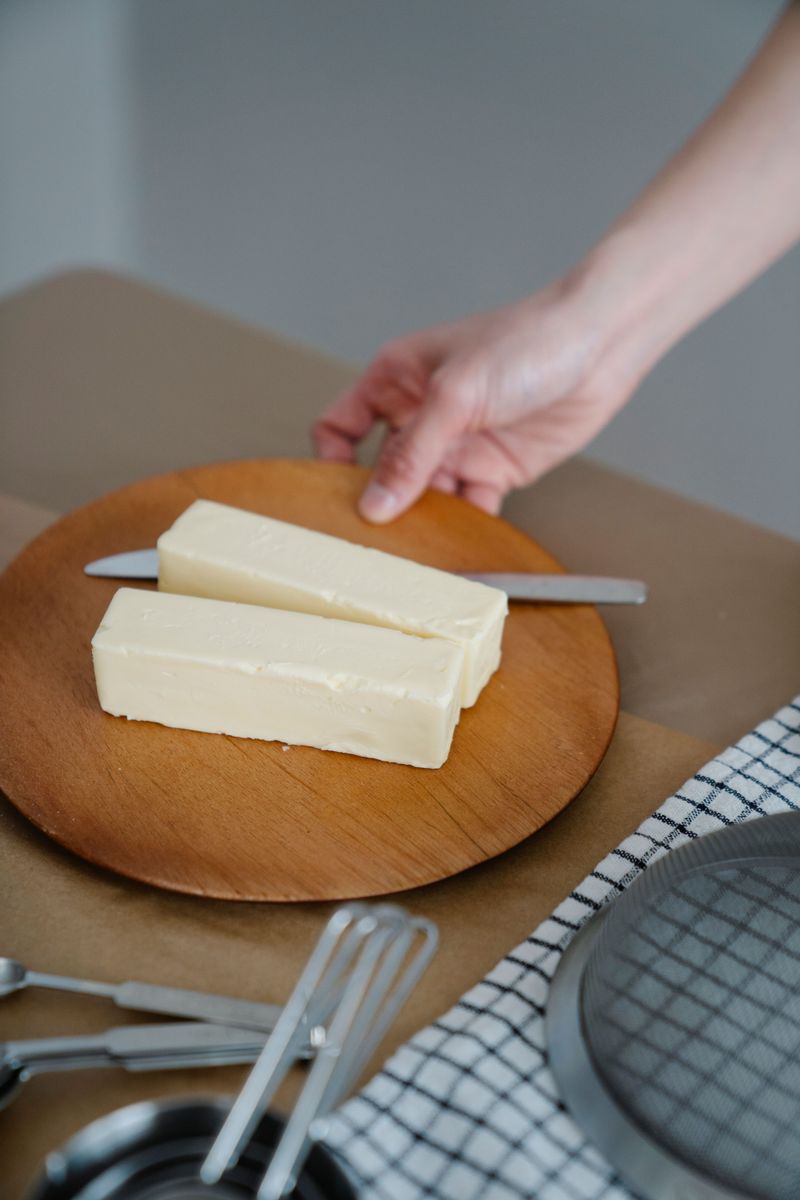
The butter dish looks unchanged, yet sticks sometimes weigh less or hide new shaping. Color runs paler year round thanks to standardized diets and blending.
Cultured or European style labels appear, promising richness even when fat variability is managed tightly. Salt levels shifted, too, adjusting spreadability and shelf perception.
Foil feels thinner, boxes slick with nostalgia. Baking still works, though water content and plasticity can nudge cookie texture.
You spread, you smile, but the dairy story behind it has been massaged for uniform melt and margin. It is classic butter, only tuned for predictability on toast and spreadsheets.
Frozen dinners
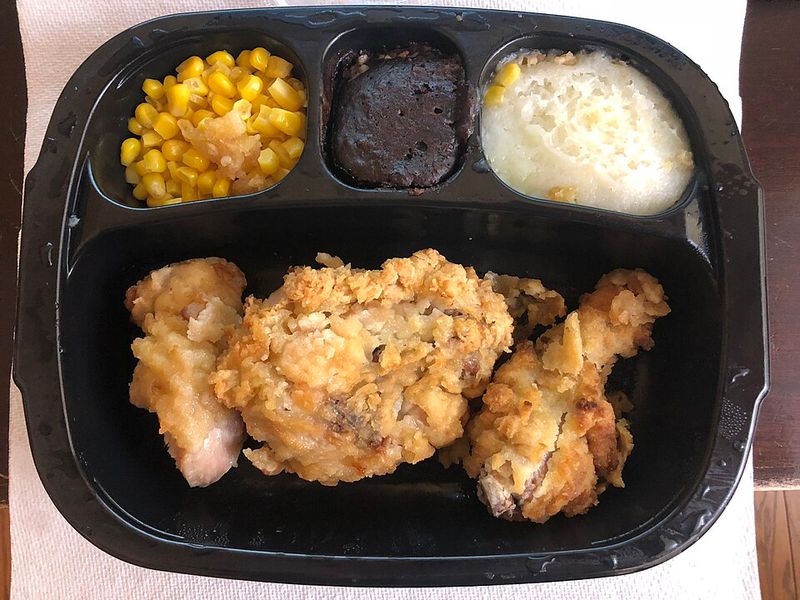
The tray steams like always, yet sauce now does more heavy lifting. Entrees lean on thickeners and bold seasonings to make smaller portions feel satisfying.
Vegetables pop brighter from blanching and glazing, not garden freshness. Protein looks perfect because it was designed to, with marinades that hold moisture under microwave heat.
Calories dropped on paper, while sodium often climbed for punch. Trays slimmed as prices climbed.
You still get weeknight relief, only it is a chemistry lesson in comfort. The meal looks wholesome, tastes fine, and vanishes fast, engineered for five minutes flat and a satisfying throwaway fork clink.
Macaroni and cheese
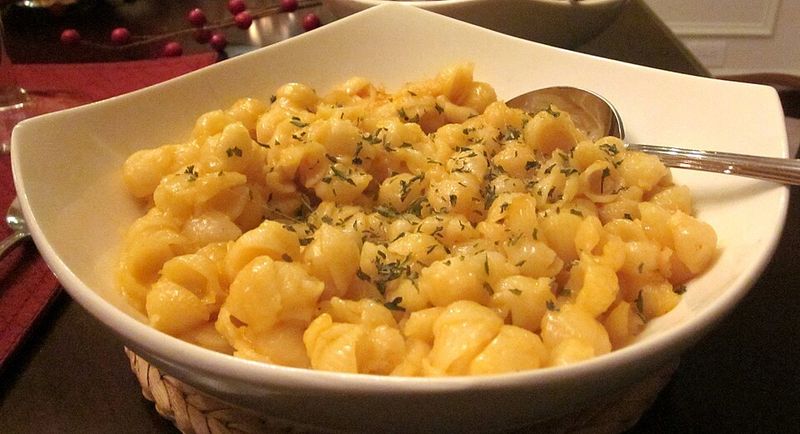
The neon orange you remember now comes from annatto and paprika, not artificial dyes. Sauces feel silkier yet thinner, helped by starches and emulsifiers that deliver creaminess without heavy cheese.
Noodles cook faster and softer, built for quick wins on busy nights. The bowl still comforts, but the cheddar tang steps back.
Boxes quietly lightened while instructions got fussier, asking for precise milk and butter amounts. Protein claims appear, sometimes from added concentrates.
You still stir happily, watching that glossy swirl, only the flavor rides sweetness and salt more than aged cheese. It is weeknight magic, engineered to stretch penny and palate.
Pasta sauce
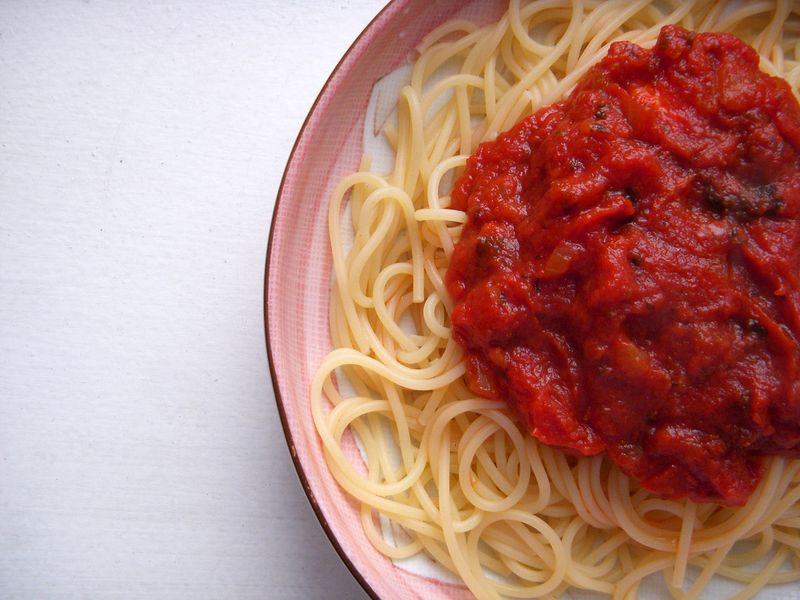
The jar opens to a smooth, almost velvety pour. Tomatoes are milled finer, and added concentrates bring color and sweetness without listing sugar.
Oils and purees cushion acidity so the sauce tastes ready straight from the jar. Herbs arrive dehydrated, blooming briefly before fading under simmer.
Chunky styles survive, but pieces feel uniform, not rustic. Sodium and natural flavors build depth that slow simmers used to.
Jar sizes inched downward while lids and shapes stayed friendly. You still twirl noodles and smile, yet the sauce resembles a recipe optimized in spreadsheets, not a Sunday pot.
Salad dressing
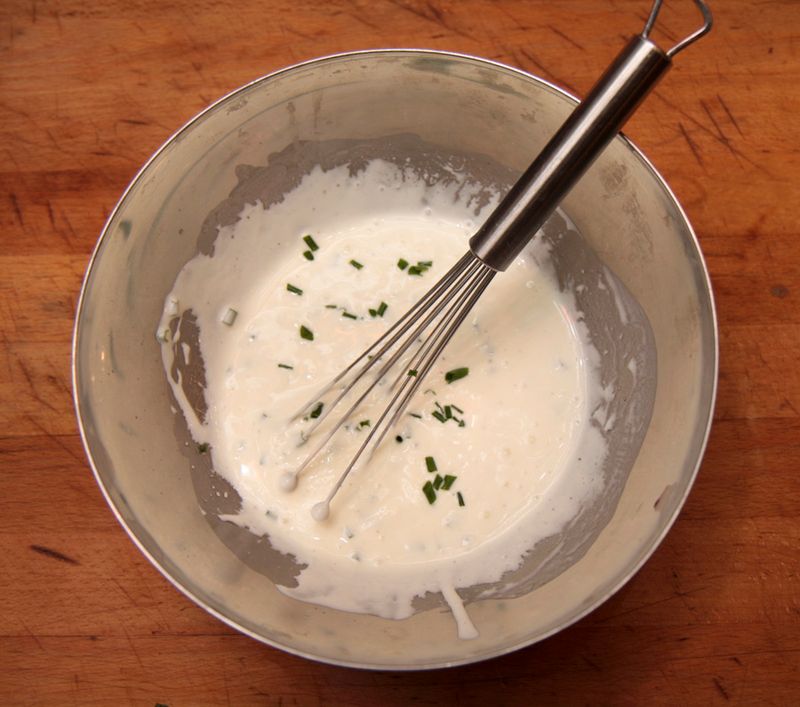
The bottle pours glossy ribbons that hug greens a little too well. Stabilizers, gums, and seed oils create clingy texture that outlasts freshness.
Sugar and acids are tuned for punchy first bites, while herbs come finely milled for consistency. Even vinaigrettes feel thicker, engineered to emulsify indefinitely on store shelves.
Light versions swap fats for starches, maintaining body without real richness. Bottle ounces slipped as caps grew fancier.
You still drizzle and feel virtuous, but the flavor leans snacky, not subtle. It is salad made louder, with ingredients chosen for stability, squeeze appeal, and that satisfying shake before dinner.
Tortilla chips
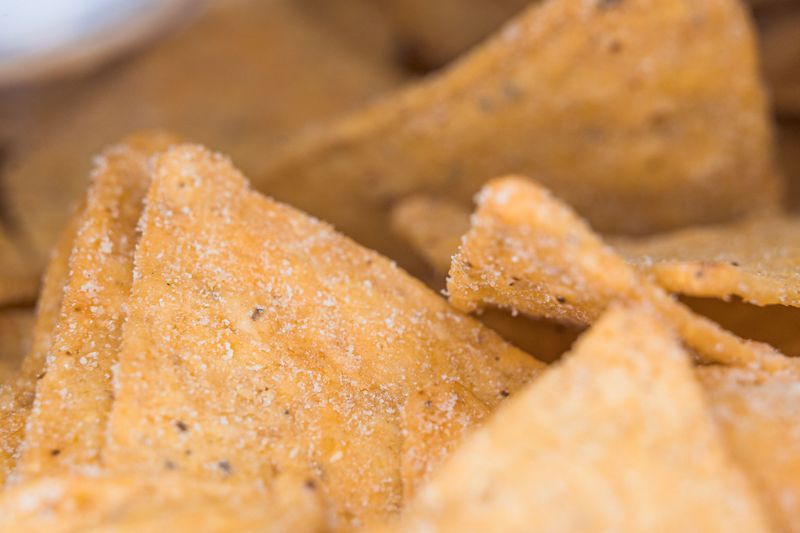
They look restaurant style, but the triangles crack like glass. Thinner cuts and specific corn treatments make chips lighter and louder, perfect for dipping but quick to shatter.
Oil blends and fine salt dust drive addictive snap. Bag volume seems big, yet net weight quietly drifted down.
Yellow hue runs consistent, thanks to selected corn and added color from annatto. Lime flavor often arrives as powder instead of true nixtamal tang.
You still scoop salsa happily, but sturdiness gave way to dramatic crunch. The chip you remember from thick masa now lives as a delicate, photogenic party sound effect.
Boxed cake mix
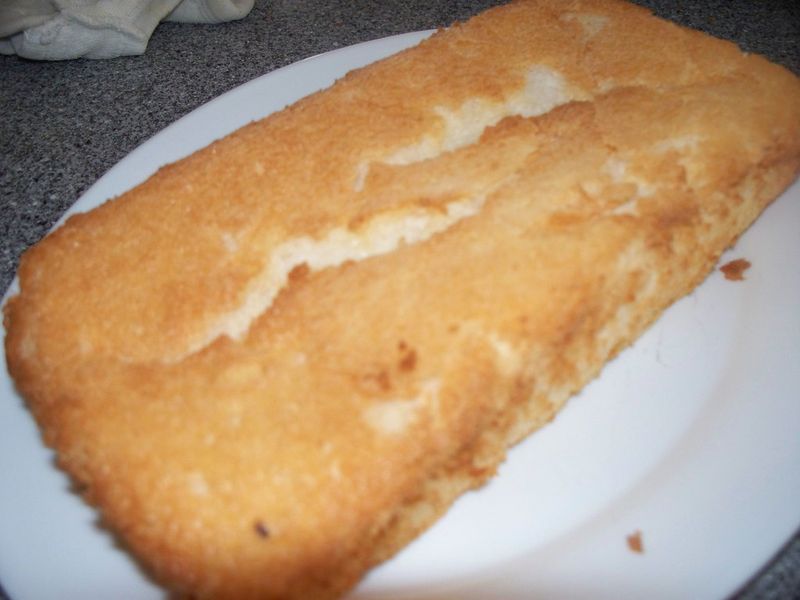
The mix still promises foolproof celebration, but the batter feels lighter and whips taller. Boxes dropped a few ounces while relying on leaveners and emulsifiers to keep volume.
Sweetness leans higher as cocoa or vanilla intensity dips. Oil and water ratios aim for guaranteed rise across countless home ovens.
Instructions now suggest extra eggs or pudding hacks that once were optional. Crumbs bake tight and bouncy, dependable yet less buttery.
You still blow out candles, though the flavor comes more from frosting than cake. It is party proof science, designed to nail birthdays while quietly stretching every penny in the box.
Mayonnaise
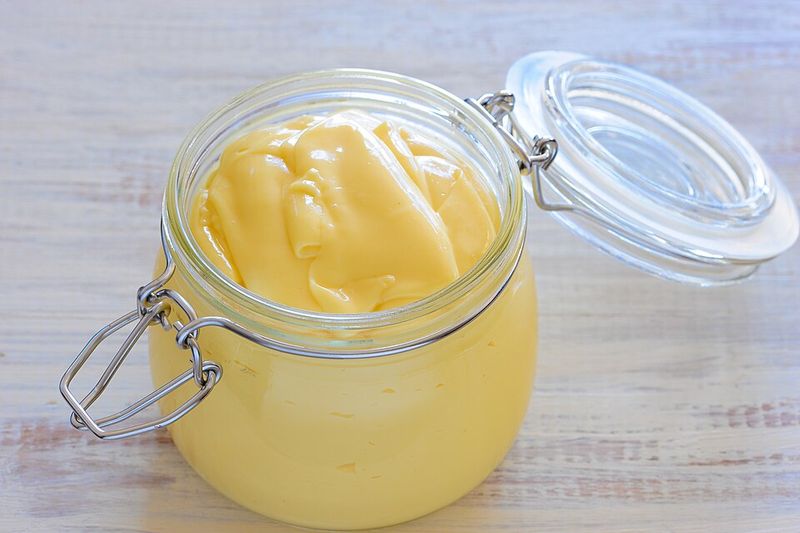
The spoon stands tall in a glossy, almost elastic dollop. Many recipes lean on canola or soybean oils and precision emulsifiers for eternal smoothness.
Flavor tilts sweeter while lemon notes shout brighter than egg. Reduced fat versions swap oil for starch and gums, keeping body but thinning richness.
Jar sizes slimmed as price tags rose. The spread still binds salads and hugs sandwiches, yet the eggy depth is gentler.
You taste stability more than farm kitchen. It is reliable mayo, engineered to never break, glide through squeeze bottles, and make every tomato slice behave like magazine lunch.
Enjoyed this story?
Add Fast Food Club as a preferred source to see more of our reporting on Google.