


Remember when a grocery run felt routine instead of strategic? Lately, everyday staples carry premium price tags, and suddenly you are budgeting for basics you once tossed in the cart.
Here is a look at the quiet culprits that crept up in cost and why they sting so much. Keep reading for smart swaps, saver tips, and perspective on stretching flavor without stretching your wallet.
Eggs
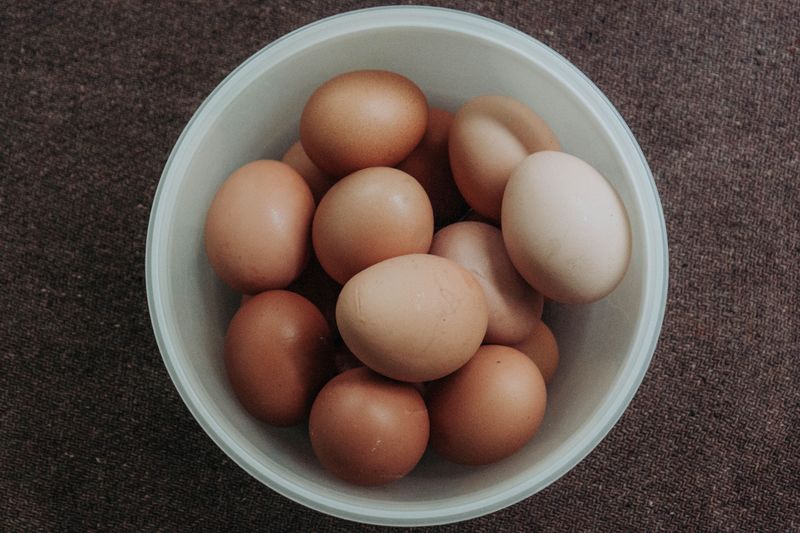
Remember grabbing a dozen eggs without thinking? Prices jumped, and suddenly breakfast felt like a splurge.
You still want fluffy scrambles, golden yolks, and weekend pancakes binding just right. The sticker shock hits hardest when a simple carton costs more than specialty snacks.
To stretch them, shop warehouse sales, try store brands, and rotate in oatmeal or tofu scrambles. Bake smarter with aquafaba for meringues, or mix one egg with yogurt in muffins.
For value, compare price per egg, not per carton size. When prices dip, stock up and meal prep breakfast burritos for quick, freezer friendly mornings.
Bacon
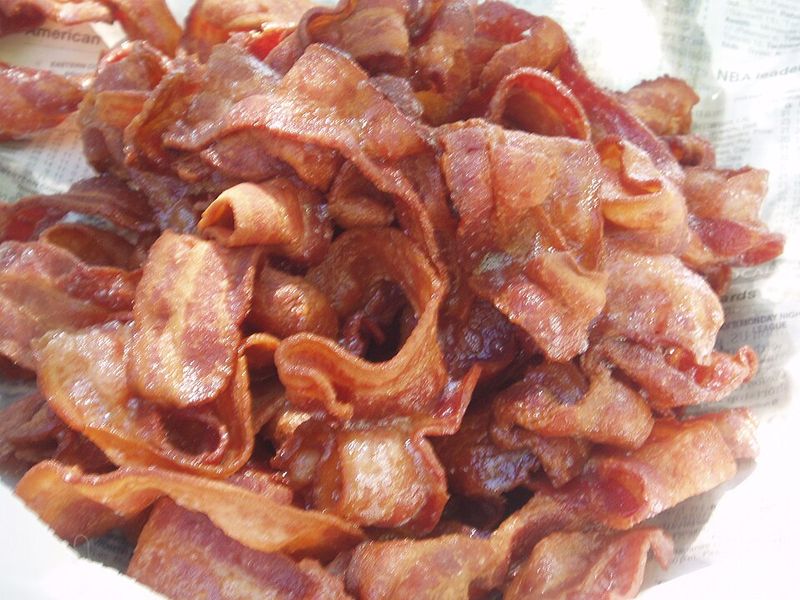
Bacon used to be an easy treat, tossed into Saturday breakfasts or BLTs without debate. Now a single pack can rival dinner, and you weigh every strip like it is gold.
Supply swings, processing costs, and demand stacked the price higher.
To cope, buy thick cut so a little feels satisfying, render fat for cooking veggies, and freeze portions. Consider pancetta ends, turkey bacon, or smoky mushrooms as cheaper options.
Look for multi buy deals and compare unit prices. When you crave that sizzle, a few thoughtfully crisped slices can still transform brunch without flattening your budget.
Butter
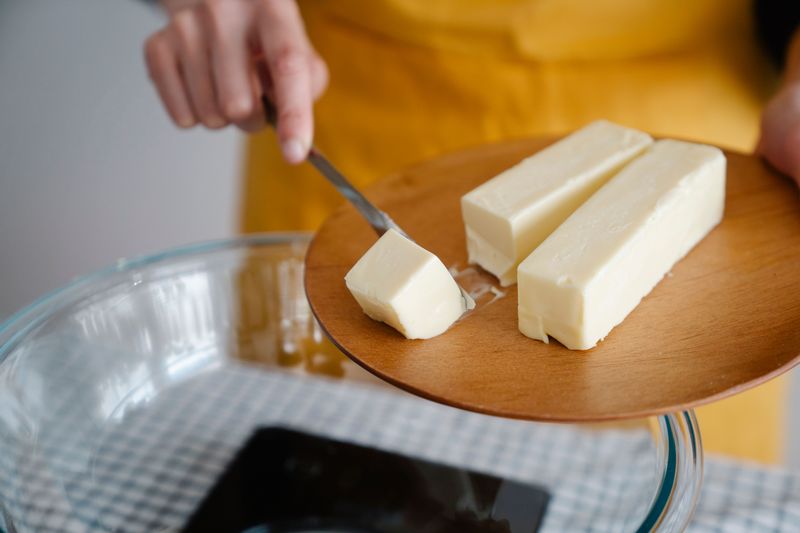
Butter once felt effortless, a quiet staple for toast, baking, and pan sauces. Lately the price can make you pause mid aisle, recalculating recipes with every stick.
Dairy feed, labor, and transportation add up, and the totals land in your cart.
Stretch it by browning butter for deeper flavor, then using less. Bake with half butter, half neutral oil in muffins and quick breads.
Keep salted butter for table use and unsalted for recipes, maximizing versatility. Freeze extra when on sale, and try cultured butter for a more impactful taste.
A little richness goes surprisingly far with intention.
Ground beef
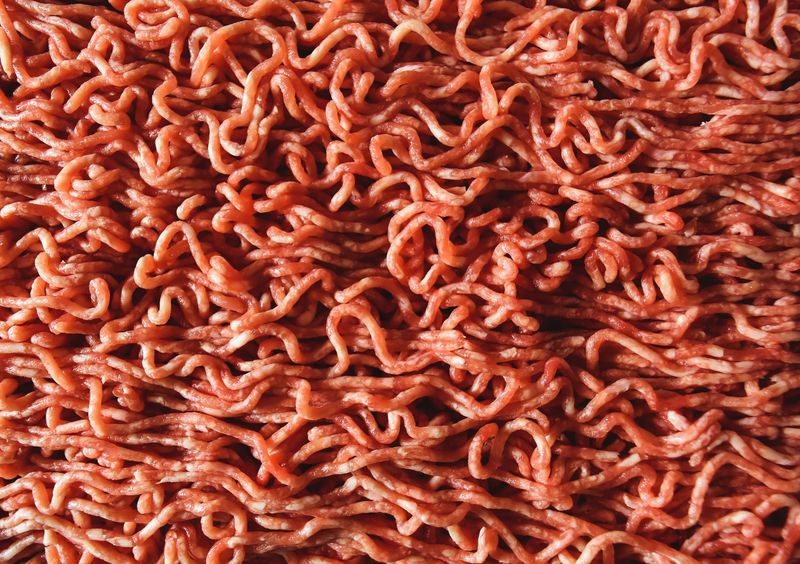
Ground beef used to anchor weeknight dinners without question. Burgers, tacos, and meatballs felt affordable, filling, and friendly to leftovers.
Now, prices climb and fat percentages complicate the math, making leaner blends even pricier.
Stretch flavor with mushrooms, lentils, or grated zucchini folded into the mix. Brown deeply to build fond, then finish with stock for juiciness.
Shop value packs, portion and freeze, and chase manager specials before dinner rush. Consider chili with beans or shepherd’s pie crowned with mashed potatoes.
When quality matters, buy less but season smarter, and you will still get hearty meals without missing the mark.
Steak
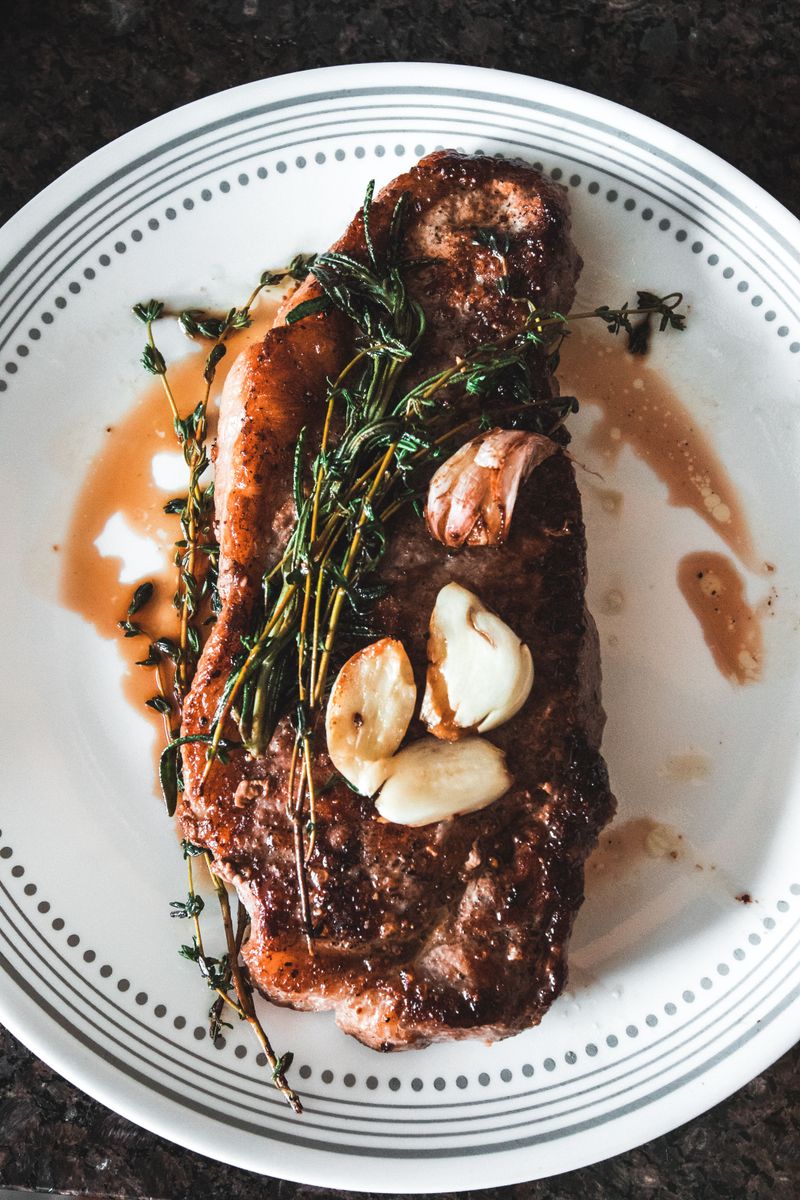
Steak has shifted from impulse buy to special occasion. Even modest cuts can hit premium numbers, and ribeyes or strips feel like mini celebrations.
Inflation, feed costs, and limited supply tightened choices, so every purchase needs a plan.
Choose value cuts like hanger, flank, or sirloin cap, then marinate for tenderness. Reverse sear to nail doneness and reduce waste.
Slice thinly across the grain to stretch portions over salads, bowls, or tacos. Check butcher counters late for markdowns, and buy whole subprimals if you can portion at home.
When treated thoughtfully, even budget steaks deliver restaurant level satisfaction.
Shrimp
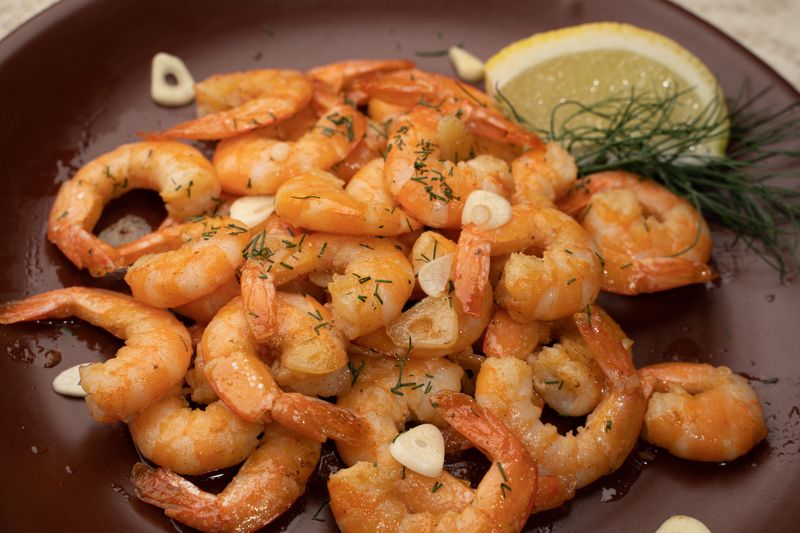
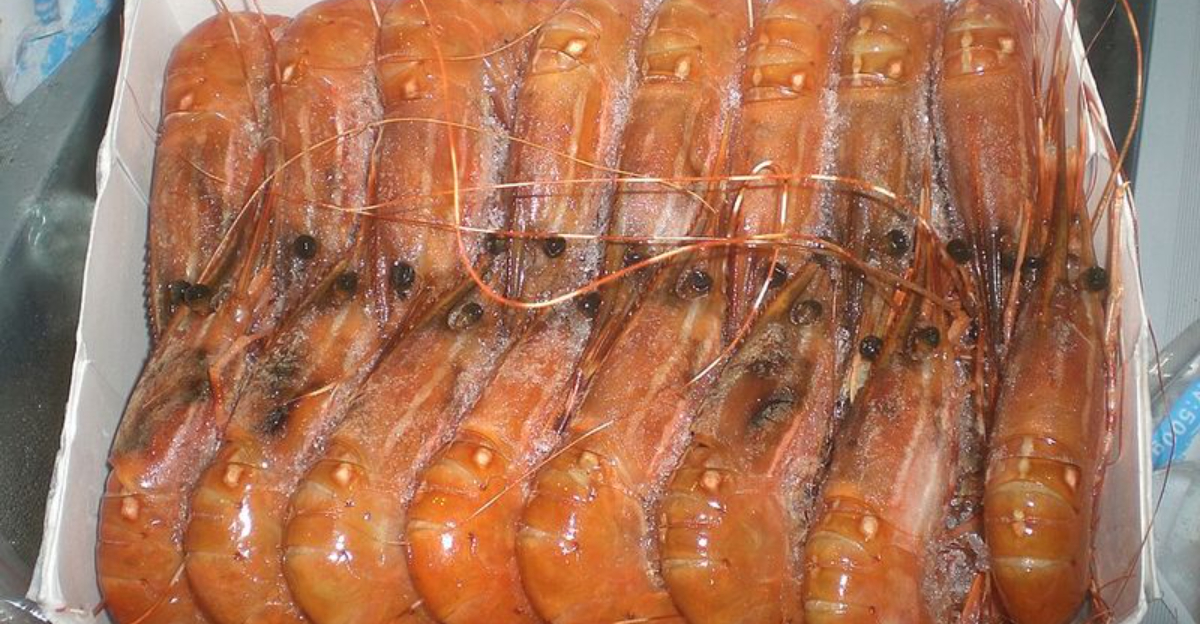
Shrimp used to be the easy seafood splurge for weeknights. Now a pound can rival fancy takeout, especially for larger sizes.
Supply disruptions and fuel costs do not help, and you feel it every time you plan scampi.
Buy frozen, not thawed, for better value and less waste. Choose smaller sizes like 31 to 40 count and let sauces shine.
Quick brines prevent rubbery textures, and shells make flavorful stock. Stir fry with vegetables or toss into fried rice to extend portions.
When sales hit, portion into freezer bags and label. A few ounces per serving still tastes luxurious.
Salmon
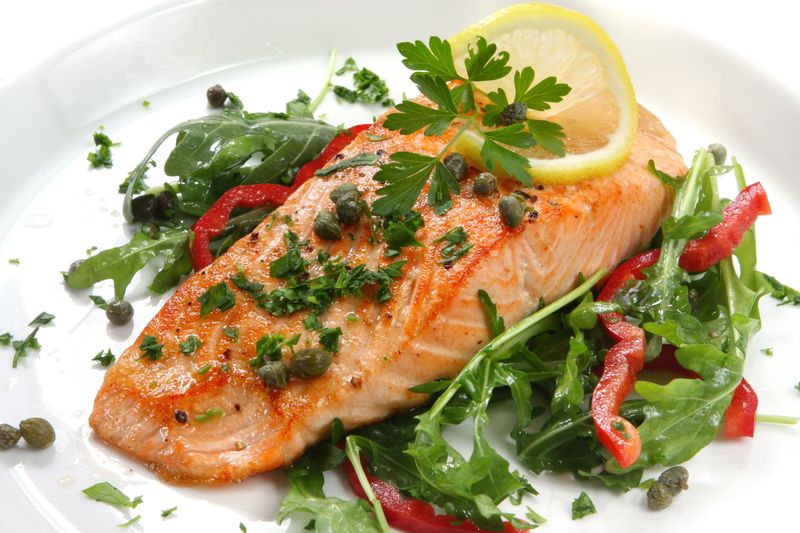
Salmon went from weekly rotation to think twice territory. Fillets, especially wild, carry premium pricing that can derail meal plans.
Sustainability choices and seasonal availability add complexity, making timing and type matter.
Opt for frozen fillets or value oriented species like pink or keta for budget saves. Roast low and slow, then flake into bowls, pasta, or chowder to stretch.
Canned salmon is underrated for patties and salads. Compare per ounce costs between portions and sides.
When you want wild, buy in season and freeze. With lemon, herbs, and good technique, affordable salmon still tastes bright and satisfying.
Coffee
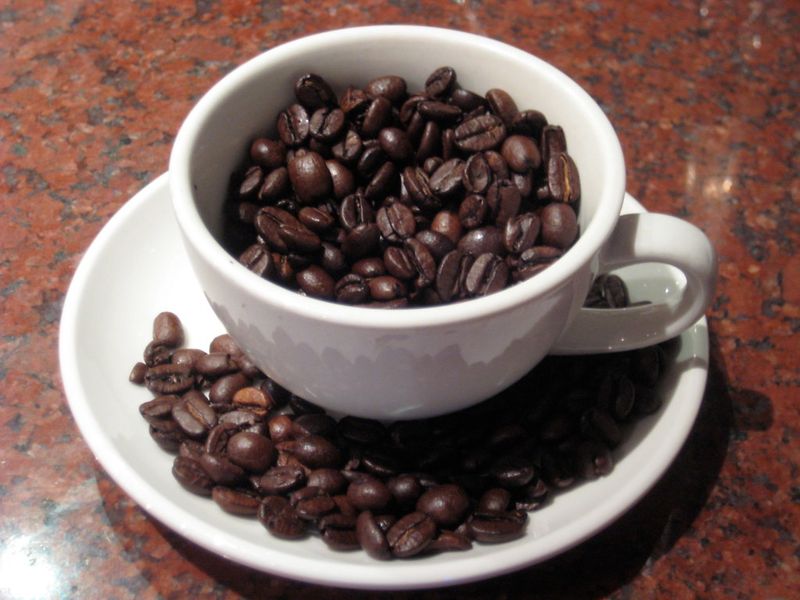
Coffee used to be an automatic restock. Now each bag or pod prompts a quick mental budget check.
Beans, shipping, and cafe wages influence prices, and that daily comfort adds up faster than expected.
Buy whole beans, grind at home, and brew with a pour over or French press for value. Choose medium roast blends for consistency, then dose precisely with a scale.
Store beans airtight and freeze backups in small batches. Skip single use pods and explore reusable filters.
If you love lattes, invest in a simple milk frother. You keep the ritual, spend less, and savor better cups.
Olive oil
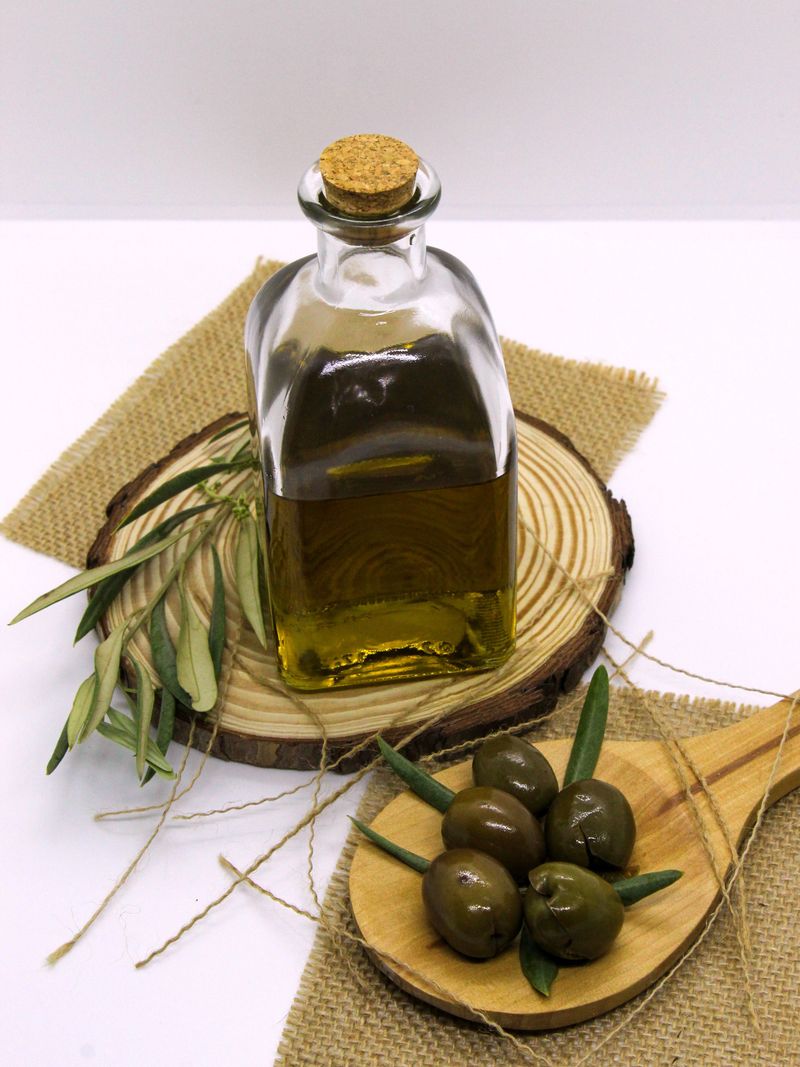
Olive oil’s price hikes sting because it touches almost every meal. Weather swings and harvest issues ripple into shelves, and quality grades vary wildly.
You notice the pinch most when a favorite bottle doubles in cost.
Split usage: a solid everyday extra virgin for cooking, and a small premium bottle for finishing. Buy larger formats only if you will use them before flavor fades.
Check harvest dates, not vague tasting notes. For searing, use neutral oil, then finish with olive oil for aroma.
Consider robust regional blends for value. With thoughtful pairing, you still get peppery brightness without draining your budget.
Cheese
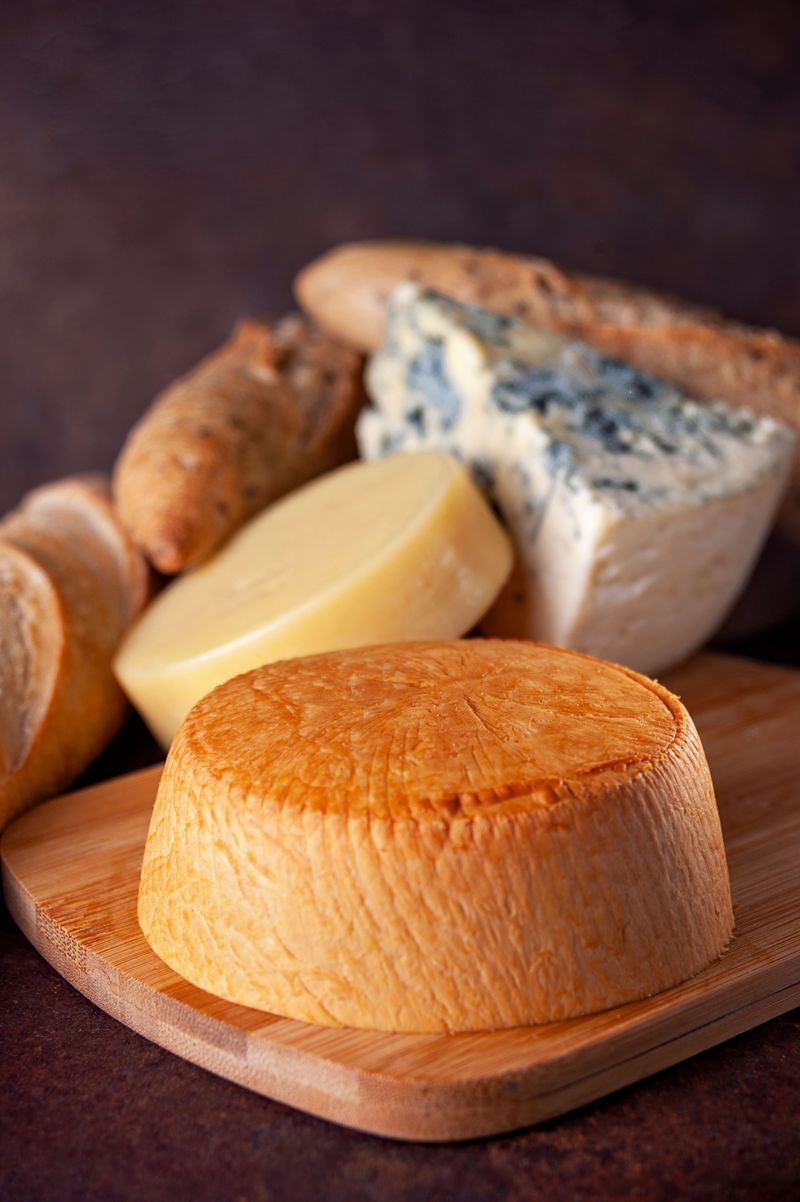
Cheese boards used to feel friendly to the wallet. Now sharp cheddars, goudas, and especially specialty imports can shock at checkout.
Milk costs, aging time, and transport stack up, and portions disappear fast at gatherings.
Choose flavorful styles so smaller bites satisfy, like aged cheddar, parmesan, or blue. Grate rather than slice to stretch over pasta and eggs.
Buy whole wedges, not pre shredded, and store properly in breathable wrap. Shop ends and trimmings for bargains.
Build boards with nuts, fruit, and pickles to balance portions. You still get big flavor moments while spending intentionally instead of impulsively.
Fresh berries
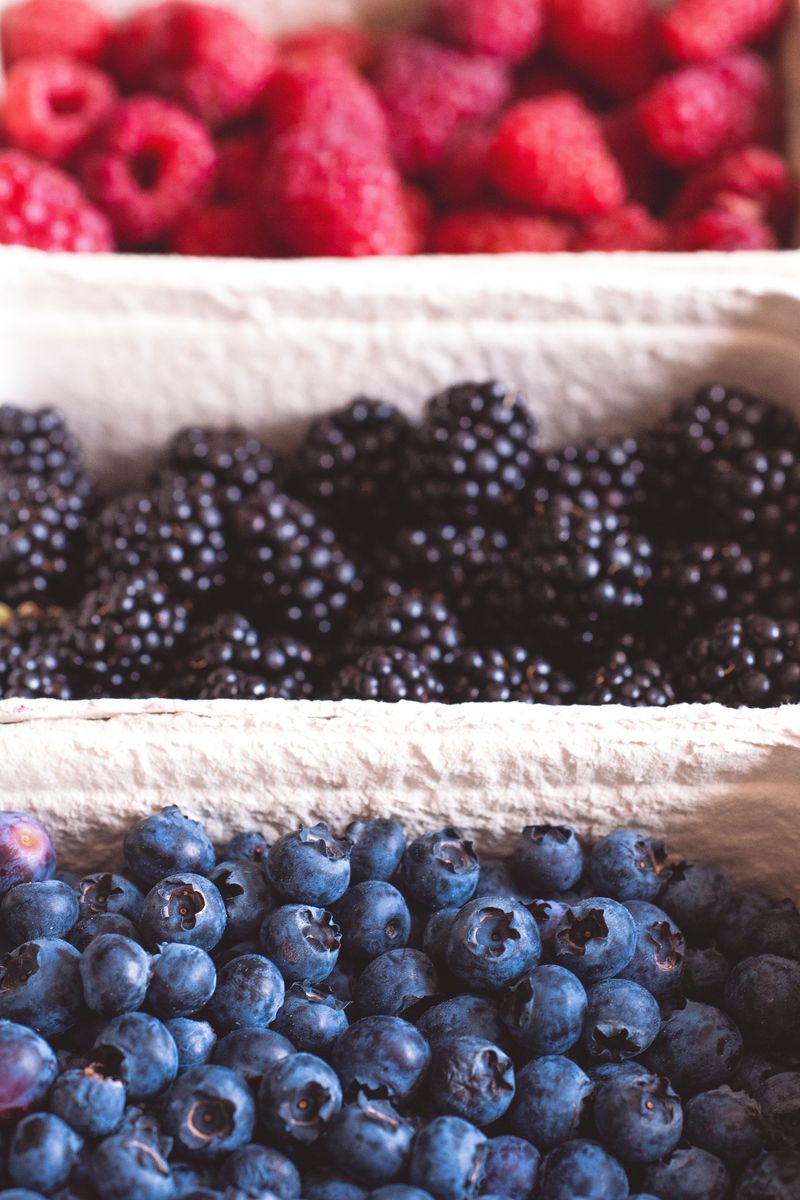
Berries are tiny joy bombs that now feel like luxury items. Raspberries vanish in a day, blueberries travel better, and strawberries swing in price with the season.
The cost of delicate fruit plus transport makes each carton precious.
Buy in peak season, freeze extras on a sheet tray, and stash for smoothies or baking. Choose firm, dry fruit and avoid soggy spots.
Stretch flavor with yogurt parfaits, oats, and pancake compotes. When prices spike, grab frozen blends for equal nutrition.
Wash only before eating to extend freshness. You still get that summer sparkle, just with smarter timing and storage.
Orange juice

Orange juice used to be the default breakfast pour. Citrus diseases, weather, and supply shifts pushed prices higher, and cartons feel slimmer every year.
You notice servings stretching thinner with each brunch.
Buy concentrate and dilute to taste, or juice whole oranges when sales hit. Mix with sparkling water for a lighter spritz that lasts longer.
Compare not from concentrate versus refrigerated for value and flavor. Freeze cubes for smoothies so nothing spoils.
Sometimes a splash is all you need to brighten mornings. With a few tweaks, that sunny glass returns without dimming your grocery budget.
Avocados
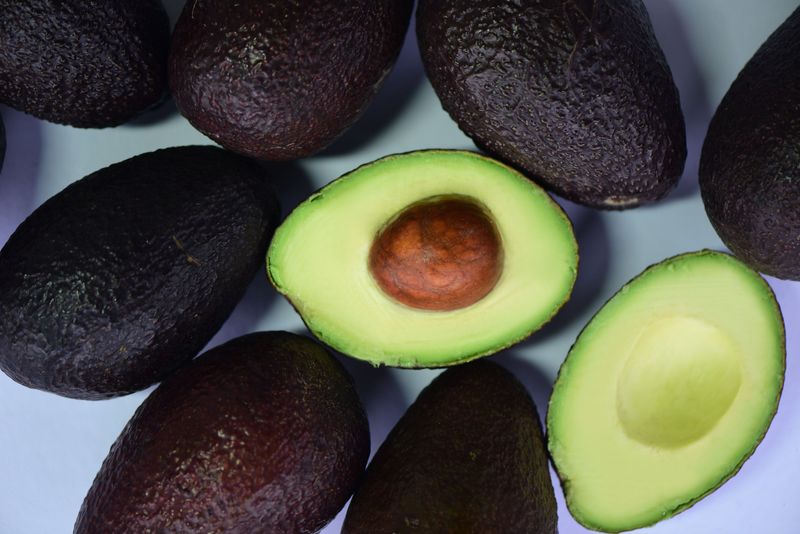
Avocados flirt with luxury now, especially outside peak season. Ripeness roulette plus higher prices can make guacamole feel extravagant.
Freight and weather ripple through costs, and waste hurts when timing is off.
Buy firm fruit in different stages to stagger ripening. Store uncut avocados in the fridge to slow them down.
Mash with peas or edamame to stretch guac without losing creaminess. For toast cravings, slice thinner and add crunchy toppings for contrast.
Shop bagged deals and check stem buttons for readiness. With planning, you still get buttery bites while skipping the panic checkout totals.
Deli meat
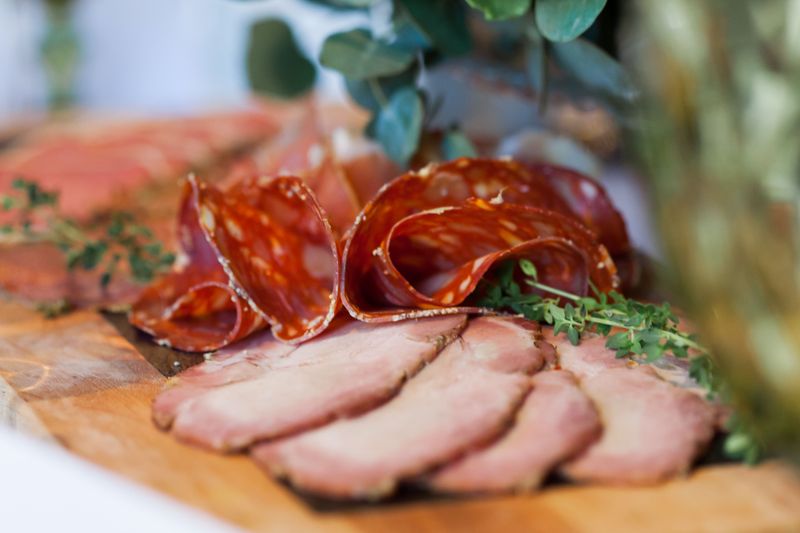
Deli meat turned from convenience hero to checkout surprise. Per pound prices climb fast, and sodium packed packages do not always feel worth it.
Yet sandwiches save busy weeks, so the struggle is real.
Ask for slightly thicker slices so fewer fill a sandwich. Mix with crunchy veg, pickles, or hummus to stretch protein.
Consider roasting your own turkey breast or pork loin for better value and fewer additives. Buy half pounds, not full, to avoid waste.
Freeze paper wrapped portions for quick lunches. You still get stackable layers of flavor while keeping spending in realistic territory.
Honey

Honey’s price creeps up quietly until a refill stings. Weather, bee health, and regional production shape costs, and authentic varieties command premiums.
You feel it most in baking, tea, and quick dressings.
Buy larger jars from trusted local sources when possible, then decant into small squeezers. Use a measured squeeze and add citrus or warm spices to amplify sweetness.
Compare unit prices and beware blends that hide corn syrup. For marinades, cut honey with fruit juice.
A drizzle can be enough to make roasted carrots or yogurt shine. With mindful portions, that golden jar lasts beautifully.
Vanilla extract

Vanilla extract went from background note to budget alarm. Crop swings and labor make real vanilla costly, and tiny bottles now feel like indulgences.
Baking without it can seem risky, but flavor has workarounds.
Use half the amount and add orange zest or a splash of bourbon for complexity. Try vanilla paste for intensity that stretches further.
For everyday bakes, combine a little pure extract with imitation to balance cost and taste. Store tightly capped away from heat.
When sales appear, buy a backup. With smart pairing, cookies and custards still taste nostalgic without draining your wallet.
Walnuts
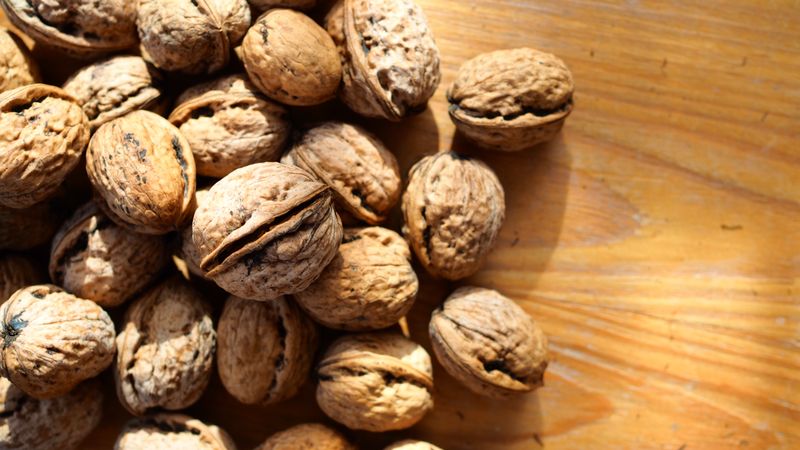
Walnuts climbed in price, and those heart healthy handfuls suddenly feel precious. Baking, salads, and snacking add up quickly when a bag carries a premium.
You start counting pieces instead of sprinkling freely.
Buy in bulk when fresh, then freeze to protect oils and extend life. Toast lightly to boost flavor so smaller portions satisfy more.
Mix with sunflower seeds to stretch without losing crunch. For baking, swap half with oats or crisped rice.
Compare halves versus pieces for savings. With a little strategy, you still get that earthy richness without turning every recipe into a splurge.
Pecans
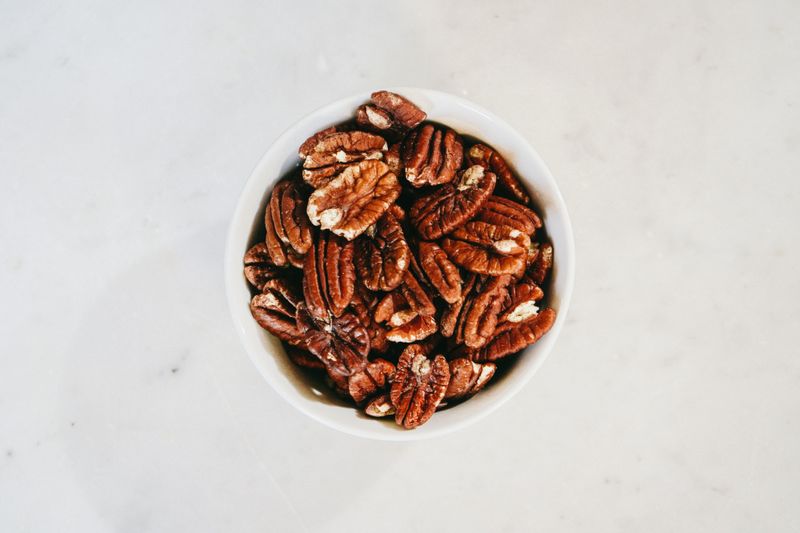
Pecans feel like dessert gold now. Pies, pralines, and salads absorb pricey handfuls in a blink.
Weather and harvest variability keep costs high, especially for large, pretty halves.
Buy pieces for baking where appearance matters less. Toast with a bit of oil and salt to intensify flavor.
Use pecans as a finishing touch rather than a bulk mix in. Blend with cheaper nuts for granola and trail mixes.
Store in the freezer to prevent rancidity. Watch for holiday sales, then stock up smartly.
You still get buttery crunch in every bite without sending your budget spiraling during baking season.
Chicken wings
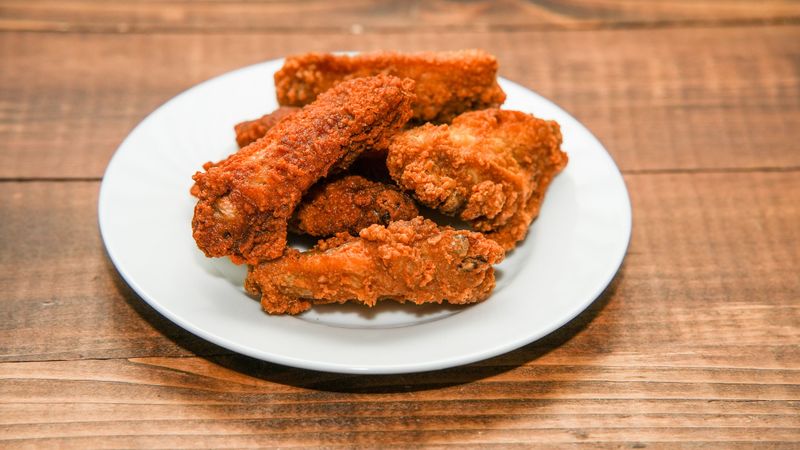
Wings were once the budget party hero. Demand from restaurants and home cooks pushed prices higher, and game day platters feel pricier than thighs or drumsticks.
You notice the difference when a family pack costs like steaks.
Buy whole wings and break them down yourself. Bake on racks for crispness, then toss in bold sauces so smaller portions satisfy.
Consider drumsticks for better value with similar vibes. Stretch with veggie sticks, slaws, and cornbread.
Shop before big sports weekends to avoid markups. With smart timing and technique, you still get that sticky, finger licking payoff without overspending.
Artisan bread
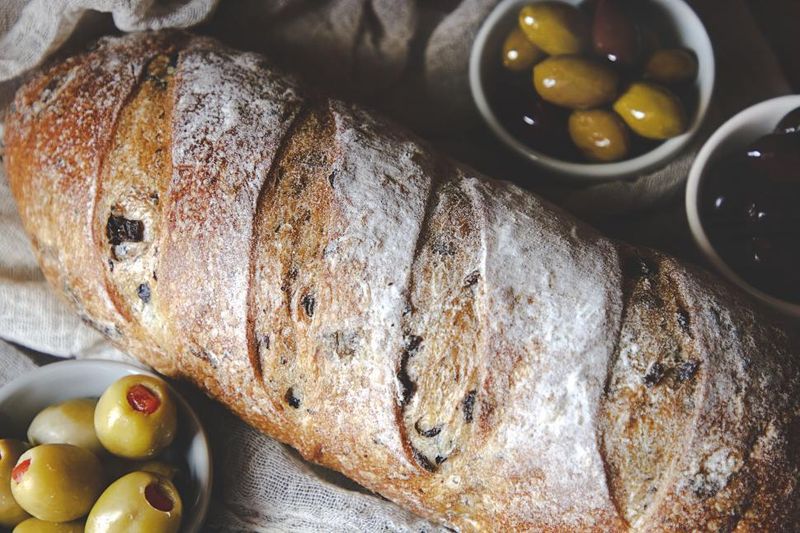
That crackly sourdough once felt like an easy add to the basket. Now a single loaf can cost as much as a full lunch.
Flour, labor, and long fermentation time explain the price, but it still stings.
Stretch loaves by slicing thinner and freezing half. Revive day old bread with a quick splash of water and a hot oven.
Make panzanella, croutons, or French toast so nothing wastes. Try baking a simple no knead loaf at home for pennies.
When you want the bakery magic, savor it across meals. Every slice feels intentional, not impulsive.
Frozen seafood
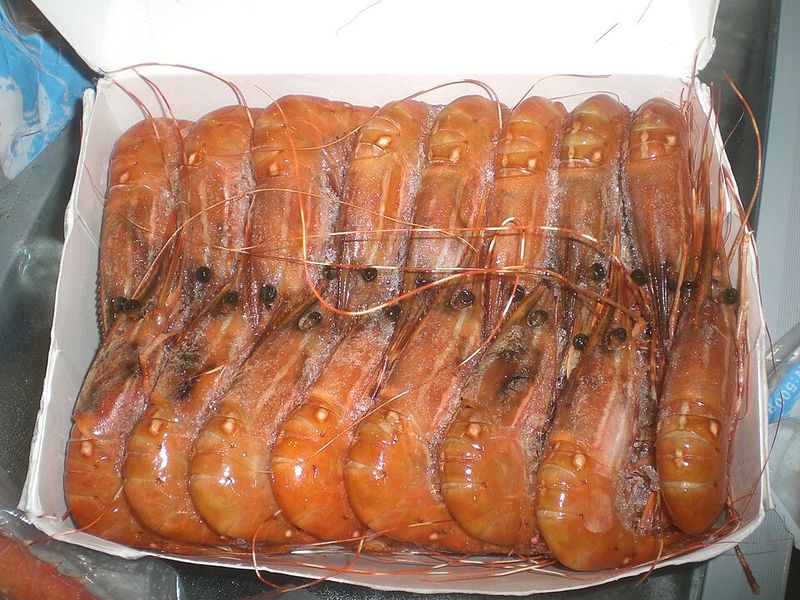
Frozen seafood used to guarantee convenience and value. Lately, even bags of mixed fillets or breaded options can rival fresh prices.
Shipping, fuel, and processing add layers that your receipt can feel.
Compare species and country of origin, then buy plain fillets over heavy sauces. Keep a bag of mussels or fish for quick pastas and stews that stretch.
Portion control matters, so weigh servings before cooking. Use freezer paper or bags to prevent burn and waste.
When you season boldly, affordable options still deliver. A seafood night can feel special without capsizing your budget.
Enjoyed this story?
Add Fast Food Club as a preferred source to see more of our reporting on Google.